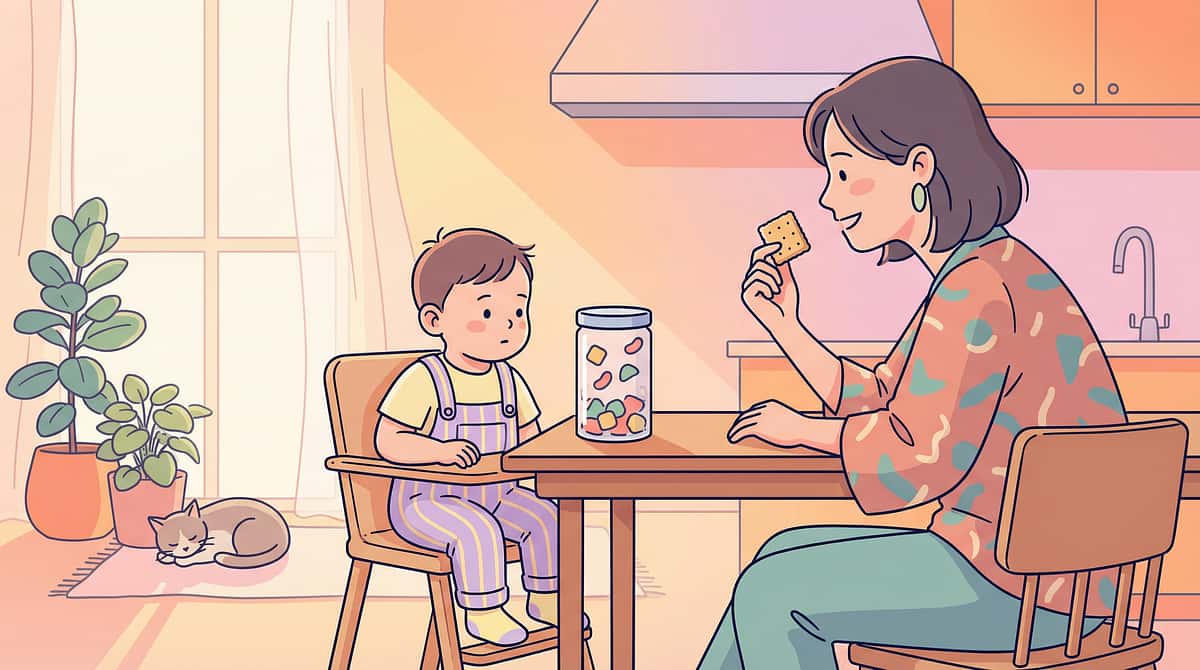
"He KNOWS the word 'more.' He just never uses it — until I ask."
Every meal. Every playtime. You anticipate, you offer, you guess. And your brilliant child — the one who CAN speak — waits. You are not failing. You are not over-helping. Your child's communication pathway just needs a reason to fire.
Communication Temptations
Technique L-926
The art of creating the need to communicate
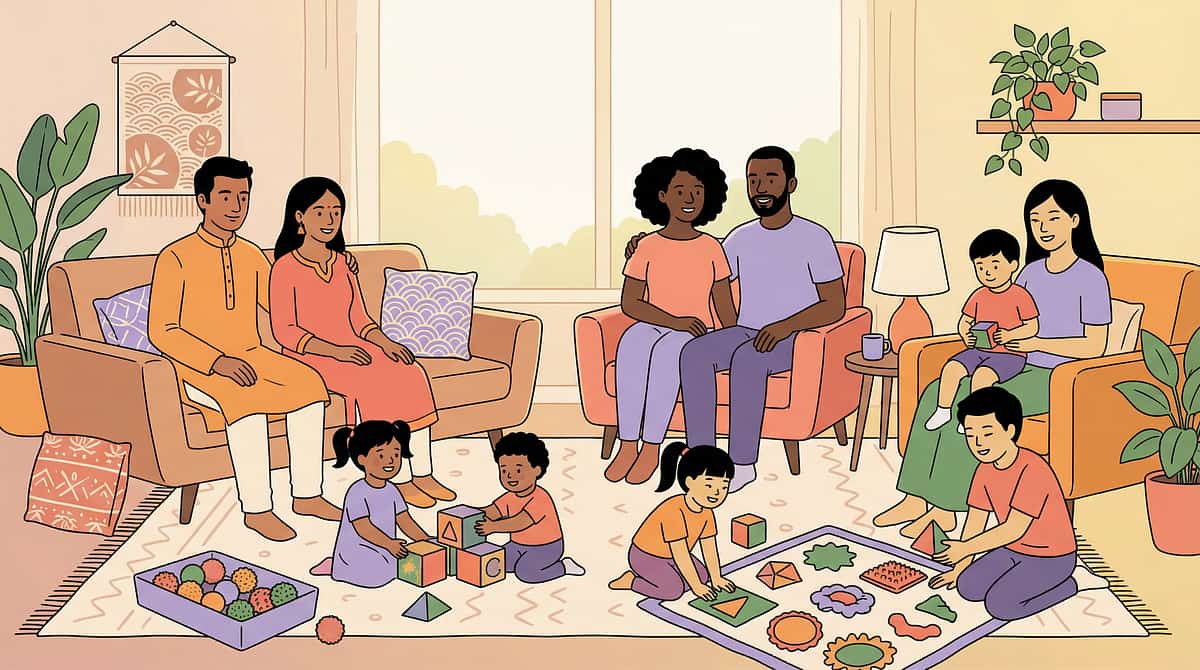
Millions of families are watching their child wait to be understood.
Your child having the vocabulary but not using it spontaneously is one of the most common — and most misunderstood — profiles in early childhood communication. It is not stubbornness. It is not manipulation. It is a gap in communicative motivation — the natural drive to use language because language WORKS.
50–70%
Reduced Spontaneous Communication
Children with ASD have significantly reduced spontaneous communication compared to prompted communication
1 in 36
Global Autism Diagnosis
Children diagnosed with autism globally — all navigating the communication gap
3–4 yrs
Average Delay
Before families receive structured communication temptation guidance
Across Pinnacle's 70+ centres and 20M+ therapy sessions, this pattern appears repeatedly: children who speak when prompted but wait passively otherwise. India has an estimated 18 million children with autism spectrum presentations. Across Pinnacle's network alone, spontaneous communication building is among the top 3 treatment targets for children aged 1–7. You are among millions of families on this exact journey. Communication temptations are the evidence-based answer.
📞FREE National Autism Helpline — 9100 181 181 | 16+ languages | 24×7 | pinnacleblooms.org
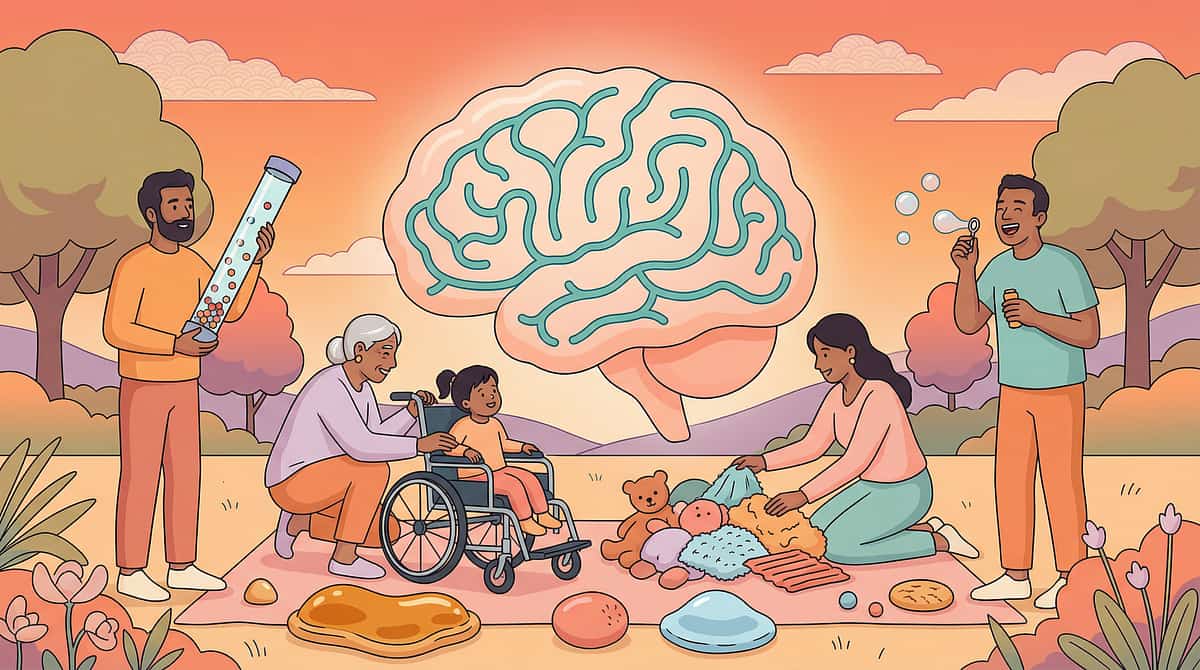
Your child's words exist. The motivational pathway to USE them needs activation.
The Communication Motivation Circuit
01
Prefrontal Cortex
"I WANT this"
02
Limbic System
"This MATTERS to me"
03
Broca's Area
"Here are the WORDS"
04
Motor Cortex
"SPEAK now"
When needs are anticipated before the child communicates, this circuit gets bypassed.
The SLP Explains
Language develops because it WORKS. Children learn to speak when speaking reliably produces outcomes they want — a toy, a snack, a hug, a continuation of play. This is called functional communication.
When caregivers become expert anticipators — reading signals before the child communicates — the brain's communication motivation circuit loses its reason to activate. The words are there. The pathway is there. The motivating operation — the "I need to communicate this to get what I want" — is absent.
Communication temptations restore the motivating operation. They create situations where communication is the bridge between wanting and getting. Not through withholding or frustration — through strategic, playful, immediately-rewarded invitations.
"This is not a behaviour problem. This is a motivational pathway that needs purposeful, joyful activation." — Pinnacle SLP Consortium

Communication develops in a predictable sequence. Here is exactly where your child is — and where they're heading.
1
6–9 Months
Pre-intentional communication — gaze, reaching
2
12 Months
First intentional communication — pointing, giving
3
18 Months
First words — word + gesture combinations
4
24 Months
2-word combos — "more milk"
5
36 Months
Sentence building — "I want that toy"
⚡CHALLENGE ZONE: "Has words but waits for prompts" — typically emerges at 18–36 months. Your child is here. Communication temptations are the bridge forward.
What Commonly Co-Occurs
Reduced eye contact during communication
Preference for gesture/pointing over words
Excellent receptive language (understands everything)
Vocabulary present but not spontaneously deployed
High caregiver attunement to non-verbal signals
WHO Care for Child Development Package: By 24 months, children should be initiating communication spontaneously across multiple functions — requesting, commenting, protesting, greeting. When this doesn't emerge naturally, structured language elicitation techniques are indicated.

Communication Temptations: Validated at the Highest Level of Clinical Evidence
🛡️ LEVEL I EVIDENCE
Systematic Review + RCT
Clinically Validated
NCAEP 2020 Systematic Review
Environmental arrangement and mand training are classified as evidence-based practices for autism intervention across all age groups (birth–22 years). Applicable across all communication modalities. Source: National Clearinghouse on Autism Evidence and Practice Report, 2020
Hanen Centre Research (1990s–present)
Parent-implemented communication temptation strategies, including "It Takes Two to Talk" and "More Than Words" programmes, demonstrate significant gains in spontaneous communication initiation when caregivers are trained in environmental arrangement.
ABA: Mand Training (Sundberg & Michael, 2001)
Teaching requests (mands) via motivating operations — including communication temptations — produces the most durable and generalisable communication gains. This principle underlies modern naturalistic language teaching.
Incidental Teaching (Hart & Risley, 1975; McGee et al., 1999)
Incidental teaching embedded in communication temptation environments produces spontaneous language gains superior to structured drill formats. Children maintain and generalise skills more robustly.
India RCT (Padmanabha, 2019)
Home-based parent-implemented naturalistic language intervention demonstrated significant spontaneous communication gains in Indian children with autism aged 2–6. DOI: 10.1007/s12098-018-2747-4 | Indian Journal of Pediatrics
100%
Strong Evidence
16+ studies | Multiple systematic reviews | Evidence-based practice designation | Multi-country replication
ACT II: KNOWLEDGE TRANSFER
Communication Temptations: What This Technique Is
Technique Identity
Formal Name: Communication Temptations / Environmental Arrangement for Language Elicitation
Parent-Friendly Alias:"The Art of Creating the Need to Talk"
Reel Code: L-926 | Domain: Speech-Language Pathology
Age: 1–7 years | Duration: 5–20 min embedded in daily routines | Frequency: Multiple times daily
Modalities: Verbal, Signs, AAC, Gesture
Definition
Communication Temptations are purposeful environmental arrangements that create natural opportunities — or gentle, playful "need" — for a child to communicate. Instead of anticipating and meeting all needs before the child communicates, adults strategically set up situations where communication is necessary or highly motivating.
This might include placing desired items in sight but out of reach, giving incomplete materials, creating silly mistakes, or "forgetting" routine steps. The goal is not frustration but motivation — creating just enough communicative need that the child is motivated to communicate using whatever modality they have: eye contact, gestures, signs, pictures, or words.
Communication temptations leverage the child's natural desires and motivations to make communication functional, meaningful, and immediately rewarding.
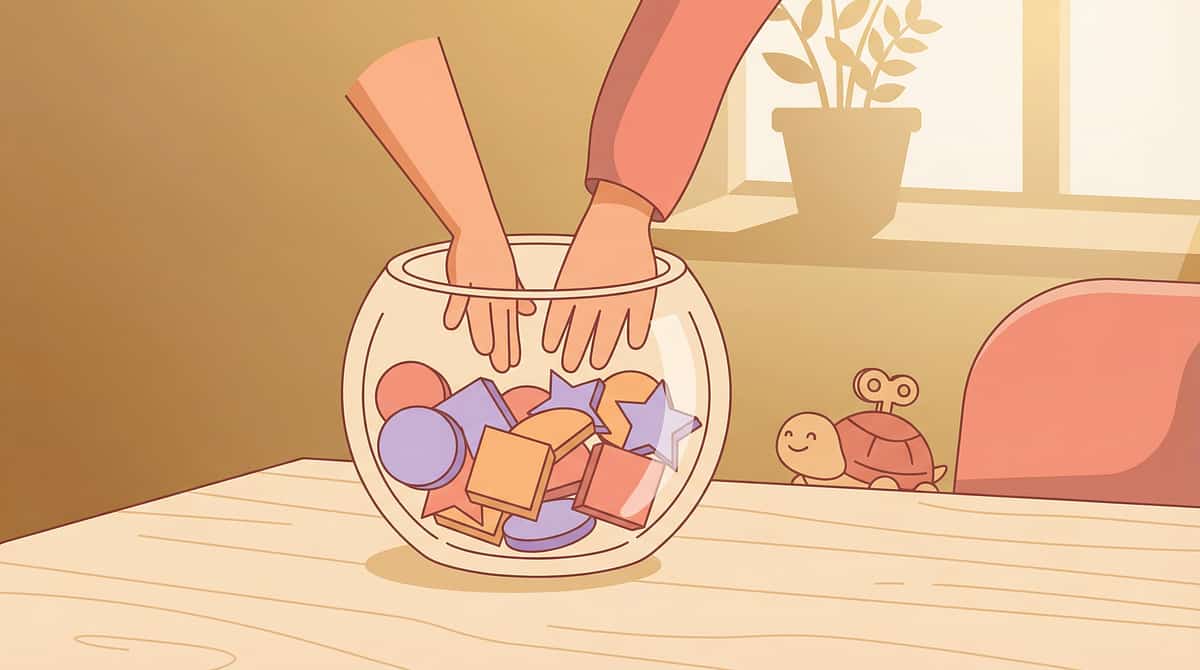
Clear Containers
Wind-Up Toys
Bubbles
Incomplete Sets
Balloons
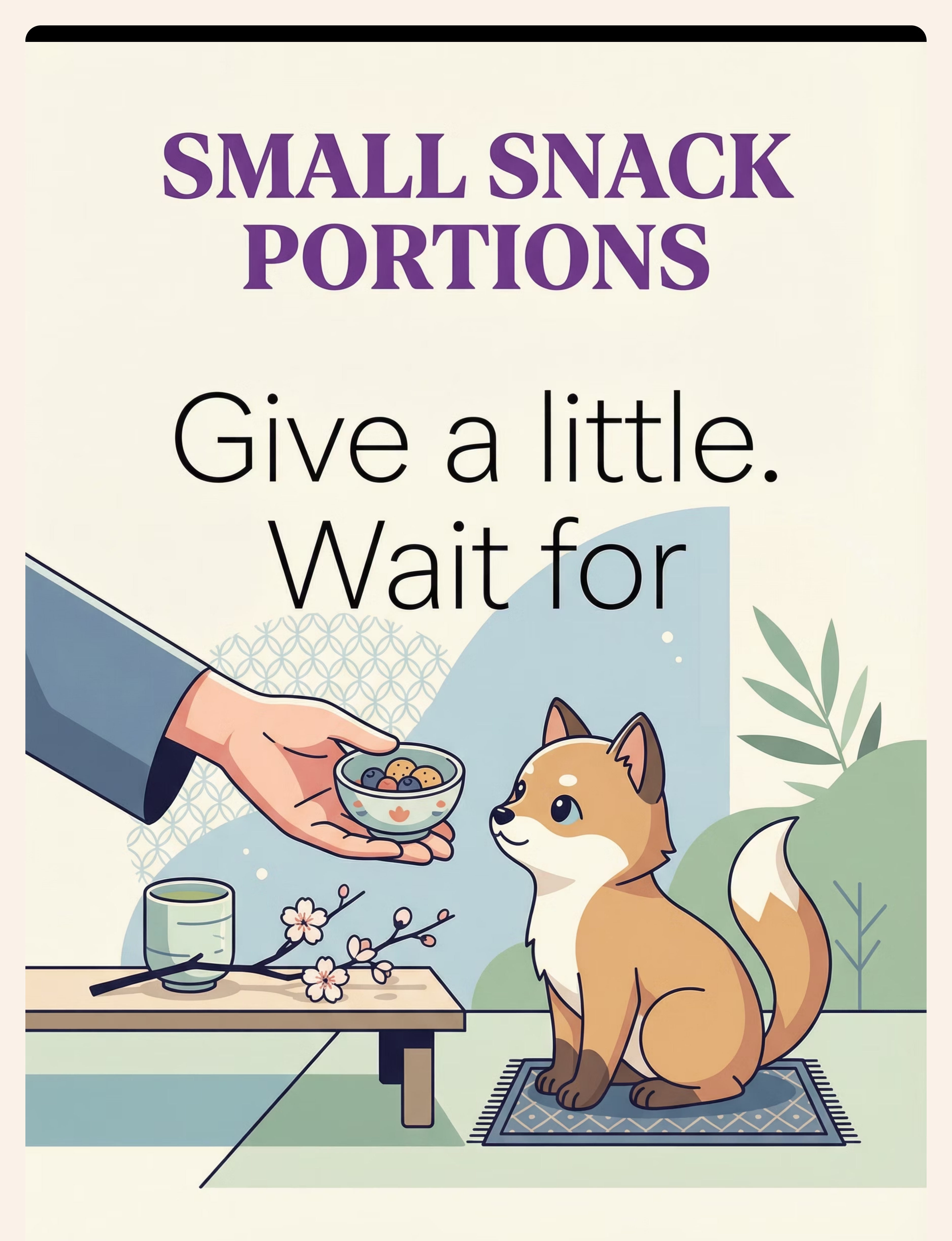
Small Portions
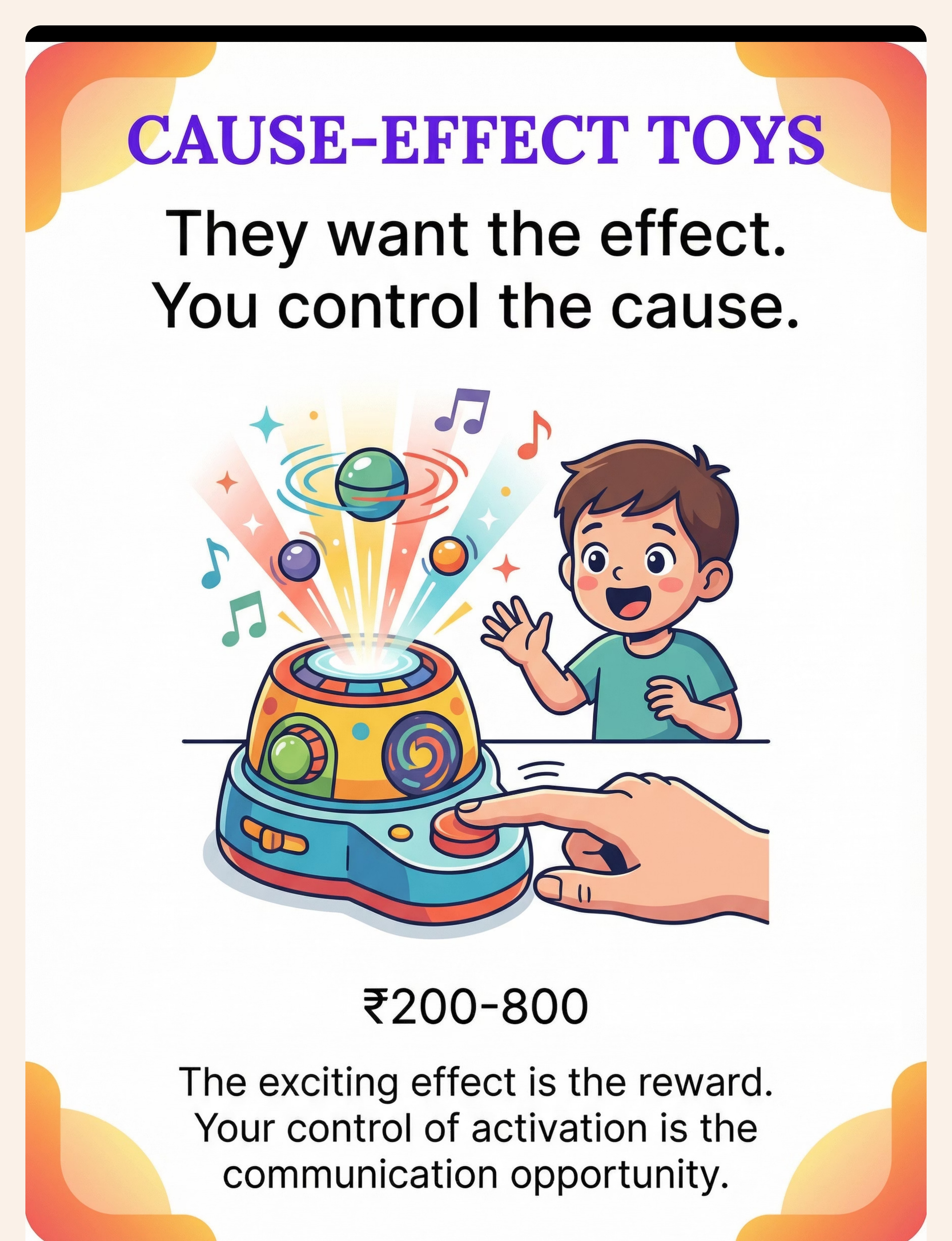
Cause-Effect Toys
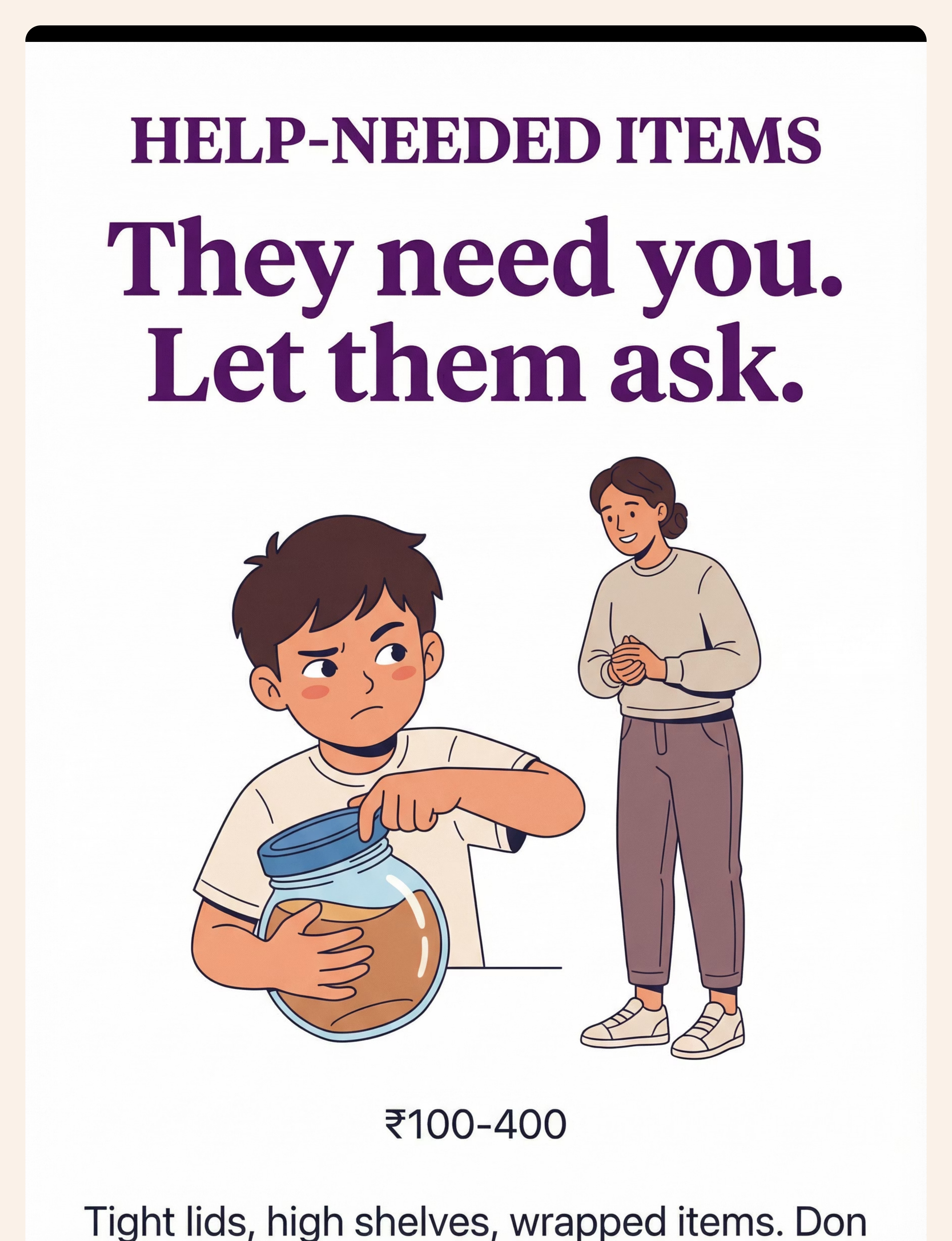
Help-Needed Items
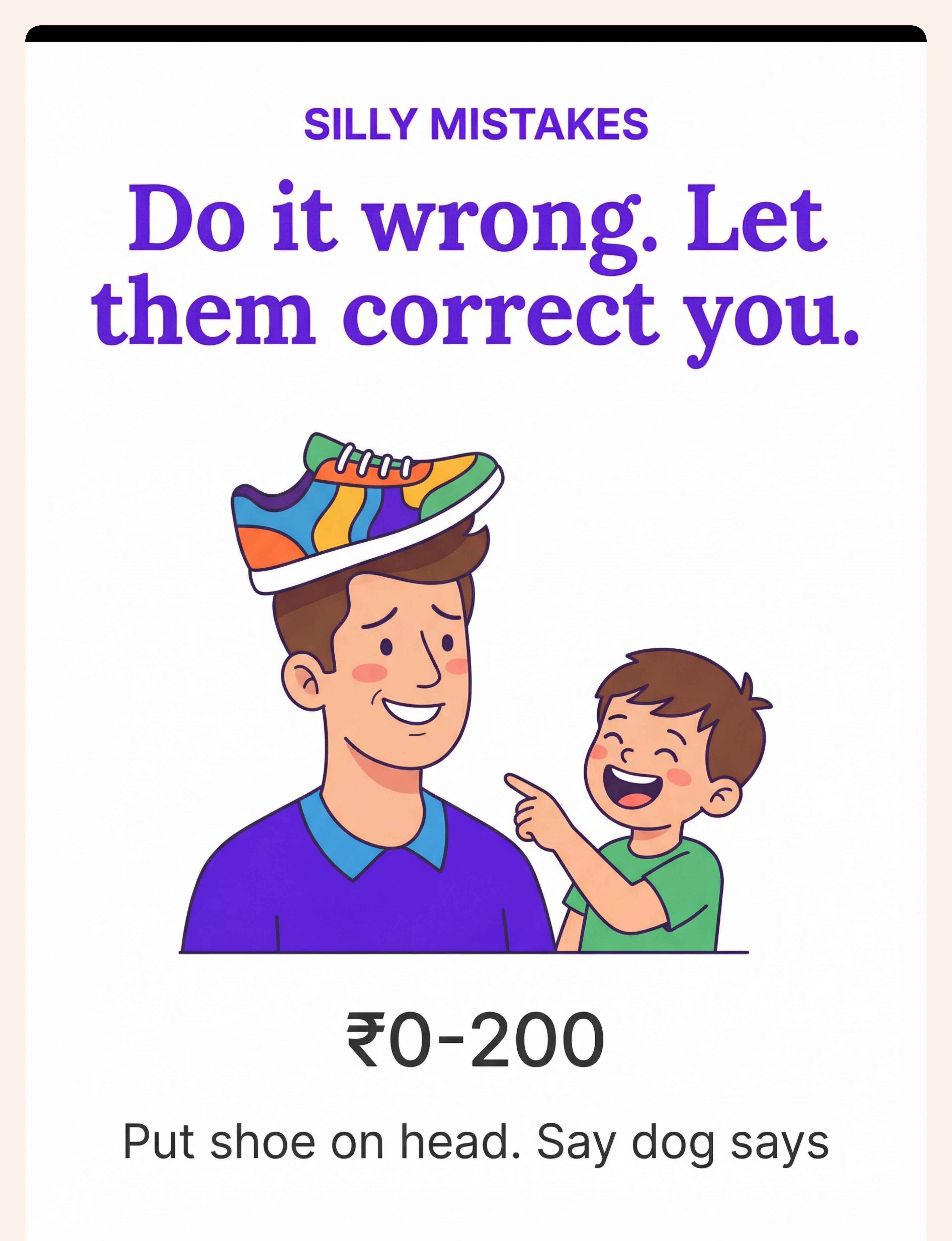
Silly Mistakes

This technique is deployed across every discipline in the Pinnacle Consortium — because language doesn't organise itself by therapy type.

🗣️ Speech-Language Pathologist (Primary Lead)
Designs the communication temptation protocol. Identifies target communication forms. Sets the hierarchy for what counts as "communication" at this child's level. Trains parents in expectant waiting. Tracks Communication Readiness Index progression.

🧠 Applied Behaviour Analyst / BCBA (Co-Lead)
Conducts preference assessments to identify highest-value motivators. Designs mand training protocols using motivating operations. Implements token economy reinforcement. Tracks requesting frequency and form.

✋ Occupational Therapist
Ensures sensory and motor readiness for communication. Addresses fine motor components — pointing, gesturing, AAC device access. Manages sensory environment so it supports rather than disrupts communication motivation.
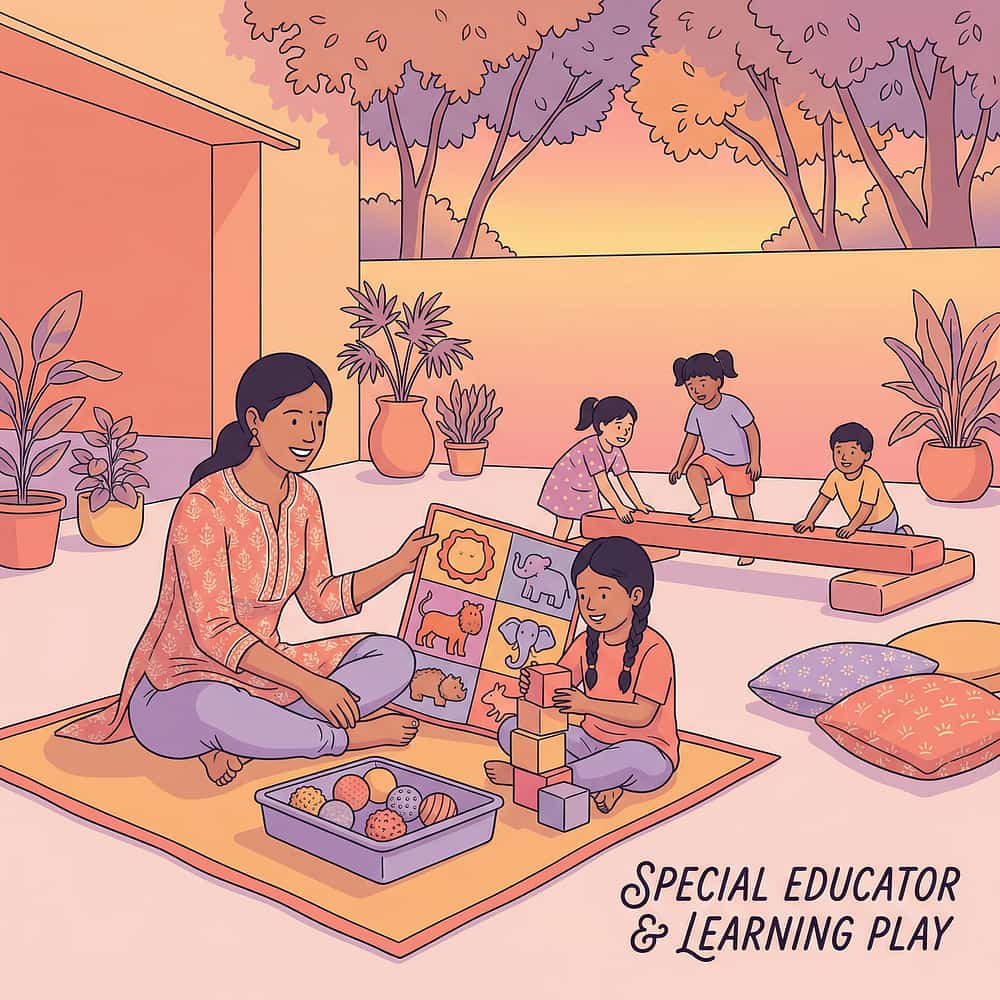
📚 Special Educator
Generalises communication temptation strategies across learning environments. Embeds techniques in classroom routines. Trains classroom staff. Connects to AAC vocabulary curriculum and bridges clinic strategies to school setting.
"A child's communication doesn't happen in a therapy room once a week. It happens at every meal, every play moment, every routine — all day, every day. Every adult in the child's life is a communication partner. The consortium trains all of them." — Pinnacle Blooms Consortium
📞FREE Consultation: 9100 181 181 | Speak to an SLP today
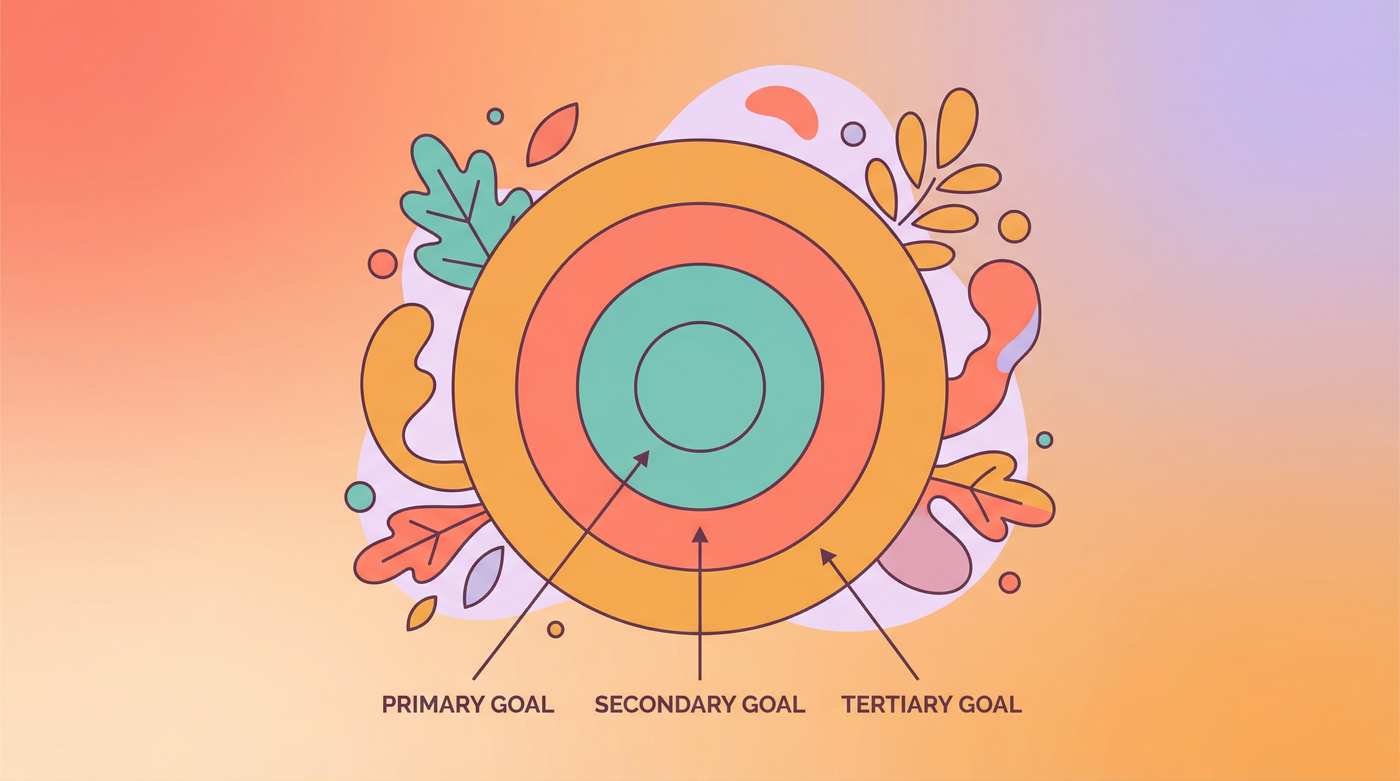
Communication Temptations build the most fundamental skill in language development: the SPONTANEOUS USE of available communication.
No Spontaneous Communication
Child waits passively for all needs to be met
Non-Verbal Response
Eye contact, reaching in temptation contexts
Gesture / Pointing
Intentional communicative gestures emerge
Single Words / Signs
Spontaneous words in temptation contexts
Spontaneous Requesting
Requesting across multiple situations
Generalised Communication
Spontaneous communication across settings, people, and functions
Primary Target: Bull's-Eye
Spontaneous requesting (manding) — child initiates communication to obtain a desired item or action without adult prompt. This is the core outcome every communication temptation session is building toward.
Long-Term Outcomes
- Spontaneous communication generalised across settings
- Communication initiated with multiple people
- Multi-function communication beyond requesting
- Narrative and conversational language emergence
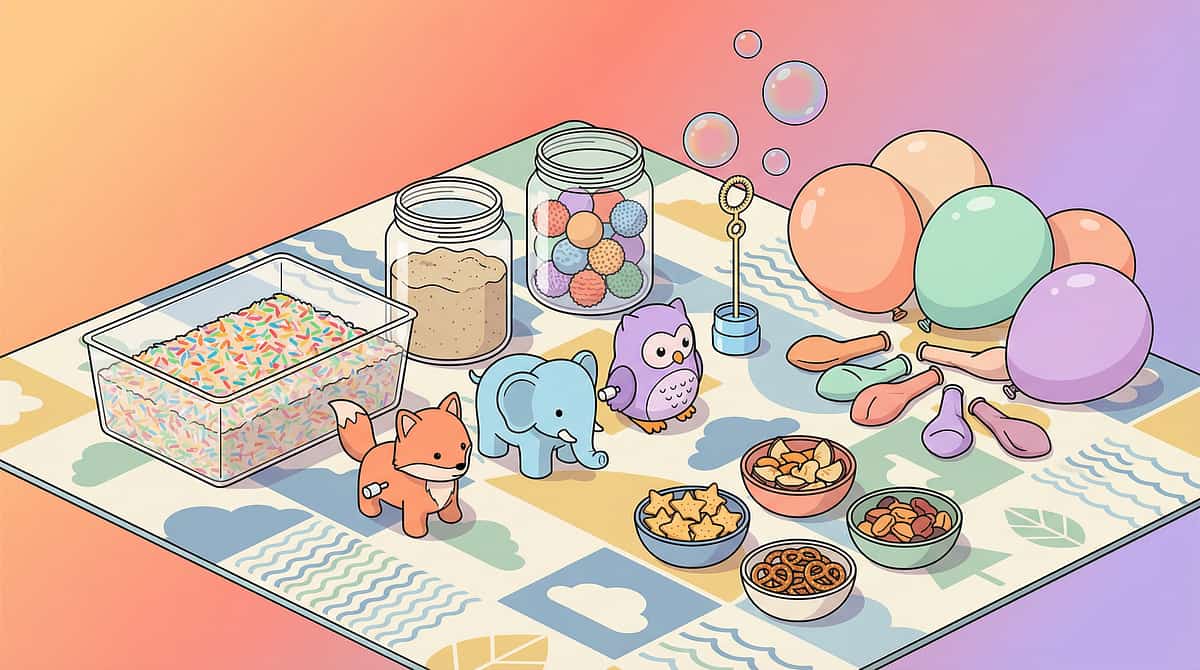
9 Materials That Create the Need to Communicate
Each one transforms an ordinary moment into a language opportunity.
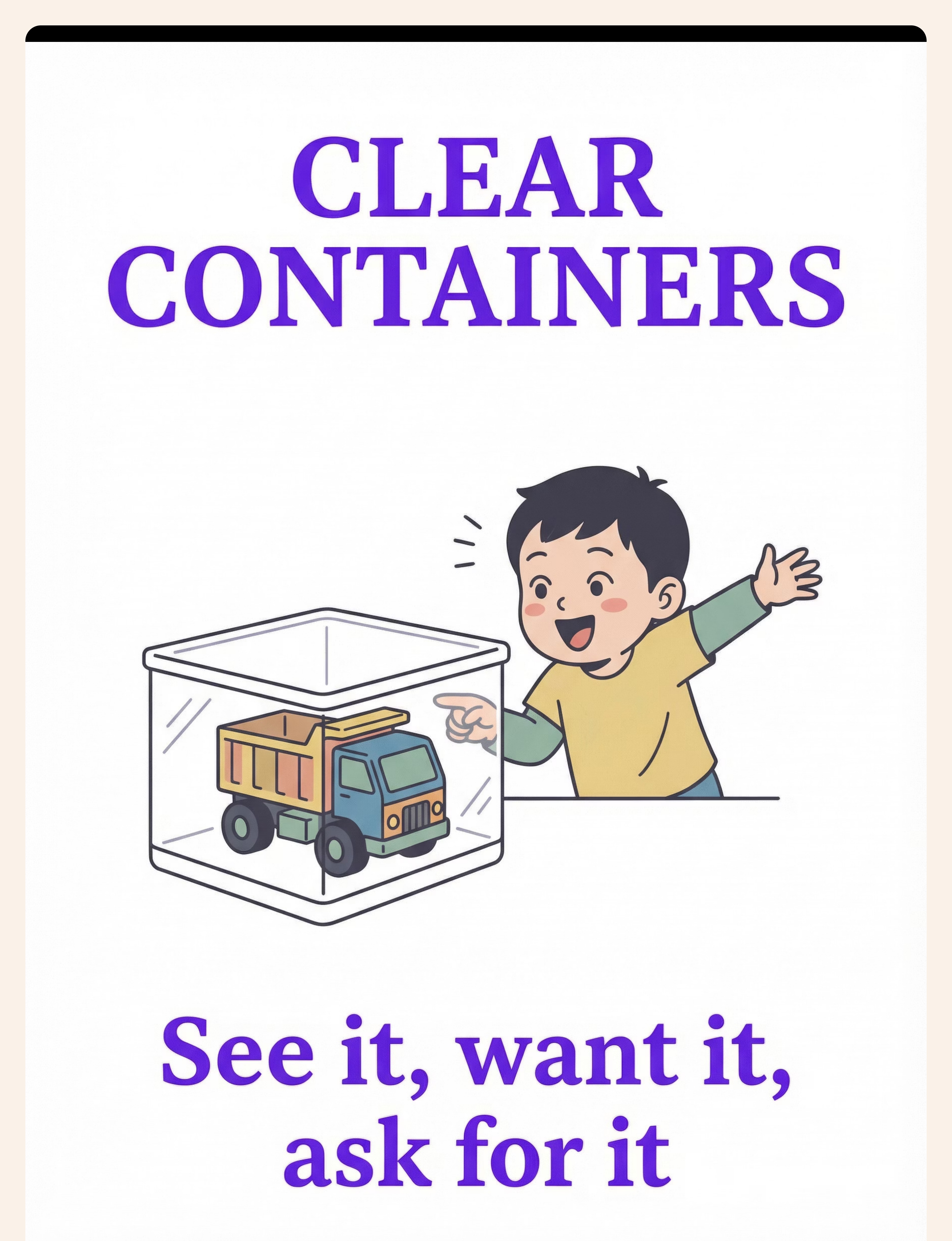
Clear Containers
See it. Want it. Ask.
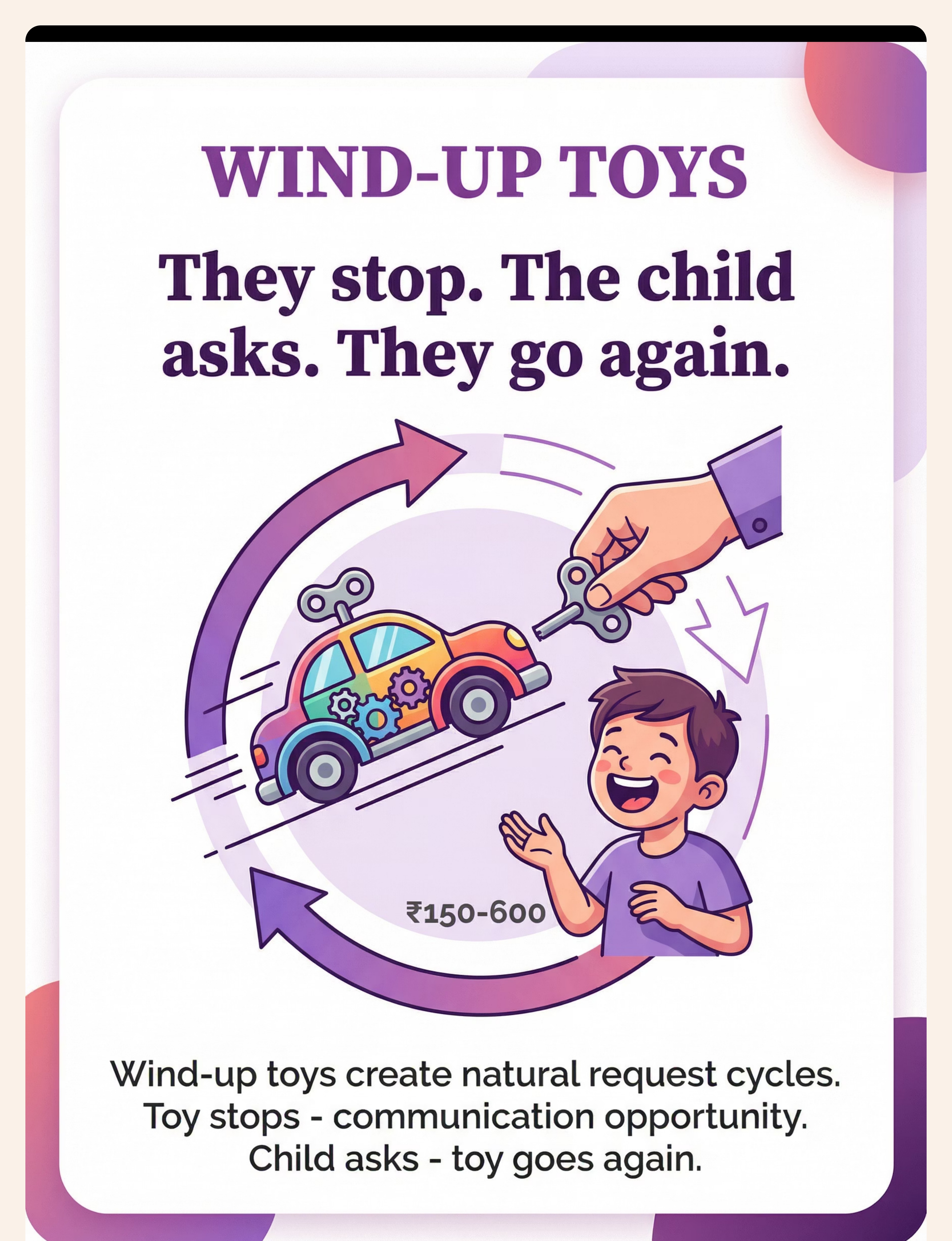
Wind-Up Toys
They stop. The child asks.
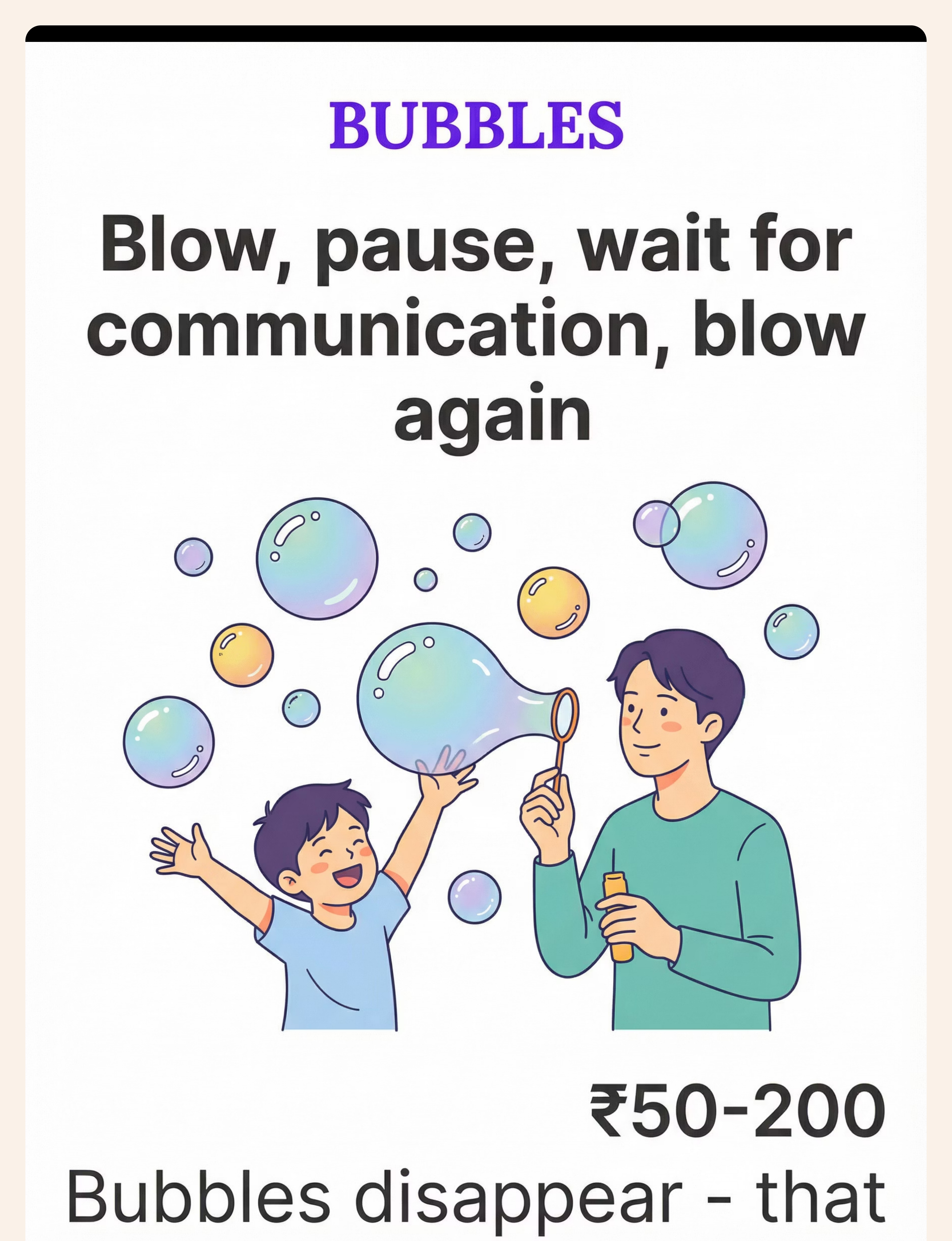
Bubbles
Blow, pause, wait.
Incomplete Sets
Something's missing.
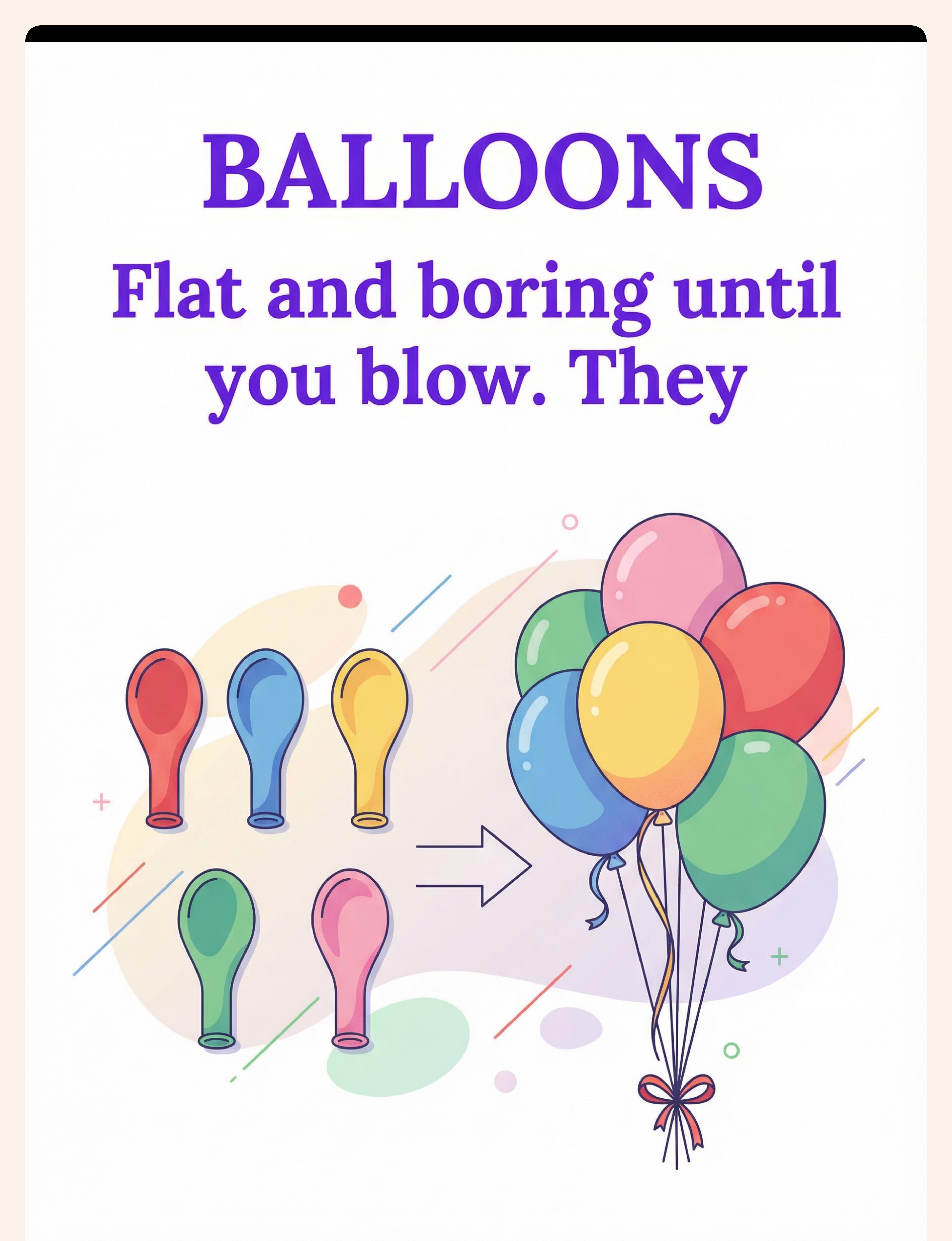
Balloons
Flat until they ask.
Small Portions
One at a time.
Cause-Effect Toys
They want the effect.
Help-Needed Items
They need you.
Silly Mistakes
Do it wrong.
💰Complete Communication Temptation Starter Kit: ₹300–800 — most materials already in your home. The technique costs attention, not money.

🫙 Material 1 of 9
CLEAR CONTAINERS — See it. Want it. Ask for it.
Why It Works
Clear containers create the perfect communication temptation: the child can SEE what they want, but they can't GET it without help. This gap — between visible desire and inaccessible reward — is the precise condition for communication to emerge.
Tight-lidded jars, clear bins, and transparent containers transform ordinary toys and snacks into powerful language elicitation tools. This is the "in sight, out of reach" strategy — a cornerstone of naturalistic language intervention validated across decades of SLP and ABA research.
"Visibility creates motivation. Inaccessibility creates need. Together, they create the most powerful thing in language therapy: a child who WANTS to communicate." — Pinnacle SLP Consortium
How to Use It — Step by Step
1
Choose
A clear container with a lid the child CANNOT open independently
2
Place
A highly motivating item inside — favourite toy, preferred snack
3
Position
Visibly during play or mealtime — child can see it
4
Wait Expectantly
Lean forward, eyebrows raised, expectant expression
5
Accept ANY Communication
Eye contact, reach, point, sign "open," any approximation or word
6
Immediately Open + Celebrate
"You asked! Here it is!" — specific, enthusiastic, immediate
Communication Targets
"Open"
"Help"
"Want"
"More"
Item Name
Eye Contact + Reach
DIY Version (₹0 — Equity Principle)
Any jar, zip-lock bag, or tightly closed box already in your home. Mason jars, Tupperware, storage boxes. The principle requires only: (a) the item is visible, (b) the child cannot open it alone, (c) you wait for communication.
Safety Note
Choose containers the child cannot open independently. Avoid glass with children under 3. Items inside must be safe and age-appropriate.
Canon Verified Product
Dyomnizy Educational Memory Game with Lights & Sound — ₹519 | amzn.in/d/0iwJwOiH
📞Ask our SLPs: 9100 181 181 — Which containers work best for YOUR child's level?
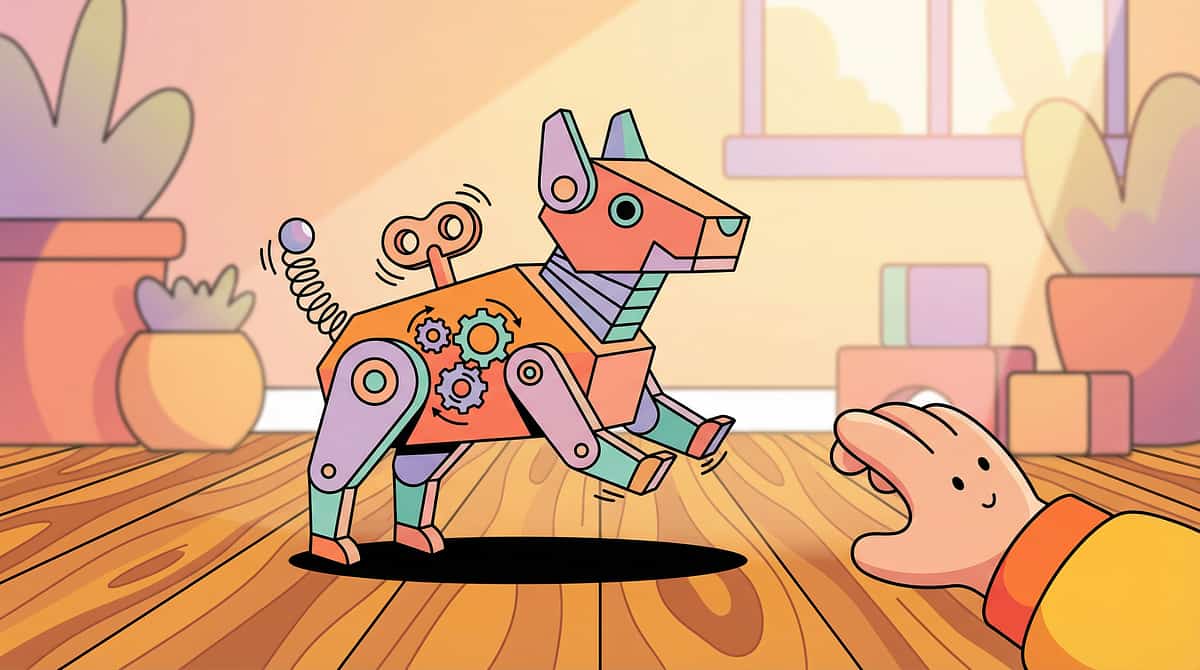
🎪 Material 2 of 9
WIND-UP TOYS — They stop. The child asks. They go again.
Why It Works
Wind-up toys, spinning tops, and pull-back cars are natural communication temptation engines. The adult activates the toy → exciting action unfolds → action stops naturally → the child is left wanting more → this pause is the communication opportunity.
The child must communicate — in any form — to experience the exciting action again. This creates repetitive requesting cycles: each cycle is a new communication opportunity, each success builds the habit of initiating communication. 5–10 repetitions per session = 5–10 communication opportunities.
"Activation control is communication control. The pause when the toy stops is not dead time. It is the most important moment in the session." — Pinnacle BCBA Consortium
How to Use It — Step by Step
1
Select
A toy that needs adult activation: wind-up animal, spinning top, pull-back car, pop-up toy
2
Activate with Enthusiasm
Make the experience exciting and shared
3
Watch Together
Shared attention on the toy as it runs
4
PAUSE When It Stops
Hold the toy ready. Make eye contact. Wait.
5
Accept Any Communication
Reaching, pointing, signing "more," saying "go," "again," or toy name
6
Immediately Reactivate
The moment the child communicates — repeat 5–10 cycles
Communication Targets
"More"
"Again"
"Go"
"Up"
Toy Name
Eye Contact + Reach
DIY (₹0–50)
Any toy that needs your help: a spinning top, a ball you roll and stop, a battery toy whose remote you control, a musical toy you turn on/off. The principle requires only YOUR control of the activation.
Products + Safety
Wind-up toys: ₹150–600 | Spinning tops: ₹50–200
Canon Verified: Dyomnizy Interactive Memory Game ₹519 | amzn.in/d/0iwJwOiH
Safety: Age-appropriate toys only. Check for small parts with children under 3.
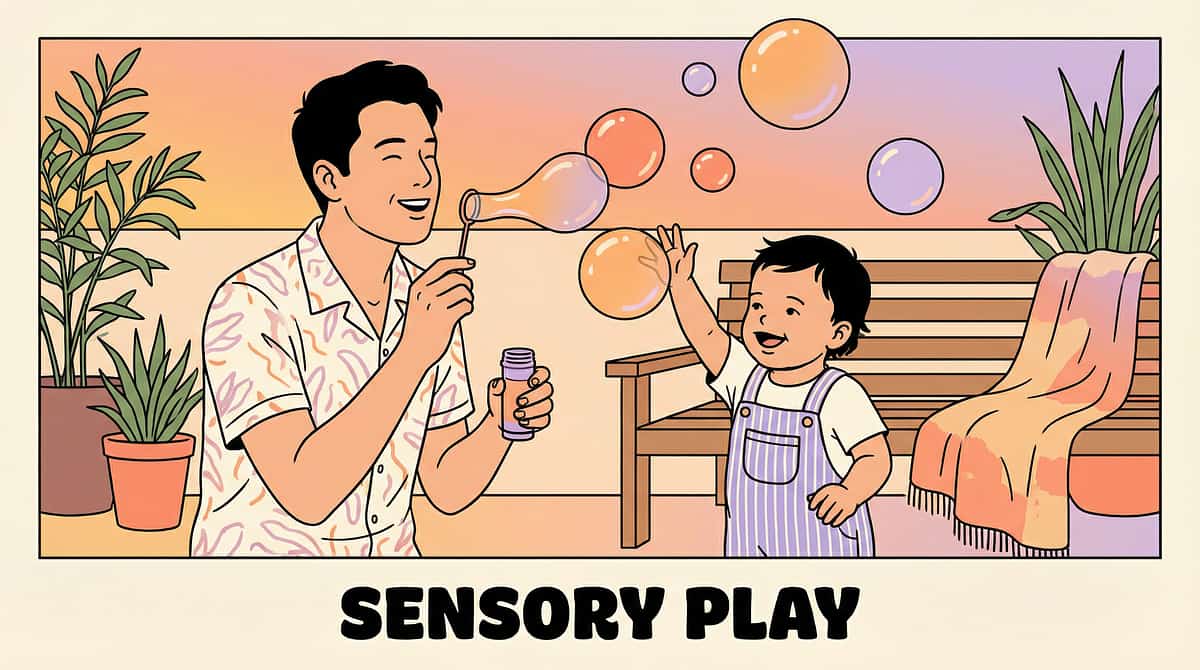
🫧 Material 3 of 9
BUBBLES — Blow, pause, wait for communication, blow again.
Why It Works
Bubbles are perhaps the single most universally motivating communication temptation tool across all ages and ability levels. Children want MORE bubbles. They want them NOW. They want to POP them. This intense, immediate motivation makes every bubble session a language opportunity factory.
The adult controls the bubble container — the opening, the dipping, the blowing. Every disappearing bubble is a natural reset. Every pause with the wand ready is an invitation to communicate. A 5-minute session can generate 20–30 natural communication opportunities.
The disappearance is a feature, not a bug. Bubbles vanishing creates the desire for more. The desire creates the communication.
How to Use It — Step by Step
1
Keep Bubbles Special
A "communication time" activity — not freely available
2
Blow with Shared Excitement
Eye contact and enthusiasm as bubbles float
3
Let Them Pop Naturally
Disappearance creates the desire for more
4
PAUSE with Wand Ready
Lean forward, eyebrows raised: "What do you want?"
5
Accept Any Communication
Eye contact + reach, pointing at wand, signing "more," any vocalization
6
Immediately Blow More
The moment the child communicates — celebrate!
Communication Targets
"More"
"Bubble"
"Blow"
"Pop"
"Big"
"Again"
DIY (₹0)
Mix dish soap with water. Any wand shape works — even a bent pipe cleaner. The communication temptation principle requires only that YOU control when bubbles are blown.
Products: Bubble solution variety: ₹50–200 | Bubble machines (adult-controlled): ₹200–600
Safety + SLP Insight
Safety: Supervise closely. Non-toxic solutions only. Keep away from eyes and mouth.
"In 20 years of SLP practice, bubbles remain the single most powerful communication temptation tool I know. They work at pre-verbal level. They work at word level. They work because children never stop wanting more." — Pinnacle SLP Consortium
📞9100 181 181 — Our SLPs will show you exactly how to run a bubble communication session for YOUR child.
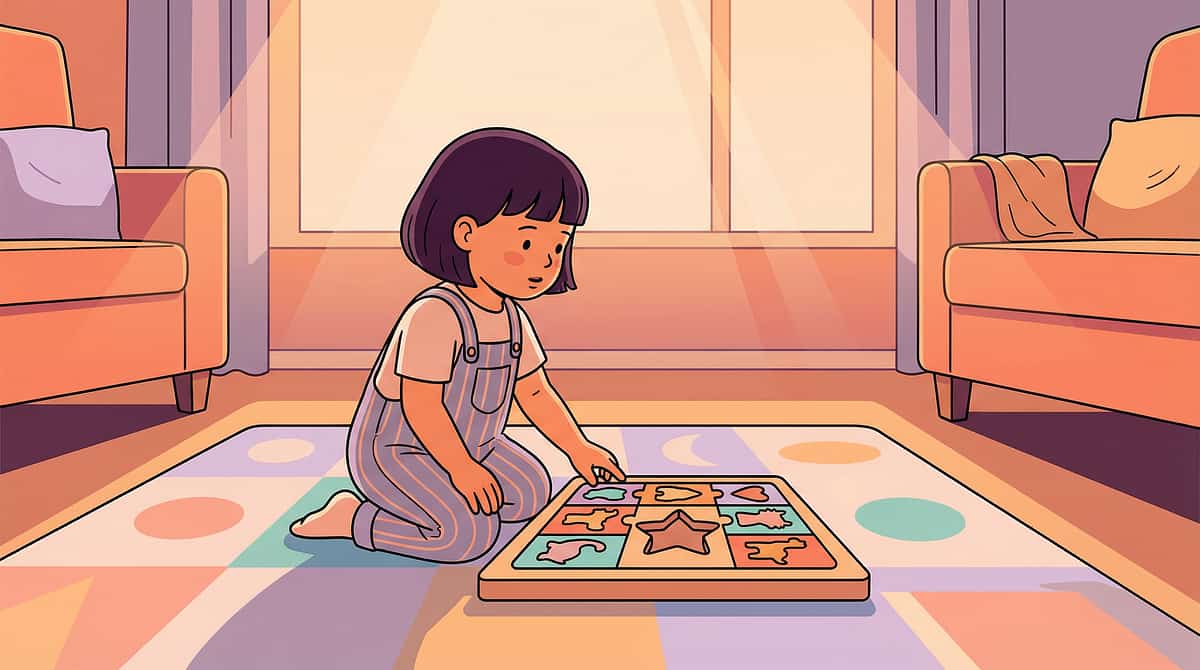
🧩 Material 4 of 9
INCOMPLETE SETS — Something's missing. They'll need to ask.
Why It Works
Giving a child materials with something obviously missing creates natural communicative need. This is called the "sabotage strategy" in SLP and ABA literature — a deliberate, playful, non-distressing environmental arrangement where the child discovers an absence and must communicate to remedy it.
A puzzle with one piece held back. Crayons but no paper. A tea set without the teapot. Paint but no brushes. The child KNOWS something is missing. Their sense of completion is engaged. They need to communicate to get the missing element.
The missing piece becomes the communication target. The discovery moment is the teaching moment. The adult's expectant waiting is the therapy moment.
"Incomplete is not annoying — it's an invitation. The child who notices something is missing and asks for it has just made a massive developmental leap." — Pinnacle OT+SLP Consortium
How to Use It — Step by Step
1
Identify Sets
Puzzles, art supplies, play sets, food sets — anything with multiple pieces
2
Remove One Key Item
Withhold before presenting the set
3
Allow Discovery
Don't announce the absence — let the child find it
4
Wait Expectantly
Optional prompt if needed: "Hmm, what's missing?" with exaggerated confused expression
5
Accept Any Communication
Pointing to the gap, looking at adult, signing or saying the item name
6
Provide + Celebrate
"Yes! You noticed! Here's the piece!"
Communication Targets
"More"
Item Name
"Need ___"
"Missing"
"Where?"
"Help"
DIY (₹0)
Use what you have: incomplete your child's plate at lunch (fork but no spoon), put out art supplies with one colour missing, set up train track with a gap. Everything you own can be made incomplete temporarily.
Products: Floor puzzles: ₹150–500 | Art supply sets: ₹100–300 | Canon Verified: Kidology Pull-Out Spike Toy ₹380 | amzn.in/d/01aefj5R
Safety Note
Gauge frustration tolerance carefully. The goal is curiosity and motivation, NOT frustration. Provide the missing item if the child becomes distressed — help them succeed. Success builds the habit.
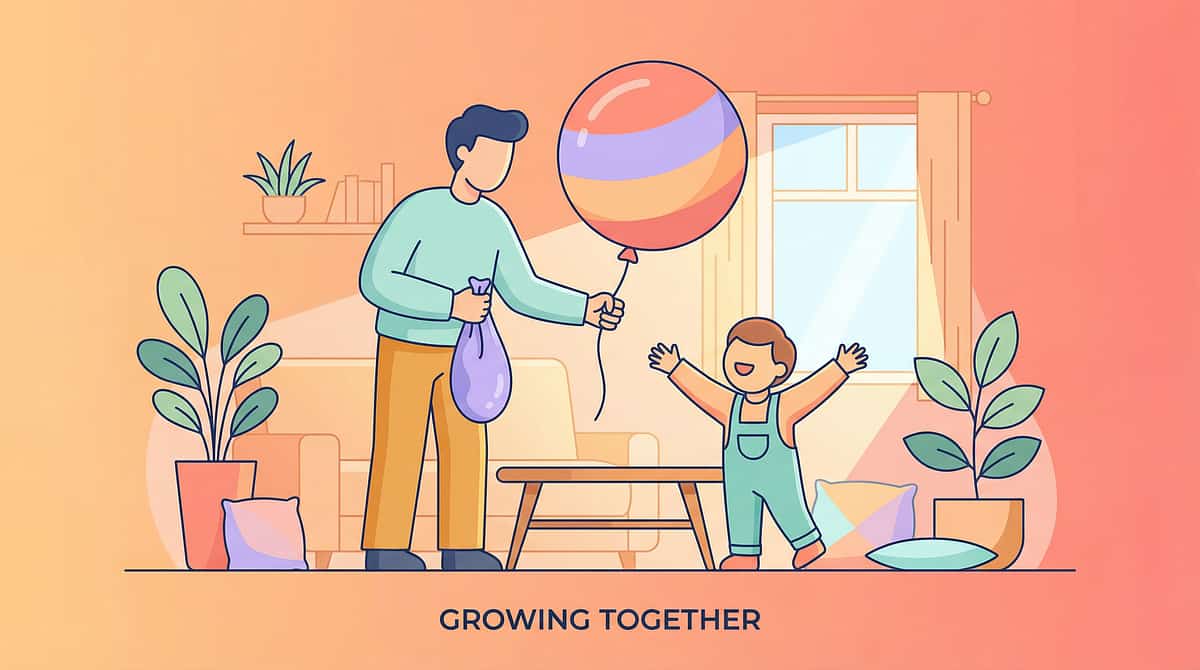
🎈 Material 5 of 9
BALLOONS — Flat and boring until you blow. They'll ask.
Why It Works
An uninflated balloon is completely uninteresting. Inflated by an adult's breath, it becomes magical — colourful, floating, tactilely engaging, visually fascinating. This transformation — which only adults can provide — creates a powerful communicative motivating operation.
Children want the balloon to grow. They want to hold it. They want to release the air with that funny sound. They want it again and again. And all of this requires communicating with the adult who controls the air.
The adult's breath becomes the reinforcer. The balloon is the proof. Communication is the ticket.
"Your breath transforms boring rubber into magic. That power — to create something wonderful — creates the most powerful communication opportunity there is." — Pinnacle SLP Consortium
How to Use It — Step by Step
Show the Limp Balloon
Demonstrate it's boring/empty — build anticipation
Wait Before Blowing
"What do you want?" — accept any request to blow
Blow Up with Theatrical Excitement
Make the transformation feel magical
Play Together
Bat it, catch it, hold it — shared joy
Let Air Out Slowly
Funny sound creates delight and the cycle resets
Wait for "More" or "Again"
Before blowing more air — each cycle is a new opportunity
Communication Targets
"Blow"
"Balloon"
"Big"
"More"
Colour Name
"Catch"
⚠️SAFETY — CRITICAL: Deflated balloons and balloon pieces are choking hazards. Never leave balloons with unsupervised children. Dispose of popped balloons immediately. Direct adult supervision required at all times.
Products: Balloon variety packs: ₹30–100 | Balloon pump (for extended sessions): ₹50–150
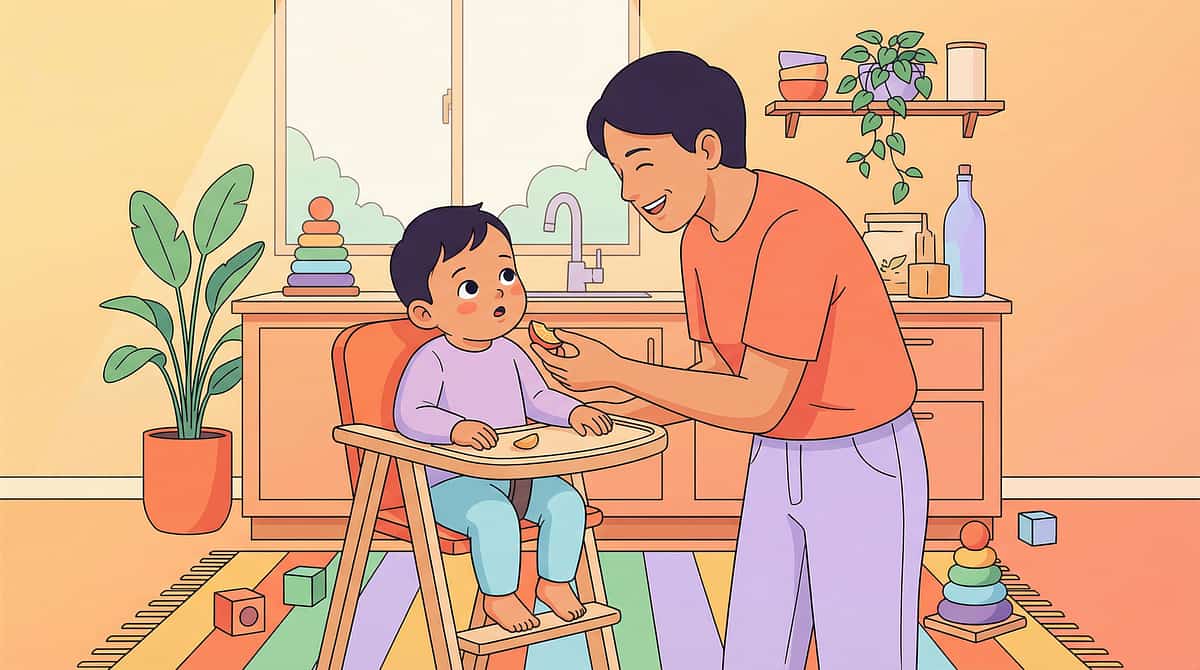
Material 6 of 9
SMALL SNACK PORTIONS — Give a little. Wait for "more."
Why It Works
Food is perhaps the most fundamental, universally motivating reinforcer — children are biologically wired to seek it. Strategic snack presentation transforms every meal and snack time into a natural language laboratory with dozens of built-in communication opportunities.
Instead of giving the whole bowl of crackers: give ONE cracker. Wait for "more." Instead of opening the snack bag: hold it closed. Wait for "open." Instead of pouring a full cup of juice: pour a tiny sip. Wait for "more juice." Every tiny portion is a communication opportunity. Every mealtime — 3+ per day — can generate 10–20 natural requesting opportunities embedded in a highly motivating context.
"Mealtimes offer the most abundant natural communication opportunities of any daily routine. Three meals + 2 snacks = 50+ requesting opportunities daily. A few simple changes transform every meal." — Pinnacle SLP Consortium
How to Use It — Step by Step
Portion into Small Amounts
One cracker, two grapes, a small sip — visible but controlled
Keep Main Supply Visible
Clear container in hand but not yet extended
Give the Small Portion
Then pause expectantly after the child finishes
Wait with Expectant Expression
Supply in hand, not extended, eyebrows raised
Accept Any Communication
Eye contact + reach, pointing, signing "more," saying food name
Immediately Provide More
When child communicates — never withhold food as punishment
Communication Targets
"More"
"Please"
Food Name
"Open"
"Help"
Point to Container
⚠️IMPORTANT: This strategy is about HOW food is presented, not about restricting nutrition. Children must always receive adequate food. Consult your healthcare provider if there are any concerns about nutritional adequacy.
Products: Small portion containers: ₹50–200 | Divided plates for controlled portioning: ₹100–300
📞9100 181 181 — Our SLPs will help you identify the safest and most effective portion strategies for your child's age and communication level.
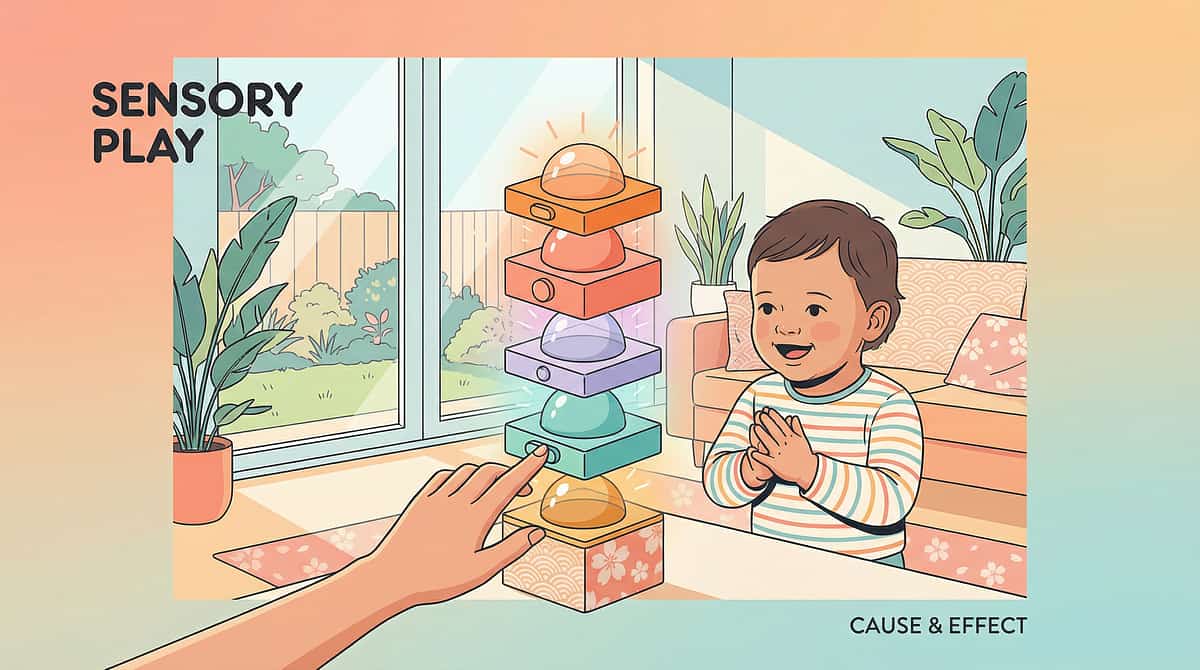
🎮 Material 7 of 9
CAUSE-EFFECT TOYS — They want the effect. You control the cause.
Why It Works
Toys that create exciting sensory effects — pop-up toys, music makers, light-up displays, spinning toys — are inherently motivating because the brain is wired to seek and repeat pleasurable cause-effect experiences. This is operant conditioning in its most joyful form.
When the adult controls the activation of the exciting effect, the child must communicate to experience it. "Push," "go," "music," "light," "again," "more," "my turn" — these toys generate rich requesting vocabulary while delivering immediate, unmistakable reinforcement for every successful communication attempt.
"The most powerful therapy tool is not the toy. It is the PAUSE before you activate it. That pause is where communication lives." — Pinnacle BCBA Consortium
How to Use It — Step by Step
Demonstrate the Effect
With enthusiasm — make it clear how thrilling this is
Pause with Hand Ready
Finger at the activation point (button, switch, crank)
Wait Expectantly
Hold the pause, maintain eye contact
Accept Any Communication
Reaching, pointing, any vocalization, sign or word
Immediately Activate
The moment the child communicates
Build Vocabulary
Label the effect each time: "You said GO! Here's the MUSIC!"
Communication Targets
"Go"
"Push"
"Music"
"Light"
"My Turn"
Toy Name
DIY (₹0): Any toy you control: a ball you roll and stop, a music app you pause, a light switch you control. The key is that YOU hold the power to activate the exciting thing.
Canon Verified: Dyomnizy Educational Memory Game with Lights & Sound ₹519 | amzn.in/d/0iwJwOiH | SHINETOY Shut the Box Game ₹428 | amzn.in/d/0flHweVf
Safety: Regular battery checks. Age-appropriate toys. No small parts for children under 3.
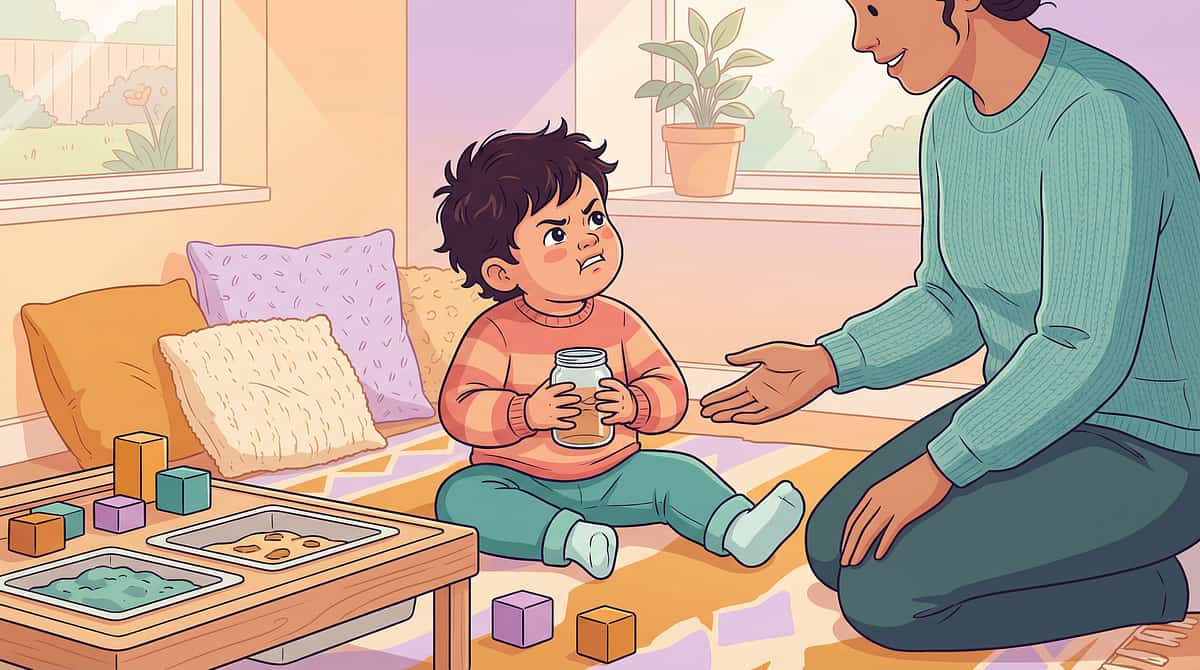
🫙 Material 8 of 9
HELP-NEEDED ITEMS — They need you. Let them ask.
Why It Works
Some items naturally require adult assistance — tight lids, difficult zippers, items on high shelves, wrapped packages, stuck drawers. These everyday "frustration points" are actually organic communication temptations embedded in your existing environment — they cost nothing and require no special setup.
The strategy is simple: stop anticipating and instantly helping. When you see your child struggling with a tight lid — PAUSE. Wait with a helpful expression. Let them reach for you, look at you, make a sound, sign, or say "help." Then immediately assist with celebration. Every need for help is a need to communicate. You just need to create the space for that communication to happen.
"The best therapy equipment is often already in your home. Every tight lid, every high shelf, every wrapped package is an invitation to communicate — if you pause and wait." — Pinnacle OT+SLP Consortium
How to Use It — Step by Step
Identify Help-Needed Situations
Tight containers, items on shelves, wrapped snacks, tricky fasteners
Stop Auto-Helping
PAUSE when the child encounters the challenge
Wait Expectantly
Attentive, ready, not rushing — warm expression
Optional Prompt
Pause + look at child + "Mmm?" with questioning expression
Accept Any Request
Looking at you + reaching, pointing, signing "help," any word
Immediately Assist + Celebrate
"You asked for help! Here I am!"
Communication Targets
"Help"
"Open"
"Stuck"
"Please"
"Up"
Item Name
DIY (₹0): Every household already contains dozens of natural "help-needed" situations. Use them — they're already there.
Canon Verified — Reinforcement Reward: The Rosette Imprint Reward Jar ₹589 | amzn.in/d/02C5R9Jn
⚠️Safety: Never create dangerous situations. Goal is mild, safe challenge — not genuine distress or danger. Help immediately if child becomes upset.
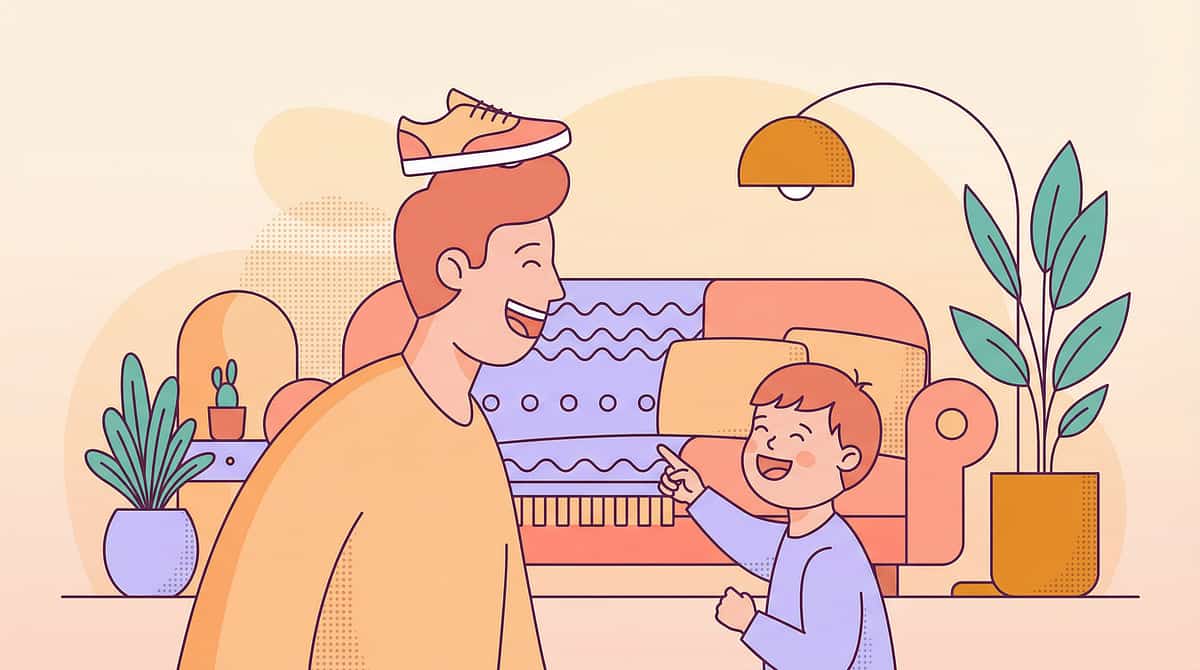
😄 Material 9 of 9
SILLY MISTAKES — Do it wrong. Let them correct you.
Why It Works
Children LOVE being smarter than adults. Intentionally making playful, obvious mistakes creates natural communication opportunities for protesting, correcting, and describing — some of the richest and most linguistically complex communication functions.
Give a shoe for a hat. Say the dog says "moo." Put the puzzle piece in the wrong spot. Say "banana!" while holding an apple. The child doesn't just want the right answer — they NEED to communicate it. "No!" "Wrong!" "That's a shoe!" "It's an APPLE!" — these corrective utterances are complex communicative acts driven by the child's own motivation to set the record straight.
Being wrong gives the child power. Correcting you IS communicating with you.
"The child who laughs and says 'No! That's a SHOE!' is demonstrating categorical knowledge, protest communication, and confident self-expression — all from a parent putting their shoe on their head." — Pinnacle SLP Consortium
How to Use It — Step by Step
Choose a Familiar Context
Food names, body parts, animal sounds, routine steps — where child has clear knowledge
Make an Obvious Silly Mistake
Put shoe on head as "hat," say wrong animal sound, name food incorrectly
Play It Straight
Act like you believe you're right, with slight exaggeration
Wait for the Correction
Give the child the chance to set the record straight
Accept Any Correction
Head shake, "No!", pointing to correct item, correct name, laughing + pointing
Celebrate with Delight
"Oh!! You're RIGHT! It's an APPLE! You corrected me!" — and make another mistake!
Communication Targets
"No!"
"Wrong!"
Correct Item Name
"That's not ___"
"Silly!"
Laughing + Pointing
DIY (₹0): Entirely free. Put a sock on your hand. Say "good night!" at breakfast. Start reading a familiar book and say the words wrong. This technique requires only playfulness.
Canon Verified: A Visit to the Hospital Activity Book ₹199 | amzn.in/d/01KczBmp | 1800+ Reward Stickers ₹364 | amzn.in/d/01wrHJWX
⚠️Safety: Keep it light and joyful. If child becomes confused or distressed rather than amused — stop that variation immediately and try a gentler approach.
ACT III: EXECUTION
Before Every Session: 60 Seconds to Assess Readiness.
The best communication temptation session is one that starts right.
✅ GREEN LIGHT — Proceed
- Child is regulated — not tired, hungry, or upset
- Child has shown interest in today's chosen item
- Environment is quiet enough to support interaction
- You have 5–20 undivided minutes available
- Temptation item confirmed as preferred today
- AAC device/board is charged and accessible (if applicable)
⚠️ MODIFY — Adjust but Proceed
- Child is mildly irritable → simplify the temptation, lower communication expectation
- Limited interest in planned item → switch to current highest motivator
- Some environmental distraction → reduce distractions, move to quieter space
- Limited time → do 1–2 communication opportunities instead of full session
🛑 POSTPONE — Skip Today
- Child is overtired, sick, or significantly distressed
- Major routine disruption has occurred today
- Child has received a negative experience with communication today
- You are significantly stressed or short on patience — this is valid
"Your child will not learn optimally if you are in flight-or-fight mode. Communication sessions require patient, expectant waiting — sometimes 5–10 seconds. If today is not that day — that's okay. Tomorrow is another session." — Pinnacle Consortium
📞Unsure about your child's readiness level? Call 9100 181 181 — Our SLPs offer personalised assessment guidance.

Step 1 of 6
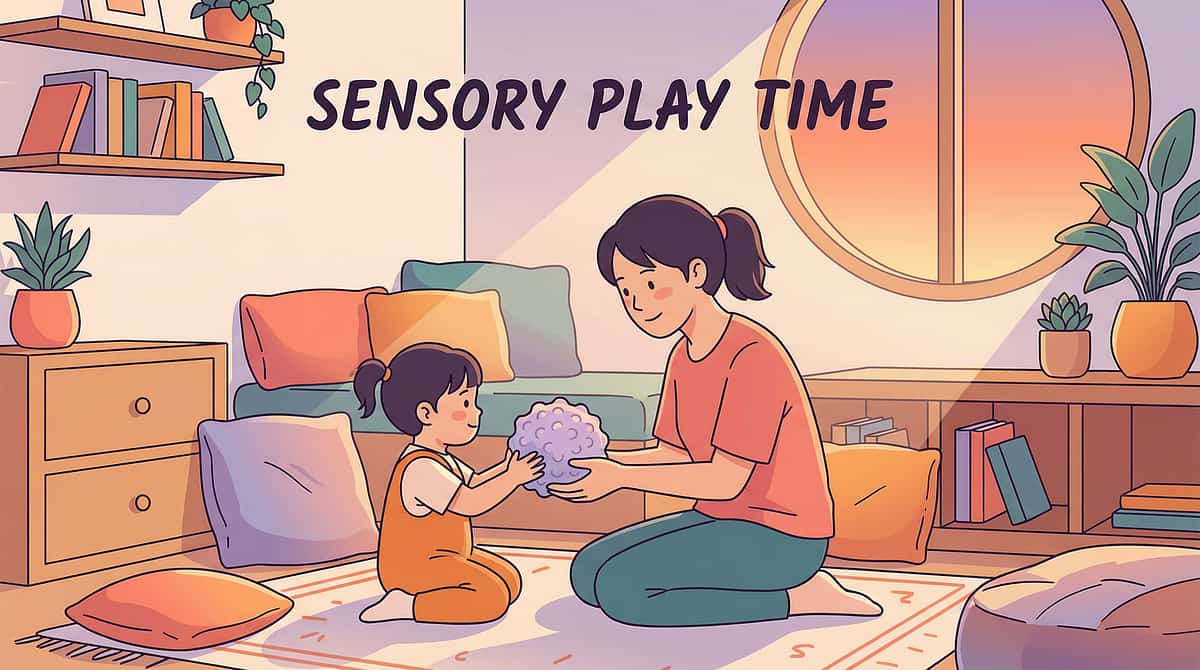
Every session begins with an invitation — not a command.
What This Step Does
The child is brought into the communication temptation activity through playful, low-demand engagement. No pressure. No "now we're doing speech practice." Just shared attention on something the child finds motivating. The goal is connection and curiosity — not compliance.
Exact Script
"Oh, look what I have! (hold up bubble wand / clear container / wind-up toy) Want to see? Come here — I'll show you something!" — Enthusiastic voice, warm expression, child's name, hold item at child's eye level.
Body Language Guidance
- Get at child's physical level — sit on floor if needed
- Open, welcoming body posture — slightly leaning toward child
- Hold the temptation item visibly but slightly out of reach
- Warm, expectant expression — not demanding, inviting
Acceptance Cues — Child Is Engaged
Approaches or orients toward you
Eye contact with the item or with you
Any vocalization or gesture toward the item
Increased alertness, brightening of expression
Resistance Cues — Modify or Postpone
Walks away without interest
Pushes item away
Fusses or cries at the approach
Timing: 30–60 seconds | Research: ABA Pairing Principles: Establishing positive associations before communication demands. OT "Just-Right Challenge": matching task demand to child's capacity.
Steps 2–3 of 6
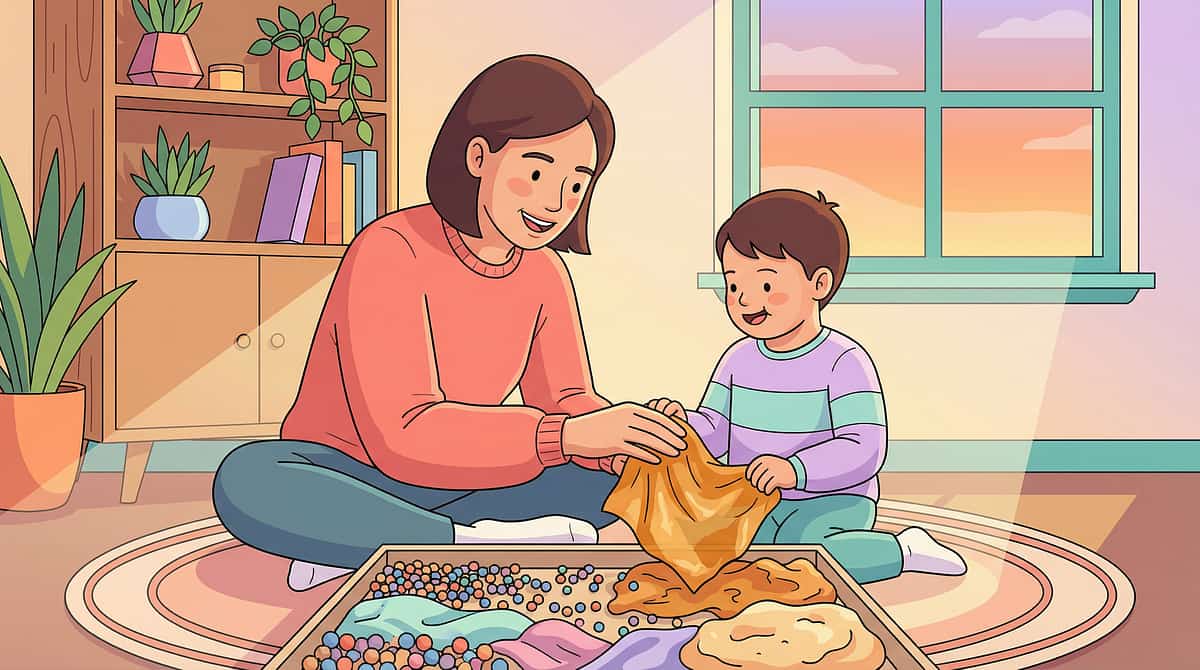
The Engagement and The Temptation: Creating the Motivating Gap
Step 2 — The Engagement
The child is now interested. Introduce the temptation material and create the motivating gap.
For Clear Containers
Show the container with the item visible. Let them touch/examine the outside. Hold it with lid closed.
For Bubbles
Show the wand. Dip it. Hold it ready — but don't blow yet. "I'm going to blow... should I?"
For Wind-Up Toys
Wind it up with exaggerated enthusiasm. When it stops, hold it and look at child with expectant expression.
For Snack Portions
Put one small piece on the plate. Child eats it. Now hold the container visible but pause.
The Pause Is Therapy: The expectant wait — typically 3–10 seconds of attentive, warm, non-demanding waiting. Your expression communicates: "I see you. I'm ready. What do you need?"
Step 3 — The Temptation Action (Communication Opportunity)
THIS IS THE MOMENT. The child encounters the motivating gap. Your job: WAIT. Accept the FIRST communication attempt. Reward IMMEDIATELY.
Communication Hierarchy — Accept at Child's Level
Level 1 (Pre-Verbal)
Eye contact toward item + adult → Reward immediately ✓
Level 2 (Emerging)
Reach toward item or adult → Reward immediately ✓
Level 3 (Intentional)
Clear pointing gesture → Reward immediately ✓
Level 4 (Sign/AAC)
Sign for "more" or AAC symbol selection → Reward immediately ✓
Level 5 (Words)
Word or approximation ("mo," "buh," "open") → Reward immediately ✓
Level 6 (Phrase)
Two-word request ("more bubble") → Reward + expand ✓
CRITICAL RULE: "NEVER require communication beyond the child's current level. A pre-verbal child who reaches toward the bubbles IS communicating. Reward it. Build from there." — Pinnacle BCBA Consortium
Steps 4–6 of 6
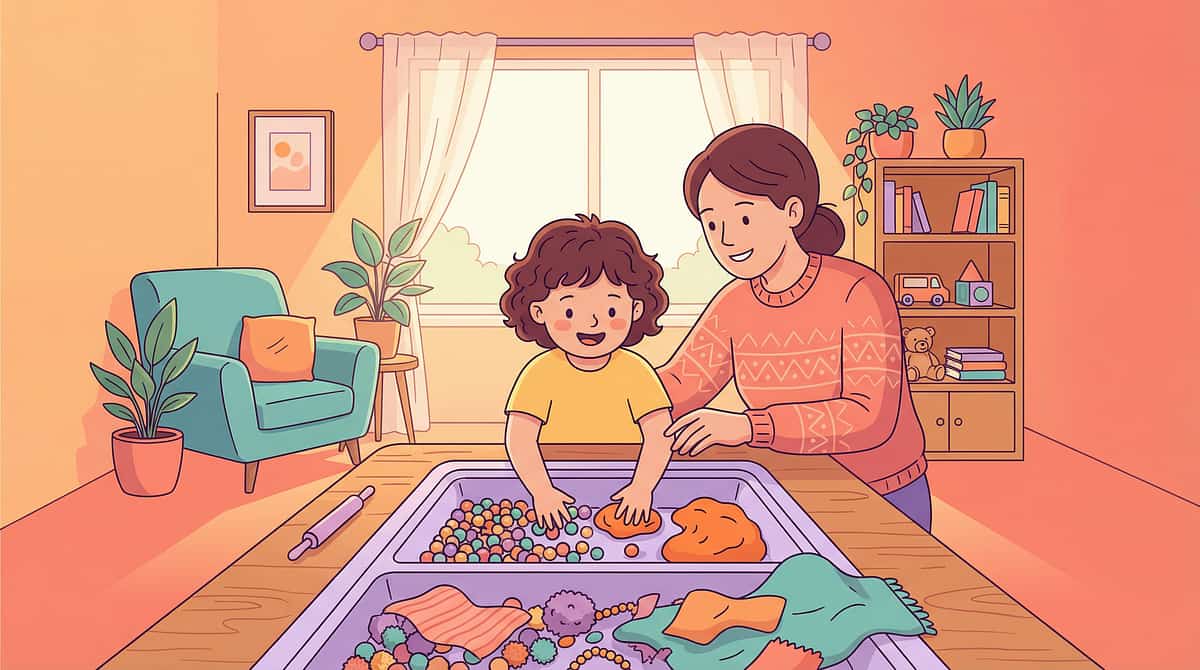
Reinforce, Repeat, and Cool Down: Completing the Session Loop
Step 4 — Reinforce (Within 3 Seconds)
The moment the child communicates — any form at their level — provide the item/action IMMEDIATELY. No delay. No "say it again." Just: communicate → receive.
"YES! You asked! Here are the BUBBLES!" (blow immediately)"You pointed! You wanted OPEN — here it is!" (open immediately)"You said MORE! MORE it is!" (give the next piece immediately)
The 3-second rule: Reinforcement delivered within 3 seconds creates the strongest possible association between communicating and getting what you want. Celebrate the attempt, not just perfect communication.
Step 5 — Repeat (5–10 Cycles)
Each complete cycle (temptation → communication → reward) is one therapeutic repetition. Aim for 5–10 cycles per session embedded naturally in the activity.
- 5 cycles of bubbles = 5 communication opportunities
- 10 snack portions = 10 requesting opportunities
- 8 wind-up toy activations = 8 requesting opportunities
3 good cycles > 10 forced cycles. End before the child is bored or frustrated. Leave them wanting more.
Step 6 — Cool-Down (1–2 Minutes)
No session ends abruptly. Signal the end: "Two more bubbles, then all done! One... two... all done! Great work!"
- Use visual countdown if helpful (fingers, visual timer)
- Child can help put materials away
- Transition to a preferred low-demand activity
- Do NOT end on a refusal or frustration — always engineer one success at the end
"You did something powerful today. You paused when your instinct was to help. You waited when waiting was hard. That pause is where your child's language is being built." — Pinnacle Consortium
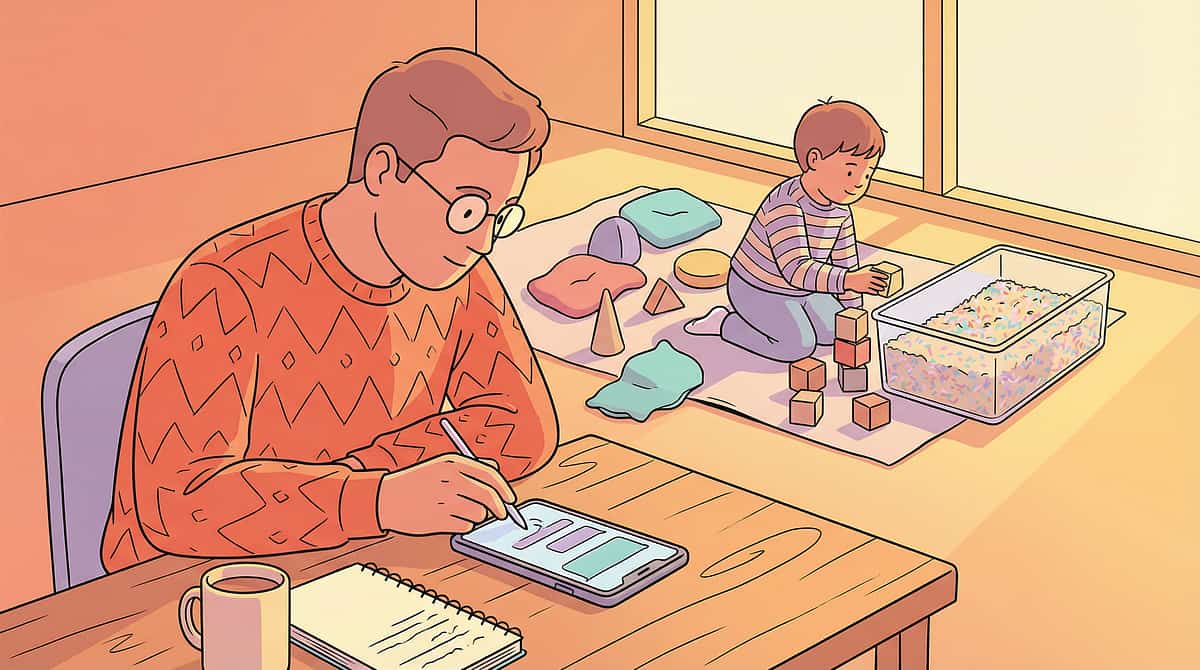
Within 60 Seconds of Your Session — Record 3 Data Points.
Data captured now drives your child's personalised progress plan.
📋 Today's Communication Temptation Log
1. How Many Communication Attempts?
○ 0 ○ 1–3 ○ 4–7 ○ 8+
2. What Form Did They Use?
☐ Eye contact + reach ☐ Pointing ☐ Reaching toward item ☐ Vocalization/sound ☐ Sign/gesture ☐ Word approximation ☐ Single word ☐ Two-word phrase
3. What Did Your Child Ask For?
☐ "More" ☐ "Open" ☐ "Help" ☐ "Again/Go" ☐ Item name ☐ Other
Notes
Any new words? Changes in response speed? What worked best?
GPT-OS® Integration
This data feeds the Communication Readiness Index within AbilityScore®. GPT-OS® tracks:
Frequency trend: Are attempts increasing week over week?
Form progression: Are they moving up the communication hierarchy?
Vocabulary growth: Are new words/signs emerging?
Generalisation: Are they communicating across different materials and settings?
Your responses go directly to the GPT-OS® tracking system for personalised recommendations. Submit via pinnacleblooms.org
NCAEP 2020: Data-based decision making is an evidence-based practice for autism intervention.

ACT IV: THE PROGRESS ARC
Weeks 1–2: The Noticing Phase
You are not seeing language yet. You are building the conditions for it.
What You WILL Likely See
Child begins to look at you (rather than just at the item) when communicating
Slightly increased frustration tolerance around "waiting" moments — they're learning patience pays off
First signs of anticipatory behaviour — child begins to orient toward you when they want something, before you've set up the temptation
Parent reports feeling "more purposeful" during play and meals
What You Will NOT See Yet (And That's Normal)
Dramatically increased word use — this is weeks 3–6
Spontaneous requesting across all settings — this is months 2–4
Perfect communication — this is never the goal; consistent, motivated attempts are
Parent Patience Metric: 3 seconds longer tolerance than last week = real, measurable progress. One new eye contact communicative glance = real, measurable progress.

Weeks 3–4: The Requesting Habit Forms
Neural pathways are solidifying. Communication is becoming automatic.
Consolidation Indicators
Child seeks out adult when they want something — rather than waiting passively
Child begins communicating to preferred people beyond primary caregiver
Increased spontaneous requesting without the full setup — they've internalised the principle
New words or signs appearing in communication temptation contexts
Communication speed increases — less waiting time needed before first attempt
Parent reports: "I don't have to wait as long — they're already asking!"
When a child begins to approach YOU when they want something — before the temptation is set up — the requesting habit has transferred from "I communicate when engineered" to "I communicate because communication is how I get things." This is the pivotal shift.
Increase the Challenge Now
Raise Specificity
If they've been pointing, begin pausing for a vocalization too
New Setting
Introduce technique in one new context: snack time → bathtime → outdoor play
New Motivator
Add one new preferred item to your toolkit
Progress at Weeks 3–4
40%
Communication Frequency
30%
Communication Form
20%
Settings Generalisation

Weeks 5–8: Language Takes Flight
From effortful communication to natural, spontaneous requesting.
Multi-Function Communication
Child uses communication for commenting ("Look!"), protesting ("No!"), greeting, and sharing attention — not just requesting.
Vocabulary Acceleration
New words emerging weekly. Communication temptation setups require less elaborate engineering — child communicates more naturally.
Generalises Across People
Communicates with grandparent, sibling, teacher — not just primary caregiver. A significant developmental milestone.
Two-Word Combinations Emerge
"More cracker," "open please," "want bubbles" — phrases emerging from a foundation of spontaneous single-word requesting.
"By week 6–8, most families report: 'I don't have to think about it anymore. I just naturally pause. And she just naturally asks. It became how we do things.'" — Parent, Pinnacle Blooms Network

Every first spontaneous word deserves a celebration.
Not because it was perfect — because it was chosen.
🥇 First Unprompted Eye Contact
Child looked at adult to communicate a want. Milestone: "My child looked at me to communicate."
🥇 First Clear Pointing
Child pointed with communicative intent. Milestone: "My child showed me what they wanted."
🥇 First Word in Context
Word or approximation in a communication temptation context. Milestone: "My child used language because they WANTED to."
🥇 First Spontaneous Request
Request WITHOUT a formal temptation setup. Milestone: "My child asked for something on their own."
🥇 First Two-Word Combination
"More juice." "Open please." "Want bubbles." Milestone: "My child is building sentences."
"Within a month, she was saying 'more' and 'open' constantly. Within three months, she was requesting by name. She went from passive to demanding — in the best possible way. She found her voice because we finally gave her a reason to use it." — Parent, Pinnacle Blooms Network
📤Share your milestone with our community at pinnacleblooms.org/stories | WhatsApp: 9100 181 181
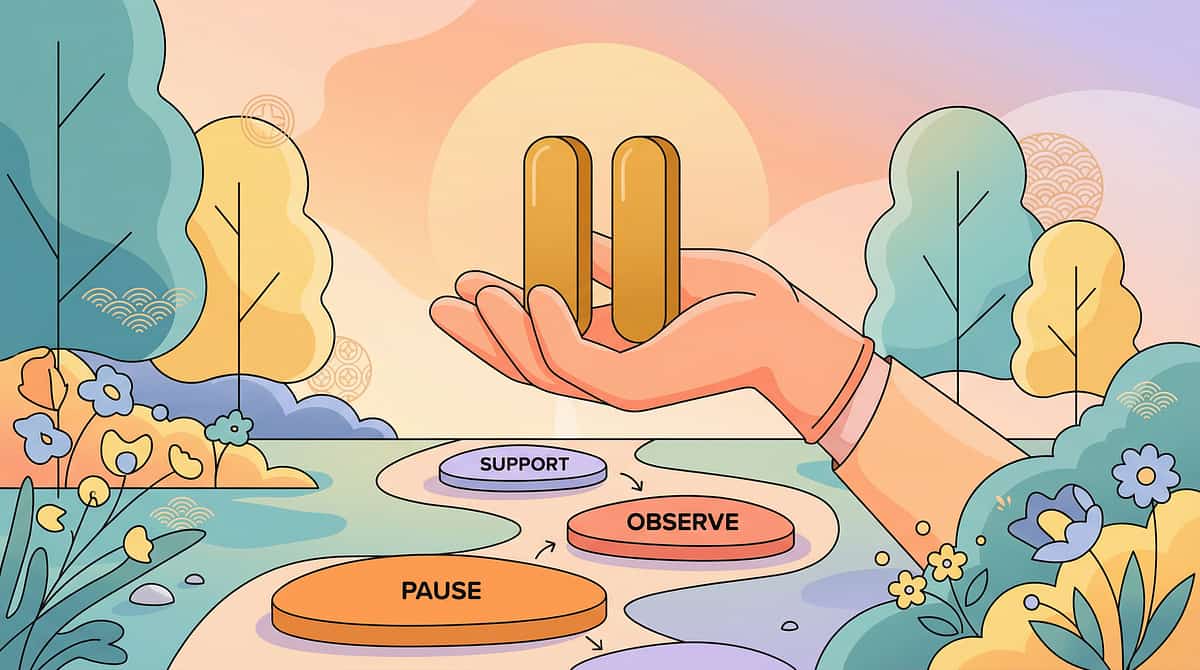
Communication Temptations Are Powerful — And They Have Clear Limits.
These signs indicate that professional evaluation is needed immediately.
⚠️ Red Flags — Seek Professional SLP Evaluation If:
- Child has no words, signs, or intentional gestures by 18 months (ANY communication modality)
- Child loses previously acquired words at any age
- After 4–6 weeks of daily practice: NO increase in any communication attempt frequency
- Child shows no interest in or awareness of temptation items despite trying many motivators
- Communication temptation activities consistently produce significant distress rather than engagement
- You suspect hearing loss — this is the first thing to rule out
- Child shows regression in any developmental domain
What This Does Not Replace
- Formal speech-language assessment
- Regular SLP-guided therapy
- Multidisciplinary evaluation for autism spectrum presentations
- Hearing evaluation
Referral Path
01
Document
What you've observed using the Card 23 data log
02
Call
FREE National Autism Helpline: 9100 181 181
03
Request
AbilityScore® assessment at your nearest Pinnacle centre
04
Receive
Referral to nearest Pinnacle centre or teleconsultation
WHO Early Intervention Guidelines: Early identification and referral before age 3 produces the strongest outcomes across all developmental domains.

Communication Temptations Are Most Powerful as Part of a Complete Language-Building Pathway.
1
L-924
Imitation Skills Development — build this foundation first if your child isn't yet imitating
2
L-925
First Words Emergence — start here if your child has no words yet
3
⭐ L-926
Communication Temptations — YOU ARE HERE
4
L-927
Expanding Utterance Length — once requesting with single words, expand to phrases
5
L-928
Two-Word Combinations — the natural next step after spontaneous requesting
After This Technique — Continue the Journey
L-930: Requesting and Manding — deep dive into the full mand training framework
L-940: Spontaneous Communication Development
L-950: Functional Communication Training
Parallel Skills — Work Simultaneously
While implementing L-926, continue supporting your child's imitation, play, and social engagement skills. Communication growth is multidimensional — these parallel pathways amplify each other's effect.
Your child's communication journey has a clear path. You are not wandering. You are following a mapped, evidence-based progression.
Every child moves through this progression at their own pace — but the sequence is universal. Communication temptations (L-926) are the evidence-based bridge between a child who has words and a child who uses them spontaneously. Knowing exactly where your child stands is the first step to moving forward with precision.
📞Get your child's Communication Readiness Score: 9100 181 181 | AbilityScore® measures your child's exact position on this map and identifies which techniques are most indicated, in what sequence, and at what intensity.
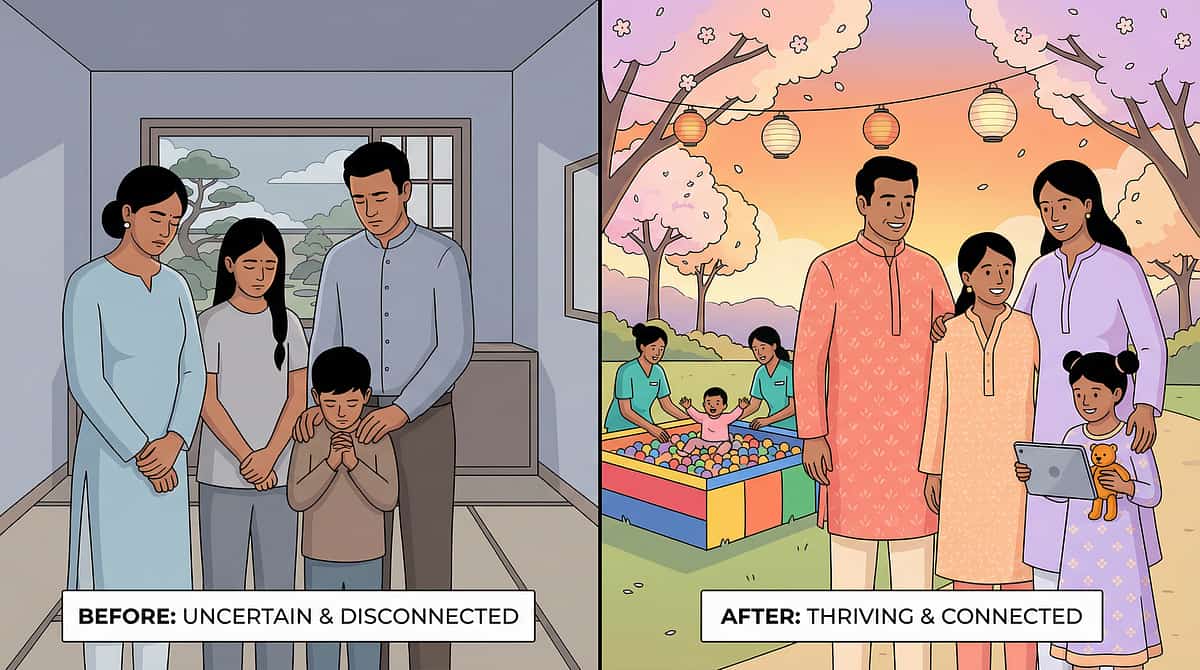
ACT V: COMMUNITY
From waiting in silence to finding their voice.
Real families. Real journeys. Real outcomes.
Parent of 4-year-old, Pinnacle Hyderabad
"My son was four years old with maybe 50 words, but he never used them unless we asked. At mealtimes he'd just stare at his empty plate. We learned about communication temptations from our Pinnacle SLP. We started giving him ONE cracker at a time and waiting. Within two weeks, he was saying 'more' at every meal — completely on his own. It sounds like such a small thing. It was everything."
Parent of 3-year-old, Pinnacle Bengaluru
"We were SO good at anticipating her needs that she just never needed to talk. Her therapist described it perfectly: we were accidentally teaching her that communication wasn't necessary. We started using clear containers and bubbles. The first time she signed 'more' to ask for more bubbles — without anyone asking her to — I cried. She finally knew her voice mattered."
Parent, London (Accessing Pinnacle Resources Globally)
"We live in the UK and discovered Pinnacle's technique library online. The communication temptation strategies with wind-up toys changed our bath time completely. Our son now requests 'go again' for the spinning whale toy every single night. He never used 'again' before. That one word, in that one context, started a cascade. He's now at 150 spontaneous words."
Illustrative composites. Individual outcomes vary. Results depend on child's baseline, consistency of implementation, and co-occurring conditions.

You do not have to figure this out alone.
70+ centres. 16+ languages. 20M+ therapy sessions. All accessible to you.
📞 FREE National Autism Helpline
9100 181 181 16 languages | 24×7 | Zero cost | Immediate human connection. For questions about this technique, your child's assessment, nearest centre, or teleconsultation.
🌐 Digital Access
pinnacleblooms.org | care@pinnacleblooms.org Full technique library: techniques.pinnacleblooms.org AbilityScore® assessment: pinnacleblooms.org/abilityscore
📱 WhatsApp Support
9100 181 181 (also WhatsApp) Send your questions, session data, or child's video for therapist review. Our team responds in your language.
🏥 In-Person Assessment
70+ centres across India Hyderabad | Bengaluru | Chennai | Mumbai | Delhi | Pune | and 60+ more cities
When Home Practice Needs Clinical Amplification.
Here is your professional support roadmap.
This closed-loop system ensures your child's therapy plan is never static. Every session generates data. Every data point refines the approach. The cycle of assess → plan → implement → measure → adapt is the engine of durable progress.
Specialist Referrals This Technique May Indicate
🗣️ Speech-Language Pathologist
Communication assessment, AAC evaluation, mand training programme design
🧠 BCBA / ABA Therapist
Formal mand training, preference assessment, verbal behaviour programme
👂 Audiologist
Rule out hearing loss if spontaneous communication is absent
👨⚕️ Developmental Paediatrician
Comprehensive evaluation if autism or other developmental presentations are suspected
📱 AAC Specialist
If child's needs exceed verbal or sign modalities
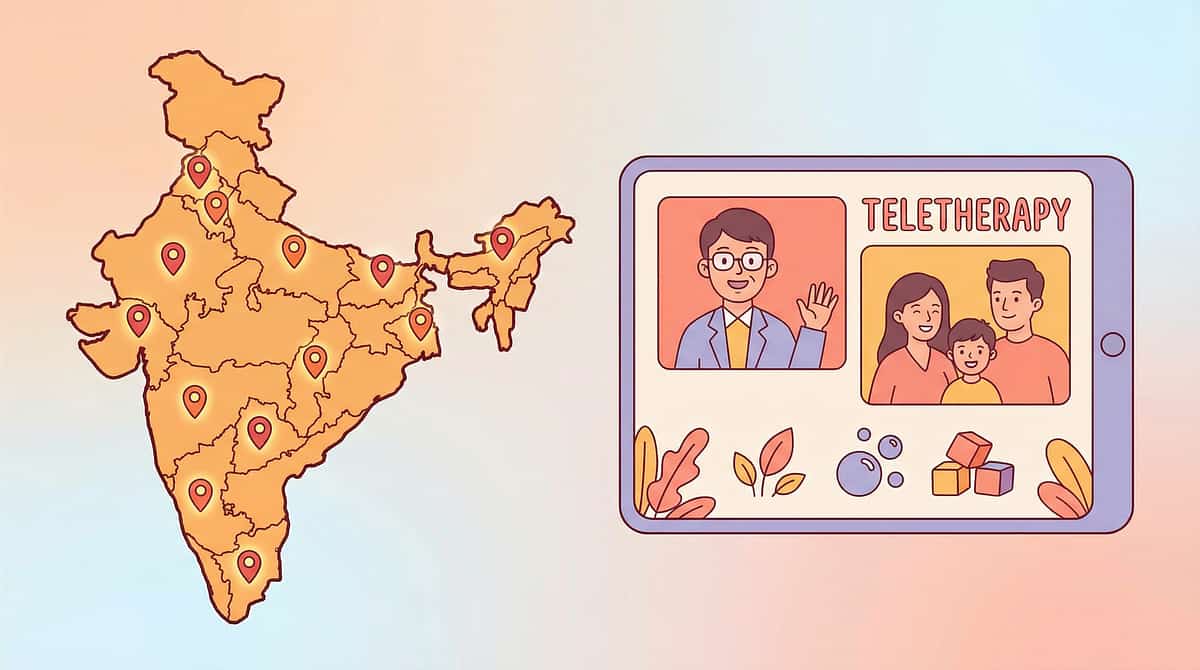
Cannot reach a physical centre? Pinnacle offers teleconsultation across all disciplines. 📞9100 181 181 for teleconsultation scheduling.

For the Parent Who Wants to Go Deeper.
Every claim on this page is traceable to peer-reviewed evidence.
NCAEP 2020 — National Clearinghouse on Autism Evidence and Practice
Environmental arrangement + mand training classified as evidence-based practices for autism (birth–22 years, all communication modalities). ncaep.fpg.unc.edu
Sundberg & Michael (2001)
"The Benefits of Skinner's Analysis of Verbal Behavior for Children with Autism" — Journal of Speech-Language Pathology and Applied Behavior Analysis. Foundation paper for mand training and motivating operations in language development.
Hart & Risley (1975); McGee et al. (1999)
Incidental teaching research demonstrating natural context communication teaching superiority for generalisation compared to structured drill. Classic foundation of naturalistic language intervention.
WHO Nurturing Care Framework (2018)
Responsive caregiving and communication facilitation as universal early child development principles. nurturing-care.org
Padmanabha et al. (2019) — India RCT
Home-based parent-implemented naturalistic language intervention, India. Indian Journal of Pediatrics | DOI: 10.1007/s12098-018-2747-4
PMC11506176 | PMC10955541 | PMC9978394
Systematic reviews and meta-analyses supporting naturalistic language intervention, sensory processing, and developmental intervention frameworks.
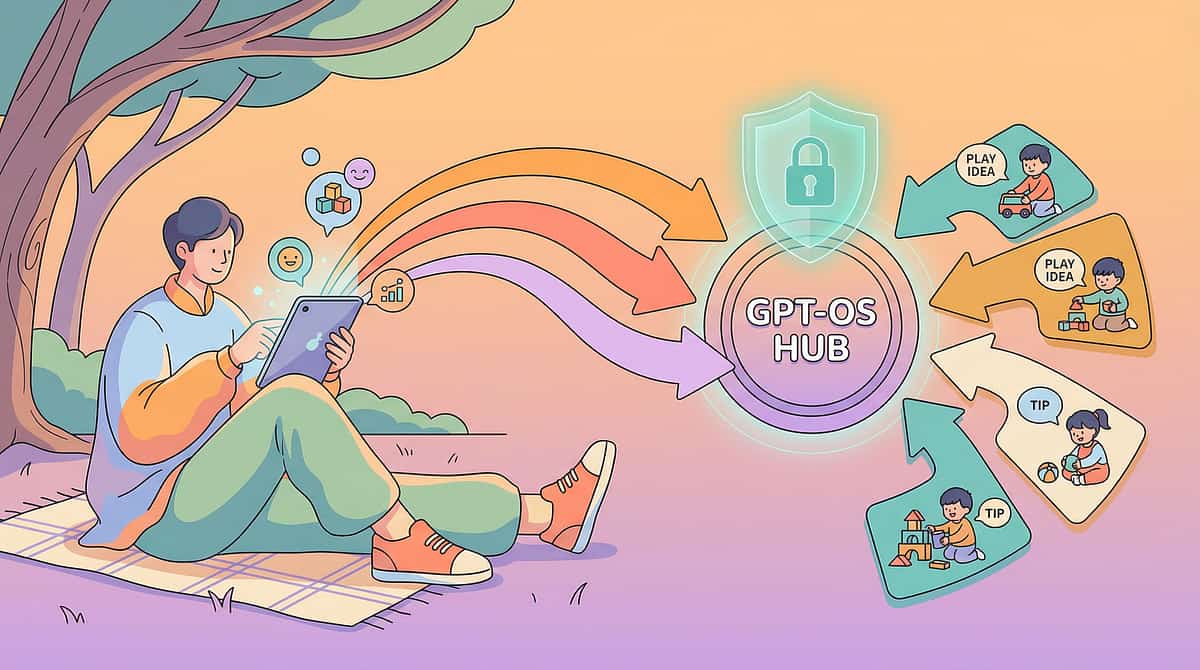
Powered by GPT-OS® — Global Pediatric Therapeutic Operating System
System Flow
1
Parent Records Session Data
Using the 3-question session log after each session
2
GPT-OS® Ingests Patterns
Across sessions, weeks, and child profiles
3
Communication Readiness Index Updated
Real-time scoring of frequency, form, and variety
4
TherapeuticAI® Refines Recommendations
Personalised next-session guidance generated
5
EverydayTherapyProgramme™ Adapts
Home plan evolves as child progresses
6
Population-Level Learning
Your child's data helps every child like theirs
What GPT-OS® Learns from L-926 Data
Which communication temptation materials produce fastest form progression for which profiles
Optimal session frequency and duration per age and communication level
Predictors of faster generalisation across settings
Which co-occurring conditions respond best to which temptation types
Family implementation success predictors
20M+
1:1 Therapy Sessions
97%+
Measured Improvement
70+
Centres Worldwide
All data is handled per applicable Indian data protection regulations and Pinnacle privacy standards.
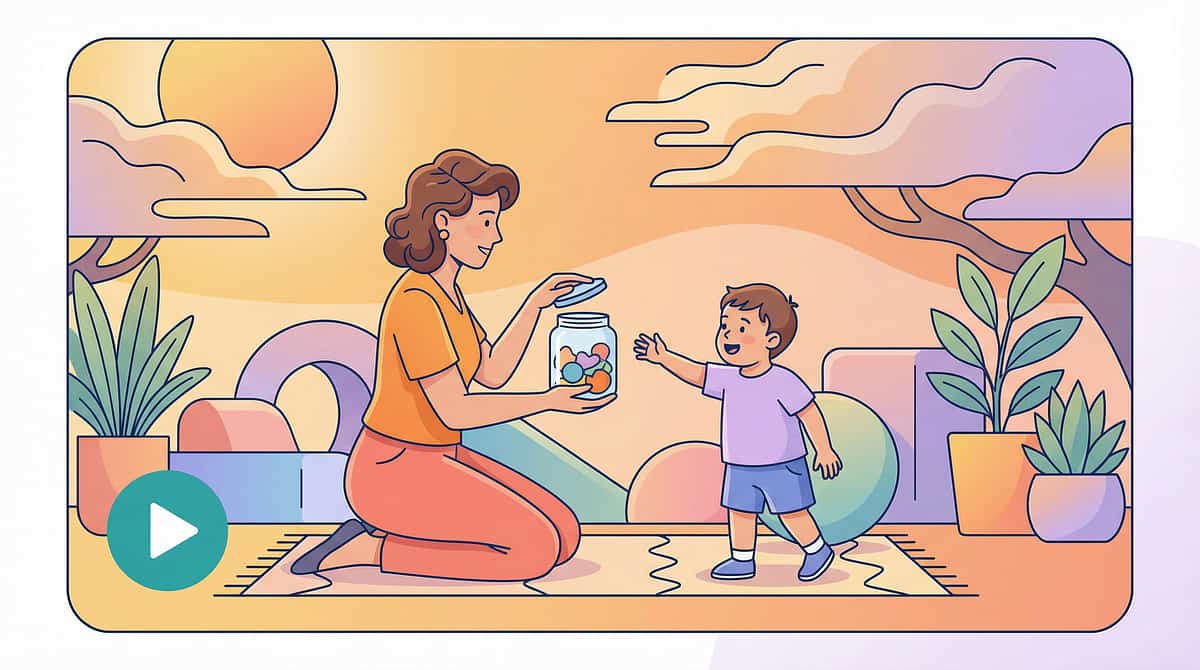
Watch: 9 Materials That Help With Communication Temptations
Reel L-926 | Speech-Language Pathology Series | Episode 926 of 999
▶️Reel L-926 — Video embed available at:techniques.pinnacleblooms.org/speech-language/communication-temptations-L926 "9 Materials That Help With Communication Temptations" | Duration: 75–85 seconds
About This Reel
In this reel, Pinnacle's SLP Consortium demonstrates all 9 communication temptation materials — from clear containers to silly mistakes — in real home settings. Watch real children respond to temptation setups, see the pause-and-wait technique in action, and observe authentic communication emerging in natural contexts.
Presented by the Pinnacle Blooms SLP Consortium — Speech-Language Pathologists, BCBAs, and Developmental Specialists across 70+ centres.
Video Modelling Research: Video modelling is an evidence-based practice for autism (NCAEP, 2020). Multi-modal learning — visual + text + demonstration — improves parent skill acquisition and implementation fidelity.

Communication Temptations Only Work When Everyone Uses Them.
Consistency across caregivers multiplies impact.
Share Options
📱 WhatsApp
Share this page instantly
📧 Email
Send to your spouse, grandparents, school teacher
🔗 Copy Link
techniques.pinnacleblooms.org/speech-language/communication-temptations-L926
📥 Download Family Guide
1-page PDF summary for grandparents and school
The Grandparent Summary (WhatsApp-Optimised)
"[Child's name]'s therapist has shown us a technique called Communication Temptations. Instead of immediately giving [him/her] what they want, we pause and wait for [him/her] to ask — even just by pointing or making eye contact. Please do this too! When [he/she] reaches for a toy or looks at a snack: WAIT 3–5 seconds. When they communicate ANY way — give it immediately. We're building [his/her] language one moment at a time. Thank you for being part of this!"
WHO CCD Package: Multi-caregiver consistency is a critical factor in developmental intervention generalisation and maintenance.
ACT VI: THE CLOSE
Your Questions — Answered by the Pinnacle Consortium
Isn't withholding things from my child mean or manipulative?
This is the most common concern — and it reflects what a caring parent you are. Communication temptations are NOT about withholding. Help is always coming. The communication is just the natural ticket to get it. Think of it this way: when a friend wants coffee, they say "could I have coffee?" — they're not being tortured. We're teaching your child that their communication has power to produce outcomes they want. That's empowering, not withholding.
My child gets very frustrated quickly. When do I wait and when do I give it?
Gauge your child's frustration window and stay INSIDE it. If your child needs 5 seconds before frustration, wait 4. The goal is just enough communicative need for motivation — never genuine distress. If frustration rises, help them succeed with a gentle prompt and then provide immediately. Success builds the habit. Never end on distress.
What if my child has no words at all? Can this still work?
Absolutely. For pre-verbal children, ANY communication attempt counts as success: eye contact toward the item, reaching toward the adult, a vocalization, a body orientation. The goal at this level is not words — it's intentional communication in any form. Communication temptations build the intention before the form arrives.
My child uses an AAC device. How do I adapt this?
Communication temptations work with ALL modalities including AAC. Before the session, ensure the target vocabulary is on the device. Accept AAC symbol selection exactly as you'd accept a spoken word. Model the target vocabulary on the device when you respond: "You chose BUBBLES! BUBBLES!" [point to bubbles symbol]. Ensure the device is available and accessible during every temptation activity.
We've been trying for 3 weeks and I see no change. What are we doing wrong?
First — check the motivation. Are you using items your child GENUINELY wants right now? Second — check the expectation. Are you accepting communication at THEIR current level (even just eye contact + reach)? Third — check the reward speed. Are you providing the item within 1–3 seconds of their communication? Often one of these three is the issue. Call 9100 181 181 for personalised troubleshooting.
My child only communicates with me, not with grandparents or school. What do we do?
This is called "person-specific communication" — very common and expected in early stages. Use the sharing resources from Card 37 to bring grandparents and teachers into the technique. Communication generalises through consistent, successful experience with multiple communication partners. Give grandparents the same technique with the same preferred items.
At what age is it too late to start communication temptations?
There is no "too late." Communication temptations have been successfully implemented with children and young adults across the full age spectrum. The materials and approach adapt — a teenager might use more sophisticated "sabotage" strategies or socially-motivated temptations — but the underlying principle of creating communicative need and rewarding attempts remains universally effective.
How is this different from what my child's SLP does in sessions?
Your SLP designs the clinical protocol, calibrates the communication expectation to your child's precise level, tracks progress systematically, and adjusts the approach based on data. You implement the same principles in the natural environment with higher frequency — dozens of opportunities daily vs. 1–2 in a clinic session. The combination is far more powerful than either alone.
💬Didn't find your answer? Ask GPT-OS®: pinnacleblooms.org/ask | Book a teleconsultation: 9100 181 181

You read the science. You have the materials. Your child has the words — they just need the reason. Start today.
🎯 Start This Technique Today
Launch GPT-OS® guided session
📞 Book an Assessment
AbilityScore® + SLP consultation
▶️ Explore Next Technique
L-927: Expanding Utterance Length
🗣️ SLP
🧠 ABA
✋ OT
📚 SpEd
👨⚕️ NeuroDev
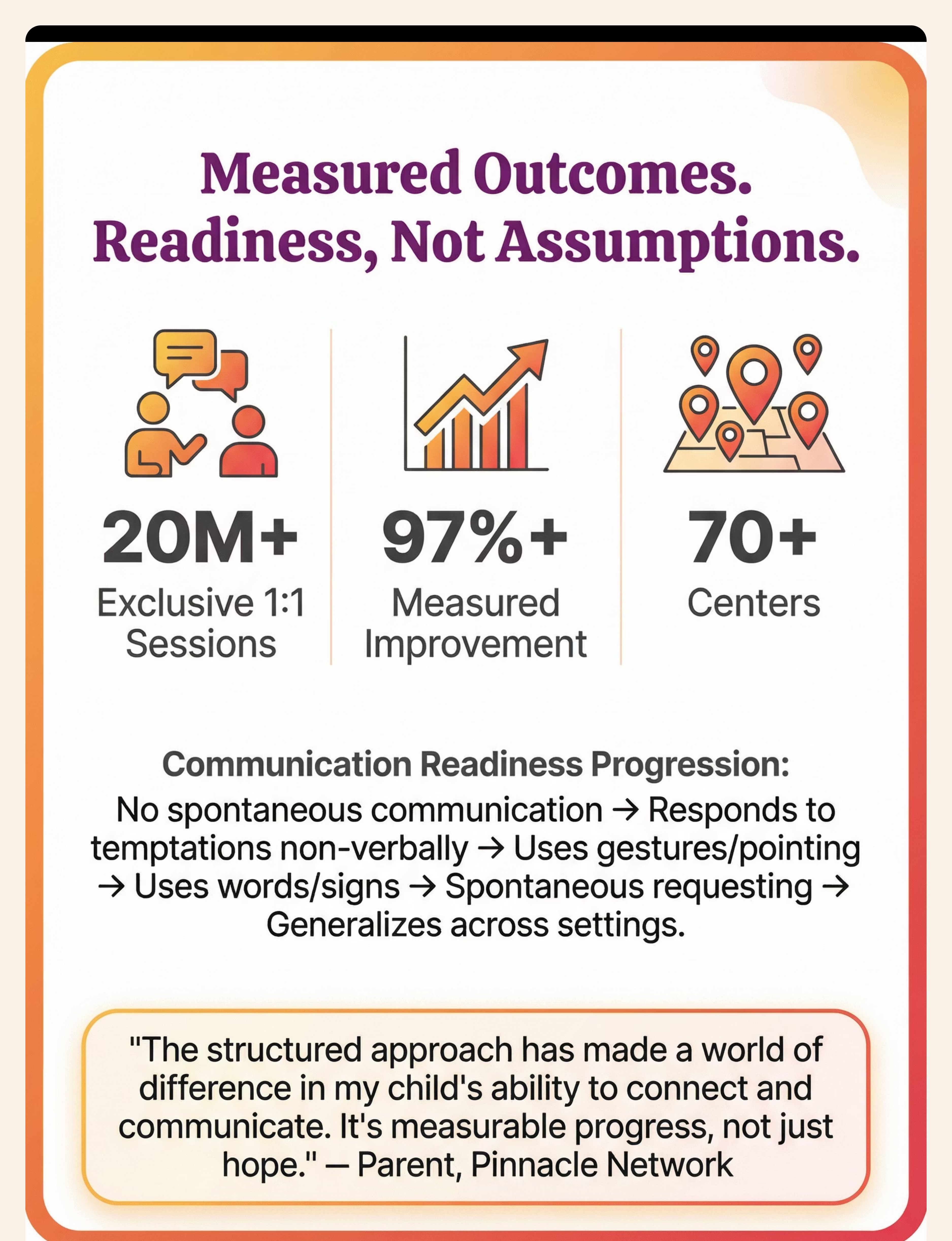
20M+
Therapy Sessions
97%+
Measured Improvement
70+
Centres
70+
Countries Served
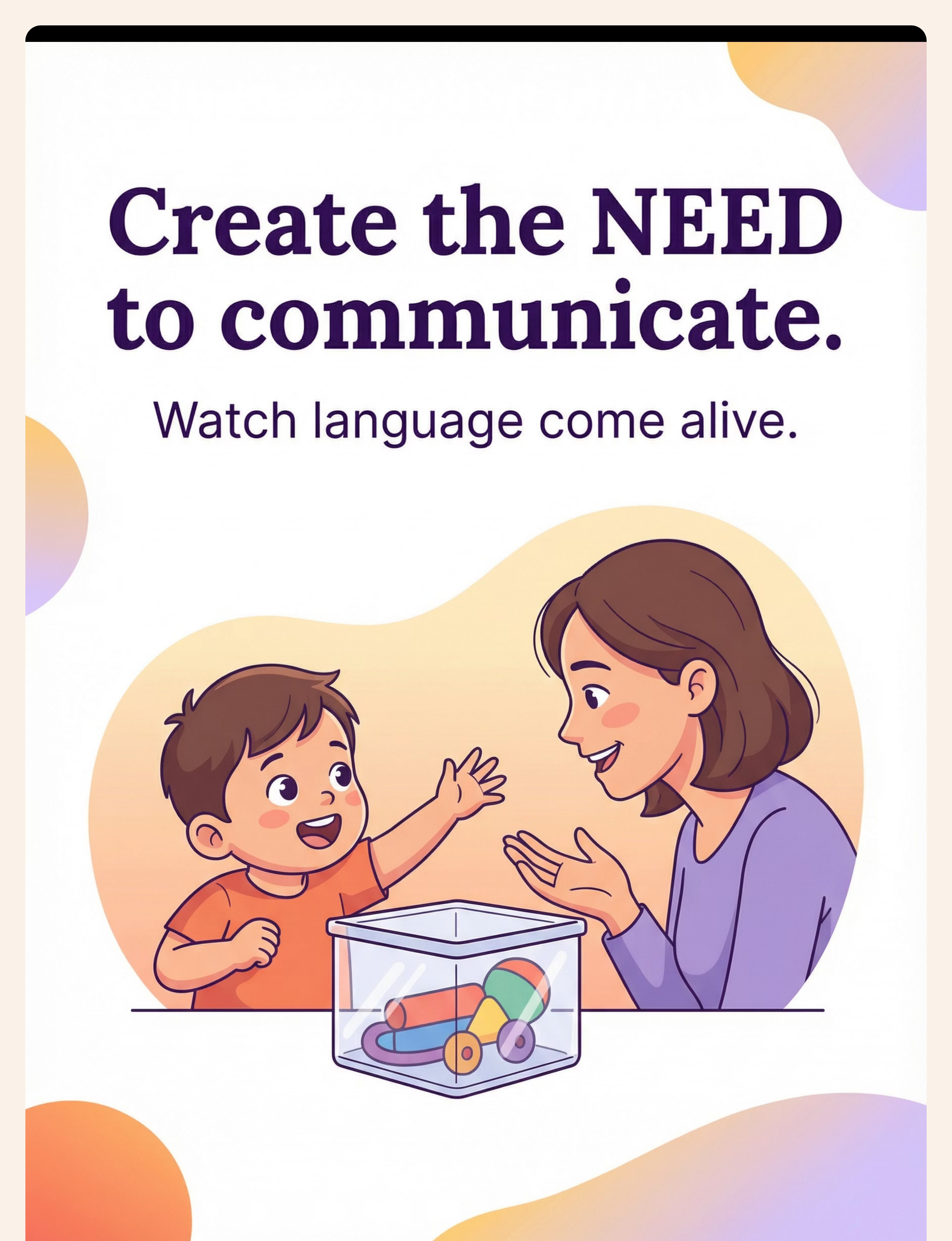
Preview of 9 materials that help with communication temptations Therapy Material
Below is a visual preview of 9 materials that help with communication temptations therapy material. The pages shown help educators, therapists, and caregivers understand the structure and content of the resource before use. Materials should be used under appropriate professional guidance.



Link copied!
The Pinnacle Promise
"From fear to mastery. One technique at a time."
Pinnacle Blooms Network® is India's largest multi-disciplinary pediatric therapy consortium, operating 70+ centres and delivering 20M+ exclusive 1:1 therapy sessions across autism, speech delay, sensory processing, behaviour, and developmental challenges. Built by mothers. Engineered as a system. Trusted by families in 70+ countries.
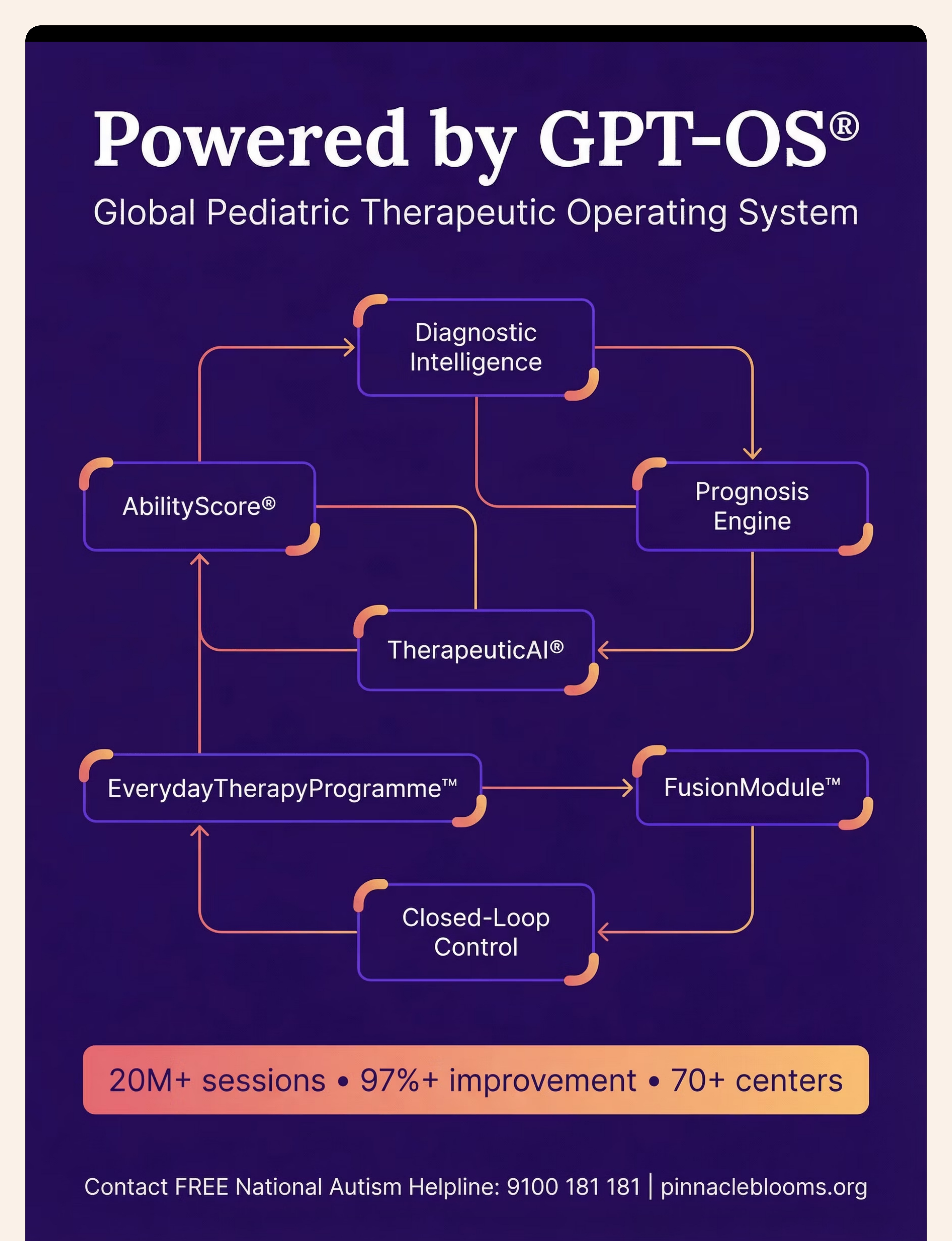
Powered by GPT-OS®
Global Pediatric Therapeutic Operating System
Diagnostic Intelligence → AbilityScore®
Prognosis Engine → TherapeuticAI®
Home Programme → EverydayTherapyProgramme™
Integrated Therapy → FusionModule™
Continuous Learning → Closed-Loop Control
Navigation
Legal / Statutory Identifiers
CIN: U74999TG2016PTC113063 | DPIIT: DIPP8651 (Startup India, Govt. of India) | MSME: TS20F0009606 | GSTIN: 36AAGCB9722P1Z2
This content is educational. It does not replace professional speech-language assessment or therapy. Children with significant communication delays should receive comprehensive evaluation from qualified speech-language pathologists. Communication temptations should be tailored to individual child abilities and implemented in conjunction with professional guidance. Individual results may vary.
© 2025 Pinnacle Blooms Network®, unit of Bharath Healthcare Laboratories Pvt. Ltd. All rights reserved.