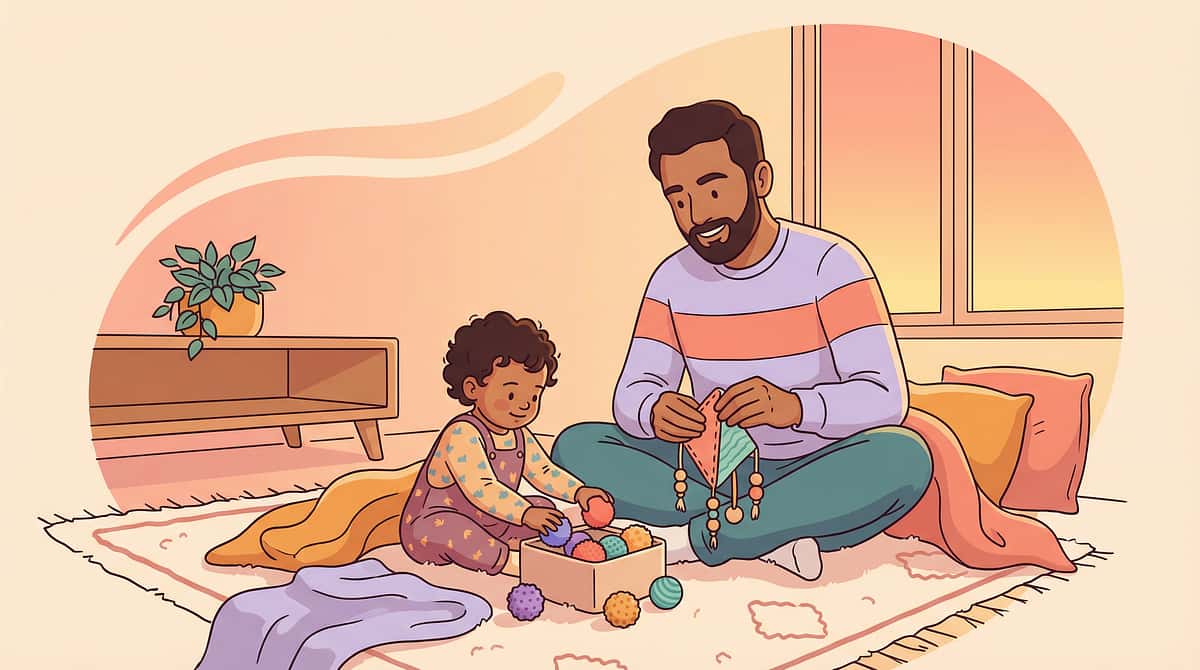
You are not failing. Her brain is working differently — and that difference has a precise, addressable name.
Pinnacle Blooms Consortium® | Built by Mothers. Engineered as a System.
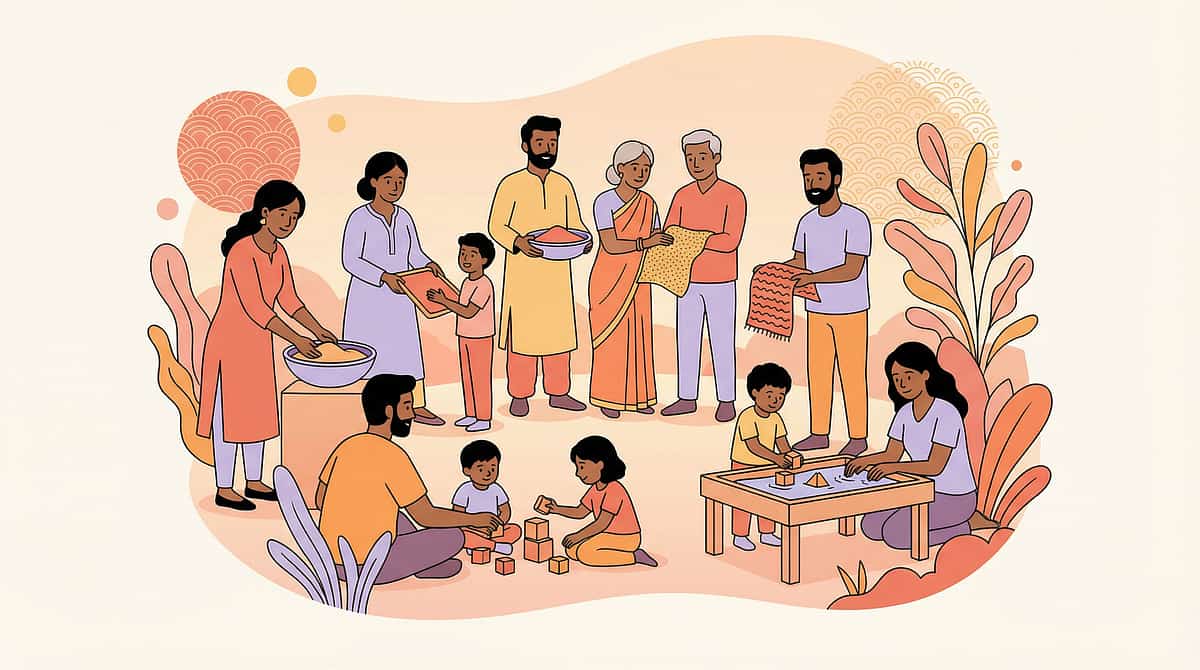
Colour recognition delay is far more common than most parents realise. Whether your child is on the autism spectrum, has a language delay, or is a typically developing child whose colour-word connection simply hasn't clicked yet — you are not alone, and you are not late.
Children diagnosed with autism have co-occurring colour concept delays as part of broader cognitive-language processing differences. CDC / WHO 2023
Of typically developing children ages 3–5 show delayed colour naming despite normal vision. This is not rare, and not your fault. Child Development Research, 2021
The age most children reliably name all basic colours — many healthy children are still learning at 4½. WHO Developmental Milestones Framework
In India alone, more than 2.3 million families are navigating colour recognition delays right now — in clinic waiting rooms, in preschool meetings, in breakfast-table moments exactly like yours.
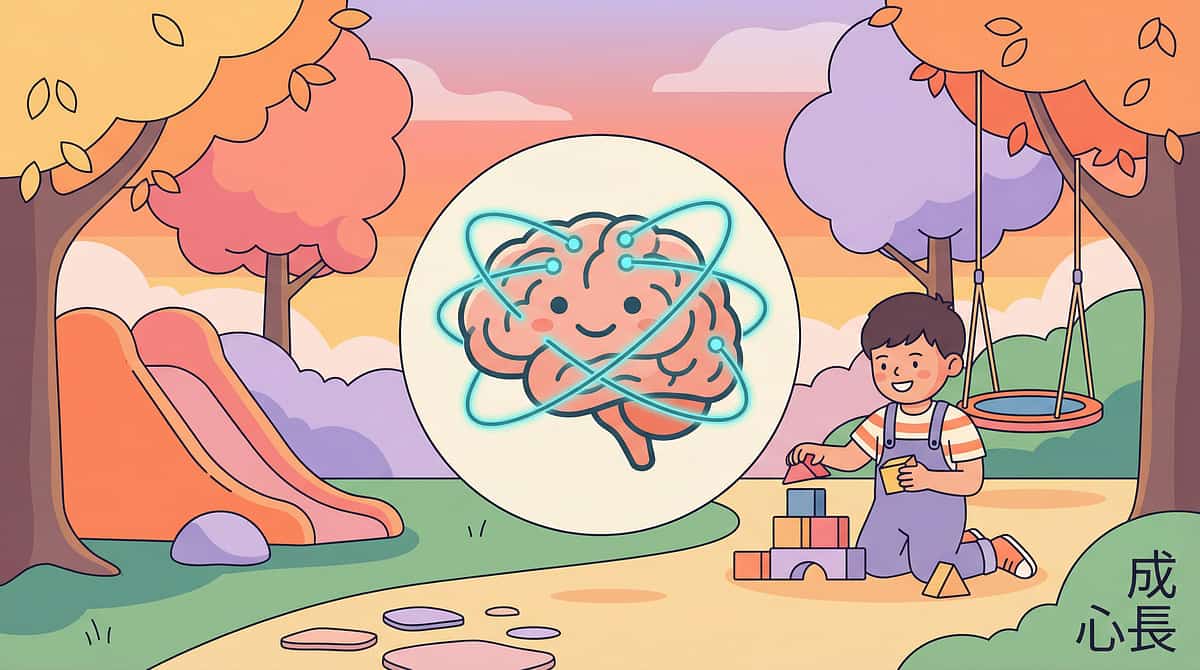
Your child may see colours perfectly. The gap is almost never in the eyes — it's in the connection bridge between seeing a colour and retrieving its name. Three distinct skill sets must develop in sequence before a child can confidently say "red" on demand.
Seeing that red ≠ blue. Emerges 12–18 months. The visual cortex (V4) perceives wavelength differences.
Placing same colours together. Develops 2–3 years. The association cortex begins linking visual signals.
Pointing to red when asked. Emerges 2.5–3.5 years. Language cortex stores colour-word labels.
Saying "red" when asked. Develops 3–4 years. Working memory holds the colour category while finding the word.
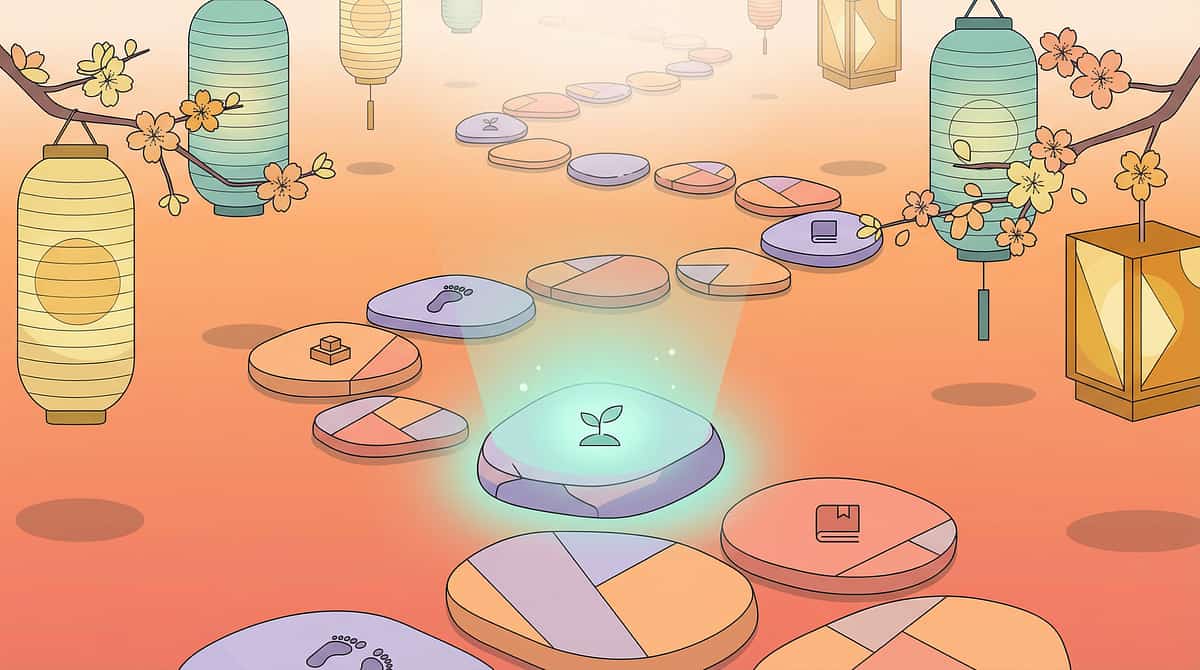
Understanding where your child sits on the developmental colour-learning timeline is the first step to knowing exactly what to do next. This is not a race — it is a map.
Visual Discrimination — Sees that colours differ from each other
Colour Matching — Puts reds with reds, blues with blues
Receptive ID — Points to red when named
Expressive Naming — Says "red" when asked "what colour?"
Generalisation — "Red" applies to cars, apples, crayon, dress ◄ Functional Mastery
Colour words are vocabulary. Delayed vocabulary means delayed colour naming.
Different processing priorities; colours may not be salient stimuli initially.
Colour information is missed during attention gaps in the learning environment.
Visual-verbal connection pathway differences affect the colour-word bridge.

Children (MDPI), 2024 | PMC11506176
16 studies (2013–2023) confirm play-based sensory-cognitive interventions meet evidence-based practice criteria. Multisensory approaches (touch + vision + movement) outperform visual-only drilling.
Indian Journal of Pediatrics, 2019 | DOI:10.1007/s12098-018-2747-4
Home-based sensory-cognitive interventions delivered by trained parents demonstrated statistically significant outcomes in concept formation and language development in Indian paediatric populations.
Pinnacle Blooms Network®, 20M+ Sessions
97%+ measured improvement rate across Colour Recognition Index, Visual Concept Readiness, and Receptive-Expressive Colour Vocabulary — tracked through GPT-OS® AbilityScore® system.
Strong — supported by systematic reviews, RCTs, and 20M+ real-world sessions
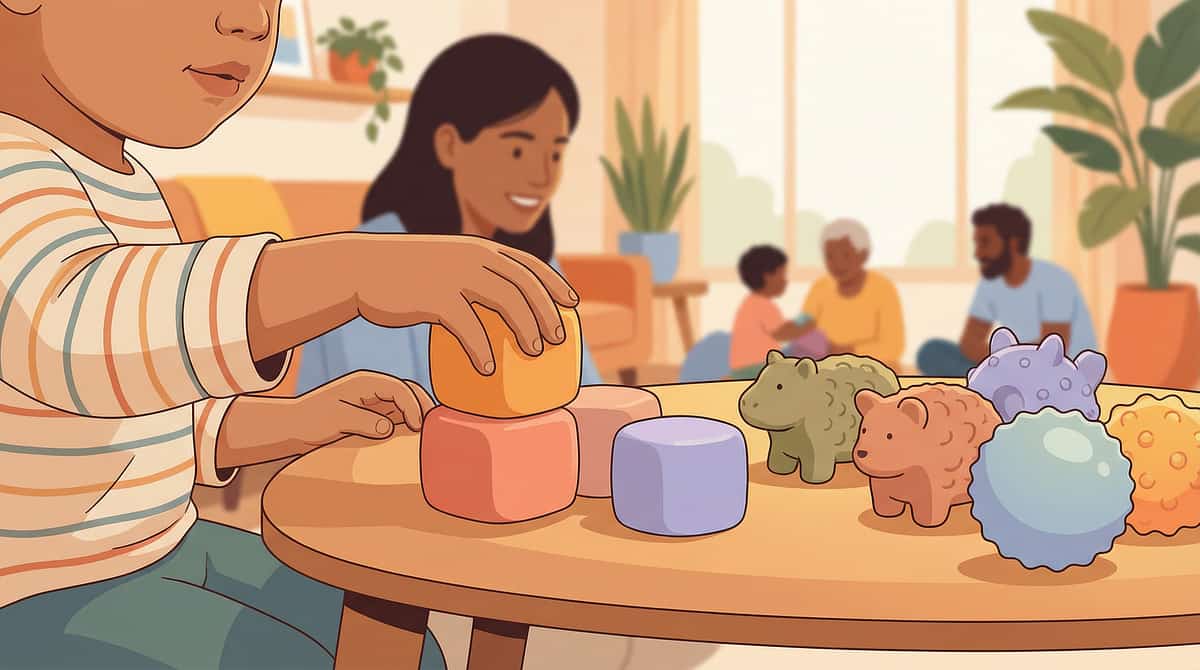
Parent-friendly alias: "The Colour Discovery System"
This technique introduces 9 categories of evidence-selected, play-based therapy materials that build colour recognition through active sensory exploration — not passive drilling. The approach systematically develops the full colour recognition skill chain: visual discrimination → matching → receptive identification → expressive naming → generalisation.
Each material targets a specific cognitive-language mechanism. Together, they create a total learning environment where colour becomes something to discover, feel, sort, hunt, and create — not just label on command.
Colour recognition delay | Colour naming difficulty | Visual-verbal association gaps | Concept formation delays | Receptive-expressive colour language gaps
⏱️ 10–20 min/session | 📅 Daily integration | 📦 9 Canon Material Categories | Ages 2–6
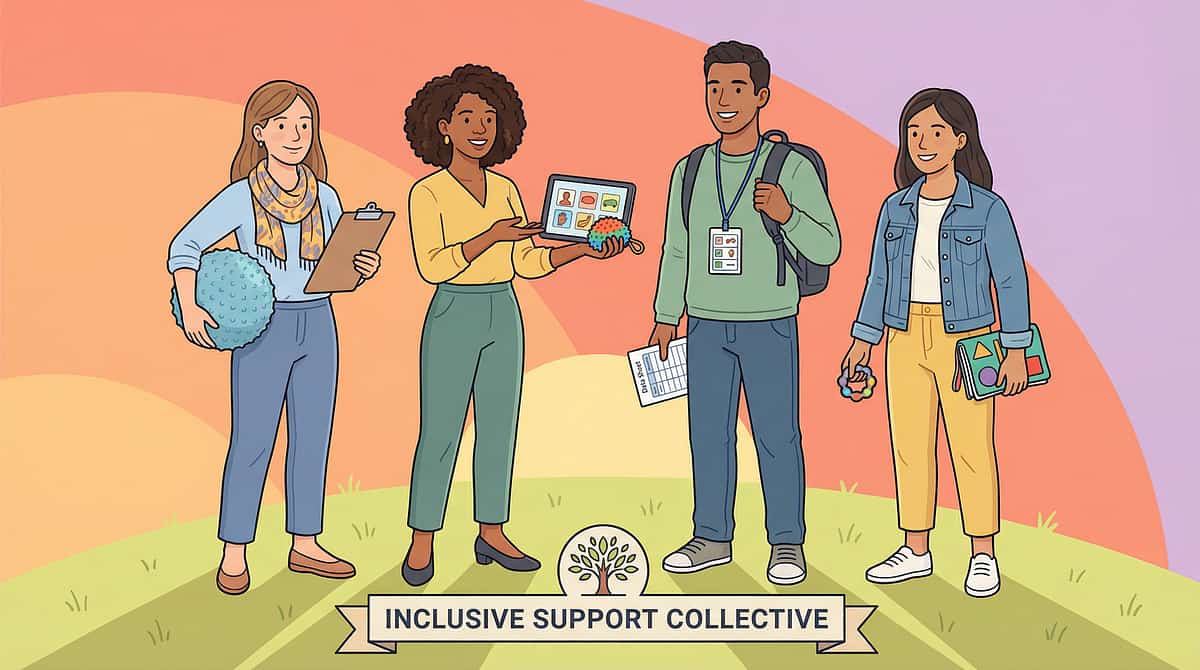
Colour recognition is not "just a speech therapy goal" or "just an OT goal." When multiple disciplines approach the same skill from different angles simultaneously, the brain forms connections that no single discipline could achieve alone.
Uses colour recognition as a vocabulary and concept formation target. Builds the receptive-to-expressive language bridge for colour words. Embeds colour naming in natural language routines and narrative activities.
Deploys multisensory colour activities to support visual perception, visual-motor integration, and sensory processing. Selects tactile and proprioceptive materials based on the child's individual sensory profile.
Structures colour learning using discrete trial training, natural environment teaching, and reinforcement schedules. Establishes errorless learning progressions and data collection systems for colour skills.
Connects colour recognition to pre-academic readiness — colour-coded organisational systems, colour as a learning scaffold, and colour vocabulary for classroom participation.
Rules out colour vision deficiency, monitors developmental trajectory, and coordinates between disciplines when colour delay is part of a broader developmental pattern.
"When an SLP, OT, and ABA therapist all use colour recognition materials — in different ways, for different goals — the child gets triangulated learning. The brain forms connections from multiple angles simultaneously." — Pinnacle Blooms Consortium Clinical Protocol
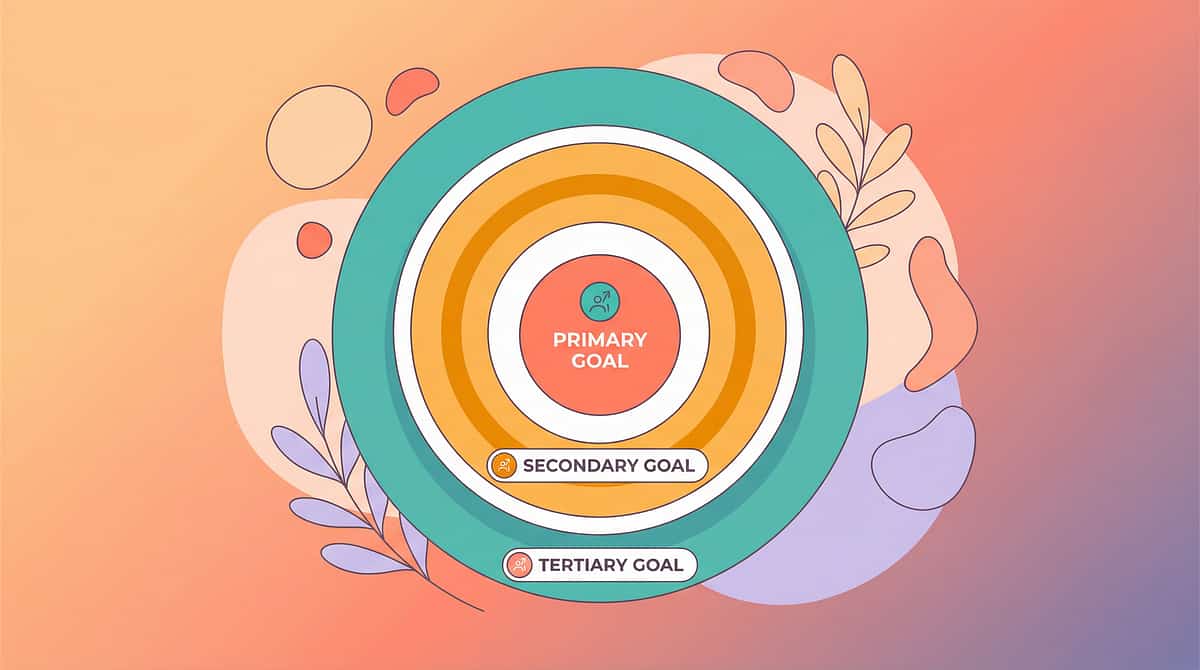
Colour Recognition & Naming
- Visual discrimination of colour as an attribute
- Receptive colour identification ("Show me red")
- Expressive colour naming ("This is red")
- Colour vocabulary in spontaneous conversation
Observable indicator: Child correctly identifies and names 6+ basic colours in familiar and novel contexts
- Categorisation Skills — understanding that objects share attributes
- Concept Formation — building abstract concept categories
- Vocabulary Development — colour words as expanding lexicon
- Working Memory — holding colour category while applying it
- Visual Attention — attending to colour as a salient perceptual feature
- Pre-academic readiness
- Self-regulation through structured play routines
- Fine motor development
- Social language (colour in conversation)
- Executive function (inhibiting wrong colour responses)
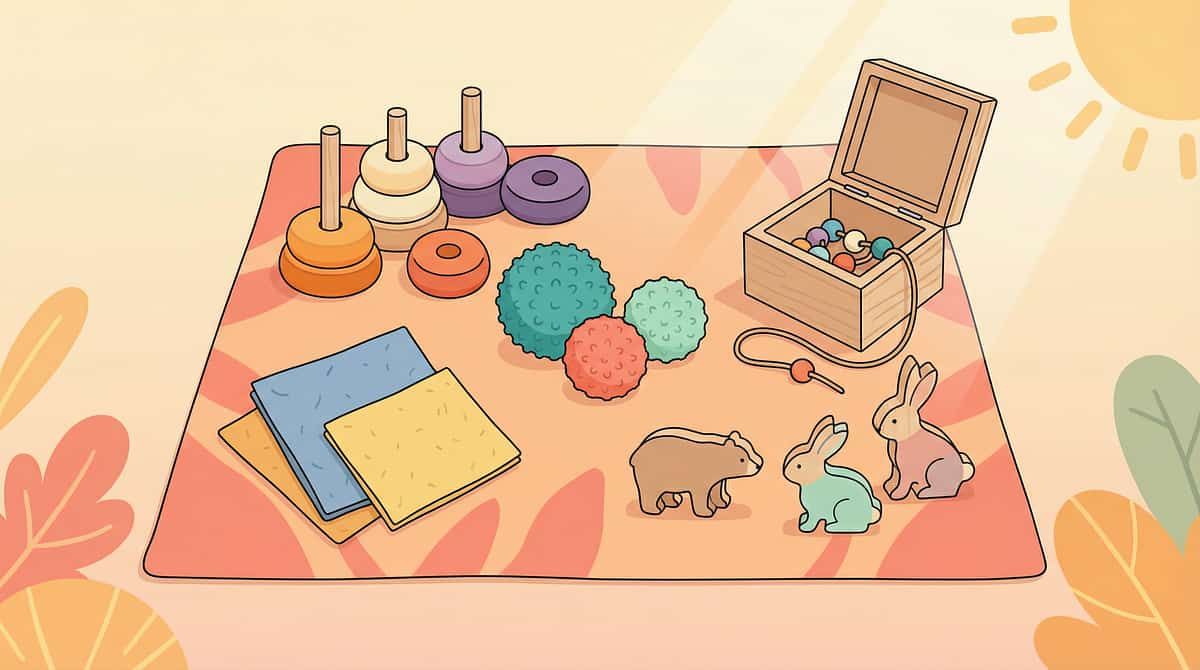
These nine material categories form the complete Colour Discovery System. Each one activates a different learning pathway — together, they create a rich, multi-modal environment where colour learning becomes inevitable rather than forced. Starter kit: ₹1,750–4,800 for the complete set | Budget-conscious start: ₹400 (3 core materials).
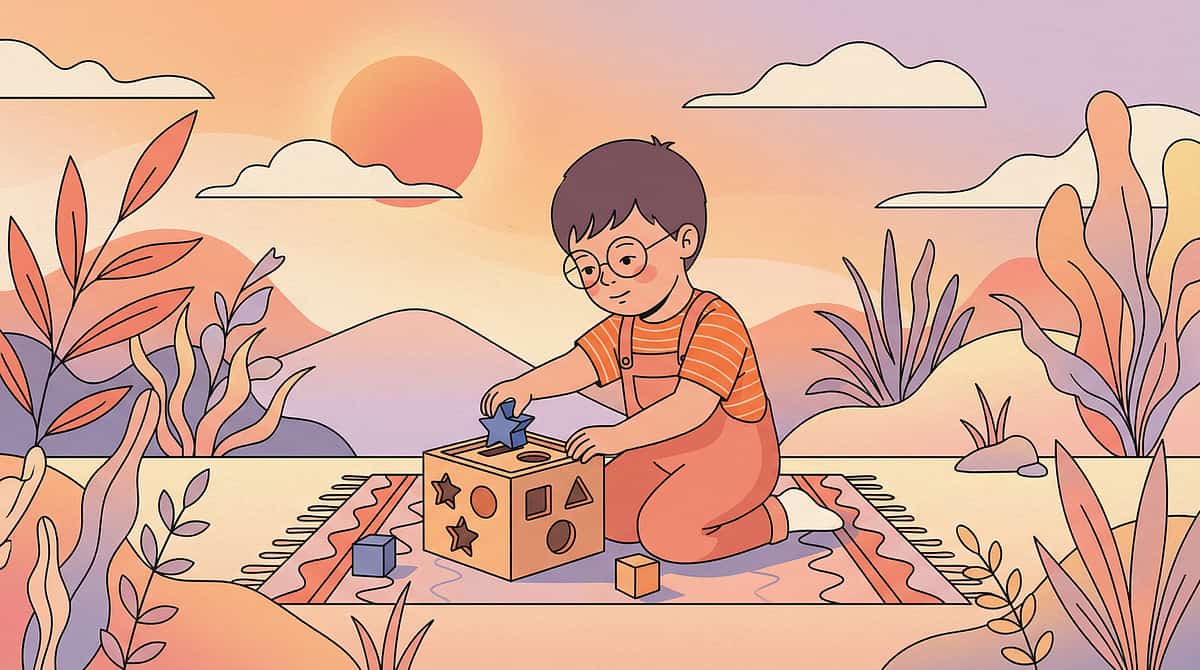
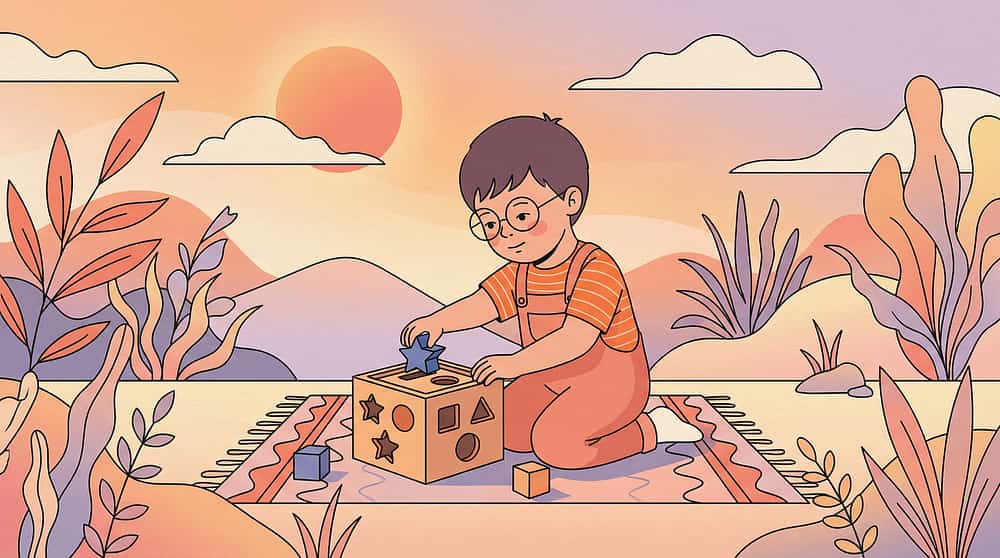
Canon: Sorting Activities / Categorisation
Builds visual discrimination and colour matching foundation — the bedrock skill before any naming begins.
💰 ₹200–500 | 🛒 Shop on Amazon.in | ✅ Pinnacle Recommends
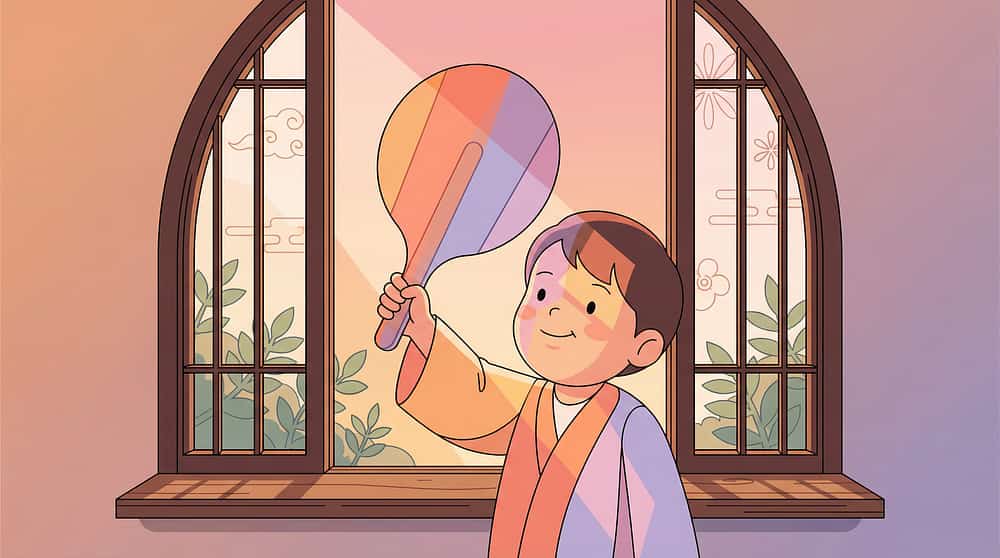
Canon: Cause-Effect Toys / Visual Discovery
Creates wonder-based colour learning through transparent exploration. The novelty of seeing the world "go red" through a paddle produces immediate, memorable colour encounters.
💰 ₹300–800 | 🛒 Shop on Amazon.in | ✅ Pinnacle Recommends
Canon: Sensory Materials / Sensory Bins
Multisensory immersion in single-colour environments. Touch, sight, and sound combine to make one colour the entire world of the session.
💰 ₹200–600 | 🛒 Shop on Amazon.in | ✅ Pinnacle Recommends
Canon: Matching Games / Memory Games
Structures repetition through game-based colour learning — children engage longer and with more focus when colour learning is wrapped in play.
💰 ₹150–500 | ✅ Direct SKU: Dyomnizy Educational Memory Game — Colour & Shape
Canon: Sensory Materials / Tactile Exploration
Adds the tactile dimension — feel the colour, shape the learning. The act of squeezing red dough while saying "red" creates a body-memory that visual approaches alone cannot achieve.
💰 ₹150–400 | 🛒 Shop on Amazon.in | ✅ Pinnacle Recommends
Canon: Sorting Activities / Categorisation
Purpose-built structured matching with clear visual and tactile feedback loops. Each peg placed correctly reinforces the colour category with motor action.
💰 ₹300–900 | 🛒 Shop on Amazon.in | Also: Brainy Bug Flashcards — Colour Categories
Canon: Cognitive Games / Environmental Learning
Transfers colour knowledge to real-world application through movement. This is the generalisation tool — colour learning leaves the table and enters the world.
💰 ₹50–200 | 🛒 Shop on Amazon.in | ✅ Pinnacle Recommends
Canon: Creative Arts Materials / Fine Motor
Discovery through creation — mixing colours builds understanding no drilling achieves. A child who makes green by mixing blue and yellow owns that knowledge permanently.
💰 ₹200–600 | 🛒 Shop on Amazon.in | ✅ Pinnacle Recommends
Canon: Visual Supports / Environmental Modifications
Embeds colour learning into daily life — colours that serve real purposes (your red plate, your blue cup) get learned through living, not through drill.
💰 ₹200–800 | 🛒 Shop on Amazon.in | ✅ Pinnacle Recommends
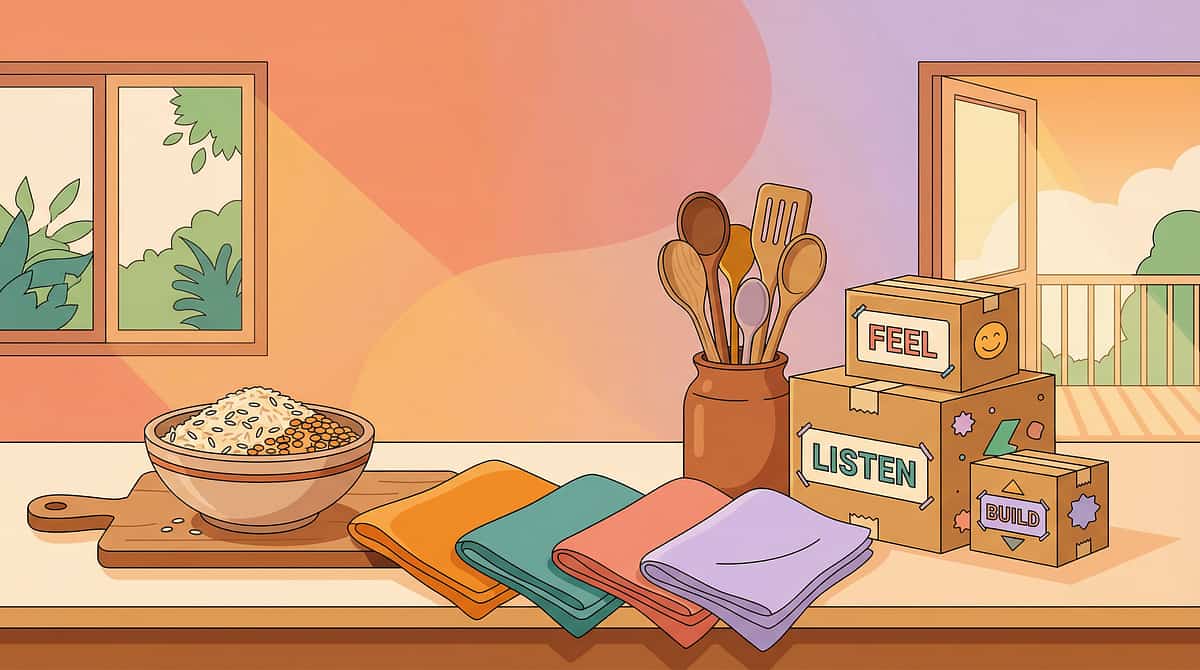
The therapeutic principle is the sensory-cognitive encounter — not the brand. A red bowl from your kitchen does exactly what a ₹500 sorting set does: it gives colour a physical home. Below is a complete DIY equivalent for every material in the system.
Material | Buy This | Make This (₹0) |
Sorting Trays | Coloured bowls ₹200–500 | Kitchen muffin tin + construction paper circles in each cup |
Colour Paddles | Transparent paddles ₹300–800 | Coloured cellophane taped to window / embroidery hoops |
Sensory Bins | Coloured rice kit ₹200–600 | Old rice + food colouring + zip bag (shake to colour, dry overnight) |
Matching Games | Memory card game ₹150–500 | Pairs of coloured paper squares from waste paper |
Playdough | Commercial set ₹150–400 | Flour + salt + cream of tartar + water + food colouring — the making IS therapy |
Sorting Toys | Pegboard set ₹300–900 | Muffin tin + coloured pom poms + kitchen tongs (fine motor bonus) |
Hunt Materials | Coloured baskets ₹50–200 | Any bag + colour swatch from magazine / paint chip from hardware store |
Art Supplies | Washable finger paints ₹200–600 | Food colouring + water in small cups; shaving foam + drops of colour |
Routine Items | Coloured plates/cups ₹200–800 | Colour-code existing items with coloured tape / permanent marker dot |
"The therapeutic principle is the sensory-cognitive encounter — not the brand. A red bowl from your kitchen does exactly what a ₹500 sorting set does: it gives colour a physical home." — Pinnacle OT + SLP Consortium Guidance
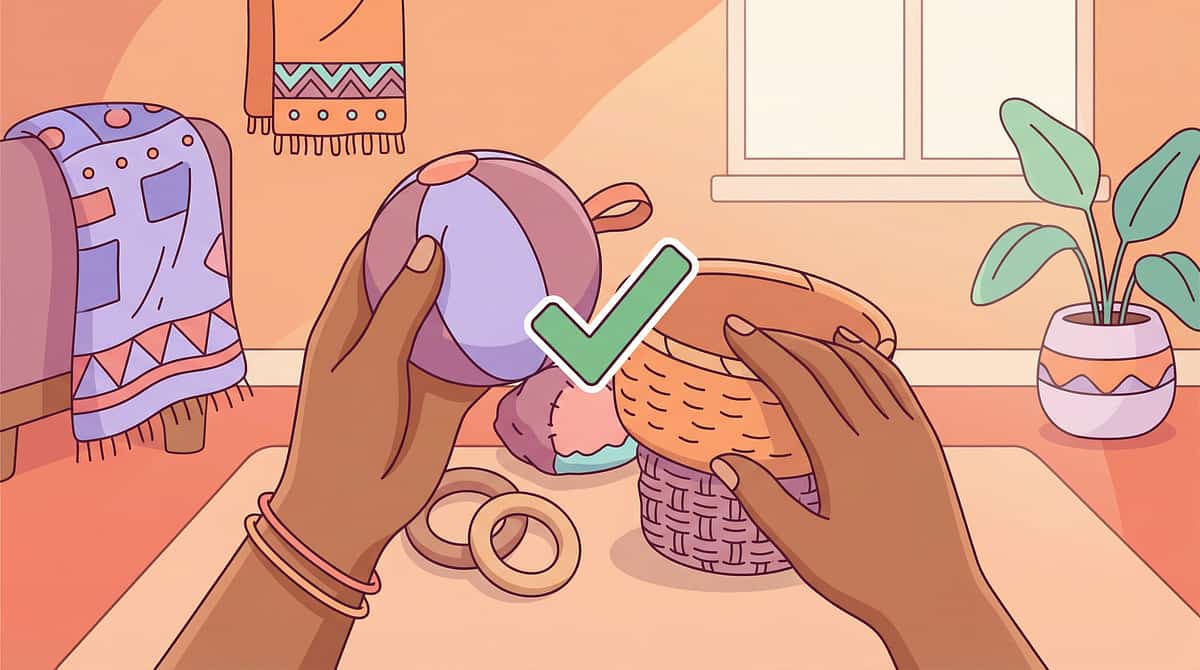
- Child is currently unwell (fever, ear infection, illness)
- Child has had a severe meltdown in the past 2 hours
- Child shows signs of severe sensory overload (hands over ears, self-injurious behaviour)
- You are using small pieces with a child who mouths objects without line-of-sight supervision
- Child has a known dye/food allergy and you are using food-coloured rice or water
- Child is tired or over-hungry (feed first, then wait 20 minutes)
- Multiple caregivers in the space causing distraction
- Child seems borderline dysregulated — run a 5-minute calming routine first
- Small objects present: switch to large pom poms, oversized buttons, or foam pieces
- Child is fed, rested, alert, and in a baseline regulated state
- All materials are age-appropriate for this child's specific needs
- You have uninterrupted 10–20 minutes confirmed
- The space is prepared (see Card 12)
- You have a plan for if the child needs to stop early
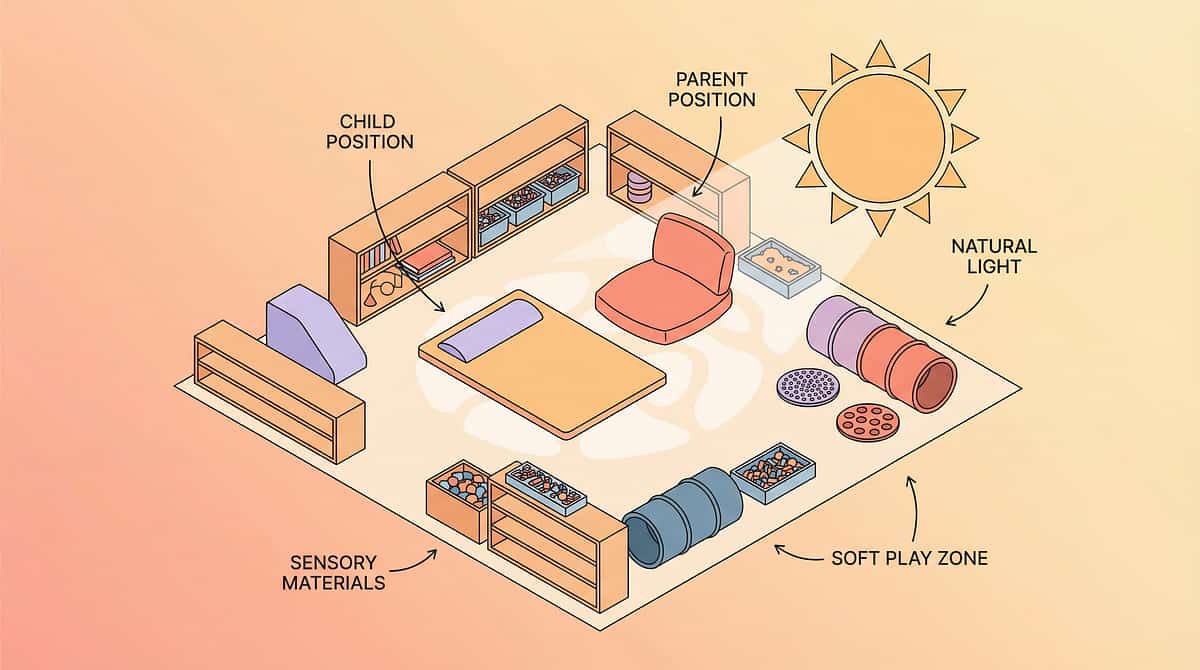
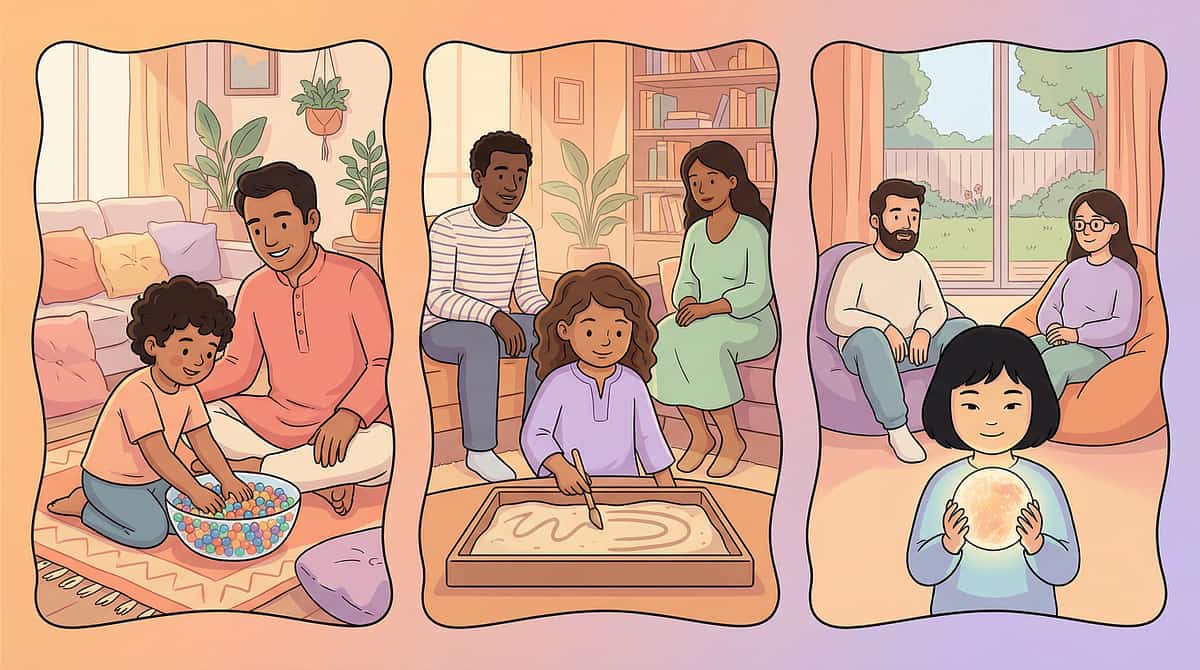
- Floor or low table — child and parent at same eye level
- Natural or warm light (not harsh fluorescent)
- Background noise below 50dB (no TV, no music initially)
- Temperature comfortable — overheating increases irritability
- 1 metre minimum clear working radius
- Only materials for THIS session are visible
- Materials pre-sorted so session doesn't start with setup delay
- Water nearby if using paint or playdough
- Visual timer visible and ready
- Phone silenced
- 20 minutes of uninterrupted time confirmed
- Reinforcement ready (stickers, preferred snack, praise script rehearsed)
- Data sheet/tracker app open before starting
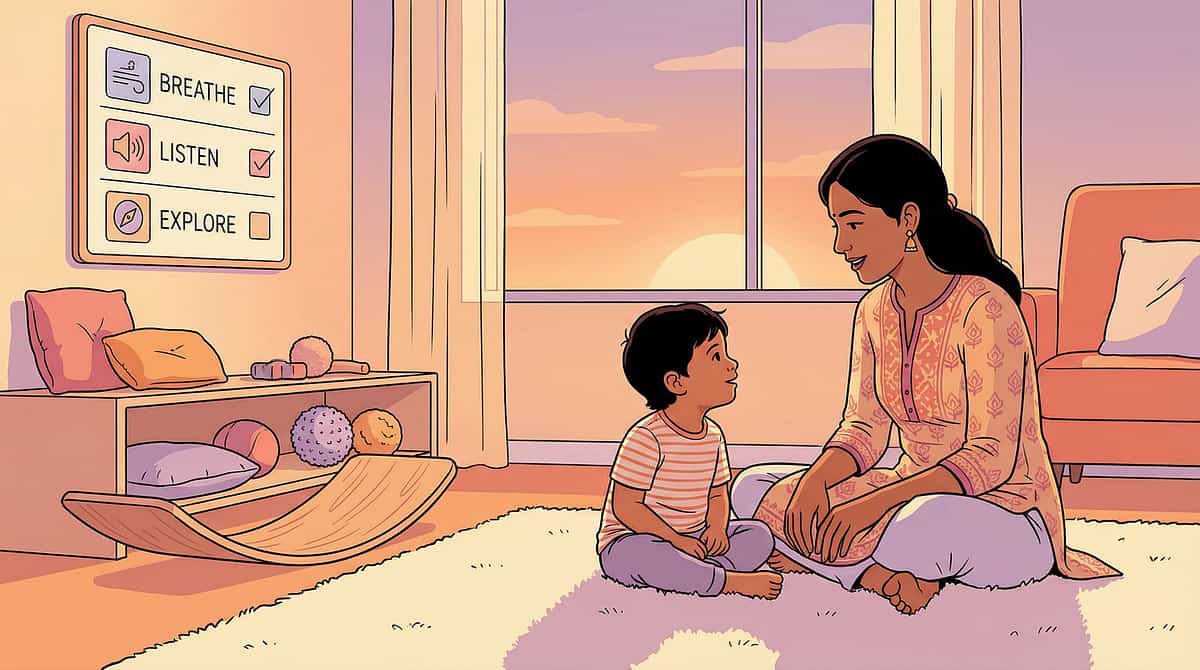
Before placing a single material in front of your child, take one minute to observe these seven indicators. Your honest assessment of where your child is right now — not where you hope they are — determines whether to proceed, modify, or postpone.
Indicator | ✅ GO | 🟡 MODIFY | 🔴 POSTPONE |
Feeding | Fed within last 2 hours | Hungry but not upset | Actively demanding food |
Sleep | Well-rested or normal alertness | Slightly tired | Overtired/just woke from short nap |
Emotional State | Calm, neutral, or happy | Mildly fussy but redirectable | Mid-meltdown or post-meltdown |
Physical State | Healthy, no illness signs | Slight runny nose | Fever, pain, obvious discomfort |
Interest Signal | Notices materials when brought out | Ignores but not pushing away | Actively pushes materials away |
Eye Contact | Making some visual contact | Minimal but present | Completely avoidant (unusually) |
Body Regulation | Still or engaged movement | Some stimming but manageable | High intensity dysregulation |
Proceed to Step 1 — Full Session
Proceed — Modified: fewer materials, shorter session
Postpone. 5 minutes of preferred calming activity instead. No data captured. No guilt.
"A session postponed is not a session lost. It is data about your child's regulatory patterns."
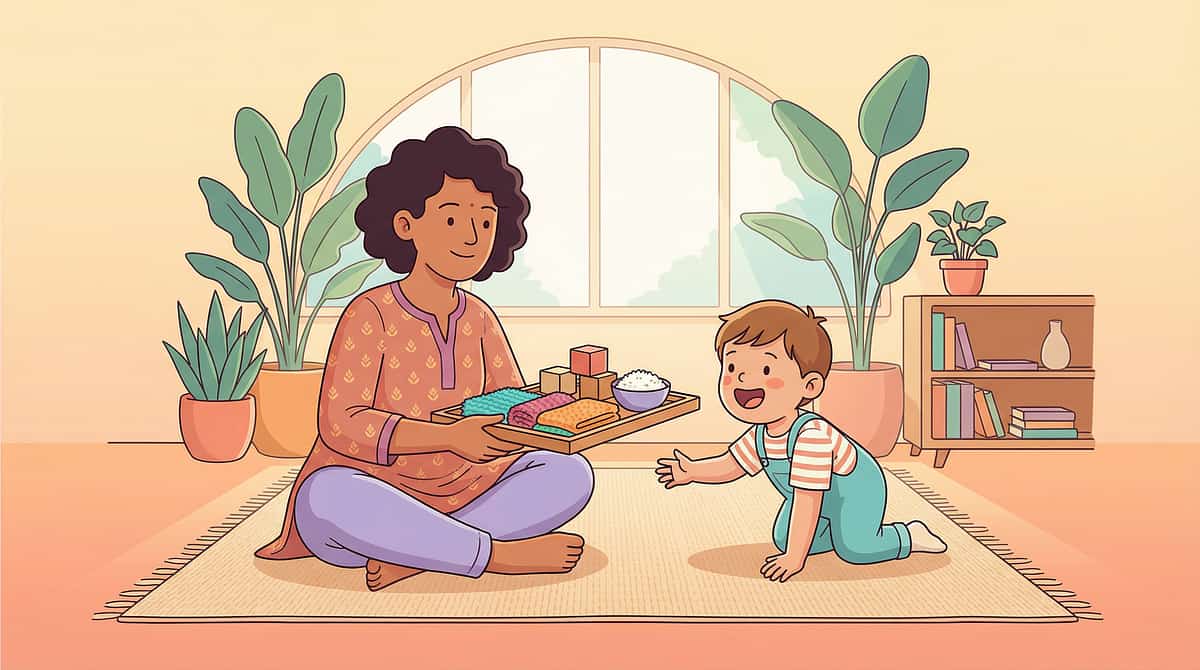
Bring one material into the child's space — not all of them. Choose the one most likely to create natural curiosity based on what you know of your child's interests and sensory preferences. Place it nearby but not directly in front of the child. Let them notice it.
"Hey, I've got something. Want to see?"
[Pause 3–5 seconds. Don't repeat it.]
[If they look at the material: "Come see this with me."]
[If they come closer: "Let's look at these together."]
Moves toward material | Reaches out or points | Makes eye contact | Vocalises any sound of interest | Sits or settles near you
Moves away | Pushes material | Increases vocalisations/distress | Turns body away completely
If resistance: Switch to a different material, or spend 2 minutes in the child's preferred activity before reintroducing.
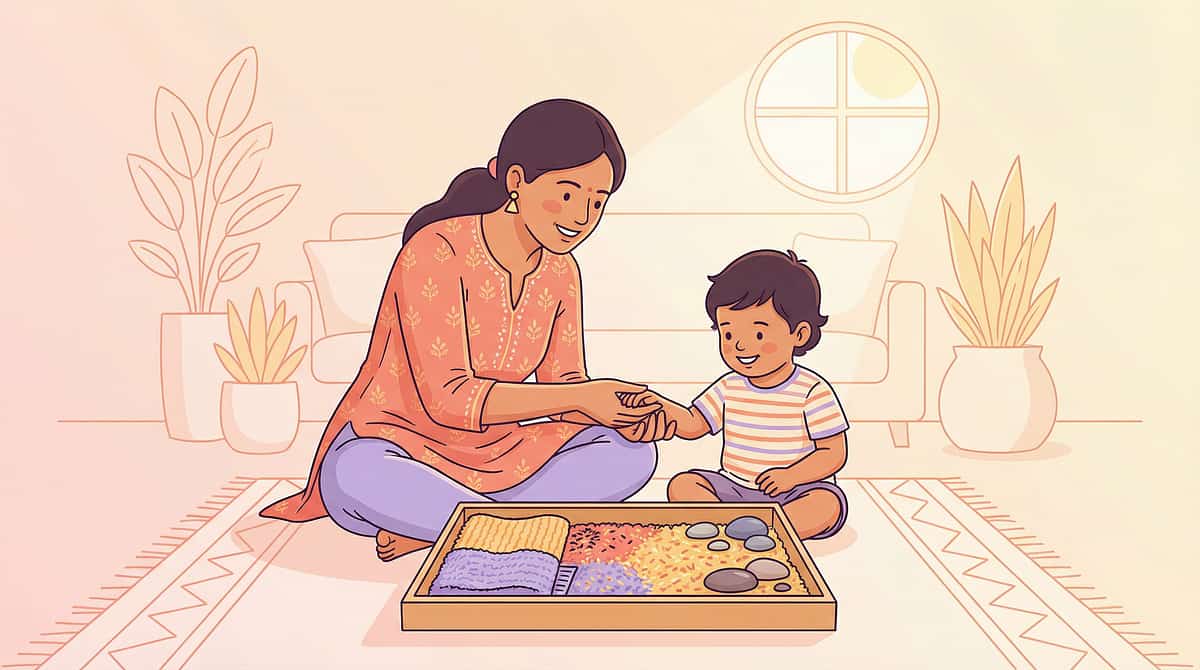
The child has accepted the invitation. Now introduce the material's colour dimension — not as a test, as a discovery. You are showing, not asking. Labelling, not quizzing.
Place one red object in the red bowl. Say: "That one goes home right here. It's red. Red goes with red." Do it twice yourself before handing the child an object.
Hold the paddle up yourself first. Look through it with exaggerated wonder. Say: "Oh! Everything looks red through this one! Want to try?"
Dig your hands in first. Say: "This whole bin is blue. Blue rice, blue pom poms, blue everything." Let them watch before they touch.
"This one is [COLOUR]. [COLOUR] goes with [COLOUR]." (Label — don't ask)
"Look what happens when we [action]..." (Discovery framing)
"I see [COLOUR]! And there's another [COLOUR] one!" (Environmental labelling)
Engagement: reaching, touching, manipulating — continue | Tolerance: watching but not touching — continue, narrate more | Avoidance: turning away — simplify, reduce, pause
When the child touches the material, ANY engagement: "Yes! You found the [colour]!"
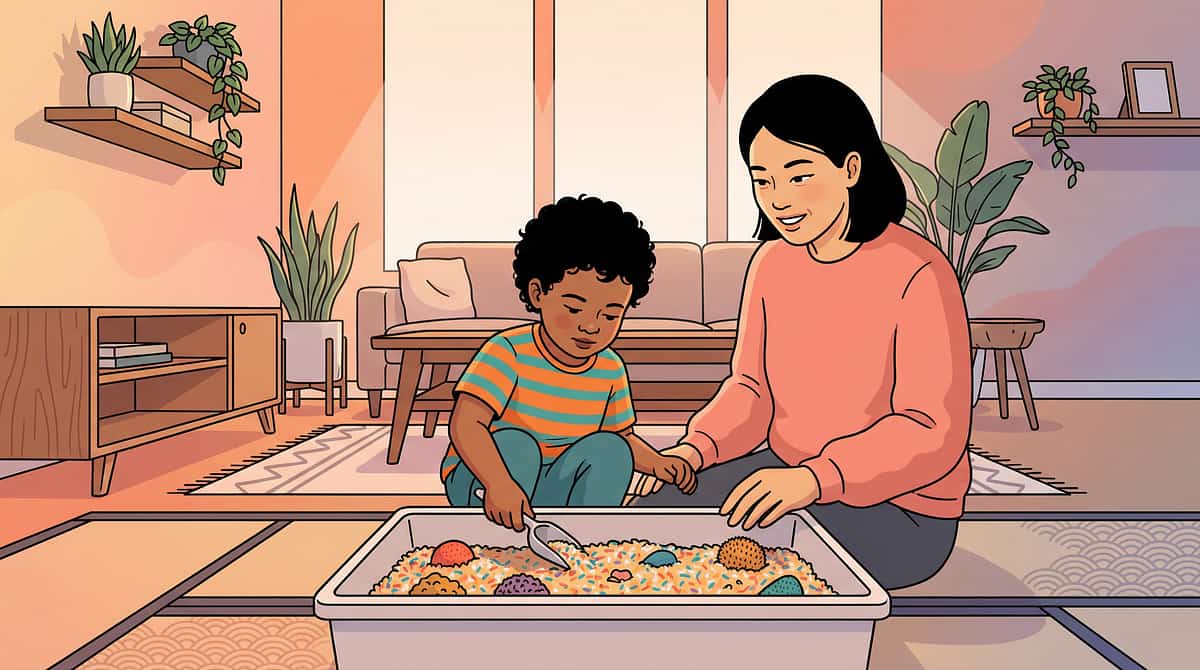
Choose 1–2 actions per session, not all three. The key is quality of engagement, not quantity of activities.
Child places objects into colour-matched bowls/trays. Mechanism: Motor action reinforces visual category. Hand teaches brain.
Present 3–5 objects of 2 contrasting colours. Model 1–2 sorts. Hand child an object. If correct: immediate praise. If incorrect: gently move it together — say "this red one goes here, with the other red ones." Not "wrong."
⏱️ 5–8 minutes | 🎯 10–15 successful sorts per session
Child explores colour paddles, light table, or sensory bin. Mechanism: Multisensory novelty + sustained attention + repeated colour labelling.
Let child lead exploration. You narrate: "You found a blue one! There's another blue!" Let child discover, you label — never quiz during this action.
⏱️ 3–5 minutes | 🎯 3+ minutes sustained engagement, 10+ colour word exposures
Child mixes two primary colour paints/dough/water. Mechanism: Active creation creates unforgettable colour learning — discovery beats memorisation.
Present two primaries. Model mixing with exaggerated curiosity: "What happens if I put blue AND yellow together?" Watch. Gasp. Name the new colour. Let child do it. Let child gasp.
⏱️ 5–10 minutes | 🎯 2+ successful colour mixes with child naming at least one result
✅ Label and model for another week first
✅ Maximum 2 contrasting colours per session until consistent
✅ Physical guidance + positive label only
✅ Build receptive first; naming follows naturally
Skill Level | Target Reps | Session Format |
Pre-matching (just starting) | 5–8 sorts | 1 colour pair only, 2 colours |
Matching established | 10–15 sorts | 2–3 colour pairs, add 3rd colour |
Receptive building | 8–10 ID responses | "Show me red" with 2–3 choices |
Expressive emerging | 5–8 naming opportunities | Model first, then pause for child |
Consolidating | 10–15 mixed trials | All 6 basic colours, varied materials |
Sort 1: Red and blue pom poms → Sort 2: Red and blue LEGO bricks → Sort 3: Red and blue clothing items (this one generalises!)
Week 1: Sort by placing → Week 2: Sort with tongs (fine motor add) → Week 3: Sort by fetching from sensory bin
Session 1: Table → Session 2: Floor → Session 3: Outdoors → Session 4: Colour hunt walk
Pushing materials away
Leaving the activity (honour this — don't force)
Significant increase in self-stimulatory behaviour
Blank staring / disengagement for 30+ seconds
Requests transition by gesture or word
"Three good reps > ten forced reps. Always." — Pinnacle ABA Consortium
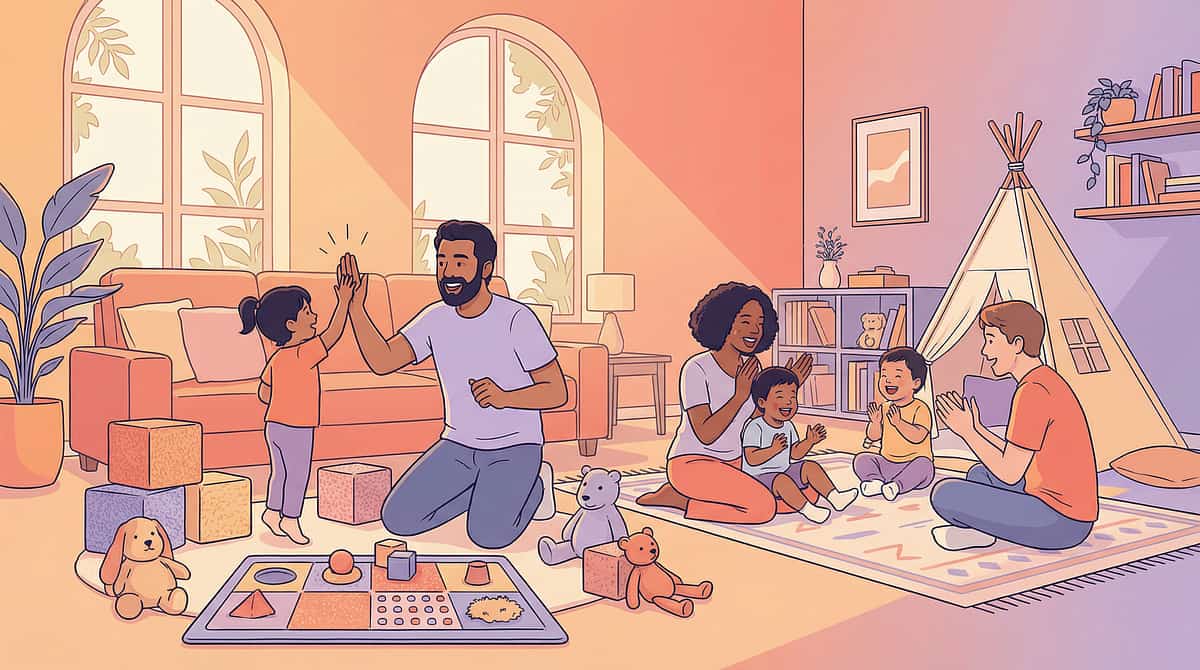
"YES! That's the RED one — RED goes with RED! You did it!"
"You found the BLUE! That's BLUE — you knew that!"
"You said [whatever they said] — let's check! YES, it's [correct name]! You're learning colours!"
"Look what YOU made! You mixed blue and yellow and you made GREEN! You made GREEN!"
Enthusiastic clapping, high five, spin/lift if child enjoys physical celebration
Sticker on chart for each successful sort/identification. 1800+ Reward Stickers | Rosette Reward Jar
"Now you can pour all the coloured rice back in!" — continuation of the activity as the reward itself
1 minute of child's preferred activity immediately after session completes
A child who reaches toward the red bowl is attempting. That gets praised. A child who says "boo" when they mean "blue" is attempting. That gets praised. Shape behaviour through reinforcement of approximations.
"Two more sorts and then we're all done for today."
"One more, and then we'll put everything away."
"Last one! You did such amazing work today."
Show visual timer counting down from 60 seconds if child uses visual supports.
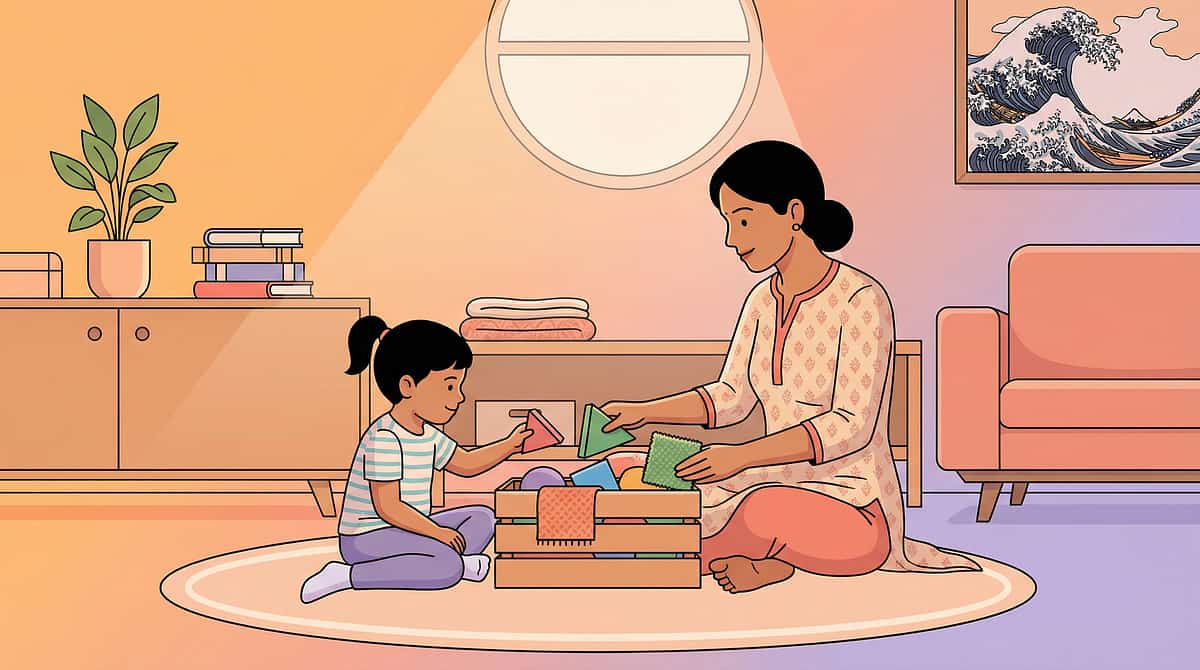
Choose a consistent ritual that stays the same across sessions:
- Put-Away Together: Child helps place materials back — autonomy + transition practice
- Colour Goodbye: Child points to or names each colour as materials are put away: "Goodbye red! Goodbye blue!"
- Achievement Stamp: Child places sticker on tracking chart themselves
"We're all done with colours. Now we're going to [next activity]."
Use a transition object if helpful — a small item the child carries from one activity to the next.
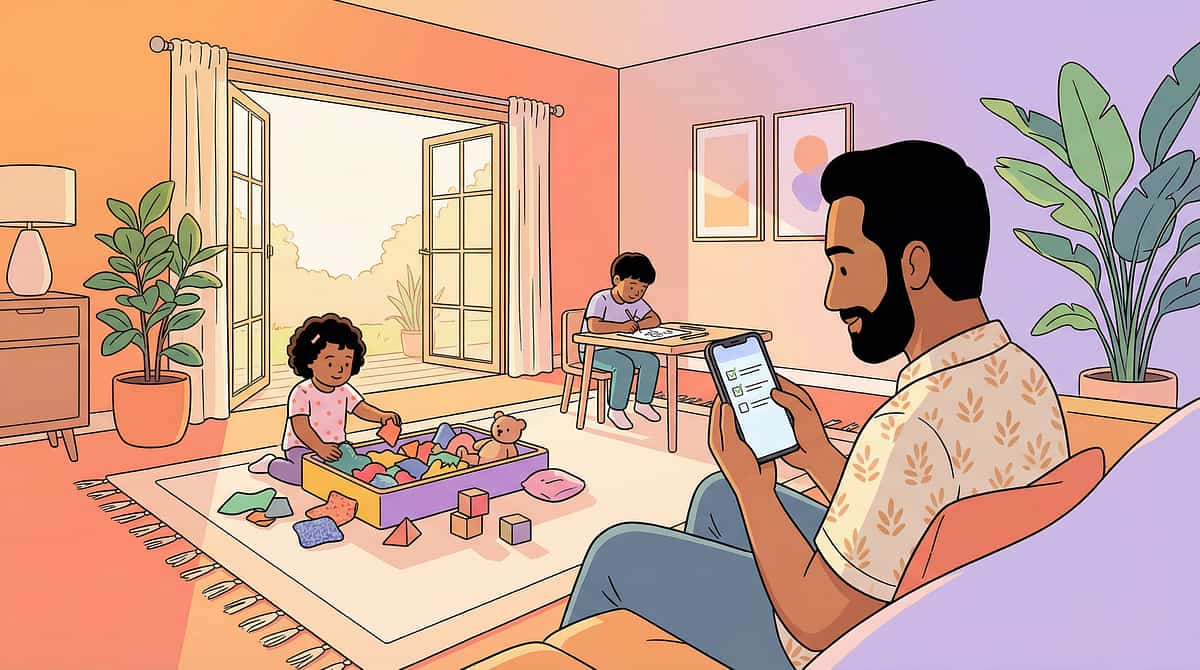
Record before you forget. Your observations are most accurate in the 3 minutes immediately after a session ends. Three data points are all you need — no clipboards, no jargon, no complexity required.
☐ Refused | ☐ Tolerated | ☐ Engaged | ☐ Initiated
☐ No matching at all | ☐ Matched with physical guidance | ☐ Matched independently | ☐ Identified receptively (pointed to named colour) | ☐ Named colour expressively | ☐ Named 3+ colours
Session lasted: _____ minutes | Materials used: _____________________
Baseline engagement level established
First consistent matching emerging?
Any receptive identification attempts?
Data pattern reveals whether to continue, modify, or escalate
"Your data feeds GPT-OS®. GPT-OS® personalises your child's next step. You are a data contributor to a system serving 70+ countries." — FREE Helpline: 9100 181 181
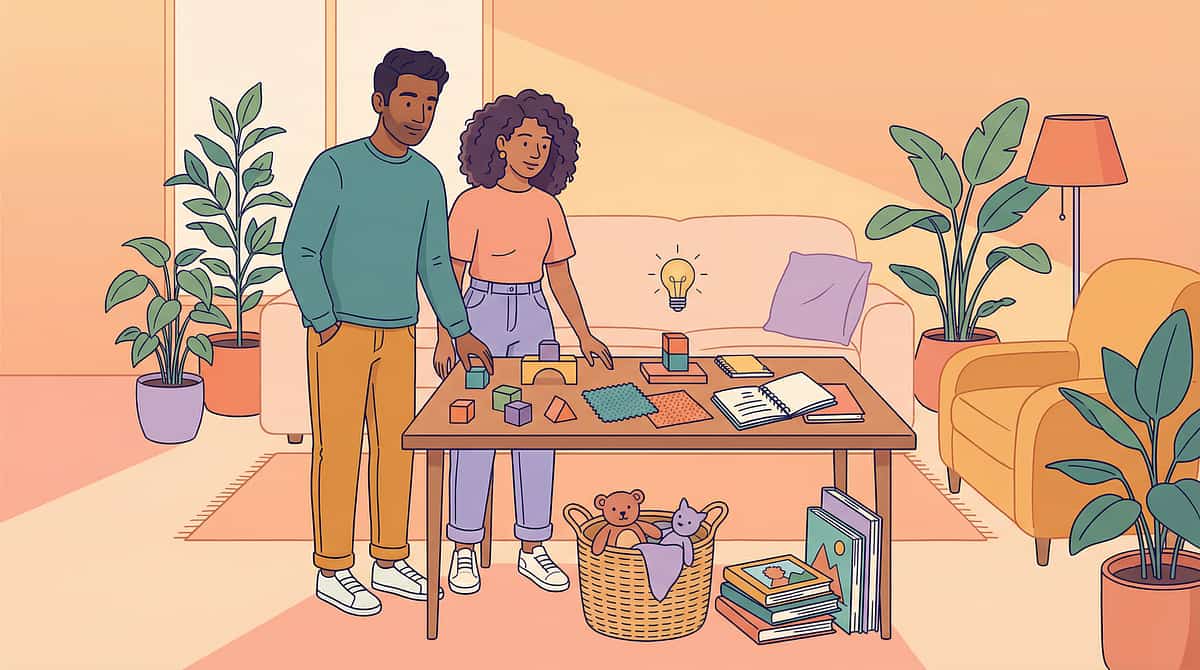
Every family encounters obstacles. Below are the seven most common session failure modes, with specific clinical explanations and practical fixes. If you recognise your situation here, you are not failing — you are learning your child's profile.
Why: Wrong timing, wrong material choice, or competing motivator.
Fix: Try a different material tomorrow. Pair colour exploration with the child's top preferred activity — do the preferred thing first (2 min), then bring one colour material into the middle of it.
Why: Expressive naming is not yet ready — receptive identification hasn't consolidated.
Fix: Remove all naming pressure for 2 weeks. Sort only. Label what you see. Then reintroduce receptive ID with binary choice: "Show me the red one" (2 options only).
Why: Colour learning is context-specific early on. Generalisation is the final skill.
Fix: This is progress, not failure. Deliberately vary contexts — same colour, different objects, different rooms. Colour hunt (Material 7) specifically targets this.
Why: Child has one colour word but concept of colour as a category is not yet formed.
Fix: Never correct the word — model the correct one: "You said blue — this one is actually red. Red. Let's put the red one here." Start with maximum contrast (red vs. blue, not red vs. orange).
Why: Performance demand during play creates anxiety. The test format broke the flow.
Fix: Remove all questions from play. Label what you see, never quiz. Wait for spontaneous labelling. It will come.
Why: Under-prepared materials and space.
Fix: Prepare the space fully (Card 12). Use smaller amounts of paint. Put down a plastic sheet. Embrace that mess is multi-sensory learning. Buy washable paint.
Why: Colour knowledge at this stage is state-dependent — affected by sleep, hunger, stress.
Fix: This is normal. It is not regression. It is consolidation in progress. Continue. Consistency over 8 weeks matters more than single-session variability.
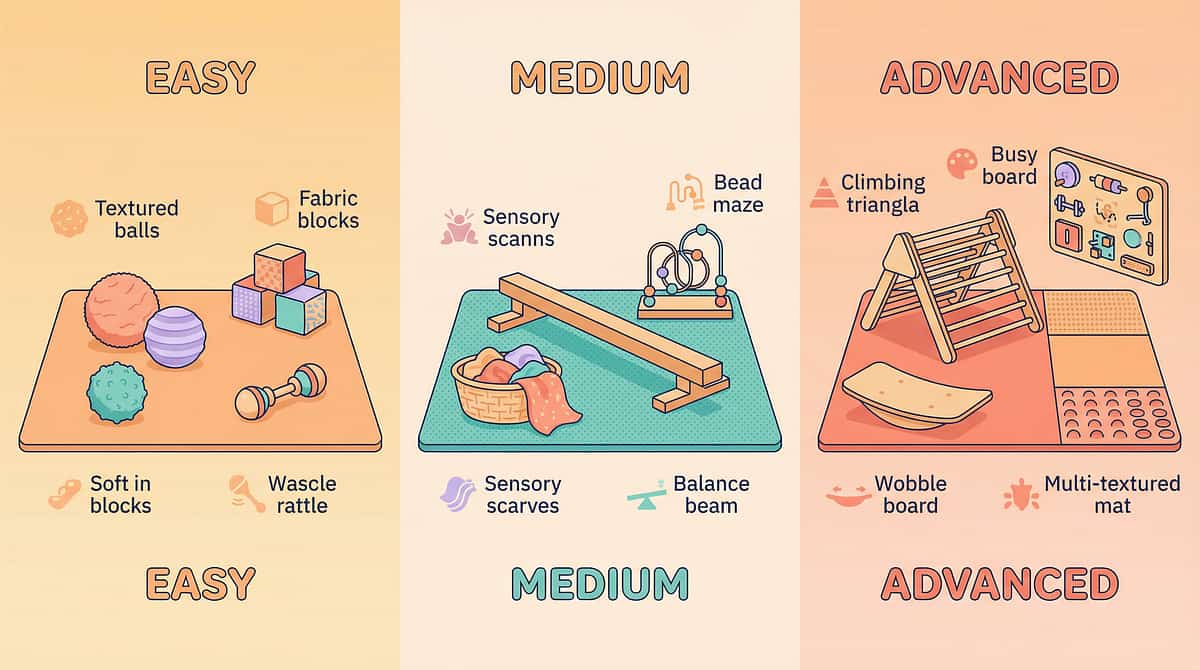
Sensory Seeker (seeks more input):
- Use larger amounts of materials (bigger sensory bins)
- Add movement: colour hopscotch, colour toss games
- Strong contrasting colours — primaries only initially
- Faster pace acceptable
Sensory Avoider (sensitive to input):
- Start with visual-only (paddles, cards) before tactile
- Smaller amounts, quieter materials
- Muted colours initially if bright colours cause aversion
- Slower pace, more transitions
Ages 2–3: Matching only. 5 minutes max. 2 colours max. Hands-on throughout.
Ages 3–4: Matching + receptive ID ("Show me"). 10 minutes. 3–4 colours. Begin game formats.
Ages 4–5: Receptive + expressive. 15 minutes. All basic colours. Game formats, hunts, routines.
Ages 5–6: Expressive + generalisation. 20 minutes. Secondary colours + shades. Academic prep.
2 colours, 5 objects only
2 colours, 10 objects + matching
3 colours, full sort
5 colours, receptive ID trials
8+ colours, expressive + generalisation tasks

Calibration phase — building neural pathways, not yet demonstrating skills
- Child sits near colour materials for longer than in session 1
- Child reaches toward or touches materials without full resistance
- Child watches you sort colours with some visual attention
- Child tolerates you saying colour words during play
- Child accepts being near 2 contrasting colours without distress
- Independent colour naming
- Consistently correct sorting without guidance
- Transferring colour knowledge to new objects
- Sitting for full 15-minute sessions
- Asking for the activity spontaneously
"If your child tolerates 3 more seconds of engagement with colour materials this week than last week — that is measurable, real, meaningful neurological progress."

Consolidation phase — first measurable behavioural changes emerging
Moves toward materials when you bring them out — before you say a word
Brings you a colour material or related object unprompted during free time
Less negotiation, faster engagement — the activity is becoming familiar and safe
Matches 2 contrasting colours with fewer prompts than Week 1
Points to a colour when named — even inconsistently at this stage
Uses a colour word during unrelated play, even if not perfectly accurate
Mastery phase — skills becoming reliable, consistent, and generalisable
- ☐ Consistently matches 6 basic colours without guidance (>80% accuracy, 3 sessions)
- ☐ Points to named colour from 3+ choices reliably
- ☐ Follows colour-based instructions without gestures
→ Begin secondary colours (orange, purple, green)
- ☐ Names 6 basic colours expressively when asked
- ☐ Uses colour words spontaneously in conversation and play
- ☐ Names colours for novel objects (not just trained materials)
→ Begin colour in descriptive language ("The big RED ball")
- ☐ Colour knowledge transfers to new environments
- ☐ Recognises same colour across different shades
- ☐ Uses colour in descriptions spontaneously ("I want the blue one")
→ Academic colour skills (colour in sorting, patterns, classification)
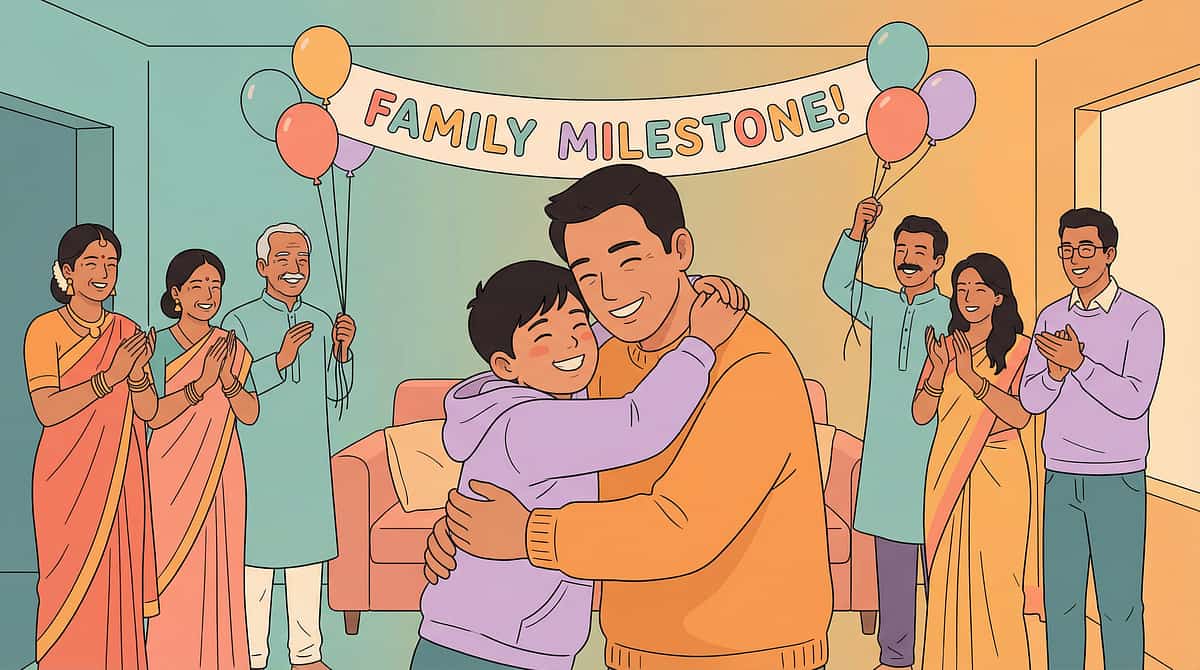
You spent weeks showing up. Setting up the space when you were exhausted. Running the cool-down when you wanted to be done. Recording data after bedtime. Adapting when sessions failed. Trying again.
And your child grew because of that. Not because of a clinic. Not because of a specialist you saw once a month. Because of you — consistent, present, committed, daily.
Your child moved from struggling to name any colours — to matching, identifying, and beginning to name colours independently. That is real neurological change. That is new neural pathways formed by repetition, safety, and love. That is science made personal.
Colour Walk Celebration: Take a walk together and let your child name every colour they see. You don't correct. You just listen — and celebrate every single one.
Record a video of your child naming their favourite colour today. This is the before-and-after. You'll want this memory.
Most colour learning challenges are normal consolidation bumps. But some patterns warrant clinical attention. These are the specific red flags that should prompt you to pause and contact a professional.
Child shows no change in any colour matching task — same level as Week 1 in every dimension. This warrants professional review of technique implementation and possible assessment.
Child consistently confuses red and green (or other specific pairs) while correctly identifying other colours — warrants formal colour vision assessment (Ishihara plates, paediatric ophthalmology).
Child loses previously demonstrated colour skills following illness, disruption, or new stressor — warrants reassessment by a qualified specialist.
Colour sessions consistently triggering high distress (crying, self-injury, prolonged emotional dysregulation) — technique modification required; contact specialist.
During colour learning sessions you notice: regression in other skills, unusual repetitive behaviours, significant communication changes — warrants developmental evaluation beyond colour recognition.
Adjust timing, materials, session length (see Cards 21–22)
Call 9100 181 181 — 24×7, 16+ languages, zero cost
Book at your nearest Pinnacle centre: pinnacleblooms.org/find-center

9 Materials That Help With Colour Recognition — the technique you just completed.
- G-680: Categorisation Skills
- G-690: Vocabulary Building
Colour in classroom instructions, organisation systems, early literacy supports
Descriptive vocabulary, concepts-in-context, richer verbal communication
Abstract concept formation — colour as a property of objects feeds broader thinking skills
Your investment in the Colour Discovery System materials continues to pay forward. Every technique below can be run with materials you already have — extending your toolkit without additional cost.
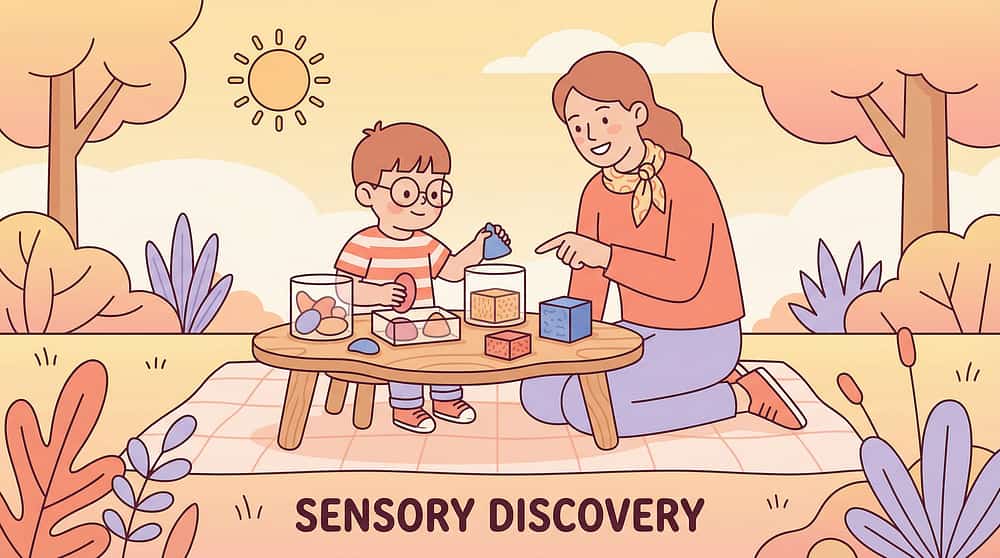
Who, what, and how shapes connect to colour learning. Materials: Your existing sorting trays.
Pre-colour: building the ability to see differences. Materials: Colour paddles (you already have).
What colour recognition builds toward. Materials: Colour sorting sets (you already have).
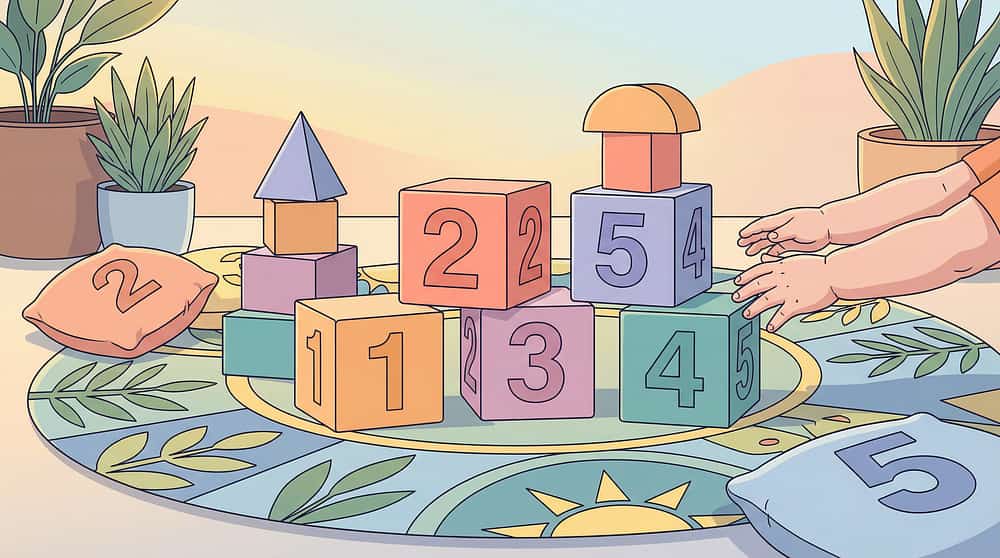
Parallel cognitive skill track. Materials: Coloured counters (you already have).
→ Explore G-678
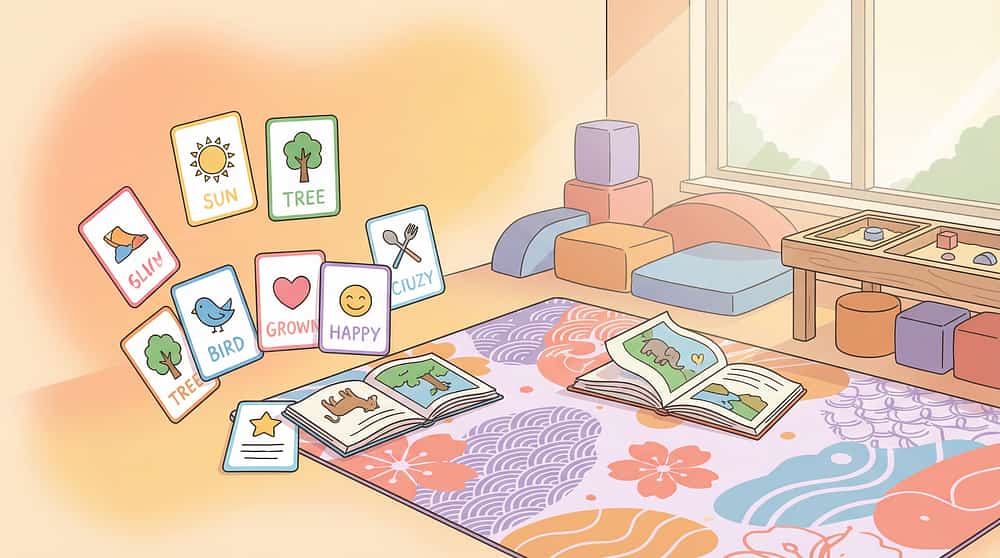
Colour words as language targets. Materials: Colour cards, games (you already have).
→ Explore G-690
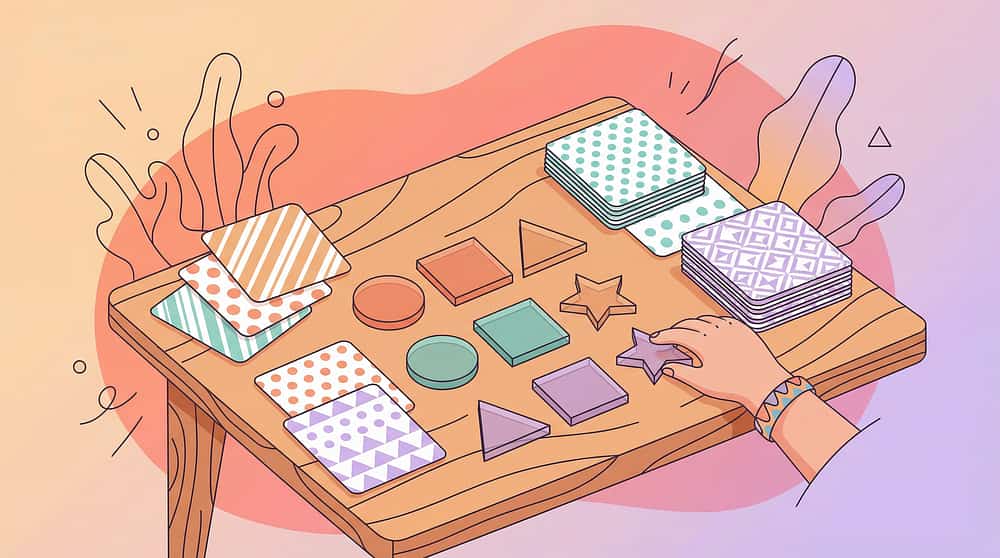
Abstract thinking built on colour mastery. Materials: Advanced sorting and classification sets.
→ Explore G-695
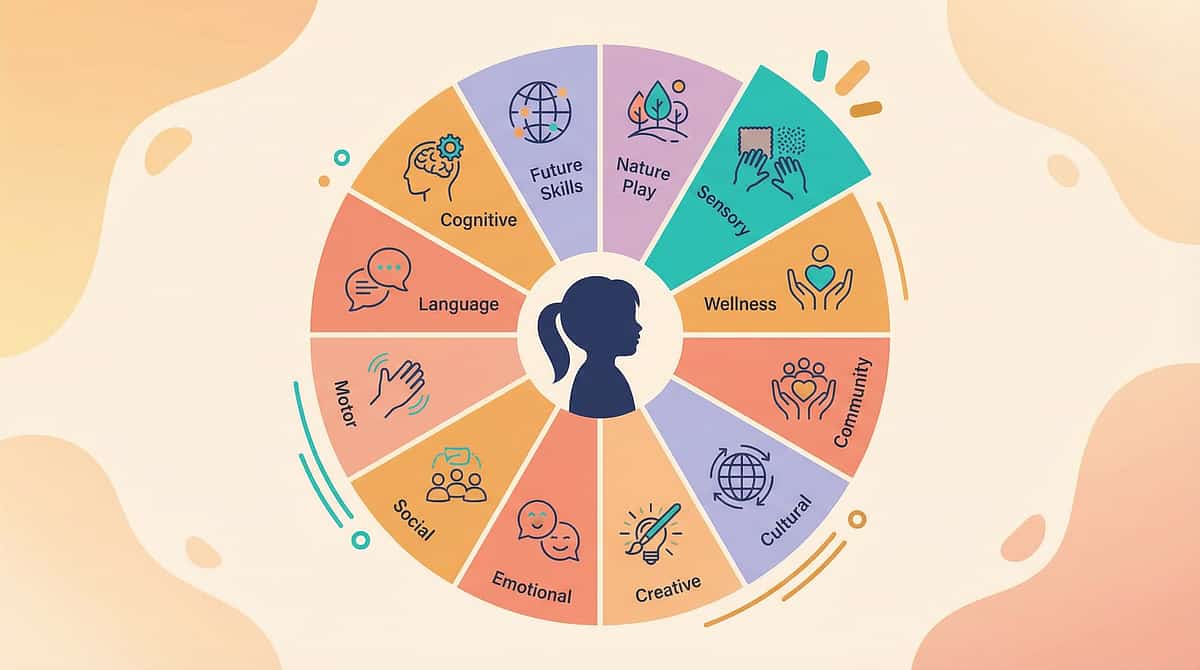
Colour recognition lives in Domain G — Cognitive Development. But no domain exists in isolation. Progress in colour recognition feeds directly into language development (Domain H), academic readiness (Domain I), and sensory processing (Domain A). GPT-OS® tracks all 12 domains simultaneously — nothing is siloed.
YOU ARE HERE — Colour Recognition, Concept Formation, Categorisation, Memory, Attention
Colour words build descriptive vocabulary and spontaneous language complexity
Colour recognition underpins classroom colour-based instructions and early literacy
"GPT-OS® tracks your child's progress across all 12 domains simultaneously. Colour recognition progress in Domain G feeds into academic readiness projections in Domain I and language development in Domain H. Nothing is siloed."
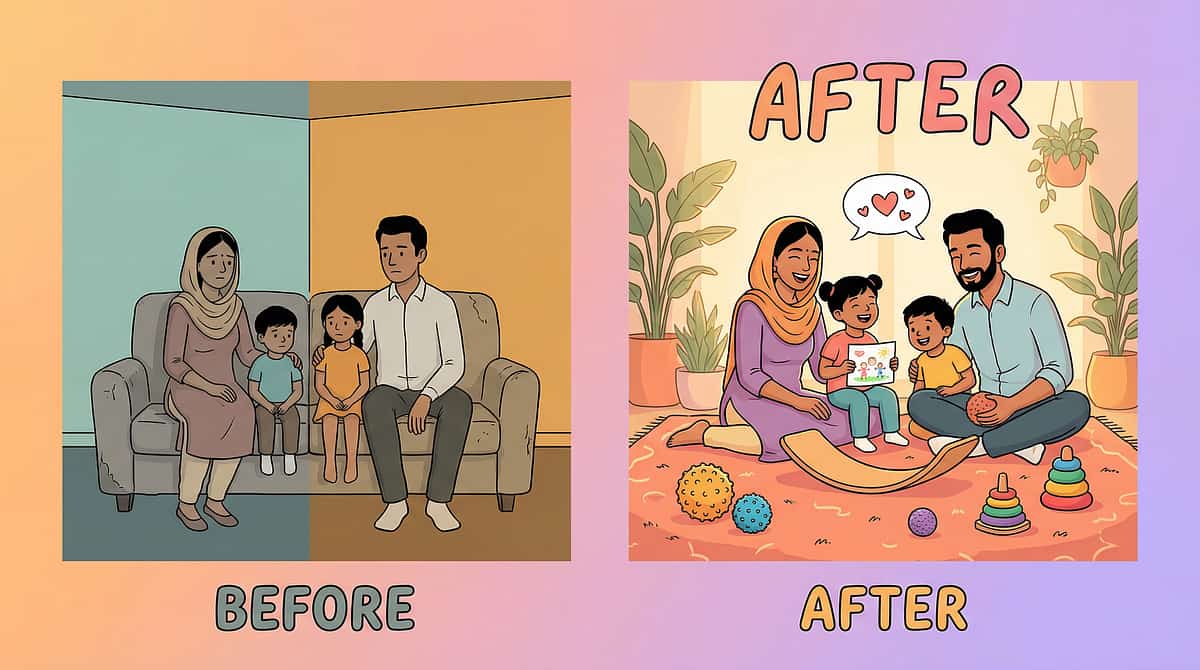
Before: "My daughter was almost 5 and couldn't identify a single colour reliably. Months of flashcards, colour books, pointing at everything — nothing stuck. She'd say 'blue' for everything including clearly red objects. Her preschool teacher flagged it and I was terrified something was seriously wrong."
After (10 weeks): "Something clicked around week 7. We'd been doing the sensory bins every evening — just playing, no quizzing. Then one morning she pointed at her red cup and said 'red.' I cried. Now at 5½, she names all basic colours and even knows 'turquoise.' Play-based learning did what months of flashcards couldn't."
⏱️ 10 weeks | Materials: Colour sorting bins, sensory bins, daily routine colour-coding
Therapist's Notes: "The breakthrough came when we removed all naming pressure. The knowledge was building — we just needed to get out of its way."
Before: "Our son could match colours beautifully but would go blank when asked 'what colour is this?' We'd done the eye test — his vision was perfect. It was just the word-colour connection that wouldn't form."
After (8 weeks): "The colour mixing sessions were the turning point. He mixed blue and yellow, watched green appear, and said 'GEEN!' — wrong pronunciation but RIGHT colour. He was so proud. That momentum carried forward. Now he corrects us when we say the wrong colour."
⏱️ 8 weeks | Materials: Watercolour mixing, colour paddles, colour hunt baskets
Therapist's Notes: "Expressive colour naming often needs a breakthrough moment — a personally meaningful discovery. Colour mixing creates those moments reliably."
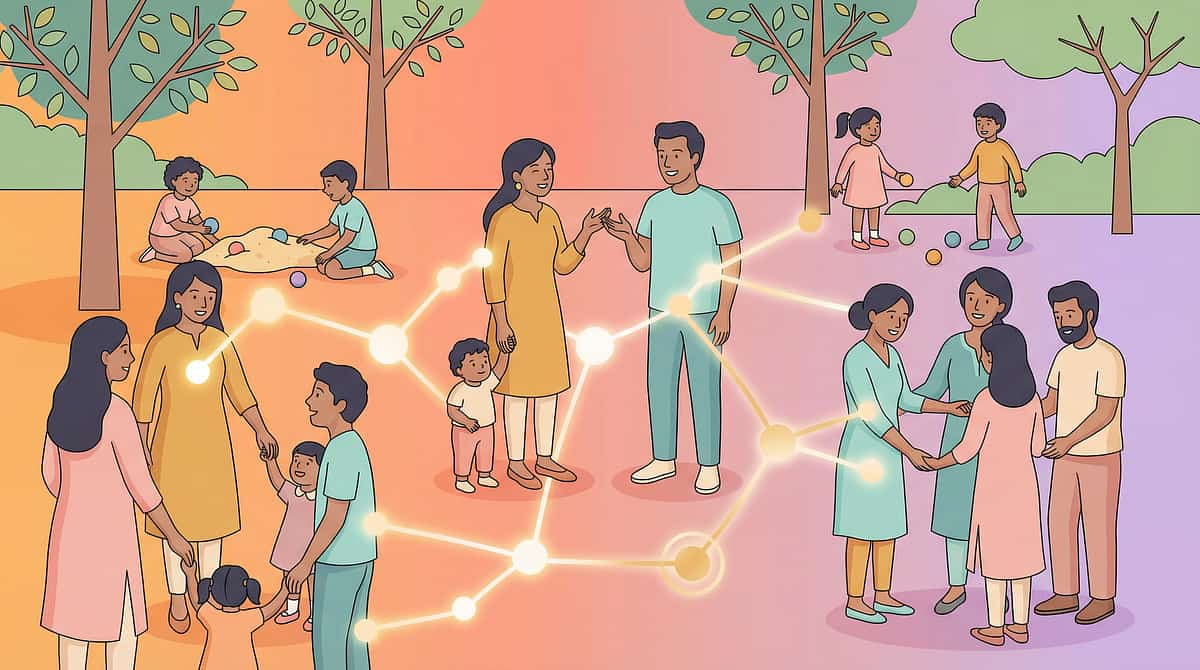
Families who connect with other caregivers navigating the same challenges show significantly higher rates of intervention consistency — and significantly better child outcomes. You do not have to do this alone.
For parents whose children are working on colour recognition and visual concept development. Monitored by Pinnacle educators. Safe, moderated, private.
Ask questions, share progress, find session tips from parents 6 months ahead of you on the same journey.
Find a Pinnacle centre parent group near you — monthly meetups in 70+ locations across India.
Connect with a parent who completed colour recognition work with their child — lived experience from 8 weeks ahead of you.
"Your experience will help the parent who is 8 weeks behind you. Consider sharing your journey when you're ready."
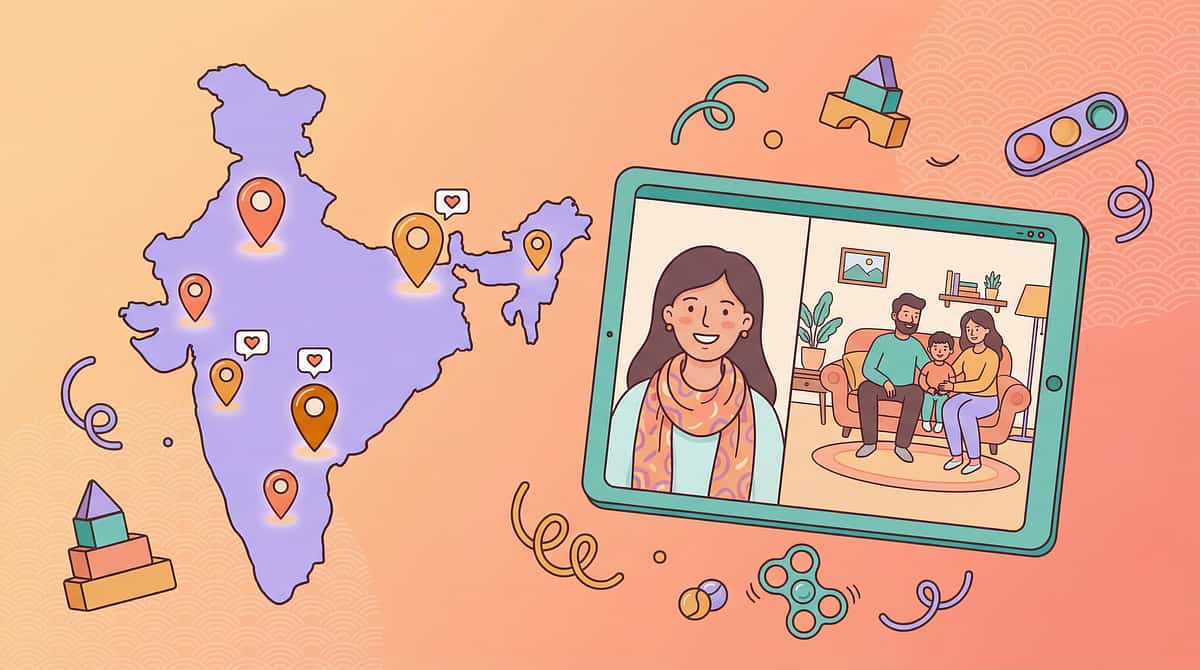
Daily 10–20 minute sessions. You are the most consistent therapeutic presence in your child's life. No clinic can replicate daily, contextualised, loving repetition.
Weekly professional session. Specialists assess, adjust, and amplify what you're doing at home — ensuring you're on the most efficient path to your child's goals.
The system that connects both and personalises both — turning daily session data into tomorrow's adaptive plan.
Discipline | Primary Goal | Frequency |
Speech-Language Pathologist | Colour vocabulary + receptive-expressive language bridge | 2×/week |
Occupational Therapist | Sensory material selection + visual perception support | 1×/week |
Special Educator | Academic readiness + classroom colour strategies | 1×/week or school consultation |
ABA/BCBA | Data systems + errorless learning + generalisation planning | Programme design + 1×/week review |
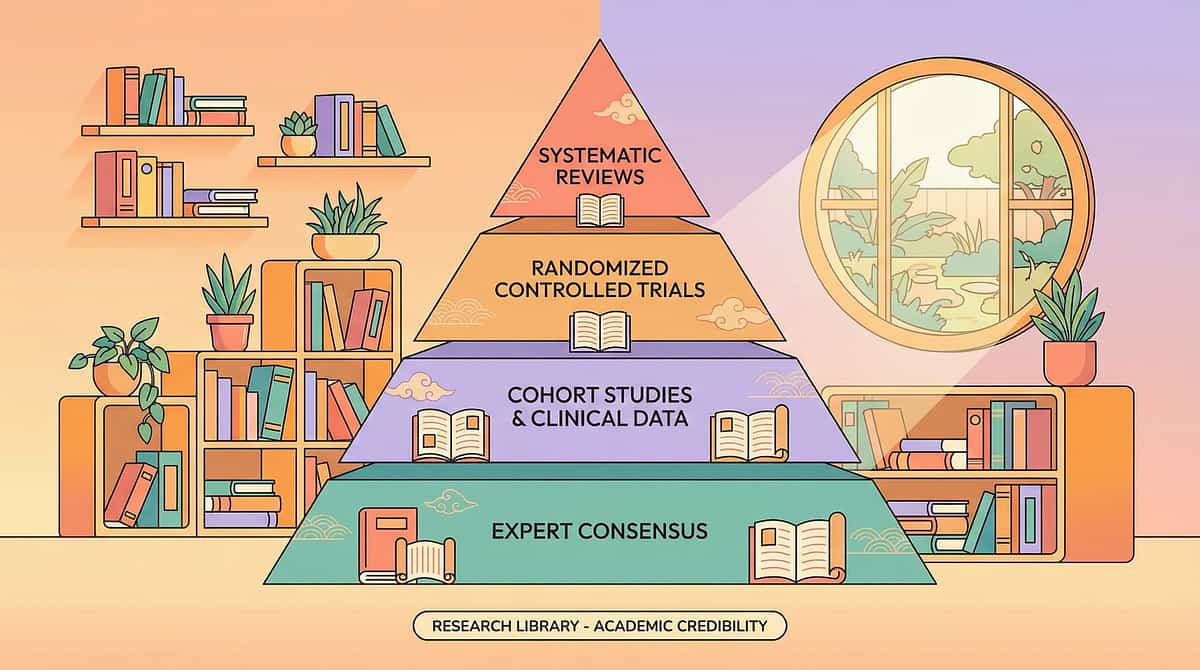
Children (MDPI), 2024 | PMC11506176
16 studies confirm sensory-cognitive interventions as evidence-based practice. Multisensory approaches show superior outcomes vs. single-modality drilling. → Read on PubMed
World Journal of Clinical Cases, 2024 | PMC10955541 | DOI:10.12998/wjcc.v12.i7.1260
24 studies: sensory integration therapy effectively promotes social skills, adaptive behaviour, sensory processing, and motor skills. → Read on PubMed
WHO Care for Child Development (CCD) Package | PMC9978394
Implemented in 54 LMICs. Age-specific caregiver-delivered interventions demonstrate efficacy across cultural and economic contexts. → WHO Resource
Indian Journal of Pediatrics, 2019 | DOI:10.1007/s12098-018-2747-4
Home-based sensory-cognitive interventions by trained parents: statistically significant outcomes in Indian paediatric population.
NCAEP Evidence-Based Practices Report, 2020
Video modelling, visual supports, and naturalistic developmental behavioural interventions classified as evidence-based for autism. → NCAEP Report
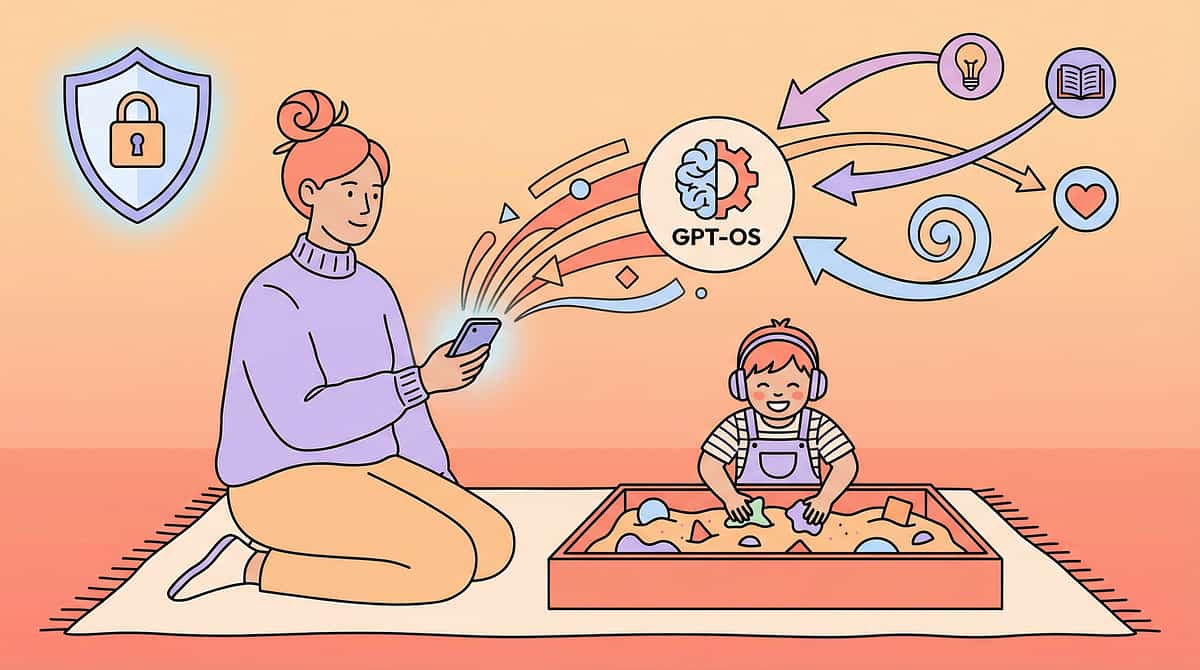
Every session you record contributes to a collective intelligence system that has processed more than 20 million therapy sessions across 70+ countries. Your data does not just help your child — it helps every child at a similar developmental stage, worldwide.
Tracks Colour Recognition Index across time — your child's personal progress curve
Predicts timeline to each mastery level based on your child's actual response curve
Determines which materials and approaches to prioritise in the next session
Generates tomorrow's home session plan — personalised, adaptive, ready in seconds
Coordinates SLP + OT + ABA inputs into one coherent, non-conflicting plan
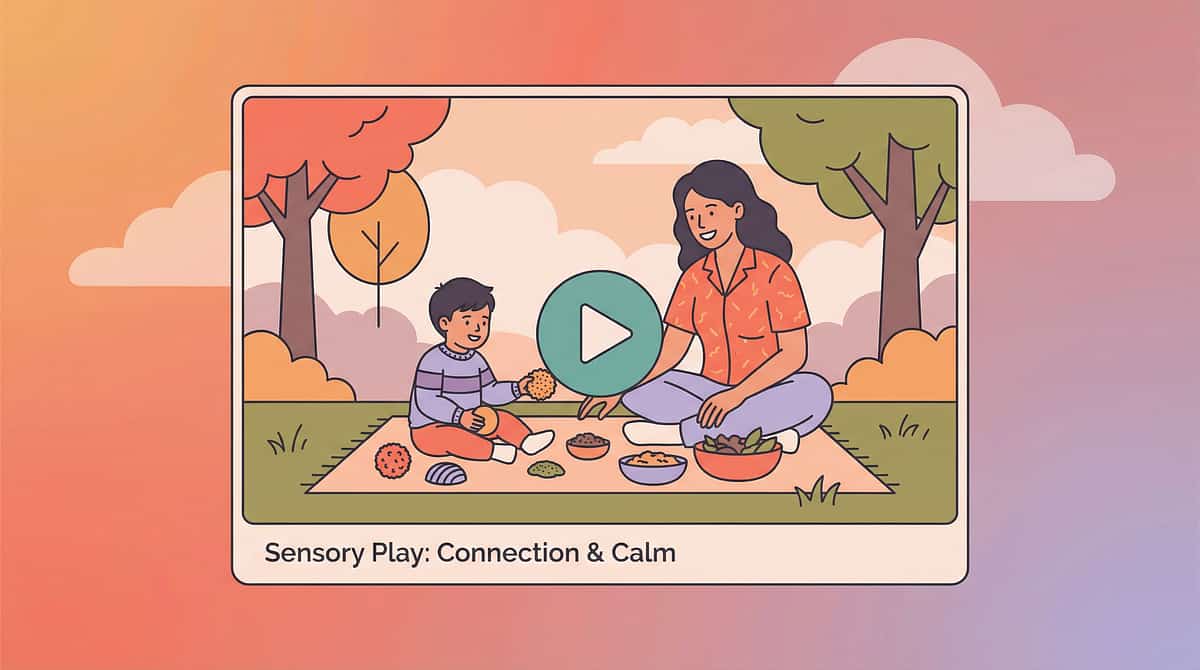
The reel demonstrates all 9 materials in action — how to introduce each one, what child engagement looks like, and the key phrase to say during each material encounter. Pairs with this page for complete parent training. Everything on this page, you'll see demonstrated in 75 seconds in the reel. The page gives you the depth. The reel gives you the model. Use both.
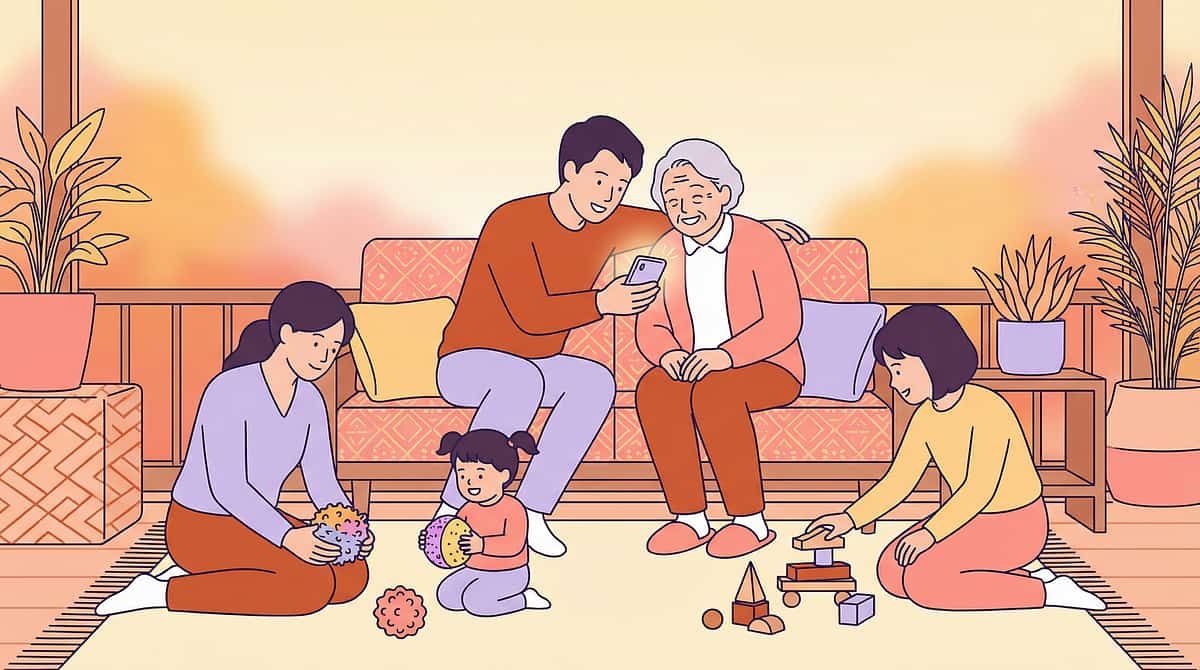
If only one parent executes the colour recognition technique, the child receives the intervention 5–10 hours/week. If grandparents, the school teacher, and both parents are aligned, the child receives colour-embedded learning across all 16 waking hours — in meals, play, routines, and transitions.
"Here's what we're doing for [child's name]'s colour learning:"
- We say the colour name clearly when we see it: "That's red!" — not "What colour is that?"
- We sort coloured things together during play — it's a game, not a lesson
- We don't quiz or test — we just label and play
- We celebrate any attempt, even a wrong guess
That's it. Just those 4 things, consistently.
"We are working on colour recognition at home using play-based, multisensory approaches following Pinnacle Blooms Network® guidance. We'd appreciate:
- Colour labelling rather than colour testing in class
- Colour-coded materials as organisational supports
- Brief progress observations shared with us weekly"
"Consistency across caregivers multiplies impact. One parent doing it well is good. Three caregivers doing it consistently is transformational."

Colour naming typically solidifies between 3.5–5 years, with significant individual variation. At 4½, persistent inability to name ANY colours despite consistent exposure does warrant professional evaluation — not because something is necessarily wrong, but because an SLP can identify whether this is an expressive language gap, a receptive concept gap, or part of a broader pattern. Book a FREE teleconsultation: 9100 181 181.
Standard vision tests check visual acuity (clarity), not colour vision or colour-word association. Colour recognition is a language-cognitive skill, not just a visual skill. Perfect vision doesn't guarantee colour naming ability — the connection between seeing a colour and retrieving its name is a separate neural pathway. This is almost always where the difficulty lives.
Colour blindness affects ~8% of males and ~0.5% of females. The diagnostic clue: colour blindness causes consistent confusion of specific pairs (always confusing red and green) while other colours are accurate. A child who guesses randomly probably doesn't have colour blindness — they have a colour-concept learning gap. If you suspect colour blindness, request Ishihara testing from a paediatric ophthalmologist.
Three weeks is the calibration phase. The research-established timeline for measurable consolidation is 6–8 weeks with consistent daily engagement. If you're in Week 3 and seeing no change at all — not even increased engagement, not even longer session tolerance — that is worth a teleconsultation to check technique implementation. Call 9100 181 181.
Ideally, initial structured sessions are 1:1. As colour learning consolidates, you can transition to group activities — colour games, colour hunts, art — that include siblings. Siblings often become excellent modelling partners for colour vocabulary.
You can use flashcards, but they are likely less effective for most children with colour recognition delays. The key principle: flashcards are passive visual exposure; these materials are active sensory participation. If your child engages well with flashcards, keep them — but ensure the tactile/kinaesthetic approaches are central, not peripheral.
Children on the autism spectrum may need more structured, repetition-heavy, and reward-intensive implementation. The ABA framework (errorless learning, discrete trials within natural play, precise reinforcement) is essential. Consider working with a BCBA to structure the colour learning protocol specifically for your child's profile. The materials are the same — the implementation structure may need professional customisation.
When your child can reliably (>80% accuracy, 3+ consecutive sessions) name the 6 basic colours — then expand. Many families rush to secondary colours while primary colours are not yet consolidated. Depth before breadth. Master 2 colours fully before adding a third.
You arrived on this page with a question. You leave with a system — evidence-based, tested across 20 million sessions, built by clinicians, and proven by families across India and 70+ countries. The next step is yours to take.
Launch GPT-OS® Session for G-676. Personalised, monitored, adaptive — starts in 60 seconds.
Speak to a Pinnacle SLP, OT, or BCBA. FREE first session | 70+ centres | Teleconsultation available.
Preview of 9 materials that help with color recognition Therapy Material
Below is a visual preview of 9 materials that help with color recognition therapy material. The pages shown help educators, therapists, and caregivers understand the structure and content of the resource before use. Materials should be used under appropriate professional guidance.


"From fear to mastery. One technique at a time."
We exist to transform every home — across India, and across 70+ countries — into a proven, scientific, 24×7, personalised, multi-sensory, multi-disciplinary paediatric therapy environment. Not as a supplement to professional care. As its daily, loving, data-driven extension.
Real-world sessions informing every recommendation
Across Colour Recognition Index, tracked via GPT-OS®
Across India, with teleconsultation available worldwide
📞 FREE National Autism Helpline | 24×7 | 16+ Languages
© 2025–2026 Pinnacle Blooms Network®, a unit of Bharath Healthcare Laboratories Pvt. Ltd. All rights reserved. GPT-OS®, AbilityScore®, TherapeuticAI®, EverydayTherapyProgramme™, FusionModule™ are proprietary IP of Pinnacle Blooms Network®. Patents filed across 160+ countries. | CIN: U74999TG2016PTC113063 | DPIIT: DIPP8651 | MSME: TS20F0009606 | GSTIN: 36AAGCB9722P1Z2 | OT • SLP • ABA/BCBA • SpEd • NeuroDev Pediatrics | WHO/UNICEF Aligned • DPIIT Recognised
It's breakfast. You hold up the orange. "What colour is this, sweetheart?" She looks at it, then at the ceiling, then says "blue" — for the third morning in a row. You've tried flashcards, colour books, pointing at everything you walk past. She can sort colours beautifully when you show her. But the word won't come. And her little brother is two years younger and already rattling off the whole rainbow.