
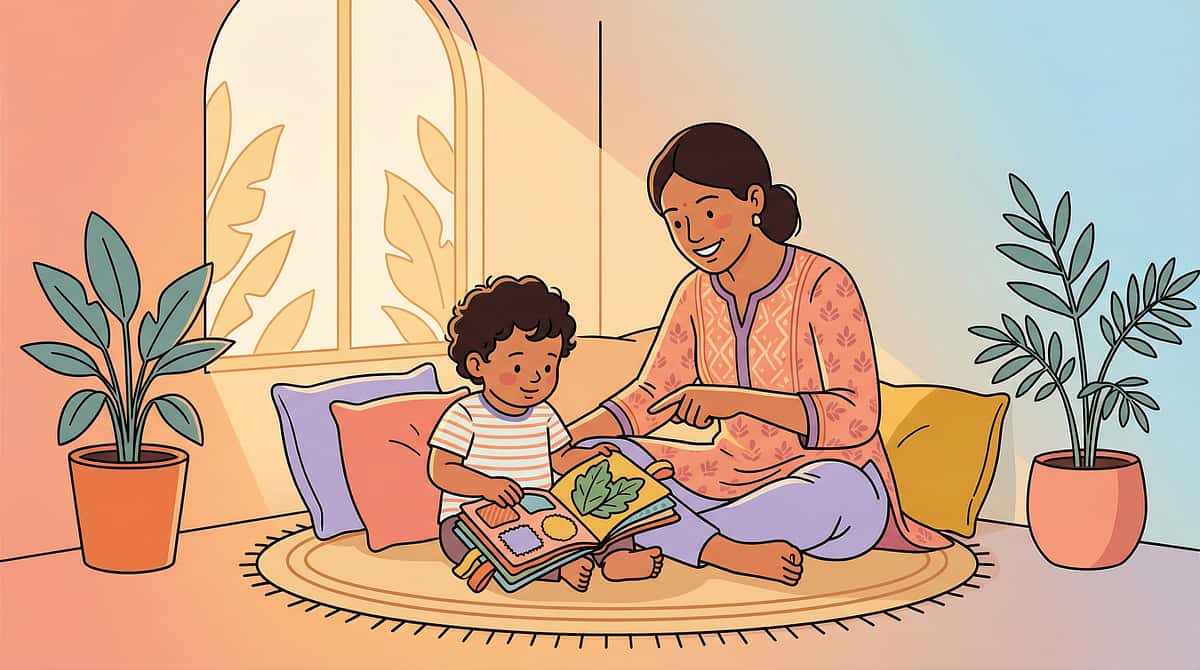
Every Morning. The Same War.
Tags. Seams. Wrong Fabric.
Tags. Seams. Wrong Fabric.
Your child is not being difficult — their nervous system is speaking. This page was written by the people who know exactly what it's saying.
E-527 • Clothing Sensory Issues
Ages 2–12 • Domain E: Self-Care
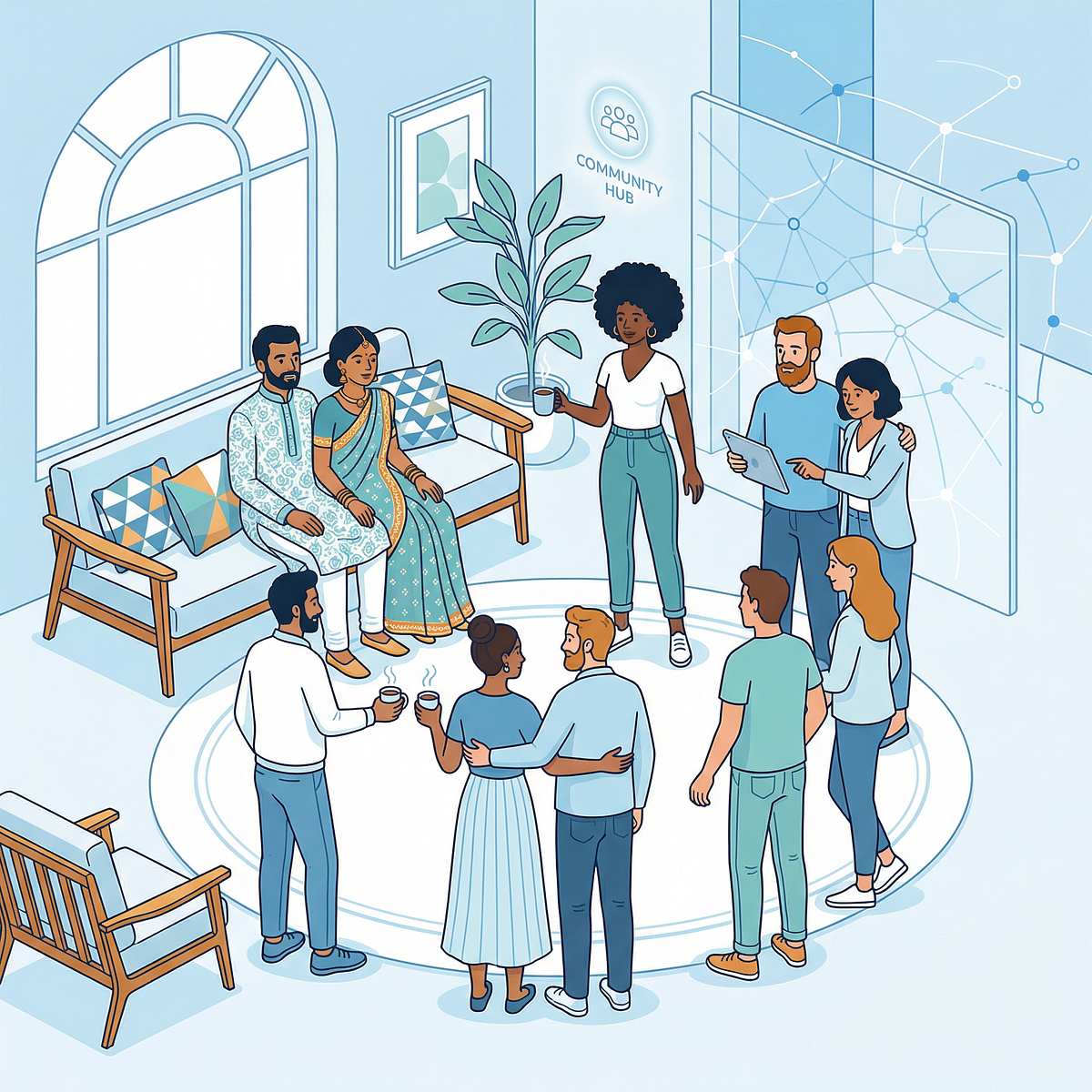
You Are Not Alone: The Numbers
Tactile hypersensitivity — the neurological over-responsivity to touch that makes clothing sensations feel unbearable — is one of the most documented sensory presentations in pediatric populations globally. It is consistently under-recognized because clothing battles look like "behavioral problems" to the untrained eye.
80%
Sensory Difficulties
of children with autism experience significant sensory processing difficulties
1 in 36
ASD Prevalence
children in India identified with ASD, most with sensory co-occurrences
21M+
Therapy Sessions
at Pinnacle show tactile/clothing sensitivity as a presenting concern
A 2024 PRISMA systematic review of 16 studies confirmed that sensory processing difficulties affect the overwhelming majority of children diagnosed with autism spectrum disorder. A meta-analysis in World Journal of Clinical Cases (2024) demonstrated that structured sensory intervention produces measurable improvements across sensory processing, adaptive behavior, and daily living skills. Padmanabha et al. (Indian Journal of Pediatrics, 2019) validated home-based sensory interventions in Indian populations — validating every strategy on this page for your context, your home, your child.
"You are among millions of families navigating this exact challenge. The strategies that follow come from what has worked for them."

What's Happening in Your Child's Brain
This is a wiring difference. Not a behavior choice.
The Science
Somatosensory Cortex Over-Amplification
In children with tactile hypersensitivity, the somatosensory cortex receives normal tactile signals from clothing and processes them at amplified intensity. What registers as background sensation in a neurotypical nervous system becomes a loud, insistent, sometimes painful signal that demands immediate attention.
In children with tactile hypersensitivity, the somatosensory cortex receives normal tactile signals from clothing and processes them at amplified intensity. What registers as background sensation in a neurotypical nervous system becomes a loud, insistent, sometimes painful signal that demands immediate attention.
The Pathway:
Tactile receptor (skin) → Spinal cord → Thalamus → Somatosensory Cortex (OVER-AMPLIFIED) → Amygdala (threat response) → Meltdown/avoidance behavior
Tactile receptor (skin) → Spinal cord → Thalamus → Somatosensory Cortex (OVER-AMPLIFIED) → Amygdala (threat response) → Meltdown/avoidance behavior
Plain English
Imagine someone turned the volume dial on your skin sensitivity to maximum. Every thread in a sock feels like a rope. Every tag scratches like sandpaper. Every waistband digs like a belt tightened two notches too far. That is your child's sensory experience of regular clothing.
They are not exaggerating. Their brain is telling them that this fabric is a threat. The distress is genuine. The pain is real to them.
The good news: The nervous system is plastic. With the right materials and structured intervention, sensory tolerance can be built — measurably, verifiably, over weeks.
Frontiers in Integrative Neuroscience (2020): Established that proprioceptive and deep pressure inputs activate different pathways than light touch — which is why compression clothing works when regular fabric doesn't. DOI: 10.3389/fnint.2020.556660

Where This Sits in Development
Your child is here. Here is where we're heading.
Infancy
Tactile responses emerge first
Ages 2–4
Clothing sensitivity first noted. Highest-impact window for accommodation and early intervention.
Ages 5–7
School demands amplify impact. Critical window for tolerance-building work.
Ages 8–12
Children begin self-advocacy. Long-term wardrobe management skills developed.
Adolescence
Independent sensory self-management and social participation
Common co-occurrences: Autism Spectrum Disorder (ASD) — highest prevalence; ADHD — tactile sensitivity common; Sensory Processing Disorder (SPD) without ASD; Anxiety disorders — sensitivity amplified by fear; Hypermobility/EDS — proprioceptive differences.
"Your child is not behind schedule. They are on a different sensory timeline — and this page gives you the map." — WHO/UNICEF CCD Package (2023) | PMC9978394

The Evidence Behind This Technique
Evidence Grade: Level II
Systematic Review + RCT Supported
PRISMA Systematic Review (2024)
16 articles, 2013–2023. Confirmed sensory integration intervention meets criteria as Evidence-Based Practice for children with ASD. 📎 PMC11506176
Meta-Analysis — World J Clin Cases (2024)
24 studies. Sensory integration therapy promotes sensory processing, adaptive behavior, social skills, and motor skills. Effect sizes significant. 📎 PMC10955541
Indian RCT — Padmanabha et al. (2019)
Home-based sensory interventions in Indian pediatric populations. Significant outcomes validated for parent-administered protocols. 📎 DOI:10.1007/s12098-018-2747-4
WHO Nurturing Care Framework (2018)
Global validation of early sensory intervention across 54 LMICs. Home-based implementation is the recommended delivery model. 📎 nurturing-care.org/ncf-for-ecd
NCAEP Evidence-Based Practices (2020)
Sensory-based interventions, video modeling, and visual supports classified as evidence-based practices for autism. 📎 NCAEP 2020
Confidence Level: ████████░░ 80% Strong Evidence | "Clinically validated. Home-applicable. Parent-proven."
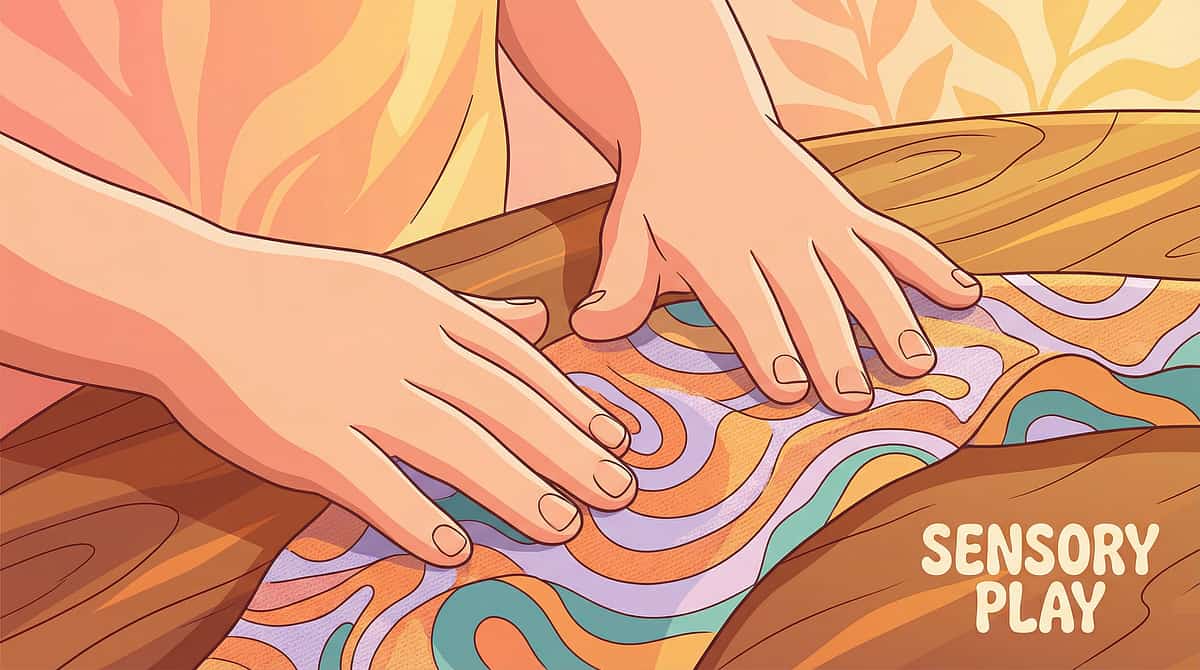
The Technique: What It Is
🧥 Sensory-Friendly Clothing Intervention
Parent-Friendly Alias: "The Comfort Wardrobe Protocol"
Formal Definition: A multi-modal occupational therapy framework combining environmental modification (sensory-friendly clothing selection), deep pressure strategies (compression and weighted garments), tactile desensitization (washing protocols, gradual exposure), and direct nervous system intervention (Wilbarger brushing protocol under OT guidance) to reduce clothing-triggered sensory distress and progressively build tactile tolerance in children with sensory processing differences.
In one sentence for your spouse:"We're building a wardrobe that doesn't trigger our child's nervous system, while gradually helping their nervous system become less reactive."
🎯 Primary Domain
Sensory Processing (Domain E — Self-Care)
🧒 Age Range
2–12 years
⏱ Duration
5–20 min daily, integrated into dressing routine
📊 Timeline
Observable change in 2–8 weeks
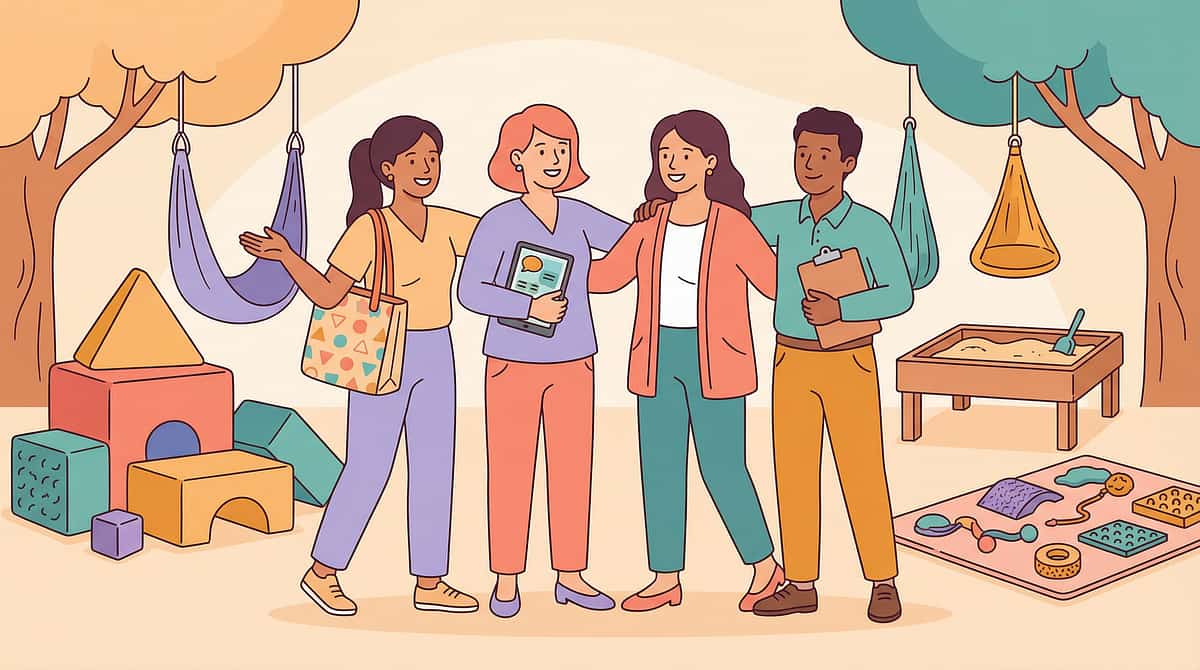
Who Uses This Technique
"This technique crosses therapy boundaries — because the brain doesn't organize by therapy type."
Occupational Therapist (Primary Lead)
Conducts sensory profile assessment. Identifies specific tactile triggers. Designs sensory diet. Trains parents in Wilbarger Protocol. Selects compression/weighted garment parameters. Tracks Sensory Processing Readiness Index.
Behavior Analyst / BCBA (Secondary)
Designs graduated exposure hierarchy. Implements reinforcement schedules for tolerance attempts. Manages antecedent strategies for dressing routines. Reduces anxiety overlay through behavior analytic protocols.
Special Educator (Supporting)
Manages school uniform accommodations. Coordinates sensory-friendly dress code modifications. Builds dressing independence skills into IEP goals.
Neuro-Developmental Pediatrician
Rules out dermatological contributions. Evaluates for ASD, SPD, ADHD co-occurrence. Approves weighted garment use. Medication review where anxiety overlay is significant.
"Each discipline sees a different facet of the same child. When they converge — as they do in Pinnacle's FusionModule™ — the intervention is multiply reinforced from every angle." | DOI: 10.1080/17549507.2022.2141327
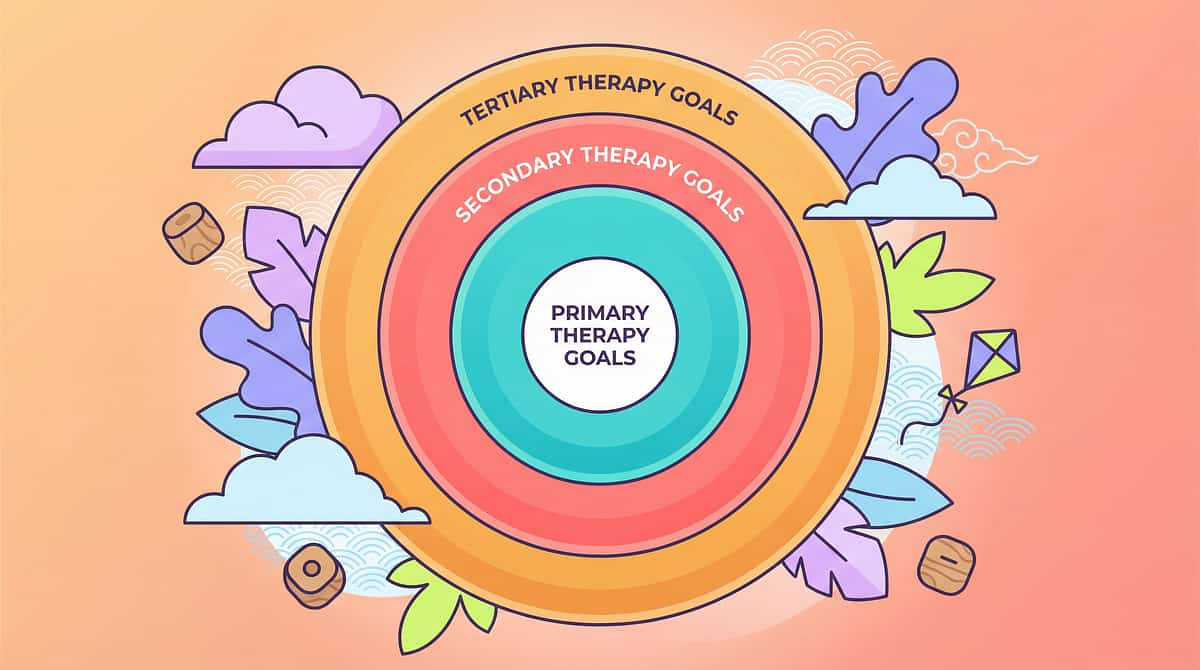
What This Technique Targets
🎯 Primary Target
Tactile Hypersensitivity Reduction
Child tolerates dressing routine without meltdown. Accepts sensory-friendly clothing without resistance. Time-to-dress decreases week over week.
Child tolerates dressing routine without meltdown. Accepts sensory-friendly clothing without resistance. Time-to-dress decreases week over week.
🎯 Secondary & Tertiary Targets
- Dressing Independence — Child participates in choosing clothes, initiates dressing steps independently
- Emotional Regulation — Morning dysregulation frequency decreases
- Broader Tactile Tolerance — Improvements in bathing, hair washing, nail cutting
- Social Participation — Child attends school events with reduced sensory anxiety
- Self-Advocacy — Child communicates sensory preferences and requests accommodations

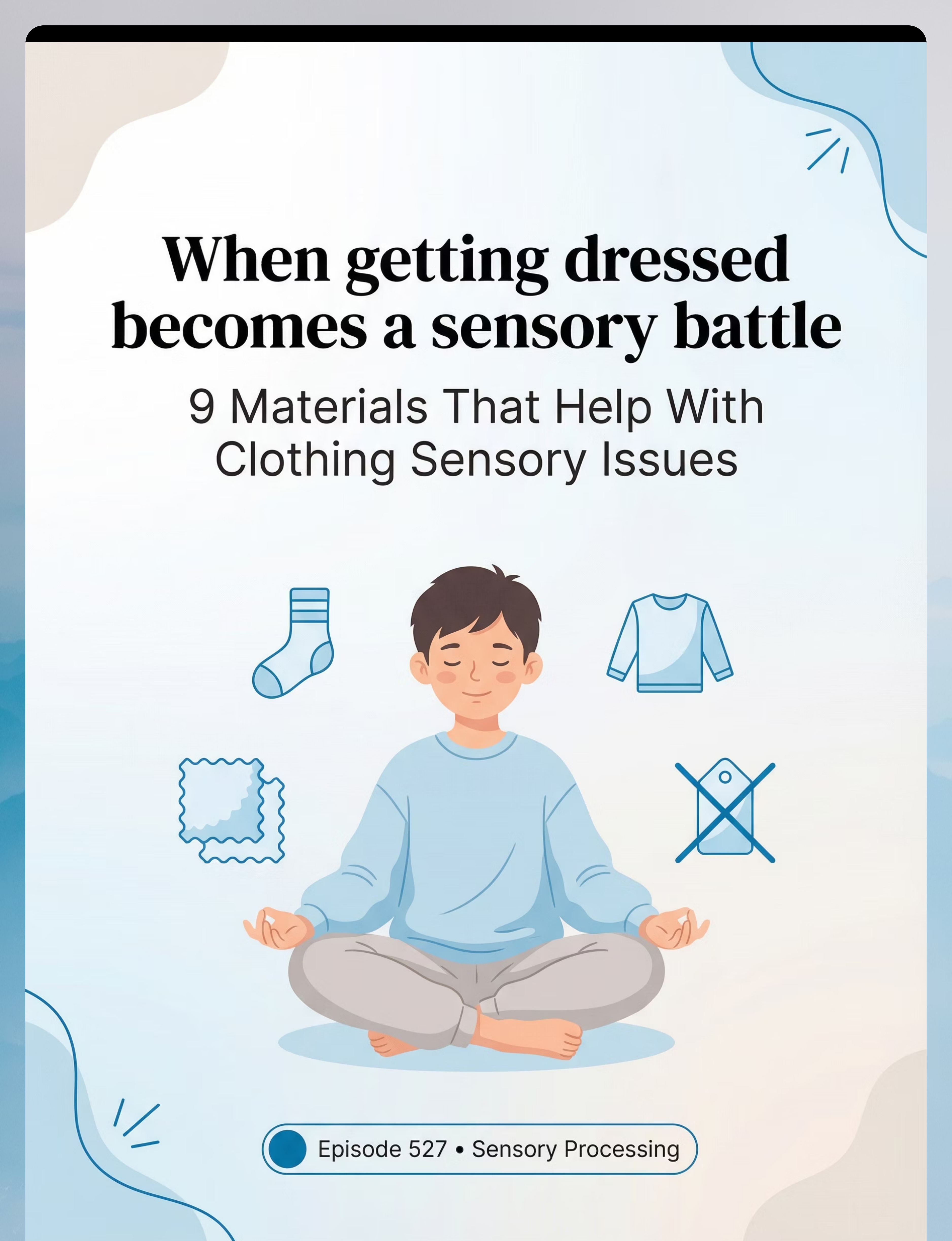
9 Materials That Help With Clothing Sensory Issues
Each material targets a specific sensory trigger. You don't need all 9. Start with your child's primary trigger.
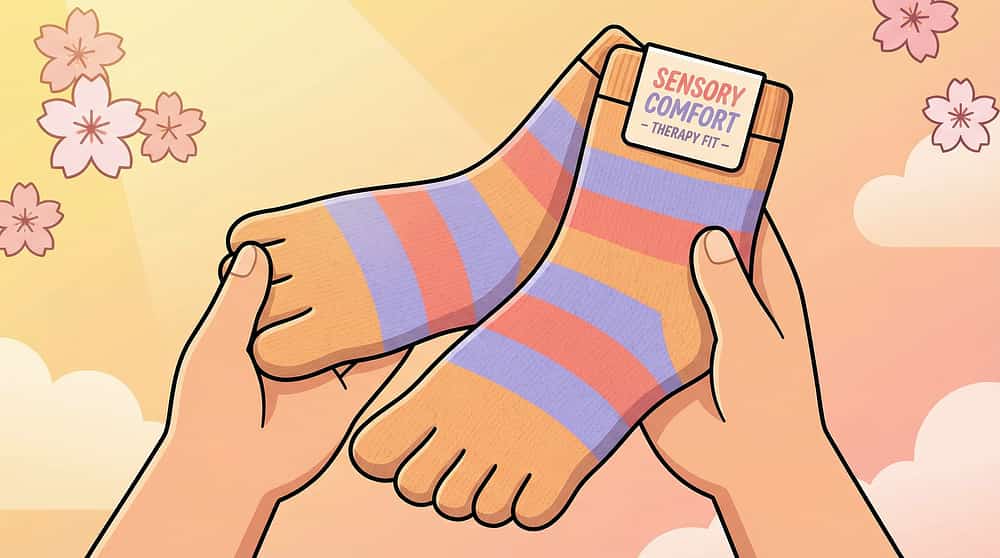
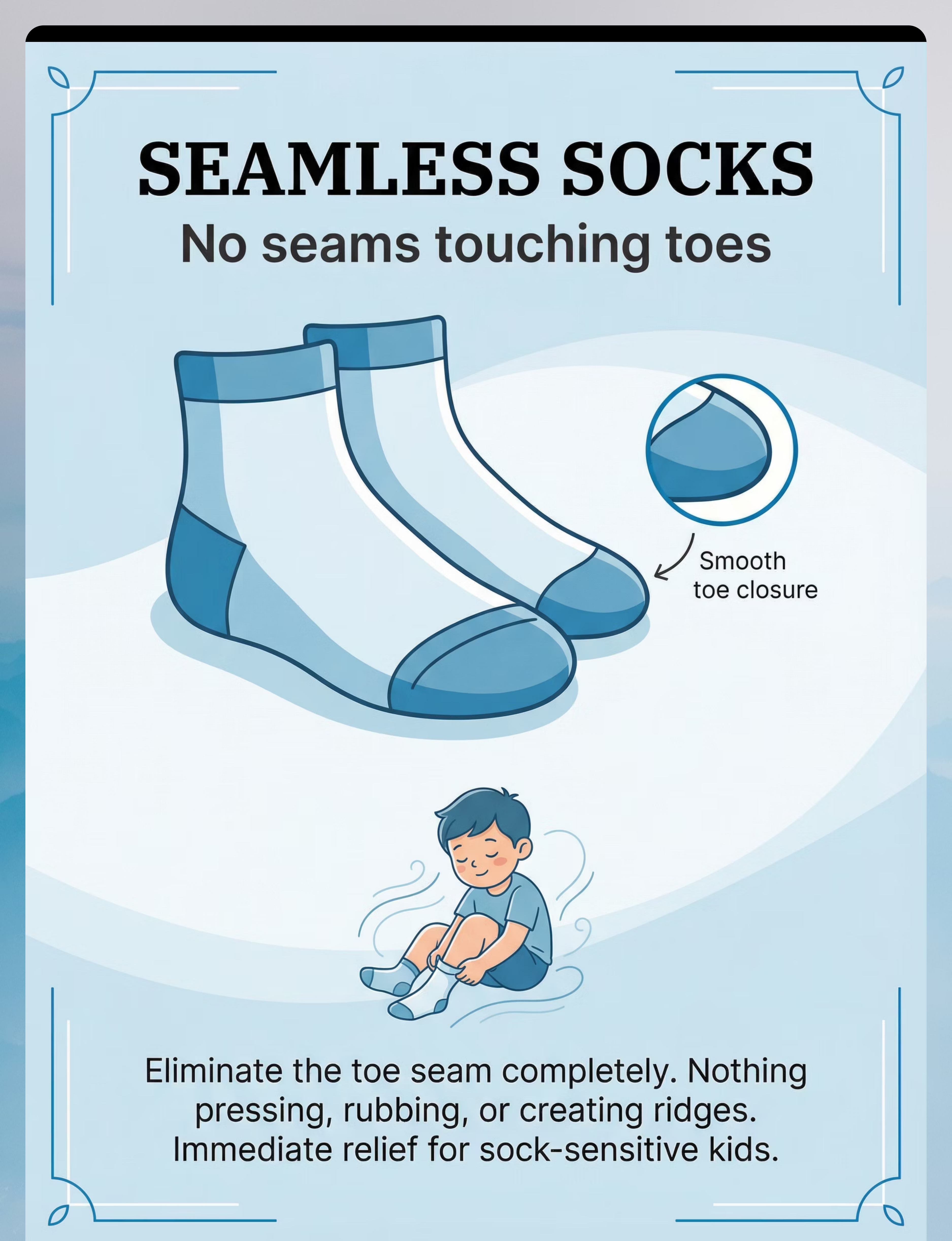
1. Seamless Socks
Smooth toe closure eliminates the ridge sensation that feels intensely painful to tactile-sensitive children.
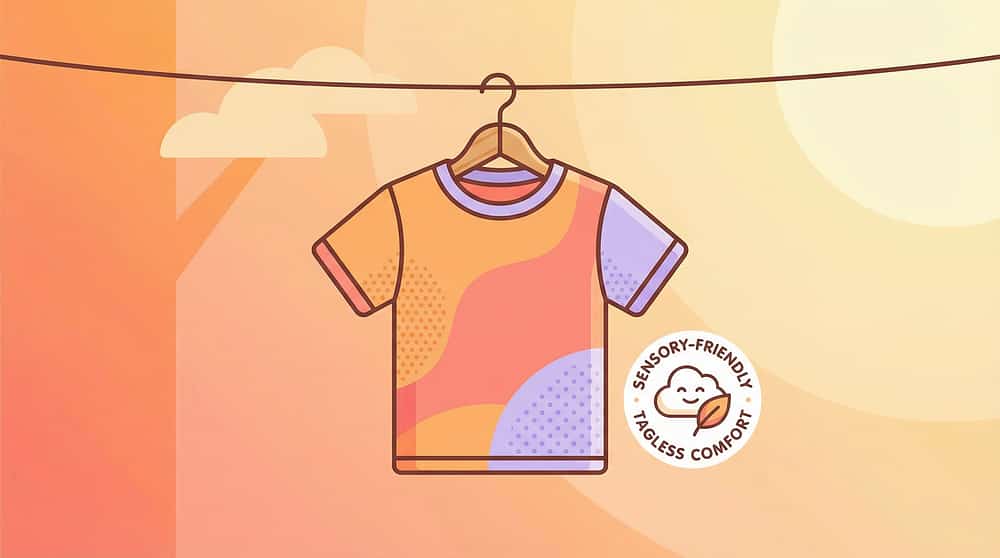
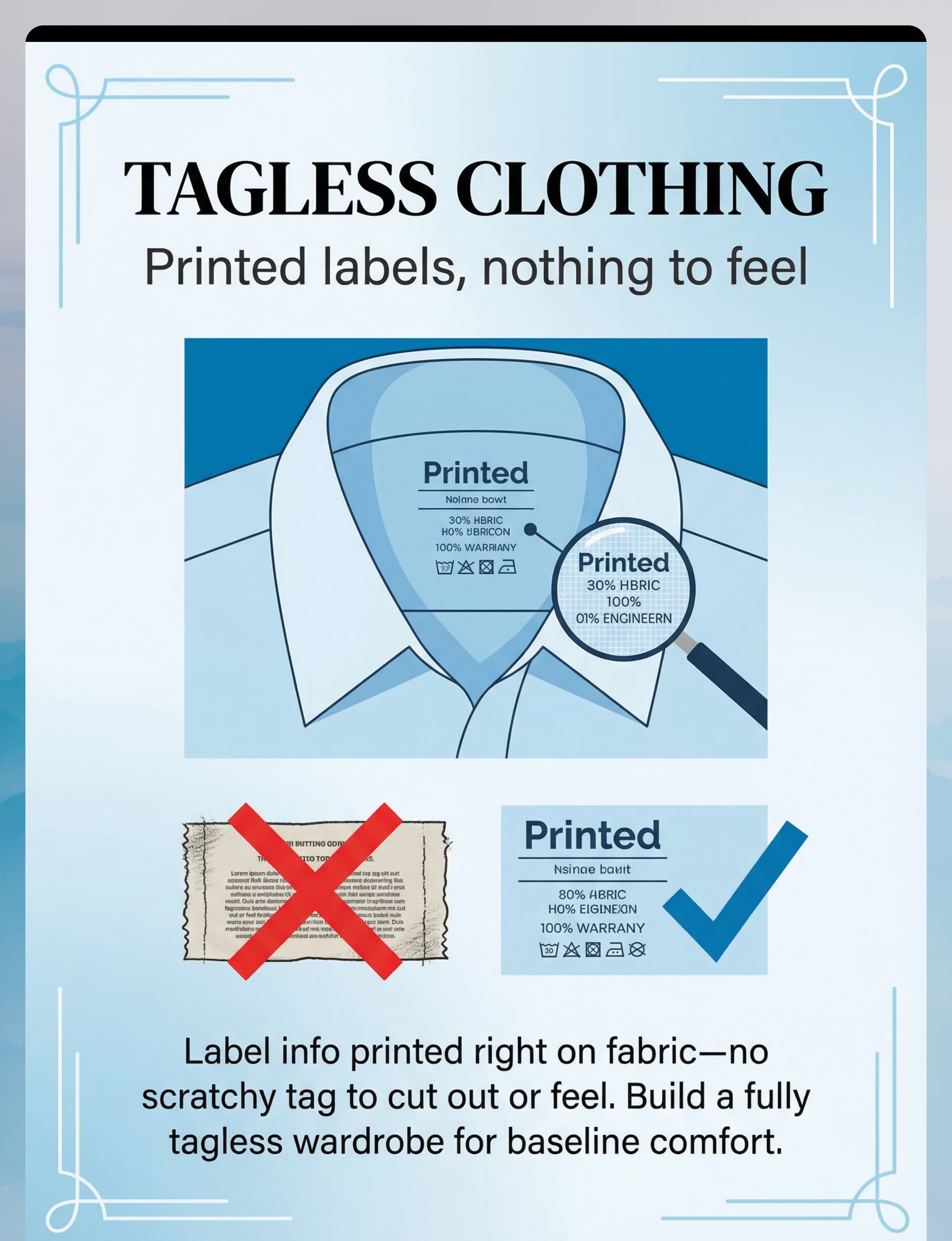
2. Tagless Clothing
Label information printed directly onto fabric — zero physical tag to irritate. Eliminates 40% of morning sensory conflicts.
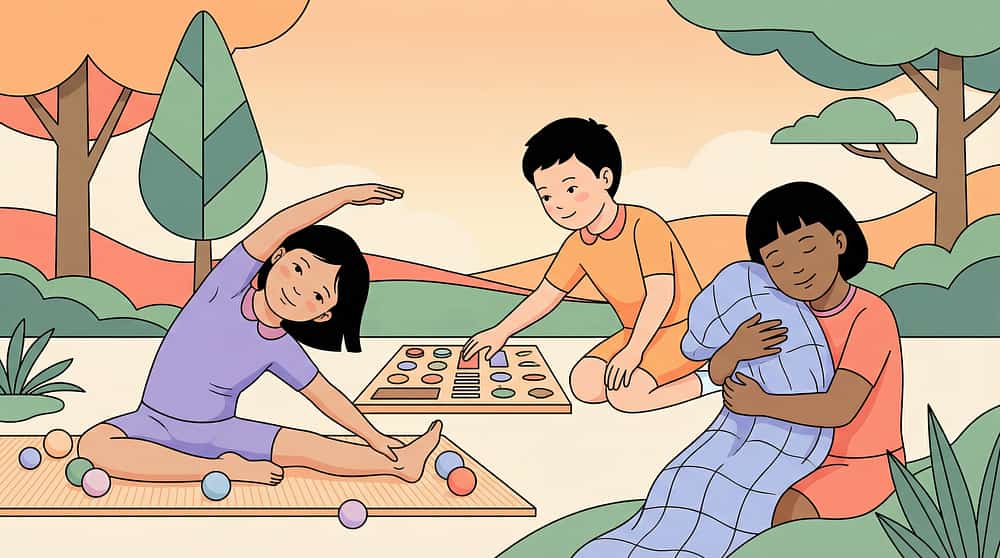
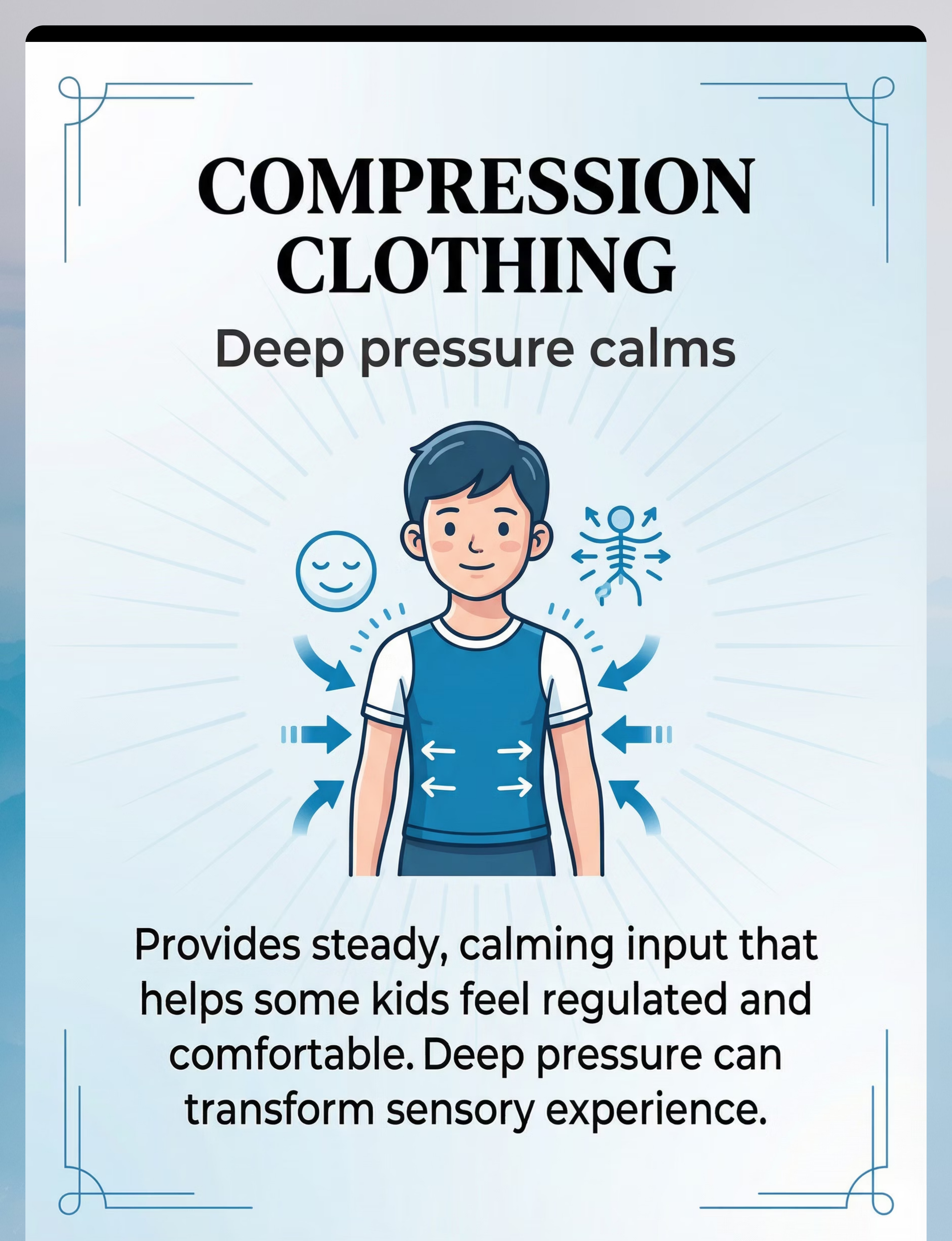
3. Compression Garments
Firm, even, predictable deep pressure activates the parasympathetic nervous system — calming and organizing the sensory system.
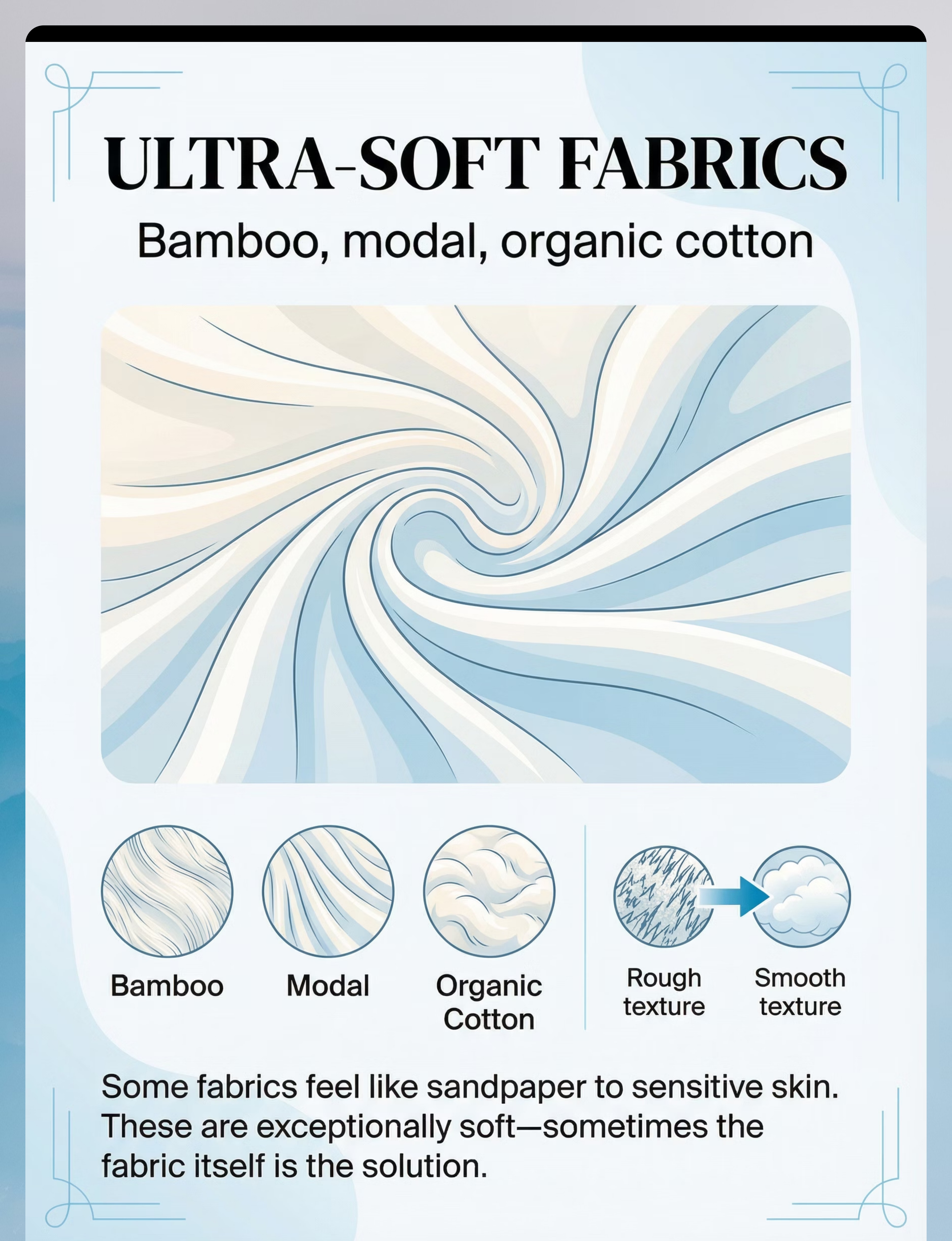
4. Ultra-Soft Fabrics
Bamboo viscose and modal have structurally finer fibers — smoother at the microscopic level, eliminating the "scratchy" sensation.
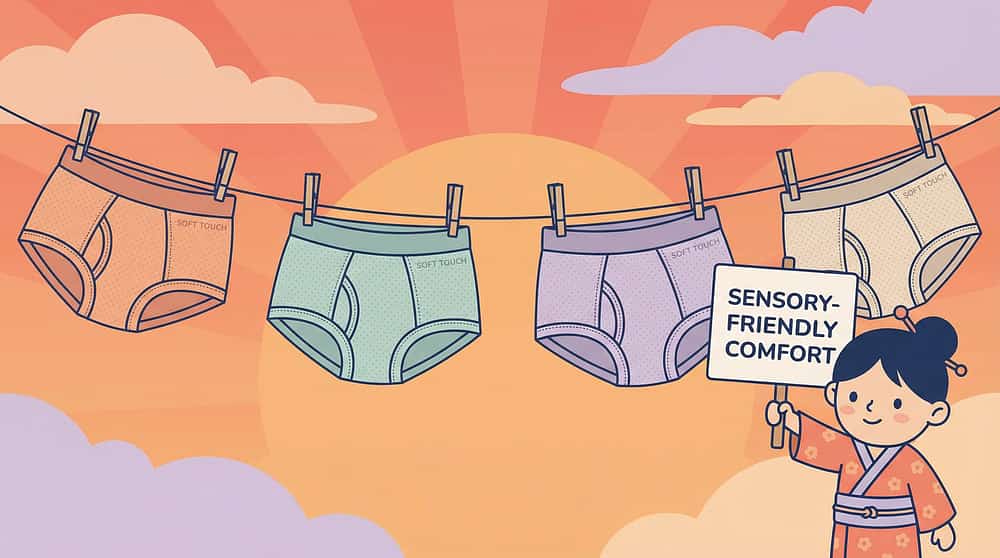
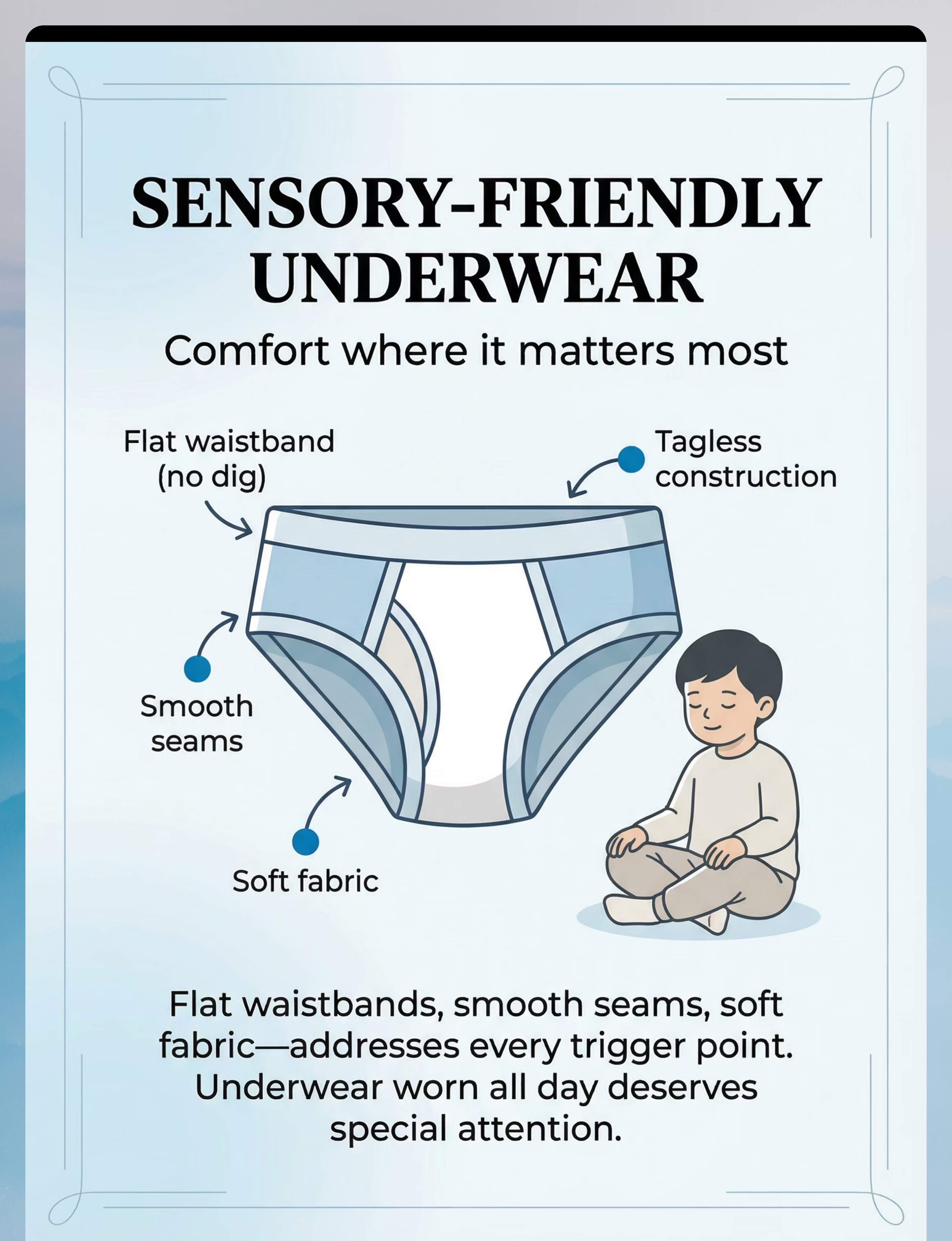
5. Sensory-Friendly Underwear
Flat/covered waistbands, seamless construction, ultra-soft fabrics, tagless design — every trigger point addressed all day.
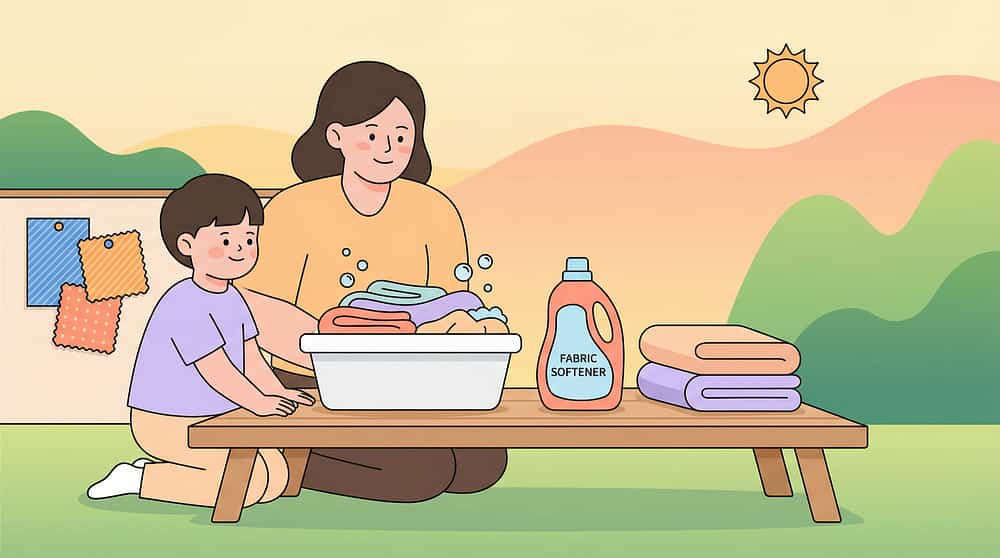
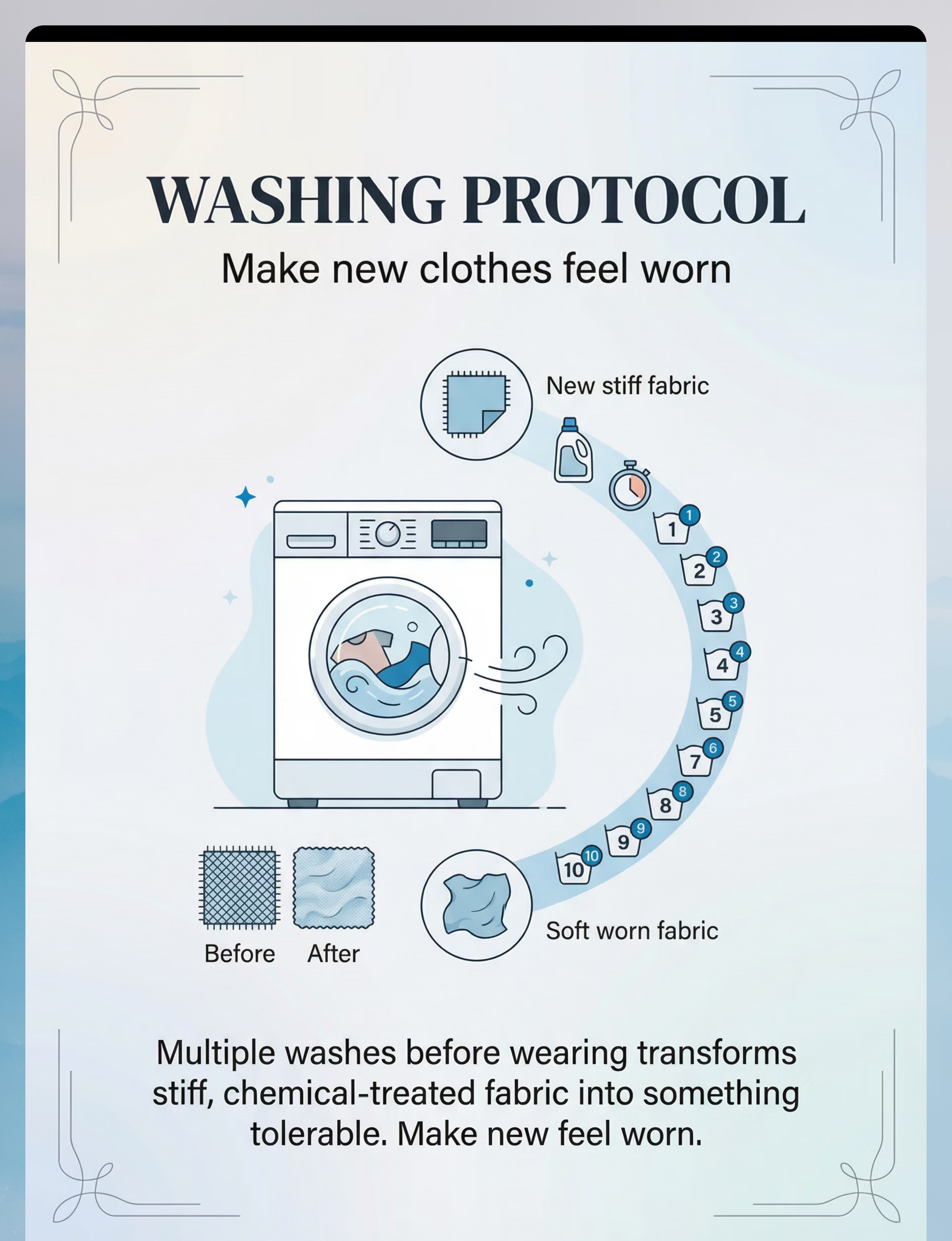
6. Washing Protocol
5–10 wash cycles break down chemical treatments and soften fibers. The garment becomes "known" to the nervous system.

7. Sensory Brush
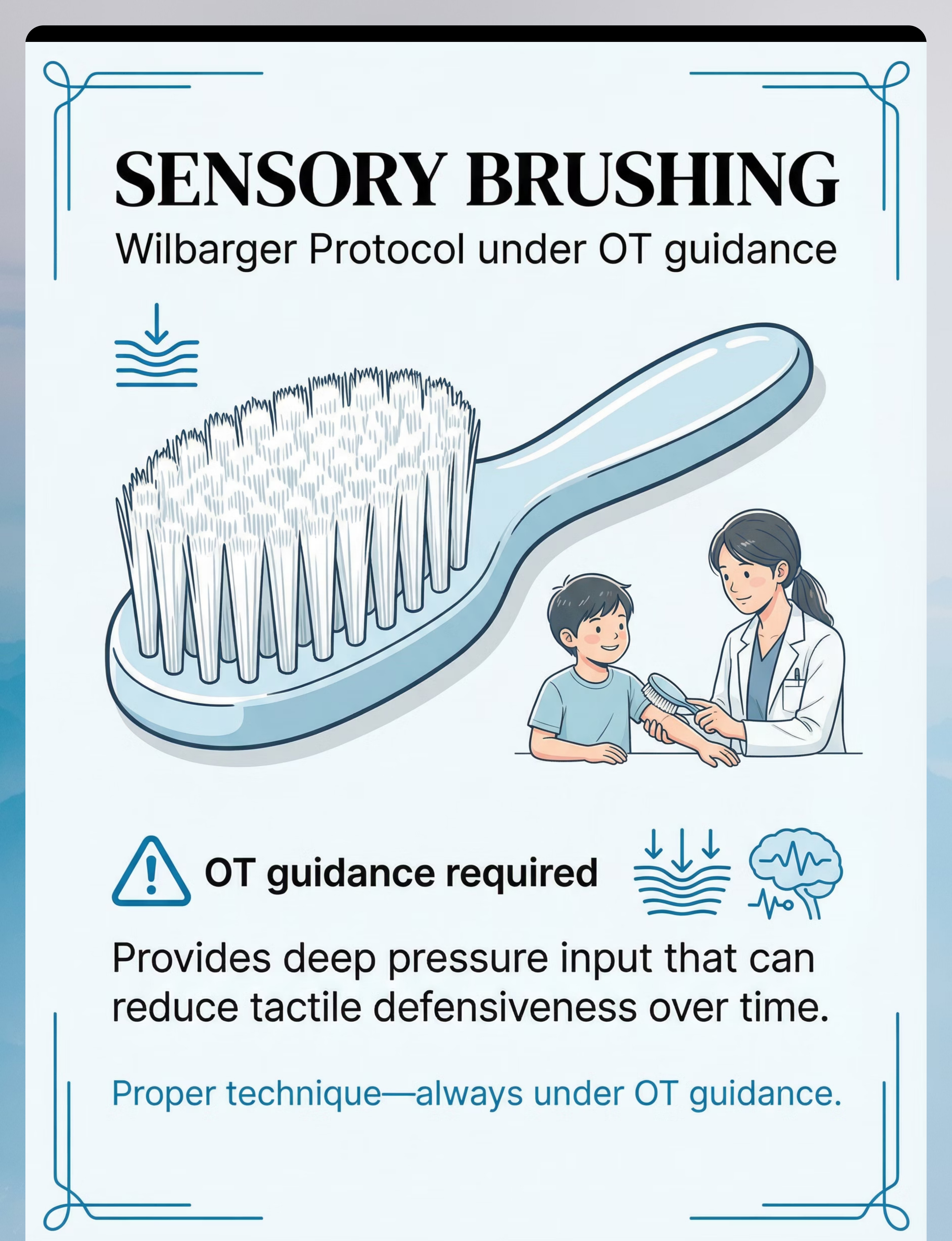
The Wilbarger Deep Pressure technique provides intensive, predictable tactile input that reduces nervous system reactivity over weeks. ⚠️ OT guidance required.

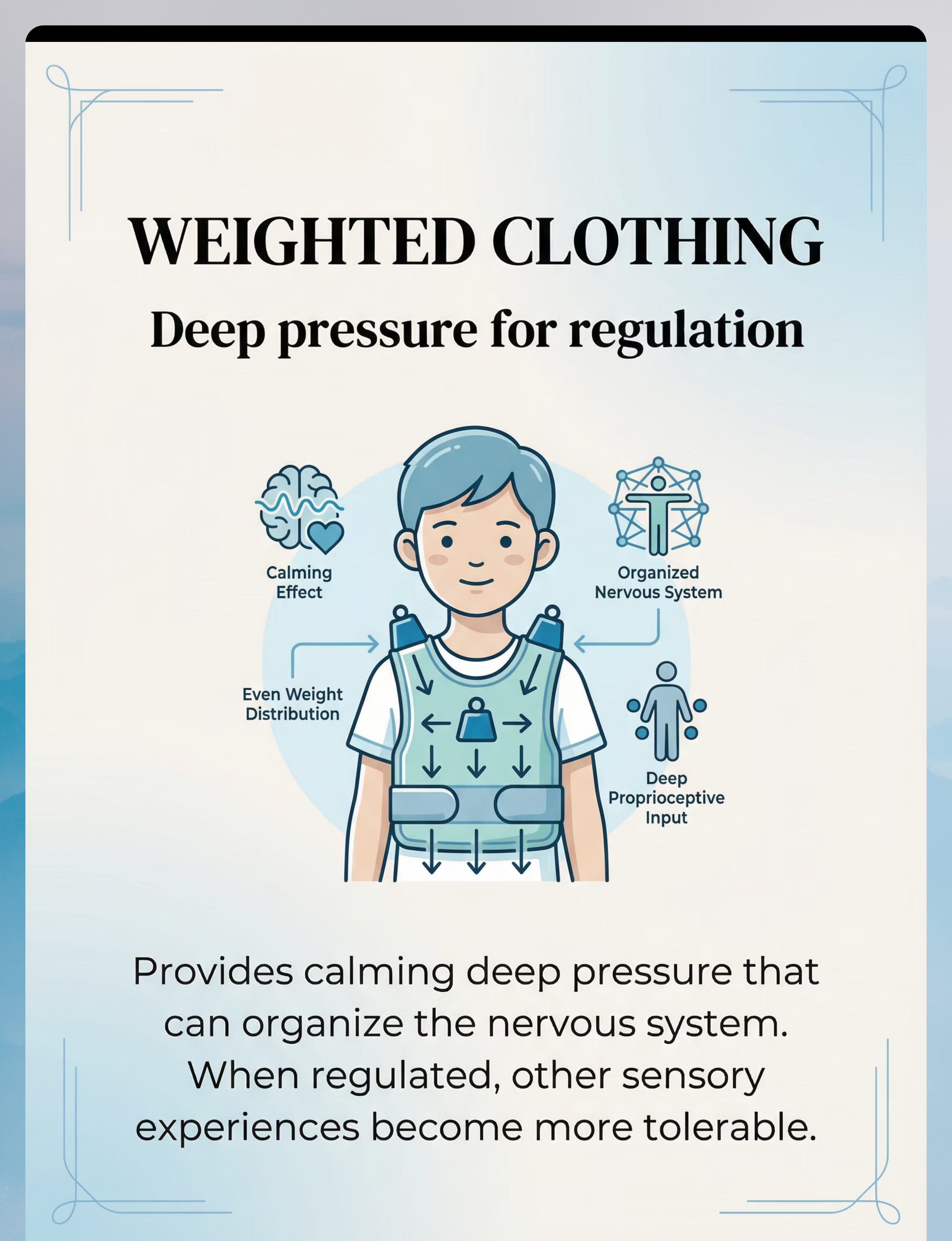
8. Weighted Vest
5–10% of body weight, evenly distributed. Provides deep proprioceptive input that organizes the nervous system for all sensory input.
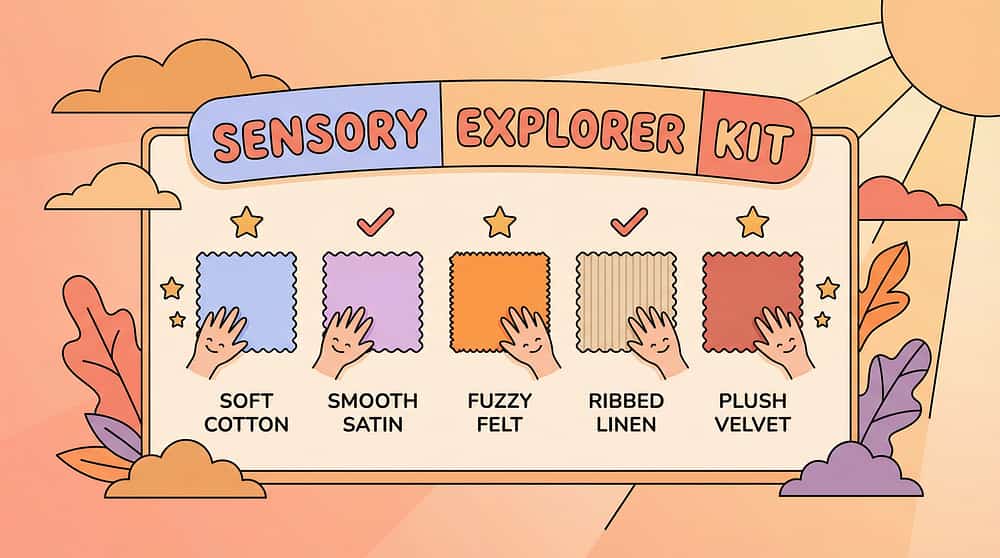
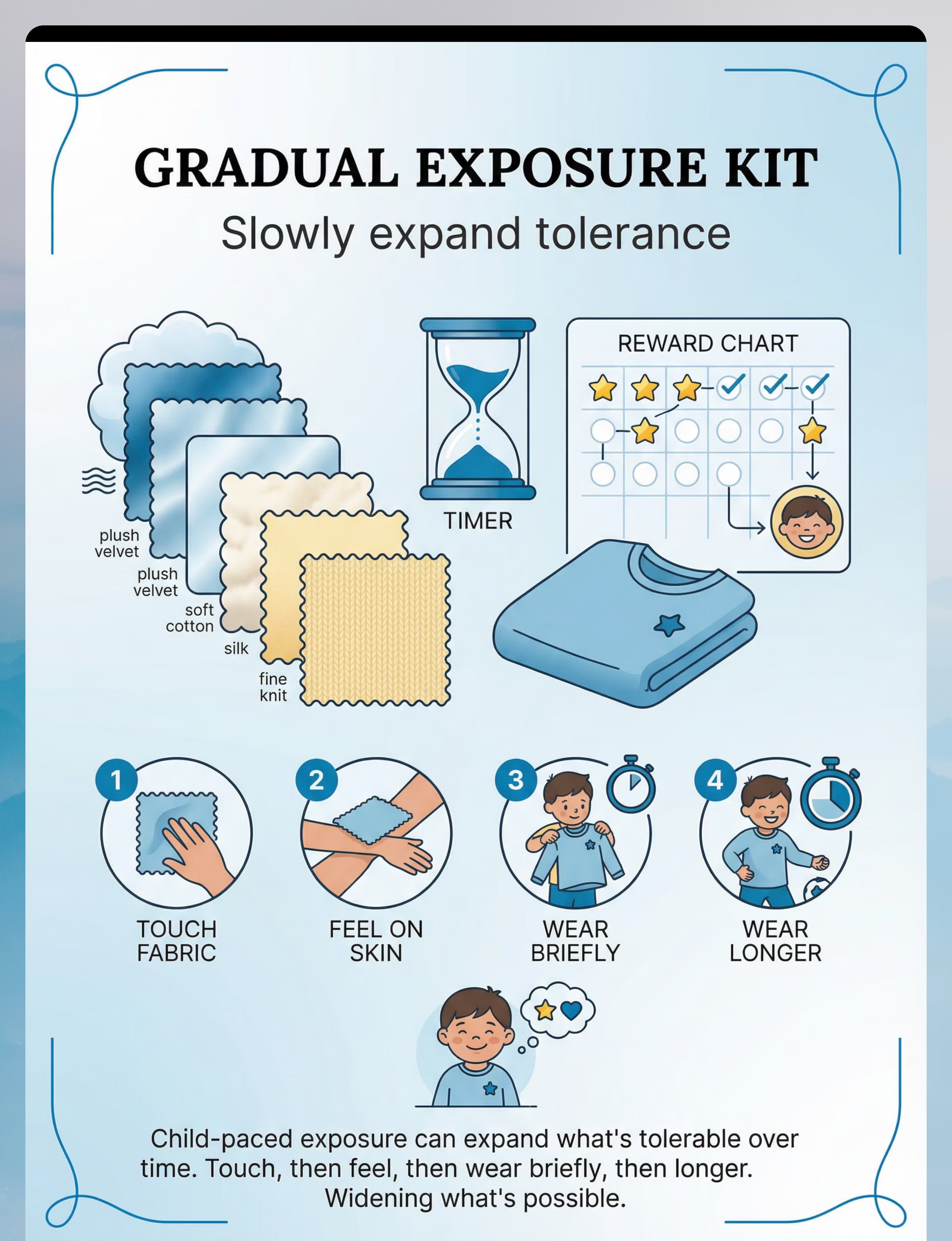
9. Gradual Exposure Kit
Fabric swatches + visual timer + reward chart. Systematic desensitization — child-paced, never forced, always positive.
Starter Kit Recommendation (Budget-conscious): Seamless socks + Tagless soft fabric basics + Sensory-friendly underwear + Washing protocol = ₹800–2,500 investment that can eliminate 60–70% of morning dressing conflicts immediately.
DIY & Substitute Options
"Every family deserves access. Regardless of budget."
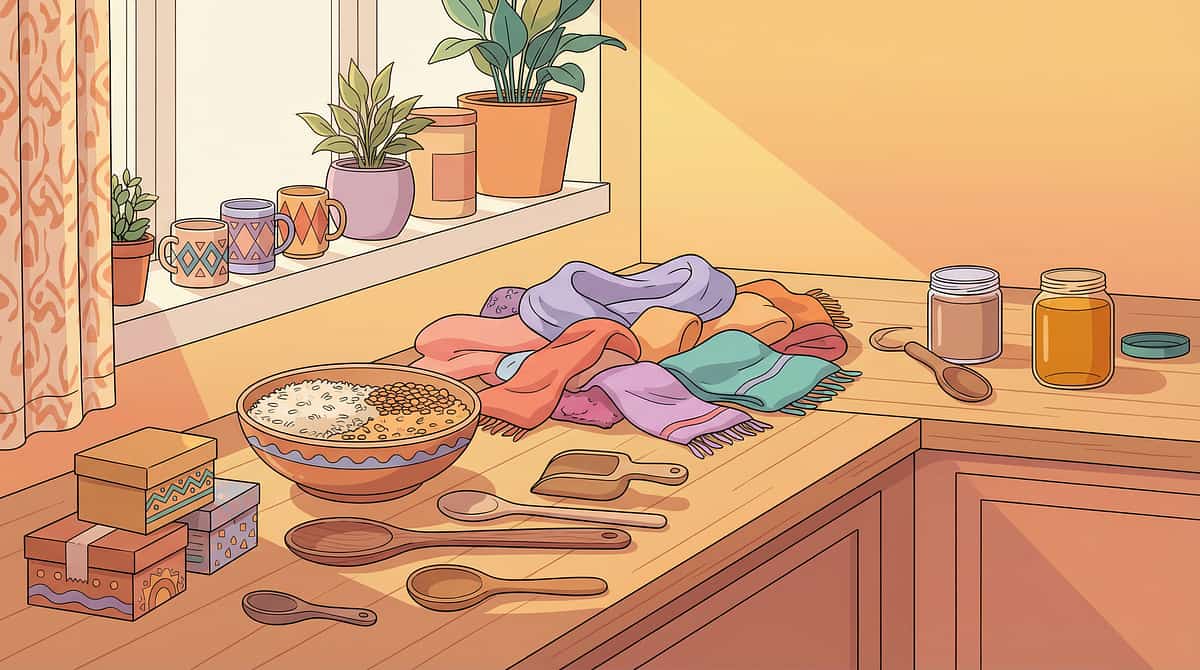
Every intervention on this page has a ₹0 substitute — because a child's sensory needs don't wait for the next paycheck. WHO/UNICEF equity principle: household material intervention efficacy confirmed across 54 LMICs (PMC9978394).
Material | ₹0 Home Alternative | Why It Works | |
Seamless Socks | Turn regular socks inside out | Moves seam away from toes | |
Tagless Clothing | Remove tags with scissors; cover remnant with soft fabric patch | Eliminates the physical irritant | |
Compression Garment | Snug-fitting athletic undershirt from any store | Provides pressure — may be sufficient to start | |
Ultra-Soft Fabric | Sort through existing wardrobe; identify softest items; let child touch fabrics before buying | Ensures sensory testing before purchase | |
Sensory-Friendly Underwear | Inside-out underwear + elastic waistband folded down | Temporary accommodation while sourcing correct items | |
Washing Protocol | Wash 5–10 times in familiar detergent + half cup white vinegar per load | Removes sizing chemicals, softens fibers | |
Sensory Brush | CANNOT be adequately substituted — OT guidance required | Incorrect technique worsens sensitivity | |
Weighted Vest | Rice or sand in zip-lock bag inside snug vest (brief trial only) | Tests response to weight before purchasing | |
Gradual Exposure Kit | Fabric scraps from old clothing + phone timer + homemade sticker chart | Identical function to purchased kit |
⚠️Non-negotiable: Sensory brushing tools must be the correct surgical-grade brush used with trained technique. This is the only material on this list where substitution is not recommended.
Safety First: Before You Begin
🚦 Sensory Clothing Intervention — Safety Protocol
🔴 DO NOT PROCEED IF:
- Child is currently in sensory meltdown or acute distress
- Child has open skin wounds, rashes, or active skin conditions in contact areas
- Compression garments: child has cardiovascular or circulatory concerns — consult pediatrician first
- Weighted clothing: child has hypermobility, joint concerns, or respiratory issues
- Sensory brushing: parent has NOT received OT training — do not implement without training
🟡 MODIFY IF:
- Child is tired, hungry, or unwell — simplify to minimum intervention
- Recent sensory overload — reduce new clothing exposure, stick to known-safe wardrobe
- Child shows early distress signs — have comfort item and escape plan ready
- New clothing item — always test briefly before full-day wear
🟢 SAFE TO PROCEED WHEN:
- Child is calm, fed, and rested
- Environment is prepared (see Card 12)
- Parent is calm — children co-regulate
- All new clothing items have been pre-washed multiple times
- Tags removed and rechecked before dressing
🛑RED LINE — STOP IMMEDIATELY IF: Child shows skin marks, breathing difficulty, extreme distress, or skin irritation in contact areas from any material.
Pinnacle National Autism Helpline: 📞 9100 181 181 (24×7, 16+ languages) — Safety questions answered immediately.
Pinnacle National Autism Helpline: 📞 9100 181 181 (24×7, 16+ languages) — Safety questions answered immediately.
Set Up Your Space
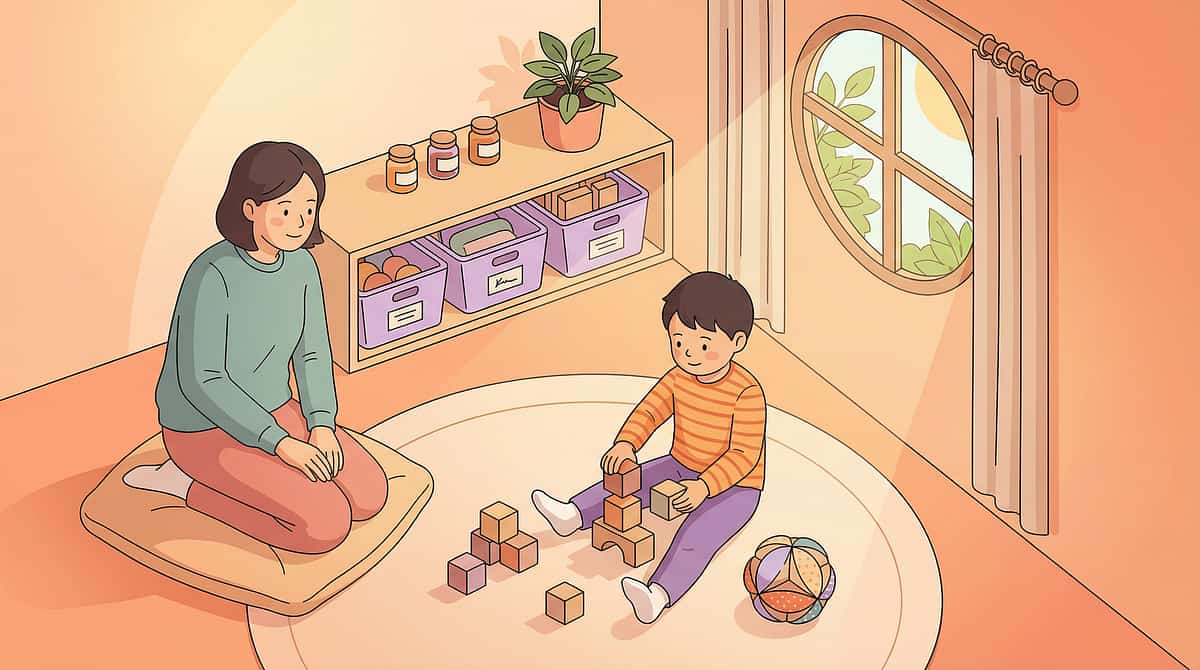
"Spatial precision prevents 80% of session failures."
Lighting
Natural light preferred. Avoid harsh overhead fluorescent lights — they add sensory stress.
Sound
Reduce background noise. No TV blasting during dressing if possible.
Temperature
Room at comfortable temperature. Dressing in cold adds tactile sensitivity.
Tag Pre-Check
Inspect all clothing items before dressing session. Remove and recheck all tags.
Visual Timer Visible
Reduces "hurry" pressure which escalates sensory reactivity. Timer in eyeline.
Comfort Item Accessible
Child can hold comfort item during challenging clothing moments.
Unacceptable Items Out of Sight
Don't present clothing you know will be refused. Remove triggers from the space entirely.
Sensory Integration Theory (Ayres): Environmental setup is a core principle. Meta-analysis (PMC10955541) confirms structured sessions requiring careful environmental preparation showed maximum effectiveness.
Is Your Child Ready? Readiness Check
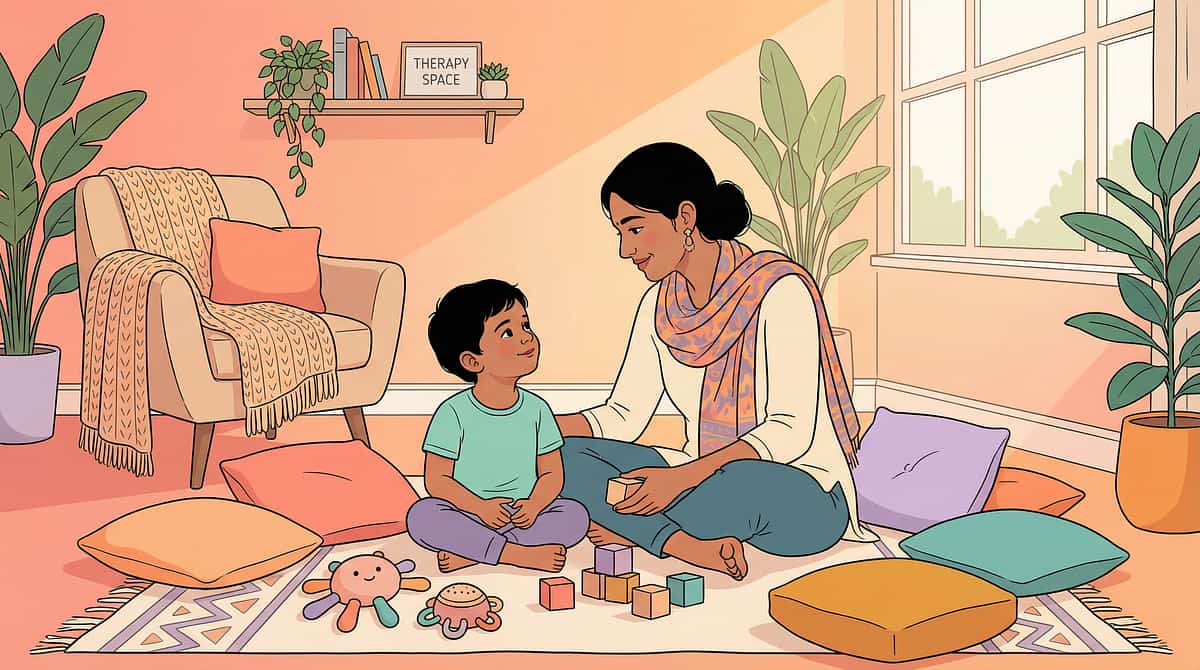
"The best session is one that starts right." — 5-Minute Pre-Dressing Readiness Assessment
✅ GO — All 5 Green
- Child is awake and alert (not groggy or overtired)
- Child has eaten breakfast or will eat immediately after dressing
- No meltdown or major distress in the past 60 minutes
- All clothing items are pre-tested, tagless, seam-checked
- Parent is calm and has 15+ minutes before departure deadline
⚠️ MODIFY — 1–2 Amber
- Child slept poorly → Use only the most familiar, proven clothing today. No new items.
- Elevated anxiety about school → Extra compression layer. Familiar clothes only.
- Parent rushed → Prepare clothes night before. Use visual timer. Communicate timeline calmly.
🔴 POSTPONE — Any Red
- Active illness → Comfort clothing only, no protocol today
- Recent sensory overload → Sensory recovery first, dressing second
- Child explicitly refusing clothing → Identify the specific trigger before attempting again
If POSTPONE: Offer 2 specific preferred clothing options. Use "first/then" language. Do not force new or challenging items today.
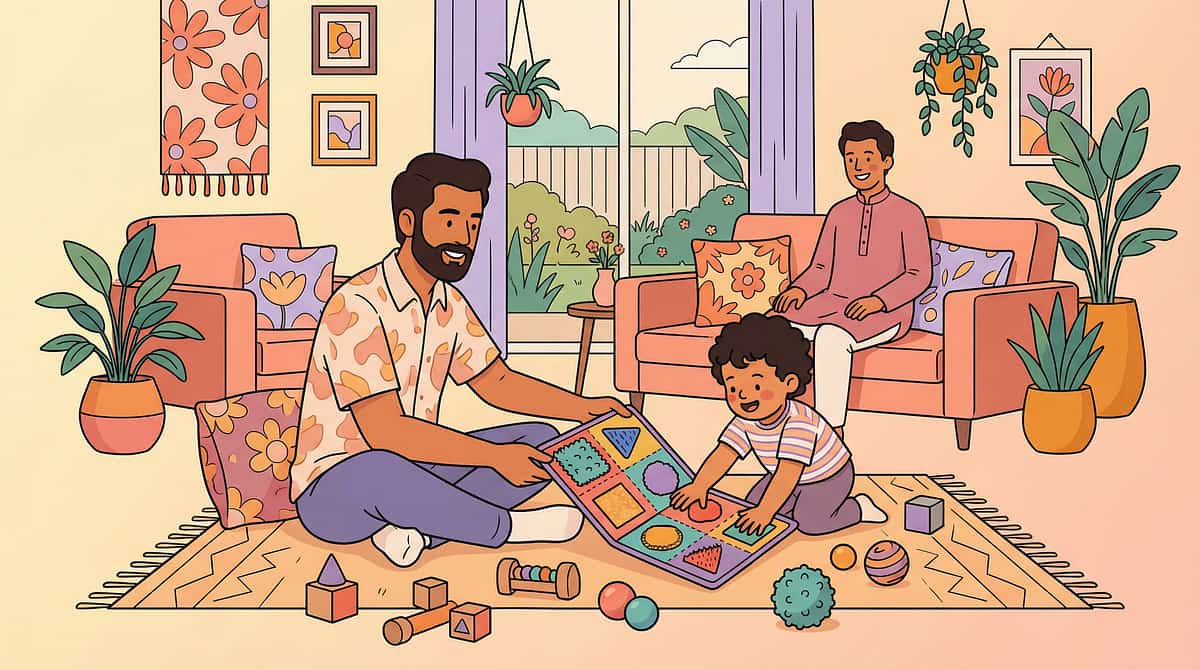
Step 1: The Invitation
Step 1 of 6
Duration: 30–60 seconds
Bringing the child into the dressing activity through low-demand, playful engagement — not a command.
"Hey [name], time to get dressed. I picked something really comfy for you today. Want to see?""Your soft blue shirt is waiting on the bed. Can you come look?""Let's find your cozy socks! Where are they hiding?" (for younger children)
Body Language Guidance
- 🧘 Crouch to child's height — don't loom
- 🤲 Open palms visible — non-threatening posture
- 👁 Soft eye contact, not demanding
- 🗣 Calm, slightly warm tone — not urgent
Resistance Cues and Response
- ❌ Moves away → Don't pursue. Try again in 2 minutes with a different clothing item visible.
- ❌ Pushes clothes away → "Okay, let's see what feels right" — offer 2 pre-approved alternatives
- ❌ Meltdown starts → Step back entirely. Safety first. Try modified protocol in 5 minutes.
ABA Pairing Principle:Establish the motivating operation (positive anticipation) before demand placement. — BACB Clinical Standards
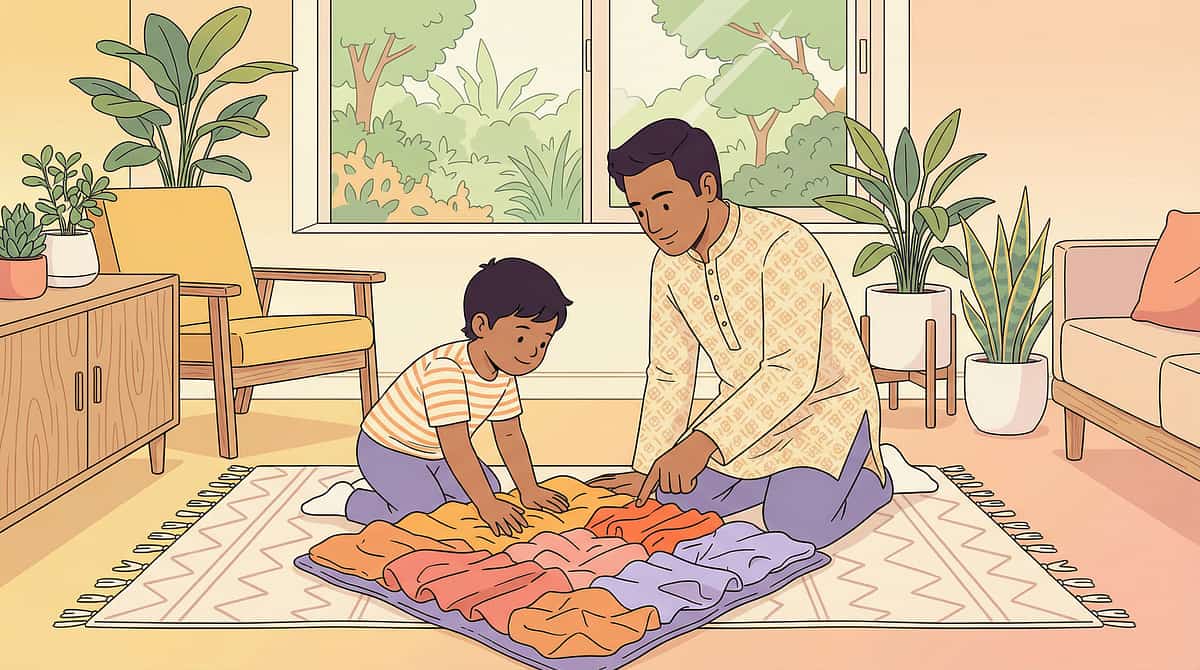
Step 2: The Engagement
Step 2 of 6
Duration: 1–3 minutes
Deepening the interaction by introducing the specific sensory-friendly item on the child's own terms.
For Seamless Socks
"These are your special no-seam socks. Feel how smooth the toe is? Nothing to feel at all. Want to try?" — Guide child's hand to the toe area.
For Compression Shirt
"This one gives you a nice hug feeling. Let's see how it feels on your arms first." — Demonstrate on parent's arm first.
For Ultra-Soft Bamboo Item
"Can you feel how soft this is? It's bamboo fabric — almost like a cloud. Do you want to feel it on your cheek first?"
🟢 Ideal
Child reaches for item, explores texture independently, shows interest
🟡 Acceptable
Child allows parent to guide — not enthusiastic but not refusing
🔴 Concerning
Child pushes item away with distress — return to Step 1 (re-invitation) with different item
Reinforcement begins here: When child touches or holds the item positively — "Yes! That one feels nice, doesn't it? Great choice." Timing: within 3 seconds of positive engagement. | PMC11506176
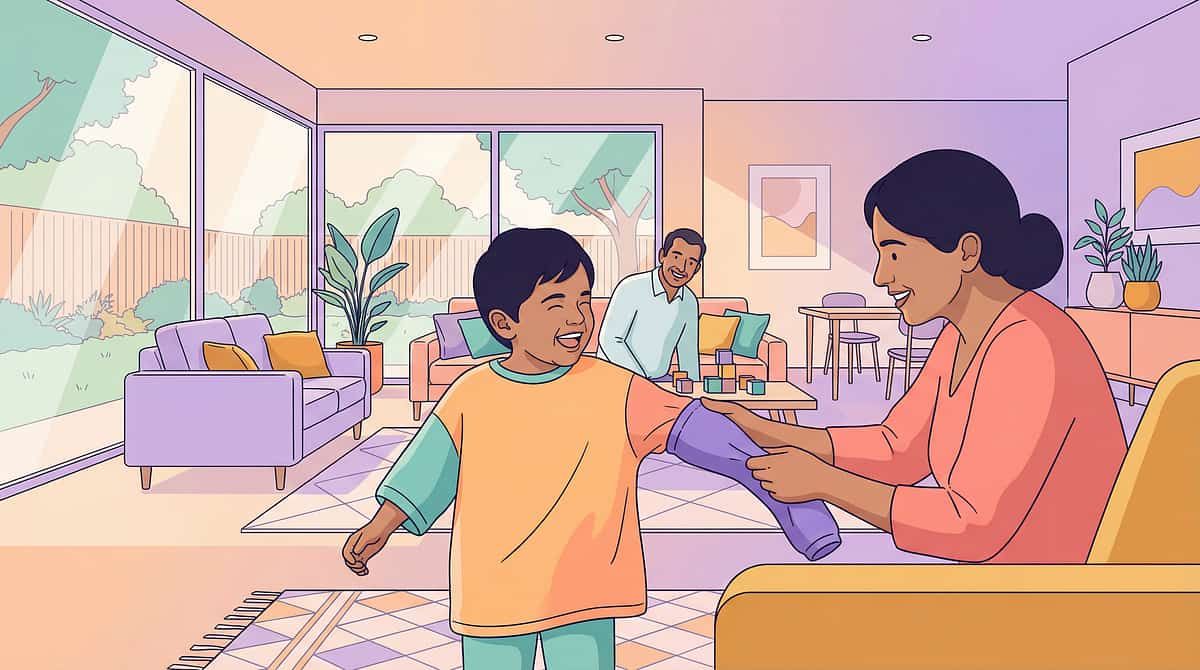
Step 3: The Therapeutic Action
Step 3 of 6
Duration: 5–15 minutes
The primary dressing session — the core sequence.
Phase A — Sensory Preparation (2–3 min)
If using Wilbarger Protocol: Brush limbs per OT protocol → joint compressions → then proceed to dressing.
If using compression layer: Put on compression undershirt/shorts first → sensory foundation established.
Phase B — Layer Sequence
- Sensory-friendly underwear (smooth, flat waistband, tagless)
- Compression undershirt if applicable
- Ultra-soft fabric top — pre-washed, tagless
- Seamless socks — smooth toe closure confirmed
- Pants/bottoms with comfortable waistband
Parent Execution Notes
- Warm garments in hands before putting on child — cold fabric = higher sensory reactivity
- Work quickly and decisively once child consents — prolonged hesitation creates anticipation anxiety
- Narrate calmly: "Socks first. Just the cozy no-seam ones. Then we're done with feet."
- Child should be seated, never standing for socks — standing reduces stability and increases sensitivity
Common Execution Errors
- ❌ Introducing new item on a high-stress morning → New items only on relaxed days
- ❌ Multiple new items at once → Maximum 1 new item per week
- ❌ Rushing through tactile contact → Slow, deliberate dressing reduces anticipatory anxiety
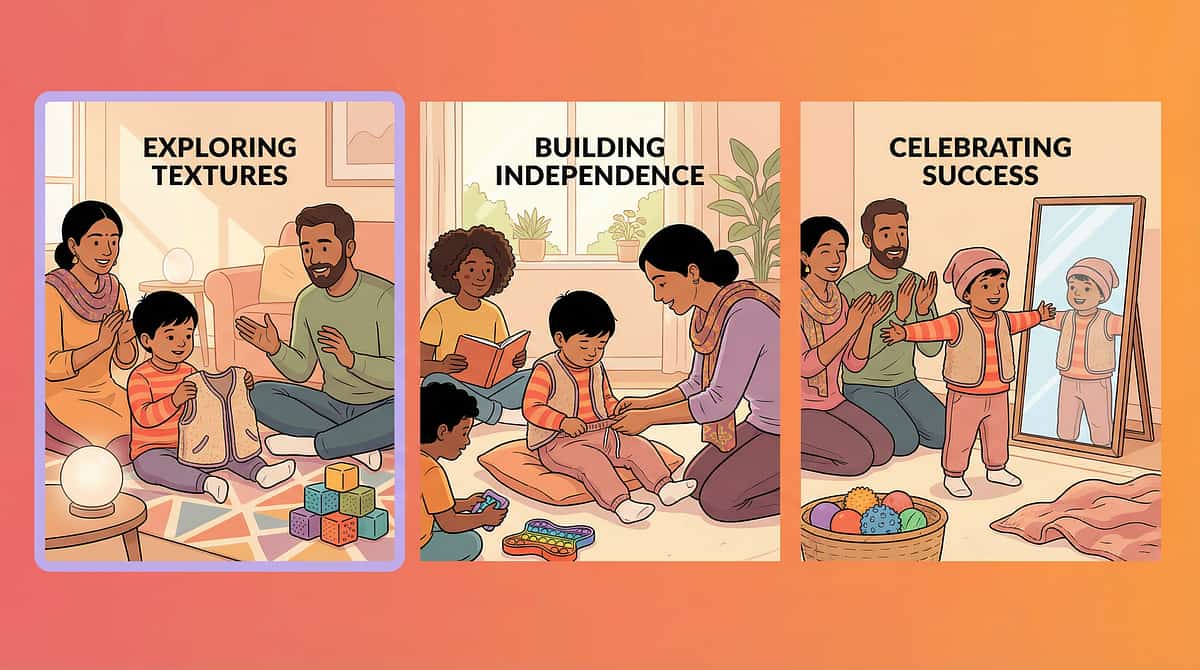
Step 4: Repeat & Vary
Step 4 of 6
Duration: 3–5 minutes for tolerance-building
"3 good repetitions are worth more than 10 forced ones."
Daily Dressing (Every Morning)
- Execute the sensory-friendly dressing protocol every morning
- Consistency = the repeated sensory input that gradually reduces nervous system reactivity
- Same sequence, same materials, same calm narration = predictability reduces anxiety
Satiation Indicators
- Reduced attention to the activity
- Increased physical movement or pulling away
- Verbal "I'm done" or equivalent communication
Tolerance-Building Sessions (2–3×/week)
- Take 1 mildly challenging fabric swatch from the exposure kit
- Touch exploration: child touches fabric (start here — no body contact needed yet)
- Progress: fabric on hand → fabric on arm → briefly lay on shoulder
- Duration: 30 seconds → 1 minute → 2 minutes over sessions
- Never to distress point
Age Variation Options
- Ages 2–5: Turn sock selection into a game: "Which cozy sock first?"
- Ages 6–12: Give control: "You choose which shirt from these two."
- Sensory-seeking: Offer compression as reward for completing dressing
- Sensory-avoiding: Minimize total clothing items. Fewer layers = less input.
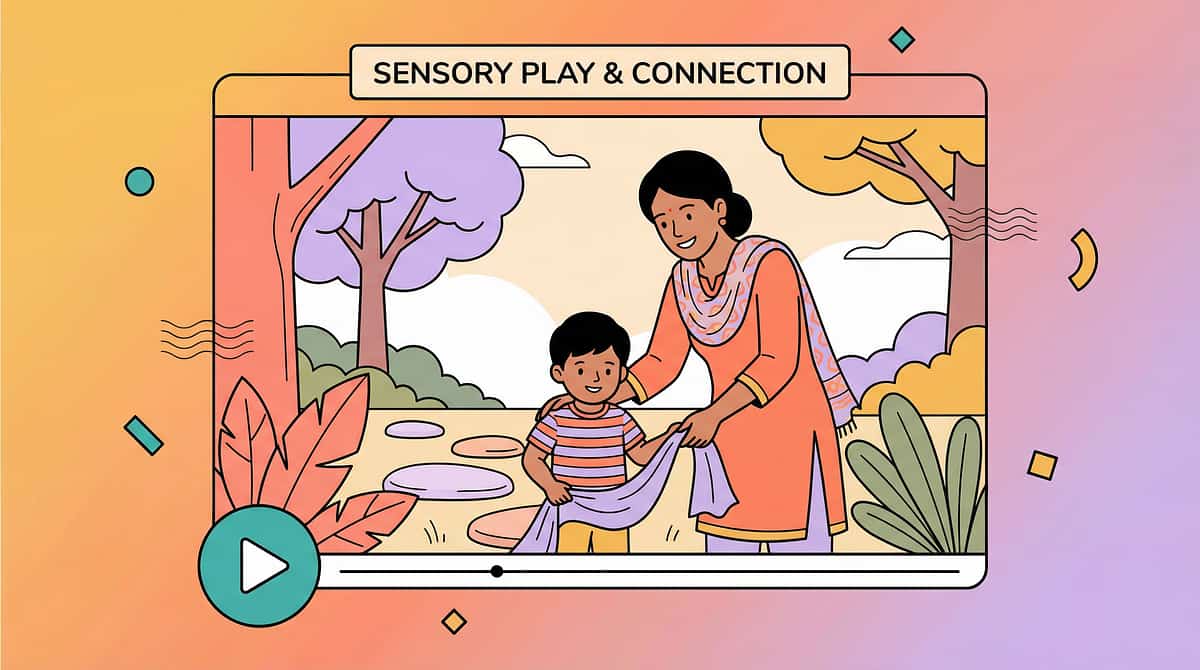
Step 5: Reinforce & Celebrate
Step 5 of 6
Timing: Within 3 seconds of success
"Celebrate the attempt, not just the success."
For completing dressing without meltdown
"You did it! All dressed. I saw how hard that was and you did it. That's huge."
For tolerating a new fabric for 30 seconds
"You touched that fabric and you stayed calm. Your nervous system is getting stronger. You should be so proud."
For putting on socks without protest
"These socks! Look — no fighting today. You handled it perfectly."
Reinforcement Menu
Verbal Praise
Immediate, specific, enthusiastic. Most powerful reinforcer for most children.
Token/Sticker Chart
Rosette Imprint Reward Jar — ₹589 | amzn.in/d/02C5R9Jn — 5 tokens → preferred reward
Preferred Activity
5 minutes of preferred activity earned by completing dressing successfully
Comfort Item Access
Soft animal toy — ₹425 | amzn.in/d/022Lj6Fr — as reward or transition comfort
ABA Timing Principle: Reinforcement delivered within 3 seconds of target behavior is 4× more effective than delayed reinforcement. Speed matters more than size of reward.
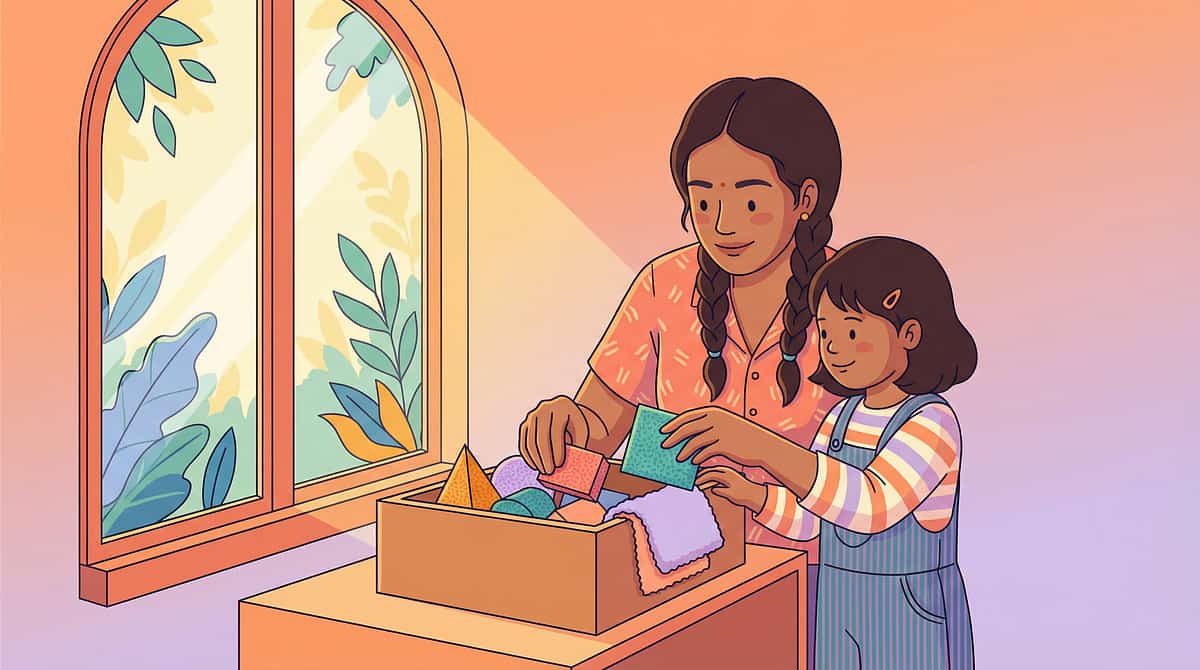
Step 6: The Cool-Down
Step 6 of 6
Duration: 1–2 minutes
"No session ends abruptly. The nervous system needs a landing."
Give a transition warning 2 minutes before ending any tolerance session: "Two more touches, then we're all done with the fabric practice." This prevents abrupt endings that can dysregulate the nervous system. If the child resists ending a tolerance session, validate: "You want more? Okay — 2 more minutes" — then set a clear end boundary with the timer visible.
If Dysregulated Post-Dressing
5 minutes of proprioceptive input: jumping, pushing against wall, carrying heavy bag. Reduce other sensory demands for next 30 minutes if possible.
Deep Pressure Option
Compression hug if welcomed. Brief, firm, and predictable — not a surprise or sudden embrace.
NCAEP (2020) — Visual supports and transition warnings are evidence-based practices for autism.
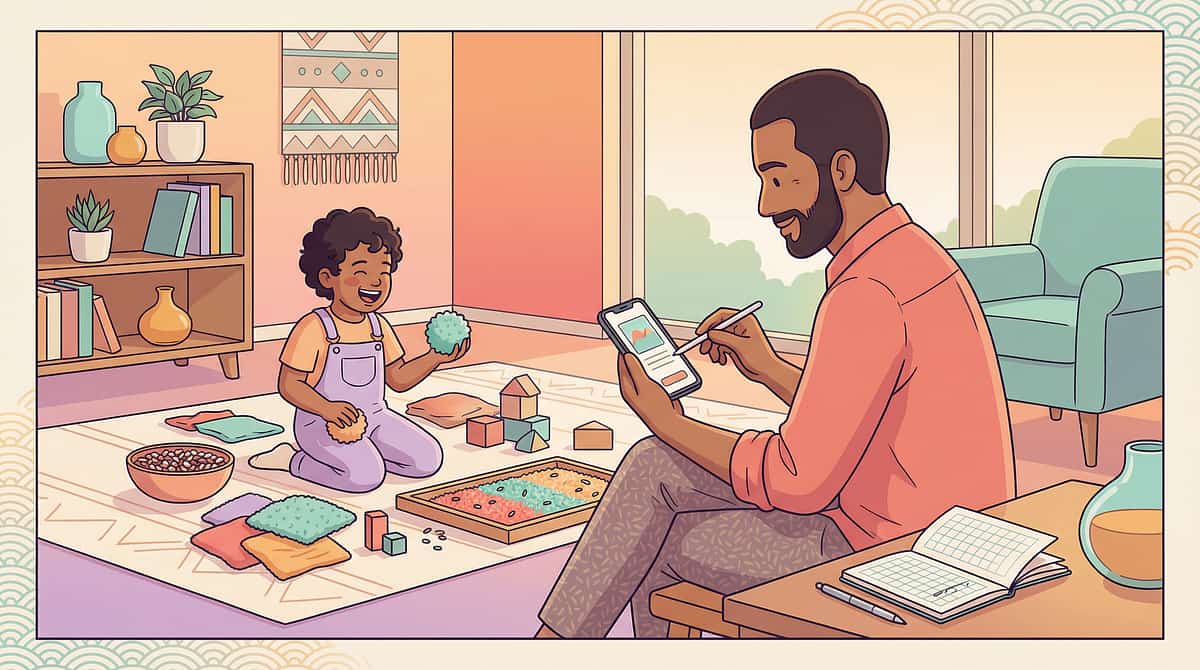
Capture the Data: Right Now
"60 seconds of data now saves hours of guessing later."
The 3-Field Tracker
Field | Example | |
Dressing Time | "12 minutes" | |
Resistance Level (0–5) | "2 — some hesitation on socks" | |
New Item Tolerance | "Bamboo shirt — brief tolerance 30 sec" |
Optional: Which clothing items worn today, new triggers identified, best moment of the session.
Why Data Matters
Without data, progress is invisible. With data, it becomes a graph of your child's nervous system healing.
- Week 1: 18-minute dressing. Resistance level 4.
- Week 4: 11-minute dressing. Resistance level 2.
- Week 8: 8-minute dressing. Resistance level 1.
That trajectory is invisible without data. With data, it's proof.
📞9100 181 181 — Pinnacle Helpline for data interpretation support
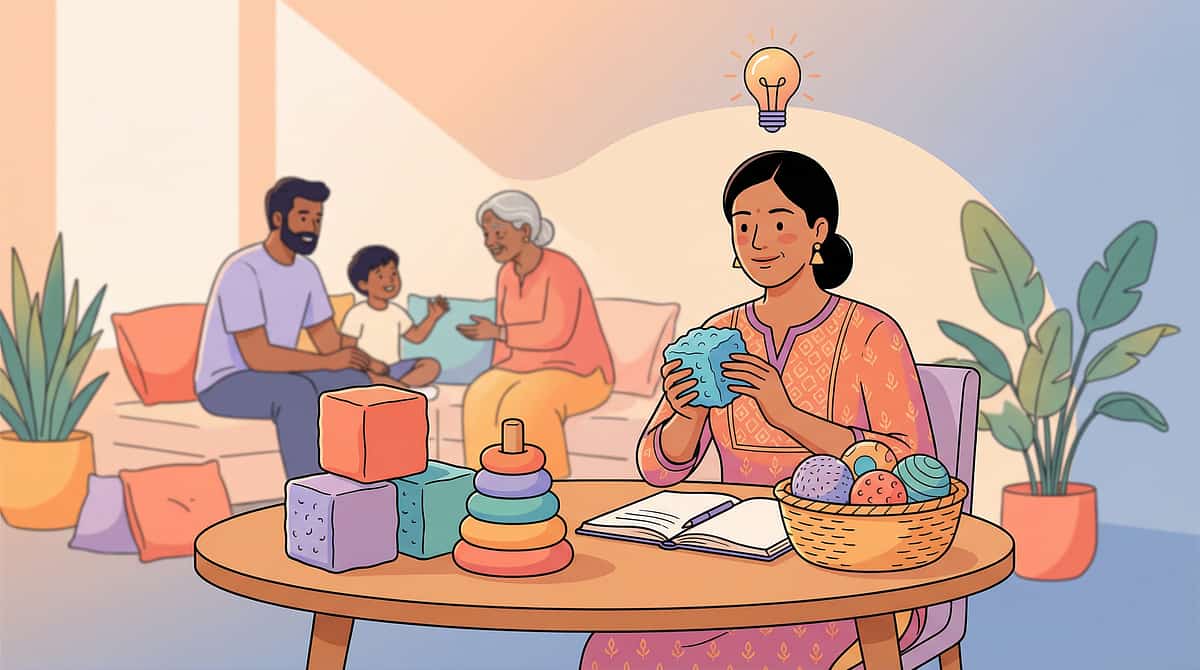
What If It Didn't Go As Planned?
"Session abandonment is not failure — it's data."
Child accepted clothing yesterday, refuses same item today
Why: Sensory sensitivity varies with sleep quality, stress, hormones, and overall nervous system state.
Fix: Have 2–3 pre-approved alternatives always ready. Today is a low-demand day. Track if there's a pattern.
Fix: Have 2–3 pre-approved alternatives always ready. Today is a low-demand day. Track if there's a pattern.
Seamless socks still causing distress
Why: May be sock elasticity or fit issue — too tight or loose.
Fix: Try a different brand with looser cuff. Try putting socks on after shoes. Try compression-sock style.
Fix: Try a different brand with looser cuff. Try putting socks on after shoes. Try compression-sock style.
Compression shirt worn BUT child still dysregulated
Why: Compression helps regulation but doesn't eliminate all triggers.
Fix: Audit all remaining clothing items. Compression shirt is the foundation, not the complete solution.
Fix: Audit all remaining clothing items. Compression shirt is the foundation, not the complete solution.
Child still refuses new item after washing protocol
Why: The sensory issue may be the weave, cut, or specific fit — not just newness.
Fix: Accept that not every item will become acceptable. Move on to a different item.
Fix: Accept that not every item will become acceptable. Move on to a different item.
Morning dressing time is getting worse, not better
Why: Possibly rushing + pressure + inconsistent protocol + anxiety overlay.
Fix: Night-before preparation is non-negotiable. Add 10 minutes to morning buffer. Use visual timer.
Fix: Night-before preparation is non-negotiable. Add 10 minutes to morning buffer. Use visual timer.
Gradual exposure session triggered meltdown
Why: Exposure was too fast, item was too challenging, or child was not in regulated state.
Fix: Return to easier exposure level. Progress in smaller steps. Ensure regulated state before any exposure session.
Fix: Return to easier exposure level. Progress in smaller steps. Ensure regulated state before any exposure session.
Child's only-acceptable clothes are in the wash
Why: Insufficient wardrobe redundancy.
Fix: When you find items that work, buy 3–4 in same style immediately. Build wardrobe redundancy as a deliberate strategy.
Fix: When you find items that work, buy 3–4 in same style immediately. Build wardrobe redundancy as a deliberate strategy.
Emergency — severe distress during session: Stop immediately. Offer comfort item. 5 minutes deep pressure if welcomed. No discussion about clothing during this time. Try again tomorrow with easier item.
Adapt & Personalize
"No two nervous systems are identical. Personalize without guilt."
Sensory AVOIDER (Tactile Defensive)
- More accommodation, less forcing
- Compression as comfort layer under regular clothing
- Remove all triggers before introducing any new items
- Exposure is always voluntary, never demanded
Age-Based Modifications
- Ages 2–4: Parent-directed, very simple. 2 options maximum.
- Ages 5–7: Child-directed choice within parent-curated options.
- Ages 8–12: Child begins managing own sensory needs. Teach self-advocacy.
Sensory SEEKER (Craves Deep Pressure)
- Compression/weighted vest is primary tool
- Tight-fitting clothing preferred
- Chewy/pressure items for hands during dressing can help
- Weighted vest rewards work as strong motivators
Climate & Cultural Adaptations
- Hot Indian climate → focus on breathable bamboo/cotton. Compression may be less tolerable in heat — replace with gentle joint compressions.
- School uniform mandates → document sensory needs formally. Request tagless, seamless alternatives within same color/style requirement.

Week 1–2: What to Expect
📈 Progress Arc
Phase 1 of 3
"In weeks 1–2, look for tolerance — not mastery."
Week 1–2 Progress
You're in the foundation phase. Every positive moment counts.
✅ Observable Indicators
- Dressing time showing any downward trend (even 2 minutes less counts)
- Resistance level dropping from 4–5 to 3–4 on any days
- Child accepts the specific sensory-friendly items introduced
- Fewer protests during the dressing routine (even if still some)
- Child begins to tolerate seamless socks without removing them mid-morning
⏳ What Is NOT Progress Yet (and That's Okay)
- Tolerance of new fabrics — this takes longer
- Morning routine without any stress — this requires nervous system adaptation
- Voluntary wearing of challenging items — this is a week 5–8+ indicator
Weeks 1–2 are the hardest. If you see even ONE less difficult morning per week — that's the nervous system responding.
"If your child tolerates a new fabric for 3 seconds longer than last week — that is real, measurable neurological progress." | PMC11506176 — 8–12 week timelines typical for significant change.

Week 3–4: Consolidation Signs
📈 Progress Arc
Phase 2 of 3
"The neural pathways are forming. You're seeing the early signs."
Week 3–4 Progress
Consolidation phase — patterns are becoming visible.
Child begins to anticipate and reach for preferred clothing items
Dressing time reduced 20–30% from baseline
Morning resistance becoming "occasional" rather than "daily"
Child begins to name preferred items: "I want the soft shirt"
Gradual exposure: child tolerates fabric swatch on skin for 30+ seconds
Behavioral changes signaling neural pathway formation: Child protests NEW clothing items less intensely. Child recovers faster from clothing-triggered dysregulation. Child begins to self-soothe during challenging clothing moments.
Parent milestone:"At week 3–4, most parents report feeling 'I understand my child's sensory profile now.' That knowledge — gained through observation, not theory — is the foundation of everything that follows."

Week 5–8: Mastery Indicators
🏆 Mastery Approaching
Phase 3 of 3
Week 5–8 Progress
Mastery phase — the nervous system has adapted.
✅ Mastery Criteria
- Dressing routine completes within target time (15 min or less)
- Resistance level consistently 0–1 with sensory-friendly wardrobe
- Child participates in choosing own clothing from pre-approved options
- Child tolerates 2–3 previously-refused items after gradual exposure
- School uniform worn on most days with accommodations in place
- Child can verbally communicate sensory needs: "This feels wrong"
🌐 Generalization Indicators
- Improved tolerance at school — teacher reports less clothing adjustment behavior
- Can wear clothing for special occasions with preparation and pre-washing
- Broader tactile tolerance improvement — haircuts, bathing, nail cutting also easier
Maintenance Check
Does improvement persist when: new clothing is introduced from scratch? After illness? After holiday disruption? If yes → the nervous system has adapted, not just accommodated.
🎉 Celebrate This Win
"Your child grew because of your commitment. Every morning you showed up — even the hard ones — has brought you here."
Your Achievement Summary
Before E-527: Daily dressing battles. Limited wardrobe. Morning meltdowns affecting the whole family.
After E-527: A sensory-informed wardrobe. A child who can get dressed without war. A parent who knows their child's nervous system.
What You've Actually Accomplished
- ✨ Built a wardrobe architecture that respects your child's neurology
- ✨ Learned to read your child's sensory signals with clinical precision
- ✨ Reduced daily distress by eliminating chronic tactile triggers
- ✨ Created the nervous system safety that makes all other learning possible
- ✨ Proven you can execute evidence-based intervention at home
📔 Journal Prompt: "Three months ago, this is what mornings looked like: ___________ Today, this is what mornings looked like: ___________ The change I'm most proud of: ___________"
Red Flags: When to Pause
"Trust your instincts. If something feels wrong, pause and ask."
🔴 Flag 1: Increasing Skin Symptoms
What it looks like: New rash, persistent redness, or skin marks in clothing contact areas.
Why it matters: May indicate contact allergy, skin condition, or material incompatibility.
What to do: Dermatologist consultation before continuing. Document location and timing.
Why it matters: May indicate contact allergy, skin condition, or material incompatibility.
What to do: Dermatologist consultation before continuing. Document location and timing.
🔴 Flag 2: Escalating Distress Despite Protocol
What it looks like: Meltdown frequency or intensity increasing after 3+ weeks of consistent implementation.
Why it matters: Intervention may not be adequately matched to child's sensory profile.
What to do: Pause home protocol. Book OT sensory profile assessment.
Why it matters: Intervention may not be adequately matched to child's sensory profile.
What to do: Pause home protocol. Book OT sensory profile assessment.
🔴 Flag 3: Self-Injurious Behavior
What it looks like: Child scratching skin raw, pulling at clothing with injurious force, head-banging during dressing.
Why it matters: Beyond home protocol scope. Immediate professional evaluation required.
What to do: OT evaluation immediately. Prioritize safety over clothing completion.
Why it matters: Beyond home protocol scope. Immediate professional evaluation required.
What to do: OT evaluation immediately. Prioritize safety over clothing completion.
🟡 Flag 4: No Improvement After 8 Weeks
What it looks like: Resistance levels unchanged from baseline after 8 weeks of consistent protocol.
What to do: Book Pinnacle consultation. OT assessment for sensory profile recalibration.
What to do: Book Pinnacle consultation. OT assessment for sensory profile recalibration.
🟡 Flag 5: Sensory Issues Spreading
What it looks like: Child developing new sensitivities (noise, food, touch) while clothing protocol is underway.
What to do: Track across all sensory domains. Discuss with pediatrician.
What to do: Track across all sensory domains. Discuss with pediatrician.
Escalation Pathway: Self-resolve (minor, temporary) → Teleconsult → Clinic visit (70+ centers)
📞 Pinnacle National Autism Helpline: 9100 181 181 | 24×7 | 16+ languages — "We answer sensory questions. We review cases. We guide next steps. It's free."
📞 Pinnacle National Autism Helpline: 9100 181 181 | 24×7 | 16+ languages — "We answer sensory questions. We review cases. We guide next steps. It's free."
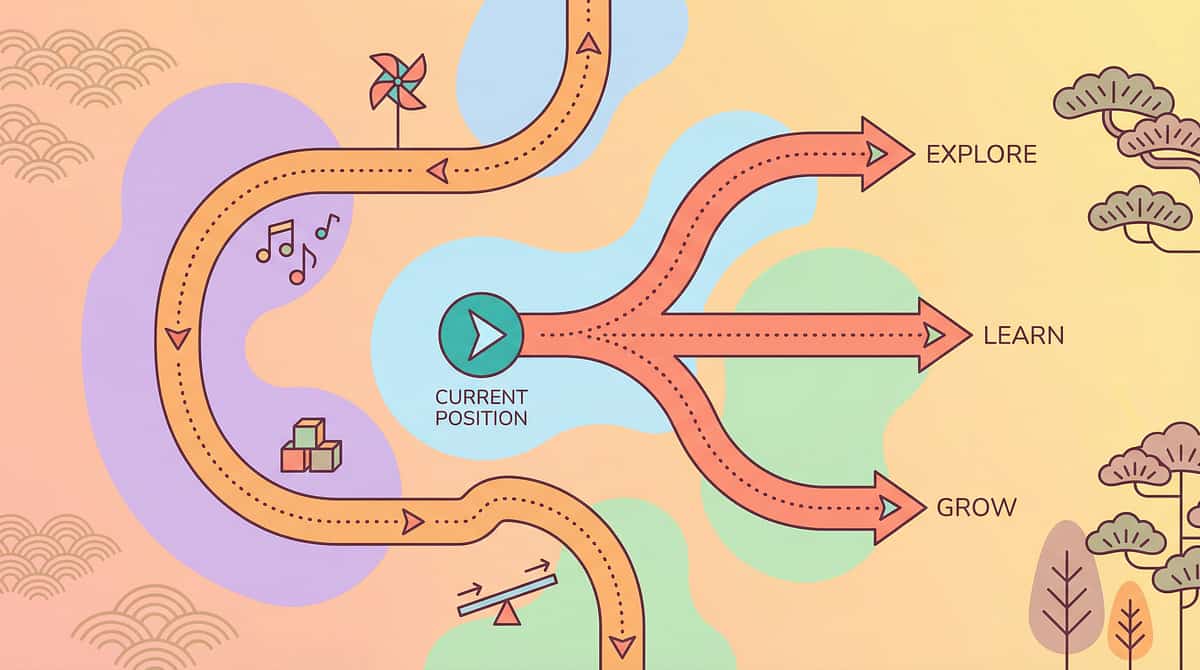
The Progression Pathway
"You are not done. You're on a journey with a clear forward path."
E-525: Fine Motor Dressing Skills
Building the physical dressing foundation — buttons, zippers, fastenings
E-526: Shoe Tying Independence
Fine motor dressing prerequisite completed — foundation built
E-527: Clothing Sensory Issues ● YOU ARE HERE
Sensory-informed wardrobe established. Tactile tolerance building in progress.
E-528: Hair Washing Sensory Issues
Same tactile defensiveness framework applied to the bath context
E-529 & E-530: Tooth Brushing & Nail Cutting
Continuing the tactile desensitization journey across daily self-care domains
Long-term developmental goal this feeds:🎯 Full Self-Care Independence → Social Participation Without Sensory Barriers → Self-Advocacy for Sensory Needs in Adolescence
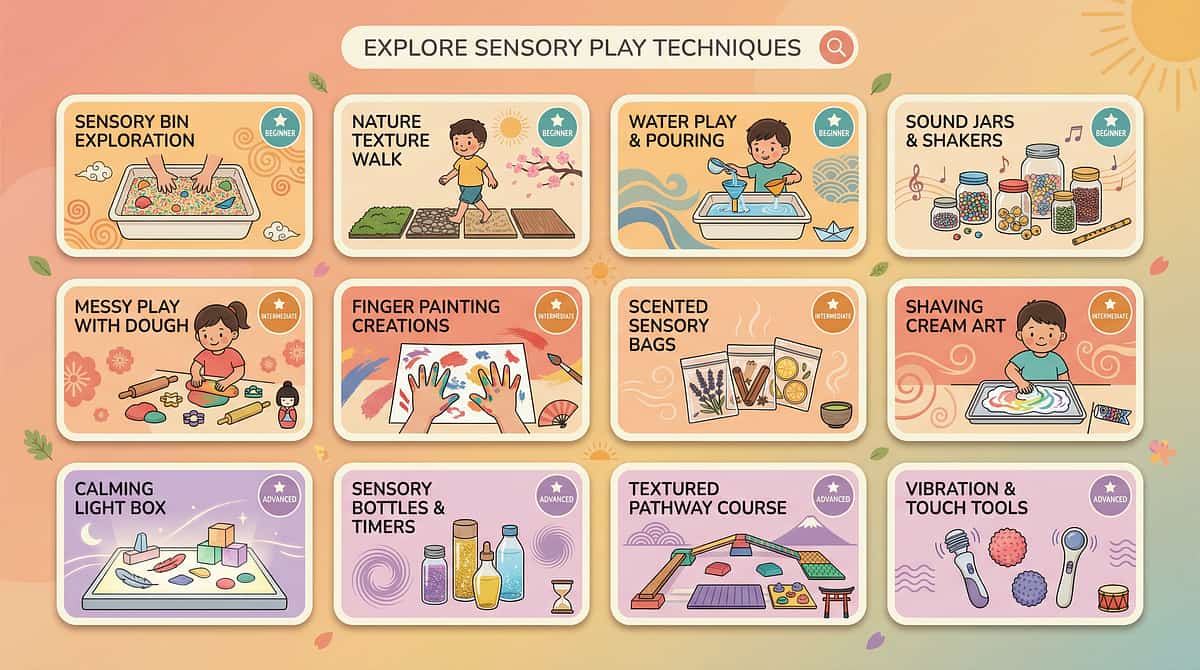
Related Techniques in This Domain
"You already own materials for 4 of these 6 techniques."
The framework you've learned in E-527 applies directly across the full Domain E self-care sequence. The sensory sensitivity that affects clothing often affects these same domains — same nervous system, different context.
Technique | Difficulty | Domain | Materials You Have | |
E-526: Shoe Tying Independence | 🟡 Core | Self-Care | Fine motor tools | |
E-528: Hair Washing Sensory Issues | 🟡 Core | Sensory | Sensory brush ✅ | |
E-529: Tooth Brushing Sensory Issues | 🟡 Core | Sensory | Sensory brush ✅ | |
E-530: Nail Cutting Sensory Issues | 🔴 Advanced | Sensory | Deep pressure tools ✅ | |
Sensory Diet Protocol | 🔴 Advanced | Sensory | Compression items ✅, Gradual exposure kit ✅ | |
Tactile Discrimination Training | 🟡 Core | Sensory | Fabric swatch kit ✅ |
Domain E — Self-Care / Sensory Processing
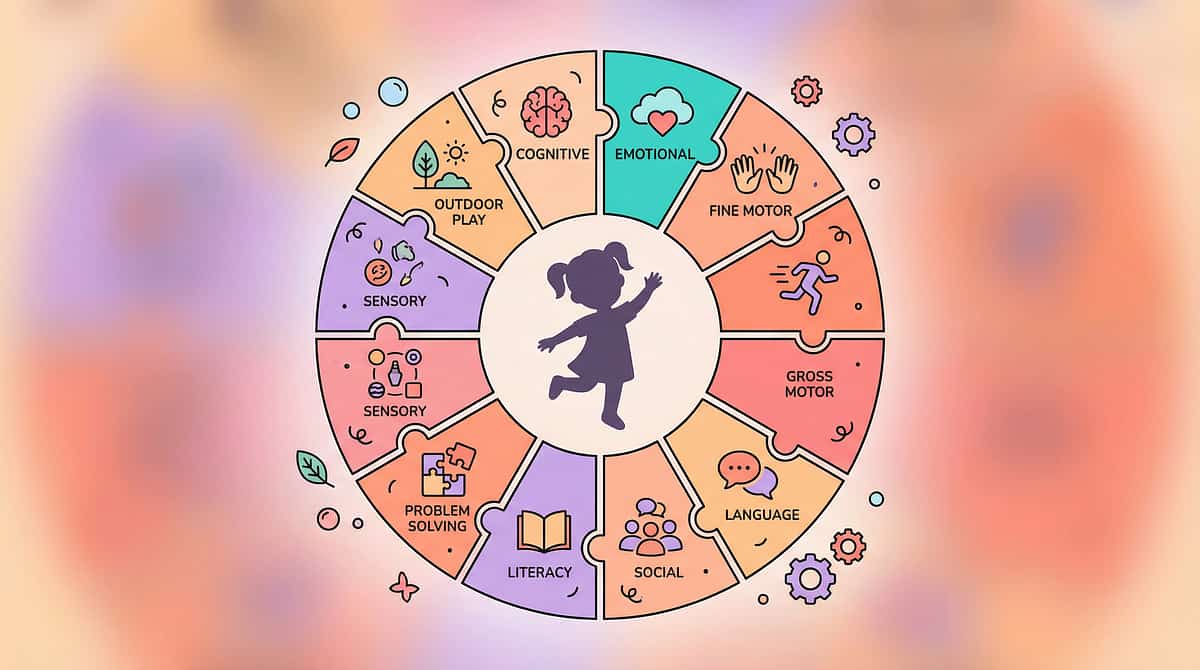
Your Child's Full Developmental Map
"This technique is one piece of a larger plan."
E-527 is one of approximately 150 techniques within Domain E. It sits in the Sensory Processing sub-cluster — the foundational layer that makes all other self-care techniques easier. When the sensory foundation is stable, every other domain becomes more accessible.
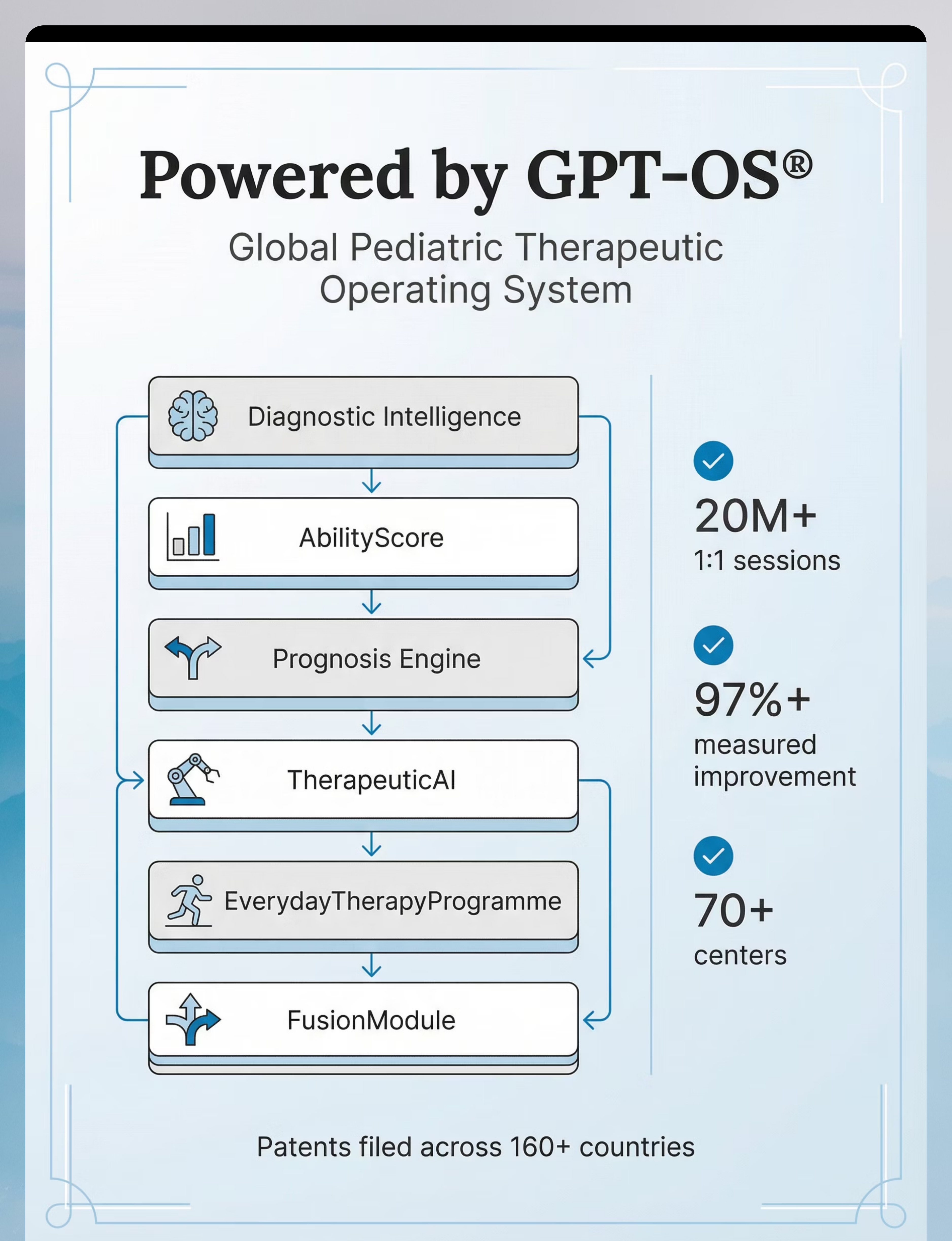
🔗 AbilityScore® Dashboard
See your child's developmental profile across all 12 domains
🔗 EverydayTherapyProgramme™
Today's personalized home activities across all active domains
🔗 TherapeuticAI® Recommendations
AI-curated next techniques based on your child's data
"This technique is one piece. GPT-OS® holds the whole picture." | WHO/UNICEF Nurturing Care Framework — Five components of nurturing care require holistic developmental monitoring. PMC9978394
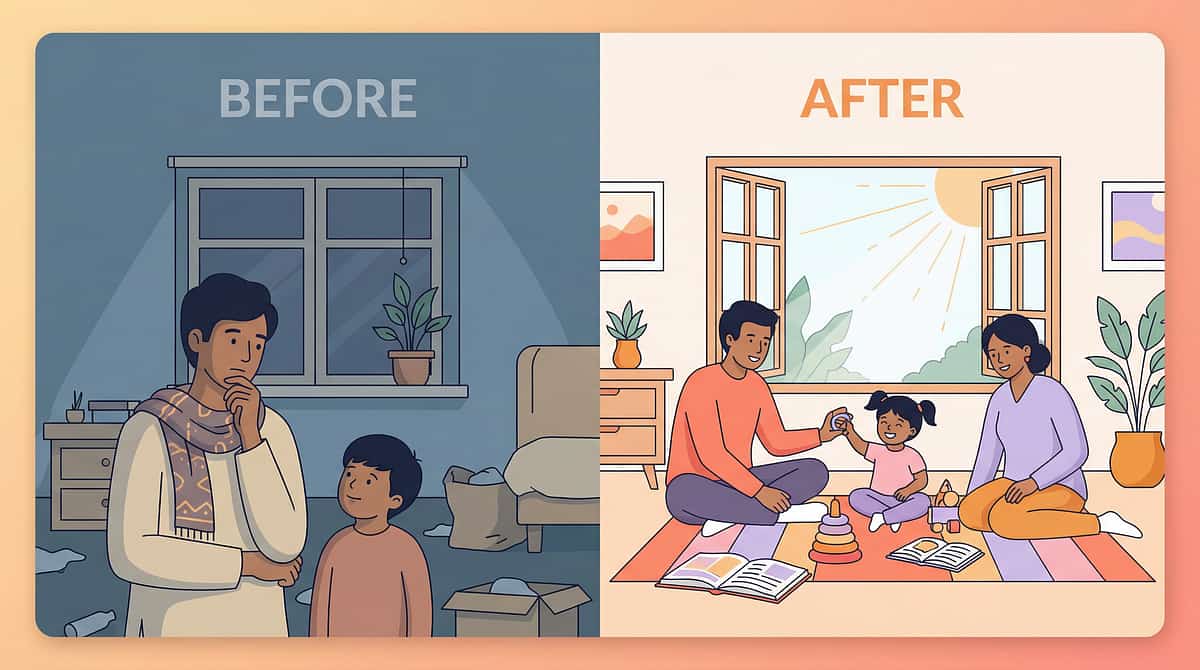
Families Who've Been Here
"The family reading the next line is where you were 3 months ago."
Arjun, Age 7 — Hyderabad
Before: Only three shirts, one pair of pants. School uniform was impossible. Thousands spent on clothes he refused to wear.
After (3 months): Wardrobe expanded to 15–20 acceptable items. School uniform worn most days. Morning battles reduced from daily to 2–3 per week, decreasing.
After (3 months): Wardrobe expanded to 15–20 acceptable items. School uniform worn most days. Morning battles reduced from daily to 2–3 per week, decreasing.
"Our OT said to trust the protocol, even when it felt like nothing was happening. By week 6, I realized the meltdowns were actually less frequent. By week 10, I was counting the good mornings instead of the bad ones."
Priya, Age 4 — Chennai
Before: Clothing caused meltdowns from the moment Priya woke up. Mom was dressing her in the same worn shirt daily.
After (6 weeks): Dressing time from 30+ minutes to under 12 minutes. Priya began choosing her own clothes.
After (6 weeks): Dressing time from 30+ minutes to under 12 minutes. Priya began choosing her own clothes.
"Priya's tactile profile was classic over-responsivity. The wardrobe rebuild eliminated 90% of triggers immediately. The remaining 10% responded to gradual exposure over 6 weeks. It was not magic — it was systematic."
— Pinnacle OT, Chennai Center
— Pinnacle OT, Chennai Center
Zayan, Age 9 — Mumbai
Before: Could not wear school uniform. Principal meetings. Formally labeled "non-compliant." Actually: severe tactile defensiveness + anxiety overlay.
After (3 months): Wears uniform on most days. Has formal sensory accommodation documentation. Zero principal meetings in last 4 months.
After (3 months): Wears uniform on most days. Has formal sensory accommodation documentation. Zero principal meetings in last 4 months.
"Once the school understood what was actually happening neurologically, the attitude completely changed. The OT report gave our son legitimacy. And the protocol gave him a path."
Note: Illustrative narratives. Outcomes vary by child profile and intervention consistency.
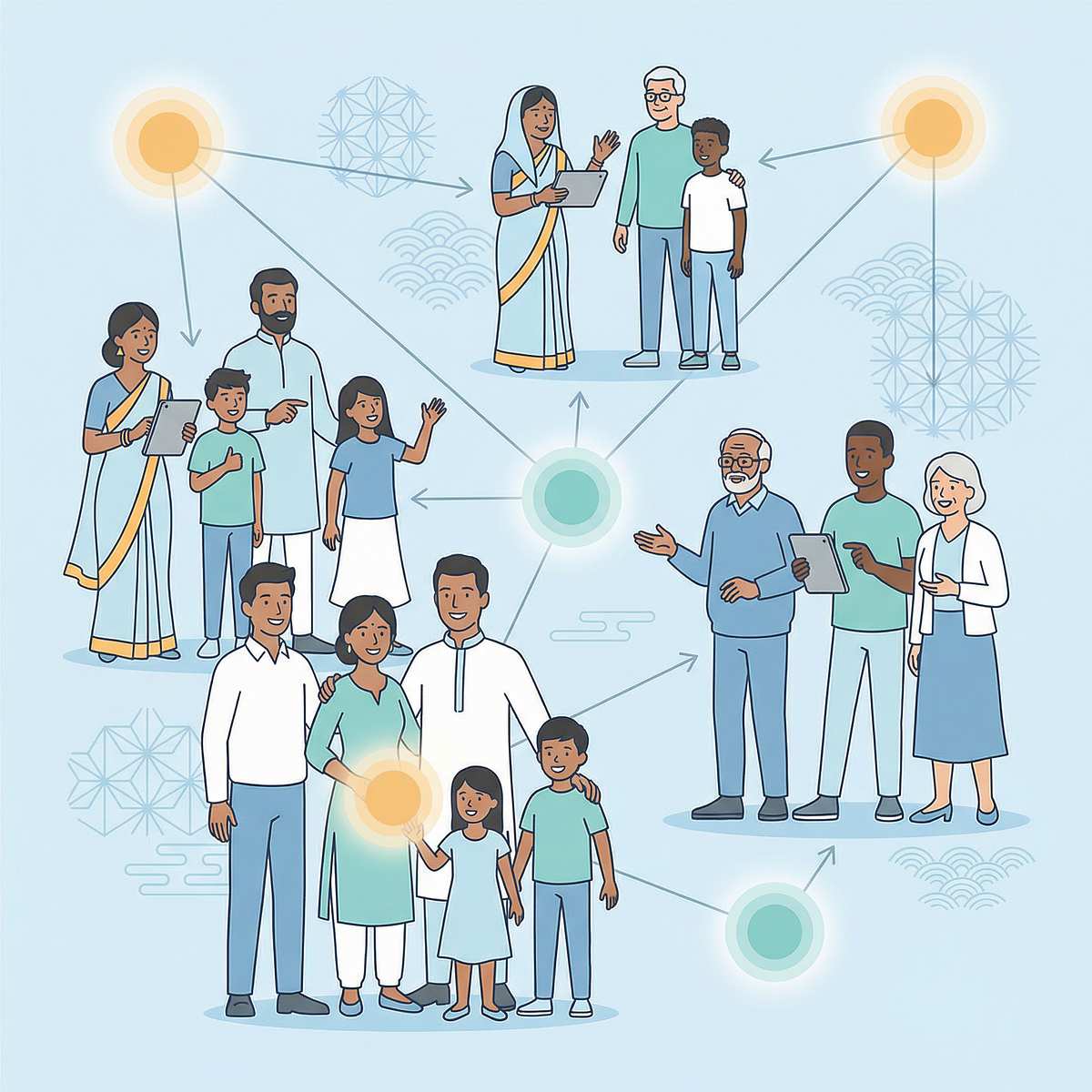
Connect With Other Parents
"Isolation is the enemy of adherence. You are not navigating this alone."
Pinnacle Sensory Clothing Support Group (WhatsApp)
Parents specifically navigating tactile sensitivity and dressing challenges. Active daily. Moderated by Pinnacle team. Join Group →
Pinnacle Parent Forum — Sensory Processing Cluster
Discussion threads, tip sharing, and peer advice for all sensory-related challenges. Access Forum →
Local Parent Meetup (Pinnacle Centers)
Monthly caregiver circles at Pinnacle centers. Meet other parents. Hear from therapists. Share your E-527 experience.
Peer Mentor Connection
Connect with a parent who has completed E-527 and can guide your first 4 weeks. Request a Peer Mentor →
WHO NCF — Community engagement is a core principle. Parent support networks improve intervention outcomes and adherence.
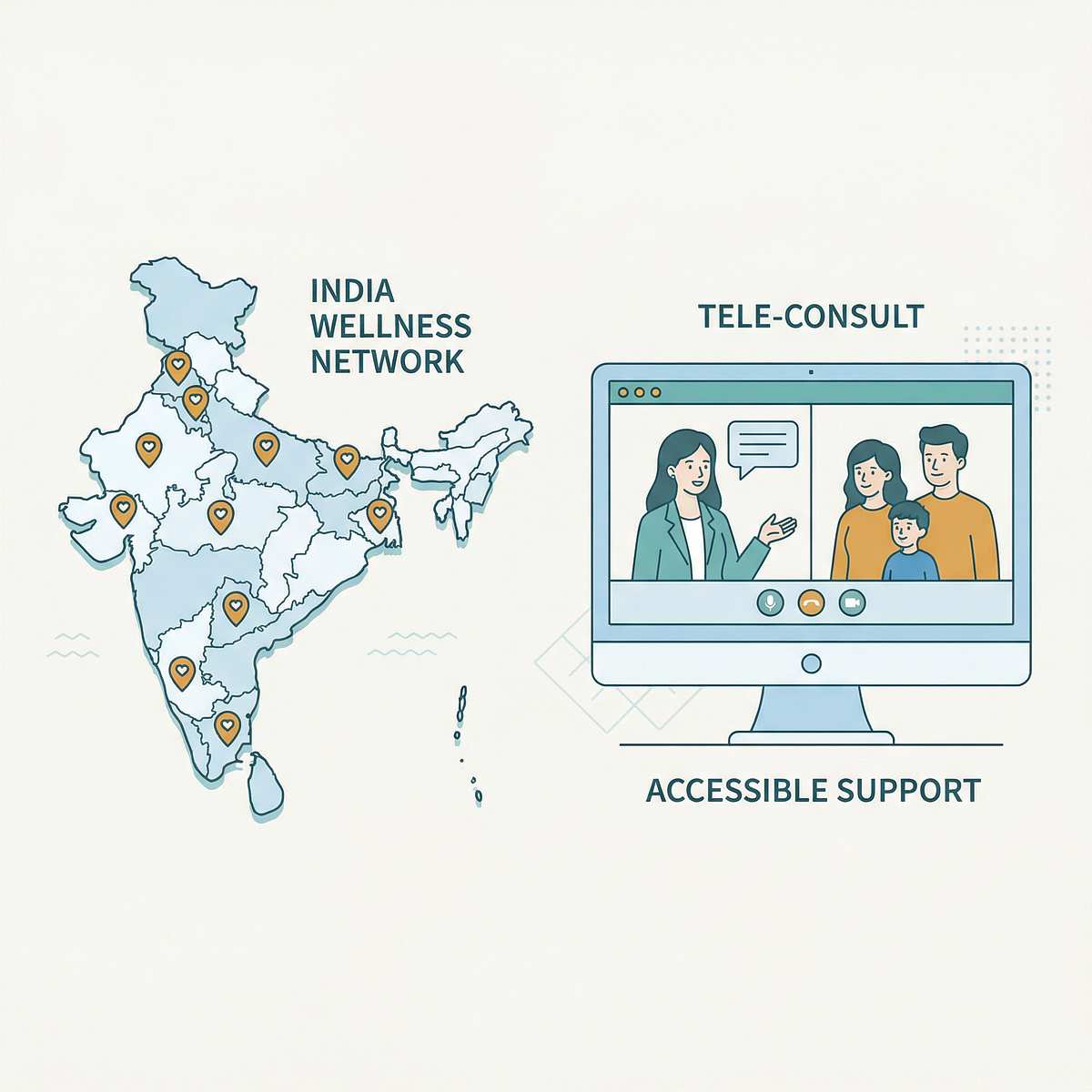
Your Professional Support Team
"Home + clinic = maximum impact."
🗺 Find Your Nearest Pinnacle Center
70+ centers across India. OT specialists. Sensory integration therapy. Wilbarger Protocol training.
Therapist Matching for E-527
Primary discipline: Pediatric Occupational Therapist
Specialty focus: Sensory Integration | Tactile Defensiveness | Wilbarger Protocol | Sensory Diet Design
Specialty focus: Sensory Integration | Tactile Defensiveness | Wilbarger Protocol | Sensory Diet Design
📞 Teleconsultation — Available Now
No travel required. A Pinnacle OT will:
- Review your child's specific sensory profile
- Assess whether Wilbarger Protocol is appropriate
- Guide weighted/compression garment selection
- Review your current protocol and optimize
Or call: 📞 9100 181 181 (FREE, 24×7, 16+ languages)
Funding Information
- PMJAY / Ayushman Bharat: OT covered under select schemes
- PwD (RPWD Act 2016): Therapy access rights for children with disability certificates
- School-based OT: May be available through special education provisions
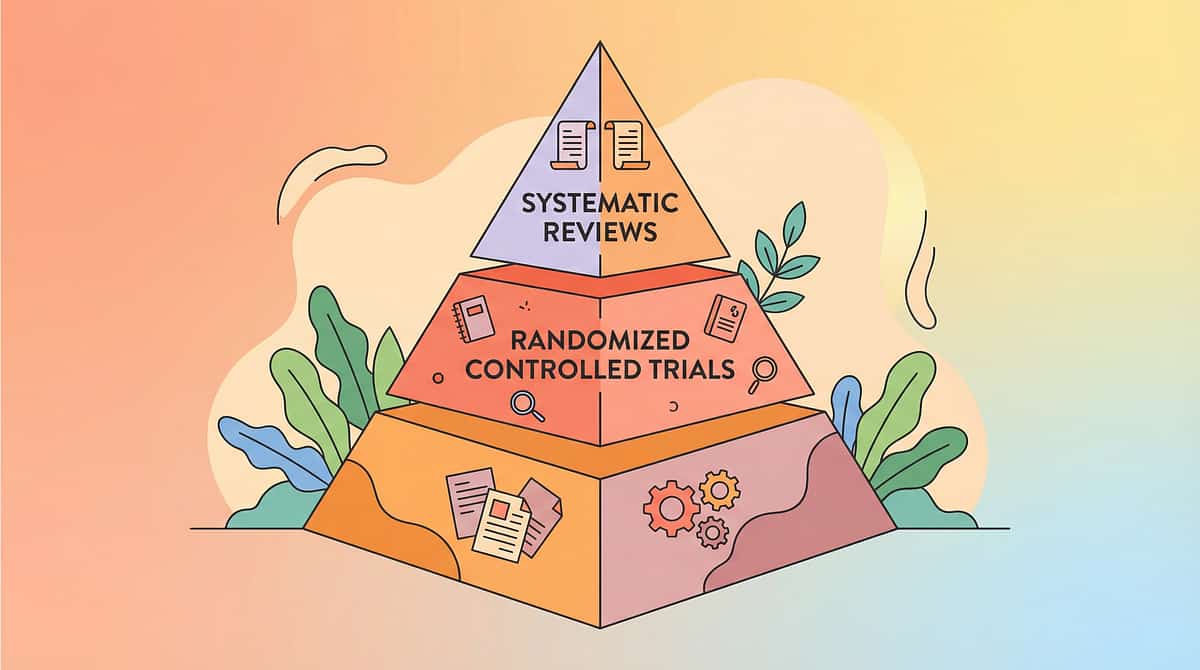
The Research Library
"Deeper reading for the curious parent — and the pediatrician who needs convincing."
📎 PMC11506176 — Children (2024)
PRISMA systematic review, 16 studies (2013–2023). Sensory integration intervention meets evidence-based practice criteria for ASD. Confirms: appropriate for children aged 3–12, measurable across sensory processing, adaptive behavior, and social domains.
📎 PMC10955541 — World J Clin Cases (2024)
Meta-analysis, 24 studies. Sensory integration therapy promotes social skills, adaptive behavior, sensory processing, and motor skills. Effect sizes significant. 40-minute structured sessions most effective. DOI: 10.12998/wjcc.v12.i7.1260
📎 Indian J Pediatr (2019) — Padmanabha et al.
Indian RCT. Home-based sensory interventions in Indian pediatric populations. Significant outcomes. Validates the E-527 protocol for Indian families specifically. DOI: 10.1007/s12098-018-2747-4
📎 NCAEP 2020 — Evidence-Based Practices Report
Sensory-based interventions, visual supports, video modeling classified as evidence-based practices for autism. ncaep.fpg.unc.edu
📎 Front Integr Neurosci (2020) — DOI:10.3389/fnint.2020.556660
Neurological framework for sensory integration treatment in ASD. Establishes proprioceptive and deep pressure input as distinct pathway from light touch — validates compression/weighted clothing mechanism.
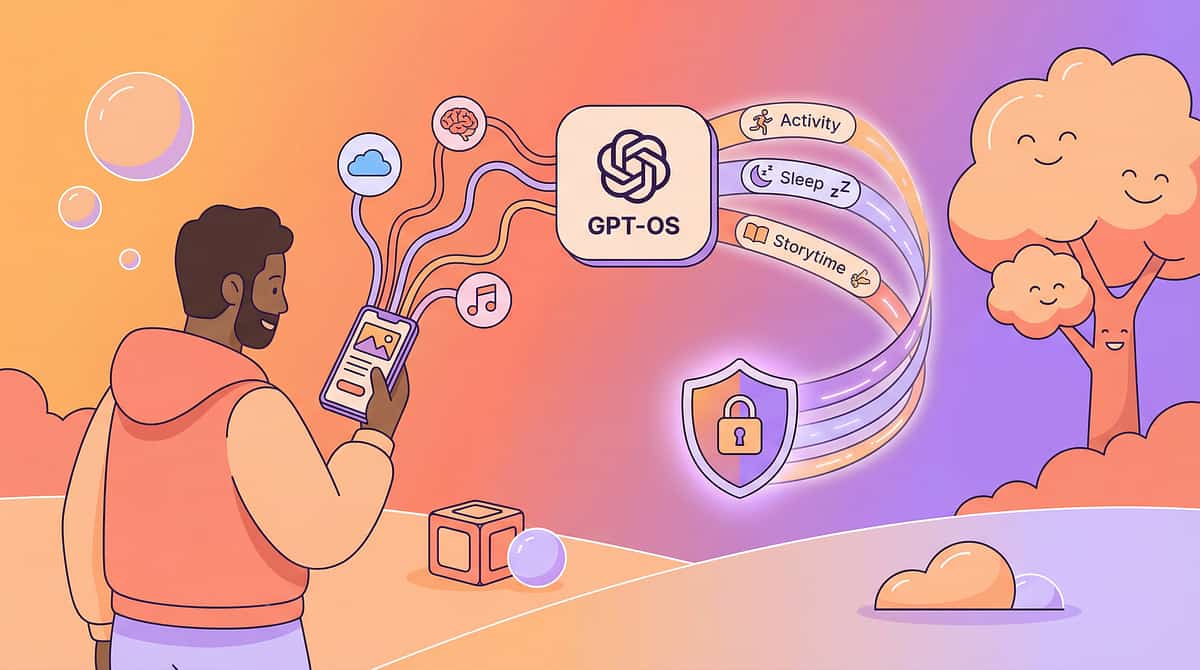
How GPT-OS® Uses Your Data
"Your data helps every child like yours."
What GPT-OS® Learns From Your E-527 Data
- Your child's specific tactile trigger profile (sock seams vs. fabric texture vs. waistband)
- Rate of tolerance improvement relative to 20M+ comparable cases
- Optimal next intervention based on response pattern
- When to escalate to clinical OT vs. continue home protocol
What GPT-OS® Does NOT Do
- Share identifiable data with third parties
- Use data for commercial profiling
- Make clinical diagnoses
Privacy assurance: All data processed under Indian PDPB framework. Session data is de-identified at collection. Aggregate patterns only shared with consortium research.
"When your child's data shows that bamboo fabric + seamless socks + 8-wash protocol eliminated resistance in 6 weeks for a 7-year-old with ASD — that insight gets folded into recommendations for the next family who starts E-527. Your data is medicine for someone else's child."
Watch the Reel
🎬 Reel E-527
9 Materials • Under 90 Seconds
9 Materials That Help With Clothing Sensory Issues — Episode 527 | Domain E: Self-Care
In under 90 seconds, a Pinnacle OT demonstrates all 9 materials, shows you what seamless toe closure actually looks like, demonstrates compression clothing fit, and walks through the gradual exposure sequence. Watch it. Then bookmark this technique page.
NCAEP (2020): Video modeling is classified as an evidence-based practice for autism. Multi-modal learning (visual + text + demonstration) measurably improves parent skill acquisition and implementation accuracy.
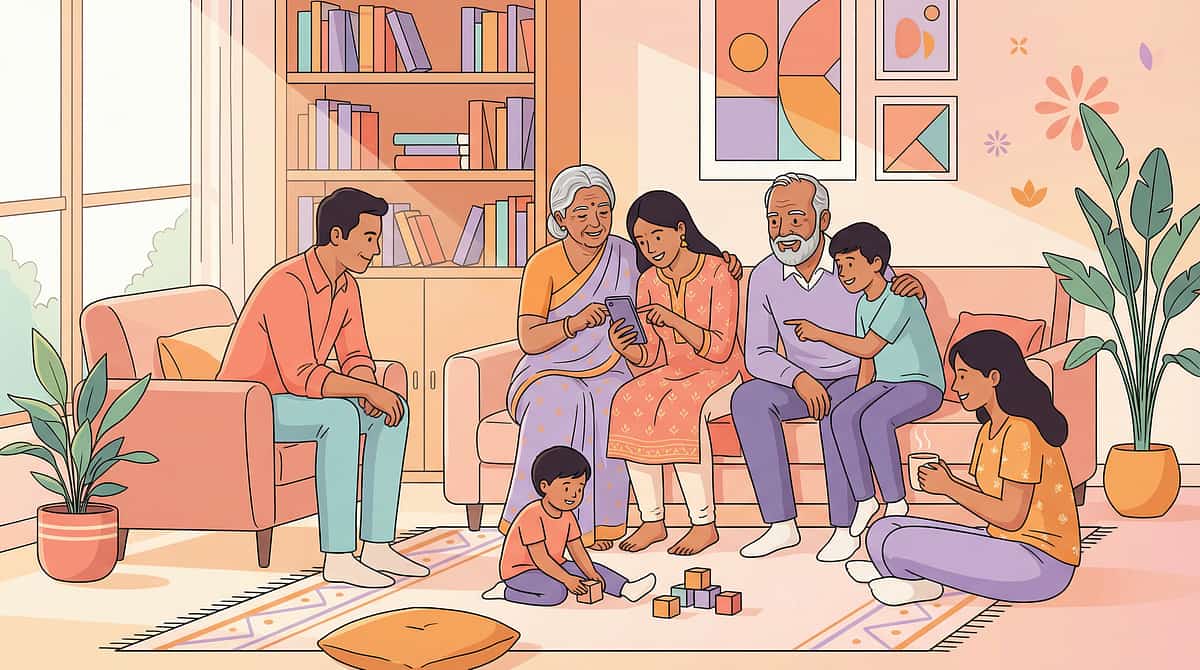
Share This With Your Family
"Consistency across caregivers multiplies impact. One parent doing this alone is good. Two caregivers doing this consistently is transformational."
"Explain to Grandparents" Version
"Our child's brain processes the feel of clothing differently — it can feel painful when it doesn't to us. We're using special socks without seams, shirts without tags, and very soft fabric. Please follow the clothing choices we've laid out — they're medically necessary for our child, not spoiling them."
📝 Teacher/School Communication Template
"[Child name] has documented sensory processing differences affecting clothing tolerance. Under OT guidance, [child name] requires: tagless clothing, seamless socks, and [specific accommodations]. Please do not require the standard uniform/clothing without the sensory-friendly alternative in place. Documentation available on request."
📱 WhatsApp
Share directly to family and caregiver groups
📧 Email
Send the full technique page to grandparents and school
🔗 Copy Link
techniques.pinnacleblooms.org/self-care/clothing-sensory-issues-E527
PMC9978394 — WHO CCD Package emphasizes multi-caregiver training as critical for intervention generalization.

Frequently Asked Questions
6 Questions From Real Pinnacle Parents
How long until we see results with seamless socks?
Most families see immediate or near-immediate reduction in sock resistance when switching to truly seamless options. The sock seam is often the precise trigger — remove it and the battle disappears. If results are not immediate, check fit (too tight causes other issues) and ensure there are no remaining seam remnants in other areas of the sock.
My child wears the same three items every day. Is that okay?
Yes — accommodation is a legitimate intervention. A child who gets dressed without distress every day, even in 3 items, is winning. The goal is expanding that to 5, then 8, then 12 items over months — but today, those 3 items are therapeutic success. Buy multiples of what works.
The school requires a specific uniform my child cannot tolerate. What do we do?
Request a formal sensory accommodation from the school. A Pinnacle OT can write a clinical letter documenting specific sensory needs and recommending alternatives that meet the uniform's intent. Under RPWD Act 2016, children with disability certificates have accommodation rights. Call 9100 181 181 for guidance on this process.
Can I start the Wilbarger brushing protocol from YouTube videos?
No. The Wilbarger Protocol is a clinical technique that requires proper training. Incorrect implementation — wrong brush, wrong pressure, wrong timing, wrong body regions — can increase rather than decrease tactile defensiveness. It is the only material on this page that requires OT training before implementation. Contact us at 9100 181 181 to connect with a trained OT.
My child's clothing sensitivity is getting worse, not better. Why?
Possible reasons: (1) You haven't yet eliminated all triggers — there may still be an unseen sensory irritant in the wardrobe; (2) Anxiety overlay — past negative experiences create anticipatory anxiety that amplifies sensitivity; (3) Another co-occurring condition needs evaluation. If worsening after 3+ weeks of consistent protocol, book an OT evaluation.
How do I know if my child needs professional OT or can manage with the home protocol?
The home protocol is appropriate for mild-to-moderate sensitivity where accommodation provides significant relief. Seek OT evaluation if: sensitivity significantly impairs daily functioning, child shows self-injurious behavior related to clothing, home protocol shows no improvement after 8 weeks, or there are signs of broader developmental concerns.
Your Next Step: Start Now
"You've read the science. You understand the protocol. You have the materials list. The only thing left is to begin."
🟠 Start This Technique Today
Open GPT-OS® Session Guide — your personalized E-527 session guide, with today's steps pre-loaded based on your child's AbilityScore® profile.
📞 Book a Consultation
Talk to a Pinnacle OT. Free initial teleconsult available. OT assessment, Wilbarger training, sensory profile review.
Or call: 9100 181 181
→ Explore Next Technique
E-528: Hair Washing Sensory Issues. The same sensory sensitivity that affects clothing often affects hair washing. Same framework. Next frontier.
🏛Consortium Validation Seal: Validated by the Pinnacle Blooms Consortium® | OT • ABA/BCBA • SLP • SpEd • NeuroDev Pediatrics • CRO • WHO/UNICEF Aligned
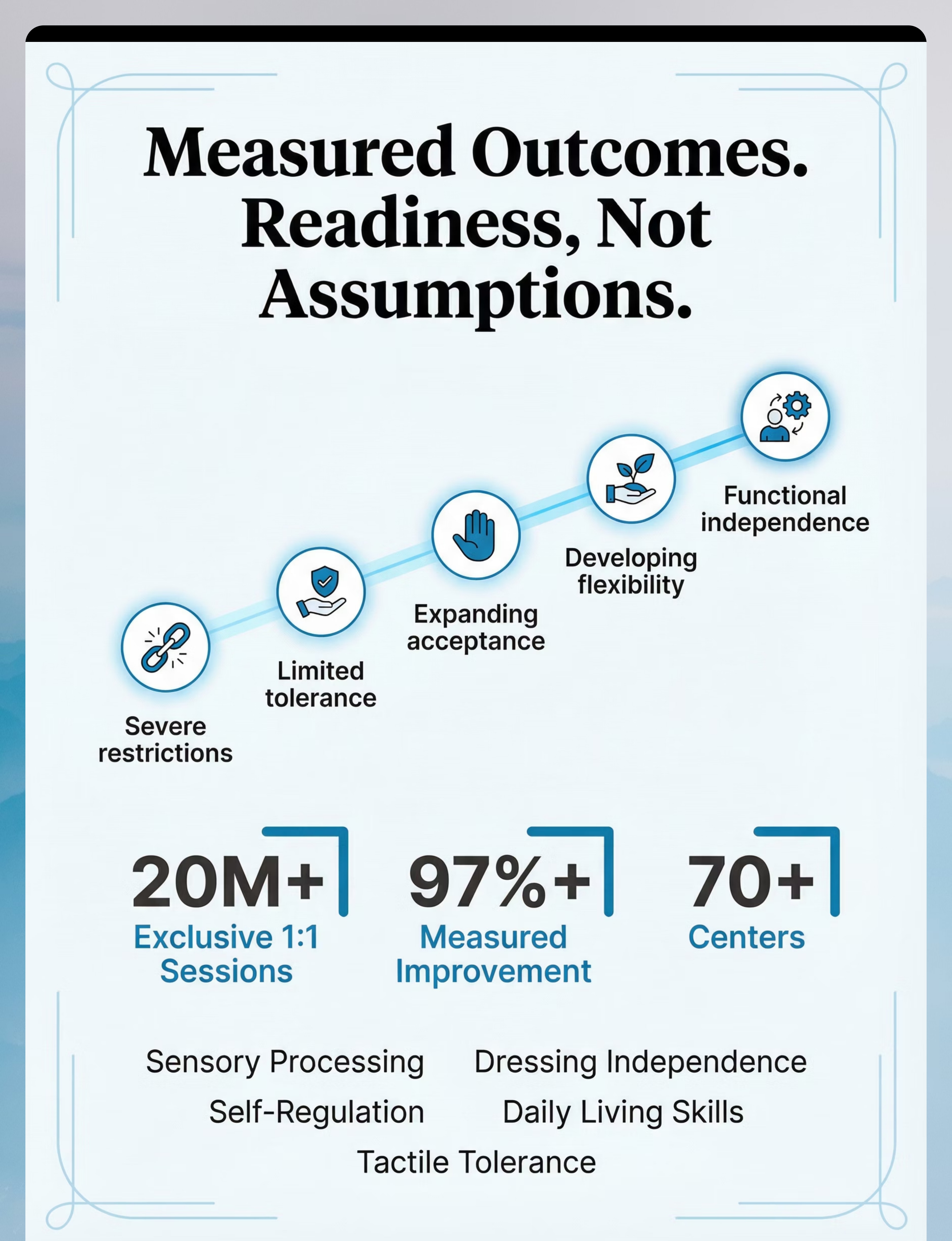
20M+ sessions | 97%+ measured improvement | 70+ centers | DIPP8651 | MSME | Patents filed across 160+ countries
20M+ sessions | 97%+ measured improvement | 70+ centers | DIPP8651 | MSME | Patents filed across 160+ countries
Preview of 9 materials that help with clothing sensory issues Therapy Material
Below is a visual preview of 9 materials that help with clothing sensory issues therapy material. The pages shown help educators, therapists, and caregivers understand the structure and content of the resource before use. Materials should be used under appropriate professional guidance.


Link copied!
The Pinnacle Promise
🏛 Pinnacle Blooms Consortium®
OT • ABA/BCBA • SLP • SpEd • NeuroDev Pediatrics • CRO
"From fear to mastery. One technique at a time."
— The Pinnacle Blooms Consortium
Our Mission: To transform every home into a proven, scientific, 24×7, personalized, multi-sensory, multi-disciplinary integrated therapy center — empowering families across the world to give their children the developmental support they deserve, regardless of geography, income, or access. Serving parents and families across 70+ countries through 21 million therapy services. 97%+ proven improvement.
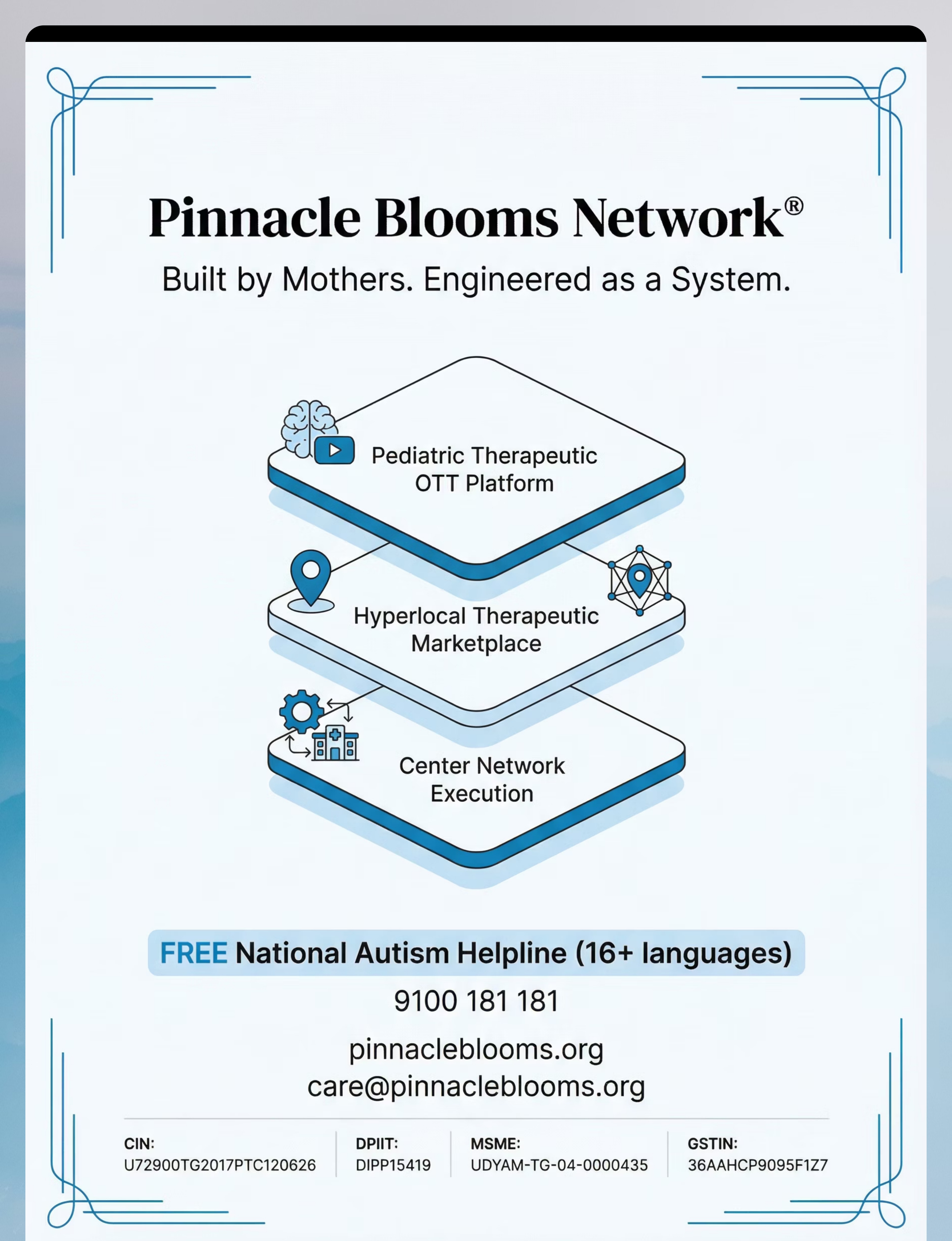
📞 Free National Autism Helpline
9100 181 181
24×7 | 16+ Languages | Free for All Families
"Call now. We speak your language. We know your challenge. We have your protocol."
24×7 | 16+ Languages | Free for All Families
"Call now. We speak your language. We know your challenge. We have your protocol."
🌐 Contact
pinnacleblooms.org
care@pinnacleblooms.org
care@pinnacleblooms.org
Medical Disclaimer: This content is educational in nature and does not constitute medical advice. It does not replace individualized assessment and intervention planning with licensed occupational therapists and healthcare professionals. Persistent sensory processing difficulties may indicate underlying sensory processing disorder or other conditions requiring professional evaluation. Individual results may vary. Statistics represent aggregate outcomes across the Pinnacle Blooms Network. Seek professional guidance for your child's specific needs.
CIN: U74999TG2016PTC113063 | DIPP8651 (Govt. of India) | Udyog Aadhaar: TS20F0009606 | GSTIN: 36AAGCB9722P1Z2
© 2025 Pinnacle Blooms Network® | Unit of Bharath Healthcare Laboratories Pvt. Ltd. | All rights reserved.
Part of the GPT-OS® 70,000+ Intervention Technique Knowledge Base — The largest structured pediatric intervention knowledge base on Earth.
→ Loop begins: E-528 | Hair Washing Sensory Issues | techniques.pinnacleblooms.org/self-care/hair-washing-sensory-issues-E528
© 2025 Pinnacle Blooms Network® | Unit of Bharath Healthcare Laboratories Pvt. Ltd. | All rights reserved.
Part of the GPT-OS® 70,000+ Intervention Technique Knowledge Base — The largest structured pediatric intervention knowledge base on Earth.
→ Loop begins: E-528 | Hair Washing Sensory Issues | techniques.pinnacleblooms.org/self-care/hair-washing-sensory-issues-E528