
You've watched other parents cheer for trophies and A-grades. But your child's wins look different — and they matter just as much. You searched for the right way to honour a moment that felt enormous to you but invisible to the world. This page is for that moment.
"You are not failing to celebrate enough. You have been waiting for someone to tell you how."
🏛️ Pinnacle Blooms Consortium® | CRO • OT • SLP • ABA • SpEd • NeuroDev | Validated Technique
Millions of families are navigating academic wins that don't look like anyone else's wins.
The challenge isn't that your child doesn't deserve celebration. The challenge is that neurotypical celebration tools — gold stars, loud praise, class applause — can actually backfire for children with sensory sensitivities, social anxiety, or atypical reward processing. You need the right materials and the right method.
Children with Autism
Diagnosed with autism spectrum disorder in the U.S. (CDC, 2023) — each with a unique academic journey that standard reward systems often miss.
Children in India
Estimated to have a neurodevelopmental condition requiring adapted academic support (Pinnacle clinical population data, 70+ centres).
Parent Uncertainty
Of parents of neurodivergent children report uncertainty about how to celebrate academic milestones in ways that motivate rather than overwhelm.
You are among millions of families who needed this guidance and didn't have it — until now.
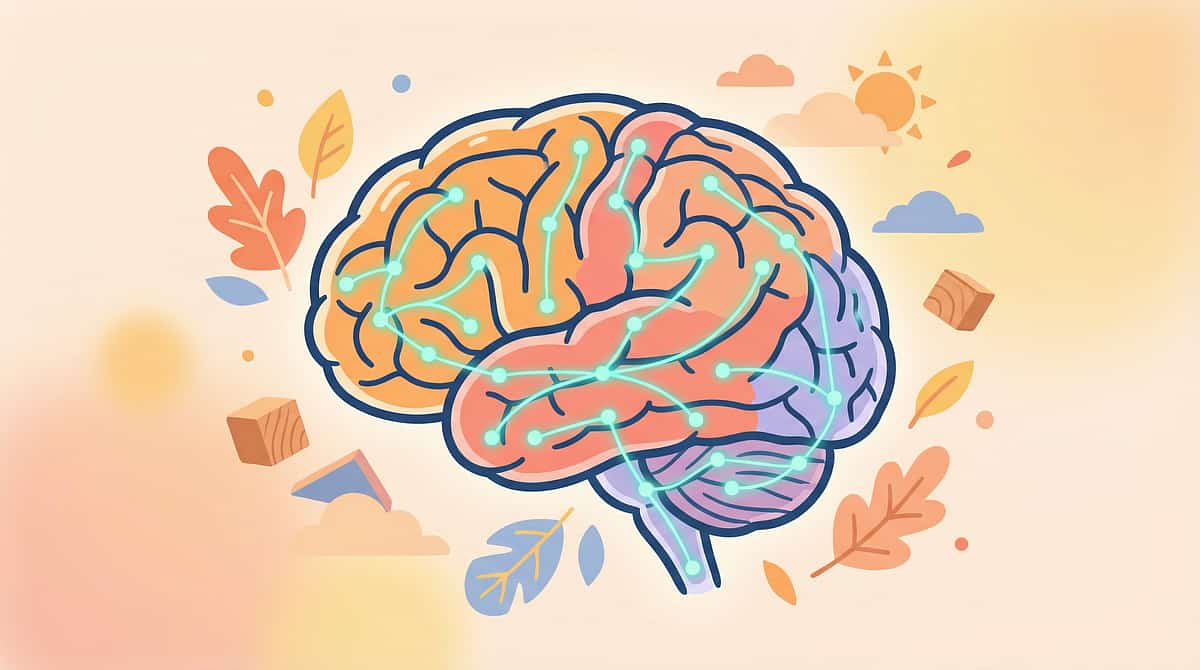
Why standard "Good job!" doesn't always work — and what does.
Key Brain Regions
Prefrontal Cortex — Self-evaluation and pride processing
Striatum & Nucleus Accumbens — Reward anticipation and dopamine release
Amygdala — Emotional memory tagging of achievements
Hippocampus — Long-term storage of success experiences
What's actually happening
When a child with autism, ADHD, or a learning difference completes an academic task, the brain's reward system processes that achievement differently than a neurotypical child's brain. The dopamine response — the brain's natural "that felt good, do it again" signal — may be delayed, blunted, or inconsistent.
- Verbal praise alone may not register as rewarding
- Immediate, large celebrations can overwhelm the sensory and emotional processing system
- Abstract rewards ("you'll feel proud of yourself") carry no neurological weight
- Concrete, visual, predictable recognition tools anchor the achievement to lasting memory
The 9 materials on this page work because they create visible, tangible, repeatable evidence of success that the brain can process, store, and build motivation from.
"This is not a behaviour problem. This is a reward circuitry difference. The right material makes the invisible win visible — to the child's brain, and to the family." — Pinnacle NeuroDev Pediatrics Team
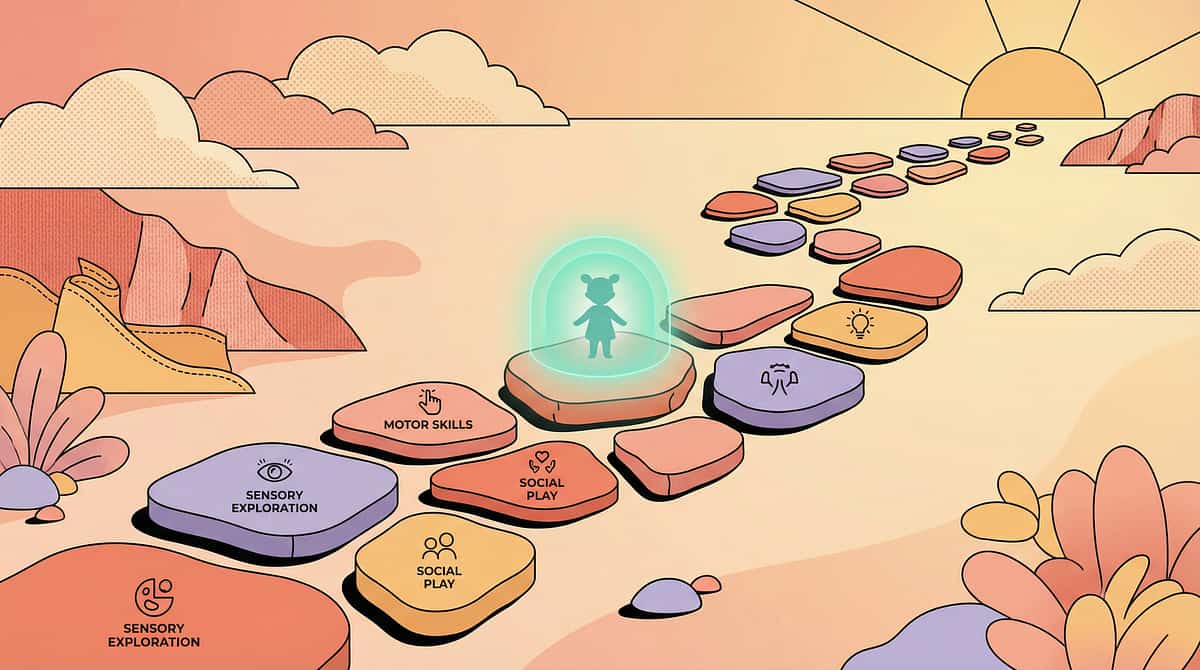
Academic self-concept forms between ages 5–12. What you do now shapes how your child sees themselves as a learner — for life.
Ages 3–4
Pre-academic foundations — name recognition, basic sorting, following 2-step instructions
Ages 5–6 ⭐
Formal academic entry — reading readiness, number sense, classroom participation. Celebration tools: first critical window
Ages 7–9 ⭐⭐
Academic identity formation — "Am I good at school?" Self-efficacy begins. H-760 peak impact zone
Ages 10–12 ⭐
Mastery and comparison — peer comparison begins, intrinsic vs extrinsic motivation. H-760 secondary impact zone
Ages 13+
Academic independence — habit systems and self-monitoring take over
"Your child is HERE. Academic self-belief is still forming. Every validated win you help them record right now becomes a memory that says: 'I am capable.' That memory lasts a lifetime."

⚖️ Level II Evidence: The Science Behind H-760
Systematic Reviews + RCTs + Clinical Consensus across Reinforcement, Self-Monitoring and Academic Motivation Domains. This technique is not anecdotal — it is the product of rigorous, peer-reviewed research across thousands of children and families.
PRISMA Systematic Review (2024)
16 studies, 2013–2023 | Finding: Structured reinforcement and recognition systems meet evidence-based practice criteria for children with ASD across academic and adaptive behaviour domains. 📚 PMC11506176
Meta-Analysis (World J Clin Cases, 2024)
24 studies | Finding: Token economy and reinforcement-based approaches effectively promote adaptive behaviour, social skills, and learning engagement in paediatric neurodevelopmental populations. 📚 PMC10955541
Indian RCT (Indian J Pediatr, 2019)
Home-based intervention study | Finding: Home-administered structured recognition protocols demonstrated significant outcomes in child motivation and parental self-efficacy across Indian clinical populations. 📚 DOI: 10.1007/s12098-018-2747-4
NCAEP Evidence-Based Practices Report (2020)
National Clearinghouse on Autism Evidence and Practice | Finding: Visual supports, reinforcement systems, and self-management tools are classified as Evidence-Based Practices for autism across academic and behavioural domains. 📚 NCAEP 2020
"Clinically validated. Home-applicable. Parent-proven."
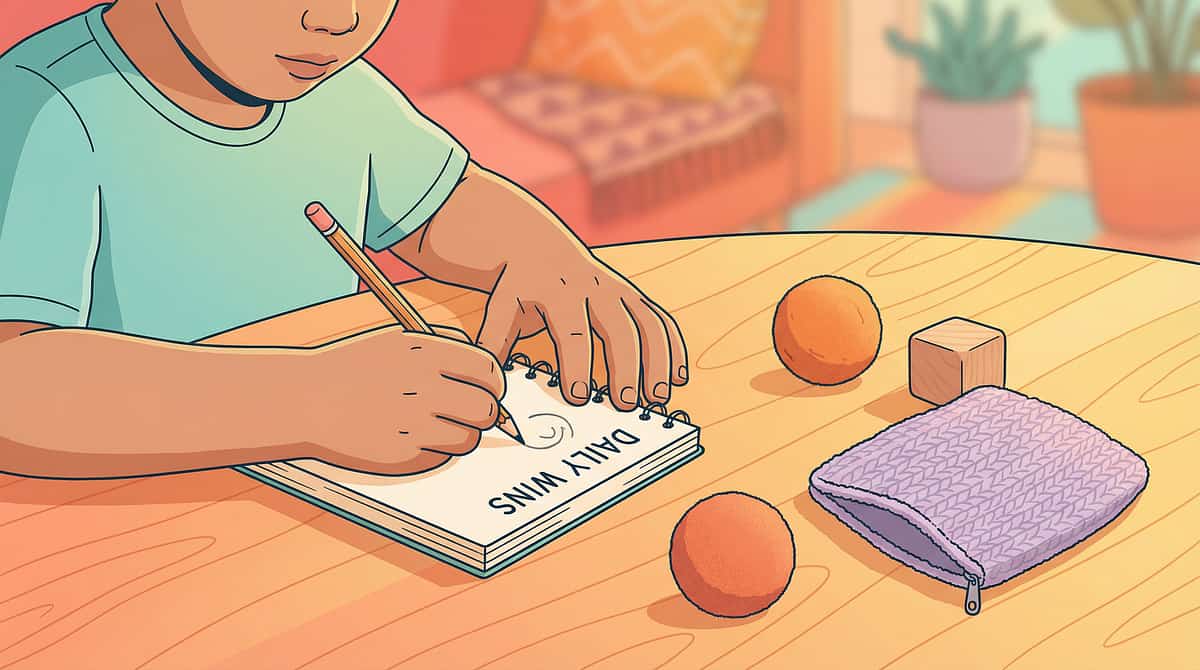
Celebrating Academic Wins
Parent-friendly alias: "The Win Wall Protocol"
What It Is
A structured system of recognition materials and rituals that creates visible, tangible, and neurologically meaningful celebrations of a child's academic achievements — calibrated to the child's sensory profile, reward preferences, and developmental level.
What It Does
Anchors achievement to positive emotional memory, builds academic self-concept, sustains intrinsic motivation, and creates a visual proof-of-capability that the child can return to during difficult periods.
Who It's For
Children aged 3–14 with autism, ADHD, learning differences, anxiety, or any child who has historically under-responded to conventional academic praise.
Domain: Academic Skills (H)
Code: H-760
Ages: 3–14 years
5–10 min post-achievement
Every academic win
ABA/BCBA + SpEd Lead
"This technique gives your child a private, sensory-safe, personally meaningful way to know that their hard work was real, was seen, and was worth it."
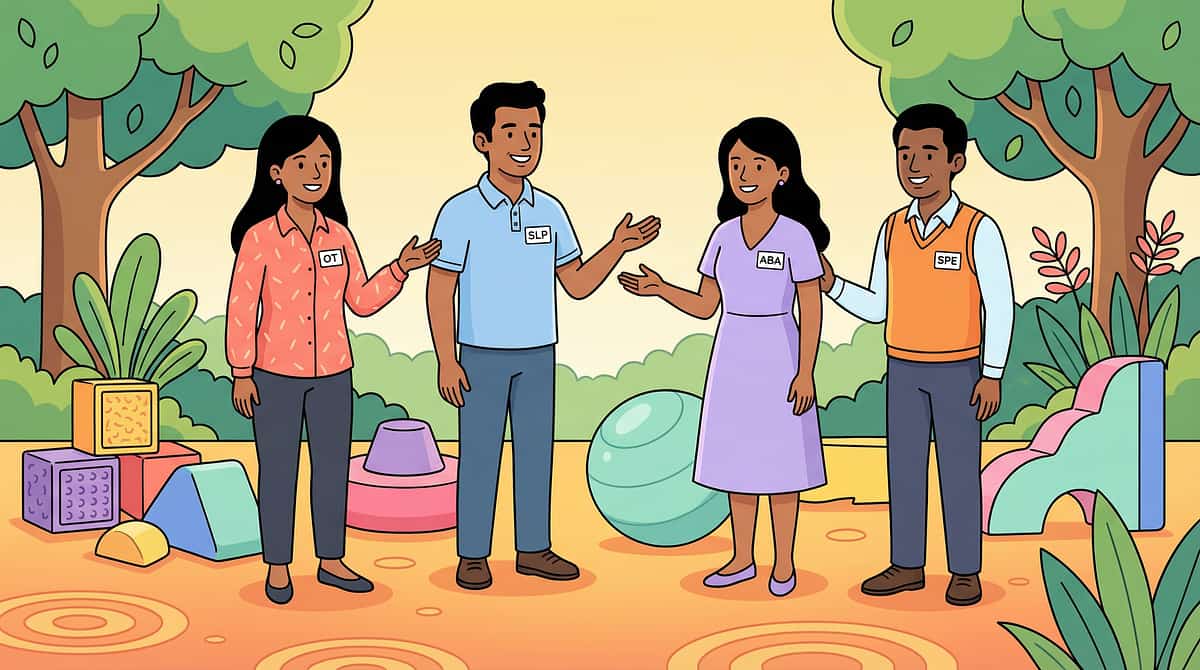
Five disciplines. One outcome: a child who believes in themselves.
ABA / BCBA (Lead)
Designs the reinforcement schedule — when to deliver recognition, at what ratio, using which reinforcement modality. Ensures recognition is contingent, immediate, and systematically faded toward intrinsic motivation.
Special Education (SpEd)
Integrates celebration systems into the IEP. Aligns home recognition tools with classroom achievement tracking. Ensures continuity between school and home reinforcement systems.
Occupational Therapy (OT)
Selects sensory-compatible celebration materials. Ensures sticker textures and journal materials do not create tactile aversion. Calibrates the physical act of recording a win to the child's fine motor level.
Speech-Language Pathology (SLP)
Scripts the language of celebration — specific, process-focused verbal praise. "You worked hard on that word" vs "You're so smart." Builds expressive language in academic contexts.
NeuroDev Pediatrics
Oversees the neurodevelopmental rationale for each material choice. Ensures reward systems are appropriate for the child's dopamine regulation profile. Monitors for over-reliance on external rewards versus emerging intrinsic motivation.
"The brain doesn't separate 'ABA reward' from 'OT sensory comfort' from 'SLP language of praise.' The Pinnacle consortium addresses all three simultaneously." — Pinnacle Blooms Consortium® FusionModule™ Protocol
📞9100 181 181 | FREE National Autism Helpline | 16+ Languages
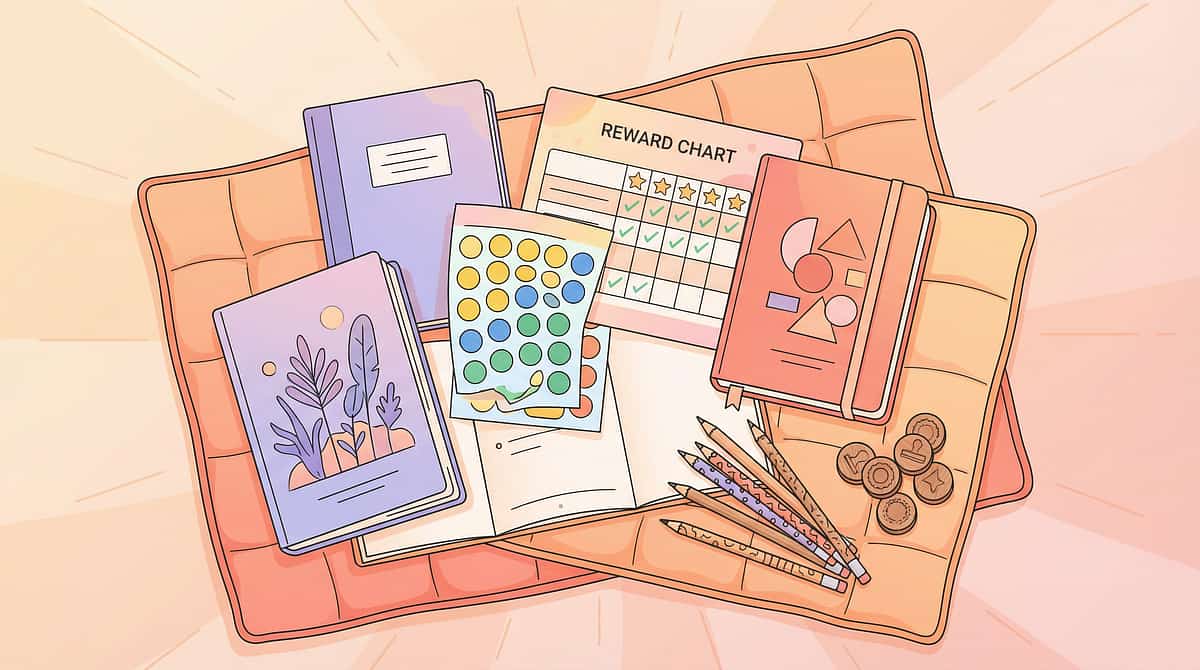
Everything you need to build your child's Win Wall — from ₹0 to ₹800.
All 9 materials are drawn from the Pinnacle 128 Canon Database — Reinforcement Menus category. Each one is clinically validated, sensory-considered, and home-applicable. Below are the three materials with active Pinnacle-recommended product links.
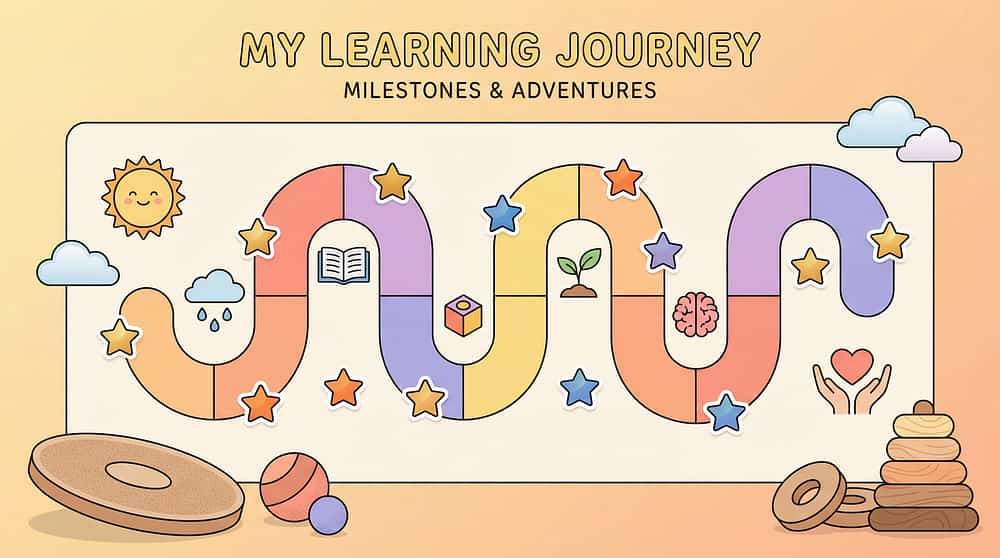
📊 Material 1: Progress Tracking Charts
Canon Category: Reinforcement Menus. Visual week-by-week tracking of academic tasks completed. Child fills in chart after each win, creating a visible accumulation of evidence. Cost: ₹0 (printable) to ₹300 (laminated versions).
🏆 Material 2: Achievement Display Boards
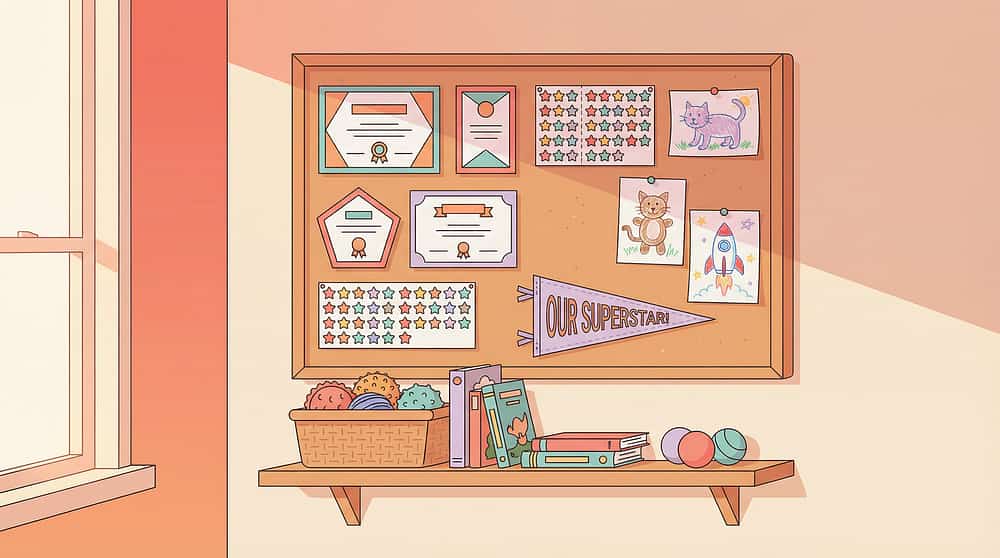
Canon Category: Reinforcement Menus. Cork or magnetic board where certificates, stickers, and achievement records are permanently displayed. Child's personal "trophy wall." Cost: ₹200–800. Buy on Amazon ⭐ Pinnacle Recommends
📔 Material 3: Celebration Journals
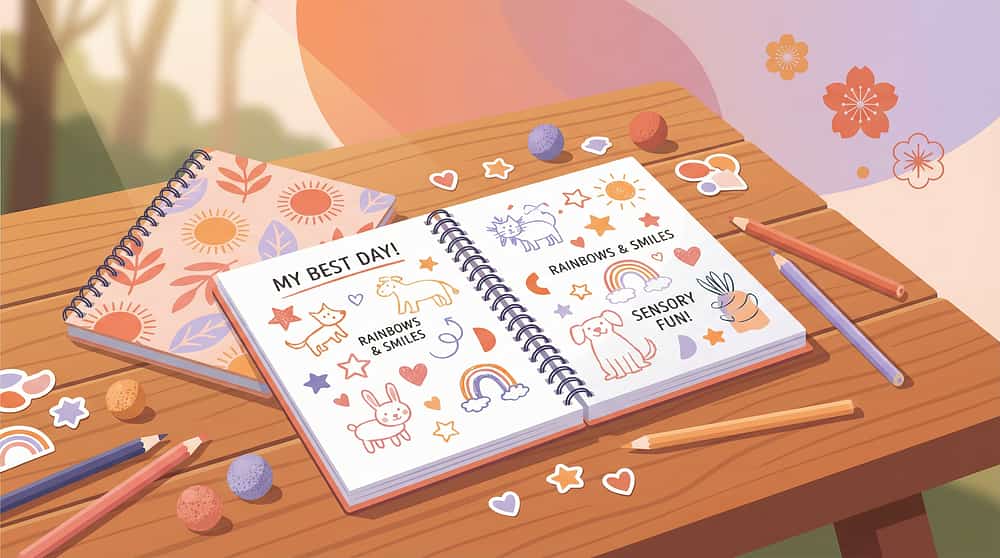
Canon Category: Reinforcement Menus. Dedicated notebook where child records (writes/draws/stamps) each academic win with date and details. Becomes a cumulative evidence portfolio. Cost: ₹150–400. Buy on Amazon ⭐ Pinnacle Recommends
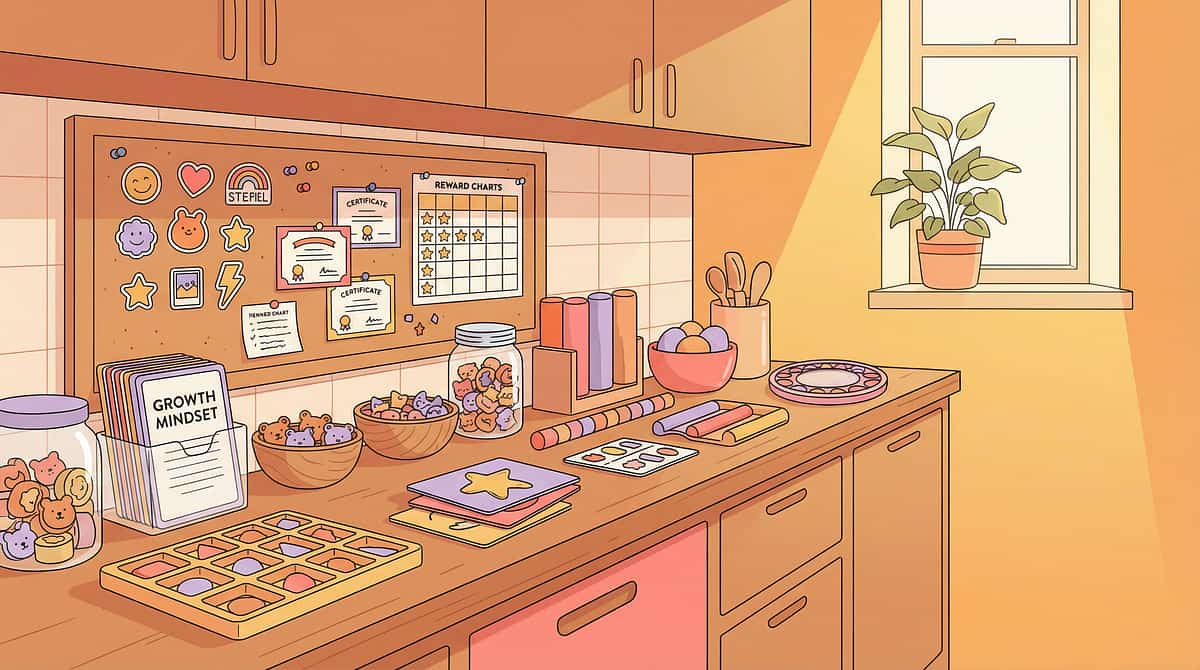
Materials 4–6: Token Systems, Certificates and Growth Mindset Cards
⭐ Material 4: Reward Charts and Token Systems
Canon Category: Reinforcement Menus. Point accumulation toward a preferred activity or item. Structured token economy that bridges external recognition toward internal motivation. The child earns tokens contingently — each token is evidence of a real achievement, not a participation gift.
Cost: ₹150–500 | Search Amazon.in: "token economy chart autism children"
🎖️ Material 5: Certificates, Badges and Formal Recognition
Canon Category: Reinforcement Menus. Printable or physical certificates marking specific achievements. Formal, permanent recognition that carries social weight. The child can show a certificate to grandparents — it communicates achievement in a language everyone understands.
Cost: ₹100–400 | Search Amazon.in: "achievement certificate children printable"
🌱 Material 6: Growth Mindset Cards
Canon Category: Reinforcement Menus. Cards with process-focused language — "My brain grew today," "I didn't give up" — that script the internal narrative around wins. These cards teach the child how to think about their effort, not just whether to celebrate it.
Cost: ₹150–500 | Search Amazon.in: "growth mindset cards children autism"
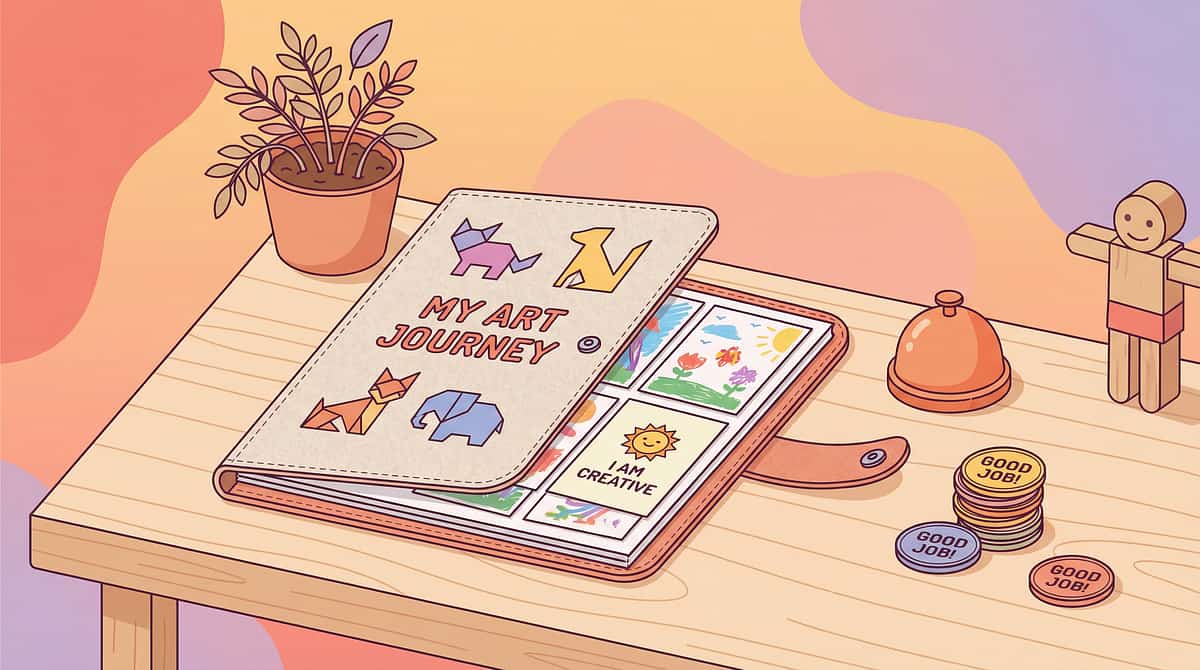
Materials 7–9: Portfolio Systems, Celebration Rituals and Self-Recognition Tools
📁 Material 7: Portfolio Systems
Canon Category: Reinforcement Menus / Matching Games. Physical folder or binder collecting actual work samples with the child's annotations. Tangible evidence archive that grows over months and years. Unlike a chart or sticker, a portfolio holds the actual work — the spelling test, the drawing, the written sentence.
Cost: ₹100–300 | Buy on Amazon
🎉 Material 8: Celebration Rituals Kit
Canon Category: Reinforcement Menus. Defined family celebration ritual — specific action, specific phrase, specific sensory input — performed every time a win is recorded. Predictability makes celebration safe. A child who knows exactly what the celebration looks like can anticipate it, which creates motivating anticipation rather than overwhelming surprise.
Cost: ₹0 (ritual-based) to ₹200 | Search Amazon.in: "sensory safe celebration supplies children"
🌟 Material 9: Self-Recognition Tools
Canon Category: Reinforcement Menus. Mirror affirmation frames, personal achievement stamps, "I did it" buttons. Child-administered recognition tools that build autonomous self-celebration. These are the most advanced tools in the system — a child using self-recognition tools is approaching intrinsic motivation. This is the goal.
Cost: ₹100–350 | Search Amazon.in: "self esteem tools autism children stamps"

Every family. Every budget. Every material available right now.
WHO/UNICEF Equity Principle: No child's wins should go uncelebrated because of access to materials.
🛒 Buy This | 🏠 Make This (₹0) |
Progress Tracking Chart (₹150–300) | Ruled paper + pencil grid. Draw 30 boxes. Fill one per win. |
Achievement Display Board (₹200–800) | Tape A3 paper to bedroom wall. Write wins with marker. |
Celebration Journal (₹150–400) | Any school exercise book + date stamp made from a pen cap. |
Token Economy Chart (₹150–500) | Draw 10 circles on paper. Colour one per achievement. Exchange for a preferred activity at 10. |
Certificates and Badges (₹100–400) | Handwritten "Certificate of Achievement" on ruled paper with parent signature. The handwriting matters MORE than the printing. |
Growth Mindset Cards (₹150–500) | Write 5 process phrases on index cards. Keep in child's school bag. |
Portfolio System (₹100–300) | Old A4 envelope or any plastic sleeve. Child inserts their best work each week. |
Celebration Ritual Kit (₹0–200) | Define a 3-step family ritual: [specific phrase] + [physical celebration e.g. handshake] + [preferred sensory input e.g. 5 min of preferred activity]. Free. |
Self-Recognition Tools (₹100–350) | Draw a star stamp on a piece of eraser. Child stamps their hand after each win. |
"These substitutes work because the therapeutic principle is identical: consistent, predictable, tangible recognition calibrated to the child's sensory profile. The material is the medium, not the message. The message is: 'Your win was real, and we saw it.'"
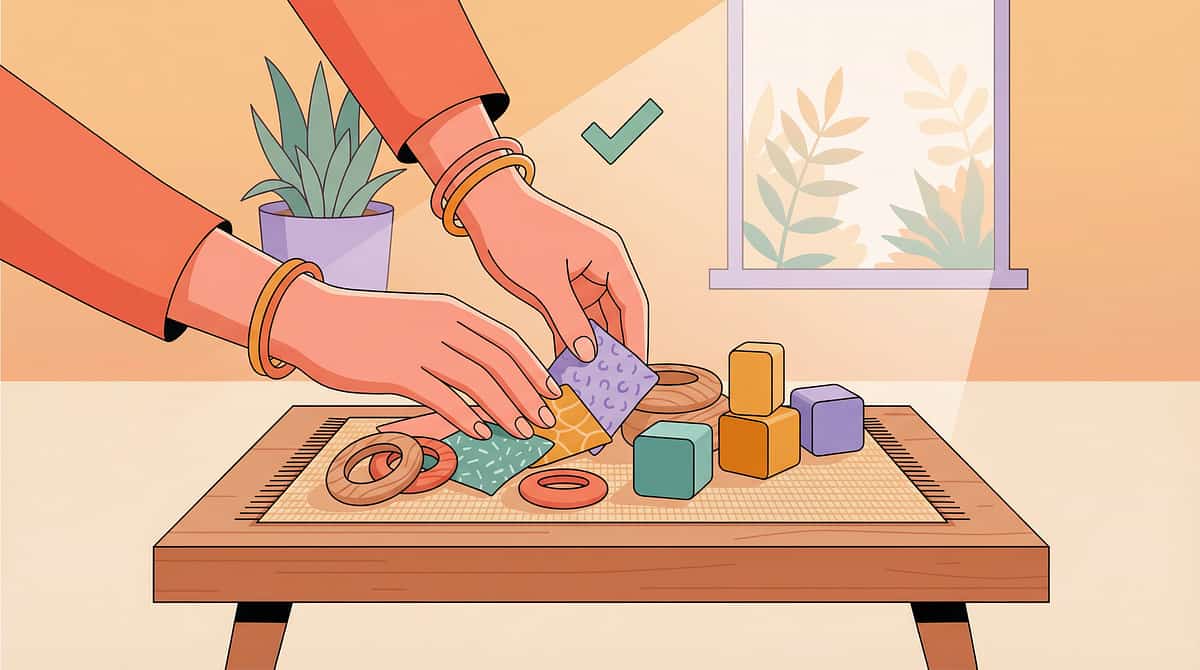
Read before your first session. Takes 90 seconds. Prevents 90% of problems.
✅ Proceed When:
- Child has eaten and is not hungry or thirsty
- Child is in a regulated state (not post-meltdown, not overtired)
- The academic task is genuinely complete (even partially)
- Materials are ready before calling the child
- You have 5–10 uninterrupted minutes
- The celebration ritual is consistent with before (no surprises)
⚠️ Modify When:
- Child had a difficult day — shorten the ritual but maintain it
- Achievement was partial — celebrate the attempt
- Child seems sensory-overloaded — quiet, private celebration only
- Sibling is present and rivalry risk exists — celebrate privately first
🛑 Do NOT Proceed When:
- Child is in active distress or mid-meltdown
- The "achievement" was coerced or occurred under significant duress — forced compliance does not generate authentic academic identity
- You are using celebration as behavioural manipulation — this corrupts the tool
- Child has explicitly stated they do not want external recognition today — ALWAYS honour this
Material Safety Reminders:
- Stickers: check for latex allergy
- Stamps/inks: ensure non-toxic, washable
- Cork boards: use pushpin covers for children under 6
🚨 Stop Immediately If:
Child becomes visibly distressed at being recognised. If your child consistently resists celebration, consult a BCBA before proceeding. This may indicate a demand avoidance profile (PDA).
📞 9100 181 181
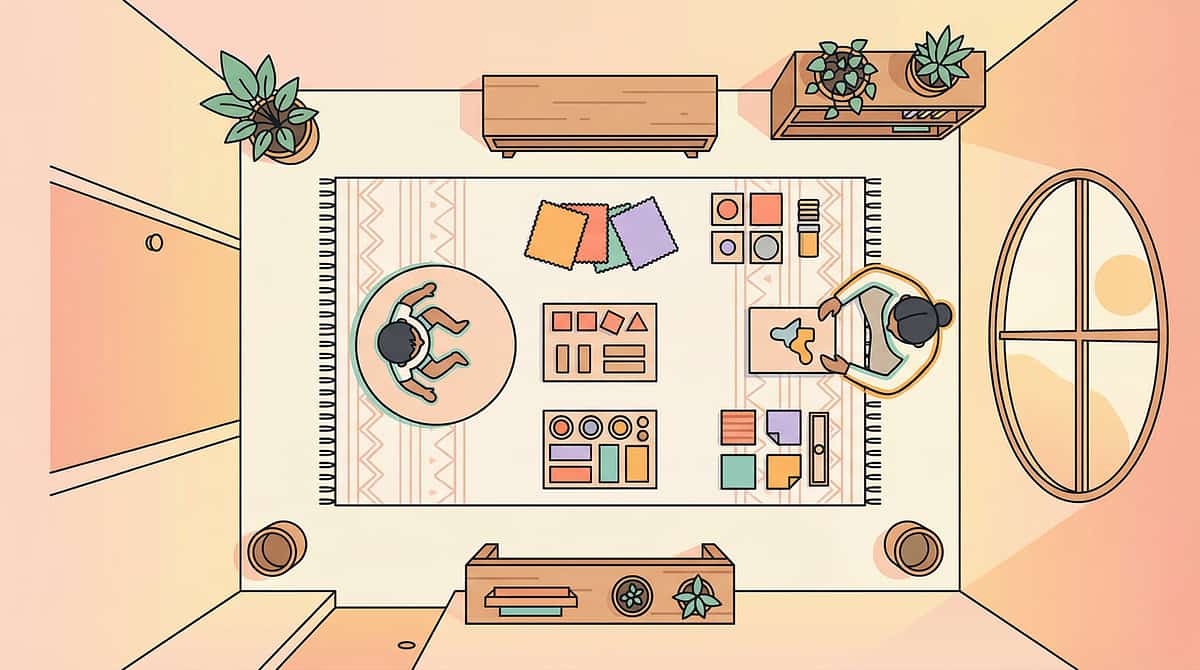
The right space makes the win feel official.
Position 1 — The Child's Seat
At their usual study area. Familiar context anchors the celebration to the achievement location. Do not move the child to a "special" celebration area — familiarity matters.
Position 2 — The Display Board
At child's eye level — 90–120cm from floor. The child must be able to physically interact with it: add to it, read it, touch it.
Position 3 — Journal and Chart Storage
Same shelf, same drawer, every time. Predictability reduces transition difficulty. Child should be able to retrieve it without help.
Position 4 — Parent Position
Beside the child (same side), not opposite. Sitting at child's level. Face-to-face positioning activates performance anxiety in some children. Beside = collaborative, not evaluative.
Position 5 — Privacy
Door closed or semi-closed. This is a private celebration. Interruptions from siblings or others during the ritual dilute the personal significance.
Position 6 — Lighting and Environment
Natural light preferred. Dim harsh overhead lighting. Remove visual clutter. If the child has auditory sensitivity, turn off background TV or music before beginning.
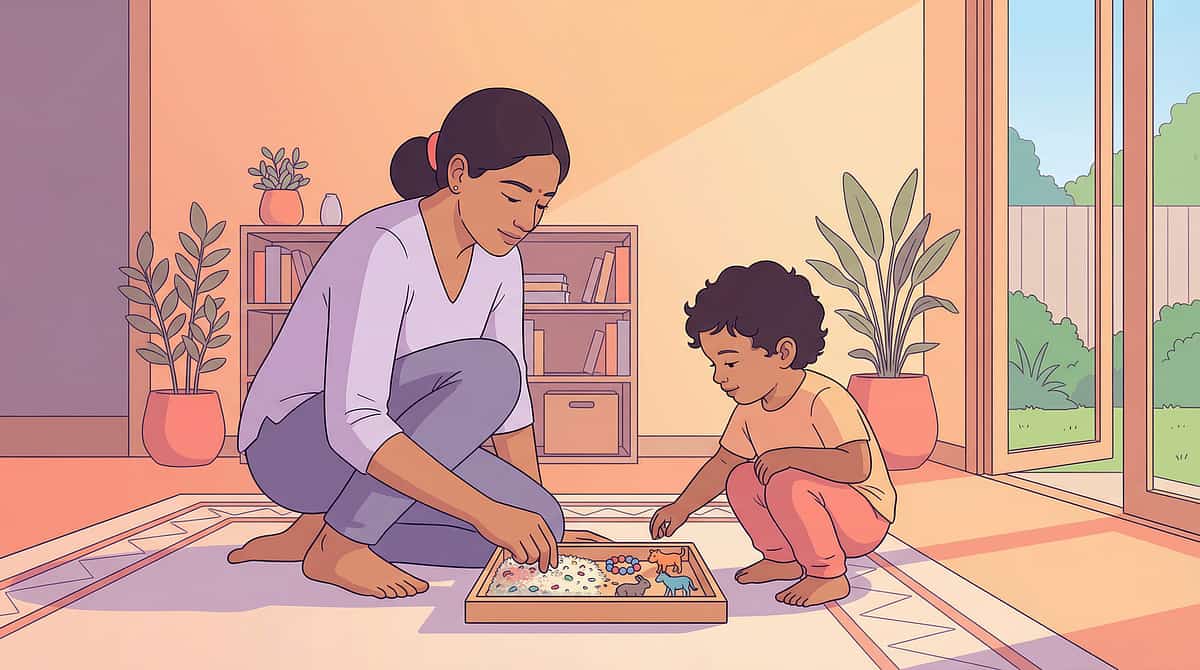
60 seconds. 7 checks. Don't skip this.
Is Your Child Ready? — The Readiness Gate
Is the child fed? (Not hungry, not immediately post-meal — 30–60 min after eating is ideal)
Is the child in a regulated emotional state? (Not post-meltdown — allow 30 min minimum recovery)
Did an actual academic win occur today? (Any win counts: finishing one page, attempting a new word, staying in seat longer than yesterday)
Is the child aware that a win occurred? (If they don't know they did something good, the celebration won't land — briefly name it first)
Is the celebration space ready? (Display board visible, journal accessible, you are beside them)
Is there time? (You need 5–10 uninterrupted minutes — half-completed celebrations are worse than none)
Is the child NOT in demand-avoidance mode today? (If they've resisted all adult-initiated activities today, scale back to the simplest version only)
🟢 6–7 Checks: GO
Proceed to the full 6-step protocol.
🟡 4–5 Checks: MODIFY
Proceed with the simplified version — sticker on paper only.
🔴 3 or Fewer: POSTPONE
Short verbal acknowledgment only: "I saw that you [specific win]. That was real." Then try tomorrow.
"The best session is one that starts right. A 3-minute celebration that goes well is infinitely more valuable than a 10-minute ritual that ends in distress." — Pinnacle ABA Clinical Team
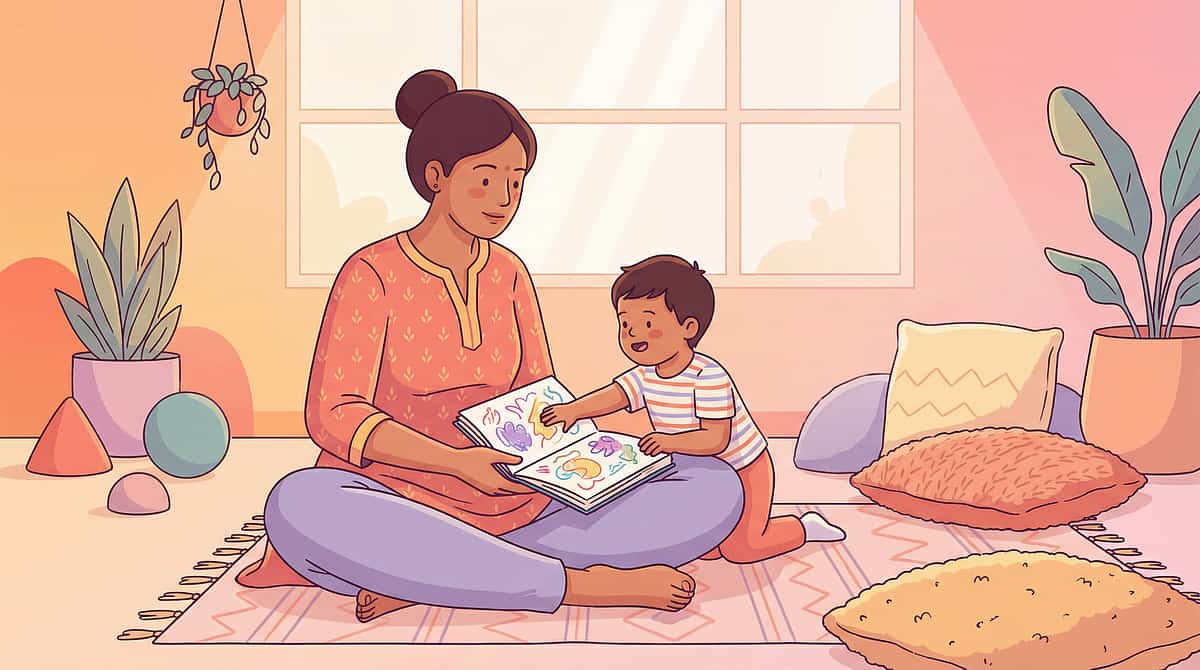
The Invitation: Name the win. Make it specific. Make it theirs.
"[Child's name], I noticed something. You [specific action — e.g., 'finished all 5 reading questions' / 'wrote your name without erasing' / 'stayed in your seat for the whole spelling test']. That was real. That happened. Let's write it down."
What To Do
- Use the child's name first — attention anchor
- Name the SPECIFIC action, not a vague label ("you sounded out three words you didn't know" not "you worked hard")
- Use past tense — it happened. It's real. It can't be taken away.
- Keep body language calm, not performative — overly excited celebration can be dysregulating
✅ Acceptance Cues
- Child looks at you
- Smiles or shows any positive affect
- Moves toward the material
- Echoes or repeats the named win
- Nods
⚠️ Resistance Cues
- Child looks away or turns body away
- Says "no" or "later"
- Engages with another object
If resistance: "Okay. I'm going to write it in the book myself. You can look later." Complete the ritual yourself — the record still matters.
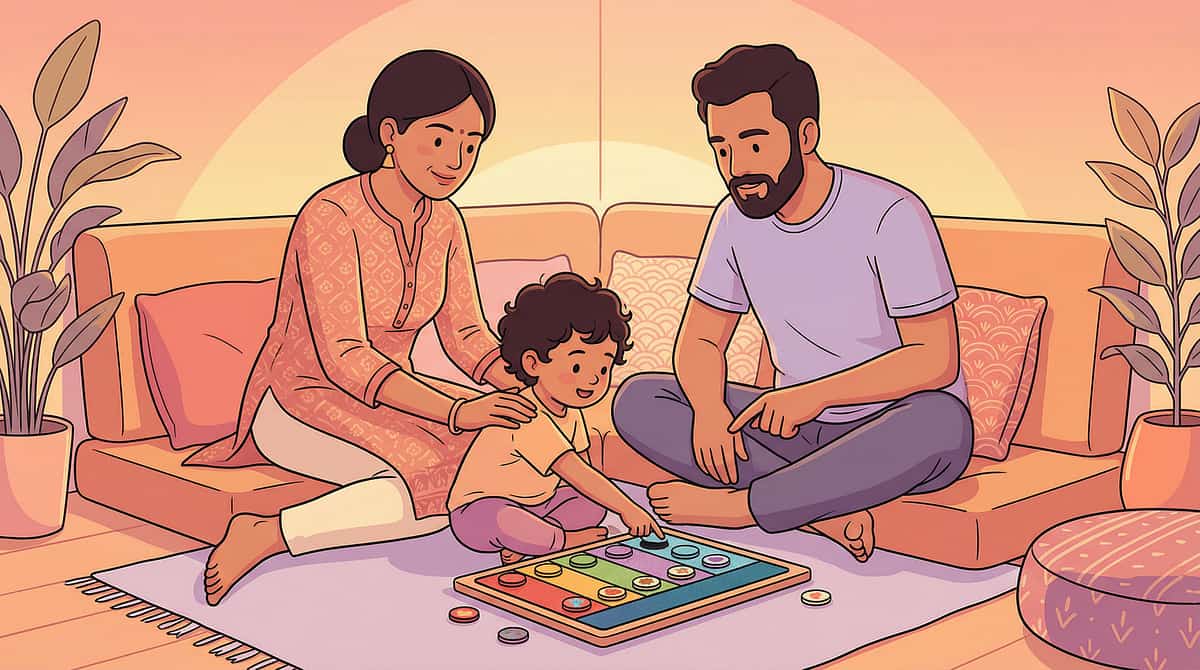
The Engagement: Bring the material into the space. Let the child choose their recognition format.
Place the materials within the child's reach — not handed to them, within reach. For children who respond well to choice-making:
"Which one today? Sticker on the chart, or write it in the journal, or add it to your board?"
For children who do not process choices well: pre-decide the format and present only one material: "Today is a sticker day." Consistency builds anticipation.
Presentation Guidance
- Present material at child's eye level — not above or behind
- Slow, deliberate movement — don't rush the moment
- Allow 10–15 seconds of processing time before expecting a response
- Do not fill silence with more talking — silence is processing, not failure
Engagement Indicators
- ✅ Child reaches for or touches the material
- ✅ Child shows any positive or interested response
- ✅ Child's body orientation shifts toward the activity
- ⚠️ Child tolerates proximity to material without distress — tolerance is engagement at this stage
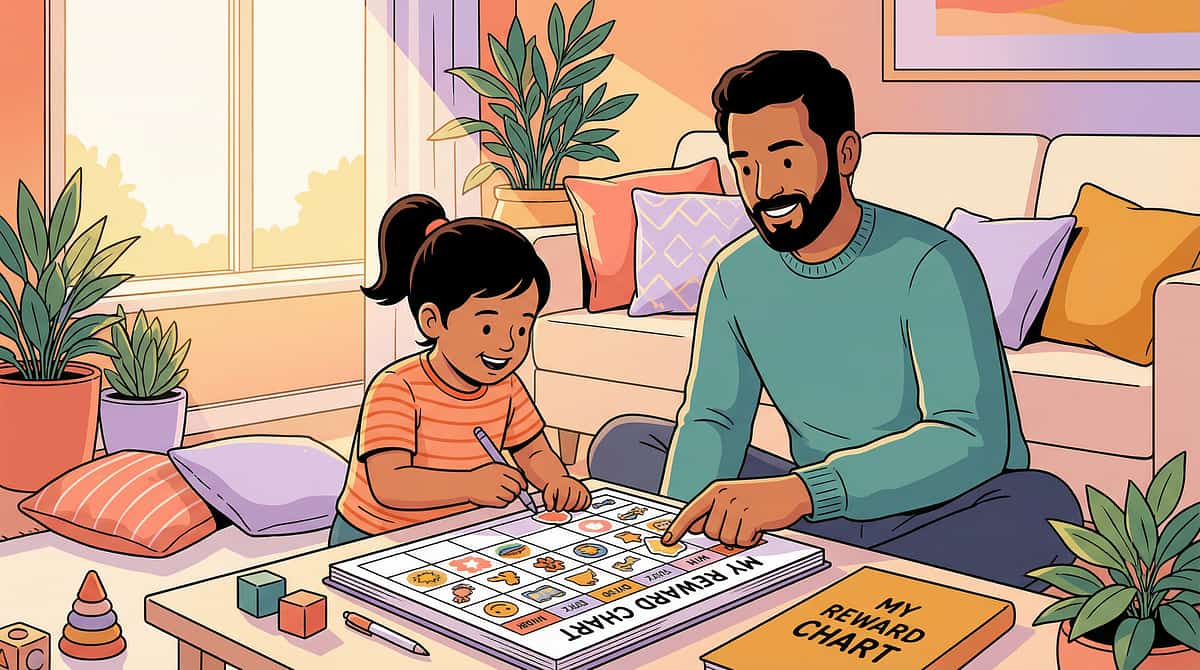
The Win is Recorded. Made permanent. Made visible.
📊 Chart
Fill in one cell, circle a date, add a sticker in a designated box.
📔 Journal
Write or draw or stamp the win with today's date.
🏆 Display Board
Add a sticker, certificate, or written achievement card.
⭐ Token System
Add one token toward the accumulated total.
📁 Portfolio
Insert the actual work sample into the sleeve.
Support only what is necessary — if child can hold the pencil, do not hold it with them
If child cannot write, they DRAW the win. If they cannot draw, they STAMP it. If not, you write it and they place their hand on top of yours.
Narrate while doing: "The word 'because.' You spelled that today. Going in the book."
Do NOT add commentary about difficulty level — document the win neutrally and positively only
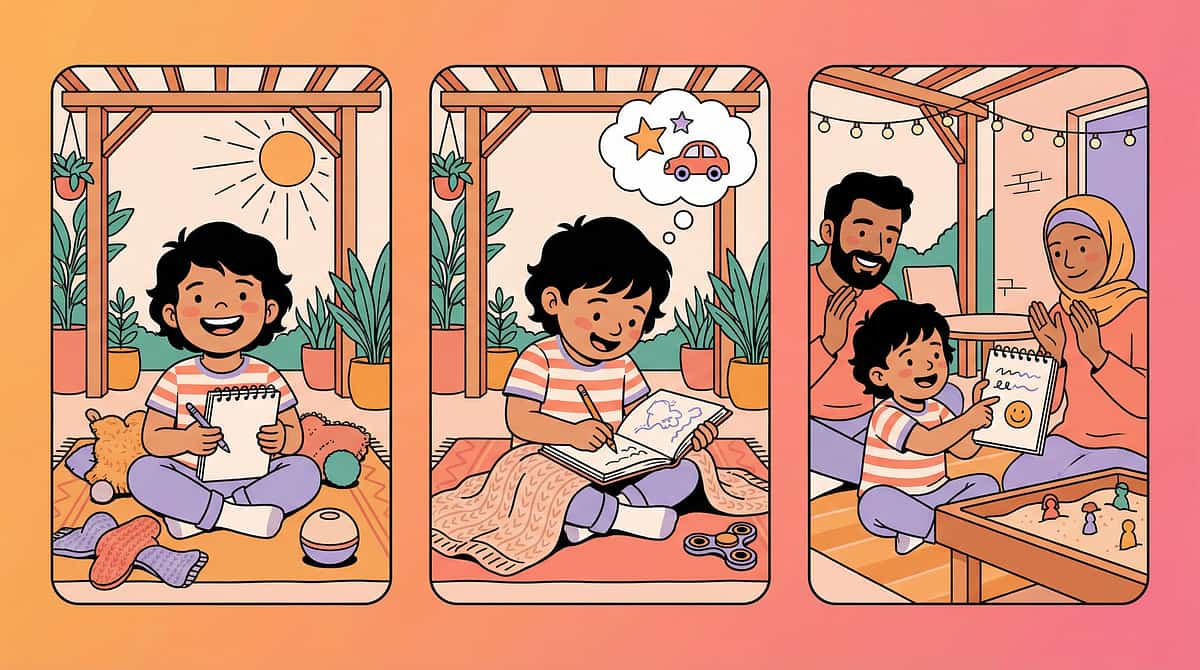
One win recorded. Now: can we name three?
After the primary win is recorded, gently explore whether more wins occurred today that the child hasn't yet recognised:
"Also — you were the first one ready with your pencil this morning. Should that go in too?"
Win Categories to Probe (don't lead — ask):
Academic Win
A task completed — academic or effort-based
Social Win
Spoke to a classmate, answered the teacher
Sensory Win
Tolerated a loud assembly without leaving
Persistence Win
Tried three times before asking for help
Regulation Win
Felt frustrated, kept going
"3 genuine, specific, earned wins recorded > 10 vague, inflated celebrations delivered." — Pinnacle BCBA Team
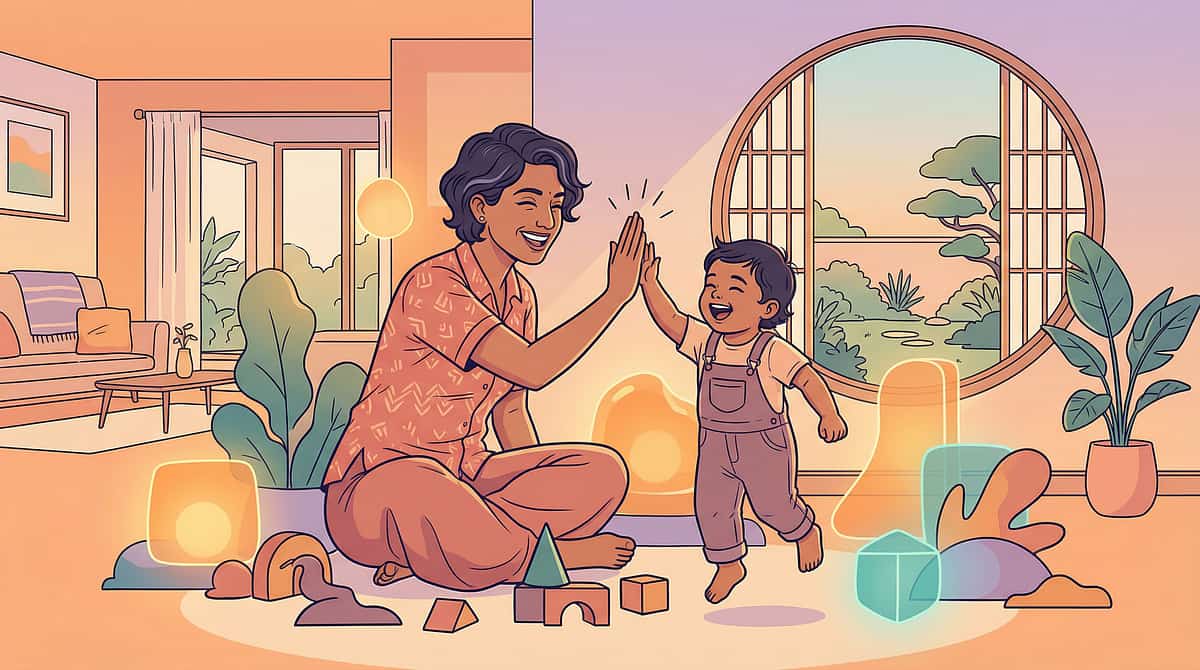
The celebration is the seal. Delivered within 3 seconds of recording completion.
"[Child's name]. That is in the book. That happened. Nobody can take that away. You did that."
Then: execute the family celebration ritual. Choose ONE reinforcement type per session (pre-agreed with child):
Social Reinforcement
Specific verbal praise + high five / fist bump / shoulder touch (child-preferred)
Token Reinforcement
Add token to board, acknowledge progress toward reward
Visual Reinforcement
Photograph the completed record entry to send to grandparents
Activity Reinforcement
5 minutes of preferred activity as celebration
Physical Reinforcement
Child-directed only — if child initiates a hug, receive it warmly; never impose
"Celebrate the attempt, not just the success. Celebrate the process, not just the product. Celebrate the child, not just the achievement." — Pinnacle Blooms ABA Team
📞9100 181 181 | Helpline open 7 days
End cleanly. No session ends abruptly.
Two minutes before the session ends, say: "One more look at everything we added today." Child reviews what was recorded. Parent reads it back if helpful. Then: "All done for today. The book / chart / board will be here tomorrow."
If Child Resists Ending
"One more thing" requests are common. Honour one, only one. Then: "That's the last one for today. We'll do more tomorrow." Setting the close boundary is part of the therapeutic value.
Transition Cue Options
Visual timer (preferred) | Sand timer | Verbal countdown | First-Then board: "First journal, Then [preferred activity]"
60 seconds of data now prevents weeks of guessing later.
What to Capture After Every Session
Date of session
Number of wins recorded today: 1 / 2 / 3 / 4+
Child's engagement level: 1=refused / 2=tolerated / 3=participated / 4=initiated / 5=enthusiastic
Which material used: Chart / Journal / Display Board / Tokens / Certificate / Mixed
Why This Data Matters
These 4 data points, collected consistently, allow your Pinnacle therapist or GPT-OS® to:
- Track engagement trajectory over 4–8 weeks
- Identify which material produces the highest engagement
- Flag early signs of motivation plateau or celebration fatigue
- Generate personalised progression recommendations
📄unknown link — Week-by-week data collection form for offline families
"60 seconds of data now saves hours of guessing later — and gives your child the benefit of evidence-based course correction." — GPT-OS® Data Intelligence Layer
Most sessions are messy. Here is your fix guide.
Problem 1: Child refused to participate at all
Why: Possibly demand avoidance, low regulation state, or the win wasn't sufficiently motivating. Fix: Record the win yourself in the journal. Say nothing to the child. Leave the journal open where they can see it. This often triggers delayed curiosity. Try a "low-demand" version next time: sticker on chart only, no script.
Problem 2: Child wanted 20 wins recorded
Why: The system is working — over-enthusiasm is better than under-enthusiasm. But without limits, the currency inflates. Fix: Honour 3. "We can do 3 today. Which 3 are the most important?" Then hold the limit warmly but firmly.
Problem 3: Sibling conflict erupted during the session
Why: Sibling jealousy around one child being celebrated. Fix: Establish a "parallel system" — both children have journals. When one is celebrated, the other adds something to their own journal simultaneously. No comparison. Both accumulate.
Problem 4: Child used the journal as a toy and tore it
Why: Fine motor regulation or oppositional behaviour. Fix: Use laminated pages. Use a digital alternative (photo journal on parent's phone). Celebrate on whiteboard that can be re-done — less precious, more accessible.
Problem 5: Child didn't believe they deserved the win
Why: Internalised learned helplessness or existing negative academic identity. Fix: This is critical. Do NOT argue. Simply record: "I'm recording it because I saw it happen." The record is the argument. Over weeks, the accumulating evidence becomes its own convincing.
Problem 6: Parent forgot to do it for 2 weeks
Why: Life. It happens. Fix: Don't try to catch up. Don't apologise. Simply restart: "We're starting the chart again from today." Consistency from now matters more than perfect consistency from before.
Problem 7: Child seems embarrassed by celebration
Why: Some children — especially adolescents, or children with PDA or social anxiety — find external recognition aversive. Fix: Move to private, minimal celebration only. The journal/chart continues — but the ritual is silent. Child records win themselves with no verbal acknowledgment. Consult Pinnacle ABA team if this persists.
"Session abandonment is not failure. It is data. Every session that doesn't go as planned tells you something specific about what your child needs."
📞9100 181 181
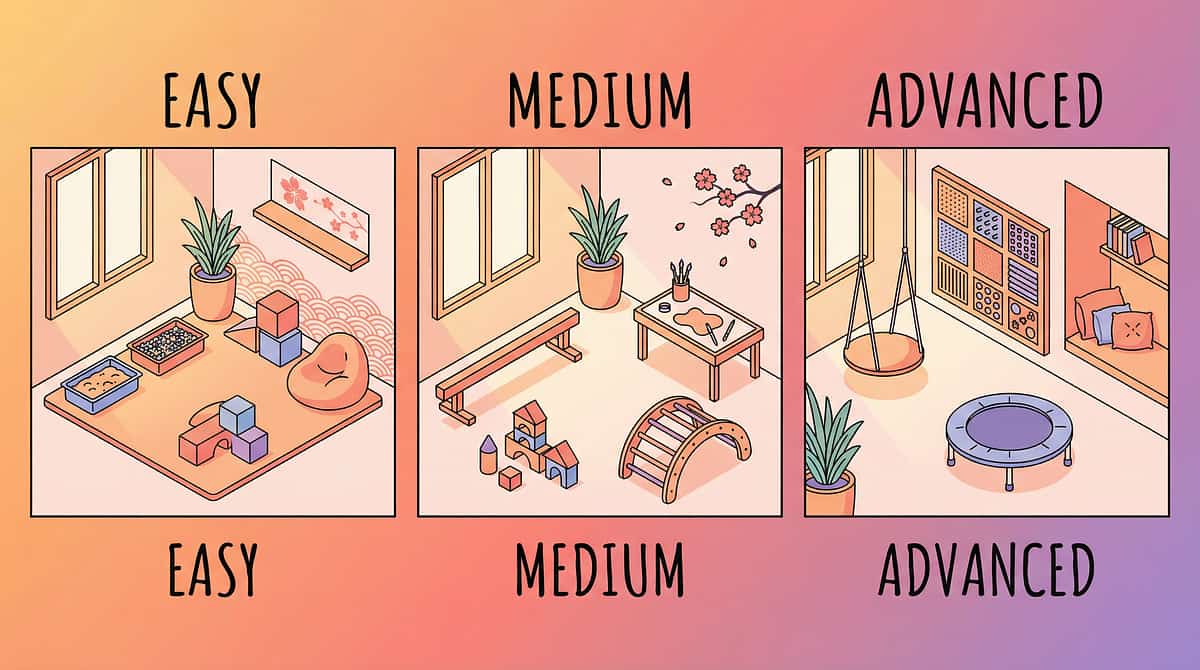
No two children celebrate the same way. Here is how to tune H-760 to your child's exact profile.
⬅ Easier Version
Sticker on chart only (no verbal acknowledgment required). Parent records, child watches. 1 win per session. Visual cue only.
Standard Version
Full 6-step protocol. Child records with support. 1–3 wins per session. Visual + verbal script.
Advanced Version ➡
Child leads their own celebration ritual. Child records independently, then teaches sibling. Weekly portfolio review + self-scoring. Child scripts their own recognition language.
Sensory Profile Adaptations
🔴 Tactile Avoider
Avoid stickers on skin. Use dry-erase markers on laminated chart. Digital journal only. Celebration: verbal only, no touch.
🟢 Tactile Seeker
Embossed stickers, texture-rich journal covers, physical token objects (weighted, textured). Celebration: deep pressure input (bear hug if child-initiated).
👂 Auditory Avoider
No clapping, no singing, no loud verbal praise. Quiet, close, specific verbal script only. Whispered celebration.
👁️ Visual Processor
Highly visual chart with colour gradients. Progress bar design. Photo documentation of achievements.
🧩 Demand Avoidant (PDA)
Remove all "must" from the protocol. Make all steps optional. Frame as "some kids do this, would you like to try?" Celebration system is always child-initiated.
Ages 3–5
Sticker on chart only. Immediate, sensory-compatible reinforcement. Parent narrates everything.
Ages 6–9
Full 6-step protocol. Child makes choices. Growth mindset language introduced.
Ages 10–14
Portfolio system + self-scoring. Parent presence minimised. Peer sharing optional.
Week 1–2: This week: tolerance, not mastery. That's the goal.
✅ What to Look For
- Child tolerates the material being present without objection
- Child participates in at least part of the ritual on 2+ of 5 attempts
- Child looks at the display board or chart at least once unprompted
- Child mentions the journal/chart to another person
- Any decrease in "I can't" or "I'm stupid" statements during academic tasks
⚠️ Not Progress Yet
- Child initiating the celebration themselves (weeks 4–8)
- Child generalising academic self-belief to school (weeks 6–10)
- Dramatic reduction in academic avoidance (weeks 4–8)
- Child naming their wins spontaneously (weeks 3–5)
"The work of weeks 1–2 is invisible. You are laying neural track. The train hasn't run yet, but the rails are going in. Every session you complete — even the ones that felt mediocre — is building infrastructure."

Week 3–4: The child begins to remember there is a book. Week 4: they might reach for it themselves.
Child anticipates the celebration activity — may retrieve the journal/chart without prompting
Child shows preference for a specific material — always wants the sticker, never the journal. Honour this preference.
Child's language around academic tasks shifts: fewer "I can't" statements observed in non-celebration contexts
Child refers back to past wins during a new challenge: "I did the spelling before, I can do this"
Engagement duration increases: session that was 3 minutes in week 1 is now 5–7 minutes
Parent notices increased confidence at homework time
"These behavioural shifts are visible evidence of synaptic strengthening. The brain is learning to route academic experience through the reward circuitry rather than the threat circuitry. This is measurable neuroplasticity in action." — Pinnacle NeuroDev Pediatrics Team

Week 5–8: H-760 Mastery Indicators
Child initiates the celebration protocol independently on 3+ consecutive occasions
Child retrieves journal/chart without being asked on 4 of 5 opportunities
Child generalises win-recording to school context — mentions it to teacher, brings journal to school
Academic self-statements are predominantly positive: "I'm getting better at reading," "I know lots of words now"
Frustration tolerance at academic tasks has measurably increased — fewer refusals, shorter recovery time
Child maintains celebration behaviour even when parent is not immediately present
All 6 Criteria Met
Explore H-761: Building Academic Independence
4–5 Criteria Met
Maintain current protocol, strengthen remaining criteria
3 or Fewer Met
Return to Card 22 (Adapt), reassess adaptations. Book Pinnacle consultation.
You did this. Your child grew because of your commitment.
Over the past 5–8 weeks, you showed up consistently when it would have been easier not to. You learned to celebrate wins that the world doesn't see. You built infrastructure in your child's brain that no meltdown, no bad day, no frustrating teacher can touch. You proved that home is the most powerful therapy centre your child will ever have.
Mark This Moment as a Family:
🖨️ Print Certificate
Print the "H-760 Mastered" certificate from pinnacleblooms.org/certificates
📸 Photo
Take a photo of the completed progress chart and send it to grandparents
🎉 Preferred Activity
Let the child choose a preferred activity as a "big win" celebration
📖 Family Journal
Add it to the family milestone journal
📞9100 181 181 | We celebrate with you.
Even at mastery — stay observant. These 6 signs mean consult first.
🚨 1. Celebration Fatigue / Complete Indifference
Child who previously engaged now shows zero response to any recognition material. All materials elicit the same flat affect. Why it matters: May signal dopamine dysregulation, depression, or a significant life stressor. Action: Pause protocol. Book Pinnacle NeuroDev or BCBA consultation.
🚨 2. Celebration-Triggered Aggression
Child becomes aggressive toward materials, family members, or self when the celebration protocol is initiated. Why it matters: May indicate PDA, sensory trigger, or association with a negative experience. Action: Stop immediately. Record the antecedents. Consult Pinnacle ABA team.
🚨 3. Regression After Sustained Progress
4+ weeks of mastery followed by sudden, complete protocol refusal. Why it matters: Environmental stressor (school change, family change, transition), possible medical issue, or significant anxiety spike. Action: Do not push through. Use verbal-only acknowledgment. Book a check-in with Pinnacle.
🚨 4. Peer-Triggered Shame
Child expresses shame about having a "special" book or chart, particularly after school interactions. Why it matters: Social identity concerns emerge in ages 9–12. Action: Transition to digital journal immediately. Remove physical materials from visible spaces.
🚨 5. Compulsive Win-Seeking
Child begins fabricating achievements solely to trigger the celebration protocol, at the expense of genuine learning. Why it matters: Extrinsic motivation has not transitioned to intrinsic. Action: Begin scheduled fading — consult Pinnacle BCBA for structured fading plan.
🚨 6. Parental Burnout Affecting Consistency
You are struggling to maintain the protocol. Celebrations are becoming perfunctory, resentful, or inconsistent. Why it matters: Parental burnout directly undermines therapeutic efficacy. Your wellbeing is a clinical variable. Action: Contact Pinnacle at 9100 181 181. You do not do this alone.
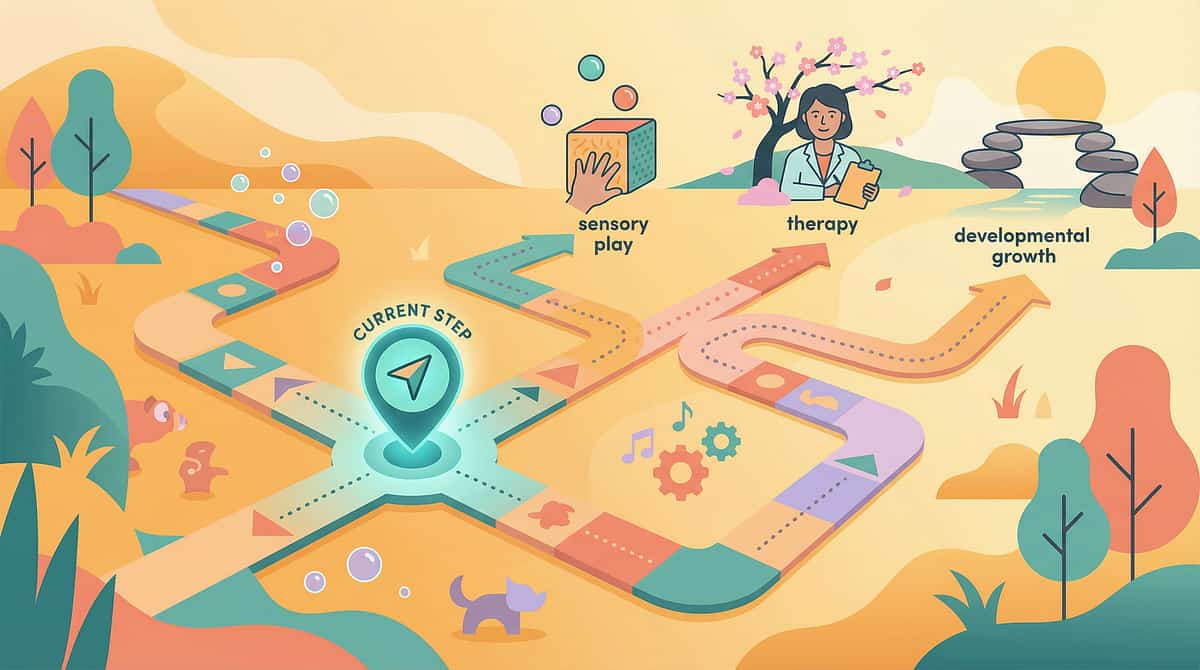
H-760 is not the finish line. It's a waypoint.
"You are not done. You are on a journey. This technique is the foundation. The next technique is the floor of the next room."
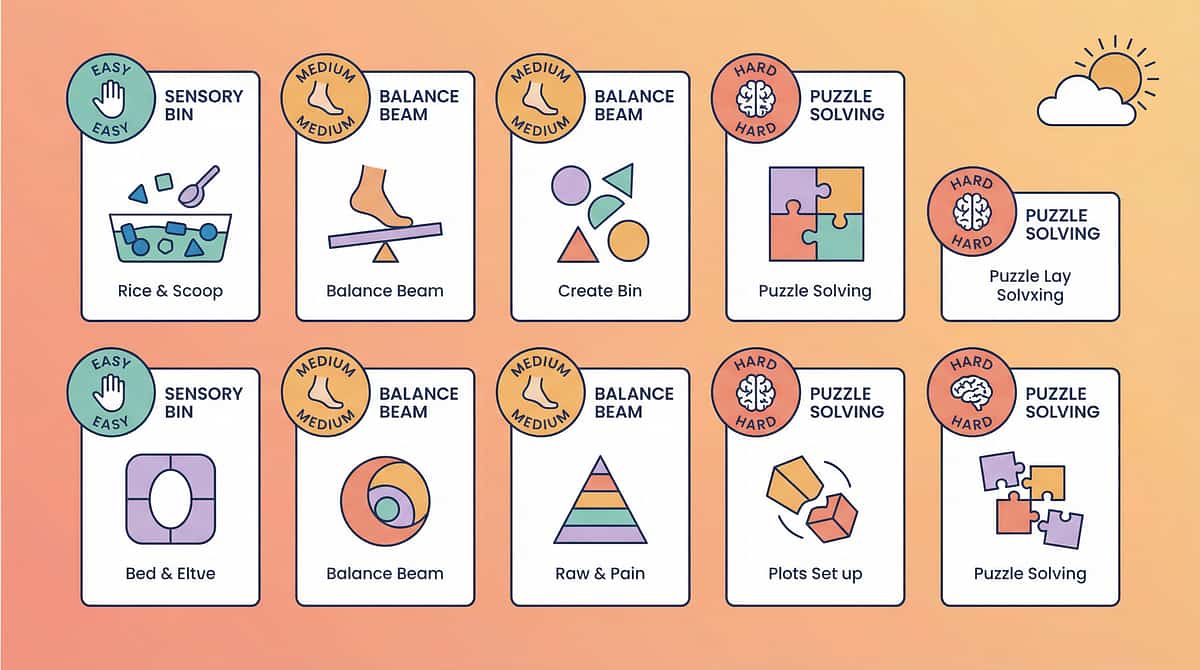
More techniques in the Academic Skills Domain (H)
You may already own the materials for several of these techniques. The Pinnacle Academic Skills Domain (H) covers 30 evidence-based techniques across the full spectrum of academic development for neurodivergent children.
H-755: Building Study Habit Rituals
🟡 Core | Materials: Journal, Visual Schedule
H-748: Academic Task Initiation
🟢 Intro | Materials: Timer, Visual Cue Card
H-761: Building Academic Independence ⭐ NEXT
🔴 Advanced | Materials: Portfolio System
H-735: Managing Homework Transitions
🟡 Core | Materials: Visual Timer, Reward Chart
H-742: Reading Engagement Tools
🟡 Core | Materials: Progress Chart, Matching Games
H-752: Academic Self-Talk and Growth Mindset
🟡 Core | Materials: Growth Mindset Cards
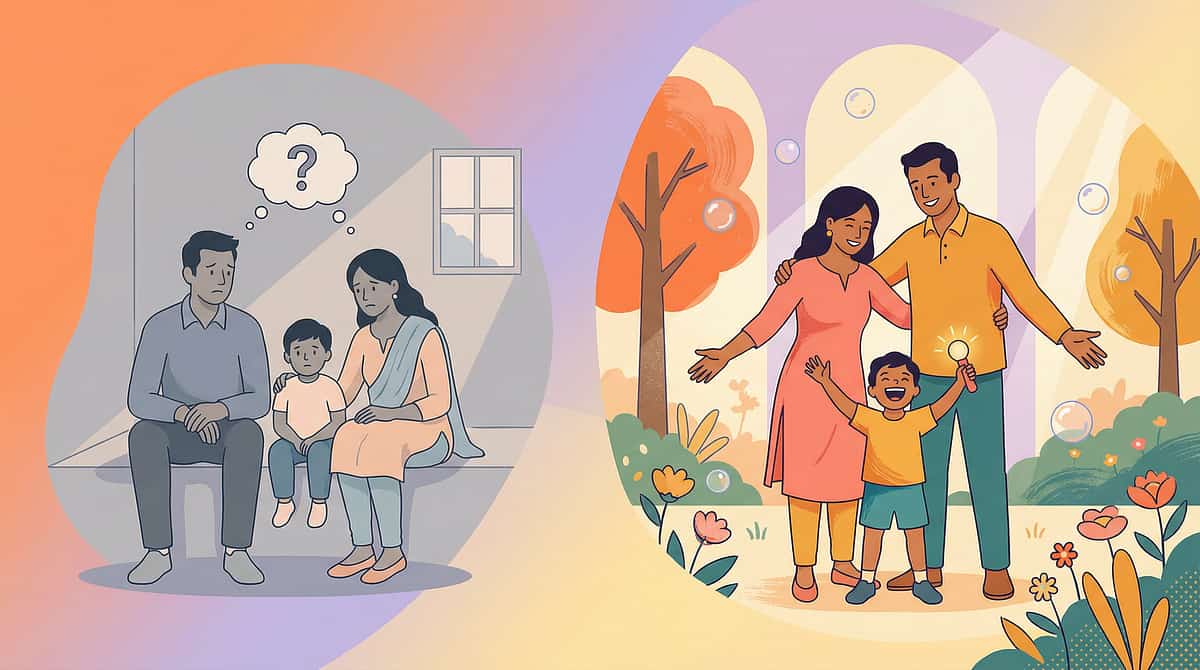
Three families. Three journeys. One turning point.
Arjun, age 8, Hyderabad | ASD Level 2 + Reading Difficulty
Before: Arjun refused to show anyone his schoolwork. Every assignment came home folded and hidden in his bag. His mother describes a child who believed, with complete conviction, that he was "the worst reader in the school."
After 6 weeks of H-760: Arjun's journal has 43 entries. He reads them to his grandmother every Sunday. Last month, he corrected his teacher's pronunciation of a word he'd learned and — for the first time — smiled when the class laughed with him, not at him.
"I didn't know I was supposed to celebrate the small things. Nobody told me. This page told me. I cried the first time I wrote his name in the book and he touched it with his finger." — Arjun's mother
Meera, age 6, Chennai | ADHD Combined Type + Anxiety
Before: Meera would complete work correctly and then immediately erase it. Her occupational therapist identified this as a manifestation of profound academic self-doubt — she was erasing the evidence before anyone could evaluate it.
After 8 weeks of H-760: Meera has a display board she calls "my wall of proof." When she feels the urge to erase, she is now able to say: "I'll put it on my wall first." Work completion rate at school improved by 60% over the same period.
"She used to erase everything. Now she photographs her work. Same child. Different belief about herself." — Meera's father
"What families consistently report around week 4 is not that the child became better at academics — it's that the child stopped running away from them. The celebration system reduces the threat signal around academic tasks. That change in emotional association changes everything downstream." — Pinnacle SpEd + BCBA Team, Hyderabad Centre
📞9100 181 181 | Share your story with us
You are not meant to do this alone. Join 50,000+ Pinnacle families navigating the same journey.
Academic Challenges Parent WhatsApp Group
Join 4,200+ parents specifically navigating academic skills for neurodivergent children. Real answers, real timelines, real adaptations. unknown link
Pinnacle Online Parent Forum
Discuss H-760 with parents who have completed it. Practical peer-to-peer support. Join Forum →
Local Pinnacle Parent Meetup
Monthly in-person meetups at Pinnacle centres across India. Find Local Group →
Peer Mentoring: Parent-to-Parent
Connect with an experienced parent who has mastered H-760 with their child. 1:1 mentoring, free. Request a Mentor →
"Over 1,000 individuals from 111 countries contributed to the WHO Nurturing Care Framework. Your experience — your adaptations, your failures, your breakthroughs — makes the next family's journey 20% easier." — Pinnacle Blooms Community Team
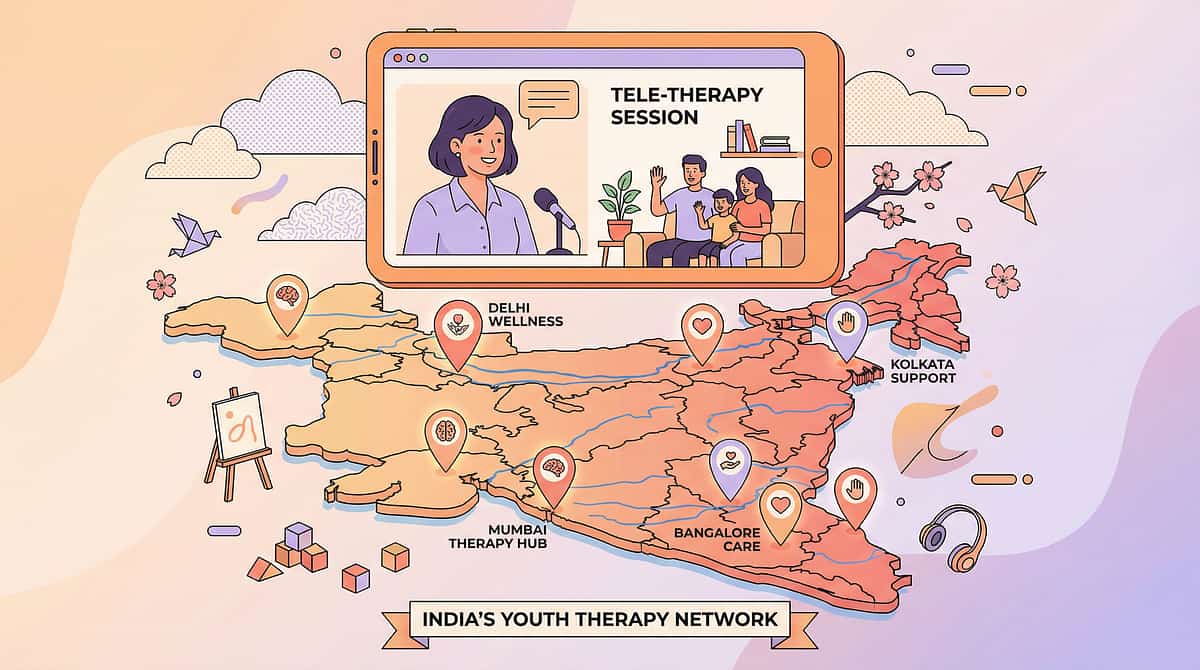
Home + clinic = maximum impact. H-760 works best when a professional sees your data.
Centres Across India
Therapists — OT, SLP, ABA, SpEd, NeuroDev
Countries Served
Through digital + teleconsultation
Find a Therapist
Find a BCBA / ABA Therapist for H-760 support → Find an Occupational Therapist →
Remote Access
Book Teleconsultation → | GPT-OS® Digital Consultation — upload your H-760 data and receive personalised recommendations within 24 hours. Email: care@pinnacleblooms.org
Insurance and Funding
Pinnacle works with: CGHS | ESI | National Trust (India) | NIAS | Several private insurers. Check Your Coverage →
📞9100 181 181 | FREE National Autism Helpline | 16+ Languages | 7 days a week
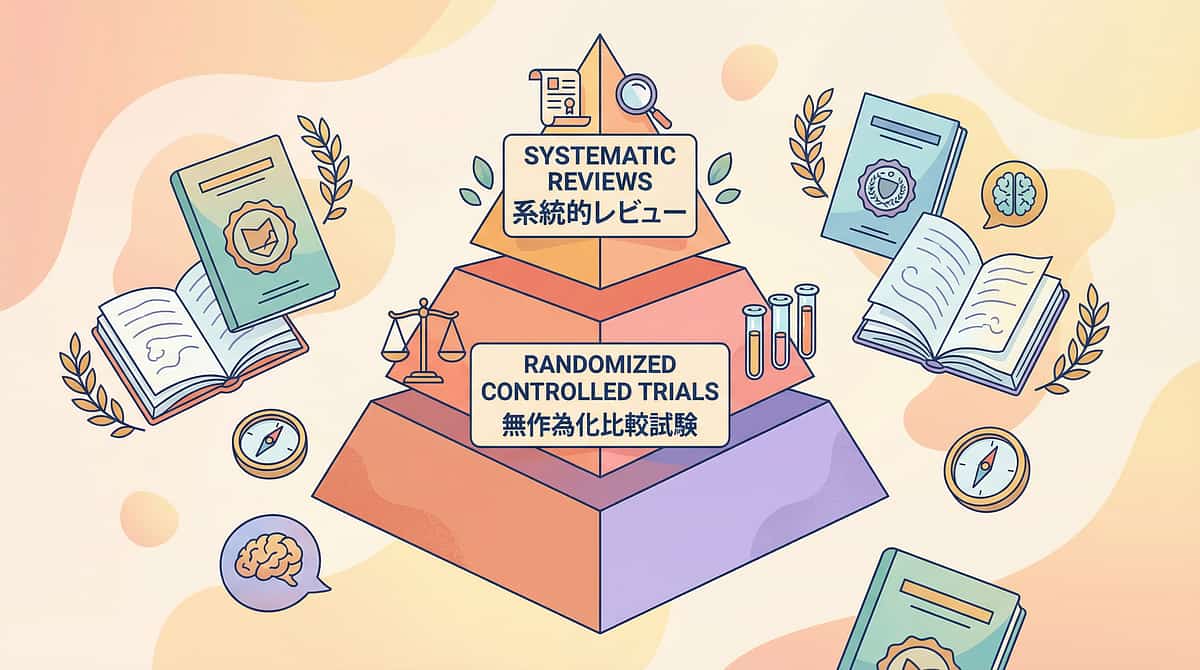
The science behind H-760. For the curious parent, the sceptical spouse, and the IEP meeting.
📚 Study 1 | PRISMA Systematic Review (2024)
16 studies, 2013–2023 | Children with ASD. Finding: Reinforcement and recognition systems meet evidence-based practice criteria for academic and adaptive behaviour outcomes. Read on PubMed: PMC11506176 →
📚 Study 2 | Meta-Analysis (2024)
World Journal of Clinical Cases | 24 studies. Finding: Structured reinforcement effectively promotes social skills, adaptive behaviour, and learning engagement across paediatric neurodevelopmental populations. Read on PubMed: PMC10955541 →
📚 Study 3 | Indian RCT (2019)
Indian Journal of Pediatrics | Padmanabha et al. Finding: Home-based structured recognition protocols: significant outcomes for child motivation and parental self-efficacy in Indian clinical populations. DOI: 10.1007/s12098-018-2747-4 →
📚 Study 4 | NCAEP Evidence-Based Practices Report (2020)
National Clearinghouse on Autism Evidence and Practice. Finding: Visual supports, reinforcement systems, self-management: classified as Evidence-Based Practices for autism across academic and behavioural domains.
📚 Study 5 | WHO Care for Child Development (2023)
54 Low- and Middle-Income Countries. Finding: Structured caregiver-administered recognition activities improve child learning engagement and developmental outcomes at population scale. PMC9978394 | WHO/UNICEF CCD Package →
"For the parent who wants to go deeper: PubMed.ncbi.nlm.nih.gov is free. Search 'reinforcement academic skills autism' + 'token economy learning disabilities.' You will find 200+ studies. This technique is not anecdotal."
Watch the Reel that sparked this page.
In this 60-second reel, a Pinnacle SpEd + ABA therapist demonstrates all 9 materials for celebrating academic wins — from a ₹0 DIY chart to a formal portfolio system. Watch to see the materials in action before you purchase anything.
About This Reel
Reel H-760 is part of the Academic Skills Series (H-731 to H-760) — 30 reels covering every aspect of academic development for neurodivergent children. The series maps directly to the H-domain techniques in the GPT-OS® platform.
Multi-Modal Learning Note
Parents who watch the Reel AND read this page report significantly higher implementation confidence than those who do one or the other. Both together creates the strongest understanding. The reel shows the how; this page explains the why. You need both.
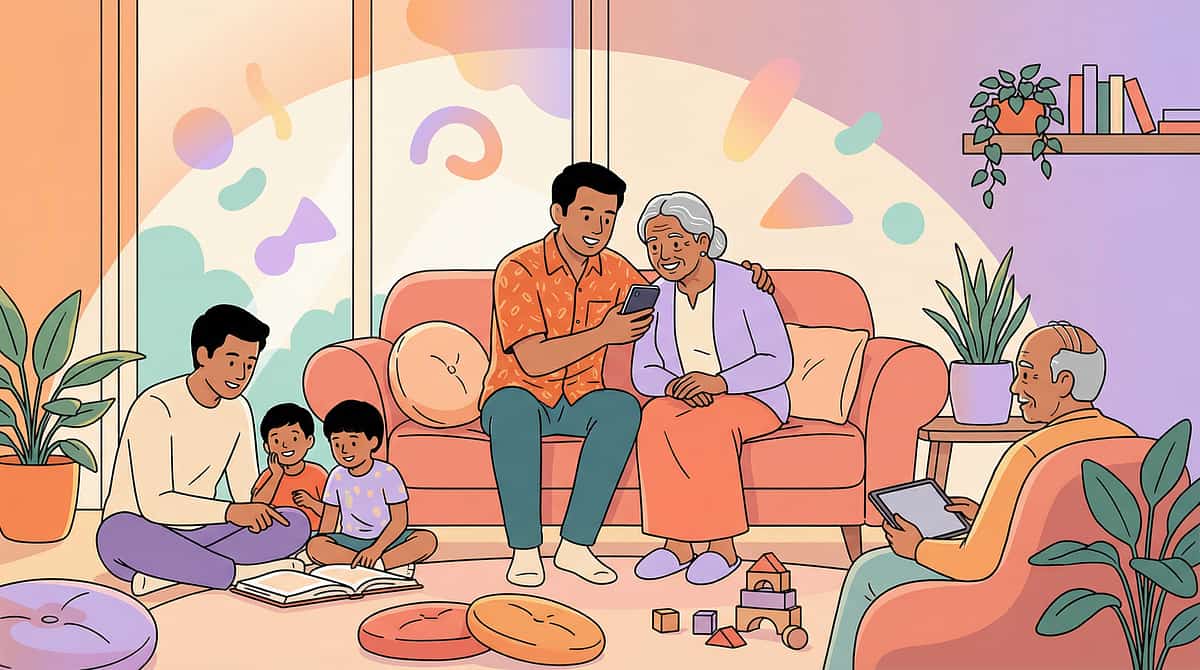
If only one caregiver implements H-760, the impact is limited. When everyone in your child's life does it, the impact multiplies.
How to Explain H-760 to Grandparents
"[Child's name] has a special notebook where we write down every time they do something good at school — even small things. When they see the wins written down, their brain remembers they can succeed and they try harder. Please, whenever you see [child's name] do something well, tell me and we'll put it in the book."
Message to Send Your Child's Teacher
"Dear [Teacher's name], we are implementing a structured academic celebration system at home (H-760, recommended by our therapy team). It would be very helpful if you could notify us of any academic achievement — however small — that occurs at school. Even one message per week makes a significant difference. Thank you."
"Consistency across caregivers multiplies therapeutic impact. Every adult who knows the system and uses it correctly adds to the neural architecture being built. Every inconsistency creates noise in that architecture." — Pinnacle Blooms Consortium® FusionModule™ Protocol
📞9100 181 181 | Share this number too.
8 questions every family asks. Answered before you have to ask.
Q1: My child is not diagnosed. Can I still use H-760?
Yes. H-760 is designed for any child who has historically under-responded to conventional academic praise — which includes many neurotypical children with low self-confidence, perfectionism, or anxiety. Diagnosis is not a prerequisite.
Q2: My child is already in therapy at a Pinnacle centre. Should I also do H-760 at home?
Absolutely — and please tell your therapist. Home implementation of a technique running in parallel with clinical sessions is proven to produce better outcomes than clinic-only intervention. Share your session data with them directly.
Q3: How long before I see a change?
Most families report noticeable behavioural shifts by week 3–4. The most important thing is that you complete at least 15 sessions before evaluating. Early sessions are infrastructure — not visible yet.
Q4: My child celebrates and then immediately has a meltdown about the next task. Is something wrong?
This is extremely common. Solution: after the celebration, schedule 10–15 minutes of preferred, low-demand activity before any new academic task. The celebration should not be immediately adjacent to more work.
More Frequently Asked Questions
Q5: Can I use H-760 for non-academic wins too?
Yes, with one important modification: keep a separate journal for non-academic wins, or use a colour-coding system. Mixing academic and non-academic wins risks diluting the academic identity specifically being built. Over time, as academic self-concept stabilises, the journals can be merged.
Q6: My child can't read or write. How do I adapt the journal?
The journal is a flexible medium. Drawing, photo-printing and sticking, rubber stamp impressions, stickers, voice recordings (audio journal), or even a tangible object placed in a box (one pebble per win) all carry the same therapeutic function: creating tangible, accumulating evidence of achievement.
Q7: My child's school uses a different reward system. Will there be a conflict?
Coordinate with the class teacher. H-760 is designed to complement, not compete with, school systems. School systems typically focus on behavioural compliance — H-760 focuses on academic identity. They address different constructs and work synergistically. Use the teacher communication template from the share section.
Q8: Is this just a reward chart? My paediatrician says avoid too many rewards.
This is a fundamentally different tool from a compliance-based reward chart. H-760 is a recognition archive, not a behaviour modification chart. Reward charts say "do this behaviour, receive reward." H-760 says "you did something real — here is the permanent evidence." The goal is the record, not the reward. Over time, the reward component is systematically faded (see Adapt and Personalise — Advanced Version). Your paediatrician is right to caution against over-reliance on tangible rewards; H-760 is specifically architected to prevent that.
You have everything you need. Start today.
Your child had a win today. It deserves to be recorded.
🖐️ OT
Occupational Therapy
🗣️ SLP
Speech-Language Pathology
🎯 ABA/BCBA
Applied Behaviour Analysis
📚 SpEd
Special Education
🧠 NeuroDev
NeuroDev Pediatrics
📞 FREE National Autism Helpline | 9100 181 181 | 16+ Languages | 7 Days | pinnacleblooms.org
Preview of 9 materials that help with celebrating academic wins Therapy Material
Below is a visual preview of 9 materials that help with celebrating academic wins therapy material. The pages shown help educators, therapists, and caregivers understand the structure and content of the resource before use. Materials should be used under appropriate professional guidance.


🏛️ Pinnacle Blooms Network®
Built by Mothers. Engineered as a System.
Global Paediatric Therapeutic Operating System — GPT-OS®
Exclusive 1:1 Sessions
Measured Improvement
Centres Across India
"From fear to mastery. One technique at a time." — H-760: Celebrating Academic Wins | One of 70,000+ techniques on this platform.
CIN: U74999TG2016PTC113063 | DPIIT: DIPP8651 | MSME Registered | GSTIN: Available at pinnacleblooms.org/legal
care@pinnacleblooms.org | 📞 9100 181 181 | pinnacleblooms.org
Your child finally spelled their name correctly. And you didn't know how to celebrate it.