

9 Materials That Help With Caregiver Burnout
When loving them is exhausting you
Caregiver Wellbeing & Family Support – Episode 883

I Don't Know Who I Am Anymore
"I wake up tired. I go to bed tired. The kind of tired that sleep doesn't fix. Every day is therapy appointments, meltdown management, IEP meetings, insurance battles, medication schedules, sensory diets, behavior charts, feeding protocols. I track everything for him but I can't remember the last time I ate a meal sitting down. Or had a conversation that wasn't about his diagnosis. Or felt joy that wasn't immediately followed by guilt."
My friends stopped inviting me to things because I always cancel. My marriage is a series of logistics exchanges. My other children have learned to need less because there isn't enough of me to go around. I know I'm supposed to "put on my own oxygen mask first." I've heard it a thousand times. But when does the oxygen mask go on? At 5am before he wakes? At 11pm after the house is finally quiet and I still have therapy notes to review?
People say "you need to take care of yourself" like it's a simple choice you're refusing to make. They don't understand that self-care requires time, energy, and mental space — and you have none of those. You matter too.
The Burnout No One Talks About
They call it caregiver burnout. That clinical term doesn't capture what it actually feels like. It feels like drowning in slow motion. Like running a marathon that has no finish line. Like being hollowed out from the inside while still expected to show up whole.
It started gradually. In the early days after diagnosis, adrenaline and hope carried you. You read everything, researched every therapy, advocated fiercely. But the early days stretched into months, then years. The crisis mode that was supposed to be temporary became permanent. The hypervigilance that was supposed to be a phase became personality.
What Burnout Feels Like
- Physical exhaustion that doesn't improve with sleep
- Emotional numbness and detachment from your own life
- Irritability that flares at minor things
- Resentment immediately followed by guilt
- Isolation — no one understands what this is like
- Hopelessness that comes in waves
What You've Lost
- Career — on hold or abandoned
- Friendships — thinned to those who stayed
- Physical health — your own appointments missed
- Marriage — strained by impossible weight
- Hobbies, dreams, identity — consumed by the role
And the cruelest part? You feel guilty for struggling — as if loving fiercely should make this easy.
Understanding Caregiver Burnout
Clinical Definition
Caregiver burnout is a state of physical, emotional, and mental exhaustion resulting from prolonged caregiving stress — particularly when caring for a child with developmental, behavioral, medical, or mental health challenges. Unlike ordinary parenting fatigue, it involves chronic, cumulative stress that exceeds the caregiver's resources and coping capacity.
1
Overwhelming Exhaustion
Completely drained, physically and emotionally depleted — unable to recover even with rest.
2
Emotional Distancing
Feeling detached from caregiving, going through motions without connection — a stranger to your own life.
3
Reduced Efficacy
Feeling ineffective as a parent, questioning whether anything is working, losing hope for improvement.
Research shows that parents of children with special needs experience burnout at rates two to three times higher than parents of typically developing children. This is not weakness — it is the predictable result of carrying more.

Common Signs of Caregiver Burnout
Burnout often creeps up invisibly. By the time caregivers recognize it, they are deeply depleted. Knowing the signs early is the first form of protection.
Physical & Cognitive Signs
- Chronic physical exhaustion that doesn't improve with sleep
- Frequent illness due to compromised immune system
- Changes in appetite and weight
- Sleep disturbances — insomnia or excessive sleeping
- Difficulty concentrating or making decisions
- Neglecting own physical health and appointments
Emotional & Behavioral Signs
- Emotional numbness or detachment from caregiving
- Increased irritability and reduced patience
- Resentment toward the care recipient or role
- Social withdrawal and isolation
- Loss of interest in previously enjoyed activities
- Feelings of hopelessness and guilt about struggling
- Fantasies about escaping or being "free"
If you recognize yourself in these signs — especially persistent hopelessness, inability to function, or thoughts of self-harm — please reach out to a mental health professional or crisis line. You deserve support, not just survival strategies.
Material 1 of 9
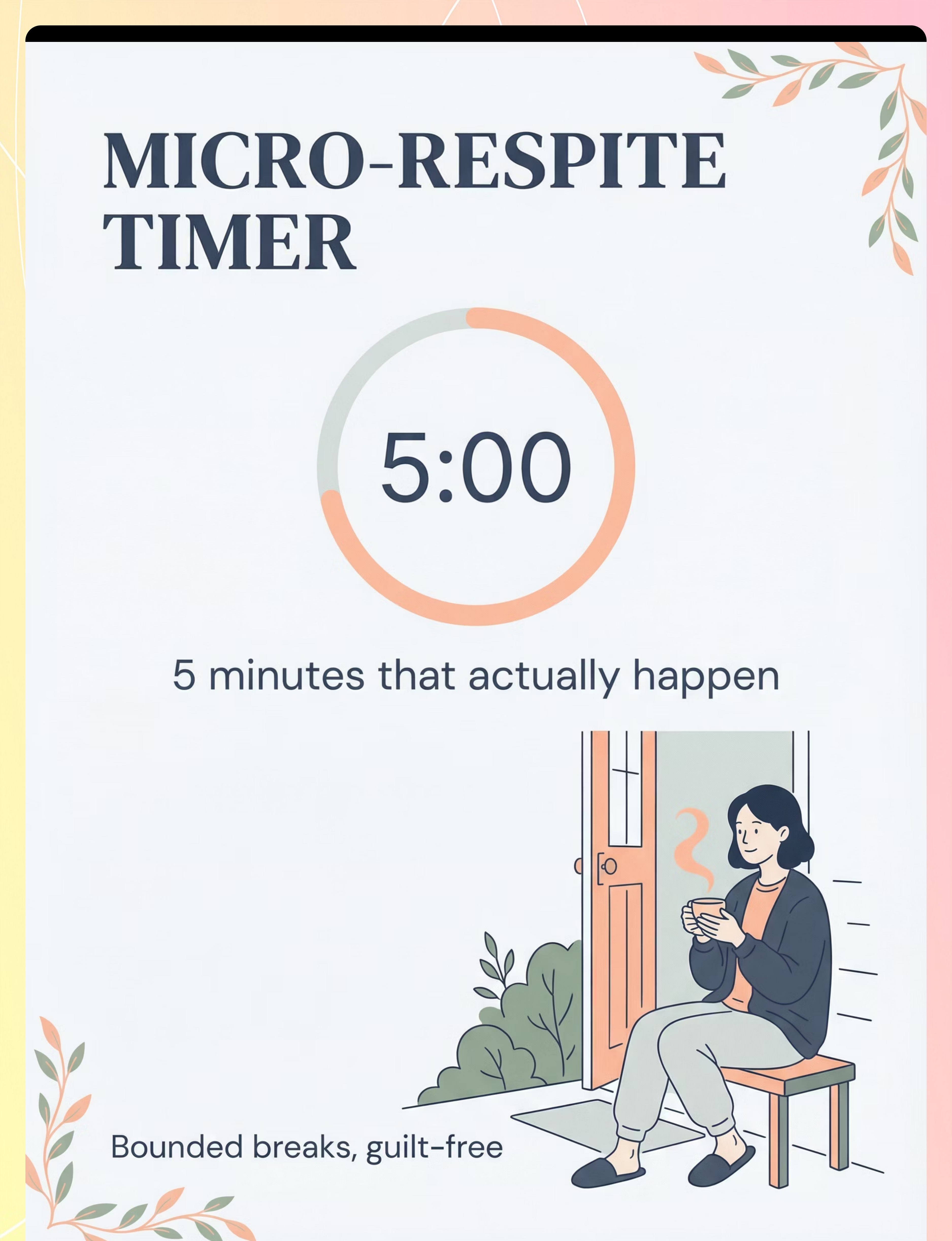
Micro-Respite Timer System
5 minutes that actually happen
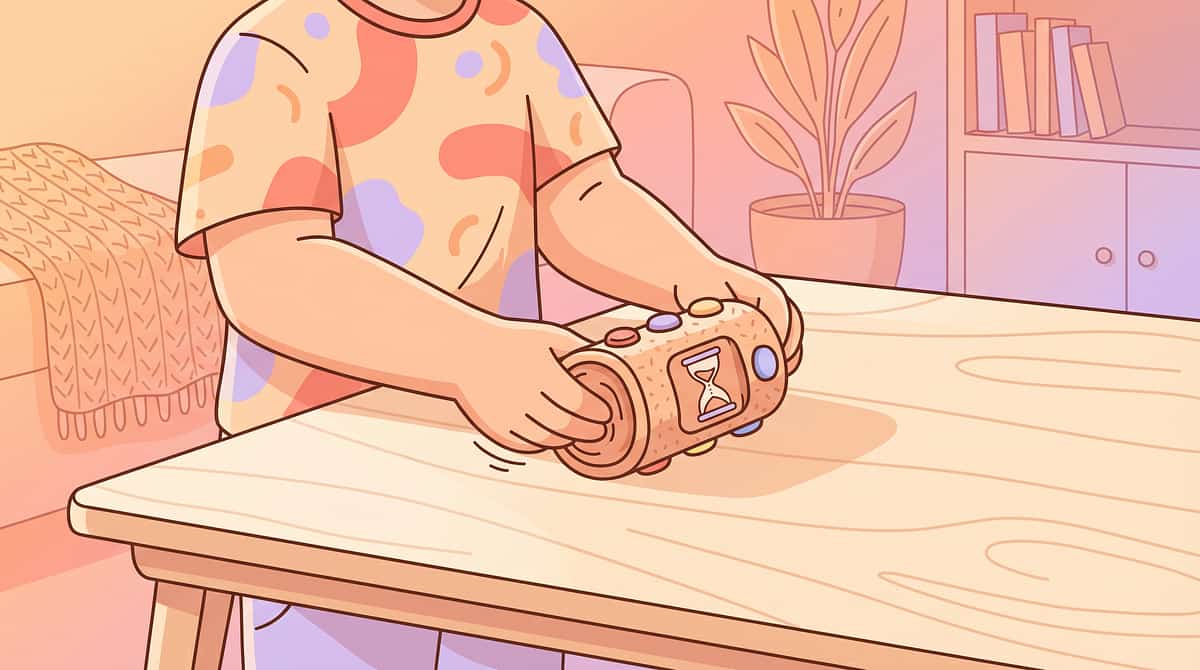
Traditional self-care advice assumes caregivers have hours available. They don't. But almost everyone can find 3–5 minutes. A micro-respite timer system is built on the principle that tiny breaks, taken intentionally and consistently, provide more restoration than waiting for the "spa day" that never comes.
The key is the timer — it makes the break bounded, official, and guilt-free. When the timer starts, that time belongs to you. When it ends, you return to caregiving. The boundaries make the break possible. Research on burnout shows that frequency of breaks matters more than duration — consistent tiny breaks are more effective than rare large ones.

Micro-Respite: Your 5-Minute Restoration Menu
Timer Options
- Visual timer (Time Timer or similar)
- Phone timer with a distinct "respite" alarm tone
- Sand timer — physical and visible
- Kitchen timer
When to Use It
- Child in therapy session
- Child briefly occupied with preferred activity
- During child's screen time
- While child eats or rests
- When partner or helper is present
Sample Respite Menu (pick one, set timer)
- Step outside — feel sun or air for 3 minutes
- Make tea and drink it sitting down
- Put on one song and just listen
- 10 deep breaths with eyes closed
- Text one person something positive
- Look at favorite photos on your phone
- Gentle stretches — shoulders, neck, hands
- Write 3 things you're grateful for
- Step into another room and do nothing
- Eat a snack slowly, actually tasting it
- Pet an animal if you have one
- Read one page of a book
- Brief guided meditation (3–5 min apps)
Key Insight: Consistent tiny breaks outperform rare large ones. Schedule 2–3 micro-respites daily — morning, afternoon, evening. What actually happens matters more than what's ideal.
Safety Note: Micro-respite does not replace genuine rest, mental health treatment, or systemic support. If you cannot find 5 minutes in a day, the issue is systemic — you need more support, not better time management.

Material 2 of 9
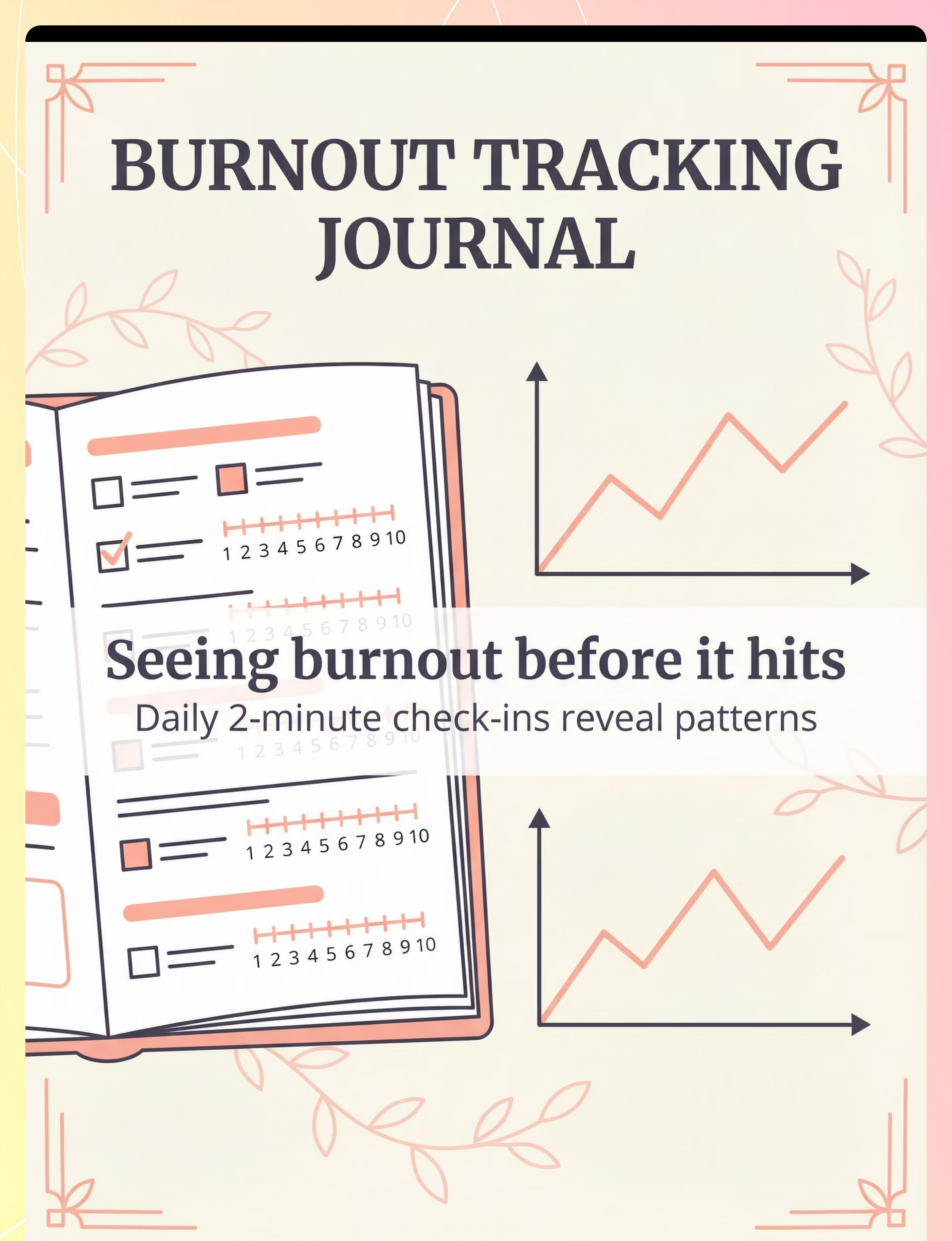
Burnout Tracking Journal
Seeing burnout before it hits
Burnout often creeps up invisibly. By the time caregivers recognize they're burned out, they're deeply depleted. A burnout tracking journal provides early warning by monitoring key indicators over time. It's not a traditional diary — it's a brief, structured daily check-in that takes just 1–2 minutes.
Over weeks and months, patterns emerge. You can see your baseline and notice when you're declining. A score that drops steadily over two weeks signals burnout approaching before it becomes a crisis. The journal also tracks what helps — revealing your personal restoration formula.

Burnout Tracking Journal: Daily Check-In
Daily Check-In (1–2 minutes)
- Energy level: 1–10
- Mood: 1–10
- Patience: 1–10
- Physical symptoms: Headache / Muscle tension / GI issues / Fatigue
- Self-care today: Yes / No — and if yes, what?
- Sleep last night: ___ hours — Poor / Okay / Good
- One word for today: ___
Reading the Data
Weekly review — look for patterns. Are scores declining? Any correlation with sleep? With self-care? With specific events?
🟡 Yellow Flags (Early Warning)
- 3+ days with scores below 4
- Consistent decline over a week
- Physical symptoms appearing
- Self-care consistently "No"
🔴 Red Flags (Burnout Crisis)
- Scores consistently below 3
- Unable to complete the check-in
- Physical symptoms persistent
- Thoughts of "I can't do this anymore"
At red flags — seek support, tell someone, consider professional help immediately.
Key Insight: You can't manage what you don't measure. Awareness of your state is the first step to protecting it.

Material 3 of 9
Emotional Processing Kit
Feeling it without drowning in it
Caregivers often suppress their emotions because there is no time or space to process them. Grief about the diagnosis, frustration with systems, exhaustion, resentment, guilt — these feelings don't disappear when ignored. They accumulate, creating emotional pressure that eventually explodes or implodes.
An emotional processing kit provides simple, accessible tools for releasing emotional buildup in healthy ways. The kit normalizes emotional experience — having the materials acknowledges that these feelings exist and deserve attention. Processing emotions is not weakness; it's maintenance. Like cleaning a wound, it prevents emotional infection.

Building Your Emotional Processing Kit
Writing Tools
- A dedicated venting journal — not your nice one, one that can get messy
- Prompts: "Right now I feel..." / "What I wish I could say is..." / "I'm grieving..."
- A permission slip: "These feelings are valid. Writing them doesn't make them permanent."
Physical Release Tools
- Stress ball or squeeze ball
- Designated pillow for punching
- Clay or playdough for pounding
- Ice cube to hold (grounding through sensation)
Calming & Comfort Tools
- Essential oil that soothes you
- Soft fabric or weighted blanket
- Photos that bring joy or peace
- Playlist of calming music
Key Insight: Emotions that have nowhere to go don't disappear — they accumulate. Brief, regular emotional processing (even 10 minutes) prevents the buildup that leads to breakdown.
Safety Note: This kit is for maintenance processing, not crisis intervention. If you're experiencing persistent depression, anxiety, or suicidal thoughts, please seek help from a mental health professional or crisis line.

Material 4 of 9
Boundaries Script Cards
Words when you're too tired to find them
One major driver of caregiver burnout is difficulty saying no. Caregivers often accept additional demands — from family, schools, therapists, themselves — because refusing feels selfish or impossible. But every "yes" to something is a "no" to something else, often the caregiver's own wellbeing.
Boundaries script cards provide pre-written language for common boundary-setting situations. When depleted, caregivers don't have energy to craft diplomatic refusals in the moment. Having language ready reduces the cognitive load and makes boundaries far more likely. The language is firm but not aggressive, clear but not harsh.

Boundaries Script Cards: Ready Language
1
Declining New Commitments
"Thank you for thinking of me. I'm not able to take that on right now. I hope it goes well."
"My plate is full. I need to say no to this so I can say yes to what I'm already committed to."
2
Asking for Help
"I need help with [specific task]. Could you [specific request] on [specific day/time]?"
"I'm struggling right now. One thing that would really help is [specific thing]."
3
Limiting Family Input
"I appreciate your concern. We've decided to [approach], and I'm not looking for input on that right now."
"Thank you for the suggestion. We're following our care team's recommendations."
4
Protecting Rest Time
"I need [time period] without interruption. Emergencies only."
"Sunday mornings are my rest time. I don't schedule anything then."
Pushing Back on Professionals
"That recommendation doesn't fit our family right now. What's an alternative?"
"We're at capacity. Adding this would mean dropping something else. Help me prioritize."
For Yourself (say out loud)
- "I am allowed to rest."
- "My needs matter too."
- "Saying no to this is saying yes to my survival."
- "I cannot care for anyone if I am completely depleted."
Key Insight: Every "yes" is a "no" to something else. Prepared language makes boundary-setting possible when energy is low.

Material 5 of 9
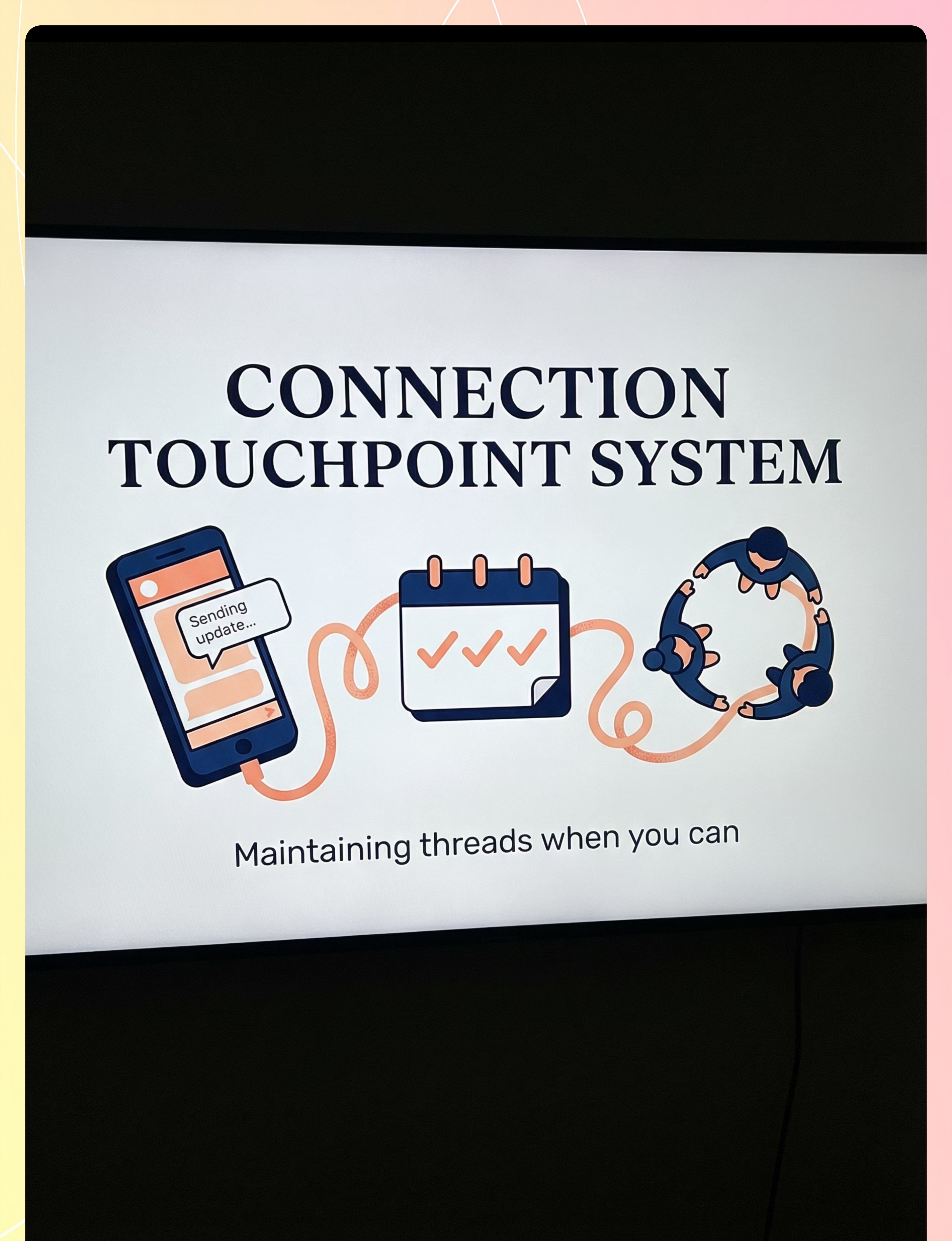
Connection Touchpoint System
Maintaining threads when you can't do more
Isolation is both a symptom and a driver of caregiver burnout. Caregivers often withdraw from social connections due to lack of time, energy, or because friends without similar experiences don't understand. But isolation accelerates burnout, while connection is protective.
A connection touchpoint system structures regular, low-effort moments of connection that maintain relationships even when large social events are impossible. The goal isn't deep conversation every time — it's maintaining the thread so relationships don't atrophy. A quick text saying "thinking of you" counts. A 5-minute voice message while driving counts. Connection doesn't require hours; it requires intention and consistency.

Building Your Connection System
Identify Your People (3–5)
- At least one who "gets it" — another special needs parent
- At least one from "before" — who knew you as more than a caregiver
- Optional: one professional support (therapist, counselor)
Track It Simply
- Name + last contact date on a checklist
- Weekly review: anyone not contacted in 2+ weeks?
- Calendar reminder (Sundays: review connection list)
Low-Effort Connection Templates
- Quick text: "Thinking of you today. Hope you're well."
- Voice message: "No need to respond — just wanted to connect."
- Photo share: Something nice with "made me think of you."
- Honest check-in: "Hard week here. Just wanted to reach out."
Connection Depth Levels
- Maintenance mode: Brief, regular contact — aim monthly with all 5
- Check-in mode: Slightly longer — aim monthly with 2–3
- Deep dive: Scheduled longer call — aim quarterly with 1
Key Insight: Isolation accelerates burnout; connection buffers against it. Low-effort maintained threads beat abandoned friendships.

Finding Your People
If you don't have 3–5 people in your circle — prioritize finding them. General friends matter, but feeling understood about the specific challenges you face is uniquely restorative.
Local Parent Support Groups
Often available through therapy centers, special education schools, and diagnosis-specific organizations in your community.
Online Communities
Parent groups for specific diagnoses (autism, ADHD, rare conditions) provide 24/7 connection with people who truly understand.
Professional Connection
A therapist or counselor provides consistent, professional connection — especially valuable when community support is limited or unavailable.

Material 6 of 9
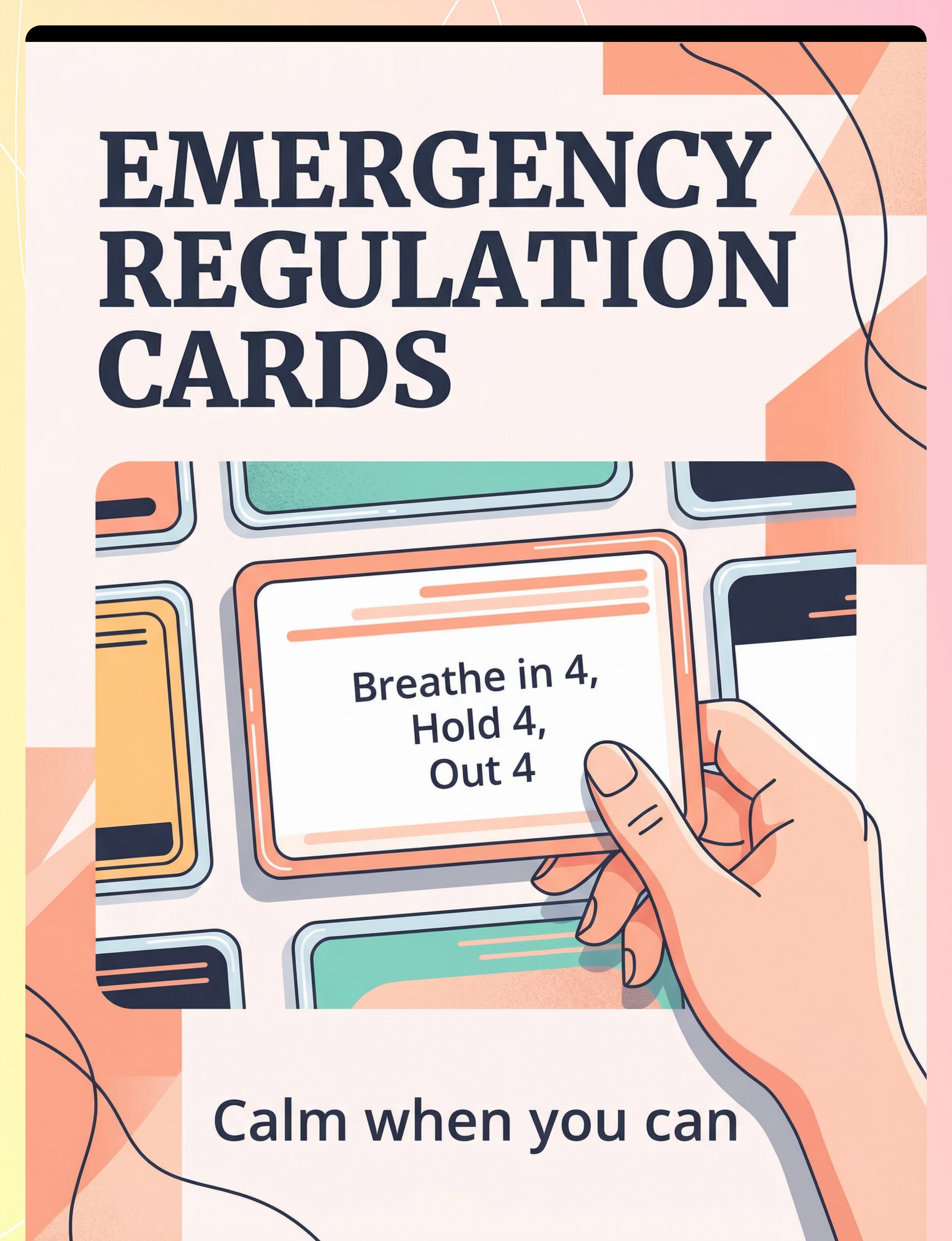
Emergency Regulation Cards
Calm when you can't think straight
Burnout makes caregivers emotionally dysregulated — more reactive, quicker to anger, less able to access calm. In moments of acute overwhelm, the prefrontal cortex (rational brain) goes offline, and caregivers may react in ways they later regret.
Emergency regulation cards provide immediate, in-the-moment interventions that can be accessed when thinking clearly is impossible. Each card contains one simple technique. The physical act of picking up the card can itself be a pattern interrupt — it pulls you out of automatic reaction into deliberate response.

Material 7 of 9
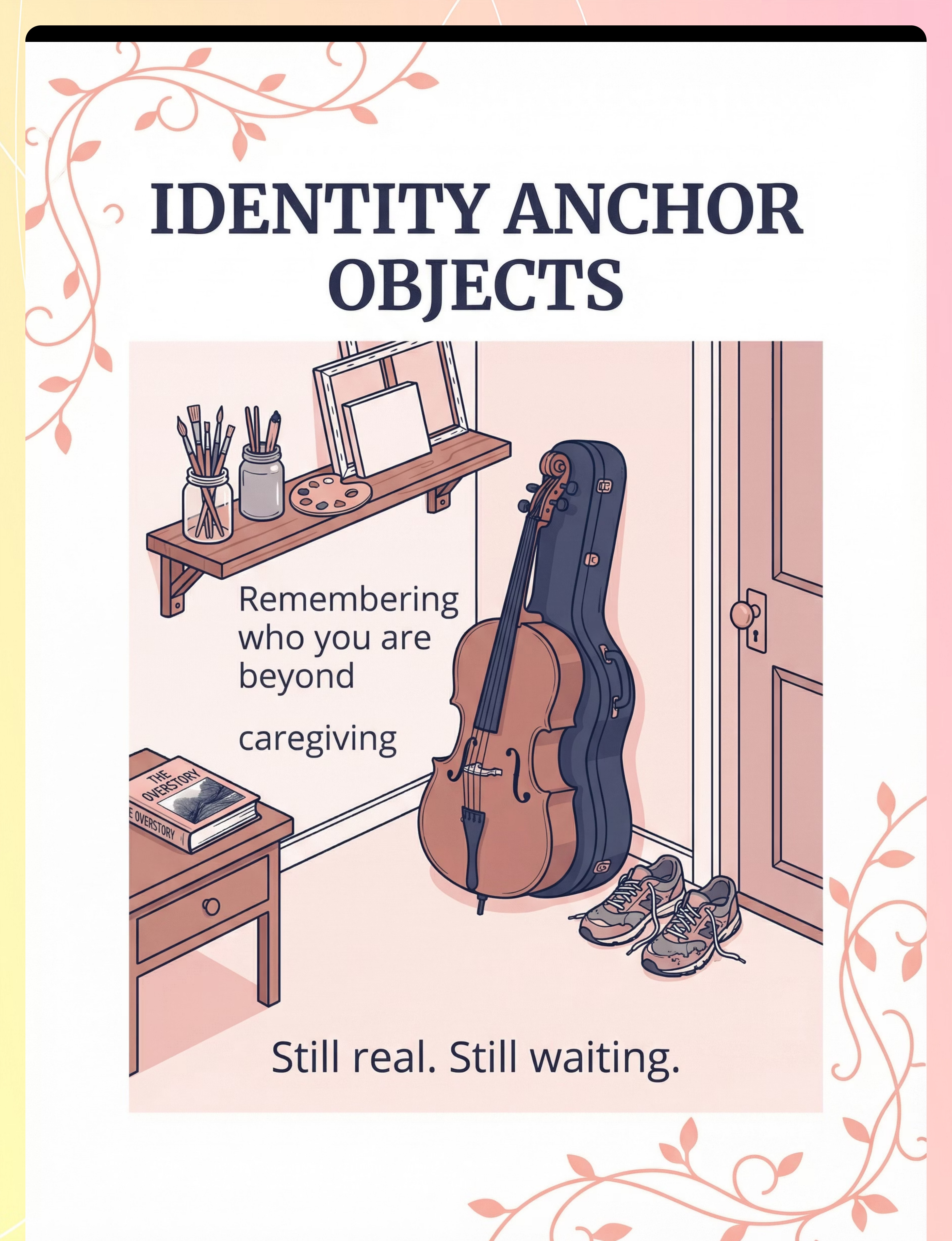
Identity Anchor Objects
Remembering who you are beyond caregiving
One of the most painful aspects of caregiver burnout is identity loss. Caregivers describe forgetting who they were before the caregiving role consumed them. Hobbies abandoned, careers paused, personal interests forgotten — the person who existed before caregiving fades.
Identity anchor objects are physical items that connect caregivers to aspects of themselves beyond the caregiving role. They don't need to be used right now — their presence is the intervention. Seeing them reminds you that you have an identity worth returning to, a self that still exists and is waiting.

Identity Anchors: Finding and Using Them
Reflection Questions
- Who was I before caregiving?
- What did I love doing?
- What was I good at?
- What made me feel like myself?
- What have I given up that I miss most?
- What's the part of me I'm most afraid of losing?
Identifying Objects

Material 7 of 9
Identity Anchors: Finding and Using Them
Practical Ways to Engage
Once you've reflected on your pre-caregiving self, choose physical objects that represent those aspects. Their mere presence serves as a powerful reminder of who you are beyond your current role, offering a mental escape and a connection to your authentic identity.
Old Photo of Yourself
Select a photo from a time when you felt truly "you" — perhaps pre-parenthood or before significant caregiving began. Place it where you'll see it daily as a gentle reminder.
Hobby Relic
Pick a small object connected to a past passion: a paint brush, a musical instrument pick, a travel souvenir. It doesn't mean you have to restart the hobby, just that you remember that part of yourself.
Curated Playlist
Create a playlist of music from your "old life" – songs that evoke specific memories or feelings of who you used to be. Play it when you need a mental reset, even for a few minutes.
Favorite Clothing Item
Choose a piece of clothing you loved wearing when you felt confident or unburdened. Hang it visibly in your closet. Its presence reminds you of a time when dressing for yourself was a priority.
Meaningful Book
Display a book that was significant to a former interest or career. It might be a textbook, a novel, or a collection of poetry. It serves as a testament to your intellectual or creative self.

Material 8 of 9
Caregiver Support Group Map
You are not meant to do this alone
Caregiving can be profoundly isolating, and isolation is a primary driver of burnout. Being understood by peers who truly "get it" is one of the most powerful, evidence-backed antidotes to this pervasive loneliness.
A Caregiver Support Group Map is a personalized toolkit: a curated list of 3-5 go-to support communities, both online and local. These aren't just contacts; they're lifelines, designed to provide immediate, relevant connection when you need it most.
Local Peer Groups
Discover in-person groups through hospitals, community centers, or condition-specific associations. These offer immediate, tangible connection and shared experiences.
Specialized Online Forums
Tap into online communities dedicated to specific diagnoses or caregiving challenges. Find understanding and advice 24/7 from those facing similar journeys.
National Organization Chapters
Many larger organizations have local chapters and online resources, providing a blend of structured support and peer connection.
Key Insight: Being deeply witnessed and affirmed by others who understand your struggles is profoundly neurologically regulating, helping calm the stress response.

Building Your Support Group Map
Creating a personalized map of support communities is crucial for managing caregiver burnout. Identify and evaluate groups that truly resonate with your needs.
Types of Groups to Explore
- Diagnosis-specific parent groups
- Caregiver burnout support groups
- Online communities (e.g., Reddit, Facebook)
- Local respite organizations
- Faith-based caregiver support networks
How to Evaluate a Group
- Does it feel safe and welcoming?
- Are people honest and open?
- Is practical advice and shared experience available?
- Is the group active and engaged?
- Does it leave you feeling better or worse?
It's okay to try several groups before finding your perfect fit. Your comfort and connection are paramount.

Material 9 of 9
The Permission Slip
Giving yourself what no one else will
Many caregivers instinctively wait for someone to tell them it's okay to rest, to grieve, to need help, or to simply not be okay. This internal wait for external validation can perpetuate burnout, as true permission often never arrives.
This material is a literal permission slip—a written document you create for yourself. The psychological power lies in externalizing that permission, making it tangible and undeniable. It helps to silence the inner critic and validate your human needs.
You do not have to earn rest. You do not have to justify your limits. You are allowed to be human.
This is not a luxury. This is a survival tool.

Recovery Is Not Linear
Recovery from caregiver burnout is rarely a straight line. Expect twists, turns, and sometimes, steps backward. There will be days, weeks, or even months where progress feels profound, followed by periods of struggle and doubt.
This fluctuating journey is normal. Your progress is real, even when you encounter harder weeks. Embrace the non-linearity as part of the process, rather than a sign of failure.
You are not failing when you have a hard day. You are human, doing an extraordinarily hard thing.
Signs you are recovering (even when it doesn't feel like it):
- You recognized you were burning out
- You're reading this
- You're trying something new
- You asked for help once
- You rested without finishing everything first

When to Seek Professional Help
While the tools provided are powerful, sometimes burnout progresses to a point where professional intervention is necessary. Recognizing this need isn't a sign of weakness, but profound wisdom. Prioritizing your mental health ensures you can continue to care for yourself and your loved ones.
Warning Signs to Watch For
1
Persistent Hopelessness
Consistent feelings of worthlessness, guilt, or a complete lack of hope for the future.
2
Daily Task Impairment
An inability to perform essential daily tasks, or significant difficulty with concentration and decision-making.
3
Harmful Thoughts
Any thoughts of harming yourself or the person you are caring for. Seek immediate help if this occurs.
4
Emotional Numbness
Complete emotional dissociation, or a pervasive feeling of emptiness and detachment.
Types of Professional Support
Various forms of professional help are available to guide you through severe burnout. Explore these options to find what best suits your situation.
Therapy Options
- Individual Therapy: Personalized guidance for coping strategies.
- Caregiver-Specific Therapy: Focuses on unique challenges of caregiving.
- Trauma-Informed Therapy: Addresses underlying emotional distress.
- Online Therapy Platforms: Convenient access to licensed professionals.
Psychiatric Support
- Medication Evaluation: For managing severe depression or anxiety.
- Burnout-Specific Psychiatry: Tailored treatment plans.
- Crisis Lines: Immediate support for urgent situations.
Pinnacle Blooms Helpline: 9100 181 181

The Guilt Trap
Caregiver guilt is one of the most insidious and damaging emotional experiences in burnout. It's the persistent voice telling you that you're not doing enough, or that your own needs are selfish. This pervasive feeling can prevent you from seeking help and prioritizing your well-being.
1
Guilt for Resting
"I should be doing something."
Reframing: Rest is productive. It's not a luxury; it's essential for sustained care. Recharge enables better, more patient care.
2
Guilt for Resentment
"I love them, so why do I feel this way?"
Reframing: Resentment is a natural response to overwhelming demands and prolonged stress, not a reflection of your love or commitment.
3
Guilt for Needing Help
"Other parents manage."
Reframing: Needing help is a sign of strength, not weakness. Caregiving is a marathon, and no one runs it alone. Every situation is unique.
4
Guilt for Having a Life
"I don't deserve to enjoy things."
Reframing: Joy fuels resilience. Prioritizing moments of personal enjoyment recharges you, benefiting everyone in your care system.

Grief in Caregiving
Caregivers of children with special needs often experience a unique and profound form of grief known as ambiguous loss. This isn't about losing someone physically, but grieving the child they imagined, the typical developmental milestones that won't happen, and the future they had meticulously planned. This complex grief is real, valid, and frequently goes unacknowledged by society.
You can love your child completely and still grieve the life you both didn't get. These are not contradictions.
Understanding the Nuances of Caregiver Grief
1
Anticipatory Grief
The emotional process of mourning future losses or challenges that are feared to be ahead, creating a constant state of anxiety and sadness.
2
Ambiguous Loss
Grief over a loss that lacks closure or clear understanding, such as the loss of an imagined future, a "typical" family life, or a child's full potential.
3
Cumulative Grief
The layering of multiple, often smaller, losses over time (e.g., loss of friendships, career, social life) without adequate time or space to process each one.
4
Disenfranchised Grief
Grief that is not openly acknowledged, publicly mourned, or socially supported, leading to feelings of isolation and invalidation.
Recognizing these forms of grief is crucial. It’s important to understand that grief and love are not mutually exclusive; they can and often do coexist, forming a complex tapestry of emotions in the caregiving journey.
When You're the Only One
For single caregivers – parents navigating this journey entirely alone, without a partner, close family, or a co-parent – burnout takes on a different, often more severe form. This reality demands profound resilience and unique strategies for survival.
You are carrying what was meant for more than one person. That is not a character flaw. That is an impossible situation.
Here are strategies vital for those who bear this immense burden:
Radical Prioritization
ruthlessly identify what absolutely must happen today versus what can genuinely wait. Differentiate between critical care and secondary tasks.
Build Your "Village"
Actively seek and cultivate support. This might include neighbors, community organizations, online networks, or local aid programs. Don't wait for offers; ask for help.
Accept Imperfection
Let go of the illusion of perfection. "Good enough" is often the best you can achieve and is perfectly acceptable. Lower standards in areas that don't directly impact well-being.
Non-Negotiable Recovery
Schedule small, consistent blocks of time for your own rest and mental recharge. Treat these breaks as essential appointments you cannot miss, even if it's just 15 minutes.
Your strength is not measured by how much you endure alone, but by your courage to survive an impossible situation.
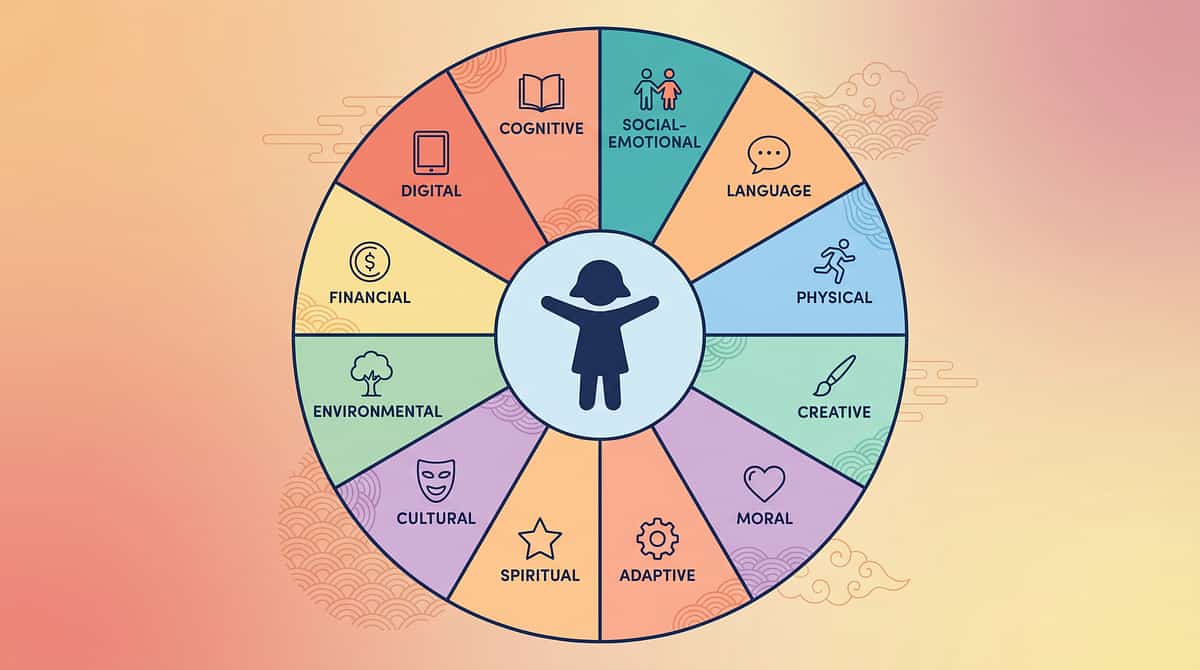
The Siblings Who Get Less
In families with a child requiring intensive care, neurotypical siblings often bear an invisible burden. They may learn to suppress their own needs, receive less direct attention, and carry emotional weight silently. This can lead to profound impacts on their development and well-being, often going unnoticed.
Your other children are watching how you treat yourself. They are learning what they deserve.
Signs a Sibling is Struggling
Withdrawal, acting out, excessive helpfulness, or heightened anxiety can all indicate a sibling is struggling to cope with the family's dynamics.
How to Connect with Them
Prioritize one-on-one time, genuinely ask about their world, and validate their feelings without judgment or comparison.
What to Say to Them
"You matter just as much. I see you. I'm sorry I've been stretched thin, and it's not your fault."
You cannot pour from an empty cup — and neither can they.

What Helps vs. What Doesn't
Caregiving is a unique challenge, and not all advice is created equal. Understanding what genuinely supports your well-being versus what adds to your burden is crucial for survival.
What Actually Helps
- Peer support from people who understand
- Professional therapy
- Micro-respite (5–15 min breaks)
- Reducing cognitive load
- Naming and validating emotions
- Asking for specific help
- Lowering standards strategically
What Doesn't Help (Despite Good Intentions)
- Being told to "just relax"
- Generic self-care advice (bubble baths, yoga)
- Being compared to other caregivers
- Unsolicited advice from non-caregivers
- Toxic positivity ("at least...")
- Being told you're "so strong"
Knowing the difference saves energy you don't have to waste.

Compassion Fatigue vs. Burnout
Understanding the distinction between compassion fatigue and burnout is crucial for caregivers. While often co-occurring, they stem from different sources and manifest in unique ways, requiring tailored approaches to recovery.
Compassion Fatigue
- Secondary traumatic stress from absorbing a loved one's pain.
- Emotional numbing and reduced empathy.
- Intrusive thoughts about the child's suffering.
- Feeling hopeless about their future.
Burnout
- Exhaustion from chronic overwork and under-resourcing.
- Cynicism, detachment, and reduced effectiveness.
- Physical depletion and overwhelming fatigue.
- Feeling ineffective despite effort.
It's possible to experience both simultaneously. Both conditions are treatable, but they require different interventions and strategies to address their distinct root causes.
Compassion fatigue is not a sign you love them less. It is a sign you have given everything you have.

Respite Care: What It Is and How to Access It
Respite care — temporary relief for caregivers — is one of the most evidence-backed interventions for burnout prevention. Despite its proven benefits, most caregivers rarely utilize this vital resource. Understanding the types and access points is the first step towards embracing this crucial support.
In-Home Respite
A trained professional provides care for your loved one directly in your home, allowing you to step away without relocation.
Out-of-Home Respite
Your child temporarily stays at a specialized facility, host family, or short-term residential program for comprehensive care.
Emergency Respite
Crisis-based, short-term care available during unexpected situations or emergencies, offering immediate support when needed most.
Community-Based Respite
Includes day programs, after-school care, or specialized recreational activities that offer supervision and engaging experiences.
How to Access Respite
- Contact your state's developmental disability agency.
- Ask your child's therapy team or social worker for recommendations.
- Search the ARCH National Respite Network for local providers.
- Check Medicaid waiver programs for eligibility and funding.
- Connect with your local autism or disability organization for resources.
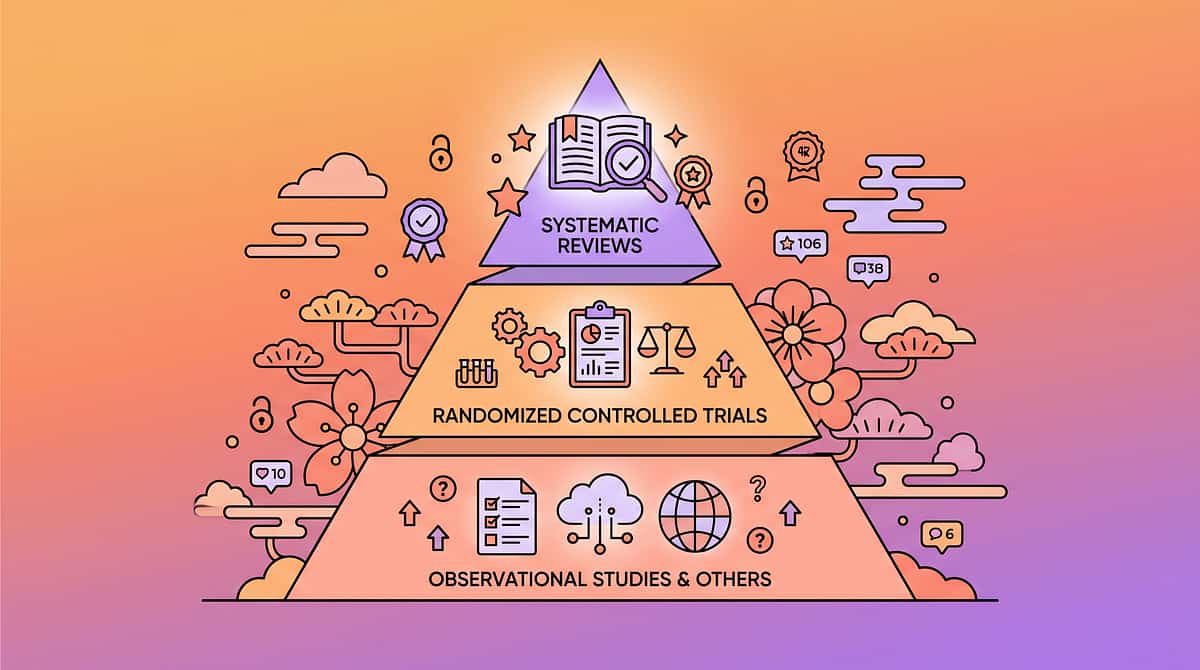
Celebrating Small Wins
As a caregiver, it often feels like there's always more to do, more to worry about, and more to fix. This constant state of vigilance can lead to a negativity bias, making it hard to acknowledge progress. However, celebrating small wins—even tiny ones—is neurologically crucial. It activates your brain's reward system, builds resilience against chronic stress, and helps you recognize your invaluable efforts.
Your child had a good day.
Finding moments of joy, however brief, makes a huge difference.
You got through a hard appointment.
Navigating tough situations takes immense strength and emotional labor.
You asked for help.
Recognizing your limits and seeking support is a sign of wisdom, not weakness.
You rested without guilt.
Prioritizing your well-being allows you to show up more effectively for others.
You made it through the week.
Every week successfully completed is a testament to your endurance and dedication.
The Daily Win Practice
Each evening, take a moment to name one thing that went okay during the day. It doesn't have to be perfect, just "okay." This simple practice trains your brain to notice positive moments and appreciate your resilience.
"You are doing more than you know. Let yourself know it."

The Long Game: Planning for the Future
The uncertainty of what lies ahead is a major source of anxiety for caregivers. Questions about your child's adult life, who will provide care if you cannot, or what happens after you're gone, can feel overwhelming. Proactive planning helps transform this anxiety into actionable steps, creating a secure future for your loved one.
Legal Planning
Establish special needs trusts, guardianship, and a letter of intent to ensure your child's well-being and wishes are respected.
Financial Planning
Explore ABLE accounts, life insurance, and government benefits to secure long-term financial stability for your child.
Transition Planning
Prepare for adult services, supported living options, and potential employment to support your child's independence.
Community Planning
Cultivate a network of trusted individuals and organizations who will know and support your child when you're no longer able to.
Planning for the future is not giving up. It is the deepest act of love.
This journey can seem daunting, but you don't have to tackle everything at once. Start with one small step, focusing on what you can accomplish today. Each action builds momentum toward a more secure tomorrow.

What Caregivers Need to Hear
What you are doing is extraordinary.
Your child is lucky to have someone who fights this hard for them.
You are allowed to not be okay.
Needing help is not weakness — it is wisdom.
You have not failed. You are exhausted. These are different things.
You matter. Not just as a caregiver. As a person.

Caregiver Wellbeing & Family Support – Episode 883
Resources & Support
You're not alone on this journey. A wealth of resources and support networks are available to help you navigate the challenges of caregiving and ensure your well-being. Finding the right support can make a significant difference in your daily life and long-term resilience.
Crisis Support
Immediate help is available. Contact Pinnacle Blooms Helpline at 9100 181 181 or visit pinnacleblooms.org for urgent assistance and guidance.
Peer Support
Connect with others who understand your experiences. Explore NAMI Family Support Groups, the Autism Society of America, or local parent groups for shared insights and community.
Respite Care
Take essential breaks to recharge. Discover temporary relief options through ARCH National Respite Network, state DD agencies, and various Medicaid waiver programs.
Financial Aid
Secure long-term financial stability for your child. Investigate SSI, ABLE accounts, state disability programs, and special needs trusts for comprehensive planning.
Professional Help
Prioritize your mental and emotional health. Utilize Psychology Today's therapist finder, seek caregiver-specific therapy, or explore convenient online therapy platforms.

A Letter to the Caregiver
"You didn't sign up for this version of parenthood. You signed up for love, and love brought you here — to the appointments, the meltdowns, the paperwork, the sleepless nights, the grief, the advocacy, the impossible decisions. You have given more than most people will ever be asked to give. And you have done it while running on empty, while being misunderstood, while holding it together for everyone else. You are not failing. You are surviving something extraordinarily hard. And you deserve support, rest, and care — not someday, not when things calm down. Now. You matter. Please don't forget that."
With deep respect,
Pinnacle Blooms

The Invisible Labor of Caregiving
Caregiving demands an immense amount of "invisible labor" – the mental, emotional, and logistical work that often goes unseen, uncounted, and unacknowledged. This hidden workload significantly contributes to caregiver burnout, as it's a constant, cognitive burden beyond the physical tasks.
Holding the entire medical history in your head.
Anticipating meltdowns before they happen.
Researching every new therapy and intervention.
Managing the emotional climate of the entire household.
Translating your child's needs to every new person they meet.
Carrying the grief, fear, and hope simultaneously.
This labor is real. It is exhausting. And it deserves to be named.

Joy Is Not Betrayal
Many caregivers often grapple with a profound sense of guilt when joy surfaces amidst their demanding lives. It can feel like a betrayal, as if experiencing happiness diminishes their child's struggles or implies a lack of care. This internal conflict is a common cognitive distortion that undermines caregiver well-being.
"Your joy does not diminish your child's pain. Your laughter does not mean you've forgotten. Your happiness is not a betrayal — it is a lifeline."
Embrace the moments of brightness. Here are four types of joy you are allowed to cherish:
Joy in Small Moments
A perfect cup of coffee, a captivating book, the warmth of a sunset, or a funny show can bring simple, restorative pleasure.
Joy in Connection
Sharing laughter with a friend, feeling truly understood, or finding solidarity in a community can replenish your emotional reserves.
Joy in Achievement
The satisfaction of completing a task, solving a persistent problem, or achieving a personal goal, no matter how small, is deeply validating.
Joy in Your Child
Those precious, unique moments that remind you why you dedicate so much – a smile, a hug, a new skill learned – these are your anchor.
Let yourself feel it. All of it.
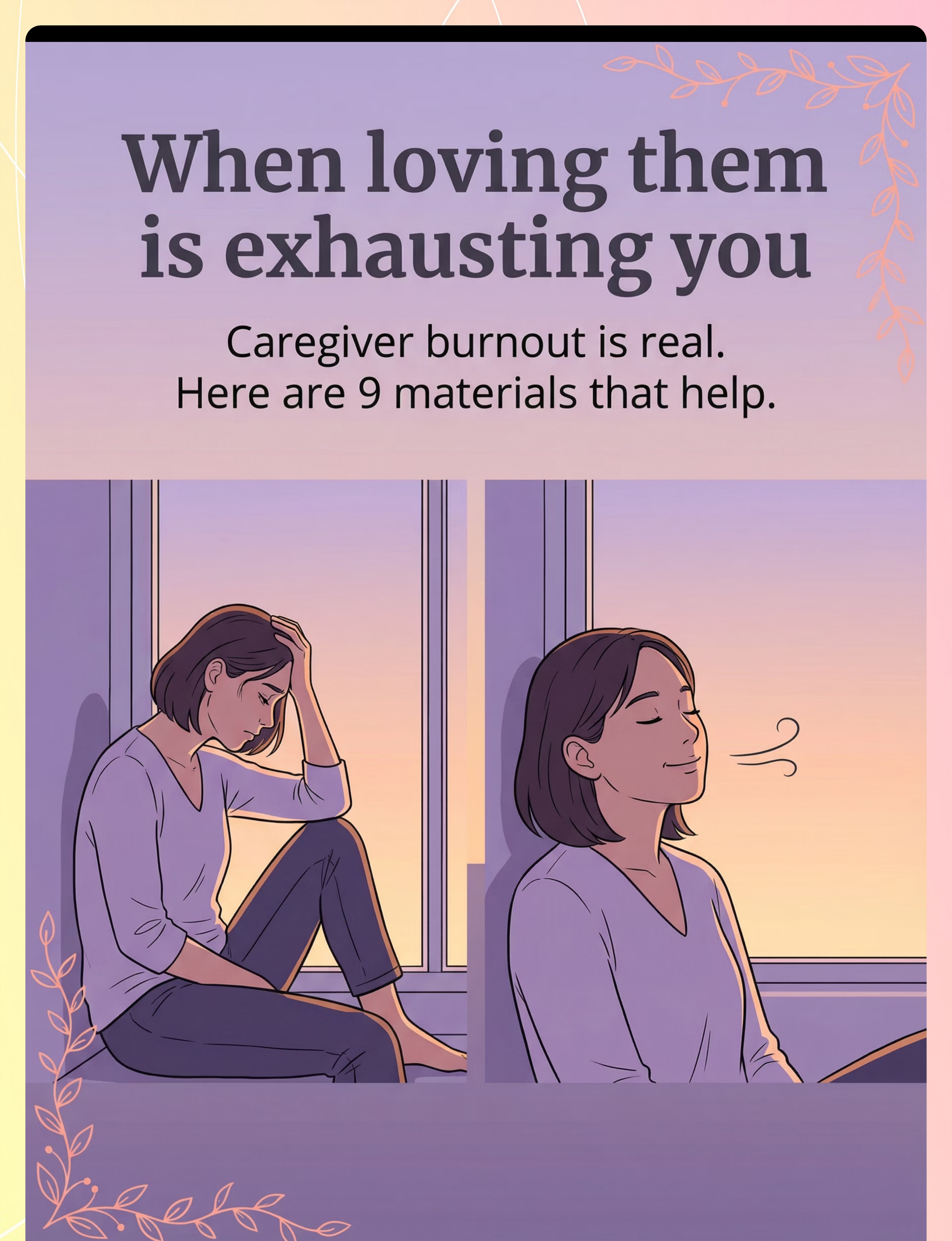
Preview of 9 materials that help with caregiver burnout Therapy Material
Below is a visual preview of 9 materials that help with caregiver burnout therapy material. The pages shown help educators, therapists, and caregivers understand the structure and content of the resource before use. Materials should be used under appropriate professional guidance.






Link copied!

You Are Not Alone
Somewhere right now, another caregiver is awake at 3am, just like you. Another parent is sitting in a waiting room, filling out the same forms, fighting the same battles, loving the same impossible, beautiful, exhausting love. You are part of a community of people who understand — even if you haven't met them yet.
Website: pinnacleblooms.org | Helpline: 9100 181 181
Caregiver Wellbeing & Family Support – Episode 883
Reach out. We're here.