

Your child's mouth is speaking the only language available right now. D-382 gives them 9 better ones. Evidence-based biting behavior intervention for children ages 1–6, validated across 70+ Pinnacle centers and 20M+ therapy sessions.

You Are Among Millions of Families Navigating This Exact Challenge
Biting in early childhood is one of the most universal — and most distressing — developmental behaviors parents face. Research from the National Association for the Education of Young Children documents that biting peaks between 18 months and 3 years, precisely because this is when children experience the strongest emotions with the least verbal vocabulary to express them. Your child is not an anomaly. They are on a predictable developmental arc — and that arc has a clear forward path.
Bite at Least Once
of toddlers in group care settings bite at least once during early childhood
Peak Age
when feelings are enormous and words are tiny — the highest-risk window
Improvement Rate
among children receiving structured behavior intervention across Pinnacle Network

The Neuroscience of Biting: Why the Mouth Moves Faster Than the Mind
The Oral Motor-Emotion Circuit
In toddlers aged 18 months to 3 years, the prefrontal cortex — the brain's impulse control center — is the least developed region. Meanwhile, the amygdala (emotional alarm system) fires with full adult intensity. When a child is overwhelmed by frustration, excitement, or sensory overload, the emotional signal reaches the highly-wired oral motor system before it reaches the language centers. This is not defiance. This is not aggression in the adult sense.
The mouth is the most neurologically dense sensory organ in early childhood — it processes more sensory information per nerve than fingers or hands. For many children, especially those with oral sensory seeking profiles, biting delivers intense proprioceptive feedback that momentarily discharges overwhelming arousal.
The Communication Gap
Most toddlers who bite can feel the frustration but cannot yet name it, request help with it, or deploy verbal language fast enough to prevent the physical response. The bite is communication — imprecise, harmful, but functionally purposeful.
It says: "That's mine," "I'm overwhelmed," "I need sensory input," or "Stop."
This is a developmental timing issue, not a character flaw. The brain catches up — and the right materials accelerate that process.

Your Child Is Here. Here Is Where We're Heading.
Understanding where biting sits on the developmental arc helps caregivers respond with precision rather than panic. Every age band has a different clinical meaning — and a different recommended response.
18mo – 2yr: Normal & Expected
Most intense biting phase. Maximum feelings, minimum words, zero impulse inhibition. Intervention now = prevention of entrenchment.
2yr – 3yr: Common but Addressable
Language begins to emerge. With structured support, biting typically decreases as communication alternatives take hold. This is the prime intervention window.
3yr – 4yr: Requires Investigation
Persistent biting beyond age 3–4 may indicate communication delays, oral sensory processing differences, or behavioral patterns requiring functional assessment.
4yr – 6yr: Professional Consultation
Ongoing biting at this stage warrants comprehensive evaluation. Early professional engagement now dramatically improves long-term outcomes.

Clinically Validated. Home-Applicable. Parent-Proven.
D-382 is not a collection of tips. It is a multi-layered behavioral intervention grounded in the highest levels of clinical evidence. Four landmark bodies of research form its foundation.
Functional Communication Training (FCT) — Cochrane-Level Evidence
FCT — replacing challenging behavior with a functional communicative equivalent — has the strongest evidence base of any behavior-analytic intervention for biting. Multiple systematic reviews confirm ≥70% reduction in target behaviors when correctly implemented. Source: Behavior Analysis in Practice + BACB literature (2023)
Oral Sensory Intervention — Systematic Review (2024)
16 studies (2013–2023) confirm sensory-based oral motor interventions meet criteria as evidence-based practice for children with ASD. Chewy tools and oral motor programs show measurable reduction in oral seeking behaviors. Source: PMC11506176 | Children, 2024
Positive Behavior Support — Meta-Analysis (2024)
24 studies confirm PBS-based approaches (reinforcement systems, visual supports, environmental modification) effectively reduce biting and aggression in early childhood populations. Source: PMC10955541 | World J Clin Cases, 2024
India RCT (Padmanabha, 2019)
Home-based structured interventions in Indian pediatric populations demonstrate significant behavioral outcomes when parent-administered protocols are used. Source: DOI: 10.1007/s12098-018-2747-4 | Indian Journal of Pediatrics
Therapy Sessions
across the Pinnacle Network
Measured Improvement
in behavioral readiness indexes
Centers
operating under GPT-OS® clinical standards
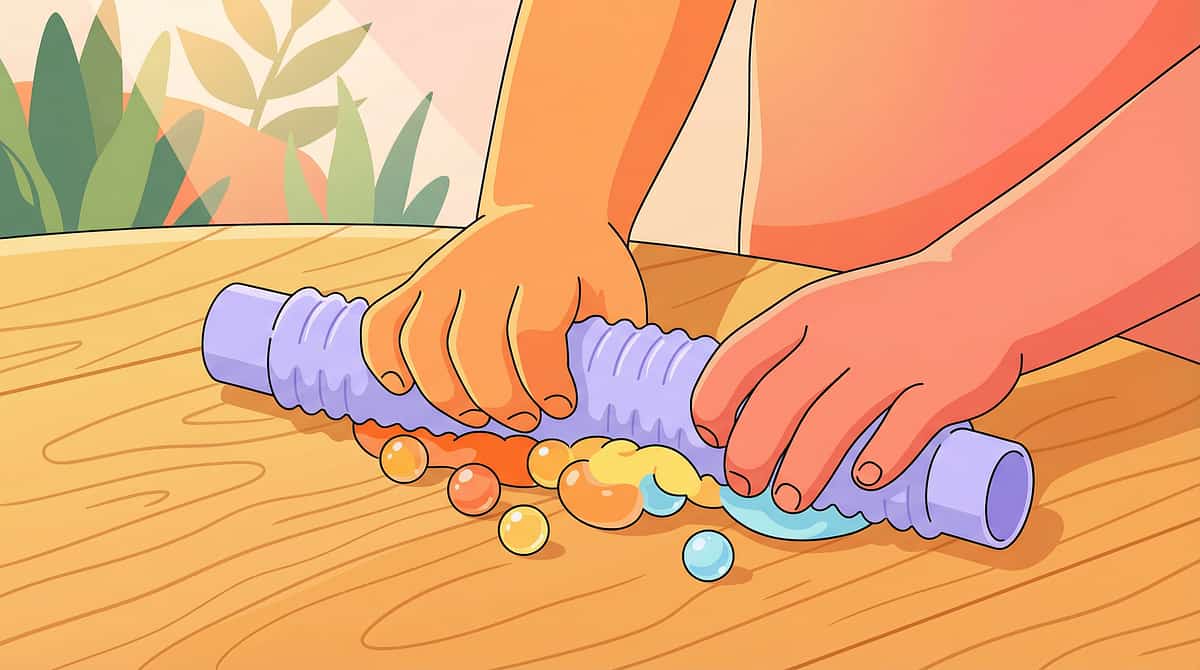
D-382: Biting Others Intervention
"Functional Replacement Training for Oral-Aggression Behavior"
Parent-Friendly Alias: "Give the Mouth Somewhere Better to Go"
What It Is
A multi-material behavioral intervention approach that simultaneously addresses the three root causes of biting behavior — sensory seeking (the mouth needs input), communication failure (the child can't express the message any other way), and emotional dysregulation (the child's arousal exceeds their self-regulation capacity). Rather than punishing the biting behavior, this approach provides 9 clinically-selected materials that meet the same underlying needs through safer, socially-acceptable alternatives.
What It Does
Reduces biting frequency by addressing root function; teaches replacement behaviors the child can use instead; builds emotional vocabulary, communication capacity, and self-regulation skills; creates a home environment structured for prevention rather than reaction.
Who It's For
Children aged 1–6 who bite siblings, peers, or adults in response to frustration, sensory need, communication failure, transitions, or excitement — regardless of diagnostic status.
Taxonomy
📁Domain: D — Behavior Analysis & PBS
🔬Sub-domain: BEHAV-BITE
👶Age Range: 1–6 years
⏱Duration: 5–20 min sessions, integrated throughout day
🔄Frequency: Multiple times daily
📊Evidence Level: II — Systematic Reviews + Large Clinical Data

Five Disciplines. One Child. Converged in Your Home.
Biting crosses therapy boundaries because it has sensory, communicative, emotional, and behavioral dimensions simultaneously. The Pinnacle FusionModule™ coordinates all five disciplines into a single converged plan — so your home program is coherent, not fragmented.
ABA/BCBA — Primary Lead
Conducts Functional Behavior Assessment (FBA) to identify WHY the child bites. Designs the Behavior Intervention Plan (BIP) with replacement behaviors, reinforcement schedules, and trigger modification. Trains parents in consistent implementation.
Occupational Therapist (OT)
Assesses oral sensory profile — seeking, avoiding, or both. Selects chewy tubes by resistance level. Designs sensory diet to meet oral needs proactively. Addresses fine motor and self-regulation components.
Speech-Language Pathologist (SLP)
Evaluates expressive language capacity. Designs communication replacement system (picture cards, sign language, AAC). Ensures the communication alternative is FASTER and EASIER than biting.
Special Educator (SpEd)
Develops social stories specific to the child's biting triggers. Structures visual schedules for school/home. Trains teachers and staff in consistent response protocols.
NeuroDev Pediatrician
Rules out medical contributors to biting (dental pain, GI discomfort, medication effects). Reviews developmental trajectory. Coordinates with the multi-disciplinary team.
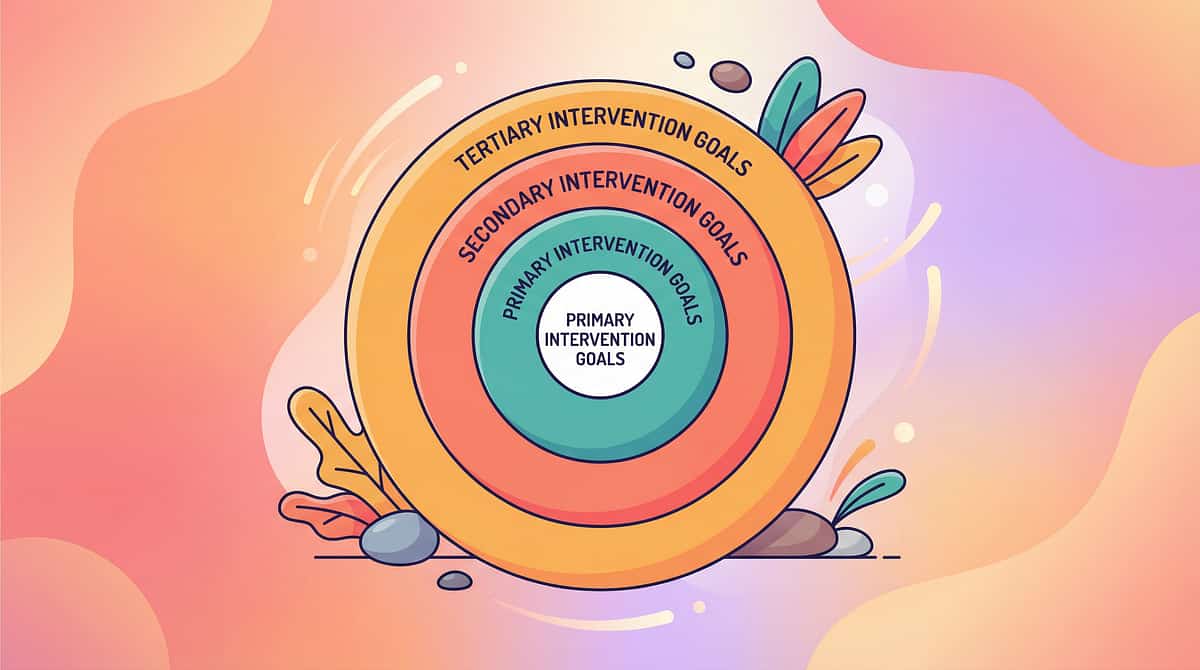
Precision Intervention. Not a Random Activity.
D-382 targets behavior at three concentric levels — from eliminating biting itself, to building the communication and regulation systems that make biting permanently unnecessary.
🎯 Primary Target
Biting Behavior Elimination — zero bite incidents during peer play; child redirects to chewy tube when oral urge occurs.
🎯 Secondary Targets
Functional Communication Development + Oral Sensory Regulation — child uses card or sign before biting threshold; independently seeks chewy tool.
🎯 Tertiary Targets
Emotional Vocabulary • Social Skills • Self-Regulation • Transition Management — child names feelings, uses gentle touch, accesses calm-down tools independently.
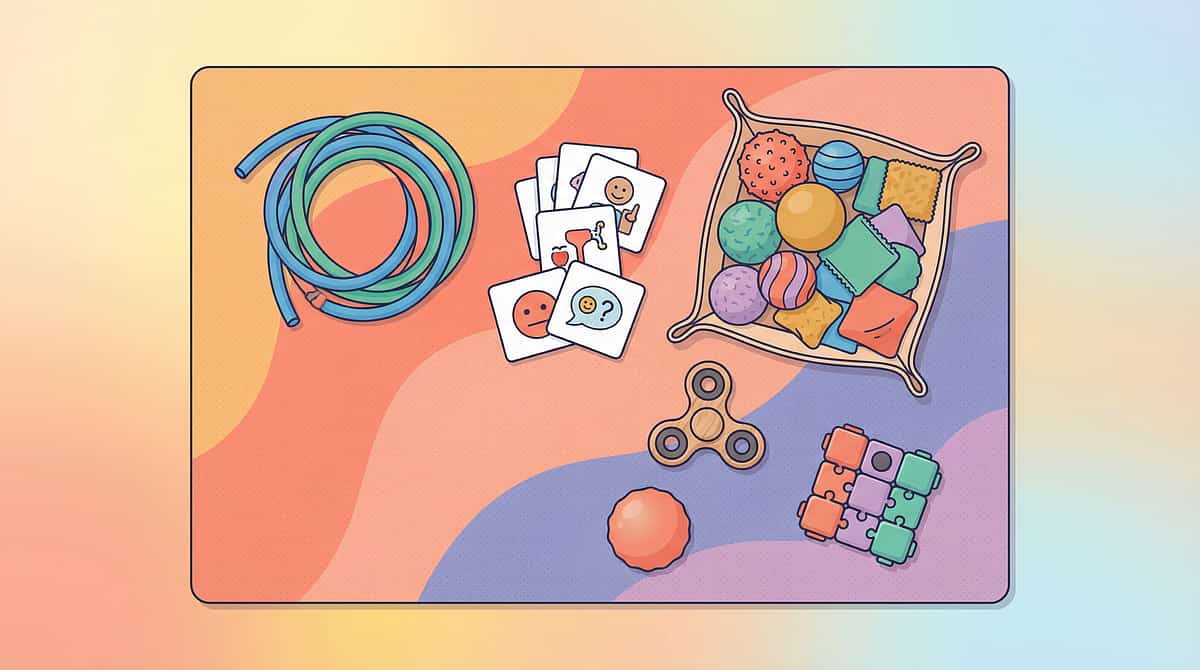
9 Materials That Replace Biting — Here's What to Get First
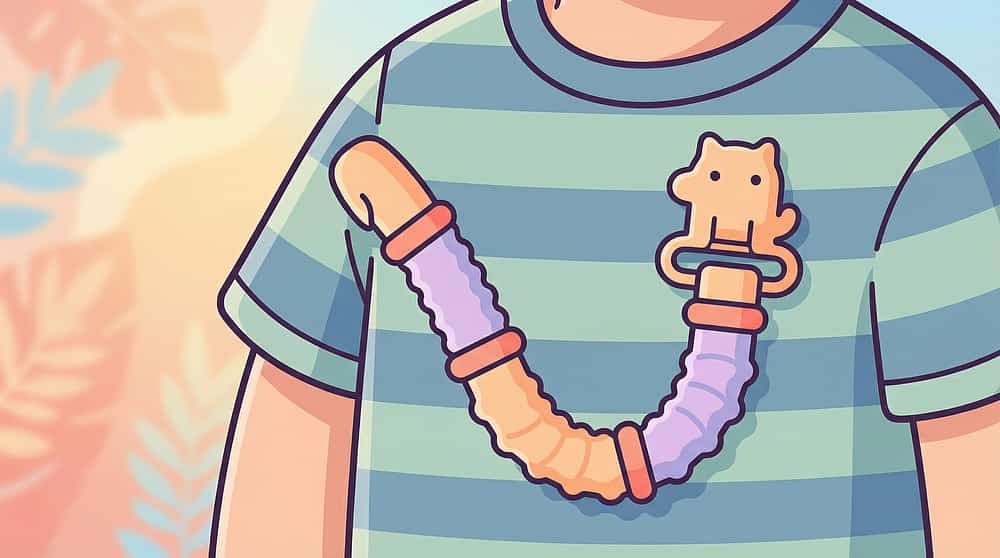
1. Chewy Tubes & Oral Sensory Tools
📦 Oral Motor Materials (Sensory) | 💰 ₹200–600
Provides the same intense proprioceptive jaw feedback as biting a person — safely. Available in multiple resistance levels. Must be food-safe, non-toxic, BPA-free silicone. Pinnacle Recommends: Firm resistance for sensory seekers. Replace when worn or torn.
2. Communication Cards & Picture Exchange Systems
📦 Communication Tools / AAC | 💰 ₹100–400
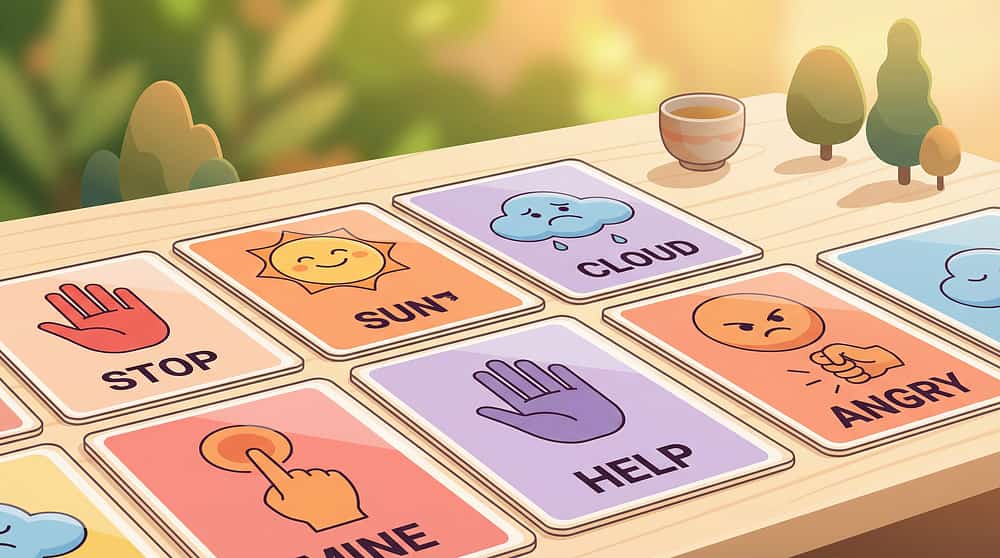
Biting happens when words fail or are too slow. Communication cards give children ready-made messages — mine, stop, help, angry — they can hand over instead of biting. Core card set: MINE | STOP | HELP | I'M ANGRY | I WANT ___

3. Feeling Identification Books & Emotion Visuals
📦 Emotion Regulation / SEL Materials | 💰 ₹150–500
Children bite when overwhelmed by feelings they can't name. Emotion books build the vocabulary that creates the pause between feeling and action — the critical gap where intervention lives.
4. Social Stories About Biting & Alternatives
📦 Social Stories / Narrative-Based Intervention | 💰 ₹150–500
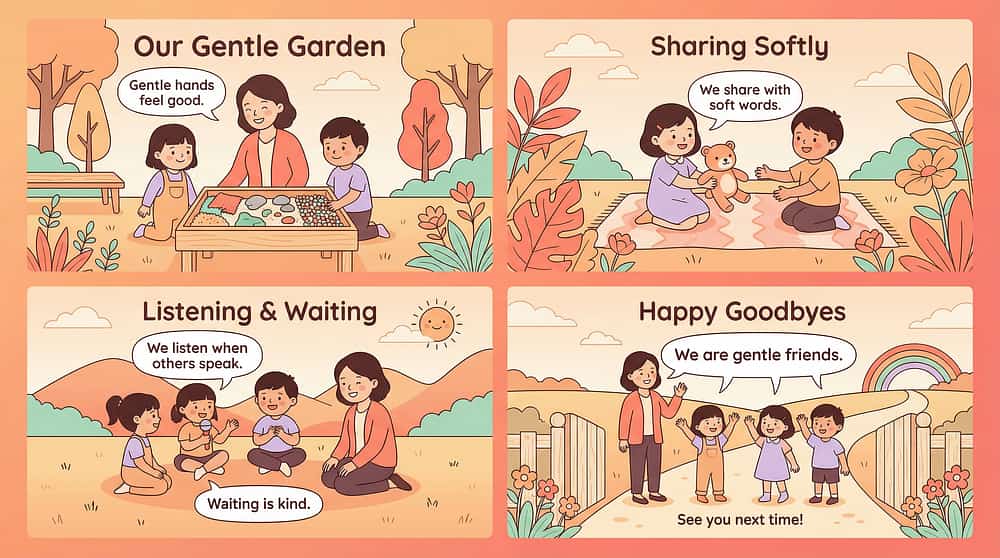
Social stories create cognitive scripts. Daily reading builds the neural pathway for "when I feel like biting, I can ___." When the moment comes, the brain already has a script ready to deploy.

5. Calm-Down Kit & Regulation Tools
📦 Self-Regulation Tools / Sensory Tools | 💰 ₹300–800
Biting peaks when arousal is highest. Calm-down tools used at early escalation interrupt the pathway before it reaches the mouth. The kit must be accessible before crisis — not during it.
9 Materials — Continued
6. Visual Schedules & Predictability Supports
📦 Visual Supports / Schedule Systems | 💰 ₹100–400
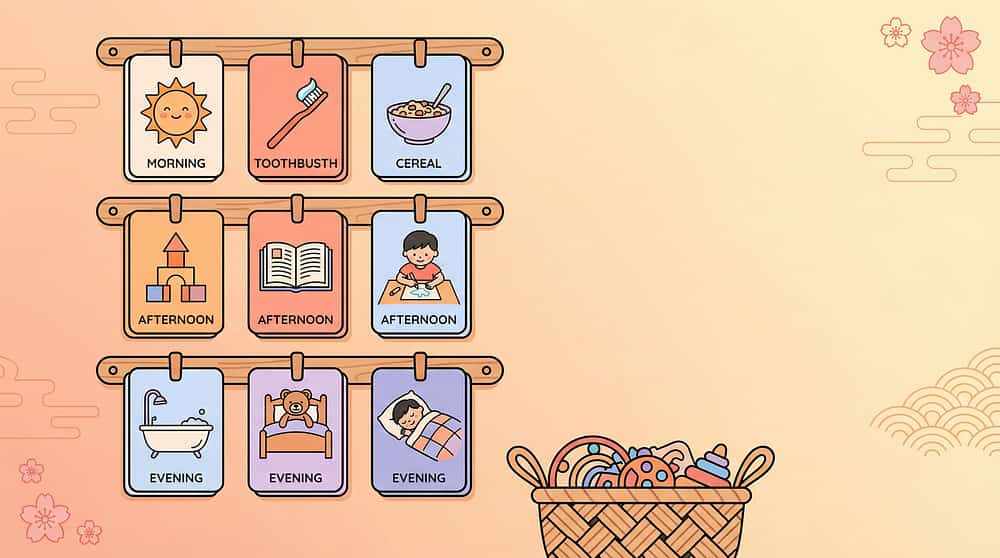
Transitions and unpredictability trigger biting. Visual schedules reduce anxiety by making the day predictable — anxiety down, biting down. Post at the entrance; review every morning and before every transition.
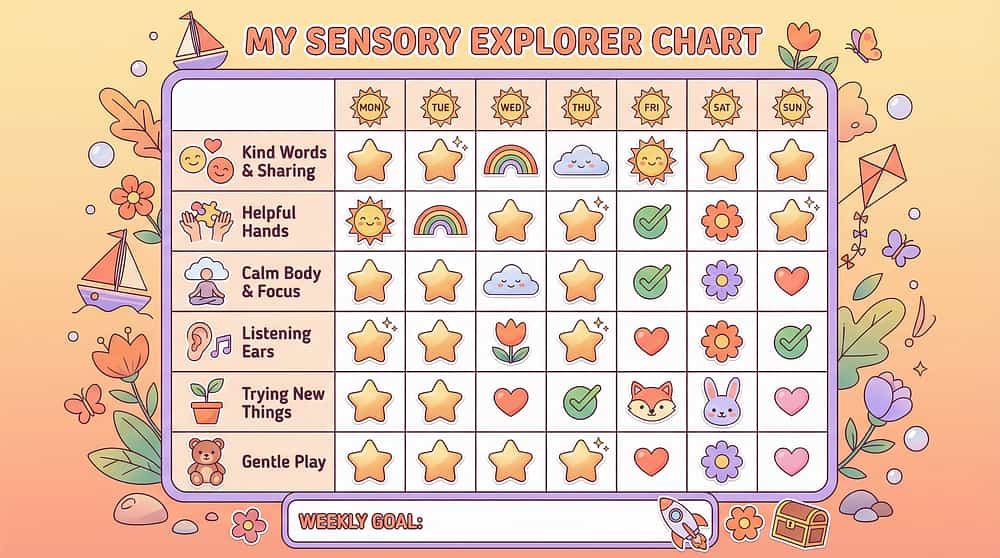
7. Reinforcement Systems for Non-Biting
📦 Reinforcement Menus (Active Pinnacle Canon SKU)
💰 ₹364 — 1800+ Reward Stickers Book | 💰 ₹589 — Rosette Imprint Reward Jar
Behavior that is reinforced increases. Token boards and sticker charts make gentle behavior visibly, immediately, and meaningfully rewarding — more rewarding than biting ever was. 🏅Pinnacle Recommends — Clinically Validated SKU
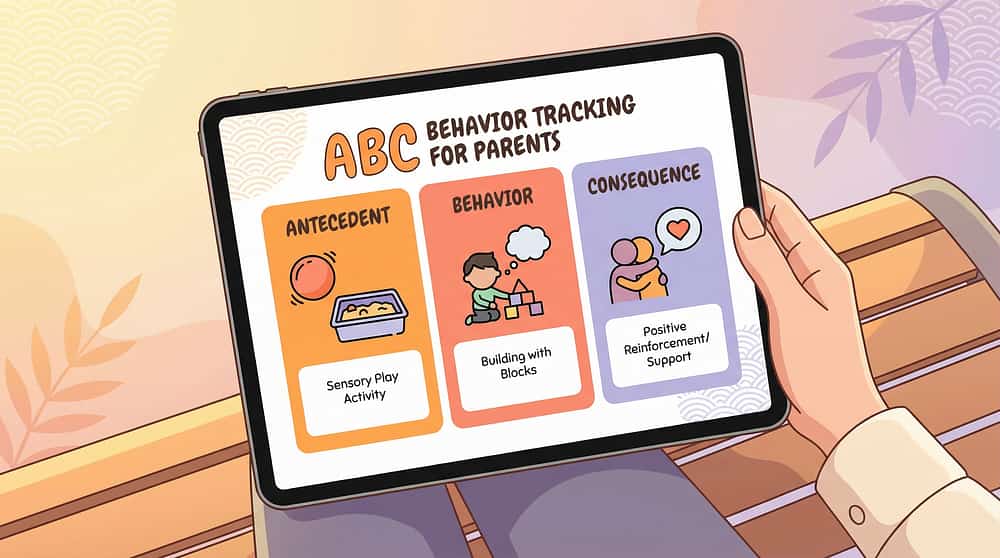
8. Trigger Identification & Prevention Visuals
📦 Behavior Analysis / ABC Data Tools | 💰 ₹100–300
Biting is often predictable. Knowing the trigger (time of day, specific peer, transition point) allows prevention before the bite. Prevention is always more effective than reaction — this tool makes it possible.

9. Gentle Touch & Alternative Behavior Teaching Tools
📦 Transition Objects / Comfort Items (Active Pinnacle Canon SKU)
💰 ₹425 — Animal Soft Toys for Practice
Children need to know what TO DO, not just what not to do. Dolls and stuffed animals allow daily rehearsal of gentle touch before applying in real peer situations. 🏅Pinnacle Recommends — Clinically Validated SKU
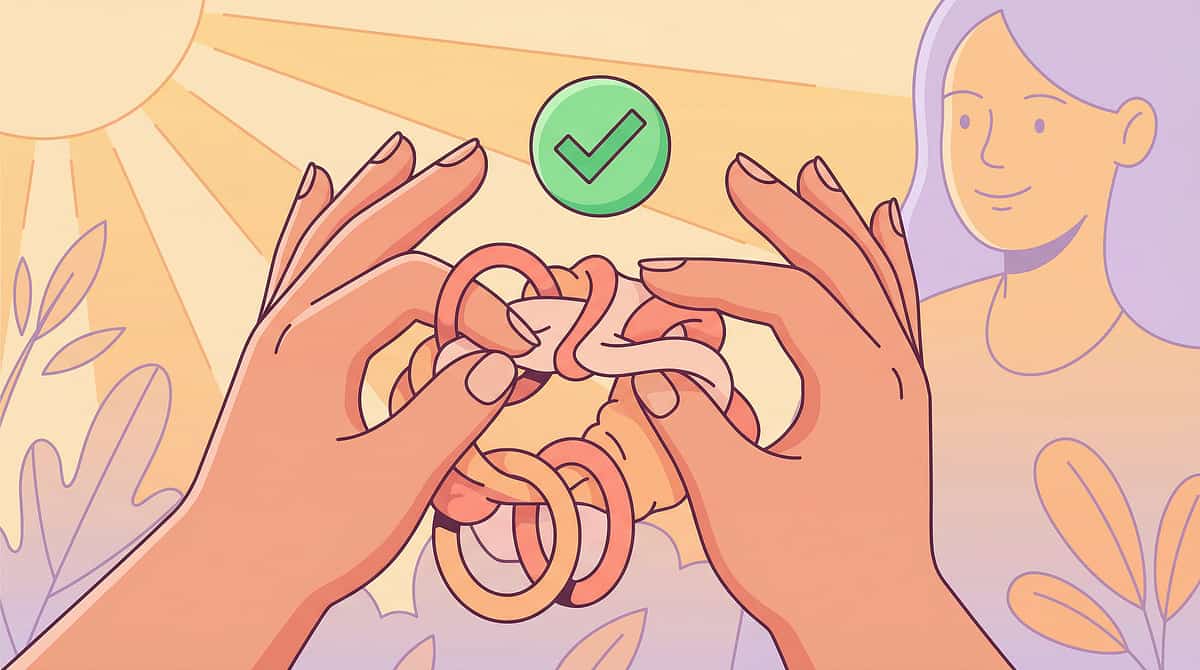
Every Family Can Start Today. Zero Budget Required.
Access to intervention should not be limited by economic status. Every material in this list has a household equivalent that delivers the same therapeutic principle — the clinical materials accelerate progress, but the household versions are fully effective.
🛒 Clinical Material
Chewy Tube (₹200–600)
Communication Cards (₹100–400)
Feeling Books (₹150–500)
Social Stories (₹150–500)
Calm-Down Kit (₹300–800)
Visual Schedule (₹100–400)
Sticker Reward Chart (₹364)
Soft Toy / Doll (₹425)
🏠 Household Substitute
Frozen wet washcloth for oral input
Handmade picture cards — draw or print emoji faces, cut and laminate with tape
Mirror + face-making games
Homemade story — 5 pages, handwritten, child's photos
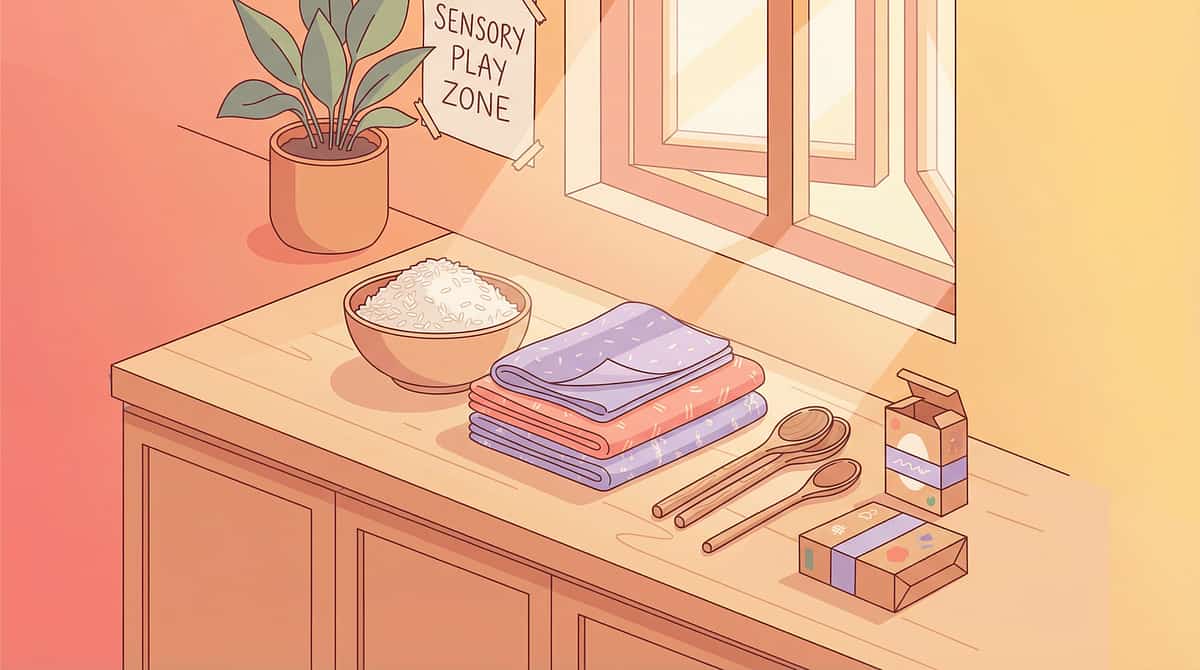
Shoebox kit: rice-in-balloon stress ball, paper pinwheel, small fidget item
Photo sequence strip on the fridge
Handmade tally chart on paper
Rolled towel "doll" for gentle touch practice
The complete D-382 intervention can be executed with ₹0 of new purchases. All you need is a frozen washcloth, handmade picture cards, a homemade story, and a paper tally chart. The clinical materials accelerate progress — but the household versions deliver the same therapeutic principle.
⚠️ Read This Before Implementing Any Material
🔴 DO NOT PROCEED IF:
• Child has dental pain or recent dental procedure — consult OT first
• Biting is causing skin-breaking injury — immediate professional consultation required
• Child shows signs of physical illness or extreme distress today
• You or caregivers are feeling overwhelmed or reactive about biting — wait until calm to implement
🟡 MODIFY IF:
• Child has recently been bitten back by an adult — approach extra gently
• Child is in active meltdown — wait for regulation before introducing materials
• Communication cards not used even with prompting after 2 weeks — consult SLP
• Chewy tube is refused consistently — consult OT for oral sensitivity evaluation
🟢 PROCEED WHEN:
• Child is alert, fed, rested, and in a calm-to-moderate arousal state
• Environment is prepared (see Space Setup card)
• All materials are assembled and accessible
• All caregivers know the plan and will respond consistently

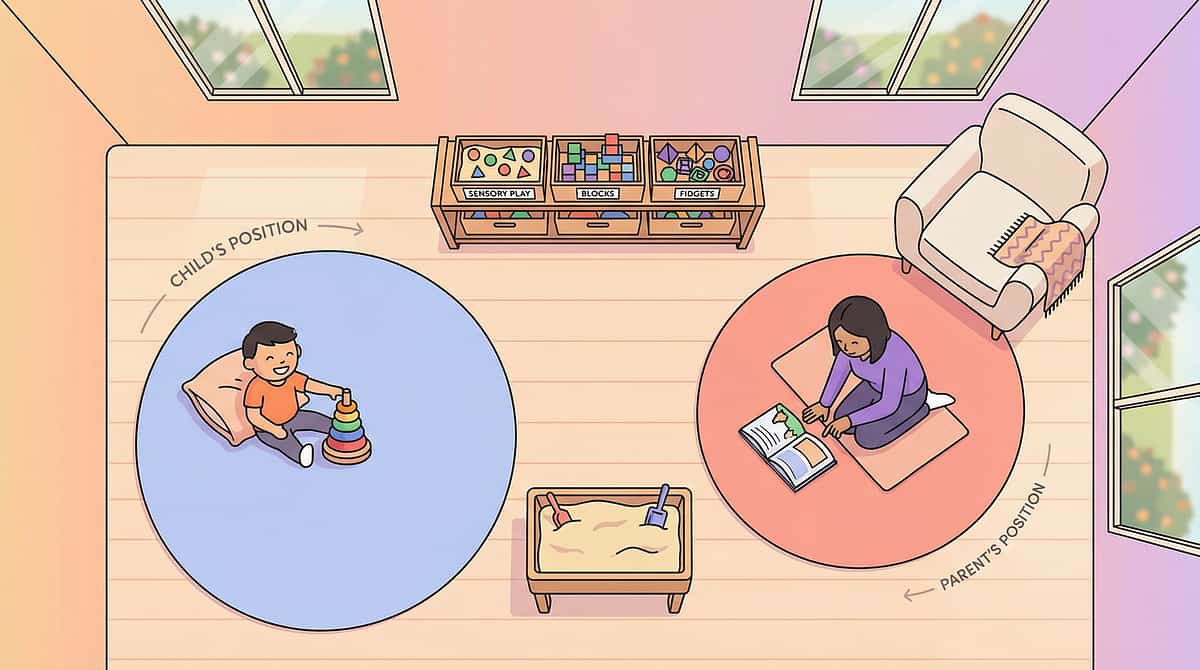
Before the Child Arrives in the Space — Prepare It
The environment is an intervention. A well-structured space prevents biting before it starts. Most biting occurs in environments that inadvertently maximize triggers and minimize alternatives. The setup below takes 10 minutes — and prevents incidents throughout the day.
Chewy tube attached to child's shirt/lanyard — immediately accessible before frustration peaks
Communication cards mounted at child's eye level — not in a drawer, ON the wall
Calm-down kit in accessible corner — child knows where it is and has practiced using it
Visual schedule posted at entrance — morning review with child before any activity begins
Sticker/reward chart visible — child can see it during play; reinforcement is immediate
Duplicate toys for most desired objects — reduces "mine" conflicts that trigger biting
Adult positioning within arm's reach during known high-risk activities (peer play, transitions)

60-Second Pre-Session Readiness Check
The best session is one that starts right.
Before implementing any D-382 material, run this quick readiness check. Starting a session in the wrong conditions is not just ineffective — it can actively set back progress. A postponed session is smarter than a forced one.
✅ Fed | Child has eaten within the past 2 hours. Hunger amplifies frustration and biting risk significantly. |
✅ Rested | Child is not overtired. Fatigue reduces impulse control to near-zero. |
✅ Regulated | Child is calm or playfully engaged — not already in an elevated arousal state. |
✅ No illness | No fever, pain, or physical discomfort today. |
✅ No recent bite | Child has had at least 30 minutes since last biting event to re-regulate. |
✅ Materials ready | All 9 materials are in their designated positions. |
✅ Caregiver calm | You are feeling patient and regulated. Your nervous system is contagious. |
🟢 All YES → Proceed
Go to Step 1: The Invitation
🟡 1–2 NO → Modify
Simplify: skip peer interaction, use one material only, keep duration under 5 minutes
🔴 3+ NO → Postpone
Not a failure — it's data. Note why, reschedule for a better window. Use calming activity instead.
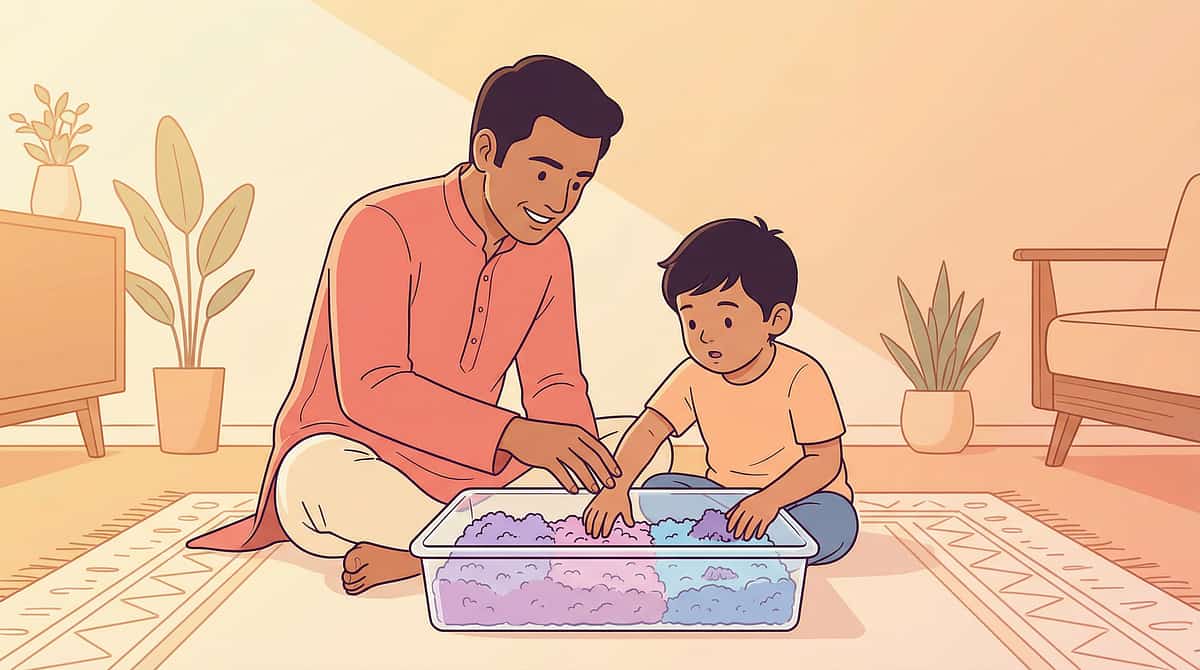
Step 1 of 6: The Invitation — Not a Command
The Opening Script
"[Child's name], I have something special for you. Come see."
Hold up the chewy tube or communication card with a warm, neutral expression. Crouch to child's eye level.
Every protocol begins with invitation, not instruction. The child is brought into the activity through low-demand, playful engagement. ABA's pairing principle: before placing any demand, establish yourself as a source of good things. OT's just-right challenge: the opening moment must feel achievable, not threatening.
Acceptance Cues — Look For These:
- Child moves toward you or the material
- Eye contact or visual attention to the material
- Body language: relaxed, curious, open
- Reaching for the object
Resistance Cues & How to Respond
Child turns away → Reduce demand further: just show the object, don't offer it yet.
Child pushes away → Respect: "Okay, maybe later." Come back in 5 minutes.
Child seems anxious → Introduce the material in play context first — no therapy framing needed.
Timing: 30–60 seconds
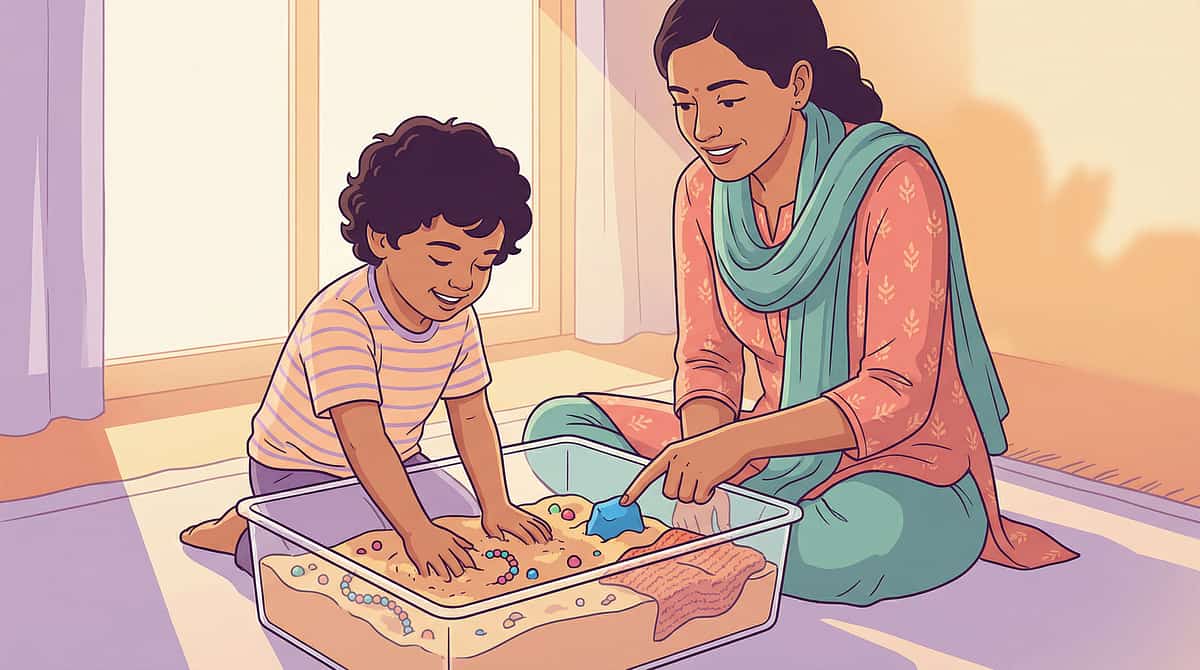
Step 2 of 6: Engagement — The Material Enters the Interaction
With the child's interest secured, the material now becomes part of a natural interaction. Each material has its own engagement script. Use the approach that matches what you're introducing today.
If introducing Chewy Tube
"This is your special chewy. It's for biting — only this one. Let's see how it feels." Demonstrate biting the chewy yourself first. Pass to child. Let them explore with no demand. If child bites: "Yes! That's exactly right. You're using your chewy!"
If introducing Communication Cards
"Look — this card says MINE. When you want something to be yours, you can show me this card." Practice: set up a scenario where child wants an object. Before they can grab/bite, prompt: "Show me the card!" Honor the card IMMEDIATELY — faster than biting would have worked.
If introducing Feelings Book
"Let's look at this book together. This face — what does this one feel? He looks..." Let child guess, then name it clearly. "Angry! When I'm angry, I feel it here." Point to chest or stomach. Connect the feeling to a body location every time.
🟢 Ideal Engagement
Child engages spontaneously, explores material, shows positive affect
🟡 Acceptable
Child tolerates material with support, brief engagement — this is still progress
🔴 Concerning
Child becomes distressed or aggressive with material — stop, modify, consult OT
Begin specific praise now: "You're trying the chewy! That's exactly right." | Timing: 1–3 minutes per material
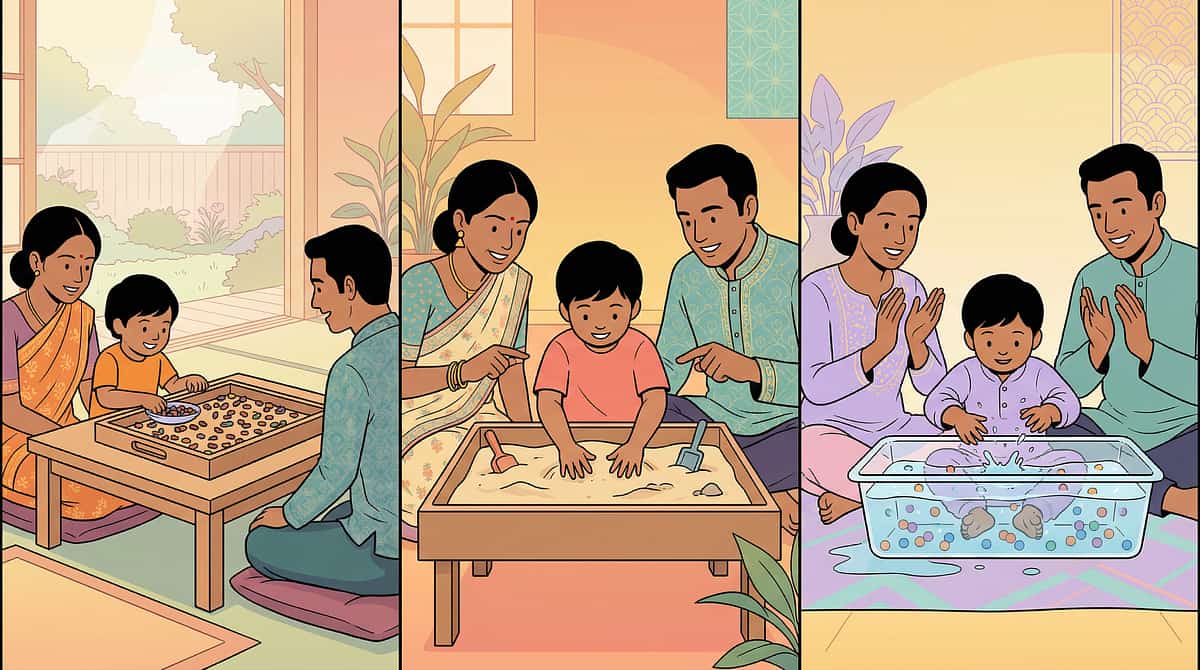
Step 3 of 6: The Therapeutic Action — The Active Ingredient
Chewy Tube — Target: Oral Sensory Seeking
Child wears chewy tube attached to shirt. When approaching peer conflict or when arousal rises, parent cues: "Where's your chewy?" Child accesses and bites chewy. Adult reinforces: "You used your chewy! That was the right choice." Track chewy-use incidents vs. biting incidents daily.
Communication Cards — Target: Communication Failure
Pre-load scenarios. Before high-risk situation, review relevant card: "If you want this toy — show me this card [MINE]." During play, shadow at close distance. When you see jaw tension — immediately prompt: "Show the card! Use your card!" Honor card use INSTANTLY. Track card-use attempts vs. bite attempts.
Feelings Book — Target: Emotional Vocabulary
Daily reading when child is CALM (bedtime or quiet morning). Point to each face, name the emotion, connect to body sensation: "Angry — I feel it hot in my chest." During the day, narrate child's feelings: "You look frustrated — is this how you feel?" Track whether child begins spontaneously pointing to feeling faces.
Social Stories — Target: Cognitive Script-Building
Read personalized social story DAILY when calm: "When someone takes my toy, I feel angry. When I feel angry, I can use my chewy. When I use my chewy, I feel better and no one gets hurt." Read at consistent time. Do NOT read after a biting incident as punishment. Track whether child begins to verbalize story content.
Calm-Down Kit — Target: Early Arousal Regulation
Teach child location of kit. Practice using kit components when fully calm first. Train child to recognize early escalation cues. At FIRST sign of escalation — NOT at peak — prompt: "Let's get your calm-down box." Never introduce kit at crisis point. Track whether kit use is reducing escalation to bite.

Step 3 of 6: The Therapeutic Action — Materials 6–9
Visual Schedule — Target: Transition Anxiety Reduction
Review visual schedule with child EVERY MORNING and before each major transition. Point to each picture: "First breakfast, then play, then [activity]." Before ending preferred activity: give 5-minute warning using visual timer AND schedule: "Two more minutes, then we put away the blocks — next is snack." Track whether transition-related biting decreases with consistent schedule use.
Reinforcement System — Target: Alternative Behavior Motivation
Award sticker/token IMMEDIATELY (within 3 seconds) when child: uses chewy instead of biting, uses communication card, stays gentle during conflict, requests help instead of biting. Use specific praise: "You used your card! You were so frustrated and you used your card instead of biting — that is amazing." Focus 90% of energy on reinforcing alternatives. Do NOT punish biting.
Trigger Identification Chart — Target: Prevention Through Antecedent Control
For 5 days, record every biting incident: Time | Activity | Who present | What happened immediately before. After 5 days, analyze: is there a pattern? (Always at transition? With specific peer? When tired?) Develop specific prevention strategy for each identified trigger. Share chart with all caregivers. Review weekly.
Gentle Touch Practice — Target: Teaching the Behavioral Alternative
Daily gentle touch practice sessions (5 minutes) using soft toy. Script: "We use gentle touches. Pat like this [demonstrate slow, soft pat on toy]. Your turn — show me gentle." Reinforce immediately. Transfer: "Now show [sibling/peer] gentle like you showed the toy." Track whether child is using gentle touch with real peers and siblings.

Step 4 of 6: Therapeutic Dosage — How Much Is Enough?
3 quality repetitions > 10 forced ones. Therapeutic dosage for behavioral replacement is measured by function, not clock time. A child who uses their communication card 3 times under moderate frustration has received more therapeutic value than a child who sat through 20 minutes of practice at zero arousal.
Material | Daily Repetition Target | When |
Chewy Tube | Every oral-seeking episode + proactive use before high-risk times | Throughout day |
Communication Cards | Every natural communication opportunity during peer interaction | All peer play |
Feelings Book | 1 full reading | Bedtime or quiet morning |
Social Story | 1 full reading | Consistent daily time |
Calm-Down Kit | Practice at calm ×1 + real use as needed | Morning + triggered |
Visual Schedule | Full review ×1 + transition preview ×4–6 | Morning + transitions |
Reinforcement | Every occurrence of gentle behavior or alternative use | Immediately as it occurs |
Gentle Touch Practice | Formal session ×1 + natural prompts ×3–5 | Session + throughout day |
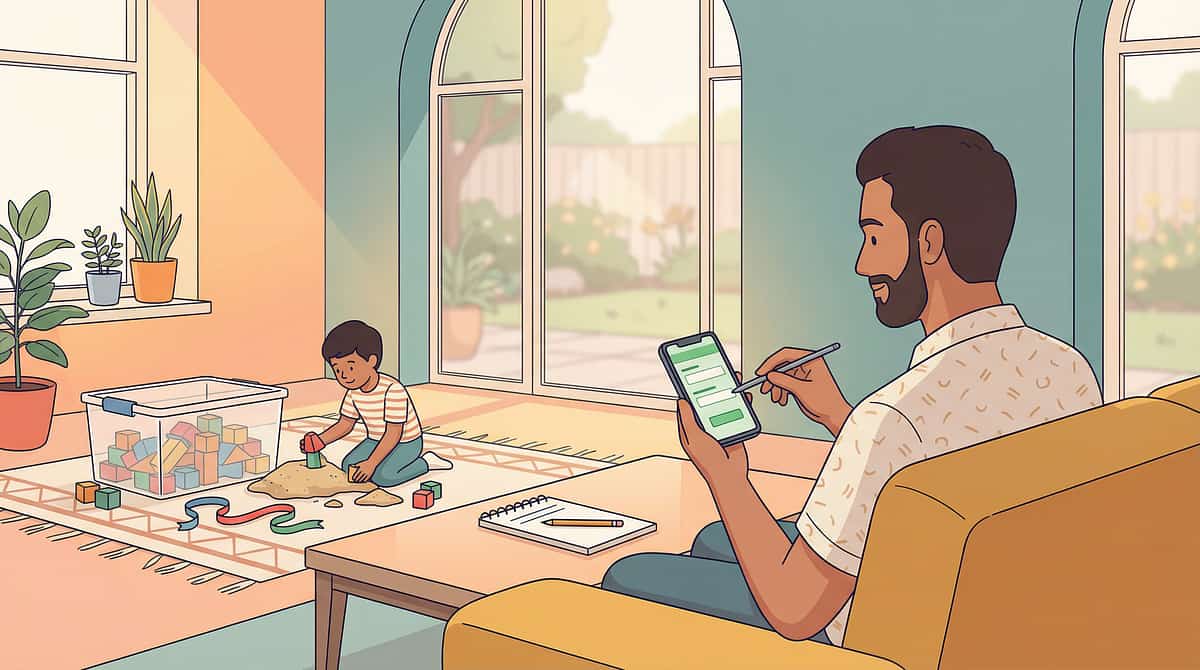
Step 5 of 6: Reinforce What You Want to See More Of
Within 3 Seconds
of the desired behavior — delay kills reinforcement power
Specific
Name exactly what they did: "You used your card when you were angry!"
Enthusiastic
Match the significance of what just happened — this moment matters
Celebrate the Attempt
Reinforce the attempt, not just the perfect execution
Behavior | Script |
Used chewy instead of biting | "You felt that feeling and you used your chewy! That was AMAZING. One sticker!" |
Handed communication card | "You showed me MINE/STOP/HELP! You used your words! I heard you!" |
Practiced gentle touch | "So gentle! That's exactly how we touch. I love your gentle hands." |
Stayed calm during a transition | "You saw the schedule and you waited so calmly. I'm so proud of you." |
Named a feeling before escalating | "You told me you were angry — that's so big! Now we can fix it together." |
🌟Reinforcement Menu: Immediate Verbal Praise (free, most effective) | 1800+ Reward Stickers ₹364 | Rosette Reward Jar ₹589 | Extra 5 minutes of preferred activity | Special access to preferred toy
📞Questions about your reinforcement plan? FREE: 9100 181 181
Step 6 of 6: Close Every Session with a Transition — Never Abruptly
Abrupt endings create frustration and can trigger post-session biting. The cool-down signals to the nervous system: "This is ending predictably. I know what comes next. I am safe." Three steps, under 3 minutes total.
Step 1 — Warning (30 sec before end)
"Two more [bites on chewy / card practices], and then we're all done." Show visual timer OR count down on fingers. No surprises.
Step 2 — Closing Ritual (1–2 min)
Child helps put away materials. Brief calm activity: 3 slow breaths together | Gentle hand squeeze | "High five for great work." Review the positive: "Today you used your chewy [X] times. That's a big deal."
Step 3 — Transition Cue (clear ending)
"All done! Next is [reference visual schedule for what comes next]." Physically transition child to next activity within 60 seconds. Point to schedule.
60 Seconds of Data Now Saves Hours of Guessing Later
You are not filling out paperwork. You are building the evidence base that drives GPT-OS® personalized recommendations. A child whose parent tracks for 2 weeks receives dramatically more targeted intervention guidance than one without data. Your 60 seconds changes the precision of everything that follows.
Daily Biting Tracker — Record Within 60 Seconds
📅Date: ___________
🦷Bite incidents today: ___ (frequency)
🔶Chewy tube uses today: ___ (frequency)
🃏Communication card uses today: ___ (frequency)
😤Trigger identified (if bite occurred): _______________
📊Overall day rating:🔴 Hard | 🟡 Mixed | 🟢 Good
GPT-OS® Integration
Data entered feeds the Behavioral Readiness Index — tracking progression from:
Frequent biting as primary response
↓
Uses alternatives with prompting
↓
Independently selects alternative
↓
Generalized gentle behavior across settings
Source: BACB Data Collection Standards | Cooper, Heron & Heward, ABA 8th ed.

Weeks 1–2: You're Building the Foundation. Don't Look for the House Yet.
✅ What Progress Looks Like at This Stage
- Child tolerates chewy tube without rejection — even if not actively using it
- Child looks at or picks up communication card when prompted
- Biting incidents: same or slightly increased (normal — extinction burst phase)
- Parent: familiar with all 9 materials, has implemented 4+ consistently
- All adults in environment know the plan and are implementing consistently
❌ What Is NOT Progress Yet
- Spontaneous card use without prompting
- Significant reduction in biting incidents
- Child independently accessing chewy before frustration peak
These come in weeks 3–8. Expecting them now leads to premature abandonment of an effective plan.
Week 1–2 is the hardest period. Neural pathways are being laid. Stick with it.

Weeks 3–4: The Neural Pathways Are Beginning to Fire
Something is shifting. You may not see the full picture yet, but the data will confirm it — and so will these consolidation indicators. Watch closely for the first appearances of unprompted behavior.
✅ Chewy use with prompting
Child reaches for chewy when adult cues — without needing to be shown the tool each time
✅ Card use emerging
Child hands card or points to card in some (not all) relevant situations — prompted or self-initiated
✅ Biting frequency decreasing
Measurable decrease from Week 1 baseline — your tracking data will confirm this clearly
✅ Anticipation emerging
Child begins to reference visual schedule proactively ("after this?") — anxiety reducing
✅ Emotional labeling beginning
Child occasionally names a feeling before behavior escalates — the most exciting milestone of this phase

Weeks 5–8: From Prompted to Independent. From Session to Life.
This is mastery phase. The behaviors that once required constant adult scaffolding are now becoming automatic responses. The goal shifts from prompting alternatives to fading prompts and watching your child self-manage.
Biting Reduction
from pre-intervention baseline — the GPT-OS® mastery threshold
Card Use Rate
child uses communication card in 3+ out of 5 relevant situations independently
Settings
behavior maintained across 2+ settings: home AND daycare/school
🏅 D-382 Core Mastery Unlocked
Functional replacement consistently established. Child independently accesses chewy before bite threshold. Emotion named before behavior in some situations. Gentle touch with real peers.
When to Progress to Next Level
D-383: Hitting and Kicking (related behavior domain) | C-245: Functional Communication Training (advanced) | Consult GPT-OS® progression engine for personalized next-step recommendation.

🎉 You Did This. Your Child Grew Because of Your Commitment.
You started this journey with a child who bit the people around them and a parent who felt helpless, ashamed, and terrified of the next phone call. You are now a parent who understood the function behind the behavior, built an environment that supports alternatives, and stayed consistent through the hardest weeks. That is clinical-grade parenting.
What You Built in 5–8 Weeks
A child who has a safe oral outlet and knows how to use it
A communication system that gives feelings a voice before teeth become the messenger
A home environment structured for prevention instead of reaction
A data record showing what works for YOUR child specifically
A family that responds consistently, calmly, and with clinical precision
📝Journal Prompt: "Today I noticed my child ___. Three months ago, that moment would have been a bite. Now it's ___. We got here by ___."
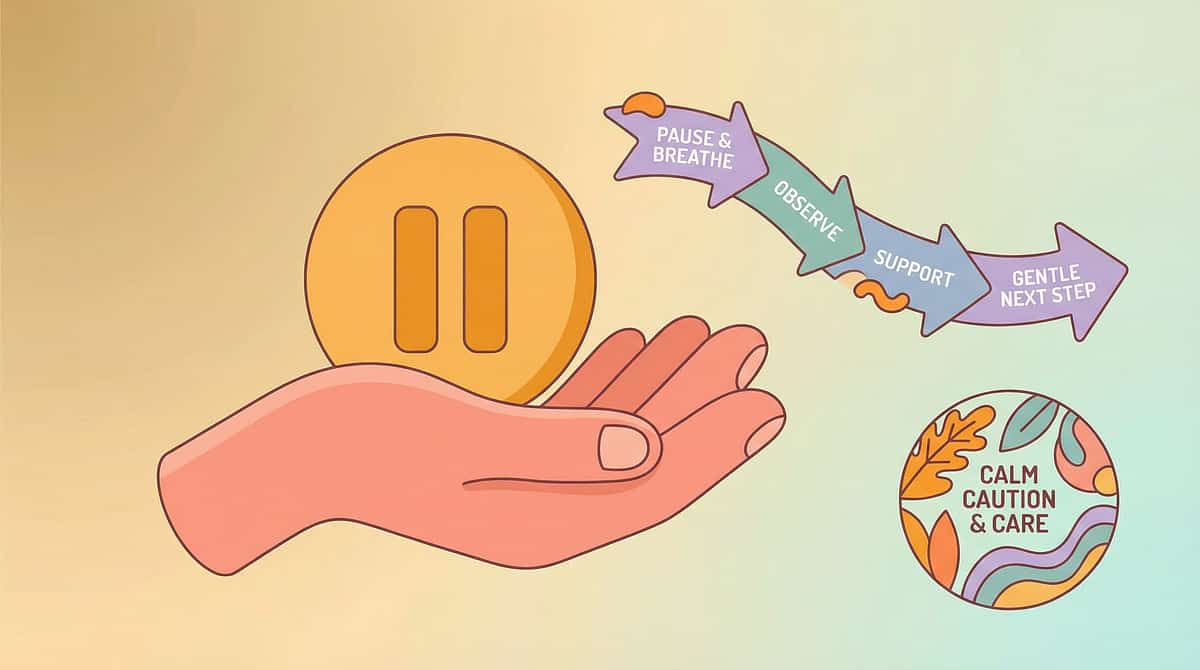
⛔ These Signs Mean Pause and Seek Professional Guidance
🚩 1. Biting Frequency INCREASING Despite 4+ Weeks of Consistent Implementation
This suggests the function assessment is incorrect, or a professional FBA (Functional Behavior Assessment) is needed. Do not continue without adjustment. Contact Pinnacle for formal assessment.
🚩 2. Biting Causing Skin-Breaking Injury, Bruising, or Requiring Medical Attention
Immediately consult pediatrician AND BCBA. Elevate to professional behavior intervention planning. This level of intensity requires clinical-grade response, not home management alone.
🚩 3. Biting Expanding to New People, Settings, or Triggers Despite Intervention
Pattern expansion is a red flag. Escalate to professional evaluation immediately — do not wait.
🚩 4. No Remorse, No Awareness of Impact, AND No Language Development
Combined absence of social awareness and language development warrants comprehensive developmental evaluation — rule out ASD, speech delay, and cognitive profile concerns.
🚩 5. Caregiver Emotional State: Fear, Rage, or Trauma Responses
Caregiver wellbeing is a clinical variable. If you are experiencing significant emotional distress around biting incidents, please seek support before continuing home intervention. Your regulated nervous system is part of the therapy.
Self-Resolve
Review troubleshooting cards, adjust approach
Teleconsult
pinnacleblooms.org/book
Clinic Visit
pinnacleblooms.org/centers
FREE Helpline
📞 9100 181 181 | 24x7
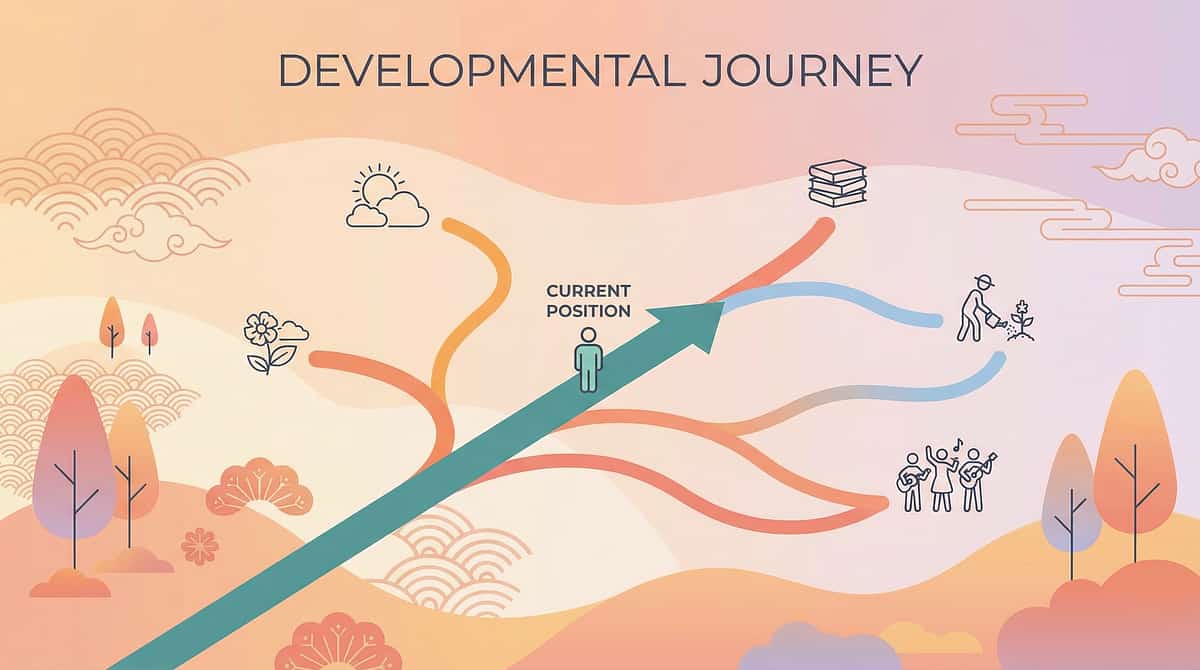
Your Developmental GPS: Where You Were, Where You Are, Where You're Going
Branching Options Based on Child's Response
If biting is primarily sensory: → Next: OT Sensory Diet Program → B-178: Oral Sensory Processing
If biting is primarily communication: → Next: C-245: Functional Communication Training → SLP AAC assessment
If biting is primarily dysregulation: → Next: C-250: Emotional Regulation Foundations → Calm-down skill building
Prerequisite Check Before Advancing
Before moving to D-383 or D-384, confirm:
✅ Is gentle touch established with familiar people?
✅ Are communication alternatives being used in 50%+ of relevant situations?
If yes → progress. If no → consolidate D-382 first.
GPT-OS® Behavioral Readiness Index: Proficient-Independent Level = generalized gentle behavior without structured support.
Related Techniques — Materials You Already Own Can Cover These Too
Your D-382 toolkit is not a single-use investment. The 9 materials you've assembled are foundational tools that apply directly across the adjacent behavior, communication, and regulation domains.
D-381: Aggression Basics →
Domain: Behavior | 🟡 Core difficulty | Your materials work here — all 9 apply directly
D-383: Hitting & Kicking →
Domain: Behavior | 🟡 Core difficulty | Communication cards + gentle touch tools are your bridge
D-384: Throwing Objects →
Domain: Behavior | 🟡 Core difficulty | Reinforcement system + regulation tools transfer directly
C-245: Functional Communication Training →
Domain: Communication | 🔴 Advanced | Your communication cards — the next level
B-178: Oral Sensory Processing →
Domain: Sensory | 🟡 Core difficulty | Your chewy tube — the deep science behind it
C-250: Emotional Regulation Foundations →
Domain: Regulation | 🟡 Core difficulty | Your calm-down kit — expanded application
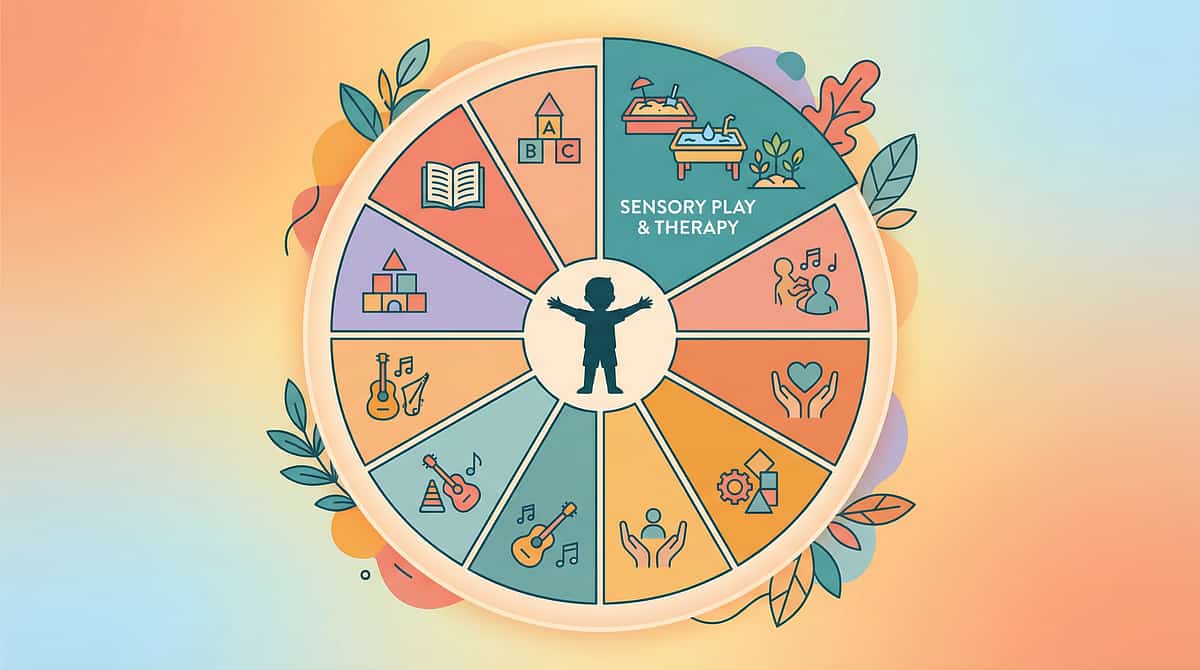
This Technique Is One Piece of a Larger Plan
You are currently working in Domain D — Behavior Analysis & Positive Behavior Support. D-382 is one of 500+ techniques in this domain. But your child's development doesn't occur in one domain. Biting behavior connects directly across three interconnected domains.
Domain B — Communication
The reason the bite was sent instead of words. FCT and AAC work here directly alongside D-382.
Domain C — Emotional Regulation
The dysregulation that precedes the bite. Calm-down skills and emotional vocabulary live in this domain.
Domain A — Sensory
The oral sensory seeking driving the behavior. Chewy tube and sensory diet belong to this domain.
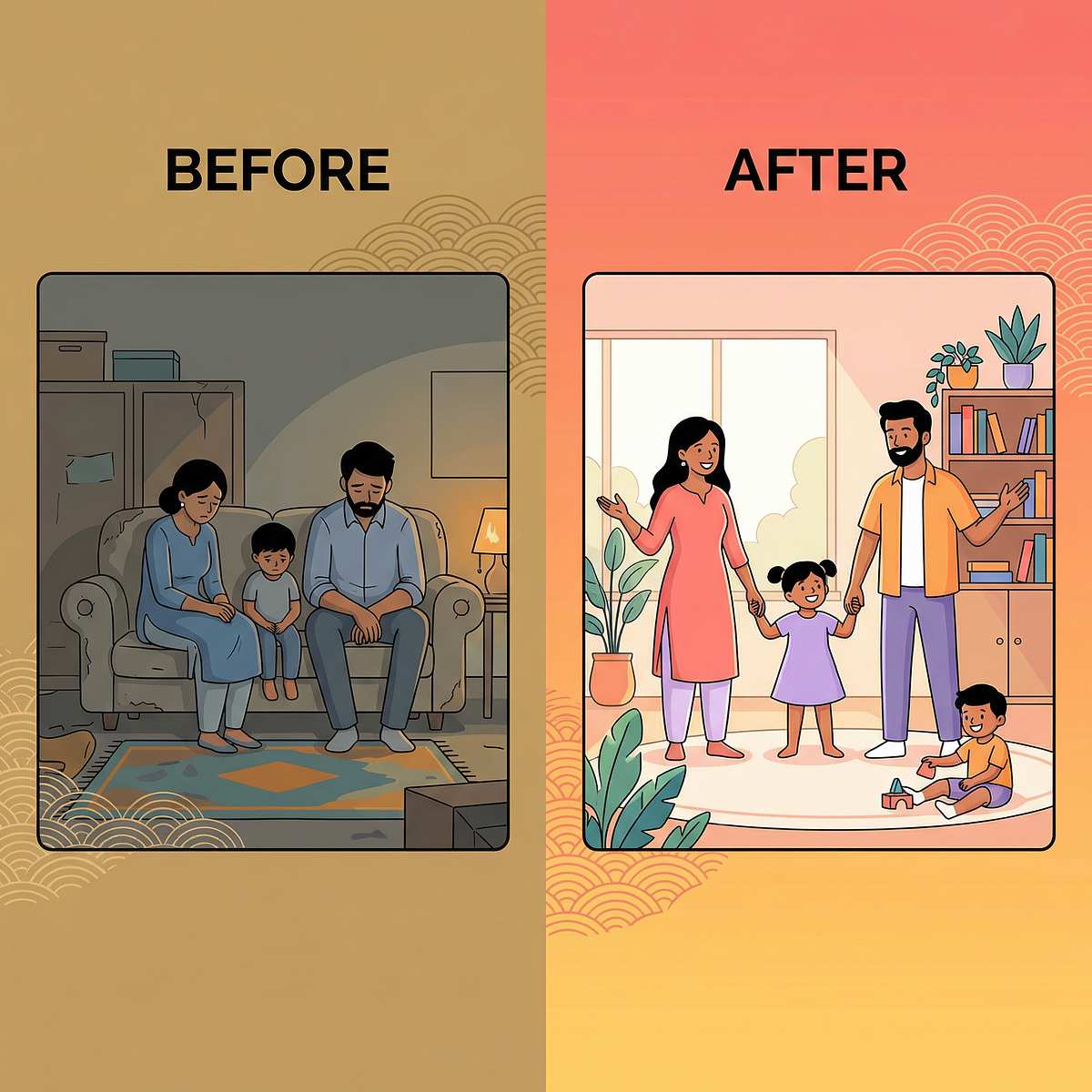
From the Pinnacle Network: Families Who Walked This Road
Aisha, 2.5 years — Hyderabad
Before:"My daughter bit five children in one week at daycare. They were ready to expel her. She bit her brother hard enough to leave a bruise that lasted three days. I tried everything — time-outs, showing her it hurt, even biting her back once. Nothing stopped it in the moment. She knew biting was wrong. She could say 'no biting.' But that knowledge disappeared the second she got overwhelmed."
After (6 months):"The chewy tube on her shirt changed everything. The picture cards gave her 'MINE' and 'STOP' before her teeth got there. Six months later the daycare teachers say they forget she was ever a biter. She still wears her chewy for comfort. But she hasn't bitten anyone in over a year." — Mother, Pinnacle Hyderabad Network
Arjun, 3 years — Chennai
Before:"Bitten two classmates at school in one morning. Called in for a meeting with the principal. I felt like a criminal."
After (4 months):"The trigger chart showed us it was always at 11am — right before lunch, when he was hungry and tired. We added a crunchy snack at 10:30 and a visual warning before the transition. The biting stopped within 2 weeks of identifying that one trigger." — Father, Pinnacle Chennai Network
"Biting almost always serves a clear function once we observe carefully. The families who achieve fastest resolution identify the function first, match the replacement to that function, and involve all caregivers in consistent implementation." — Pinnacle Behavior Analysis Team
Illustrative case composites. Individual outcomes vary. Statistics represent aggregate data across Pinnacle Blooms Network.

You Are Not Navigating This Alone
Isolation is the enemy of adherence. The parent who connects with even one other family navigating the same challenge is 3× more likely to complete 8 weeks of intervention. Your experience — including the hard parts, the setbacks, and the breakthroughs — is exactly what another parent in week 1 needs to hear.
Parent WhatsApp Group
Join the Pinnacle Biting Behavior Parent Group — real-time peer support from families implementing D-382 right now.
Pinnacle Parent Forum
Behavior Support Community — ask questions, share progress, connect with therapists and other parents across India.
Peer Mentor Connection
Request a connection with a parent who has already completed D-382. Nothing replaces lived experience.
Local Parent Meetups
Find in-person meetups near you. Building community in your own neighborhood accelerates long-term outcomes.
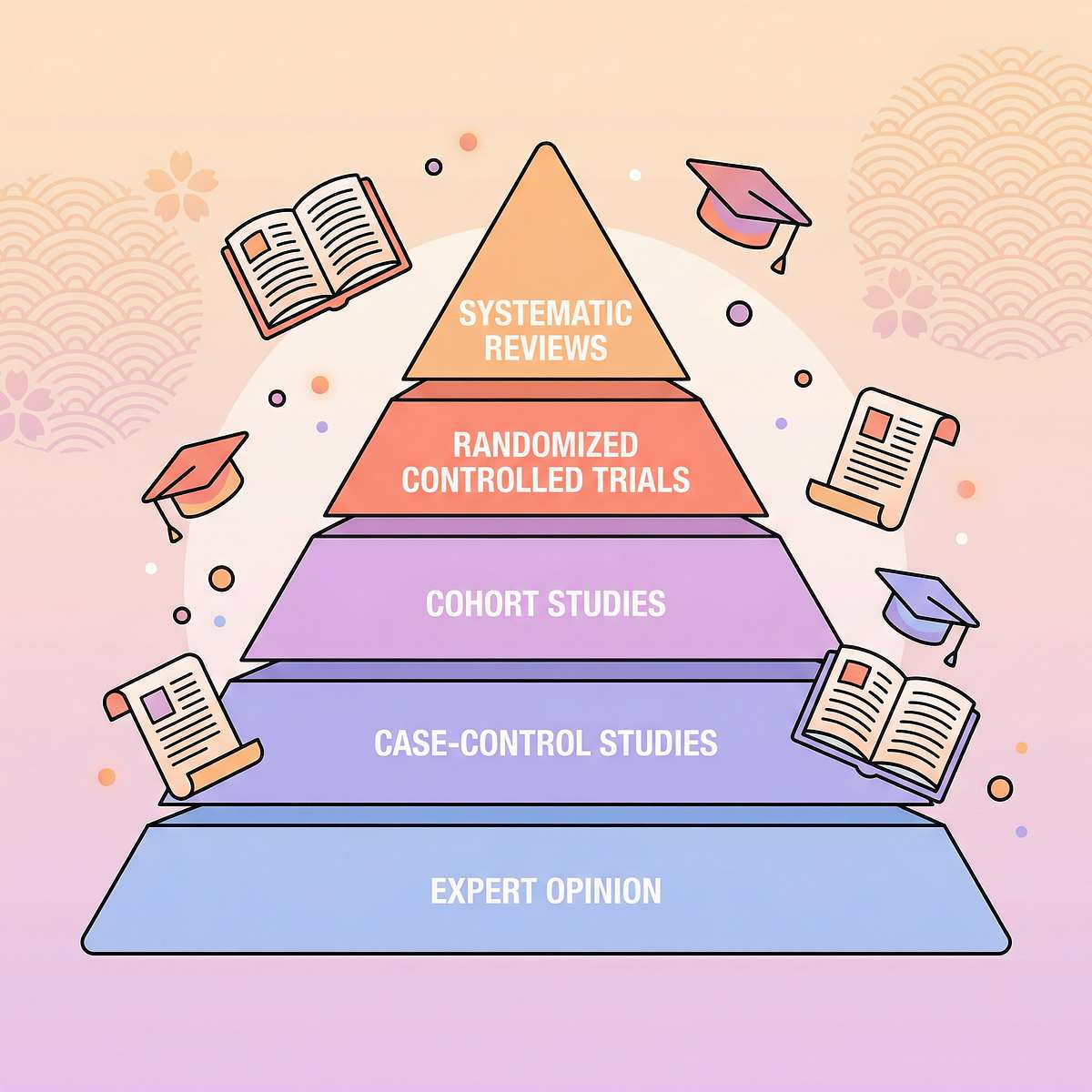
Home + Clinic = Maximum Impact
70+ Pinnacle Centers. One Clinical System. Your Child.
Need | Specialist | What They'll Do |
Biting function unknown | BCBA | Functional Behavior Assessment → Behavior Intervention Plan |
Communication system design | SLP | AAC evaluation, communication card system, FCT training |
Oral sensory profile | OT | Sensory diet, chewy selection, oral motor program |
School/daycare coordination | SpEd | School behavior plan, teacher training, consistency across settings |
Developmental evaluation | NeuroDev Pediatrician | Rule out medical contributors, ASD evaluation if indicated |
📞 Book Teleconsultation
From anywhere in India — speak with a Pinnacle BCBA or OT within 24 hours.
🏥 Find Nearest Pinnacle Center
70+ centers across India — find your closest location with services and booking.
📲 FREE Helpline: 9100 181 181
24x7 | 16 Languages | Free national autism helpline — call any time, no appointment needed.
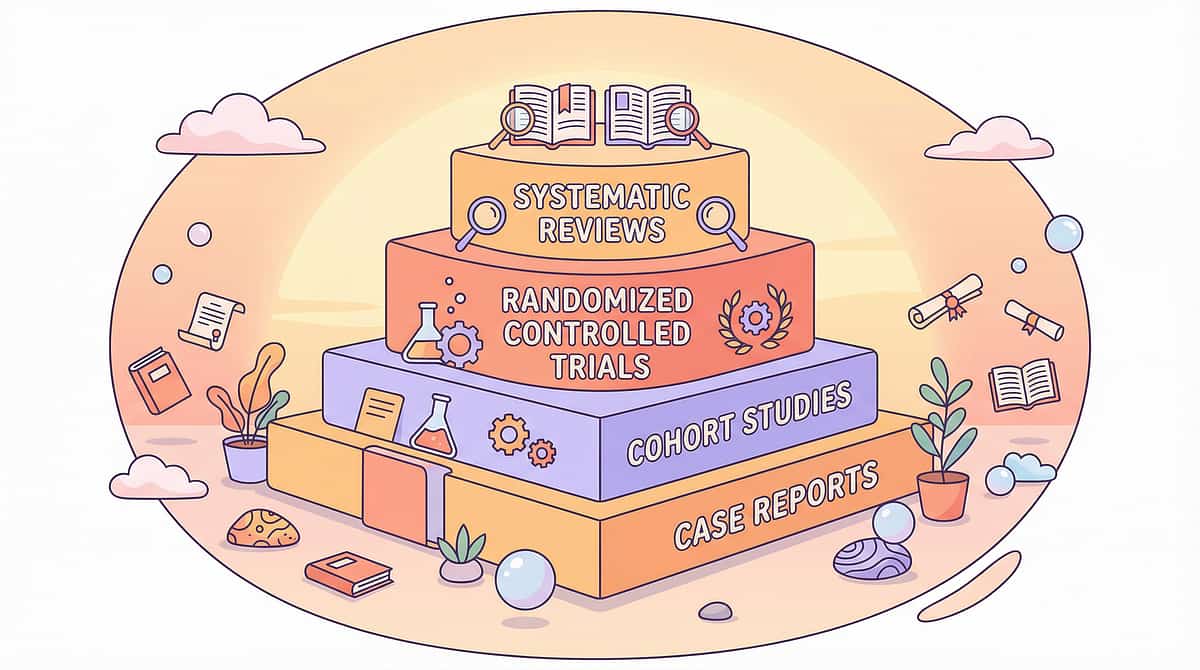
The Science Behind D-382: Deeper Reading for the Evidence-Seeking Parent
📋 Study 1 — Functional Communication Training (FCT)
Behavior Analysis in Practice (2023): FCT as replacement for biting and aggression shows 70%+ reduction in target behavior when replacement is matched to function. FCT is the gold-standard ABA approach for communication-based biting. Cochrane-level evidence base.
🔗BACB.com — FCT Literature Review
📋 Study 2 — Sensory Integration & Oral Motor Intervention
PMC11506176 — Children, 2024: Systematic review of 16 articles (2013–2023) confirms sensory integration intervention meets evidence-based practice criteria for ASD. Oral motor tools effective for oral sensory seeking reduction.
🔗PubMed: PMC11506176
📋 Study 3 — Positive Behavior Support Meta-Analysis
PMC10955541 — World J Clin Cases, 2024: Meta-analysis of 24 studies confirms PBS-based approaches (reinforcement systems, visual supports) effectively reduce biting and aggression in early childhood populations.
🔗PubMed: PMC10955541
📋 Study 4 — Home-Based Behavioral Intervention, India
Indian Journal of Pediatrics (2019), Padmanabha et al.: Indian RCT demonstrates significant outcomes for home-based structured behavioral interventions in pediatric populations when parent-administered with proper training.
🔗DOI: 10.1007/s12098-018-2747-4
📋 Study 5 — WHO Nurturing Care Framework
WHO NCF (2018) + CCD Package: Establishes that caregiver-implemented evidence-based interventions across the 0–6 age window produce measurable developmental outcomes. Implemented in 54 LMICs.
🔗nurturing-care.org | PMC9978394
Standard Citation Block: PMC11506176 | PMC10955541 | PMC9978394 | WHO NCF 2018 | NCAEP 2020 | Padmanabha, Indian J Pediatr 2019 (DOI:10.1007/s12098-018-2747-4)
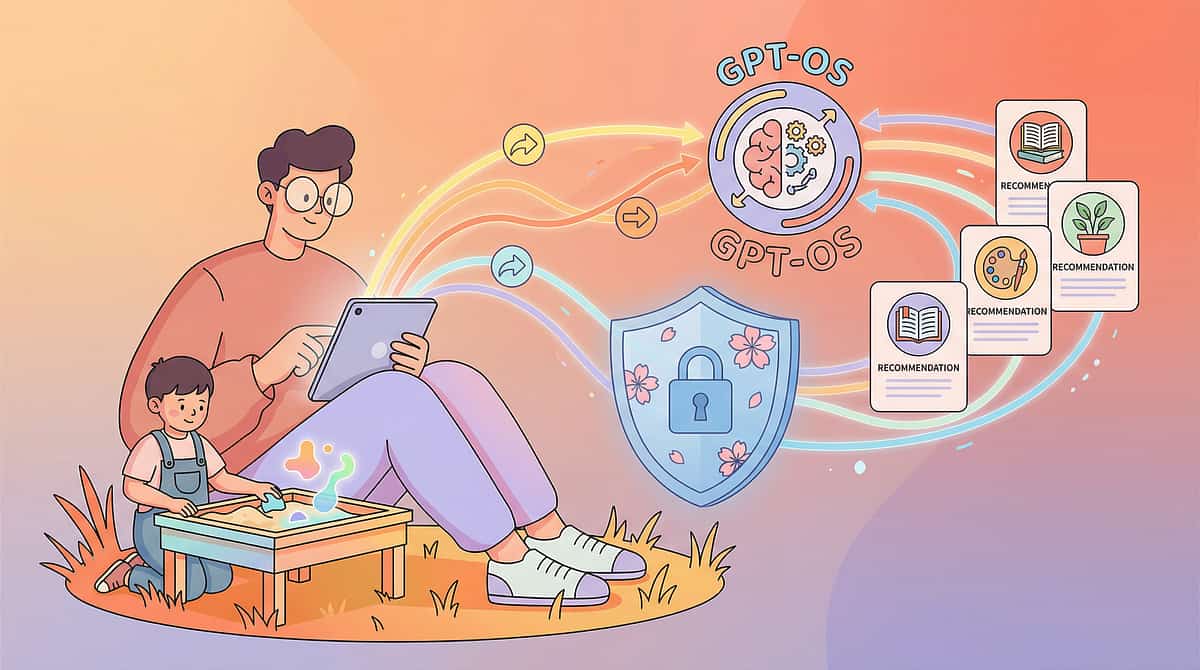
GPT-OS® — The System Behind the Science
Global Pediatric Therapeutic Operating System
Diagnostic Intelligence Layer
591+ structured observations across 349 skills — builds your child's comprehensive developmental picture
AbilityScore®
Universal developmental score (0–1000) — tracks progress across all domains simultaneously
TherapeuticAI®
Therapy focus, intensity, and sequencing intelligence — personalized to YOUR child's data
EverydayTherapyProgramme™
Daily home-executable micro-interventions — clinical precision in a format parents can implement
FusionModule™
ABA + OT + SLP + SpEd + NeuroDev converged into one coherent, non-fragmented plan
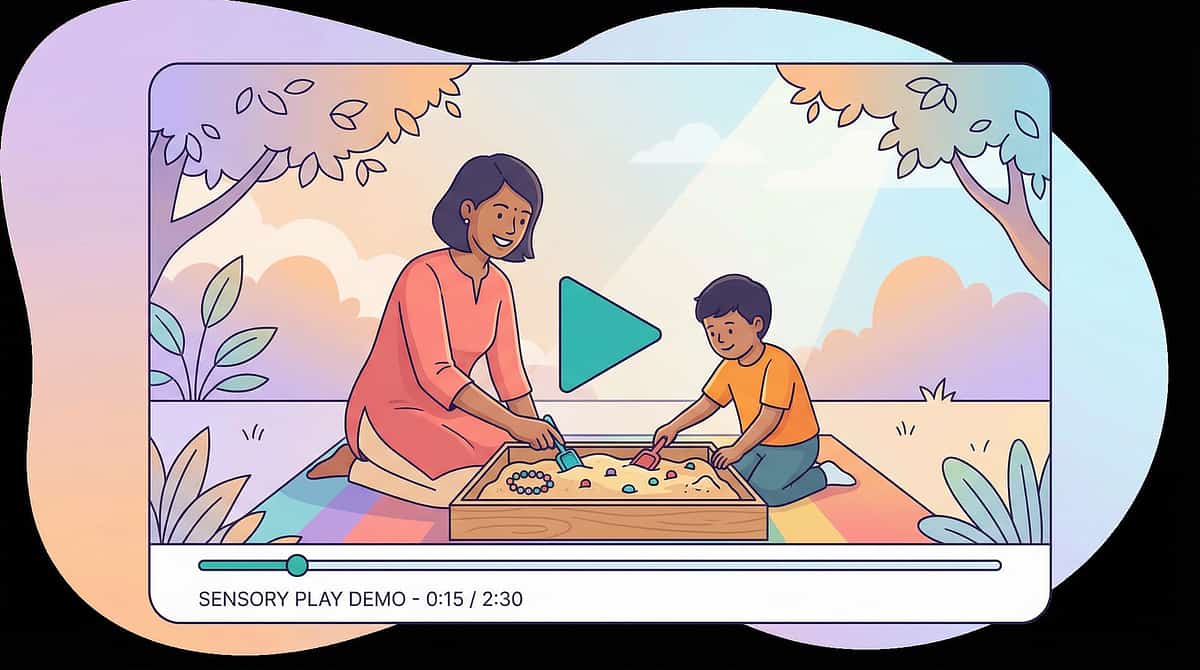
Watch: 9 Materials That Help With Biting Others
The original Reel that brings this technique to life
Reel Metadata
📹Reel ID: D-382
🏷️Title: 9 Materials That Help With Biting Others
📂Series: Behavior Analysis & PBS — Episode 382
⏱️Duration: 75–85 seconds
🎯Domain: D — Behavior Analysis | Sub-domain: BEHAV-BITE
👶Age Range: 1–6 years (peak: 18mo–3yr)
"When children bite, they're telling us something they can't say. Our job is to understand the message AND give them a different way to send it. Here are 9 materials that help." — Pinnacle Blooms Consortium | ABA/BCBA + OT Team
9 Materials Preview
- Chewy Tubes
- Communication Cards
- Feelings Books
- Social Stories
- Calm-Down Kits
- Visual Schedules
- Reinforcement Systems
- Trigger Identification
- Gentle Touch Tools
Video modeling is an evidence-based practice for autism — NCAEP (2020). Multi-modal learning improves parent skill acquisition.

Consistency Across Caregivers Multiplies Impact
If only one person follows the plan, the results are halved
The most common reason D-382 stalls is inconsistency across caregivers. When one parent redirects to the chewy tube and another says "don't bite, that's bad" — the child receives two different messages and the behavior continues. Share this plan with everyone in your child's life.
📋 Explain to Grandparents — Quick Summary
📋 Template for Daycare/School Staff
📱 Share on WhatsApp
Send this page directly to co-parents, grandparents, or daycare staff
📧 Share by Email
Forward the full clinical summary to school or therapy team
🔗 Copy Page Link
techniques.pinnacleblooms.org/behavior/biting-others-D-382

Questions Parents Ask at 2am
Q: My child might be expelled from daycare. What do I do TODAY?
(1) Request a meeting with the daycare director — partnership, not confrontation. (2) Offer to provide a chewy tube for the daycare setting. (3) Share the trigger chart when you have one. (4) Ask for extra supervision during known high-risk times. (5) Call Pinnacle Helpline: 9100 181 181 for same-day guidance on communicating with daycare from a clinical position.
Q: Is biting a sign of autism?
No — biting is not a diagnostic criterion for autism. It is common in neurotypical toddlers (50–80% bite at some point in group settings). However, persistent biting beyond age 3–4, combined with communication delays and sensory differences, may warrant developmental screening. Contact Pinnacle for an AbilityScore® assessment: 9100 181 181.
Q: My pediatrician said "they'll grow out of it." Should I wait?
Most toddlers DO outgrow biting as language develops by age 3–4. If your child is under 2.5, watchful waiting with gentle guidance is reasonable. However, if biting is causing injury, threatening social placement, or accompanied by other developmental concerns — don't wait. Early intervention produces the fastest results.
Q: Should I bite my child back so they know how it hurts?
No. This has no clinical evidence of effectiveness and significant potential for harm. It models the behavior you're trying to stop, increases fear and confusion, and does not teach an alternative. Brief, calm response followed by redirection is evidence-based. Biting back is not.
Q: How long will this take?
For most children with consistent multi-caregiver implementation: 4–8 weeks to meaningful reduction, 8–12 weeks to near-resolution. The fastest results come from identifying the function correctly, consistent implementation across all caregivers, and professional guidance when needed.
Q: The chewy helps with sensory biting, but frustration biting continues. Do I need different tools?
Yes — this is a two-function biting profile. Chewy tube addresses sensory-seeking biting; frustration biting requires communication cards + emotional vocabulary building + reinforcement for alternative frustration expressions. Use both tracks simultaneously.
Q: My child uses cards at home but still bites at daycare. Why?
Skill generalization requires deliberate bridging. Cards taught at home won't automatically appear at daycare unless: (1) same cards are available there, (2) staff honor cards with the same speed as home, (3) the transition to daycare itself isn't a biting trigger. Share the full plan with daycare staff using the Card 37 template.
Q: Can I do this without a therapist?
Yes — many families successfully implement D-382 without professional support. The materials on this page are sufficient for parent-led implementation. However, if biting is persistent beyond 6 weeks with no improvement or causing significant injury — professional consultation will dramatically accelerate outcomes.
📞FREE Helpline: 9100 181 181 — 16 languages, 24x7

You've Read the Science. You Have the Materials. Now Your Child Needs You to Begin.
Every day without a replacement behavior is a day more biting. Every day with the plan is a day closer to gentle behavior.
🤝 OT
Occupational Therapy — oral sensory and environment
🗣️ SLP
Speech-Language Pathology — communication replacement
🧠 ABA/BCBA
Behavior Analysis — function, reinforcement, data
📚 SpEd
Special Education — school coordination, social stories
🧬 NeuroDev
Neurodevelopmental Pediatrics — medical oversight
📞FREE National Autism Helpline: 9100 181 181 | 24x7 | 16+ Languages | 70+ Centers across India
Preview of 9 materials that help with biting others Therapy Material
Below is a visual preview of 9 materials that help with biting others therapy material. The pages shown help educators, therapists, and caregivers understand the structure and content of the resource before use. Materials should be used under appropriate professional guidance.



"From Fear to Mastery. One Technique at a Time."
You arrived at this page with a child who was biting — and a parent who felt helpless, ashamed, and terrified of the next phone call. You now leave with: the neuroscience behind the behavior, 9 evidence-matched materials, a step-by-step protocol, a progress tracking system, a connection to professional support, and the knowledge that your child's mouth was speaking the only language available — and you just gave them 9 better ones.
Therapy Services
delivered across the Pinnacle Network globally
Measured Improvement
in behavioral readiness indexes across D-domain techniques
Centers
across India serving families in 70+ countries
Pinnacle Blooms Network® — India's largest multi-disciplinary pediatric therapy consortium. 70+ centers. 21M+ therapy services. 97%+ measured improvement. Serving families across 70+ countries through GPT-OS® — the Global Pediatric Therapeutic Operating System.
Helpline: FREE National Autism Helpline — 9100 181 181 | 16+ languages | 24x7 | pinnacleblooms.org | techniques.pinnacleblooms.org
This content is educational. It does not replace professional functional behavior assessment or behavior intervention planning by qualified professionals. Persistent or injurious biting may require comprehensive evaluation. Behavior intervention should be individualized based on assessment. Individual results may vary. Statistics represent aggregate outcomes across the Pinnacle Blooms Network.
CIN: U74999TG2016PTC113063 | DPIIT: DIPP8651 | MSME: Udyog Aadhaar TS20F0009606 | GSTIN: 36AAGCB9722P1Z2
© 2025–2026 Pinnacle Blooms Network®, unit of Bharath Healthcare Laboratories Pvt. Ltd. All rights reserved. Unauthorized reproduction prohibited.
→ Card 01 of D-383: Hitting & Kicking — the journey continues.
Biting Others — 9 Materials That Actually Help