
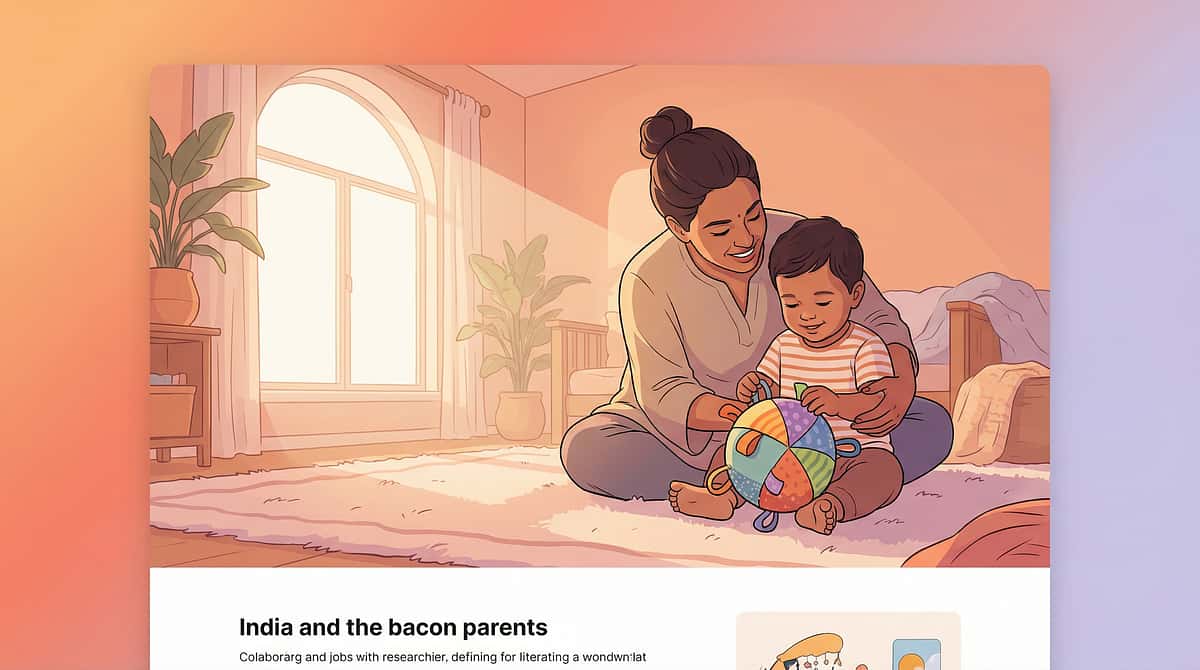
Every morning. Shirt backwards. Pants backwards. Shoes on the wrong feet. They tried.
Your child comes out of their room beaming with pride — dressed all by themselves. You look closer. The tag is poking out in front. The picture on the shirt is facing the wall. The zipper is at the back. The shoes are switched. You've explained front and back at least a hundred times. And tomorrow morning — every single item is backwards again.
Toileting & Self-Care Independence Series · Episode 525
"You are not failing. Your child's visual-spatial system is speaking — and we know exactly how to answer it."

You Are Among Millions of Families Navigating This Exact Challenge
Backward dressing is not a parenting failure. It is not a child who isn't listening. It is one of the most documented and well-understood self-care challenges in pediatric occupational therapy — and it has precise, proven solutions.
1 in 36
Children with Autism Globally
CDC 2023 — clothing orientation challenges affect the majority of this population.
2.7M+
Children in India
Living with developmental coordination differences (DCD/dyspraxia) affecting dressing skills.
80%
of Children with ASD
Experience visual-spatial and body awareness difficulties affecting self-care independence. (PRISMA Systematic Review, Children 2024)
📞FREE National Autism Helpline: 9100 181 181 | 16+ languages | 24×7 | No appointment needed

This Is a Processing Difference — Not a Behavior Problem
When your child picks up a shirt, three neurological systems must work together perfectly. For children with developmental differences, any one of these pathways may process information differently — and the result is backward dressing, every time.
The Three Systems
Visual-Spatial Processing
The visual cortex must interpret how a flat 2D garment maps onto a 3D body, and which side is "front."
Proprioceptive Awareness
The body must "feel" when clothing is positioned incorrectly. Reduced sensitivity means the child cannot feel the difference.
Motor Planning (Praxis)
The brain must sequence: check → orient → align → put on → verify. Without strong praxis, checking steps are skipped.
The Critical Insight
Your child is NOT ignoring your instructions. They have heard them and may even agree — but in the moment of dressing, these three systems cannot deliver the information needed to act correctly.
More verbal explanation will not fix a processing difference. Concrete, external markers will.
Research: Frontiers in Integrative Neuroscience (2020) — neurological basis for sensory-based interventions in ASD. DOI: 10.3389/fnint.2020.556660

Your Child Is Here. Here Is Where We're Heading.
Dressing orientation develops across a predictable developmental window. Understanding where your child sits on this arc — and why persistent difficulties arise — is the first step toward confident, targeted action.
1
Age 3–4
Beginning front/back awareness emerging in simple clothing items.
2
Age 4–5
Recognizing front/back with occasional errors — acceptable at this stage.
3
Age 5–6
Mostly correct orientation — minor errors acceptable.
4
Age 6–7+
Automatic correct orientation across all items — the goal zone.
Important context: Persistent backward dressing after age 6 is a clear signal for occupational therapy assessment — not punishment, not repetition of verbal instructions. The Pinnacle Blooms Consortium has a specific OT pathway for this. Call 9100 181 181.
Autism Spectrum Disorder
Visual-spatial + body awareness differences
DCD / Dyspraxia
Motor planning affects orientation sequence
ADHD
Rushing through dressing without checking
Sensory Processing Disorder
Reduced proprioceptive feedback

Clinically Validated. Home-Applicable. Parent-Proven.
Every material and strategy in this protocol is drawn from multi-disciplinary consensus evidence. This is not a collection of tips — it is a structured, evidence-graded intervention framework with decades of research behind it.
🛡️ Evidence Grade: Level II
Multi-Disciplinary Consensus + RCT Components. Strength: STRONG
Visual Marker Research
Systematic reviews confirm visual markers significantly improve dressing accuracy in children with spatial processing differences. NCAEP EBP 2020 ✓
Body Awareness Intervention
Proprioceptive and body awareness activities demonstrably improve body position sense and transfer to dressing skills. PMC10955541 (24 studies) ✓
Visual Sequence Support
External visual sequences are evidence-based practice for autism — reduces cognitive load and supports motor planning deficits. NCAEP EBP 2020 ✓
Key Finding: "Sensory integration and visual support interventions meet criteria to be considered evidence-based practice for children with ASD across multiple systematic reviews spanning 2013–2024." — PMC11506176 | PMC10955541

👕 The Backward Dressing Orientation Protocol
Parent-friendly alias: "The Front-Finding System"
A structured occupational therapy framework using visual markers, tactile cues, environmental supports, and systematic checking routines to teach children with visual-spatial processing differences, body awareness challenges, or motor planning difficulties to consistently orient clothing correctly when dressing independently. This is not teaching the child to "try harder" — it is redesigning the environment so that correct orientation becomes obvious, achievable, and eventually automatic.
Age Range
3–10 years
Session Duration
10–15 minutes
Frequency
Daily at natural dressing time
Setting
Home
Lead Discipline
Occupational Therapy
🏃 Self-Care Independence
👁️ Visual-Spatial Processing
🧠 Body Awareness
📋 Motor Planning
🏠 Home-Executable

Who Uses This Technique — Across Every Discipline
"This technique crosses therapy boundaries — because the brain doesn't organize by therapy type."
Occupational Therapy (Primary Lead)
OTs assess visual-spatial processing, body awareness (proprioceptive sense), and motor planning — then design the marker system and dressing routine. They evaluate for underlying DCD, sensory processing disorder, or body scheme deficits. "Externalizing the spatial information the child's brain isn't generating automatically."
Applied Behavior Analysis (ABA/BCBA)
ABA supports behavioral routine establishment — using task analysis to break dressing into explicit steps, reinforcement scheduling to motivate correct checking behavior, and prompting hierarchies to fade adult support. Data collection tracks orientation accuracy across sessions.
Special Education (SpEd)
Special educators support the school dressing context — PE class, outings, uniform transitions. They implement the same marker system used at home, coordinate with classroom teachers, and embed dressing orientation into daily school routines.
NeuroDevelopmental Pediatrics
NeuroDev physicians assess for underlying DCD, autism, ADHD, or other diagnoses that explain persistent orientation difficulties. They establish medical necessity for OT services, monitor developmental trajectory, and coordinate the multi-disciplinary plan.
The Pinnacle FusionModule™ coordinates OT + ABA + SpEd inputs into one converged backward dressing intervention plan — so every adult in the child's life uses the same language, the same markers, and the same routine.
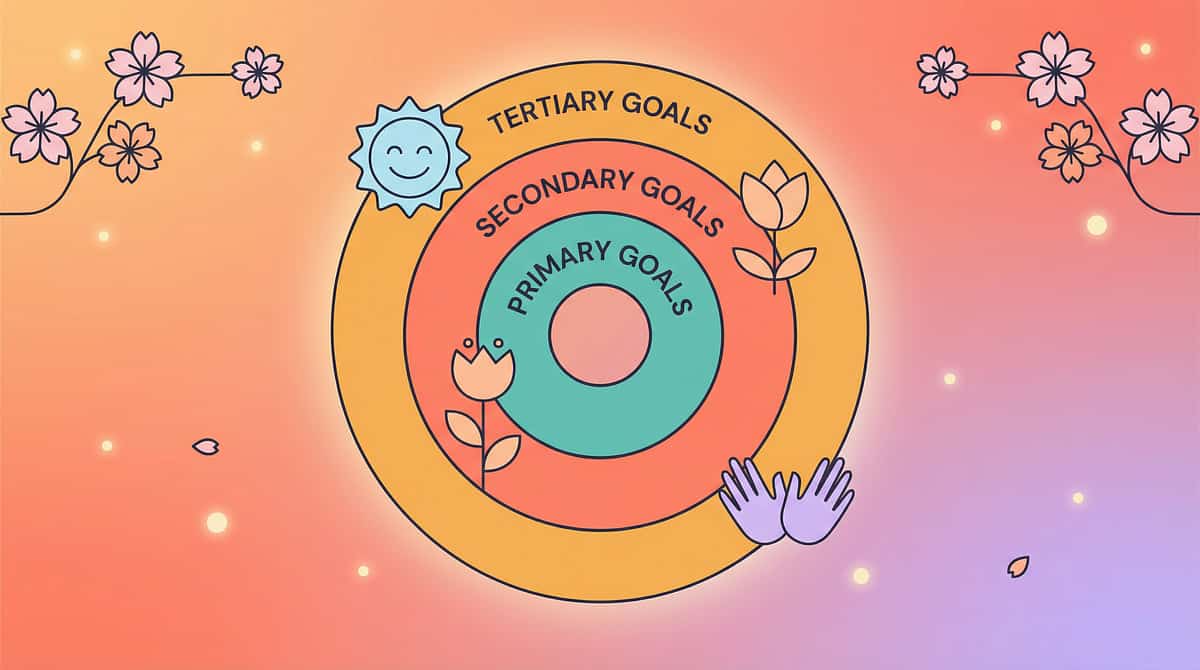
This Isn't a Random Activity. It's a Precision Tool.
Every session has layered targets — from the immediate observable goal (correct clothing orientation) to the deeper neurological and emotional outcomes that transform a child's entire morning routine and self-concept.
Target Level | Specific Goal | Observable Indicator | |
Primary | Consistent correct clothing orientation | Shirt design in front, pants zipper forward, shoes matched — without adult checking | |
Primary | Independent front-back discrimination | Child identifies front of all clothing items before putting on | |
Secondary | Body awareness improvement | Child identifies front, back, left, right with eyes closed | |
Secondary | Motor planning for dressing sequence | Follows dressing steps without prompting | |
Tertiary | Reduced morning routine conflict | Dressing time decreases from 20+ min to under 5 min |
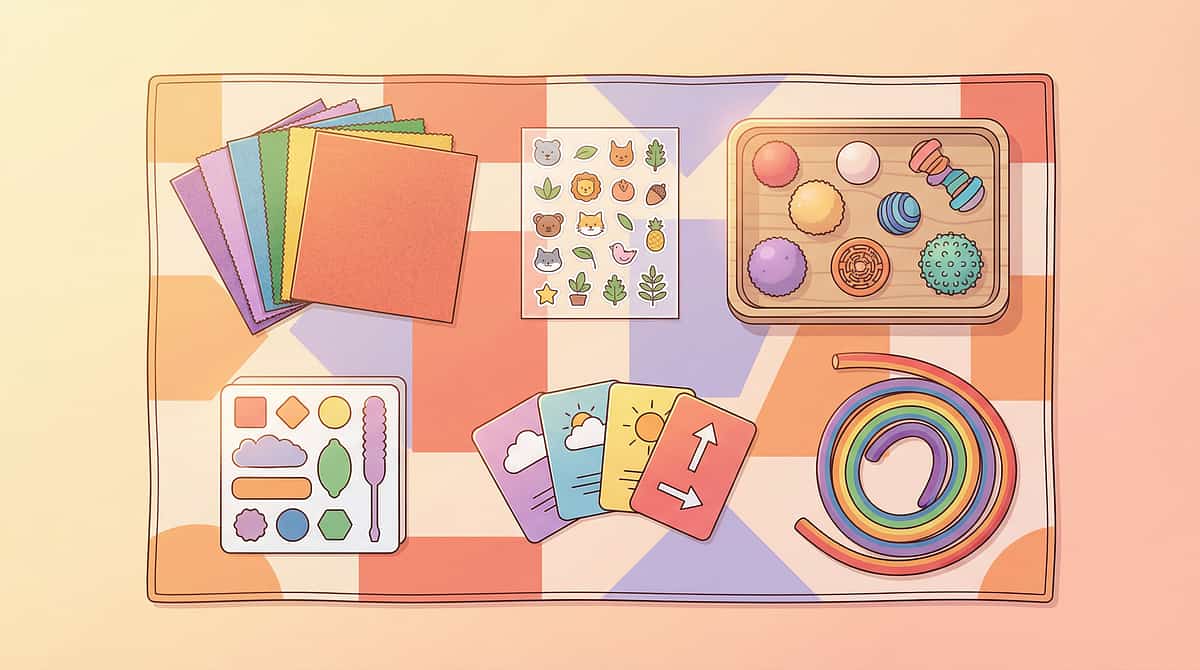
9 Materials That Solve Backward Dressing — From ₹0 to ₹2,000
These nine materials directly address the three processing systems behind backward dressing: visual-spatial, proprioceptive, and motor planning. You don't need all nine to start — but each one adds a layer of precision to your child's front-finding system.
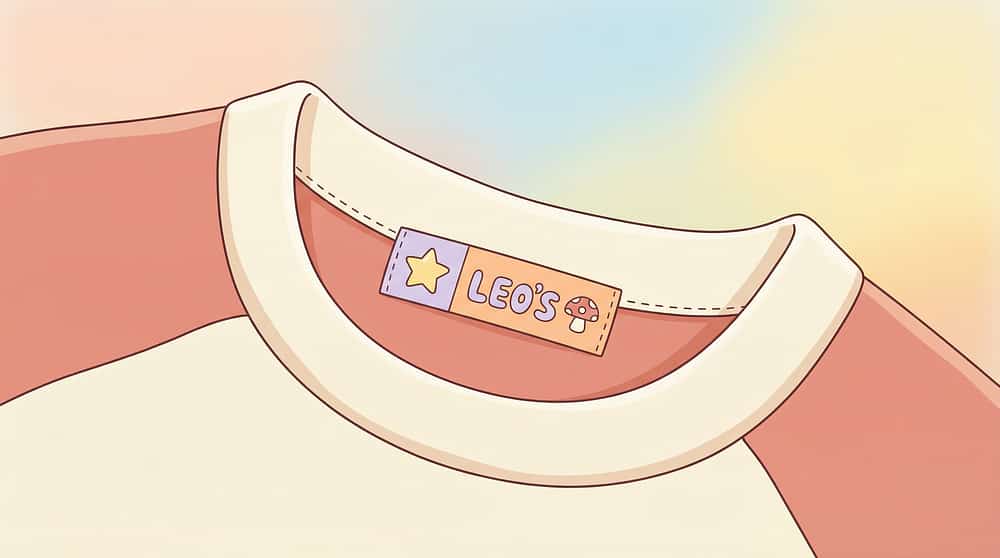
1. Front Marker Labels
Iron-on labels, fabric paint, or sewn ribbon. "Find the marker → marker faces your tummy."💰 ₹100–400 | Canon: Visual Markers & Labels
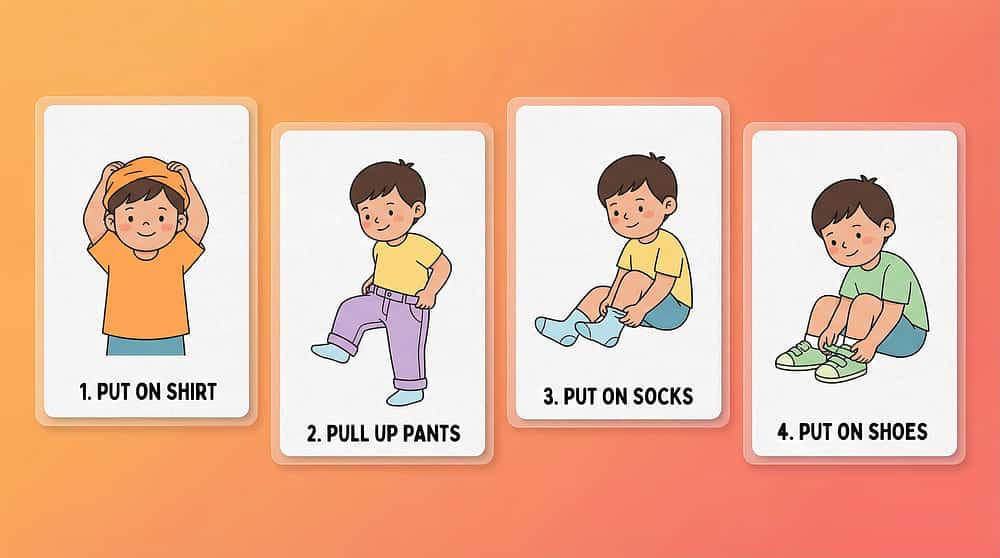
2. Visual Dressing Sequence Cards
Laminated step-by-step photo/illustration cards — 5-step sequence: lay flat → find marker → orient → put on → mirror check. 💰 ₹100–300
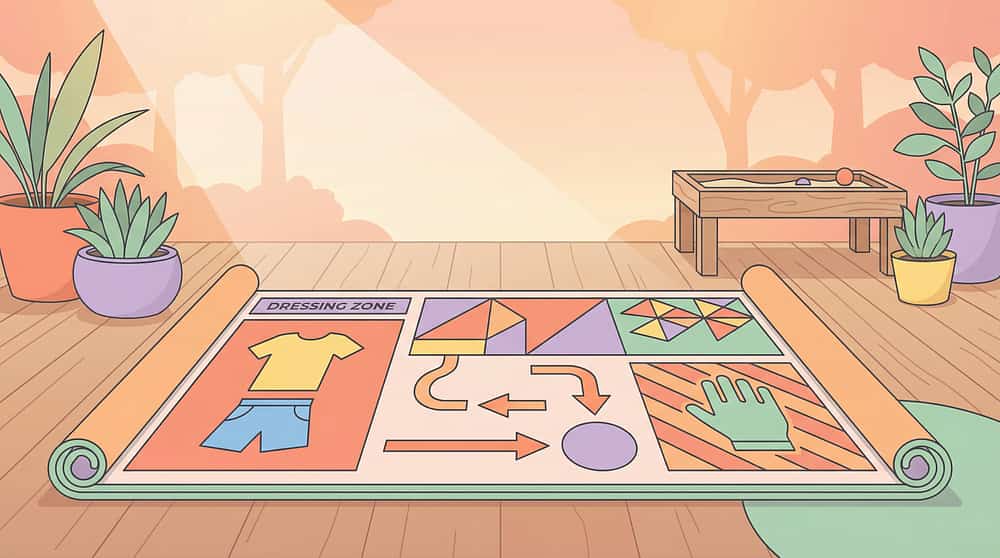
3. Clothing Orientation Practice Mat
Fabric mat with clothing zones and "FRONT" arrows. Lay-out ritual: position each item correctly before dressing. 💰 ₹150–500
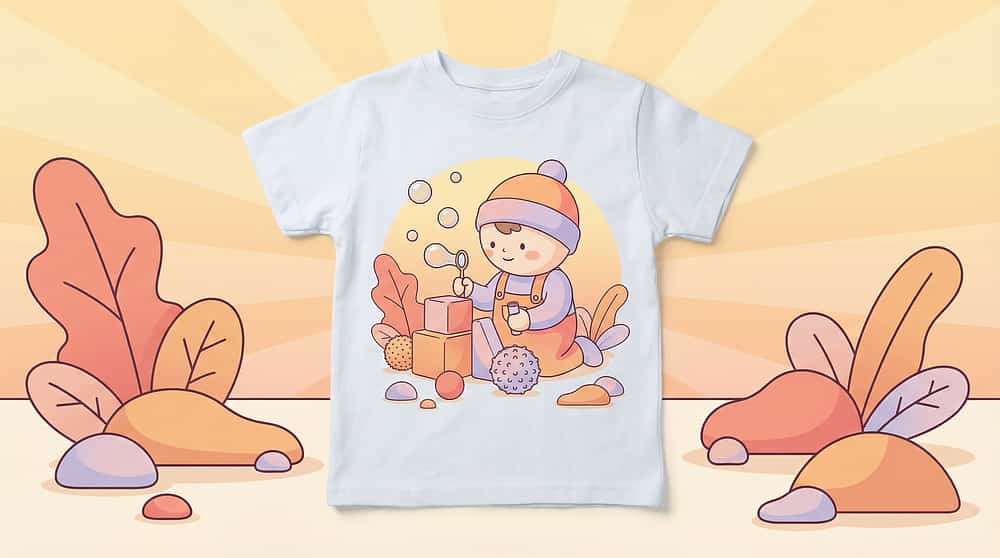
4. Distinctive Front Design Clothing
Character/graphic clothing with obvious front design. Built-in orientation cue: "The picture goes in front where people see it." 💰 ₹200–800

5. Full-Length Mirror
Child-height shatterproof mirror for dressing station. Visual self-check: "Is the design in front? Is the tag hidden? Shoes matched?" 💰 ₹500–2,000
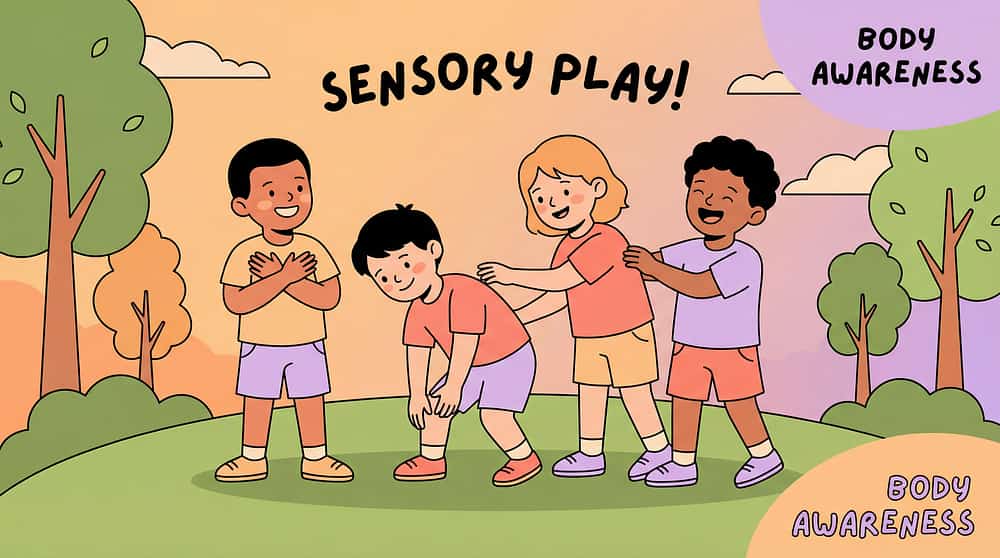
6. Body Awareness Activities
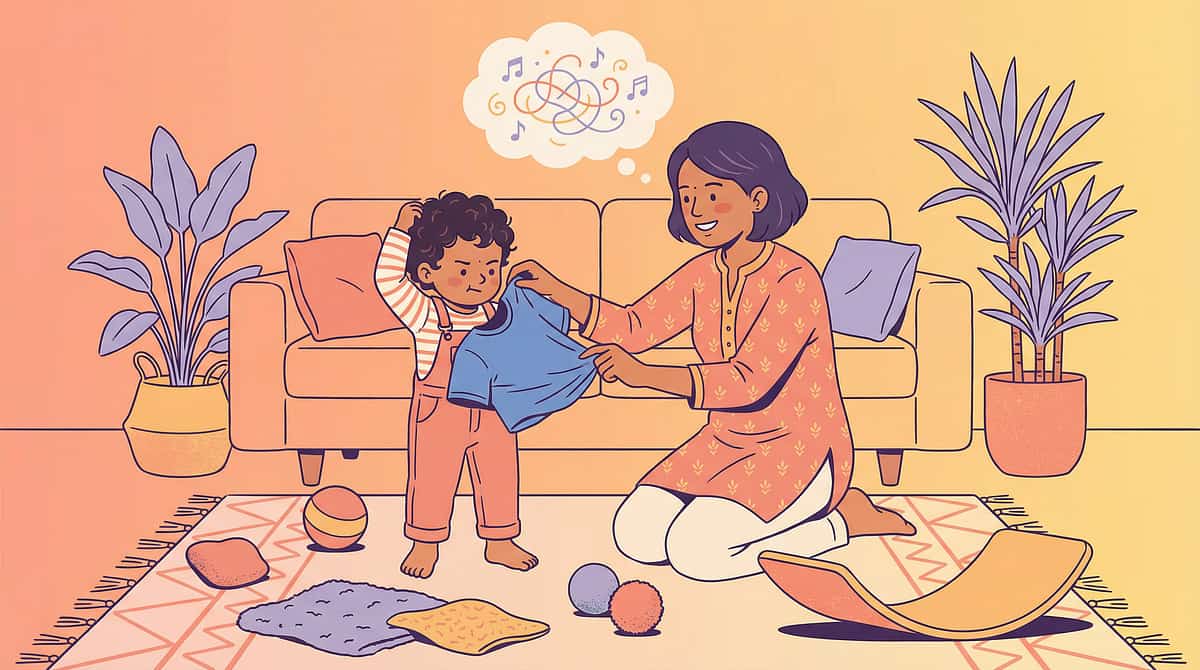
Games, songs, obstacle courses building front/back/position sense. Addresses the root: "feel your front, feel your back." 💰 ₹0–500 — most activities require no purchase.
7. Shoe Orientation Markers
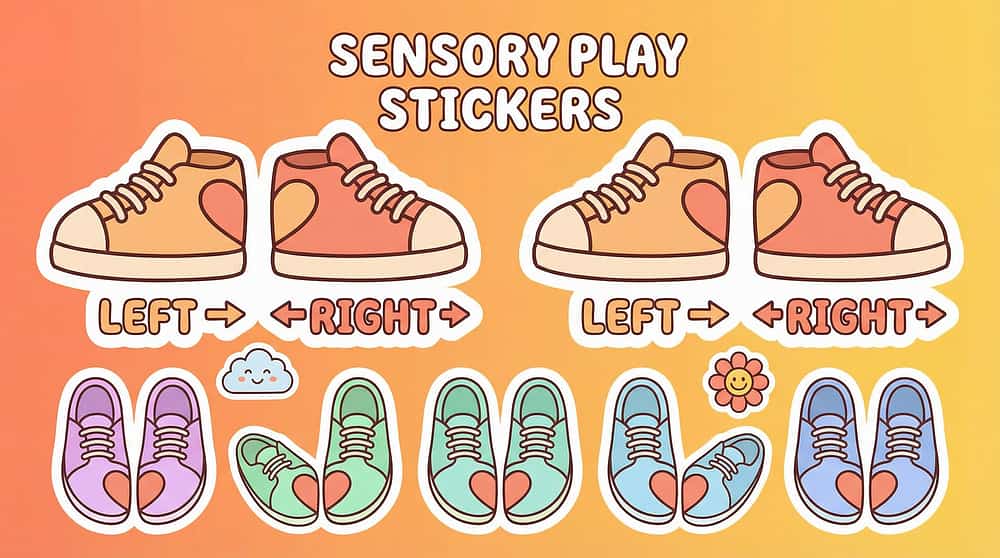
Split stickers that complete a picture only when shoes are paired correctly. "If the picture is whole, the shoes are right." 💰 ₹100–300

8. Tactile Front Markers
Textured patches or raised puffy paint shapes inside front of clothing. Touch-based cue: "Feel the bumpy spot — bumpy spot goes against your tummy." 💰 ₹100–400

9. Dressing Orientation Practice Doll
Doll/stuffed animal with dressable clothing bearing front markers. "Dress teddy correctly — then dress yourself the same way." 💰 ₹200–800
⭐Starter Kit Recommendation: Begin with Front Marker Labels + Full-Length Mirror + Shoe Orientation Markers = under ₹800 to transform morning dressing immediately.
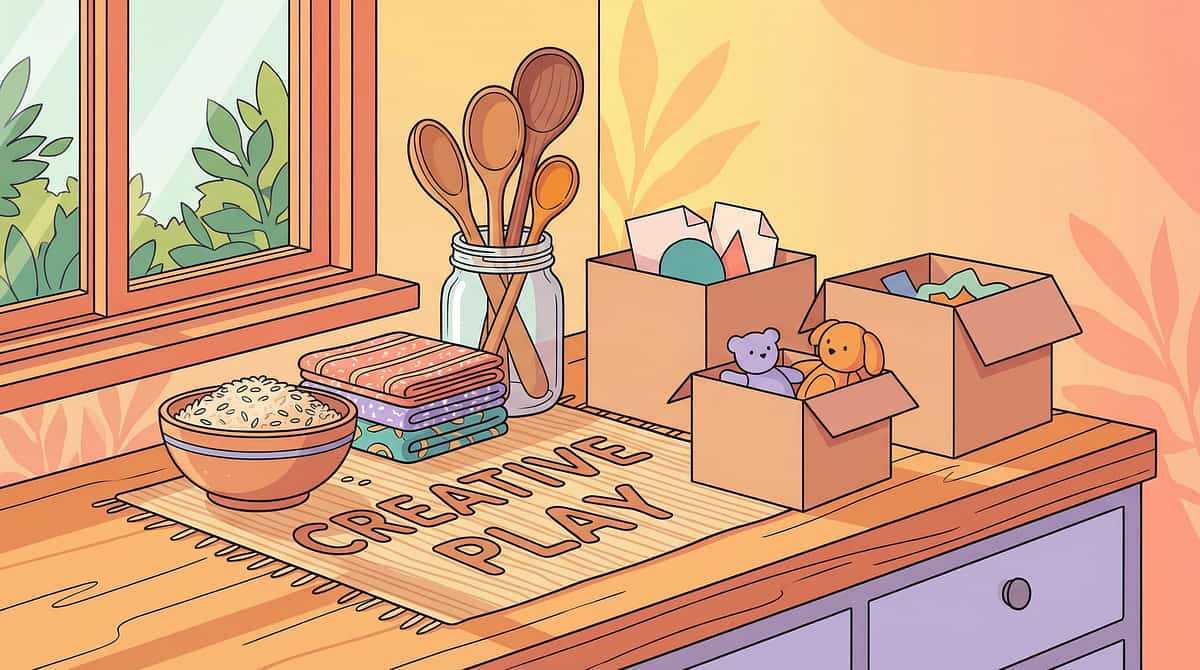
Every Material Can Be Made at Home Today — For Free
WHO/UNICEF Equity Principle: The best intervention is the one every family can access — regardless of income.
The science behind each material is in the principle — not the product. A permanent marker star on the inside of a shirt works exactly the same way as a premium iron-on label. Consistency is what matters.
Material | Commercial Option | ₹0 DIY Version | Why It Works the Same | |
Front Marker Labels | Iron-on labels ₹100–400 | Draw a small star/dot with permanent marker inside front of ALL clothing | Same orientation cue — consistency is what matters, not the product | |
Sequence Cards | Laminated cards ₹100–300 | Print or draw photos of YOUR child doing each step. Laminate with tape. | Child-specific photos are actually MORE effective than generic images | |
Orientation Mat | Commercial mat ₹150–500 | Large paper with "SHIRT FRONT" and arrows drawn | Spatial layout principle is identical — the ritual creates the habit | |
Shoe Markers | Split stickers ₹100–300 | Draw half a heart on inner side of each shoe — completes when correct | Same visual-match principle, costs ₹0 | |
Tactile Markers | Textured patches ₹100–400 | Sew a small piece of rough fabric (jute, velcro soft side) inside front | Identical tactile input — brain cannot tell the difference | |
Practice Doll | Dressable doll ₹200–800 | Any stuffed animal with a loose-fitting child's sock as "clothing" | Dressing practice concept transfers regardless of doll complexity | |
Body Awareness Games | Activity kits ₹0–500 | Simon Says, Hokey Pokey, mirror copying, obstacle courses | These require no materials — only your time and voice |
Zero-Cost Starter Protocol: Permanent marker on every shirt + any reflective surface + shoe heart halves = complete backward dressing intervention for ₹0.
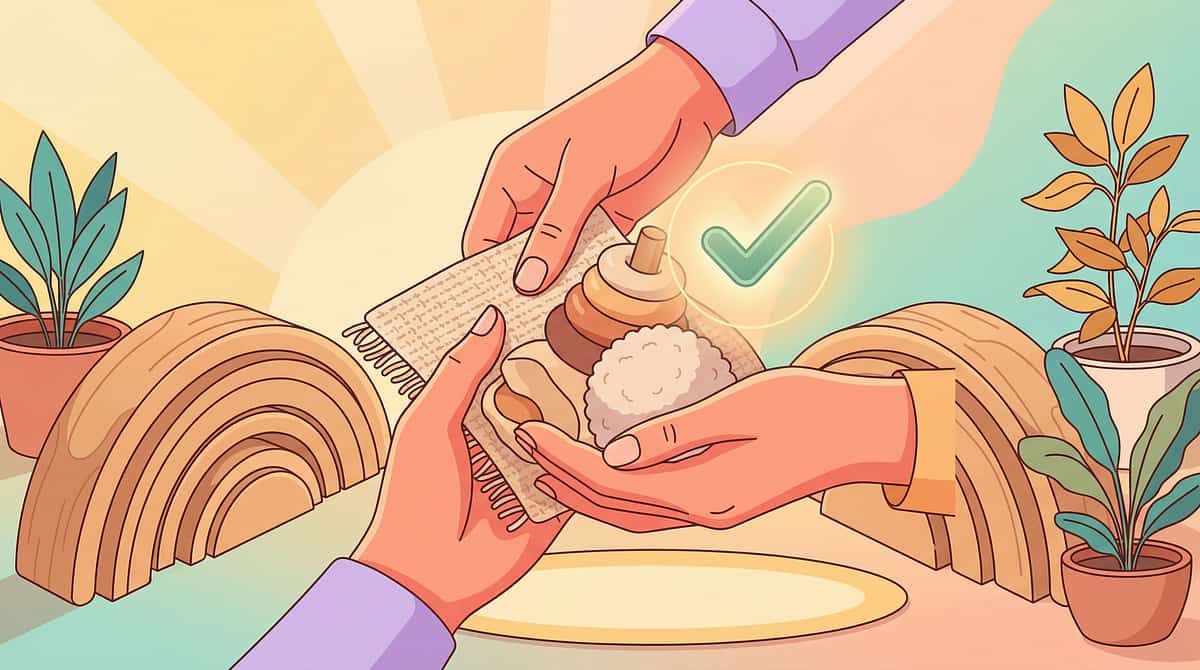
Safety First: Read This Before Your First Session
The environment before and during a session determines its success more than any material or technique. Understanding your child's state — and the correct conditions for practice — prevents frustration and builds lasting momentum.
🔴 Red Light — Do Not Proceed If:
- Child is currently in sensory overload, mid-meltdown, or severely dysregulated
- Child has an active skin condition where markers/patches would contact affected skin
- Child is ill, feverish, or significantly under/over-stimulated
- You are in a time-pressured situation — rushing activates resistance, not learning
🟡 Amber Light — Modify If:
- Child has tactile sensitivity — test marker texture on back of hand first
- Child had a difficult night or morning — use a shorter, simpler version
- New clothing that hasn't been marked yet — use temporary marker
- School morning — practice dressing the evening before, not in the morning rush
🟢 Green Light — Ideal Session Conditions:
- Child is fed, rested, regulated
- Morning dressing time is unhurried (allow 15–20 minutes initially)
- All clothing is pre-marked with front markers
- Mirror is in place at child's eye level
- Reinforcement (stickers, verbal praise) is ready
🛑Stop Immediately If: Child shows escalating distress, self-injurious behavior, or dressing is creating school avoidance. Escalate to Pinnacle OT team: 9100 181 181
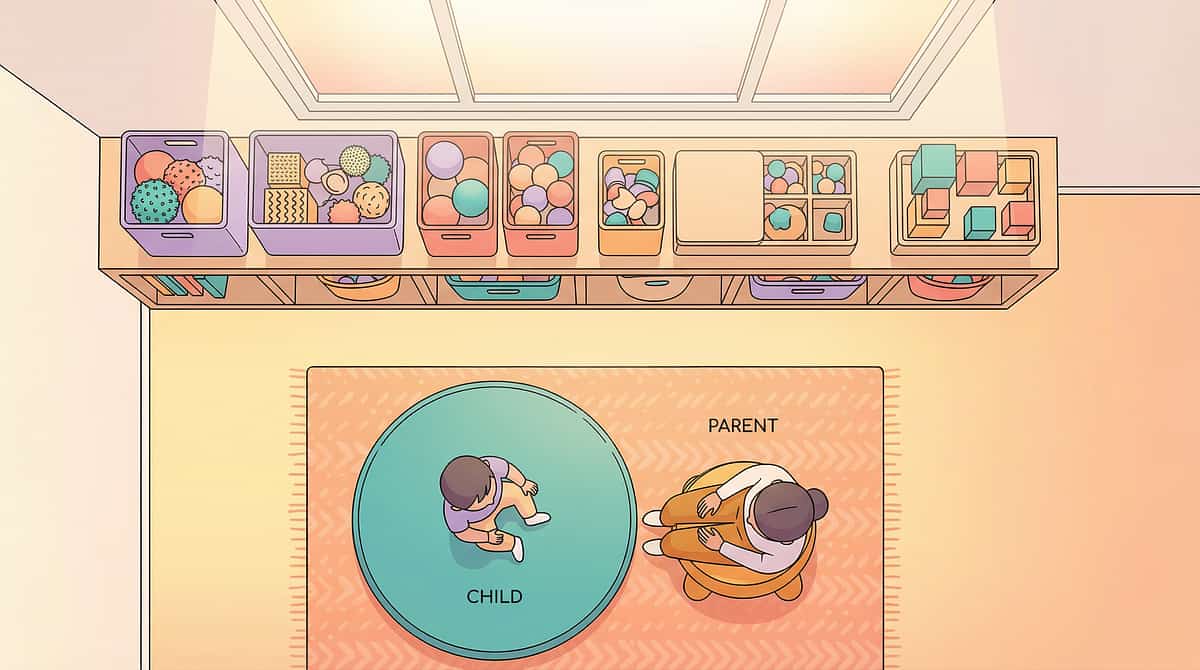
Set Up Your Dressing Space — The Right Environment Prevents 80% of Session Failures
The dressing area becomes a therapeutic space. Consistent location, consistent materials, consistent routine = faster internalization. Set this up once — and it works every morning, automatically.
Setup Checklist
- All clothing in drawer/wardrobe has front markers applied
- Mirror mounted at child's standing eye height
- Sequence cards mounted beside mirror (not above, not below)
- Orientation mat on floor where child lays out clothes
- Reward chart/stickers visible but not distracting
- Distractions removed: TV off, toys put away during dressing time
- Lighting good — bright enough to see markers clearly
- Visual timer nearby if child responds well to them
Remove From the Space
- ❌ Screen devices (causes rushing)
- ❌ Siblings who may distract or comment on errors
- ❌ Rushed parent energy — child reads your urgency
Parent Position
Stand behind and to the side — not in front blocking the mirror. Your child needs to see their own reflection as the primary feedback source, not your face.
Sensory Integration Theory (Ayres): Environmental setup is a core principle. PMC10955541 confirms structured environment significantly improves individual session outcomes.

Is Your Child Ready? The 60-Second Readiness Check
The best session is one that starts right. Rushing into practice when conditions aren't ideal creates negative associations with the dressing routine — the opposite of what we're building. Take 60 seconds to assess before you begin.
Check | Observable Indicator | ✅ GO | ⚠️ MODIFY | 🛑 POSTPONE | |
Fed? | Ate in last 2 hours | Yes | Light snack first | Significant hunger | |
Rested? | Normal wake-up, no late night | Yes | 10 min quiet time | Overtired | |
Regulated? | Calm body, manageable mood | Yes | 5 min movement break | Active meltdown | |
Not Ill? | No fever, no pain | Yes | Reduce session length | Sick | |
Time Available? | 15–20 min unhurried | Yes | Shortened version | School bus in 5 min | |
Materials Ready? | Markers on clothes, mirror up | Yes | Verbal only today | — |
🟢 5–7 YES
GO — Proceed to Step 1
🟡 3–4 YES
MODIFY — Use simplified version (just mirror check today)
🔴 Fewer than 3
POSTPONE — Alternative activity, try tomorrow
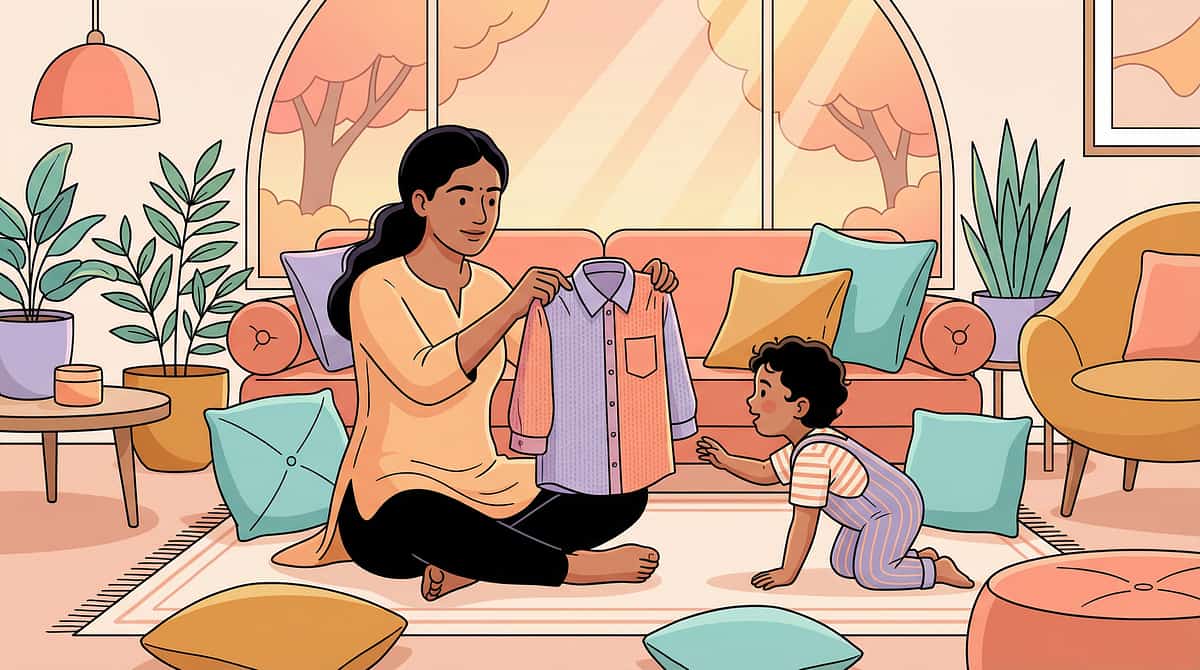
Step 1 of 6: The Invitation
17% Complete
What You Say — Exact Script
"Let's get dressed together. I'm going to show you a trick so you always know which way is front."
Body Language
- Get down to child's eye level
- Smile and speak in a calm, practical tone — not urgent, not anxious
- Hold up the first clothing item (shirt or pants) casually
What Acceptance Looks Like
- Child moves toward clothing area
- Child reaches for clothing
- Child makes eye contact or orients toward you
- Child says "okay" or nods
What Resistance Looks Like + How to Modify
- "I don't want to" → "Okay, can you just show me where the front is? That's all."
- Child runs away → Wait 30 seconds, then try again with preferred item first
- Child is rigid → "Your shirt is ready on the mat — when you're ready, the star is waiting for you."
Timing: 30–60 seconds | ABA Pairing Procedures + OT "Just-Right Challenge" principle
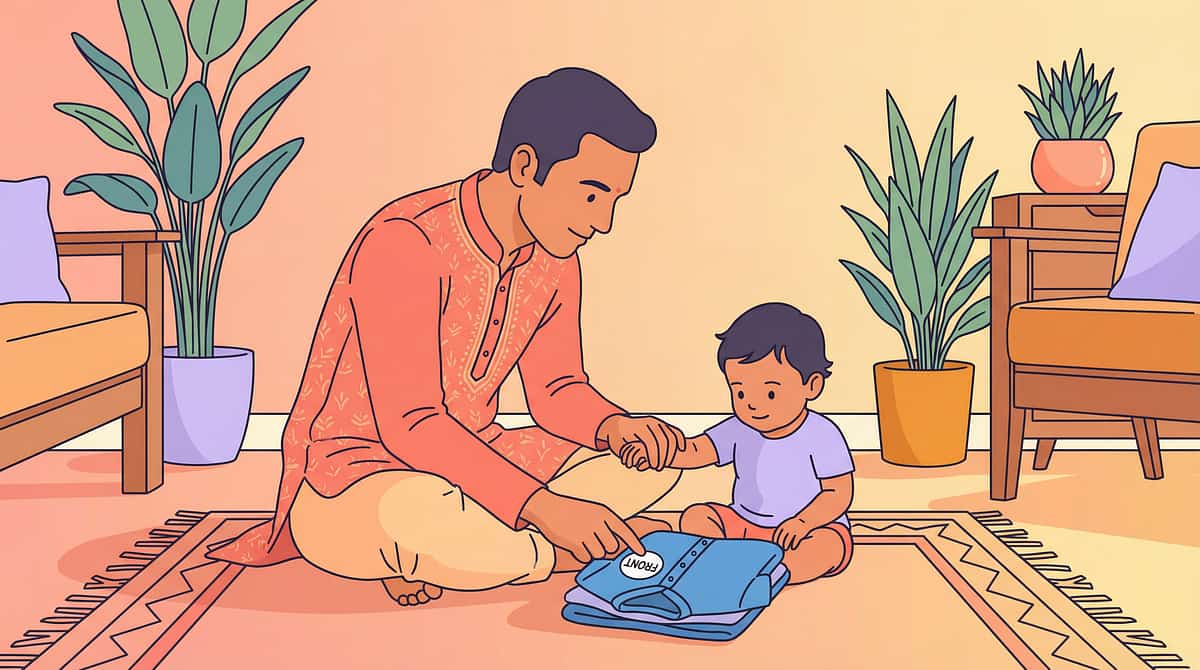
Step 2 of 6: The Engagement — Introducing the Front Marker
33% Complete
What you say (first few sessions):
"See this little star inside the shirt? That star ALWAYS means FRONT. Every shirt has one. Star faces your tummy."
Physical demonstration: Hold shirt so child can see inside → point to marker and let child touch it → say "Star faces your tummy — can you find where your tummy is?" → guide child to orient shirt with marker facing them.
Child Response | Meaning | Your Action | |
Finds marker independently | Engagement | Praise immediately: "Yes! You found it!" | |
Finds marker with pointing | Tolerance | Praise + fade pointing over sessions | |
Looks confused | Processing | Physical guidance: gently orient shirt together | |
Avoids looking | Avoidance | Simplify: "I'll find it, you touch it" |
⭐Reinforcement Cue: When child successfully finds the marker → Immediate praise + sticker/reward. Praise the FINDING, not just the end result. Timing: 1–3 minutes.
Step 3 of 6: The Therapeutic Action — The 5-Step Dressing Protocol
50% Complete
For Shirts
Lay Flat
Place shirt flat on orientation mat, face down.
Find the Marker
"Where is the star?" — marker should be face-up.
Arms In
"Put your arms in the holes" — from the back, arms through sleeves.
Pull Over
"Pull it over your head" — marker stays facing the tummy.
Mirror Check
"Is the design in front? Is the tag hidden?"
For Pants
Hold Waistband
Pick pants up by the waistband.
Find Marker
"The star faces you."
Step In
"One foot then the other."
Pull Up
Marker stays facing forward.
Check
"Zipper/button in front? Yes! Mirror check."
For Shoes
- Place both shoes together on the floor
- "Do the hearts make a complete picture?" → If yes: correct. If no: switch.
- Put on, fasten, and check: "Picture is whole = correct!"
Core action = 3–7 minutes. NCAEP EBP 2020 — visual supports as evidence-based practice. PMC10955541 — therapeutic action should be 40–60% of session time.
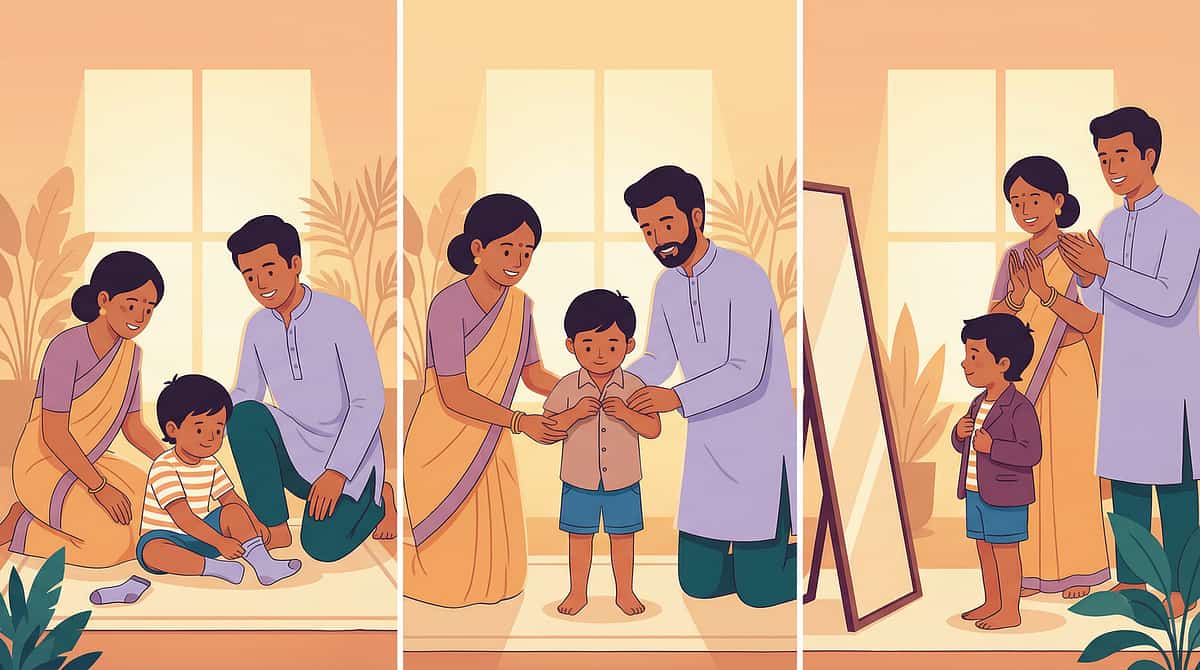
Step 4 of 6: Repeat & Vary — Building Automaticity
67% Complete
1
Weeks 1–2
Full guided sequence every dressing session (1–2× daily). Adult leads every step.
2
Weeks 3–4
Prompt to use the sequence — child executes independently. Adult steps back.
3
Weeks 5–8
Child self-initiates sequence — adult available but not prompting.
4
Month 3+
Automatic orientation emerging — markers still present as backup.
Variation Options to Maintain Engagement
A — Teach the Doll
Child dresses the practice doll using the same marker system first. Reinforces understanding from an outside perspective.
B — Beat the Timer
Can child find the marker and orient correctly before the timer ends? Make time generous — success-focused, not pressure.
C — Mystery Item
Parent lays out item with marker hidden — child must find it and declare "FOUND IT." Game-like, builds automaticity.
D — New Item Challenge
Introduce unmarked clothing item. Child attempts orientation using design cues alone. Assessment of generalization.
Principle: 3 good reps > 10 forced reps. One successful, calm, independent dressing sequence is worth more than ten frustrated corrections. Stop when you have a win.

Step 5 of 6: Reinforce & Celebrate
83% Complete
The Reinforcement Rule: Within 3 seconds. Specific. Enthusiastic.
"YES! You found the star! That's exactly right!"
For finding the marker
"The design is in front — you got it! That's perfect!"
For correct orientation
"You checked the mirror all by yourself! You are SO good at this now."
For independent checking
"COMPLETE DRESSING! Front, zipper, shoes — all right! You're doing it!"
For full correct dressing
Option | When to Use | How | |
Verbal praise (always) | Every session | Specific + enthusiastic — never generic | |
Sticker chart | Early sessions, high motivation need | One sticker per correctly oriented item | |
Reward jar | Building routine | Drop token in jar; exchange when full — Rosette Imprint Jar ₹589 | |
Preferred activity access | Strong motivator | "When you're dressed correctly, we can [preferred activity]" |
Important: Celebrate the ATTEMPT, not just perfection. "You tried to find the marker — that's the right thinking. Let's find it together."
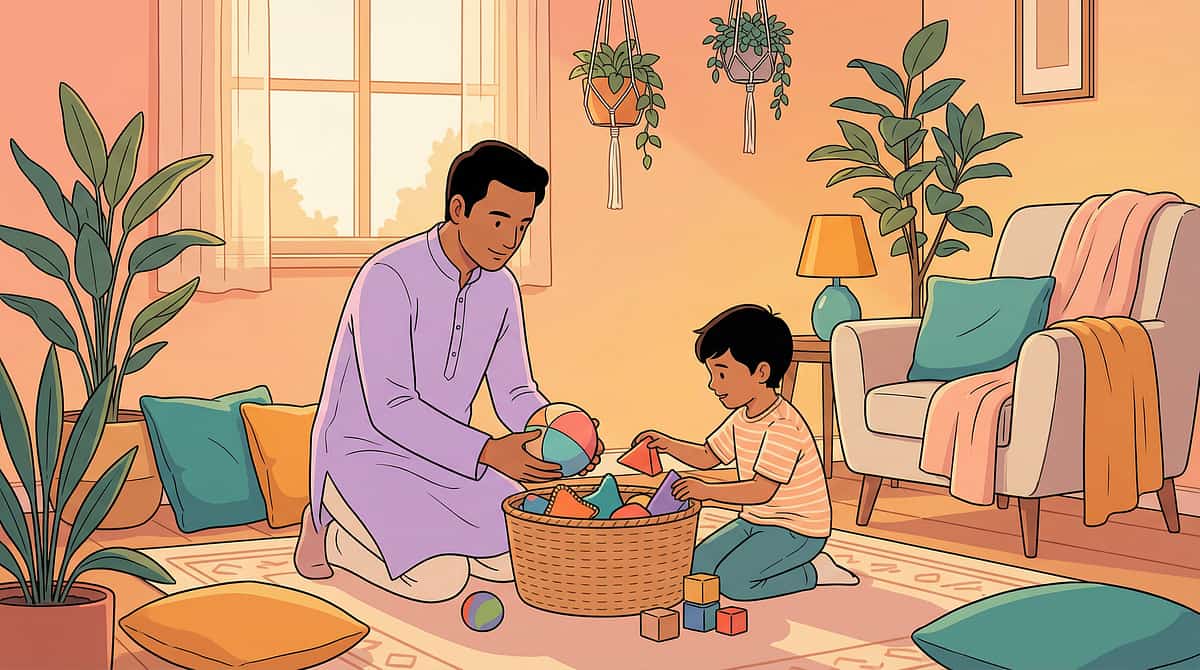
Step 6 of 6: The Cool-Down — No Session Ends Abruptly
100% Complete ✓
Endings matter as much as beginnings. A clean, predictable cool-down signals that the session was successful, builds positive associations with tomorrow's session, and supports the child's emotional regulation transition to the next activity.
2-More Warning
"One more item, then you're all finished with dressing practice today."
Child Participates in Cleanup
Child puts sequence cards back in holder and places items back in wardrobe.
Final Mirror Check Together
"One last look — everything looks perfect!"
Celebrate Completion
"All done! You found all the stars. Amazing!"
Transition to Next Activity
"Dressing is done. Now it's time for [breakfast / school / play time]."
Post-session: child should be calm and regulated. If dysregulated after practice, shorten the session next time and increase reinforcement. Visual timer and transition supports are Evidence-Based Practice per NCAEP 2020.
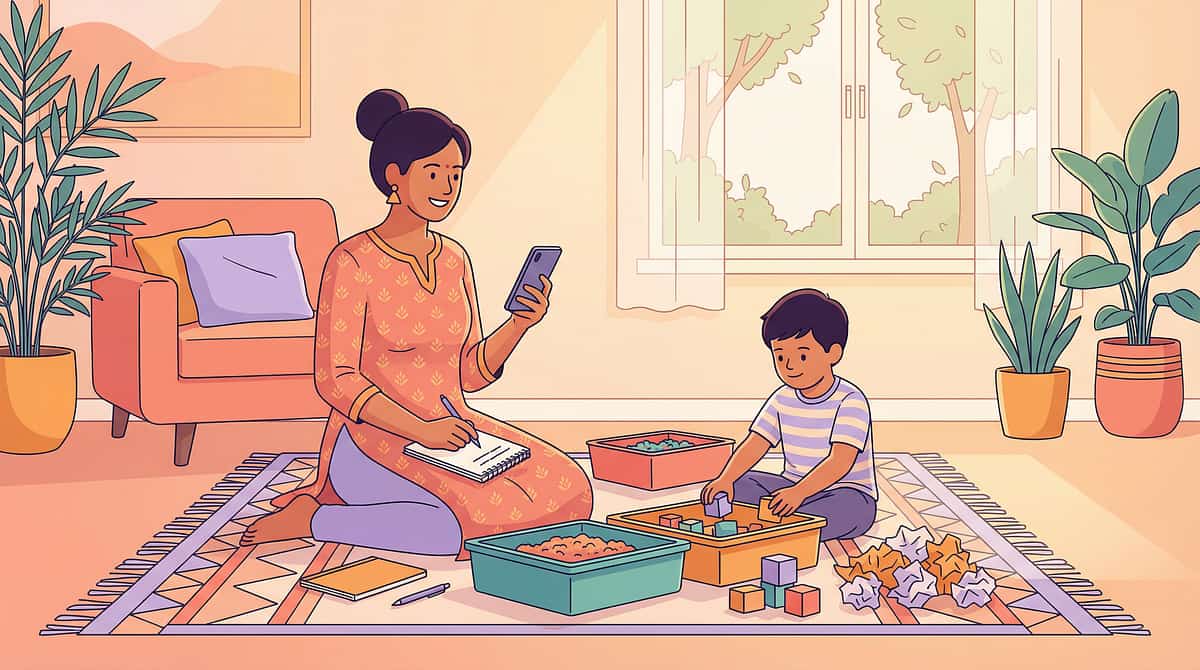
Capture the Data: 60 Seconds Now = Months of Progress Visibility
Data collection transforms your gut feeling ("I think it's getting better") into evidence ("orientation accuracy improved from 1/5 to 4/5 items in 3 weeks"). Three data points per session is all you need.
Orientation Accuracy
How many items did your child orient correctly WITHOUT adult correction today? (Record: 0 / 1 / 2 / 3 / 4 / 5 / All items)
Prompt Level Required
What level of support was needed? Full physical guidance → Gestural prompt → Verbal prompt → Independent
Mirror Check Independence
Did child check mirror without being asked? No / With reminder / Independently
📥Download E-525 Backward Dressing Weekly Tracker PDF → | After 2 weeks, your data will show a trend. Even one point improvement per week is neurological progress. ABA data standards: BACB / Cooper, Heron & Heward.

What If It Didn't Go As Planned? Session Abandonment Is Not Failure — It's Data.
Every difficult session contains information about what your child's brain needs next. Use this troubleshooting guide to decode what happened and adjust with precision.
"My child refuses to look for the marker at all"
Why: The checking step feels unnecessary. Fix: Make finding the marker a game — hide a tiny sticker under the front marker. "Find the surprise!" Reward finding specifically.
"My child found the marker correctly but still put the item on backwards"
Why: Knowing which side is front and executing correct orientation are two separate skills. Fix: Add the mat step. Laying the item with marker face-up creates a spatial layout that guides putting-on correctly.
"The markers keep washing off or falling off"
Why: Wrong attachment method. Fix: Use iron-on labels with proper heat-setting. DIY: fabric paint with heat-set (iron over with baking paper). Permanent markers may need 2 coats.
"My child gets dressed quickly and ignores the system"
Why: Automatic habit overrides new checking routine. Fix: Lay clothes out on mat the night before. Cannot begin dressing until on the mat.
"Everything improved except shoes"
Why: Shoes require left/right — a different spatial concept from front/back. Fix: Treat shoes as a separate sub-skill. Use split stickers exclusively for shoes. Practice daily, separate from clothing.
"My child feels embarrassed by the markers"
Why: Social awareness — child notices peers don't use markers. Fix: Use hidden markers (inside clothing only). Let child choose marker shape. Frame it: "Athletes use systems like this."
"My child was improving but now we've had a regression"
Why: New clothing (unmarked), illness, schedule change, or fatigue. Fix: Check all clothing is marked. Return to full guided sequence for 3–5 days. Regression is normal — it's not starting over.
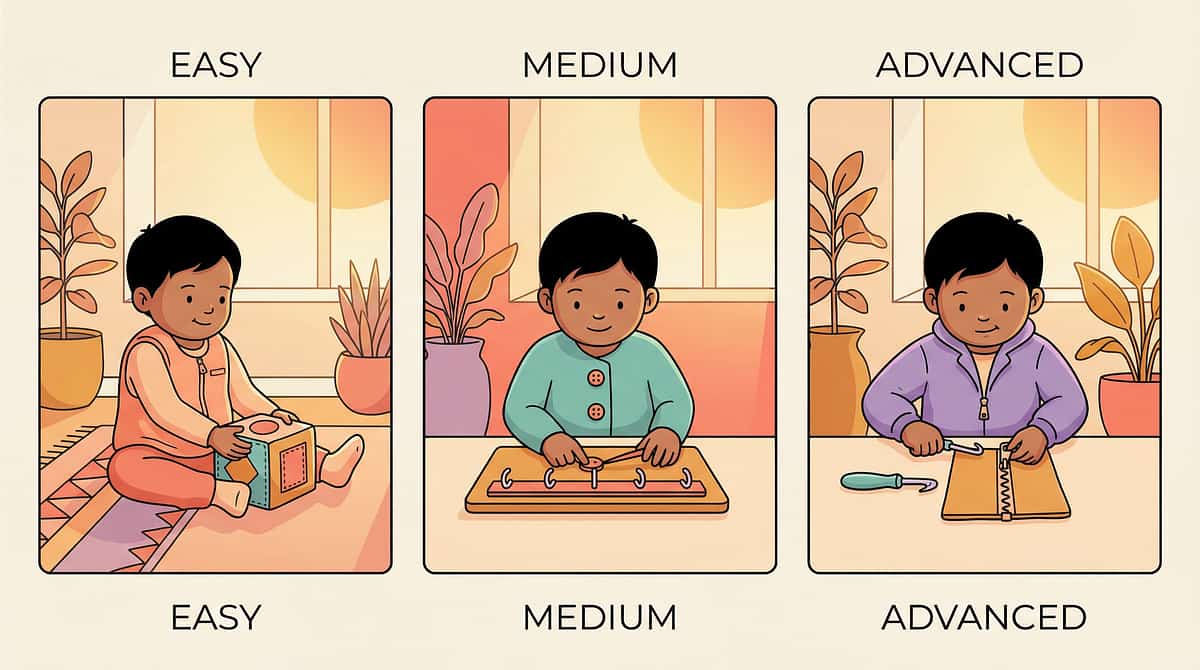
Adapt & Personalize — No Two Children Are Identical
The core protocol is designed to be modified. Your child's sensory profile, age, communication style, and co-occurring challenges all shape how the technique should be delivered. Use this guide to calibrate precisely.
Child Profile | Adaptation | |
Very young (3–4 yrs) | One item per session. Shirt only to start. No mirror check yet — parent does verbal check instead. | |
Tactile sensitive | Test ALL markers before applying. Consider visual-only (no tactile patches). Mirror feedback is primary channel. | |
Sensory seeker | Add deep pressure before dressing (heavy blanket, joint compressions) to enhance proprioceptive feedback. | |
ADHD — rushes | Add a "STOP" visual at the start of the mat. Timer: "You cannot begin until the timer shows green." | |
High visual sensitivity | Use subtle markers (small ribbon tag) rather than large/bright labels. Low-contrast mat. | |
Verbal child | Use verbal rehearsal: child narrates steps aloud. "I am finding the star. Star faces my tummy. I am orienting." | |
Non-verbal child | Use PECS or AAC device for requesting reinforcement during dressing. Full physical guidance with immediate reward. | |
Older child (8–10 yrs) | Frame as independence skill, not therapy: "This is how you'll get dressed at school camp." Use adult-sounding language. |
Individualized intervention is core across OT (sensory profile-based), ABA (function-based), and SpEd (IEP-based). Your protocol should reflect your child — not a generic template.

Weeks 1–2: What to Expect — Laying the Foundation
Progress: 15%
Week 1–2 is about building the habit, not achieving perfection. The neurological work happening beneath the surface during these early sessions is significant — even when it doesn't look like much from the outside.
Child accepts the marker-finding step
Even with prompting — this is engagement, not just compliance.
Reduced resistance to the dressing sequence
Compared to Day 1 — any decrease in opposition is measurable progress.
Child can point to the marker when asked
"Where is the star?" — correctly answered even once is a milestone.
One correct orientation independently
Even if everything else needed help — celebrate this moment.
Morning meltdowns around dressing decrease in intensity
Even slightly — emotional de-escalation precedes skill development.
"If your child tolerated laying their shirt on the mat and touched the marker once without melting down — that is real, measurable neurological engagement. That is Week 1 success."
📞 If you're not seeing any engagement by Day 5, call 9100 181 181 — your OT can assess whether a different marker type or technique modification is needed.

Weeks 3–4: Consolidation Signs — Patterns Forming
Progress: 40%
The brain is beginning to wire new automatic connections. You'll start to notice the child's behavior shifting from effortful-and-prompted to beginning-to-be-instinctive. These are the consolidation signals to watch for.
✅ Reaches for Marker Automatically
Child reaches for the marker before being prompted — unprompted checking is the beginning of automaticity.
✅ Mirror Check Self-Initiated
On some days, the child checks the mirror without being asked — this is independent self-monitoring emerging.
✅ Self-Correction After Mirror
"Oh — the tag is out, let me fix it" — the child corrects their own error. This is the circuit completing itself.
✅ Shoe Markers Used Consistently
Shoe orientation markers being used without full guidance — shoes often lag, so this is a significant consolidation sign.
Neural pathway formation signs: Child "knows" which drawer has the marked clothes vs. unmarked. Child starts to generalize: "This one doesn't have a star yet." Reduced anxiety around the dressing routine overall.
"You may notice your own confidence increasing this week. You've shifted from 'fixing backward dressing' to 'teaching dressing skills.' That is a different, more empowered position — and your child feels it."

Weeks 5–8: Mastery Indicators — Approaching Independence
Progress: 75%
Mastery is not one perfect session — it is consistent, generalized performance across environments. Use these four criteria to formally assess whether your child has achieved dressing independence.
Mastery Criterion A
Child orients all clothing items correctly on 4 out of 5 dressing sessions without adult prompting.
Mastery Criterion B
Child self-checks in mirror without being asked, on 3 consecutive sessions.
Mastery Criterion C
Child correctly identifies and orients an unmarked new clothing item using design cues alone — generalization achieved.
Mastery Criterion D
Child dresses correctly at a novel location (grandparents' house, school, hotel) — full independence confirmed.
Maintenance Check: Does correct orientation persist if you skip the sequence card for 3 days? YES → Internalization occurring. NO → Continue structured practice; internalization needs more time.

🎉You Did This.
"You spent 5–8 weeks transforming your child's morning. You marked every piece of clothing. You set up the mirror. You guided the sequence 50, 60, 70 times — each time without frustration. Your child now dresses correctly. That is an occupational therapy outcome. That happened because you showed up, every morning, as their therapist."
The Achievement
From: "Every item backwards, every day, despite explanations"
To: "Independent correct orientation with self-checking"
Timeline: 5–8 weeks of consistent home practice
Science: Visual-spatial and proprioceptive processing gaps — externally scaffolded, then internalized
Family Celebration Suggestions
- Mark the achievement in your journal with the specific date
- Let your child choose a special family activity
- Take a photo of your child "getting it right" — they will want to see this one day
- Share with your Pinnacle WhatsApp group — your story will inspire other families
📷 Journal Prompt
"What did my child do today that they couldn't do 8 weeks ago? What did I do to make that possible?"

Red Flags: When to Pause and Ask for Help
Trust your instincts. If something feels wrong — pause and ask. These signals indicate the home protocol may need clinical amplification, or that a different underlying factor requires professional assessment.
Red Flag | What It Looks Like | Why It Matters | Action | |
No improvement after 4 weeks | Accuracy not increasing despite consistent use of all 9 materials | May indicate more significant visual-spatial or motor planning deficit | Book OT assessment: 9100 181 181 | |
Dressing causing school avoidance | Child refuses school partly due to dressing anxiety/shame | Social-emotional impact requiring urgent intervention | Immediate consultation | |
Severe distress during dressing | Crying, self-injurious behavior, complete shutdown | May indicate sensory processing disorder requiring specialized assessment | Pause protocol, OT teleconsult | |
Increasing clothing rigidity | Refuses any clothing that isn't a specific item; escalating meltdowns | Possible anxiety or OCD component overlapping with dressing | Psychological/psychiatric consultation | |
Regression after 6+ weeks mastery | Skills that were consistent suddenly disappear | Possible underlying health, sleep, or developmental change | Medical review + OT re-assessment |
📞 Escalation: Self-resolve (3 days) → Pinnacle teleconsult (within 1 week) → Clinic assessment (within 2 weeks) → Urgent: 9100 181 181 (immediately)
📍Find Your Nearest Pinnacle Center →
📍Find Your Nearest Pinnacle Center →
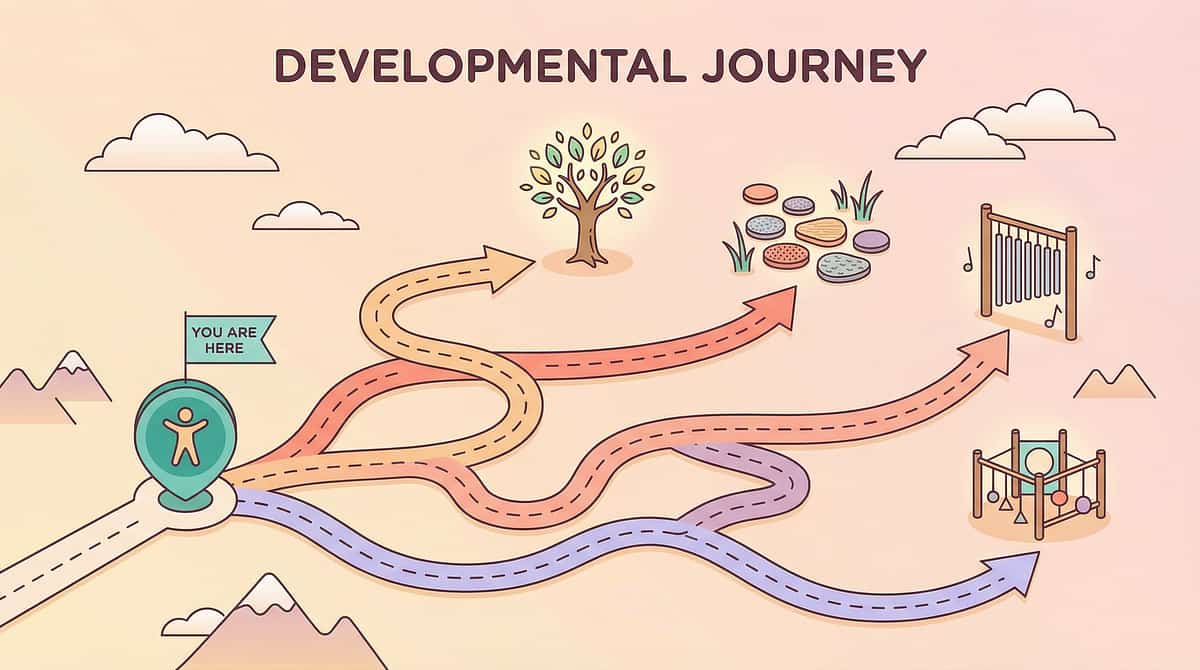
The Progression Pathway — You Are Not Done. You Are On a Journey.
Backward dressing is one technique in a carefully sequenced developmental pathway toward complete self-care independence. Knowing what comes before and after E-525 helps you see the full arc — and what to work on next.
E-523: Sock Independence
The foundational dressing skill — sequencing before orientation.
E-524: Shoe Tying Alternatives
Shoe orientation and fastening — motor planning for feet.
E-525: Backward Dressing ← YOU ARE HERE
Visual markers, body awareness, front-back discrimination.
E-526: Inside-Out Dressing
The next orientation challenge — seam and surface awareness.
E-530: Complete Dressing Independence
All dressing skills integrated — the culminating goal.
Visual-Spatial Challenges Persist?
Body Awareness is the Core Gap?
Motor Planning is the Challenge?
Mastered? Ready for Next Level?
Related Techniques in This Domain — Materials You Already Own
Because Pinnacle's 128 Canon Materials system is shared across techniques, many of the materials you've already gathered for E-525 directly apply to adjacent techniques. You're already partly set up for what comes next.
Technique | Code | Level | Canon Material You Already Have | |
Inside-Out Dressing | E-526 | Core | ✅ Front markers (same system, seam awareness added) | |
Shoe Tying Alternatives | E-524 | Intro | ✅ Shoe markers from E-525 | |
Sock Independence | E-523 | Intro | ✅ Sequence cards, mirror | |
Body Awareness for Dressing | A-087 | Core | ✅ Mirror, body awareness games | |
Weather-Appropriate Dressing | E-527 | Advanced | ✅ Sequence cards (extended) | |
Full Dressing Independence | E-530 | Advanced | ✅ All 9 materials from E-525 |
🔍Browse All Toileting & Self-Care Independence Techniques → | Pinnacle 20-Category and 128 Canon Material taxonomy. Domain sequencing per GPT-OS® developmental architecture.
This Technique Is One Piece of a Larger Developmental Plan
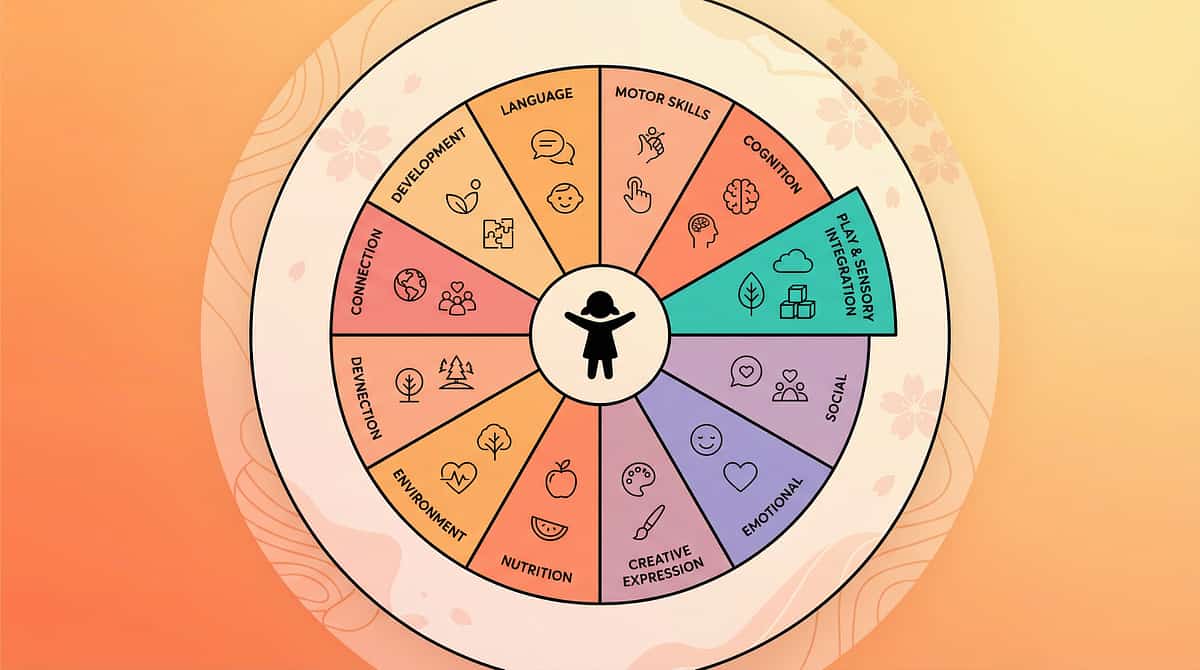
Backward dressing is not an isolated problem. It connects to sensory, motor, and emotional systems across your child's full developmental profile. Understanding these connections is why coordinated, multi-disciplinary planning produces outcomes that isolated sessions cannot.
Domain A (Sensory)
Proprioceptive awareness feeds dressing accuracy — body awareness work in A directly supports E-525.
Domain H (Motor)
Motor planning underlies all dressing sequences — praxis work in H accelerates E-525 progress.
Domain C (Emotional)
Morning dressing conflicts affect emotional regulation all day — E-525 mastery improves C outcomes.
🧠See Your Child's Full Developmental Profile on GPT-OS® → AbilityScore® Assessment required — call 9100 181 181 to begin.
From the Pinnacle Network: Real Families, Real Outcomes
Outcomes vary by child profile and intervention intensity. Case descriptions are representative and anonymized.
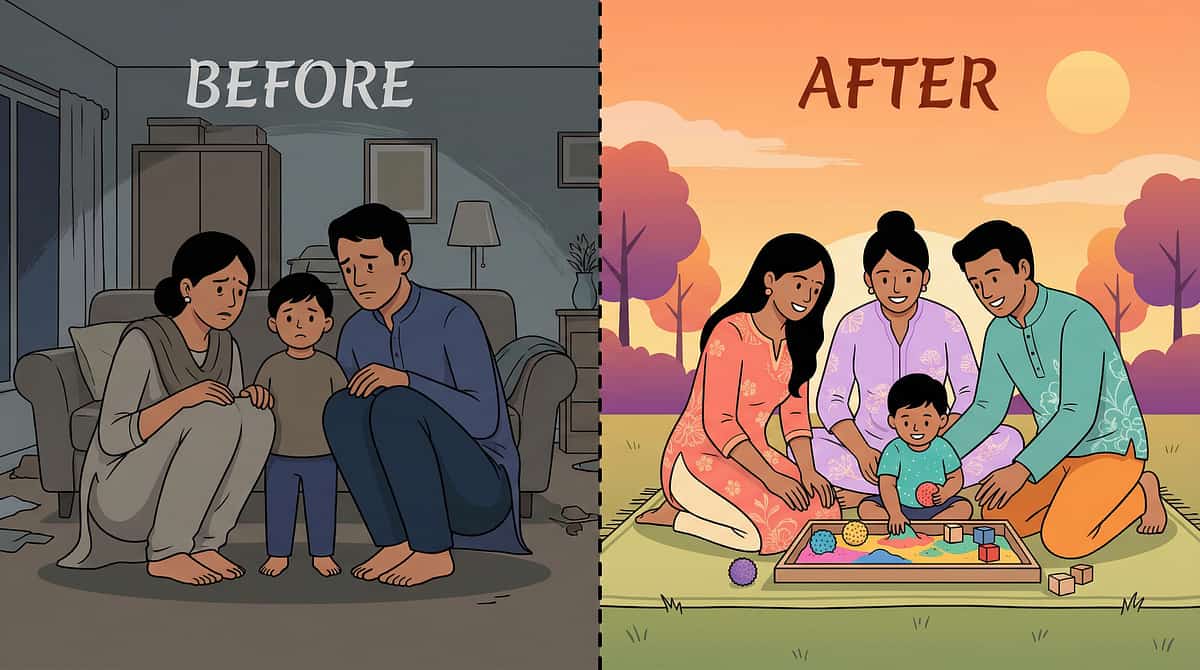
Family Story 1 — 6-Year-Old, 8 Weeks
Before: "Our son came home from school with his shirt backwards almost every single day. He would nod and understand — and then, backwards again the next day. He started hiding at school because classmates noticed."
After: "We added iron-on star markers and put up a full-length mirror. His OT taught us the 5-step sequence. Within 3 weeks, he was finding his markers automatically. By 8 weeks, he rarely made orientation errors. The markers are still there, but he doesn't seem to need them anymore. He's stopped hiding."
— Parent, Pinnacle Network | Timeline: 8 weeks
Family Story 2 — Shoe-Specific, 4 Days
Before: "Shoes were our daughter's specific problem. She could get shirts right but shoes were switched every single morning, creating a meltdown if we tried to correct her after she'd already put them on."
After: "The split heart stickers changed everything in 4 days. She checks whether the heart is 'whole' before putting them on — she calls it 'making the heart' — and now does it completely independently."
— Parent, Pinnacle Network | Timeline: 4 days for shoe-specific intervention
"Backward dressing is one of the most emotionally charged dressing challenges I see in clinic. The breakthrough for almost every family is when they stop trying to teach orientation through words and start making orientation visually obvious. The markers don't teach — they reveal." — Senior Occupational Therapist, Pinnacle Blooms Network
Connect With Other Parents — Isolation Is the Enemy of Adherence
You don't have to navigate this alone. The Pinnacle parent community is one of the most active, compassionate, and practically helpful networks in pediatric therapy in India — because it was built by parents, for parents.
WhatsApp Parent Group
Parents navigating the exact same challenge. Share your marker system. Learn what's working for others. Join the Backward Dressing Support Group →
Pinnacle Parent Forum
Post your question, share your win. Moderated by Pinnacle OT team. Questions answered within 24 hours. Visit the Forum →
Local Parent Meetups
Monthly meetups at Pinnacle centers across 70+ locations in India. Meet families navigating the same journey. Find Your City →
Peer Mentoring
Matched with a parent who has navigated this exact technique successfully. Real-world wisdom from someone who's been where you are. Connect with a Mentor →
"Your experience matters. Once your child masters backward dressing, your journey becomes the lighthouse for the next family starting today. Consider sharing your story with the Pinnacle community."
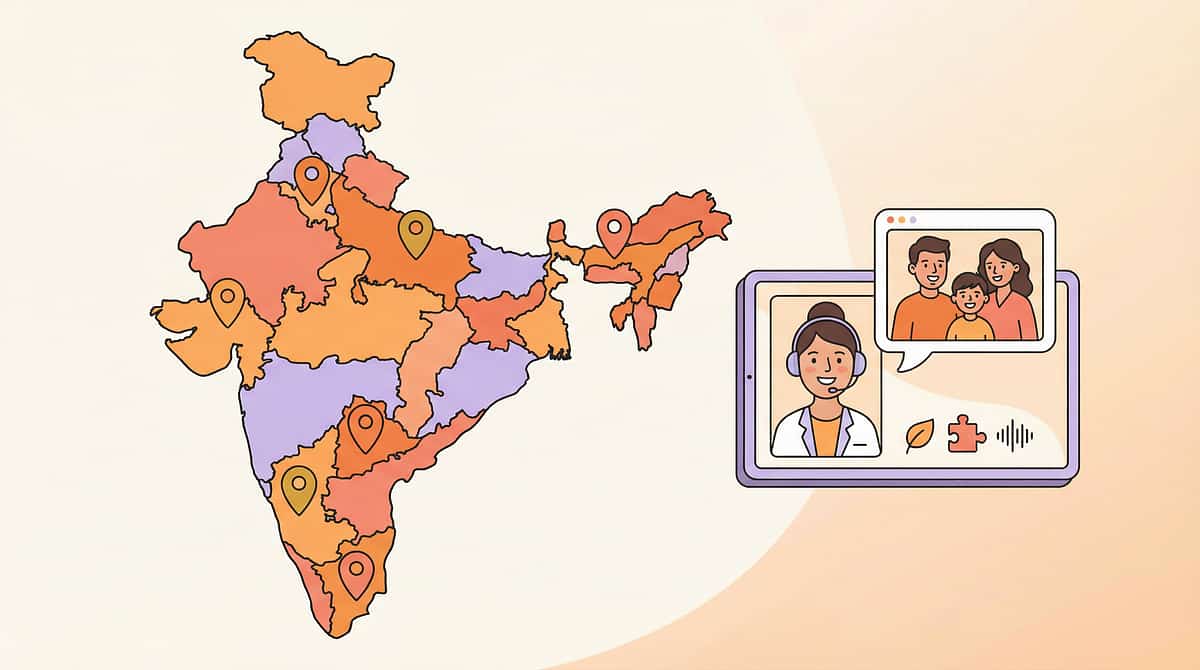
Your Professional Support Team — Home + Clinic = Maximum Impact
Home practice amplifies clinical sessions. Clinical sessions guide home practice. Together, they create the consistent, multi-environment repetition that drives neurological change. For backward dressing, request these specialists specifically.
Specialist | What They Provide | Book Via | |
Occupational Therapist | Formal OT assessment, visual-spatial evaluation, dressing skills protocol design, marker system customization | 9100 181 181 | |
ABA/BCBA | Behavioral routine establishment, data-driven progress tracking, reinforcement system design | 9100 181 181 | |
SpEd Teacher | School dressing coordination, uniform strategy, school OT referral | 9100 181 181 | |
NeuroDev Pediatrician | Diagnostic evaluation for DCD/dyspraxia/autism, medical clearance, service coordination | 9100 181 181 |
📱 Teleconsultation
Can't visit a center? Pinnacle teleconsultation brings the OT to your home — by video — to assess your dressing setup, review your marker system, and guide your protocol.
📞 Free Helpline — Always Available
9100 181 181 | 16+ languages | 24×7 | No appointment needed
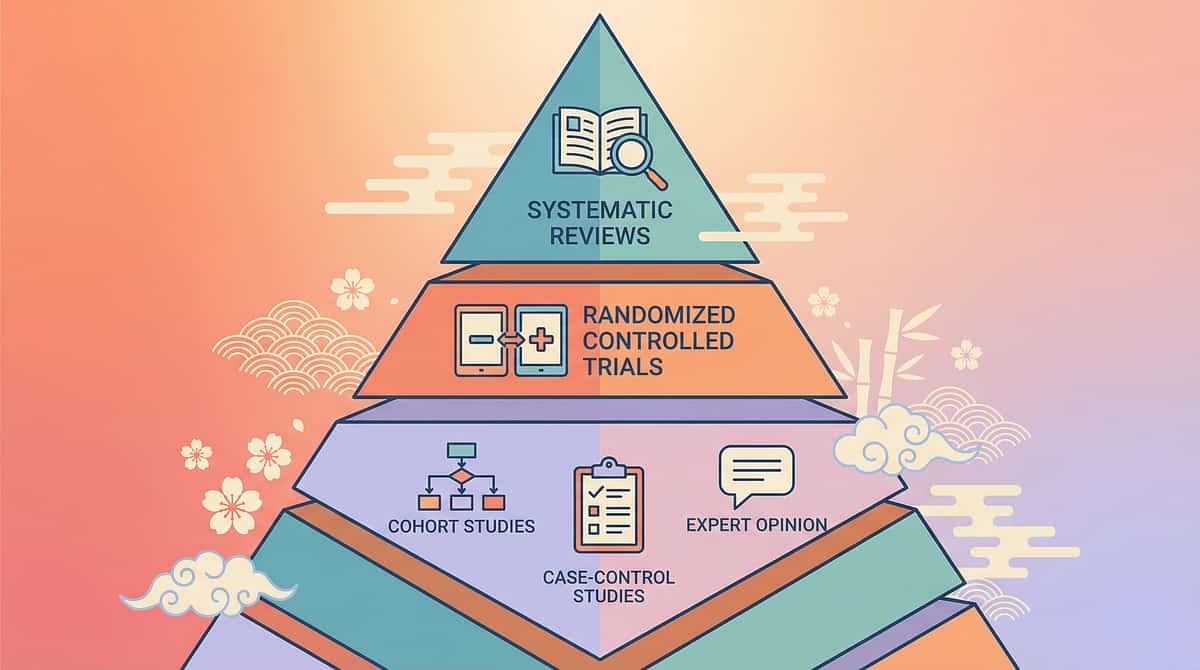
The Research Library — Deeper Reading for the Curious Parent
Every strategy on this page is grounded in peer-reviewed evidence. Below are the five foundational studies behind this protocol, plus the institutional frameworks that guide implementation.
The Foundation Review — PMC11506176
"Sensory Integration Intervention as Evidence-Based Practice for ASD" — PRISMA systematic review, 16 articles, 2013–2023. Confirms visual supports and sensory integration techniques meet EBP criteria for children with ASD, including dressing-related self-care. PMC11506176 →
The Meta-Analysis — PMC10955541
"Sensory Integration Therapy for Children with ASD" — World Journal of Clinical Cases (2024), 24 studies. Demonstrates effective promotion of adaptive behavior, motor skills, and daily living skills including dressing independence. PMC10955541 →
The Indian Evidence — Padmanabha et al.
"Home-Based Sensory Interventions" — Indian Journal of Pediatrics (2019). Indian-population RCT demonstrating significant outcomes with parent-administered sensory and motor interventions in home settings. DOI: 10.1007/s12098-018-2747-4 →
The WHO/UNICEF Framework — PMC9978394
WHO Care for Child Development Package (2023). Establishes multi-caregiver, home-based intervention as evidence-based approach across 54 low/middle income countries. PMC9978394 →
The NCAEP Evidence Classification
National Clearinghouse on Autism Evidence and Practice (2020). Classifies visual supports and video modeling as independently verified evidence-based practices for autism. NCAEP EBP Report 2020 →
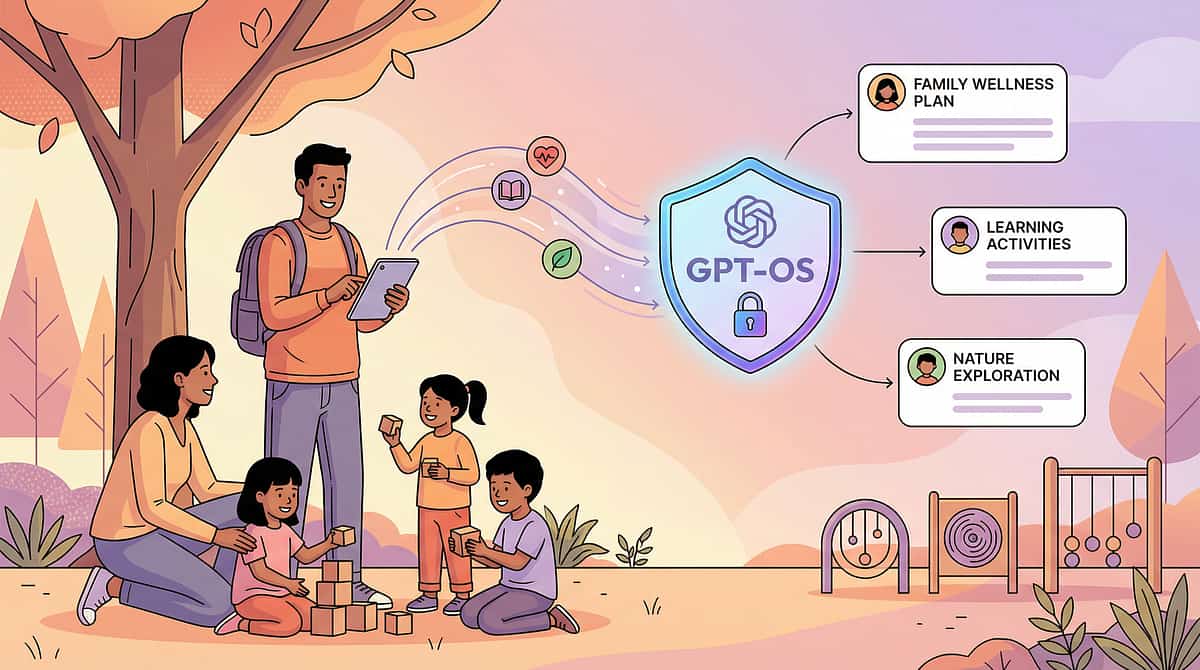
How GPT-OS® Uses Your Data — Your Data Helps Every Child Like Yours
The data you capture during each dressing session feeds a therapeutic intelligence engine that continuously improves recommendations — for your child, and for every family across the Pinnacle network.
What GPT-OS® Learns
- Rate of marker-finding independence development
- Which prompt level achieves correct orientation
- Whether visual or tactile markers are more effective per child
- Session-to-session trend for Dressing Independence Readiness Index
🔒 Privacy Assurance
All data is protected under India's PDPB framework. No identifiable information shared. Data stored on Indian servers. GSTIN: 36AAGCB9722P1Z2
Population Benefit
Your child's anonymized data — combined with 20 million+ other sessions — continuously improves recommendation accuracy for every family using GPT-OS®.
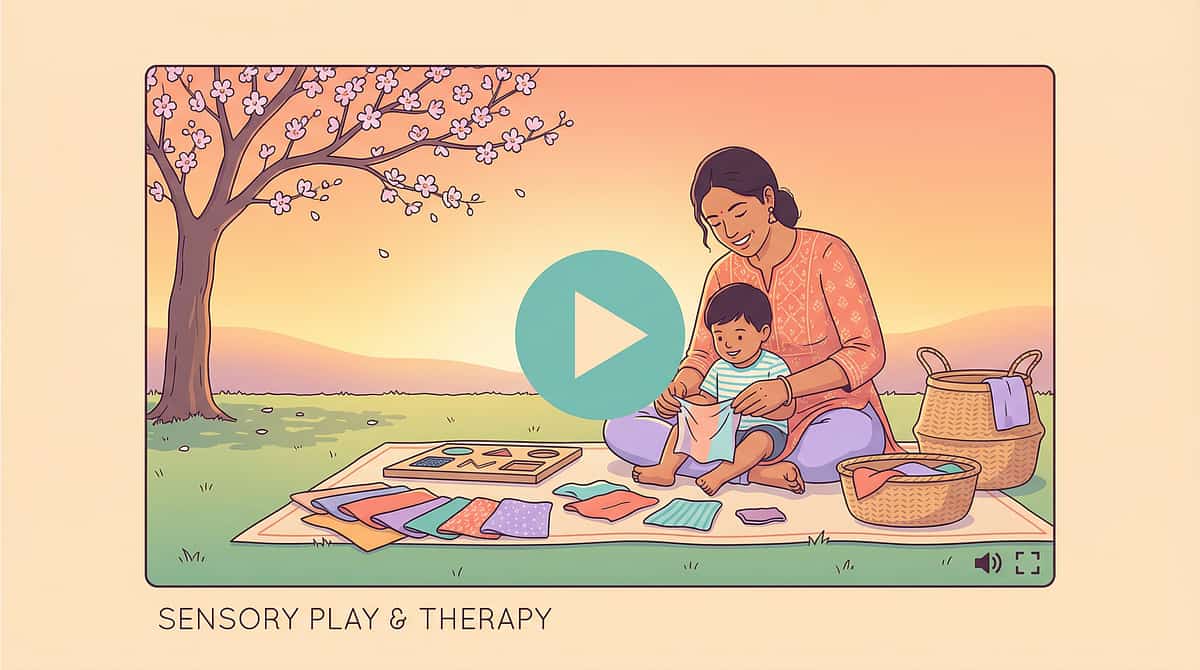
Watch the Reel — E-525 Visual Demonstration
Research confirms that combining text-based learning with video demonstration significantly improves parent skill acquisition and implementation confidence. The E-525 reel brings every material and technique on this page to life.
What You'll See
- A Pinnacle OT presents all 9 materials with live demonstration
- Real parent scenarios narrated with clinical precision
- Each material shown in use with a child demonstrating successful orientation
- The 5-step dressing protocol demonstrated in real time
From the Therapist
"In this reel, our Occupational Therapy team walks through each of the 9 materials that address the specific processing differences behind backward dressing — visual-spatial, proprioceptive, and motor planning challenges — and shows exactly how to use each one at home."
Next in Series
NCAEP (2020): Video modeling is evidence-based practice for autism. Multi-modal learning improves parent skill acquisition.

Share This With Your Family — Consistency Across Caregivers Multiplies Impact
Every adult in your child's life who uses a different system — or no system — creates confusion that slows progress. These ready-made communication tools make it easy to align grandparents, teachers, and all caregivers in minutes.
For Grandparents
"[Child's name] is learning to dress correctly using a special star marker inside all their clothes. When they get dressed at your home:
- Help them find the star inside the clothing
- Say 'Star faces your tummy'
- Let them do it — don't fix it for them
- Check in the mirror together
- Praise: 'You found the star! Well done!'"
For Teachers/School Communication
"We are working with our occupational therapist on a dressing orientation program (Pinnacle E-525). Our child's clothing is marked with a small symbol inside the front. For PE and outings, please allow [name] to check for their marker before dressing. If correction is needed, please say 'Where is your marker?' rather than 'That's backwards.' Thank you for supporting this at school."
WHO CCD Package: Multi-caregiver training is critical for generalization and maintenance of newly learned skills. PMC9978394.

Your Questions. Answered by the Consortium.
Q1: My child is 8. Isn't it too late to fix backward dressing?
A: No. Dressing orientation skills can be developed at any age. Older children often have an advantage — they can verbalize what they're finding and checking, and social motivation becomes a powerful reinforcer. Hidden markers avoid the "babyish" concern. Many of our most rapid progress cases are 8–11 year olds.
Q2: We already tried stickers on clothes. They came off after two washes.
A: Iron-on labels with proper heat-setting last 50+ washes. DIY: fabric paint requires heat-setting with an iron after drying (iron over the design with baking paper). Sewn-in ribbon tags are permanent and never wash off. Call 9100 181 181 for material-specific guidance.
Q3: Is backward dressing always a sign of autism?
A: No. Backward dressing occurs across many profiles: DCD/dyspraxia, ADHD (rushing), visual processing differences, general developmental delay, and simply late development of spatial skills in neurotypical children. If you have diagnostic concerns, an AbilityScore® assessment via Pinnacle can clarify.
Q4: How is this different from just telling my child to be more careful?
A: "Be more careful" assumes the problem is attention or effort. For children with visual-spatial processing differences, the brain genuinely cannot tell which way the clothing faces — the spatial information other brains generate automatically is not being generated. No amount of care fixes a processing difference. External markers provide the information the brain isn't generating internally.
Q5: My child only gets certain familiar shirts right — but new clothing is always backwards.
A: This is good news — it means your child CAN learn orientation patterns and has done so for familiar items through repetition. The marker system is essential because it creates a consistent cue that works on ALL clothing, not just familiar items. Generalization is the goal.
Q6: Do the markers need to be on school uniform too?
A: Yes — absolutely. Uniform items worn daily often become the fastest to reach automatic orientation. Work with the school to mark uniform items. Most schools are supportive once they understand the OT rationale. Use the school communication template in Card 37.
Q7: My child finds the marker correctly but still gets confused during putting-on.
A: This is the most common intermediate stage. Solution: add the orientation mat (Material 3), which maintains the spatial layout during the putting-on steps. The mat bridges "I know which is front" to "I put it on correctly."
Q8: How do I know if my child needs professional OT or if the home materials are enough?
A: Home materials are appropriate for mild-to-moderate difficulties with response within 2 weeks. Professional OT is recommended if: no response after 4 weeks, multiple co-occurring self-care challenges, formal diagnosis of DCD/autism/ADHD, or significant emotional distress. Call 9100 181 181 — our team will help determine the right level of support.

Everything You Need Is On This Page. The Next Step Is Yours.
You now understand the neuroscience, the materials, the protocol, the troubleshooting, and the progress arc. The only thing left is to begin. Choose your next step below.
🟡 Start Today
Launch the GPT-OS® guided dressing protocol with session tracker and personalized recommendations.
📞 Book a Consultation
Speak to a Pinnacle OT directly. FREE initial consultation. 24×7. 16+ languages. No appointment needed.
→ Next Technique
Continue the Toileting & Self-Care Independence sequence — E-526 uses many of the same materials.
🏛️ Pinnacle Blooms Consortium
OT ● SLP ● ABA ● SpEd ● NeuroDev
70+ Centers
20M+ Sessions
97%+ Measured Improvement
Preview of 9 materials that help with backward dressing Therapy Material
Below is a visual preview of 9 materials that help with backward dressing therapy material. The pages shown help educators, therapists, and caregivers understand the structure and content of the resource before use. Materials should be used under appropriate professional guidance.


Link copied!

The Pinnacle Promise
"From fear to mastery. One technique at a time."
Pinnacle Blooms Network® was built by mothers, engineered as a system, and validated by 20 million therapy sessions. Our mission: transform every home into a scientifically rigorous, 24×7, personalized, multi-disciplinary pediatric therapy environment — powered by GPT-OS®.
🏛️ Pinnacle Blooms Consortium
Pediatric OT ● Pediatric SLP ● ABA/BCBA ● Special Education ● NeuroDev Pediatrics ● CRO Division
WHO-Aligned ● UNICEF-Certified Approach
DPIIT DIPP8651 ● MSME Recognized
Statutory Identifiers
CIN: U74999TG2016PTC113063
DPIIT: DIPP8651
MSME: Udyog Aadhaar TS20F0009606
GSTIN: 36AAGCB9722P1Z2
DPIIT: DIPP8651
MSME: Udyog Aadhaar TS20F0009606
GSTIN: 36AAGCB9722P1Z2
Medical Disclaimer
This content is educational. It does not replace individualized assessment and intervention planning with licensed occupational therapists and healthcare professionals. Persistent clothing orientation difficulties may indicate underlying conditions requiring professional evaluation. Individual results vary. Seek professional guidance for concerns.
Navigation
© 2026 Pinnacle Blooms Network®
A unit of Bharath Healthcare Laboratories Pvt. Ltd. GPT-OS®, AbilityScore®, TherapeuticAI®, FusionModule™, and EverydayTherapyProgramme™ are proprietary systems. Unauthorized reproduction prohibited.
📞FREE National Autism Helpline | 9100 181 181 | 16 Languages | 24×7
care@pinnacleblooms.org | pinnacleblooms.org
care@pinnacleblooms.org | pinnacleblooms.org