

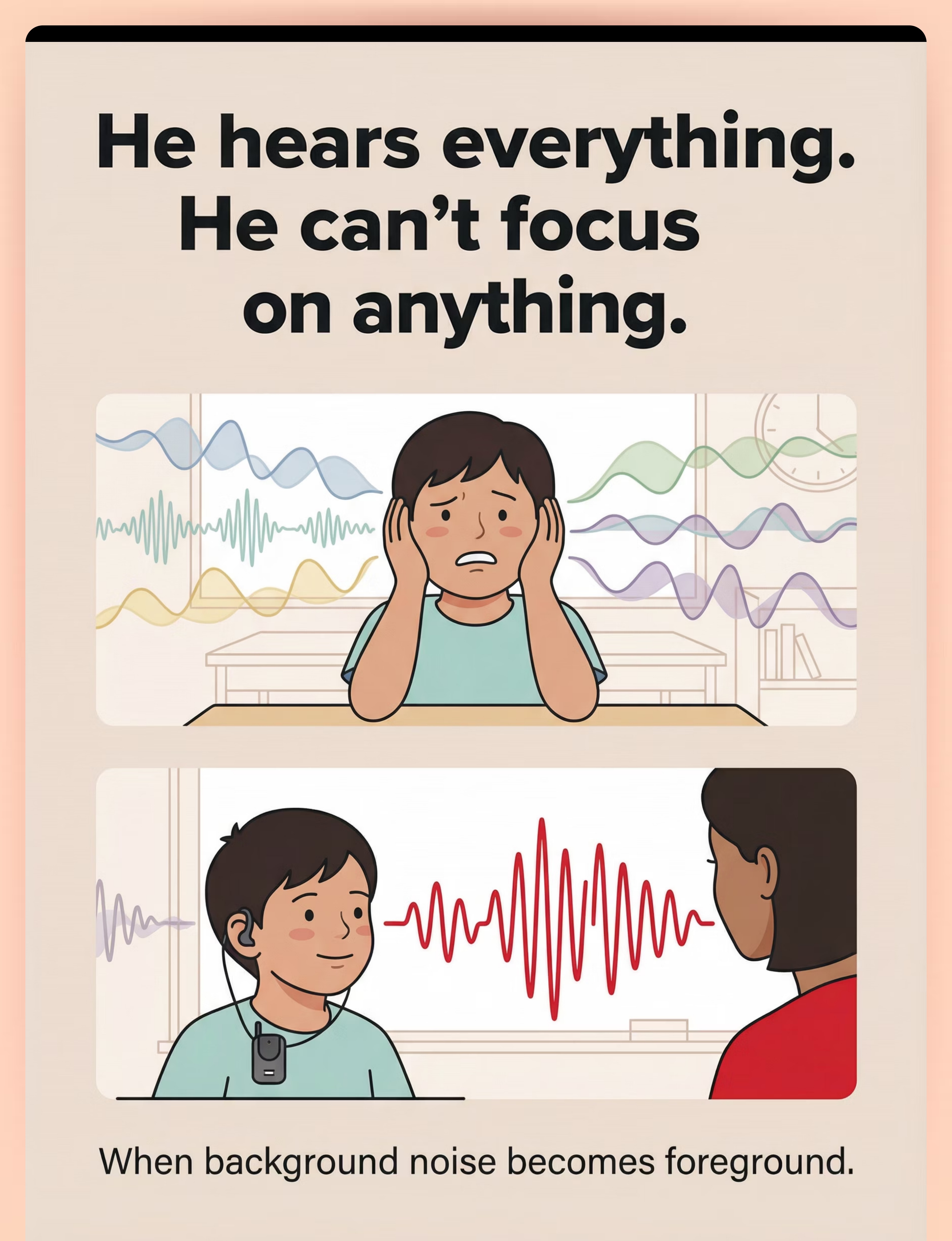
"He hears everything. He can't focus on anything."
His hearing test came back normal. His teacher says he doesn't listen. But he IS listening — to everything, all at once, with no ability to prioritize. When background noise becomes foreground, ordinary life becomes a rock concert with no volume control.

You Are Not Alone — Normal Hearing, Impaired Filtering, Millions of Children
In every classroom, there are children who look inattentive but are actually struggling with an invisible processing limitation. Their ears deliver sound perfectly. Their brain cannot sort it. The teacher's voice arrives at the same perceived intensity as the air conditioner, the ticking clock, and the footsteps in the hall. Imagine trying to follow a single conversation in a stadium. That is this child's daily classroom experience.
2–7%
Children Affected
Estimated prevalence of central auditory processing difficulties (AAA, ASHA guidelines)
80%+
ASD + Auditory
Children with ASD experience sensory processing differences including auditory filtering (PRISMA, PMC11506176)
50%+
Misidentified
Children with APD are initially misidentified as having ADHD or behavioral issues
2–5 yrs
Delay to Diagnosis
Average delay after symptoms are first noticed by parents and teachers
The tragedy is not the condition — it is the years lost to misunderstanding. This is not rare. This is not exotic. This is a well-documented processing difference with well-established interventions.

The Science: Signal vs. Noise in the Brain
The brain performs an extraordinary feat every second: it takes the entire soundscape — every hum, tick, footstep, and voice — and automatically sorts it into "pay attention to this" (figure) and "ignore that" (ground). This is called the cocktail party effect: the ability to follow one conversation amid dozens.
Typical Processing
The auditory cortex amplifies the target signal (teacher's voice) and suppresses the background. Signal-to-noise ratio is high. Comprehension is easy.
Impaired Figure-Ground Processing
The auditory cortex fails to differentiate. All sounds arrive with equal salience. The signal-to-noise ratio approaches zero. Comprehension in noise becomes impossible despite perfect hearing.
Key concept — Signal-to-Noise Ratio (SNR): A typical classroom has an SNR of about +6 dB. Children with figure-ground difficulty may need +15 to +20 dB. FM systems provide exactly this improvement. The child isn't choosing not to listen — the brain physically cannot extract the teacher's voice from the acoustic environment.

Not Just a Classroom Problem — A Life-Access Problem
Auditory figure-ground difficulty doesn't stay in the classroom. It follows the child everywhere sound exists alongside other sound. Being labeled "not listening" when you're trying as hard as you can erodes self-concept. Fatigue accumulates — manual filtering is cognitively exhausting. By afternoon, the child is depleted.
Classroom
Verbal instruction — the backbone of education — is partially or fully inaccessible in typical classroom acoustics. The child misses instructions, appears inattentive. Intelligence is intact; access is broken.
Social Life
Group conversations are impossible to track. Multiple speakers, rapid turns, background noise — the child appears socially disconnected when they're actually acoustically excluded.
Home
Background TV, running water, sibling conversation — all interfere. The child asks "what?" constantly. The family assumes defiance or inattention when the cause is acoustic.
Academic Trajectory
Without intervention, missed information compounds daily. Gaps grow. The child falls behind not because they cannot learn, but because they cannot hear what is being taught.

Evidence Grade: Level I–II
Systematic Review + Meta-Analysis + Clinical Guidelines Supported
PRISMA Systematic Review
Sensory Processing in ASD: "80%+ prevalence of sensory processing difficulties including auditory filtering." PubMed: PMC11506176
Meta-Analysis (World J Clin Cases, 2024)
Sensory Integration Intervention: "24 studies. Effective improvement in sensory processing and adaptive behavior." PubMed: PMC10955541
Indian Journal of Pediatrics RCT (2019)
Home-Based Sensory Interventions in Indian settings. DOI: 10.1007/s12098-018-2747-4
WHO/UNICEF CCD Package
Family-level, equity-focused intervention across 54 LMICs. PubMed: PMC9978394
AAA Clinical Practice Guidelines
Central Auditory Processing Disorder: Assessment and management including FM technology, acoustic modification, and compensatory strategies.
ASHA Position Statement
Auditory Processing Disorders: Definition, differential diagnosis, evidence-based intervention.
"This technique page represents the integrated perspective of the Pinnacle Blooms Consortium — Audiologists, SLPs, OTs, BCBAs, Special Educators, and NeuroDevelopmental Pediatricians — drawing on 21M+ therapy sessions and population-level outcome data via GPT-OS®."

The Technique Defined: Auditory Figure-Ground Support Protocol
SEN-AUD-FLT
Ages 3–12
School + Home + Therapy
A multi-layered intervention protocol that addresses background noise filtering difficulty through three simultaneous strategies: enhancing the target signal, reducing background noise, and providing alternative access channels. Unlike auditory over-responsivity, figure-ground difficulty means sounds lack prioritization — the brain hears everything equally and cannot sort what matters.
1
Signal Enhancement
Make the important sound louder/clearer relative to noise (FM/DM system, preferential seating)
2
Noise Reduction
Lower the background so the signal stands out (headphones, acoustic modifications, quiet spaces)
3
Compensatory Access
Provide information through non-auditory channels (visual supports, written instructions, pre-teaching)
4
Skill Building
Train the auditory system to improve its filtering capacity over time (auditory training programs)

Five Disciplines. Two Settings. One Unified Protocol.
Audiologist — Primary Lead
Central auditory processing evaluation, FM/DM system fitting and programming, auditory training guidance, classroom acoustic assessment. The diagnostic and technology specialist who identifies the specific processing deficit and prescribes signal-enhancement technology.
Speech-Language Pathologist — Co-Lead
Language processing evaluation, auditory therapy (listening in noise exercises, auditory closure, following directions training), compensatory strategy instruction, school consultation. Bridges auditory access and language comprehension.
Occupational Therapist — Supporting
Sensory processing evaluation (broader sensory profile), therapeutic listening programs, quiet space design, sensory regulation strategies to support listening readiness.
Special Educator — Supporting
Classroom accommodation implementation, visual supports design, pre-teaching coordination, check-in system establishment, academic gap identification and remediation.
NeuroDevelopmental Pediatrician — Consulting
Comprehensive developmental evaluation, differential diagnosis (APD vs. ADHD vs. language disorder), ruling out co-occurring conditions, medication consideration if ADHD co-occurs.

Precision Targets: From Acoustic Access to Academic Success
Primary Targets — Auditory Access
- Speech recognition in noise (standardized speech-in-noise testing)
- Instruction comprehension in classroom (check-in accuracy, task completion)
- Signal-to-noise ratio tolerance
- Listening endurance before fatigue onset
Secondary & Tertiary Targets
- Academic performance, self-advocacy skills, classroom participation
- Social conversation access, listening fatigue reduction
- Independent strategy use and generalization across environments
- Self-concept: replacing "I don't listen" with "I process differently and have tools"

9 Materials That Help With Background Noise Filtering
Material Grid
# | Material | Function | Setting | Price (INR) | |
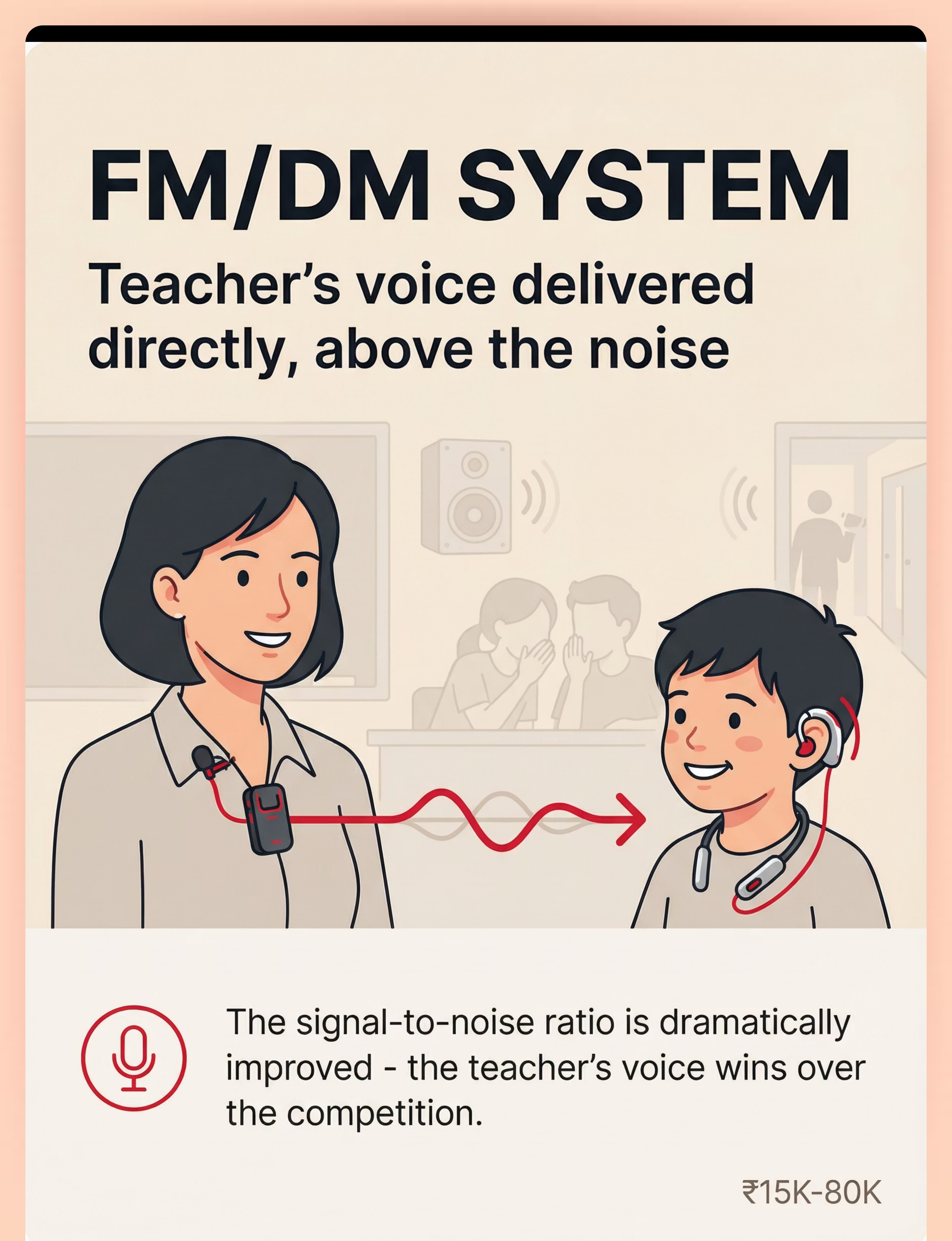
1 | FM/DM System (Remote Microphone) | Signal enhancement — delivers teacher's voice directly above noise | School | ₹15,000–80,000 | |
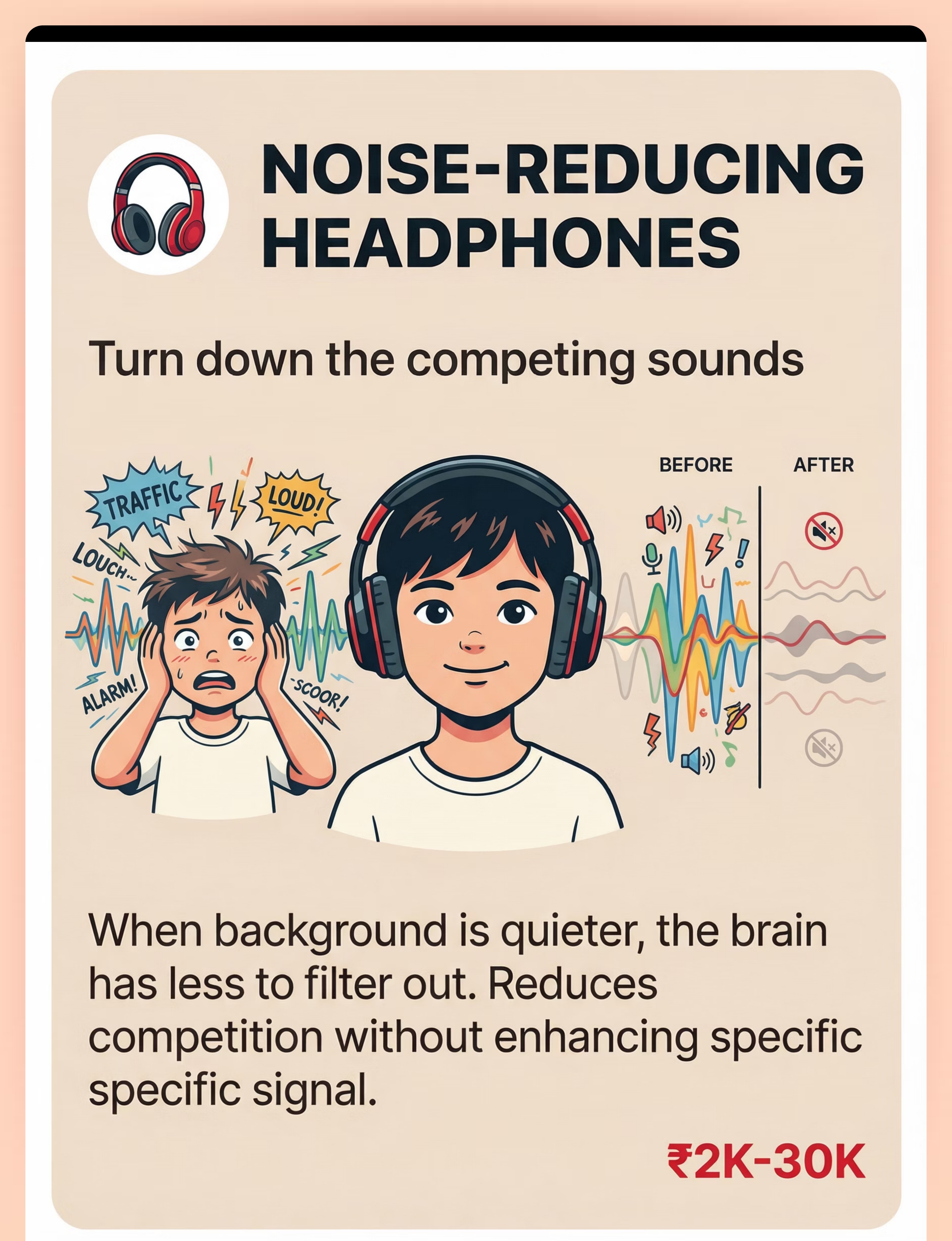
2 | Noise-Reducing Headphones/Earplugs | Noise reduction — decreases competing background sounds | School/Home | ₹2,000–30,000 | |
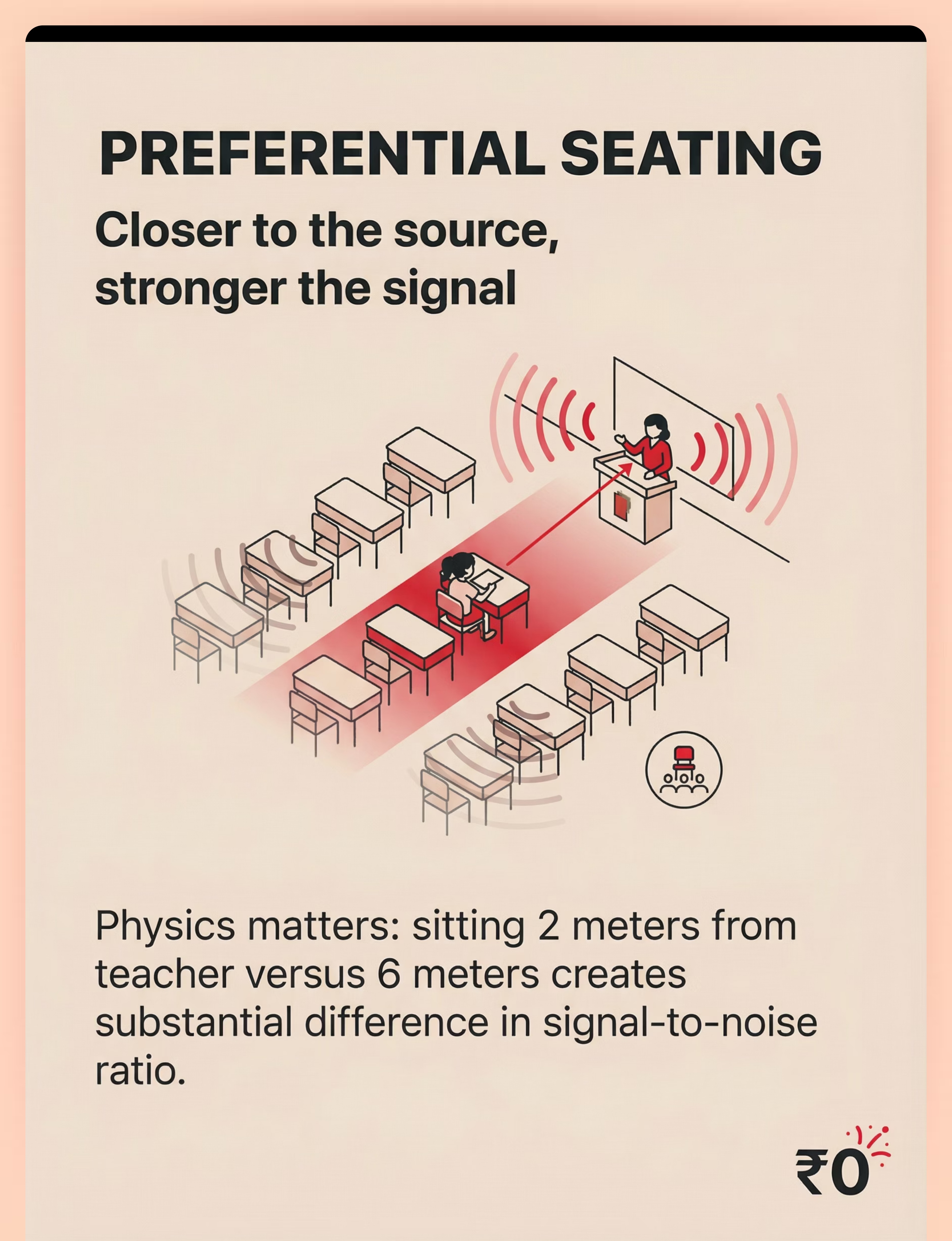
3 | Preferential Seating | Signal enhancement — proximity increases relative signal strength | School | ₹0 | |
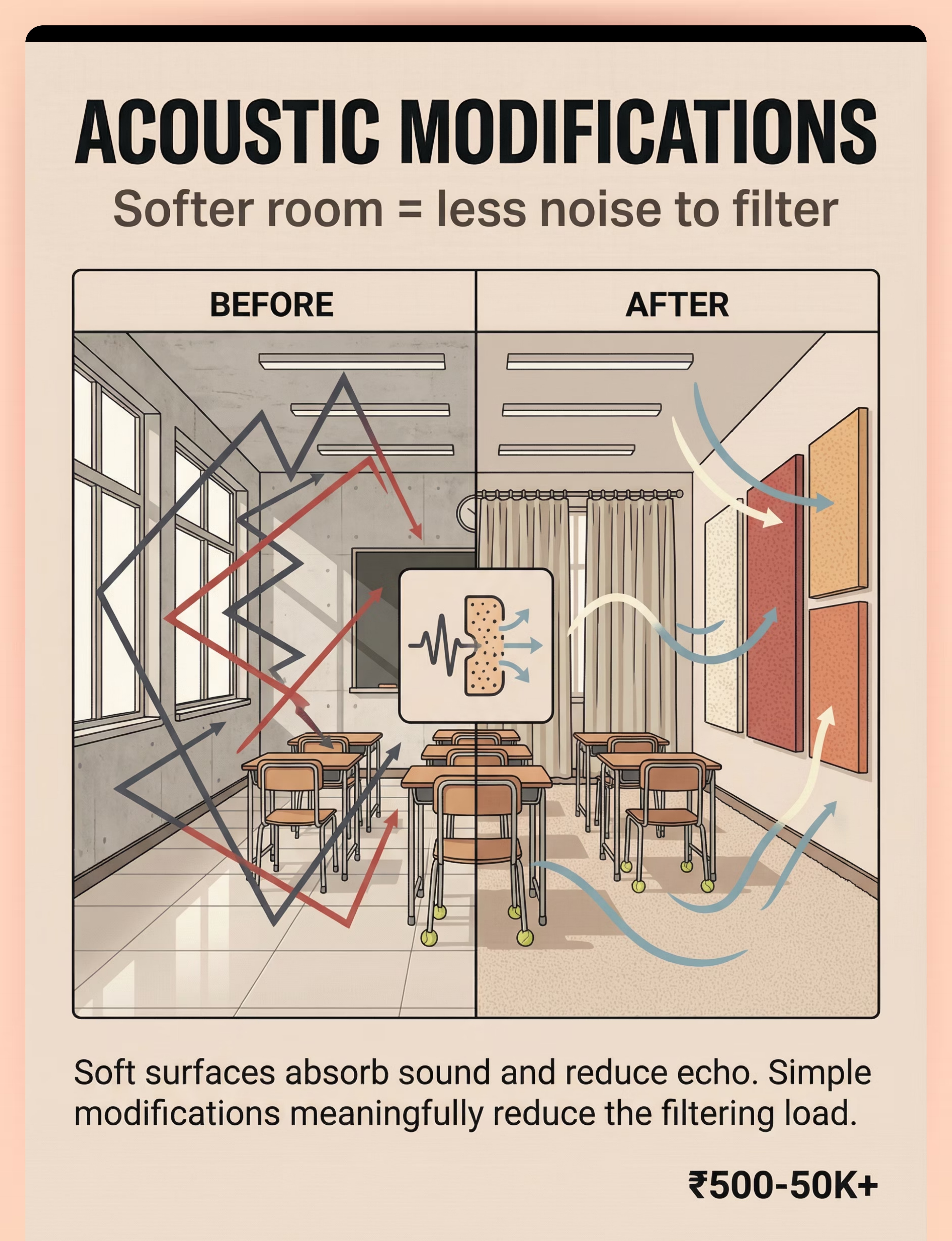
4 | Acoustic Modifications | Noise reduction — absorb echo, reduce ambient noise floor | School/Home | ₹500–50,000+ | |
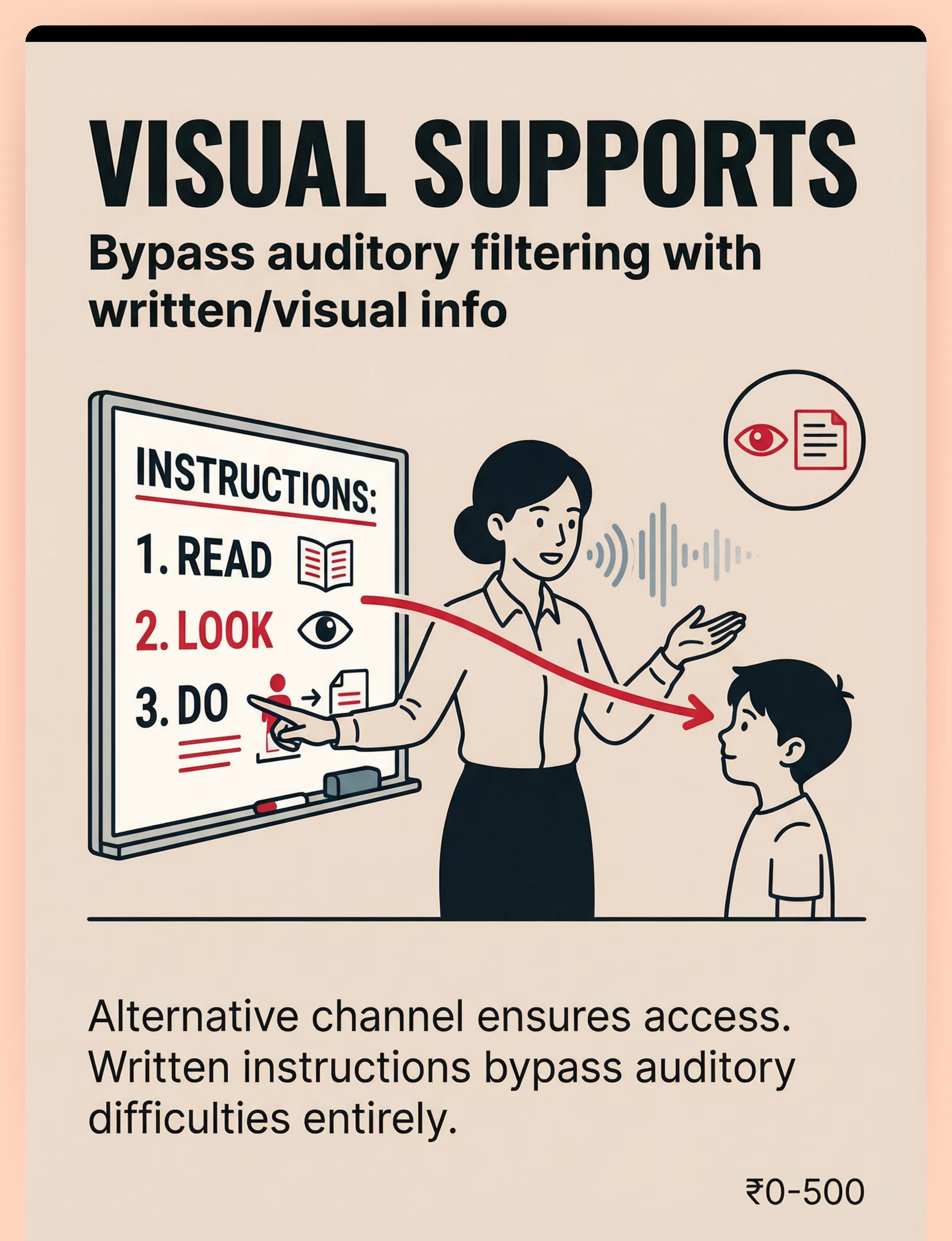
5 | Visual Supports & Written Instructions | Compensatory access — bypass auditory channel entirely | School/Home | ₹0–500 | |
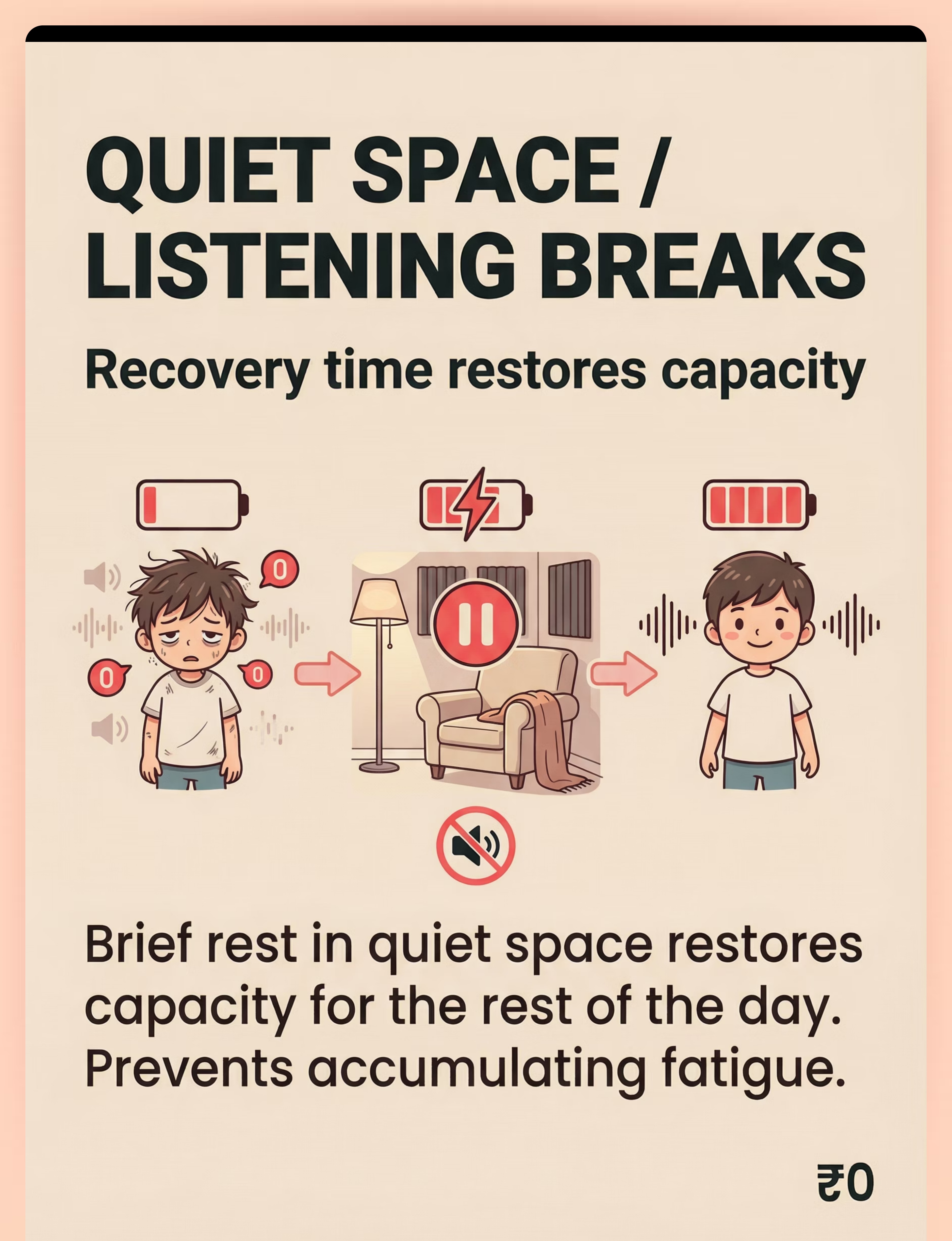
6 | Quiet Space / Listening Breaks | Recovery — restore depleted auditory processing capacity | School/Home | ₹0 | |
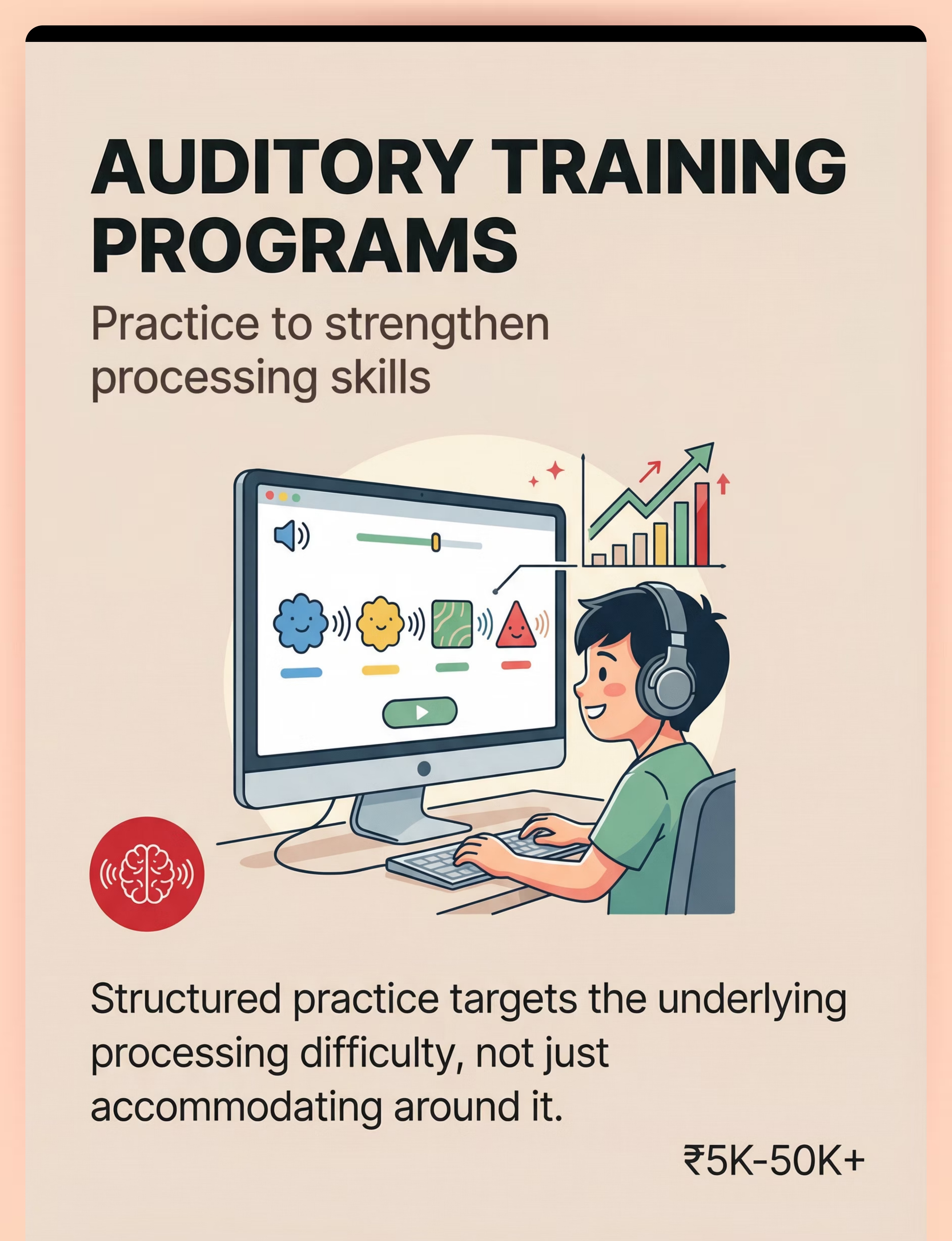
7 | Auditory Training Programs | Skill building — strengthen underlying processing abilities | Therapy/Home | ₹5,000–50,000+ | |
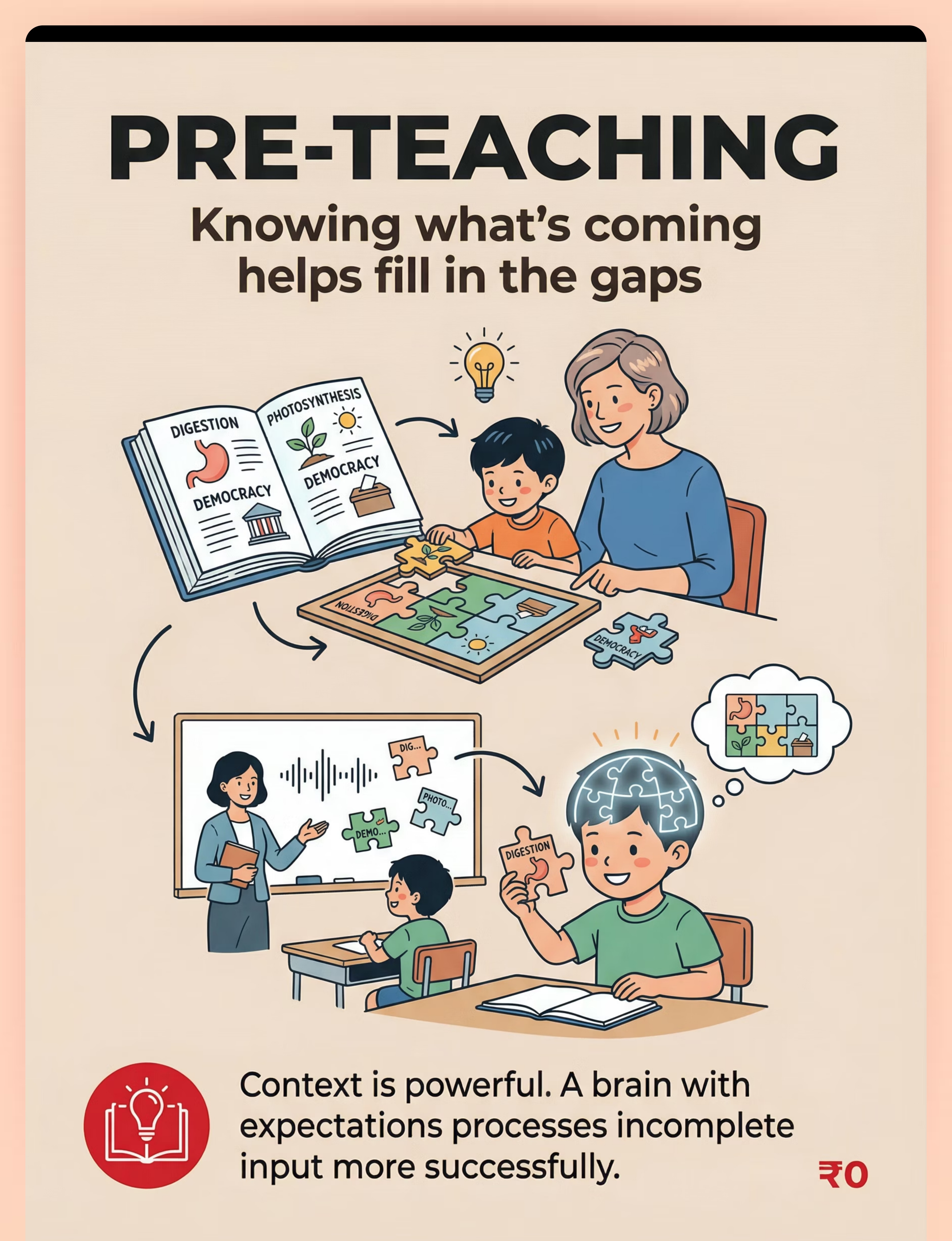
8 | Pre-Teaching & Vocabulary Preparation | Compensatory — context enables incomplete input completion | Home | ₹0 | |
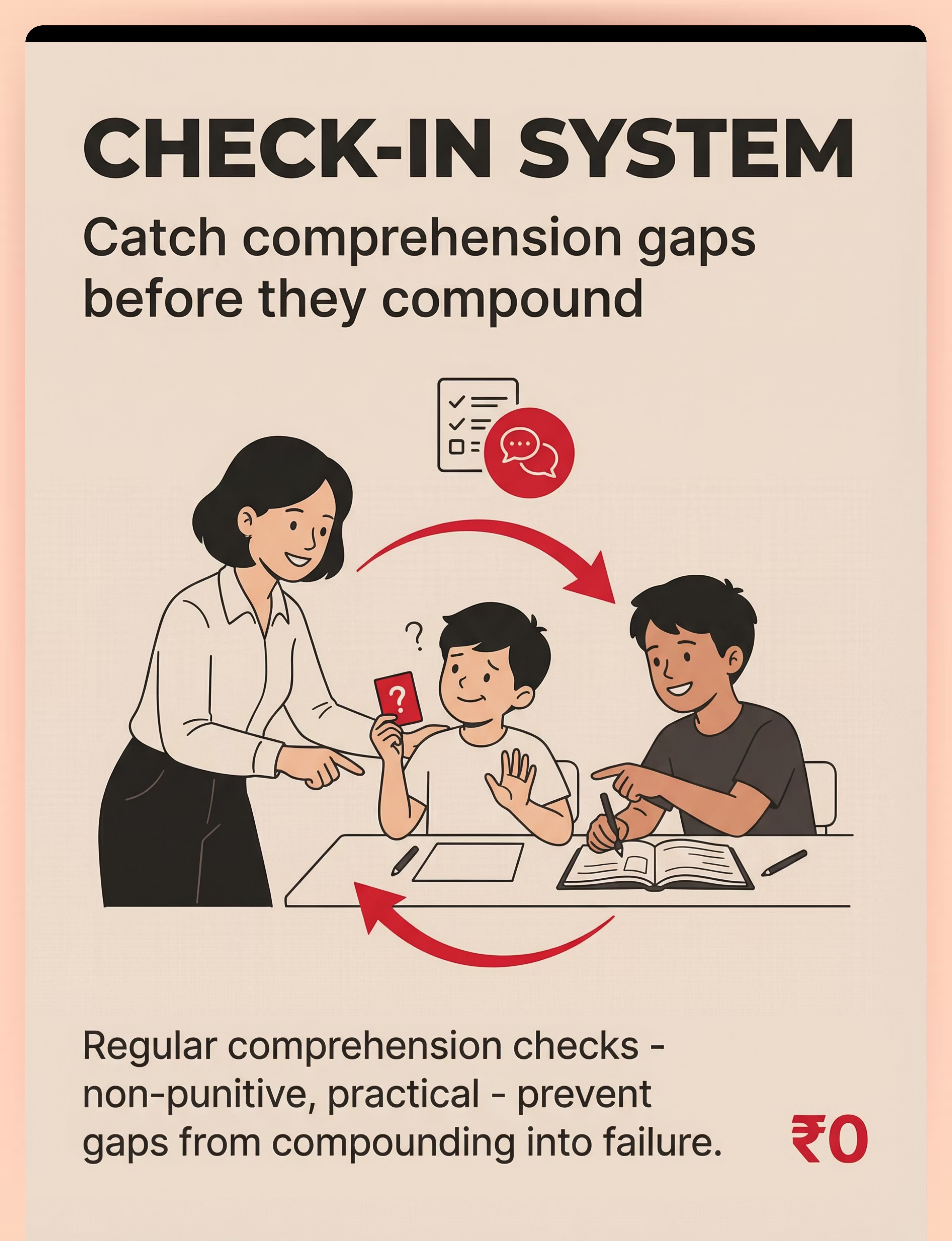
9 | Check-In System for Comprehension | Monitoring — catch missed information before gaps compound | School | ₹0 |
Pinnacle Recommends — Start Here (Zero-Cost First Steps): 1) Preferential seating — front, center, consistent. 2) Visual/written backup of all verbal instructions. 3) Check-in system for comprehension after key instructions. Total investment range: ₹0–80,000+. Six of 9 materials are FREE.

Six of Nine Materials Are Free. Start Today.
DIY & Substitute Options
Material | Buy This | Do This Instead (₹0) | |
FM System | Phonak Roger, Oticon EduMic (₹15K–80K) | Request school-provided soundfield amplification. Use a personal amplifier (₹2,000–5,000) for home tutoring. Move closer for informal settings. | |
Headphones | Active noise-canceling (₹2K–30K) | Industrial hearing protection from hardware store (₹200–500). Over-ear headphones without audio. Cotton in ears for light reduction. | |
Seating | N/A | Free — request front-center seating from teacher. Write it in a letter. Follow up monthly. | |
Acoustic Mods | Professional acoustic panels (₹5K–50K) | Tennis balls on chair legs (₹50 for a set). Area rugs. Curtains on windows. Close doors during instruction. Fix buzzing lights. | |
Visual Supports | Commercial visual schedules (₹200–500) | Write instructions on board. Print key vocabulary lists. Create simple visual schedules with paper and markers. | |
Quiet Space | Sensory room equipment (₹5K+) | A quiet corner. The library. An empty classroom during break. Any space with reduced sound. | |
Auditory Training | Licensed programs (₹5K–50K) | Free apps with listening activities. Parent-led listening games. YouTube listening-in-noise exercises. | |
Pre-Teaching | N/A | Free — ask teacher for tomorrow's topics. Review vocabulary at dinner. Preview the chapter the night before. | |
Check-In System | N/A | Free — agree on a discreet signal (card on desk, hand gesture). Thumbs-up for understood. Pair with a study buddy. |
Zero-Cost Protocol: Preferential seating + written instructions on board + pre-teaching at home + check-in system with teacher + quiet break at lunch = comprehensive support for ₹0.

Safety Gate: Ensure Correct Diagnosis Before Intervention
🔴 RED — Critical Prerequisites
- Rule out hearing loss FIRST. A standard audiological evaluation must confirm normal peripheral hearing before pursuing auditory processing support.
- Do not assume APD without evaluation. Auditory figure-ground difficulty can look like ADHD, language processing disorder, or behavioral inattention. Get a formal central auditory processing evaluation (reliable from age 7+).
- FM systems require professional fitting. An incorrectly fitted or programmed FM system can be uncomfortable, ineffective, or damaging. Always work with an audiologist.
🟡 AMBER — Proceed With Caution
- ADHD co-occurrence is common. Many children have BOTH — address both; don't assume one explains everything.
- Headphones in classroom require school cooperation. Approach collaboratively with documentation.
- Auditory training programs vary in evidence base. Consult SLP/audiologist before investing in expensive programs.
- Child's self-concept matters. Visible technology may affect social dynamics — address proactively.
🟢 GREEN — Proceed When
- Hearing test confirms normal peripheral hearing
- Formal or informal assessment suggests figure-ground difficulty
- School team is informed and collaborative
- Materials are introduced positively as tools, not stigma
- Child understands the purpose and feels empowered by the tools
Red Line — Seek Professional Evaluation If: Hearing test shows ANY abnormality • Academic performance declining despite typical intelligence • Child shows anxiety, depression, or behavioral problems secondary to frustration • Multiple settings affected (classroom, home, social)
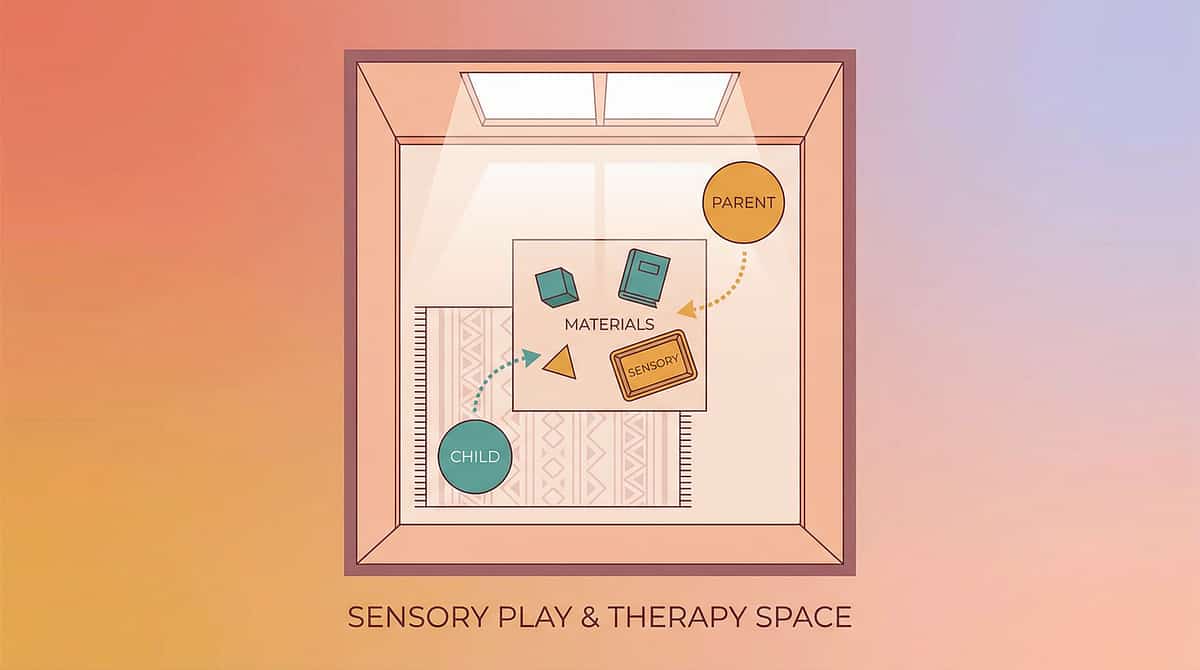
Two Environments. One Consistent Strategy.
🏫 Classroom Setup
- Seating: Front row, center, clear sightline to teacher. Away from doors, windows, HVAC vents. Consistent — not rotated.
- FM System: Charged daily. Microphone ON during instruction, MUTED during sidebar conversations. Backup batteries accessible.
- Visual Supports: Key instructions on board. Visual schedule for the day. Vocabulary list visible. Written backup on child's desk.
- Acoustic Quick-Wins: Tennis balls on chair legs. Door closed. Buzzing lights fixed. Soft materials wherever possible.
- Check-In Protocol: After key verbal instructions, teacher makes eye contact. Child has discreet signal for "I missed that." Buddy assigned for clarification.
🏠 Home Setup
- Communication Protocol: Turn off TV/radio before speaking. Face the child. Get attention first ("Hey, [name]"), pause, then give instruction. Keep instructions short. Ask for repeat-back.
- Homework Zone: Quietest room in the house. Background noise minimized. Noise-reducing headphones if sibling noise unavoidable.
- Pre-Teaching Station: Dinner table or study desk. Tomorrow's vocabulary reviewed the evening before. Preview reading done together.
Setup Checklist
- Teacher informed and cooperative
- Seating documented as accommodation
- FM system fitted by audiologist (if applicable)
- Visual supports integrated into daily instruction
- Acoustic quick-wins implemented
- Break schedule and location agreed
- Home communication protocol adjusted
- Pre-teaching routine started

Daily Readiness Check — 30 Seconds
Every day is different. A child who filtered well yesterday may struggle today because of fatigue, illness, emotional state, or a louder-than-usual environment. Flex the support level — don't fix it.
1
Rested?
Sleep-deprived children filter worse. If the child had a bad night, increase support levels today.
2
FM System Charged and Functional?
Check every morning. Dead battery = lost day. Keep charger AT SCHOOL.
3
Teacher Aware of Today's Plan?
If a substitute teacher is present, brief them on FM use with the laminated card in the FM case.
4
Child Emotionally Regulated?
Anxiety, frustration, or illness reduce processing capacity. Increase support on harder emotional days.
5
Visual Supports in Place?
Schedule posted, vocabulary accessible, written instructions available, seating maintained.
Decision Gate: ALL GREEN → Standard protocol. | 1–2 AMBER → Add headphones to FM, increase check-in frequency, offer additional break. | ANY RED → Maximum support day — all tools at once, reduced auditory demands, more visual, more breaks.
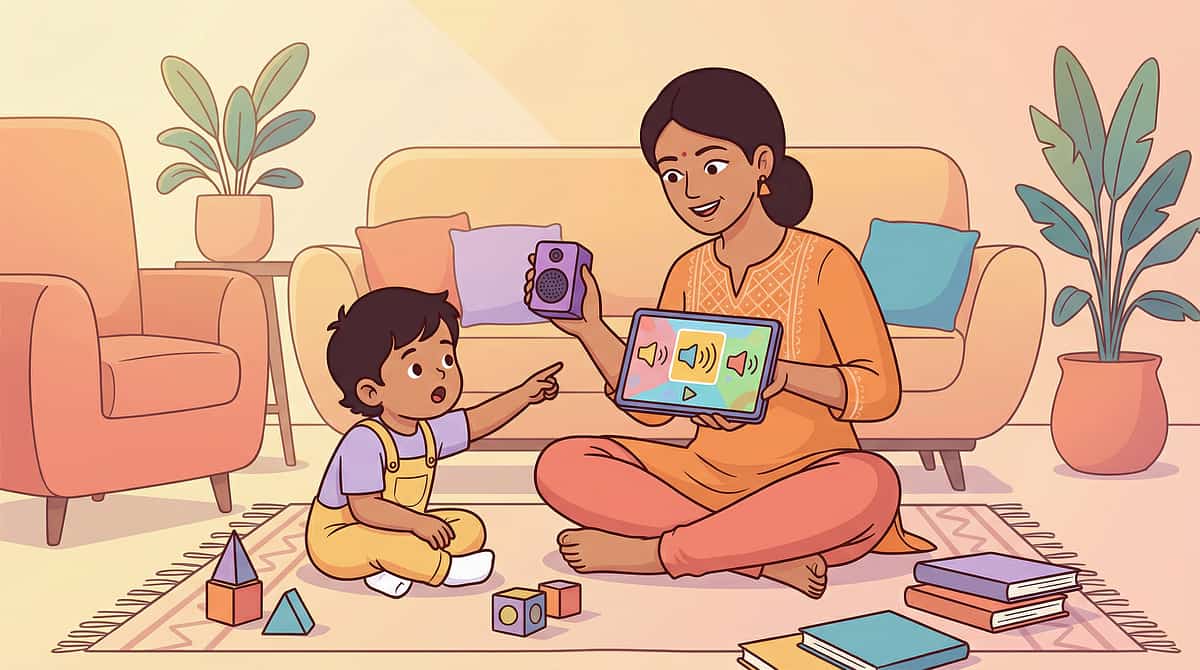
How to Introduce This: Scripts for Child, Teacher, and Classroom
For the Child — Ages 3–5
"You know how sometimes you can't hear the teacher because the room is so noisy? We're going to give you some special helpers. These help the teacher's voice come straight to your ears, like magic! And we'll also write things down so you can see them AND hear them."
For the Child — Ages 6–8
"Your ears work great — you can hear everything. But your brain has a hard time picking out the important sounds from all the other sounds. We're going to use tools that make the teacher's voice louder than the noise, and some other tricks to help you catch everything."
For the Child — Ages 9–12
"You have what's called an auditory filtering difference. Your hearing is normal, but your brain processes background noise differently. This is real, it's documented, and it's not about effort or intelligence. We have strategies and technology that change the acoustic equation in your favor."
For the Teacher
"[Child's name] has auditory figure-ground processing difficulty. Hearing is normal; the challenge is in the brain's ability to separate your voice from background noise. These accommodations are access tools, like glasses for a child who can't see the board. The most impactful thing you can do is write key instructions on the board and check that [child's name] understood before the class moves on."
For the Classroom (if FM system is visible)
"[Name] uses a special microphone system that helps them hear the teacher better. It's like a hearing aid for listening in noisy rooms. It's their tool, like some people wear glasses. No big deal."

What a Supported School Day Looks Like
8:00–10:00 AM — Morning
FM receiver ON, battery checked, seating confirmed. Morning circle with FM + teacher. Instruction period: FM + preferential seating + visual notes. Independent work at 9:30: headphones ON (noise reduction). 10:00: Quiet break — 5 minutes. Ears rest. Processing capacity restores.
10:15 AM–12:30 PM — Midday
Group work: FM off (doesn't help peer voices) — move close, ask buddy for clarification. 11:00: Instruction period with FM ON and comprehension checks. Lunch: Noisy survival period — sit with 1–2 friends. 12:15: Quiet break — critical mid-day reset.
12:30–2:45 PM — Afternoon
FM ON for instruction. Visual supports. Pre-taught vocabulary supports comprehension. Activity/PE: FM off. Independent study: Headphones + written instructions. 2:45: FM system OFF and charging. Recovery time begins.
4:00–7:00 PM — At Home
Homework in quiet space. 6:00: Pre-teaching for tomorrow — review vocabulary, preview chapter. 7:00 Dinner: TV off during conversation. One speaker at a time.
"The child's auditory capacity is a finite battery. Every noisy environment drains it. Every quiet break recharges it. The schedule should protect the battery for the moments that matter most."

Three Layers Working Together: How This Actually Helps
The child goes from "drowning in sound" to "accessing instruction through multiple reliable channels." Not perfect hearing — functional access. The FM system alone provides the acoustic equivalent of moving the teacher's mouth to 15 centimeters from the child's ear, while the child sits anywhere in the room. When auditory access fails — and it will, sometimes — visual supports, pre-teaching, and check-ins ensure the child still receives the information through alternative channels.
Evidence Anchor: AAA confirms FM system evidence shows 15–20 dB SNR improvement. The Educational Audiology Association recommends the multi-layered intervention approach validated in this protocol.
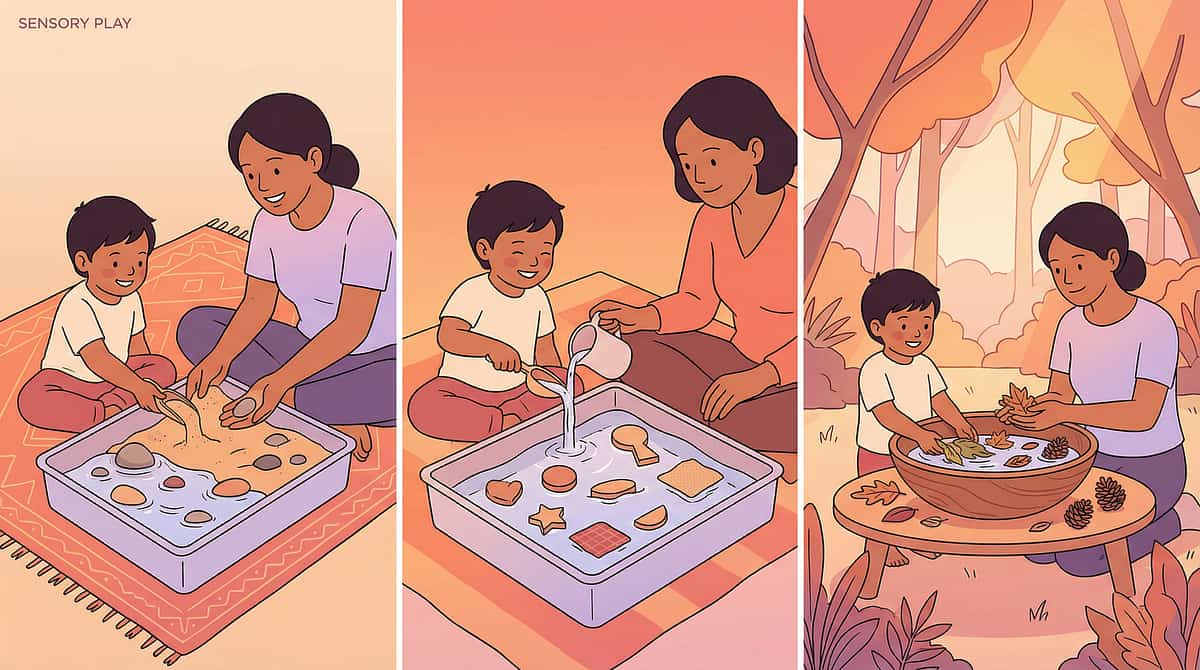
Every Day. Every Lesson. Consistency Is the Intervention.
Daily Non-Negotiables
- FM system ON during all direct instruction (every class, every teacher, every day)
- Seating maintained front-center (no exceptions, no rotation)
- Key instructions written/visible (always, not occasionally)
- At least one quiet break morning + one afternoon
- Pre-teaching done the evening before (15 minutes max)
Common Consistency Failures
- FM system dead → child sits through an entire day without access. Keep charger AT SCHOOL.
- Substitute teacher doesn't know protocol → prepare a 1-page instruction card IN the FM case.
- Seating changes for group activity → child returns to preferential seat for instruction.
- "Good day" leads to reducing support → the supports ARE the reason for success. Don't remove them.
Progression Principle
Reduce supports only when formal or informal assessment shows improved filtering capacity. The child leading the reduction (spontaneously removing headphones, choosing to sit further back) is the signal. Parent/teacher-driven reduction without data is premature.

Catch Them Accessing. Celebrate the Connection.
Celebrate the access, not the absence of difficulty. The child hasn't "fixed" their processing — they've mastered the tools that provide access. That IS the achievement.
Observed Behavior | What to Say | |
Child uses FM system without prompting | "You've got your system ready. That's you taking charge of your listening." | |
Child requests repetition (self-advocacy) | "Thank you for asking! That's exactly what you should do when you didn't catch it." | |
Child uses check-in signal | "Great signal. Let me say that again." (Not: "You need to listen better.") | |
Child succeeds on instructions in noise | "You followed all three steps! Your tools are working." | |
Child takes a quiet break proactively | "You noticed you needed a break. That's smart self-care." | |
Child completes work using visual instructions | "You used the written directions perfectly. Multiple channels, one result." |
Reinforcement for Teachers: "When you see [child's name] succeeding, they need to hear that it's BECAUSE of the tools, not despite them. 'Your FM system really helped you catch that!' reinforces tool use. 'See, you CAN listen when you try' undermines it — it implies the difficulty isn't real."

Listening Fatigue Is Real. Recovery Is Not Optional.
Visualize the child's auditory processing capacity as a battery. Every minute in a noisy environment drains it. Every quiet minute recharges it. When the battery is empty in the afternoon, the child cannot filter, cannot follow, and may appear "checked out," irritable, or defiant. This is not behavioral — the battery is dead.
Fully Charged — Morning
Child can filter effectively with supports. Good access. Good engagement. All tools producing maximum benefit.
Half Depleted — Midday
Filtering efficiency drops. More errors. More "what?" Fatigue beginning. Midday quiet break is critical.
Nearly Empty — Late Afternoon
Cannot filter. Cannot follow. May appear defiant. Increase visual supports, reduce auditory demands, offer a quiet break. This is not a disciplinary issue.
After-School Recovery: First 30–60 minutes after school should be low-auditory-demand. Quiet activity. Let the battery recharge. Homework comes AFTER recovery, in a quiet environment — not immediately after school when the battery is empty.
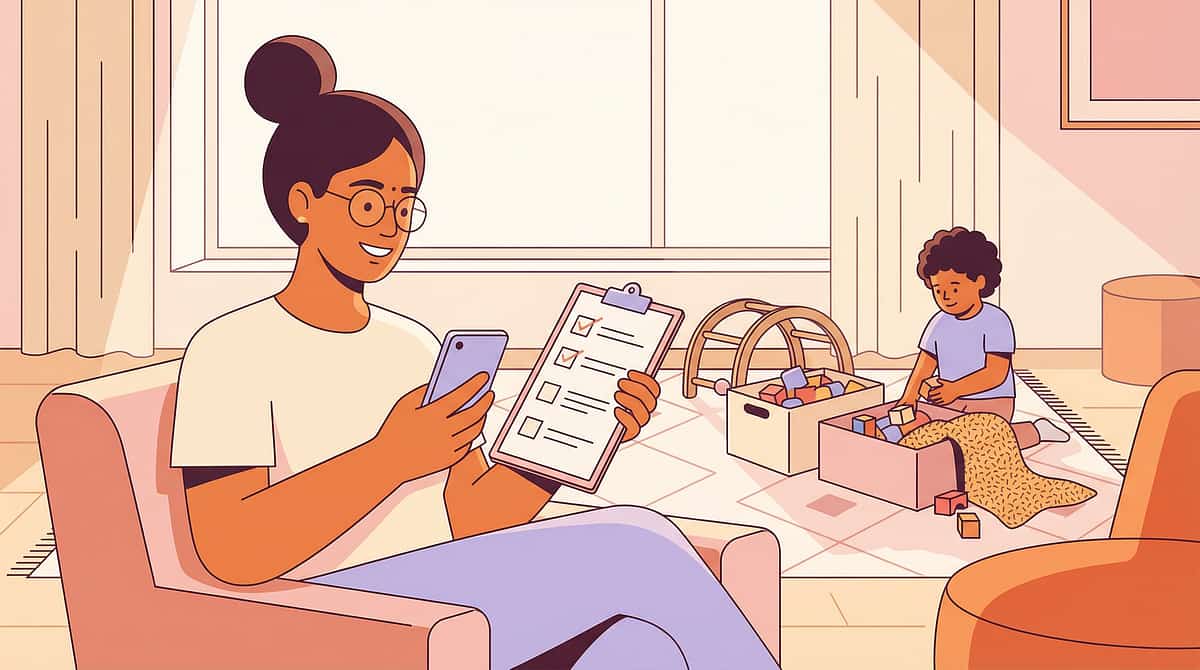
Daily Listening Access Tracker
Track in 60 Seconds
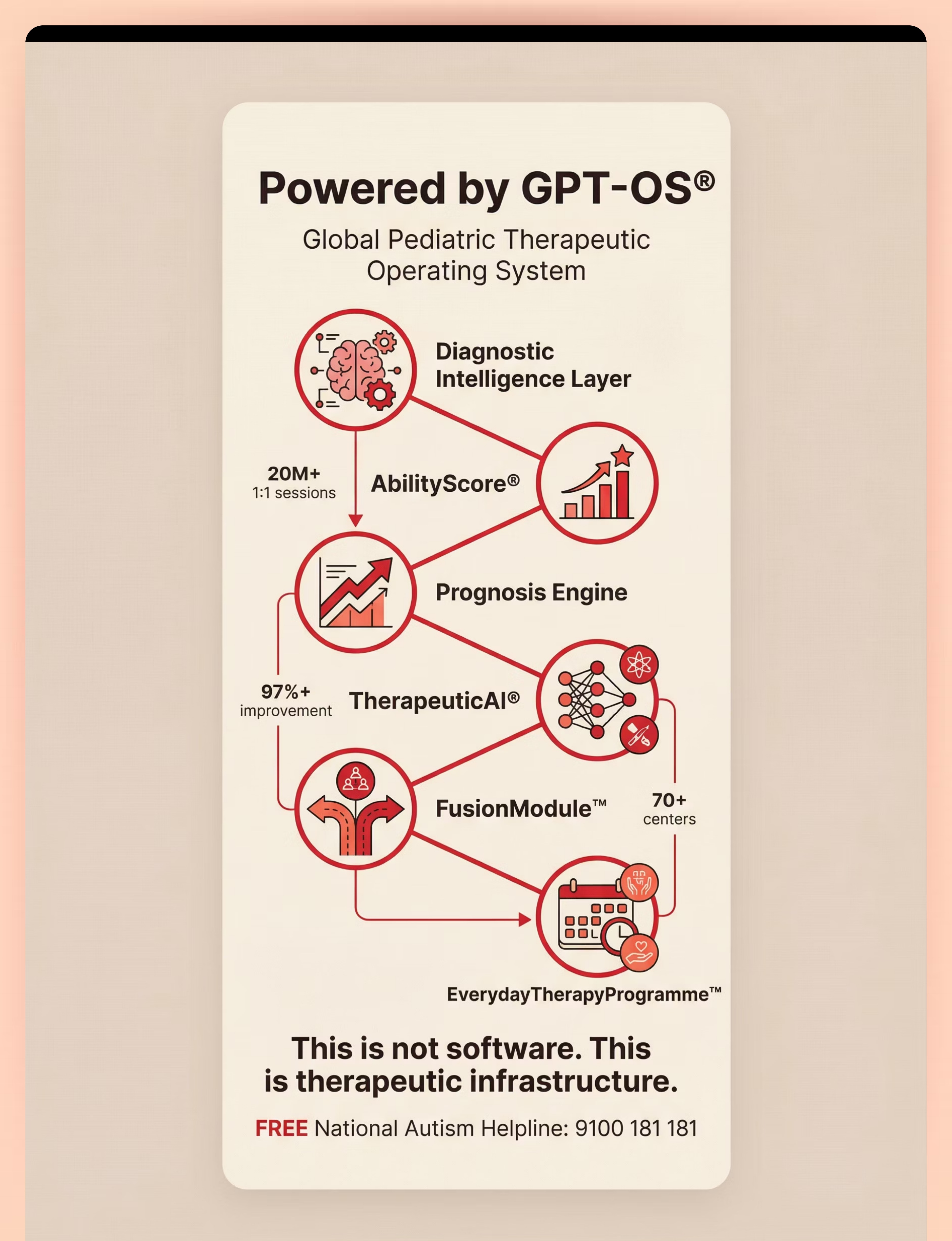
Record at the end of each school day — teacher or parent. Consistent tracking identifies which tools are most impactful, documents accommodation compliance for advocacy, shows progress trajectory for professional reviews, and feeds into GPT-OS® Classroom Participation Index.
Field | Options | |
FM system used? | Yes all day / Partial / No / N/A | |
Seating maintained? | Yes / Moved mid-day / No | |
Visual supports provided? | Written on board / Printed / None | |
Quiet break taken? | Yes, morning + afternoon / Morning only / No break | |
Pre-teaching done (prev. evening)? | Yes / Partial / No | |
Comprehension check-ins? | 3+ / 1–2 / None | |
Child's instruction access rating | 1-Missed most / 2-Caught some / 3-Accessed most / 4-Full access | |
Listening fatigue observed? | None / Mild (afternoon) / Moderate / Severe (checked out) | |
Self-advocacy observed? | Asked for repetition / Used signal / Sought buddy / None | |
Notes | Free text |
Compare FM days vs. non-FM days. If instruction access rating is consistently 1+ point higher on FM days, the system is working. Show this data to the school team — it's the most powerful advocacy tool you have.

Seven Scenarios. Seven Solutions.
Scenario 1: "The school won't provide an FM system"
Document the need (audiologist report, academic impact data). Request formal accommodation (504 Plan/IEP equivalent). Present as an access issue, not a preference. If school refuses, maximize free accommodations (seating, visual, check-ins). The system belongs to the child — consider personal purchase.
Scenario 2: "The teacher forgets to use the FM microphone"
Create a visual reminder (laminated card on desk, sticker on lesson plan). Assign the child to gently remind ("Teacher, your microphone?"). If a teacher consistently forgets, escalate through school administration — the accommodation is documented, not optional.
Scenario 3: "The child is embarrassed by the FM system or headphones"
Normalize early and proactively. Explain to the class with child's permission. Reframe: "This is my listening tool, like glasses are a seeing tool." Social acceptance typically improves when the child experiences academic success.
Scenario 4: "The child seems fine sometimes — is this real?"
Yes. Auditory filtering difficulty is context-dependent. In a quiet room the child may perform normally. In a noisy classroom, they cannot. Variability is a hallmark of the condition. Track systematically to show the consistent pattern: better in quiet, worse in noise.
Scenario 5: "Pre-teaching takes too much time"
It doesn't need to be elaborate. 10–15 minutes the evening before reviewing 5–10 vocabulary words for tomorrow's topic is sufficient. Request teachers share the next day's topic/vocabulary. Make it a family routine, not a chore.
Scenario 6: "My child was diagnosed with ADHD — could it be both?"
Yes — very commonly both. ADHD affects attention broadly; APD affects auditory filtering specifically. If your child's attention improves in quiet settings but worsens in noise, auditory processing is likely contributing. Request a central auditory processing evaluation (typically age 7+).
Scenario 7: "Supports are working — when can we stop?"
Cautiously and data-driven. If formal reassessment shows improved figure-ground processing, supports can be gradually reduced. "Doing well with supports" is not a reason to remove them — it's evidence they're working. Many children benefit from accommodations throughout their school years.
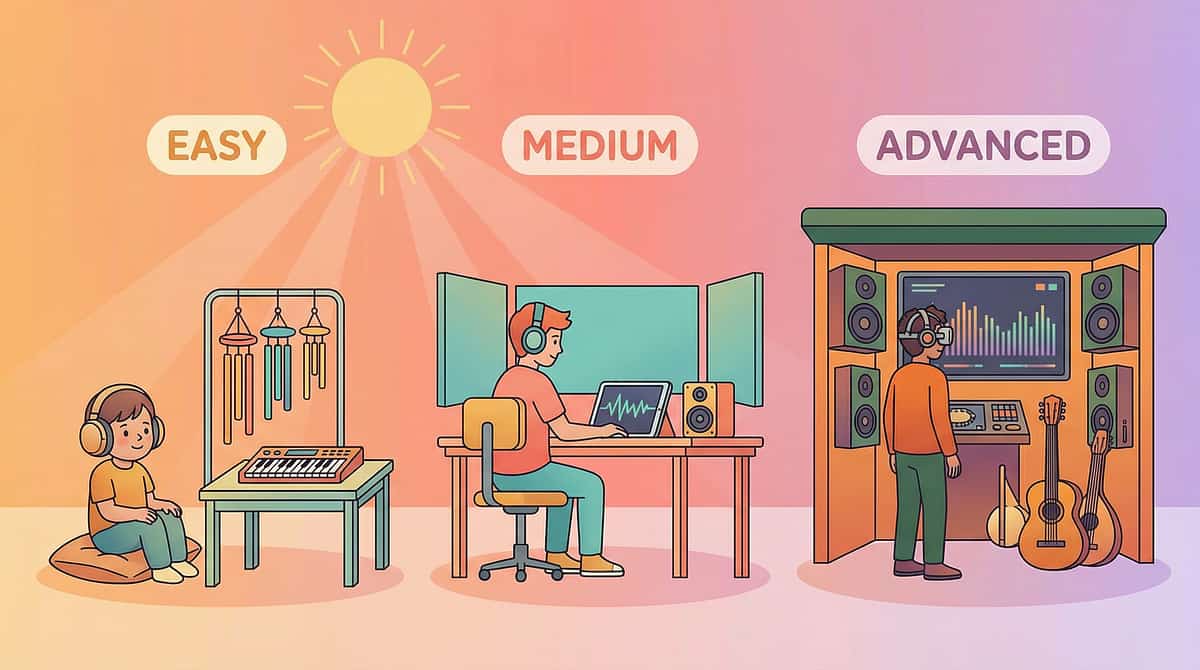
One Protocol. Calibrated to Your Child.
Age 3–5 (Pre-school)
- Focus on proximity, visual cues, and environmental noise reduction
- Seating during circle time: directly in front of teacher, within arm's reach
- Instructions: short, one-step, with visual cue (gesture, picture)
- Formal CAP testing not yet reliable — rely on functional observation
Age 6–8 (Early Primary)
- FM system can be introduced; child learns to charge, wear, and care for receiver
- Visual schedule on desk; key words written on mini-whiteboard
- Social story about "my listening tool" for class explanation
- Self-advocacy emerging: teach "I missed that" script
Age 9–12 (Upper Primary)
- Child co-manages FM system (charging, reminding teachers, troubleshooting)
- Self-advocacy fluent: child requests repetition, written instructions, breaks
- Understands own auditory profile and can explain to new teachers
- May participate in auditory training programs with independence

Weeks 1–2: Setting Up the Acoustic Equation
Foundation — 15% Progress
What Real Progress Looks Like
FM system fitted, functional, and used daily during instruction. Seating established and maintained front-center. Teacher cooperative and writing key instructions on board. At least one check-in per lesson occurring. Child accepts tools without resistance. Pre-teaching routine started at home. One quiet break per day happening. Baseline data collected (Card 20) — 5+ days of tracking.
What Is NOT Yet Expected
Improved grades or test scores (too early). Child self-advocating consistently. Reduced "what?" frequency (the tool is compensating; the processing hasn't changed). Teacher perfectly consistent (advocacy is ongoing). Full comfort with FM system in front of peers.
"These two weeks are about building the infrastructure — not seeing results. You are positioning the tools, training the adults, establishing routines. The child may not yet feel different, but the data will show that on FM days versus non-FM days, access is already improving. Trust the setup. Results follow infrastructure."

Weeks 3–4: The System Starts Working
Consolidation — 40% Progress
FM Independence
Child reaches for FM receiver independently in the morning. Teacher uses FM microphone without daily reminders. The routine is established.
First Self-Advocacy
First instances of "Can you say that again?" or "Can I see the instructions?" Check-in system reveals more "got it" signals than "missed it."
Battery Lasting Longer
Listening fatigue is still present but onset is later in the day. Scheduled breaks are used purposefully, not just for compliance.
Data Contrast
Compare FM days vs. non-FM days in your tracker. If instruction access rating is consistently 1+ point higher on FM days, show this data to the school team — it's the most powerful advocacy tool.
Spontaneous Behaviors to Celebrate: Child tells a friend "My microphone helps me hear the teacher" • Child adjusts own seating without being told • Child checks FM battery independently • Child says "I need a break" before visible fatigue.

Weeks 5–8: From Accommodation to Integration
Emerging Mastery — 75% Progress
Mastery Criteria
- Full protocol is daily routine — no longer requires conscious effort from child, parent, or teacher
- Instruction access rating averaging 3–4 on supported days
- Self-advocacy consistent: child signals when they've missed information
- Academic performance beginning to reflect improved access
- Child can explain their own auditory profile to a new teacher or substitute
What Mastery IS
Functional access to instruction and communication across environments through a reliable, internalized system of tools and strategies. The processing difference hasn't disappeared — but it's been accommodated so effectively that it no longer limits learning, socializing, or self-concept.
What Mastery Is NOT
Perfect hearing in noise. Zero reliance on tools. No more fatigue. These are unrealistic and unnecessary goals. Functional access = mastery.
Generalization Indicators
- Strategies transfer to new classrooms, new teachers, new subjects
- Child applies noise management at home, in social settings, in public
- Family events with multiple speakers are navigable
- Phone conversations improving with strategy use

You Didn't Fix Their Hearing. You Fixed Their Access.
Before | After | |
"Doesn't listen" on every report card | "Participates actively with accommodations" | |
Missed instructions → missed learning → falling behind | Instructions accessed through multiple channels → learning on track | |
"What? What? WHAT?" 20 times a day | Self-advocacy: "Can you repeat that?" or checks visual backup | |
Exhausted, irritable by 2 PM | Scheduled breaks maintain processing capacity through the day | |
Labeled ADHD, defiant, or lazy | Identified as auditory processing difference with documented accommodations | |
Grades reflecting inaccessibility, not ability | Grades reflecting intelligence, finally | |
Silent in group discussions | Strategically positioned, following conversations, contributing | |
Family frustrated by constant miscommunication | TV off, face the child, one instruction at a time |
What the Child Gained
Academic access. Self-knowledge. Tools they own and manage. The understanding that their brain works differently — not worse. Self-advocacy skills that will serve them through school, university, and career.
What the Family Gained
An explanation. A system. Data that validates what you observed for years. A child who is finally being heard — by being helped to hear.

Watch for These. Act Immediately.
🔴 No Improvement Despite Full Protocol (4+ Weeks)
FM system in use, seating correct, visual supports in place, pre-teaching done — but instruction access rating remains 1–2. Action: Re-evaluate. Is the FM fitted correctly? Could a co-occurring condition be masking progress? Request reassessment from audiologist and SLP.
🔴 Hearing Change
Child reports ear pain, increased ear infections, or starts turning up volume on devices. Action: Immediate hearing re-evaluation. Auditory processing intervention assumes normal peripheral hearing. Any hearing change alters every intervention decision.
🔴 Emotional Deterioration
Despite tools, child shows increasing anxiety, school avoidance, social withdrawal, or statements like "I'm stupid." Action: Consider school counselor, child psychologist, or professional emotional support alongside continued auditory accommodations.
🔴 School Non-Compliance
Documented accommodations are not being implemented. Action: Document every instance. Request formal meeting with school administration. Reference legal obligation. Involve audiologist/SLP in school meetings. Escalate through educational advocacy channels if needed.
🔴 ADHD Medication Without Auditory Support
Child is prescribed ADHD medication but auditory accommodations are dropped. Action: ADHD medication improves attention regulation. It does NOT improve auditory figure-ground processing. Both interventions are needed. Share this page with the prescribing physician.
🟡 Parent/Teacher Burnout
The daily effort of maintaining the protocol is unsustainable. Action: Simplify to essentials: FM + seating + one visual backup. These three alone provide the majority of benefit. Re-add additional supports as capacity allows.
Escalation Pathway: Self-manage with tools → Teleconsult → Clinic evaluation → Formal CAP reassessment → Comprehensive developmental evaluation
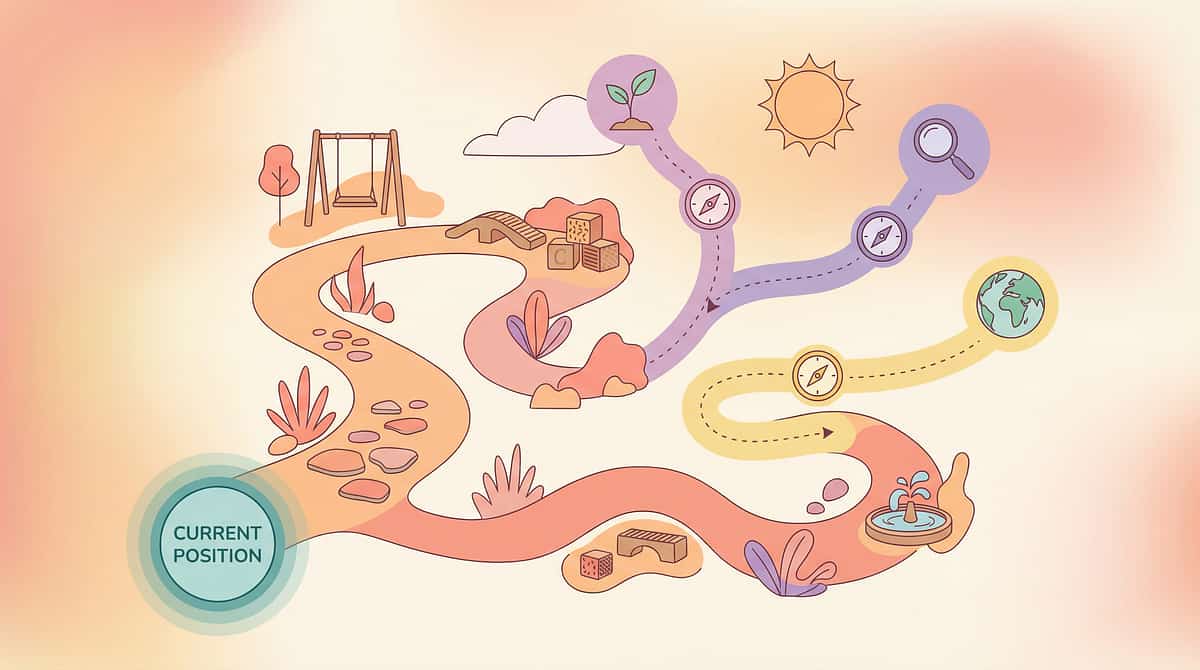
Where This Technique Sits in Your Child's Journey
YOU ARE HERE: A-042
Figure-ground is one facet of auditory processing. As the child ages, classroom demands increase and accommodation strategies must evolve. The FM system, headphones, visual supports, pre-teaching strategies, and check-in systems you've invested in for A-042 transfer directly to every branch — your tools follow your child's journey.
Your Auditory Processing Technique Map
ID | Technique | Level | Status | |
A-040 | Assembly/Event Overwhelm | Core | Linked | |
A-041 | Baby Crying Overwhelms | Core | Linked | |
A-042 | Background Noise Filtering | Core | YOU ARE HERE | |
A-043 | Following Verbal Instructions | Core | Linked | |
A-044 | Auditory Sequencing | Core | Linked | |
A-045 | Auditory Memory Challenges | Core | Linked | |
A-046 | Group Conversation Access | Core | Linked | |
A-050 | General Auditory Over-Responsivity | Advanced | Linked |
"You Already Own Materials for These" — FM systems, headphones, visual supports, pre-teaching strategies, and check-in systems work across ALL auditory processing techniques. Your investment in A-042 materials transfers directly to the entire cluster.
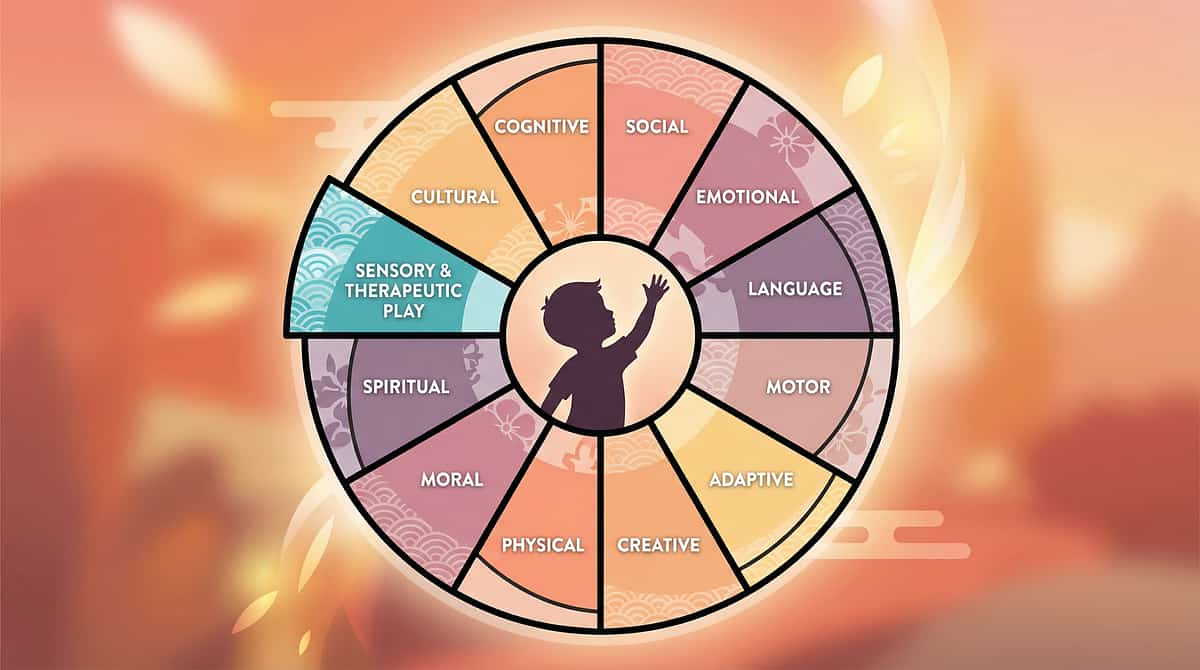
This Technique Is One Node in a Larger System
Auditory figure-ground difficulty in Domain A directly impacts Domain J (instruction inaccessible → learning gaps), Domain C (incomplete language input → vocabulary and comprehension affected), Domain E (cannot follow group conversations → social exclusion), Domain I ("doesn't listen" label → shame, eroded self-concept), and Domain K (noisy public environments become inaccessible). One intervention. Five domains affected. That's the power of targeting the right node.
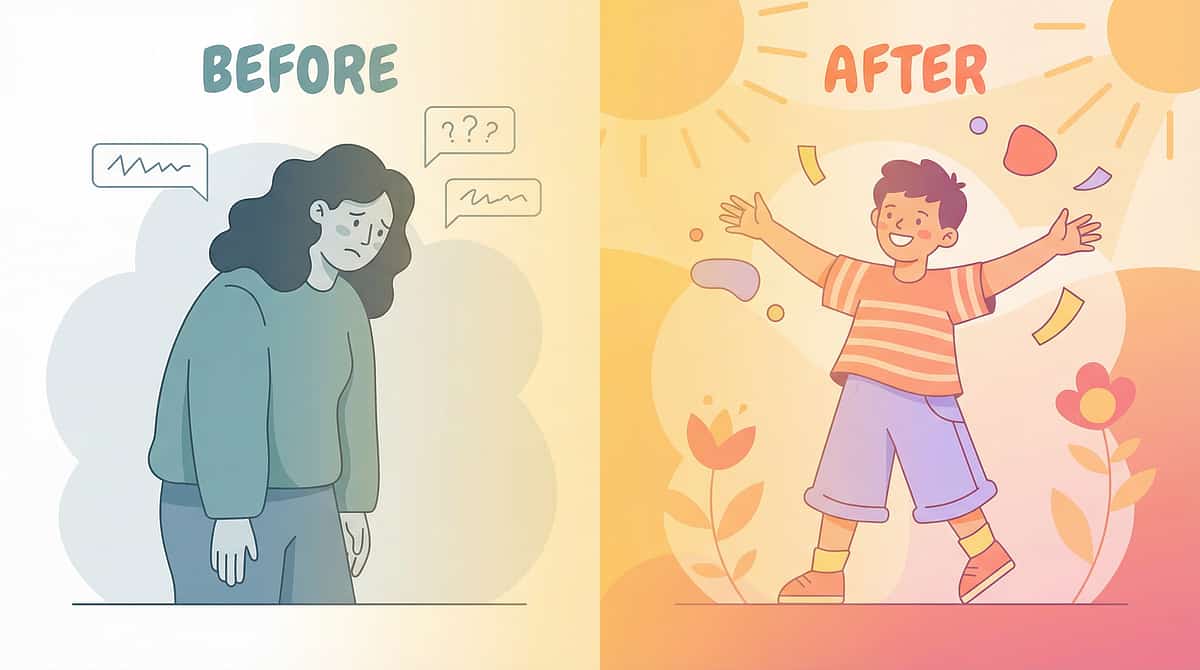
From "Doesn't Listen" to "Excels With Tools" — Family Stories
Parent, Pinnacle Network
"Every parent-teacher meeting for three years, the same feedback: 'She doesn't listen. She's distracted. She daydreams.' Then our audiologist said, 'Her hearing is perfect. Her brain can't filter.' We got an FM system. The first day she came home and said, 'Mom, I could hear my teacher today. Like, really hear her.' Her grades went from C's to A's in one semester. Nothing about her intelligence changed. Her access did."
Parent, Pinnacle Network
"Our son was diagnosed with both ADHD and auditory processing difficulties. The school only treated the ADHD. The listening problem persisted. When we added the FM system and seating accommodation, his teacher said, 'It's like a different child.' It wasn't. It was the same child who could finally hear the instruction. The ADHD medication helped him attend. The FM system gave him something to attend to."
"Auditory figure-ground difficulty is invisible and therefore chronically under-identified. The children who arrive at our centers with 'doesn't listen' histories often have years of perfectly normal hearing tests and years of academic underperformance. The moment we introduce signal-enhancement technology and compensatory strategies, the child's capacity becomes visible. They were always capable. They were never accessible." — Pinnacle Blooms Senior SLP, Auditory Processing Specialist

You Are Not Advocating Alone
WhatsApp Support Group
"Classroom Access Parent Network" — parents navigating auditory accommodations, school advocacy, FM system tips. Real families. Real strategies. Daily support.
Pinnacle Parent Forum
Search "auditory processing" or "FM system" — threads on school advocacy, product reviews, and daily strategies from families who have navigated this exact journey.
Monthly Parent Meetups
At 70+ Pinnacle centers across India — in-person connection with other families who understand what you're navigating. Center locator: pinnacleblooms.org/centers
Teacher Resource Pack
Downloadable pack explaining APD accommodations for teachers. Share with your child's school as a reference document for every educator who works with your child.
Peer Mentoring
Request pairing with a parent who has successfully navigated APD accommodations and school advocacy. Lived experience meets practical guidance.
"Every parent who fights for a seating change, an FM system, or written instructions is making the path easier for the next family. Your advocacy is not just for your child."

Expert Help, Available Now
70+ Centers Across India
Therapist Matching for A-042
- Primary: Audiologist — CAP evaluation, FM system fitting, auditory training guidance
- Co-Lead: SLP — Language processing evaluation, auditory therapy, compensatory strategy instruction
- Supporting: OT — Broader sensory profile evaluation, therapeutic listening, regulation support
- Supporting: Special Educator — Classroom accommodation, visual supports, academic gap remediation
- Consulting: NeuroDev Pediatrician — Differential diagnosis (APD vs. ADHD vs. language disorder)
Your Assessment Path
AbilityScore® → Central Auditory Processing Evaluation (age 7+) → Classroom Acoustic Assessment → Individualized Accommodation Plan → EverydayTherapyProgramme™ → Progress Tracking (Auditory Processing Index + Classroom Participation Index)
Free National Autism Helpline
☎ 9100 181 181 | 16+ languages | 24/7
"If your child's school says 'he just needs to listen better' and you know something is different — call. We'll help you find the right evaluation."
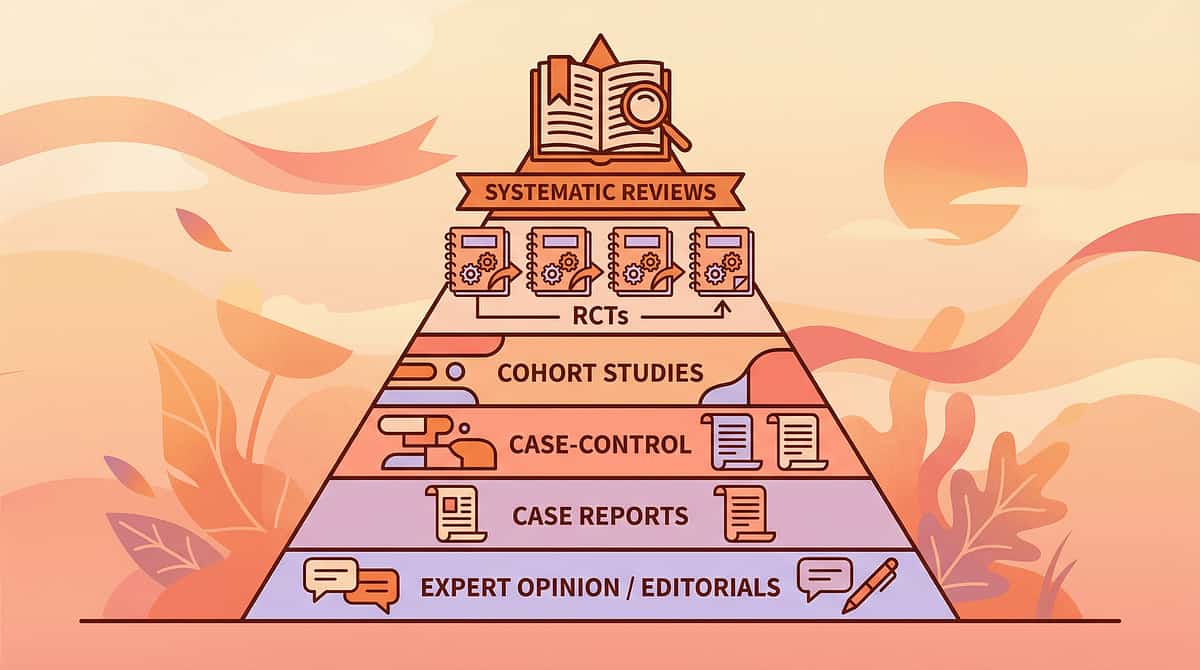
The Evidence Behind Every Recommendation on This Page
Research Library
1. PRISMA Systematic Review: Sensory Processing in ASD
"80%+ prevalence of sensory processing difficulties including auditory filtering." PubMed: PMC11506176
2. Meta-Analysis: Sensory Integration Intervention (World J Clin Cases, 2024)
"24 studies. Effective improvement in sensory processing and adaptive behavior." PubMed: PMC10955541
3. Indian Journal of Pediatrics RCT: Home-Based Sensory Interventions (2019)
"Randomized controlled trial in Indian home settings." DOI: 10.1007/s12098-018-2747-4
4. WHO/UNICEF Care for Child Development Package
"Multi-country implementation across 54 LMICs." PubMed: PMC9978394
5. AAA Clinical Practice Guidelines: CAPD
Assessment, diagnosis, and management of central auditory processing disorders including FM technology, acoustic modification, and compensatory strategies.
6. ASHA Position Statement: Auditory Processing Disorders
Definition, differential diagnosis, evidence-based intervention approaches for children and adults.
Supporting Frameworks: SPD Foundation (spdfoundation.net) • Educational Audiology Association — FM/DM system best practices • AOTA (aota.org) — Therapeutic listening in OT practice • NCAEP Evidence-Based Practices (2020): Visual supports • OCEBM Levels of Evidence • WHO Nurturing Care Framework (2018) • Adapted UNICEF/WHO NCF for SLPs (2022): DOI: 10.1080/17549507.2022.2141327
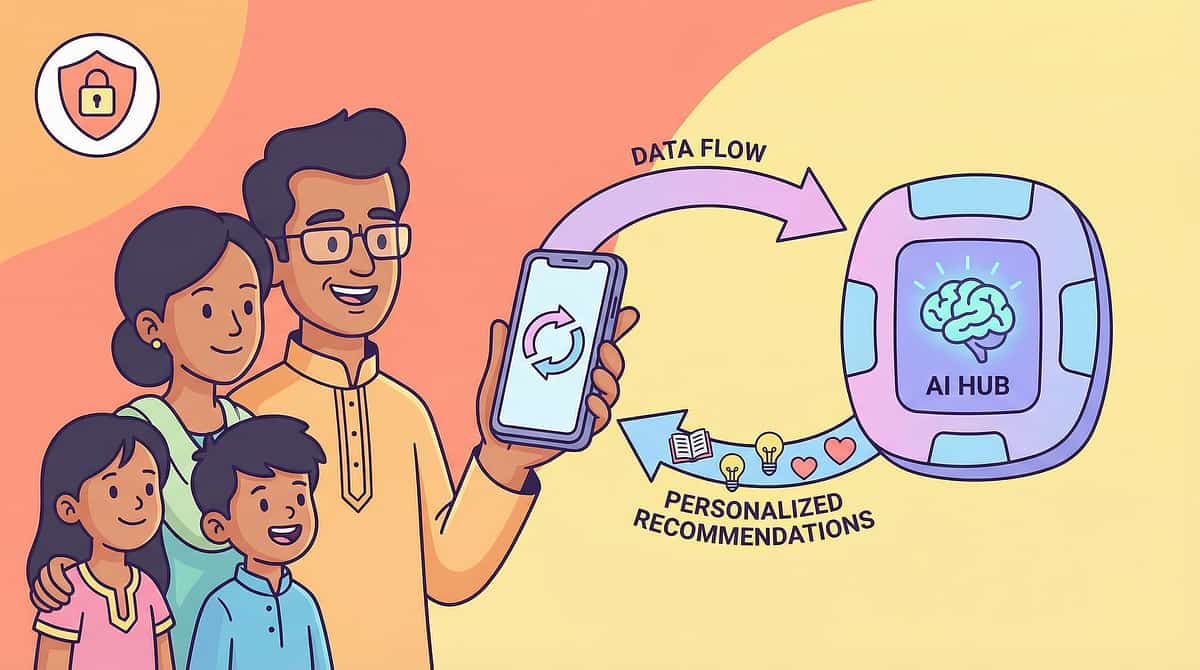
How GPT-OS® Learns From Your Journey (And Protects Your Data)
What GPT-OS® Learns from A-042 Data
- FM system impact magnitude by age and severity
- Optimal break scheduling and duration for capacity restoration
- Pre-teaching efficacy on next-day comprehension
- Co-occurrence patterns (APD + ADHD, APD + language disorder, APD + anxiety)
- School advocacy success factors
- Long-term processing maturation trajectories
Privacy and Trust
- All data encrypted at rest and in transit
- Anonymized before population-level analysis
- Family controls what is shared and with whom
- DPDP Act 2023 (India) compliant
- Data is never sold to third parties
- Your child's profile is YOUR family's asset
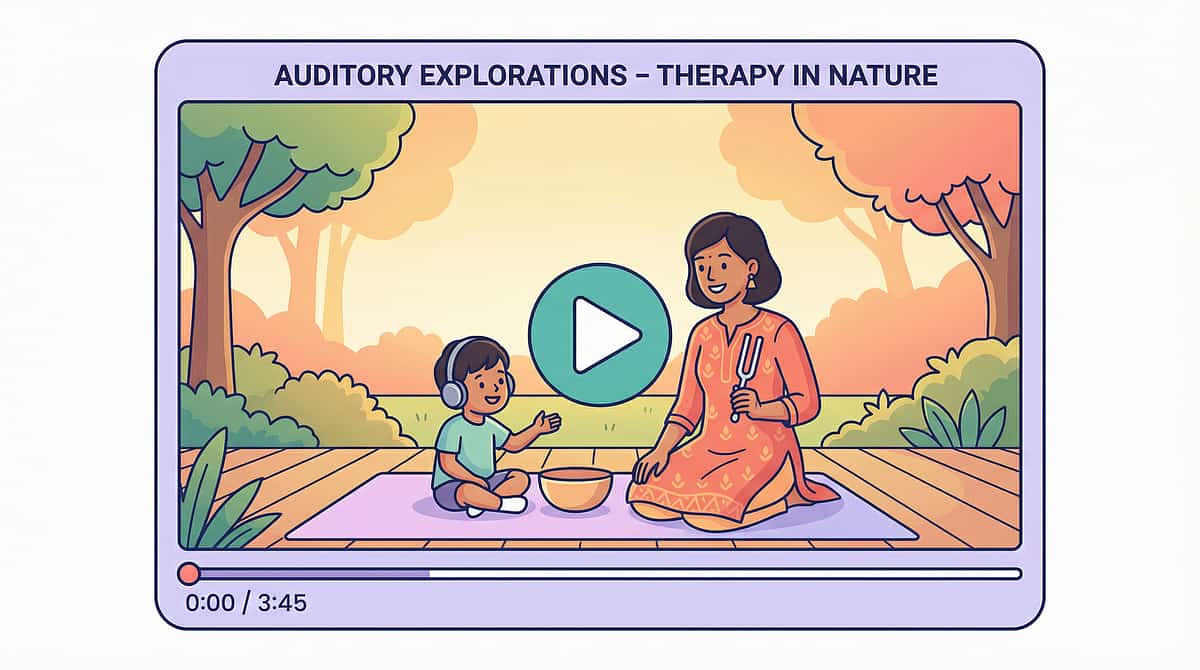
Watch: 9 Materials That Help With Background Noise Filtering
Auditory Processing Series
Episode 42
75–85 seconds
This reel is presented by a Pinnacle Blooms SLP — Auditory Processing Specialist. Format: Therapist intro → FM system demo → 9 materials with classroom/home B-roll → CTA → GPT-OS® → Outcomes → Pinnacle → Disclaimer. Video modeling is classified as an evidence-based practice (NCAEP, 2020). Seeing an FM system in use, a classroom setup with tennis balls on chairs, a child using a check-in signal — these demonstrations provide a learning modality that text cannot replicate.
Share This Reel: Send to the teacher who needs to understand why your child "doesn't listen." Send to the parent whose child just failed another hearing test but "hears fine." Send to the grandparent who thinks it's just stubbornness. This reel changes perspectives in 75 seconds.
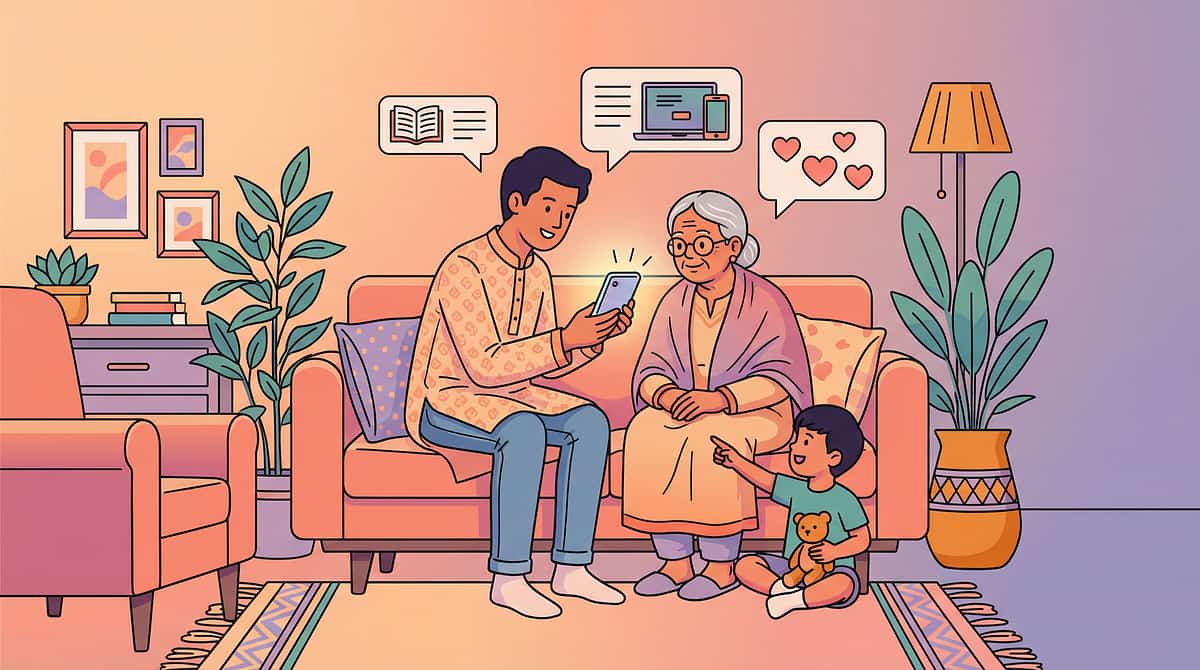
Every Teacher, Every Caregiver, Every Family Member Needs This.
📄 1-Page Teacher Guide PDF
Printable summary: FM system protocol, seating requirements, visual support expectations, check-in system, break schedule, what to do when the child appears "checked out." Laminate this. Put it in the FM system case.
📄 Parent Quick Reference Card
The daily essentials: FM check, pre-teaching routine, homework zone setup, home communication protocol. Everything in one laminated card.
👴👵 "Explain to Family" Version
"Your grandchild hears perfectly but their brain can't sort out the important sounds from the background noise. Turn off the TV, face them, get their name first, then speak. One instruction at a time. This is not rudeness. This is processing. Their tools help. Shouting doesn't."
👩🏫 Substitute Teacher Card
"[Child's name] uses an FM system. Please clip this microphone to your chest. Turn it ON during instruction. MUTE during sidebar conversations. [Child's name] sits front-center. Key instructions should be written on the board. If they signal [describe signal], please repeat the instruction. Thank you."
Key Message: Consistency across every adult in this child's life is the intervention. Every person who knows the protocol and follows it adds to the child's access. WHO CCD Package (PMC9978394) confirms: multi-caregiver consistency is critical for intervention effectiveness.

Your Questions, Answered
Is this the same as a hearing problem?
No. Hearing (the ear detecting sound) is normal. Processing (the brain sorting, prioritizing, and interpreting sounds) is impaired. A standard hearing test will come back normal. A central auditory processing evaluation, conducted by an audiologist, tests the brain's ability to handle complex listening tasks like filtering noise.
At what age can my child be tested for auditory processing disorder?
Formal CAP evaluation is generally reliable from age 7, because the auditory pathways need to be sufficiently mature for valid testing. Before age 7, functional observation and informal assessment can guide intervention. You don't need a formal diagnosis to start accommodations — if the child struggles in noise and improves in quiet, begin supports now.
Will the FM system make my child dependent on technology?
No more than glasses make someone dependent on lenses. The FM system provides access that the brain cannot currently provide on its own. If auditory processing matures over time, the child may naturally reduce reliance. But using a tool that provides access is independence, not dependence.
My child's school says they don't need accommodations because they "pass" in quiet.
This is the most common misconception. Auditory figure-ground difficulty is by definition context-dependent — the child performs normally in quiet and fails in noise. Request classroom observation, present FM vs. non-FM data, and document the discrepancy clearly for the school team.
Is this the same as ADHD?
No, but they frequently co-occur and look similar. ADHD affects attention across all modalities and contexts. APD specifically affects auditory filtering and is worse in noisy environments. If your child attends well in quiet but loses focus in noise, auditory processing is likely contributing. Both conditions should be evaluated and treated.
How much does an FM system cost, and can the school provide it?
Personal FM/DM systems range from ₹15,000–80,000. In many educational systems, schools can provide FM systems as a documented educational accommodation. Advocate through the formal accommodation process with audiological documentation. If school provision is not possible, personal purchase is an option — the system belongs to the child and moves with them.
Can auditory processing improve over time?
Auditory processing continues to mature through childhood and adolescence. Some children show significant natural improvement. Auditory training programs may accelerate this. However, improvement is not guaranteed. Continue accommodations throughout school years and reassess periodically — don't remove supports based on hope of maturation alone.
What's the single most important thing I can do right now?
Ensure preferential seating (front-center, consistent, every class) and request that key instructions be written on the board. These two free interventions provide more benefit than any other single action. Add pre-teaching at home — 10 minutes the evening before, reviewing tomorrow's vocabulary. Total cost: ₹0. Total impact: significant.
Didn't find your answer? Ask GPT-OS® — AI-guided response based on your child's profile | Book a Teleconsultation — personalized professional guidance | Call FREE: 9100 181 181 — National Autism Helpline, 16+ languages, 24/7

You've Read Everything. Now Change the Acoustic Equation.
1
🟠 Start This Technique Today
GPT-OS® session launcher — personalized setup guide based on child's age, auditory profile, and school context.
2
🔵 Book an Evaluation
Teleconsult with a Pinnacle Audiologist or SLP. Or call FREE: 9100 181 181 — 16+ languages, 24/7.
3
⚪ Explore Next Technique
A-043: Following Verbal Instructions in Noise — the natural next step after Background Noise Filtering.
Pinnacle Blooms Consortium
Audiology + SLP + OT + SpEd + BCBA + NeuroDev
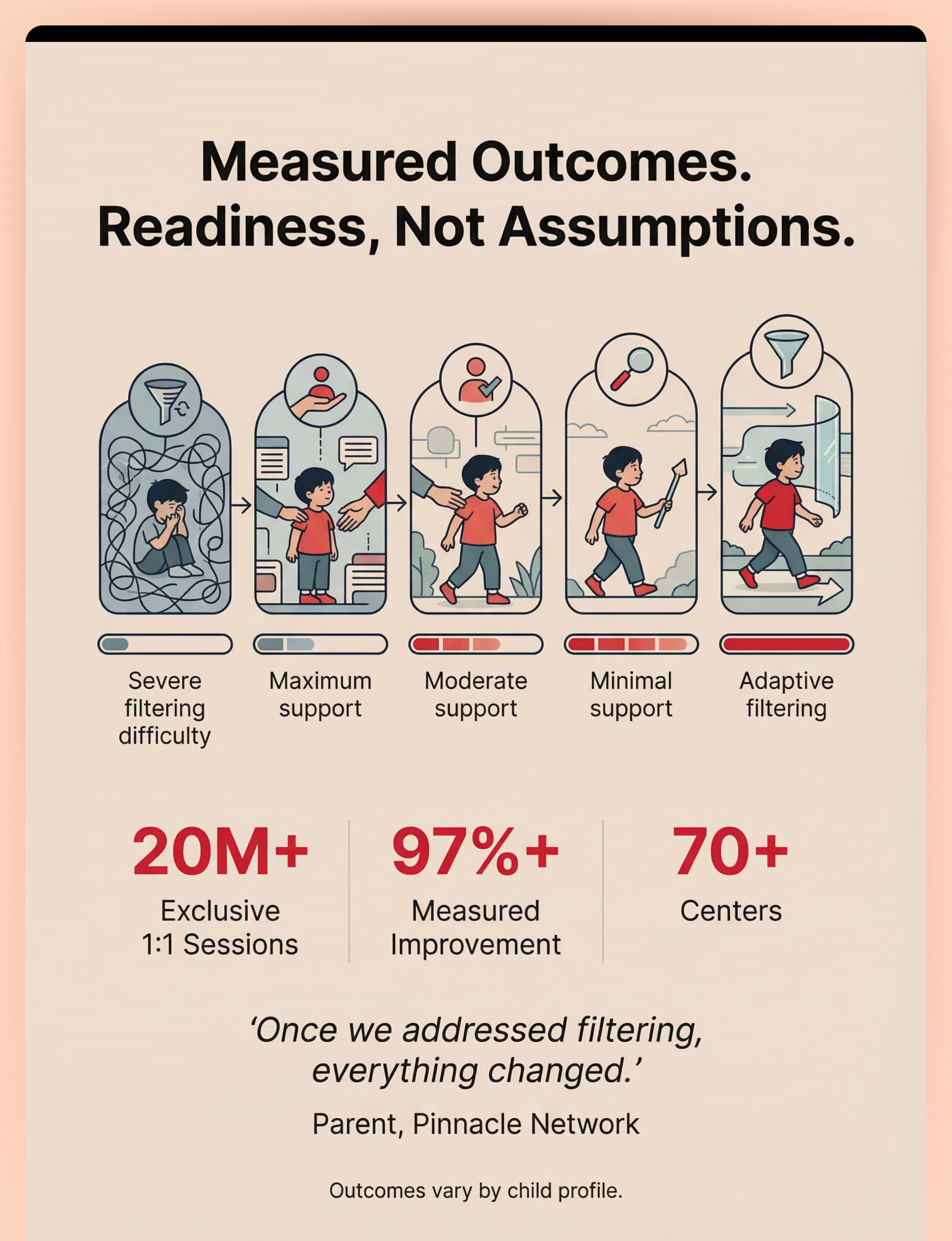
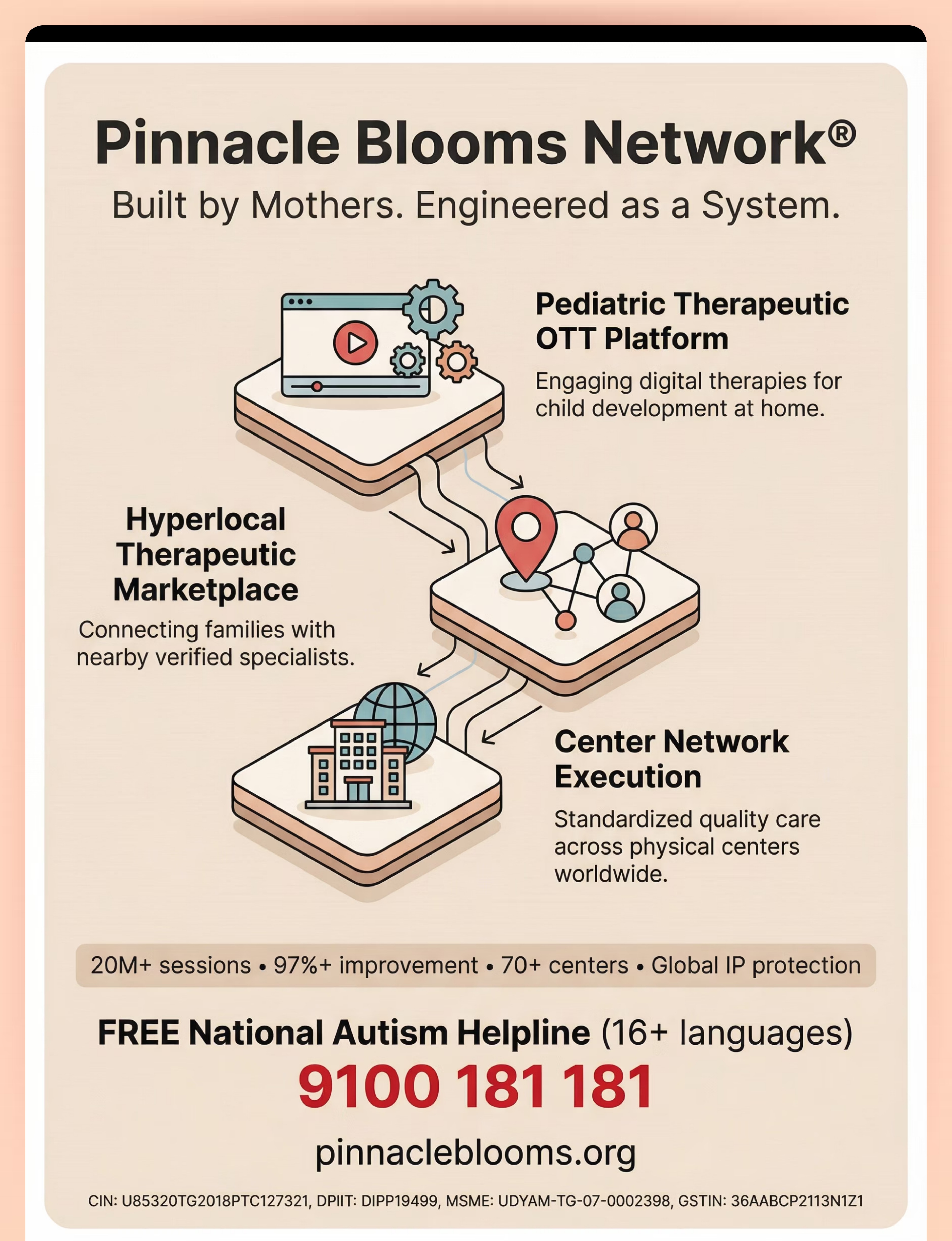
21M+ Sessions
Exclusive 1:1 therapy sessions delivered
97%+ Improvement
Measured outcomes across the network
70+ Centers
Across India, with patents filed in 160+ countries
Preview of 9 materials that help with background noise filtering Therapy Material
Below is a visual preview of 9 materials that help with background noise filtering therapy material. The pages shown help educators, therapists, and caregivers understand the structure and content of the resource before use. Materials should be used under appropriate professional guidance.



Link copied!

The Pinnacle Promise: From Noise to Signal
Pinnacle Blooms Network® — Built by Mothers. Engineered as a System.
"You arrived searching for why your child 'doesn't listen' despite perfect hearing. You now understand auditory figure-ground processing — the brain's invisible failure to sort signal from noise. You have 9 materials (6 of them free), a complete protocol for school and home, data tracking tools, troubleshooting for every scenario, a community of families and educators, professional support on call, and the evidence — from systematic reviews, meta-analyses, clinical guidelines, and 21 million therapy sessions — that this works. Your child was never the problem. The acoustic environment was. And now you have the tools to change the equation."
Medical Disclaimer
This content is educational and informational. It does not replace assessment by a licensed audiologist, speech-language pathologist, healthcare provider, or developmental specialist. Auditory processing difficulties require formal evaluation for accurate diagnosis and appropriate intervention. If hearing loss is suspected, seek immediate audiological evaluation. Individual results vary. Statistics represent aggregate outcomes across the Pinnacle Blooms Network.
Copyright & Statutory Identifiers
© 2026 Pinnacle Blooms Network®, unit of Bharath Healthcare Laboratories Pvt. Ltd. All rights reserved.
CIN | U74999TG2016PTC113063 | |
DPIIT | DIPP8651 (Govt. of India) | |
MSME | Udyog Aadhaar: TS20F0009606 | |
GSTIN | 36AAGCB9722P1Z2 |
Free National Autism Helpline
☎ 9100 181 181 | 16+ languages | 24/7