
"I heard you. I'm thinking!"
There's always this pause. You ask your daughter a question and she stares at you blankly for several seconds before responding. It's not that she doesn't hear you — her hearing has been tested and it's perfect. The information goes in — it just takes longer to process.
9 Evidence-Based Materials That Help With Auditory Processing Delays — When the ears hear fine but the brain needs more time.
You are not failing. Your child's auditory processing system is genuinely working at a different speed. This is neurology, not defiance. And there are proven tools that help.
Sensory Solutions — Episode 55
Ages 3–12
Auditory Processing + Processing Speed
You Are Not Alone — The Numbers Behind Auditory Processing Delays
Millions of families worldwide are navigating this exact challenge. Your child's processing pattern is documented, studied, and — critically — addressable with the right supports.
5–7%
School-Age Children
of children worldwide are estimated to have central auditory processing difficulties — affecting millions of families.
80%+
Autism + Auditory
of children with autism spectrum conditions display sensory processing differences, with auditory processing among the most affected. (PRISMA Systematic Review, 2024 — PMC11506176)
3–10s
Processing Delay Range
The characteristic delay where the child hears at normal thresholds but requires significantly extended time for central auditory decoding.
With India's pediatric population of 472 million, even a conservative prevalence estimate translates to millions of children whose classroom performance, social participation, and daily functioning are affected by processing speed differences. Pinnacle Blooms Network has addressed auditory processing challenges across 20M+ exclusive 1:1 therapy sessions with 97%+ measured improvement.
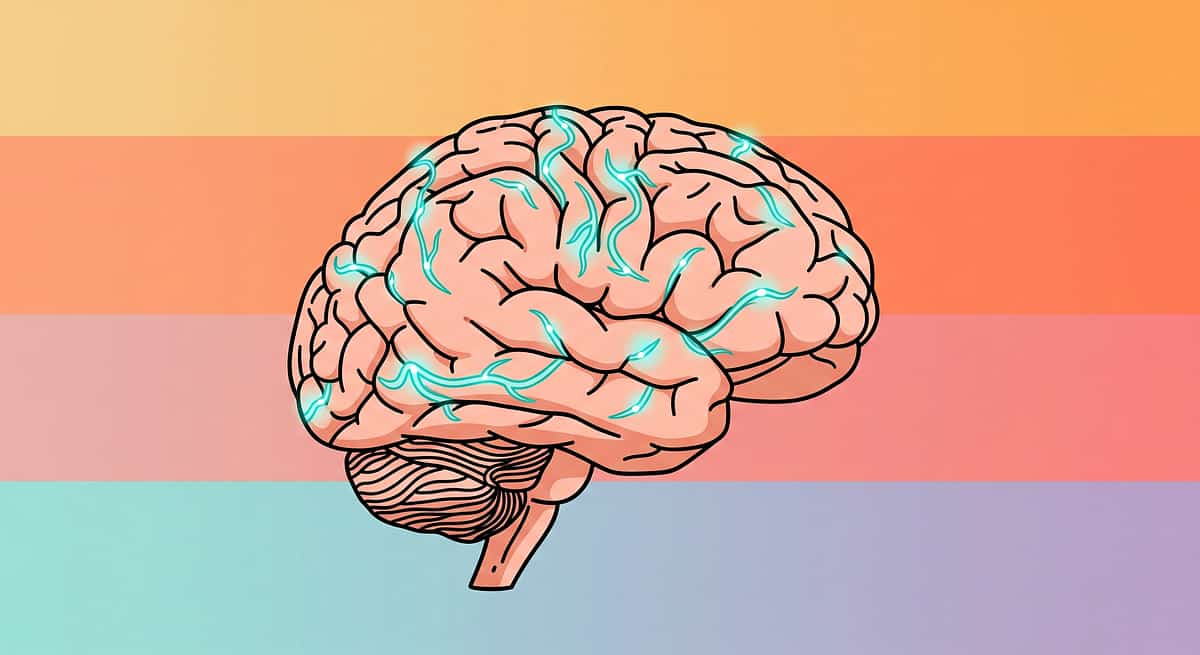
What's Happening in Your Child's Brain — The Auditory Processing Pipeline
Your child's ears work perfectly. Sound is detected at normal thresholds. The auditory processing delay happens after sound enters the brain.
The 6-Stage Pipeline
Detection — Sound reaches the ear. ✅ Intact in your child.
Discrimination — Distinguishing between different sounds. Usually intact or mildly affected.
Temporal Processing — Processing timing and sequence of sounds. ⚠️ Often where delay begins.
Pattern Recognition — Identifying patterns in auditory input. ⚠️ Slower than typical.
Linguistic Decoding — Converting acoustic signals to language meaning. ⚠️ Where the "lag" is most apparent.
Integration — Connecting to context, memory, and response formulation. ⚠️ Affected by upstream delays.
The Critical Distinction
This is a wiring-speed difference, not a behavior choice. Not a hearing problem. Not an attention problem. Not an intelligence problem.
The specific bottleneck is in the auditory processing channel — your child processes visual information at typical speed but auditory information more slowly. This is why reading comprehension often exceeds listening comprehension.
Think of it as a pipeline. Sound enters normally — but several processing stages downstream run at a slower clock speed. The brain is working hard. It just needs more time.
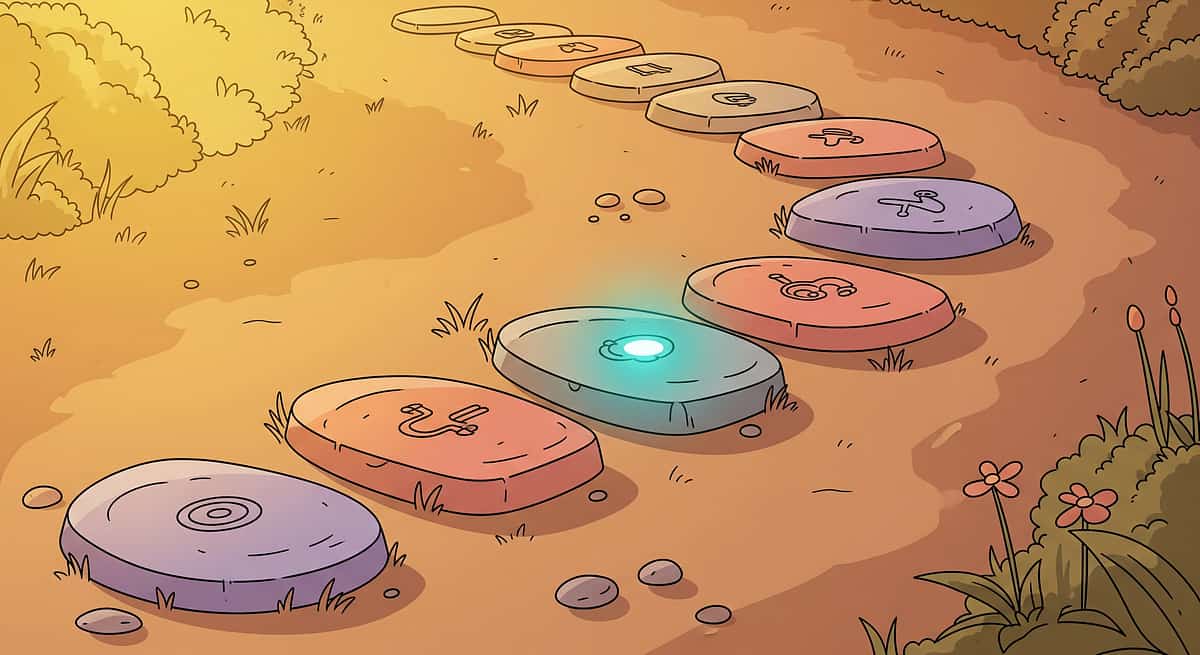
Where Auditory Processing Delay Sits in Your Child's Development
0–12 Months
Auditory localization develops. Discrimination begins — distinguishing mother's voice from others.
1–2 Years
Rapid auditory-language connections form. First words emerge as auditory processing enables sound-to-meaning mapping.
2–3 Years
⚠️First signs of delay may emerge — slower response to verbal cues, apparent "not listening."
3–5 Years
⚠️Delay becomes more apparent as language demands increase and classroom instruction begins.
5–8 Years
⚠️Peak impact zone — academic instruction relies heavily on auditory processing. The gap between capacity and demand is greatest.
8–12 Years
⚠️Social impact increases — delayed joke comprehension, missing conversational cues, rapid peer conversation.
Your child is at a point where auditory processing demands are increasing but processing speed has not caught up. This creates the characteristic "lag" — not a deficit, but a pace difference that can be accommodated, trained, and compensated.
Auditory processing delays commonly co-occur with: ADHD, language processing differences, autism spectrum conditions, and general processing speed variations.
Auditory processing delays commonly co-occur with: ADHD, language processing differences, autism spectrum conditions, and general processing speed variations.
The Evidence Behind This Technique
Evidence Grade: Level II–III
Systematic Reviews + Clinical Consensus + Real-World Evidence
ASHA Clinical Guidance (Current)
The American Speech-Language-Hearing Association recognizes auditory processing interventions — environmental modifications, compensatory strategies, and direct auditory training — as evidence-informed approaches. Processing speed and temporal processing are identified as components that can be selectively addressed.
ASHA Clinical Guidance (Current)
The American Speech-Language-Hearing Association recognizes auditory processing interventions — environmental modifications, compensatory strategies, and direct auditory training — as evidence-informed approaches. Processing speed and temporal processing are identified as components that can be selectively addressed.
Systematic Review (2024)
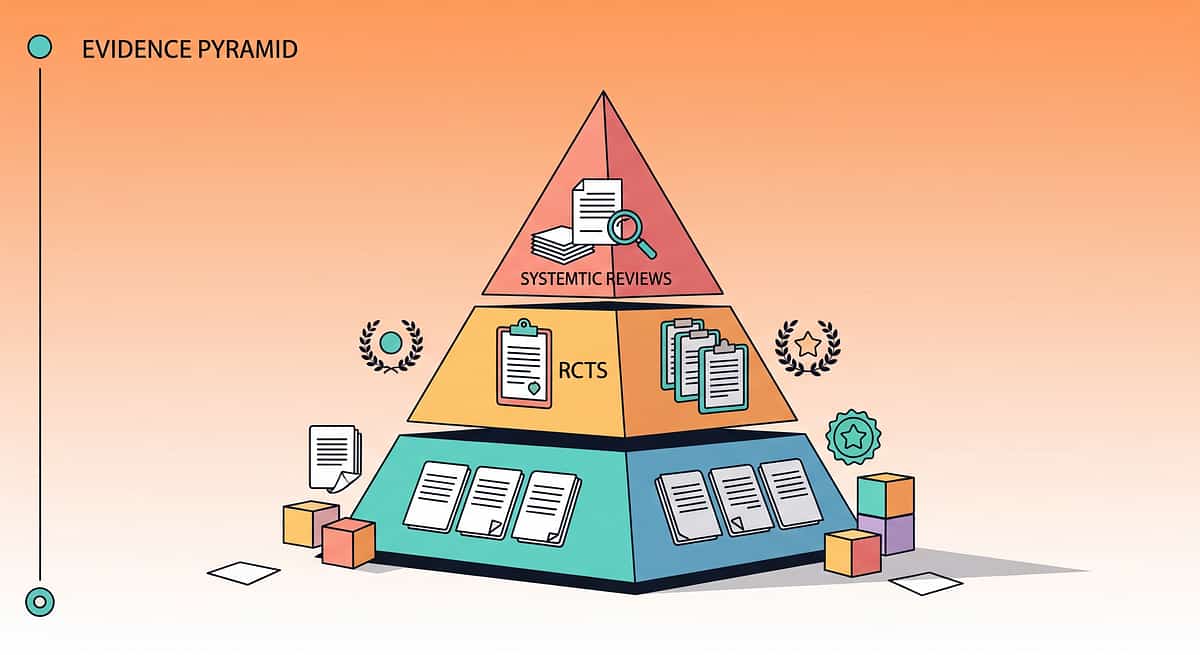
PRISMA model review of 16 articles (2013–2023) confirms sensory integration interventions meet evidence-based practice criteria for children with ASD, with demonstrated improvements across sensory processing, adaptive behavior, and motor skills. (PMC11506176)
Meta-Analysis (2024)
24 studies analyzed — sensory integration therapy effectively promotes social skills, adaptive behavior, sensory processing, and motor skills. (World J Clin Cases — PMC10955541)
Indian RCT (2019)
Home-based sensory interventions demonstrated significant outcomes in Indian pediatric populations, validating the home-execution model. (Padmanabha et al., Indian J Pediatr — DOI: 10.1007/s12098-018-2747-4)
Clinically validated. Home-applicable. Parent-proven. Across 20M+ exclusive 1:1 therapy sessions at Pinnacle Blooms Network, auditory processing interventions demonstrate 97%+ measured improvement when implemented consistently with appropriate supports.
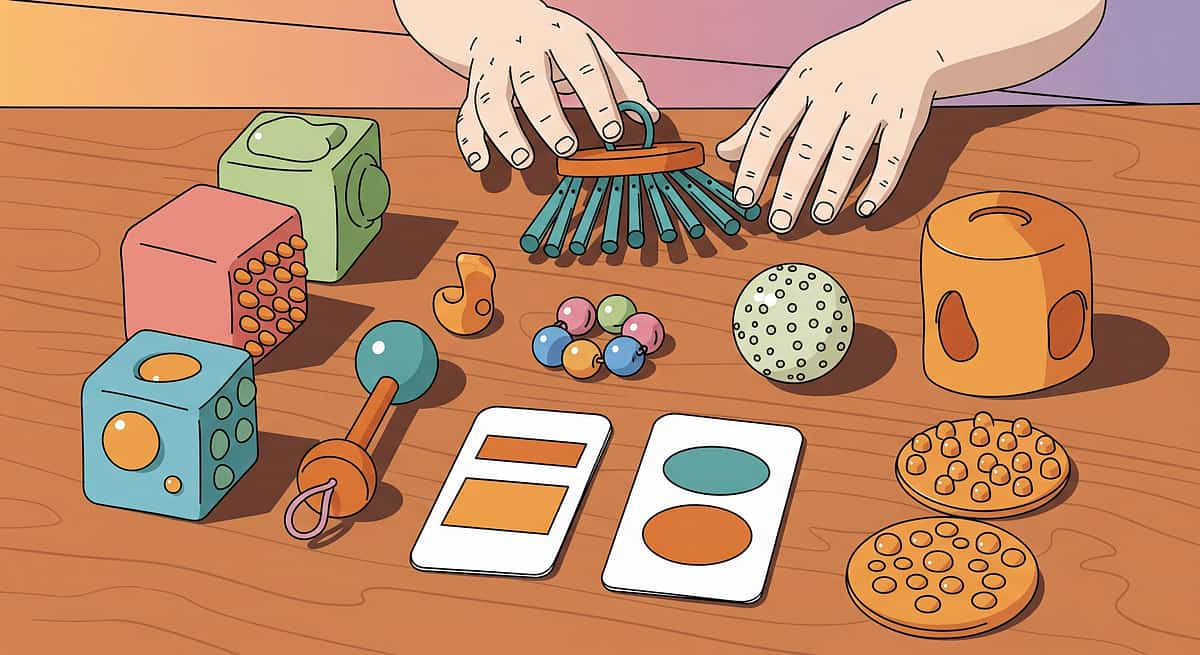
The Technique: What It Is
Technique ID: A-055
Multi-Modal Auditory Processing Support Protocol
Also known as: "The 9-Material Processing Support System" — A comprehensive toolkit for when the ears hear fine but the brain needs more time.
This technique is a structured, multi-modal intervention that combines nine categories of therapeutic materials to address auditory processing delays in children aged 3–12. Rather than a single approach, it coordinates visual supplements, processing time accommodations, input speed modification, signal enhancement, direct auditory training, recorded audio replay, noise reduction, pre-teaching strategies, and self-advocacy skill building into an integrated support system.
The protocol operates on three levels simultaneously: accommodation (modifying the environment to match current processing capacity), remediation (training faster processing), and compensation (building alternative pathways and self-advocacy). Designed for home execution with professional guidance, this technique empowers parents to create a processing-supportive environment while building the child's long-term auditory processing capacity.
🧠 Sensory Processing
🗣️ Language Development
👂 Auditory Processing
⚡ Processing Speed
📚 Academic Access
👶Ages: 3–12 years | ⏱️Duration: Ongoing (daily integration) | 📅Frequency: Materials used throughout daily routines | 🏠Settings: Home + Classroom + All verbal communication environments
Who Uses This Technique — Your Consortium Team
"This technique crosses therapy boundaries because the brain doesn't organize by therapy type."
SLP — Primary Lead
The speech-language pathologist leads auditory processing assessment, designs processing time protocols, implements auditory training programs, develops self-advocacy scripts, and monitors receptive language progression. Coordinates with audiologists for formal CAPD evaluation.
OT — Environmental Design
The occupational therapist designs the sensory-optimal listening environment, selects noise reduction strategies, configures workspace setups that minimize auditory overload, and integrates processing supports into daily routines and classroom accommodations.
BCBA — Behavioral Measurement
The behavior analyst establishes measurable processing time baselines, designs reinforcement systems for self-advocacy behavior, creates data collection protocols for processing speed tracking, and develops behavior plans that reframe "inattention" as "processing."
SpEd — Academic Integration
The special educator implements pre-teaching protocols, creates visual instruction supplements for classroom use, trains teachers in chunked delivery and wait-time strategies, and develops academic accommodation plans that protect the child's processing time.
NeuroDev — Differential Diagnosis
Rules out hearing loss, attention deficit, language disorder, and general cognitive delay. Coordinates comprehensive evaluation when multiple developmental concerns co-occur.

What This Technique Targets — Precision, Not Guesswork
🎯 Primary Target
Auditory Processing Speed and Efficiency — Reducing the time between hearing and understanding. Currently: 3–10+ second delay. Target: functional processing within conversation-compatible timeframes.
🎯 Secondary Targets
Receptive language comprehension in real-time • Self-advocacy and processing awareness • Classroom participation and academic access
🎯 Tertiary Targets
Social communication timing • Emotional regulation • Self-esteem and identity • Independence with self-managed strategies
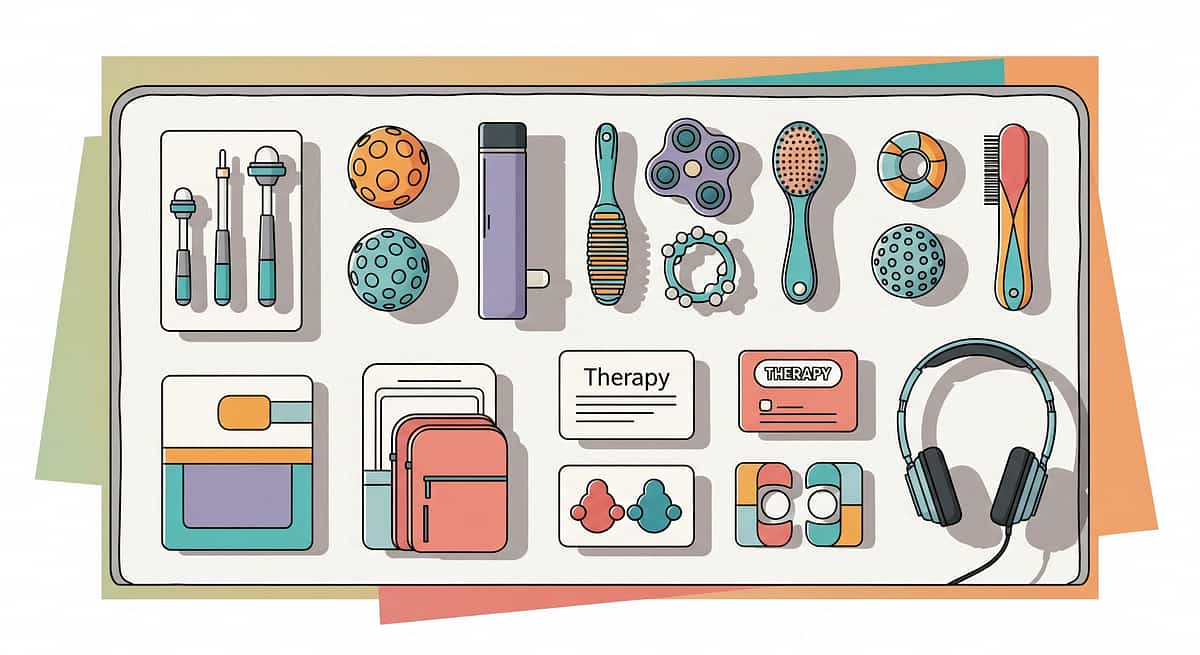
What You Need — The 9 Material Categories
"Every material here serves a specific processing function. Nothing is decorative."
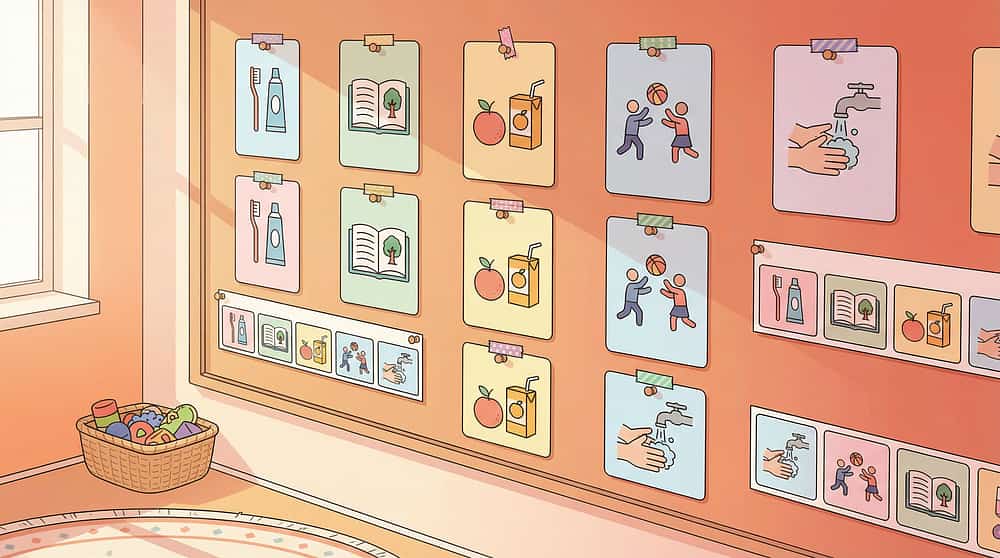
1. Visual Instruction Supplements 📋
Written instruction cards, picture sequence strips, visual schedules, visual checklists, graphic organizers, whiteboard, laminated routine cards.
💰 ₹0–1,000 | 🏷️ Canon: Visual Supports
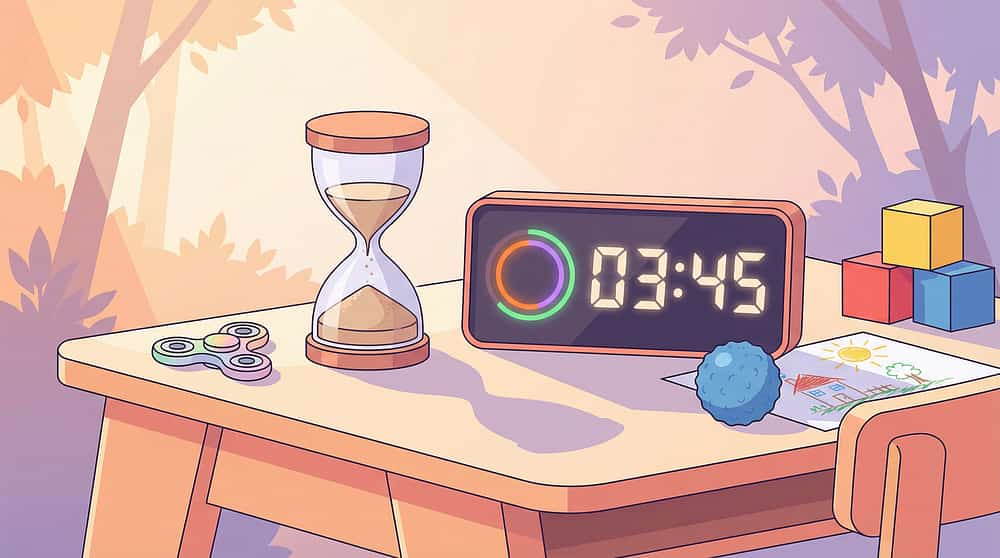
2. Processing Time Supports ⏳
"I'm thinking" / "Processing" cards, visual timers (sand timer, digital timer), wait-time training protocols, processing time social stories.
💰 ₹0–500 | 🏷️ Canon: Processing Tools
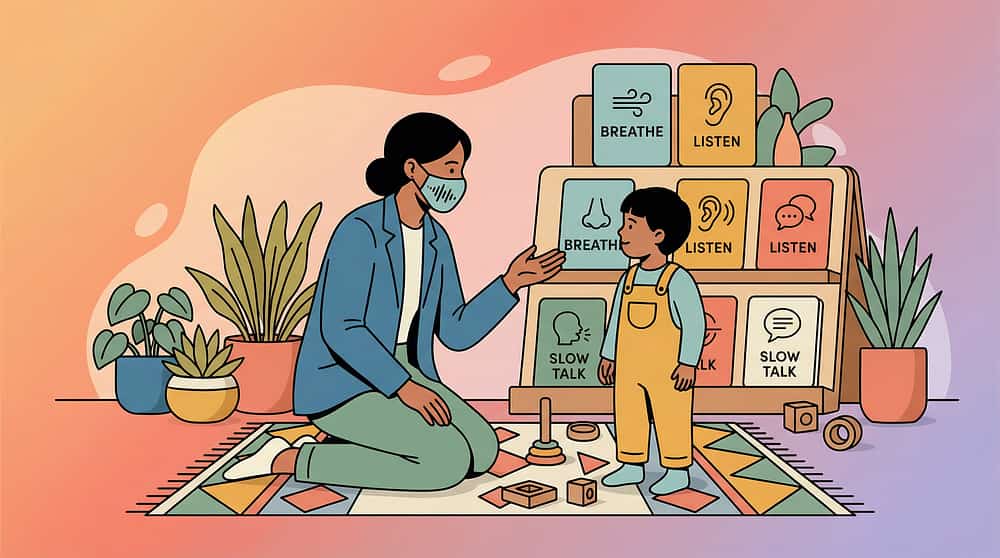
3. Slow + Chunked Input Training 🗣️
Slow delivery reminder cards for adults, chunking practice protocols, self-advocacy phrase cards for child, pacing visual cues.
💰 ₹0–500 | 🏷️ Canon: Communication Supports
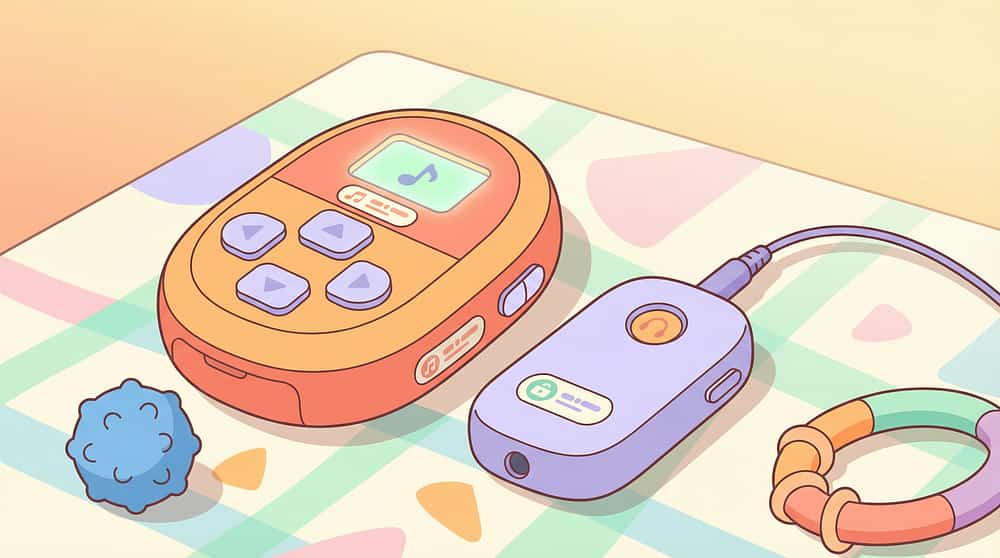
4. Personal FM / Remote Microphone System 🎙️
Personal FM system (transmitter + receiver), Roger system (Phonak), remote microphone systems, Bluetooth microphone alternatives.
💰 ₹10,000–80,000 | 🏷️ Canon: Assistive Technology

5. Auditory Processing Training Programs 💻
Fast ForWord, Earobics, CAPDOTS, The Listening Program, Integrated Listening Systems (iLs). Professional guidance required before starting.
💰 ₹5,000–30,000 | 🏷️ Canon: Digital Therapy Tools
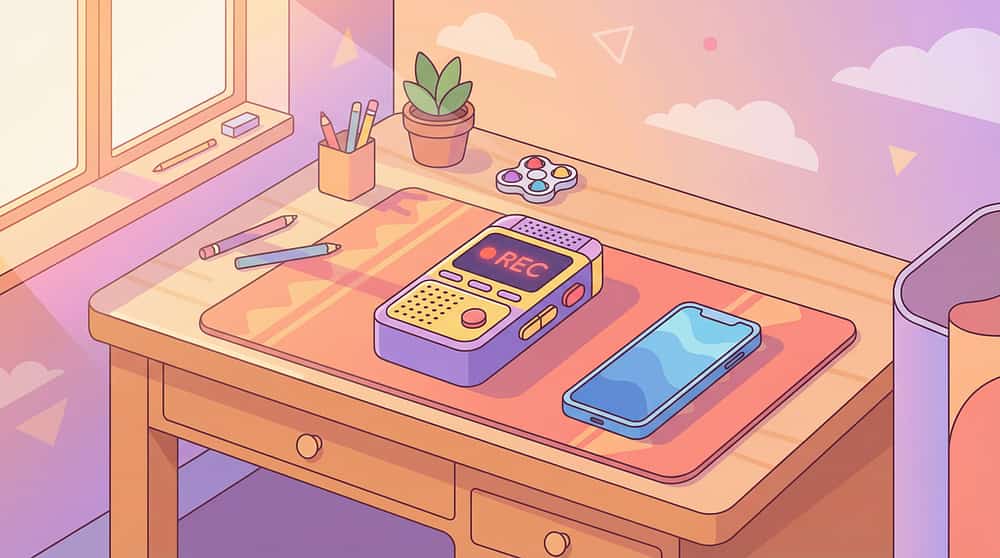
6. Recorded + Repeatable Audio 🔊
Digital voice recorder, smartphone voice memo app, audiobooks with easy navigation, smart speaker for replaying instructions.
💰 ₹500–3,000 | 🏷️ Canon: Audio Tools
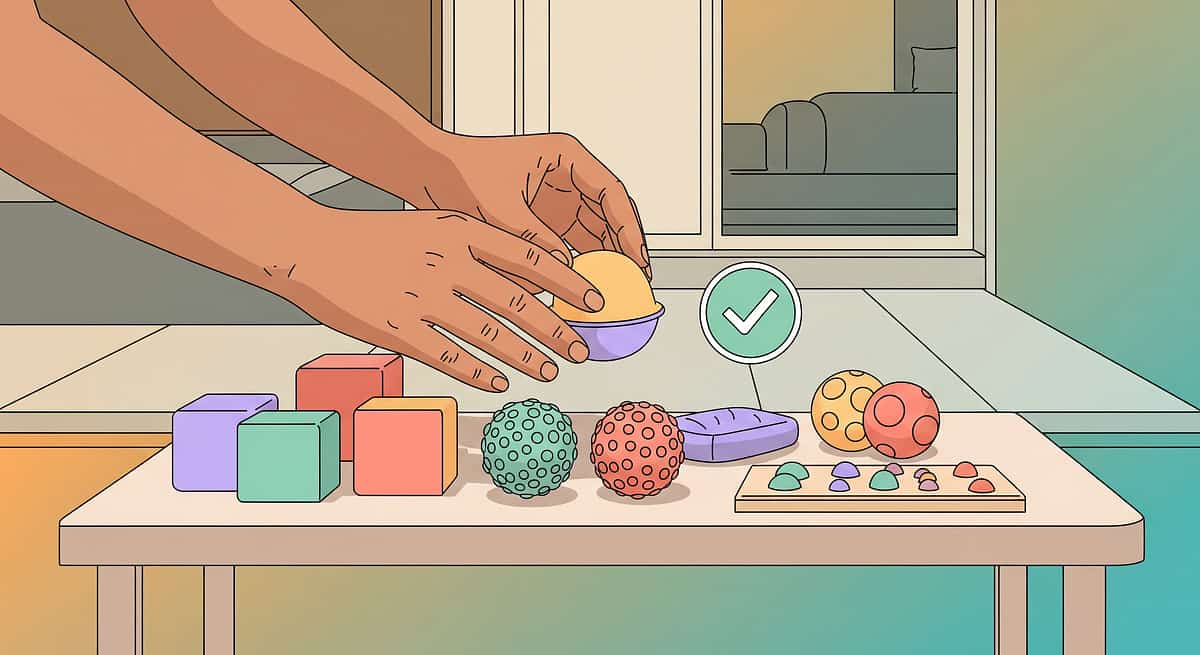

7. Noise Reduction Supports 🎧
Noise-reducing headphones, noise-canceling headphones, quiet workspace designation protocols. Remember: headphones reduce competing noise — not instruction itself.
💰 ₹1,500–15,000 | 🏷️ Canon: Sensory Environment
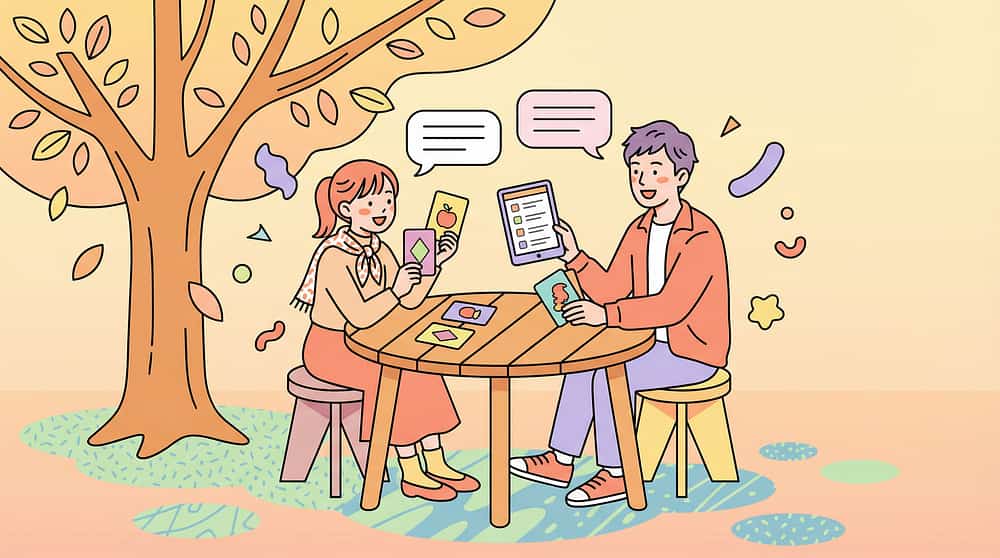
8. Pre-Teaching + Preview Materials 📖
Advance lesson plans/topics, vocabulary pre-teaching lists, concept preview books/videos, parent-teacher communication templates.
💰 ₹0–1,000 | 🏷️ Canon: Academic Supports
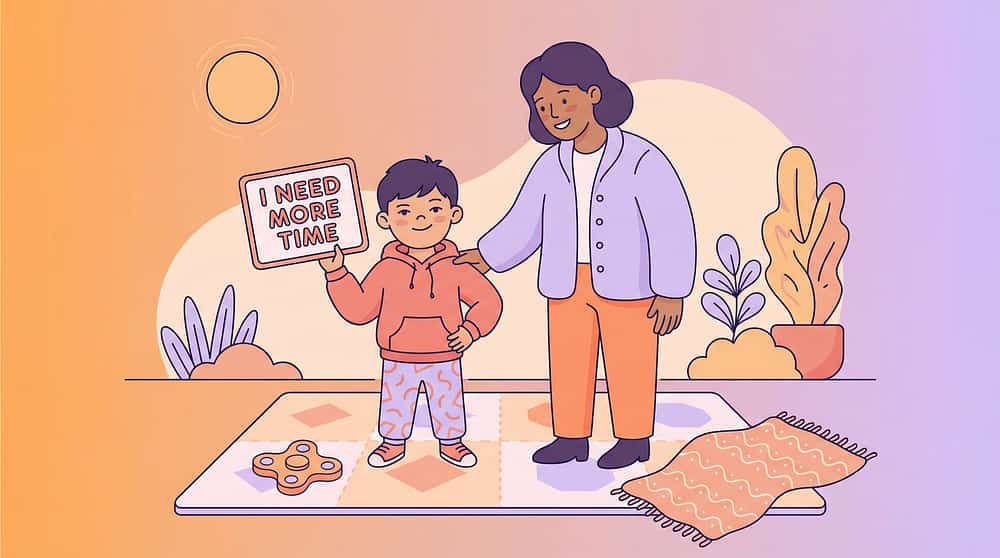
9. Self-Advocacy + Processing Awareness Tools 💪
Processing delay social stories, "I need more time" / "Please repeat" cards, self-advocacy scripts, child-friendly processing explanations.
💰 ₹0–500 | 🏷️ Canon: Self-Advocacy Resources
Total Investment Range: ₹0–80,000 (full toolkit) | Essential starters from ₹0
Pinnacle Recommends: Start with the free materials — processing time supports and visual instruction supplements. These alone create immediate impact while you build toward the full toolkit.
Pinnacle Recommends: Start with the free materials — processing time supports and visual instruction supplements. These alone create immediate impact while you build toward the full toolkit.
DIY & Zero-Cost Alternatives — Start Today With What You Have
"Not every family can order from Amazon. Every family can start TODAY."
Materials 1–3: Free DIY
Visual Supplements (₹0): Write instructions on paper while speaking. Draw simple picture sequences. Create visual checklists with pen and paper. A whiteboard or cardboard works perfectly.
Processing Time (₹0): Make "I'm thinking" cards from cardboard. Use a phone timer. Train family members to count silently to 10 before expecting a response. Patience costs nothing.
Slow + Chunked Input (₹0): Write reminder cards: "Speak slowly," "One instruction at a time," "Pause 3 seconds between steps." Post them where you give instructions.
Materials 4–9: Low-Cost Alternatives
FM System Alternative (₹0–2,000): Position yourself close to your child. Eliminate background noise first. Bluetooth lavalier mics + earbuds are an affordable alternative.
Auditory Training (₹0–5,000): Requires professional guidance — consult your SLP or audiologist first. Some supervised free listening exercises are available online.
Recorded Audio (₹0): Every smartphone has voice memo. Record instructions. Use replay for homework directions. Free audiobook apps with rewind.
Noise Reduction (₹0): Identify the quietest room. Turn off TV, fans, competing sounds. Create a "quiet zone" for homework.
Pre-Teaching (₹0): Ask teachers for next week's topics. Preview vocabulary at dinner. Front-load unfamiliar words.
Self-Advocacy (₹0): Write a simple social story. Practice phrases: "I need a moment," "Can you repeat that slower?"
The most important interventions cost nothing: giving time, slowing down, providing visual backup, reducing noise, and teaching your child to understand and communicate their needs. Start here. Today.
Safety First — Before You Begin
🔴 DO NOT PROCEED IF:
- Child has not had a hearing evaluation (rule out hearing loss first — always)
- Child is showing signs of ear infection, pain, or fluid (consult ENT)
- Child is in acute distress, meltdown, or severe dysregulation
- You are frustrated, rushed, or angry — the child needs patience, not pressure
- FM system causes discomfort, headaches, or distress at any volume
🟡 MODIFY THE APPROACH IF:
- Child is tired, hungry, or unwell (simplify: one instruction, maximum processing time)
- Environment is noisy and cannot be controlled (rely entirely on visual supports)
- Child is resistant to wearing headphones or FM receiver (do not force — try again later)
- Child becomes anxious when processing cards or timers are used (normalize gently)
- Auditory training program causes frustration (reduce difficulty, consult professional)
🟢 PROCEED WHEN:
- Hearing has been tested and is within normal limits
- Child is fed, rested, and in a regulated state
- Environment is as quiet as possible
- You have allocated adequate time (no rushing)
- You are calm, patient, and prepared to wait
🛑STOP if: Child develops headaches with FM use. Child shows increased anxiety rather than decreased. Child's processing appears to worsen. These require professional evaluation — contact your Pinnacle center or audiologist.
FM systems: Fit by audiologist for correct volume levels. Headphones: Monitor volume — noise-canceling should not block instruction, only competing noise. Digital programs: 30–50 minutes daily is therapeutic dosage, not unlimited.
FM systems: Fit by audiologist for correct volume levels. Headphones: Monitor volume — noise-canceling should not block instruction, only competing noise. Digital programs: 30–50 minutes daily is therapeutic dosage, not unlimited.
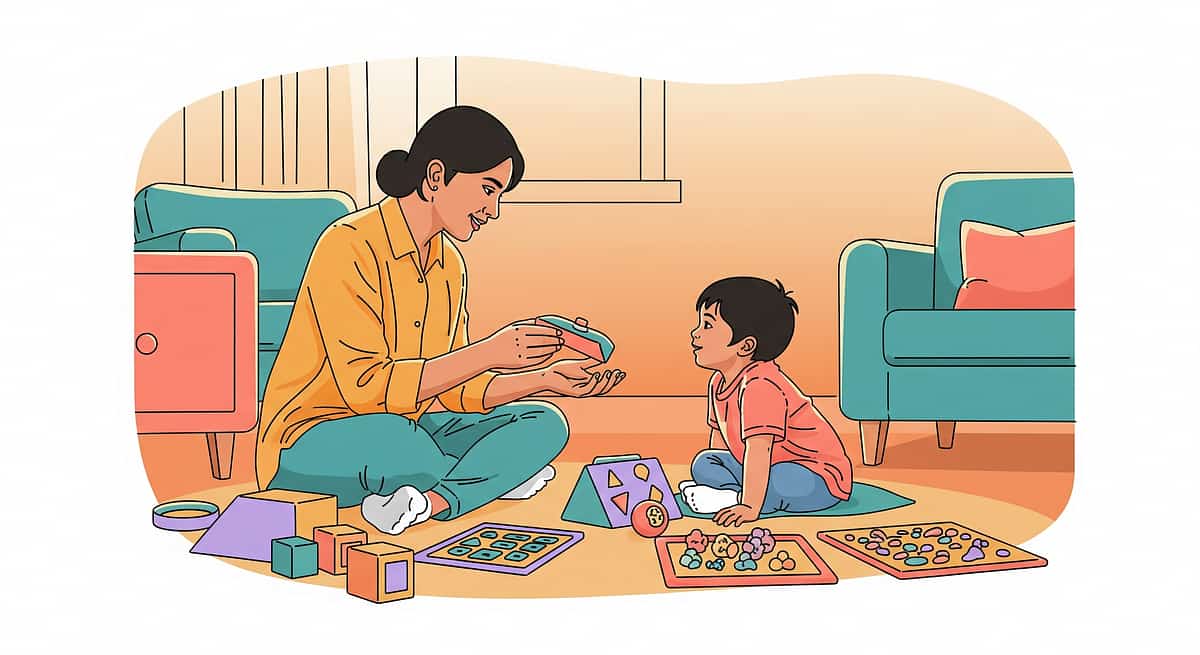
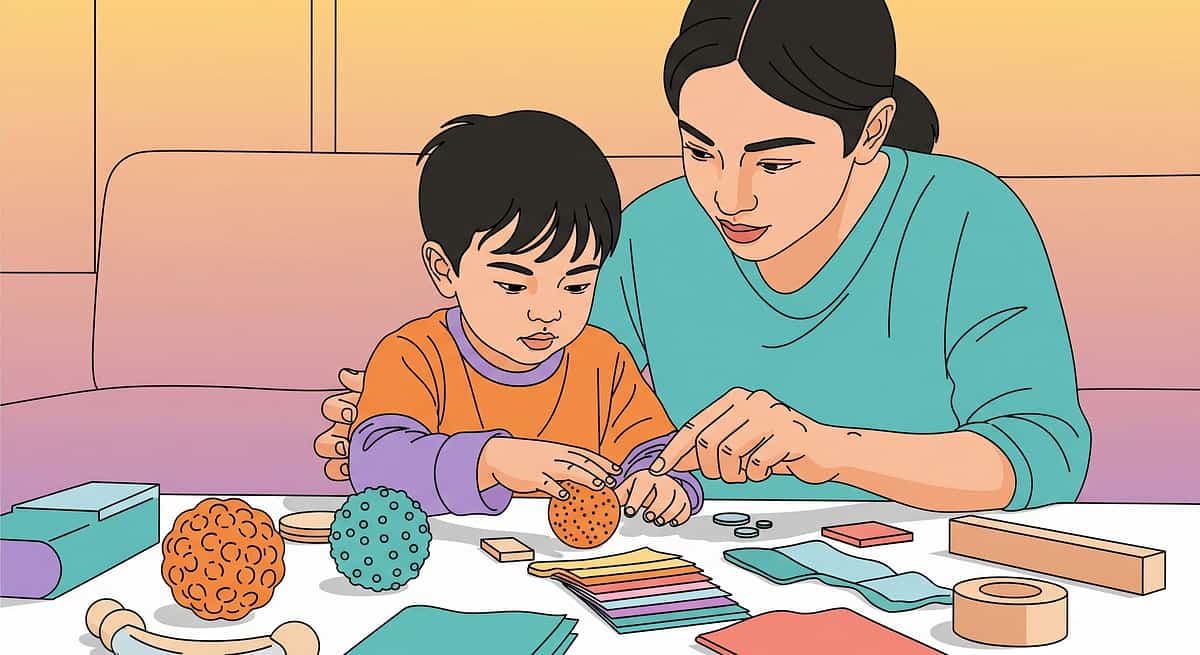
Set Up Your Space — The Auditory Processing Environment
1
Child Position
Seated comfortably. Facing speaker directly. Away from windows, appliances, hallways. Back to wall reduces competing sound from behind.
2
Speaker Position
1–2 meters from child. Face-to-face so child can see mouth and facial expressions. Well-lit face — lip-reading supports processing.
3
Visual Supports
Posted at child's eye level. Written instructions, picture schedules, and checklists visible and accessible. Whiteboard within reach.
4
Remove From Space
TV off. Music off. Fans minimized. Other conversations in another room. Phone on silent. Pets moved during important instruction.
5
Recording Device
Smartphone or voice recorder ready to capture instructions for replay. Positioned to clearly record speaker's voice.
6
"I'm Thinking" Card
Within child's reach. Practiced and familiar. Ready to hold up at any moment.
🔇 Sound
As quiet as possible. Background noise is the enemy of auditory processing.
💡 Light
Good lighting on speaker's face — supports visual processing of speech.
🌡️ Comfort
Comfortable temperature — discomfort diverts processing resources.
📱 Screens
All screens off. One activity focus at a time.
ACT III: Execution
Is Your Child Ready? — The 60-Second Pre-Session Check
Before beginning any session, run through this quick readiness check. The best session is one that starts right.
☑️ Child has been fed within the last 2 hours
☑️ Child has had adequate sleep (not overtired)
☑️ Child is in a calm, regulated state (no recent meltdown)
☑️ Child is not showing signs of illness or ear discomfort
☑️ Environment is set up (quiet, organized, visual supports posted)
☑️ You have at least 15 minutes without time pressure
☑️ You are calm and prepared to wait patiently
✅ ALL GREEN → PROCEED
Move to Step 1: The Invitation.
🟡 1–2 AMBER → MODIFY
Simplify to one material only. Shorten duration. Increase processing time allowance. Use only visual supports and patience.
🔴 ANY RED → POSTPONE
Do a calming activity instead. Try again when conditions improve. Postponing is not failure — it's clinical judgment.
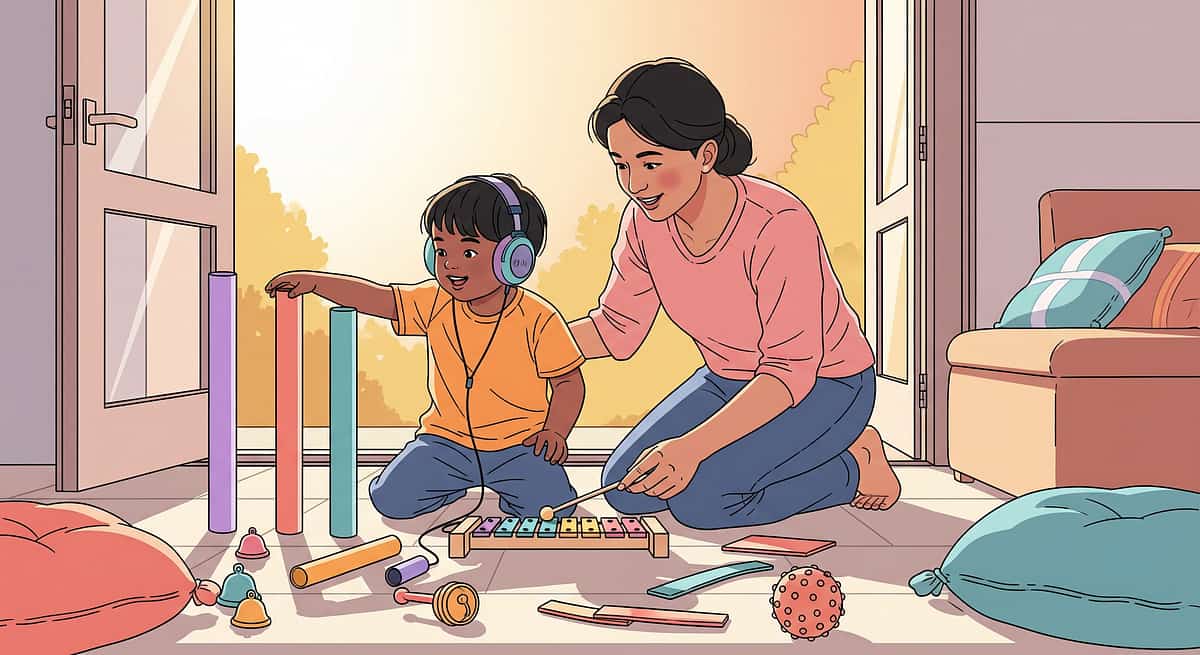
Step 1 — The Invitation: "Let's Practice Our Listening Tools"
"Hey [child's name], I want to show you something that might help when things feel too fast. We're going to practice using some tools that make listening easier. There's no rush — we have plenty of time. Want to see?"
Body Language Guidance
- Get down to child's eye level
- Speak slowly and clearly (model the pacing you want)
- Smile. Relaxed posture. No urgency.
- Wait 5–10 seconds for response. Do not repeat.
- Show the visual schedule for what you'll do together
Reading the Response
✅ Acceptance Cues: Eye contact, moving toward materials, verbal assent (wait for it — it may come after a processing delay), reaching for the visual schedule.
⚠️ Resistance Cues: Turning away → "That's okay. The tools will be here when you're ready." | Verbal "no" → Respect it. Try again later. Don't force. | Anxiety → "How about we just look at this one card together?"
⏱️Timing: 30–60 seconds
Step 2 o
Step 2 — The Engagement: Introduce Processing Tools One at a Time
Introduce ONE material at a time. Do not overwhelm with all 9 categories at once. Start with the free, simplest tools.
1
Session 1: Processing Time
"I'm going to ask you a question, and you have ALL the time you need to answer. See this timer? It shows you have time. There's no rush."
Show the visual timer. Ask a simple question. Wait. Count silently. When the child responds (however long it takes), praise the response — not the speed.
Show the visual timer. Ask a simple question. Wait. Count silently. When the child responds (however long it takes), praise the response — not the speed.
2
Session 2: Visual Supplements
"I'm going to say the instructions AND write them down. So you can look at the paper whenever you need to."
Give a simple two-step instruction verbally while writing it. Let the child reference the written version. Praise when they complete the task.
Give a simple two-step instruction verbally while writing it. Let the child reference the written version. Praise when they complete the task.
3
Session 3: Self-Advocacy Card
"This card says 'I'm thinking.' Anytime someone asks you something and you need more time, hold up this card. Let's practice."
Practice the scenario. Ask a question. Child holds up card. You wait visibly and patiently. Child responds. Celebrate.
Practice the scenario. Ask a question. Child holds up card. You wait visibly and patiently. Child responds. Celebrate.
Reinforcement Cue: Praise the child for engaging with the tools, not for processing speed. ✅ "You used your thinking card — that's exactly right!" ❌ NOT "Good job answering quickly."
⏱️Timing: 3–5 minutes per session
Step 3 of 6
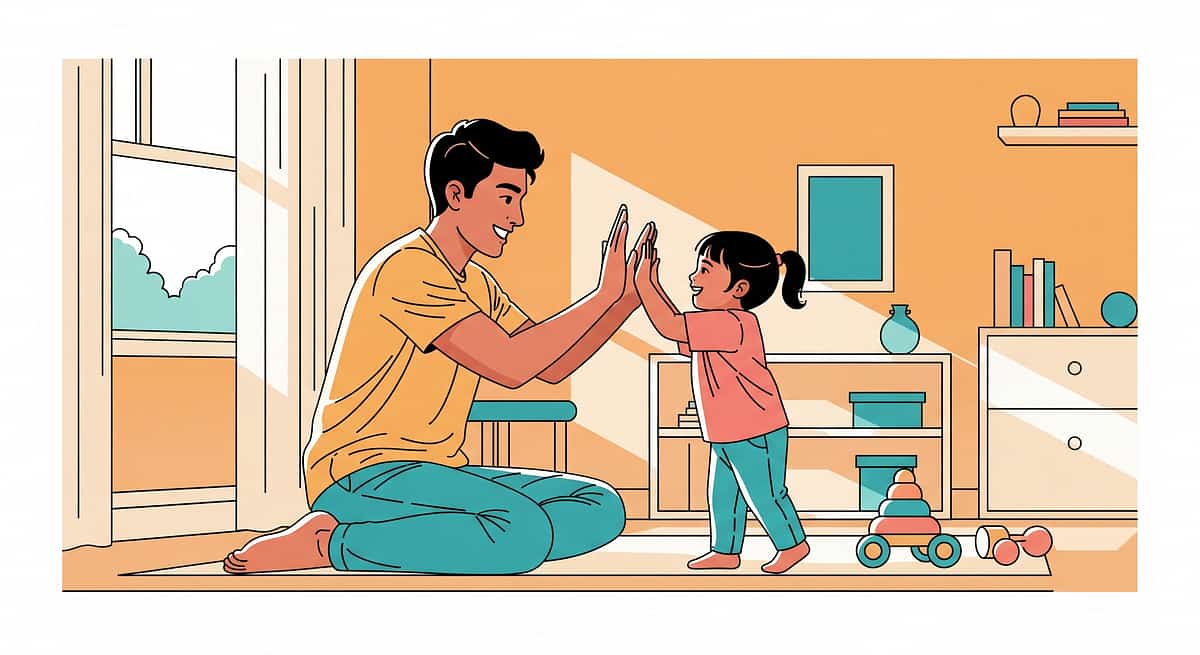
Step 3 — The Therapeutic Action: Integrating Processing Supports Into Real Communication
Once individual tools are familiar (after 3–5 sessions per tool), begin integrating them into real communication scenarios.
Daily Instruction Practice
Get child's attention (name + eye contact)
Deliver instruction slowly, in chunks, with pauses
Simultaneously write/show visual backup
Wait. (Count to 10 silently.)
If child holds up "thinking" card — acknowledge and continue waiting
Confirm understanding: "Great, so you're going to...?"
Praise the process, not the speed
Real-Conversation Practice
During dinner or play, ask a question
Wait visibly and patiently (model that waiting is normal)
If child responds after delay — engage naturally with the response
If child asks for repetition — repeat slower, chunked, with warmth
If child says "I need a moment" — "Absolutely. Take your time."
✅ Ideal Response
Child uses tools independently, responds at own pace, advocates when needed
✅ Acceptable
Child tolerates tools, responds with extended processing time, shows reduced frustration
⚠️ Concerning
Child becomes more anxious, refuses tools, processing appears to worsen → See Troubleshooting card
❌Common Execution Errors: Repeating the instruction before the child has had time to process (restarts the pipeline) | Showing frustration during the wait | Praising speed instead of processing | Introducing multiple new tools simultaneously
⏱️Duration: 5–10 minutes of structured practice per session. Processing supports used throughout the day.
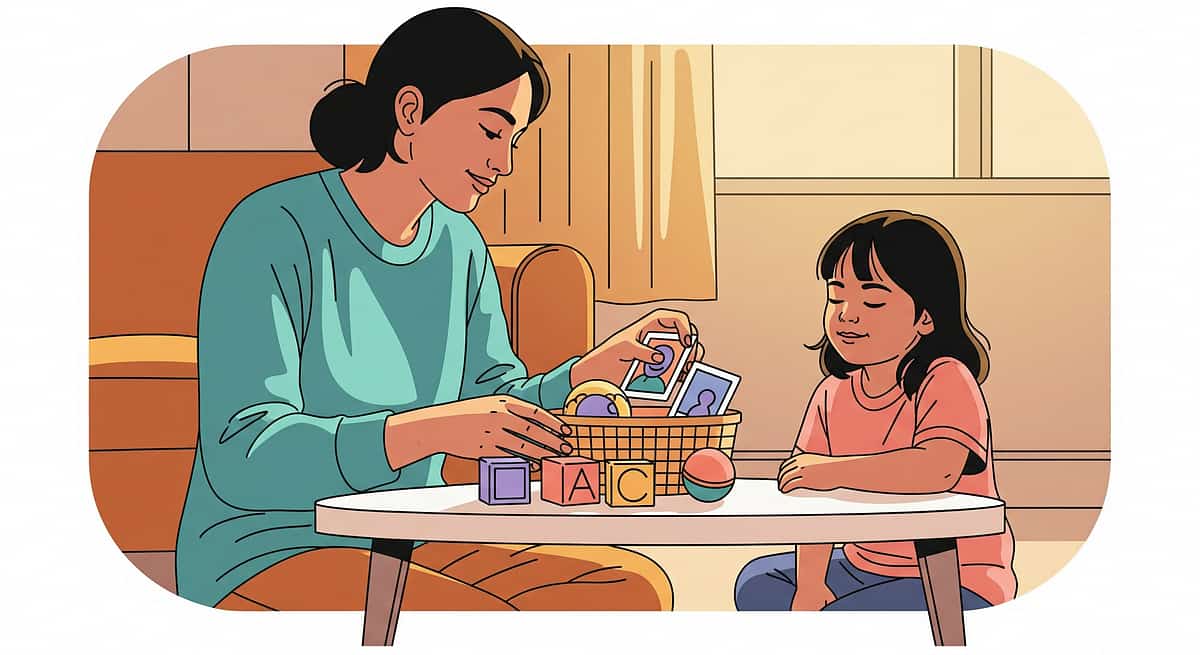
Step 4 of 6
Step 4 — Repeat & Vary: Building Automatic Processing Support Use
Each material category needs 5–7 practice sessions before integration becomes automatic. The child should not need to think about using the tools — they become habit.
Week 1
Practice each tool in isolation. Quiet home environment. One-on-one only.
Week 2
Combine 2 tools (e.g., visual supplements + processing time). Still quiet, one-on-one.
Week 3
Add slight environmental complexity (sibling present, mild background noise). All tools available.
Week 4
Practice in different settings (kitchen, car, park). Self-advocacy in real situations.
Week 5+
Classroom integration. Share tools and strategies with teacher. Independent use expected.
Satiation Indicators — When the child has had enough: Loss of interest or engagement | Increased processing delay (overload, not progress) | Frustration or resistance
→ End the session positively. 3 good practices > 10 forced ones.
→ End the session positively. 3 good practices > 10 forced ones.
⏱️Timing: 5–7 minutes total per session. Throughout the day for natural integration.
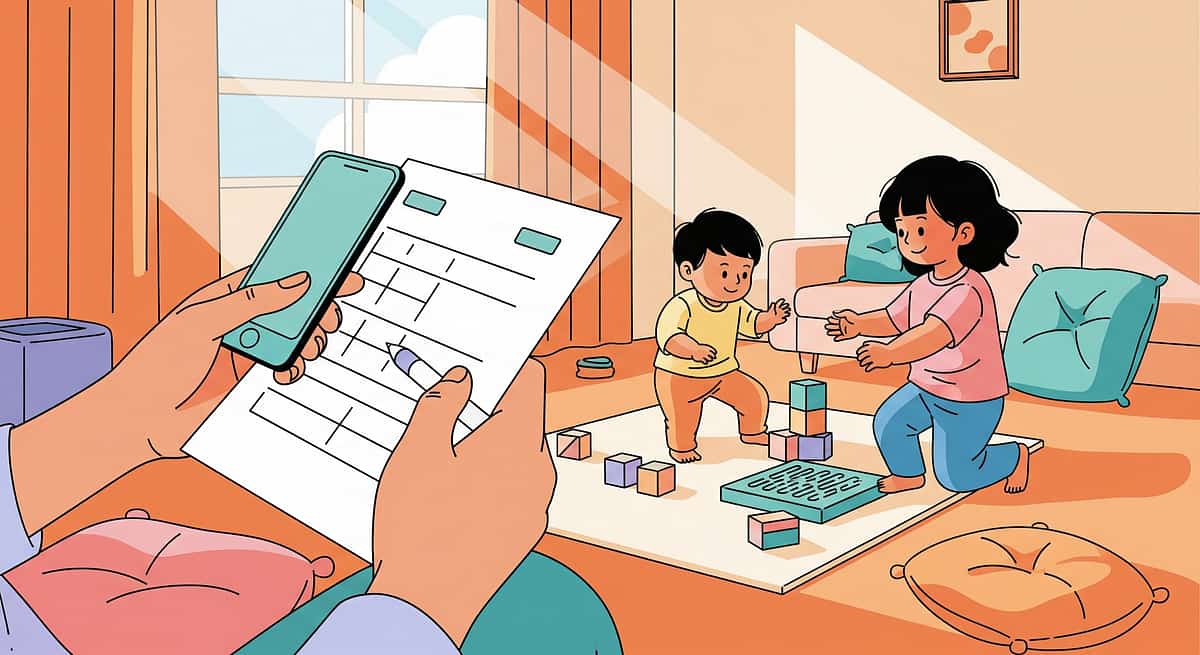
Step 5 of 6
Step 5 — Reinforce & Celebrate: Praising the Process
✅ Say This
- "You held up your thinking card — that tells me exactly what you need. That's so smart."
- "You asked me to slow down. That's called self-advocacy and it's a superpower."
- "You took your time and got it. That's how your brain works best — no rush."
- "You looked at the visual checklist and followed all the steps. Perfect system."
❌ Don't Say This
- "You answered so fast today!" — sends the message that speed is the goal
- "See, you CAN do it if you try!" — implies previous failure was lack of effort
- "Other kids don't need this much time" — comparison invalidates their neurology
Timing
Within 3 seconds of the desired behavior. Immediate, specific, enthusiastic.
Verbal Praise
Always free, always powerful. The most important reinforcer.
Preferred Activity
Preferred activity time after practice session as a natural reward.
Natural Consequence
"Because you used your tools so well, you got all the steps right!"
"Celebrate the process, not just the outcome. Celebrate the advocacy, not the speed."
Step 6 of 6
Step 6 — The Cool-Down: Transitioning Back
⏱️Timing: 2–3 minutes | Transition Warning: "We have 2 more practices, then we're all done for today."
Cool-Down Activities (1–2 Minutes)
After structured practice, transition to a calm, low-demand activity:
- Quiet reading together (visual processing — gives auditory system a break)
- Drawing or coloring (non-verbal, calming)
- Simple sensory activity the child enjoys
- Brief conversation at the child's pace — no complex processing questions
Material Put-Away Ritual
Have the child help organize their processing tools:
- "I'm thinking" card goes in the designated spot (backpack, desk, pocket)
- Visual schedule stays posted and accessible
- Timer stays accessible and ready
- "Your tools are always ready when you need them"
"Great practice today. Your processing tools are ready. Now let's go [next activity]."
If child resists ending → "One more, then all done" with visual countdown. Honor the ending — consistency builds trust.
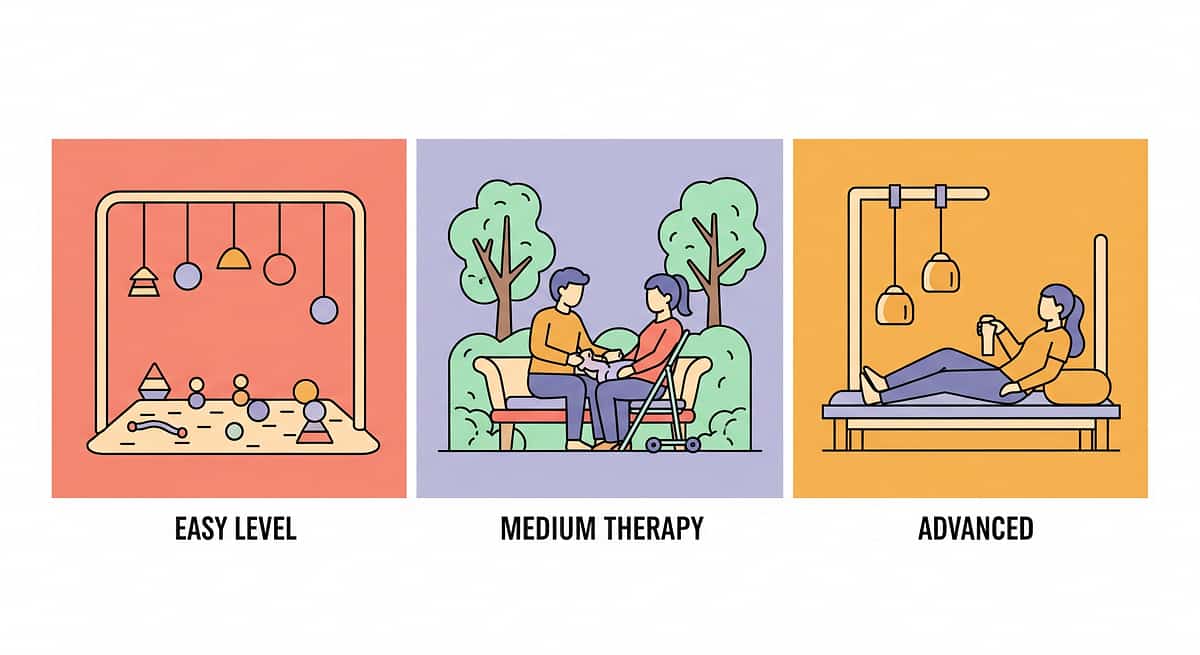
Capture the Data — Right Now (60 Seconds)
"60 seconds of data now saves hours of guessing later."
Processing Time (Latency)
Average seconds between your question/instruction and child's response today. ⏱️ ___ seconds — were they faster, same, or slower than last session?
Tool Use (Self-Advocacy)
Did the child independently use any processing tool today?
☐ "I'm thinking" card ☐ Asked to slow down ☐ Asked for repetition ☐ Referenced visual ☐ None independently
☐ "I'm thinking" card ☐ Asked to slow down ☐ Asked for repetition ☐ Referenced visual ☐ None independently
Overall Session Quality
☐ Great (engaged, used tools, positive)
☐ Good (participated, some resistance)
☐ Difficult (frustrated, refused, or session abandoned)
☐ Good (participated, some resistance)
☐ Difficult (frustrated, refused, or session abandoned)
Voice Memo
Fastest method — speak your 3 data points immediately after the session.
PDF Tracker
Download Pinnacle tracking sheet at materials.pinnacleblooms.org
GPT-OS® App
In-app tracker for automatic progress monitoring and trend analysis.
Weekly Data Review: Every Sunday, review the week's data. Is average processing time decreasing? Is independent tool use increasing? Are sessions trending better or worse?

What If It Didn't Go As Planned?
"Session abandonment is not failure — it's data."
🔴 Child refused to use processing tools
Why: Tools may feel stigmatizing or "babyish." Processing differences not yet understood.
Fix: Reframe tools as "smart strategies" not "help." Share that adults use tools too (notes, reminders, calendars). Revisit the self-advocacy social story. Let the child choose which tool to try first.
Fix: Reframe tools as "smart strategies" not "help." Share that adults use tools too (notes, reminders, calendars). Revisit the self-advocacy social story. Let the child choose which tool to try first.
🔴 You repeated before giving processing time
Why: Deep habit. Social pressure for immediate response.
Fix: Put a reminder card in your pocket. Set a silent timer on your phone for 10 seconds. Practice with another adult first. It takes time to retrain YOUR response too.
Fix: Put a reminder card in your pocket. Set a silent timer on your phone for 10 seconds. Practice with another adult first. It takes time to retrain YOUR response too.
🔴 Child became more anxious with visual timer
Why: Timer created pressure instead of protecting time.
Fix: Remove timer temporarily. Use verbal reassurance: "Take all the time you need." Reintroduce as "look how much time you have" not "time is running out."
Fix: Remove timer temporarily. Use verbal reassurance: "Take all the time you need." Reintroduce as "look how much time you have" not "time is running out."
🔴 Noise reduction headphones bothered the child
Why: Sensory sensitivity to wearing headphones, ear pressure discomfort.
Fix: Try different styles (over-ear vs. in-ear). Start with brief wearing periods. Use environmental noise reduction instead (quiet room, sounds off).
Fix: Try different styles (over-ear vs. in-ear). Start with brief wearing periods. Use environmental noise reduction instead (quiet room, sounds off).
🔴 Child processes well at home but struggles at school
Why: Home is quiet, one-on-one, patient. School is noisy, group-paced, time-pressured.
Fix: This is expected. School requires all strategies simultaneously. Advocate for formal accommodations. Share strategies with teacher using the template provided.
Fix: This is expected. School requires all strategies simultaneously. Advocate for formal accommodations. Share strategies with teacher using the template provided.
🔴 Family members don't give processing time
Why: Not understanding the neurological basis. Interpreting delay as defiance.
Fix: Share this page. Explain specifically: "When you ask her a question, count to 10 silently before expecting a response. Her brain needs that time."
Fix: Share this page. Explain specifically: "When you ask her a question, count to 10 silently before expecting a response. Her brain needs that time."
🔴 You ran out of patience
Why: You're human. Consistent patience with processing delays is genuinely hard.
Fix: End the session. Take a break. You cannot model patient waiting when you are not patient. Return when you're ready. Your child reads your frustration and it makes processing slower.
Fix: End the session. Take a break. You cannot model patient waiting when you are not patient. Return when you're ready. Your child reads your frustration and it makes processing slower.

Adapt & Personalize — Your Child Is Unique
1
Easier Version
Bad days / younger children / higher support needs: One instruction at a time only. Maximum processing time (no timer). Visual support for everything. Quiet environment mandatory. One tool per session. 5 minutes maximum.
2
Standard Version
Good days / building skills: Two-step instructions with visual backup. Processing time with visible timer (supportive framing). Multiple tools available — child selects. Moderate complexity. 10–15 minute sessions.
3
Advanced Version
Breakthroughs / older children / classroom integration: Multi-step verbal instructions with decreasing visual support. Processing time self-monitored. Self-advocacy with unfamiliar adults. Typical environmental complexity. Tools used independently and proactively.
Profile-Based Modifications
Sensory Seeker
Allow movement-based processing (standing, pacing while thinking). Fidget tools while listening. Movement breaks between processing demands.
Sensory Avoider
Minimize all sensory input during auditory processing. Quiet room, soft lighting, minimal visual clutter. One sensory channel at a time.
With Co-occurring ADHD
Processing delay + attention differences = compound challenge. Shorter sessions, more frequent. High-interest content. Movement breaks between processing demands.
With Co-occurring Anxiety
Maximum reassurance. Zero time pressure. "There is no wrong answer, and there is no rush." Never use timers as pressure — only as comfort.

ACT IV: The Progress Arc
Week 1–2: What to Expect — Tolerance, Not Mastery
15%
Progress Milestone
Week 1–2 establishes the foundation — tolerance and adult awareness are the goals at this stage.
✅ Child begins to tolerate processing tools without resistance
✅ Adults in the household become more aware of their own pacing and wait-time
✅ Child occasionally uses "I'm thinking" card when reminded
✅ Some reduction in frustration during verbal instructions (environment has improved)
✅ You begin to notice the processing delay more clearly — awareness is progress
What this is NOT yet: Independent tool use (child still needs prompting) | Faster processing (speed may not change yet — you're building infrastructure) | Classroom improvement | Consistent self-advocacy
Patience Metric: "If your child tolerates wearing the FM receiver for 5 minutes longer than yesterday — that's real progress. If YOU waited 3 seconds longer before repeating — that's real progress too."
Patience Metric: "If your child tolerates wearing the FM receiver for 5 minutes longer than yesterday — that's real progress. If YOU waited 3 seconds longer before repeating — that's real progress too."

Week 3–4: Consolidation — Neural Pathways Forming
40%
Progress Milestone
Week 3–4 shows emerging independence and beginning neural pathway formation.
✅ Child begins to reach for "I'm thinking" card independently (without prompting)
✅ Processing time in quiet environments may decrease slightly
✅ Child begins using self-advocacy phrases: "Can you say that again?" "I need a moment"
✅ Family members adjusting their communication style automatically
✅ Child processing visual information while waiting to process auditory — multi-modal integration beginning
Neural Pathway Formation Signs
Anticipating visual supports before they're offered ("Can you write it down?")
Self-selecting quieter environments for important conversations
Showing preference for tools that help most (finding their own best strategies)
Demonstrating processing awareness: "My brain is still thinking about that"
If progress is emerging → maintain current approach. If no change after 4 weeks → consult professional for protocol adjustment.
"You may notice you're more confident too."
"You may notice you're more confident too."
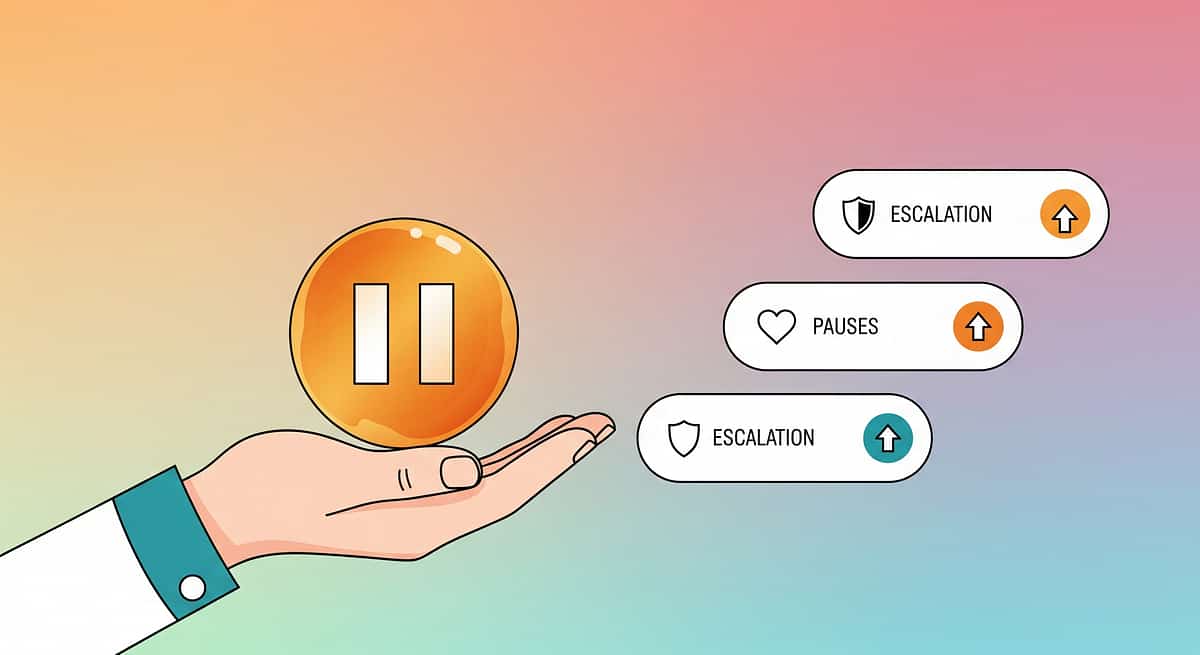
Week 5–8: Mastery Indicators — The Tools Become Invisible
75%
Progress Milestone
Week 5–8 brings independent use, real-world self-advocacy, and classroom integration.
✅ Child independently uses processing supports without prompting
✅ Self-advocacy in real situations — asks for repetition, slower speech, or time with unfamiliar adults
✅ Follows multi-step verbal instructions in quiet environments with supports
✅ Processing time reduced in familiar, structured settings
✅ Compensatory strategies becoming automatic — child references visuals naturally
✅ Classroom participation improving with accommodations in place
Generalization Indicators — Skill Appearing in Other Contexts
Uses self-advocacy at school without parent present
Asks grandparent to slow down
Requests written instructions from teacher
Creates own visual reminders independently
"Mastery doesn't mean typical processing speed. Mastery means your child has the tools, the awareness, and the self-advocacy to function effectively despite the processing difference."
When to Progress: Mastery criteria met → Move to advanced variations (classroom focus, increased complexity) | Some criteria met → Continue at current level, strengthen weak areas | Significant barriers remain → Professional consultation
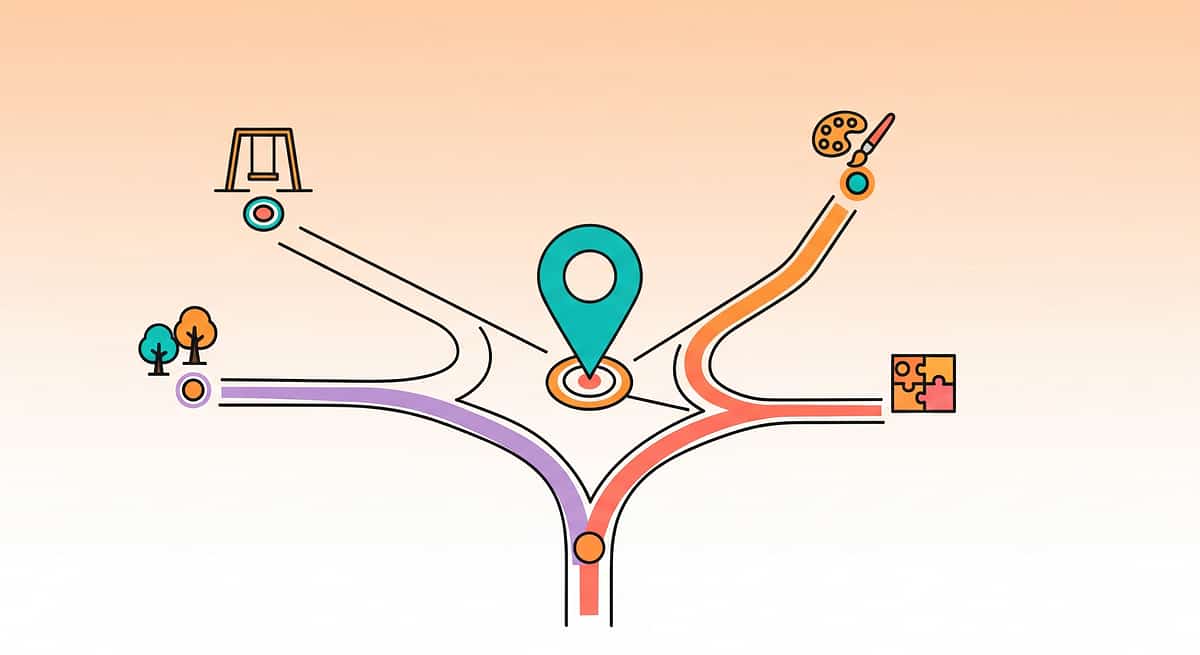
Celebrate This Win — You Did This
"You did this. Your child now has tools, awareness, and self-advocacy that will serve them for life — because you committed to understanding their processing, respecting their timing, and giving them what they need instead of what the world expected."
Where You Started
A child accused of not listening, labeled defiant, missing instructions, laughing at jokes after everyone else — and a parent who didn't yet have the words to explain what was happening.
Where You Are Now
A child who understands their own processing, advocates for their needs, uses tools independently, and participates in conversations and classrooms with confidence.
Family Celebration
Do something that celebrates your child's self-understanding — not their speed. "You know exactly what your brain needs, and you ask for it. That's something a lot of grown-ups haven't figured out yet."
📸 Document This Milestone
Take a picture of your child with their processing toolkit. Write what you've noticed change — in your child AND in yourself.
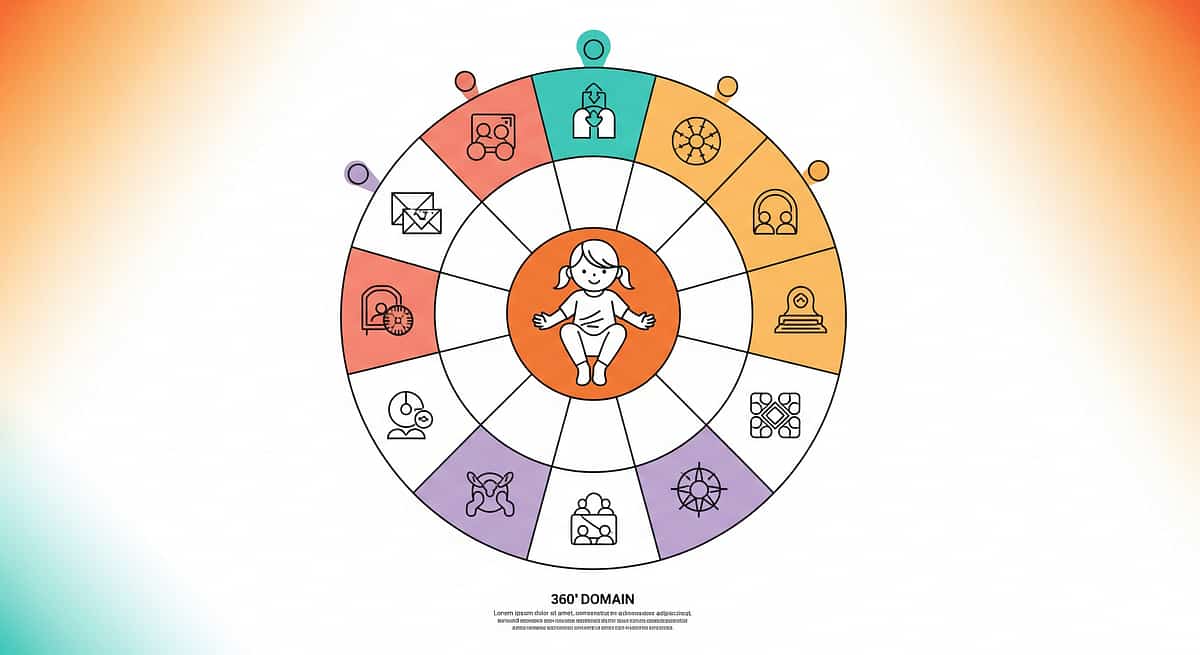
The Progression Pathway — Where You've Been and Where You're Going
The long-term developmental goal: Functional auditory processing in real-world environments → Academic independence → Social communication fluency → Self-managed accommodation strategies → Positive self-identity regarding processing differences.z
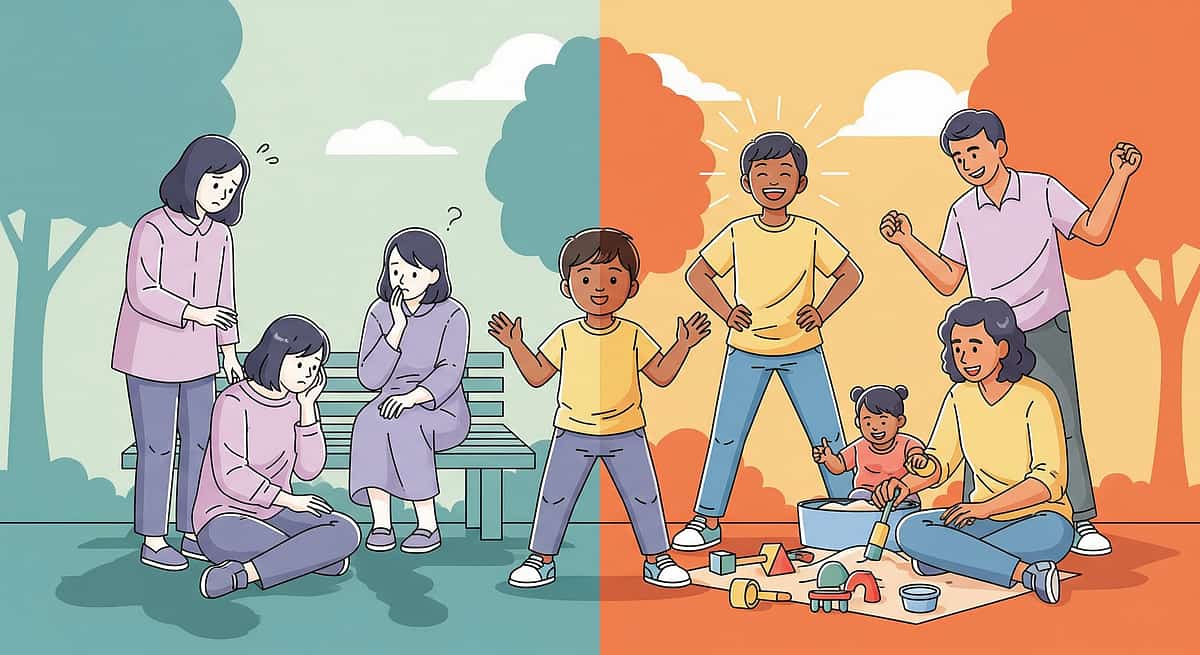
Related Techniques in Auditory Processing & Sensory Solutions
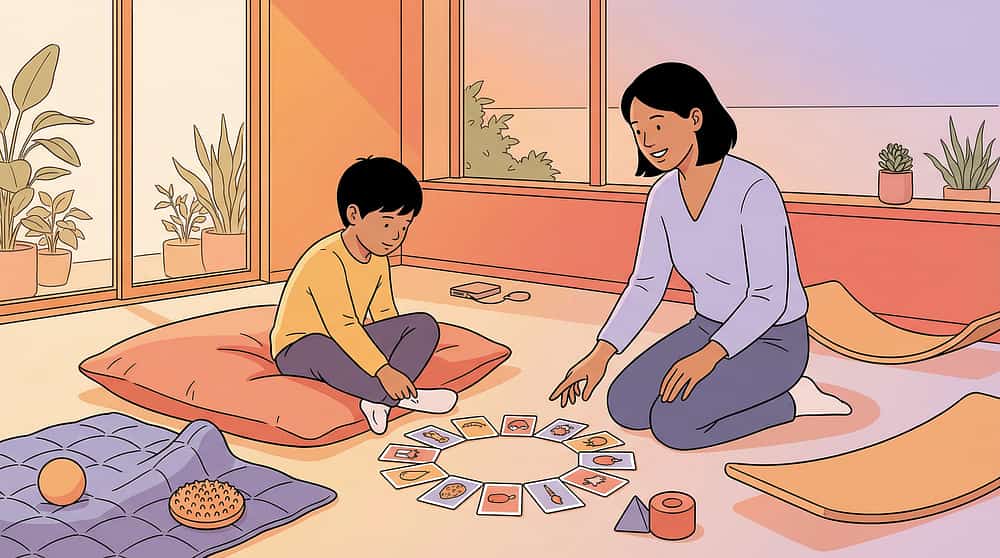
A-053: Difficulty Following Verbal Instructions
🟢 Intro Level | 🏷️ Visual Supports + Communication
"You may already own materials for this technique."
"You may already own materials for this technique."
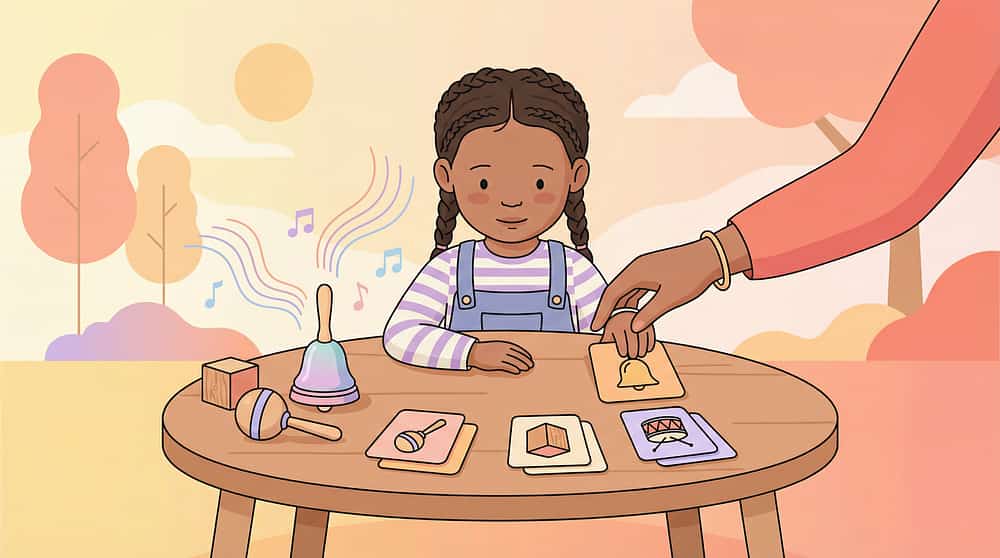
A-054: Mishears Words and Sounds
🟡 Core Level | 🏷️ Auditory Discrimination
"Addresses sound confusion that often co-occurs with processing delay."
"Addresses sound confusion that often co-occurs with processing delay."
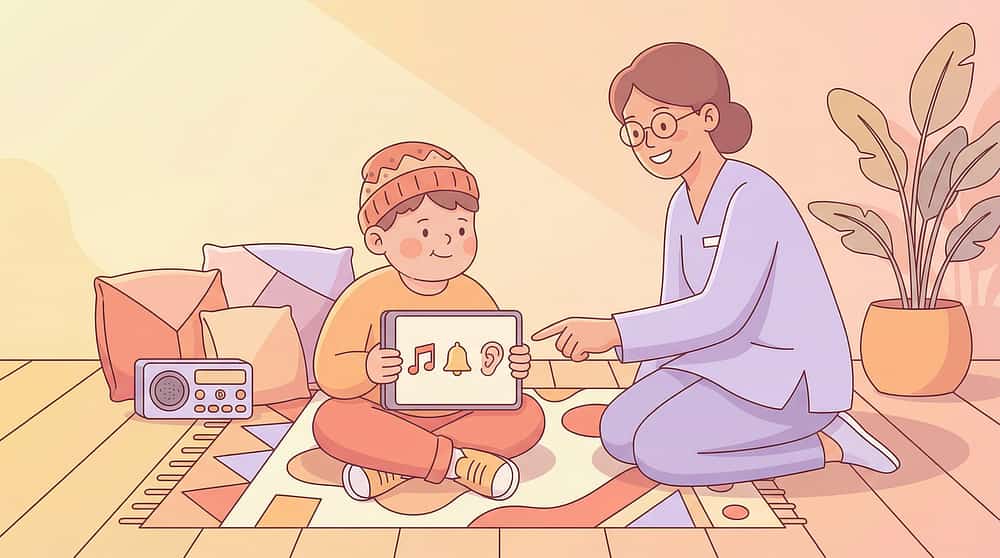
A-056: Auditory Discrimination Difficulties
🟡 Core Level | 🏷️ Auditory Training
"Next step if your child confuses similar-sounding words."
"Next step if your child confuses similar-sounding words."
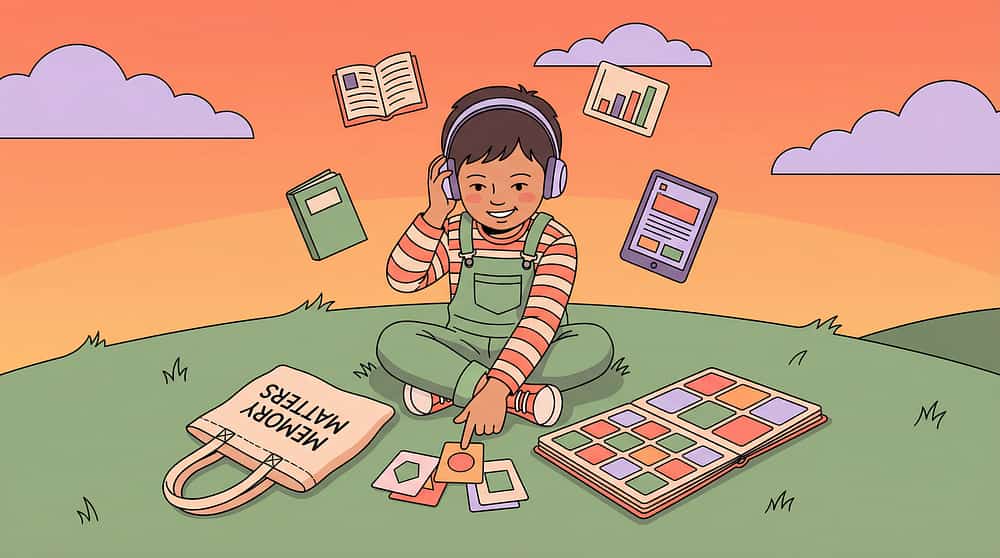
A-057: Difficulty with Auditory Memory
🟡 Core Level | 🏷️ Memory Supports
"When processing improves but retention remains challenging."
"When processing improves but retention remains challenging."
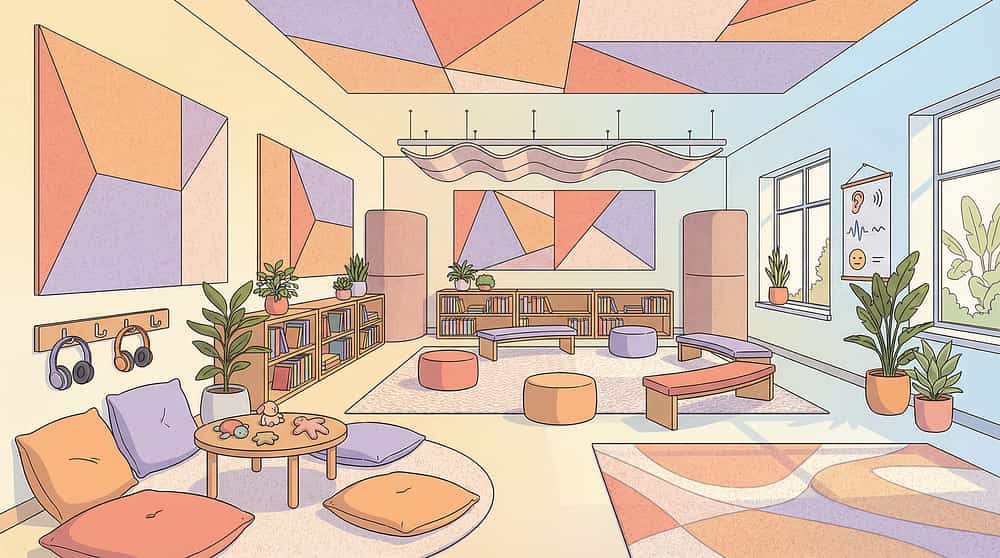
A-050: Echo-y Environments
🟢 Intro Level | 🏷️ Environmental Modification
"Optimizing acoustic environments for processing."
"Optimizing acoustic environments for processing."

Your Child's Full Developmental Map — The Bigger Picture
"This technique is one piece of a larger plan." Auditory processing delay doesn't exist in isolation. Your child's processing differences may connect to language development, classroom participation, social timing, and emotional regulation. GPT-OS® maps these connections and coordinates interventions across all 12 domains.
AbilityScore® Profile
See your child's full developmental profile and personalized technique recommendations across all 12 domains.
Processing Indexes
Track progress on Auditory Processing Index and Classroom Participation Index in real time.
📞 Request AbilityScore® Assessment: 9100 181 181 | 🌐 pinnacleblooms.org

ACT V: Community & Ecosystem
Families Who've Been Here — Real Journeys, Real Progress
Before
"Everyone thought she wasn't paying attention or was being defiant when she didn't respond immediately. Her teacher called three times in one semester about 'selective listening.' She started saying she was stupid."
After
"Once we understood it was processing delay, everything changed. We got her an FM system for school, trained her teachers to wait and chunk instructions, gave her visual supports, and started auditory training at home. Most importantly, we taught her to advocate for herself — to say 'I need a moment' or 'Can you repeat that slower?' Now she participates in class discussions. She still needs more time than other kids, and that's okay. She has the tools and the self-awareness to get what she needs."
— Parent, Pinnacle Network
— Parent, Pinnacle Network
Before
"My son would say 'I HEARD you!' with such frustration when I repeated myself. I didn't understand that my repetition was actually interrupting his processing."
After
"The hardest part was retraining myself to wait. But once I started counting to 10 silently, I realized — he always responded. Every single time. He just needed 6–8 seconds. That pause felt like forever to me but was his brain's natural speed."
— Parent, Pinnacle Network
— Parent, Pinnacle Network
"The processing delay doesn't change who the child is. It changes how fast information becomes available to an intelligent, capable brain. Our job is not to speed up the brain — it's to slow down the world enough for the brain to do its work."
— Pinnacle SLP Clinical Team
Note: Illustrative cases; individual outcomes vary by child profile.
Connect With Other Parents — You're Not Doing This Alone
Auditory Processing Parent WhatsApp Group
Connect with families navigating the same challenge. Share strategies, ask questions, and find community in real time.
Pinnacle Online Forum
Ask questions, share strategies, and celebrate wins with families across India.
Local Pinnacle Parent Meetups
Meet families in your city at your nearest Pinnacle center. In-person connection makes a difference.
Peer Mentoring
Connect with an experienced parent who's been through this journey. Your experience helps others — consider sharing yours.
Your Professional Support Team — Home + Clinic = Maximum Impact
70+ Pinnacle Blooms centers across India, all operating under GPT-OS® clinical standards. Can't visit a center? Teleconsultation is available.
Book Your Consultation
📞FREE National Autism Helpline (16+ languages): 9100 181 181
🌐Website: pinnacleblooms.org
📧Email:care@pinnacleblooms.org
Find Your Nearest Center
With 70+ centers across India, expert support is within reach. Each center provides the full multi-disciplinary Pinnacle Blooms Consortium model:
- Audiologist — hearing evaluation + FM system fitting
- Speech-Language Pathologist — auditory processing therapy
- Occupational Therapist — sensory environment design
- BCBA — behavioral baseline + data systems
- Special Educator — school accommodation plans
The Research Library — For the Curious Parent
📄 ASHA CAPD Practice Portal
Comprehensive clinical guidance on CAPD diagnosis and intervention.
asha.org/practice-portal
asha.org/practice-portal
📄 PRISMA Systematic Review (2024)
16 articles, 2013–2023. Evidence-based practice confirmed for sensory integration in ASD. PubMed: PMC11506176
📄 Meta-Analysis (2024)
24 studies analyzed. World J Clin Cases. DOI: 10.12998/wjcc.v12.i7.1260 | PMC10955541
📄 Indian RCT (2019)
Padmanabha et al. Indian J Pediatr. Validates home-execution model. DOI: 10.1007/s12098-018-2747-4
📄 WHO Nurturing Care Framework (2018)
Global framework for child development support.
nurturing-care.org
nurturing-care.org
📄 American Academy of Audiology
Clinical practice guidelines for auditory processing disorders.
audiology.org
audiology.org
How GPT-OS® Uses Your Data — Transparency Built In
Diagnostic Intelligence
Converts your observations into structured developmental clarity across 591+ data points.
AbilityScore®
Universal developmental score (0–1000). Tracks longitudinal change on Auditory Processing Index and Classroom Participation Index.
Prognosis Engine
Predicts developmental trajectory using patterns from 20M+ real therapy sessions. Early course correction when needed.
TherapeuticAI®
Adjusts therapy focus, intensity, and sequencing based on your child's data — always under licensed human clinical authority.
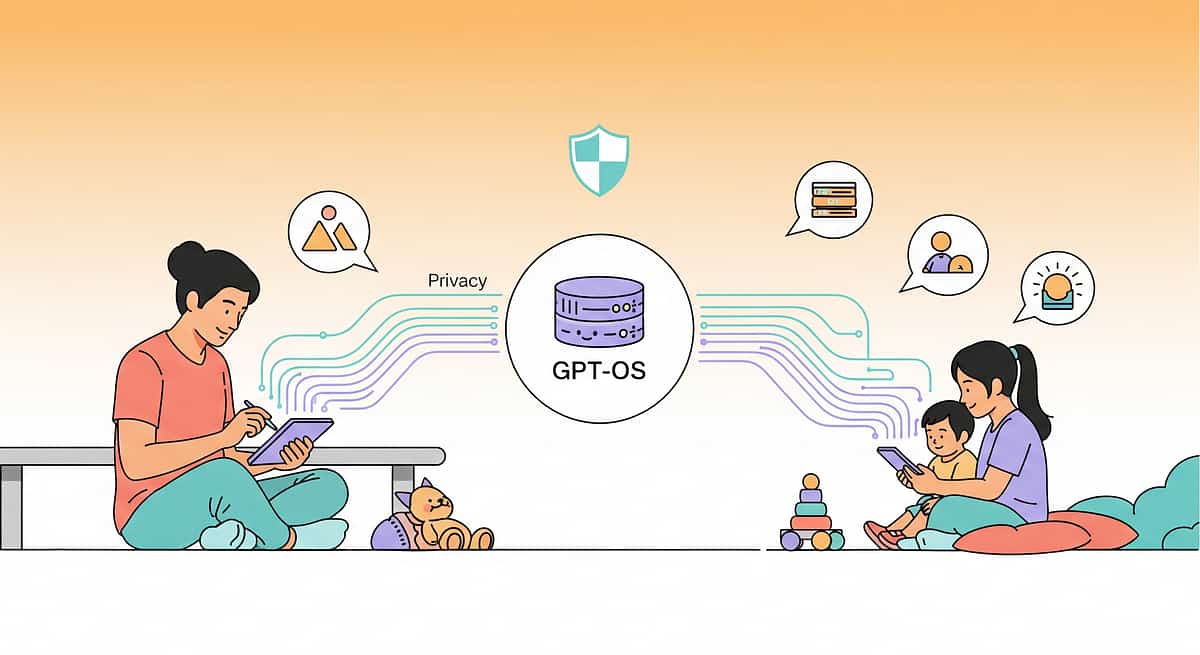
🔒Privacy Assurance: Your child's data is protected under medical-grade data security protocols (ISO/IEC 27001 aligned). Data is used only to improve YOUR child's care and to strengthen population-level evidence that helps ALL children.
"Your data helps every child like yours."
"Your data helps every child like yours."

Watch the Reel — A-055: 9 Materials That Help With Auditory Processing Delays
🎬 Reel ID: A-055
Series: Sensory Solutions — Episode 55
👂 Domain
Auditory Processing + Processing Speed + Language Comprehension
👶 Ages
3–12 years | Presented by Pinnacle Blooms SLP Clinical Team
60-second overview of all 9 materials demonstrated by a Pinnacle therapist. See each material in action, understand the processing delay visually, and watch a child using self-advocacy tools in real time. From the 999 Reels Master library.

Your Next Step — Start Now
🟢 START THIS TECHNIQUE TODAY
Launch your first processing support session with GPT-OS® guided protocol. Begin with the free materials: processing time cards and visual instruction supports.
📞 BOOK A CONSULTATION
Connect with a Pinnacle SLP specializing in auditory processing. In-center or teleconsultation available. 16+ languages.
🔍 EXPLORE NEXT TECHNIQUE
Continue to A-056: Auditory Discrimination Difficulties, or browse all techniques at techniques.pinnacleblooms.org.
✅Validated by the Pinnacle Blooms Consortium — OT • SLP • BCBA • SpEd • NeuroDev
20M+ sessions | 97%+ measured improvement | 70+ centers across India
20M+ sessions | 97%+ measured improvement | 70+ centers across India
Preview of 9 materials that help with auditory processing delays Therapy Material
Below is a visual preview of 9 materials that help with auditory processing delays therapy material. The pages shown help educators, therapists, and caregivers understand the structure and content of the resource before use. Materials should be used under appropriate professional guidance.


Link copied!

The Pinnacle Promise
"From fear to mastery. One technique at a time."
You arrived on this page concerned about your child's processing. You now have 9 evidence-based materials, a step-by-step protocol, and the knowledge that your child's brain is working — at its own pace. This page is one of 70,000+ intervention techniques in the Pinnacle GPT-OS® knowledge base — the largest structured pediatric intervention library on Earth.
🧩 OT
Occupational Therapy
🗣️ SLP
Speech-Language Pathology
📊 BCBA
Applied Behavior Analysis
📚 SpEd
Special Education
🩺 NeuroDev
NeuroDevelopmental Pediatrics
Pinnacle Blooms Network® | Built by Mothers. Engineered as a System. | Powered by GPT-OS® — Global Pediatric Therapeutic Operating System
© 2025 Pinnacle Blooms Network®, unit of Bharath Healthcare Laboratories Pvt. Ltd. All rights reserved. CIN: U74999TG2016PTC113063 | DPIIT: DIPP8651 | GSTIN: 36AAGCB9722P1Z2
Medical Disclaimer: This content is educational. It does not replace assessment by a licensed audiologist, speech-language pathologist, or healthcare provider. Persistent auditory processing difficulties should be evaluated through comprehensive audiological and language testing. Individual results may vary. Statistics represent aggregate outcomes across the Pinnacle Blooms Network.
📞 FREE National Autism Helpline (16+ languages): 9100 181 181 | 🌐pinnacleblooms.org | 📧care@pinnacleblooms.org