

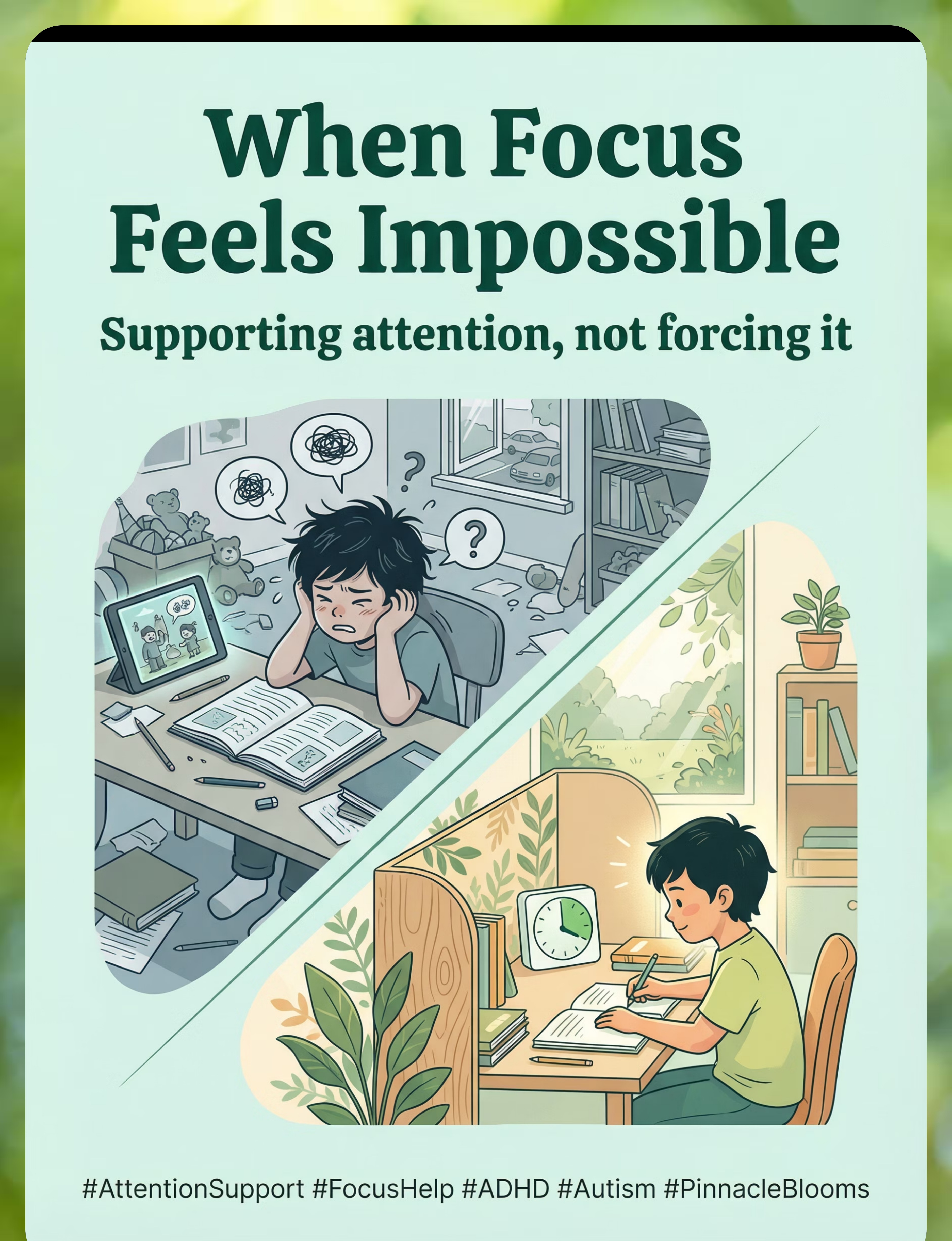
"He can play video games for hours. But homework? Five minutes and he's gone."
You've said those words. Or thought them at 7:47 PM over a scattered worksheet. You've watched your child's attention vanish like smoke — and wondered what you were doing wrong. You are not doing anything wrong. Your child's attention system works differently. And that difference has a name, a neuroscience, and — most importantly — solutions that work in your home, today.
🎯 D-443 | Executive Function Solutions · Episode 443
Pinnacle Blooms Network® | GPT-OS® Validated
"You are not failing. Your child's nervous system is speaking. This page is here to help you listen — and respond." — Pinnacle Blooms Consortium · 1,000+ Clinicians · 70+ Centers · 21M+ Therapy Sessions

You Are Not Alone. The Numbers Are Staggering.
Attention difficulty is not a parenting failure. It is one of the most prevalent neurodevelopmental challenges in children worldwide — and the most systematically misunderstood.
500M+
Children Affected Globally
Children worldwide affected by neurodevelopmental conditions impacting attention
1 in 5
School-Age Children
Show clinically significant attention difficulties at some point in development
80%+
ASD + Attention
Of children with autism also experience attention regulation differences (PRISMA Systematic Review, 2024)
In India alone: An estimated 10–15 million children are navigating attention difficulties that significantly impact their learning and daily functioning. Less than 12% receive structured support before age 7. — Indian Journal of Pediatrics / Pinnacle Network Clinical Data
You are among millions of families navigating this exact challenge. The difference is whether you have the right tools.

This Is Not Defiance. This Is Neurology.
The Attention System Has 5 Components
🔔 Alertness
The baseline readiness to attend. Many children need movement to achieve optimal alertness. "Sit still" actively prevents this.
🎯 Selective Attention
Filtering relevant from irrelevant. A bus outside the window competes equally with the teacher's voice.
⏱️ Sustained Attention
Maintaining focus over time. The prefrontal cortex must continuously override distraction impulses.
🔀 Divided Attention
Attending to multiple aspects simultaneously. Listening while writing requires neural resources many children don't yet have.
↩️ Attention Shifting
Moving fluidly between tasks. Transitions trigger stress because the brain must reprogram — rapidly.
The Key Insight
"Attention difficulty is a wiring difference, not a behavior problem. A child who 'won't pay attention' almost always can't — not without the right support architecture."
— Pinnacle NeuroDev Consortium
Research Evidence
Frontiers in Integrative Neuroscience (2020) · Barkley, R.A. (2015): ADHD as a disorder of self-regulation · SPD Foundation: Sensory arousal regulation as foundational to attention

Your Child Is Here. Here Is Where We're Going.
Understanding where your child sits developmentally — and where the journey leads — transforms anxiety into a clear action plan.
Age 2–3
Joint attention: 2–3 min. Emerging shared focus on objects and people.
Age 4–5
Sustained attention: 5–10 min preferred activity; 2–3 min demand tasks. D-443 primary target begins here.
Age 6–8
Selective attention developing. 10–20 min on structured tasks with external supports.
Age 9–12
Divided attention emerging. 20–30 min with environmental structure. Self-monitoring begins.
Age 13+
Self-directed attention emerging. Internal regulation developing; duration increases substantially.
Common Co-Occurring Profiles
- ASD + attention difficulty: 80%+ co-occurrence
- ADHD + sensory processing differences: 60–80% co-occurrence
- Anxiety + attention difficulty: attention hijacked by threat monitoring
- Sensory processing differences + attention: arousal regulation as root cause
"This is not a destination problem — it's a support gap. The right materials and strategies don't compensate for a broken brain. They work with the brain that exists."

Clinically Validated. Home-Applicable. Parent-Proven.
🏆 LEVEL I — SYSTEMATIC REVIEW EVIDENCE
Highest Grade of Clinical Evidence
Study | Finding | Source | |
PRISMA Systematic Review (2024) | Sensory-based attention interventions are evidence-based practice for ASD — 16 studies, 2013–2023 | PMC11506176 | |
Meta-analysis: 24 studies (2024) | Environmental modification + material-based supports effectively improve sustained attention | PMC10955541 | |
Indian RCT (2019) | Home-based sensory-attention interventions demonstrate significant outcomes in Indian pediatric population | DOI: 10.1007/s12098-018-2747-4 | |
NCAEP Report (2020) | Visual supports classified as evidence-based practice for autism (Level I) | NCAEP 2020 |
"These 9 materials are not suggestions. They are clinically documented tools — each with a peer-reviewed mechanism of action and a reproducible outcome in children with attention differences."
Evidence Strength
Home Applicability
Parent Implementation
India-Specific Evidence
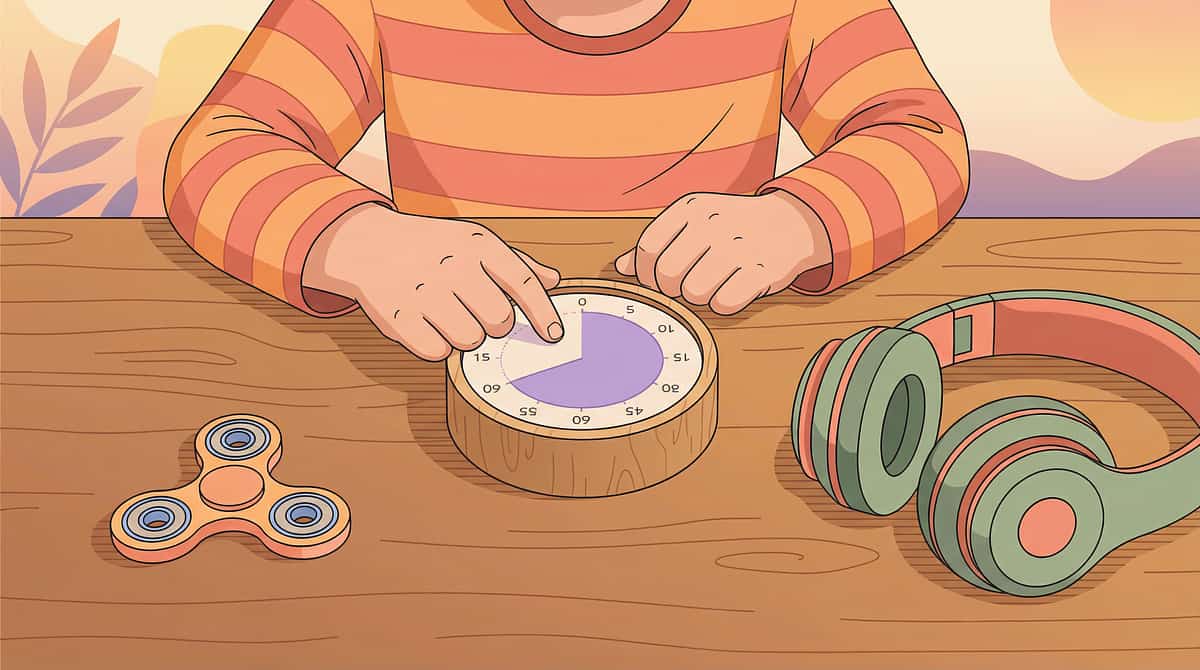
9-Material Attention Support Architecture
The Focus Toolkit
Executive Function Solutions · D-443
Attention difficulty in children is not a single problem — it is a system-level challenge involving arousal regulation, distraction filtering, motivation architecture, and sustained engagement capacity. The 9-material attention support architecture works by addressing each of these layers simultaneously: external tools that replace what the child's internal regulation systems cannot yet provide consistently. Instead of demanding that the child's brain produce more attention than it can, these materials engineer an environment where attention becomes possible.
Domain Badges
🧠 Executive Function
Primary
👁️ Visual-Perceptual
Secondary
🏃 Sensory-Motor
Secondary
📚 Academic Readiness
Tertiary
🎯 Behavioral Self-Reg
Tertiary
Session Parameters
👶 Age Range
4–12 years
⏱️ Session Duration
10–30 minutes
📅 Frequency
Daily + 3–5x structured/week
🏠 Setting
Home, Classroom, Therapy Room

Every Discipline in Your Child's Life Uses These
Attention difficulty doesn't respect therapy boundaries. A child who can't sustain focus is equally challenged in their OT session, their ABA program, their classroom, and at the dinner table. That's why these 9 materials cross every clinical boundary.
🦾 Occupational Therapy
OTs use attention materials to establish the sensory-motor foundation for sustained focus. Visual timers regulate session pacing. Fidget tools provide proprioceptive input that brings the nervous system to optimal alertness before tasks begin.
🗣️ Speech-Language Pathology
SLPs use attention support materials to maximize the child's availability for language learning. Noise-canceling headphones and visual schedules create the cognitive space for receptive language work.
⚡ Applied Behavior Analysis
BCBAs deploy token boards, reinforcement menus, and self-monitoring tools. They establish the motivation systems that make non-preferred tasks worth attending to — and teach self-monitoring as the long-term exit from external dependence.
📚 Special Education
Special Educators use study carrels, visual schedules, and attention-directing tools to modify the academic environment. Accommodation without enabling — modification with purpose.
🧬 NeuroDev Pediatrics
NeuroDev Pediatricians contextualize materials within the child's neurological profile — ensuring the right toolkit combination for differential diagnosis and outcome monitoring.
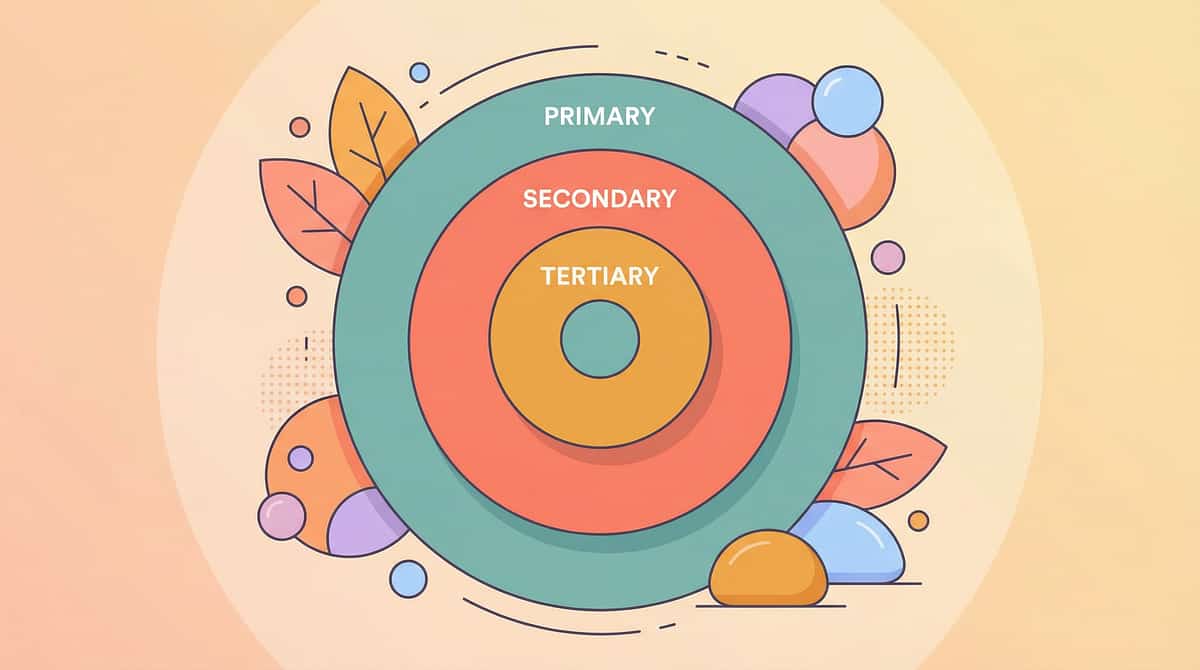
Precision Tools. Not Random Activities.
Each of the 9 materials targets a specific layer of the attention system. Understanding what you're aiming at makes implementation dramatically more effective.
This ladder represents the clinical pathway from maximum external support to genuine internal self-regulation. Most children begin at Level 1 and progress over 8–12 weeks with consistent home implementation.
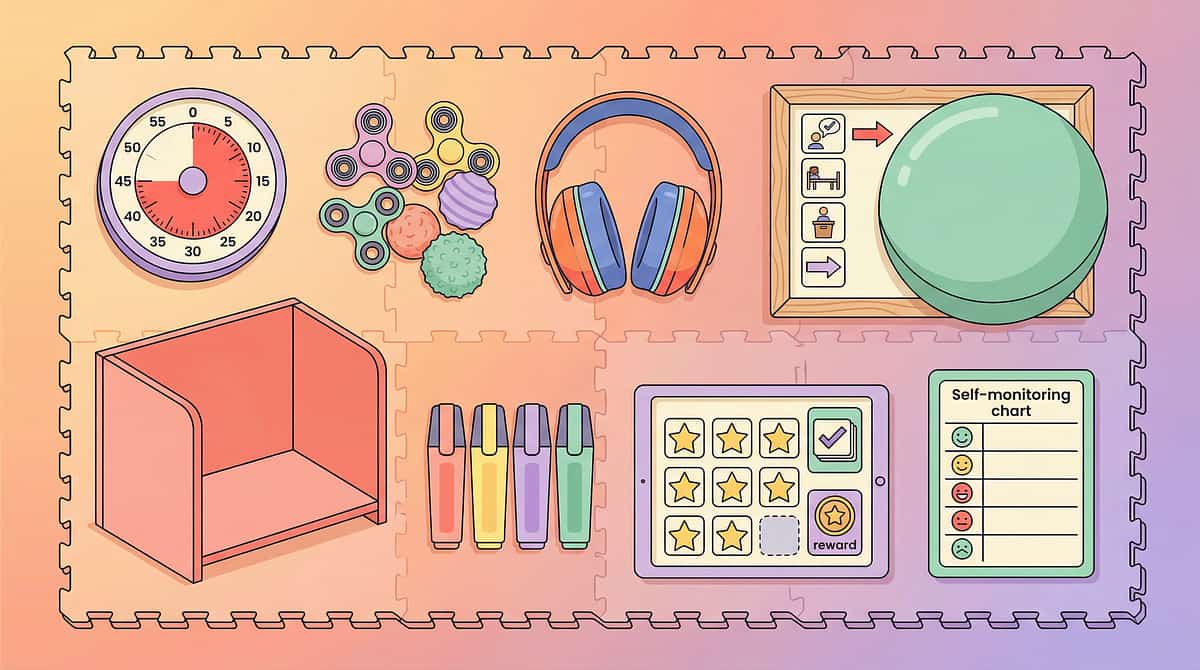
The 9 Materials. Clinically Selected. Home-Ready.
Each of these materials has a specific mechanism of action. This is not a shopping list — it is a therapeutic toolkit. Start with the first 3 (marked ⭐ PRIORITY). Add others progressively as the child stabilizes and gains confidence.
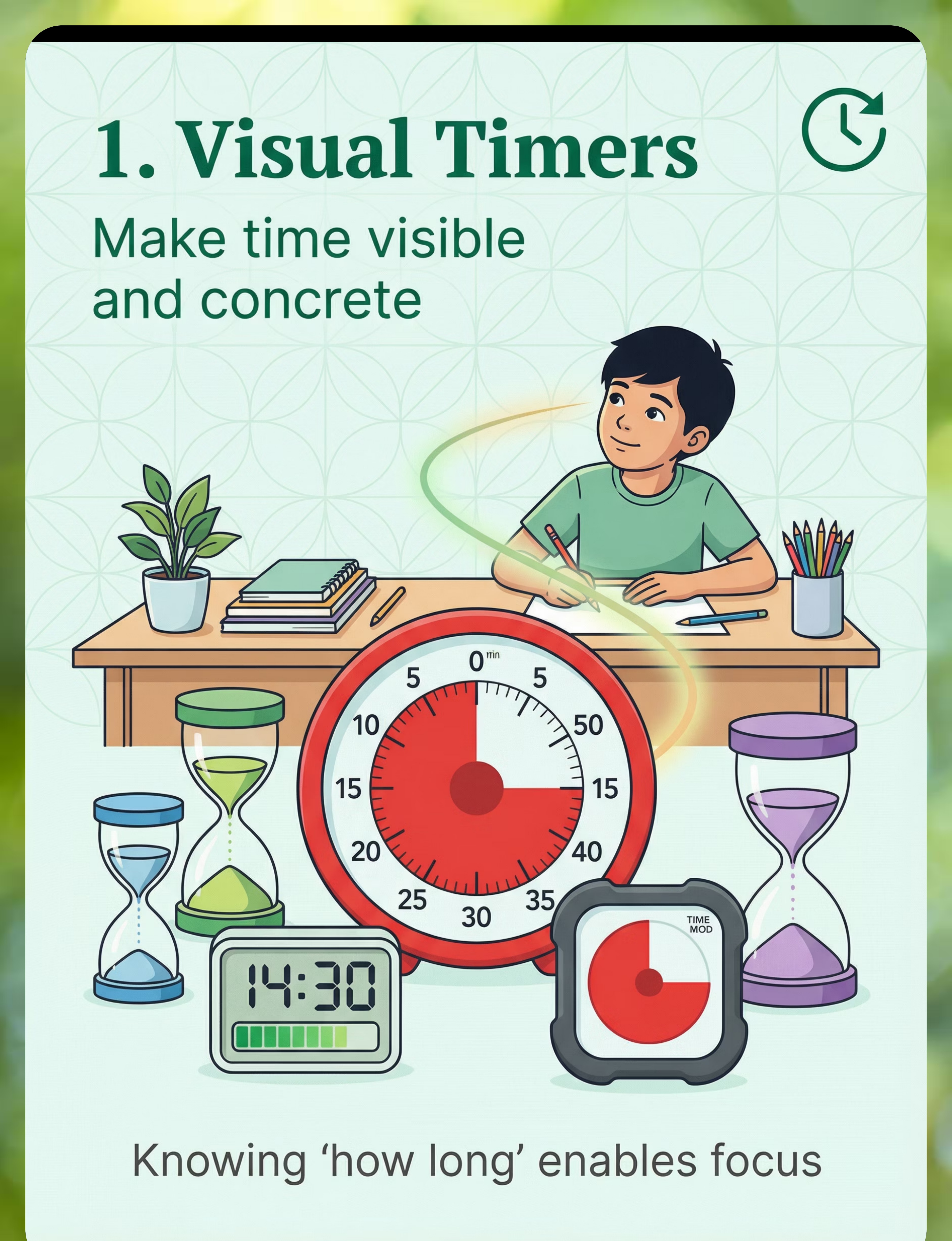
⭐ Visual Timers
Makes abstract time concrete. The shrinking red disk eliminates "how long is this going on?" anxiety.
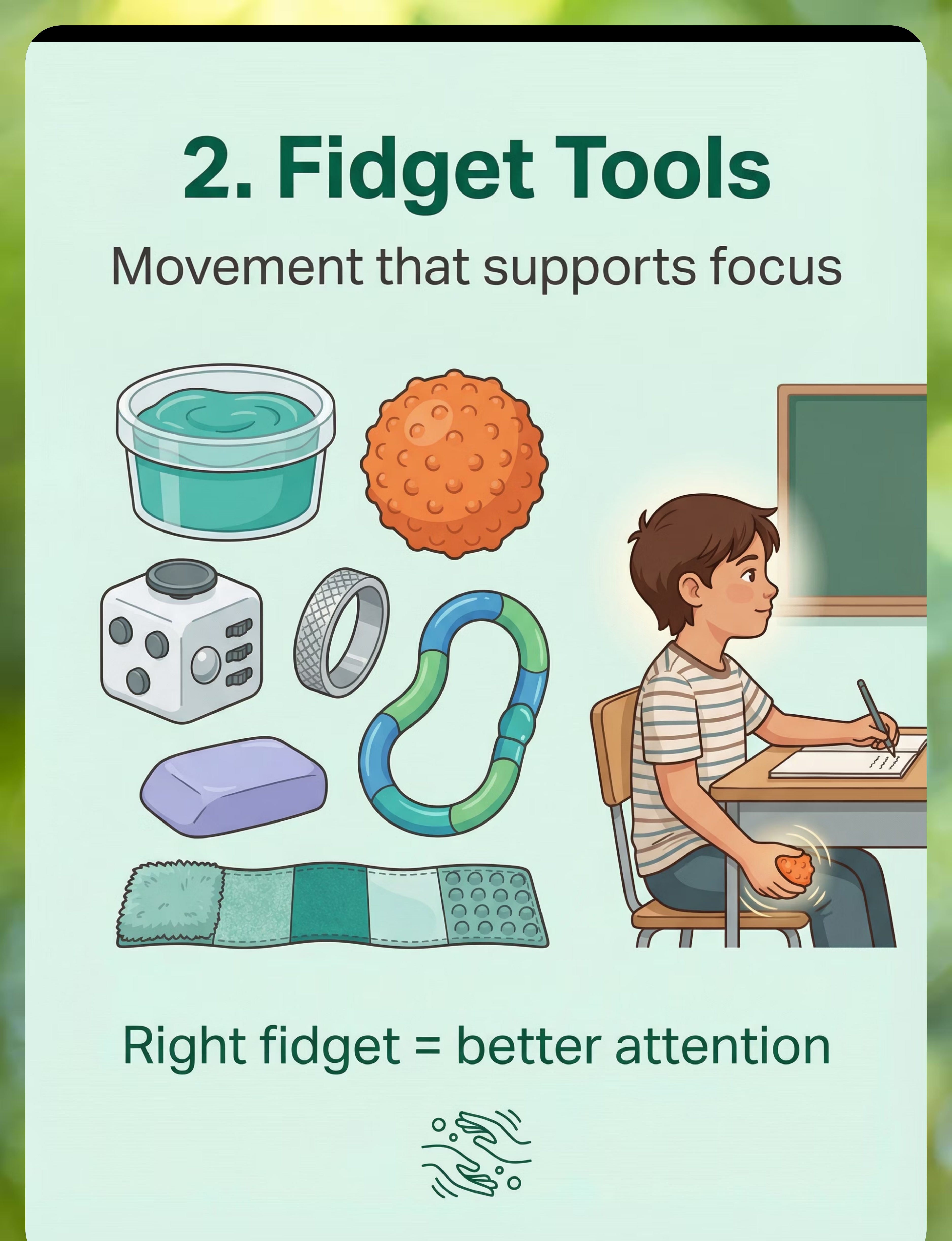
⭐ Fidget Tools
Keeps hands busy to free the mind. Provides discrete movement input, freeing cognitive resources for the task.
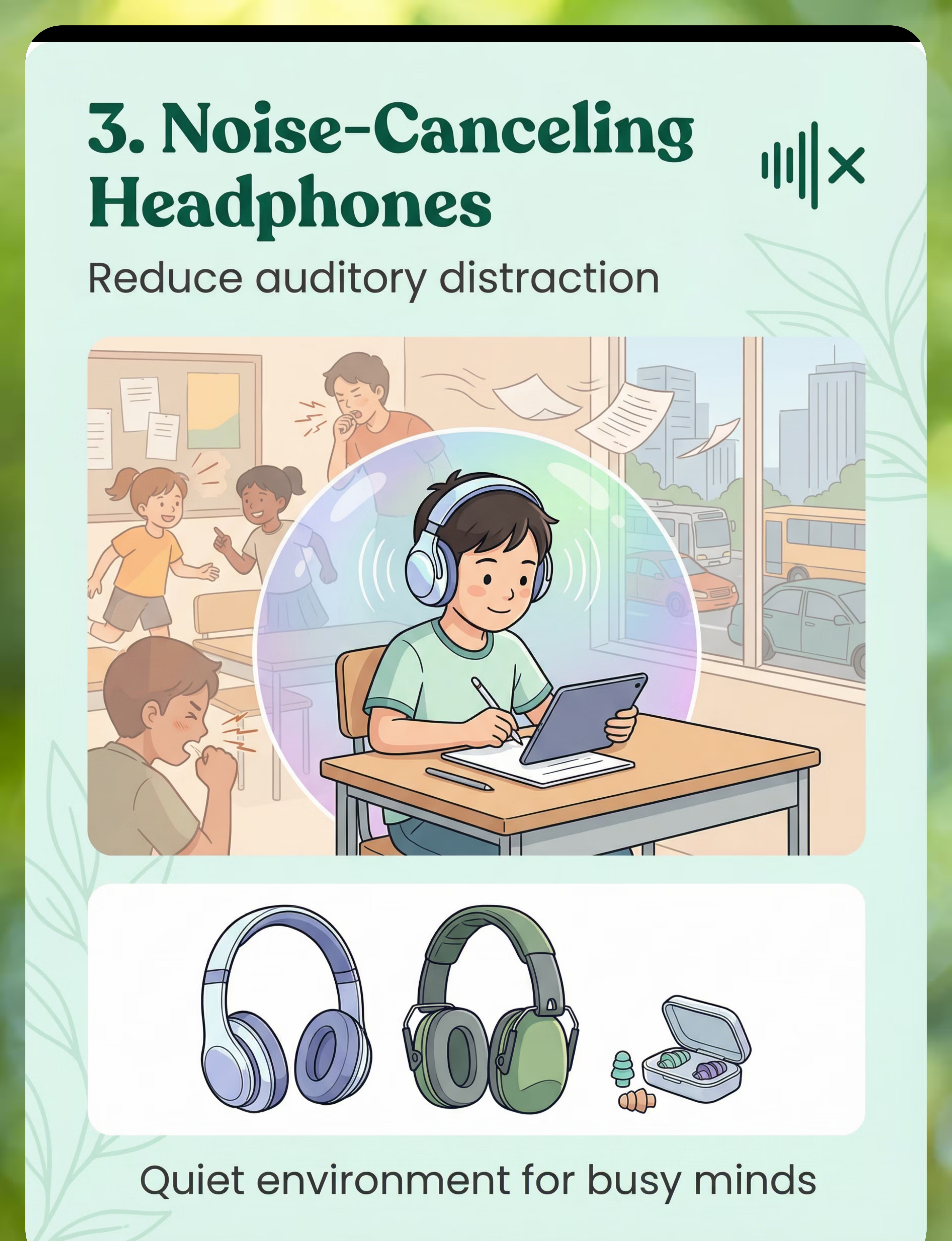
⭐ Noise-Canceling Headphones
Eliminates auditory competition so the child's attention can focus on the task rather than constant filtering.
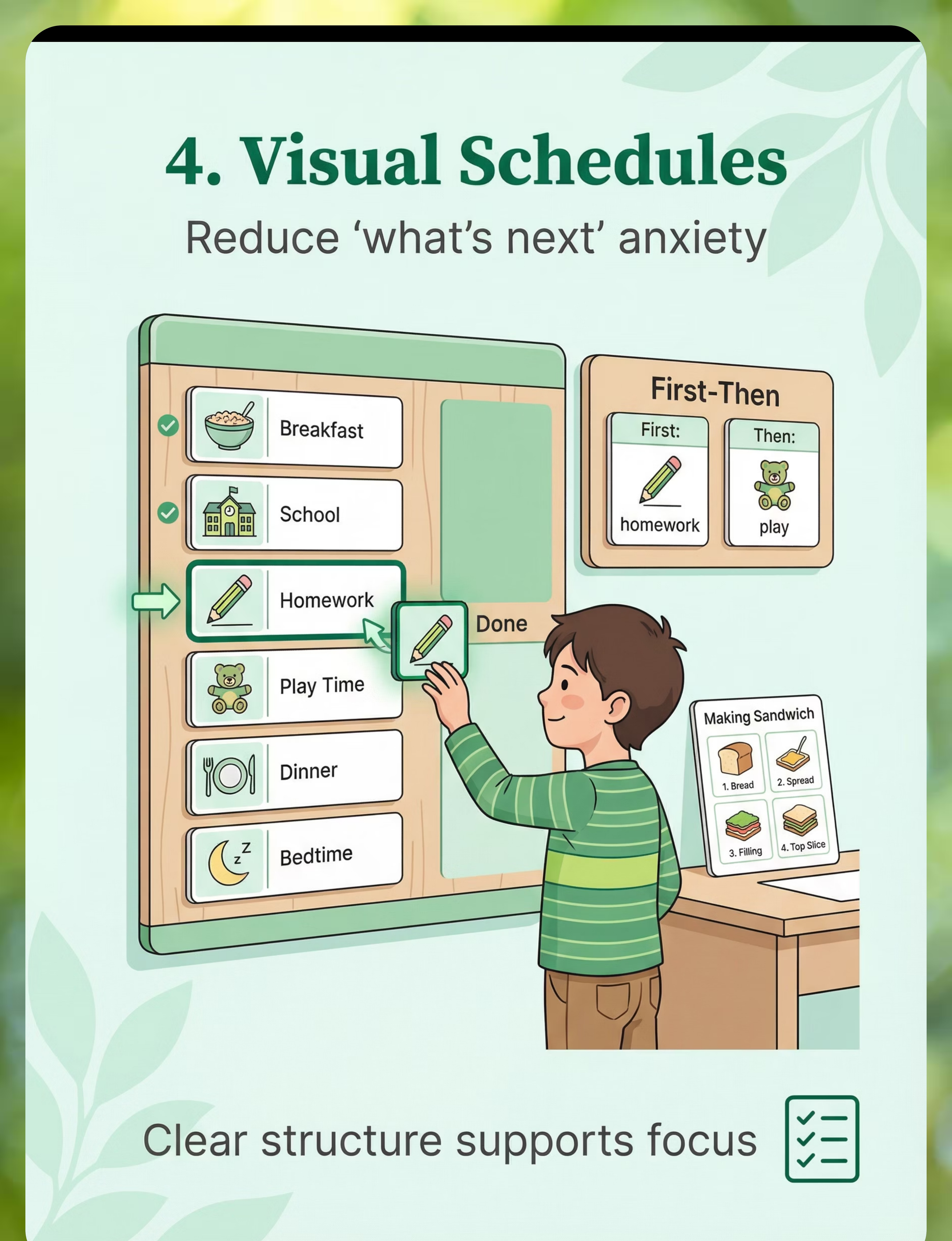
Visual Schedules
Externalizes the "what's next?" question from working memory, freeing capacity for the current task.
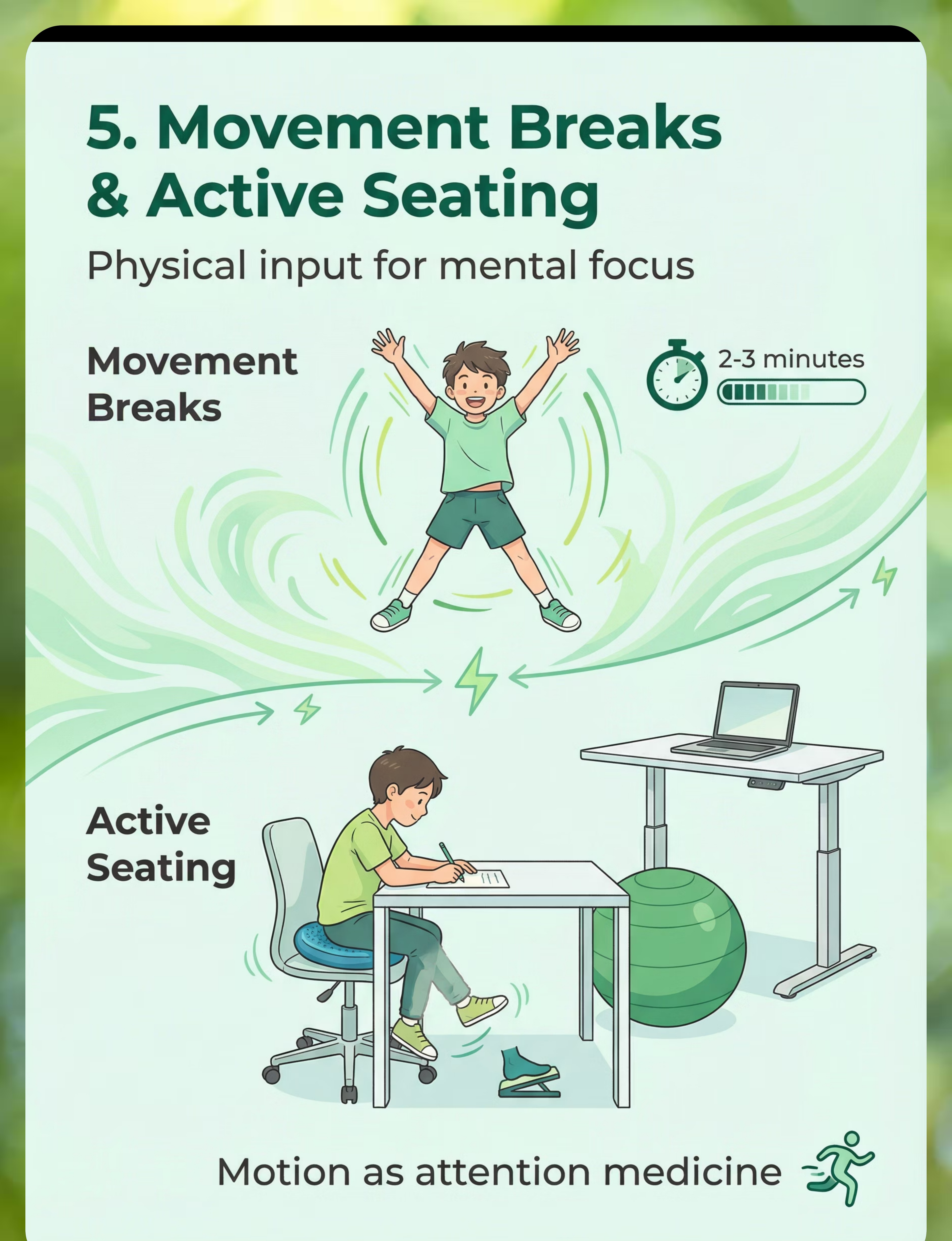
Movement Breaks & Active Seating
Scheduled movement and wobble cushions provide proprioceptive input that regulates arousal level.
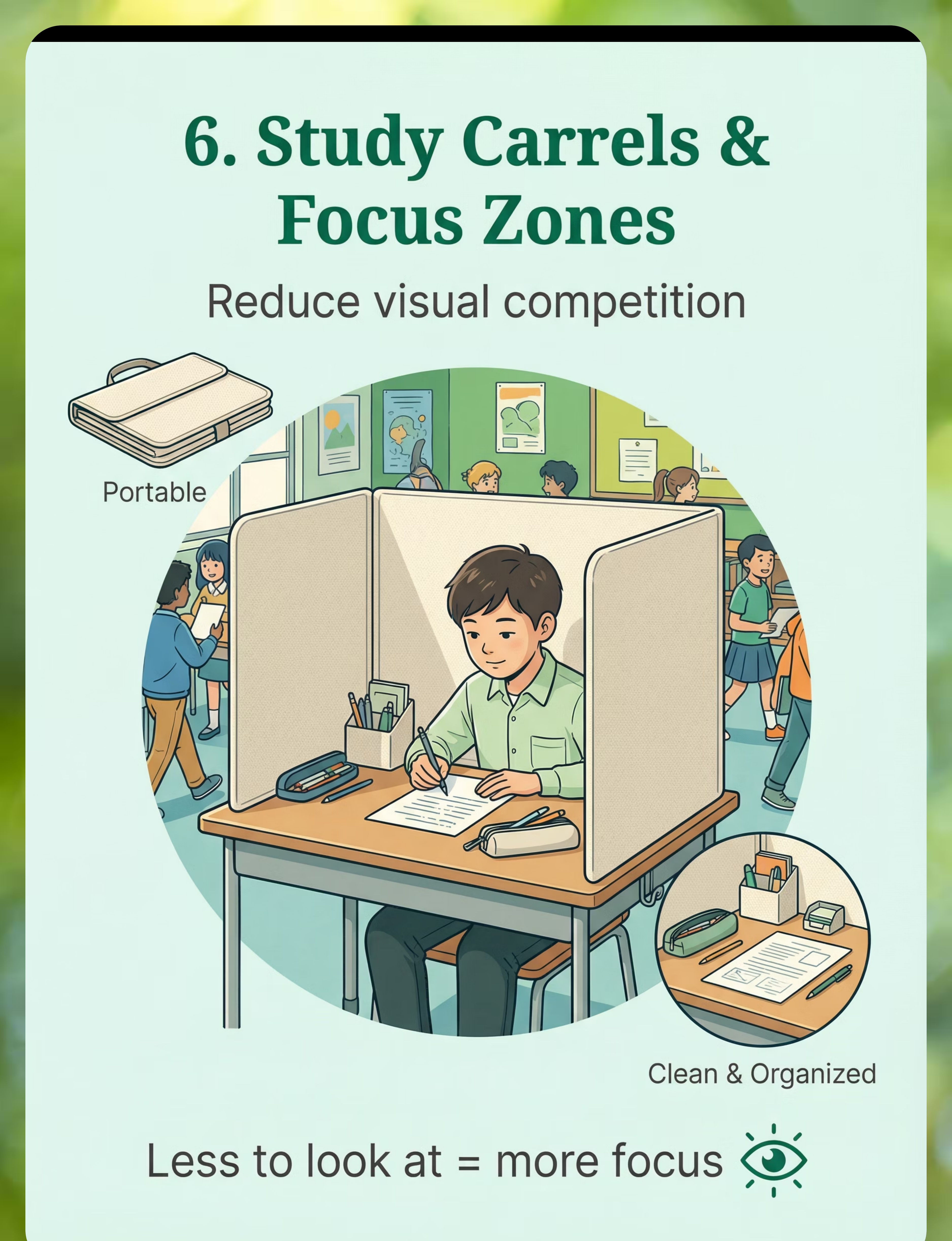
Study Carrels
Physically removes visual distraction rather than demanding the child mentally filter it.
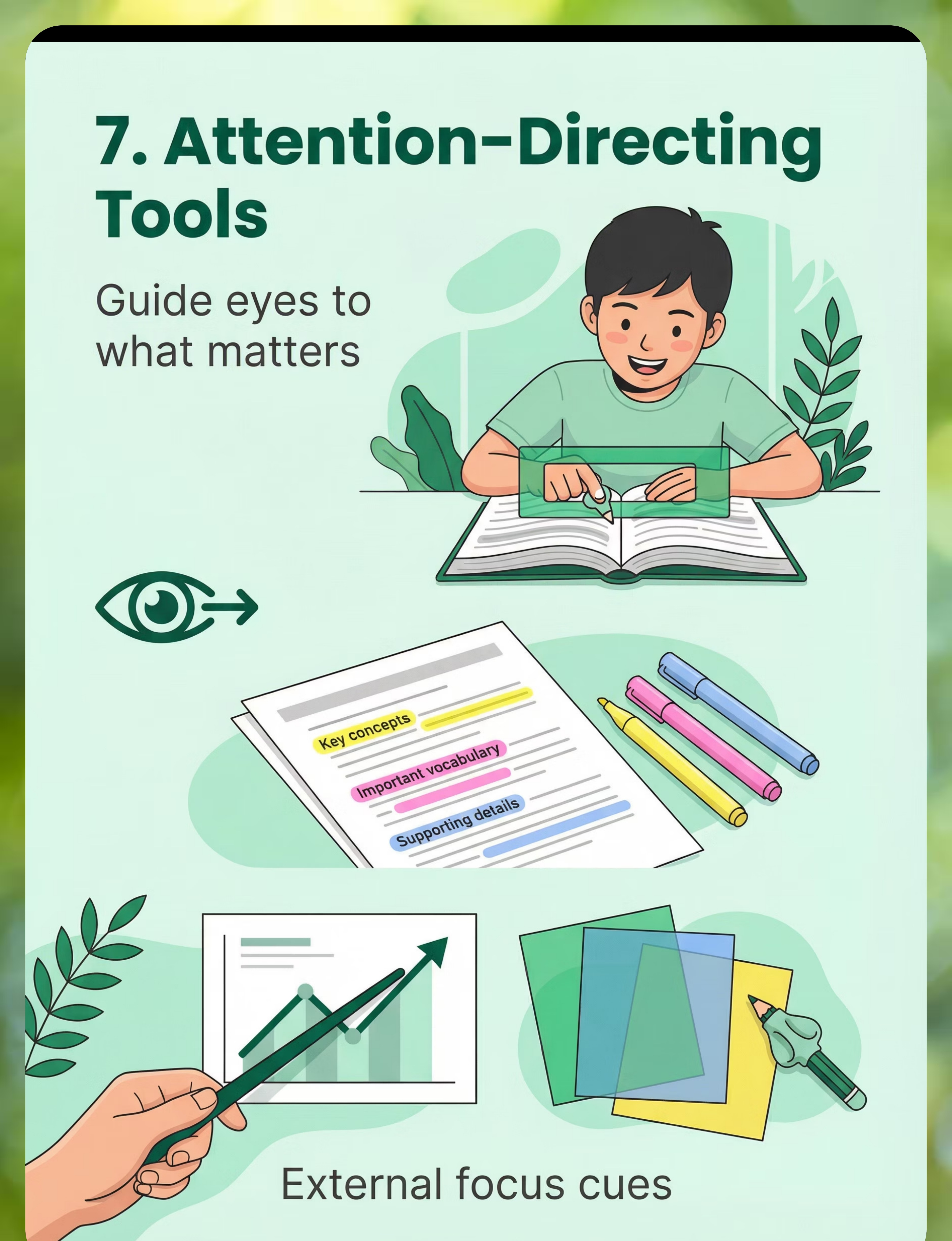
Attention-Directing Tools
Directs attention externally — bypassing the need for internal filtering. The highlighted word, the reading window.
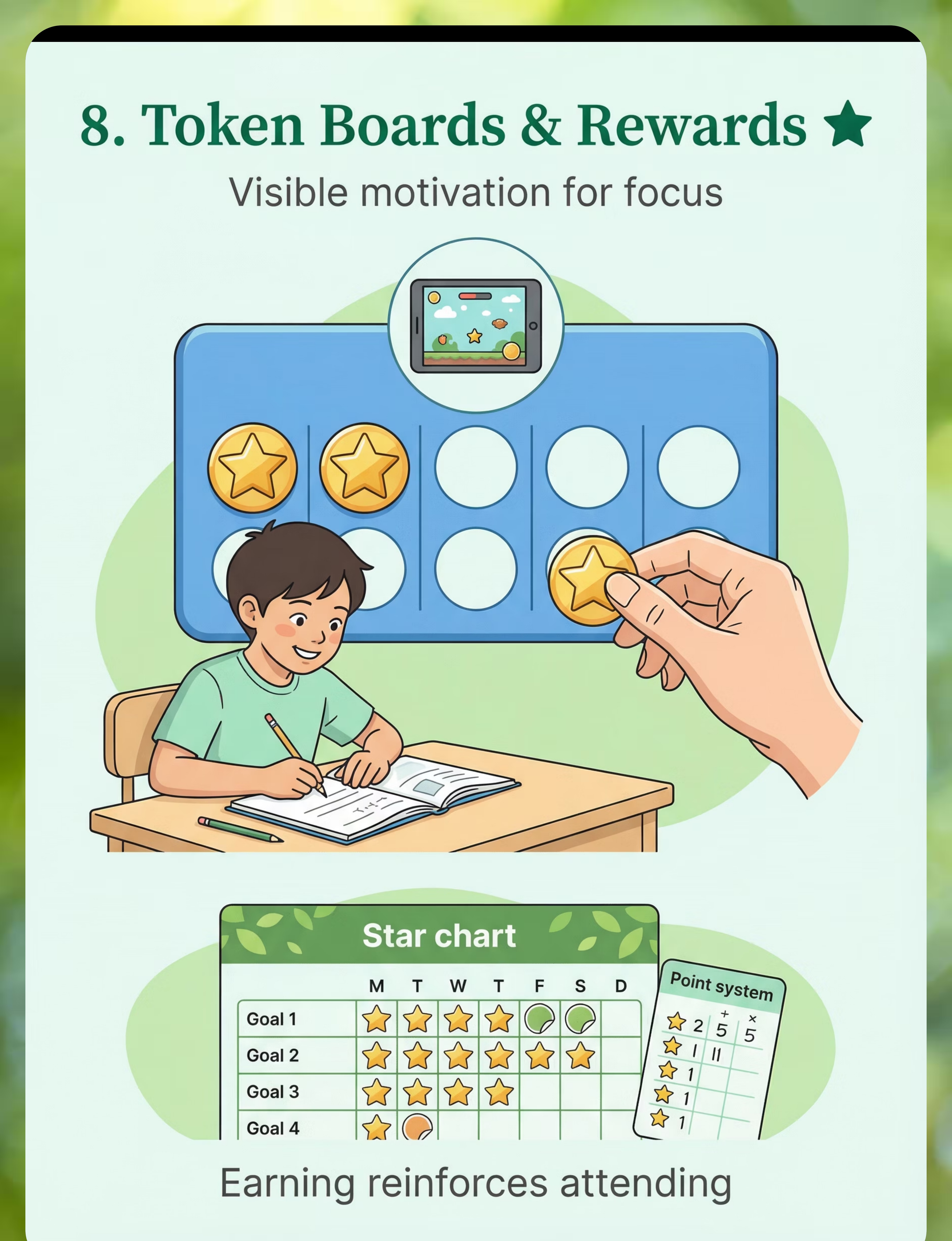
Token Boards & Reinforcement
Creates external motivation for non-preferred tasks. Bridges the motivation gap for the child's reward system.
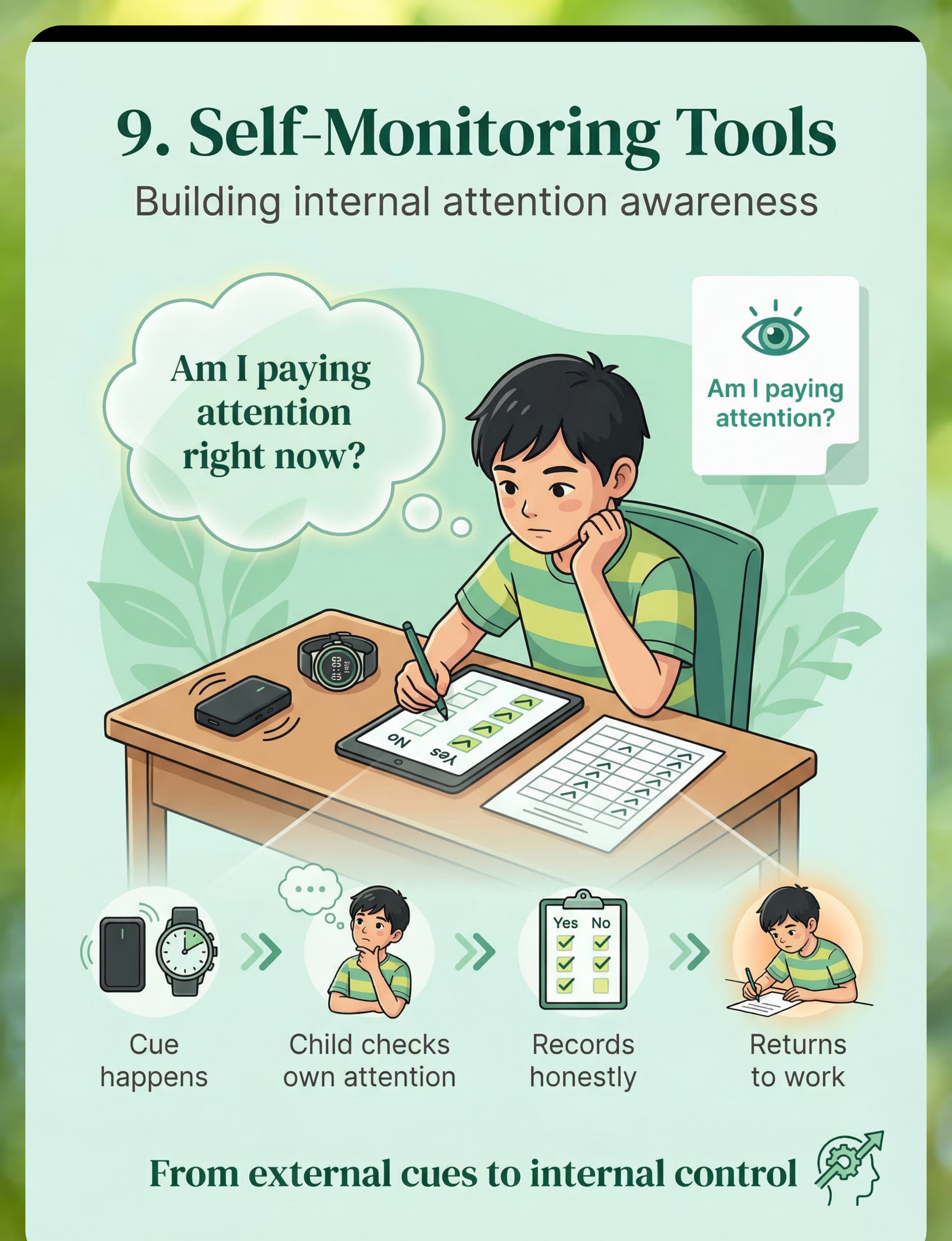
Self-Monitoring Tools
Builds the internal attention muscle. Teaches children to become their own attention coaches.
Material 1 of 9 — Visual Timers and Time Awareness Tools
⭐ PRIORITY START
₹500–₹2,000 | Canon: Visual Timers
Why It Works
Makes abstract time concrete. When a child can see how long to focus and exactly when it ends, sustained attention becomes possible. The shrinking red disk eliminates "how long is this going on?" anxiety — the single biggest attention disruptor during structured tasks.
Best Products
- Time Timer (original) — 60-minute analog visual timer
- Sand timers in multiple colors (2 min, 5 min, 10 min sets)
- Time Timer MOD (portable, clip-on)
- Cube timers with visual countdown display
DIY Version — ₹0
Draw a circle on paper, shade it and erase progressively. Phone timer placed visibly facing child. Completely free and clinically equivalent for most children.
⚠️ Safety Note
Timer should reduce anxiety, not create it. If timer causes panic, extend intervals. Use gentle chimes, not harsh beeps, for sensory-sensitive children.
Amazon.in Search
Search: Visual Timer for Kids India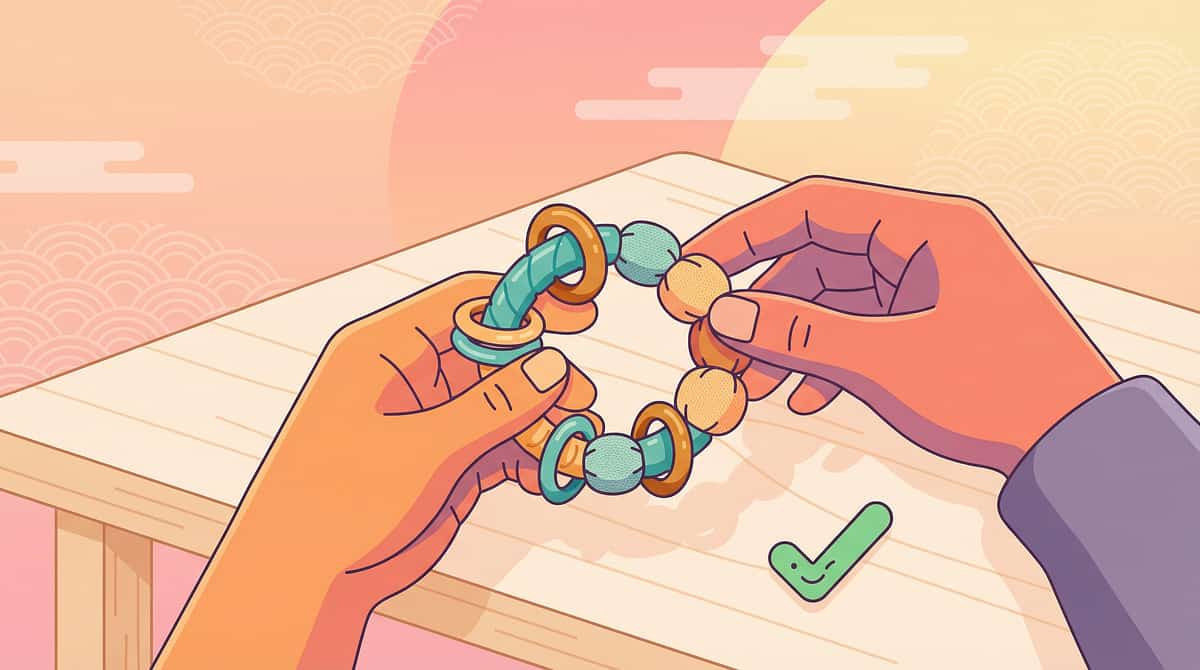
Material 2 of 9 — Fidget Tools and Movement-Based Focus Supports
⭐ PRIORITY START
₹200–₹800 | Canon: Sensory-Motor Tools
Why It Works
Keeps hands busy to free the mind. For many children, the instruction "sit still" actively prevents attention. The movement-seeking part of the brain demands input — fidget tools provide that input discretely, freeing cognitive resources for the task. Research: fidgets improve sustained attention in 60–70% of children with sensory-based attention difficulty.
Best Products
- Therapy putty / thinking putty (quiet, no visual distraction)
- Stress balls (textured, quiet)
- Fidget cubes (quiet-side use only)
- Tangle Jr. fidgets
- Fabric fidget strips (attach under desk)
DIY Version — ₹0–₹50
Kneadable eraser, smooth pebble, tightly rolled fabric strip. Works on the same proprioceptive principles as clinical-grade tools.
⚠️ Safety Note
Fidget must be non-visual and quiet. If child focuses on the fidget instead of task — wrong fidget. Test 2–3 types before committing. Never a choking hazard for children under 4.
Amazon.in Search
Search: Fidget Tools for Autism Children India
Material 3 of 9 — Noise-Canceling Headphones and Auditory Supports
⭐ PRIORITY START
₹1,000–₹5,000 | Canon: Auditory Regulation Tools
Why It Works
Eliminates auditory competition. Many children cannot automatically filter irrelevant sounds — a bus, a ceiling fan, a sibling's conversation all compete equally with the instruction. Noise-canceling headphones reduce the auditory load to near-zero, letting the child's attention focus on the task rather than constant auditory filtering.
Best Products
- Over-ear noise-canceling headphones (child-sized, no Bluetooth needed)
- Ear defenders / ear muffs (hardware-store grade works)
- Alpine Muffy Kids (NRR 25dB, child-specific fit)
- Loop earplugs (discreet, for older children)
- Peltor Junior ear muffs (robust, school-friendly)
DIY Version — ₹300–₹500
Position desk in quietest room corner. Soft ear defenders from hardware store. Acoustic panels behind desk made from foam mattress pieces.
⚠️ Safety Note
Child must hear safety information. Do not use as social avoidance tool. Always include a "take off" ritual so child knows when headphones come off. May need school documentation for classroom use.
Amazon.in Search
Search: Noise Cancelling Headphones for Children India
Material 4 of 9 — Visual Schedules and Task Breakdown Tools
₹300–₹1,000 | Canon: Visual Supports / Organizational Tools
Why It Works
Externalizes the "what's next?" question from working memory. When children don't have to hold the sequence in their head, they can focus on the current task. Reduces "what's happening next?" anxiety — one of the most common attention disruptors for children with executive function differences.
Best Products
- Velcro-based visual schedule boards
- First-Then boards (laminated, reusable)
- Task breakdown strips (numbered steps with pictures)
- Dry-erase weekly schedule templates
- Checklist laminated cards
DIY Version — ₹0–₹100
Draw daily schedule with stick figures. Sticky notes for task steps on wall. Whiteboard marker on fridge. First-Then board from cardboard + printed images.
⚠️ Safety Note
Match complexity to child's cognitive level. Too many items overwhelm. Show only the current session section. Unexpected changes must be communicated in advance on the schedule itself.
Amazon.in Search
Search: Visual Schedule Board Autism India
Material 5 of 9 — Movement Breaks and Active Seating Options
₹500–₹3,000 | Canon: Proprioceptive/Vestibular Sensory Tools
Why It Works
Motion is attention medicine. Many children need physical input to activate and maintain optimal arousal for cognitive work. Scheduled movement breaks (2–3 minutes every 15–20 minutes) and active seating provide continuous proprioceptive input that regulates the nervous system's alertness level — the physiological prerequisite for sustained attention.
Best Products
- Wobble/disc seat cushions (air-filled, allows micro-movement)
- Balance ball chairs (child-sized)
- Foot fidget bars (attaches under desk, quiet)
- Bouncy bands for chair legs
- Movement break cards (printed, laminated routine prompts)
DIY Version — ₹0
Old sofa cushion on hard chair. Jumping jacks between tasks (no equipment needed). Standing at kitchen counter for work. Walk-and-talk for any verbal learning.
⚠️ Safety Note
Movement breaks must have clear start/end structure — or they become task avoidance. Countdown "10-9-8... and back to work" prevents transition meltdowns. Always signal the end before it arrives.
Amazon.in Search
Search: Wobble Cushion Sensory Seating India
Material 6 of 9 — Study Carrels and Distraction-Reduced Workspaces
₹300–₹1,500 | Canon: Environmental Modification Tools
Why It Works
Physically removes visual distraction rather than demanding the child mentally filter it. A child with attention difficulty cannot reliably suppress the visual pull of a colorful toy, a moving sibling, or a cluttered wall. The study carrel creates a three-sided visual boundary — less to see equals more capacity for the task.
Best Products
- Portable study carrels / privacy shields (tri-fold)
- Desk dividers (foam-core)
- Focus folders (attach to book spines, create visual barrier)
- Desktop organizers (clutter-free system)
DIY Version — ₹0–₹100
Three-panel cardboard tri-fold taped together. Desk positioned facing plain wall. Neutral-colored fabric draped over cluttered shelf. Books arranged as side barriers.
⚠️ Safety Note
NEVER use as punishment. Always the child's choice to use. If child feels confined or isolated, this tool is counterproductive. Monitor emotional response closely. The carrel is a comfort tool, not a consequence.
Amazon.in Search
Search: Study Carrel Privacy Screen Desk India
Material 7 of 9 — Highlighters, Pointers, and Attention-Directing Tools
₹100–₹500 | Canon: Visual Attention / Perceptual Support Tools
Why It Works
Directs attention externally — bypassing the need for internal filtering. Instead of the child deciding what's important (an executive function skill they're still developing), these tools pre-select relevance. The highlighted word, the reading window, the pointing finger — all remove the "where do I look?" cognitive task from the child.
Best Products
- Reading windows / line guides (isolate current text line)
- Colored overlay sheets (reduce visual crowding on page)
- Highlighters in 3 colors (key concept / vocabulary / details system)
- Sentence trackers / strip rulers
- Highlighting tape (removable, for textbooks)
DIY Version — ₹0
Cut window in cardboard (₹0). Use ruler under current reading line. Finger tracking. Color-code with regular pencils. Box key words with pencil.
⚠️ Safety Note
Goal is to gradually reduce external directing as internal attention develops. Don't create permanent dependency — fade tools progressively over time as the child's internal filtering improves.
Amazon.in Search
Search: Reading Window Line Guide India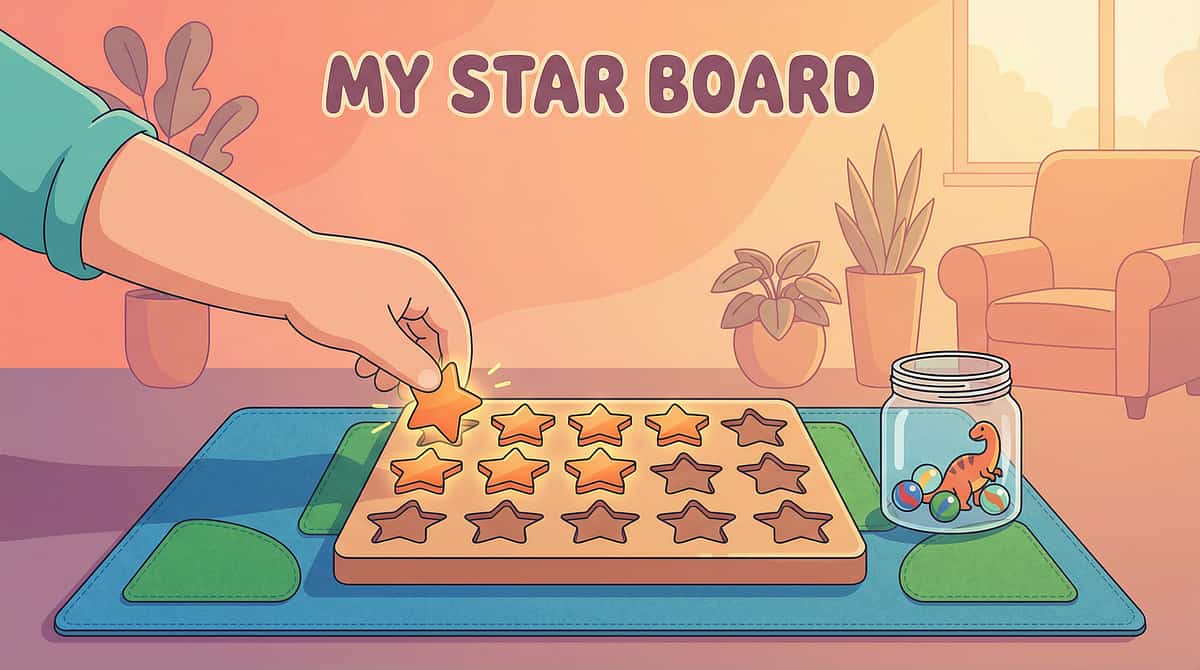
Material 8 of 9 — Token Boards and Reinforcement Systems
₹200–₹800 | Canon: Reinforcement Menus / Behavioral Motivation Systems
Why It Works
Creates external motivation for non-preferred tasks. Children with interest-based attention systems can hyperfocus on video games and TV — not because they're more capable of attention, but because those activities provide continuous intrinsic reinforcement. Token boards bridge the motivation gap for non-preferred demands, making focused attention economically worthwhile for the child's reward system.
Best Products
- Velcro token boards (5-token standard for focus intervals)
- Star charts with weekly goals
- Token jars (marble jar with visible level)
- Point system tracking sheets
- ⭐ Pinnacle Canon Reinforcement Menu (Amazon.in)
DIY Version — ₹0–₹50
Draw 5 boxes on paper — sticker in each for focused intervals. Marble jar. Tally marks on whiteboard. Drawing tokens instead of physical ones works on the same behavioral principle.
⚠️ Safety Note
Backup reinforcer must be genuinely motivating — the child selects it. Token delivery must be immediate (within 3 seconds). Fade toward natural reinforcement over 8–12 weeks. Never withhold a promised token.
Amazon.in Search
Search: Token Board ABA Therapy India
Material 9 of 9 — Self-Monitoring Tools and Attention Cue Systems
₹500–₹3,000 | Canon: Metacognitive / Executive Function Tools
Why It Works
Builds the internal attention muscle. All other materials are external supports. Self-monitoring tools teach children to become their own attention coaches — to notice when attention has wandered and redirect it independently. This is the long-term exit from external tool dependence. Research: 68% improvement in on-task behavior when self-monitoring training begins at ages 7–10.
Best Products
- Self-monitoring checklist cards ("Am I paying attention?" with Yes/No boxes)
- Vibrating reminder watches (WatchMinder, MotivAider)
- Attention tracking sheets (frequency count format)
- Interval cue apps (silent vibration at random intervals)
DIY Version — ₹0
Set phone to vibrate at random intervals (every 5–8 min). Child asks "Was I paying attention?" and marks yes/no on paper. Celebrate honest "no" answers as awareness wins.
⚠️ Safety Note
Requires developmental readiness — typically age 7+. Never punitive. "No" answers are wins, not failures. Catching wandered attention IS the skill. Fade external cues as internal habits form.
Amazon.in Search
Search: Self Monitoring Tools ADHD Autism India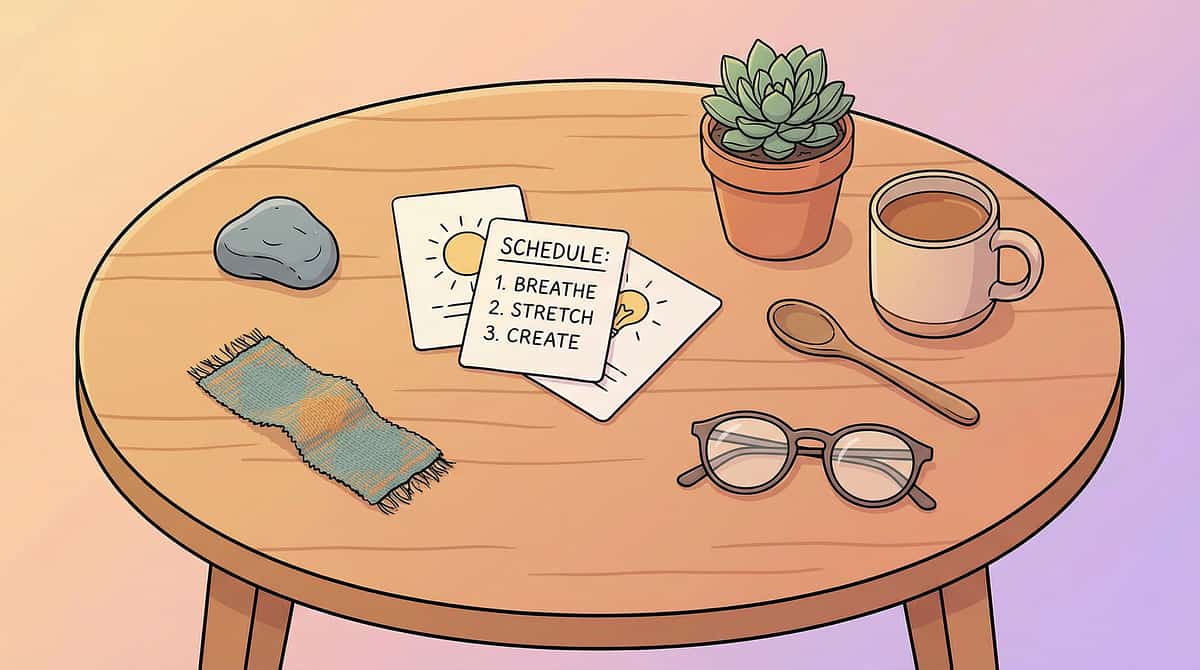
Every Material Has a ₹0 Version. No Exceptions.
The WHO/UNICEF equity mandate is non-negotiable at Pinnacle: every intervention must be executable by every family, regardless of geography, economy, or Amazon delivery time. These DIY alternatives are clinically equivalent for most children and work on the same sensory-motor principles.
Material | 🛒 Clinical Grade | 🏠 DIY Household Version | |
Visual Timer | ₹500–₹2,000 | Phone timer facing child + draw shrinking circle on paper | |
Fidget Tool | ₹200–₹800 | Kneadable eraser, smooth pebble, tightly rolled fabric strip | |
Noise-Canceling Headphones | ₹1,000–₹5,000 | Quietest corner + soft foam earplugs (₹50 hardware store) | |
Visual Schedule Board | ₹300–₹1,000 | Fridge door + magnetic letters + printed photos | |
Wobble Cushion | ₹500–₹1,500 | Folded blanket/cushion on hard chair | |
Study Carrel | ₹300–₹1,500 | Three-panel cardboard tri-fold + desk facing plain wall | |
Reading Window | ₹100–₹300 | Cardboard with rectangular cut-out, ruled with marker | |
Token Board | ₹200–₹800 | 5 boxes drawn on paper + stickers from stationery shop | |
Self-Monitoring Sheet | ₹500–₹1,000 | Phone alarm + hand-drawn yes/no tracking sheet |
A child can be fully supported with visual attention supports using nothing but a smartphone, cardboard, paper, and stickers — costing less than ₹100 total. The research supports the mechanism, not the price tag.
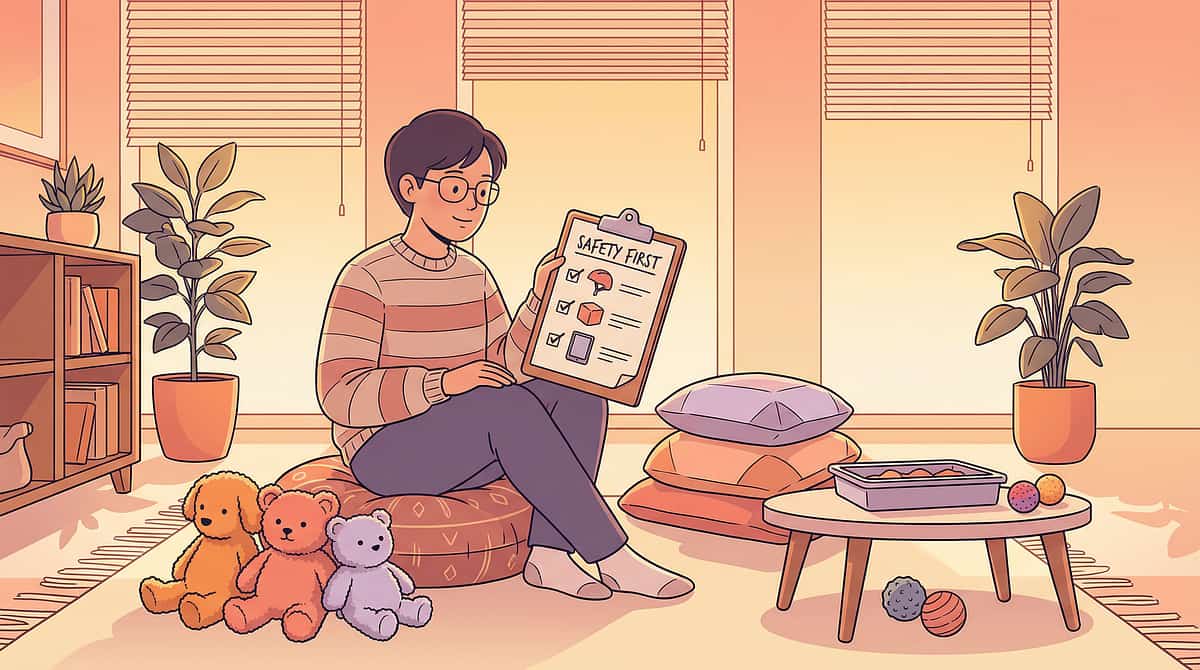
Read This Before Beginning Any Session.
Safety is the foundation of effective therapy. Check these conditions before every session — not just the first one.
🟢 GREEN — Proceed Safely
- Child is fed, rested, and in a regulated baseline state
- No fever, illness, or significant pain present
- You have 20–30 uninterrupted minutes
- Child has had adequate movement/outdoor time today
- No severe meltdown in last 2 hours
🟡 AMBER — Modify or Shorten
- Child had difficult day (reduce session by 50%)
- Child is tired but not dysregulated (10 min max)
- Environmental noise is unavoidable today
- Child shows mild resistance at invitation
- Parent feels stressed or rushed (take 3 min yourself first)
🔴 RED — Do Not Begin Today
- Child is in active meltdown or post-meltdown recovery
- Child is unwell — fever, ear infection, significant pain
- Child has had less than 6 hours of sleep
- You feel unable to stay regulated and calm yourself
- Significant family crisis in last 24 hours
⛔STOP IMMEDIATELY IF: Child shows signs of panic, extreme distress, or self-harm · Child vomits from sensory input · Headphones/timer cause escalating anxiety · Session has exceeded 30 minutes without natural stopping point.
📞Pinnacle National Helpline: 9100 181 181 (24x7, 16+ languages)
📞Pinnacle National Helpline: 9100 181 181 (24x7, 16+ languages)

The Right Space Makes Focus Possible. The Wrong Space Makes It Impossible.
Clear the Visual Field
Remove toys, colorful objects, and screens from child's sightline. The desk surface should have only: the task material, the visual timer, the fidget tool.
Position the Timer
Place visual timer at child's eye level, within natural sightline from working position. Child should see it without turning head.
Set Up the Fidget Station
One fidget tool within reach of non-dominant hand. One backup in nearby drawer. Not on desk before child sits — introduce after child is seated.
Reduce Auditory Distractions
Close windows if outdoor noise present. Turn off television, radio, and phone notifications in the room. If unavoidable, headphones go on before child sits down.
Display the Visual Schedule
Today's schedule visible on left wall at child's eye level. Current task highlighted. Next task visible but not overwhelming.
Prepare Your Position + Set Your Timer
Parent seats at 45-degree angle behind child — present and available, but not in eyeline. Phone is face-down. You are allotting 20–30 minutes of undivided support. Your regulated presence is part of the intervention.

The 60-Second Pre-Flight Check.
Do this before every session. The best session is one that starts right. These five readiness indicators are observable, not subjective — they remove guesswork entirely.
Indicator | ✅ GO | ⚠️ MODIFY | ❌ POSTPONE | |
Body regulation | Calm, baseline movement | Slightly elevated energy | Meltdown, very high arousal | |
Eye contact / engagement | Makes natural contact | Fleeting contact | Completely avoidant | |
Response to name | Responds within 3 seconds | Responds with 5+ seconds | No response | |
Physical state | Rested, fed, comfortable | Mildly hungry or tired | Ill, fever, pain | |
Transition to space | Comes willingly | Comes with prompting | Refuses or cries |
✅ GO (3–5 Greens)
Proceed with full protocol as planned. Full material set, standard intervals, complete session.
⚠️ MODIFY (2–3 Ambers)
Shorten to 10–15 min. Increase reinforcement ratio. Choose ONE material and easiest task first.
❌ POSTPONE (Any Red)
Offer preferred calming activity instead. "Today is a [favourite activity] time. Tomorrow we'll try the timer again." No guilt. No negotiation.

🟢 STEP 1 OF 6
THE INVITATION · 60–90 seconds
Never a Command. Always an Invitation.
The Principle
The child's attention system is primed by safety, not demand. An invitation creates a motivating operation — the child chooses to engage. This isn't permissive parenting. It is clinical precision: a child who enters voluntarily attends better than a child who enters under duress.
Reading Acceptance Cues
- ✅ Child looks at material, moves toward desk, or says "okay"
- ✅ Child asks a question about the material
- ✅ Child reaches for the material (even tentatively)
- ⚠️ Child ignores but doesn't protest — wait 10 more seconds, re-offer once
- ❌ Child says "no" firmly, moves away — today is a MODIFY or POSTPONE day
The Script
"Hey [Name], I've got something interesting here. Come see this." [Hold up one material — the timer or the fidget. Don't explain yet. Let curiosity do the work.] "Do you want to try the timer or the fidget first?"
Body Language
- Sit at child's level — not standing over
- Neutral expression — not tense or overenthusiastic
- Materials visible but not thrust forward
- Genuinely curious tone — not pleading, not demanding
If Resistance
"Okay, we'll try the timer tomorrow. Let's do [preferred activity] for 5 minutes first." Never force. Never negotiate.
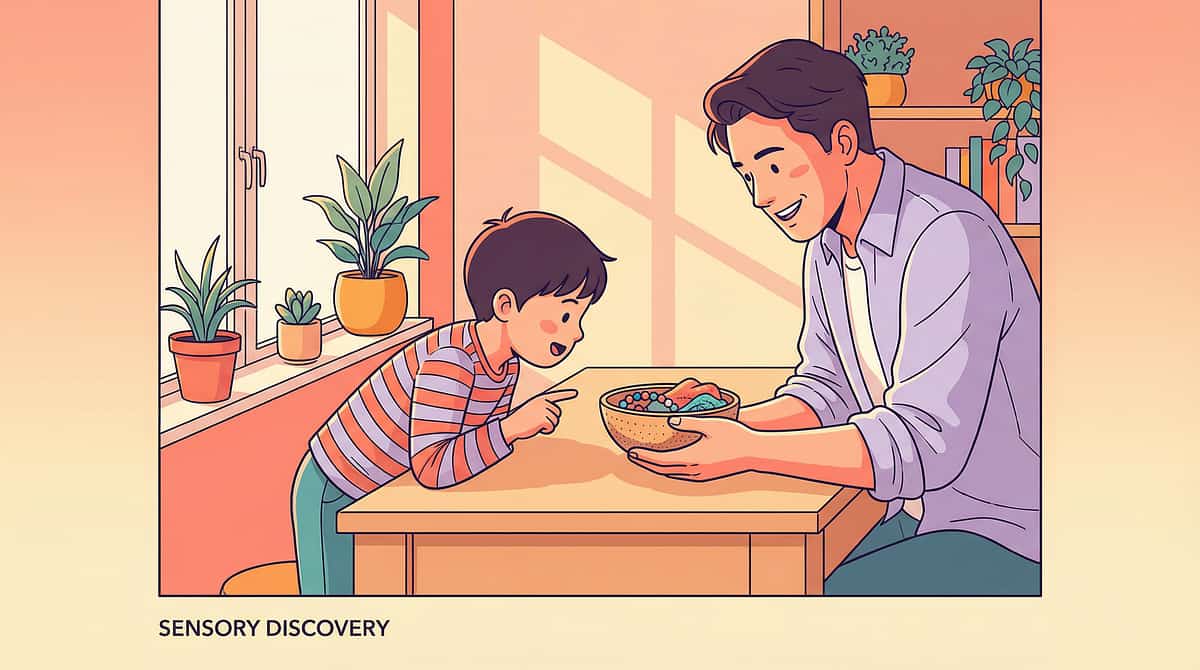
🔵 STEP 2 OF 6
THE ENGAGEMENT · 2–5 minutes
Introduce the Material. Read the Response.
The child is at the desk. Now introduce the first material with purpose — explain briefly what it does, let the child explore it, begin the first timed work interval.
For Visual Timer
"This is the focus timer. The red part disappears while you work. When it's all gone — we're done. Ready? Let's set it for [3 minutes to start]." Set the timer. Child watches the first few seconds of red disappearing. Begin work task.
For Fidget Tool
"This is your focus helper. Keep it in this hand [non-dominant] while your other hand does the work. You don't need to think about it." Place fidget in child's non-dominant hand. Begin work task immediately.
For Headphones
"These are your quiet headphones. They make everything less noisy. Put them on and let's start." Headphones on. 5-second pause. Then begin work task.
The First Reinforcement: Within 60 seconds of task commencement, deliver first token/praise: "That's focused work. Token." Specific, immediate, calm — not over-enthusiastic. Timing of reinforcement is 3 seconds or less for maximum behavioral impact.

🟡 STEP 3 OF 6
THE THERAPEUTIC ACTION · 10–20 minutes
The Work. Supported, Not Forced.
❌ Common Error | ✅ Correction | |
Constantly asking "are you paying attention?" | Timer does this — let the external tool carry the question | |
Sitting directly in front of child | Sit behind at 45° — face-to-face is social demand, not attention support | |
Rewarding completion, not focus | Token goes for focused effort, not finished product | |
Running session to 45+ minutes | Stop at 20–25 min — better to end wanting more | |
Moving to new material every session | Same 3 materials for first 2 weeks — consistency builds habit |
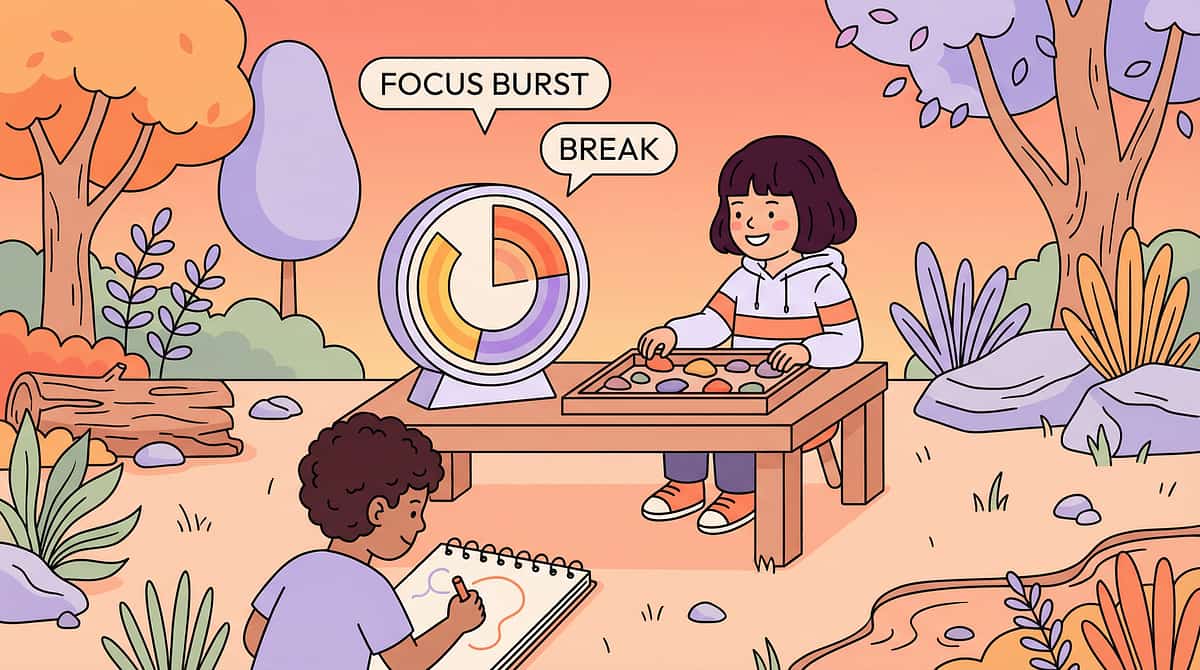
🟠 STEP 4 OF 6
REPEAT & VARY · 5–10 minutes
3 Good Intervals Beat 10 Forced Ones. Always.
Child Stage | Interval Duration | No. of Intervals | Total Session | |
Beginning (Week 1–2) | 3–5 minutes | 2–3 | 10–15 min | |
Building (Week 3–4) | 5–8 minutes | 3 | 15–25 min | |
Consolidating (Week 5–8) | 8–12 minutes | 3–4 | 25–40 min |
🏃 Movement Break
Preferred: 2 min jumping jacks, stairs, animal walks between intervals.
🤏 Fidget Free Time
90 seconds with fidget tool without task demand — sensory reset.
📋 Schedule Check
Child marks completed item, sees what's next — visual closure and motivation.
⭐ Token Review
Count tokens earned, celebrate progress toward the goal reinforcer.
The Satiation Rule: "Stop 2 minutes before the child wants to stop. End every session with the child still wanting more." When the child starts playing with materials rather than working — stop. Quality over quantity, always.

⭐ STEP 5 OF 6
REINFORCE & CELEBRATE · Throughout + End
Timing Matters More Than Magnitude. Immediate. Specific. Genuine.
IMMEDIATE
Within 3 seconds of the focused behavior — not "great job today" at bedtime. Delay kills the behavioral connection.
SPECIFIC
Name the behavior: "I saw you check the timer and keep going. That's focus." Vague praise doesn't build skills.
CALIBRATED
Match intensity to achievement — don't praise every breath, but don't withhold for small wins either.
"That was [X] minutes of focused work. Token."
"I saw you start to look away — then you came back. That's what attention coaches do. Token."
"Fidget in hand, eyes on work. Perfect setup. Token."
Reinforcement Menu Examples (child-chosen): 5 min favourite game/video · Sticker on personal sticker chart · Choose next day's activity · Extra story at bedtime · Call a favourite person for 2 minutes

🌙 STEP 6 OF 6
THE COOL-DOWN · 3–5 minutes
No Session Ends Without a Landing.
Why Cool-Down Is Clinical, Not Optional
Abrupt session endings cause post-session dysregulation. The nervous system that has been in "focused alert" mode needs a structured transition back to baseline. Without this, the emotional residue from the session's effort spills into the next activity — often appearing as a meltdown that "came from nowhere."
The Countdown Transition Script
"Two more minutes on the timer. Then we're all done for today." [2 minutes pass] "Last one. Almost done." [Timer ends] "Session done. Great work today."
Cool-Down Sequence (3–5 minutes)
Materials Put-Away Ritual
60–90 seconds. Child places each material in its designated spot. This sensory transition is itself regulating.
Body Break
60–90 seconds. 5 deep breaths together / slow arm swings / gentle stretching. Nervous system returns to baseline.
Visual Schedule Update
30 seconds. Child moves today's session card to "done." Visible completion is motivating and regulatory.
Transition Cue
30 seconds. Name the next activity. "Now it's [next activity] time." Clear, calm, predictable.
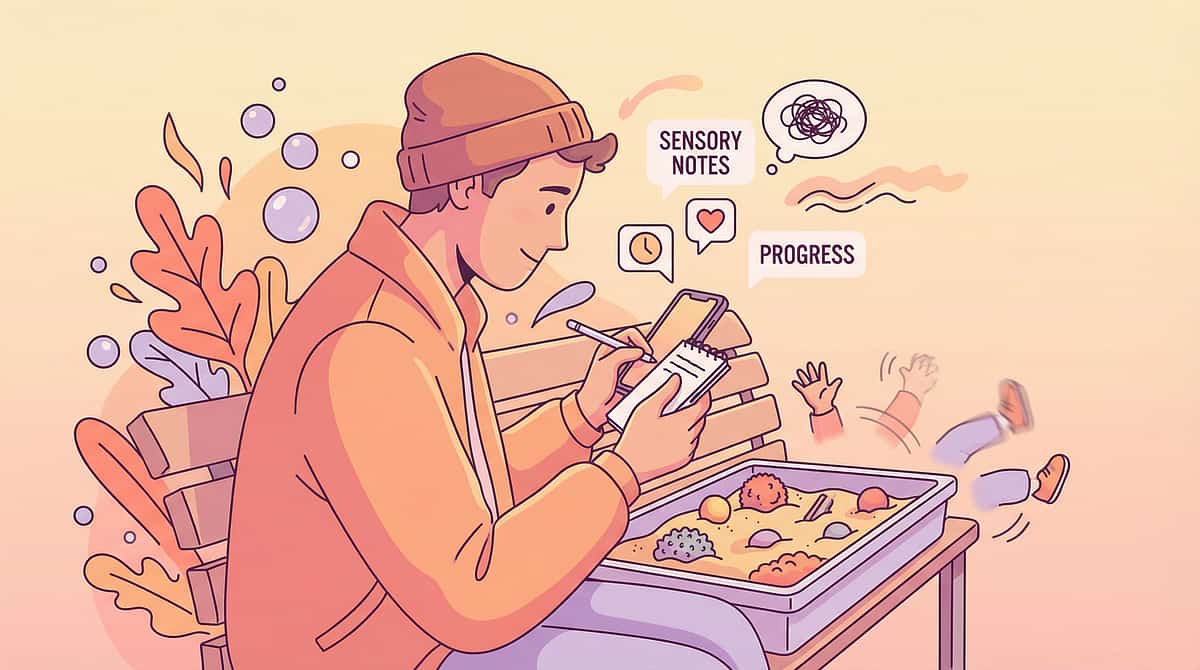
60 Seconds of Data Now Saves Hours of Guessing Later.
Before you close your phone. Before you get the snack. Before you do anything else. Record these 3 data points. What is measurable can be grown.
Total Focused Time
Today I got ___ minutes of focused work in ___ intervals. Count only minutes when child was genuinely engaged — not "at desk" but "working."
Self-Correction Count
How many times did the child catch their own attention wandering and return? ___ This is the most important number in the long run.
Resistance Level
Today's session resistance was: ⭕ None ⭕ Low ⭕ Medium ⭕ High. Track weekly trend — not individual sessions.
What This Data Does: Reveals weekly trends before they become problems · Gives your Pinnacle therapist real data instead of memory · Shows the child their own progress (children seeing their charts increases self-efficacy) · Feeds GPT-OS® for personalized technique recommendations
📥 Download: D-443 Weekly Attention Tracking Sheet — 4-week printable, space for each session, designed for Pinnacle therapist review.
📥 Download: D-443 Weekly Attention Tracking Sheet — 4-week printable, space for each session, designed for Pinnacle therapist review.
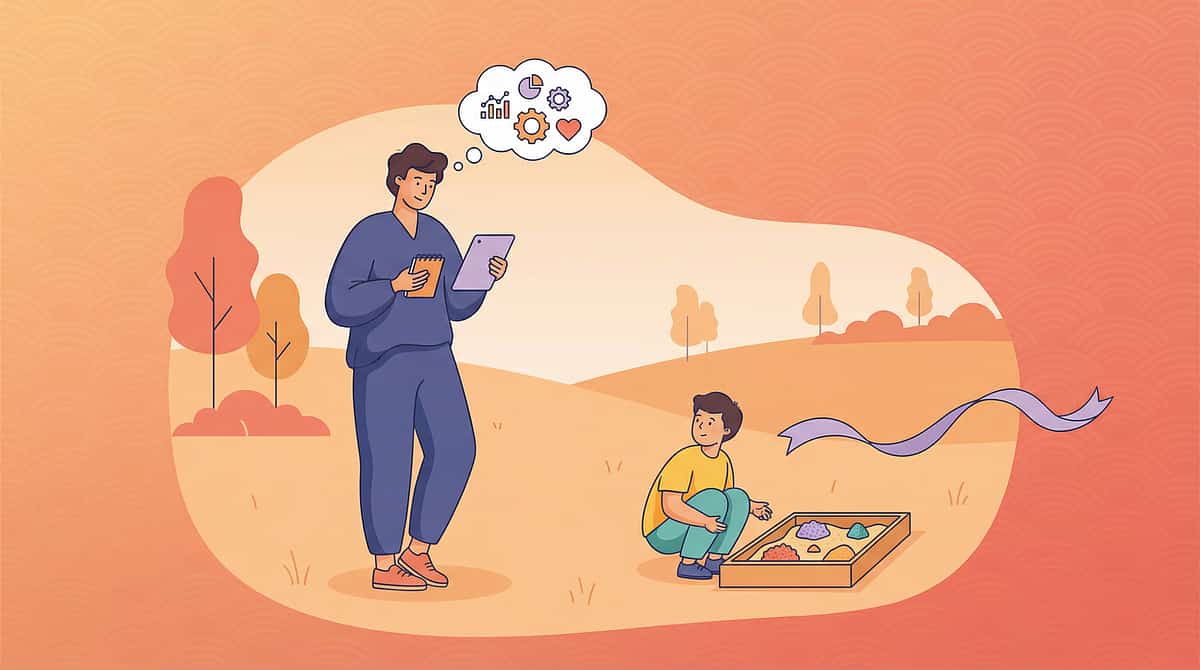
Session Abandonment Is Not Failure. It Is Data.
Most sessions will not be perfect. These are the 7 most common challenges — and the clinical fix for each. Every problem has a precise behavioral solution.
❓ Child refuses to sit at desk
What happened: Desk is associated with demand. Fix: Start tomorrow's session at a different location (floor, kitchen counter). Build desk association gradually over 5–7 sessions by doing a preferred activity there first.
❓ Timer causes anxiety instead of focus
What happened: Timer is introducing performance pressure. Fix: Start with 2-minute intervals (nearly impossible to fail). Use sand timer — less urgency. Celebrate timer checking, not just completion.
❓ Fidget tool becomes a distraction
What happened: Child is attending to the fidget, not the task. Fix: Wrong fidget type. Switch to therapy putty — non-visual, non-auditory. Or remove fidget entirely and see if attention improves.
❓ Child earns tokens but doesn't care about reward
What happened: Backup reinforcer is not genuinely motivating. Fix: Return to reinforcement assessment. The child selects the reward — always. An adult-chosen reinforcer is often not a reinforcer at all.
❓ Works at home but not at school
What happened: Supports are home-specific. School environment hasn't been modified. Fix: Use the school communication template. Request IEP meeting. Pinnacle provides school documentation: 9100 181 181.
❓ Great for 3 days then complete regression
What happened: Normal. Skill acquisition is not linear. Fix: Return to Week 1–2 protocol (shorter intervals, more reinforcement). Data from Card 20 will show this is a dip, not a collapse.
❓ Consistent but no progress after 3 weeks
What happened: Progress may be in non-obvious ways. Or profile requires clinical assessment. Fix: Review Card 20 data for trend. If no measurable improvement after 5–6 consistent weeks, contact Pinnacle for AbilityScore® assessment — 9100 181 181.
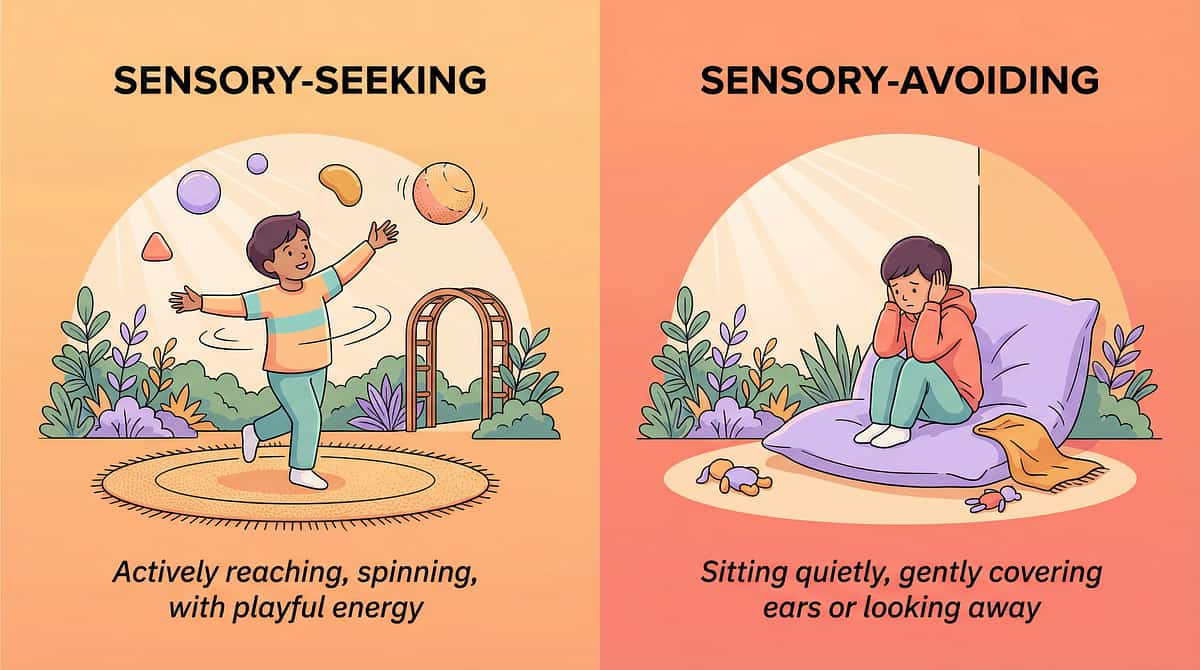
No Two Attention Profiles Are Identical. Here's How to Calibrate.
🔥 For the SENSORY SEEKER (needs more input to focus)
- Prioritize movement breaks + active seating
- Use heavier therapy putty (more resistance = more proprioceptive input)
- Consider weighted lap pad if OT has recommended
- Standing desk position during work
- Background white noise (fan, nature sounds) may help filter competing stimuli
❄️ For the SENSORY AVOIDER (overwhelmed by input)
- Prioritize noise-canceling headphones + study carrel (reduce input first)
- Avoid fidgets that make any noise
- Dim lighting in focus zone
- Minimal visual schedule (3 items maximum visible at once)
- Movement breaks should be GENTLE (slow walks, not jumping jacks)
Age-Based Modifications
Age 4–5
2–3 min intervals. Timer + one fidget. Play-integrated, minimal demand. Visual First-Then board only.
Age 6–8
5–8 min intervals. Timer + fidget + headphones. Visual schedule critical at this stage.
Age 9–12
10–15 min intervals. Self-monitoring tools emerging. Introduce Material 9 from age 7+.
Profile-Based Starting Points
- Sensory-based: Start with Materials 1, 2, 3 (timer, fidget, headphones)
- Motivation-based: Start with Material 8 then 1 (token board, then timer)
- Organizational: Start with Materials 4, 6, 7 (schedule, carrel, directing tools)
- Mixed profile: Start with the 3 ⭐ priority materials

📈 Act IV — The Progress Arc
Weeks 1–2
Weeks 1–2: Tolerance Is the Win. Not Mastery.
Foundation Building
Progress benchmark for Weeks 1–2
✅ What You Will Likely See
- Child tolerates the visual timer in workspace (even if not using it consistently)
- Child accepts one fidget tool without throwing or rejecting it
- Desk sessions lasting 5–8 minutes (from previous baseline of 1–2)
- Reduced verbal protests about homework time
- First self-correction observed (child wanders and returns without prompting)
❌ What You Will NOT See Yet (and that's normal)
- Voluntary homework engagement without prompting
- Consistent 15+ minute focus durations
- Child asking for the fidget tool independently
- School performance changes (too early)
The Neuroplasticity Principle: In weeks 1–2, new neural pathways are forming. The child's brain is learning that this desk, this timer, these materials mean "focus time." This conditioning takes 10–14 days of consistent repetition before the association is stable.
Parent Emotional Preparation: Resistance may actually increase in days 3–5 as the child realizes this is a consistent routine. This "testing" behavior is a sign the routine is landing — not a sign it's failing.
📞Helpline: 9100 181 181 — Free, 24x7, 16+ languages
Parent Emotional Preparation: Resistance may actually increase in days 3–5 as the child realizes this is a consistent routine. This "testing" behavior is a sign the routine is landing — not a sign it's failing.
📞Helpline: 9100 181 181 — Free, 24x7, 16+ languages
📈 Act IV — The Progress Arc
Weeks 3–4
Weeks 3–4: The Brain Is Anchoring. Look for These Signs.
Consolidating
Progress benchmark for Weeks 3–4
🧠 Anticipation Behavior
Child begins to set up their own materials before you prompt (timer on desk, fidget in place). This is a major milestone — internal routine is forming.
🧠 Self-Initiated Fidget Use
Child reaches for fidget tool without being told. The tool has become a self-regulation strategy, not an imposed one.
🧠 Timer Watching
Child checks the timer proactively ("how much time is left?"). This IS attention — the child is now monitoring their own focus duration.
🧠 Reduced Transition Resistance
Homework time transition takes under 3 minutes (from possible 15+). The environmental conditioning is working.
Parent Milestone: "By now, you may notice that YOU have also changed. Your anticipatory anxiety about homework time is reducing. Your confidence in running these sessions is building. That is real progress too."
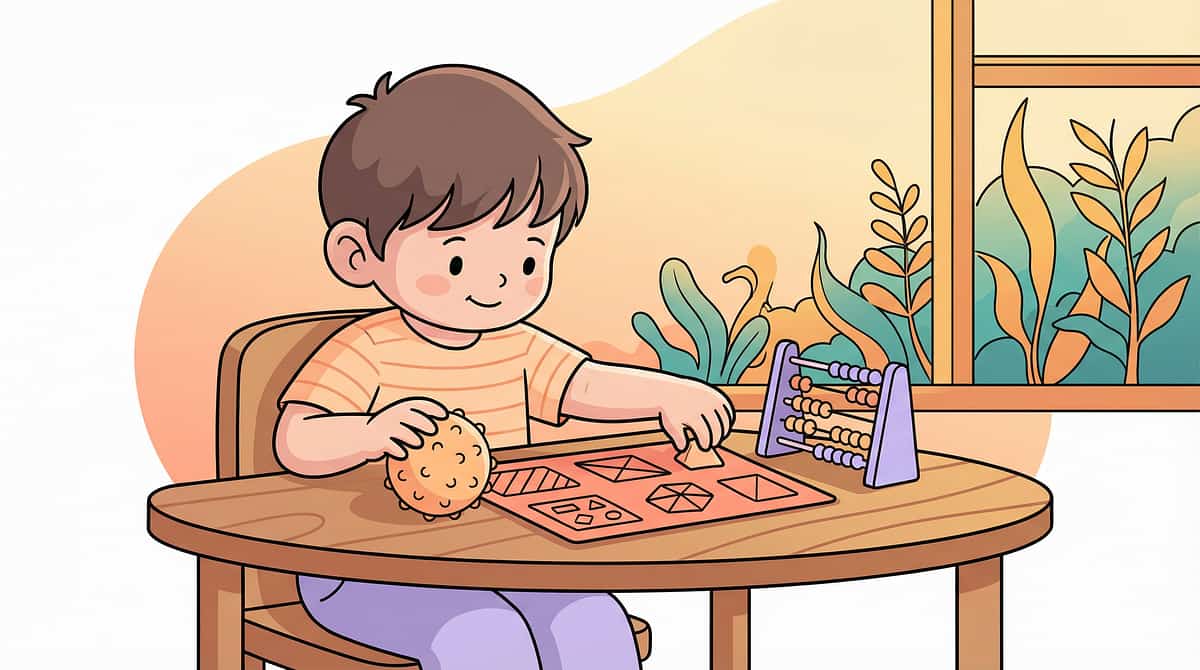
📈 Act IV — The Progress Arc
Weeks 5–8
Weeks 5–8: Mastery Is When It Works Without You Doing Everything.
Approaching Mastery
Progress benchmark for Weeks 5–8
✅ Mastery Criteria
- Child independently sets up focus workspace (timer, fidget, schedule)
- Sustained focus 12–20 minutes in a single interval
- Self-monitoring: catches own attention lapses 3+ times per session
- Spontaneous generalization: focuses during school homework without all home supports
- Intrinsic motivation emerging: child initiates work without full token board prompt
🏆 Mastery Unlocked Badge Criteria
To formally progress to the next technique level, the child should show 3 consecutive weeks of:
- 15+ minute focus intervals
- Self-correction without external prompt
- Generalization to at least one other setting
The Generalization Test: The highest mastery indicator is NOT performance in the structured session. It is: "Does the skill appear in a different setting, with a different person, without all the materials present?" If yes → mastery is real. If no → mastery is setting-specific (still valuable, but requires generalization work).

You Did This. Your Child Grew Because of Your Commitment.
🏠 What You Built
A structured attention support environment in your home — one that clinical research confirms is as powerful as a therapy room when implemented consistently.
📋 What You Ran
30–50 therapy-quality sessions for your child. Documented, tracked, and ready for your therapist to build on.
🧠 What You Taught
Your child now knows that focus is possible — not demanded, but supported. That is neurological change driven by your daily commitment.
❤️ What You Modeled
The most powerful message a parent can send: "I will do whatever it takes." Your child felt that. It matters beyond the technique.
"From 1,000+ clinicians across 70+ centers to you: this win counts. It is measured, it is real, and it belongs to your family." — Pinnacle Blooms Consortium
Family Celebration Suggestions:🎉 Photograph your child's focus setup and share it with grandparents · 🎉 Add a photo to the "Focus Wall" — a dedicated corner showing your child's wins · 🎉 Let your child choose the next adventure · 🎉 Journal: "Today I want to remember: [child's name] focused for [X] minutes. This was worth it."

Trust Your Instincts. If Something Feels Wrong — Pause and Ask.
🚨 Red Flag 1: Complete Inability to Attend Even to Preferred Activities
Child can't focus even on video games for more than 1–2 minutes. This suggests attention difficulty beyond environmental support — possible medical evaluation for ADHD or anxiety warranted. Contact Pinnacle helpline for NeuroDev assessment referral.
🚨 Red Flag 2: Attention Getting Progressively Worse
After 3+ weeks of improvement, sustained decline across multiple days. Could indicate increased stress, illness, or need for clinical adjustment. If no clear cause, contact therapist within 1 week.
🚨 Red Flag 3: Significant Academic Impact After 8+ Weeks
Child still failing at school despite consistent home implementation. May require formal educational assessment, ADHD evaluation, or IEP. Request Pinnacle school consultation — documentation available.
🚨 Red Flag 4: Escalating Anxiety Around Performance Demands
Child becoming more anxious, not less, as attention work progresses. Anxiety-driven attention difficulties have different intervention needs than sensory-based ones. Pause performance demands, contact Pinnacle for dual assessment.
🚨 Red Flag 5: Self-Harm or Severe Behavioral Escalation
Head-banging, biting, or scratching during or after sessions requires immediate clinical intervention. Stop sessions immediately. Contact 9100 181 181 same day.
Escalation Pathway: Home observation → Pinnacle teleconsult → Center assessment → Medical referral
📞 9100 181 181 | pinnacleblooms.org
📞 9100 181 181 | pinnacleblooms.org

You're Not Done. You're On a Journey with a Clear Forward Path.
Long-Term Goal: All 9 attention support materials build toward one ultimate outcome: self-directed attention — the child's internal capacity to notice when they've wandered and bring themselves back, without external tools, across all settings. That is the destination. You are already on the road.
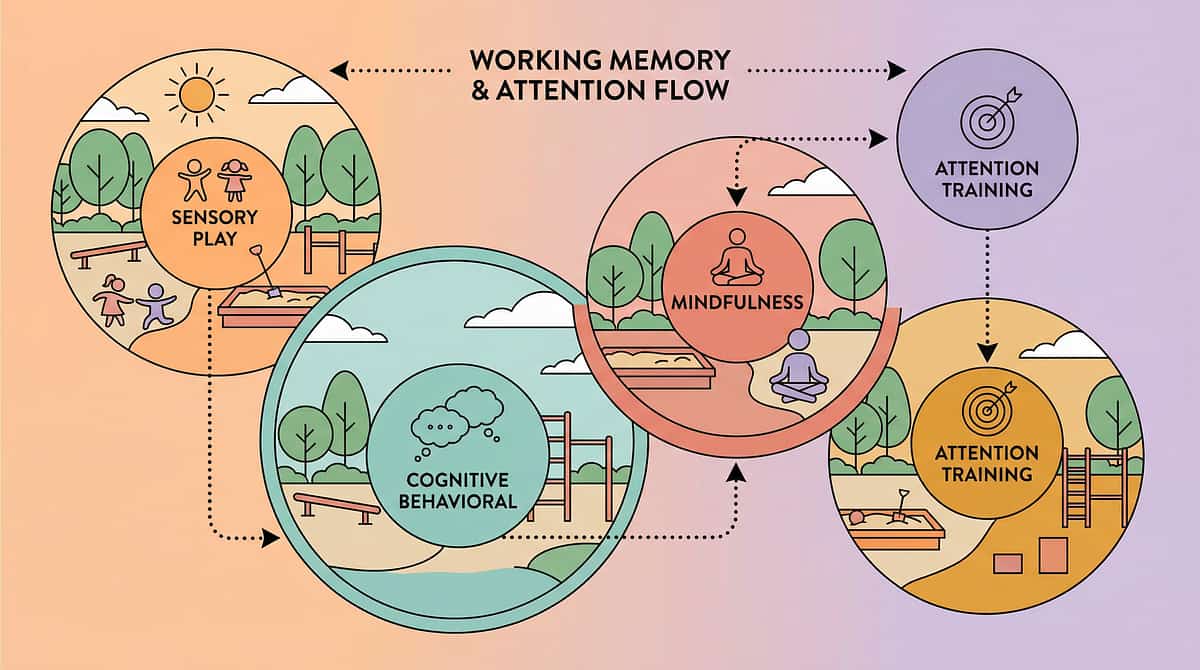
Other Executive Function Techniques You Can Run in Parallel
These related techniques share materials with D-443 — you likely already own the tools needed. Running them in parallel reinforces the executive function gains from every angle.
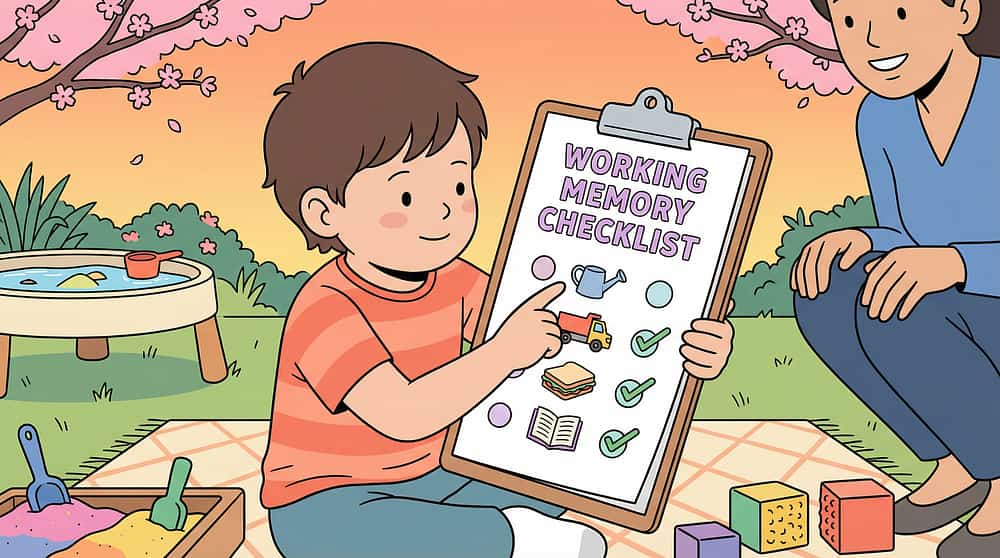
D-441 · Working Memory Challenges
📦 CORE | Materials: Checklists, Visual Aids. "When your child can't hold instructions in mind." Shares visual schedule materials directly with D-443.
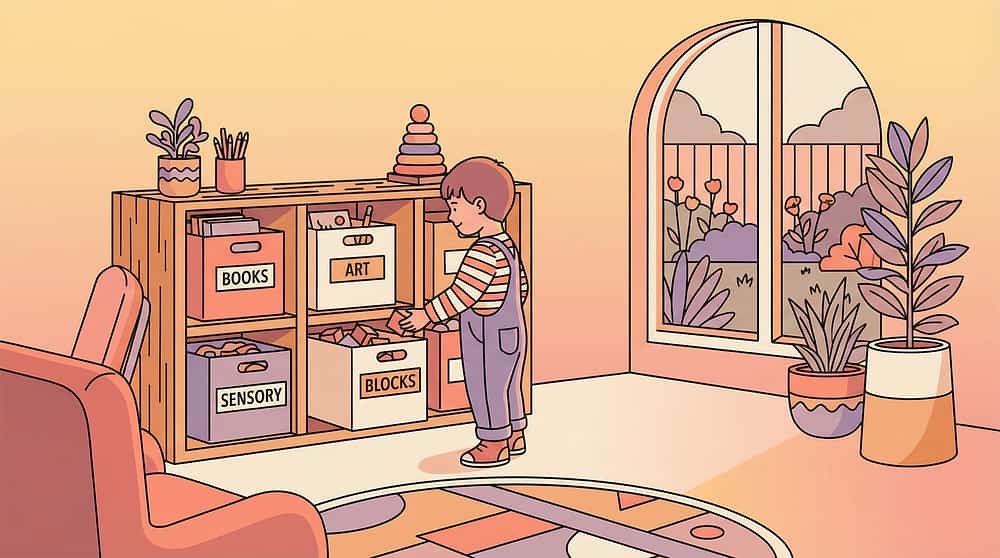
D-442 · Organization Difficulty
📦 CORE | Materials: Visual Schedules, Bins. "When 'put your things away' never works." Foundation for the environmental structure D-443 builds on.
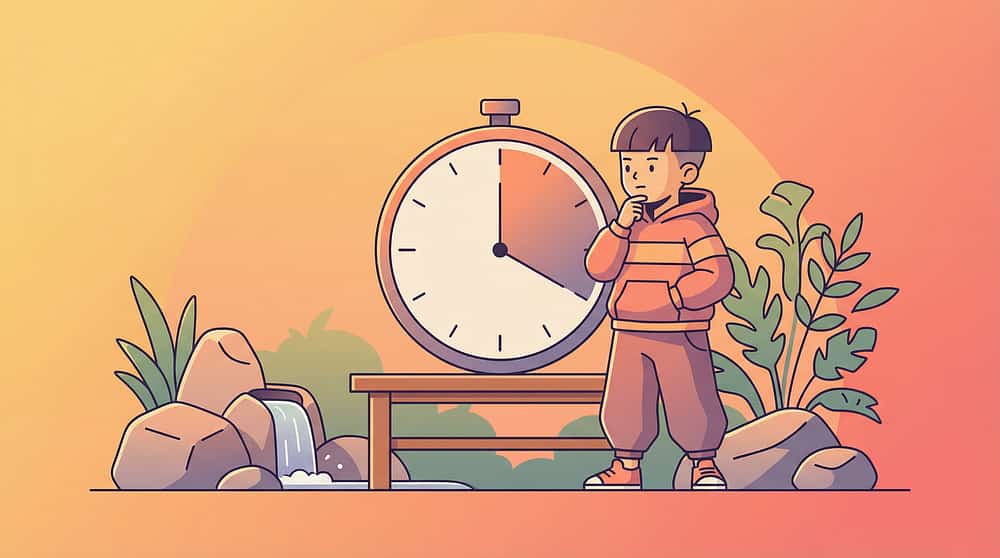
D-444 · Impulse Control
📦 CORE | Materials: Token Boards, Countdown Tools. "When they act before they think." Same reinforcement architecture as D-443.

D-445 · Flexible Thinking
📦 ADVANCED | Materials: Scenario Cards, Social Stories. "When change causes meltdown." Metacognitive skills from D-443 Material 9 directly support this work.

B-135 · Building Joint Attention
📦 INTRO | Materials: Shared-Attention Activities. "The foundation of all learning attention." The prerequisite skill that makes D-443 materials most effective.

B-145 · Shared Attention
📦 INTRO-CORE | Materials: Turn-Taking Materials. "Attending together before attending independently." Uses same engagement and reinforcement approach as D-443.

From the Therapist's Notes and the Parent's Heart.
These are real stories from the Pinnacle Network. Names and identifying details changed for privacy. Behaviors described are clinical documentation from actual session records.
Rohan, Age 7, Hyderabad
Before: Couldn't complete a single homework worksheet. Sessions lasted 2–3 minutes before he was under the table. "The worst hour of our day, every day."
After Week 6: Completes 15-minute homework intervals independently. Sets his own timer before parents prompt. Teacher reports "noticeable improvement in task completion."
"We didn't know that sitting still was making it worse. Once we let him fidget, everything changed." — Rohan's mother
After Week 6: Completes 15-minute homework intervals independently. Sets his own timer before parents prompt. Teacher reports "noticeable improvement in task completion."
"We didn't know that sitting still was making it worse. Once we let him fidget, everything changed." — Rohan's mother
Diya, Age 9, Pune
Before: Classroom noise was invisible to everyone except Diya. She came home every day with headaches. Teacher thought she was "lazy." She was exhausted from filtering noise all day.
After Week 8: Uses headphones proactively. Homework takes 25 minutes instead of 3 hours. Teacher agreed to headphones in classroom.
"The headphones didn't shut the world out. They let her be in the world without being destroyed by it." — Diya's father
After Week 8: Uses headphones proactively. Homework takes 25 minutes instead of 3 hours. Teacher agreed to headphones in classroom.
"The headphones didn't shut the world out. They let her be in the world without being destroyed by it." — Diya's father
"Attention difficulty looks like defiance. It acts like laziness. But when you understand the neurological mechanism — and match the right material to the right attention component — you stop fighting the child and start working with the brain." — Senior OT, Pinnacle Blooms Consortium
Disclaimer: Individual outcomes vary by profile. These narratives represent actual clinical trajectories — not guaranteed outcomes. Pinnacle does not claim every child will achieve these specific results. Statistics represent aggregate outcomes from 21M+ therapy sessions.
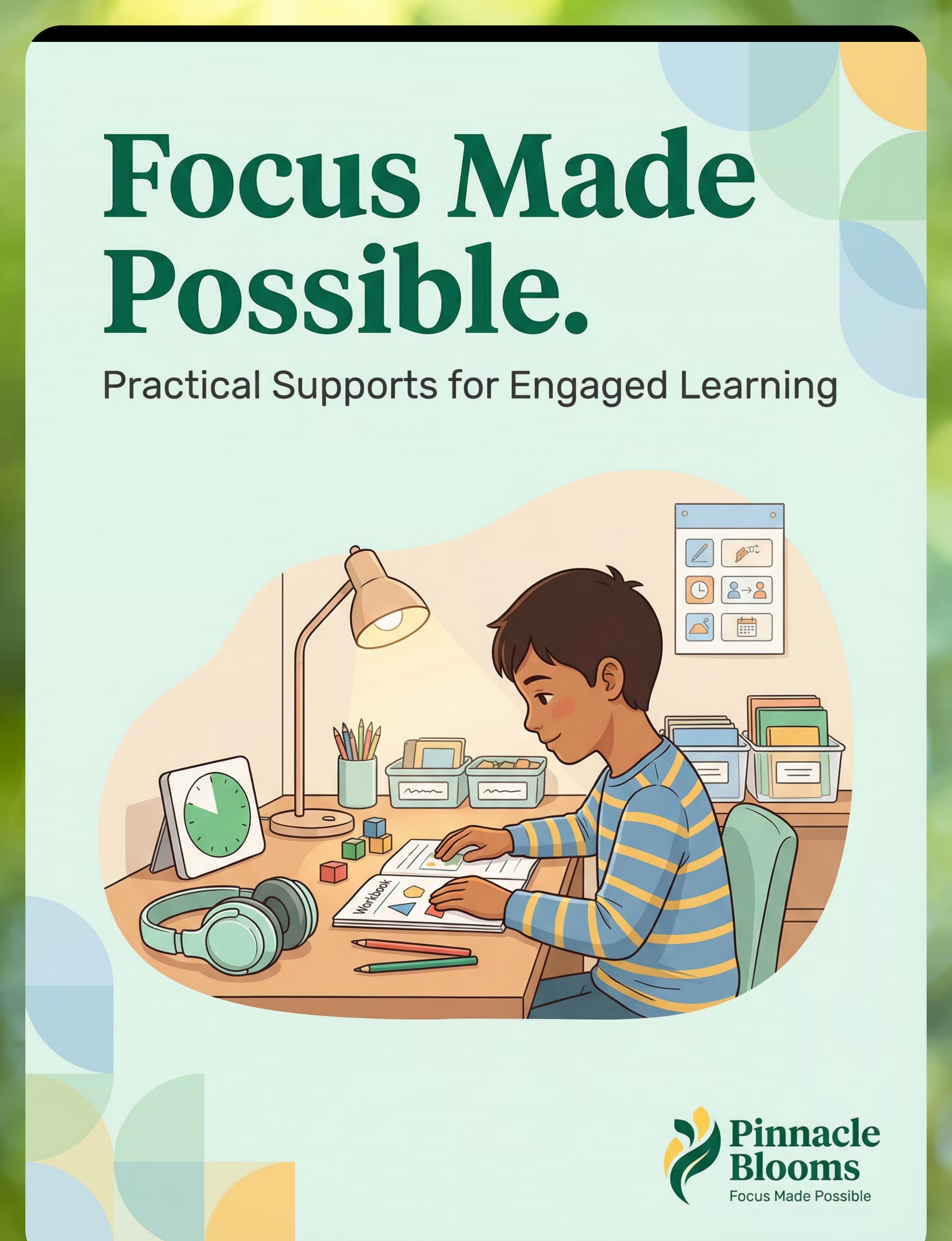
Preview of 9 materials that help with attention difficulty Therapy Material
Below is a visual preview of 9 materials that help with attention difficulty therapy material. The pages shown help educators, therapists, and caregivers understand the structure and content of the resource before use. Materials should be used under appropriate professional guidance.





Link copied!
The Information Is Here. The Support Is Ready. The Only Variable Is Now.
🟢 Start This Technique Today
Open GPT-OS® Session Launcher for D-443. Guided session with real-time prompting and data capture.
pinnacleblooms.org/gpt-os/session/D-443
pinnacleblooms.org/gpt-os/session/D-443
🔵 Book a Free Assessment Call
Speak with a Pinnacle Clinician. FREE · 24x7.
📞 9100 181 181
16+ languages · No referral needed · Available across India
📞 9100 181 181
16+ languages · No referral needed · Available across India
⬜ Explore the Next Technique
D-444: Impulse Control Materials
techniques.pinnacleblooms.org/executive-function/impulse-control-D-444
techniques.pinnacleblooms.org/executive-function/impulse-control-D-444
"You don't need to understand everything on this page before you begin. Pick one material. Set the timer. Begin." — Pinnacle Blooms Clinical Consortium
✅ Validated by the Pinnacle Blooms Consortium
OT · SLP · ABA/BCBA · SpEd · NeuroDev · CRO
21 Million+ Sessions · 97%+ Measured Improvement · 70+ Centers · 70 Countries
Medical Disclaimer: This content is educational and informational. It does not replace assessment by a licensed occupational therapist, psychologist, behavioral specialist, or neurodevelopmental pediatrician. Attention intervention should be individualized based on comprehensive clinical assessment. Individual results may vary. Statistics represent aggregate outcomes across the Pinnacle Blooms Network from 21M+ therapy sessions.
📞 FREE National Autism Helpline: 9100 181 181 (24x7 · 16+ Languages) · 🌐 pinnacleblooms.org · care@pinnacleblooms.org
CIN: U74999TG2016PTC113063 | DPIIT: DIPP8651 | MSME: TS20F0009606 | GSTIN: 36AAGCB9722P1Z2
© 2025–2026 Pinnacle Blooms Network®, unit of Bharath Healthcare Laboratories Pvt. Ltd. | GPT-OS® | AbilityScore® | TherapeuticAI® | EverydayTherapyProgramme™ | FusionModule™ are registered trademarks and proprietary IP of Bharath Healthcare Laboratories Pvt. Ltd. All rights reserved.