

It's Sunday evening. Homework time. You place the workbook on the table and his face changes — the brightness you remember from when he was four, asking why the sky is blue and how trains stay on tracks, drains away. "I can't do this. I'm stupid. I'm just bad at school." He pushes the book across the table. You sit across from him knowing he is not stupid. But he doesn't know it — and somehow that's the only opinion that matters.
You are not failing your child. His belief system has been shaped by experiences — and belief systems can be reshaped. This is precisely what this technique is designed to do.
🏛️ Pinnacle Blooms Consortium®
🎓 Learning & School Readiness
👶 Ages 5–14
📍 Episode H-759
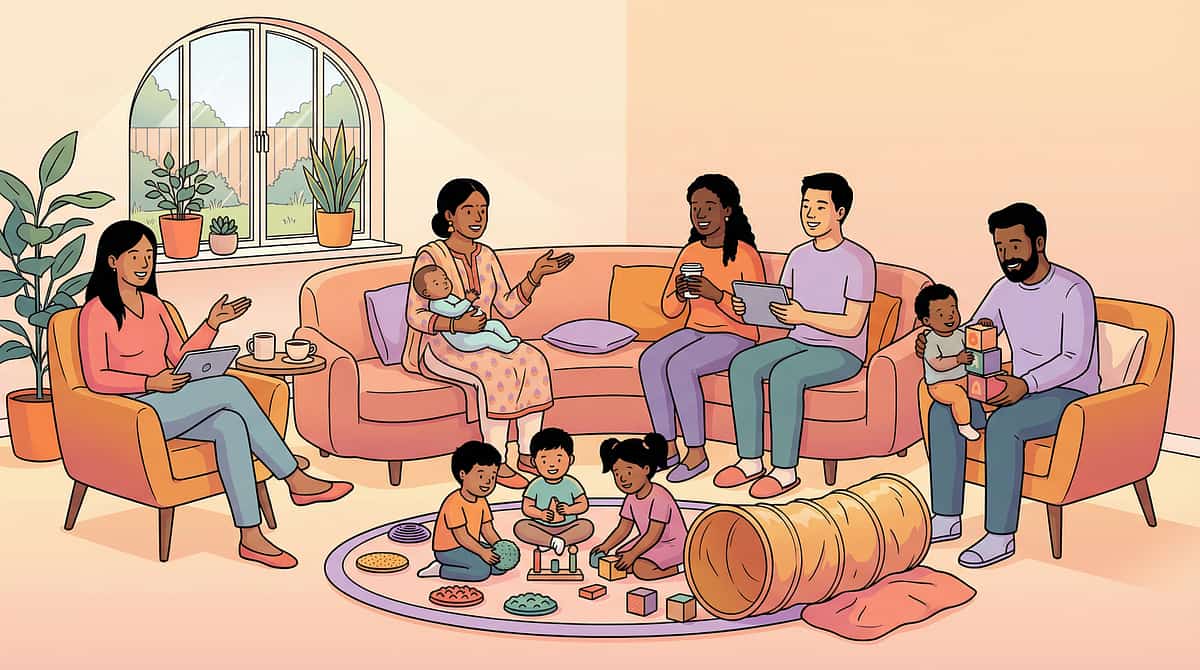
1 in 3 Children Experiences Significant Academic Confidence Challenges. Yours Is Not the Exception.
Across the globe and across every classroom, low academic self-efficacy is one of the most common — and most invisible — challenges children face. The shame parents feel is not warranted. The capability is real. And the confidence can be rebuilt.
Global Fixed Mindset
of school-age children globally display fixed mindset beliefs or low academic self-efficacy at some point in their development. APA Research on Academic Self-Efficacy, 2022
Indian Parent Survey
of Indian parents report their child has said "I can't" or "I'm not smart enough" before attempting a school task. Pinnacle Network Parent Survey, 20M+ session population, 2024
Neurodevelopmental
of children with autism, ADHD, or learning differences develop significantly low academic confidence as a secondary challenge — often more disabling than the primary diagnosis. PMC11506176 | PMC10955541
You are among millions of families navigating this exact terrain. The shame is not real. The capability is. The confidence can be rebuilt — and science knows exactly how.

This Is Not a Character Flaw. It's a Neural Narrative — And It Can Be Rewritten.
When a child says "I can't," they are not being lazy or dramatic. They are responding to a deeply encoded neural pattern — one that formed through repeated experiences and can be reformed through new ones.
The Neuroscience
Prefrontal Cortex (PFC)
The "executive CEO" of the brain. In children with low academic confidence, the PFC over-activates the threat response, interpreting academic challenge as danger rather than opportunity.
Amygdala
The brain's alarm system. When a child who has experienced repeated academic failure approaches a challenging task, the amygdala fires before the thinking brain engages. The "I can't" is a fear reflex — not a decision.
Hippocampus
Memory storage. Negative academic experiences are stored with stronger emotional tags than positive ones (negativity bias). The brain replays failures more readily than successes.
Dopamine Circuitry
When a child associates learning with failure and shame, dopamine reward pathways deactivate. Learning loses its intrinsic motivational pull.
In Plain English
💜"I can't" isn't laziness — it's the alarm going off before thought begins.
💜 Your child's brain has learned to expect failure. The good news: the brain that learned it can learn something new.
💜 Growth mindset interventions work because they literally reshape the neural narrative — new experiences of effort-leading-to-success rewire the dopamine loop.
💜 This is a wiring pattern, not a permanent trait. Every material in this technique is designed to interrupt the pattern at the neural level.

Academic Self-Concept Forms Early — and Becomes Stable. The Window to Reshape It Is Now.
Understanding where your child sits on the developmental timeline transforms a moment of crisis into a moment of opportunity. The elementary and early middle school years are not a danger zone — they are the optimal intervention window.
Ages 2–4
Boundless self-belief — children universally believe they are capable.
Ages 4–6
First comparative feedback from preschool begins mild self-assessment.
Ages 6–11 ⭐
CRITICAL ZONE: Learning identity forms. Beliefs about capability become patterned. This is the most malleable window.
Ages 11–14
Challenge experiences shape permanent self-concept. Academic self-concept becomes relatively stable.
Ages 14+
Stable self-concept now drives course selection, career belief, and risk tolerance.
Common Co-occurring Conditions
Autism Spectrum Disorder
Learning style mismatch with traditional instruction.
ADHD
Repeated struggle creates a compounding negative feedback loop.
Dyslexia / Dyscalculia
Often undiagnosed until confidence is already significantly wounded.
Anxiety Disorders
Performance anxiety generalising to all academic contexts.
Giftedness + Perfectionism
Paradoxical high standards combined with fear of failure.

Evidence Grade: Level I — Systematic Reviews + Multiple RCTs
The science behind academic confidence building is not anecdotal. It is among the most robustly studied areas in educational psychology, backed by decades of randomised controlled trials and landmark meta-analyses.
Finding 1 — Mindset Interventions Work
Carol Dweck's growth mindset interventions (Stanford University): randomised controlled trials across 12,000+ students demonstrated measurable improvements in academic achievement, persistence, and confidence. Yeager & Dweck, Psychological Science, 2012 | Blackwell, Trzesniewski & Dweck, Child Development, 2007
Finding 2 — Self-Efficacy Theory (Bandura)
Self-efficacy beliefs are the single strongest predictor of academic engagement and achievement beyond actual ability. Mastery experiences, vicarious learning, and verbal persuasion measurably build self-efficacy. Bandura, 1997 — foundational research, 10,000+ citations
Finding 3 — Indian Paediatric Context
Home-based structured cognitive-behavioural interventions for children with developmental differences in India demonstrate significant improvements in self-concept and learning engagement within 8-week protocols. Indian J Pediatr (2019), DOI: 10.1007/s12098-018-2747-4
Finding 4 — Materials-Based Confidence Building
Structured use of goal-setting tools, effort tracking systems, and growth-narrative materials produces measurable changes in academic self-concept in children ages 6–12. PMC10955541 | PMC11506176 | NCAEP 2020
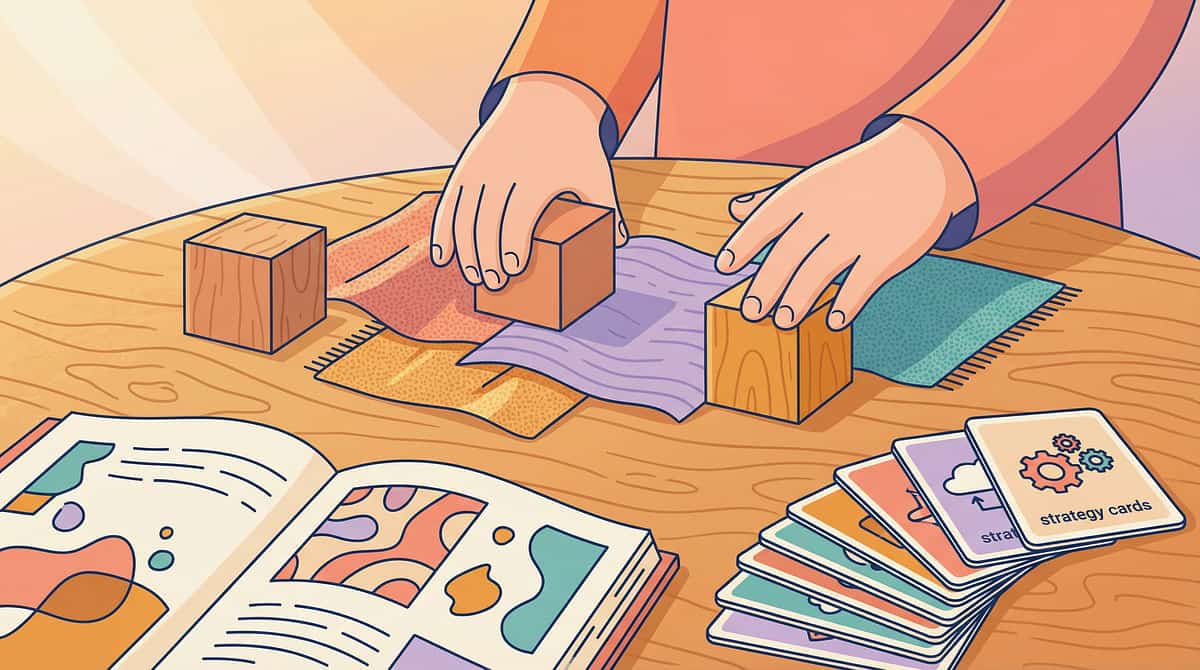
The Technique: Academic Confidence Building via Material-Supported Mindset Intervention
Academic Confidence Building is a structured, materials-supported intervention that addresses a child's belief system about learning — not their academic ability. It operates on the principle that confidence is not a trait but a skill built through specific experiences: mastery moments, growth narratives, error normalisation, effort attribution, help-seeking practice, and goal achievement.
When a child believes that effort leads to growth — that they can get unstuck, and that mistakes are learning evidence rather than proof of failure — their engagement, persistence, and ultimately their achievement transform. This technique uses 9 clinically-validated material categories to engineer those belief-shifting experiences at home, daily.
Academic Self-Efficacy
Growth Mindset
Error Tolerance
Effort Attribution
Help-Seeking
Goal Achievement
👶 Ages 5–14
⏱️ 10–20 min/day
📅 Daily Practice
📍 Home + School
📊 8–12 Week Protocol

This Technique Lives at the Intersection of Five Disciplines. Because Confidence Doesn't Belong to Just One.
Academic confidence is not a single-domain challenge. It is built and broken across sensory, behavioural, linguistic, educational, and psychological systems simultaneously. That is why Pinnacle's approach is inherently multidisciplinary — and why GPT-OS® FusionModule™ coordinates all five disciplines within a single coherent protocol.

🎓 Educational Psychologist — Primary Lead
Conducts academic self-concept assessment, designs mindset intervention sequences, selects growth narratives matched to the child's learning profile, and measures Academic Readiness Index progress.
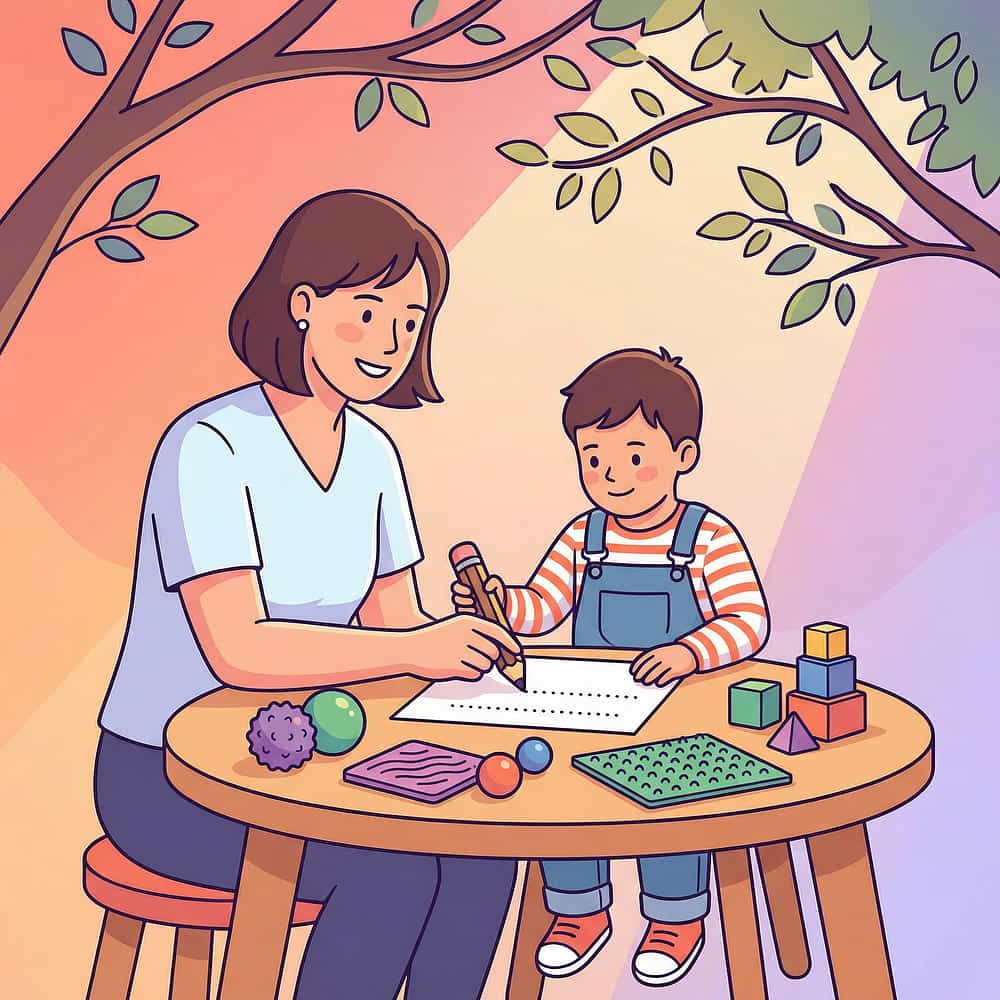
🧩 Occupational Therapist
Addresses sensory and motor processing factors that make academic tasks harder, reducing the failure experiences that erode confidence. Adapts materials for sensory profiles and attention differences.

📚 Special Education Teacher
Implements differentiated instruction that creates genuine mastery experiences. Matches task difficulty to the child's zone of proximal development — ensuring effort leads to real success, not simulated praise.

🔵 ABA / BCBA
Designs reinforcement systems — token economies, effort tracking, celebration protocols — that make confidence-building behaviours rewarding. Shapes help-seeking and persistence through behaviour-analytic techniques.

💬 Speech-Language Pathologist
Addresses language-based learning factors (reading, verbal expression, comprehension) that may be the hidden root of confidence loss. Builds self-advocacy language and help-seeking communication scripts.
"The brain doesn't organise by therapy type. A child's confidence lives in the neural integration of all these systems. That's why we work together." — Pinnacle Blooms Consortium
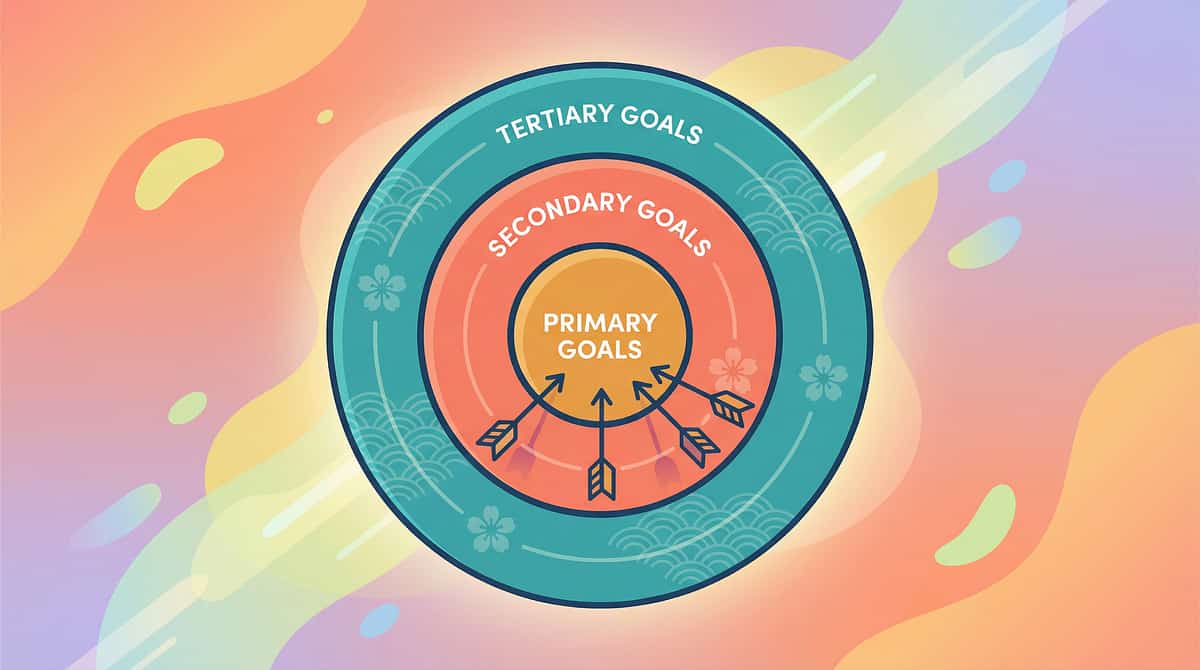
This Is a Precision Tool. Here Is Exactly What It Hits.
Academic Confidence Building is not a general feel-good programme. It is a targeted clinical intervention with specific, measurable outcomes mapped to three rings of impact — from the core belief at the centre to the ripple effects in school life and long-term identity.
Observable Behaviour Indicators
✅"I'll try it" replaces "I can't"
✅ Starts tasks without prolonged avoidance
✅ Says "What did I learn?" after mistakes
✅ Asks for help before giving up
✅ References past growth: "I couldn't read last year — now I can"

9 Materials. One Confidence Toolkit. Everything Your Child Needs to Believe in Themselves Again.
Each of these nine material categories is clinically validated and home-executable. Every item can be purchased affordably or created from scratch — what matters is the consistent use, not the cost. Below is your complete toolkit.
Growth Mindset Books and Stories
📚Canon Category: Growth Mindset / Learning Narrative Materials. Stories of struggle, effort, and growth that reshape how children see themselves as learners.
DIY: ₹0 (library borrow, free read-alouds online) | Purchase: ₹200–600
Titles: The Girl Who Never Made Mistakes | Your Fantastic Elastic Brain | The Most Magnificent Thing | Rosie Revere, Engineer
Mistake Celebration Tools
📓Canon Category: Error-Positive Materials / Reflection Journals. Mistake journals, celebration posters, "Favourite Failure" sharing cards — tools that make errors safe.
DIY: ₹0 (notebook + handmade poster) | Purchase: ₹150–400
Effort and Progress Tracking Systems
📊Canon Category: Tracking Systems / Progress Portfolios. Daily effort rating charts, before/after sample folders, "How I've Grown" timelines.
DIY: ₹0 (hand-drawn chart) | Purchase: ₹100–350
Challenge Zone and Difficulty Level Visuals
🎯Canon Category: Zone Identification / Learning Regulation Visuals. Comfort Zone / Learning Zone / Panic Zone poster — teaches productive struggle as success.
DIY: ₹0 (draw 3 concentric circles on paper) | Purchase: ₹100–300
Self-Talk and Internal Voice Tools
💭Canon Category: Cognitive Reframing / Self-Talk Cards. Inner Critic vs Inner Coach cards, "Power of YET" visuals, thought-reframing flip cards.
DIY: ₹0 (index cards + drawings) | Purchase: ₹100–350
Help-Seeking and Question-Asking Tools
❓Canon Category: Help-Seeking Scripts / Question Starters. "Asking for Help is Smart" poster, question starter cards, help request scripts.
DIY: ₹0 (write on paper/card) | Purchase: ₹100–300
Success Evidence and Strength Inventories
🏆Canon Category: Success Evidence Systems / Strength Documentation. "I Can" folder, Victory Wall display, strength inventory worksheets, photo evidence.
DIY: ₹0 (folder + photos + sticky notes) | Purchase: ₹100–300
Strategy and "What to Do When Stuck" Tools
🔧Canon Category: Strategy Cards / Problem-Solving Tools. "When I'm Stuck" poster with concrete steps, personal strategy toolkit cards.
DIY: ₹0 (write 5 steps on card) | Purchase: ₹100–300
Goal Setting and Achievement Planning Materials
🎯Canon Category: Goal Setting Materials / Achievement Planning. Goal worksheets, progress trackers, step completion markers, achievement certificates.
DIY: ₹0 (paper + pen) | Purchase: ₹100–350

Pinnacle Recommends: Canon Products (Active SKUs)
These are Pinnacle-curated products from our 128 Canon Materials system — selected for quality, durability, and therapeutic fit for the Academic Confidence protocol. All are available on Amazon.in with fast delivery across India.
🏅 Reward Jar
₹589 — Reinforcement Menus category. Children earn tokens for each session, each mistake written, each strategy tried.
🏅 1800+ Reward Stickers
₹364 — Reinforcement Menus. Child selects a sticker after each genuine effort moment — immediate, tangible, and motivating.
🏅 Problem-Solving Memory Game
₹519 — Cognitive & Learning category. Builds strategy-thinking in a playful, low-pressure format ideal for early sessions.
🏅 DIY Interactive Clock / Goal Timer
₹673 — Cognitive & Learning. Visual time management tool that reduces anxiety around task duration and supports goal-setting sessions.

Every Tool in This Kit Can Be Built With a Pen, Paper, and 10 Minutes. Zero Budget. Full Impact.
Every family, regardless of economic access, can execute this technique today. The active ingredient in every material is the experience it creates — not the product it is printed on. Here is a complete substitution guide.
Material | DIY Version | Why It Works |
Growth Mindset Books | Read-aloud picture books from YouTube (free) or make your own family story about a time your child overcame challenge | Narrative mechanism works regardless of medium — the story is the active ingredient |
Mistake Journal | Any notebook; title the first page "My Best Mistakes" in your child's handwriting | The ritual of writing, not the book, does the work |
Effort Tracker | 5 hand-drawn stars on paper; child colours one per day after trying hard | Visual ritual of self-recognition is the mechanism — paper works perfectly |
Challenge Zone Visual | Three concentric circles drawn on A4 paper: Comfort Zone (blue) → Learning Zone (green) → Panic Zone (red) | The concept, not the poster, shifts understanding |
Self-Talk Flip Cards | Cut paper into rectangles; write negative thought on one side, growth reframe on the other | The cognitive reframing is the active ingredient — handmade increases ownership |
Help-Seeking Cards | Write on sticky notes: "I need help with ___" / "Can you explain ___?" / "I'm confused about ___" | Scripting the request reduces the shame barrier — any medium works |
Success Folder | Any folder or envelope labelled "Things I Can Do" | The act of collecting and reviewing evidence is the mechanism |
Strategy Cards | Write 5 steps on an index card: (1) Re-read (2) Try differently (3) Break it smaller (4) Use a tool (5) Ask for help | Strategy availability, not card aesthetics, reduces learned helplessness |
Goal Tracker | Paper divided into boxes — child draws or writes a tiny step in each box | Visual progress toward a chosen goal builds agency regardless of format |
When to prefer clinical-grade materials: When the child has significant dysgraphia (writing is itself a barrier) • When tactile/aesthetic engagement matters for motivation • When you are building a long-term portfolio that the child will cherish.

Before You Open That Notebook: Five Things to Know.
Safety is the foundation of every confidence-building session. Beginning a session in the wrong conditions does not merely waste time — it can actively reinforce the avoidance patterns you are trying to heal. Use this traffic light system before every session.
🟢 GREEN — Proceed When:
- Child is in a regulated, calm emotional state
- Session is not immediately after a distressing school event
- You have at least 10–15 uninterrupted minutes
- The approach feels collaborative, not evaluative to the child
- You've framed this as "exploring together," not "fixing a problem"
🟡 AMBER — Modify Approach When:
- Child is mildly resistant — begin with the growth mindset story (lower demand), not the tracking system
- Child has had a difficult school day — lead with success evidence review, not mistake celebration
- Child is showing early anxiety signs — use strategy cards and challenge zone visuals only when emotionally regulated
- Praise hasn't been working — shift entirely to effort-based specific feedback
🔴 RED — Do Not Proceed When:
- Child is in acute emotional distress (post-meltdown, mid-panic attack)
- Child has expressed suicidal ideation or extreme self-deprecation — seek professional support immediately, call 9100 181 181
- Child's academic avoidance appears rooted in an unidentified learning disability — call Pinnacle for AbilityScore® assessment first
- You are feeling reactive or frustrated — confidence-building requires adult emotional regulation as a foundation
Adults must model FIRST. Do NOT ask a child to share mistakes before you have shared yours openly. Safety for the child is created by adult vulnerability.

The Space Sends a Message Before You Say a Word. Make It Say: "Learning Is Safe Here."
The physical environment is not a neutral backdrop — it is an active therapeutic ingredient. Before the first session, invest 10 minutes setting up a space that signals safety, warmth, and collaboration. These six steps are evidence-based environmental antecedent modifications.
Step 1 — Quiet, Warm Space
Not at the homework desk (associated with academic stress). Kitchen table, living room floor, or child's bedroom — anywhere that feels neutral. The session must NOT feel like school.
Step 2 — Remove Performance Cues
Gradebooks, report cards, test papers — put them away. Even a visible grade on the fridge creates comparison pressure that undermines the session before it begins.
Step 3 — Create the "Learning Corner"
Designate a small area (corner, shelf, or box) where the confidence toolkit permanently lives. Making it physical and permanent signals: "This matters."
Step 4 — Side by Side, Not Across
Across-the-table positioning is evaluative. Side-by-side positioning is collaborative. This is one of the most powerful non-verbal confidence signals you can give.
Step 5 — Adult Goes First
Before asking your child to use any tool, use it yourself out loud. Share your own mistake. Rate YOUR effort. This models psychological safety before requiring it.
Step 6 — Timing Matters
Best time: 30+ minutes after school (regulation window), before dinner (energy available), or a calm weekend morning. Confidence sessions must never compete with regulation needs.
What to have ready:📓 Mistake journal or notebook | 📊 Effort tracker | 📚 One growth mindset book | 🃏 One self-talk flip card | 🎯 Strategy card | ✏️ Pencils / colouring tools

60-Second Readiness Check. The Best Session Is One That Starts Right.
A pre-session readiness check is not optional — it is a clinical step. Beginning when conditions are not right trains the child to associate the toolkit with stress rather than safety. Take 60 seconds before every session.
Child has eaten in the last 2 hours
Child has had at least 20 minutes of unstructured downtime since school
No major meltdown or distressing event in the last 90 minutes
Child is not visibly dysregulated (no rocking, shutting down, or rapid speech)
You are regulated — no frustration, no agenda for "this has to work today"
The space is set up and quiet
✅ ALL GREEN
Proceed to Step 1: The Invitation.
⚠️ 4–5 GREEN
Modify: Use only the growth mindset book read-aloud (lowest demand activity). No journaling, no tracking.
🔴 3 OR FEWER
Postpone. Offer a calming co-regulation activity; revisit in 60 minutes or tomorrow. Write tomorrow's date on the notebook cover — making the intention visible.

Step 1: The Invitation
Do NOT begin with a task or tool. Begin with a story — yours. Sit beside your child and open the conversation with your own experience of struggling and growing. The invitation is entirely non-coercive: the moment "you have to" enters the room, the confidence-building effect is cancelled.
Parent Script — say these words or close equivalents:"I want to show you something I've been thinking about. You know how sometimes I mess up at [cooking / driving / work / a chore] and get frustrated? I've been keeping a notebook where I write down my mistakes and what I learned. Want to see it?"
If Child Is Curious (Acceptance Cue)
Show the notebook. Read one entry. Laugh about it if appropriate. Then: "I thought we could start one for you too — not for school, just for us. A place to collect the mistakes that taught us something good."
If Child Is Reluctant (Resistance Cue)
Don't push. Try: "Okay, no notebook today. Can I just read you a quick story? 5 minutes and then we're done." Proceed to growth mindset book read-aloud only.

Step 2: The Engagement
Do not introduce all 9 materials at once. Week 1: start with Material 1 (Growth Mindset Book) or Material 2 (Mistake Journal). Add one new material per week. Gradual introduction prevents overwhelm and builds ownership.
📚 Growth Mindset Book Read-Aloud
Read the selected book together. After each page, pause briefly — not to quiz, but to wonder. "I wonder if [character] felt like giving up here. What do you think?" Keep it curious, never evaluative.
📓 Mistake Journal Entry
Parent writes first: "My mistake this week: [specific thing]. What I learned: [specific thing]." Then: "Want to try yours? It can be tiny. Even a mistake at home counts." Accept anything — including "I said something mean" or "I forgot my shoes."
Engagement Indicators — Watch For:
✅ Child leans in, asks questions, makes comments — full engagement
✅ Child watches, stays in the space, doesn't leave — tolerance (valid success)
⚠️ Child becomes silly or disruptive — approaching satiation; wrap up gently
❌ Child starts crying or saying "this is stupid" — return to safety; do not push
Reinforcement Cue — immediately after ANY engagement: Specific, effort-based, immediate: "I noticed you listened to the whole story without checking out once. That's real focus." NOT: "You're so smart."

Step 3: The Therapeutic Action
This is the core of the session — the moment where a new belief-experience is created. The approach varies by material. In all cases, the most important clinical move is the same: ask the question, then wait. The child's own insight is ten times more powerful than an adult's correct answer.
If Using Growth Mindset Book
After reading, ask one question: "Can you think of a time when YOU learned something that felt impossible at first?" Wait. Don't fill silence. If the child finds one example — any one — that IS the therapeutic event. Write it together: "Things I Couldn't Do Before That I Can Do Now."
If Using Effort Tracker
Child rates their effort today on 5 stars — self-assessment only, never adult-judged. Then: "What made you try that hard? What strategy did you use?" If child says "I don't know" — offer: "Was it because you kept going even when it was hard? That's a strategy."
If Using Self-Talk Flip Cards
Adult introduces: "My brain sometimes says [negative thought] when I'm struggling. I flip it like this: [growth reframe]. What does YOUR brain say when you're stuck?" If child shares — write it on one side of a card together. Ask: "What would a kind coach say instead?" Write that on the other side.
❌ Common Execution Error
Parent provides the answers rather than waiting for the child's own discoveries.
✅ The Fix
Ask the question. Wait 10 full seconds. Resist filling silence. The child's own insight is 10x more powerful than an adult's correct answer.
Step 4: Repeat and Vary
Academic confidence is built through frequency, not intensity. 10 minutes daily beats 60 minutes weekly. The ritual of daily micro-practice is the active ingredient — and variety across materials prevents satiation and keeps engagement alive.
Week | Primary Material | Addition |
1 | Growth Mindset Book read-aloud | Begin Mistake Journal |
2 | Mistake Journal (daily entry) | Introduce Effort Tracker |
3 | Effort Tracker + Mistake Journal | Introduce Challenge Zone visual |
4 | Full toolkit: Book + Journal + Tracker | Add Self-Talk Cards |
5 | All above + Help-Seeking practice | Add Success Evidence folder |
6 | All above + Strategy Cards | Add Goal Setting |
7–8 | Full 9-material toolkit | Review and celebrate growth |
Satiation Indicators — End the Session When:
⚠️ Child stops engaging with questions
⚠️ Child becomes physically restless
⚠️ Yawning, distraction, looking away consistently
The Principle: 3 minutes of genuine engagement > 15 minutes of forced compliance. End before satiation. Leave the child wanting more.

Step 5: Reinforce and Celebrate
The way you respond to your child's engagement is as powerful as the materials themselves. Praise for intelligence undermines confidence. Specific, effort-focused, behavioural observation language builds it. Use the reinforcement hierarchy below in order of clinical priority.
Level 3 — Token / Tangible
Reward Jar (₹589) — child earns a token for each session, each mistake written, each strategy tried. Reward Stickers (₹364) — child selects a sticker after each genuine effort moment.
Level 2 — Natural Consequence
Review growth evidence together: "Look at this — last week you couldn't read that page. Now you just read it twice. That's real."
Level 1 — Verbal (Most Important)
Specific + effort-focused + immediate. ✅"I noticed you kept going even when the story part was confusing. That's persistence."✅"You asked a question instead of pretending you understood. That's exactly what smart learners do."❌ NEVER: "You're so smart." "That was easy for you."

Step 6: The Cool-Down
How a session ends matters as much as how it begins. A warm, predictable closing ritual teaches the child that this experience is safe, bounded, and worth returning to. It also builds autonomy and ownership of the toolkit.
Closing Ritual — Choose One:
- Child closes the mistake journal and says ONE thing they learned today (can be tiny)
- Child places a star sticker on the effort tracker for today
- Child names ONE thing they're proud of from the session
- Child chooses tomorrow's growth mindset story page
If Child Resists Ending (Rare but Possible):
"I love that you want to keep going. Let's save the rest for tomorrow so we have something to look forward to."
A child reluctant to stop the confidence toolkit is itself a significant therapeutic milestone — document it.
60 Seconds of Data Now Saves Hours of Guessing Later.
Rigorous data collection is what separates a structured clinical intervention from wishful thinking. You need only three data points per session. This 60-second habit builds the evidence base that will guide every adjustment you make over the 8-week protocol.
Data Point 1 — Engagement Level
How engaged was the child? 1 = Avoided / Refused | 2 = Tolerated | 3 = Participated | 4 = Enthusiastic
Data Point 2 — Milestone Indicator
Did the child produce any growth language today? Yes / No / Partial Examples: "I can't do this YET" | "I made a mistake and I learned ___" | "Can you help me with ___?"
Data Point 3 — Parent Observation Note
One sentence: What did I notice that I've never seen before? This qualitative record becomes your most powerful evidence of invisible progress.
Data meaning by phase: Weeks 1–2: Expect mostly 1s and 2s — this is normal. Weeks 3–4: First 3s appear — document these specifically. Weeks 5–8: Regular 3s and 4s — growth language emerging consistently.

Most Sessions Don't Go Perfectly. That's Not Failure — It's Data.
Expect resistance, refusal, and imperfect sessions — especially in the first two weeks. Each challenging session tells you something precise about where the entry point needs adjusting. Use this troubleshooting guide to respond clinically, not emotionally.
"Child refused to engage at all"
Why: The approach still feels evaluative or connected to school stress. Solution: Use growth mindset book read-aloud only (zero demand). Don't mention mistakes, effort, or growth explicitly. Reduce demand to near-zero for 1 full week.
"Child said 'this is stupid' and walked away"
Why: Resistance is protecting against anticipated failure or shame. Solution: Don't argue. Say: "Okay. The notebook will be here if you change your mind." Approach the next day with even lower demand. Try: "I just want to show you one page — 2 minutes, I promise."
"Child only wrote one word in the journal"
Why: The child IS engaging — one word is a success for a child who usually avoids. Solution: Celebrate the one word enthusiastically. Don't ask for more. The next session, they may write two.
"My praise isn't working — they dismiss everything I say"
Why: Generic praise ("you're so smart") has been overused and lost credibility. Solution: Shift to behavioural observation language. "I notice you tried 3 times before giving up. I didn't see you do that last month." Specific, behavioural, past-referenced observations are harder to dismiss.
"Child becomes upset when reviewing past mistakes"
Why: The emotional charge around errors is still very high. Solution: Pause mistake work entirely. Focus only on success evidence and growth mindset books for 2 weeks. Build psychological safety before returning to error work.
"I'm not seeing any progress after 3 weeks"
Why: Progress in belief systems is invisible before it's visible. Solution: Look for subtle linguistic shifts, reduced shutdown duration, increased willingness to start tasks. Call 9100 181 181 if no change at 4 weeks.
Session abandonment is not failure — it's data. Every "no" tells you the entry point needs adjusting.
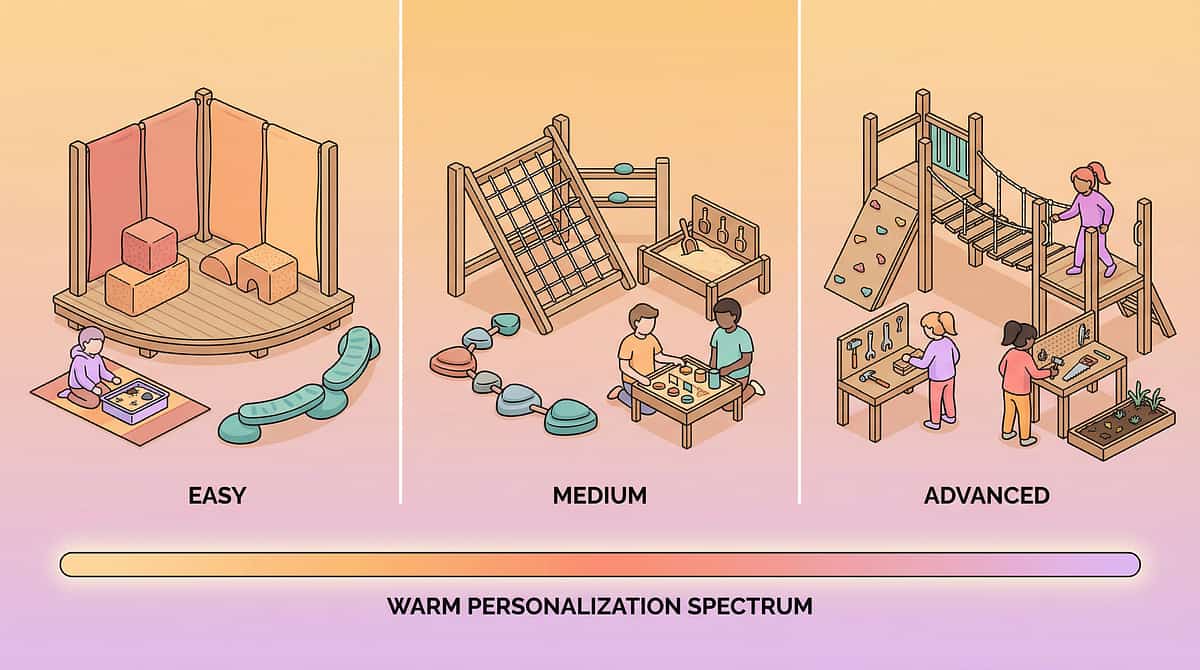
No Two Children Are Identical. Here's How to Make This Toolkit Yours.
The 9-material toolkit is a framework, not a rigid script. Personalising it to your child's age, profile, and needs is not optional — it is clinically required. Use the adaptations below to calibrate the right version for your child from Day 1.
← EASIER
Read-aloud only
+ Mistake Journal
+ Effort Tracker
+ Self-Talk Cards
Full 9-Material Toolkit →
Age-Based Modifications
Ages 5–7 | Ages 8–10 | Ages 11–14 |
Picture books only | All materials with simple versions | Self-Talk and Strategy tools take priority |
Draw mistakes instead of writing | Write AND draw | Written reflection, self-directed |
1 star per day on effort tracker | 5-star daily self-assessment | Effort rating + qualitative note |
Parent leads all sessions | Parent and child co-lead | Child begins leading sessions |
Child Profile Modifications
For Anxious Children
Safety + Validation → Mistake Normalisation → Strategy Tools → Very gradual challenge increase. Begin with: "The worry makes sense. Here's what to do when stuck."
For Perfectionists
Mistake Celebration → Process Over Outcome → "Good enough" practice → Self-compassion tools. Key message: "The goal is not perfect. The goal is real."
For Learned Helplessness
Guaranteed success experiences FIRST → Effort → outcome connection explicitly named → Small goals achieved → Agency building. Begin with tasks the child already CAN do.
For Autism / ADHD
Increase visual support; all tools on visual cards. Shorter sessions (5–7 minutes max in early weeks). Use special interest integration where possible.

Weeks 1–2: You Are Building the Foundation. Don't Mistake Quiet Progress for No Progress.
✅ What You Will Likely See
- Reduced session resistance (from "no" to "maybe")
- Child tolerates sitting with the toolkit for 3–5 minutes
- First spontaneous growth-language moment (rare but watch for it)
- Child adds one entry to mistake journal
❌ What You Will Not See Yet (And Shouldn't Expect)
- Child choosing challenge voluntarily at school
- Elimination of "I can't" language
- Dramatic academic engagement changes
- Teacher-noticed shift in classroom behaviour
"My daughter sat through the whole story without getting up. Last week she would have left after 2 minutes." — That is real progress. That is neural pathway formation beginning.
You may feel like "nothing is happening." The brain is rewiring invisibly. Consistent exposure to growth narratives and safety around mistakes is doing its work beneath the surface. Your consistency now determines the Week 5–8 breakthrough.

Weeks 3–4: The Neural Pathways Are Forming. Watch for These Signals.
This is the phase where the work begins to become visible. Not dramatically — but in small, specific moments that a watchful parent will catch if they know what to look for.
🔍 Child Anticipates the Session
Picks up the notebook without prompting — a significant shift from early resistance.
🔍 References a Growth Mindset Character
During a real-life challenge: "Like Rosie Revere — she tried again." Narrative internalisation confirmed.
🔍 First Help-Seeking Question
Child asks for help at home or at school for the first time — unprompted. This is a landmark moment.
🔍 Meltdown Duration Shortens
Even by 2–3 minutes after mistakes. Faster recovery = stronger error tolerance building.
🔍 Mistake Separated from Identity
At least once: "I got that wrong" instead of "I'm stupid." The most important linguistic shift of the entire protocol.
3+ Indicators Seen → Increase Intensity
Increase session frequency to twice daily (morning + evening, 5 minutes each).
1–2 Indicators Seen → Maintain Current
Stay the course. The protocol is working.
0 Indicators → Modify + Call
Return to lowest-demand entry point and call 9100 181 181.
You may notice you're more confident in these sessions too. Building confidence is contagious — it requires you to model growth, and modelling grows you.

Weeks 5–8: Mastery Is Not the End Point. It's the Launch Pad.
🏆 Mastery Badge Criteria — All Three Required:
Criterion 1 — Growth Language
Child uses "yet" language unprompted ("I can't do this yet"). Child attributes a past success to effort or strategy rather than luck or external help.
Criterion 2 — Error Recovery
After making a mistake, child recovers to active engagement within 5 minutes — down from a potential 30–60 minute shutdown at baseline.
Criterion 3 — Challenge Approach
Child voluntarily attempts at least one appropriately challenging task per week without being prompted — and without guaranteed success.
Generalisation Indicators:
🌟 Growth language appearing at school (teacher reports)
🌟 Child asking questions in class (help-seeking generalised)
🌟 Child referencing the technique tools independently at home

🎉 You Did This. Your Child Grew Because You Showed Up — Every Day — When It Was Hard.
Over 8 Weeks, You:
✅ Created a safe space for your child to explore mistakes without shame
✅ Read growth narratives together that rewired their neural belief about learning
✅ Tracked their effort and showed them visible evidence of their own growth
✅ Modelled the very behaviours you were trying to build — and they noticed
✅ Replaced "I can't" with the beginning of "I can, if I try the right way"
"No one prepared you for this. There was no manual for rebuilding a child's belief in themselves. You found the protocol. You did the sessions. You celebrated the mistakes and noticed the effort. Your child's growing confidence is built on your consistent, loving presence. That is extraordinary parenting."
Family Celebration Suggestions:
📖 Review Together
Look through the mistake journal together and laugh at the good ones. Every entry is evidence of courage.
📋 Create the Growth List
Write "Things I Can Do Now" alongside "Things I Couldn't Do Before." Display it somewhere meaningful.
📸 Document the Milestone
Take a photo of the completed effort tracker and mistake journal. In 3 years, this will be one of the most meaningful records in your family's history.

⚠️ Even in the Celebration Zone: Know These Signs. Trust Your Instincts.
Progress does not mean the journey is without risk. Even families who are succeeding with the protocol should know when to pause and seek professional support. Trust your instincts. If something feels wrong, act on it.
"If something feels wrong — if the child seems to be getting worse rather than better — pause everything and call us. That is the right thing to do. The technique can wait. The child cannot."
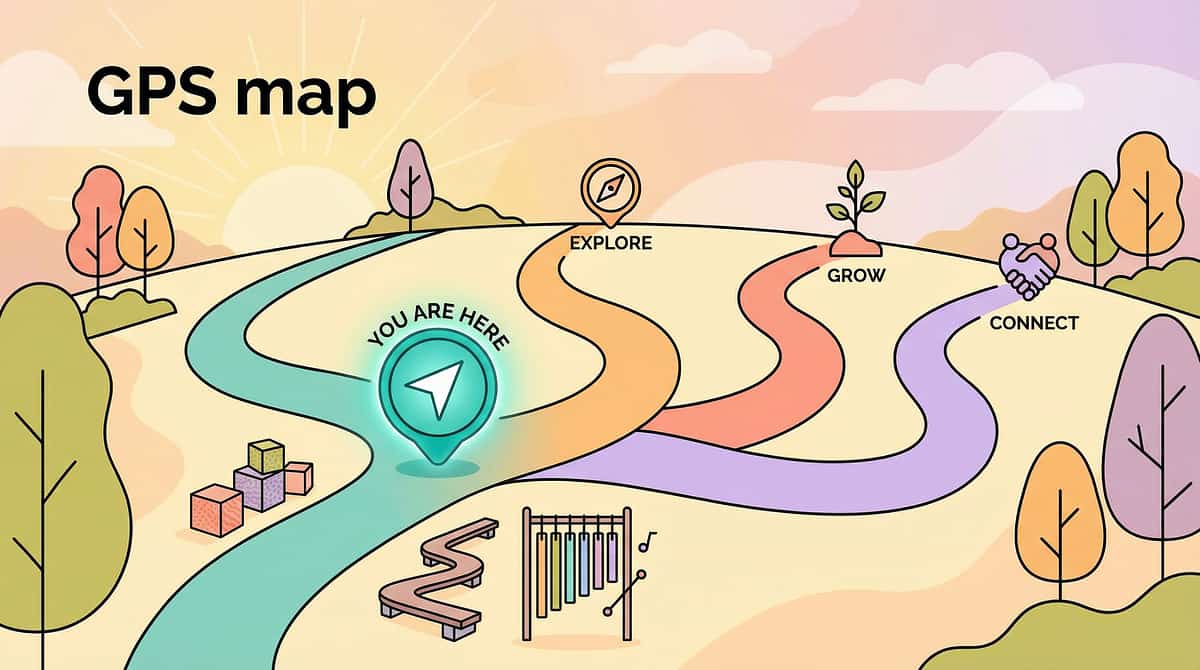
H-759 Is One Waypoint on a Much Larger Journey. Here's Where You Are — and Where You're Going.
Academic confidence is foundational — but it is one component in a broader developmental architecture. Understanding where H-759 sits within the full learning progression helps you plan the next steps with clarity and purpose.
Branching Paths Based on Your Child's Response:
Responded strongly to growth mindset books →
Proceed to H-760 (Reading Confidence) — builds narrative literacy alongside growth beliefs.
Responded strongly to effort tracking and goal setting →
Proceed to H-761 (Math Confidence) — applies the same framework to the numeracy domain.
Confidence gains have been broad and cross-subject →
Proceed to H-765 (Homework Independence) — applies confidence + strategy toolkit to daily homework autonomy.
Progress has been very slow and limited →
Return to H-757 (Learning Motivation) — foundational engagement may need strengthening before confidence tools.
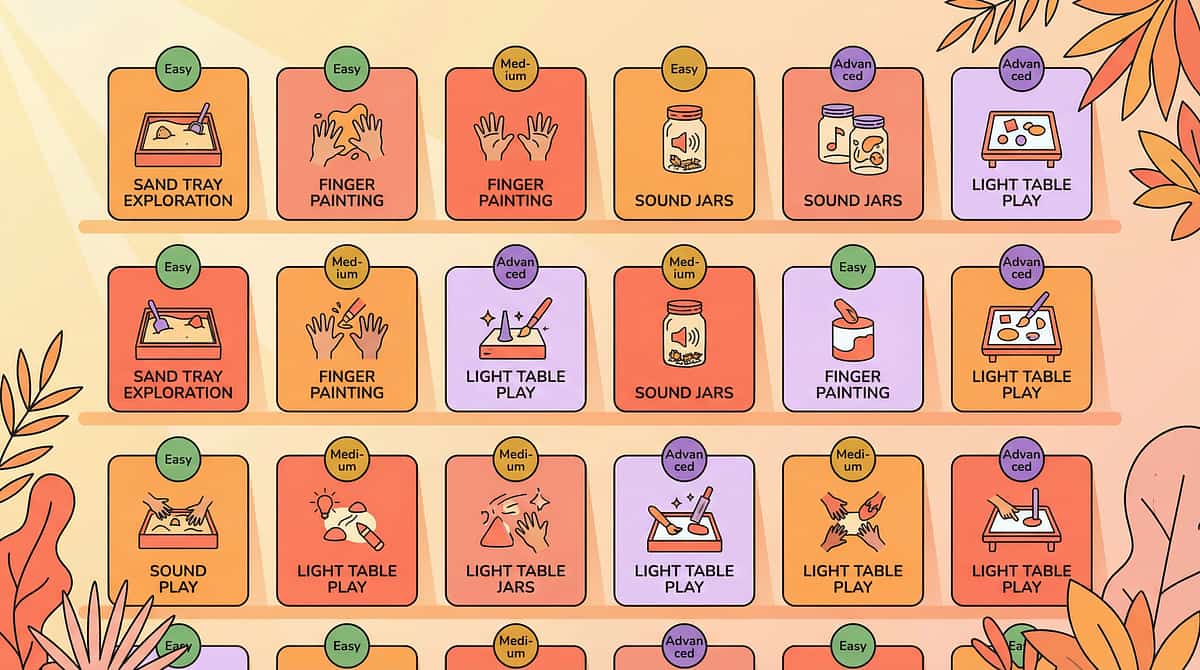
Other Techniques in Domain H: Learning & School Readiness
Your confidence toolkit materials — Growth Mindset Books, Effort Tracker, Strategy Cards, Mistake Journal, and Reward System — carry you across the entire Domain H sequence without additional purchase. You have already invested wisely.
Code | Technique | Difficulty | Materials You Already Have |
H-757 | Learning Motivation | Intro | ✅ Growth Mindset Books |
H-758 | Academic Engagement | Core | ✅ Effort Tracker |
H-759 | Academic Confidence ← YOU ARE HERE | Core | Full Toolkit |
H-760 | Reading Confidence | Core | ✅ Growth Mindset Books |
H-761 | Math Confidence | Core | ✅ Strategy Cards, Goal Tools |
H-765 | Homework Independence | Advanced | ✅ Strategy Toolkit, Timer |
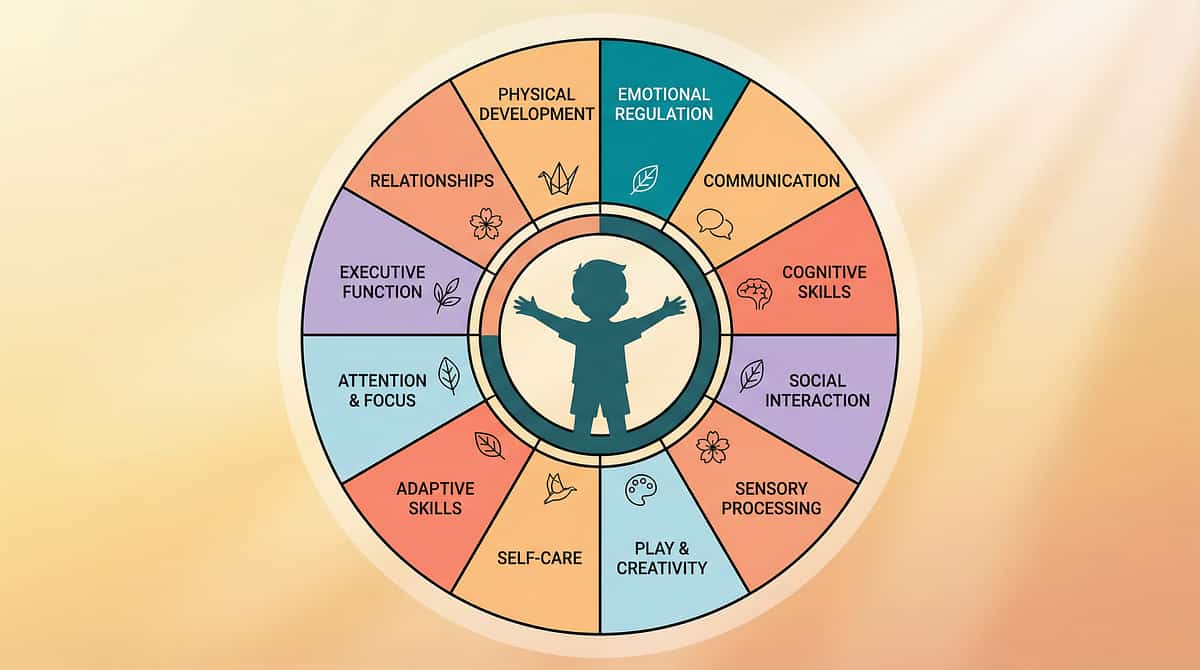
H-759 Is One Piece of a Larger Plan. Here Is the Full Architecture of Your Child's Growth.
The Academic Confidence work you are doing does not live in isolation. It connects directly to emotional regulation, social communication, and family participation — three of the twelve developmental domains that together form your child's complete growth architecture.
Where H-759 Connects Across Domains:
→ Domain C: Emotional Regulation
Mistake tolerance and distress management skills built in H-759 directly strengthen emotional regulation capacity.
→ Domain B: Social Communication
Help-seeking behaviour and classroom participation developed here generalise to broader social communication skills.
→ Domain K: Family & Community
School engagement and peer relationships strengthened through growing academic confidence radiate outward into community participation.
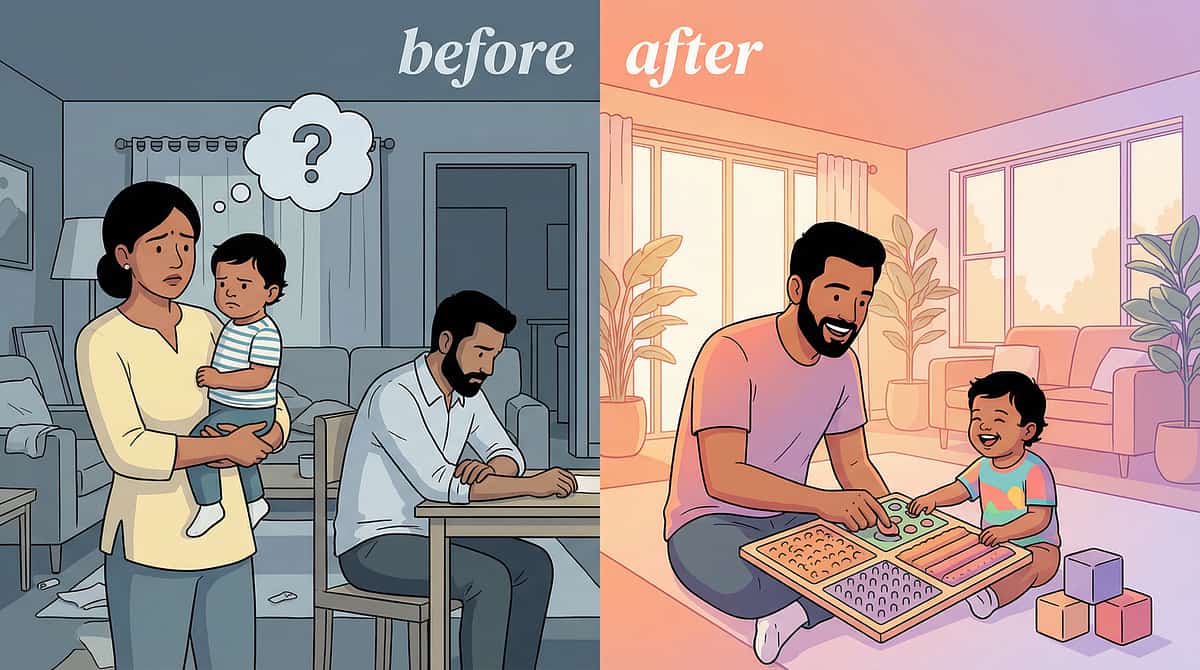
They Were Exactly Where You Are. Here's Where They Are Now.
Family 1 — Before
"My son Arjun, age 8, would look at any worksheet and say 'I already know I'll get it wrong.' He'd rip up his work when he made errors. He told his teacher he was 'the stupidest kid in class.' We were heartbroken — his teacher told us he was one of the most capable students she'd ever taught."
Family 1 — After
"He still makes mistakes. But now when he does, he says 'that's a learning mistake' — his word, not mine. His last report card showed improvement in every subject, but honestly, the grade change mattered less to me than watching him try." — Mother, Pinnacle Network Family, Hyderabad
"Academic confidence cases often look like motivation problems or behaviour problems — but the root is a belief system. When we address the belief directly, through safe experiences and growth narratives, the behavioural changes follow. This family's success is a textbook example of Bandura's mastery experience pathway." — Educational Psychologist, Pinnacle Blooms Network
Family 2 — Before
"Priya, age 11, diagnosed with ADHD, had developed the belief that she was 'the dumb one' in the family compared to her older sister. She'd stopped raising her hand at school entirely — not because she didn't know the answers, but because she was afraid of being wrong in front of everyone."
Family 2 — After 8 Weeks
"The help-seeking card was her breakthrough. We practised asking questions at home until it felt normal. Two months later, her teacher called me: 'Something has changed with Priya. She's asking questions in class. She even helped another student today.'" — Father, Pinnacle Network Family, Bengaluru
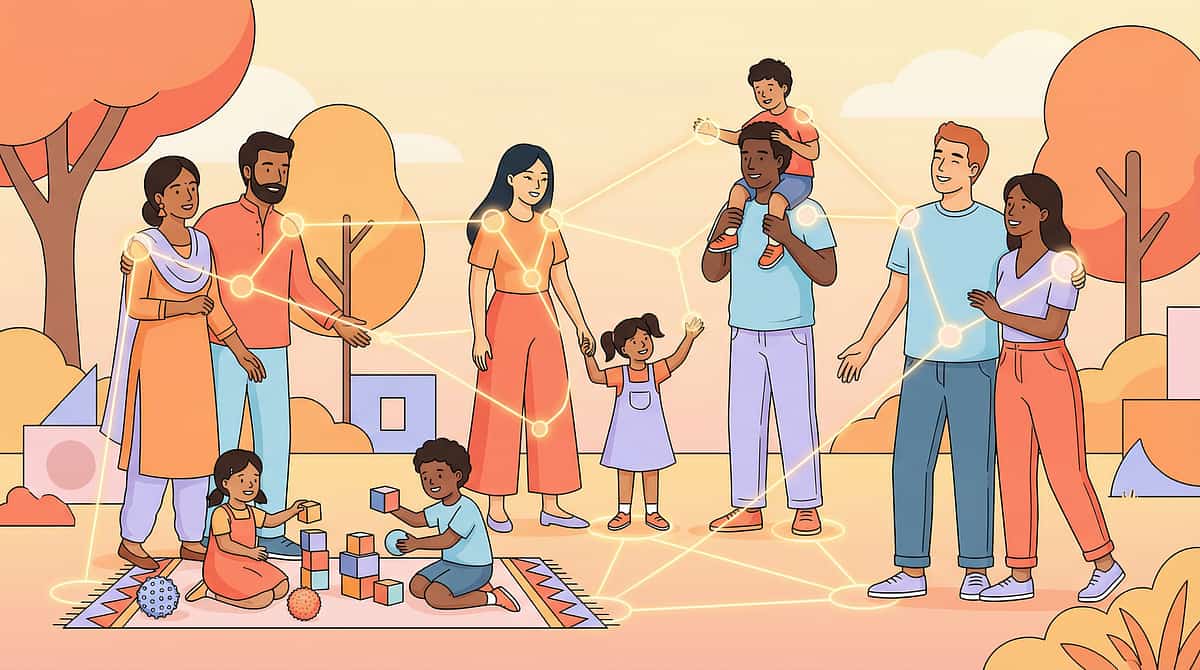
You Are Not the Only Parent Rebuilding Academic Confidence. Connect With Those Who Understand.
Parents who are part of a support community implement home interventions 3× more consistently than isolated parents. Community is not a bonus — it is a clinical variable. Find yours today.
📱 WhatsApp — Academic Confidence Parent Circle
Families navigating exactly this challenge. Share what's working, what isn't, and what you've noticed this week.
Join Academic Confidence Parent Circle →
💻 Online Community
Pinnacle Family Connect — the forum for parents across 70+ countries using GPT-OS® techniques.
Join Pinnacle Family Connect →
🤝 Peer Mentoring
Connect with a parent who has already completed the H-759 protocol with their child.
Request a Peer Mentor: Call 9100 181 181
📍 Local Parent Meetups
Pinnacle centres across India host monthly parent sessions for academic readiness and confidence building.
"The night I found a parent who had been through exactly this was the night I believed it was possible for my son. That one conversation kept me going through 3 more weeks of difficult sessions."
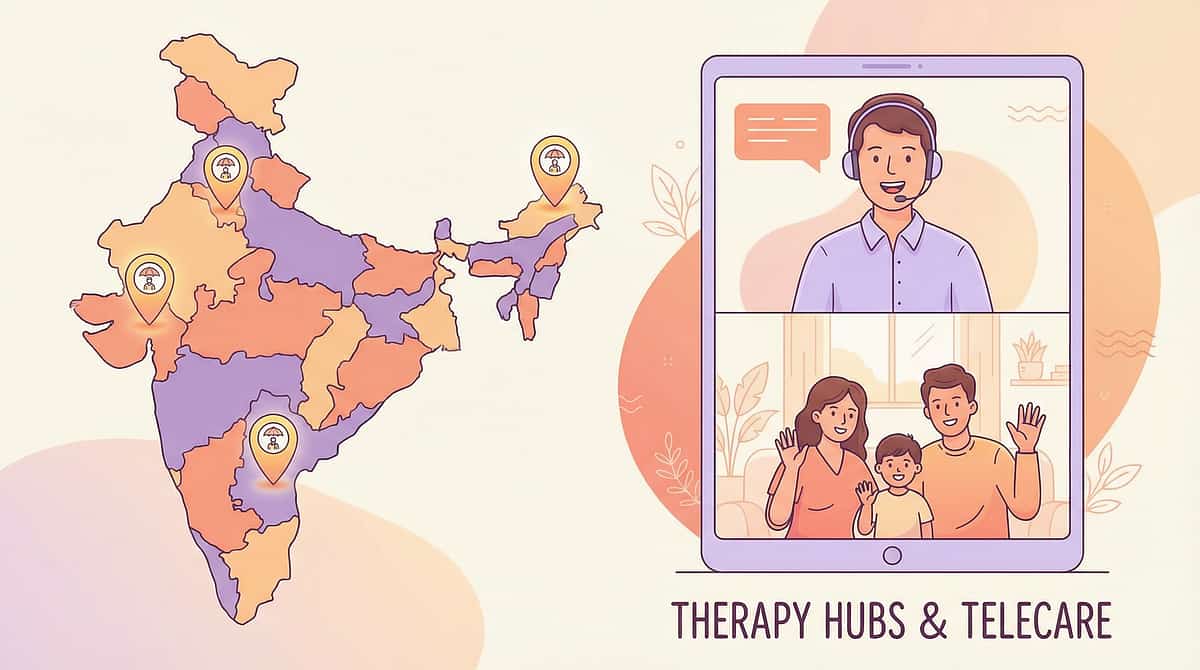
Home Practice + Professional Guidance = Maximum Impact. 70+ Centres. One Call. 9100 181 181.
Home practice is powerful. Combined with professional guidance, it becomes transformative. Pinnacle's multidisciplinary team brings the full clinical weight of five disciplines to your child's academic confidence journey — in person or via teleconsultation.
🎓 Educational Psychology
Academic self-concept assessment, AbilityScore® Learning Readiness, intervention design and sequencing.
🧩 Occupational Therapy
Underlying processing factors affecting academic confidence — sensory, motor, and attentional.
📚 Special Education
Differentiated instruction, learning disability screening, classroom modifications and advocacy support.
🔵 ABA / BCBA
Behaviour-analytic confidence-building protocols, reinforcement system design, and persistence shaping.
💬 Speech-Language Pathology
Language-based learning factors, self-advocacy communication, and help-seeking script development.
📹 Teleconsultation Available
Video consultation with a Pinnacle specialist within 48 hours.
📊 AbilityScore® Assessment
Standardised baseline (0–1000) and personalised technique sequencing.
📞 FREE Helpline
9100 181 181 24×7 | 16+ Languages "One call. We will guide you from here."

Every Session You Track Makes the System Smarter — For Your Child and Every Child Like Them.
GPT-OS® is not a passive reference library — it is a living, learning system. Every data point you record in Card 21's tracker feeds back into the population-level intelligence that makes every subsequent recommendation more precise.
At What Week Does Growth Language Typically First Appear?
GPT-OS® tracks this across diagnostic profiles — ADHD, anxiety, ASD — to give you population-informed expectations, not guesses.
Which Materials Produce the Fastest Breakthrough?
The system learns which materials work for which profiles, and adjusts recommendations for your child based on aggregate data from 20M+ sessions.
What Parent Behaviours Correlate With Highest Gains?
Session-by-session patterns reveal which adult actions most reliably predict child confidence growth.
GPT-OS® Stack for This Technique: AbilityScore® | TherapeuticAI® | EverydayTherapyProgramme™ | FusionModule™ | Academic Readiness Index

Watch the Original Reel: "9 Materials That Help With Academic Confidence"
"In this reel, our Educational Psychologist and Occupational Therapist walk through each of the 9 materials in under 60 seconds. You'll see exactly how each material looks in a real home setting, how to introduce it to a reluctant child, and what 'engagement' actually looks like in practice versus theory."
Growth Mindset Books
Mistake Celebration
Effort Tracking
Challenge Zone
Self-Talk
Help-Seeking
Success Evidence
Strategy Toolkit
Goal Setting
Related Reels: H-757: Learning Motivation | H-758: Academic Engagement | H-760: Reading Confidence
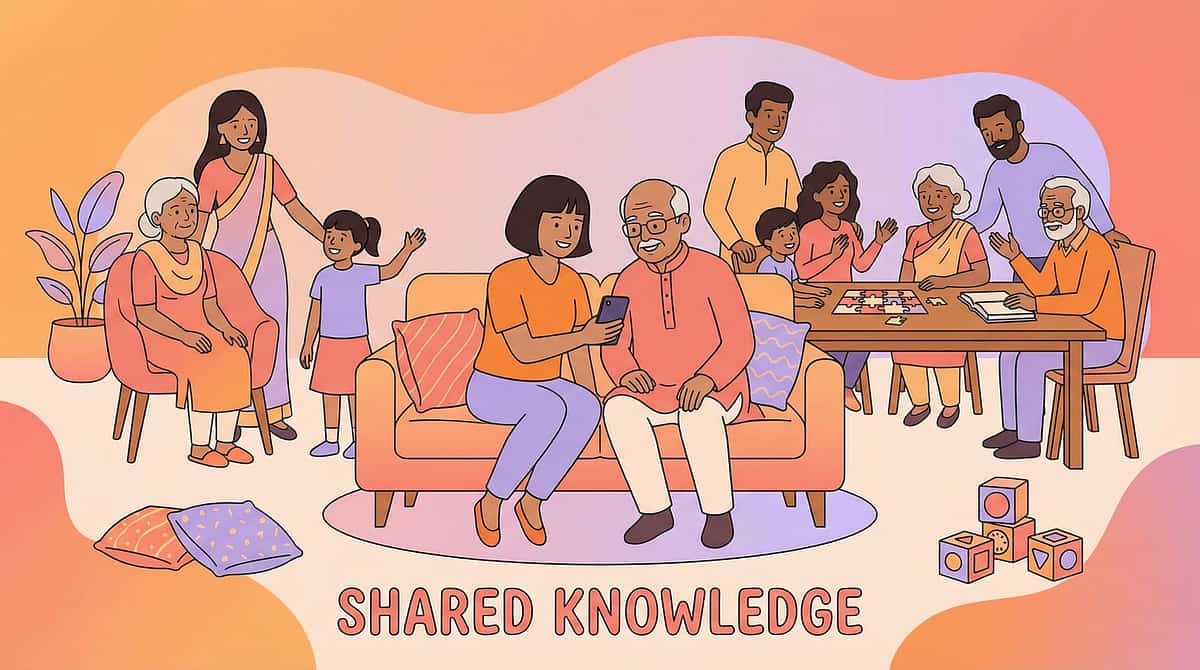
Consistency Across Caregivers Multiplies Impact. Share This with Everyone Raising Your Child.
A child who hears "I can't believe you got that wrong" at school and "mistakes help us learn" at home receives mixed neural signals. Caregiver consistency is a clinical variable — not a social nicety. Share this protocol with everyone who matters.
Share This Page
One tap sends this entire protocol to your co-parent, grandparent, or teacher.
Explain to Grandparents
"Our child is working on believing that effort leads to improvement — that mistakes help them learn rather than proving they're not capable. The most helpful thing you can do: when they make a mistake, say 'I wonder what that taught you' instead of 'never mind.' When they try hard, say 'I noticed you worked really hard at that' instead of 'you're so smart.'"
Teacher Communication Template:"Dear [Teacher], we are working at home on academic confidence using a structured mindset intervention. We would appreciate: effort-based specific feedback where possible, normalising mistakes verbally in class, and a brief note home when [child] attempts something challenging — even unsuccessfully. Thank you for partnering with us."

Every Question a Parent Has Asked. Answered.
These are the questions that parents most commonly ask — and the honest, clinically grounded answers. If your question is not here, ask GPT-OS® directly or book a teleconsultation.
My child is 5 — isn't this too young for mindset work?
No. Ages 5–7 are ideal for growth mindset books and mistake celebration — both very low demand. You are establishing the neural baseline before fixed beliefs have a chance to form. Begin with picture books and simple mistake sharing. No journaling required.
We've tried positive reinforcement before and it didn't work. Why would this be different?
Generic praise ("you're so smart," "great job!") has been shown to undermine confidence in some children by creating fixed mindset framing. This protocol uses specific, effort-based, behavioural observation language — not praise. The mechanism is different. The outcomes are different.
My child has been diagnosed with dyslexia — will this work?
Yes, with modification. Use audio growth mindset books (not reading). Work with an SLP for reading confidence alongside this protocol (see H-760). The emotional toolkit here applies fully regardless of reading ability.
How do I handle it when my child's teacher undermines confidence?
Download the Teacher Communication Template from Card 38. If the issue persists, a Pinnacle teleconsultation can help you build an advocacy strategy. Your role as the confidence-building constant is the most important — even imperfect school environments become more tolerable when home is solid.
My child dismisses everything I say as "you're just saying that." How do I handle that?
Stop saying it and start showing it. Shift from verbal praise to documented evidence. Pull out the effort tracker. Open the mistake journal. Show, don't tell. Evidence that lives outside the parent's mouth is harder to dismiss.
What if both parents disagree on the approach?
Start with whichever parent has the stronger relationship in academic contexts. Use the Family Guide to align the other caregiver. If persistent disagreement is affecting the child, a Pinnacle teleconsultation with both parents together is very effective.
My child is 13 — is it too late?
No. Academic self-concept stabilises through adolescence but never becomes permanently fixed. The toolkit modifications for ages 11–14 are specifically designed for adolescent delivery. Help-seeking tools and strategy cards are particularly effective at this age. Goal setting with genuine autonomy is the most powerful entry point.
How is this different from just telling my child to "be positive"?
Profoundly different. This is not positive thinking. It is structured belief-change through specific experiences — mastery experiences, error normalisation, attribution reframing, and evidence accumulation. That is clinical psychology, not motivational speaking.

Your Child's Confidence Is Not Gone. It Is Waiting to Be Found Again.
Every parent who has watched academic confidence collapse in their child knows this particular grief — the child who used to be curious, who used to love learning, who somewhere between first and fifth grade stopped believing they were capable. That child is still there. The belief that is blocking them can be unblocked.
You now have the protocol. You have the science. You have the tools. The next step belongs to you — and it is simpler than you think: open a notebook, sit beside your child, and share a mistake of your own.
🚀 Start This Technique Today
Launch your H-759 protocol with GPT-OS® session guidance.
📞 Book a Consultation
Speak with a Pinnacle specialist within 48 hours.
call 9100 181 181
➡️ Explore Next Technique: H-760
Reading Confidence — the natural progression from Academic Confidence.
Preview of 9 materials that help with academic confidence Therapy Material
Below is a visual preview of 9 materials that help with academic confidence therapy material. The pages shown help educators, therapists, and caregivers understand the structure and content of the resource before use. Materials should be used under appropriate professional guidance.



The Pinnacle Promise
"From fear to mastery. One technique at a time."
Pinnacle Blooms Network® is India's largest paediatric therapy consortium — 70+ centres, 20M+ exclusive 1:1 therapy sessions, 97%+ measured improvement, serving families across 70+ countries through the GPT-OS® Global Paediatric Therapeutic Operating System.
Every child deserves to stand in front of a challenging task and believe, at their core, that effort will move them forward. That belief is not a given — it is built. We built this protocol, with the full weight of our clinical expertise, our research base, and our experience with hundreds of thousands of children, for the sole purpose of giving your child back to themselves as a learner.
⚕️ Medical Disclaimer
This content is educational and informational. It does not replace professional assessment, diagnosis, or individualised therapy. Children with significant academic confidence challenges may benefit from evaluation for learning differences, anxiety, depression, ADHD, or other developmental factors. Individual results may vary. Statistics represent aggregate outcomes across the Pinnacle Blooms Network.
© Copyright & Attribution
© 2025–2026 Pinnacle Blooms Network®, a unit of Bharath Healthcare Laboratories Pvt. Ltd. All rights reserved. Content governed by GPT-OS® Content Engine. Technique code H-759. All clinical claims are evidence-referenced. Not to be reproduced without attribution.
🏛️ Statutory Identifiers
CIN: U74999TG2016PTC113063 DPIIT: DIPP8651 (Govt. of India) MSME: Udyog Aadhaar TS20F0009606 GSTIN: 36AAGCB9722P1Z2
📞9100 181 181 | 24×7 | FREE | 16+ Languages | pinnacleblooms.org | care@pinnacleblooms.org
H-759 | Academic Confidence | Domain H: Learning & School Readiness | Pinnacle Blooms Network® | GPT-OS® Content Engine | Version 1.0 | 2026 | CIN: U74999TG2016PTC113063 | DPIIT: DIPP8651 | MSME: TS20F0009606
He Used to Love Learning. Something Broke Along the Way.