
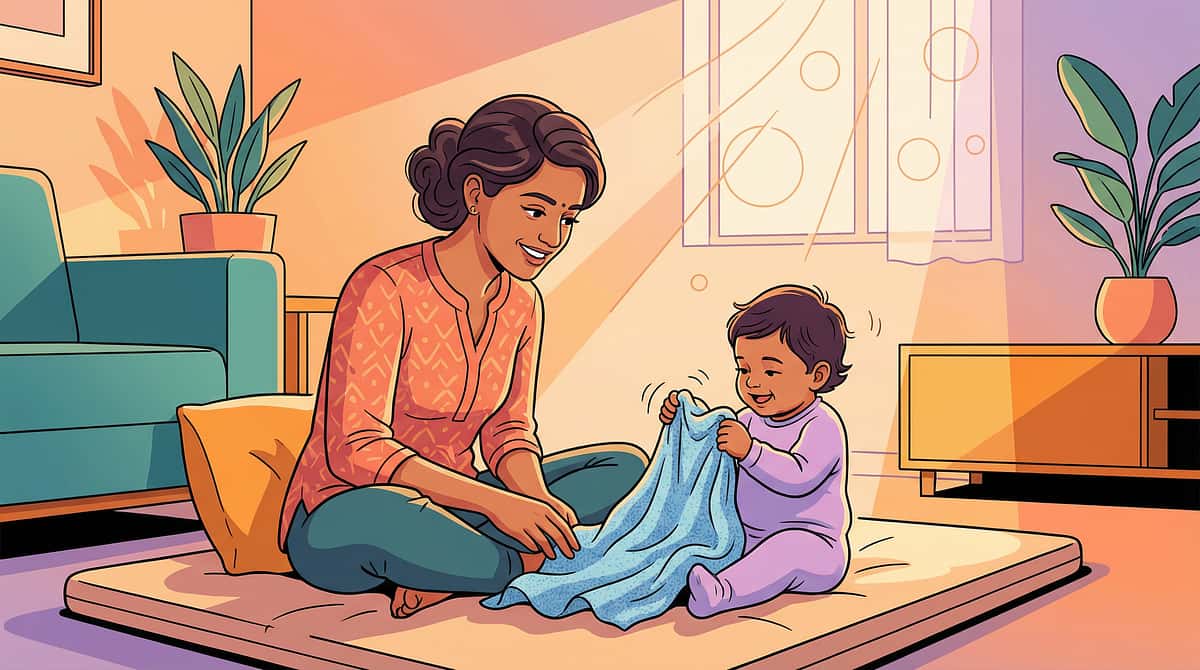
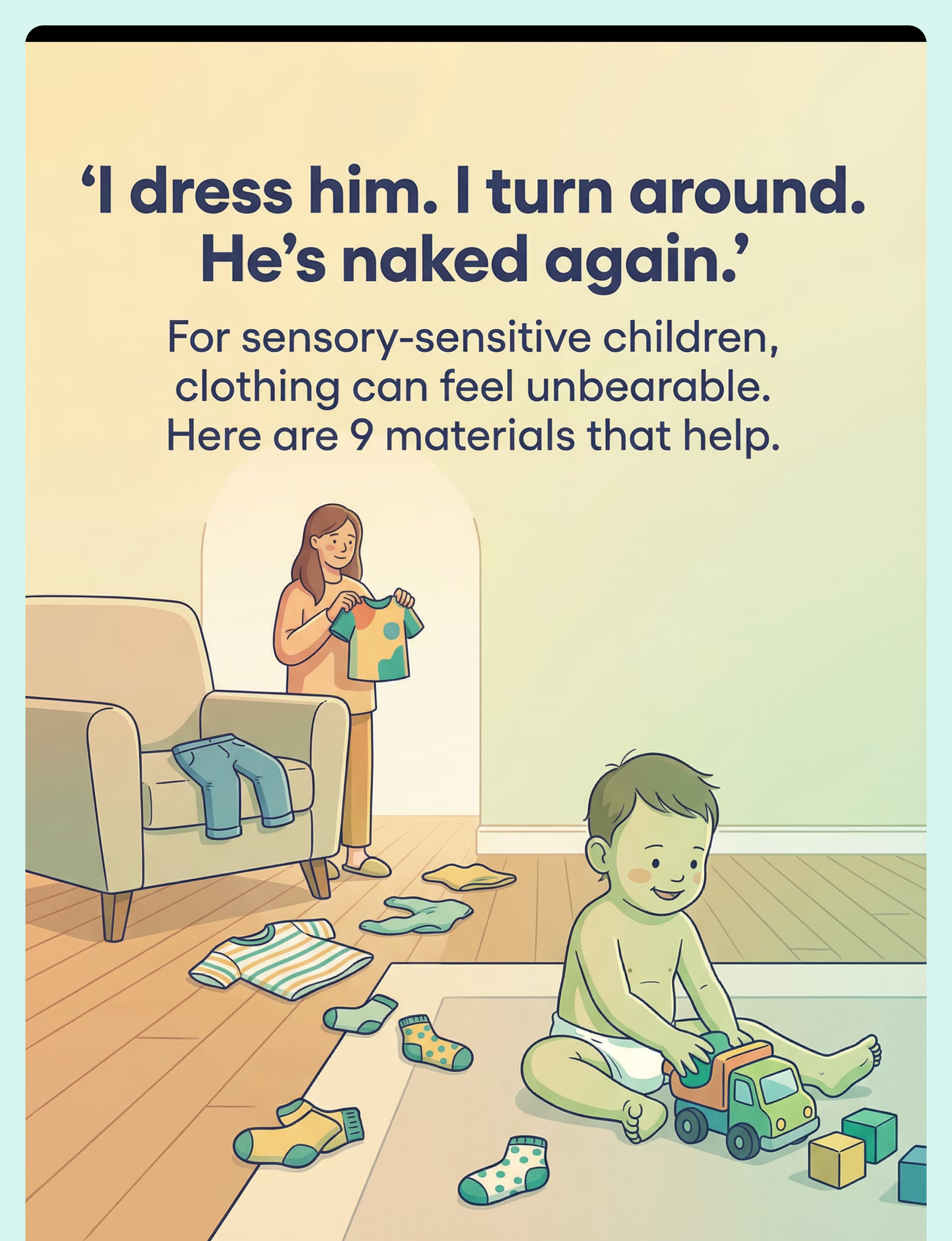
'I dress him. I turn around. He's naked again.'
It's 7:42 AM. You've dressed your child for the third time. The shirt is on the floor. The socks are under the couch. The pants didn't make it past the hallway. Your child sits on the floor in a diaper — calm, happy, seemingly relieved. And you're standing there holding another outfit, wondering what you're doing wrong.
You are not doing anything wrong. And your child is not being defiant.
Your child's nervous system is speaking. For sensory-sensitive children, clothing can feel like sandpaper against their skin — every seam a pressure point, every tag a tiny blade, every waistband a vise. What you're witnessing is not a behavior problem. It's a sensory survival response.
Here are 9 materials and strategies — validated across 21 million therapy sessions — that help your child stay dressed and comfortable.
Technique A-022
Sensory Solutions Series — Episode 22
Clothing Intolerance Intervention
Tactile Desensitization & Accommodation Protocol
Age Band
2–10 years
Setting
Home + Public
Domain
Sensory Processing → Tactile → Daily Living
Consortium-drafted by: Occupational Therapists • Behavior Analysts • Speech-Language Pathologists • Special Educators • NeuroDevelopmental Pediatricians • Clinical Research Organization
Powered by GPT-OS® Therapy Intelligence

ACT I
The Emotional Entry
You Are Among Millions
80%
Sensory Difficulties
of children diagnosed with autism experience sensory processing difficulties, with tactile over-responsivity among the most common presentations
1 in 6
Global Prevalence
children globally present with developmental differences that affect sensory processing and daily living skills
~18M
Families in India
families in India alone are navigating sensory challenges like clothing intolerance right now
That moment when your child tears off a perfectly good outfit — you are not the only parent who has lived it. A 2024 PRISMA systematic review analyzing 16 studies from 2013–2023 confirmed that sensory processing difficulties affect the vast majority of children on the autism spectrum. Clothing intolerance — formally called tactile over-responsivity to clothing with compensatory undressing behavior — is among the most functionally impactful sensory challenges families face daily.
The World Health Organization's Nurturing Care Framework, implemented across 54 countries, specifically identifies responsive caregiving for sensory needs as a pillar of early childhood development. When your child removes clothing, they are not alone, and neither are you.
"You are among millions of families navigating this exact challenge. And there is a proven path forward."
Research: PMC11506176 | PMC10955541 | WHO Nurturing Care Framework (2018) | DOI: 10.12998/wjcc.v12.i7.1260
This Is Wiring, Not Willpower
The Neuroscience
The Somatosensory Cortex — the brain region that processes touch — works differently in sensory-sensitive children. In typical development, the brain quickly habituates to clothing sensation. Within minutes, you stop "feeling" your shirt. Your child's brain cannot perform this habituation.
Every fiber of fabric, every seam ridge, every tag edge continues to send alarm signals to the somatosensory cortex, which over-amplifies these light touch inputs. The child's thalamus — the brain's sensory relay station — fails to filter out these signals as "safe." The result: what feels like "nothing" to you feels like constant, inescapable irritation to your child.
What This Means for Your Child
When your child rips off their clothes, their brain is doing exactly what it's supposed to do with painful input: escape it. The clothing isn't just uncomfortable. To their nervous system, it may register as genuinely painful.
This is not a behavior choice. This is a neurological response. The same brain regions involved in processing pain (the insular cortex and anterior cingulate cortex) activate when tactile-defensive children encounter certain textures.
This means the solution isn't discipline. It's accommodation + desensitization.
"This is a wiring difference, not a behavior choice."
Research: DOI: 10.3389/fnint.2020.556660 | Frontiers in Integrative Neuroscience (2020)
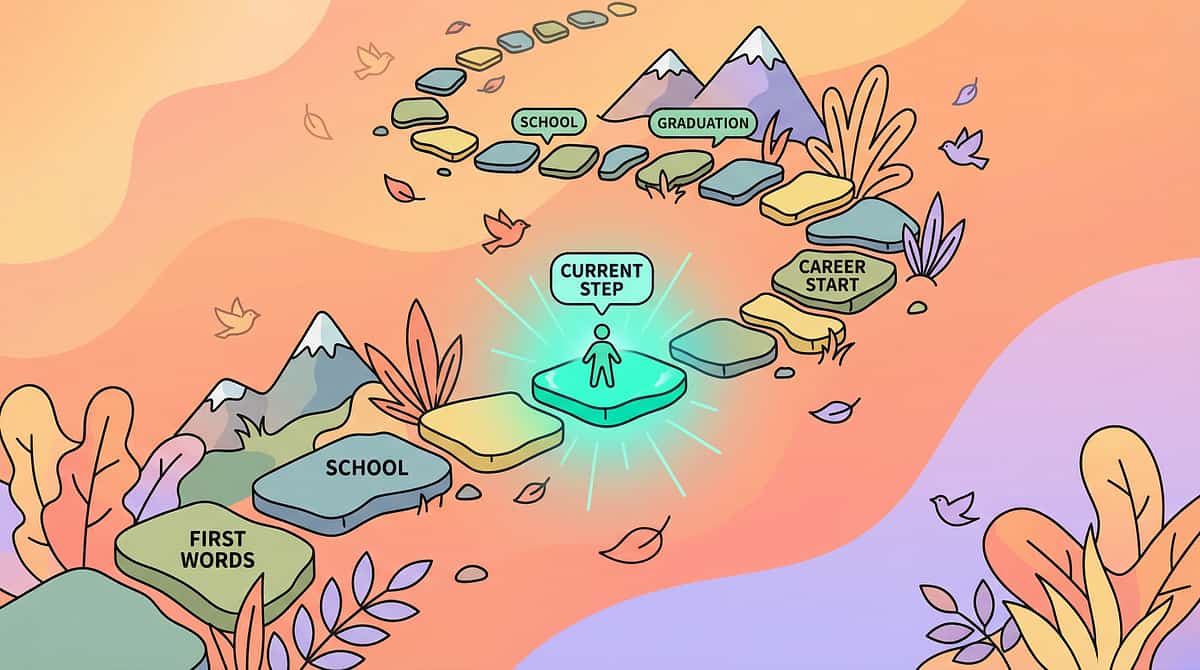
Your Child's Developmental Map
12–18 months
Tactile preferences begin to emerge; clothing tolerance varies from child to child
18–24 months
Persistent undressing may begin; coincides with emerging autonomy and sensory sensitivity peaks
2–4 years ← YOUR CHILD MAY BE HERE
Peak clothing intolerance period; sensory system still maturing; social awareness of dressing norms developing
4–6 years
Gradual tolerance expansion with intervention; context-dependent dressing becomes possible
6–10 years
With appropriate support, most children develop functional clothing tolerance for daily activities
The WHO Care for Child Development (CCD) Package — implemented across 54 low- and middle-income countries — provides age-specific milestones for sensory and self-care development. Clothing tolerance sits at the intersection of three developmental streams: tactile processing maturation, self-regulation capacity, and daily living independence.
Comorbidity awareness: Children who strip clothing frequently also commonly present with tactile defensiveness to grooming (hair brushing, nail cutting), food texture selectivity, and difficulty with physical affection like hugs. These are connected through the same tactile processing pathway.
"Your child is here. Here is where we're heading — together."
Research: PMC9978394 | WHO/UNICEF CCD Package (2023) | UNICEF MICS developmental indicators
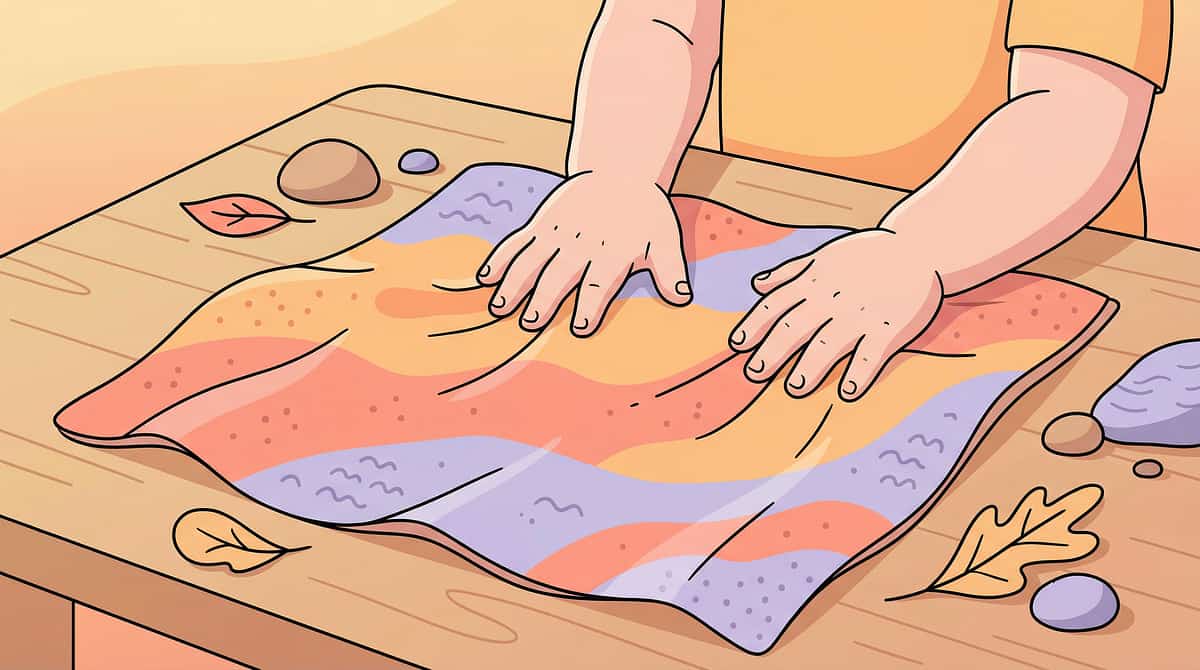
Clinically Validated. Home-Applicable. Parent-Proven.
Evidence Grade: Level I-II
Systematic Reviews + RCTs
Supporting Evidence
A 2024 PRISMA systematic review of 16 articles (2013–2023) confirms that sensory integration intervention meets the criteria to be classified as evidence-based practice for children with ASD. A companion meta-analysis of 24 studies published in the World Journal of Clinical Cases found that sensory integration therapy effectively promotes improvements in social skills, adaptive behavior, sensory processing, and motor skills.
Critically for Indian families: Padmanabha et al. (2019) published in the Indian Journal of Pediatrics demonstrated that home-based sensory interventions yield significant outcomes when parents are trained in structured protocols — the exact model this technique page delivers.
The National Clearinghouse on Autism Evidence and Practice (NCAEP, 2020) classifies both sensory integration and visual supports — both core components of this protocol — as evidence-based practices.
Confidence: High
Supported by systematic reviews, RCTs, and real-world evidence from 21 million+ therapy sessions across the Pinnacle Blooms Network
Research: PMC11506176 | PMC10955541 | DOI: 10.1007/s12098-018-2747-4 | NCAEP Evidence-Based Practices Report (2020)
ACT II
The Knowledge Transfer
Clothing Intolerance Intervention Protocol
Parent-Friendly Name: "Sensory-Friendly Dressing Solutions"
Definition: A multi-component accommodation and desensitization approach that addresses tactile over-responsivity to clothing through three coordinated strategies: (1) immediate environmental accommodation using sensory-friendly materials and clothing modifications, (2) structured tactile desensitization through the Wilbarger Brushing Protocol and gradual tolerance building, and (3) behavioral management using context-appropriate dressing rules with reinforcement. The protocol transforms daily dressing from a battle into a systematic, child-led progression toward functional clothing tolerance.
Domain
A — Sensory Processing
Canon Category
Tactile Materials / Daily Living Supports
Age Range
2–10 years
Session Duration
10–20 min
Frequency
Daily integration
Formal Classification: Tactile Over-Responsivity to Clothing with Compensatory Undressing Behavior
Domain Code: SEN-TAC-DLV | Reel Mapping: A-022 — Sensory Solutions Series
Domain Code: SEN-TAC-DLV | Reel Mapping: A-022 — Sensory Solutions Series
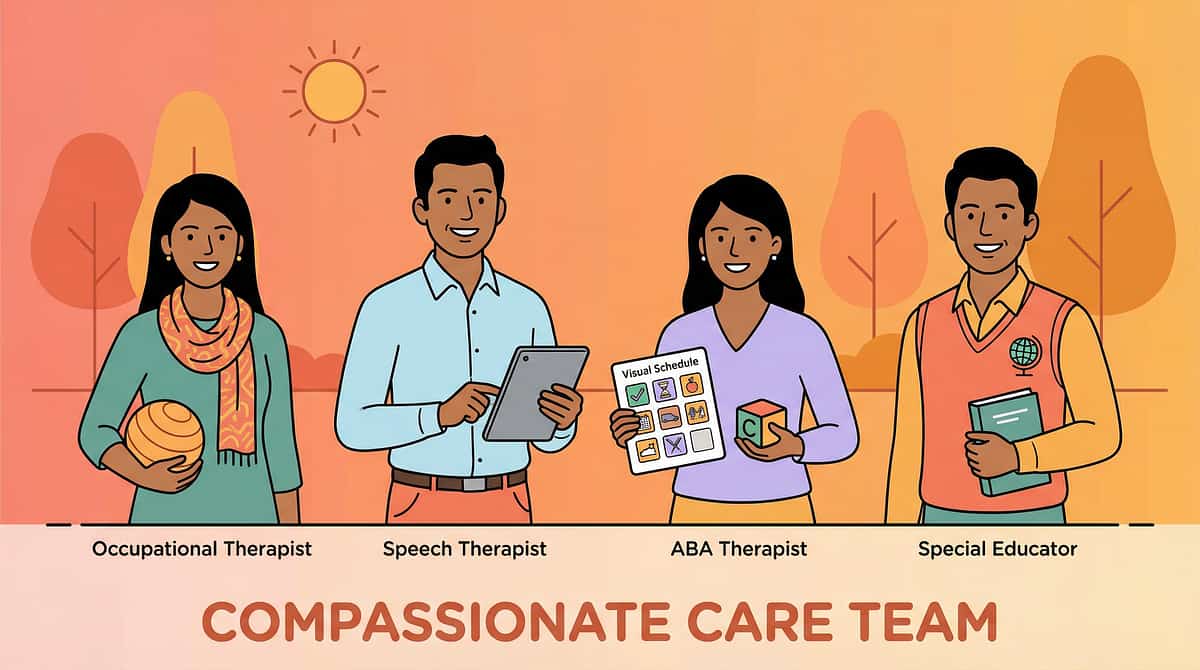
Your Consortium Team
"This technique crosses therapy boundaries — because the brain doesn't organize by therapy type."
Occupational Therapist (Primary Lead)
Conducts sensory processing evaluation, administers Wilbarger Brushing Protocol, designs individualized clothing tolerance programs, and selects sensory-friendly materials based on the child's tactile profile. The OT is the architect of the accommodation-to-desensitization trajectory.
Board Certified Behavior Analyst (BCBA)
Designs reinforcement schedules for clothing tolerance building, conducts functional analysis of undressing behavior (is it sensory escape? Communication? Attention?), creates data collection systems, and builds the gradual tolerance program with measurable criteria.
Speech-Language Pathologist
For children with limited communication, the SLP helps develop ways for the child to communicate clothing discomfort verbally or through AAC — replacing undressing as communication with words, signs, or picture exchange. "Clothes hurt" is a communication act.
Special Educator
Integrates dressing skills into daily living curriculum, creates visual schedules for dressing routines, develops social stories about when and why we wear clothing, and coordinates school-based clothing accommodations.
NeuroDevelopmental Pediatrician
Rules out medical causes (skin conditions, allergies, temperature dysregulation), prescribes sensory integration therapy, and monitors progress within the child's broader developmental profile.
Research: DOI: 10.1080/17549507.2022.2141327 | WHO/UNICEF Nurturing Care Framework adaptation for multidisciplinary care
Precision Targets
🎯 Primary Target
Functional Clothing Tolerance — The child can wear sensory-appropriate clothing for necessary daily activities — school, outings, family events — without persistent removal or distress.
🎯 Secondary Targets
- Tactile Processing Regulation — reduced over-responsivity to fabric textures, seams, and pressure
- Daily Living Independence — self-dressing, clothing selection, context-appropriate outfit choices
- Self-Regulation — using communication ("this hurts") instead of undressing as sensory escape
🎯 Tertiary Developmental Gains
Social Participation
Ability to attend school, parties, and public events without clothing incidents
Caregiver Stress Reduction
Elimination of daily dressing battles reduces parental exhaustion and morning conflict
Body Awareness
Compression and brushing techniques improve overall body scheme and proprioception
Research: PMC10955541 — Meta-analysis confirms sensory integration therapy promotes social skills, adaptive behavior, sensory processing, and motor skills
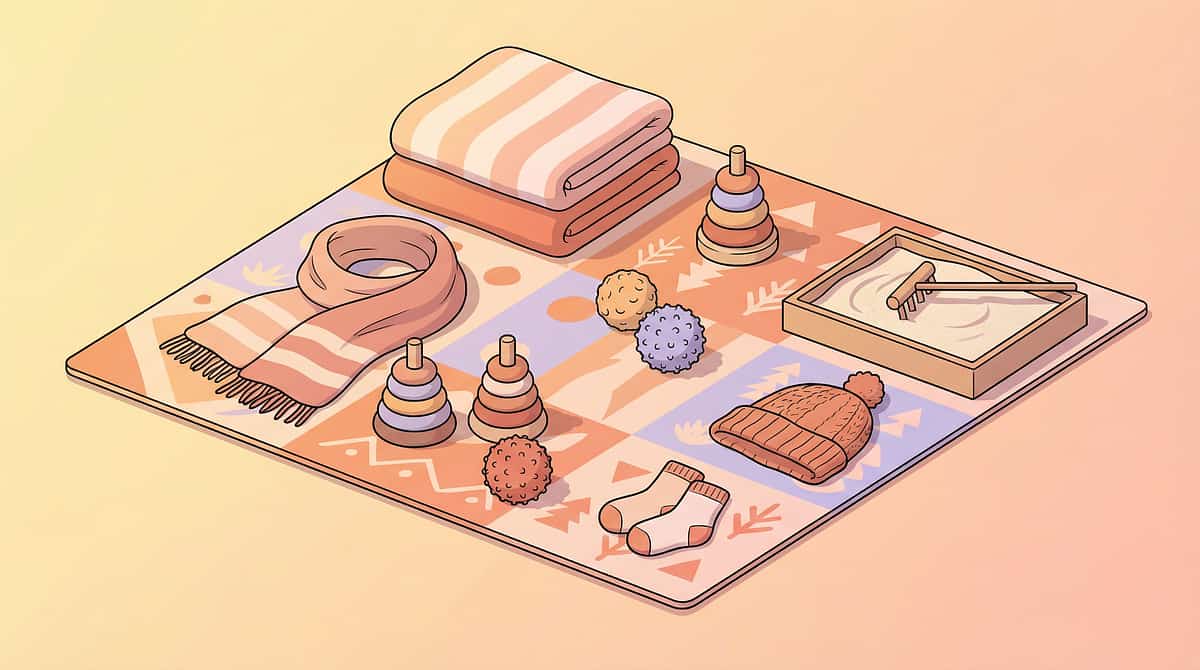
Your 9 Materials — Ready to Implement
# | Material | Category | Price Range (INR) | Priority | |
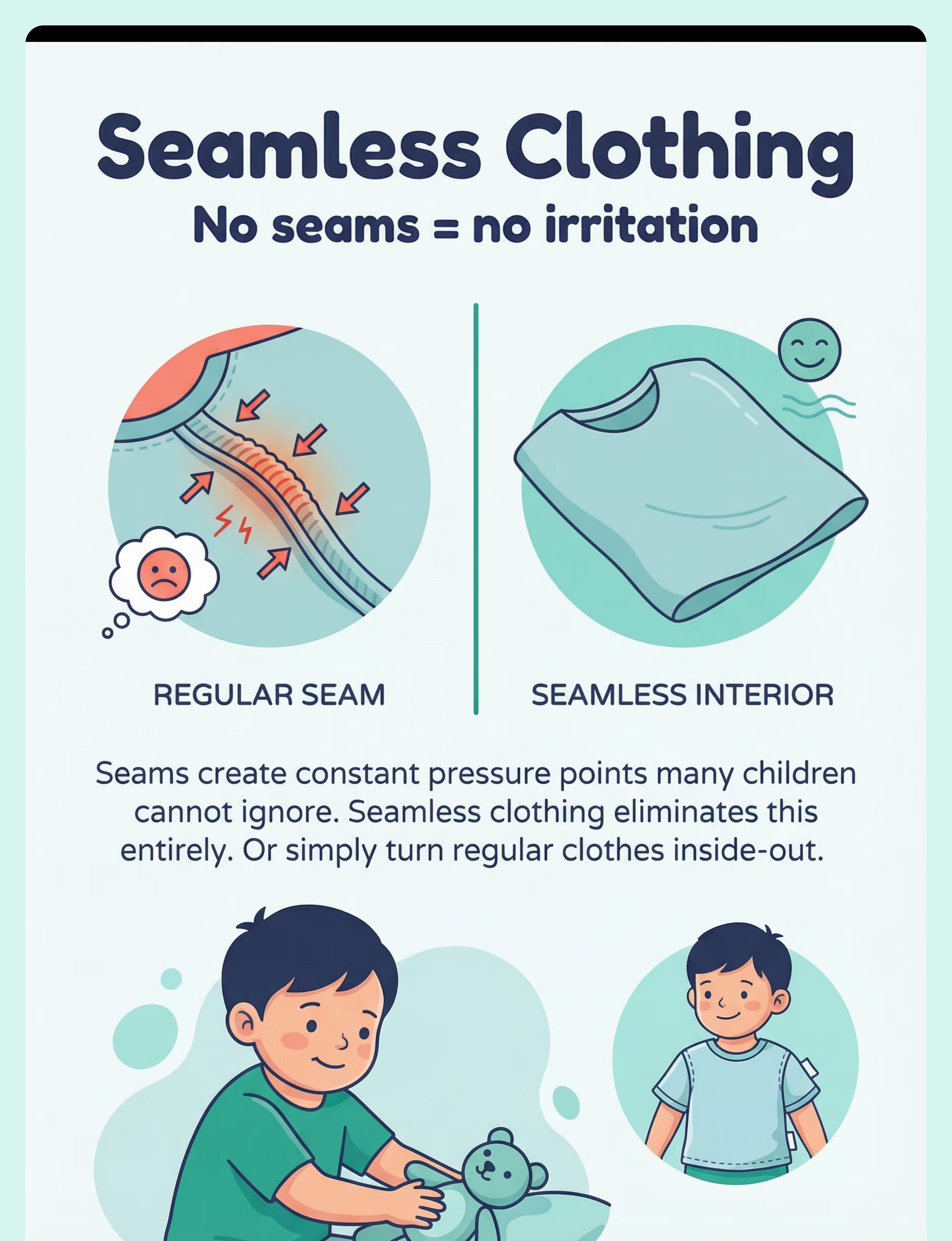
1 | Seamless / Inside-Out Clothing | Clothing Modification | ₹300–1,500/item | ⭐ ESSENTIAL | |
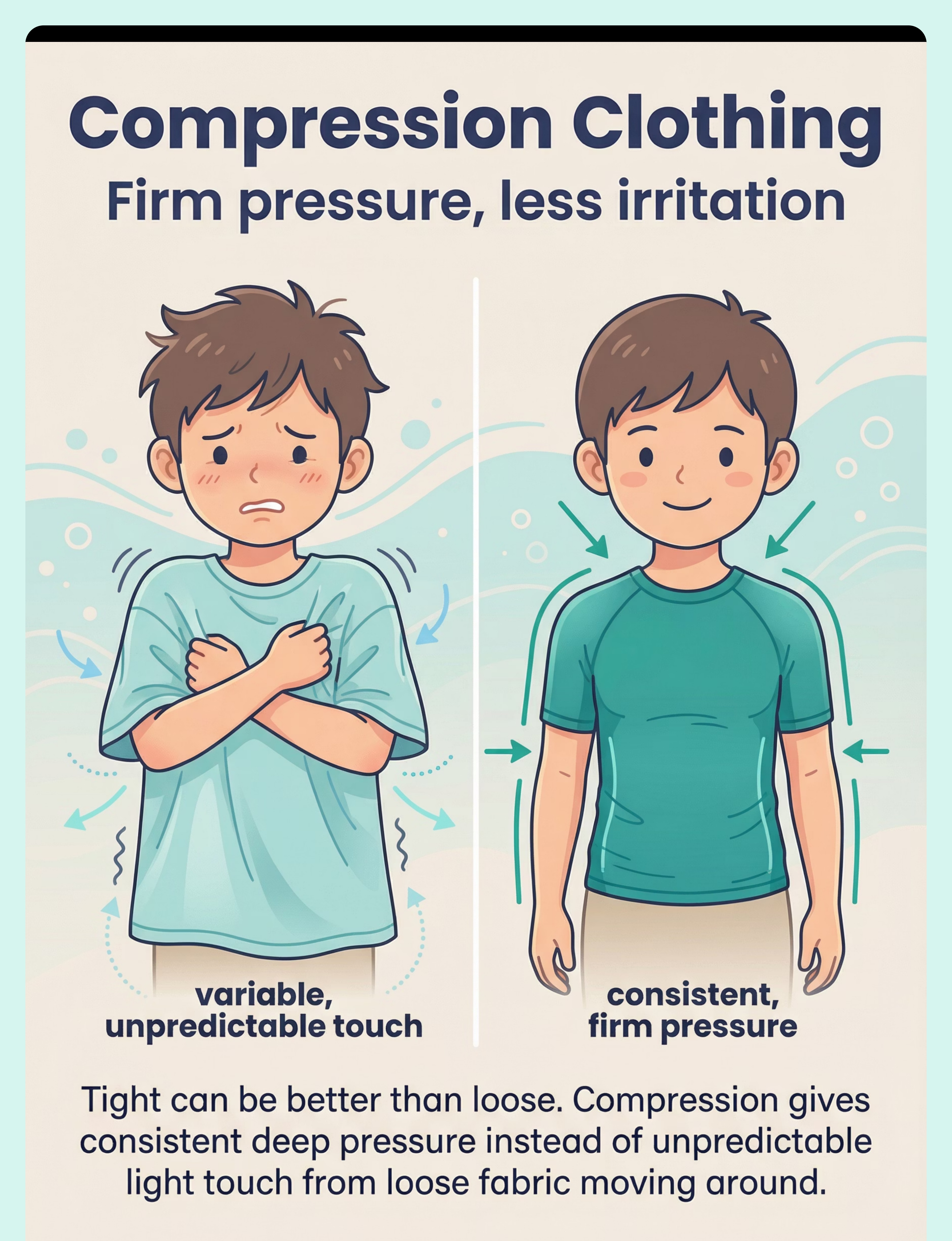
2 | Compression Clothing / Tight Base Layers | Alternative Clothing | ₹500–2,000/item | ⭐ ESSENTIAL | |
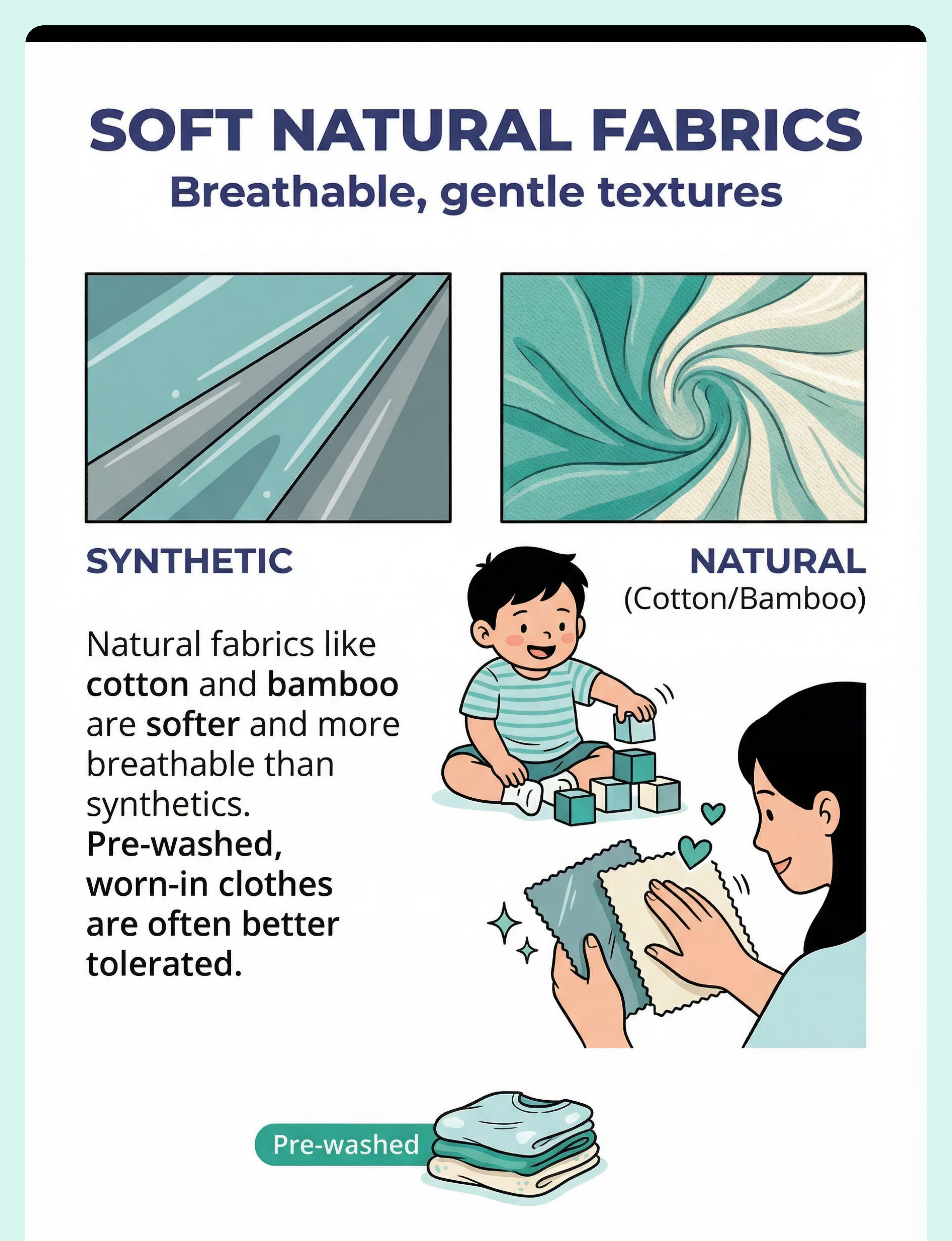
3 | Soft Natural Fabrics (Cotton, Bamboo) | Alternative Clothing | ₹400–1,500/item | ⭐ ESSENTIAL | |
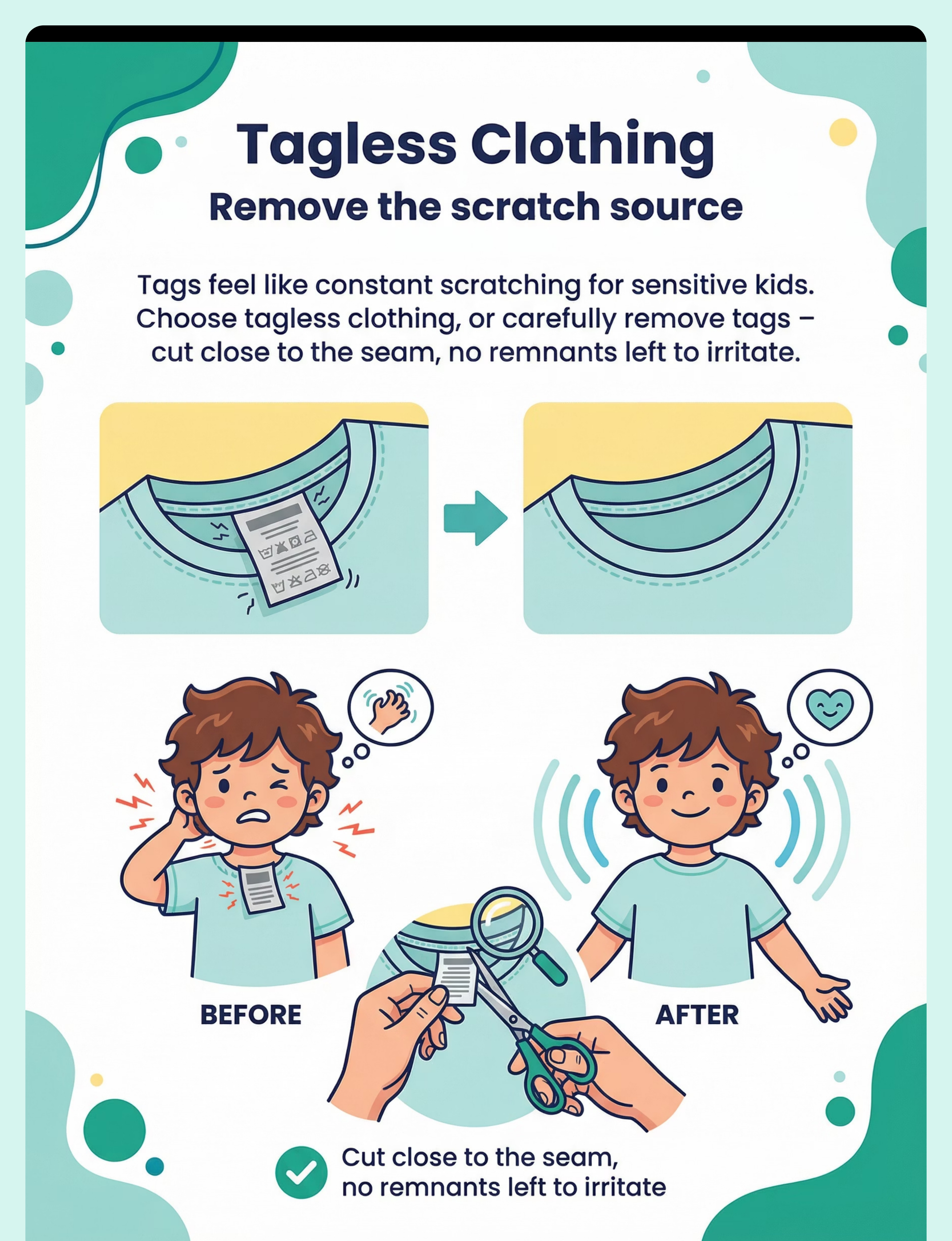
4 | Tagless Clothing / Tag Removal | Clothing Modification | ₹0 (removal) | ⭐ ESSENTIAL | |
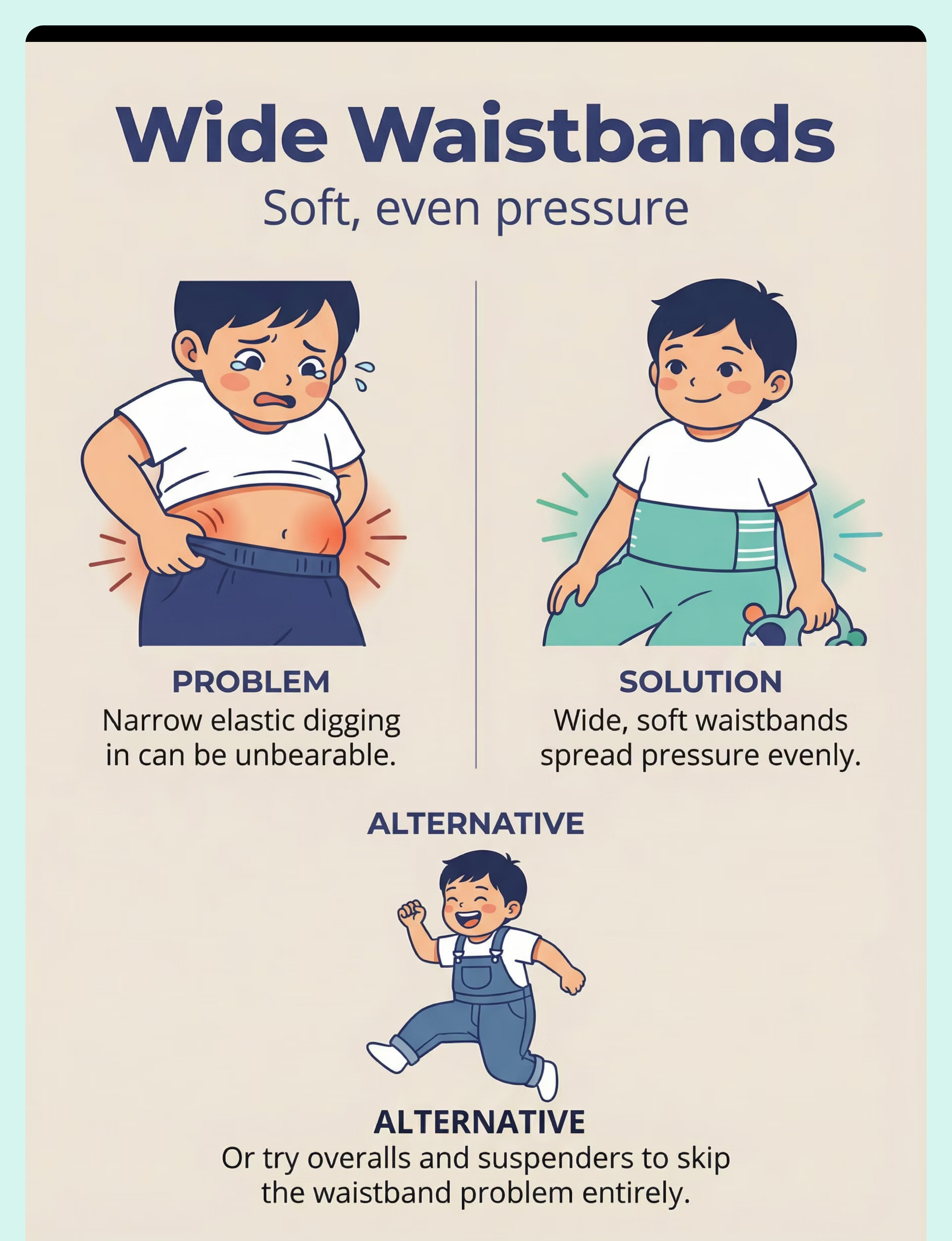
5 | Wide-Band / Elastic-Free Waistbands | Clothing Modification | ₹400–1,200/item | HIGH | |
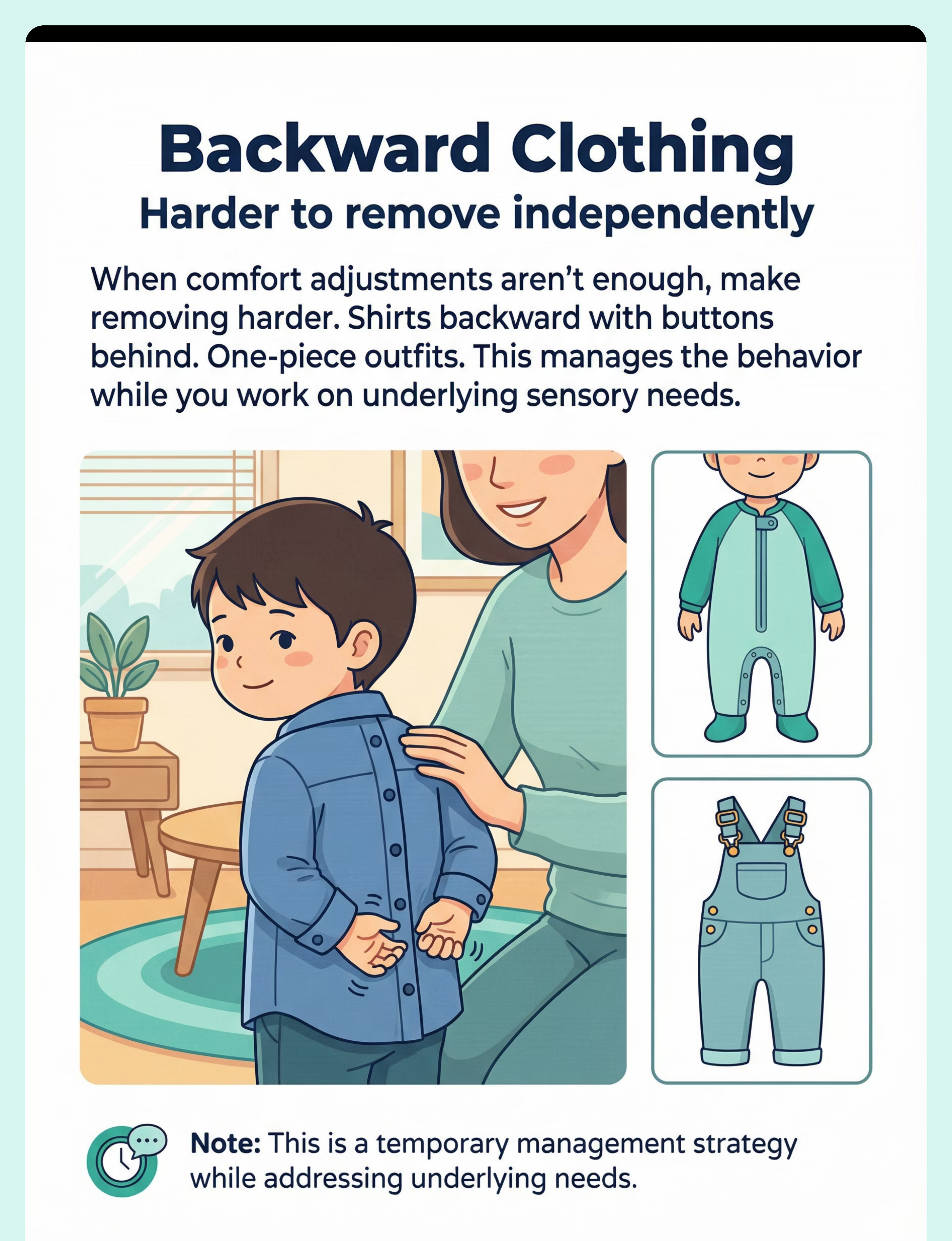
6 | Backward / Difficult-to-Remove Clothing | Management Strategy | ₹500–2,500/item | SITUATIONAL | |
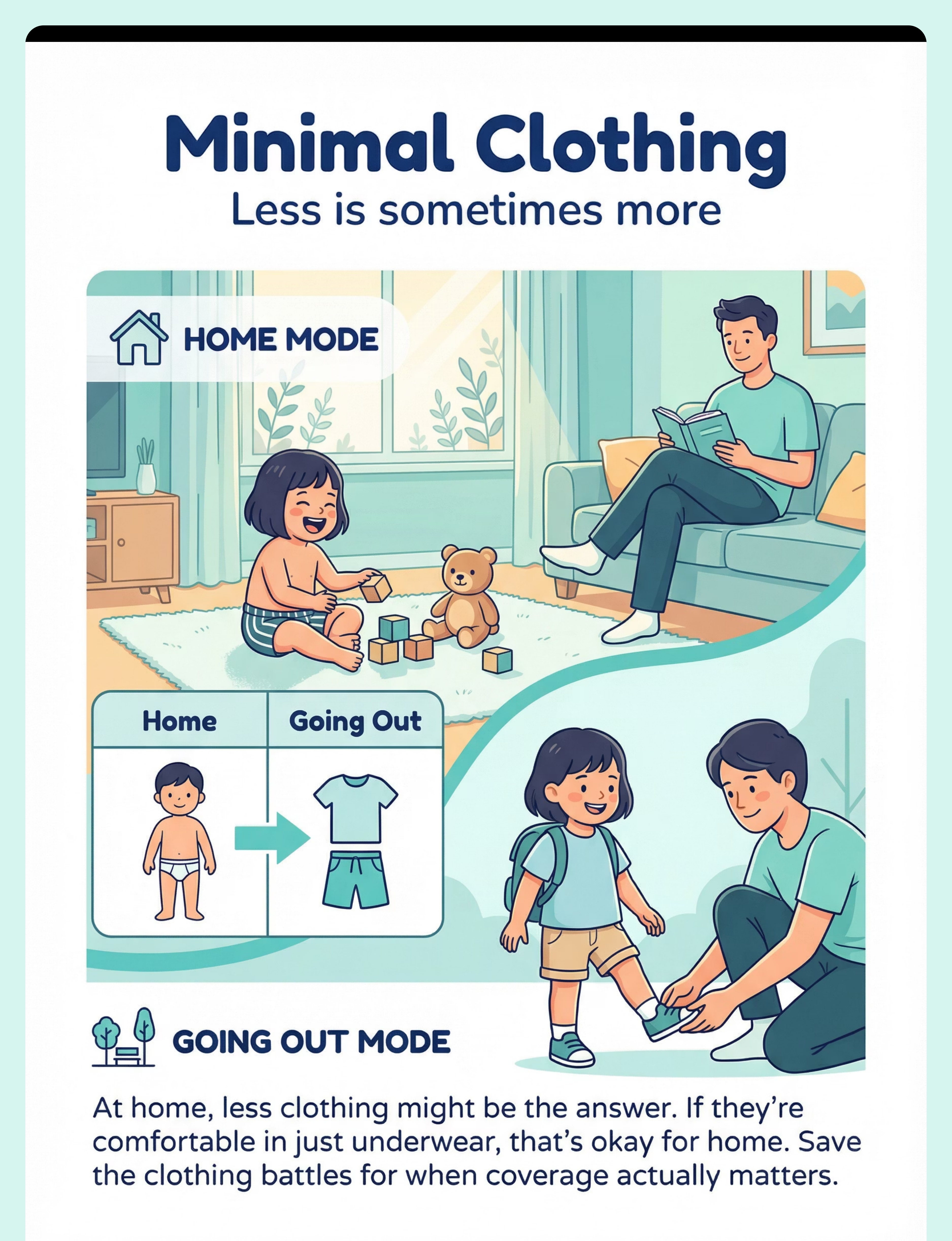
7 | Minimal Clothing Protocol | Lifestyle Adjustment | ₹0 | IMMEDIATE | |
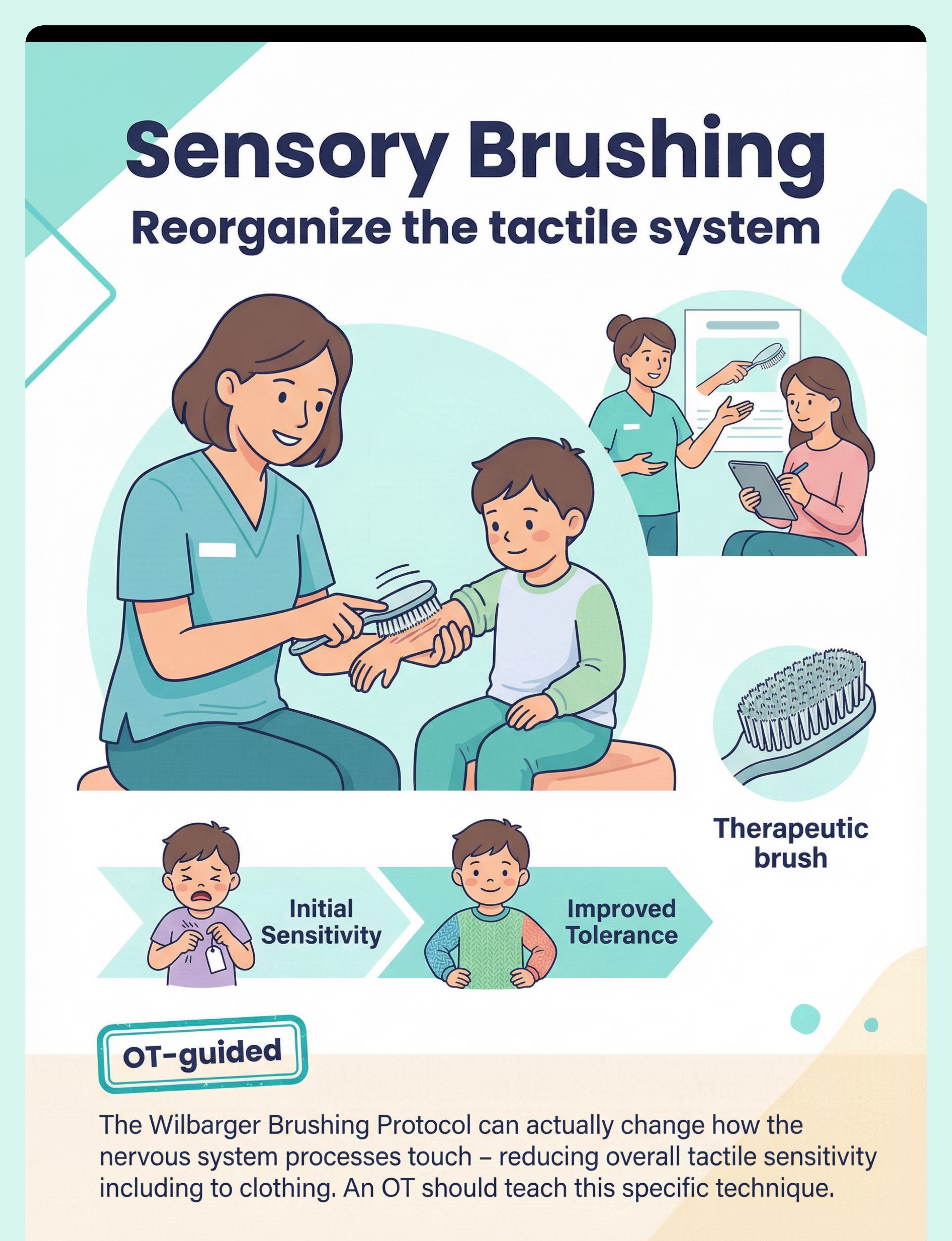
8 | Sensory Brushing / Wilbarger Protocol | Therapeutic Intervention | ₹300–800 (brush) + OT | CLINICAL | |
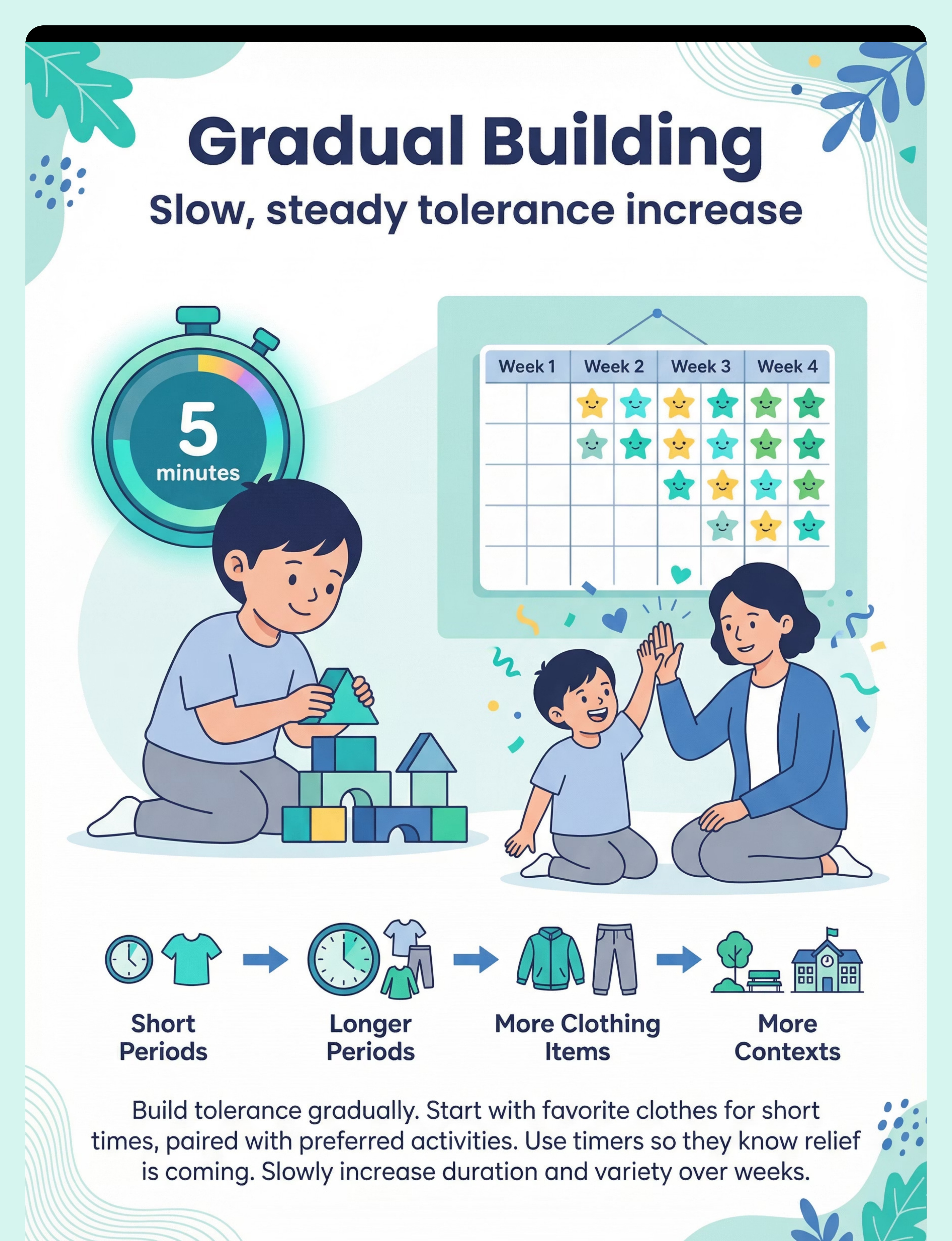
9 | Gradual Clothing Tolerance Building | Therapeutic Intervention | ₹0–500 (timer, rewards) | LONG-TERM |
Get started today with Materials 1, 3, and 4 — the essential starter kit. Total cost: under ₹2,000.
Zero-Cost Start — Use What You Have Today
Every family deserves access to these interventions, regardless of economic status. The WHO/UNICEF Nurturing Care Framework emphasizes equity-focused, context-specific interventions. Here's how to start with what's already in your home:
Buy This | Make This (₹0) | |
Seamless clothing | Turn existing clothes inside-out — seams face outward | |
Compression undershirts | Tight-fitting athletic wear or dancewear; size down slightly in stretchy fabric | |
Bamboo/cotton clothing | Pre-wash new clothes 3–5 times to soften; use hand-me-downs already broken in | |
Tagless clothing | Remove tags with scissors — cut flush to seam, feel for remnants | |
Wide waistband pants | Sew wider elastic over narrow bands; use safety pins to loosen; try overalls | |
Backward clothing | Put button-down shirts on backward; use rompers/sleepers | |
Visual timer for tolerance building | Use a phone timer with visual countdown |
⚠️ CAVEAT — When the clinical-grade material is non-negotiable: The Wilbarger Brushing Protocol (Material #8) requires a specific surgical therapy brush and must be taught by a qualified Occupational Therapist. Do NOT substitute with a regular brush — incorrect technique can worsen tactile defensiveness.
Research: PMC9978394 | WHO NCF Handbook (2022) — Household-material-based intervention efficacy in 54 LMICs
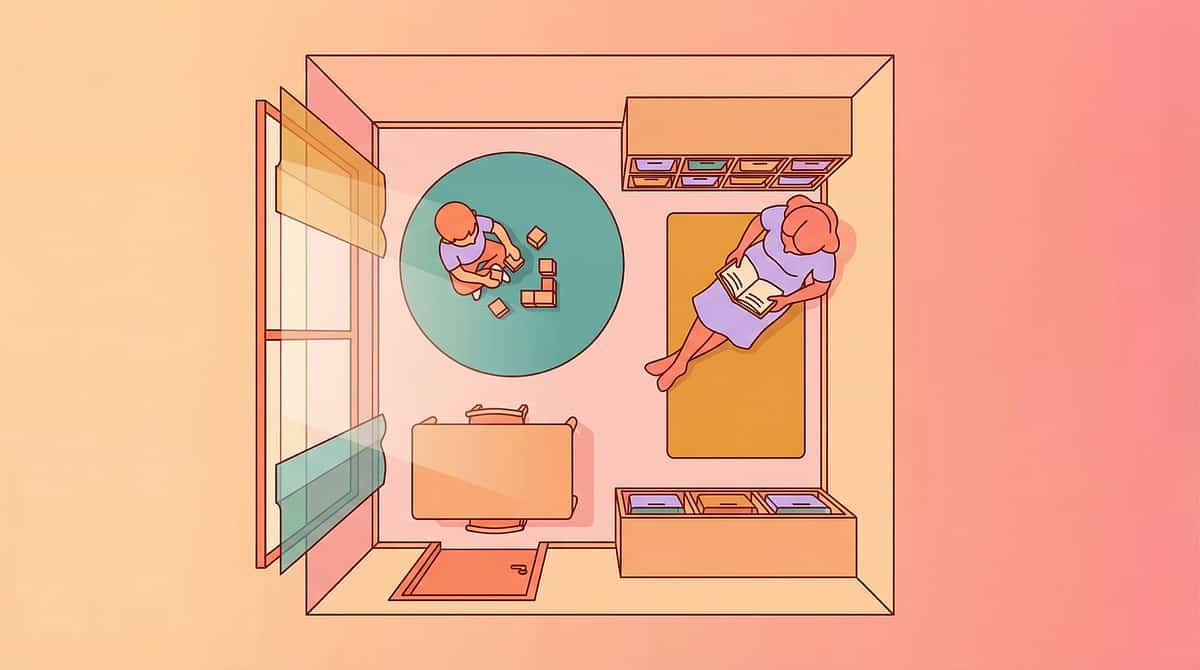
Safety Gate — Read Before Proceeding
🔴 RED — DO NOT PROCEED IF:
- Child has open wounds, rashes, or active skin infection where clothing contacts skin
- Child shows signs of allergic reaction to fabrics (hives, redness, swelling)
- Child is in acute distress, post-meltdown, or ill
- You are attempting the Wilbarger Protocol without OT training
- Backward/difficult-to-remove clothing is being used as punishment
🟡 AMBER — MODIFY APPROACH IF:
- Child is drowsy, hungry, or has recently had a difficult transition
- Temperature is extreme (adjust minimal clothing approach accordingly)
- Child has limited communication (ensure alternative ways to signal distress)
- Multiple sensory triggers are present simultaneously (reduce other stimuli first)
🟢 GREEN — PROCEED WHEN:
- Child is calm, fed, and in a regulated state
- Environment is familiar and low-demand
- You have all materials ready before involving the child
- You have 15–20 minutes without time pressure
- You are emotionally calm and ready to follow the child's lead
⛔ RED LINE — STOP IMMEDIATELY IF: Child shows signs of skin irritation, restricted breathing, or circulation issues with compression clothing. Child becomes severely distressed (not just resistant — but genuinely panicked). Backward clothing prevents child from communicating toileting needs. Any sign of pain, not just discomfort.
Research: DOI: 10.1007/s12098-018-2747-4 — Home-based sensory intervention safety protocols (Padmanabha et al., Indian J Pediatr, 2019)

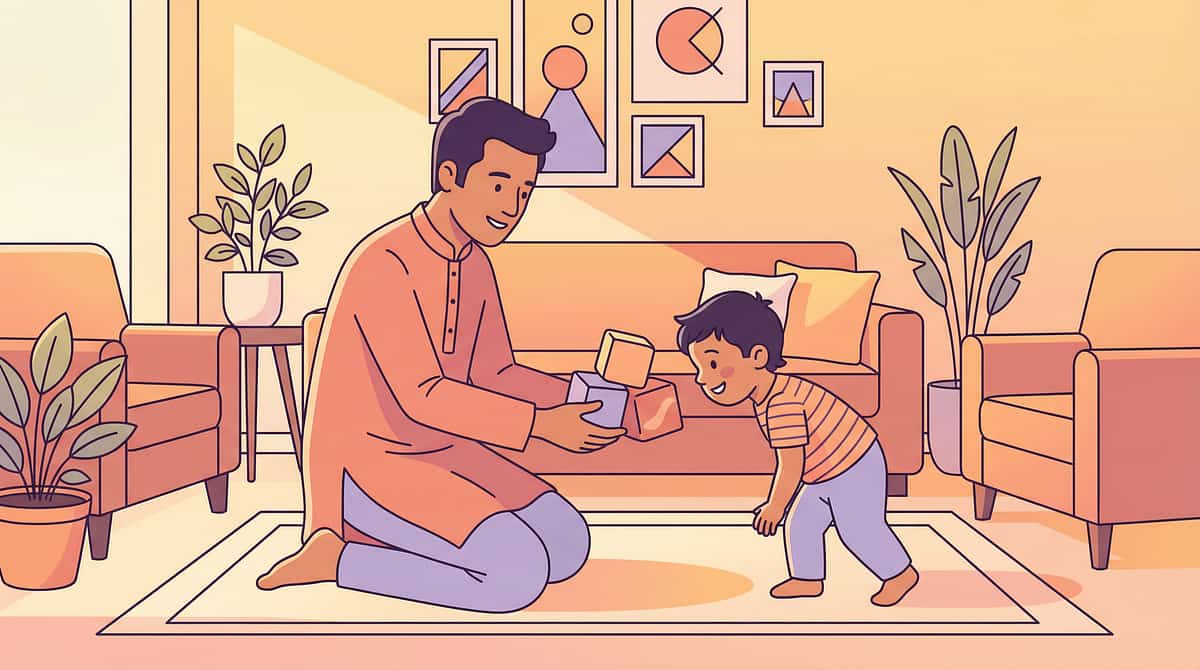
Prepare the Environment
Spatial precision prevents 80% of session failures. Set the stage before you start.
The Dressing Station
Location
Quiet room with low sensory input — no TV, no siblings running, soft lighting
Surface
Soft carpet or mat on the floor (some children prefer lying down to dress)
Materials
All 9 materials accessible to YOU (not scattered) — pre-sorted by today's target
Mirror
Optional — full-length mirror so child can see the clothing on their body
Timer
Visual timer visible to the child
Reward
Preferred toy/activity ready and visible as motivation
Remove from the Space
- Competing sensory input (loud sounds, strong smells, visual clutter)
- Other clothing options that might distract from the target garment
- Siblings who may inadvertently create pressure or commentary
Temperature
Room should be comfortable — neither too hot (increases fabric discomfort) nor too cold (creates urgency to dress that doesn't teach tolerance).
Research: PMC10955541 — Structured environment in 1:1 sessions showed maximum effectiveness
ACT III
The Execution
60-Second Pre-Session Check
Child is fed and not thirsty
Child has not had a meltdown in the last 30 minutes
Child is not showing signs of illness
Child is in a relatively calm, alert state
No major schedule changes or disruptions today
Preferred activity/reward is ready
YOU are calm and not in a rush
All checks pass → GO
Proceed with full protocol
1–2 amber → MODIFY
Use simplified version — just offer one sensory-friendly item without pressure
Multiple issues → POSTPONE
Do a calming activity instead. Tomorrow is another opportunity.
"The best session is one that starts right."
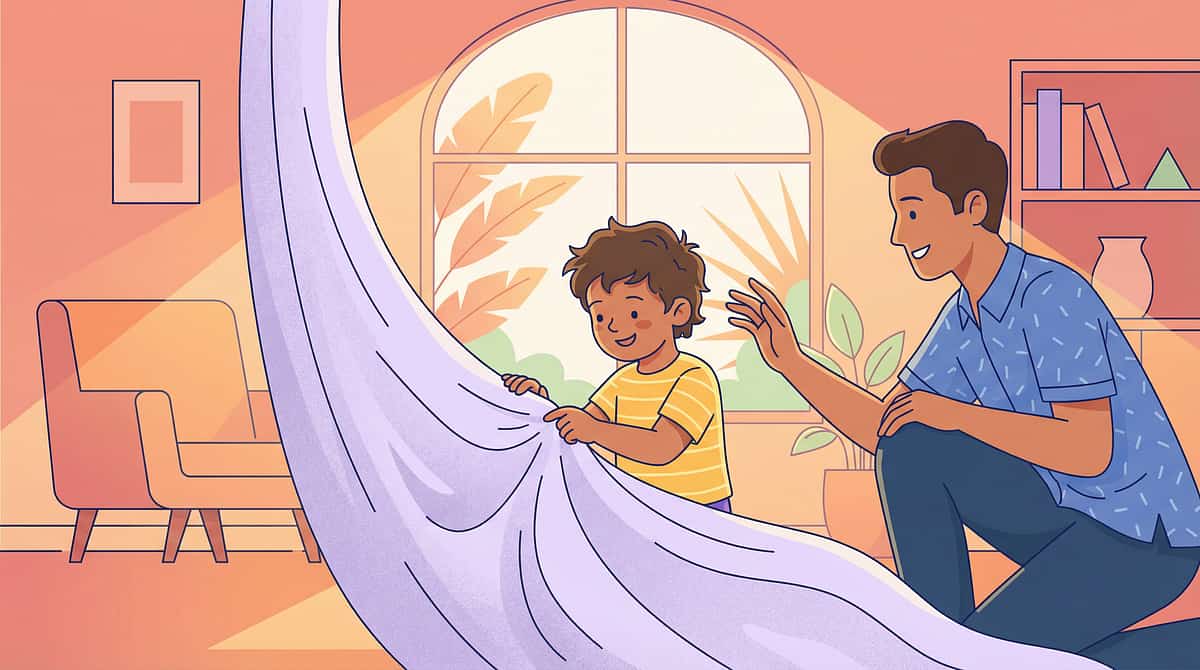
Step 1 — The Invitation
30–60 seconds
Parent Script
"Hey [child's name], I have something really soft for you to feel. Want to touch it with me?"
DO NOT start by saying "time to get dressed." Start by offering the MATERIAL as an exploration, not a demand.
Body language: Relaxed, sitting at child's level, holding the sensory-friendly garment casually — not extending it toward the child.
Acceptance Cues ✅
- Child looks at the material
- Child reaches toward it
- Child allows you to place it near them
- Child touches it voluntarily
Resistance Cues & Response
- Child turns away → Wait 10 seconds, try again with different item
- Child pushes away → "That's okay. It's here when you're ready." Place it nearby.
- Child becomes distressed → Abandon this item, try a different material from the 9
The invitation is not a command. It's an opening.
Research: ABA Pairing Procedures + OT "Just-Right Challenge" principle
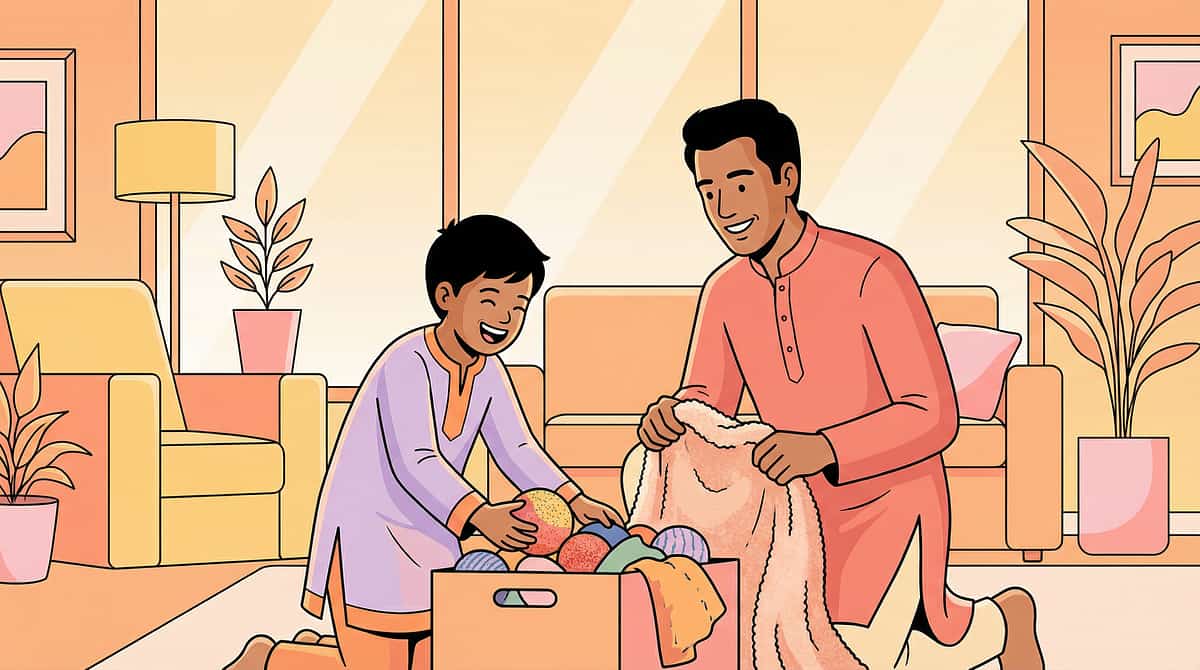
Step 2 — The Engagement
1–3 minutes
Once the Child Shows Interest
"Feel how soft this is! Let's see if we can put it on your arm... just for a moment."
Material Introduction
- Present the garment slowly — don't rush it over the child's head
- Let the child feel the fabric against their hand first, then arm, then shoulder
- For compression clothing: show how it stretches and snaps back — make it a game
- For inside-out clothing: show the child the smooth interior together
Response Indicators
Engagement ✅ | Tolerance ⚠️ | Avoidance 🔴 | ||
Child helps pull on | Child allows but is tense | Child smiles or is neutral | Child cries or runs | |
Child touches fabric willingly | Child tolerates briefly | Child's body stiffens | ||
Child pulls away | Child pushes away | Child pushes away |
REINFORCE: "You're touching the soft shirt! That's amazing!"
Research: PMC11506176 — Structured material introduction meets evidence-based practice criteria
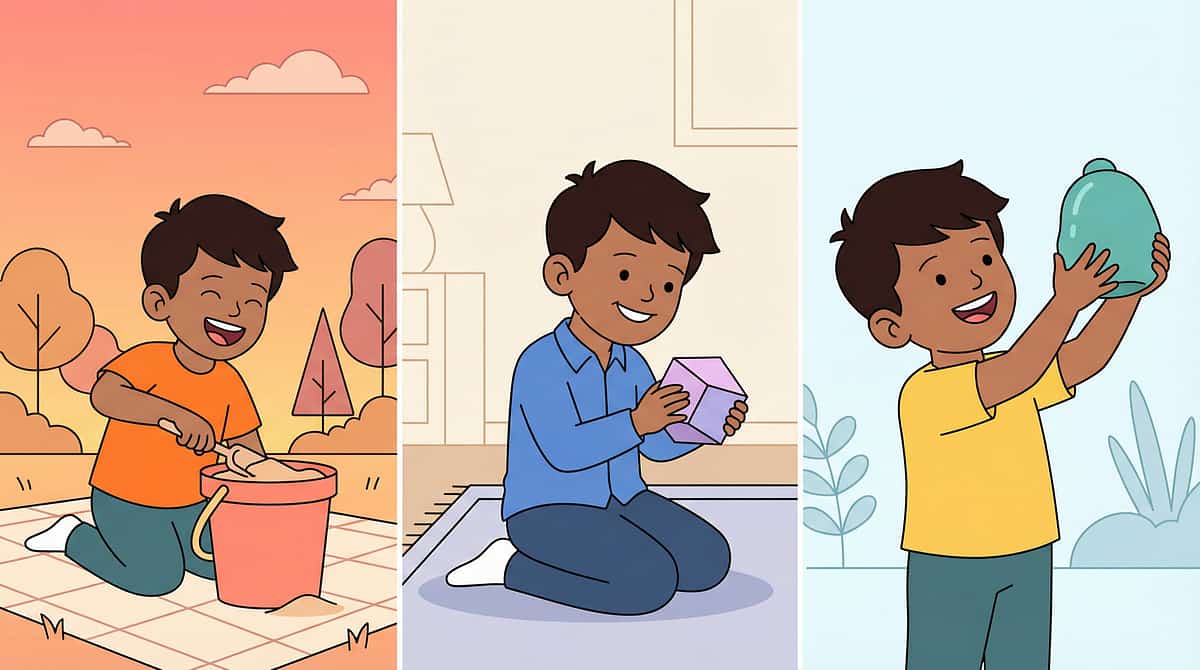
Step 3 — Wearing the Garment
3–10 minutes
THE CORE ACTION: The child wears the selected sensory-friendly clothing item for a target duration. This is the active ingredient — the actual exposure that builds neural pathways for clothing tolerance.
For Seamless/Soft Clothing (Materials 1–5)
Help the child put on the garment. Start the visual timer. Immediately transition to a highly preferred activity (iPad, favorite toy, snack, play). The preferred activity is the distraction and reinforcement simultaneously.
For Compression Clothing (Material 2)
Put on the compression garment as a "super hero suit" or "hug shirt." Many children find this immediately calming. If the child visibly relaxes, note this — compression may be their sensory preference.
For Minimal Clothing (Material 7)
If working on public/outing tolerance: dress the child in their most tolerated outfit, set a short timer, and practice a brief simulated "outing" (walk to the mailbox, sit in the car for 5 minutes).

Step 3 — Duration Progression & Response Spectrum
Week 1
5 minutes in target clothing
Week 2
10 minutes
Weeks 3–4
15–20 minutes
Week 5+
Functional duration (length of school/outing)
Child Response Spectrum
Ideal
Child wears garment and engages in play without noticing clothing
Acceptable
Child wears garment but occasionally pulls at it; redirects with prompting
Concerning → STOP
Child is unable to engage in any activity due to clothing distress — go smaller
Research: PMC10955541 — Home-based sessions of 10–20 minutes; core therapeutic action at 40–60% of session time
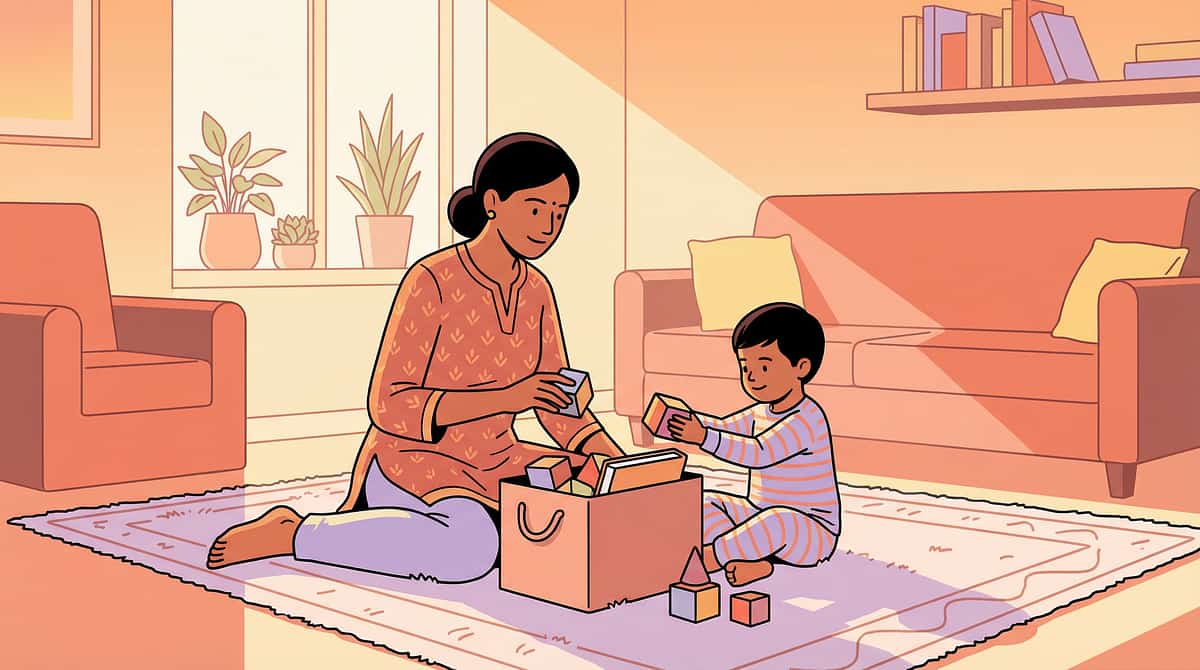
Step 4 — Build Through Repetition
3–5 minutes
Target Repetitions: 1–3 clothing changes per session (NOT 10)
Variation Options — Keep It Interesting
Try the same fabric in a different color
Switch from shirt to pants (different body area)
Try the same garment in different contexts (bedroom vs. living room)
Introduce one new element: if seamless shirt worked, try seamless shirt + soft pants together
Satiation Indicators — When to Stop
- Child starts actively pulling at clothing after tolerating initially
- Energy and engagement with preferred activity drops
- Child says "all done" or uses equivalent communication
- Timer rings (never go past the agreed time in early weeks)
"3 good minutes of wearing clothes > 10 forced minutes. Quality of tolerance matters more than duration."
Research: SI therapy dosage — 2–3 sessions per week, 8–12 weeks typical protocol
Step 5 — Celebrate the Win
Within 3 seconds
Reinforcement Script
"You wore your soft shirt for FIVE WHOLE MINUTES! That is incredible! You are SO strong! Let's [preferred activity]!"
TIMING IS EVERYTHING: Deliver praise within 3 seconds of the desired behavior. Specific beats generic: "You kept your shirt on!" > "Good job!"
Reinforcement Menu
Verbal
Enthusiastic, specific praise (every session)
Tangible
Sticker on a progress chart (visual tracking)
Activity
Immediate access to preferred activity
Social
High-five, dance, parent celebration
Token Economy (if age-appropriate): 5 stickers = special reward the child chooses. Visual chart on the wall where the child can SEE progress accumulating.
"Celebrate the attempt, not just the success. If your child wore the shirt for 2 minutes instead of 5, that's still 2 minutes of neural pathway building."
Research: ABA Reinforcement Principles — Immediate, specific reinforcement increases behavior occurrence | BACB ethical guidelines
Step 6 — The Transition Out
1–2 minutes
Transition Warning
"Two more minutes in your shirt, then all done! Then you can take it off."
Give a 2-minute warning
Use the visual timer so the child can see time passing
Timer reaches zero
"All done! Great job! You can take it off now."
Let the child remove clothing themselves
This builds agency and independence
Offer a calming activity
Soft blanket, preferred toy, quiet time
Put materials away together
If the child is willing — this builds routine
If the Child Resists Ending (Wants to Keep Wearing It!)
Celebrate! "You LIKE your soft shirt! You can keep wearing it!" This is a major win.
If the Child Removes Clothing Before the Timer
Do not punish. Say: "You wore it for 3 minutes. That's good work. Let's try 3 minutes again tomorrow." Reduce the target next session.
Research: NCAEP Evidence-Based Practices Report (2020) — Visual timers and transition supports classified as evidence-based for autism
60 Seconds of Data — Do This NOW
Record these 3 data points within 60 seconds of session end:
Data Point | How to Record | Example | |
Which material worked best today? | Material number (1–9) | "Material 1 — seamless shirt" | |
How long did the child wear it? | Minutes | "7 minutes" | |
Child's distress level | 1 (calm) to 5 (very distressed) | "2 — mild discomfort, redirectable" |
Tracking Options
📱 GPT-OS® In-App Tracker
Digital tracking with automated pattern recognition
📄 PDF Tracking Sheet
Downloadable printable for your fridge or wall
📝 Simple Notebook
Just the 3 numbers daily — material, minutes, distress
WHY THIS MATTERS: After 2 weeks of daily tracking, you will see patterns: which materials work, which times of day are easiest, and whether tolerance is increasing. This data is what transforms guessing into a clinical protocol.
"60 seconds of data now saves hours of guessing later."
Research: BACB Data Collection Standards | Cooper, Heron & Heward — Applied Behavior Analysis

It Didn't Go Perfectly? That's Data, Not Failure.
Problem 1: "My child won't even touch the garment."
Leave the garment in the play area. Don't mention it. Let the child discover it. Pair it with a favorite toy. Try draping it over a stuffed animal first.
Problem 2: "She wore it for 30 seconds then ripped it off."
30 seconds is your baseline. Tomorrow, aim for 35 seconds. This IS progress.
Problem 3: "Compression made it worse — he screamed."
Not all sensory-sensitive children respond to compression. This child likely needs LESS input, not more. Switch to soft, loose natural fabrics (Material 3). The data tells you the profile.
Problem 4: "She was fine at home but melted down putting clothes on for school."
Context matters. Start the school outfit at home 30 minutes before departure, paired with a preferred morning activity. Reduce novelty: same outfit daily until tolerance is built.
Problem 5: "He removes clothes in public — it's mortifying."
Use backward clothing (Material 6) for public settings while working on tolerance at home. This is a management strategy, not the long-term solution. Carry a spare sensory-friendly outfit.
Problem 6: "Nothing from the 9 materials worked."
This child needs a comprehensive sensory processing evaluation. Call the Pinnacle Helpline: 9100 181 181 (FREE, 16+ languages, 24/7).
"Session abandonment is not failure — it's data."

Make It Fit YOUR Child
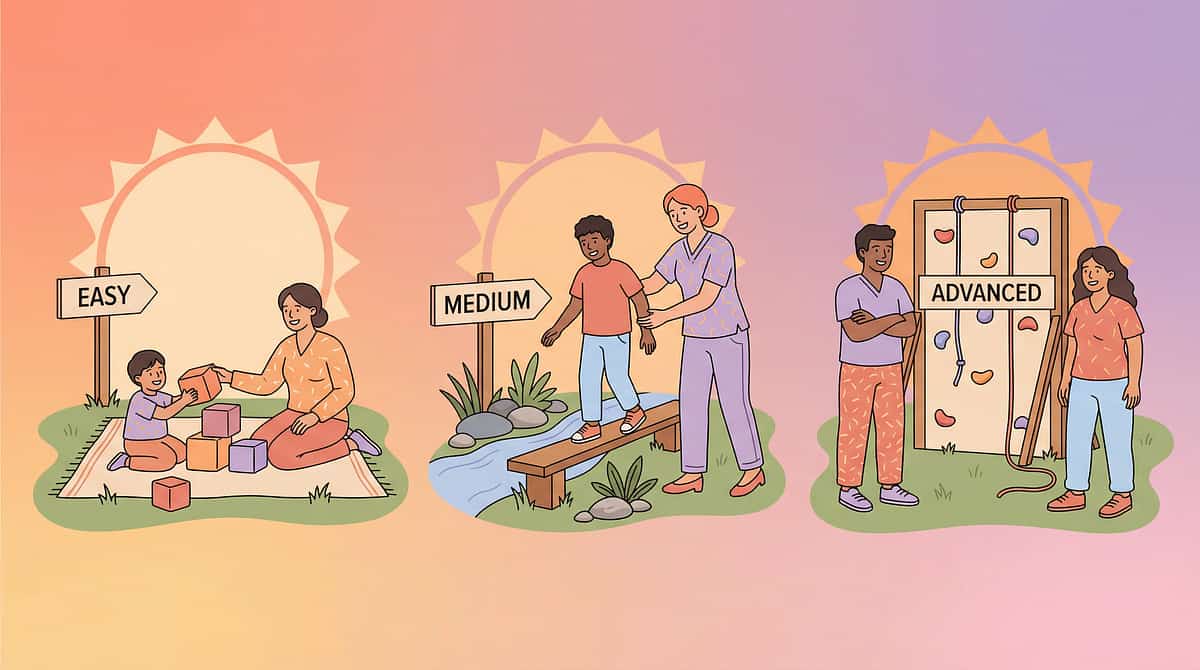
Difficulty Progression
Easiest
Child wears only underwear at home. No additional clothing pressure. Focus on identifying ONE tolerable garment.
Easy
Seamless, tagless, soft cotton shirt only. 5 minutes. High-value reward.
Moderate
Full outfit (top + bottom) of sensory-friendly clothing. 15 minutes. Token economy.
Challenging
Regular clothing with modifications (tags removed, washed soft). 30+ minutes. Natural rewards.
Target
Age-appropriate clothing tolerance for full school/outing duration. Context-flexible dressing.

Sensory Profile & Age Adaptations
Sensory Profile Variations
If your child is a SENSORY AVOIDER
(pulls away from touch)
→ Start with softest, loosest clothing. Avoid compression. Prioritize Materials 1, 3, 4, 5.
If your child is a SENSORY SEEKER
(craves deep pressure)
→ Start with compression clothing (Material 2). They may actually PREFER tight clothing. Add weighted accessories.
Age Modifications
Ages 2–3
Keep it 100% play-based. No verbal explanations needed. Materials + rewards only.
Ages 4–6
Add visual schedules and social stories. Introduce "home clothes" vs. "going out clothes."
Ages 7–10
Involve the child in material selection. Build autonomy. Peer-awareness conversations.

ACT IV
The Progress Arc
Weeks 1–2: The Foundation
15%
Progress
Building the foundation for change
What You May See
- Child tolerates the seamless/soft garment for 3–7 minutes (up from 0)
- Child shows less immediate resistance when garment is presented
- Child allows you to drape the garment on them briefly without meltdown
- ONE material from the 9 emerges as clearly preferred
What Is Not Progress Yet
- Full outfit tolerance (too early)
- Wearing clothes to school without incident (too early)
- Child choosing to dress independently (too early)
"If your child tolerates the garment for 3 seconds longer than last week — that is real, measurable, neurological progress."
PARENT EMOTIONAL CHECK: Weeks 1–2 are hardest for PARENTS. The progress feels invisible. It's not. Every second of tolerance is a neural pathway forming.
Research: PMC11506176 — Early-phase indicators focus on tolerance and participation, not skill mastery
Weeks 3–4: The Consolidation
40%
Progress
Neural pathways are forming and strengthening
Consolidation Indicators
Child no longer resists the preferred sensory-friendly garment
Child may ask for or point to the "soft shirt" (it has become familiar)
Tolerance duration naturally increases without you pushing it
Child begins tolerating a SECOND garment type beyond the first
Spontaneous generalization: child tolerates clothing in a new room or context
The Neural Signature: What's happening inside: the somatosensory cortex is recalibrating. Repeated, positive exposure to tolerable clothing is literally rewiring the tactile processing pathways. The brain is learning: "this texture = safe."
WHEN TO LEVEL UP: If the child consistently wears the preferred garment for 15+ minutes without distress across 5 consecutive days → introduce the next material or a new clothing item.
"You may notice you're more confident too. That's real. Parent confidence is the strongest predictor of intervention success."
Weeks 5–8: Toward Mastery
75%
Progress
Approaching functional clothing tolerance
🏆 Mastery Criteria
- Child wears sensory-appropriate clothing for full school/outing duration
- Child can tolerate 2–3 different sensory-friendly garment types
- Undressing in public has stopped or reduced by 80%+
- Child participates in dressing routine (even if not independent)
- Clothing distress signals shift from meltdowns to verbal communication: "This scratches"
Generalization Check
Context | Status | |
Tolerates clothing at home? | ✅ Yes | |
At grandparents' house? | 🟡 Emerging | |
At school? | 🟡 Emerging to established | |
During transitions (car, transport)? | 🔵 Developing |
Maintenance: Does the skill persist without the structured protocol? If the child continues wearing tolerated clothing without timer, reward system, or prompting → mastery achieved.
You Did This.
YOUR CHILD GREW BECAUSE OF YOUR COMMITMENT.
Remember Card 01? The trail of clothes across the floor. The exhaustion. The worry that something was wrong. Look at your child now. Look at what consistent, science-backed, love-driven intervention achieved.
Your child is not "fixed" — because they were never broken. Their nervous system learned to process clothing sensation differently. And YOU were the therapist who made that happen, session by session, minute by minute, day by day.
Celebrate This Milestone
📸 Capture It
Take a photo of your child dressed and happy — pin it to your progress chart
🎉 Celebrate It
Let your child pick a special activity or outing
💌 Share It
Tell your family: "We worked on this for weeks. Here's what happened."
📝 Journal It
Write down how you felt on Day 1 vs. today
"From fear to mastery. One technique at a time."
When to Pause and Seek Support
🚩 Red Flags Specific to This Technique
Skin reactions
Redness, rash, hives, or welts appearing where clothing contacts skin → may indicate allergy, not just sensory sensitivity. See pediatrician.
Regression
Child was tolerating clothing but suddenly cannot again → check for illness, new stressor, medication change, or growth spurt (clothing may now be too tight).
Extreme distress escalation
Child's distress is increasing rather than decreasing over 2+ weeks despite accommodation → comprehensive sensory evaluation needed.
Self-injury
Child scratches, bites, or hits themselves when clothing is placed on them → immediate professional consultation.
Restricted circulation
Marks, discoloration, or numbness from compression clothing → remove immediately, reassess fit.
No progress after 8 weeks
If zero improvement across all 9 materials with consistent implementation → underlying issue may be beyond tactile processing.
📞Pinnacle National Autism Helpline: 9100 181 181 (FREE | 16+ languages | 24/7)
🌐pinnacleblooms.org
🌐pinnacleblooms.org
"Trust your instincts — if something feels wrong, pause and ask."

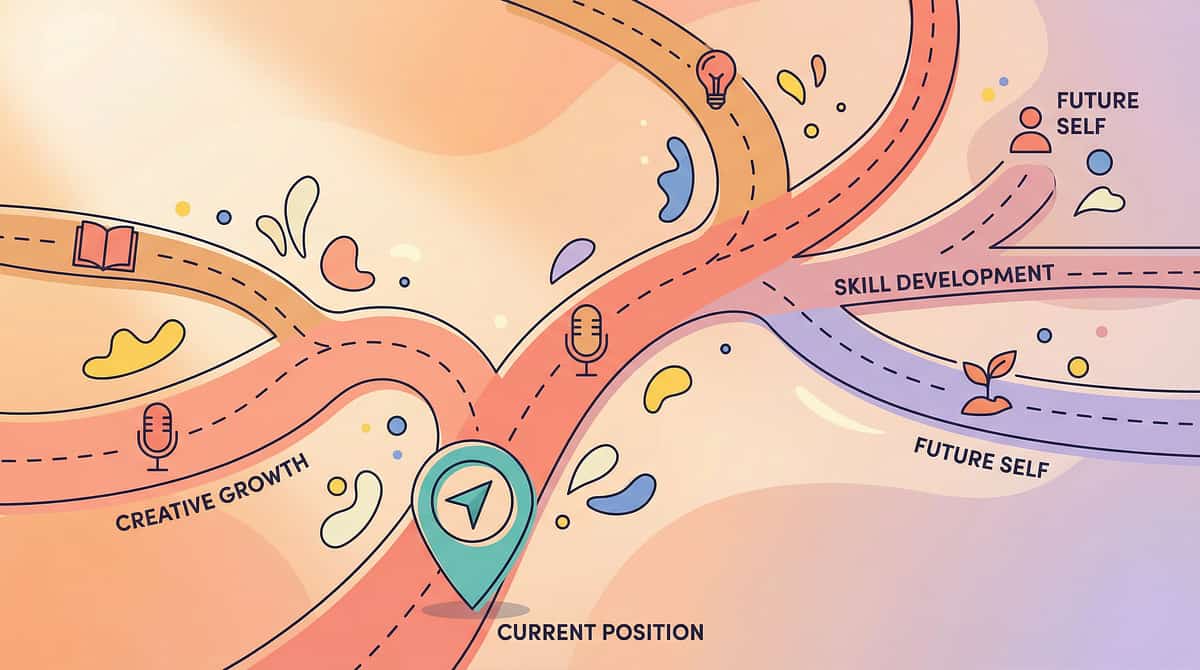
Your Developmental GPS
LONG-TERM DEVELOPMENTAL GOAL: Age-appropriate dressing independence → Self-selected, socially appropriate clothing → Full daily living independence in the Dressing domain
More Techniques in Sensory Processing
Your 9 materials already unlock multiple related techniques. Here's what to explore next:
Technique | Difficulty | Materials You Already Own | Connection | |
A-021: 9 Materials That Help When Child Avoids Hugs | Intro | ✅ Compression clothing, sensory brushing | Related tactile avoidance | |
A-023: 9 Materials When Child Won't Wear Certain Clothes | Core | ✅ All 9 materials transfer | Direct progression | |
A-024: 9 Materials When Child Won't Wear Shoes | Core | ✅ Seamless socks, gradual tolerance tools | Related dressing challenge | |
A-019: 9 Materials When Child Resists Sunscreen | Core | Partial overlap | Tactile defensiveness | |
A-025: 9 Materials for Meltdowns During Dressing | Advanced | ✅ Sensory-friendly clothing, visual supports | Behavioral escalation | |
A-001: 9 Materials for Touch Sensitivity | Intro | ✅ Tactile kit, brushing protocol | Foundational technique |
"You already own materials for 4 of these 6 techniques."

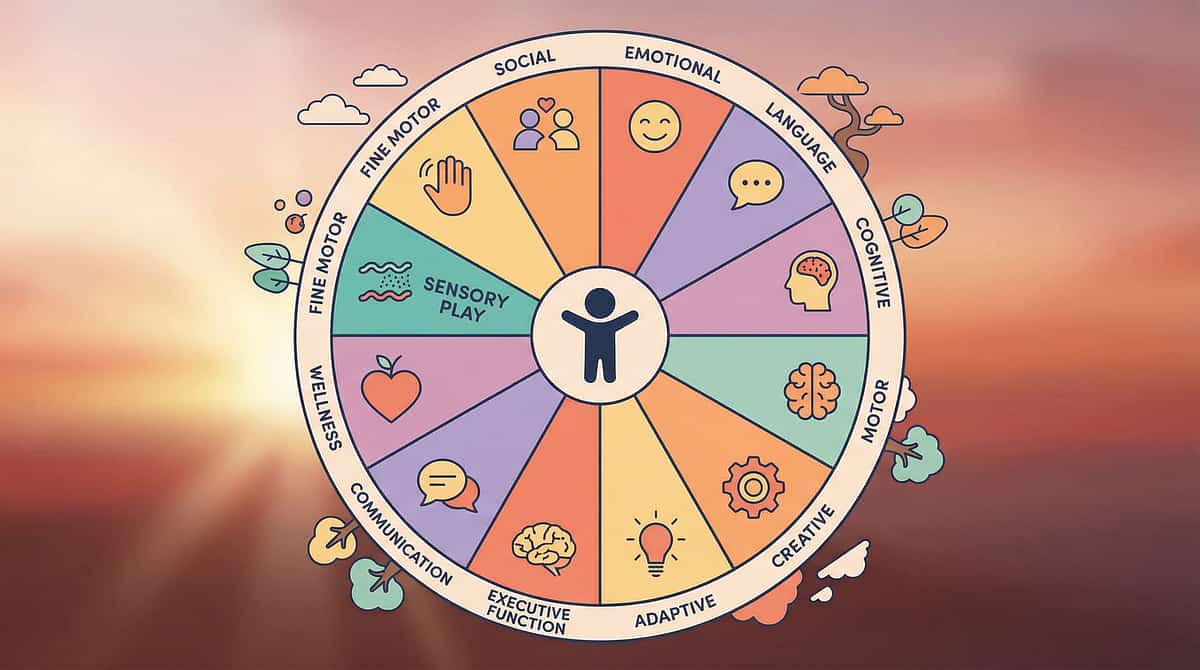
One Piece of a Larger Plan
A — Sensory Processing
← YOU ARE HERE
B — Communication
Language & Expression
C — Social Skills
Interaction & Connection
D — Behavioral Regulation
Self-Management
H — Daily Living
Self-Care & Independence
K — Caregiver Support
Parent & Family Wellbeing
This technique (A-022) connects to: Domain A (Sensory Processing) — Primary | Domain H (Daily Living & Self-Care) — Dressing independence | Domain D (Behavioral Regulation) — Replacing undressing with communication | Domain K (Caregiver Support) — Reducing daily dressing stress
"This technique is one piece of a larger plan. GPT-OS® sees the full picture."
Research: WHO NCF (2018) | UNICEF 2025 Country Profiles — 42 indicators per country
ACT V
Community & Ecosystem
From Families Like Yours
Family Story 1
Before: "Our 4-year-old son would remove all clothing within minutes. We couldn't go to family events. I carried three spare outfits everywhere. Every morning was a 40-minute battle."
Intervention: Switched to seamless cotton clothing, removed all tags, used compression undershirts. Added Wilbarger Brushing Protocol supervised by Pinnacle OT. Gradual tolerance building with visual timer and sticker chart.
After (8 weeks): "He wears his 'soft clothes' all day. He still has preferences, but he stays dressed. We go to the park. We visit grandparents. Mornings take 10 minutes."
— Parent, Pinnacle Network
Family Story 2
Before: "My daughter would strip at school. The teachers were concerned. Other parents stared."
After: "Backward clothing and a single compression undershirt under her uniform solved 90% of the school incidents. At home, she wears minimal clothing and we don't fight it anymore."
— Parent, Pinnacle Network
"This family's son had a classic tactile over-responsivity profile. The key insight was that compression worked better than loose — counter-intuitive until you understand that predictable deep pressure is less aversive than unpredictable light touch. Data showed 3x tolerance increase in 4 weeks once compression was introduced." — Pinnacle OT
Note: Illustrative cases. Individual outcomes vary by child profile.

You Don't Navigate This Alone
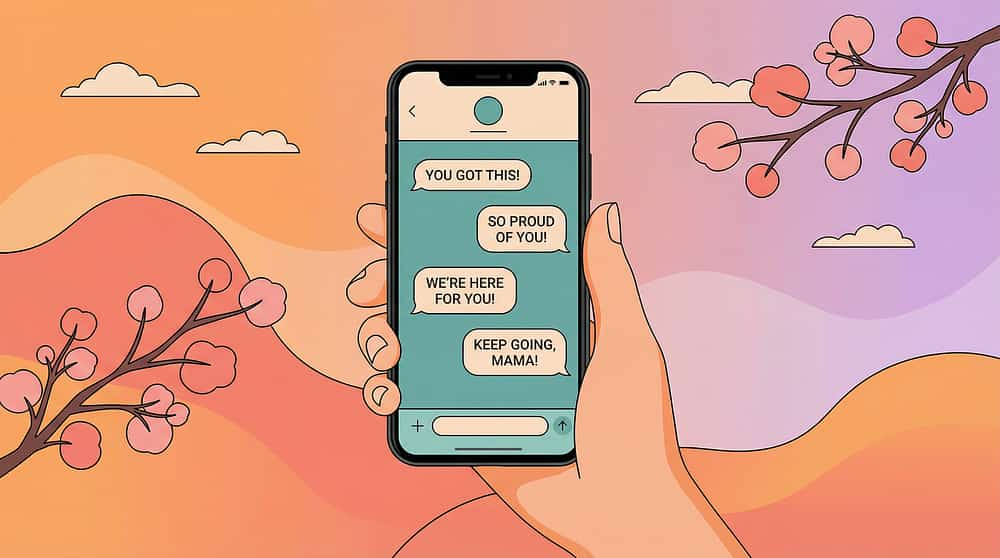
📱 Parent WhatsApp Group
Clothing & Dressing Sensory Solutions — Connect with parents solving the same daily challenge. Share what's working, ask questions, get support.
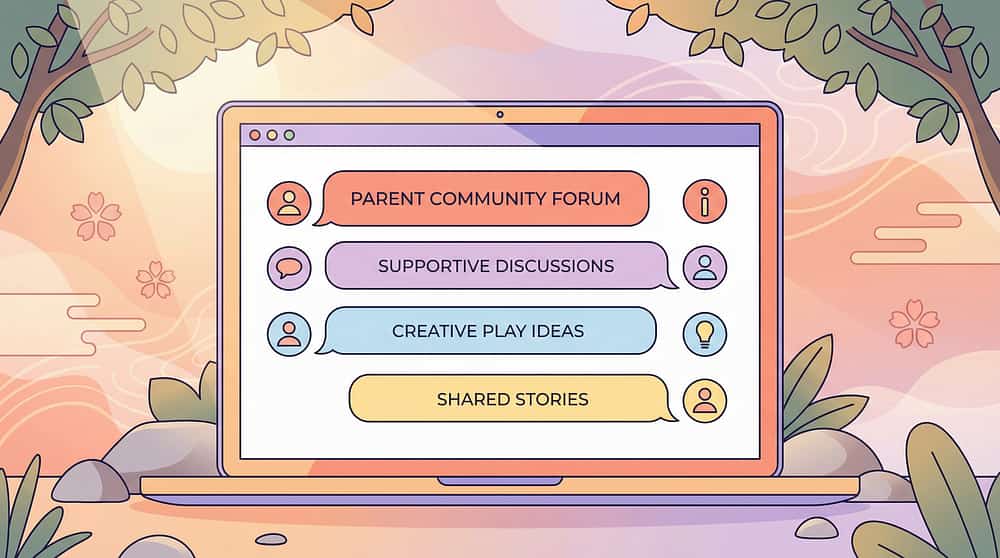
🌐 Online Community
Pinnacle Parent Community at pinnacleblooms.org/community — Domain-specific discussion forums for every challenge you face.
📍 Local Meetups
Find your nearest Pinnacle center for monthly parent support groups. Meet other families, share strategies face-to-face.

🤝 Peer Mentoring
Connect with an experienced parent who has been through this journey. "I wish someone had told me about inside-out clothing 6 months earlier."
"Isolation is the enemy of adherence. Your experience helps others — consider sharing your journey."
Research: WHO NCF Community Engagement Principles — Parent support networks improve intervention outcomes
Professional Backup at 70+ Centers
Home-based intervention works best when supported by professional guidance.
🗺️ Find Your Nearest Center
70+ centers across India — Interactive center locator map at pinnacleblooms.org
📞 Teleconsultation
For families in remote areas — book a video consultation with a Pinnacle OT specializing in tactile processing. Available in 16+ languages.
🎯 Therapist Matching
Primary discipline: Occupational Therapy (Sensory Integration). Request a Pinnacle OT trained in Wilbarger Protocol and clothing tolerance programs.
💡 "Home + Clinic = Maximum Impact" — The evidence is clear: children who receive professional therapy AND home-based intervention show significantly better outcomes than either alone.
📞FREE National Autism Helpline: 9100 181 181
🌐pinnacleblooms.org
🌐pinnacleblooms.org
Research: WHO NCF Progress Report 2018–2023 — Primary health care as platform for reaching all families with essential ECD interventions
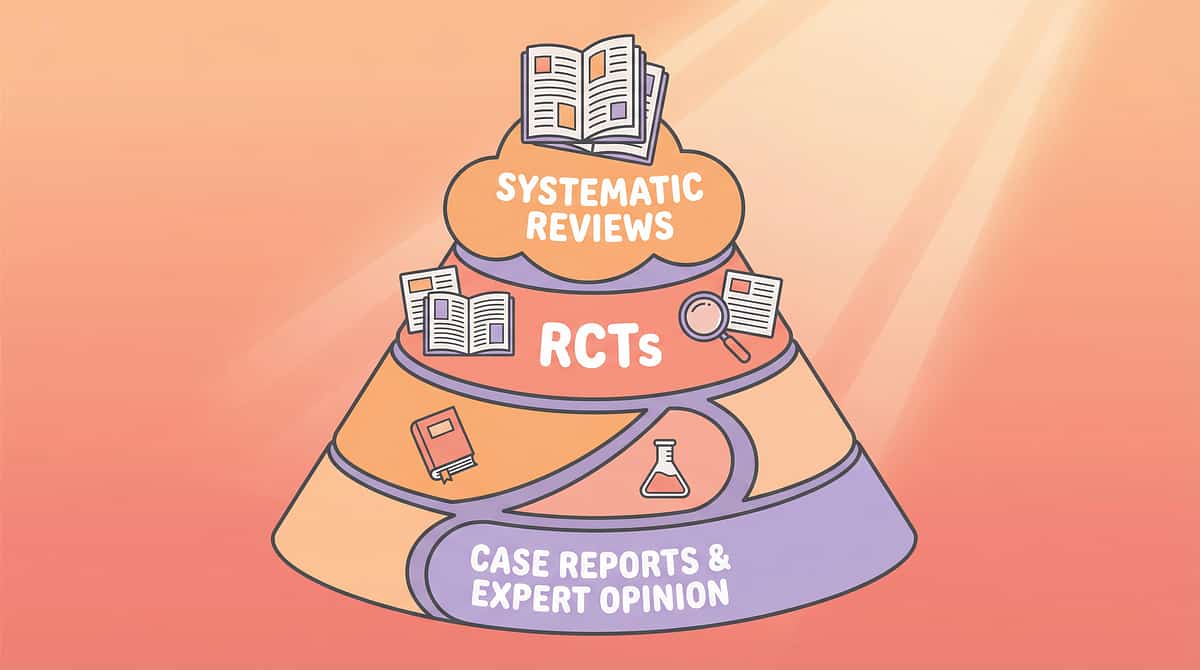
The Science Behind This Page
Evidence Pyramid
Level I
Systematic Reviews & Meta-Analyses
Level II
Randomized Controlled Trials
Level III
Frameworks & Clinical Guidelines
📄 PRISMA Systematic Review (2024)
Sensory integration intervention as evidence-based practice for children with ASD. 16 articles, 2013–2023.
📄 Meta-analysis (World J Clin Cases, 2024)
SI therapy promotes social skills, adaptive behavior, sensory processing, motor skills across 24 studies.
📄 Padmanabha et al. (2019)
Home-based sensory interventions — significant outcomes. Indian Journal of Pediatrics.
📄 WHO Nurturing Care Framework (2018)
Foundational framework for early childhood development.
📄 WHO/UNICEF CCD Package (2023)
Care for Child Development implementation across 54 countries.
📄 NCAEP Evidence-Based Practices Report (2020)
Sensory integration and visual supports classified as evidence-based.
📄 Frontiers in Integrative Neuroscience (2020)
Comprehensive framework for SI/SP treatment in ASD.
"Deeper reading for the curious parent — every claim on this page is traceable to published research."

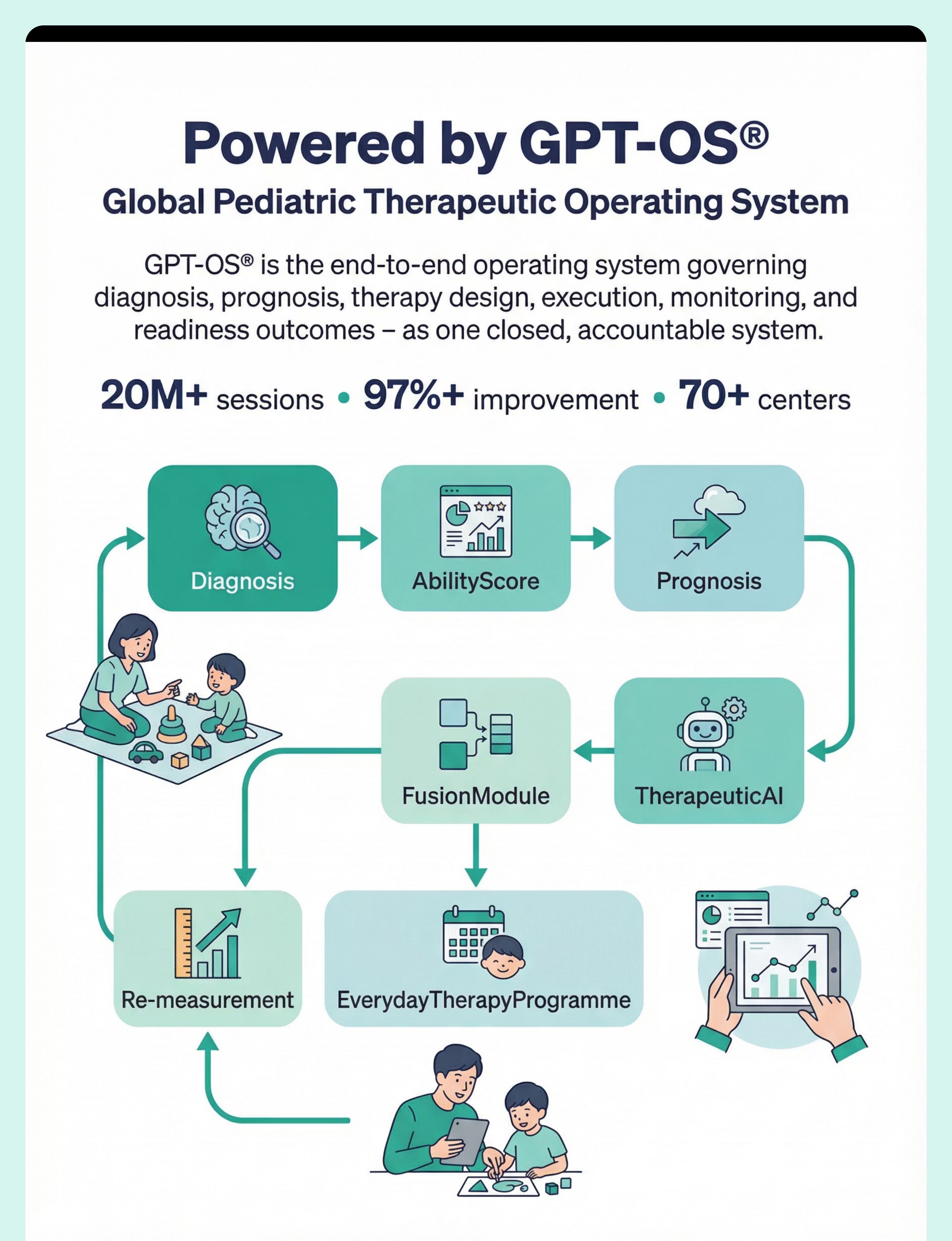
Powered by GPT-OS®
Global Pediatric Therapeutic Operating System
What GPT-OS® Learns from This Technique's Data
- Which of the 9 materials resolves clothing intolerance fastest for children with similar profiles
- Optimal session duration by age and severity
- Predictive models: if Material X works → Material Y is likely to work next
- Red flag detection: if progress stalls for >2 weeks → recommend professional evaluation
GPT-OS® Stack: Diagnostic Intelligence Layer → AbilityScore® (0–1000) → Prognosis Engine → TherapeuticAI® → EverydayTherapyProgramme™ → FusionModule™ → Closed-Loop Therapeutic Control
PRIVACY: All data is encrypted, anonymized for population analytics, and never shared with third parties. Your child's individual data is visible only to you and your authorized clinical team.
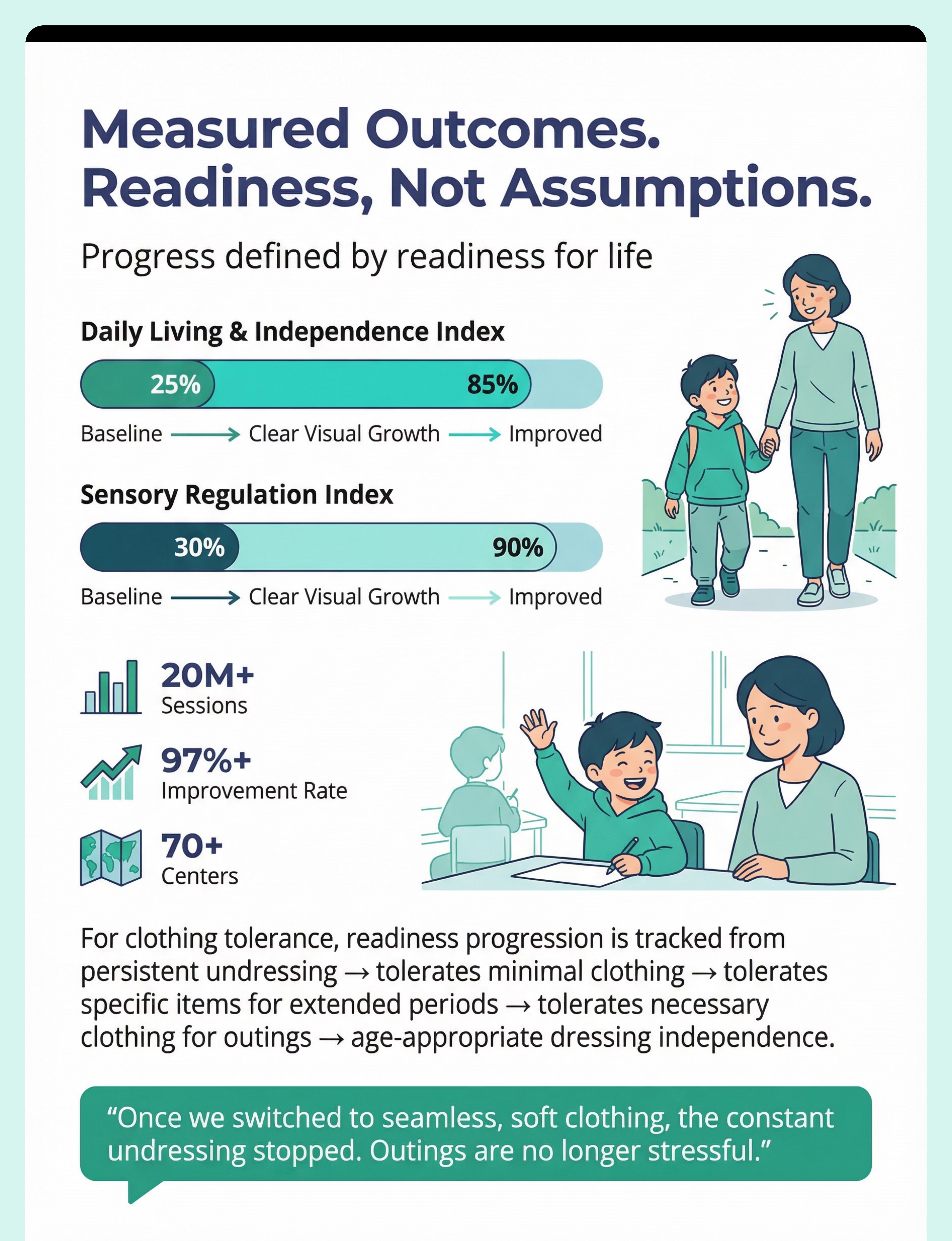
21M+
Therapy Sessions
97%+
Improvement Rate
70+
Centers
"Your data helps every child like yours. That's the power of a closed-loop therapeutic system."

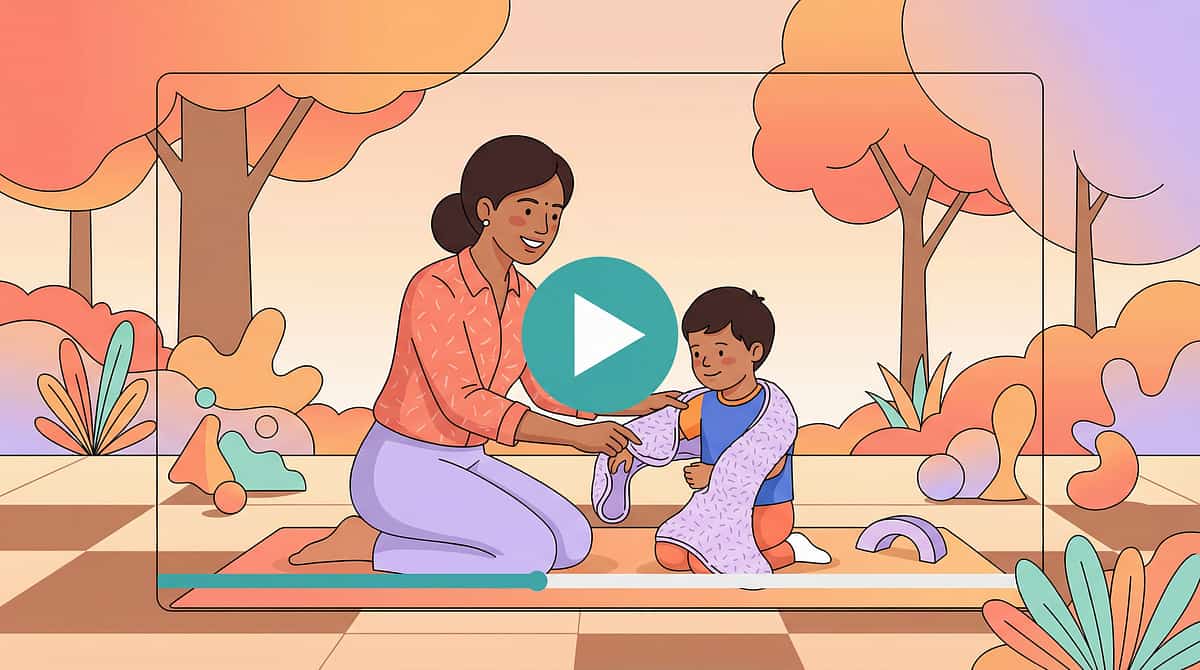
Watch: 9 Materials That Help When Child Strips Clothes Off
Reel A-022
Sensory Solutions Series — Episode 22
60 seconds
IN THIS REEL: A Pinnacle Blooms therapist walks through each of the 9 materials, demonstrating the key principle behind each one: seamless clothing with smooth interior shown close-up, compression garment stretch demonstration, tag removal technique, wide waistband comparison, backward clothing fitting, sensory brushing strokes, and gradual tolerance timer setup.
WHY VIDEO MATTERS: Video modeling is classified as an evidence-based practice for autism by the National Clearinghouse on Autism Evidence and Practice (NCAEP, 2020). Seeing the technique demonstrated through video significantly improves parent skill acquisition compared to text alone.
Consistency Across Caregivers Multiplies Impact
If only one parent executes this technique, it's limited. When grandparents, school teachers, and all caregivers are aligned — transformation accelerates.
📱 WhatsApp
Send this page to your spouse, parents, siblings
📧 Email
Share with your child's school teacher and aide
🔗 Copy Link
Post in your parent support group
Downloadable Resources
📄 Family Guide (1-Page PDF)
Simplified version for grandparents → "Your grandchild isn't being naughty. Here's what's happening and how you can help."
📄 Teacher Communication Template
Letter to school explaining clothing accommodations with clinical backing
📄 WhatsApp Summary
Pre-formatted message with the 9 materials list for quick sharing
"The WHO CCD Package emphasizes multi-caregiver training as critical for intervention generalization. When everyone understands, everyone helps."
Research: PMC9978394 — CCD implementation across caregiver types
ACT VI
The Close & Loop
Your Questions, Answered
"Is my child being defiant when they strip clothes off?"
No. Children with tactile over-responsivity experience genuine sensory distress from clothing. The undressing is a self-regulation strategy to escape aversive input — not a behavioral challenge to your authority.
"Will my child ever wear normal clothes?"
Most children, with consistent accommodation and desensitization, develop functional clothing tolerance. The timeline varies (weeks to months), but the trajectory is toward greater tolerance and independence.
"Should I force my child to keep clothes on?"
No. Forcing clothes on a sensory-distressed child increases aversion and can damage trust. The protocol uses gradual, positive exposure — never force.
"Can I do the Wilbarger Brushing Protocol at home?"
Only after being trained by a qualified Occupational Therapist. Incorrect technique can worsen tactile defensiveness. Never attempt without professional instruction.

More Questions, Answered
"What if my child strips in public?"
Use backward clothing (Material 6) for public settings as a temporary management strategy. Carry a sensory-friendly spare outfit. Work on tolerance at home where pressure is low.
"Does this mean my child has autism?"
Clothing intolerance can occur in children with and without autism. It indicates tactile processing differences that benefit from evaluation. If concerned, call the Pinnacle Helpline: 9100 181 181 for a free initial consultation.
"How long before I see results?"
Most families report noticeable improvement in clothing tolerance within 2–4 weeks of consistent implementation. Full functional dressing independence typically develops over 6–12 weeks.
"What if none of the 9 materials work?"
Request a comprehensive sensory processing evaluation. Your child may have a profile that requires a customized clinical protocol. GPT-OS® can design a personalized plan.
Don't Just Read. Do.
Everything you need is on this page. Your child's nervous system is waiting for the right input. Start today.
🟢 Start This Technique Today
Launch a GPT-OS® guided session — personalized to your child's profile, with step-by-step prompts, built-in timer, and data tracking.
🔵 Book a Consultation
Connect with a Pinnacle Occupational Therapist for a personalized clothing tolerance plan and Wilbarger Protocol training. 📞 9100 181 181 (FREE | 16+ languages | 24/7)
⚪ Explore Next Technique
Ready for more? Continue to A-023: 9 Materials When Child Won't Wear Certain Clothes
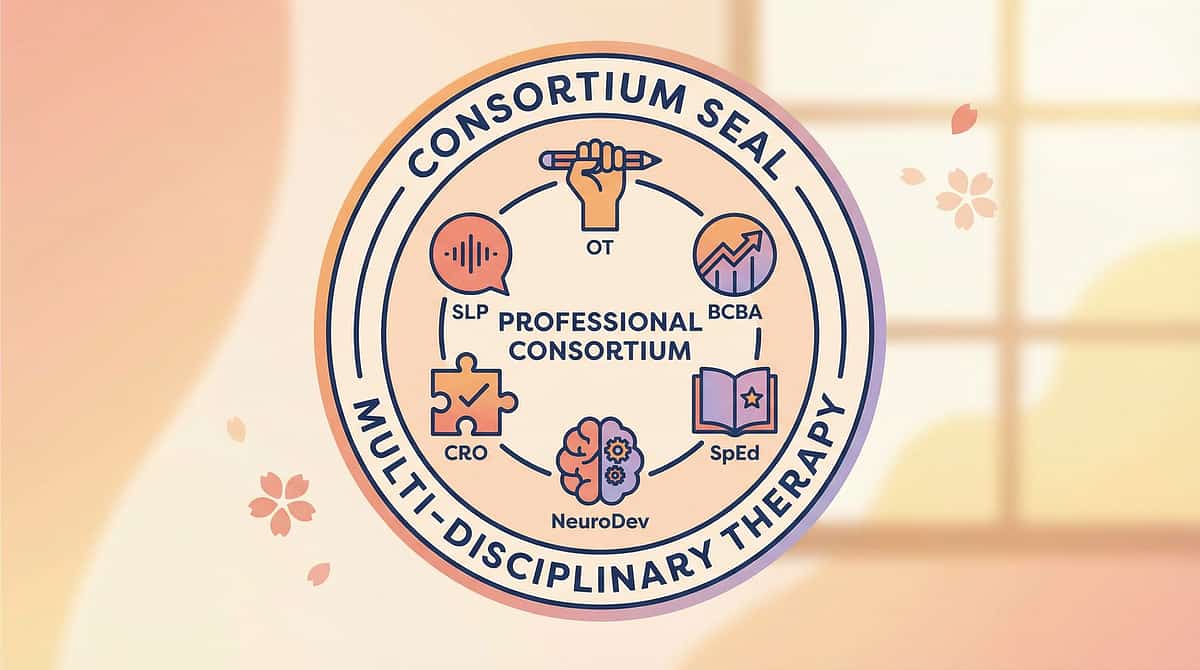
Validated by the Pinnacle Blooms Consortium
OT • SLP • ABA • SpEd • NeuroDev • CRO
OT • SLP • ABA • SpEd • NeuroDev • CRO
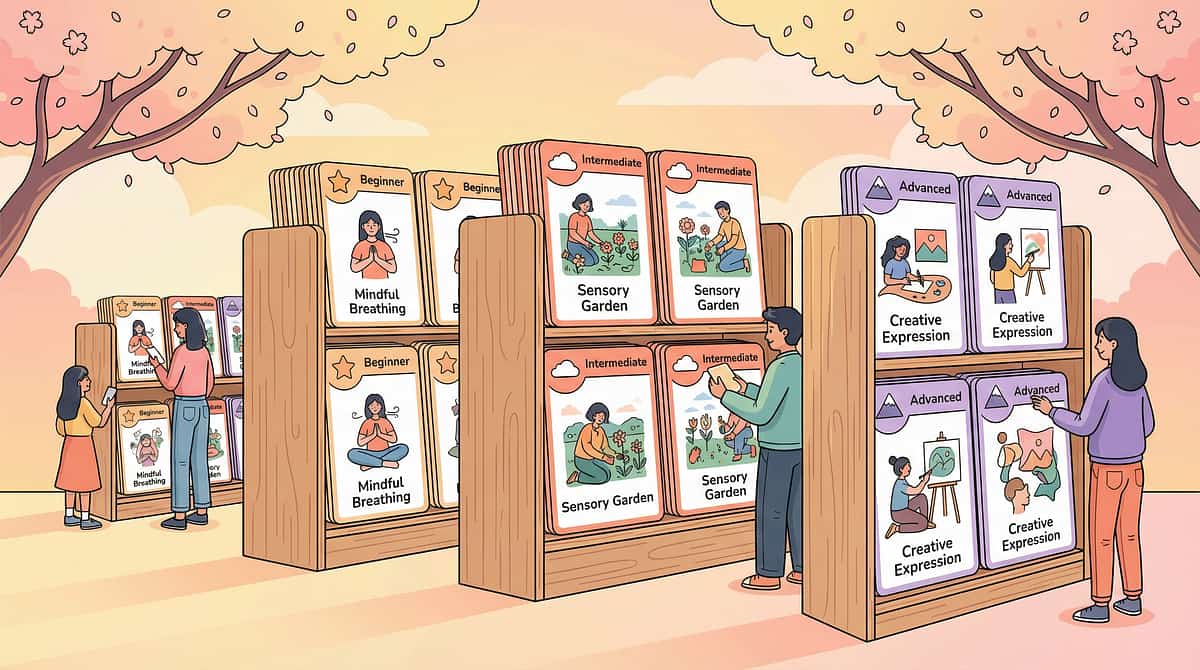
Preview of 9 materials that help when child strips clothes off Therapy Material
Below is a visual preview of 9 materials that help when child strips clothes off therapy material. The pages shown help educators, therapists, and caregivers understand the structure and content of the resource before use. Materials should be used under appropriate professional guidance.


Link copied!
From Fear to Mastery. One Technique at a Time.
Pinnacle Blooms Consortium
Discipline Icons:🧠 OT | 🗣️ SLP | 🎯 BCBA | 📚 SpEd | 👨⚕️ NeuroDev | 🔬 CRO
This page was drafted by the Pinnacle Blooms Consortium — a multidisciplinary team of Occupational Therapists, Speech-Language Pathologists, Board Certified Behavior Analysts, Special Educators, NeuroDevelopmental Pediatricians, and Clinical Research Scientists. Every claim is evidence-linked. Every protocol is home-executable. Every child deserves this knowledge.
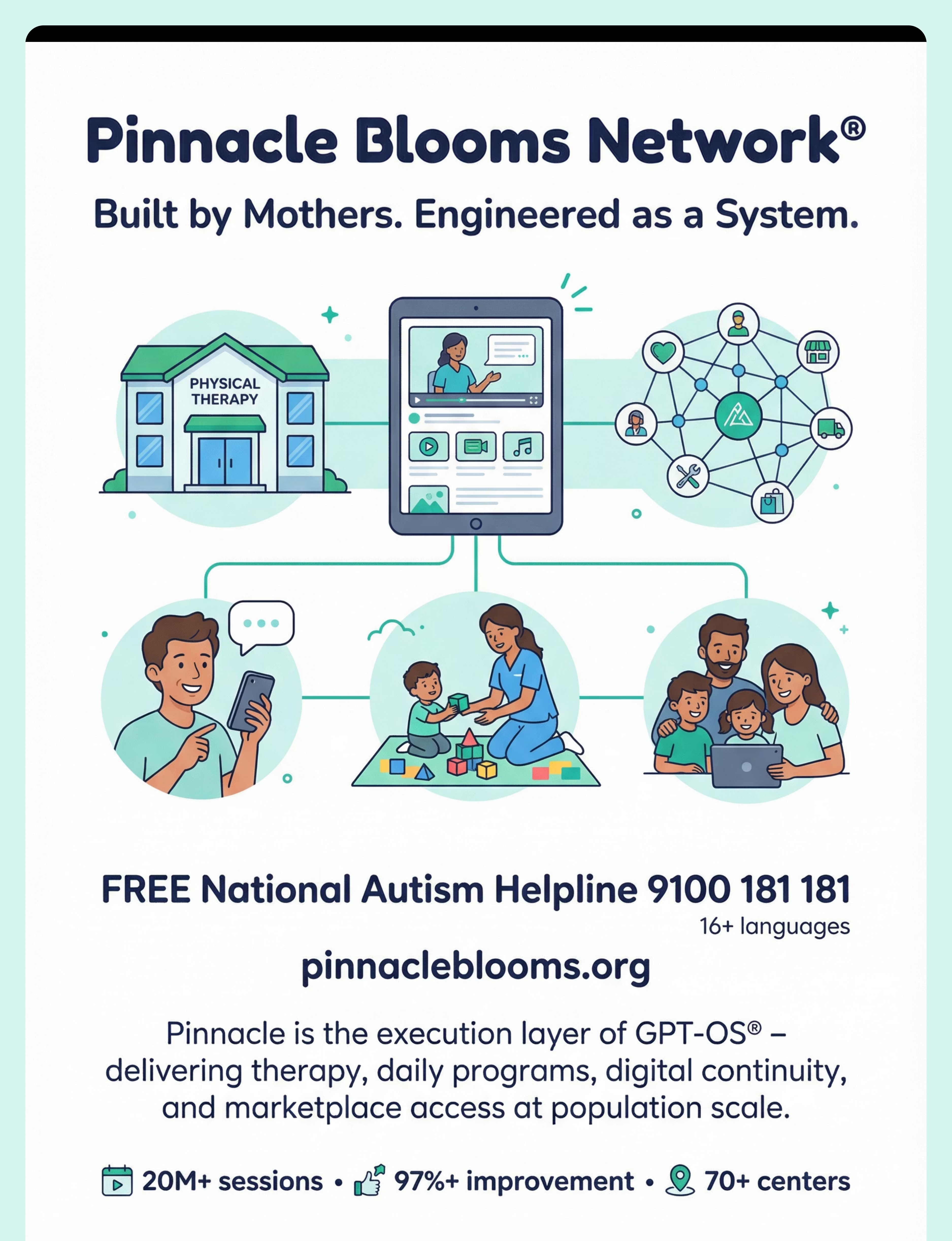
Pinnacle Blooms Network® — Built by Mothers. Engineered as a System.
A unit of Bharath Healthcare Laboratories Pvt. Ltd.
A unit of Bharath Healthcare Laboratories Pvt. Ltd.
GPT-OS® — Global Pediatric Therapeutic Operating System
21M+ sessions • 97%+ improvement • 70+ centers • 70+ countries served
21M+ sessions • 97%+ improvement • 70+ centers • 70+ countries served
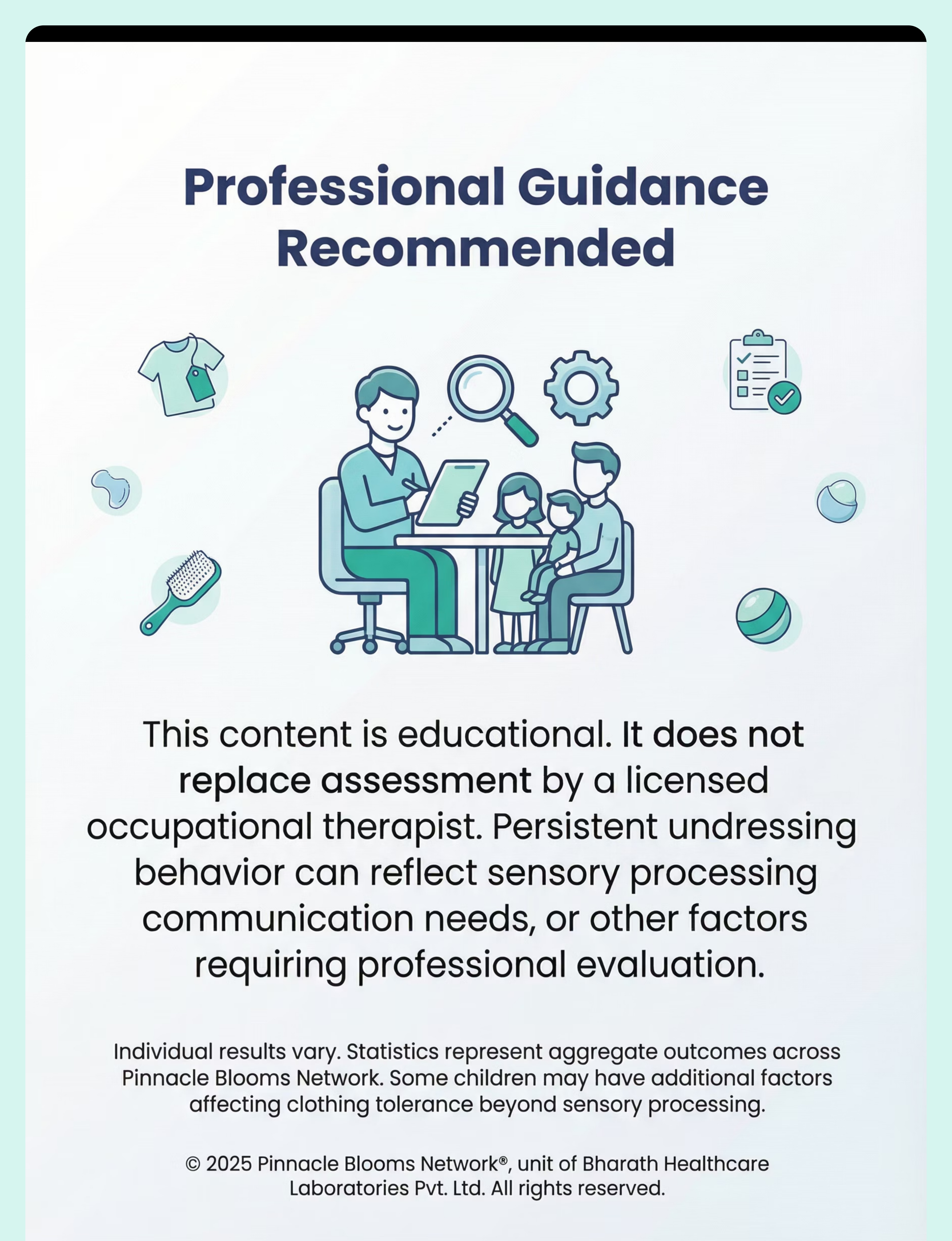
MEDICAL DISCLAIMER: This content is educational and does not replace assessment by a licensed occupational therapist or other qualified healthcare professional. Persistent undressing behavior can reflect sensory processing differences, communication needs, medical conditions, or other factors requiring professional evaluation. Individual results vary. Statistics represent aggregate outcomes across the Pinnacle Blooms Network. Always consult a qualified professional before beginning any therapeutic intervention.
STATUTORY IDENTIFIERS: CIN: U74999TG2016PTC113063 | DPIIT: DIPP8651 (Govt. of India) | MSME: Udyog Aadhaar TS20F0009606 | GSTIN: 36AAGCB9722P1Z2
© 2025 Pinnacle Blooms Network®, unit of Bharath Healthcare Laboratories Pvt. Ltd. All rights reserved.
techniques.pinnacleblooms.org