Eyes on the fan. Everything else disappears.
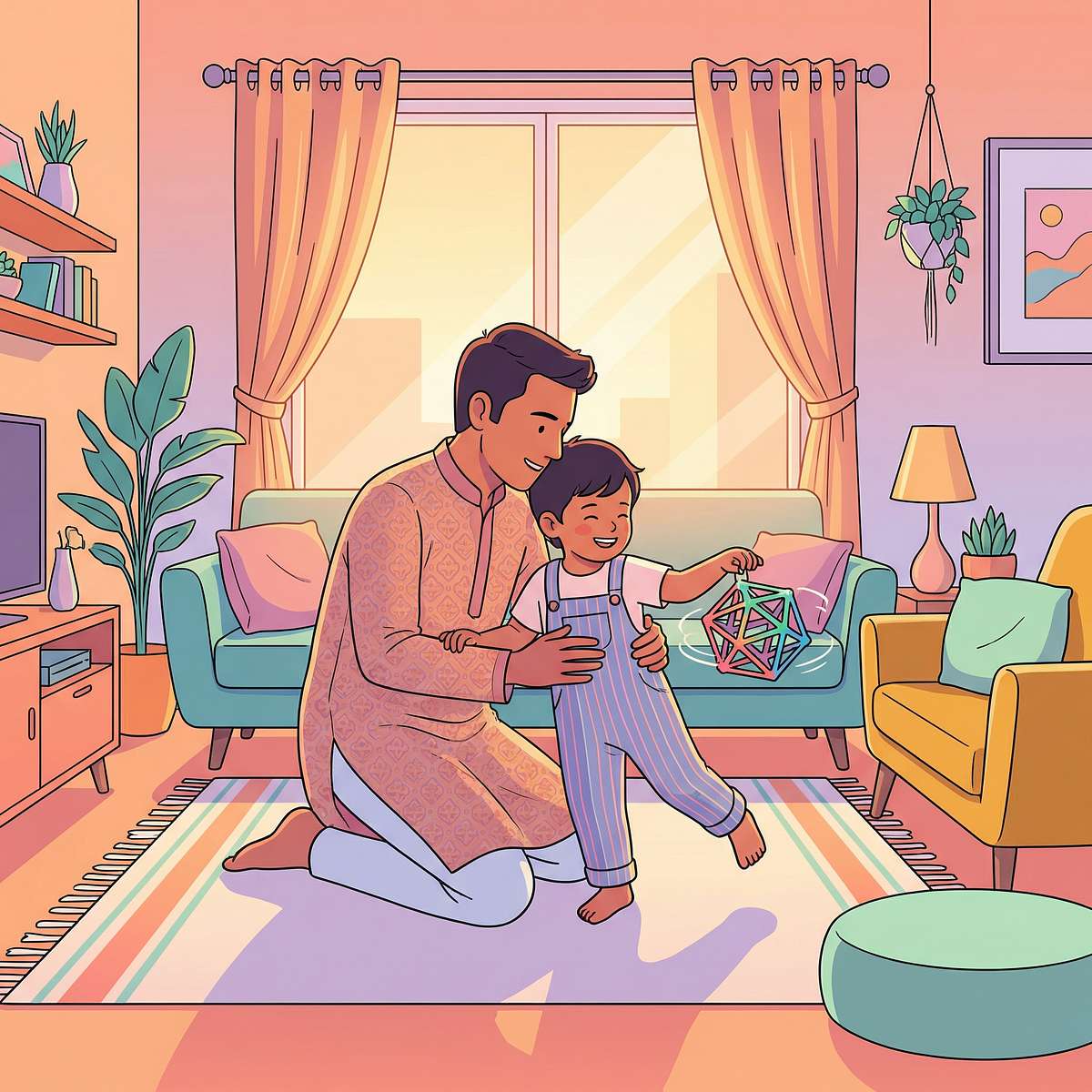
Your son walks into any room — any room — and his eyes go straight to the ceiling. Scanning. Searching. The moment he finds the fan, his whole body relaxes. He's peaceful. He's calm. And he is completely, utterly unreachable. You've tried turning fans off. Meltdowns. You've tried blocking his view. He finds angles. At restaurants, at relatives' homes, at therapy — the ceiling fan wins. Every. Single. Time.
You are not failing. Your child's nervous system is speaking. And there are 9 materials that let you work WITH this, not just against it.
Pinnacle Blooms Network® Consortium
Sensory Solutions Series — Episode A-060

You Are Among Millions.
Fan and spinning object fixation is one of the most commonly reported visual sensory seeking behaviours in paediatric neurodevelopment. You are not alone. This is not unusual. And there is a scientifically grounded way forward. Across the Pinnacle Blooms Network's 70+ centres, our therapists encounter this pattern daily — and have refined the intervention approach you are about to learn through 20 million+ individual therapy sessions.
80%
Sensory Difficulties
of children diagnosed with autism display sensory processing difficulties, including visual fixation behaviours. Source: PRISMA Systematic Review, Children (2024) | PMC11506176
1 in 3
Spinning Fixation
families with children on the autism spectrum report intense fixation on spinning objects — fans, wheels, washing machines — as a daily engagement barrier. Source: SPD Foundation / STAR Institute
18M+
Indian Children
estimated to have neurodevelopmental differences requiring sensory intervention support. Source: WHO/UNICEF MICS Indicators | Indian Census Extrapolations
References: PMC11506176 | PMC10955541 | DOI: 10.12998/wjcc.v12.i7.1260 | WHO NCF (2018)
This Is a Wiring Difference. Not a Behaviour Choice.
The Visual-Vestibular Connection
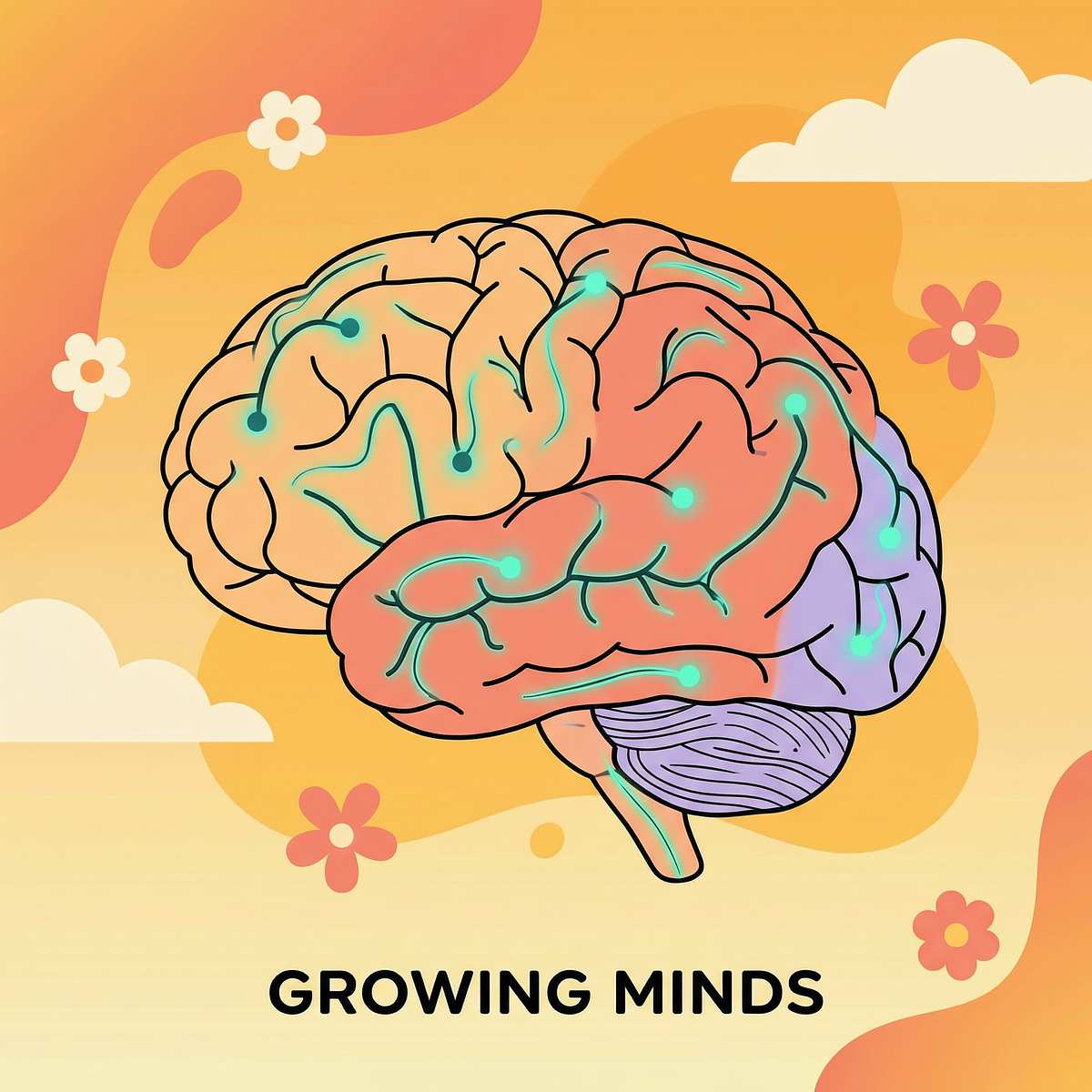
When your child watches a ceiling fan spin, their brain is doing something remarkable. The spinning visual input travels two pathways simultaneously: through the visual cortex AND through visual-vestibular connections that feed the balance and movement centres of the brain.
Why It Feels So Good
The rhythmic, perfectly predictable rotation provides what neuroscientists call "organising input" — it helps a chaotic, overstimulated nervous system settle into a pattern. The brain craves this input the way a hungry child craves food.
Why It's So Consuming
The "trance" you observe isn't passivity — it's the brain in a state of full sensory absorption. All processing resources are devoted to the spinning input, leaving no bandwidth for language, social cues, or other environmental information.
The Key Insight
Your child may be seeking vestibular (movement/balance) input through their eyes. The visual pathway is being used as a proxy for what the vestibular system actually needs. This is why providing actual spinning and controlled visual spinning alternatives can reduce the ceiling fan fixation.
Frontiers in Integrative Neuroscience (2020): Comprehensive framework for evaluating sensory integration/processing treatment in ASD. DOI: 10.3389/fnint.2020.556660
Your Child Is Here. Here Is Where We're Heading.
According to the WHO Care for Child Development Package, age-specific evidence-based interventions delivered in this developmental window demonstrate the highest impact on long-term outcomes. The spinning fixation you see is developmentally situated — it has a neurological origin, it emerged at a specific developmental stage, and it responds to specific intervention approaches.
The earlier structured alternatives are introduced, the greater the child's capacity for flexible regulation. Visual spinning fixation commonly co-occurs with: auditory sensory seeking or avoidance (60%), tactile processing differences (55%), difficulty with transitions (70%), and restricted food acceptance (45%).
Sources: PMC9978394 | WHO/UNICEF CCD Package (2023) | WHO Developmental Milestones Framework

Clinically Validated. Home-Applicable. Parent-Proven.
Evidence Level II
Supported by systematic reviews and controlled studies — Strong evidence base with replication across populations and settings.
Pinnacle Real-World Evidence
Across 20M+ exclusive 1:1 therapy sessions at 70+ centres, the Pinnacle Blooms Network has measured 97%+ improvement rates across sensory regulation and engagement indexes using GPT-OS® standardised tracking.
WHO/UNICEF Alignment
This intervention approach aligns with the WHO Nurturing Care Framework (2018) pillars of responsive caregiving and early learning, and with the WHO CCD Package implemented across 54 countries.
Systematic Review Confirmation (2024)
A PRISMA-model systematic review of 16 articles spanning 2013–2023 confirmed that sensory integration intervention meets the criteria to be classified as evidence-based practice for children with ASD. The review specifically identified structured sensory input provision, environmental modification, and graduated exposure as effective components. Source: PMC11506176 — Children (Basel), 2024
Meta-Analysis — Multidomain Effectiveness (2024)
A comprehensive meta-analysis of 24 studies found that sensory integration therapy effectively promoted social skills, adaptive behaviour, sensory processing capacity, and gross/fine motor skills. Individual 1:1 session formats showed the strongest effect sizes. Source: PMC10955541 | DOI: 10.12998/wjcc.v12.i7.1260
Indian Home-Based Intervention RCT (2019)
A randomised controlled trial conducted in Indian paediatric populations demonstrated that parent-administered, home-based sensory interventions produced significant measurable outcomes in sensory regulation and engagement. Source: DOI: 10.1007/s12098-018-2747-4 — Padmanabha et al., Indian J Pediatr, 2019
ACT II: THE KNOWLEDGE TRANSFER
Multi-Material Visual-Vestibular Sensory Regulation Protocol
Parent-Friendly Name: "Working With the Spin — 9 Materials That Help When Your Child Stares at Fans"
A structured, multi-material intervention approach designed for children who demonstrate intense, persistent visual fixation on spinning or rotating objects. Rather than attempting to eliminate the sensory seeking behaviour — which addresses the symptom while ignoring the need — this protocol provides the spinning/rotational input the nervous system craves through controlled, portable, interactive materials that preserve engagement capacity.
Alternative Sensory Provision
Controlled spinning materials replace ceiling fan as primary input source
Vestibular System Feeding
Direct body-based spinning input addresses the root neurological need
Structured Access Scheduling
Visual schedules and timers build tolerance and contingency understanding
Engagement Bridging
Spinning interest becomes the content of shared interaction — not solitary absorption
Domain: Sensory Processing / Visual Stimming
Age Range: 2–10 years
Session Duration: 10–20 minutes
Setting: Home + Therapy + Community

This Technique Crosses Therapy Boundaries — Because the Brain Doesn't Organise by Therapy Type.
Occupational Therapy (OT) — Primary Lead
The OT leads sensory integration intervention — evaluating the child's sensory profile, prescribing vestibular input protocols, recommending spinning equipment dosage, and designing the sensory diet that includes controlled spinning alternatives. The OT determines whether the fixation is primarily visual-seeking, vestibular-seeking, or a combination.
Applied Behaviour Analysis (ABA)
The BCBA designs the structured access system — visual schedules, token economies earning spinning time, first-then boards, and graduated exposure protocols. ABA provides the behavioural architecture that transforms unlimited fixation into structured access with measurable tolerance-building.
Speech-Language Pathology (SLP)
The SLP leverages the spinning interest as therapeutic content — fan vocabulary, requesting spinning access, describing spinning experiences, and using fan-related activities as engagement bridges for language development. For children whose spinning fixation blocks communication, the SLP integrates spinning materials into speech sessions as shared attention targets.
Special Education + NeuroDevelopmental Paediatrician
Special Educators adapt the school/learning environment using environmental management strategies, positioning, and alternative visual materials. The NeuroDevelopmental Paediatrician provides the diagnostic framework — differential assessment of whether the fixation represents primary sensory seeking, anxiety-driven regulation, or a feature within a broader developmental profile.
DOI: 10.1080/17549507.2022.2141327 — Adapted UNICEF/WHO Nurturing Care Framework: Multi-disciplinary contribution to nurturing care (Int J Speech-Lang Pathol, 2022)
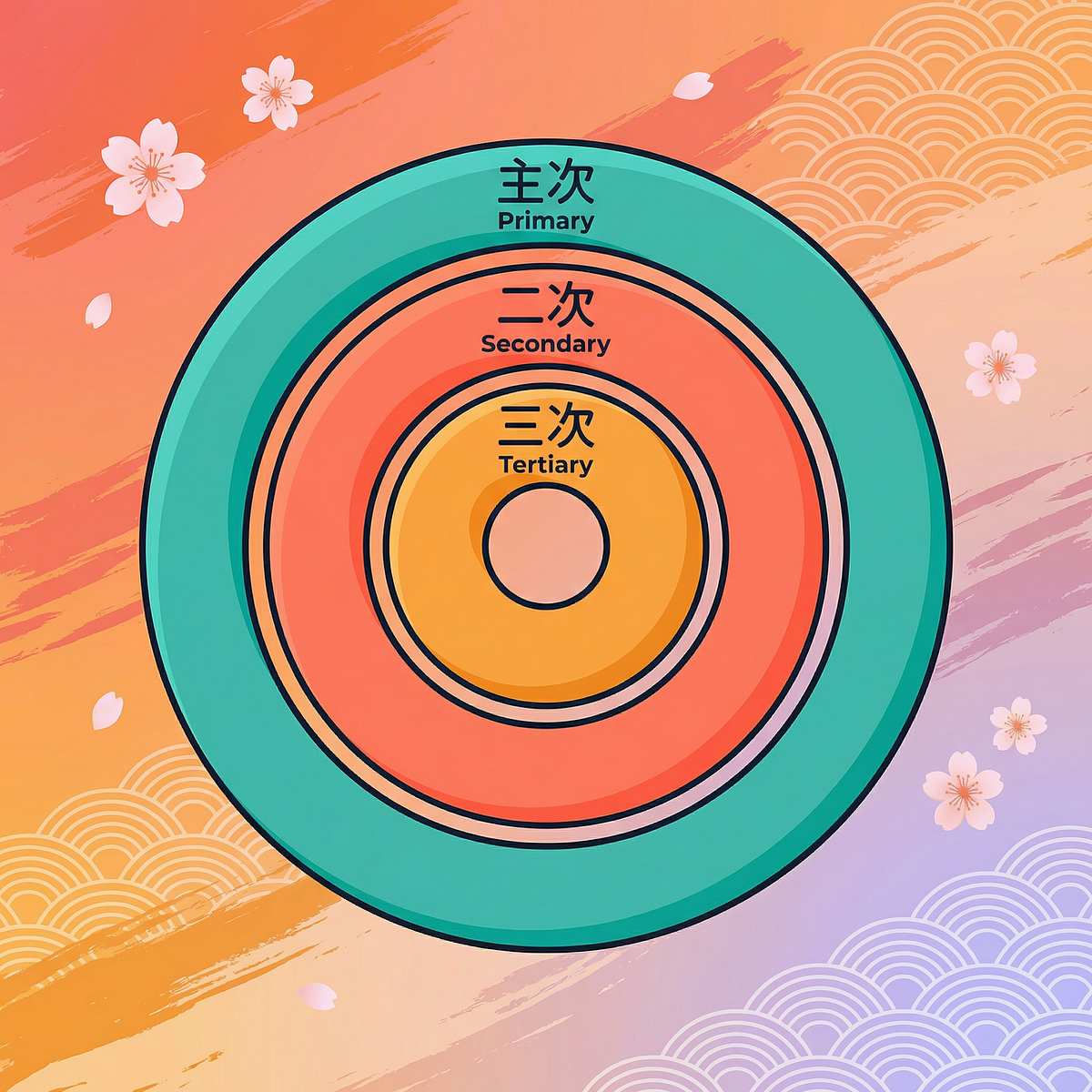
Precision Tool. Not Random Activity.
Every element of this protocol is targeted at specific, measurable outcomes. Understanding what this intervention is designed to achieve helps you observe real progress — even when it feels subtle.
🎯 Primary Target
Sensory Regulation Flexibility — Observable indicators: Child can be in a room with a fan and still engage with people/activities for brief periods. Child uses alternative spinning materials for regulation. Meltdowns at fan removal decrease in frequency and duration.
Secondary & Tertiary Targets
- Engagement & Attention Capacity — child sustains engagement even when spinning stimuli are present
- Frustration Tolerance — child tolerates structured delays in spinning access using visual supports
- Social Participation — child participates with others rather than in solitary fixation
- Environmental Adaptability — child can function in diverse settings
- Learning Readiness — attention freed from fixation becomes available for developmental engagement
PMC10955541 — Meta-analysis: Sensory integration therapy promoted social skills (primary), adaptive behaviour (secondary), sensory processing and motor skills (tertiary) across 24 studies.

9 Materials That Work With the Spin. Everything You Need.
These nine material categories form a comprehensive toolkit. You don't need all nine to start — the essential starter pack (Materials 1, 2, and 4) can begin today for as little as ₹100. Each material serves a specific function within the protocol.
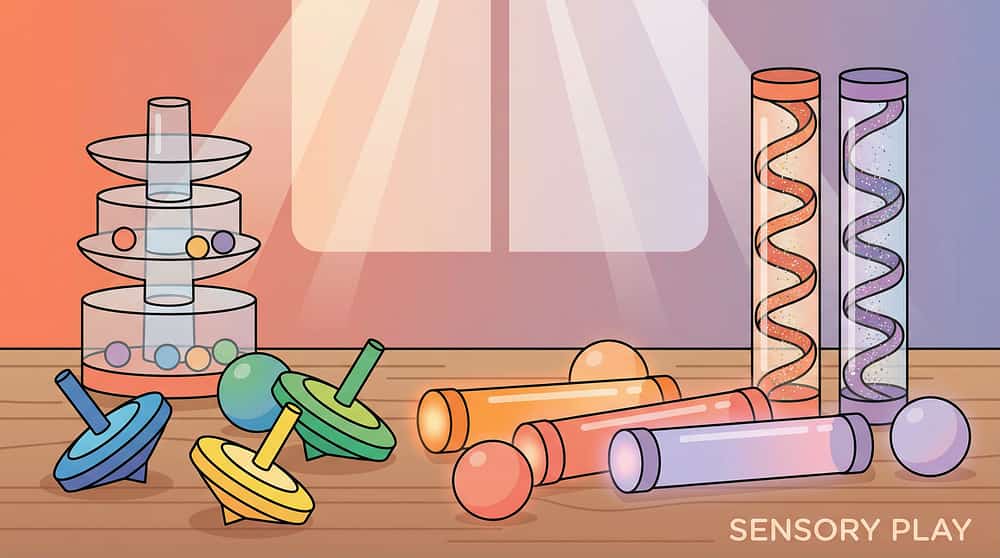
1. Controlled Spinning Toys | ₹200–2,000
Light-up spinning tops, push-and-spin cause-effect toys, tornado tubes, spinning ball towers. These directly mirror the ceiling fan's appeal in a handheld, portable format.
Pinnacle Recommends

2. Visual Sensory Bottles | ₹100–800
Glitter calm-down bottles, oil-and-water bottles, tornado connectors, galaxy/nebula sensory bottles. Highly portable and DIY-friendly — the most accessible fan competitor available.
DIY-Friendly
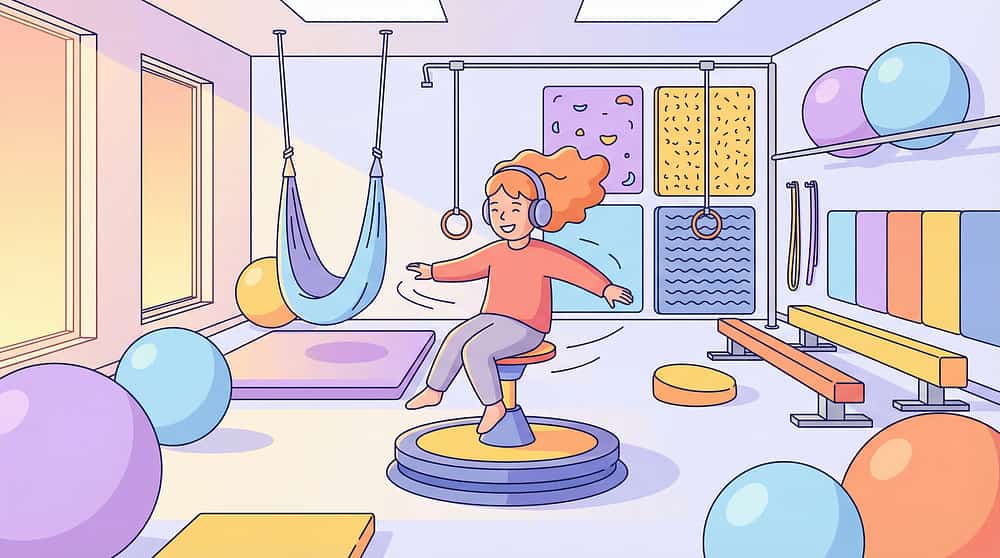
3. Therapeutic Spin Equipment | ₹1,500–15,000
Sit-n-Spin, spinning balance boards, rotational platform swings, Dizzy Disc Jr. Directly feeds the vestibular system — often the most impactful single intervention. OT assessment required before use.
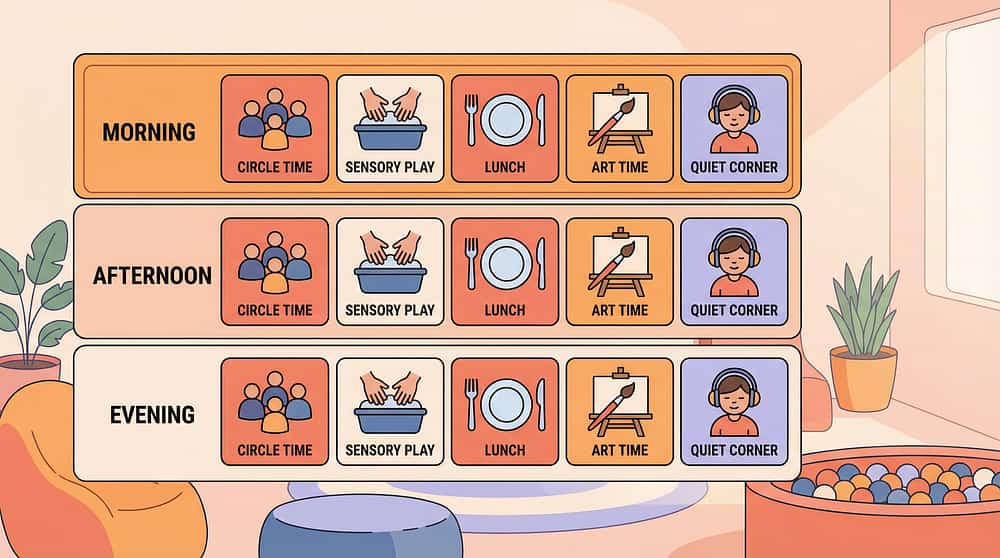
4. Visual Schedule / Timer System | ₹0–500
First-then boards with spinning images, visual timers, token boards earning spinning time, transition warnings. The behavioural architecture of the entire protocol. Fully DIY-able.
DIY-Friendly
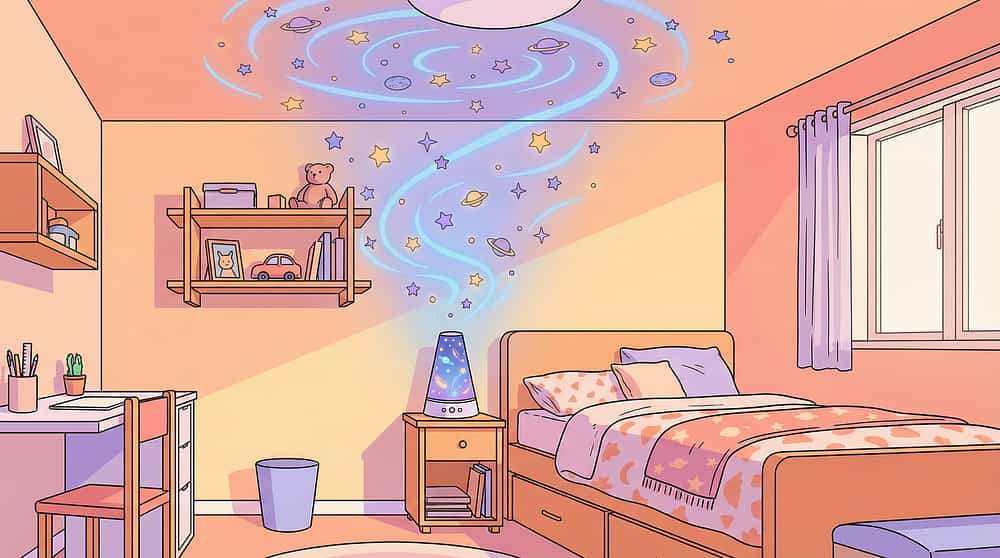
5. Interactive Projection Systems | ₹1000–20,000
Rotating star/light projectors, interactive floor projections, spinning visual tablet apps, lava lamp projectors. Creates controlled, large-scale spinning visual input that can be positioned and timed.
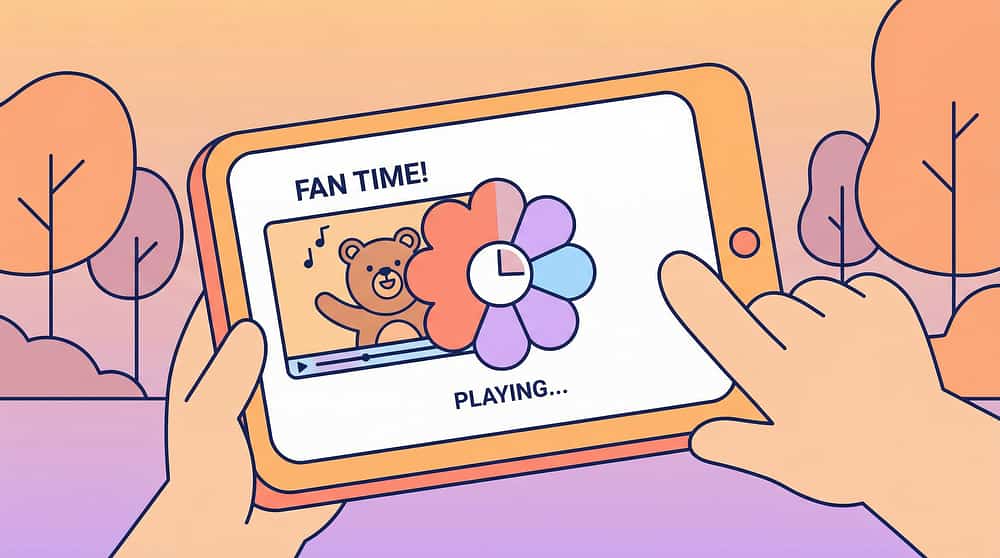
6. Fan/Spinning Videos (Structured Reward) | ₹0–1,000
Parent-recorded fan videos, tablet for delivery, timer for structured access, token system. Fan video access is the most powerful reinforcer available — use it as a precision reward, never unlimited entertainment.
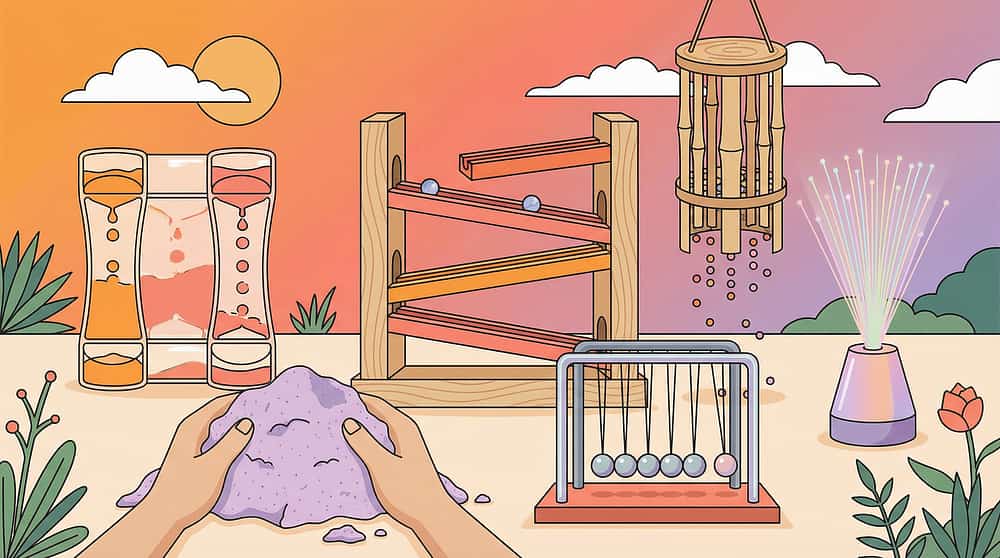
7. Alternative Rhythmic Visual Stim Materials | ₹300–3,000
Liquid motion bubblers, kinetic sand, marble runs, Newton's cradle, rain sticks, fiber optic lamps. These provide rhythmically predictable visual movement that activates the same visual tracking pathways as fans.
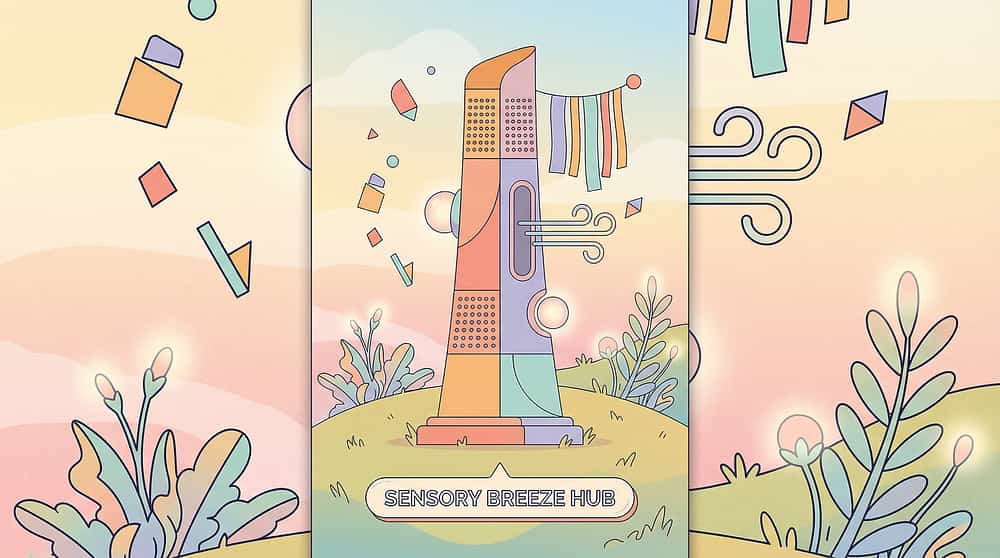
8. Environmental Management Tools | ₹500–5,000
Ceiling fan blade covers, alternative cooling (tower fans/AC), strategic seating systems, smart fan timers. Managing the environment reduces involuntary exposure while preserving structured access.
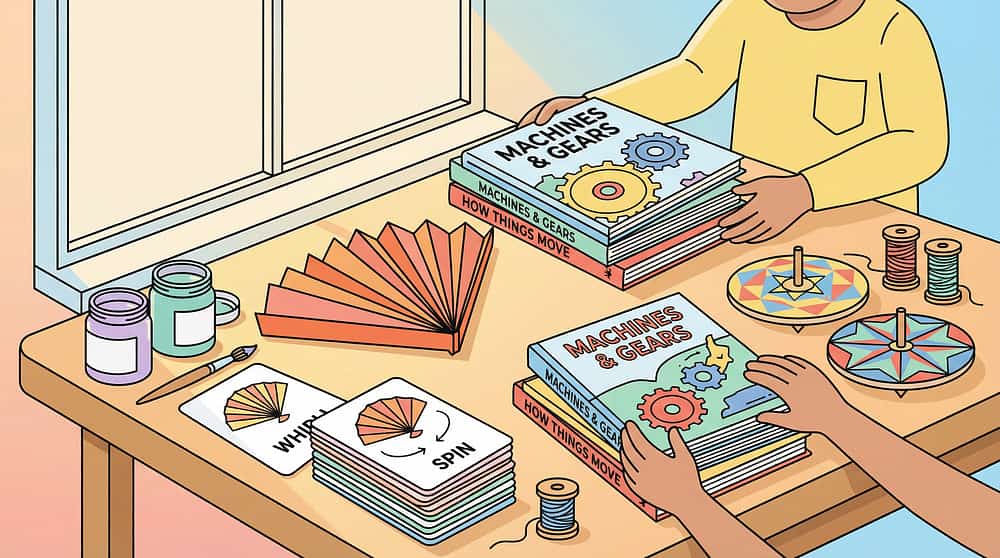
9. Engagement Bridging Activity Kit | ₹0–1,000
Paper fan craft supplies, books about fans/machines, fan vocabulary cards, turn-taking spinning games, DIY spinning toy projects. Transforms the spinning interest into shared, social, language-rich activity.
Essential Starter Pack (Under ₹1,500): Sensory bottles (₹100–800) + First-then board (₹0–500) + Controlled spinning toys (₹200–2,000) = The minimum effective kit to begin today. Total investment range: ₹0–20,000.

Every Parent Can Start TODAY — Regardless of Budget.
Buy This
- Commercial sensory bottle (₹300–800)
- Spinning top toy (₹200–500)
- Visual timer (₹300–1,000)
- First-then board (₹200–500)
- Marble run (₹500–2,000)
- Liquid motion bubbler (₹400–1,000)
- Fan vocabulary cards (₹100–300)
Make This (₹0 Cost)
- Clear plastic water bottle + glitter glue + small beads + water. Seal cap with hot glue. The swirling effect is identical.
- Old CD on a marble or coin centre. Spin on smooth surface. Or spin any round lid on a plate.
- Sand timer from two plastic bottles connected at caps — or use your phone's timer with a visual countdown app.
- Cardboard folded in half. Glue magazine pictures or hand-drawn images. "First" on left, "Then" (fan drawing) on right. Laminate with clear tape.
- Paper towel tubes taped to a wall at angles. Drop marbles through. Same visual tracking pathways activated.
- Baby oil + water + food colouring in a sealed bottle. Flip it. The oil-water movement is mesmerising and rhythmically predictable.
- Print or draw pictures of different fans: ceiling, table, hand, electric. Label them. Use for speech and sorting activities.
When Clinical-Grade Is Non-Negotiable: Therapeutic spin equipment (Sit-n-Spin, spinning boards, suspended swings) should be OT-recommended and properly rated for the child's weight and age. Do NOT improvise spinning equipment — vestibular input is neurologically powerful and incorrect dosing can cause nausea, disorientation, or distress. Consult a Pinnacle OT first.
Safety First. Read Before You Begin.
🔴 DO NOT PROCEED IF:
- The child has a history of seizures triggered by visual stimuli — consult your NeuroDevelopmental Paediatrician before any visual spinning material introduction
- The child shows signs of illness, fever, or ear infection (vestibular input during ear infection can cause severe disorientation)
- The child has recently experienced a severe meltdown and has not yet returned to a regulated baseline state
- You are introducing spinning equipment without prior OT assessment of the child's vestibular tolerance
🟡 PROCEED WITH MODIFICATION:
- Battery-operated spinning toys: Check for small parts. Supervise at all times with children under 4.
- Sensory bottles: Seal ALL caps permanently with hot glue for children under 5. Use plastic bottles ONLY. Check weekly for leaks.
- Spinning equipment: Too much spinning causes nausea and disorientation. STOP IMMEDIATELY if the child's skin colour changes, they become glassy-eyed, or show any distress.
- Screen-based spinning: All video access must be time-limited and supervised — a structured reward, not unlimited entertainment.
- Environmental management: Complete permanent fan removal causes prolonged distress and is not recommended. Strategic management is more sustainable.
🟢 SAFE TO PROCEED:
- Child is fed, rested, and in a generally regulated state
- Environment is set up per Card 12 instructions
- You have read the full protocol (Cards 14–19)
- A visual timer or timer app is ready
- Alternative spinning materials are within reach before attempting any fan access restriction
DOI: 10.1007/s12098-018-2747-4 — Padmanabha et al.: Home-based sensory intervention safety protocols for parent-administered sessions.
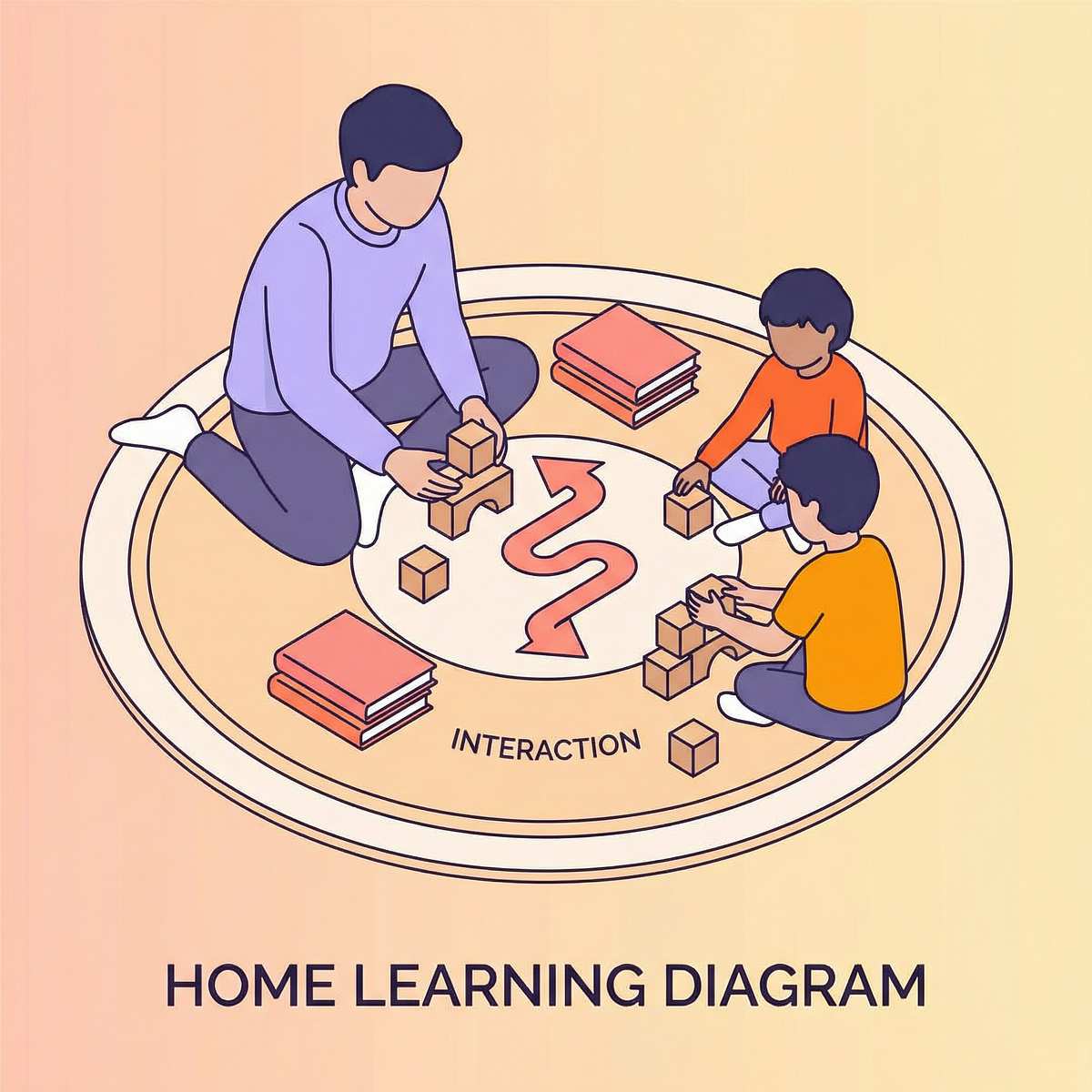
Your Space Is Your Clinic. Set It Right.
Room Setup — Key Positions
- ⭐ CHILD POSITION: Seated at a small table or on the floor, facing AWAY from the ceiling fan
- 👤 PARENT POSITION: At the child's level, positioned to maintain eye contact and material presentation
- 📦 MATERIALS STATION: Within arm's reach — sensory bottles, spinning toys, visual schedule, and timer all arranged on a tray
- 🌀 FAN STATUS: Fan covered or OFF during structured activity time
- 🔇 DISTRACTIONS REMOVED: TV off, other screens away, siblings in another room if possible
- 💡 LIGHTING: Natural light preferred. No flickering lights. Consistent, calm illumination.
- 🌡️ TEMPERATURE: If fan is off, ensure alternative cooling positioned OUT of child's sightline
Pre-Session Checklist
- All 9 material categories reviewed — at least 3 available
- Visual schedule prepared showing today's activity sequence with spinning access at end
- Timer set and visible to child
- Reinforcement ready (spinning access as reward)
- Fan covered or off (with alternative cooling running)
- Your phone on silent — full attention on your child for the next 10–20 minutes
PMC10955541 — Meta-analysis: Structured environment in individual 1:1 sessions demonstrated maximum effectiveness.

ACT III: THE EXECUTION
The Best Session Starts Right.
Before beginning the protocol, run through this readiness check. A session started at the wrong moment teaches the child that demands are unpredictable — a session started at the right moment builds trust and success.
1
Child has eaten within the last 2 hours (not hungry)
2
Child has slept adequately (not overtired)
3
No meltdown in the last 30 minutes
4
No illness signs (fever, ear pain, lethargy)
5
Child is in the room and generally calm (doesn't need to be happy — just regulated)
6
If spinning equipment is planned: No recent complaints of dizziness or nausea
🟢 ALL GREEN → GO
Begin Card 14: The Invitation
🟡 1–2 AMBER → MODIFY
Use the simplified version: offer sensory bottles and spinning toys as free play. Keep the session to 5 minutes.
🔴 ANY RED → POSTPONE
Do a calming sensory activity (deep pressure, gentle rocking, quiet time). Try again in 1–2 hours or tomorrow. Postponement is not failure — it's data.

Step 1 of 6
Duration: 30–60 seconds
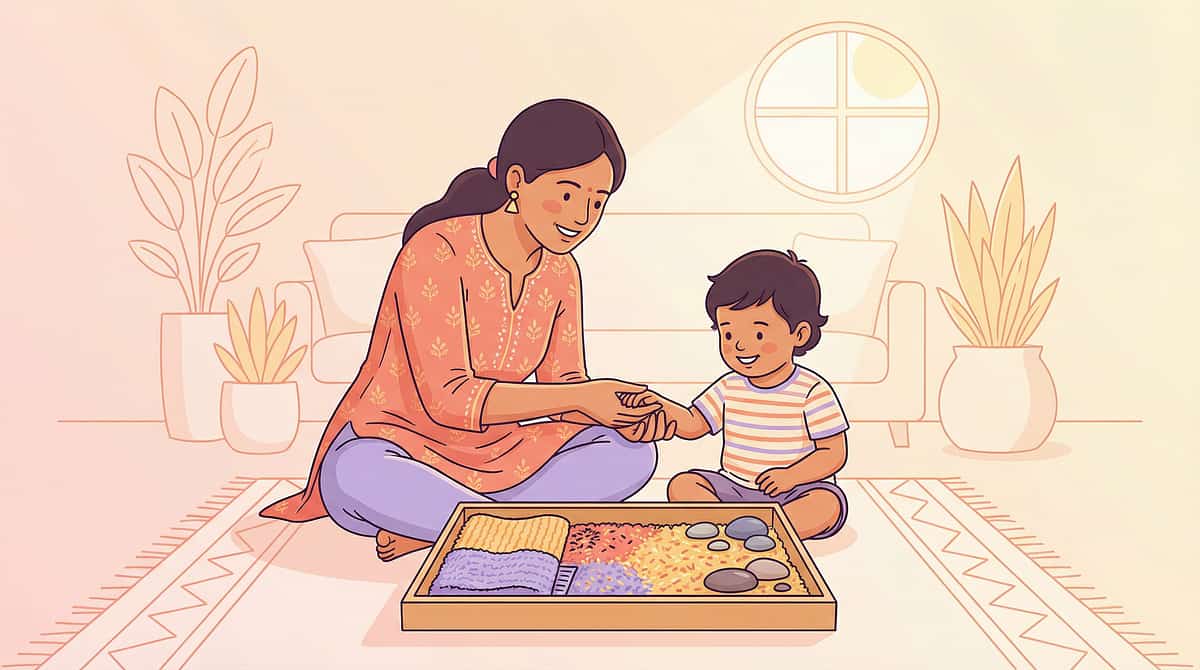
Step 1: The Invitation
The Exact Words to Say
"I have something spinning for you! Come look at this with me."
What You're Doing
You are entering through the child's interest, not against it. You're not saying "stop looking at the fan" — you're saying "I have spinning too." Bring a sensory bottle or spinning toy and present it at the child's eye level. Position yourself so the child would need to look at YOU and the toy, not up at the ceiling.
Body Language
- Get down to the child's level (floor or low chair)
- Hold the spinning material between your face and the child's face — they see the spin AND your face in the same visual field
- Gentle, enthusiastic tone — this is play, not work
- Don't physically redirect the child's head — let the material draw their eyes
Acceptance Cues (GOOD — proceed)
- Child glances at the spinning toy
- Child reaches for it or shifts body toward you
- Child makes any vocal sound in response
Resistance Cues (MODIFY)
Hold the spinning toy in their peripheral vision near the fan's direction. Let it compete visually. Wait 30 more seconds. If still no engagement, offer the sensory bottle and allow parallel play — child watches fan, you sit nearby with materials, making them visible and appealing. Do not force.
Step 2 of 6
Duration: 1–3 minutes
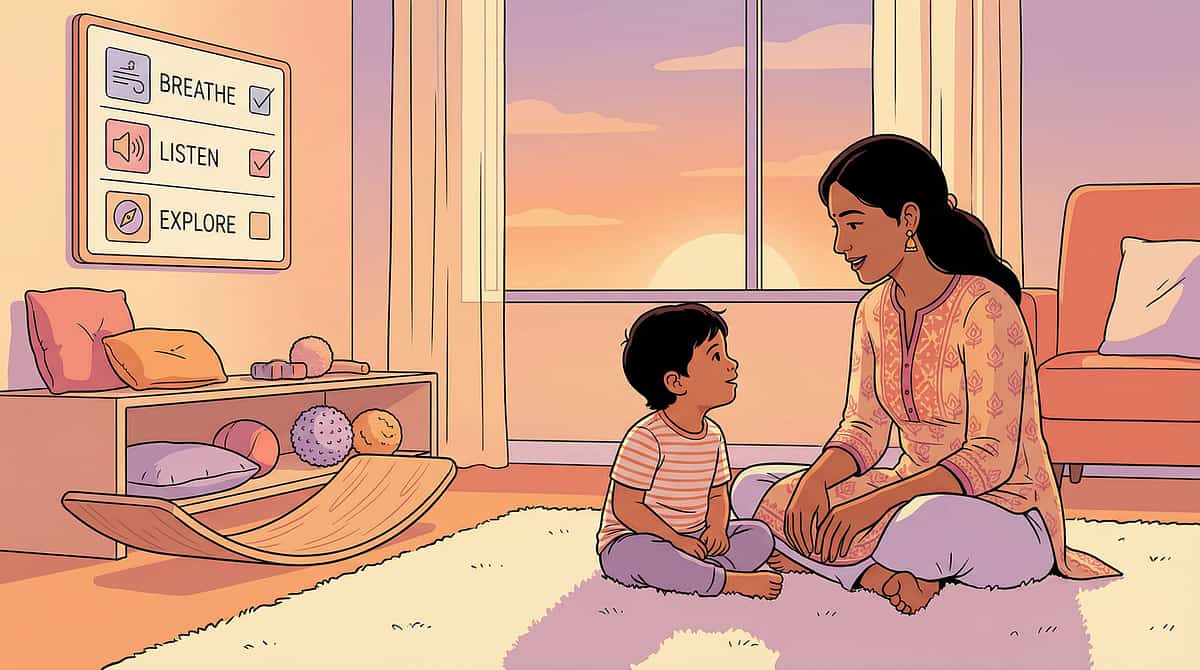
Step 2: The Engagement
Material Introduction Scripts
"Watch — shake it and it spins inside!"
"Your turn — you make it spin!"
"Push this and look what happens!"
How to Present
- One material at a time — don't overwhelm with choices
- Start with the material closest to what they already seek (sensory bottle first)
- Demonstrate, then wait — give 5–10 seconds for the child to initiate
- Position the material so it competes with (not replaces) the fan
Child Response Indicators
- Engagement: Child takes the material, shakes/spins it, watches it → REINFORCE IMMEDIATELY (see Step 5)
- Tolerance: Child holds but doesn't actively use, looks between fan and material → Continue gently, narrate: "Look at the glitter — it's spinning too!"
- Avoidance: Child drops material, pushes it away → Switch to a different material. If all rejected, allow 30 seconds of fan access, then re-present material during that access window
Reinforcement Cue
The MOMENT the child engages with any controlled spinning material, deliver immediate specific praise within 3 seconds:
"You're making it spin! That's amazing spinning!"
PMC11506176 — Structured material introduction with reinforcement scheduling meets evidence-based practice criteria.
Step 3 of 6
Duration: 5–10 minutes
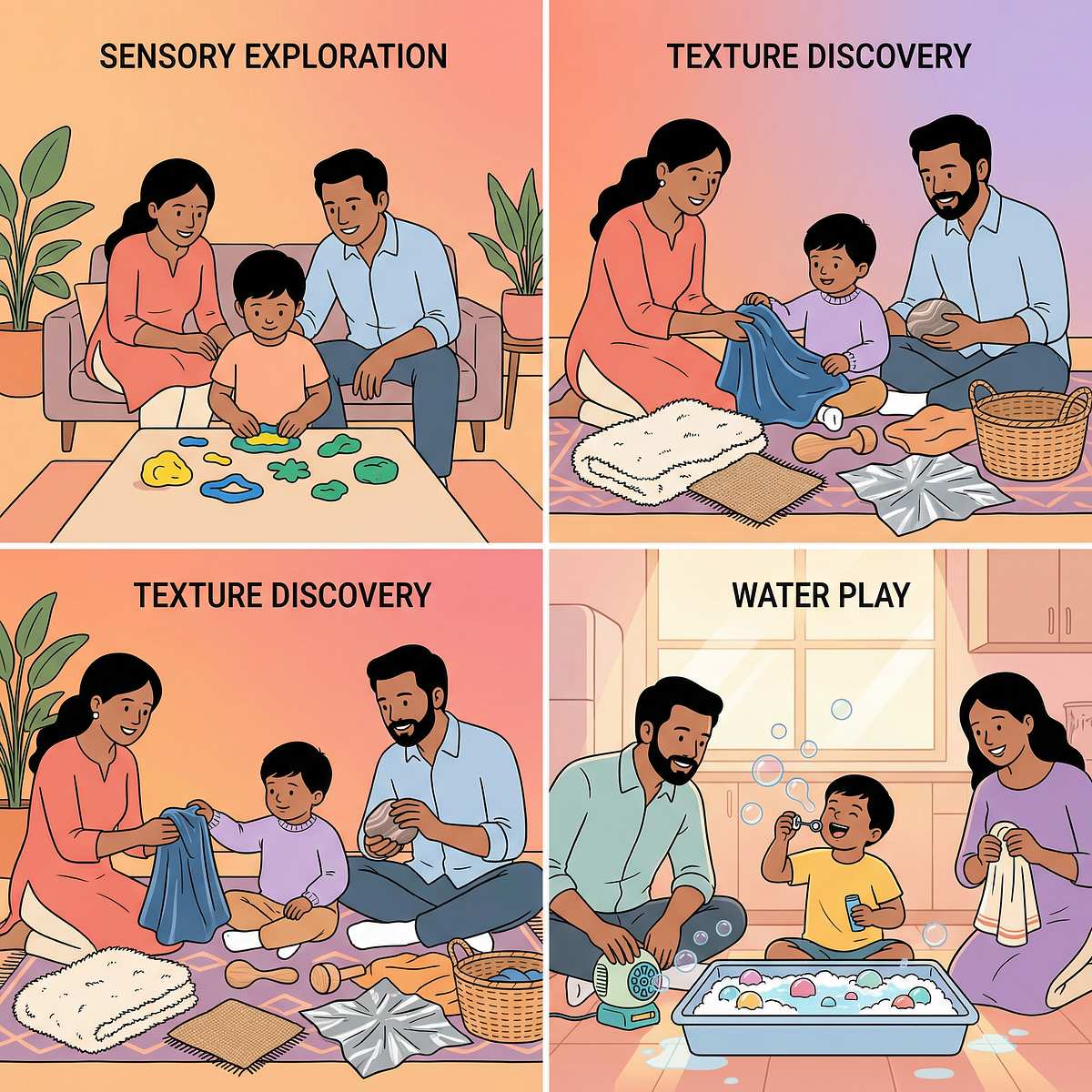
Step 3: The Therapeutic Action
This is where you systematically introduce and rotate through available materials, building the child's repertoire of regulating inputs beyond the ceiling fan. You are expanding what regulates them.
Phase A — Controlled Spinning
Materials 1, 2, 5: Present spinning toys, sensory bottles, or interactive projections. Duration per material: 1–3 minutes. Observe which materials hold attention longest — these are your "fan competitors."
Phase B — Vestibular Input
Material 3: If OT-approved — 2–5 minutes of controlled body spinning on a Sit-n-Spin or spinning board. WATCH FOR: pallor, glassy eyes, dizziness. Many parents report reduced fan staring after vestibular input sessions.
Phase C — Structured Access
Materials 4, 6: Use the visual schedule — "First play with the spinning bottle, THEN you can watch the fan for 2 minutes." Timer visible. This builds frustration tolerance and contingency understanding.
Phase D — Engagement Bridging
Material 9: End with a connection activity — make a paper fan together, look at a fan picture book, play a turn-taking game. The interest becomes the content of YOUR interaction — shared, not solitary.
Execution Errors to Avoid:❌ Don't present all 9 materials at once — overwhelming. ❌ Don't force the child to look away from the fan — work alongside the interest. ❌ Don't skip vestibular input if OT has approved it. ❌ Don't use fan videos without a timer.
Step 4 of 6
Duration: 3–5 minutes
Step 4: Repeat and Vary
Target Repetitions
2–3 full rotations through material phases per session. NOT 10 forced repetitions. Quality over quantity.
3 good repetitions where the child is engaged and the materials compete with the fan > 10 forced repetitions where the child is distressed and you're exhausted.
Variation Options to Maintain Engagement
- Different sensory bottles (glitter vs. oil-water vs. galaxy theme) across days
- Different spinning toys (light-up top on Monday, tornado tube on Tuesday)
- Different engagement bridging activities (paper fan craft one day, fan vocabulary cards the next)
- Different reward videos if using (different fans, different spinning objects)
- Different vestibular equipment if available
Satiation Indicators — When the Child Has Had Enough
- Turns away from all materials repeatedly
- Becomes fussy, restless, or agitated
- Pushes materials away with increasing force
- Begins stimming in other modalities (hand flapping, rocking) — their system is signalling "done"
- Has been engaged well for 10+ minutes — that's a great session; don't push for 20

Step 5 of 6
Throughout + End of Session
Step 5: Reinforce and Celebrate
Reinforcement must occur within 3 seconds of the desired behaviour. Name the exact behaviour you're celebrating. Vague praise ("good boy!") is far less effective than specific praise ("you picked up the sensory bottle instead of looking at the fan — that's amazing!").
When child engages with spinning toy:
"You're spinning it! That's YOUR spinner!"
When child uses sensory bottle:
"Look at that beautiful spinning inside! You made it go!"
When child completes a first-then cycle:
"You did your work first! Now you earned fan time!"
When child tolerates fan-off time:
"You waited! That was so patient! Here comes your spinner!"
Reinforcement Menu
- 🏆Primary: Structured fan/spinning access (1–2 minutes timed) — the most powerful reinforcer
- 🌟Secondary: Enthusiastic specific praise — name the exact behaviour you loved
- ⭐Tertiary: Token on the token board — earning toward a longer spinning session
Token Economy Structure
Each completed "first-then" cycle = 1 token. 3 tokens = 2-minute bonus spinning time. Visual token board placed where child can see progress building.
Celebrate the ATTEMPT
"You looked at the sensory bottle even though the fan is right there — that's incredible!" Even a brief glance away from the fan toward an alternative material deserves recognition. The neural pathway is forming. Every glance is progress.
Step 6 of 6
Duration: 2–3 minutes
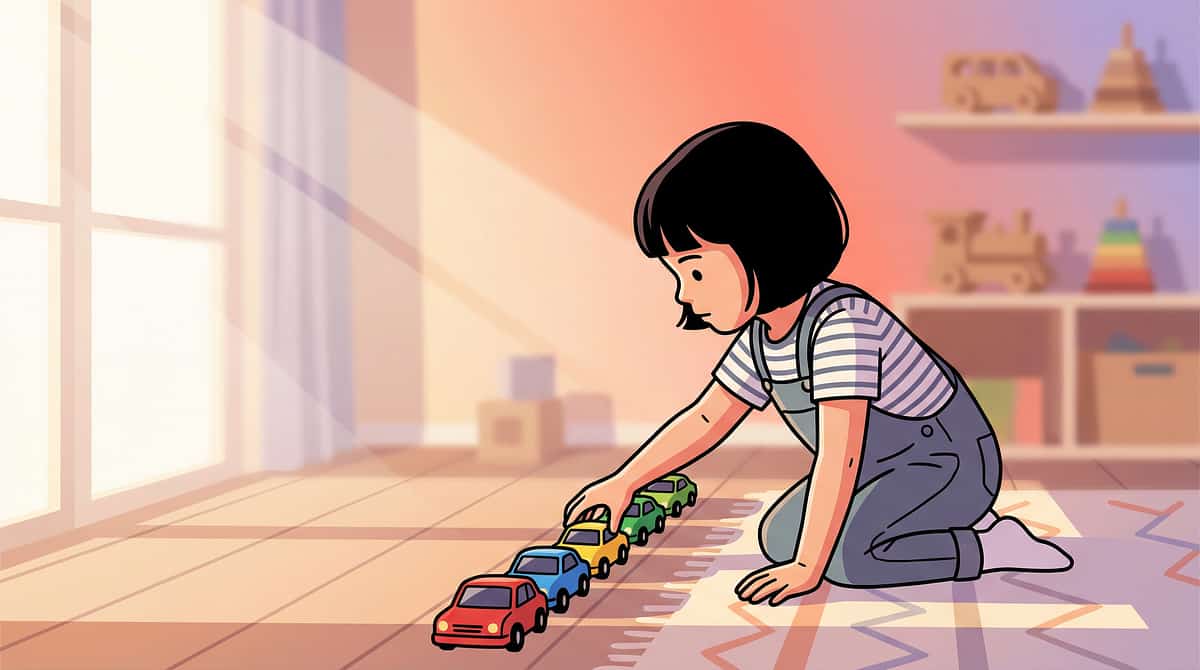
Step 6: The Cool-Down
Ending Sequence
- Visual timer beeps → "All done! Let's put the spinners on the shelf."
- Child participates in put-away if able (even placing one bottle on the shelf counts)
- Transition to structured fan/spinning reward: "You worked so hard! Here is your fan time."
- Timer set for fan/spinning reward (2 minutes)
- When reward timer ends: "Fan time is all done. Next activity is [specific: snack/play/outside]."
What to Do If the Child Resists Ending
- Don't abruptly cut off — give 30 extra seconds with a visual countdown (fingers: 5-4-3-2-1-done)
- Offer a transitional spinning item they can carry (a sensory bottle to hold during the transition)
- Acknowledge: "I know you love the spinning. We'll have more spinning time later."
- If meltdown occurs: stay calm, offer deep pressure (hug/weighted blanket), wait. The meltdown is data — the transition needs more practice, not abandonment
60 Seconds of Data Now Saves Hours of Guessing Later.
Record these three things within 60 seconds of session end. This data powers GPT-OS® personalisation and reveals patterns invisible to the naked eye.
1. Engagement Duration
How long did the child engage with alternative spinning materials (not the ceiling fan)?
⏱️ Record in minutes: ___ minutes
2. Fan Competition Rating
On a scale of 1–5, how well did the alternative materials compete with the fan today?
1 = Child ignored all materials, only wanted fan
3 = Child split attention between materials and fan
5 = Child engaged primarily with materials, barely looked at fan
3 = Child split attention between materials and fan
5 = Child engaged primarily with materials, barely looked at fan
3. Best Material Today
Which material held the child's attention longest?
Spinning toy / Sensory bottle / Spin equipment / Visual schedule / Projection / Fan video / Alt visual stim / Environment change / Bridging activity
After 2 weeks of this data, GPT-OS® can identify: which materials are your child's strongest fan competitors, whether vestibular input is reducing visual seeking, how quickly frustration tolerance is building, and when to progress to the next level of environmental challenge.

Most Sessions Don't Go Perfectly. That's Normal. Here's Your Fix.
1
Child refused all alternative materials — only wanted the fan
Why: The fan is a deeply established regulatory source. New materials haven't built competing value yet. Expected in weeks 1–2.
Fix: Lower the bar. Place spinning materials NEAR the fan — in the child's peripheral vision while they watch. Let them discover materials while having fan access. Forced competition fails; gradual introduction works.
Fix: Lower the bar. Place spinning materials NEAR the fan — in the child's peripheral vision while they watch. Let them discover materials while having fan access. Forced competition fails; gradual introduction works.
2
Child had a meltdown when the fan was turned off
Why: You removed a regulatory tool before providing an alternative. The nervous system is in distress.
Fix: Next time, introduce alternative materials BEFORE turning off the fan. Transition gradually: fan on → materials presented → child engages → fan speed reduced → fan off. Abrupt removal is not recommended.
Fix: Next time, introduce alternative materials BEFORE turning off the fan. Transition gradually: fan on → materials presented → child engages → fan speed reduced → fan off. Abrupt removal is not recommended.
3
Child engaged with materials but went right back to the fan
Why: This IS progress. The child demonstrated they CAN engage with alternatives. The neural pathway is forming.
Fix: Celebrate this. Build gradually. Each session, extend time with alternatives by 30 seconds before fan access. The ratio shifts over weeks, not sessions.
Fix: Celebrate this. Build gradually. Each session, extend time with alternatives by 30 seconds before fan access. The ratio shifts over weeks, not sessions.
4
Vestibular spinning made the child nauseous or distressed
Why: Too much vestibular input or the child's system wasn't ready for that intensity.
Fix: Reduce spinning duration (30 seconds max). Ensure the child controls the speed. Pause vestibular work for 2 days, then retry at lower intensity. Consult your Pinnacle OT for dosing guidance.
Fix: Reduce spinning duration (30 seconds max). Ensure the child controls the speed. Pause vestibular work for 2 days, then retry at lower intensity. Consult your Pinnacle OT for dosing guidance.
5
Visual schedule/timer didn't work — child didn't understand "first-then"
Why: First-then boards require teaching before they become effective. The contingency must be learned.
Fix: Start with very easy "first" tasks (touch this toy → then fan for 30 seconds). Use photos of the child's actual fan for the "then" image. Build comprehension of the contingency before increasing demand.
Fix: Start with very easy "first" tasks (touch this toy → then fan for 30 seconds). Use photos of the child's actual fan for the "then" image. Build comprehension of the contingency before increasing demand.
6
Session was abandoned due to extreme distress
This is not failure — this is data. Note what triggered the distress (was it fan removal? material demand? transition?). Start next session at a lower challenge level. If sessions are consistently abandoned, consult your Pinnacle therapy team — the protocol may need professional calibration.
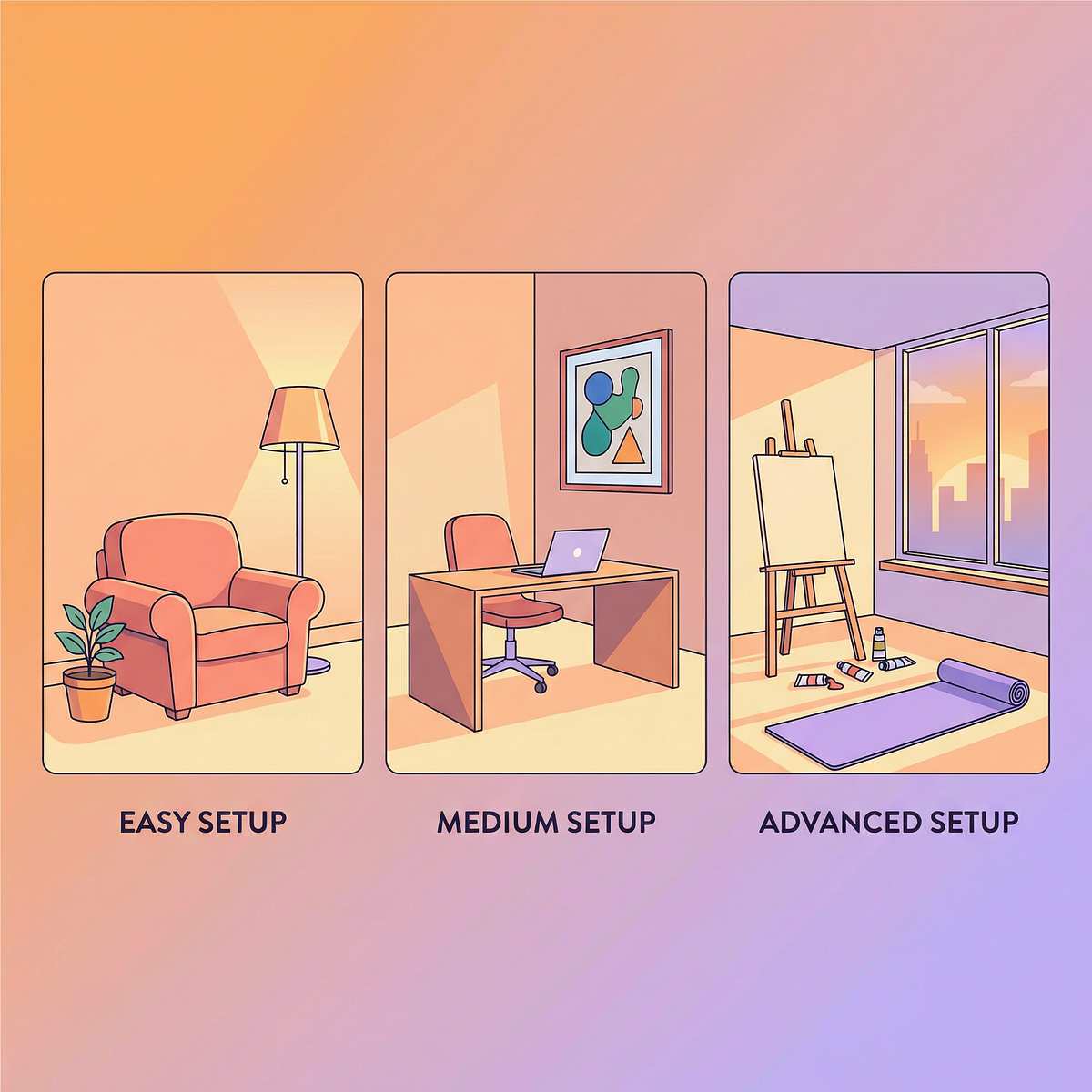
No Two Children Are Identical. Adapt This to Yours.
Sensory SEEKER (craves all input)
Increase vestibular offerings. Combine spinning with proprioceptive input (spinning ON a crash mat, spinning WHILE squeezing therapy putty). These children may need MORE spinning input through more channels before the ceiling fan fixation reduces.
ANXIETY-Driven Fixation
The spinning is primarily a regulation tool. Prioritise accessible alternatives (sensory bottles they can carry everywhere) and reduce environmental unpredictability. Address anxiety directly alongside sensory strategies.
Ages 2–3
Focus on sensory bottle provision and vestibular play. Visual schedules in simplest form (2 photos only).
Ages 4–6
Full visual schedule, token economy, engagement bridging activities, beginning self-regulation language ("I need a spin break").
Ages 7–10
Self-management of sensory tools, community practice, self-awareness building about sensory needs and strategies.

ACT IV: THE PROGRESS ARC
Weeks 1–2: You're Building the Foundation. Not the House.
What Progress Actually Looks Like in Weeks 1–2
- Child glances at alternative spinning materials for 5+ seconds (they notice them)
- Child tolerates fan being off for 2–3 minutes with alternative materials present — without severe meltdown
- Child holds a sensory bottle even briefly during a fan-off period
- Meltdowns at fan removal may still occur but are 1–2 minutes shorter OR less intense
- Child begins to associate the visual schedule with the activity structure
What This Is NOT Yet
- Child will NOT prefer materials over the fan yet
- Child will NOT independently choose alternatives
- Sessions may feel like they're "not working" — they are. Neural pathways form before behaviour changes.
Parent Emotional Preparation
You will feel frustrated. You may think "this isn't working." But if your child held a sensory bottle for 10 seconds longer today than yesterday — that's a neural pathway forming. Trust the process. You're not behind.
Weeks 3–4: The Neural Pathways Are Forming. Watch for These Signs.
Child reaches for spinning materials without being prompted
They REMEMBER the materials exist — this is memory and motivation forming around the alternative.
Child uses sensory bottle to self-calm in situations where they previously needed the fan
This is the single most important generalisation indicator in weeks 3–4. Celebrate it loudly.
"First-then" understanding is solid
Child completes brief activities to earn spinning access — the contingency is learned and accepted.
Fan-off tolerance increases to 5–10 minutes with materials available
The system is accepting alternatives as genuine regulation tools, not just distractions.
Brief eye contact during spinning play — joint attention emerging!
The child is sharing the spinning experience with you. Social engagement is reconnecting through the interest.
Parent Milestone: You may notice you're more confident too. The dread of entering rooms with fans is easing. You have tools now.

Weeks 5–8: Flexibility Is Emerging. These Are Your Mastery Badges.
🏅 Environmental Flexibility
Child can be in a room with a fan running and still engage in an activity for 5+ minutes with structured support
🏅 Multiple Regulation Tools
Child uses 2+ alternative regulation tools without prompting (sensory bottle, spinning toy, alternative visual stim)
🏅 Sequence Completion
Child completes first-then sequences with 3+ task demands before earning spinning access
🏅 Flexible Regulation
Fan access has become one option among several rather than the only regulation source
🏅 Community Readiness
Community visits (restaurants, relatives) are manageable with portable spinning materials
🏅 Manageable Transitions
Meltdowns at fan transitions are rare or manageable with verbal warnings and visual support
When to Move to the Next Level: If 4 of 6 mastery badges are achieved consistently for 2 weeks → progress to community generalisation and consider introducing more complex regulation strategies.

You Did This. Your Child Grew Because of Your Commitment.
You started with a child who could not be in any room with a fan without being completely lost to it. Who scanned every ceiling upon entering a space. Who was unreachable during fan watching. And you worked — systematically, patiently, with evidence-based materials and structured access — to build flexibility.
Your child now has multiple ways to regulate. They still love spinning — and they should. But they are no longer lost to it. They can be present. They can engage. They can learn. Because you gave them the tools to work WITH their nervous system, not just against it.
📸 Document This Milestone
Take a photo of your child engaging in an activity while a fan runs in the background. That photo is evidence of neural pathway change. Keep it. Show it to your therapist. Frame it if you like.
Family Celebration Suggestion
This deserves recognition. A special spinning-themed activity: visit a science museum with spinning exhibits, make a giant paper pinwheel together, or simply acknowledge together: "We figured this out as a family."

Trust Your Instincts — If Something Feels Wrong, Pause and Ask.
🚩 Red Flag 1: Regression After Initial Progress
Child was improving but suddenly returns to complete fan absorption, refuses all alternatives. → May indicate underlying stressor (illness, change, anxiety event). Pause intervention, stabilise, restart.
🚩 Red Flag 2: Increased Self-Injury During Transitions
Child begins hitting self, head-banging, or biting during fan removal transitions. → The transition protocol needs professional calibration. Contact your Pinnacle BCBA immediately.
🚩 Red Flag 3: Vestibular Symptoms After Spinning Equipment
Persistent nausea, vomiting, balance problems, or refusal to walk after spinning equipment use. → Stop all vestibular interventions. Consult OT for dosage recalibration.
🚩 Red Flag 4: New Fixation Replacing Fan Fixation
Child stops fixating on fans but transfers to a new fixation that is equally consuming. → The sensory need isn't being met by the alternatives. The repertoire needs expansion. Book a sensory profile re-evaluation.
🚩 Red Flag 5: No Progress After 4 Weeks of Consistent Implementation
If the protocol has been implemented daily for 4 weeks with no observable change in any indicator. → Professional re-evaluation needed. The challenge may have additional components (anxiety, medical, or developmental) that need addressing first.
Escalation Pathway: Self-resolve with protocol adjustments → Teleconsult with Pinnacle therapist → In-person clinic assessment → Full sensory profile re-evaluation via GPT-OS® Diagnostic Intelligence Layer. FREE National Autism Helpline: 9100 181 181 (16+ languages, 24x7)
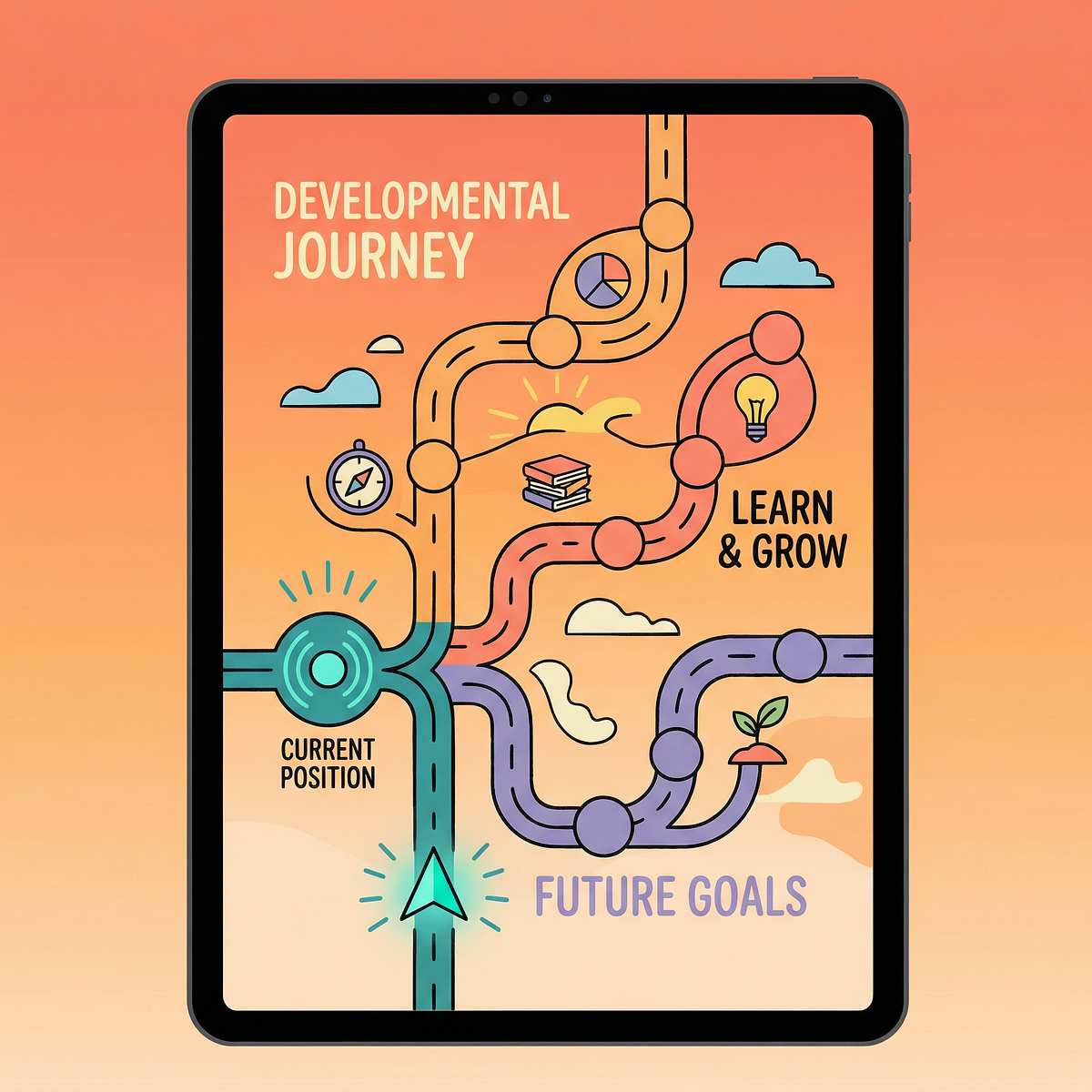
Where You Were. Where You Are. Where You're Going.
Long-Term Developmental Goal
A child who has a rich, flexible repertoire of sensory regulation strategies — who still enjoys spinning but uses it as one tool among many — and who can participate fully in learning, social, and family life regardless of the environmental spinning stimuli present.
Choose Your Next Path
- Path A — Primarily VISUAL SENSORY seeking: → A-045: Visual Sensory Seeking — Advanced Strategies
- Path B — Extends to LINING UP / RESTRICTED INTERESTS: → A-061: 9 Materials That Help When Child Lines Things Up
- Path C — SCREEN COMPONENT: → A-062: Screen Fixation Challenges
- Path D — Community generalisation: → K-960: Sensory Regulation Strategies for Home
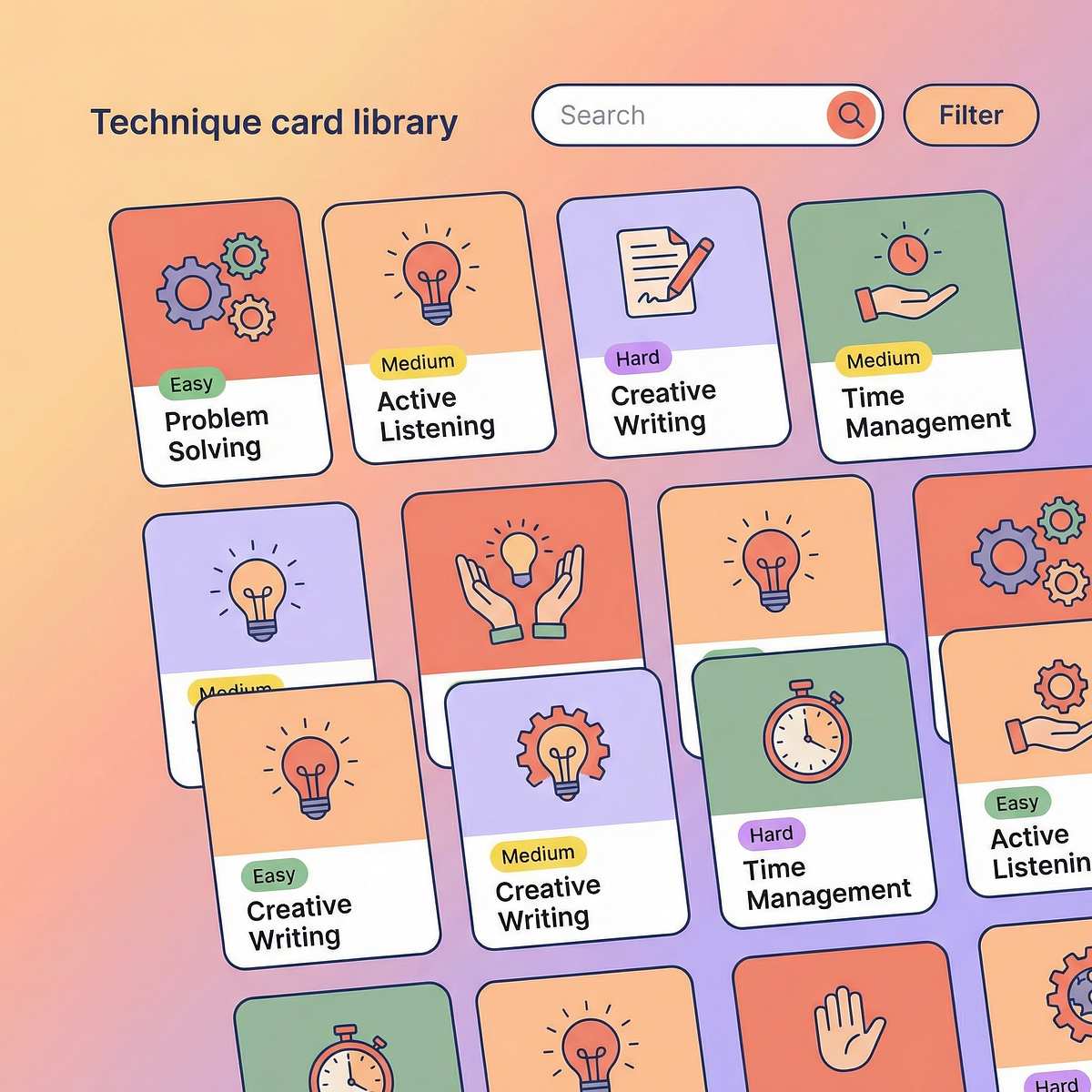
More Techniques in Sensory Processing and Visual Regulation
Your sensory bottles, spinning toys, and visual schedules from this technique apply directly across the following techniques — your investment carries forward.
A-058: Light Fascination and Seeking
Intro Level | Sensory Regulation Tools | Visual Processing
Intro Level
A-059: Pattern Fixation
Intro Level | Visual Supports | Engagement Strategies
Intro Level
A-061: Lining Things Up
Core Level | Behavioural Support | Engagement Bridging
Core Level
A-062: Screen Fixation Challenges
Core Level | Visual Supports | Environmental Management
Core Level
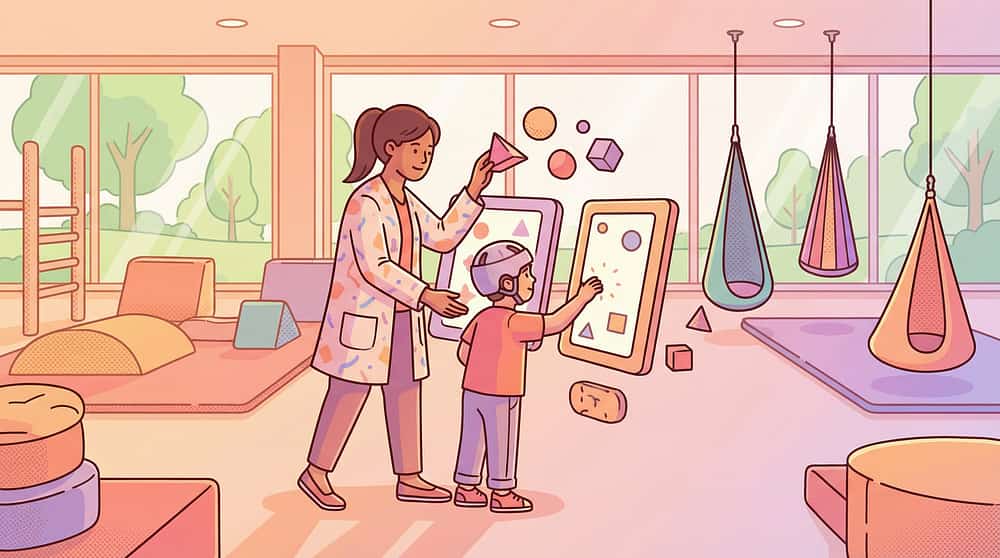
A-045: Visual Sensory Seeking
Advanced Level | Sensory Integration | Multi-Material Protocols
Advanced
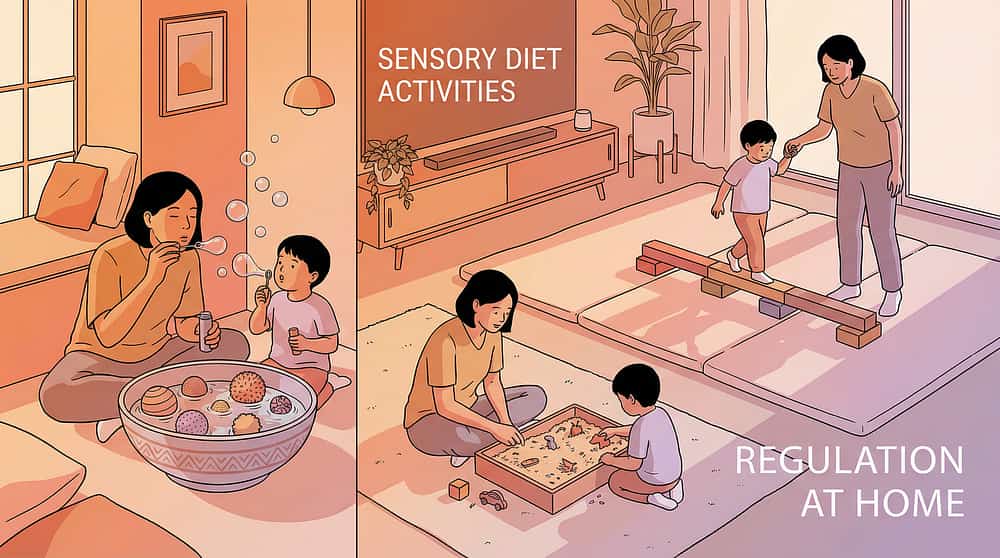
K-960: Sensory Regulation Strategies for Home
Parent Guide | Comprehensive Sensory Diet Design
Parent Guide
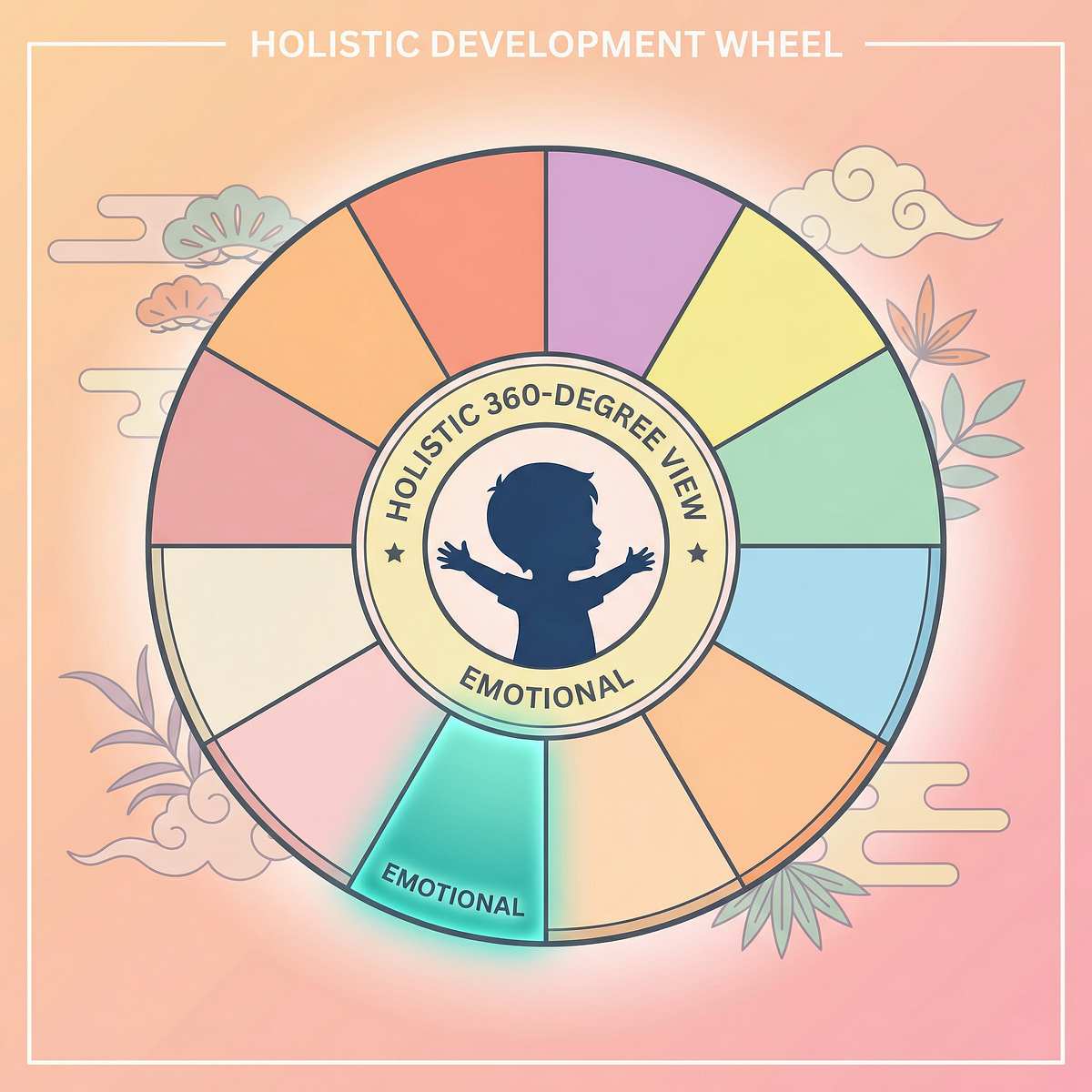
This Technique Is One Piece of a Larger Plan.
How This Domain Connects
Fan/spinning fixation sits within Domain A (Sensory Processing) but connects directly to: Domain C (Social Skills — fixation blocks social engagement), Domain D (Behavioural Regulation — structured access builds tolerance), Domain G (Cognitive — freed attention enables learning), and Domain I (Emotional Regulation — spinning is a regulation tool).
GPT-OS® Cross-Domain Tracking
GPT-OS® tracks progress across ALL 12 domains simultaneously. When your child's Sensory Regulation Index improves through this technique, GPT-OS® automatically evaluates the cascading impact on Engagement & Attention Index, Social Participation Index, and Adaptive Functioning Index.
ACT V: THE COMMUNITY AND ECOSYSTEM
From Lost in the Fan to Present in the Room.
Parent, Pinnacle Network — Before (Week 0)
"The ceiling fan situation was out of control. He couldn't eat, couldn't do therapy, couldn't visit anyone's home without being completely lost to whatever fan was there. We felt like we had to choose between his happiness and his development."
Parent, Pinnacle Network — After (12 Weeks)
"We gave him controlled spinning toys, used fan access as a reward, provided sensory bottles he could carry, and used his interest to teach him things. The spinning didn't go away, but it stopped being the enemy of everything else. Now he can be in rooms with fans and still engage."
From the Therapist's Notes — Pinnacle OT
"This child's Sensory Regulation Index showed measurable improvement within 4 weeks. The key breakthrough was vestibular input — once we introduced controlled body spinning, the visual seeking intensity reduced significantly. The family's consistent use of sensory bottles as portable regulation tools was the generalisation game-changer."
Parent, Pinnacle Network — Restaurant Success (8 Weeks)
"Every restaurant visit was a disaster. She'd spot the fan within seconds — she was gone. We stopped going out. After 8 weeks: she still notices the fans, but she'll hold her bottle, shake it, watch the glitter, and then actually eat her food. We go out again."
Illustrative cases; outcomes vary by child profile.

You're Not a Solo Operator Anymore.
Challenge-Specific Parent Community
Join families navigating spinning/fan fixation challenges — parents who understand exactly what you mean when you say "the fan wins."
- WhatsApp Group: Pinnacle Sensory Seekers Parent Circle
- Online Forum: pinnacleblooms.org/community/sensory-regulation
- Local Meetups: Find your nearest Pinnacle centre parent group
Peer Mentoring
Connect with an experienced parent who has been through this exact journey. They walked where you walk. Their perspective is invaluable — no professional training replaces lived experience.
Your Experience Helps Others
Once you've navigated this, consider sharing your journey. Every parent who hears "I was where you are, and it got better" has their isolation reduced. Your story is medicine for someone else's fear.
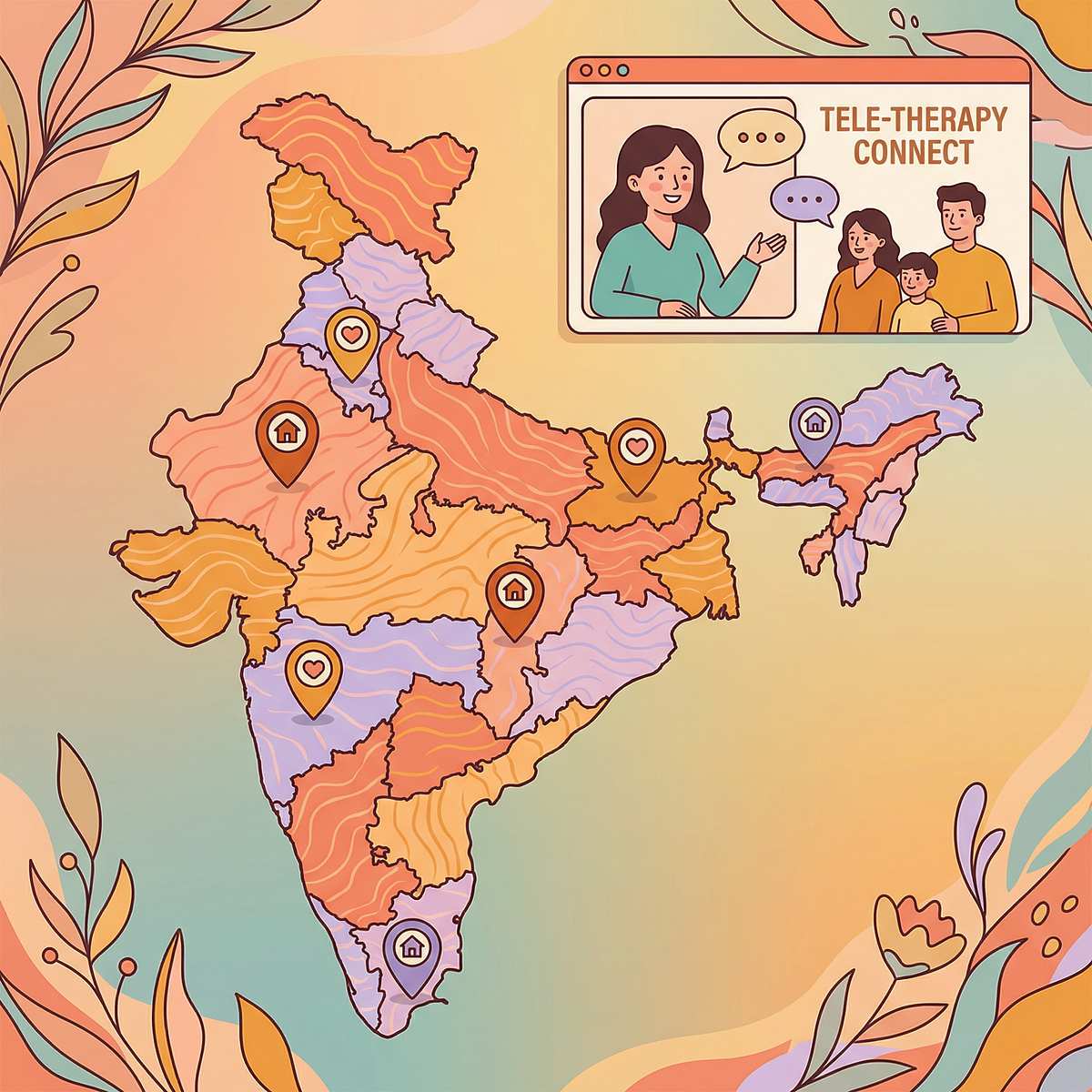
Home + Clinic = Maximum Impact.
Home-based practice builds consistency and generalisation. Clinical sessions provide the specialist expertise, equipment, and dosing precision that home practice cannot replicate. The combination produces outcomes that neither achieves alone.
Occupational Therapist
Comprehensive sensory evaluation, sensory diet development, vestibular intervention dosing, therapeutic equipment recommendation. The primary lead for this technique.
NeuroDevelopmental Paediatrician
Full developmental evaluation, differential diagnosis, medical oversight for vestibular interventions. Provides the diagnostic framework underlying the entire approach.
BCBA (Behavioural Specialist)
Structured access system design, token economy calibration, graduated exposure protocols. Designs the behavioural architecture around spinning access.
Speech-Language Pathologist
If fixation blocks communication development, engagement bridging through spinning interest. Leverages the fan interest as therapeutic language content.
FREE National Autism Helpline: 9100 181 181 (16+ languages, 24x7)
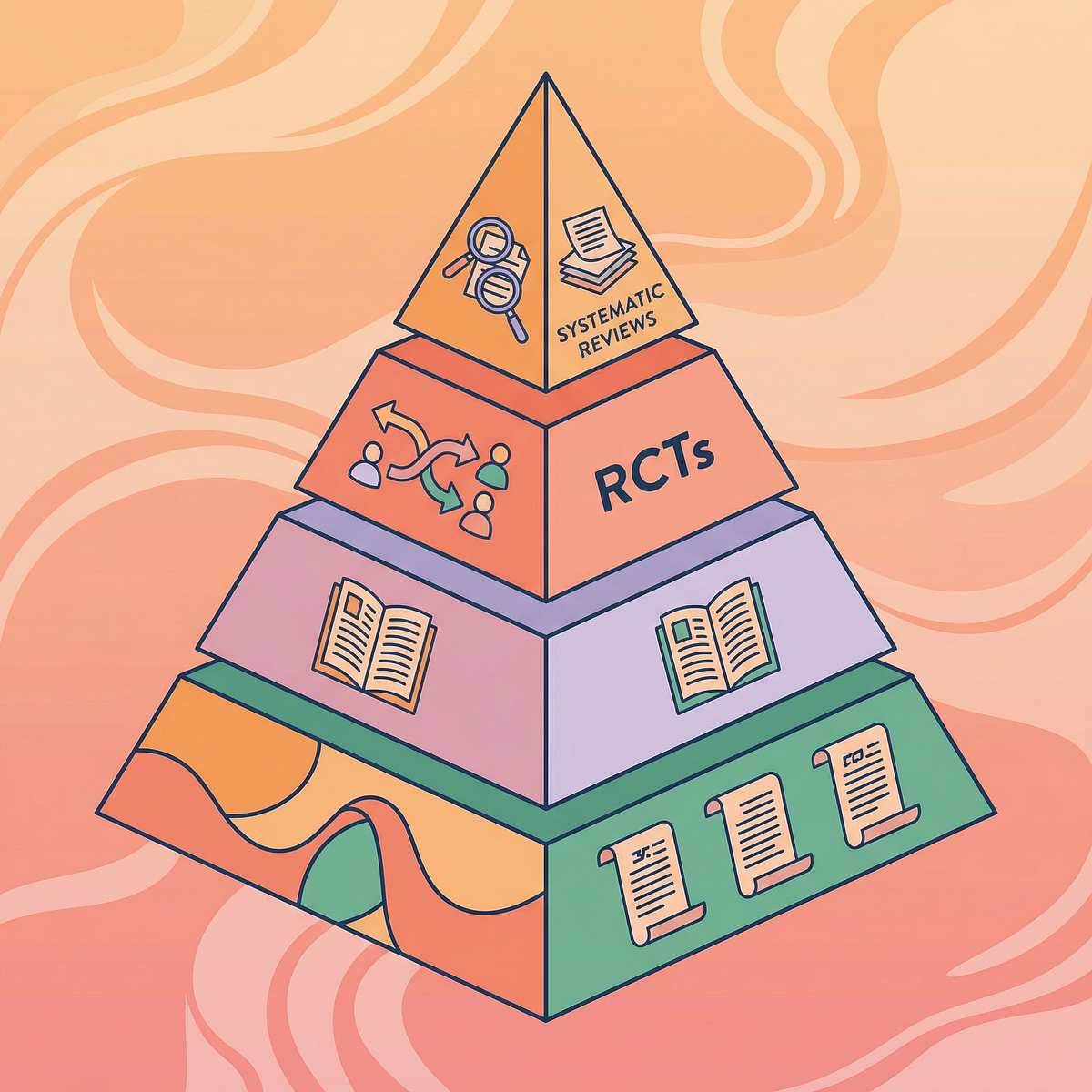
Deeper Reading for the Curious Parent.
📄 PRISMA Systematic Review (2024)
"Sensory integration intervention meets evidence-based practice criteria for children with ASD" — 16 articles, 2013–2023
→ PubMed: PMC11506176
→ PubMed: PMC11506176
📄 Meta-Analysis: Multi-Domain Effectiveness (2024)
"Sensory integration therapy effectively promoted social skills, adaptive behaviour, sensory processing, and motor skills" — 24 studies
→ PMC10955541 | DOI: 10.12998/wjcc.v12.i7.1260
→ PMC10955541 | DOI: 10.12998/wjcc.v12.i7.1260
📄 Indian Home-Based Sensory Intervention RCT (2019)
Parent-administered home-based sensory interventions with measurable outcomes in Indian paediatric populations
→ DOI: 10.1007/s12098-018-2747-4 (Padmanabha et al., Indian J Pediatr)
→ DOI: 10.1007/s12098-018-2747-4 (Padmanabha et al., Indian J Pediatr)
📄 WHO Nurturing Care Framework (2018)
Caregiver-delivered developmental support across 54 countries
→ PMC9978394 | nurturing-care.org
→ PMC9978394 | nurturing-care.org
📄 Neurological Framework (2020)
Comprehensive evaluation framework for sensory integration treatment
→ DOI: 10.3389/fnint.2020.556660 (Frontiers in Integrative Neuroscience)
→ DOI: 10.3389/fnint.2020.556660 (Frontiers in Integrative Neuroscience)

Your Data Helps Every Child Like Yours.
What GPT-OS® Learns from This Technique's Data
- Which alternative spinning materials work best for different sensory profiles
- Optimal vestibular input dosing by age and severity
- Fastest progression timelines by intervention combination
- Environmental factors that accelerate or hinder flexibility development
- Which engagement bridging activities produce the highest joint attention gains
Privacy and Data Protection
Your child's data is anonymised within GPT-OS®. Individual records are encrypted and protected under Indian IT Act data protection requirements and Pinnacle's ISO/IEC 27001 certified information security framework.
Your data contributes to population-level intelligence while remaining individually protected. You are helping build the world's largest structured paediatric intervention knowledge base — one session at a time.
Watch the Reel: 9 Materials That Help When Child Stares at Fans
Reel Details
- 📹 Reel ID: A-060
- 📹 Series: Sensory Solutions Series — Episode 60
- 📹 Domain: Sensory Processing / Visual Stimming / Spinning Object Fixation
- 📹 Duration: 75–85 seconds
Multi-Modal Learning
Research confirms that video modelling combined with text-based instruction improves parent skill acquisition (NCAEP Evidence-Based Practices Report, 2020). Watching the Reel AFTER reading this page reinforces your understanding through a different learning channel.
Therapist Introduction
This Reel is presented by a Pinnacle Blooms Network® occupational therapist specialising in paediatric sensory integration. You'll see each of the 9 materials demonstrated with real-world application — how to present them, what engagement looks like, and how to build structure around your child's spinning interest.
Watch for: the exact body positioning, how to hold materials at the child's eye level, what to say at each phase, and how to handle a child who initially resists the alternatives.
ACT VI: THE CLOSE AND LOOP
Frequently Asked Questions
Is fan staring harmful to my child's eyes?
Watching a standard ceiling fan at normal speed is not physically harmful to the eyes. The concern is not optical damage but the opportunity cost — the developmental and social engagement that is missed during prolonged visual fixation. The intervention addresses the engagement impact, not the visual safety.
Should I remove all ceiling fans from my home?
No. Complete permanent removal typically causes prolonged distress without providing alternatives. Strategic management — structured access with times when fans are on and off, combined with alternative spinning materials — is more effective and sustainable than total elimination.
My child only stares at fans when anxious or in new places. Is that different?
Yes. If the fan staring intensifies during stress, it may be primarily an anxiety-regulation behaviour rather than (or in addition to) pure sensory seeking. Address the anxiety component directly alongside providing sensory alternatives. Discuss this pattern with your Pinnacle NeuroDevelopmental Paediatrician.
Will my child outgrow this?
Many children's fixation intensity reduces naturally with development and intervention. The spinning interest may always remain — and that's fine. The goal is not elimination of the interest but development of flexible regulation and engagement capacity ALONGSIDE the interest.
How long before I see results?
Most families report noticeable changes in engagement flexibility within 3–4 weeks of consistent daily implementation. Full mastery indicators typically emerge between weeks 5–8. Individual timelines vary based on the child's sensory profile, age, and intervention history.
Can I use this approach in therapy sessions too?
Absolutely. Share this page with your child's therapists. Many Pinnacle therapists already integrate these strategies. Alignment between home and clinic approaches dramatically accelerates progress.
The sensory bottle doesn't seem to compete with the real fan. What do I do?
In early weeks, alternative materials rarely match the fan's appeal. That's expected. Start by offering materials ALONGSIDE fan access (not instead of). Build gradual value through pairing with praise and rewards. Over time, the materials accumulate their own regulatory power.
Is this just for autism? My child isn't diagnosed.
Spinning fixation occurs across typical development, sensory processing differences, autism, anxiety conditions, and other neurodevelopmental profiles. This protocol applies to ANY child whose spinning fixation is impacting engagement, regardless of diagnosis.
You Have the Knowledge. You Have the Materials List. Start Today.
You arrived on this page worried about your child's fixation on ceiling fans. You now understand the neuroscience, have 9 evidence-based materials, a structured 6-step protocol, a progress tracking system, and a community of families walking the same path. Your child's nervous system spoke. You listened. And now you have the tools to respond — not by fighting the spinning, but by expanding what's possible alongside it.
🚀 START THIS TECHNIQUE TODAY
Download the session guide + tracking sheet + visual schedule template
📞 BOOK A CONSULTATION
Connect with a Pinnacle OT specialising in sensory regulation
🔄 EXPLORE NEXT TECHNIQUE
A-061: 9 Materials That Help When Child Lines Things Up
✅Validated by the Pinnacle Blooms Consortium — OT • SLP • ABA • SpEd • NeuroDev • CRO | 20M+ sessions | 97%+ measured improvement | 70+ centres | Patents filed across 160+ countries
Preview of 9 materials that help when child stares at fans Therapy Material
Below is a visual preview of 9 materials that help when child stares at fans therapy material. The pages shown help educators, therapists, and caregivers understand the structure and content of the resource before use. Materials should be used under appropriate professional guidance.


Link copied!
The Pinnacle Promise
Built by Mothers. Engineered as a System.
"From fear to mastery. One technique at a time."
You arrived worried. You leave equipped. Your child's nervous system spoke. You listened. And now you have the tools to respond — not by fighting the spinning, but by expanding what's possible alongside it.
Consortium Disciplines
🧠 OT • 💬 SLP • 📊 ABA • 📚 SpEd • 🩺 NeuroDev
FREE National Autism Helpline
9100 181 181
16+ languages, 24x7
16+ languages, 24x7
Navigate
- → Explore More Techniques: techniques.pinnacleblooms.org
- → Next Recommended Technique: A-061 — Lining Things Up
- → Previous Technique: A-059 — Pattern Fixation
- → Request an AbilityScore® Assessment: pinnacleblooms.org/assessment
- → Find a Centre: pinnacleblooms.org/centers
- → Book Teleconsult: pinnacleblooms.org/teleconsult
Medical Disclaimer
This content is educational. It does not replace assessment by a licensed occupational therapist, developmental paediatrician, or behavioural specialist. Persistent fixations that significantly interfere with daily functioning, learning, and social participation should be evaluated comprehensively. Individual results may vary. Statistics represent aggregate outcomes across the Pinnacle Blooms Network.
Legal and Statutory
© 2026 Pinnacle Blooms Network®, unit of Bharath Healthcare Laboratories Pvt. Ltd. All rights reserved. CIN: U74999TG2016PTC113063 | DPIIT: DIPP8651 | MSME: Udyog Aadhaar TS20F0009606 | GSTIN: 36AAGCB9722P1Z2
Powered by GPT-OS® — Global Paediatric Therapeutic Operating System | 20M+ exclusive 1:1 sessions • 97%+ measured improvement • 70+ centres • Patents filed across 160+ countries