
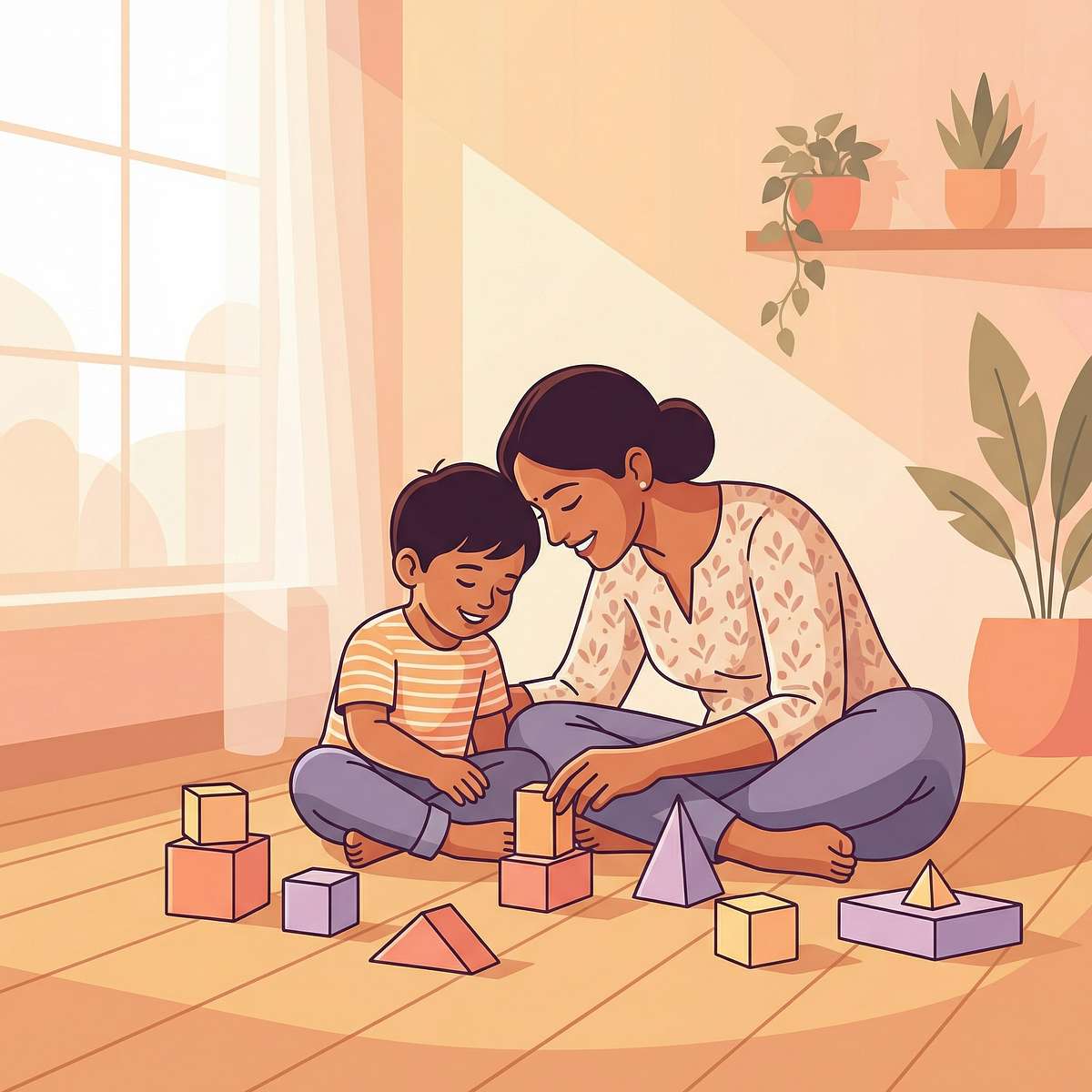
Pinnacle Blooms ConsortiumEvidence-BasedHome-ExecutableEpisode G-625
"Every toy becomes a line."
Cars. Blocks. Crayons. Shoes. Your child's world arranged in perfect rows — and something in you knows this means more than tidiness.
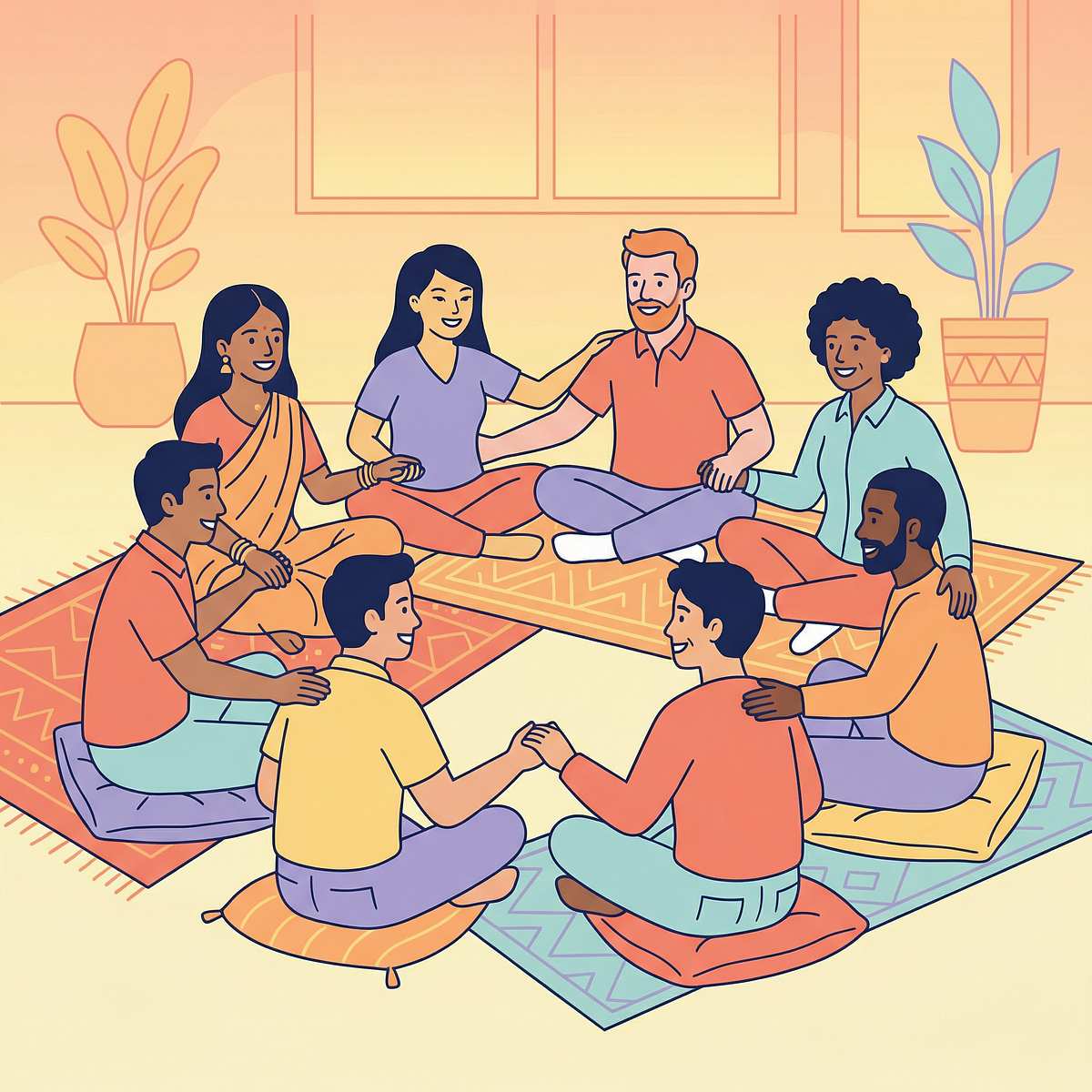
You Are Not Alone: The Numbers
Across the world right now, millions of parents are watching the same thing. Object lining — arranging toys in precise rows, sequences, and spatial patterns — is one of the most commonly observed restricted and repetitive behaviors (RRBs) in autism spectrum disorder. It is not random. It is not defiance. It is a specific communication from your child's nervous system about what it needs: order, predictability, and sensory satisfaction.
1:36
ASD Prevalence
Children diagnosed with ASD globally (CDC 2023)
80%
Display RRBs
Of children with ASD show restricted and repetitive behaviors including object lining
4.2M
Families in India
Living with autism — you are part of a known, supported community
Based on Pinnacle Blooms Network® clinical data across 70+ centers and 21 million therapy sessions, object lining is observed in 68% of children presenting for developmental evaluation between ages 2–6. It is the third most common RRB reported by Indian parents at first consultation. You are among the millions of families navigating this exact challenge. The path forward is documented, tested, and proven — and it begins with understanding, not stopping.

What's Happening in Your Child's Brain
In autism spectrum disorder, the neural circuits governing predictive processing — the brain's ability to anticipate what comes next and feel safe in that prediction — show altered connectivity. Understanding this changes everything about how you respond.
The Neuroscience
The basal ganglia, which governs habitual, repetitive motor sequences, is hyperactivated. The prefrontal cortex, which enables flexible switching between behaviors, has reduced inhibitory control. Every completed line of toys triggers a dopamine release — a real neurological reward. The proprioceptive input of placing each object activates the somatosensory cortex in a calming, regulating pattern.
Lining up is neurological self-medication. It is your child's brain finding its own path to regulation in a world that feels unpredictable.
In Plain English
"Imagine if the world felt slightly too loud, slightly too unpredictable, and slightly too fast — all the time. Then you found something you could control completely. You arranged it perfectly. It felt right. You'd do it too."
- 🧩Sensory regulation — visual pattern + hand placement = calming proprioceptive loop
- 🔮Predictability — the line is the same every time; nothing unexpected can happen
- 🏆Cognitive satisfaction — pattern recognition is a genuine cognitive strength
- 🛡️Anxiety reduction — controlling the environment reduces overwhelm
This is a wiring difference, not a behavior problem.

Where This Sits in Development
Your child is here. This is the path forward. Between 18–30 months, most children briefly arrange objects in rows as they explore spatial relationships. This typically evolves into functional play by age 3. In autism, object lining often intensifies rather than evolves — a signal that the child needs systematic support to build a bridge from pattern-based play to a broader play repertoire.
0–18 Months
Sensorimotor exploration — touching, mouthing, banging
18–30 Months
Brief lining (typical & expected); functional play begins
2–4 Years
Object lining intensifies in ASD; functional play stalls
4–7 Years
Play expansion with bridge materials — G-625 Intervention Zone
7+ Years
Flexible, social, multi-form play

The Evidence Behind This Approach
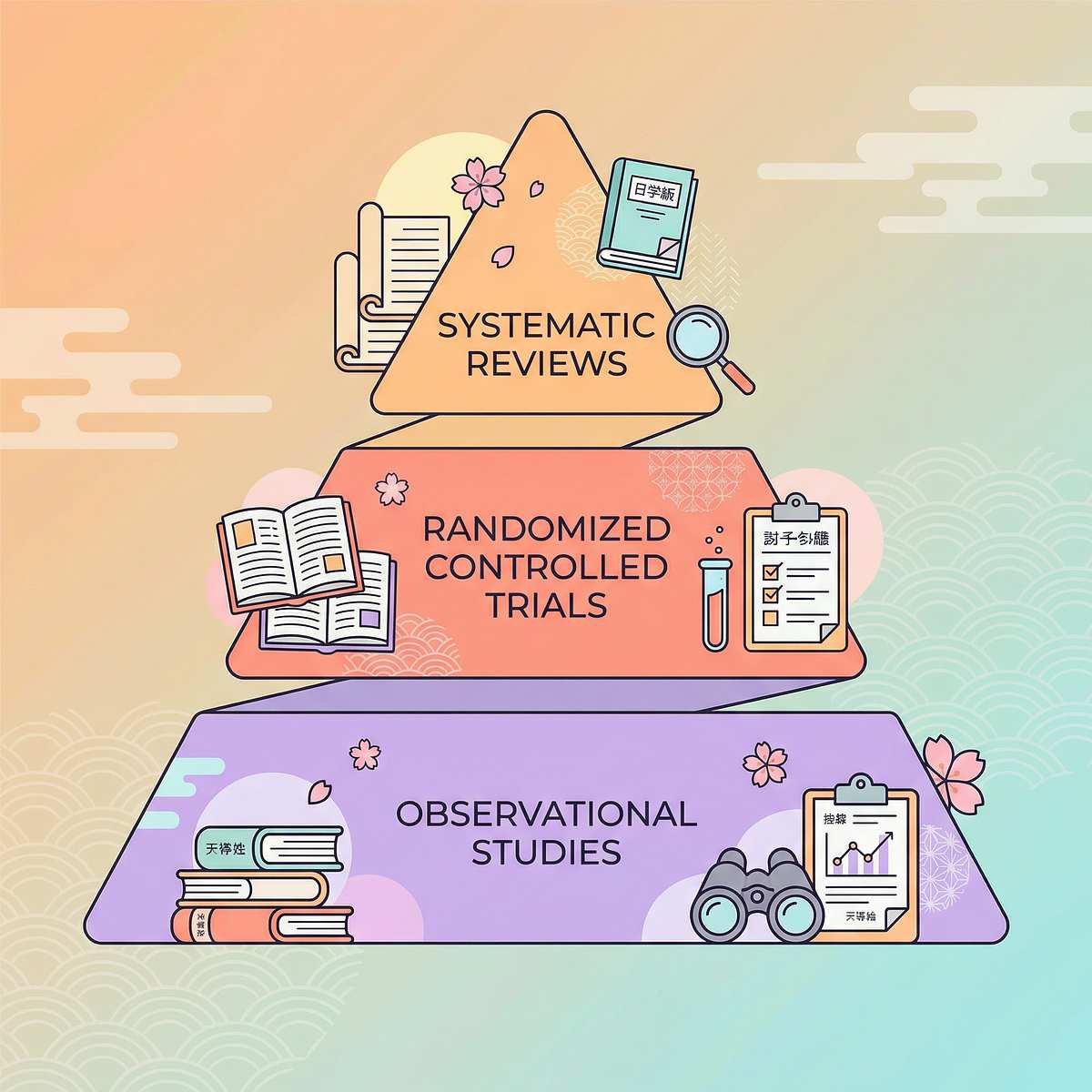
Clinically validated. Home-applicable. Parent-proven. The techniques in this guide are drawn from the highest levels of pediatric intervention evidence — systematic reviews, RCTs, and multi-country implementation data.
Study | Key Finding | Source |
PRISMA Systematic Review (2024) | Naturalistic Developmental Behavioral Interventions (NDBIs) show strong evidence for expanding restricted play repertoires in autism | PMC11506176 |
Meta-analysis, World J Clin Cases (2024) | Play therapy and sensory integration improved adaptive behavior, social skills, and play flexibility across 24 studies | PMC10955541 |
Indian RCT, Padmanabha et al. (2019) | Home-based structured play with materials guidance demonstrated significant developmental outcomes; parent-implemented protocols effective | DOI: 10.1007/s12098-018-2747-4 |
NCAEP (2020) | Naturalistic Intervention, Play-Mediated Intervention, and Pivotal Response Training classified as evidence-based practices for autism | NCAEP 2020 Report |
"Do not eliminate the lining. Build bridges FROM it." — Pinnacle Blooms OT Consortium
📞For a personalized assessment: 9100 181 181
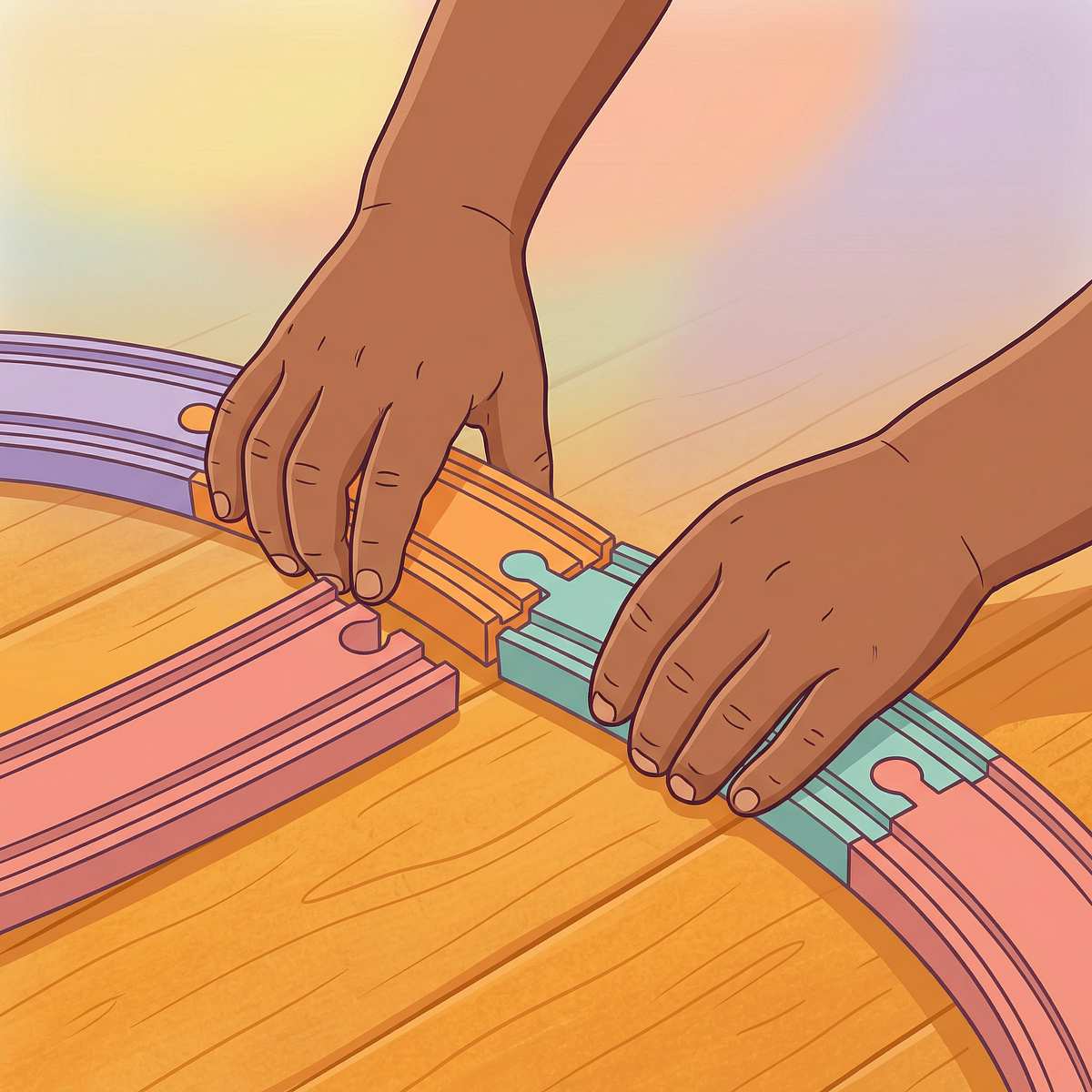
🧩 The Technique: Play Expansion via Bridge Materials
Parent-Friendly Alias: "Building bridges from lines to possibilities" | Clinical Code: G-625 | OT-PLY-RRB
Play Expansion via Bridge Materials is a structured, systematic approach to expanding a child's play repertoire by building on — not replacing — their existing pattern-based play behaviors. When a child predominantly lines up toys, this technique introduces 9 specifically selected therapeutic materials that meet the child's need for order, pattern, and predictability while simultaneously opening pathways to functional play, constructive play, and ultimately symbolic/pretend play.
The central principle is "Yes, and..." — honoring the lining interest while adding purpose, dimension, and narrative to it.
🧰 Sorting & Categorization
Channels existing categorization instincts into flexible cognitive skill
🎮 Matching Games
Pattern recognition channeled into structured game format
🔧 Cause-Effect Toys
Sequential actions with rewarding, purposeful outcomes
🏗️ Constructive Play
Pattern-matching that produces three-dimensional creations
🎭 Pretend Play
Predictable scripts make imagination safely accessible
👶Age: 2–8 years | ⏱️Session: 15–20 min | 📅Frequency: Daily | 📍Setting: Home + Therapy
Who Uses This Technique
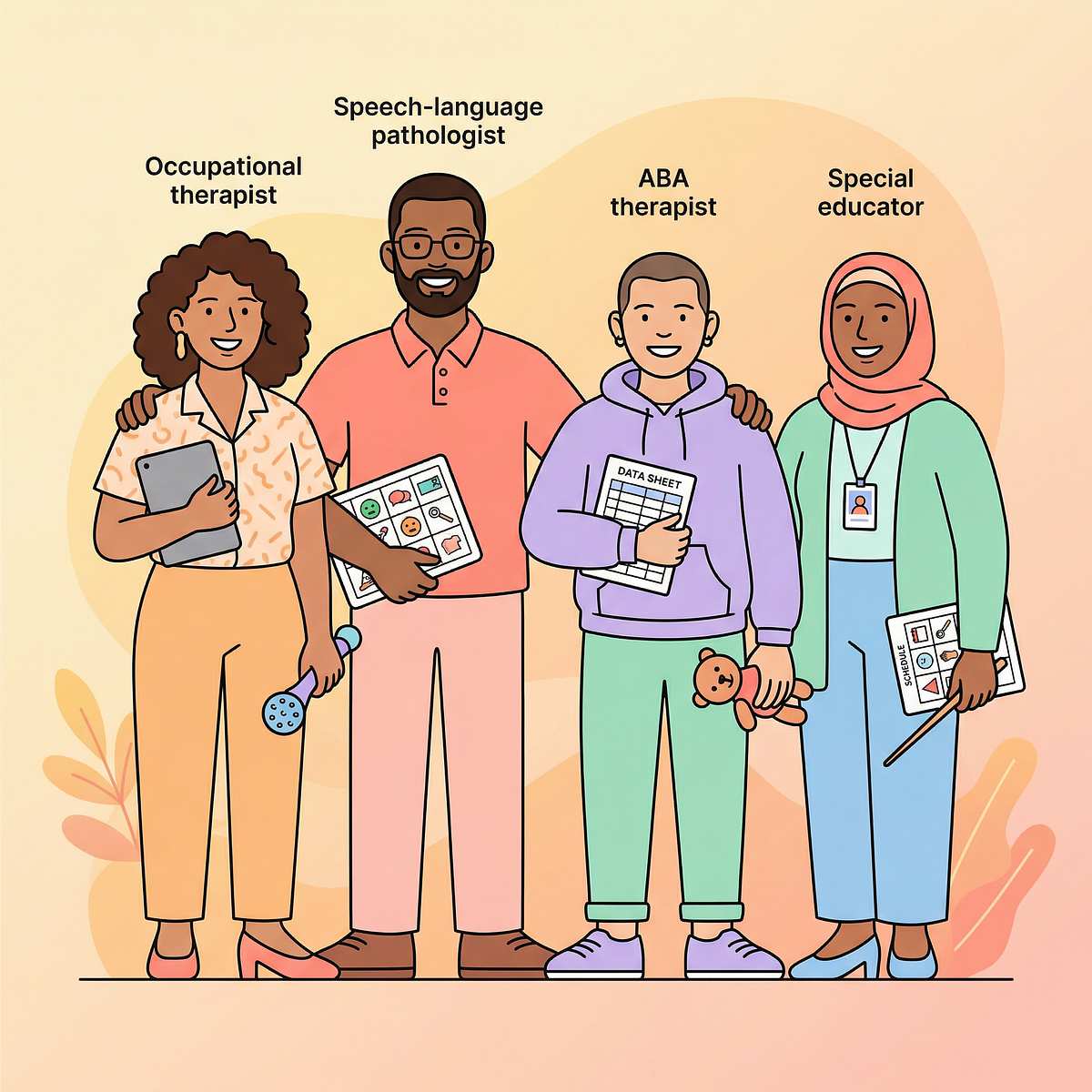
This technique is deployed across 5 consortium disciplines — because the brain doesn't organize by therapy type.
Occupational Therapist
Lead discipline. Assesses sensory functions of lining, selects materials based on child's sensory profile, guides progression through play hierarchy, administers formal play assessments.
ABA / BCBA
Conducts functional analysis of lining behavior. Designs reinforcement schedules for each expansion step. Uses Pivotal Response Training to embed communication within play.
Speech-Language Pathologist
Uses play materials as communication contexts. Targets requesting, commenting, narrating, and turn-taking within play expansion activities.
Special Educator
Applies play expansion strategies in classroom and group settings. Creates visual supports for play sequences. Bridges home and school play programs.
NeuroDev Pediatrician
Rules out medical contributors to restricted play. Coordinates diagnostic evaluation. Provides clinical interpretation of RRB patterns for families.
"When Arjun's OT introduced the marble run, his ABA therapist simultaneously reinforced each 'functional' marble release with his preferred social reward. His SLP narrated: 'Marble goes in! Marble goes down!' Three disciplines, one moment, triple impact." — Pinnacle Clinical Case Note (anonymized)
What This Technique Targets
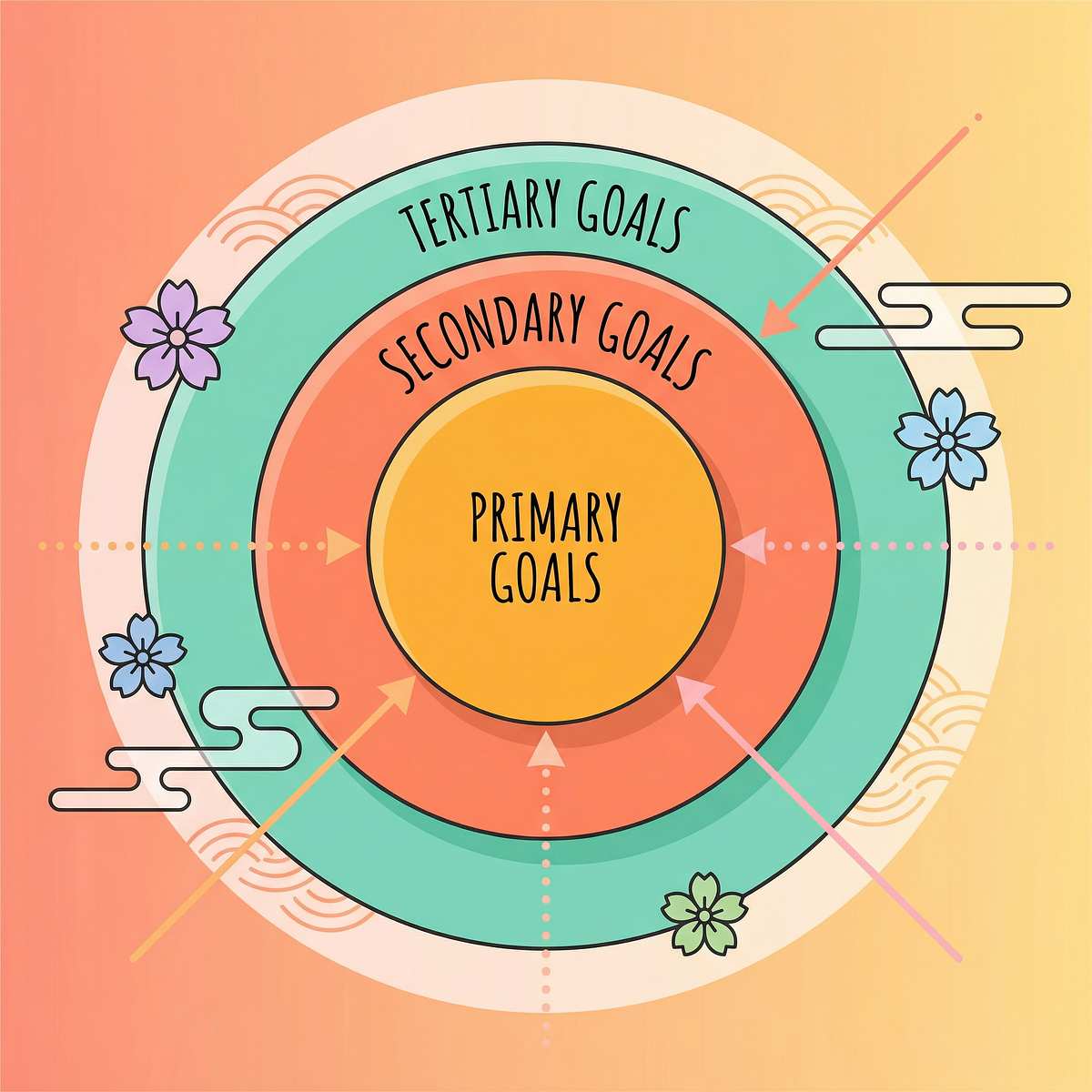
Precision is power. This isn't a random activity — it's a multi-target clinical tool.
🎯 Primary Target: Play Repertoire Expansion
Moving from exclusive/predominant object lining to a repertoire that includes functional play, constructive play, and early symbolic/pretend play. Observable indicator: Child engages with at least 3 different play types within a session by Week 6–8.
⭕ Secondary Targets
- Flexible Thinking — Tolerance for multiple valid arrangements; reduced distress when arrangements change
- Cause-Effect Understanding — Recognition that sequences produce functional outcomes
- Sustained Engagement — Increasing duration of purposeful play beyond pattern completion (5+ minutes continuous)
◎ Tertiary Targets
- Social parallel play emergence
- Functional communication during play ("more!", "my turn")
- Fine motor precision beyond placement
- Cognitive categorization and pattern recognition
- Emotional regulation through purposeful activity
- School readiness through play skill development
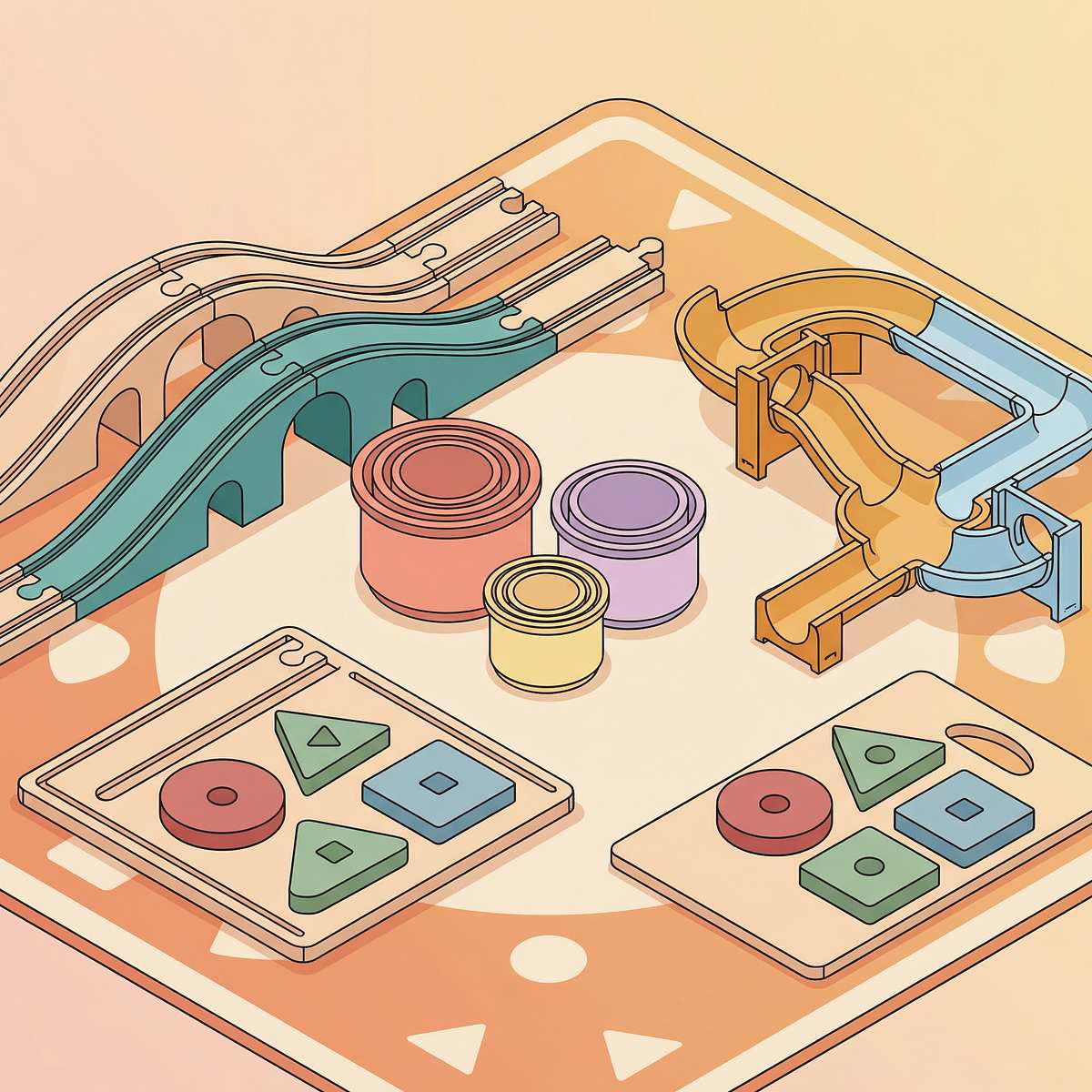
🚂 Material 1: Train Sets with Tracks
Why it works: Train tracks ARE lines — but lines with purpose. The child who loves lining can line up track pieces (satisfying their pattern need), connect them, and then watch the line come alive with movement. Pattern becomes function.
Clinical Rationale
Wooden magnetic connectors provide satisfying proprioceptive feedback on connection — a sensory reward that reinforces the expansion step. The child's existing love of order is honored; the track is a line that does something.
Practical Details
Canon Category: Constructive Play / Cause-Effect Toys
Price Range: ₹800–3,000
Where to Buy: Search "wooden train set tracks India" on Amazon.in
✅Pinnacle Recommends: Wooden sets with magnetic connectors for maximum proprioceptive feedback.
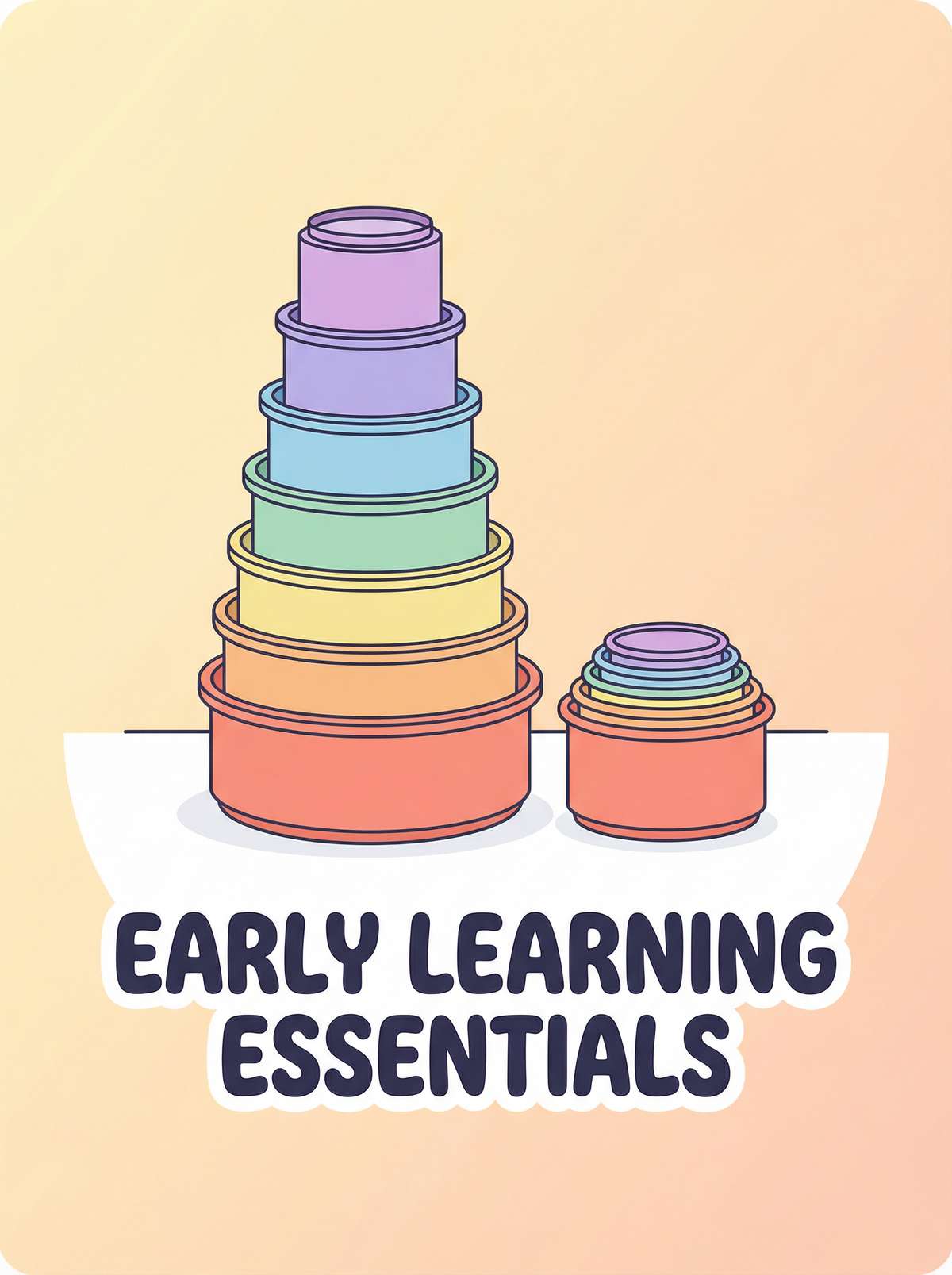
🏗️ Material 2: Stacking & Nesting Toys
Why it works: Vertical lining. Same love of order, new spatial dimension. Nesting cups can line up OR stack OR nest — multiple valid arrangements from identical objects. This introduces the radical concept: more than one way can be "right."
Clinical Rationale
This material gently challenges the child's assumption that there is only one correct arrangement, while still offering complete control over the outcome. The cognitive flexibility seed is planted without any demand or disruption.
Practical Details
Canon Category: Sorting Activities / Categorization
Price Range: ₹200–800
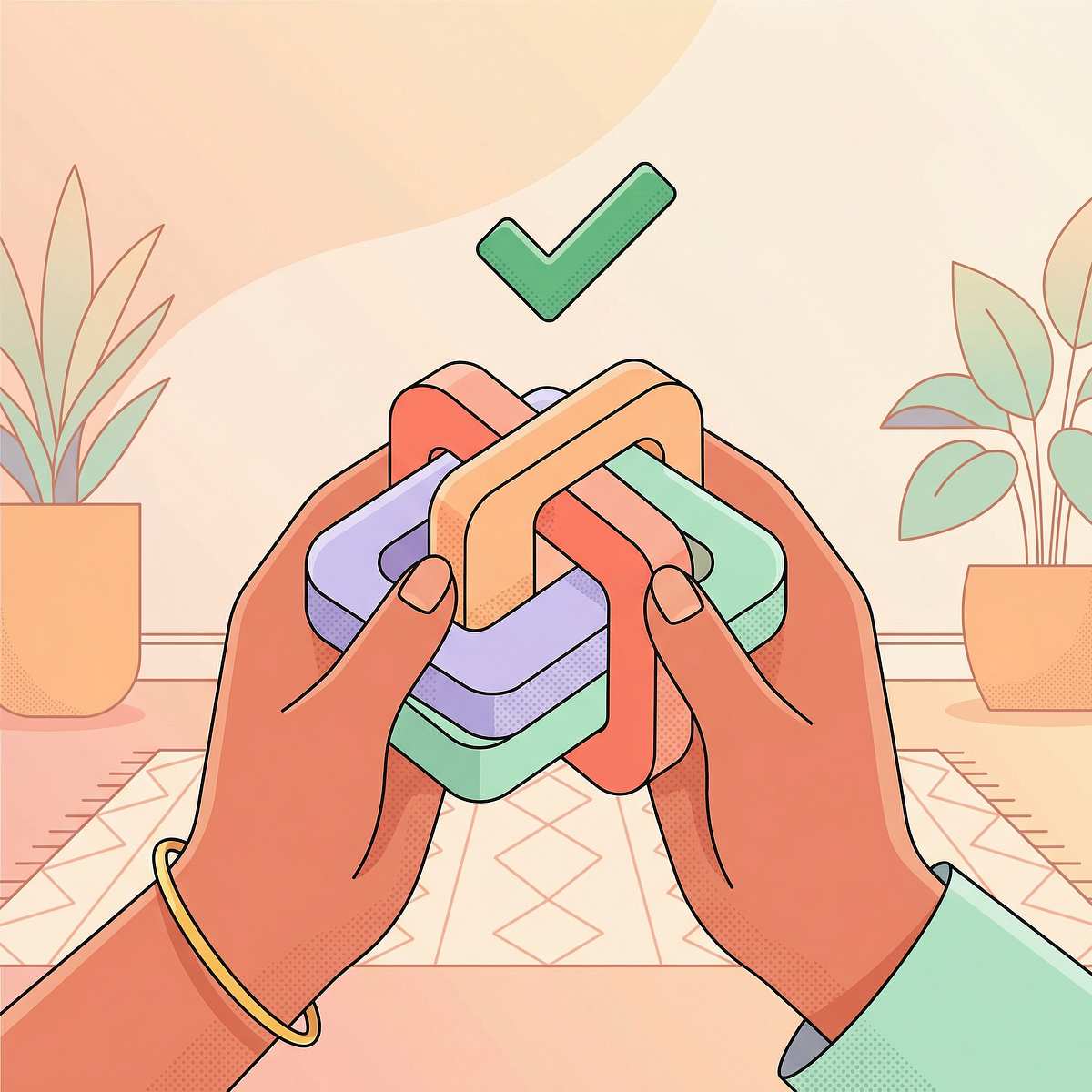
Recommended Product:Lattooland Rainbow Sorting Activity Set — ₹628✅Pinnacle Recommends
Untitled card
View more
🎱 Material 3: Marble Runs & Ball Tracks
Why it works: Arrangement creates action. Line up the pieces correctly, release the marble, and the pattern you built controls what happens next. Static arrangement becomes dynamic cause-and-effect.
Clinical Rationale
The marble run directly bridges the gap between lining (arranging) and functional play (producing an outcome). The child discovers that their arrangement skill has power — it makes things happen. This is a pivotal neurological moment.
Practical Details
Canon Category: Cause-Effect Toys / Switch Toys
Price Range: ₹500–2,000
Where to Buy: Search "marble run set children India" on Amazon.in
⚠️Safety: Marbles are choking hazards. Use ball tracks with larger balls for children under 4.
🗂️ Material 4: Sorting & Categorization Materials
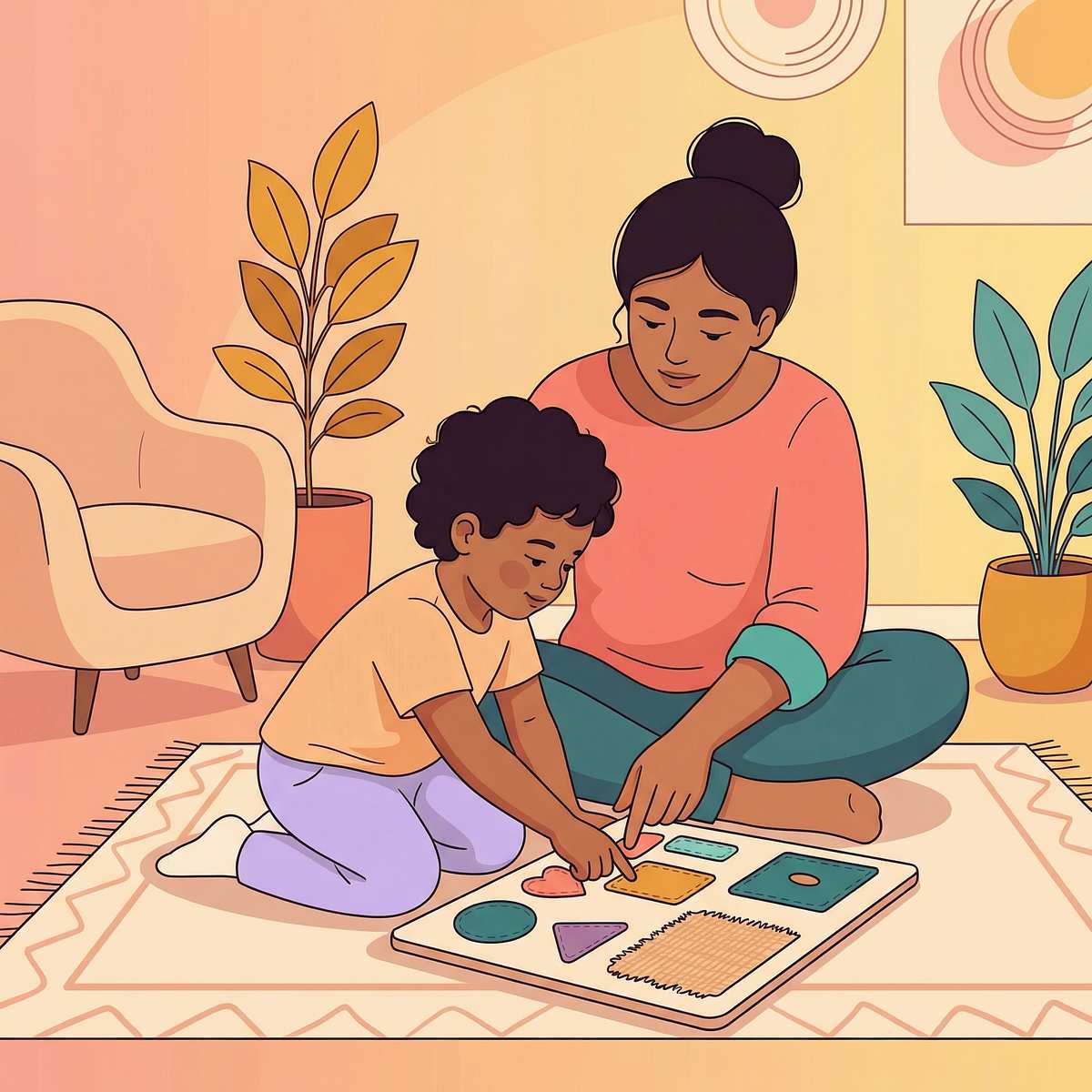
Why it works: Channels existing categorization instincts — children who line up by color, size, or type — into a flexible cognitive skill. Same objects, multiple valid systems — the foundational concept for flexible thinking.
Clinical Rationale
Children who line by category already demonstrate sophisticated cognitive organization. Sorting materials formalize this strength and gradually introduce the idea that objects can belong to multiple categories — a key bridge to flexible thinking.
Practical Details
Canon Category: Sorting Activities / Categorization
Price Range: ₹200–700
🎰 Material 5: Cause-and-Effect Toys with Sequences
Why it works: Sequential actions with rewarding outcomes. Press in order → something happens. The child learns that orderly sequences have purpose beyond visual satisfaction.
Clinical Rationale
Lining is an orderly sequence. Cause-effect toys are also orderly sequences — with the added dimension of a result. This material transfers the child's existing skill set (precise sequential action) into a new domain where the sequence produces a functional outcome.
Practical Details
Canon Category: Cause-Effect Toys / Switch Toys
Price Range: ₹400–1,500
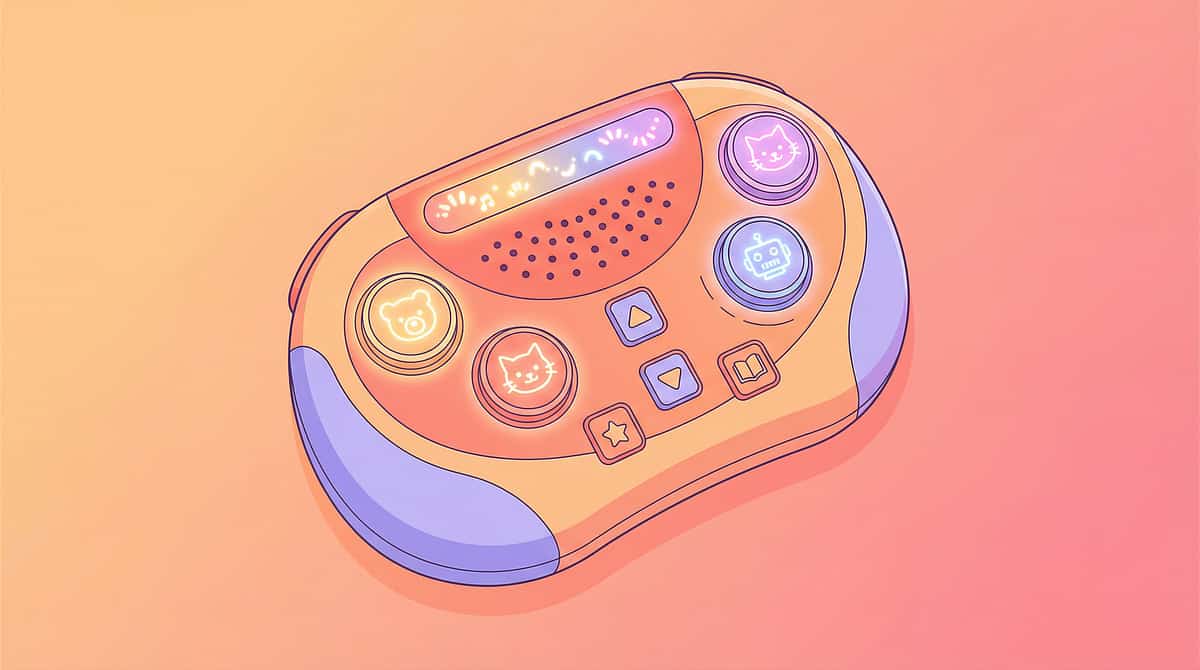
Recommended Product:Dyomnizy Educational Memory Game with Lights & Sound — ₹519✅Pinnacle Recommends
🃏 Material 6: Matching & Pairing Games
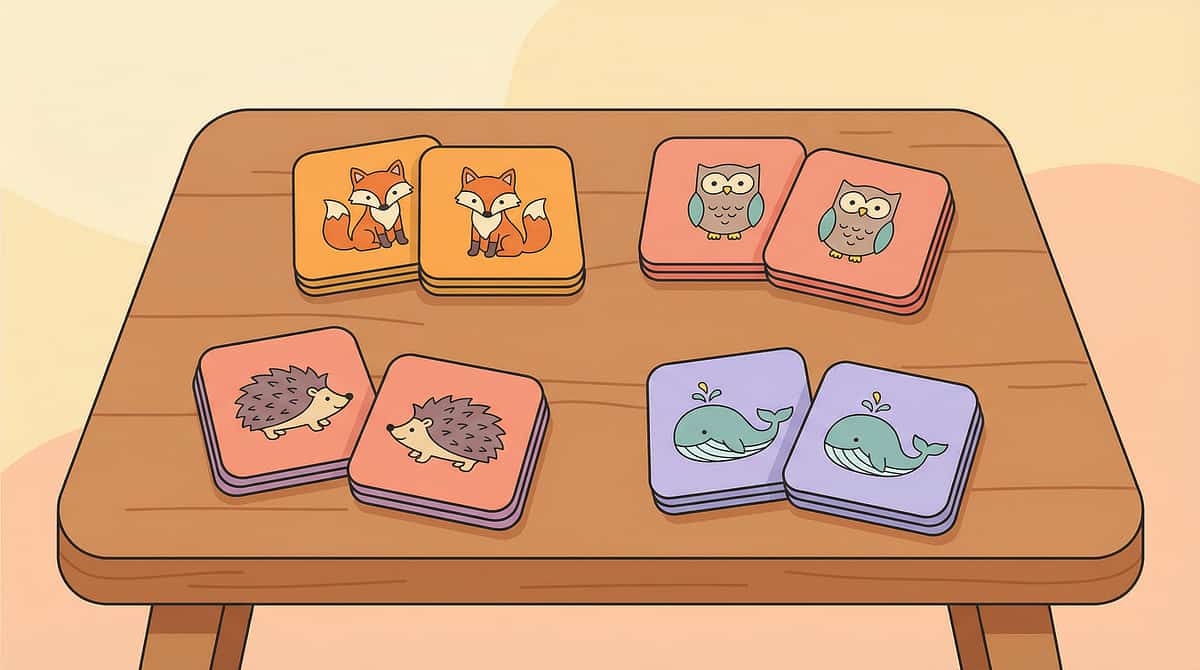
Why it works: Pattern recognition channeled into game format. Identical matching first, then related pairs, then conceptual categories — progressive expansion of what "belongs together" means.
Clinical Rationale
Matching games leverage the child's existing strength in visual pattern recognition while introducing the social dimension of a game structure. The progression from identical to related to conceptual matching mirrors the trajectory of flexible thinking development.
Practical Details
Canon Category: Matching Games / Memory Games
Price Range: ₹200–600
Recommended Products:
Dyomnizy Memory Game — ₹519✅
Search "matching memory game children India" on Amazon.in
Dyomnizy Memory Game — ₹519✅
Search "matching memory game children India" on Amazon.in
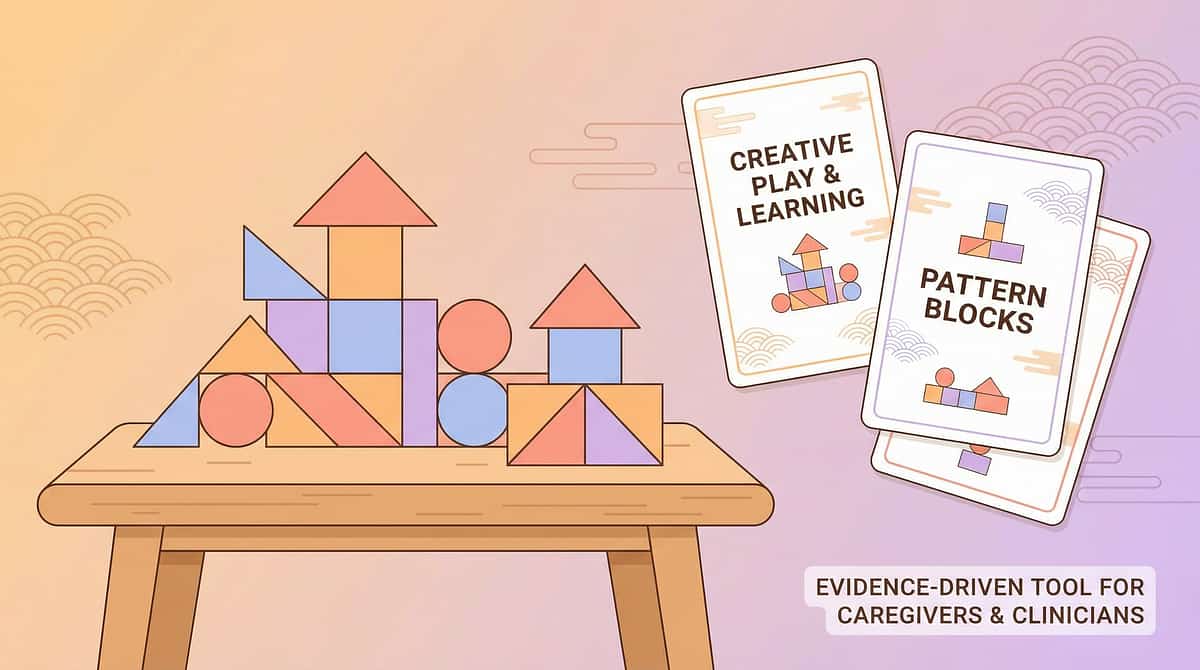
🧱 Material 7: Guided Construction Toys
Why it works: Provide a pattern (picture guide) and pieces to arrange according to it. Pattern-matching produces building — satisfying the need for order while creating three-dimensional constructions rather than flat lines.
Clinical Rationale
Guided construction is uniquely powerful because it presents a target pattern — something the child is highly motivated to match. The pattern cards externalize what the child already does internally (create orderly arrangements) and direct it toward construction.
Practical Details
Canon Category: Constructive Play / Problem-Solving Toys
Price Range: ₹500–2,500
Recommended Products:
Kidology Spike Toy — ₹380
Search "pattern blocks design cards India" on Amazon.in
Kidology Spike Toy — ₹380
Search "pattern blocks design cards India" on Amazon.in

🚗 Material 8: Vehicles with Tracks or Roads
Why it works: Cars still form lines — but lines with destinations. Road playmats and car tracks give familiar objects purposeful paths. Lining becomes driving. Lines become journeys.
Clinical Rationale
For children who specifically line cars, this material offers the closest possible bridge — the cars remain the object, the lines remain, but now the line has a direction, a destination, and a narrative possibility. The resistance barrier is at its lowest.
Practical Details
Canon Category: Constructive Play / Pretend Play Support
Price Range: ₹400–1,800
Where to Buy: Search "road playmat car track set India" on Amazon.in
💡Tip: Let child help "build" the road with masking tape as a DIY alternative — the collaboration itself adds therapeutic value.
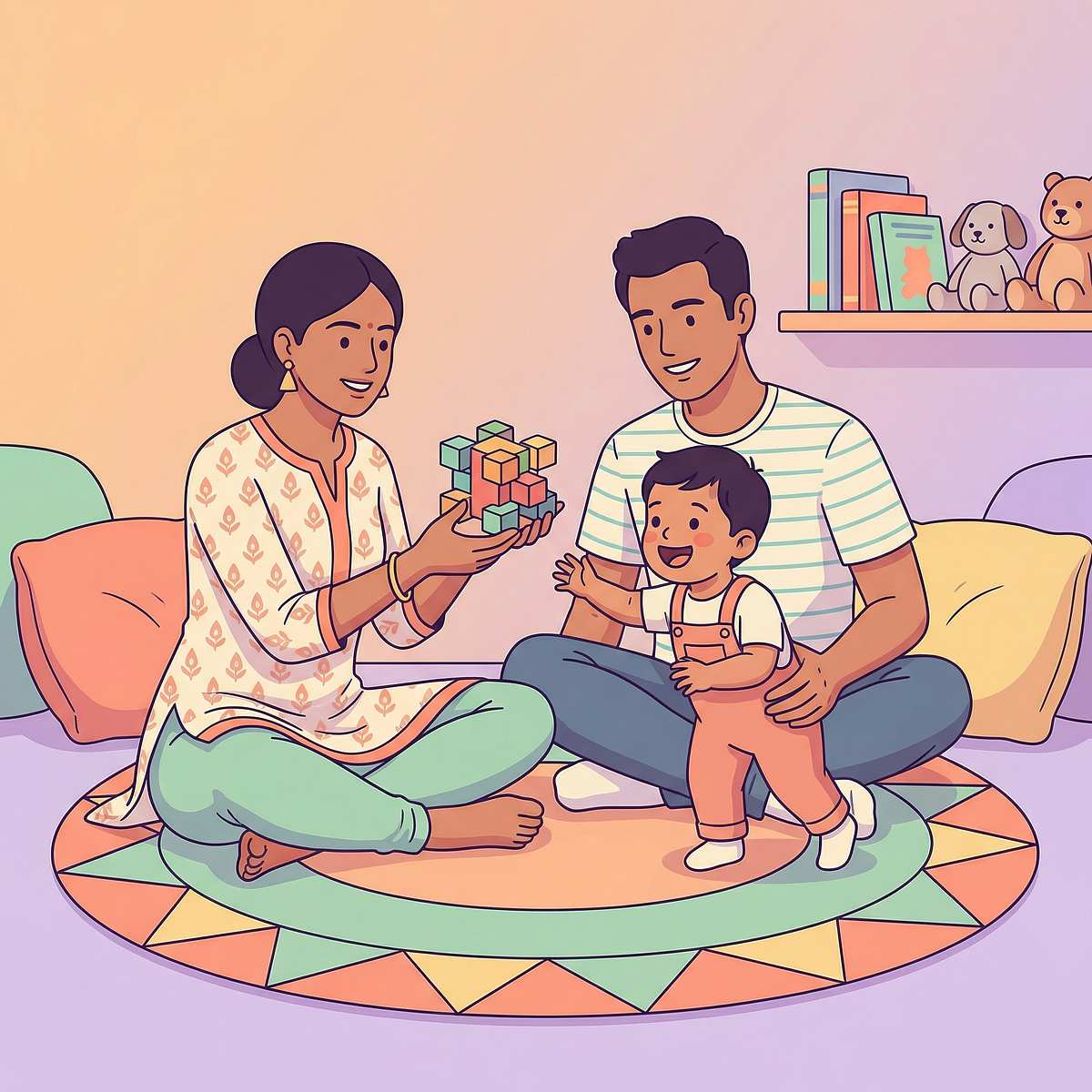
🍵 Material 9: Pretend Play Sets with Predictable Routines
Why it works: Lining up ACTIONS instead of objects. Tea parties have steps. Doctor kits have routines. Predictable scripts make imagination accessible — the sequence provides comfort while play expands into the symbolic realm.
Clinical Rationale
Pretend play feels chaotic and unpredictable to many children with ASD — but scripted pretend play is a sequence, just like lining. By beginning with highly predictable play routines, we give the child a "lining equivalent" in the symbolic domain. The structure IS the bridge.
Practical Details
Canon Category: Pretend / Role Play Materials
Price Range: ₹300–1,200
Recommended Products:
A Visit to the Hospital Activity Book — ₹199✅
Search "children tea set India" on Amazon.in
A Visit to the Hospital Activity Book — ₹199✅
Search "children tea set India" on Amazon.in
DIY & Substitute Options
Every family can start today. Zero cost required. WHO/UNICEF Inclusion Principle: Equity-first intervention access. The therapeutic principle is what matters — not the branded product.
Clinical Material | ₹0 Household Alternative | Why It Works |
Train Set with Tracks | Masking tape "tracks" on floor + any small objects as "trains" | Same principle: line with designated path and direction |
Stacking/Nesting Toys | Stainless steel bowls, plastic food containers, kitchen cups in graduated sizes | Same nesting/stacking principle; proprioceptive feedback identical |
Marble Run | Paper-towel tube ramps taped at angles down a stack of books | Same cause-effect: arranged path → moving ball |
Sorting Materials | Muffin tin + buttons/dried beans/coins in different colors/sizes | Identical sorting function; natural sensory variation |
Cause-Effect Toy | Domino line topple (any uniform objects), light switches, water faucet sequences | Real-world cause-effect with satisfying sequential outcome |
Matching Games | Photograph two identical household objects; print pairs; laminate | Identical matching function; uses child's familiar objects |
Road Mat | Masking tape roads on floor tiles; child helps "build" the road | Same functional purpose; collaboration adds therapeutic value |
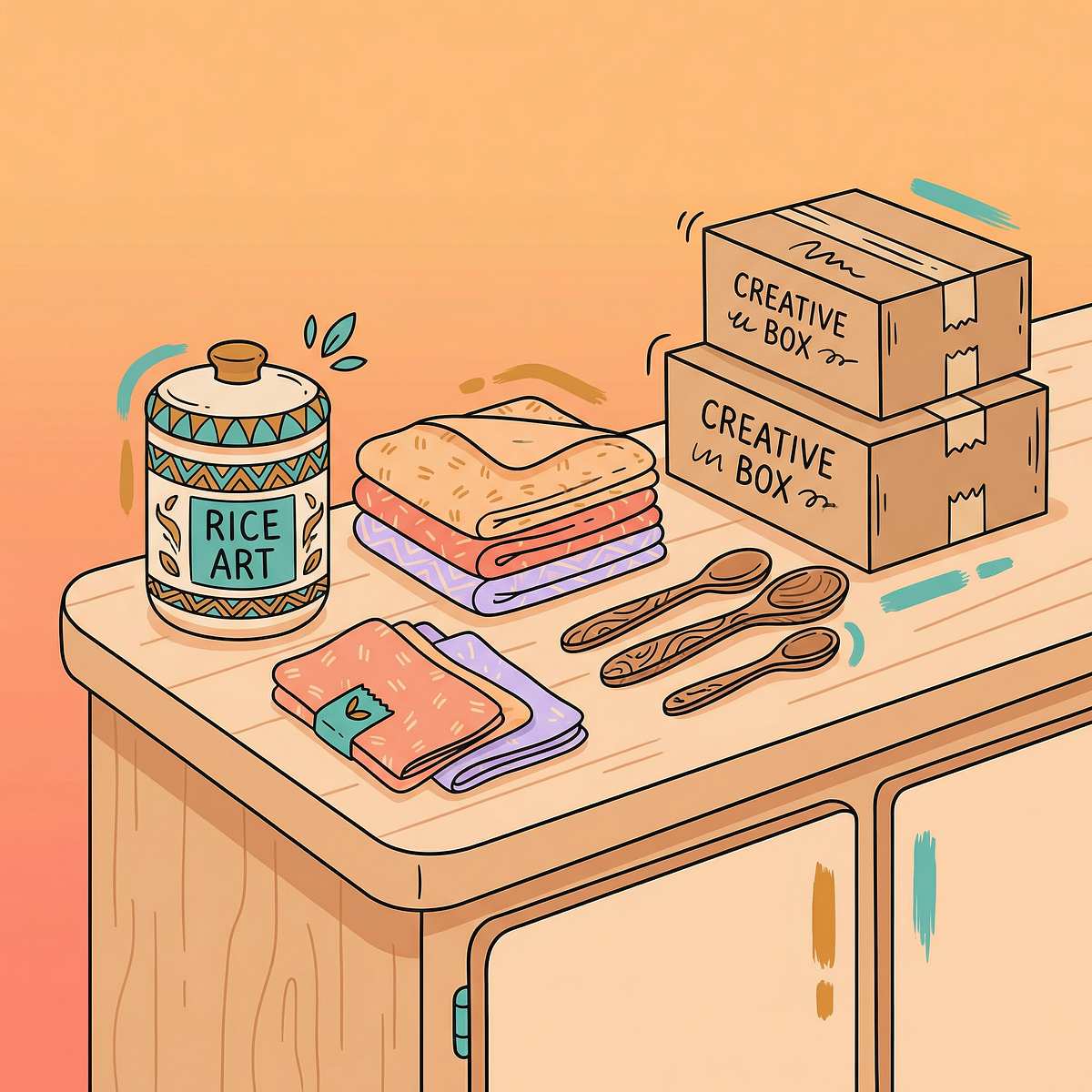
Pretend Play Set | Plastic cups + water for tea party; kitchen spoons + cloth for doctor kit | Familiar household objects remove acquisition barrier |
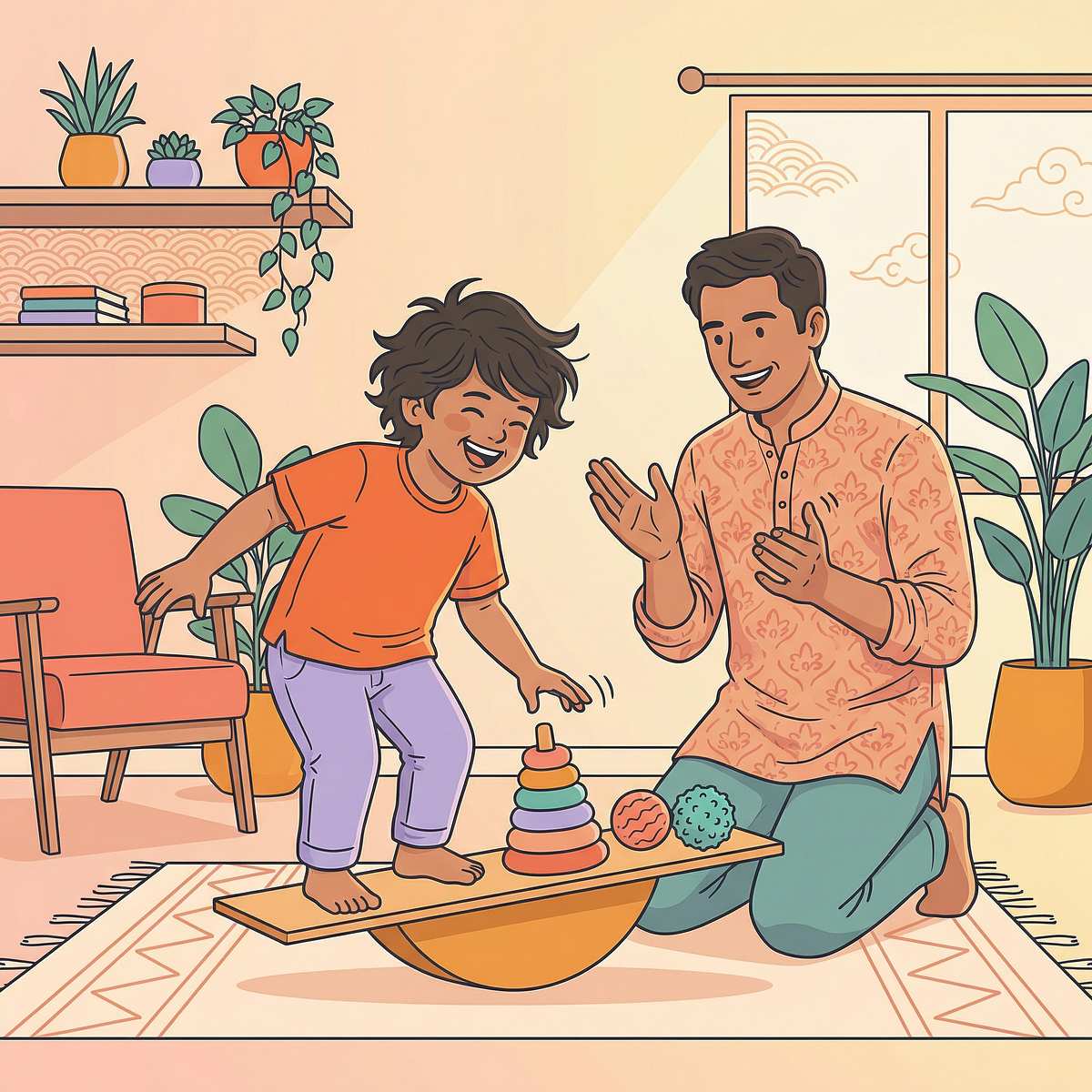
Safety First: Before You Begin
Read this before any session. Non-negotiable. Every successful session begins with a safety and readiness check. These guidelines protect your child's regulation state and ensure therapeutic gains rather than setbacks.
🔴 DO NOT Proceed If:
- Child is in active meltdown or emotional dysregulation
- Child has not eaten in 3+ hours (hunger amplifies RRBs significantly)
- Child shows signs of illness (fever, pain, discomfort)
- Small parts present + active unsupervised mouthing behavior
- Significant routine disruption in the last 2 hours
🟡 Modify & Proceed With Caution:
- Child is tired but not overtired → shorten to 8–10 minutes; use lowest-demand material
- "High lining day" → begin WITH the lining behavior before introducing bridge material
- New material for the first time → familiar room only; reduce environmental stimulation
- Earlier therapy session that day → delay to after rest period
🟢 Session GO Conditions:
- Child is in calm-alert state (not under/over-aroused)
- 90+ minutes since last mealtime
- Familiar environment; reduced auditory/visual distractors
- Preferred transitional object available if needed
- Parent/caregiver has 20 uninterrupted minutes
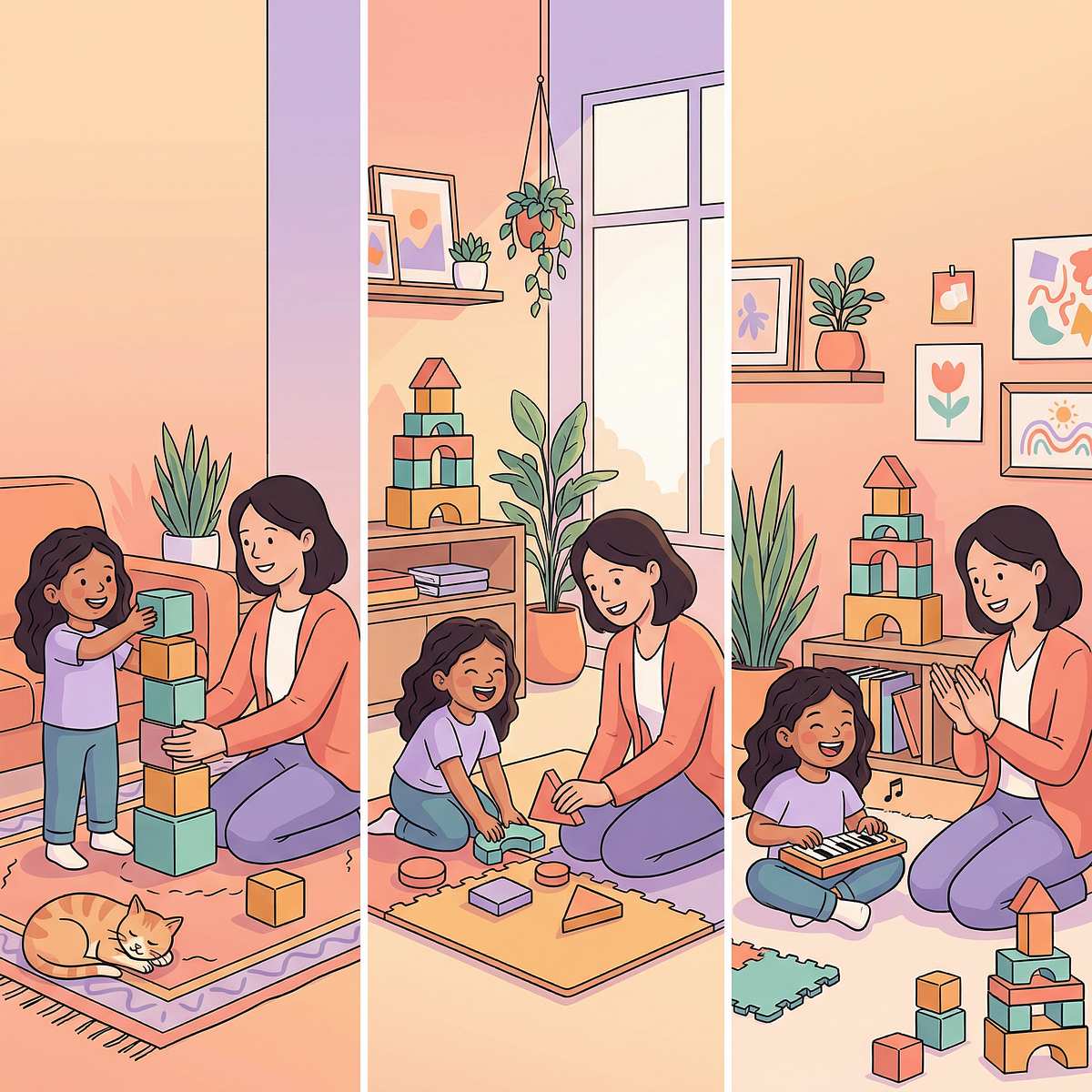
Set Up Your Space
Environment is 50% of the outcome. Set it correctly. The physical setup of your session space directly impacts your child's sensory regulation and their capacity to engage with bridge materials.
Setup Instructions
- Clear the space — remove all toys except today's bridge material and child's familiar lining objects
- Place bridge material — in the Bridge Zone, partially assembled or displayed attractively
- Lighting — natural or warm; avoid harsh fluorescent
- Sound — silent or soft white noise/nature sounds; no TV/music initially
- Temperature — comfortable; sensory dysregulation worsens in extreme temps
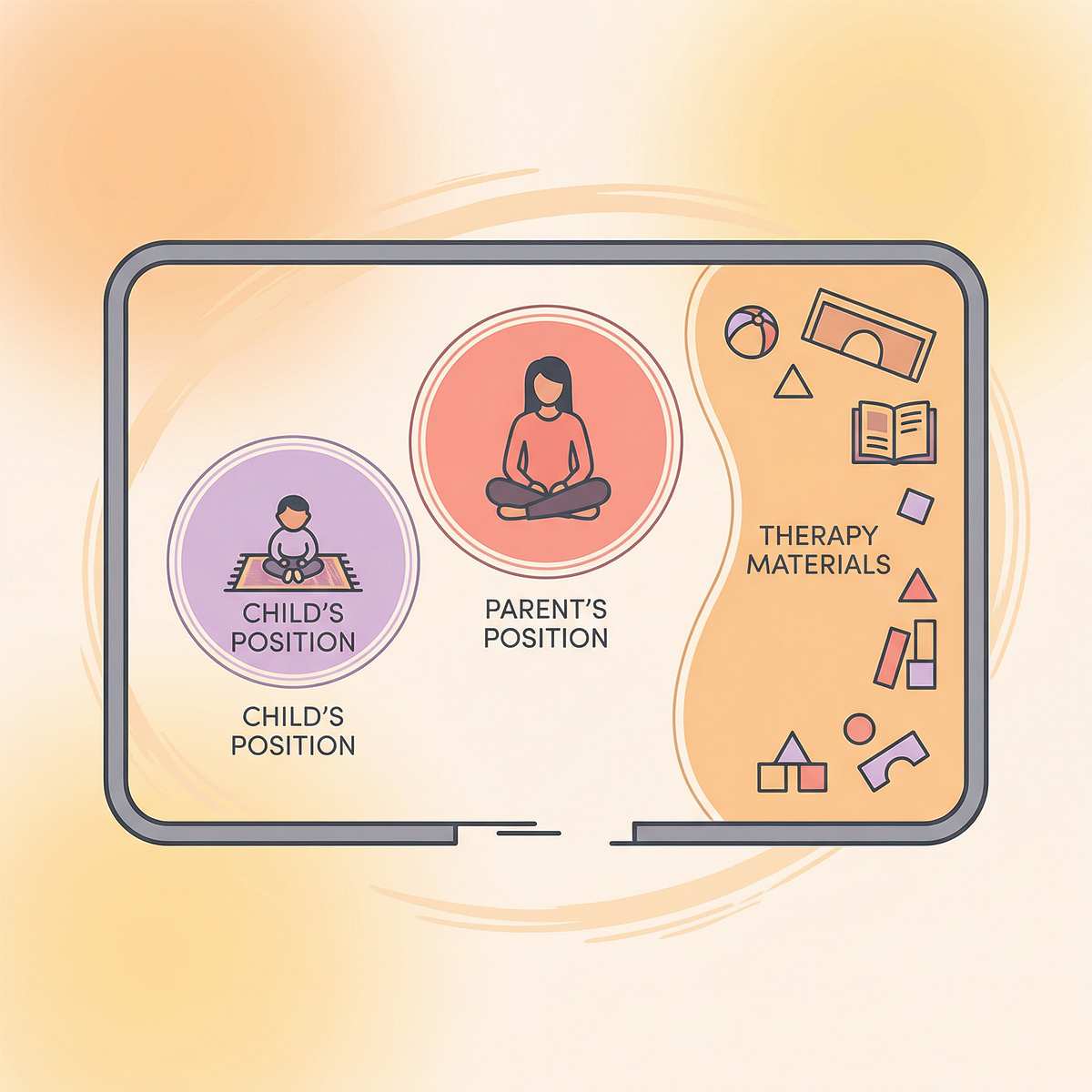
- Parent position — PARALLEL to child, not face-to-face; reduces social demand pressure
- Familiar objects available — child's "comfort line" materials accessible but not primary focus
- Visual timer — placed where child can see it; supports transition at session end
Room Layout Zones
Materials Station: All 9 materials available but hidden — only 1 bridge toy visible at a time. Placed at room edge, away from child's zone.
Bridge Zone: One bridge toy placed attractively. Child position here. Open floor space for movement.
Parent Position: Parallel to child — side-by-side, same direction. Never face-to-face in early sessions.
Remove from room: TV, screens, loose objects, other toys, auditory distractors (fans, notifications).
Is Your Child Ready? Pre-Session Check
60-second pre-session assessment. The best session starts right. Take 60 seconds before every session to assess your child's readiness state. This simple gate check prevents setbacks and protects the therapeutic relationship.
Indicator | ✅ GO | 🔶 MODIFY | ❌ POSTPONE |
Alertness state | Calm-alert | Slightly tired | Asleep / overwhelmed / meltdown |
Last meal | 1–3 hours ago | 3–4 hours ago | <30 min or >4 hours |
Emotional state | Settled, engaged | Slightly agitated | Active distress |
Current behavior | Engaged in preferred play | Mid-line (can be joined) | Mid-meltdown or rigid fixation |
Body regulation | Still / controlled | Some movement | Hyperactive / unsafe movement |
4–5 ✅ → GO
Proceed to Step 1: The Invitation (full 15–20 minute session)
2–3 ✅ → MODIFY
Shorten to 10 minutes; begin IN the lining behavior; no bridge material introduction yet
0–1 ✅ → POSTPONE
Offer calming activity; retry in 30–60 minutes
Step 1: The Invitation
Step 1 of 6Duration: 30–60 secondsDemand Level: ZERO
What to do: Sit alongside your child (not facing them). Observe their current activity. Do NOT redirect or offer the bridge material yet. Join their world first. This step uses the ABA Pairing Procedure — establishing your presence as a neutral/positive stimulus before placing any demand.
Script (Say This or Your Version)
"Oh, you're lining up the cars! Let me watch."
(Silence. Watch with genuine interest for 20–30 seconds.)
"Red one, blue one, yellow one... that's a great line."
(Silence. Watch with genuine interest for 20–30 seconds.)
"Red one, blue one, yellow one... that's a great line."
Body Language
- Sit at child's level (floor if they're on floor)
- Face SAME direction as child (parallel, not confrontational)
- Relaxed posture; no reaching toward their materials
- Warm, genuinely interested expression — not performative enthusiasm
✅ Ready for Step 2 When:
- Child briefly glances at you
- Child continues lining without increased anxiety
- Child makes any vocalization to you
- Child continues their activity alongside your presence
⚠️ Stay at Step 1 Longer If:
- Child moves away from you
- Child increases speed/rigidity of lining behavior
- Child shows distress vocalizations
Step 2: The Engagement
Step 2 of 6Duration: 1–3 minutesDemand Level: MINIMAL
Now introduce the bridge material — casually, nearby, for yourself. You are modeling play without demanding participation. This uses Pivotal Response Training: creating opportunities for child-initiated engagement and reinforcing all attempts, not just correct responses.
Material Introduction Protocol
- Place bridge material in YOUR zone (not child's zone)
- Begin playing with it yourself — make appropriate brief sounds
- DO NOT invite child yet
- DO make the material visually interesting (movement, pattern, sound)
Script
"I have something over here... [open/assemble bridge material]. I'm going to play with this train track." (Begin placing track pieces near your own space — not between you and child.)
Reading Child Responses
- Engagement (ideal): Child pauses lining, glances at material → Move to Step 3
- Tolerance (acceptable): Child continues lining, ignores material → Continue 1–2 min; try gentle verbal narration
- Interest spark: Child approaches or reaches → WAIT. Let them come.
- Avoidance: Child moves away → Reduce material visibility; return to Step 1
Reinforcement Cue: Any glance toward bridge material = immediate social praise: "You noticed the track!"

Step 3: The Therapeutic Action
Step 3 of 6Duration: 3–8 minutesDemand Level: GRADUATED
The Core Therapeutic Principle: "Yes, AND..." — Accept the lining impulse AND add one bridging element. The child leads the pace throughout.
🚂 Train Tracks
Let child line up track pieces (honor the lining). Demonstrate connecting two pieces: "Look — they click together!" Place train on track: "Train goes on the track!" Gently push: "It MOVES! The line moves!"
🏗️ Stacking Toys
Accept horizontal line arrangement. Add parallel vertical stack: "Mine is going UP!" No demand to switch; parallel modeling only.
🎱 Marble Run
Assemble short run yourself. Release marble: "Marble goes! Watch it go!" Natural cause-effect creates attention naturally.
🗂️ Sorting
Join child's sorting system first: "Red one here too!" After 2 minutes, add: "Can I try a different way?"
🟢 Ideal Response
Child joins the bridge activity, engages 1+ minute
🟡 Acceptable Response
Child watches, smiles, reaches briefly — then returns to lining. This is real progress.
🔴 Concerning Response
Child becomes distressed by bridge material's presence → reduce and return to Step 1
Step 4: Repeat & Vary
Step 4 of 6Duration: 3–5 minutesTarget: 3–5 quality repetitions
Repetition Principle: 3 engaged repetitions > 10 forced ones. Each session, aim for 1–2 reps beyond yesterday's best. Not all 5 every day — the goal is quality engagement that builds neural pathways without exhaustion.
Rep 1
Child tolerates bridge material nearby — the foundation is set
Rep 2
Child briefly engages, returns to lining — first real contact made
Rep 3
Child engages 30+ seconds with bridge — sustained engagement begins
Rep 4
Child initiates engagement without prompt — child-led play emerges
Rep 5
Child sustains 2+ minutes in bridge play — mastery of this step achieved

Step 5: Reinforce & Celebrate
Step 5 of 6Timing: Within 3 seconds of target behavior
Every expansion attempt — no matter how small — deserves immediate, specific, enthusiastic reinforcement. Reinforce the attempt, not just the success. Lining returned after bridge engagement = still a win.
Behavior | Reinforcement Type | Example Words |
Child glances at bridge material | Social praise | "You're looking at the track!" |
Child touches bridge material | Enthusiastic + sticker | "You touched it! Here's a star!" |
Child uses bridge material for 5 seconds | Big celebration + preferred item | "YOU DID IT! That's amazing!" |
Child sustains 30+ seconds | Token + verbal + physical celebration | "TRAIN IS MOVING! YES! STAR TOKEN!" |
Reinforcement Menu:🌟 Verbal praise — immediate, specific, enthusiastic | 🎫Sticker Tokens — ₹364✅ | 🏆Reward Jar — ₹589✅ | 🧸 Brief access to preferred comfort toy | 👏 Physical celebration — clap, high five, spin, jump (sensory-appropriate)

Step 6: The Cool-Down
Step 6 of 6Duration: 2–3 minutesPurpose: Regulated Session Ending
A structured session ending prevents the transition difficulty that can undo a successful session. Give advance notice and maintain the child's sense of control throughout the close.
2-Minute Warning
"Two more times, then all done with [bridge material]." Show visual timer — 2 minutes remaining.
Pack Away Together
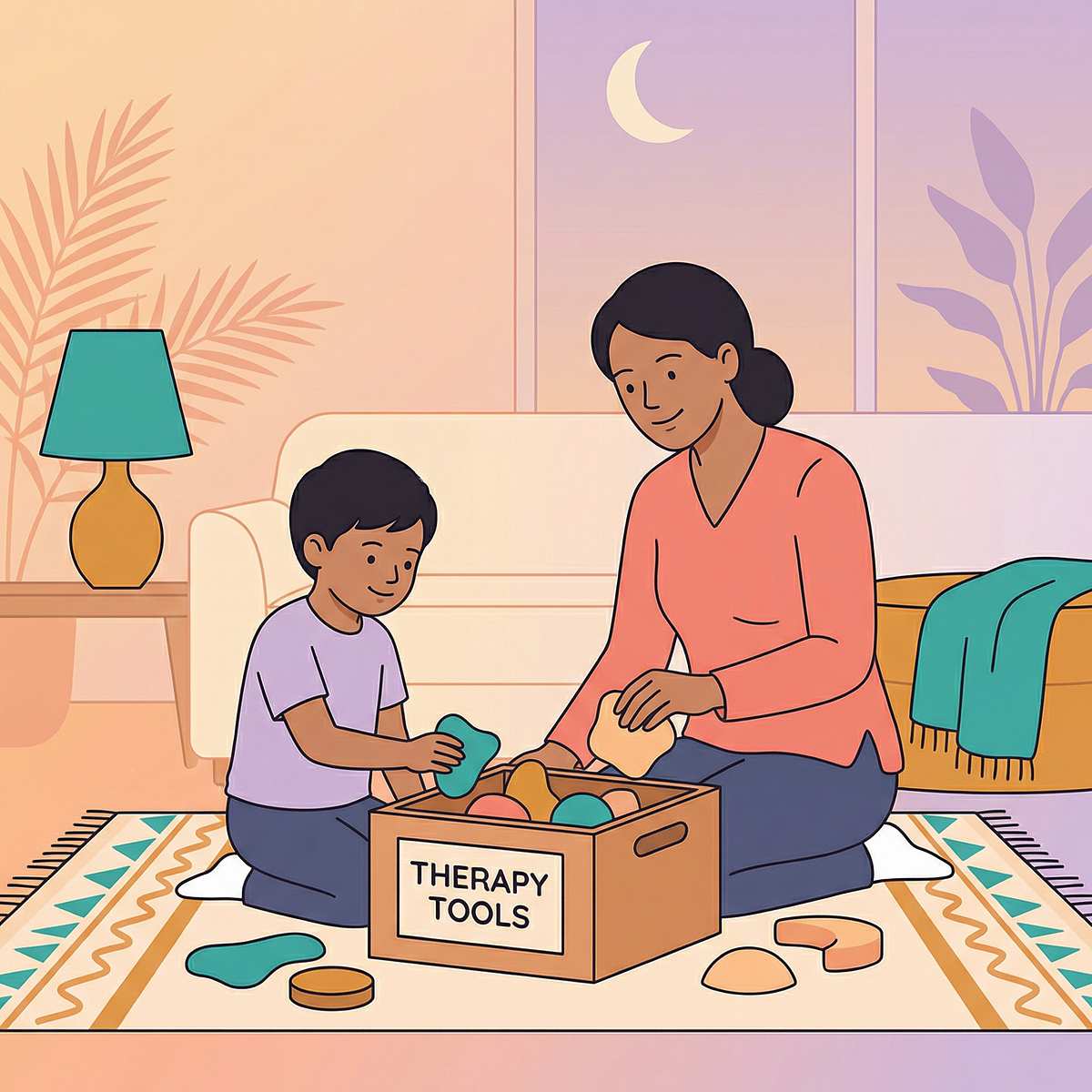
"All done! You did such good playing. Now let's put [bridge material] away together." Child helps place bridge material in box/bag.
Calming Input
1–2 minutes of preferred calming activity (rocking, deep pressure, quiet time)
Transition Object
Comfort toy returned: "Here's your [comfort object]. Good job today."
Next Activity Cue
"After this, we'll have snack / go outside / read a book."

Capture the Data: Right Now
60 seconds of data now saves hours of guessing later. Systematic data collection is the difference between hoping for progress and seeing it. BACB Data Collection Standards require this for evidence-based practice — and parent-collected data integrated with clinical sessions accelerates outcomes.
📊 Data Point 1: Engagement Duration
Today's material: ____________
Total time child engaged with bridge material: ______ minutes/seconds
Compare to previous session: Better / Same / Less
Total time child engaged with bridge material: ______ minutes/seconds
Compare to previous session: Better / Same / Less
⭐ Data Point 2: Engagement Quality Rating
0 = No engagement (avoided/distressed)
1 = Brief glance/touch only (<5 seconds)
2 = Short engagement (5–30 seconds), returned to lining
3 = Sustained engagement (30 sec–2 min)
4 = Extended engagement (2–5 min) with minimal prompting
5 = Child-initiated re-engagement
Today's rating: ______
1 = Brief glance/touch only (<5 seconds)
2 = Short engagement (5–30 seconds), returned to lining
3 = Sustained engagement (30 sec–2 min)
4 = Extended engagement (2–5 min) with minimal prompting
5 = Child-initiated re-engagement
Today's rating: ______
📝 Data Point 3: Lining Behavior Change Note
Any change in lining behavior during/after session?
More rigid / Same / Slightly flexible / Clearly more flexible
Today's note: ________________________
More rigid / Same / Slightly flexible / Clearly more flexible
Today's note: ________________________
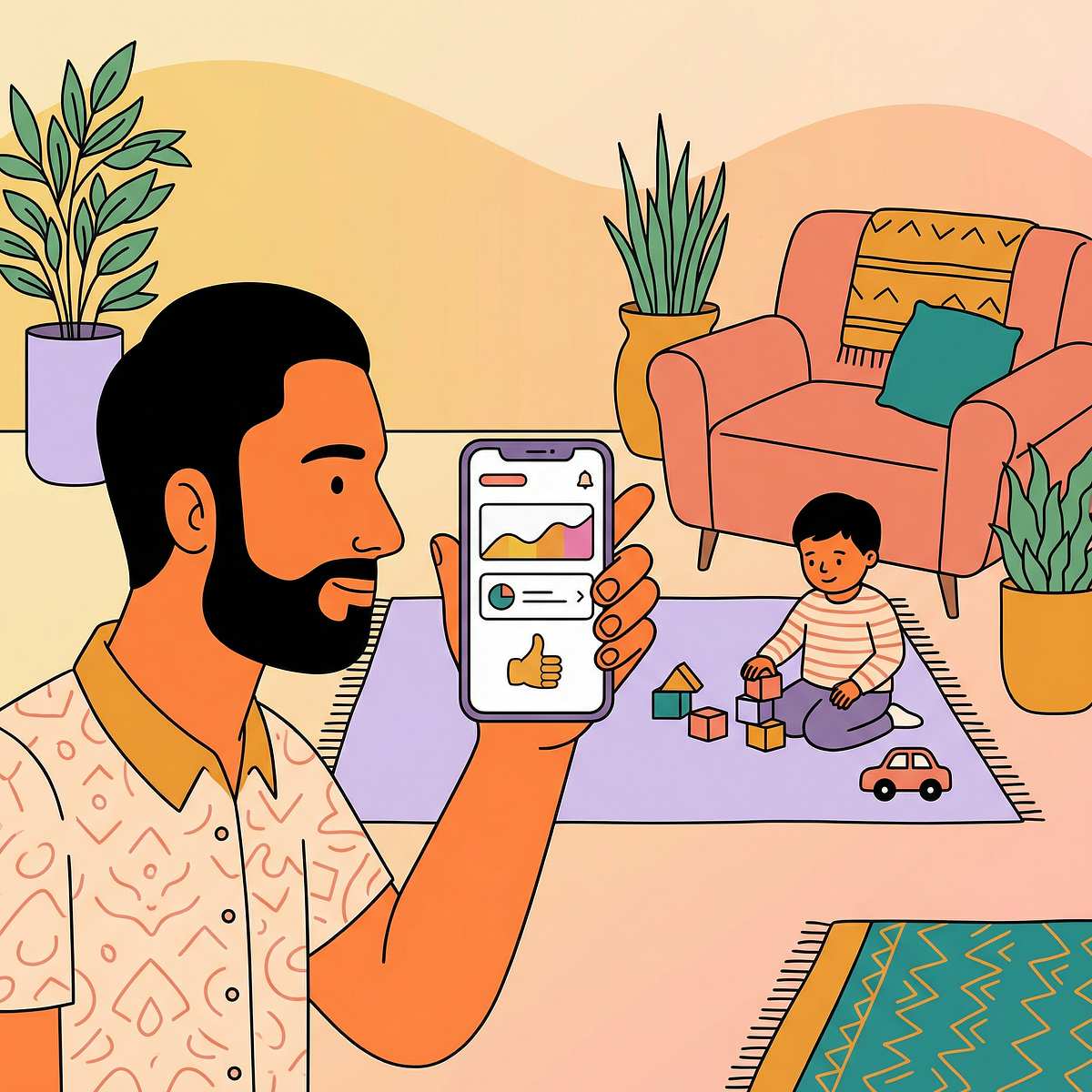
📲Track digitally: Google Form — GPT-OS® G-625 Session Tracker | Auto-saved to your child's GPT-OS® profile if registered
📄Download: G-625 Weekly Tracking Sheet — PDF available at pinnacleblooms.org
📄Download: G-625 Weekly Tracking Sheet — PDF available at pinnacleblooms.org
📞9100 181 181 — Contact for help interpreting your data

What If It Didn't Go As Planned?
Most sessions don't go perfectly. Here's your immediate fix guide."Session abandonment is not failure — it's data." Every challenging session tells you something important about what your child needs next.
Child became MORE rigid in lining when I introduced bridge material
Why: New stimulus increased anxiety; lining escalated as regulation response.
Fix: Next session, spend MORE time in Step 1. Wait until child has completed 2 full "satisfied" lines. Bridge material should be MUCH further away initially.
Fix: Next session, spend MORE time in Step 1. Wait until child has completed 2 full "satisfied" lines. Bridge material should be MUCH further away initially.
Child refused to touch bridge material at all
Why: Material may be aversive (texture, sound, appearance) or anxiety about change.
Fix: Try a different material from the 9. Start with the most "lining-like" option (train tracks). Allow child to refuse; don't force.
Fix: Try a different material from the 9. Start with the most "lining-like" option (train tracks). Allow child to refuse; don't force.
Child had a meltdown when I ended the session
Why: Transition difficulty; session ending = unpredicted change.
Fix: Extend visual timer warning to 5 minutes. Let child put away materials themselves. Add a preferred transition reward.
Fix: Extend visual timer warning to 5 minutes. Let child put away materials themselves. Add a preferred transition reward.
Child kept trying to LINE UP the bridge material
Why: This is EXPECTED and is actually PROGRESS — child is engaging with material even using their preferred play schema.
Fix: Let them line up the bridge material. This is the first step. Don't redirect. Add function gradually.
Fix: Let them line up the bridge material. This is the first step. Don't redirect. Add function gradually.
Session lasted only 2 minutes before child lost interest
Why: Normal in early sessions. Attention and engagement build over weeks.
Fix: 2 minutes of genuine engagement is excellent in Week 1. Celebrate it. Don't extend sessions by force.
Fix: 2 minutes of genuine engagement is excellent in Week 1. Celebrate it. Don't extend sessions by force.
Child showed no interest over multiple sessions
Why: Wrong material for this child's profile, or timing/environment factors.
Fix: Try a different material from the 9; consult OT; call 9100 181 181
Fix: Try a different material from the 9; consult OT; call 9100 181 181
Adapt & Personalize the Technique
No two children are identical. Personalize the technique. Individualized intervention is a core principle across OT, ABA, and SLP clinical standards. Use the adaptations below to match the protocol to your child's unique profile every day.
⬇️ EASIER Protocol (Bad Days / High-Anxiety States)
- Stay entirely in child's lining behavior for first 10 minutes
- Bridge material present but untouched; just nearby
- Zero demands; 100% following child's lead
- Session = successful if child remained regulated
⬆️ HARDER Protocol (Breakthrough Days)
- Introduce a second bridge material in same session
- Add verbal narration demands: "What happens when the marble goes here?"
- Introduce a peer/sibling for parallel play component
- Try a brief role-play scenario with pretend set
Sensory Profile Adaptations
Sensory Seeker: High-tactile materials (kinetic sand lining) | Movement-heavy bridge (marble run, train) | Multiple simultaneous materials | Louder celebration reinforcement
Sensory Avoider: Low-tactile materials (visual sorting) | Static bridge (matching cards) | Single material at a time | Quiet, subtle praise preferred
Age Adaptations
- Age 2–3: Focus on Materials 2 (stacking) and 8 (vehicles). No multi-step sequences.
- Age 4–5: All 9 materials applicable. Emphasize cause-effect and construction.
- Age 6–8: Introduce matching games complexity and pretend play narratives.
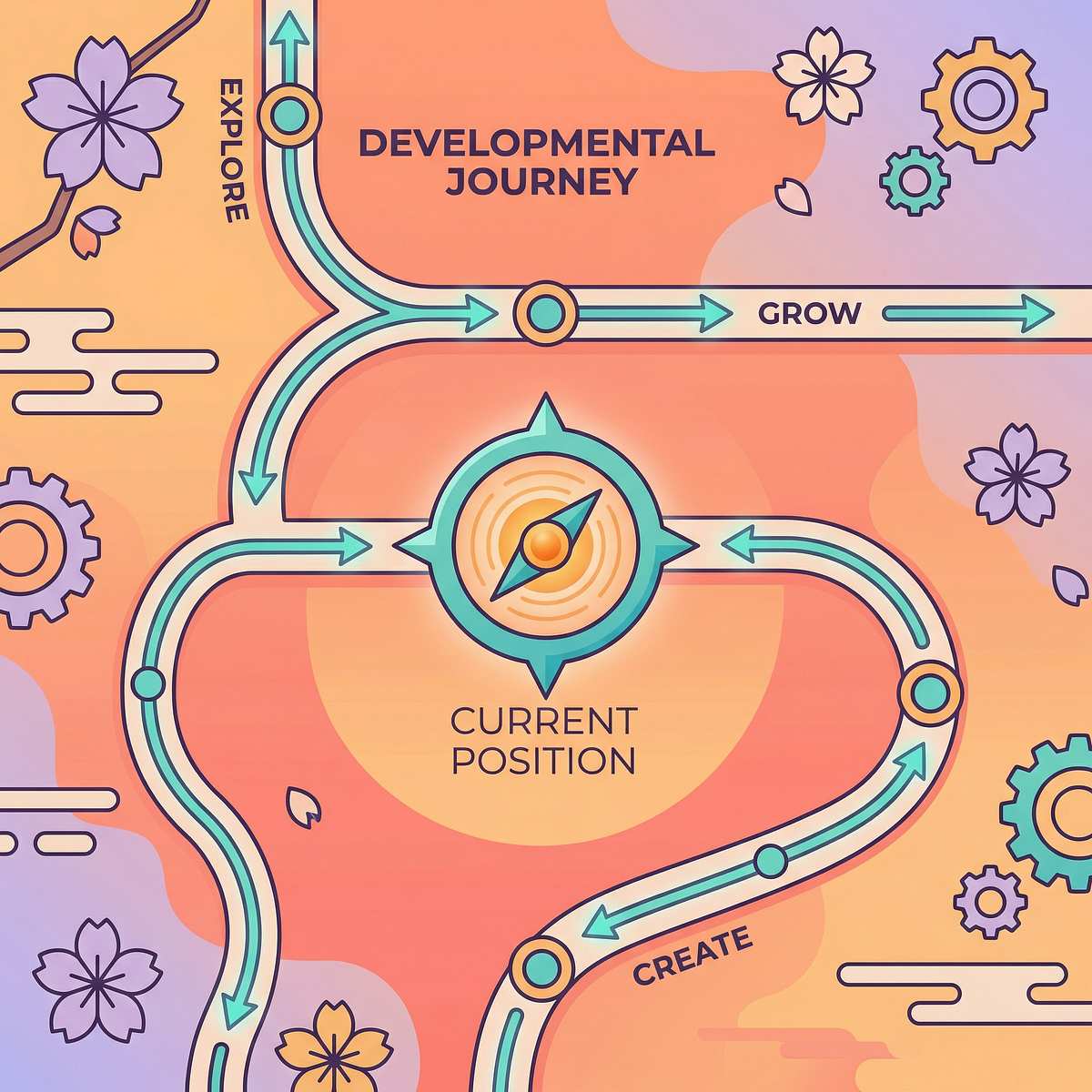
Week 1–2: What to Expect
The Tolerance PhaseProgress: ~15%
What you are working toward: Not engagement. Not enthusiasm. Tolerance of change. Week 1–2 can feel discouraging — but if your child tolerates the bridge material in the room without distress, that is real, measurable, clinical progress.
✅ Observable Indicators for This Phase
- Child allows bridge material to exist in the room (without distress)
- Child glances toward bridge material even briefly
- Child does not escalate RRB intensity when bridge is present
- Child accepts your parallel play presence for 5+ minutes
- Brief physical contact with bridge material (even accidental)
What Is NOT Progress Yet (and That's Okay)
- Child has not used bridge material "correctly" (expected)
- Child continues to primarily line up (expected)
- Engagement duration is under 30 seconds (expected)
"Honoring the lining IS the therapy at this stage." — Pinnacle OT Consortium

Week 3–4: Consolidation Signs
The Consolidation PhaseProgress: ~40%
What you are working toward: Your child begins to anticipate the bridge material with something other than anxiety. Weeks 3–4 represent the period when synaptic connections are forming between the child's existing regulatory patterns and the new play possibilities. The brain is literally being rewired. Behavioral consolidation lags neural change by 1–2 weeks — changes you see in Week 3–4 began in Week 1.
Child moves toward bridge material when session begins (unprompted)
Child uses bridge material for 30+ seconds before returning to lining
Child attempts bridge material's intended function (pushes train, releases marble) — even briefly
Child begins to line up the bridge material itself — this is PROGRESS, not failure
You are more confident in your delivery
Week 5–8: Mastery Indicators
The Mastery PhaseProgress: ~75%
This is where you see it all come together. The mastery phase is when bridge engagement becomes a genuine part of your child's play repertoire — not just a tolerated addition, but a chosen behavior.
🏆 Mastery Badge Criteria
- ✅ Child engages with 2+ bridge materials
- ✅ Bridge engagement = 2+ min/session
- ✅ Some child-INITIATED bridge play
- ✅ Lining remains as tool, not only mode
- ✅ Observable play schema beyond lining
🌍 Generalization Indicators
- Child engages with bridge material in a DIFFERENT room
- Child uses bridge material WITH another person briefly
- Child spontaneously begins bridge activity without parent initiation
- Child tolerates bridge material being moved/modified without distress
⏭️ When to Move to Next Level
- Child initiates 3/5 sessions with bridge material
- Lining is a CHOICE, not the only option
- Parent feels confident to progress → see Progression Pathway card
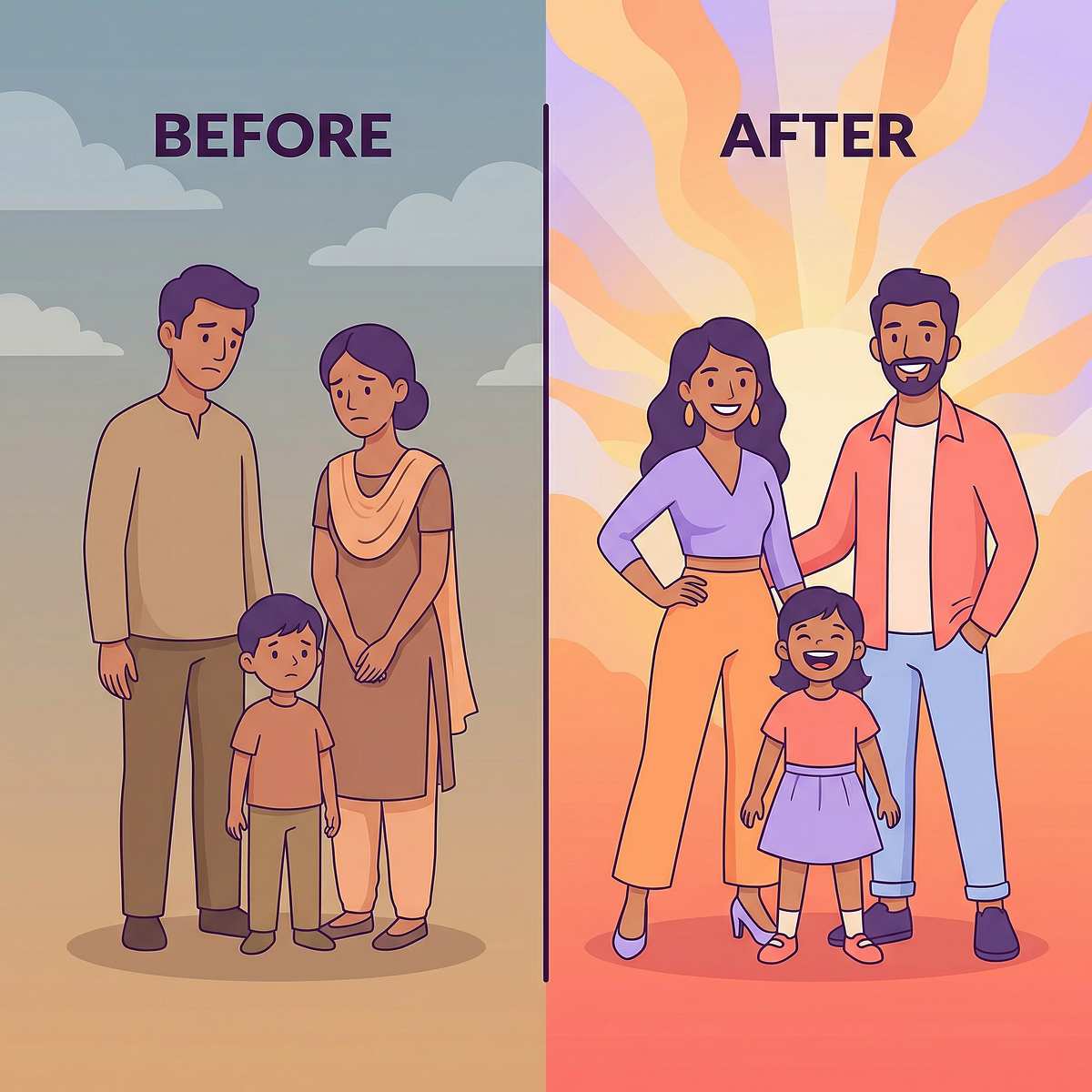
🎉 You Did This.
Your child lines up toys. You saw not a problem — but a starting point. You prepared the space, you followed the steps, you joined their world before expanding it. You absorbed the frustration of days when nothing worked, and you came back the next day anyway. Your child grew because of your commitment. That growth is real, measured, and permanent.
From → To
From: A child whose only play was lining — who became distressed when anything changed
To: A child who still loves their lines AND can also connect the track, release the marble, sort the colors, and build with the blocks
To: A child who still loves their lines AND can also connect the track, release the marble, sort the colors, and build with the blocks
Timeline & Credit
Timeline: 5–8 weeks of daily 15-minute sessions
Who made it happen: You
Who made it happen: You
📸 Milestone Ritual
- Take a photo of your child engaging with their bridge material — save it
- Write one sentence: "Today [child's name] chose to [bridge activity] for the first time."
- Family celebration — whatever your family celebrates with

Red Flags: When to Pause
Trust your instincts. If something feels wrong, pause and ask. Progress is rarely completely linear. These specific warning signs indicate when to stop, re-evaluate, and seek professional guidance immediately.
🚨 Significant Escalation in Self-Injurious Behavior
What it looks like: Head-banging, hand-biting, or skin-picking that is new or worsening.
Action: Stop all new technique introduction. Contact NeuroDev or behavioral specialist immediately. 📞9100 181 181
Action: Stop all new technique introduction. Contact NeuroDev or behavioral specialist immediately. 📞9100 181 181
🚨 Complete Loss of Previously Gained Tolerance
What it looks like: Child who was engaging in Week 4 now refuses all interaction; regression to Week 1 or earlier.
Action: Check for environmental changes, health issues, school stressors. May indicate co-occurring anxiety.
Action: Check for environmental changes, health issues, school stressors. May indicate co-occurring anxiety.
🚨 Sleep Disruption Co-occurring with Technique Work
What it looks like: New or worsening sleep problems since starting bridge material work.
Action: Reduce session intensity; consult your team. Sleep disruption affects all therapeutic outcomes.
Action: Reduce session intensity; consult your team. Sleep disruption affects all therapeutic outcomes.
🚨 Parent-Child Relationship Strain
What it looks like: Sessions consistently end in conflict; child begins to resist YOUR presence.
Action: Take a 1-week break from formal sessions. Rebuild connection. Resume with Step 1 only.
Action: Take a 1-week break from formal sessions. Rebuild connection. Resume with Step 1 only.
🚨 No Change After 10+ Weeks of Daily Sessions
What it looks like: No measurable progress on any of the data points from the tracking card.
Action: Comprehensive OT re-evaluation recommended. Different approach may be needed.
Action: Comprehensive OT re-evaluation recommended. Different approach may be needed.
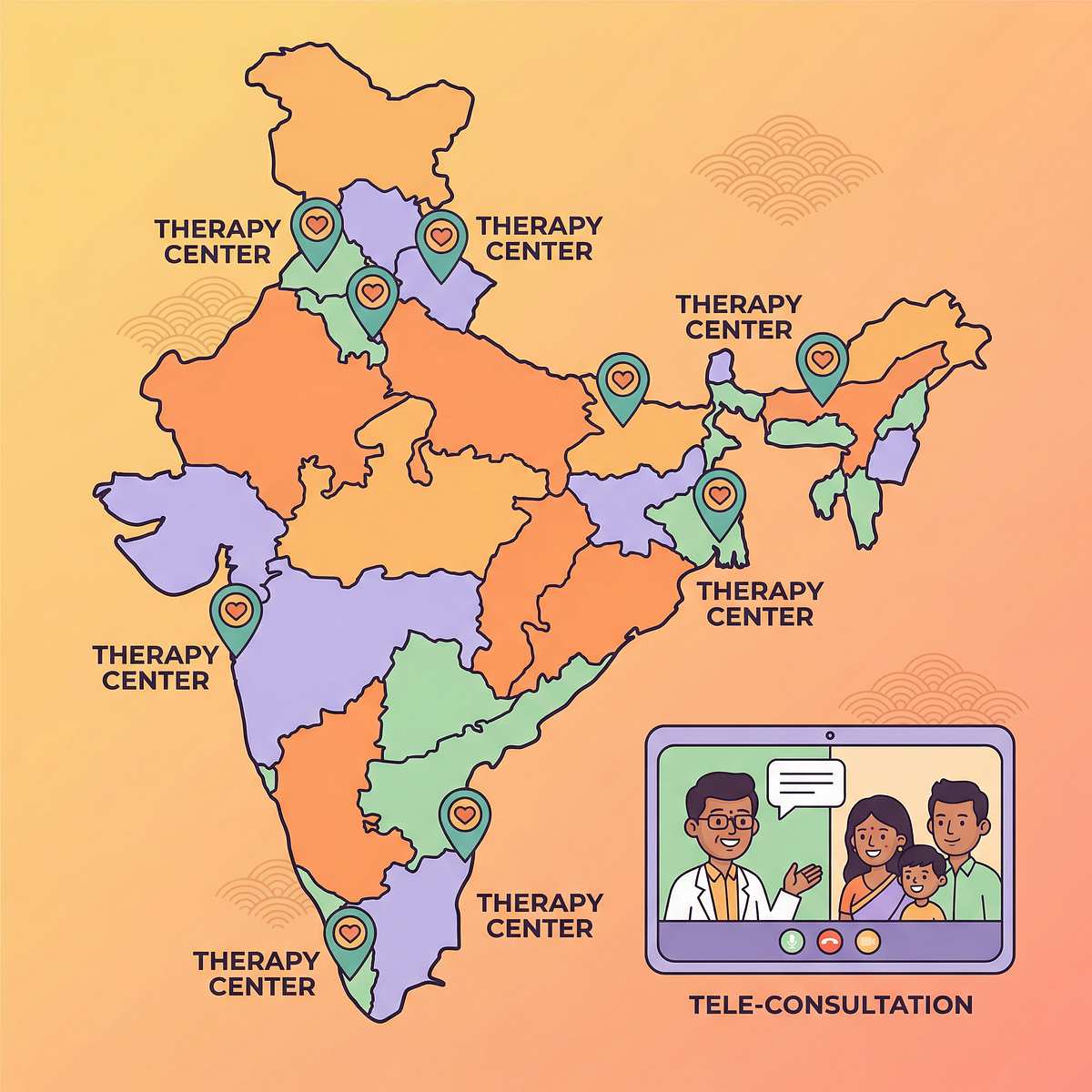
Escalation Pathway: Self-resolve (1–3 days) → GPT-OS® consult → Teleconsultation (48hr) → Clinic Visit → Multidisciplinary evaluation
📍Nearest Pinnacle Center | 📞9100 181 181
📍Nearest Pinnacle Center | 📞9100 181 181
Your Child's Full Developmental Map
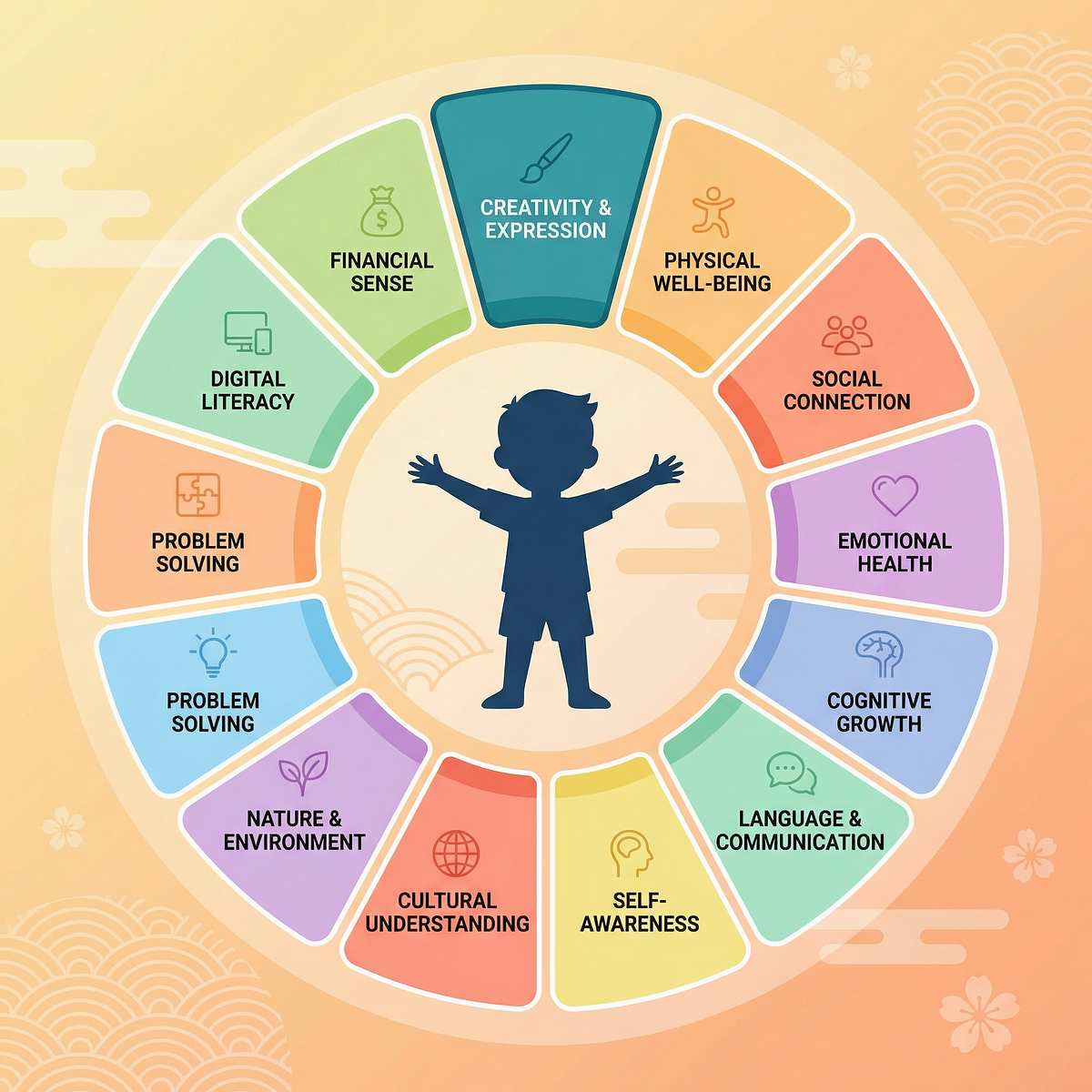
This technique is one piece of a larger plan. See the whole map. G-625 sits within Domain G — Play Skills — and connects outward to six other core developmental domains. When you use GPT-OS®, your session data from this technique automatically updates your child's 12-domain profile.
How G-625 Connects to Other Domains
- Play skill growth → feeds Social Development
- Flexible thinking → feeds Behavior/Flexibility
- Cause-effect understanding → feeds Cognitive Development
- Communication during play → feeds Speech/Language
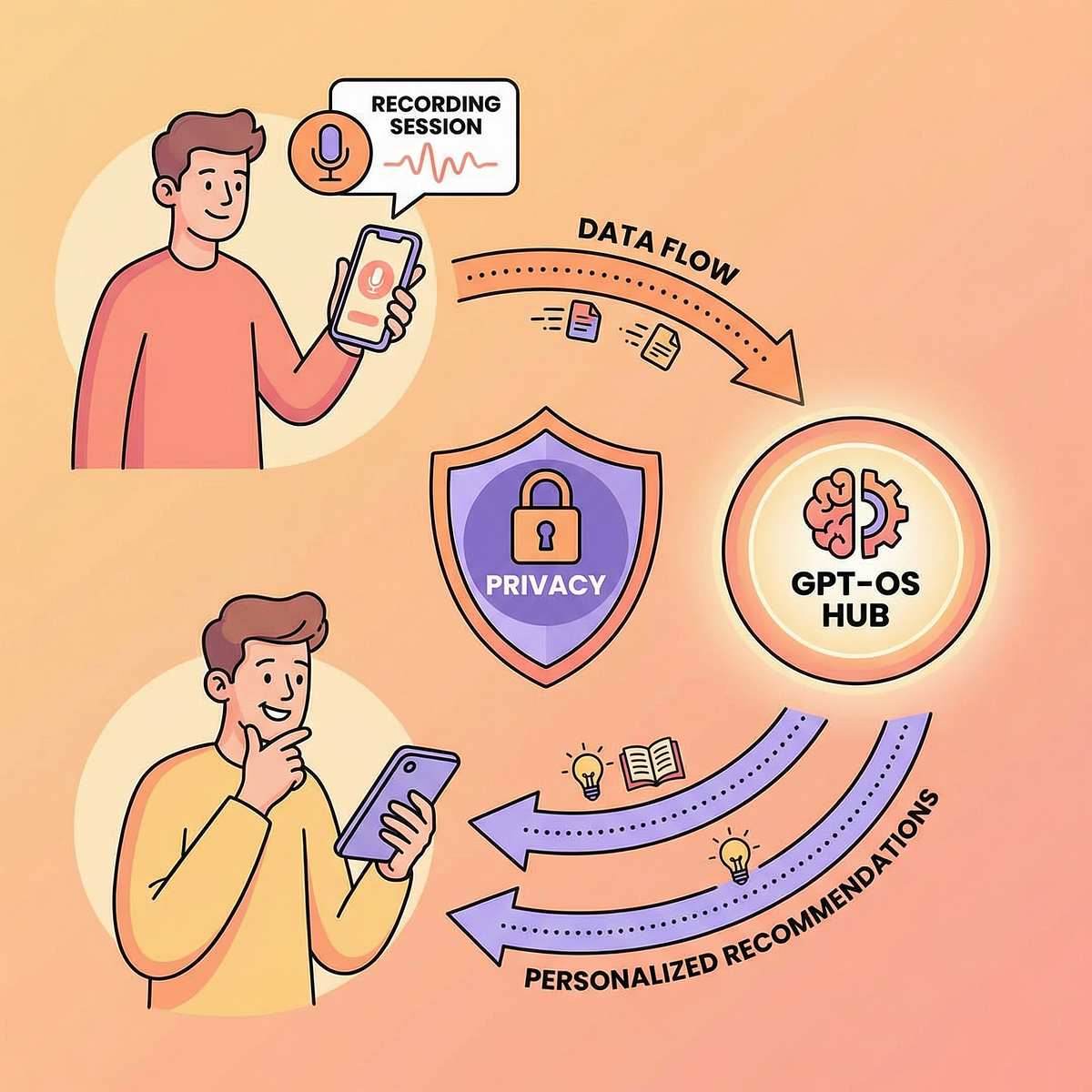
GPT-OS® Profile Integration
Your session data from this technique automatically updates your child's 12-domain profile, informing which technique to work on next — creating a personalized, continuously improving therapeutic roadmap.
Real Families. Real Journeys. Real Outcomes.
These stories remind us why this work matters.Note: Case descriptions are clinical composites. Individual outcomes vary by profile, baseline, and intervention consistency.
🏠 Arjun, Age 4 — Hyderabad, 2023
"Every surface in our house had a car line. Dining table. Windowsills. His bed. The moment anyone touched a car, he would scream. He hadn't played with a toy functionally in months. His OT at Pinnacle said the lining was serving a real purpose — she never made us feel like it was 'wrong.'"
After 8 weeks of wooden train tracks as the bridge material: Arjun engaged with 4 different bridge materials. He began narrating in Telugu: "Poyindi! [It went!]" Lining continues as a choice, not a compulsion.
"They didn't take away what he loved. They showed him he could love more things." — Arjun's mother
🏠 Priya, Age 5 — Chennai, 2024
"She would arrange her crayons in color order before every drawing session. But the arrangement would take 45 minutes, and there was never time to draw. Her teacher thought she was being stubborn. We knew she couldn't help it."
After 6 weeks of sorting bridge work:"Priya now sorts her crayons into groups — still by color, but also by size and by the rooms she uses them in. Different categories. She draws after sorting because sorting takes 3 minutes now, not 45."
📞9100 181 181 — Talk to a Pinnacle specialist about your family's journey

8 Questions Parents Always Ask
The most common questions about lining behavior and play expansion — answered by the Pinnacle Blooms Consortium.
Should I stop my child from lining up toys?
No. Removing or blocking lining behavior typically increases distress and damages trust. The evidence-based approach is expansion, not elimination. Lining serves real neurological functions (regulation, predictability, sensory satisfaction) and can remain a healthy self-regulation tool throughout life while the play repertoire expands significantly.
How long will this take?
Observable changes typically emerge at 3–6 weeks with daily 15-minute sessions. Meaningful play repertoire expansion (2+ play forms in regular rotation) typically takes 3–4 months. Full flexible play takes 6–18 months depending on baseline, ASD severity, and consistency. This is a marathon, not a sprint.
My child lined up the bridge material itself. Did they miss the point?
This is one of the most important early progress indicators. Your child ENGAGED with the bridge material — using their preferred schema. This is the beginning of the bridge. Now the track can be connected; the marble run can function. The lining of the bridge material is the first step of the expansion, not a failure.
Can I do this without an OT?
The home protocol is designed for parent implementation. However, children with significant ASD presentations benefit greatly from OT-guided sessions alongside home practice. Think of home practice as "between-session" work that multiplies clinic session impact. Call 9100 181 181 for a teleconsultation.
My child only lines up specific objects (cars, not blocks). Does that matter?
Yes — use it. Start with the object the child lines up most. The bridge material most likely to work is one that uses their specific preferred object (car tracks for car-liners, train sets for train-liners). The intervention meets the child where they are.
My child is 7 years old. Is it too late?
No. Play development is not closed at any age during childhood. The timeline is longer for older children, and the approach adjusts (more cognitive, less sensorimotor), but play repertoire expansion is documented across all ages. The Age 6–8 adaptations specifically address this population.
Could the lining behavior be something other than autism?
Object lining is most strongly associated with ASD but can also occur in OCD, sensory processing disorder, anxiety, or typical toddler development (transiently). Persistent, intense lining with significant distress on disruption warrants a comprehensive developmental evaluation. Call 9100 181 181 for assessment pathway guidance.
GPT-OS® keeps suggesting new techniques every week. How do I manage the volume?
GPT-OS® suggestions are a library, not a demand. Work on one technique at a time for the recommended 5–8 weeks. Mark others as "in queue." Quality and consistency of one well-executed technique outperforms partial implementation of five techniques.
Didn't find your answer? Ask GPT-OS® → | Book Teleconsultation: 📞9100 181 181
From Fear to Mastery.
One Technique at a Time.
One Technique at a Time.
You came here because you noticed something. You stayed because you care. Now you have a proven, evidence-based protocol — validated by 20 million therapy sessions, designed by a five-discipline consortium, and built for families exactly like yours.
🦾 OT
Occupational Therapy
🗣️ SLP
Speech-Language Pathology
🧠 ABA
Applied Behavior Analysis
📚 SpEd
Special Education
🩺 NeuroDev
Neurodevelopmental Pediatrics
🔬 Evidence-Based | 🏠 Home-Executable | 👶 Age 2–8 | 🌍 Used in 70+ Countries | 20M+ Sessions | 97%+ Improvement Rate
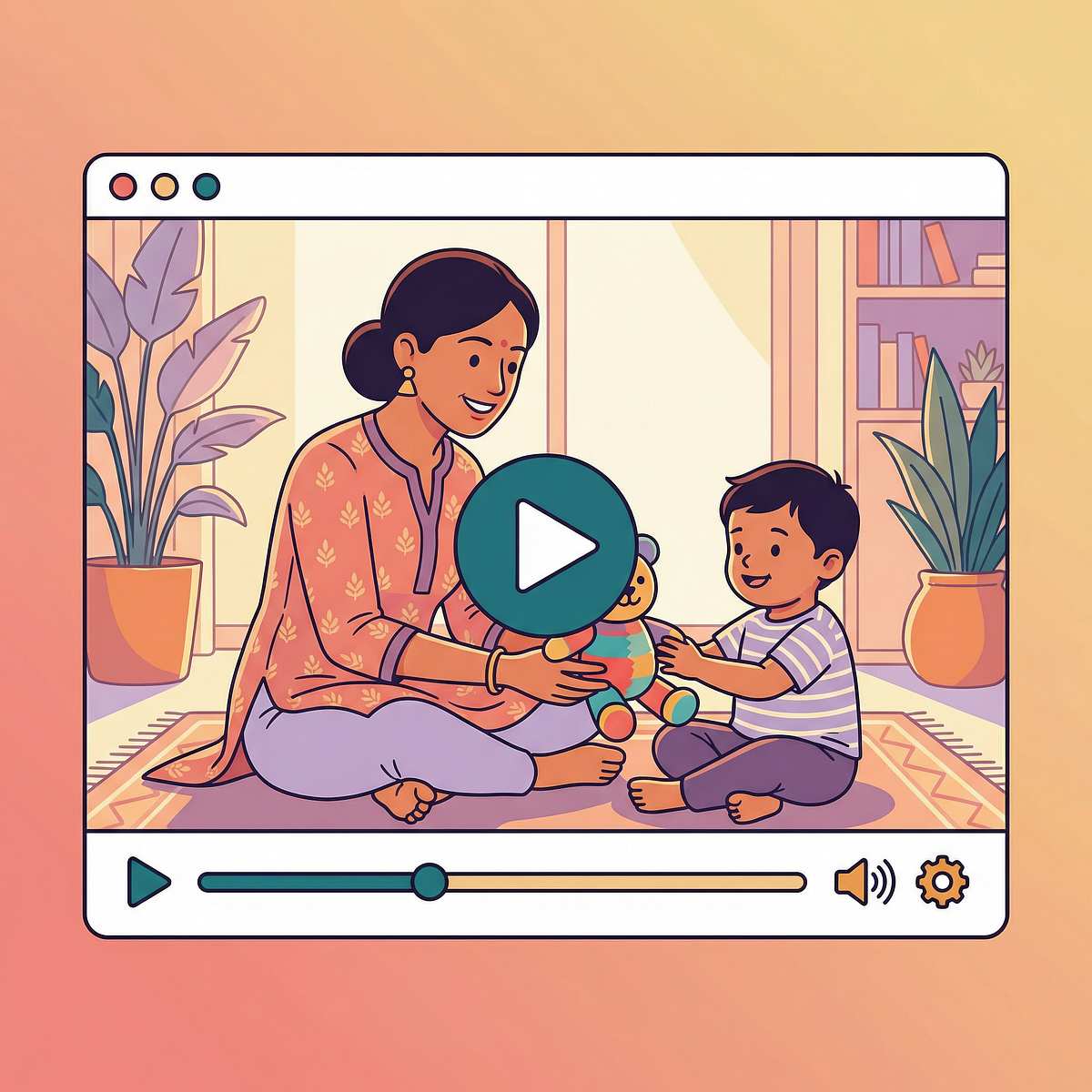
Preview of 9 materials that help when child lines up toys Therapy Material
Below is a visual preview of 9 materials that help when child lines up toys therapy material. The pages shown help educators, therapists, and caregivers understand the structure and content of the resource before use. Materials should be used under appropriate professional guidance.


Link copied!
The Pinnacle Blooms Promise
"From fear to mastery. One technique at a time."
Every family, regardless of geography, language, or economic status, deserves access to the same quality of pediatric developmental intervention that only the world's best clinical centers have historically provided. Pinnacle GPT-OS® exists to make that access universal.
21M
Therapy Sessions
Completed across the Pinnacle network, informing every recommendation
97%+
Improvement Rate
Measured across the Pinnacle Blooms Network® population
70+
Centers & Countries
Centers across India and techniques used in 70+ countries worldwide
Statutory Identifiers
CIN: U74999TG2016PTC113063
DPIIT Recognition: DIPP8651 (Govt. of India Startup India)
MSME Udyog Aadhaar: TS20F0009606
GSTIN: 36AAGCB9722P1Z2
© 2025 Pinnacle Blooms Network®, unit of Bharath Healthcare Laboratories Pvt. Ltd. All rights reserved.
DPIIT Recognition: DIPP8651 (Govt. of India Startup India)
MSME Udyog Aadhaar: TS20F0009606
GSTIN: 36AAGCB9722P1Z2
© 2025 Pinnacle Blooms Network®, unit of Bharath Healthcare Laboratories Pvt. Ltd. All rights reserved.
GPT-OS® | AbilityScore® | TherapeuticAI® | FusionModule™ | EverydayTherapyProgramme™ are registered/proprietary marks.
Medical Disclaimer
This content is educational and does not replace evaluation and treatment by licensed healthcare providers. Restricted and repetitive behaviors, including object lining, may be features of autism spectrum disorder or other developmental conditions requiring professional assessment. If your child shows persistent restricted play patterns affecting development, please consult with developmental pediatricians, psychologists, or occupational therapists for comprehensive evaluation. Individual results may vary. Statistics represent aggregate outcomes across the Pinnacle Blooms Network.
📞 FREE National Autism Helpline: 9100 181 181 | Available 24×7 | 16+ Languages | pinnacleblooms.org | care@pinnacleblooms.org