

When your daughter smiles and says "thank you" to the classmate mocking her outfit — not knowing she's being teased — that moment breaks your heart. This page is for her.
She Hears Every Word — and Misses What They Mean
She's 11 years old, bright, reads above grade level, remembers everything. But when her brother rolls his eyes and says "Yeah, I really love doing your chores," she thanks him warmly. When kids at school say "Nice outfit" with a smirk, she smiles and says "Thank you, I picked it out myself." She doesn't hear the mockery. She doesn't see the eye roll. Every word means exactly what it says — and the invisible layer everyone else decodes automatically is simply not there for her.
SLP-Led
Primary clinical lead for pragmatic language intervention
OT • ABA Support
Behavioral and sensory integration support
SpEd • NeuroDev
School coordination and neurological foundation
You Are Among Millions of Families Navigating This Exact Challenge
Difficulty understanding sarcasm is not a rare quirk. It is one of the most common and impactful pragmatic language challenges affecting children with autism, social communication differences, and pragmatic language disorder worldwide.
Children with Autism
Diagnosed worldwide (CDC 2023)
Experience Difficulty
Of autistic children face significant figurative language challenges
Critical Age Range
When sarcasm-missing becomes socially consequential
With 1 in 68 children in India estimated to have autism (NIMHANS data), hundreds of thousands of Indian families face this challenge every day. Across 21 million therapy sessions at Pinnacle centers, sarcasm comprehension is among the top-5 pragmatic language goals families present.
"When your child thanks the person who insulted them — they're not being naive. They're being completely logical about language. Their brain is working perfectly. It's just working with a different map." — Pinnacle SLP Consortium
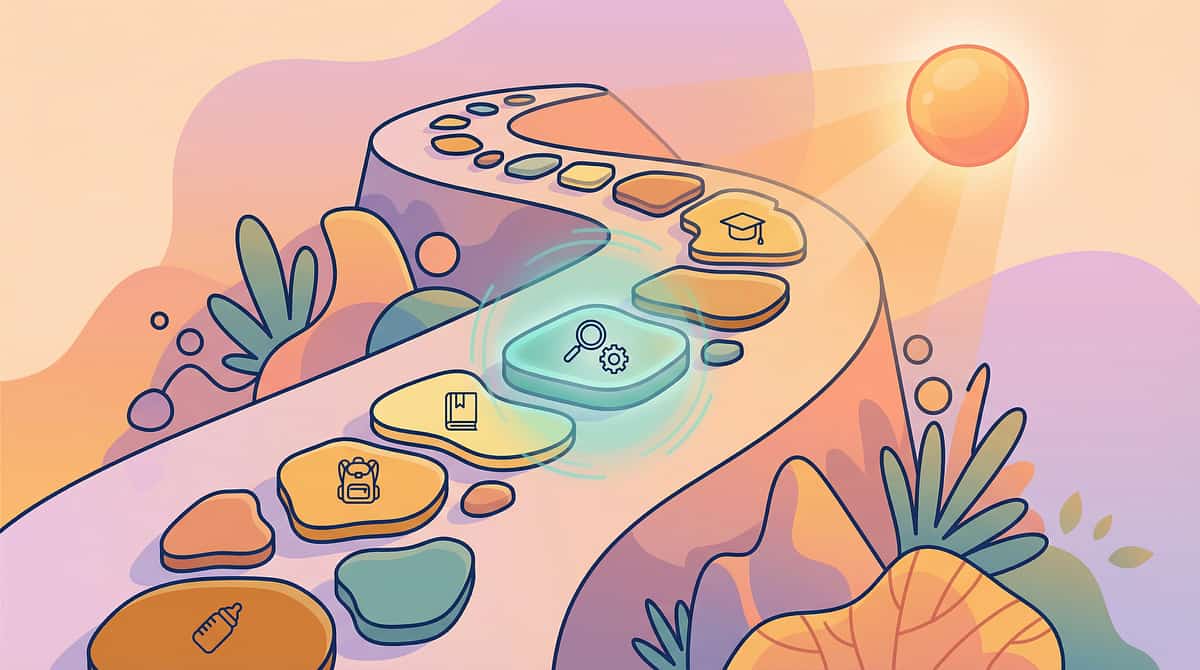
This Is Not a Language Problem. This Is a Multi-Channel Processing Difference.
The Five Parallel Information Streams
Sarcasm comprehension requires the brain to simultaneously process five channels in under 300 milliseconds:
- Verbal: What the words literally say
- Prosodic: Tone, pitch, and exaggeration
- Facial: Smirk vs. sincere smile
- Contextual: Does this statement fit the situation?
- Theory of Mind: What does the speaker actually intend?
In neurotypical processing, these streams converge automatically — the mismatch is flagged instantly, and nonliteral intent is understood without conscious effort.
The Wiring Difference — Not a Behavior Choice
Your child is not being inattentive. Her brain processes words with exceptional precision — it hears exactly what was said and files it accurately. What's different is that the secondary cross-reference check — "does the tone, face, and context contradict the words?" — either doesn't happen automatically or happens too slowly to catch in real-time conversation.
This is a processing architecture difference, not an intellectual limitation. In fact, many children who struggle with sarcasm have superior literal comprehension, strong memory, and exceptional logical reasoning.
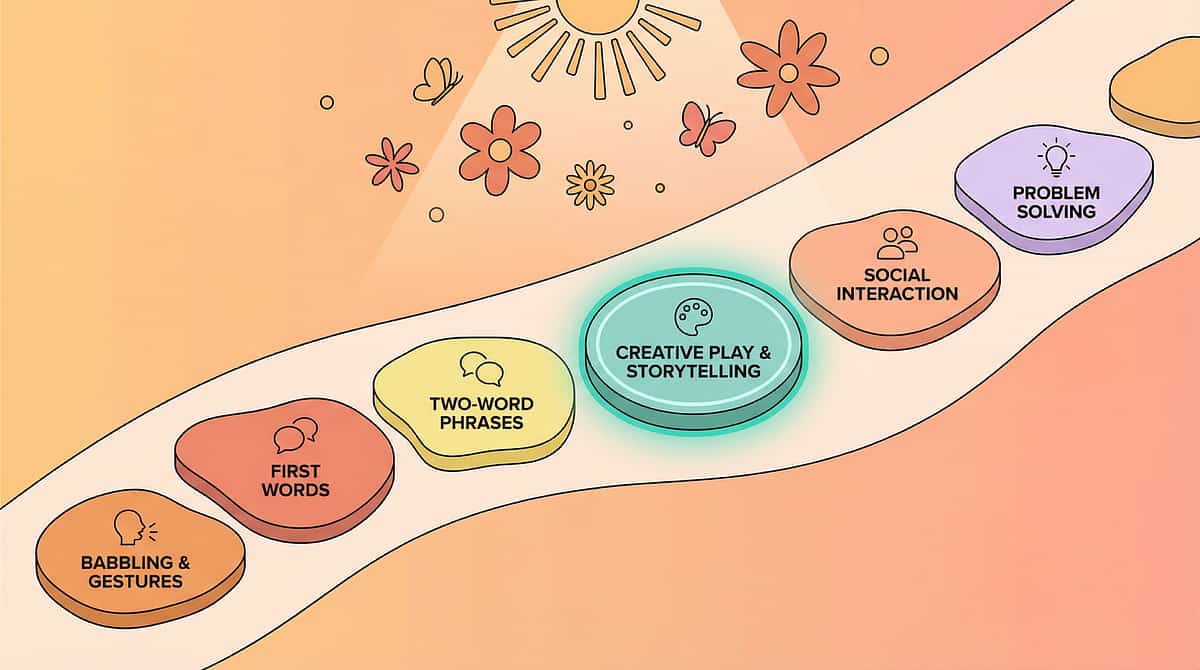
Your Child Is Here. Here Is Where We Are Heading.
WHO/UNICEF developmental frameworks establish that pragmatic language develops progressively through middle childhood. Sarcasm is among the later-developing pragmatic skills — requiring theory of mind, prosody processing, and contextual reasoning to converge.
Ages 4–5
Basic emotion recognition — foundation building
Ages 6–7
Simple irony detection begins — early emergence
Ages 8–10
Consistent simple sarcasm detection — developing
Ages 11–13
Full sarcasm comprehension typical — target zone
Ages 14+
Adult-level pragmatic fluency — mastery range
What Commonly Co-Occurs
- Autism Spectrum Condition (most common)
- Pragmatic Language / Social Communication Disorder
- Non-Verbal Learning Disorder
- Developmental Language Disorder
- Anxiety (often secondary — from repeated social confusion)
📍 Your Child Is at a Waypoint — Not a Ceiling
With explicit teaching using the materials on this page, the component skills for sarcasm detection can be systematically built. The destination is functional sarcasm comprehension that opens social doors currently closed.

Clinically Validated. Home-Applicable. Parent-Proven.
ASHA Systematic Review
Explicit sarcasm/figurative language training with visual supports significantly improves comprehension in ASD — ASHA 2023
NCAEP (2020)
Video modeling classified as Evidence-Based Practice for autism. Social Stories® also EBP-confirmed.
Theory of Mind Research
Perspective-taking training improves both ToM and figurative language comprehension — PMC10955541
Pinnacle Clinical Outcomes
97%+ improvement in pragmatic language readiness across 20M+ sessions using the GPT-OS® framework
"Children who receive explicit, multi-component sarcasm intervention — targeting tone, expression, context, and theory of mind — demonstrate measurable improvement in pragmatic language comprehension and social participation outcomes."
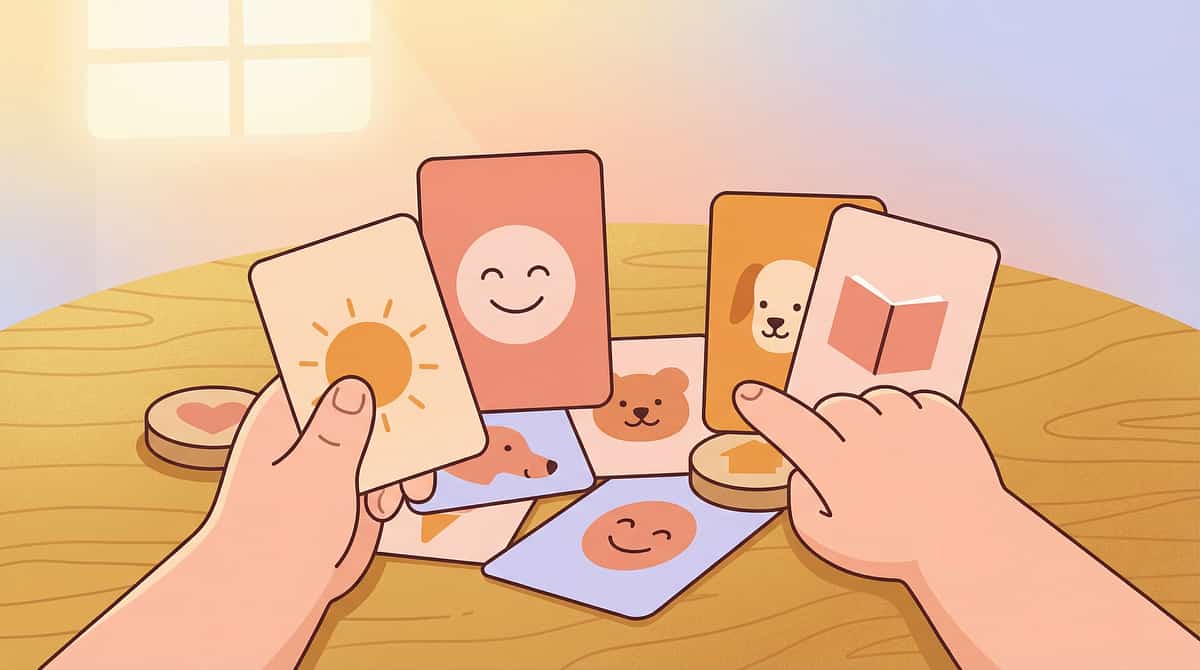
Sarcasm Comprehension Intervention
Parent-friendly alias: "The Invisible Layer Programme"
🗣️ Social Communication
🧠 Pragmatic Language
🤔 Theory of Mind
👁️ Social Cognition
Programme Details
- 🎂 Ages 7–16
- ⏱️ 15–20 min/session
- 📅 3–5 sessions/week
- 📊 8–12 week programme
What This Programme Does
Sarcasm Comprehension Intervention is a multi-component, explicitly-taught approach to building the skills children need to detect when someone means the opposite of what they say. Rather than expecting intuitive detection to develop spontaneously, this programme makes the invisible signals of sarcasm visible, learnable, and systematically practiced — targeting all five information channels through 9 evidence-based material categories.
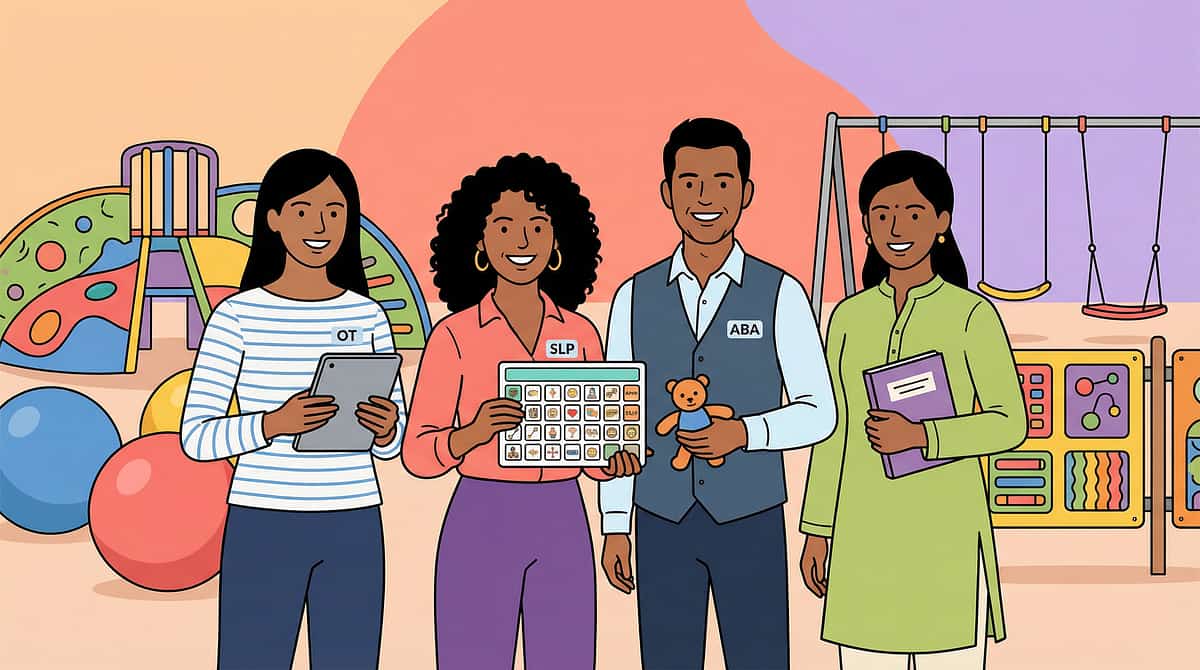
This Technique Crosses Therapy Boundaries — Because the Brain Doesn't Organize by Therapy Type
🗣️ SLP — Primary Lead
Leads pragmatic language assessment, social narrative analysis, prosody training, and figurative language hierarchy. Designs the explicit teaching sequence for sarcasm component skills.
🧩 ABA — Behavioral Support
Provides structured practice frameworks, reinforcement systems, data collection on detection accuracy, and generalization programming across natural settings.
🏫 SpEd — School Integration
Adapts classroom instruction to reduce sarcasm exposure in teaching, monitors peer interaction, and coordinates with teachers on social vulnerability protection.
🧠 NeuroDev / Psychology
Evaluates Theory of Mind development, autism assessment, and co-occurring anxiety management. Provides the psychological foundation for the intervention.
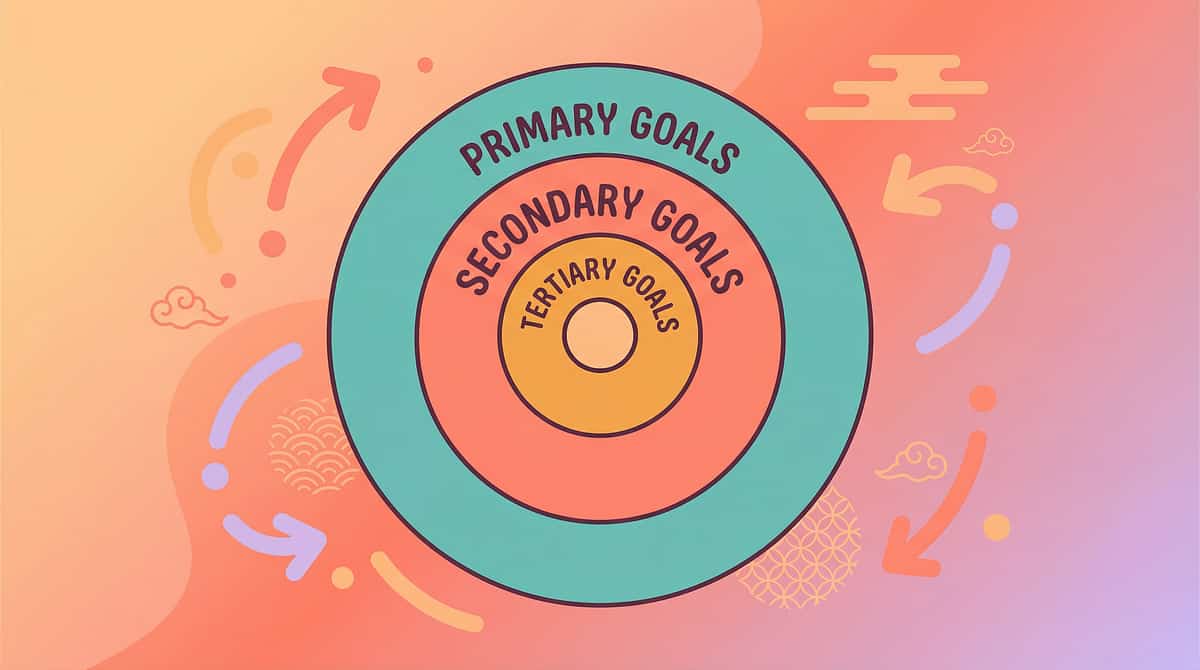
This Is Not a Random Activity. It Is a Precision Therapeutic Tool.
Observable Behavior Indicators of Progress
Checks cue card before responding to ambiguous statement
Asks "was that sarcastic?" rather than responding to the wrong meaning
Notices tone of voice mismatch without prompting
Correctly identifies smirk as "not meaning what words say"
Tolerates social humor without anxiety
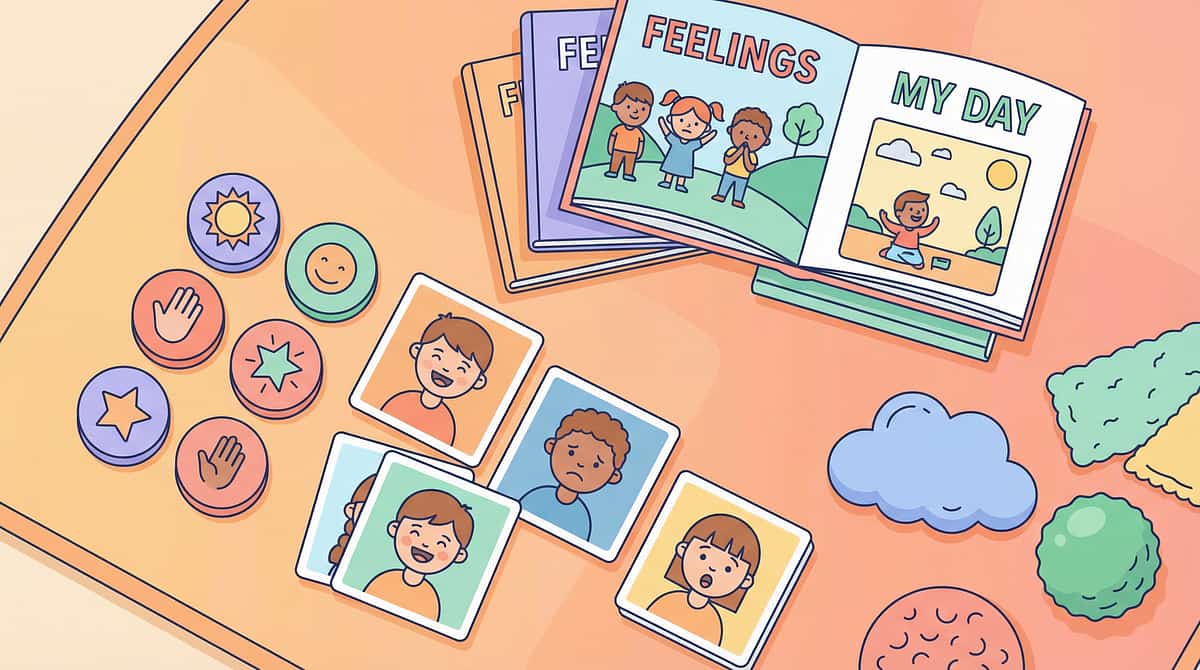
9 Materials That Make the Invisible Visible
Evidence-based. Home-applicable. Starting at ₹0.
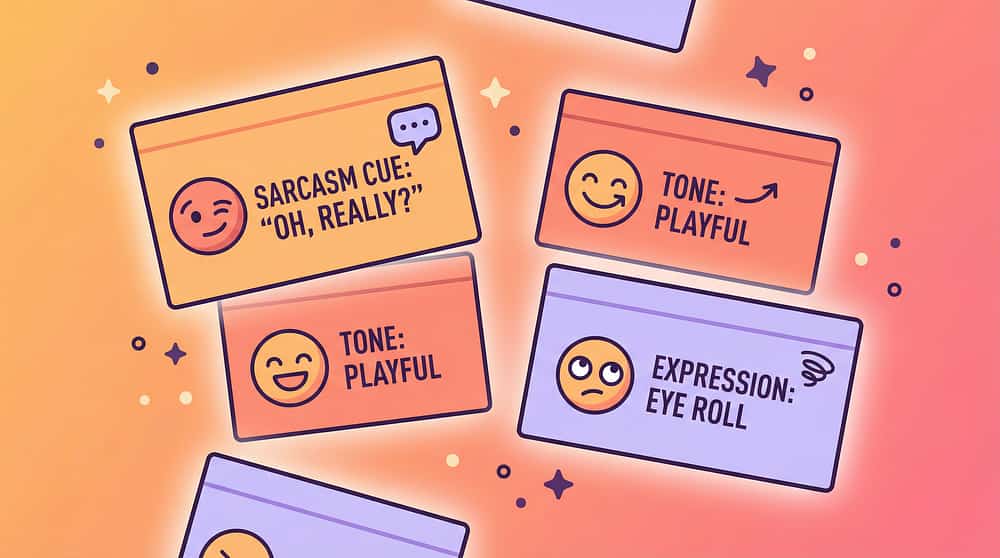
🃏 1. Sarcasm Detection Cue Cards
Make implicit detection signals explicit and learnable — tone indicators, facial cues, context mismatches, and common phrases. Children learn to check systematically rather than rely on intuition they don't have.
Price: ₹200–800 | DIY (₹0): Create 4 cards: Tone Clues / Face Clues / Word Clues / Context Clues with drawn examples on index cards.
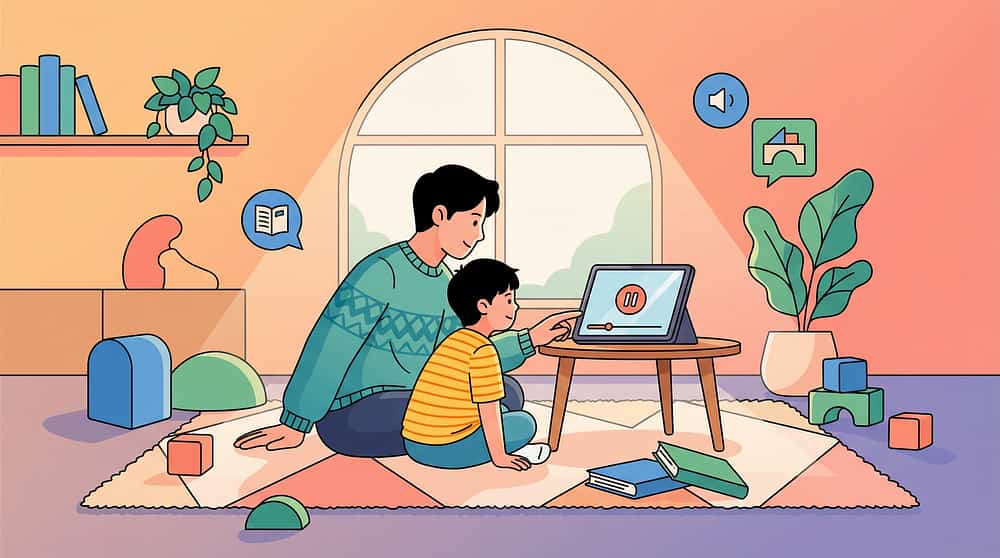
📹 2. Video Modeling and Clips
Video allows children to see sarcasm in action — with real tone, expression, and context — and crucially, to pause, replay, and analyze. NCAEP 2020 classifies video modeling as Evidence-Based Practice for autism.
Price: ₹0–1,500 | DIY (₹0): Record family delivering same sentence sincerely vs. sarcastically. Use clips from age-appropriate shows.
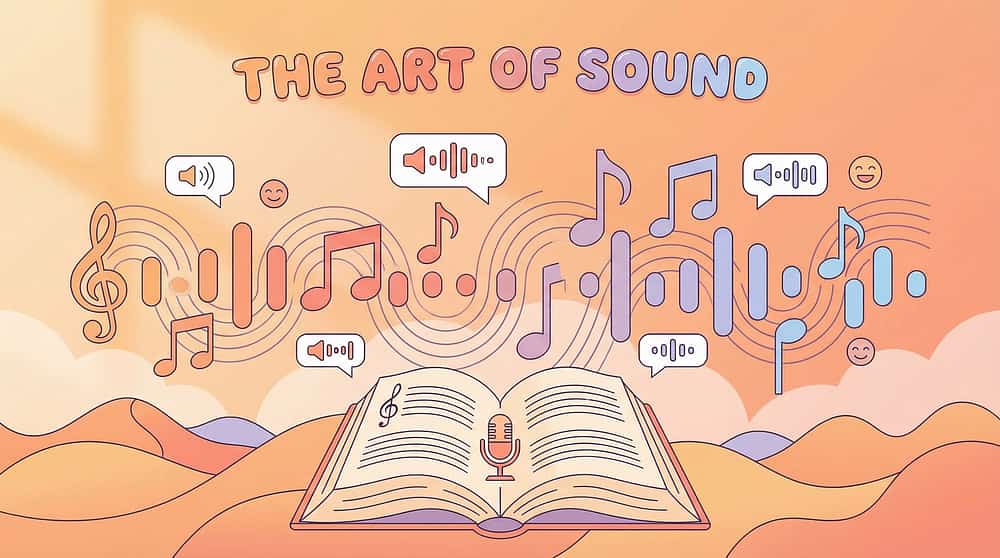
🎵 3. Tone of Voice Practice Activities
Tone carries the primary sarcasm signal. Children who miss sarcasm often don't automatically process prosodic differences. Tone practice isolates and trains the prosodic channel specifically.
Price: ₹200–1,000 | DIY (₹0): Record sentences in sincere vs. sarcastic tones — have child identify "sincere or sarcastic?"
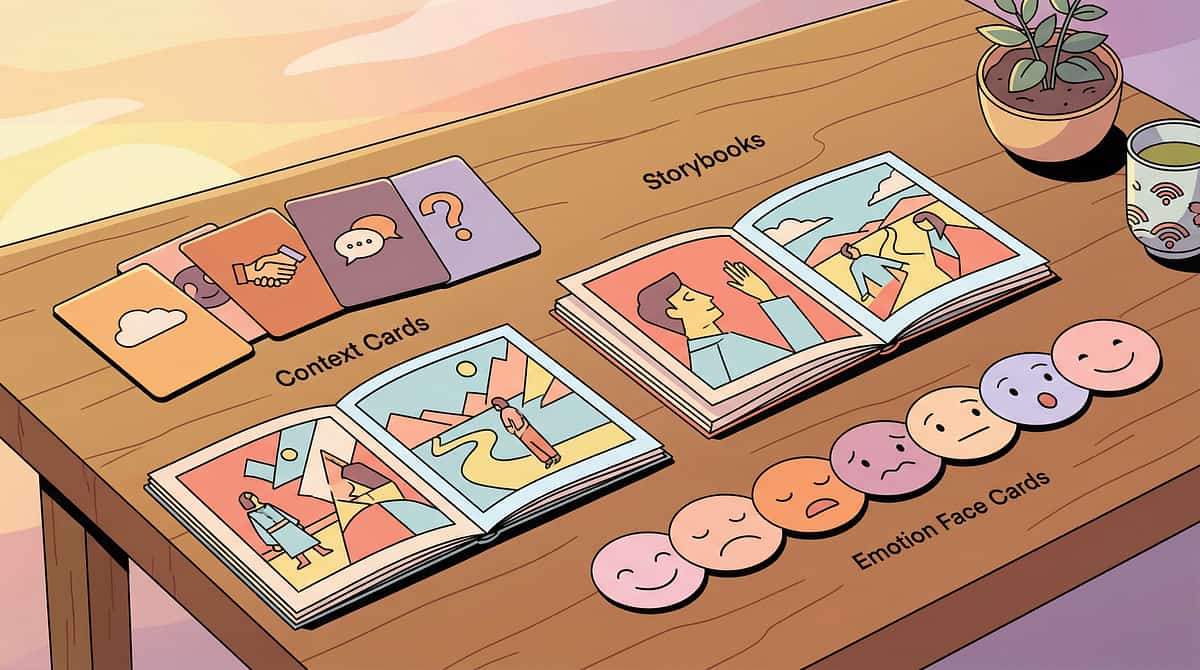
Materials 4–6: Context, Stories & Faces
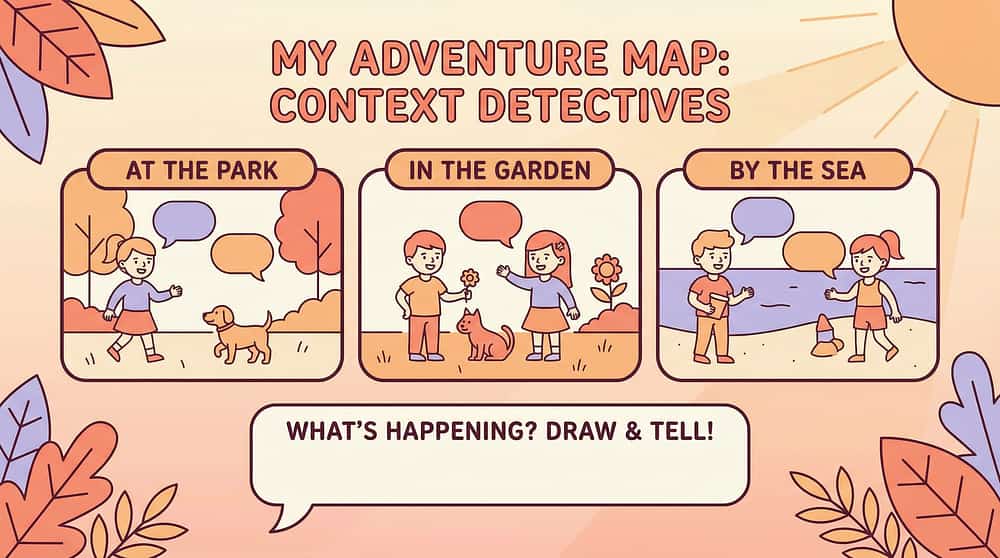
📋 4. Context Analysis Worksheets
Words that don't fit the situation are the primary context signal. Worksheets teach the 3-question check: "What just happened? What did they say? Does it fit?" This systematic mismatch detection can become an automatic internal check.
Price: ₹100–500 | DIY (₹0): Draw simple scenarios with speech bubbles — "What happened? / What did they say? / Does it fit? / What might they really mean?"
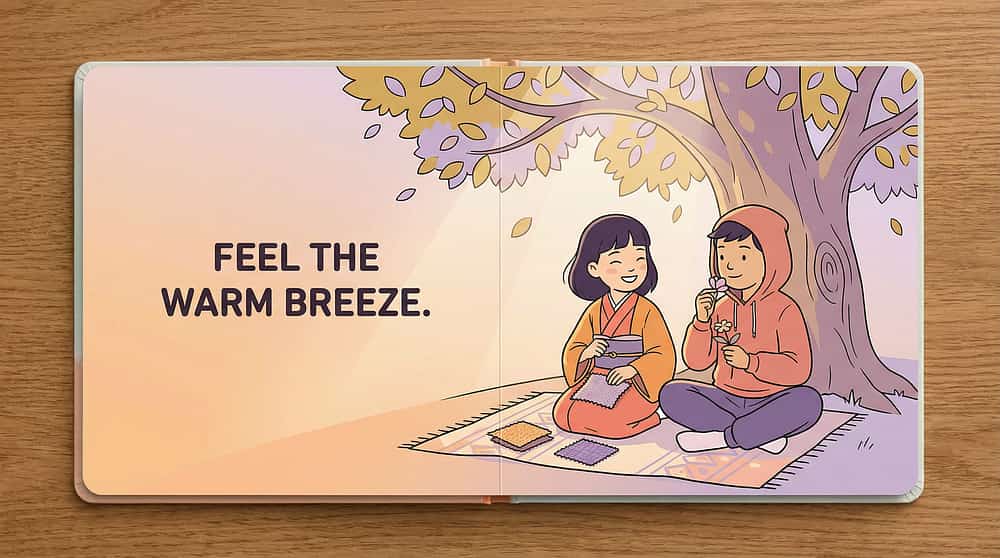
📖 5. Social Stories About Sarcasm
Carol Gray's Social Stories® methodology provides explicit, supportive explanations of social concepts that don't develop intuitively — what sarcasm is, why people use it, how to recognize it, and what to do when unsure. Validated across 100+ published studies.
Price: ₹200–1,000 | DIY (₹0): Write: "Sometimes people say the opposite of what they mean. This is called sarcasm. I can learn to spot it. It's okay to ask."
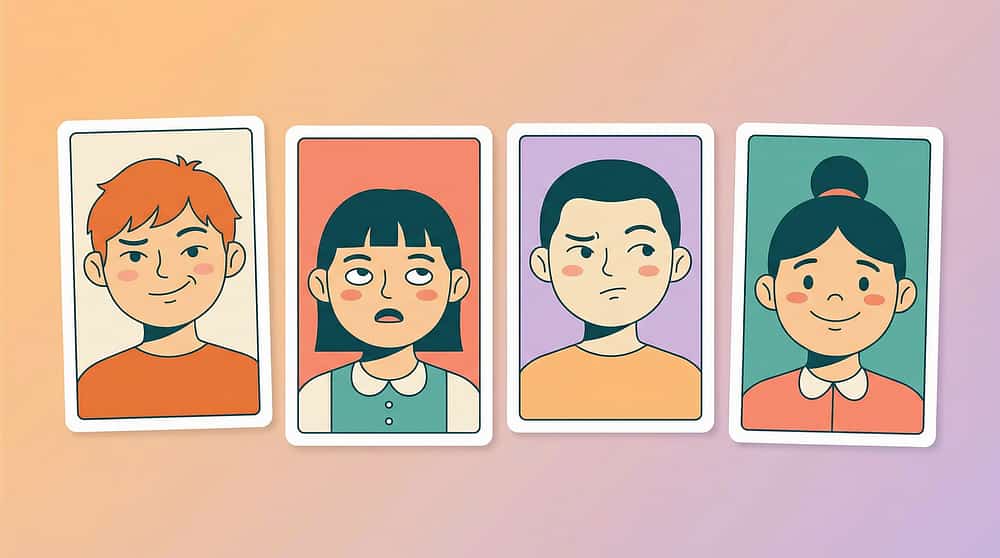
😊 6. Facial Expression Recognition Materials
The eye roll, smirk, and raised eyebrow say "I don't mean what I'm saying." Children who miss sarcasm often don't process expressions as meaning-carriers. Face reading materials train this channel explicitly.
Price: ₹200–1,200 | DIY (₹0): Collect photos showing sincere vs. sarcastic expressions paired with the same words. Practice "does this face match these words?"
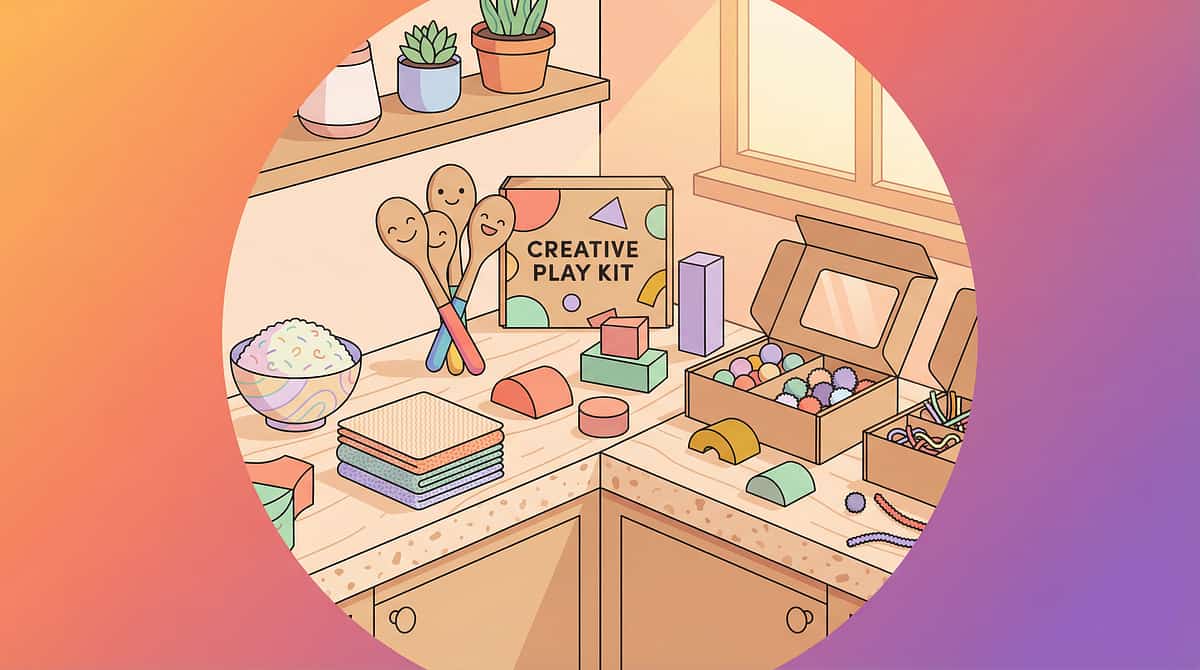
Materials 7–9: Games, Phrases & Perspective
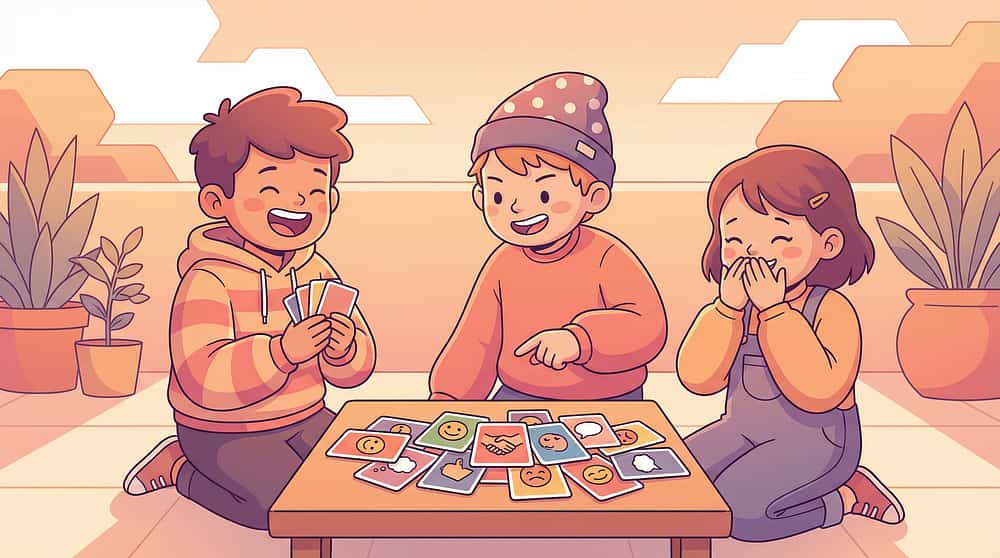
🎮 7. Sarcasm Practice Games and Role-Play
Games create low-stakes, high-motivation practice contexts — identifying sarcasm, producing sarcasm, and responding to it. The playful context reduces anxiety while providing the practice density needed for automaticity. ABA reinforcement principles applied to pragmatic skill-building.
Price: ₹200–1,000 | DIY (₹0): "Sarcasm or Sincere?" card game. Role-play common school scenarios. "Sarcasm Challenge" with different delivery intents.
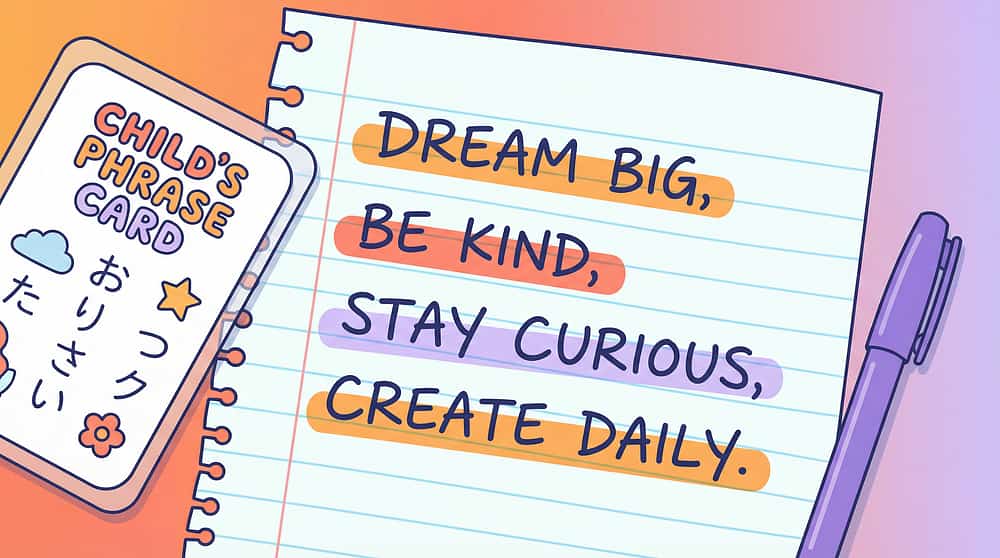
📝 8. Common Sarcasm Phrase Lists
Many sarcastic expressions are formulaic — "Oh great," "That's just perfect," "Yeah right." Learning these patterns provides a practical shortcut: when a child hears a phrase from their "sarcasm alert" list, they know to check tone, face, and context before responding.
Price: ₹50–300 | DIY (₹0): Build a personalized list from family sarcasm, school patterns, and TV shows. Annotate each: "Oh great (often sarcastic — check tone and face)."
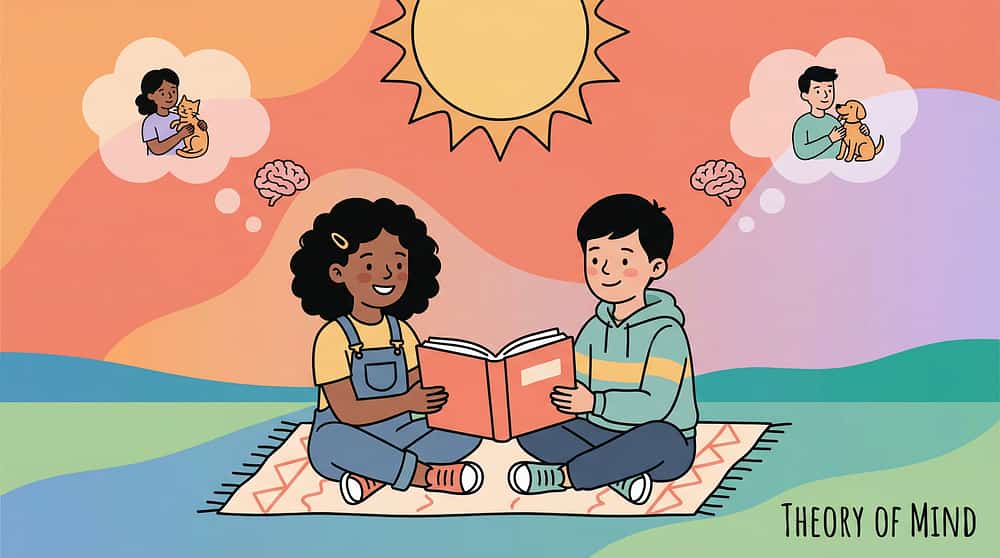
🤝 9. Perspective-Taking and Theory of Mind Activities
Sarcasm comprehension fundamentally requires understanding that people can say one thing while meaning another — a Theory of Mind skill. ToM activities build the cognitive foundation that all other sarcasm detection rests on.
Price: ₹200–1,500 | DIY (₹0): While reading stories, pause: "What is this character really thinking?" "Why did they say that?"

Read This Before Your First Session. It Matters.
🟢 GREEN — Proceed When Child Is:
- Calm and regulated
- Fed, rested, not tired or hungry
- In a low-distraction environment
- Receptive to interaction
- Not recovering from a recent social hurt involving sarcasm
🟡 AMBER — Modify When:
- Mildly tired — shorten to 8–10 minutes
- Seems resistant — use game-based materials only
- Recent sarcasm incident — wait 24 hours
- Difficult school day — begin with 5 minutes calm connection first
🔴 RED LINE — Stop Immediately If:
- Distress, crying, or shutdown during activity
- Child expresses shame ("I'm stupid for not getting this")
- Child becomes aggressive or self-injurious
- Anxiety visibly escalating
- Child withdraws and refuses all engagement
For children with significant social anxiety, ASD, or acute social harm — professional SLP or psychologist assessment is recommended before proceeding. 📞9100 181 181
The 60-Second Check That Saves the Entire Session
Before every session, run this quick readiness check. The best session is one that starts right.
Indicator | GO ✅ | MODIFY 🔄 | POSTPONE ⏸️ |
Physical state | Fed + rested | Mild fatigue | Sick / very tired |
Emotional state | Calm, neutral or positive | Slightly dysregulated | Meltdown/shutdown |
Recent social hurt | None today | Yesterday | Today, sarcasm-related |
Engagement | Eye contact, responding | Distracted | Refusing interaction |
School day | Good or neutral | Difficult | Crisis day |
5–6 ✅ = GO
Proceed with full 15–20 minute session
3–4 ✅ = MODIFY
8–10 minutes, games only, no worksheets
1–2 ✅ = POSTPONE
Do a connection activity instead, return tomorrow
A 20-minute forced session that ends in distress sets back weeks of progress. A 5-minute successful game session moves the needle forward. Quality over duration — always.
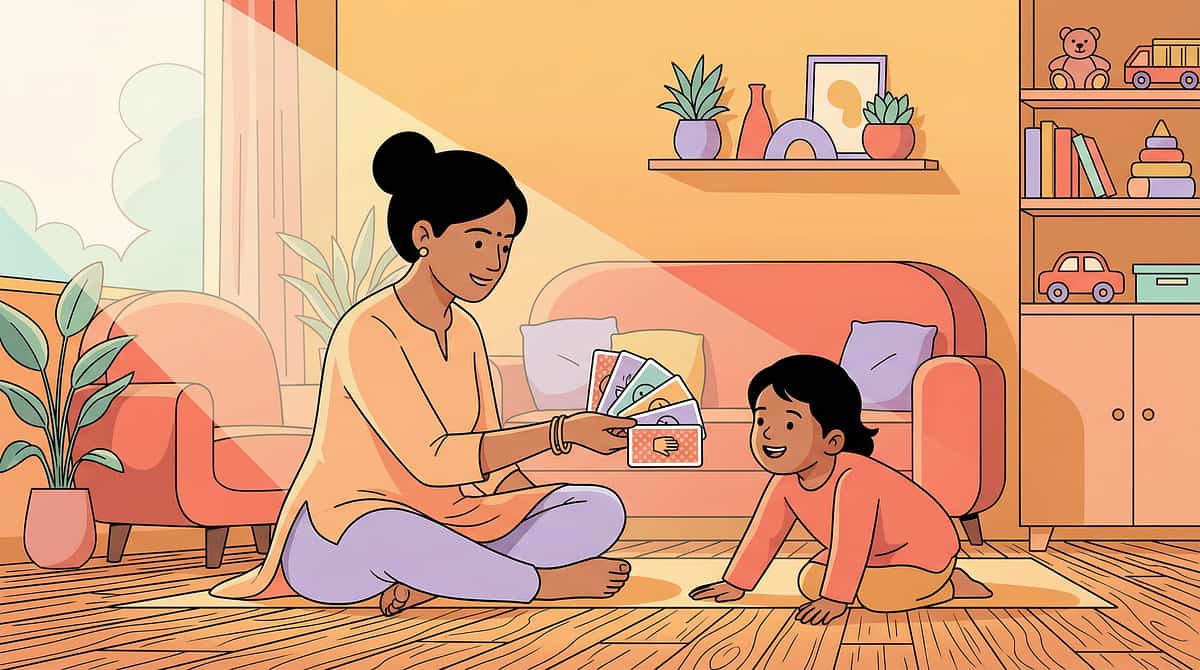
Step 1: The Invitation to Begin
How You Start Determines Everything That Follows
Key Principles
- Use your child's name first
- Frame as skill-building, not deficit-fixing
- Keep it brief — 2–3 sentences maximum
- Show materials as you name the activity
- If child hesitates: "You don't have to be perfect — we're just practicing today"
If Child Says No
"Okay — can we just do 3 quick ones? Three questions, then done?" Start with the easiest, most game-like material.
What NOT to Say
- ❌ "We're working on sarcasm because you keep missing it"
- ❌ "Your teacher said you got confused again today, so..."
- ❌ "This is for your therapy"
These framings activate shame rather than curiosity. The invitation is a therapeutic act — it sets the emotional tone for every minute that follows.
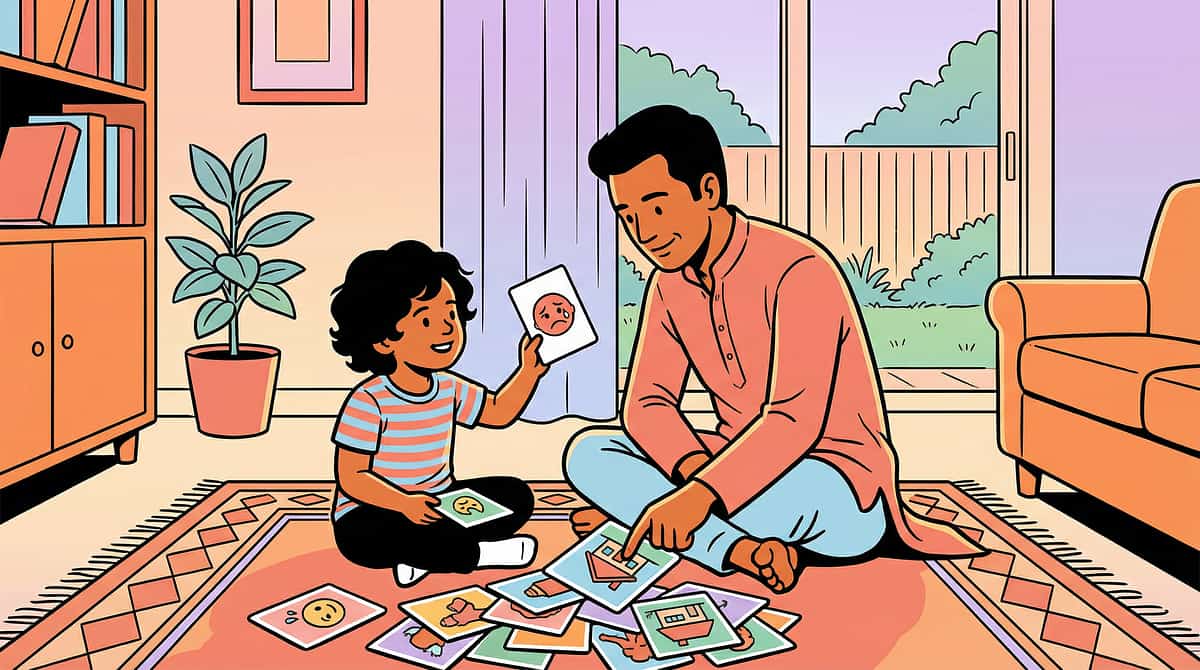
Step 2: Engagement and Warm-Up
3-Minute Warm-Up That Unlocks Learning
Begin with a "Sincere or Sarcastic? (Easy Round)" — 5 obviously sarcastic vs. obviously sincere statements. Child just says "sarcastic" or "sincere." This is a success-building warm-up, not a test.
Round 1 — Obvious Examples
- [Huge smile, genuine tone]: "I love chocolate cake!" → Sincere
- [Flat tone, eye roll]: "Oh wow, doing homework. My ABSOLUTE favourite thing." → Sarcastic
- [Warm tone]: "You did a really great job on that drawing." → Sincere
- [Exaggerated tone]: "Oh GREAT. It's raining. This is the BEST day EVER." → Sarcastic
- [Cheerful]: "We're going to the park today!" → Sincere
Purpose of the Warm-Up
- Activates the "sarcasm detection" mindset
- Creates early wins that build confidence
- Establishes the session pattern
- Calibrates the child's detection sensitivity today
- Makes the first real activity feel accessible
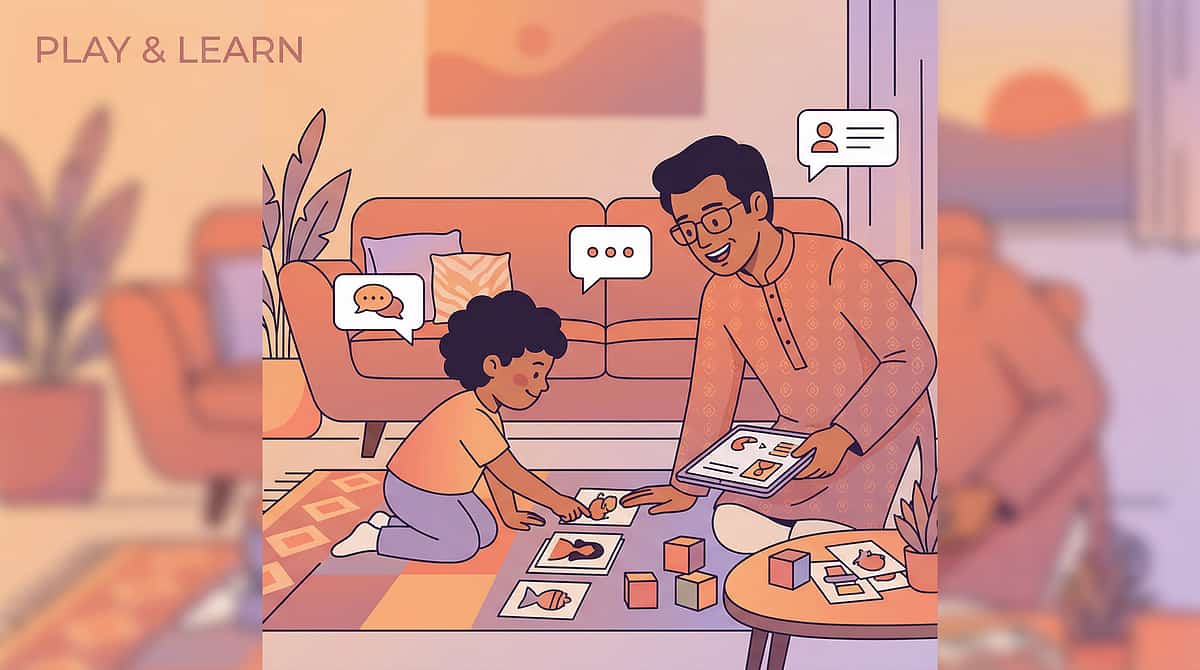
Step 3: The Core Therapeutic Action
The Active Ingredient — Choose ONE Focus per Session
Rotate focus areas across sessions for broader skill coverage. Each session targets one information channel specifically.
🎵 Tone Channel
Play a clip — same sentence, two tones. Child identifies sincere or sarcastic, names what told them (pitch, speed, exaggeration), references Tone Clues cue card.
Duration: 12–15 min | Reps: 8–12 statements
😊 Face Channel
Show paired stimulus: words + facial expression photo. Child identifies whether face matches words. Names expression: smirk / eye roll / raised eyebrow. Mirror activity for production.
Duration: 12–15 min | Reps: 6–8 face-word pairs
📋 Context Channel
Present scenario + statement. 3-question analysis: "Does it fit? What might they really mean?" Rate confidence: "Sure / Pretty sure / Not sure?"
Duration: 12–15 min | Reps: 5–6 full analyses
🤝 Theory of Mind
Read a story together. Pause: "What is this character thinking? Is there a difference between what they said and what they think? Why would someone say one thing and mean another?"
Duration: 15–20 min | Reps: 3–4 story moments
📝 Phrase List + Game
Review phrase list, add new ones from the week. Play "Sarcasm or Sincere?" with phrase cards + tone variations. Role-play: parent delivers phrase, child responds with their interpretation.
Duration: 15–20 min | Reps: 10–15 phrases
Common Execution Errors
- ❌ Rushing past the analysis → Slow down; the thinking process matters more than the answer
- ❌ Correcting tone immediately → Ask "what do you think?" first
- ❌ Using only one material → Rotate across sessions for broader skill coverage
Step 4: Repeat and Vary
3 Good Reps > 10 Forced Ones
Session Type | Target Reps | Duration | Variation |
Tone practice | 8–12 statements | 12–15 min | Vary speaker, intensity, familiarity |
Face reading | 6–8 pairs | 10–12 min | Progress from obvious to subtle |
Context analysis | 4–6 scenarios | 12–15 min | Obvious mismatch → subtle |
Theory of Mind | 3–5 moments | 15–20 min | Vary relationship types |
Games | 10–15 rounds | 15–20 min | Increase speed, decrease exaggeration |
Vary the Speaker
Parent → Sibling → TV character → Recorded stranger
Vary the Intensity
Exaggerated first → calibrate to natural sarcasm over weeks
Vary the Domain
School → Family → Peer → Public settings
Vary the Medium
Live → Video → Audio only → Written → Real life
If the child correctly analyzes 3 tone detections with clear reasoning — that's a productive session. The neural pathway was activated, exercised, and positively reinforced. Don't push for more just because time remains.

Step 5: Reinforce and Celebrate
Timing Matters More Than Magnitude — Celebrate the ATTEMPT, Not Just the Success
For Correct Detection
"Yes! You caught that. What signal told you? That's the analysis — great work."
For Incorrect but Tried
"Good thinking! You checked — that's the most important part. Let's look at the cue card together."
For the Process
"I love that you paused before answering. That pause is the skill."
For Asking the Question
"That question is EXACTLY right. You noticed you weren't sure and you asked. That's the goal."
What to Reinforce — In Order of Priority
The checking behavior — pausing, using cue cards, asking "was that sarcastic?"
Correct identification — when detection is accurate
Articulation — when child can explain what signal told them
Tolerance — when child stays engaged through a difficult example
What NOT to Do
- ❌ "Good job" as sole response (non-specific)
- ❌ Only praising correct answers (demotivates continued checking after errors)
- ❌ Waiting until end of session to praise (too delayed for behavioral learning)

Step 6: The Cool-Down
No Session Ends Abruptly — The Exit Is Part of the Therapy
Option A — Participatory Ritual
Child puts materials away themselves — creates sense of completion and ownership
Option B — End on Success
One round of "Sarcasm or Sincere?" with obviously easy examples — always exit with a win
Option C — Brief Reflection
"What did you notice today about how sarcasm sounds?" — builds metacognitive awareness
Transition to Next Activity
Name the next activity explicitly: "After this, we'll [have a snack / go to the park / watch TV]." This provides a concrete endpoint and reduces resistance to session ending.
If child resists ending: "Last one — your choice which." Giving choice reduces resistance. Then follow through on the named transition.
Why the Cool-Down Matters
Post-session dysregulation is real. A child who has been cognitively working hard on a demanding skill needs a structured de-escalation before returning to normal activities. Without it, the effort of the session can spill over into irritability or shutdown.
Session Abandonment Is Not Failure. It Is Data.
What If It Didn't Go as Planned?
Child got upset recalling a past sarcasm incident
Acknowledge the feeling first. "That sounds really confusing and embarrassing. That's exactly why we're building this skill — so it happens less." Return to practice in a separate session when regulated.
Child answered randomly without thinking
Switch to the game format immediately. Reduce stakes. "Let's just guess and see — no wrong answers here." Cognitive fatigue or avoidance was the signal.
Child said "I already know this"
"You might! Let's check." Use the most challenging examples immediately. If genuinely mastered, level up — this is progress, not resistance.
Can identify sarcasm in activities but misses it in real conversation
This is expected and normal. More practice sessions needed. Begin adding real-time practice during lower-stakes family conversations. Label sarcasm as it happens: "That was sarcasm — did you catch it?"
Child became anxious about "all the sarcasm everywhere"
Normalize. "Most sarcasm isn't mean — it's humor or bonding. Missing it isn't dangerous, it's just confusing. You're learning the code, and the code has patterns."
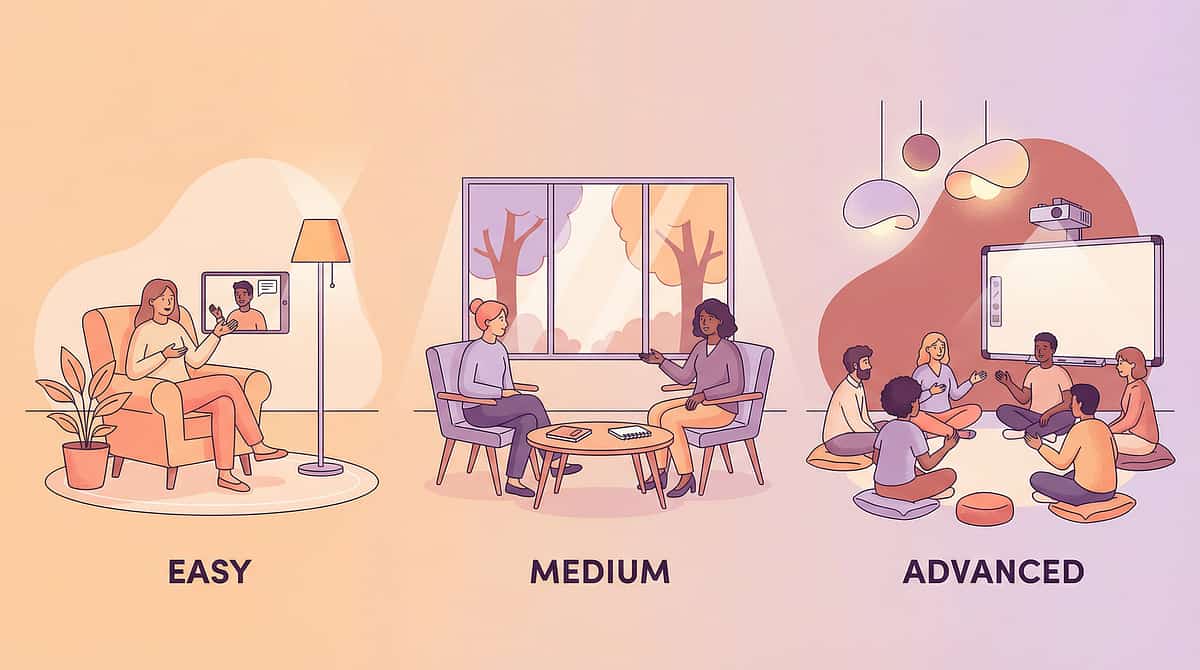
No Two Children Are Identical. Personalize the Protocol.
Move along this spectrum based on consistent accuracy — advance when hitting 70%+ for two consecutive weeks. Reverse if confidence drops.
Profile-Based Adaptations
Profile | Adaptation |
Strong verbal / weak prosody | Lead with tone activities before all else |
Weak facial expression reading | More face-reading practice; mirror work |
High anxiety about social situations | Heavier game format; no real incident references |
Weak facial expression reading | More face-reading practice; mirror work |
High anxiety about social situations | Heavier game format; no real incident references |
Strong Theory of Mind already | Skip ToM basics; focus on integration speed |
Excellent phrase memory | Start with phrase lists; build from pattern recognition |
Resists explicit teaching | Game-only format for first 4 weeks |
Ages 7–9
More cartoon/animated examples; family-context scenarios; 8–10 minute sessions
Ages 10–12
Peer-context scenarios; school sarcasm patterns; TV show clips
Ages 13–16
Real-life peer language; social media sarcasm; employment-context practice

Weeks 1–2: Progress Looks Like Awareness, Not Mastery
Week 1–2 Progress
Foundation-building phase — awareness emerging
What You WILL See
- Child can explain what sarcasm is
- Can identify cue card categories
- Correctly identifies obviously exaggerated sarcasm with materials present
- Beginning to pause before responding
- Asking "was that sarcastic?" at least once — this is HUGE
What You Will NOT See Yet (Normal)
- Real-time detection in conversation
- Consistent accuracy across all material types
- Detection without cue card support
- Transfer to school or peer contexts
Parent preparation: Resist the urge to test your child in real life with "ha, that was sarcasm, did you catch it?" These real-world tests before skills have consolidated create shame, not learning.

Weeks 3–4: The Neural Pathways Are Forming
Week 3–4 Progress
Consolidation phase — pathways strengthening
Consolidation Indicators
Uses cue card with less prompting — beginning to internalize categories
Correct identification rate improving — aim for 60–70% in practice sessions
Beginning to notice sarcasm signals spontaneously in TV or family context
Can name the specific signal: "The tone was exaggerated"
Reduced anxiety in practice sessions — becoming more game-like
Generalization Seeds — Early Signs of Transfer
- Asks "was that sarcastic?" in real-life family conversations
- Reports from school: "Someone said something and I wasn't sure what they meant"
- Notices sarcasm in a TV show and comments independently
By week 4, many parents report feeling more confident in delivering sarcasm examples. That shared confidence — the sense that "we're cracking this together" — is therapeutic in itself.

Weeks 5–8: The Invisible Layer Is Becoming Visible
Week 5–8 Progress
Skill-building phase — real-world generalization emerging
Real-Time Detection
Detects obvious sarcasm in family conversation without cue card
Self-Correction
"Oh — wait. That was sarcasm, wasn't it? I almost took it literally."
School Reports
Fewer social misunderstandings per week — teachers noticing difference
Appropriate Clarification
"Wait, were you being sarcastic just then?" — asking instead of assuming
Practice Session Evolution for This Phase
- Reduce exaggeration in delivered sarcasm
- Introduce real-life sarcasm "debriefs" (not tests): "I noticed some sarcasm on TV today — did you catch it?"
- Add production practice: "Now you say something sarcastically"
- Introduce two-channel integration: tone AND face simultaneously

These Are the Signs You Have Been Working Toward
Mastery Milestone Checklist
✅ Mastery Indicator | What It Looks Like |
Real-time detection | Catches sarcasm in conversation, same moment it's delivered |
Self-correction | "Wait — that was sarcastic, wasn't it?" without prompting |
Multi-channel integration | Uses tone + face + context simultaneously |
Ambiguity management | Asks "were you being sarcastic?" when unsure |
Production emergence | Uses simple sarcasm themselves (with control) |
Reduced anxiety | Social conversations less stressful; avoidance decreasing |
School generalization | Teacher/peer reports confirm improving comprehension |
"He was watching TV, and the character said something obviously sarcastic. Before I could even notice it myself, he said 'That was sarcasm — she doesn't actually love waiting at the DMV.' He laughed. He got the joke. That was the moment everything we'd been practicing clicked." — Parent, Pinnacle Network | Illustrative case; outcomes vary by child profile
These Signs Mean Professional Support Is Needed Now
🚩 No Progress After 8+ Weeks
Of consistent home practice (3–5x/week) with no measurable improvement across any channel
🚩 Significant Social Anxiety or School Refusal
Sarcasm difficulties accompanied by anxiety severe enough to impact school attendance or participation
🚩 Pattern of Missing ALL Figurative Language
Idioms, metaphors, humor, and irony are all significantly impaired — not just sarcasm
🚩 Shame or Hopelessness
Child expresses "I'll never get it" or shows signs of depression linked to social exclusion
🚩 Academic Performance Affected
Missing irony in literature, sarcasm in teacher language — impacting grades and comprehension
🚩 ASD Not Formally Assessed
Co-occurring symptoms suggest a broader social communication profile that needs evaluation
You Already Have Materials for Some of These
Related Techniques in the Social Communication Domain
Technique | Code | Level | Materials You Own |
9 Materials for Idioms & Expressions | B-215 | ⭐ Intro | Cue cards, worksheets ✓ |
9 Materials for Literal Language | B-216 | ⭐ Intro | Context worksheets, social stories ✓ |
9 Materials for Inappropriate Comments | B-218 | ⭐⭐ Core | Role-play cards ✓ |
9 Materials for Humor & Jokes | B-219 | ⭐⭐ Core | Video clips, games ✓ |
9 Materials for Communication Breakdown | B-219 | ⭐⭐ Core | Face reading materials ✓ |
9 Materials for Facial Expressions in Speech | B-213 | ⭐ Intro | Face cards ✓ |
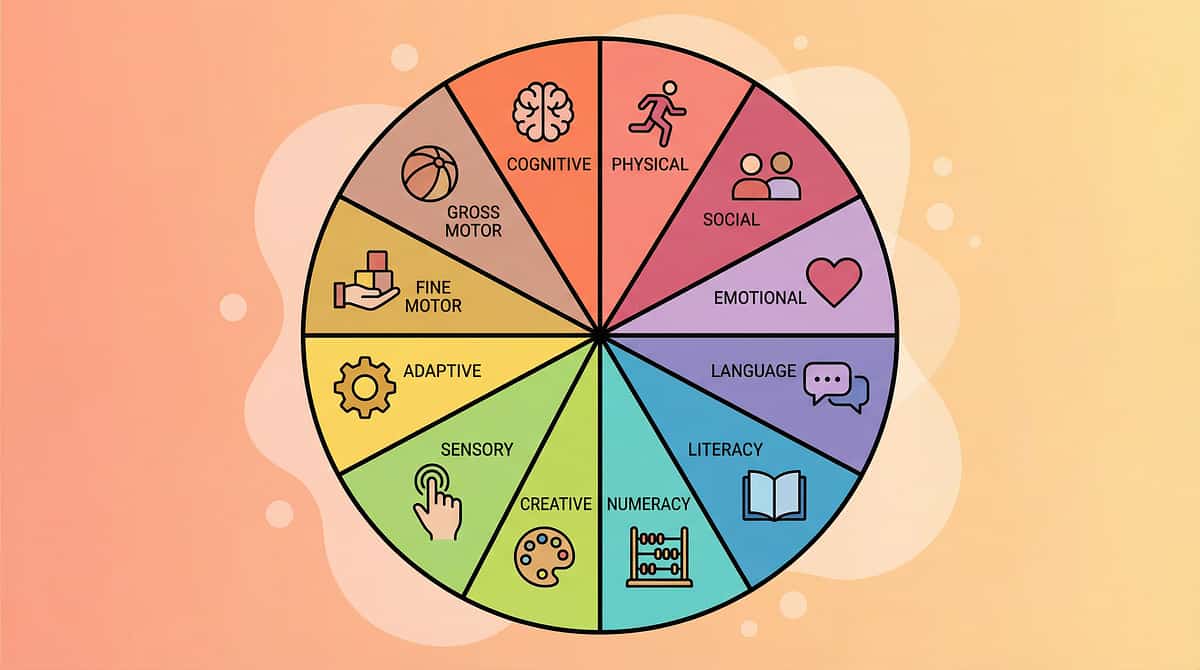
Sarcasm Is One Piece. This Is the Whole Picture.
Domain B — Social Communication (current: B-217) is one node in a 12-domain developmental network. Its improvement feeds Social Participation, reduces Anxiety, and supports Academic comprehension. GPT-OS® tracks these cross-domain gains automatically.
AbilityScore®
Across all 12 domains on a 0–1000 scale — see where your child stands and where to focus
Priority Sequence
Intervention order based on developmental interdependencies — not guesswork
Progress Trajectory
Your child's growth vs. population benchmarks — visible progress over time
FusionModule™
Coordination across SLP, OT, ABA, and SpEd — one integrated plan
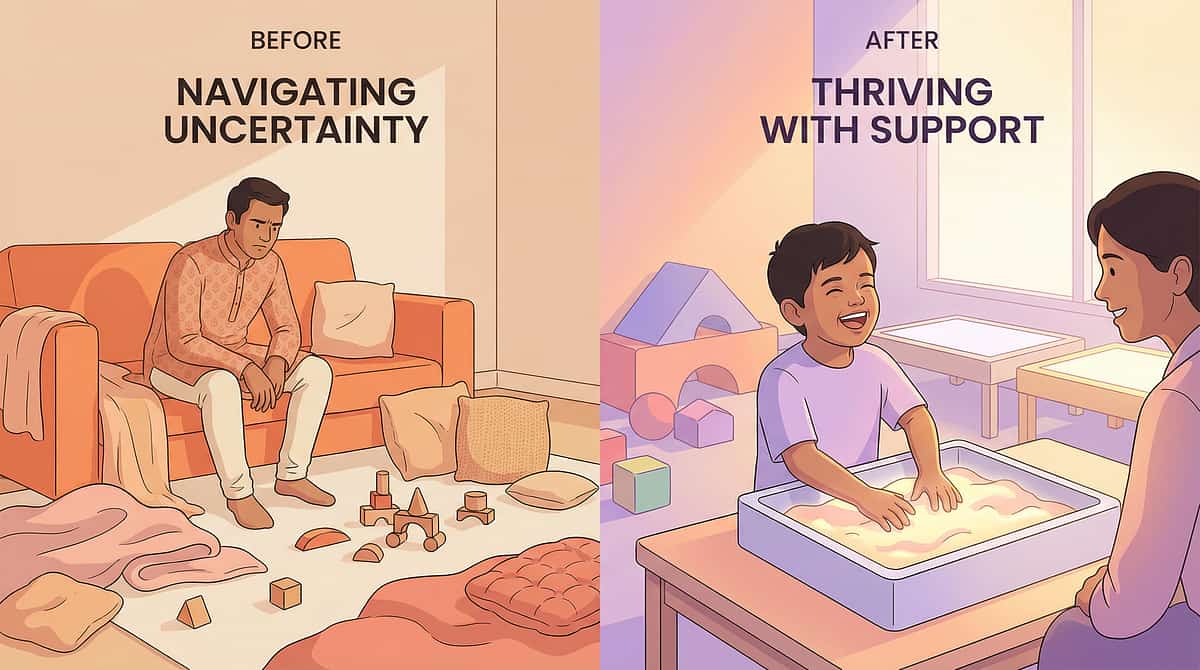
From "Why Is Everyone Laughing?" to Understanding the Code
"My son is autistic, and sarcasm was completely invisible to him. He'd take every comment at face value. When his teacher said 'Oh wonderful, another fire drill,' he'd report excitedly that his teacher loved fire drills. We started with cue cards — tone signals, face signals, context checking. We watched TV together, pausing to analyze 'Is this sarcastic?' We role-played scenarios. It was slow at first. He'd check his cards, think through it, sometimes still miss it. But he was learning to check instead of just accepting.
After about six months, something shifted. He started catching sarcasm before I could help him. 'Mom, I think she was being sarcastic because her face looked like this and it doesn't make sense to actually love doing homework.'
Now he's fourteen, and he catches most sarcasm in conversation. He still misses subtle ones sometimes, but he knows to ask if he's not sure. He's part of conversations he was excluded from before. The invisible layer became visible." — Parent, Pinnacle Network | Illustrative case; outcomes vary by child profile
Unable to Detect
Emerging Awareness
Obvious Sarcasm Detected
Functional Comprehension ✅
You Are Not the Only Parent Decoding the Hidden Language
Pinnacle Parent Community
Connect with families across India and 70+ countries working on the same challenges. Share what's working. Ask what's confusing. Find your tribe at pinnacleblooms.org/community
WhatsApp Community: Domain B
1,200+ families sharing daily strategies, wins, and questions on Social Communication. Join at pinnacleblooms.org/whatsapp-b
@PinnacleBlooms on Instagram
Daily reels on pragmatic language, sarcasm, figurative language, and social communication. Follow for the full B-series journey.
📞FREE National Autism Helpline: 9100 181 181 — 16+ languages | 24×7
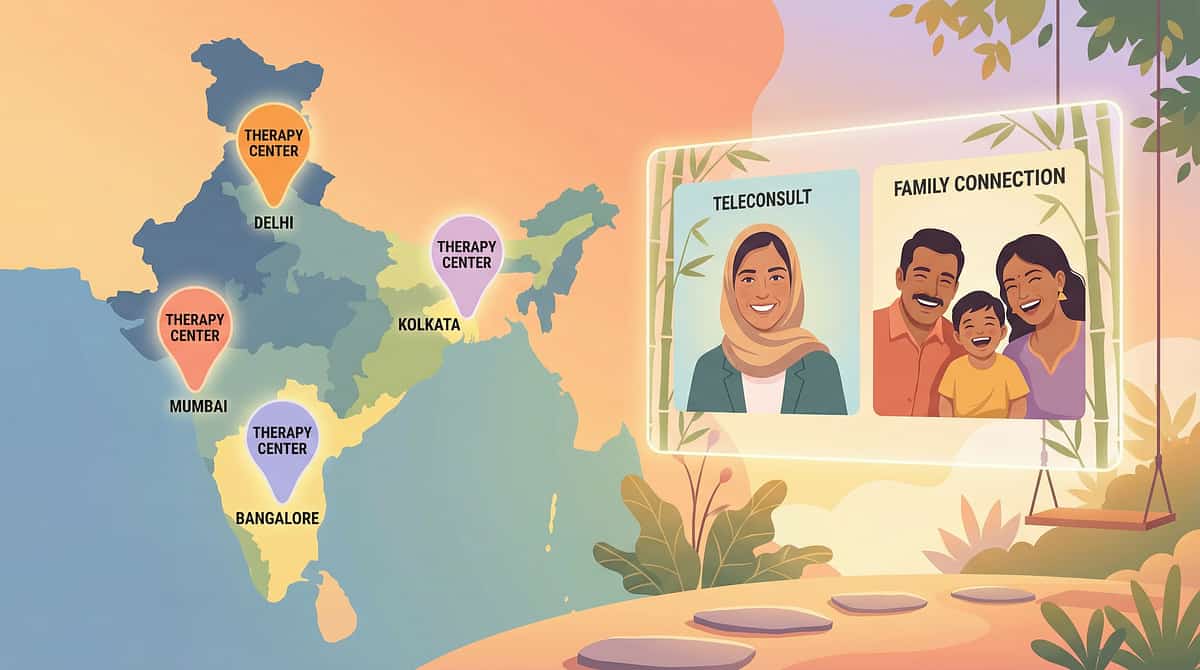
70+ Centers. One System. Your Child's Plan.
What Pinnacle Center SLP Support Provides for B-217
City availability: Hyderabad • Bangalore • Chennai • Mumbai • Delhi • Pune • Ahmedabad • 63+ more cities
Deeper Reading for the Curious Parent
The Research Library Behind This Technique
ASHA Figurative Language Review (2023)
Explicit teaching of sarcasm signals improves detection in children with ASD and pragmatic language disorder. Multi-component approaches superior to single-channel training.
NCAEP Evidence-Based Practices (2020)
Video modeling classified as EBP for autism. Social Stories® (Carol Gray) also EBP-confirmed with 100+ published studies.
Additional Reading
Carol Gray Social Stories™: carolgraysocialstories.com | ASHA Pragmatic Language Resources: asha.org/practice-portal | Theory of Mind — Baron-Cohen foundational research
Your Child's Data Improves Their Care — and Every Child Like Theirs
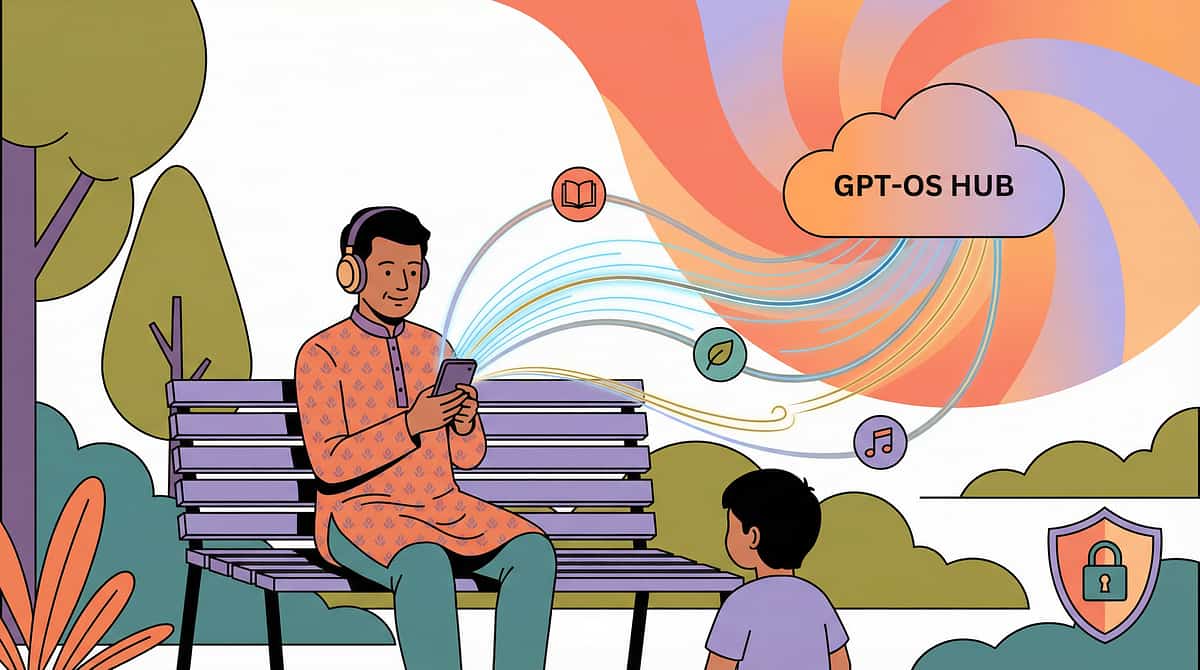
What GPT-OS® Learns from B-217 Data
- Which detection channel is developing fastest
- Whether generalization is occurring (real-world vs. practice gap)
- Optimal session frequency for this child's learning pace
- Readiness signal for B-218 escalation
Privacy Assurance
All data is de-identified for population-level analytics. Individual child data is accessible only to the family and treating clinician. Pinnacle operates under ISO/IEC 27001 information security standards.
The 20M+ sessions that powered Pinnacle's 97%+ improvement rate — those were real families choosing to contribute data. Your child's sessions add to the evidence base that helps the next family navigate this more precisely.
The Reel Behind This Page
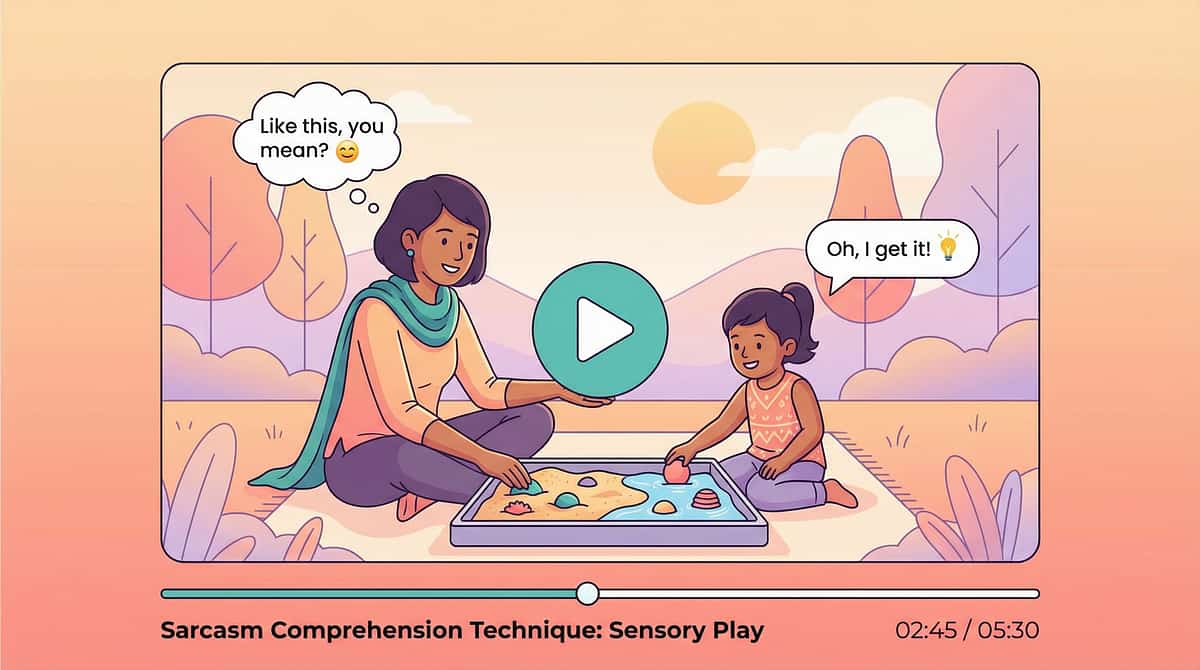
🎬 Reel B-217: "9 Materials That Help Understanding Sarcasm" — Pinnacle Blooms Network® | Social Communication Series | Episode 217 | Domain B: Social Communication & Pragmatic Language
This technique page was created as the deep-dive companion to Reel B-217. The Reel gave you the 60-second overview — this page gives you the complete 8-week implementation framework. Watch the Reel with your child: it's designed to be parent-child viewable.
← B-216
Literal Language Interpretation
▶ B-217
Understanding Sarcasm — You Are Here
B-218 →
Detecting Lies and Deception
B-213 ↗
Facial Expressions in Speech
📱 Instagram: @PinnacleBlooms | YouTube: Pinnacle Blooms Network | pinnacleblooms.org/reels
Consistency Across All Caregivers Multiplies the Impact
📄 "Explain to Grandparents" Simplified Version
"[Child's name] doesn't understand when people say the opposite of what they mean — like sarcasm. When she takes a sarcastic comment seriously, please don't laugh at her confusion. Just gently say 'That was a bit of a joke — they didn't really mean that.' We're teaching her to spot it herself, and every calm explanation helps."
✉️ Teacher Communication Template
"[Child's name] is working with a speech-language therapist on sarcasm and figurative language comprehension. When using irony or sarcasm in classroom instruction, a brief explicit label ('That was a bit of sarcasm — what did I actually mean?') helps enormously. Please avoid sarcasm in direct correction or criticism of their work, as this will be misunderstood."
Your Questions, Answered by the Consortium
How long does it take to see results?
Early indicators (asking "was that sarcastic?") typically emerge within 2–4 weeks. Consistent detection in practice settings: 4–8 weeks. Real-world generalization: 8–16 weeks depending on practice frequency and starting profile. Progress should be visible within 4 weeks if the intervention is well-matched.
My child identifies sarcasm on TV but misses it in real life. Why?
This is the most common pattern and is expected. TV provides slow exposure — you can pause, replay, analyze. Real conversation is 300ms processing. The gap is closed through gradually reducing pausing in practice, real-time labeling during family conversations, and gradually increasing conversation speed in practice sessions.
Is this only for children with autism?
No. While sarcasm comprehension difficulties are most common in autism, they also occur in Pragmatic Language Disorder, Non-Verbal Learning Disorder, Developmental Language Disorder, and in some children with no diagnosed condition. The materials work across profiles. Call 9100 181 181 if you're unsure.
Should I label sarcasm when I use it naturally at home?
Yes — initially. During the first 4–6 weeks, brief labeling ("That was sarcasm — I meant the opposite") provides real-world practice without ambiguity. As skills develop, reduce labeling to only when child seems confused. This is the "fading supports" principle from ABA.
More Questions, Answered
My child gets upset when they realize they missed sarcasm. How do I handle it?
First, validate: "Missing sarcasm when you haven't been taught to spot it is genuinely confusing — that makes complete sense." Then reframe: "The fact that you noticed you missed it is actually progress." Then teach: "What signal could you check next time?" Never minimize the social hurt, but don't let the emotional response derail skill-building.
Can my child learn to use sarcasm themselves?
Yes, and this often emerges naturally as detection improves. Production of sarcasm is actually a strong sign of comprehension — you have to understand what sarcasm IS to produce it intentionally. Most children begin producing simple sarcasm (usually with family) around the 3–6 month mark. Gently encourage it as a sign of mastery.
Do I need to coordinate with my child's school?
Strongly recommended. Teachers who know about the difficulty can label their own sarcasm explicitly in instruction, monitor for peer teasing the child doesn't recognize, and avoid sarcasm in feedback on work. Use the Teacher Communication Template from the previous card. School consistency accelerates generalization significantly.
What if my child is also missing idioms, humor, and other figurative language?
This pattern suggests broader figurative language/pragmatic language difficulties that benefit from formal SLP assessment. Start with this page for sarcasm, but also explore B-215 (Idioms) and B-219 (Humor) in parallel. If all figurative language is significantly impaired, a formal pragmatic language profile is strongly recommended. Call 9100 181 181.

You Have Everything You Need. Start Today.
Your child can't learn to detect sarcasm from reading this page. But you can — and you just did. The materials are available. The protocol is clear. The evidence is established. The only variable is starting.
✅ OT • SLP • ABA/BCBA
Pinnacle Blooms Consortium — validated across all disciplines
20M+ Sessions
97%+ improvement rate across the Pinnacle Network
70+ Centers
SpEd • NeuroDev Pediatrics — nationwide support network
CIN: U74999TG2016PTC113063 | DPIIT: DIPP8651 | MSME: Udyog Aadhaar: TS20F0009606 | GSTIN: 36AAGCB9722P1Z2
📞FREE National Autism Helpline: 9100 181 181 | 16+ languages | 24×7 | pinnacleblooms.org | care@pinnacleblooms.org
Preview of 9 materials that help understanding sarcasm Therapy Material
Below is a visual preview of 9 materials that help understanding sarcasm therapy material. The pages shown help educators, therapists, and caregivers understand the structure and content of the resource before use. Materials should be used under appropriate professional guidance.


"From Fear to Mastery. One Technique at a Time."
— Pinnacle Blooms Consortium
Clinical Roster
CRO • Pediatric SLP • Pediatric OT • BCBA/ABA • Pediatric SpEd • NeuroDevelopmental Pediatrics • Pediatricians
Global Alignment
WHO/UNICEF Alignment • Regulatory Compliance • ISO/IEC 27001 Information Security
Built by Mothers
Engineered as a System. Every technique born from real family experience and refined by clinical rigor.
© 2025 Pinnacle Blooms Network®, unit of Bharath Healthcare Laboratories Pvt. Ltd. All rights reserved. CIN: U74999TG2016PTC113063 | DPIIT: DIPP8651 (Govt. of India) | MSME: Udyog Aadhaar: TS20F0009606 | GSTIN: 36AAGCB9722P1Z2 | Canonical URL: techniques.pinnacleblooms.org/social-communication/understanding-sarcasm-b217
Words Say One Thing. They Mean Another. Your Child Can't See the Difference.