
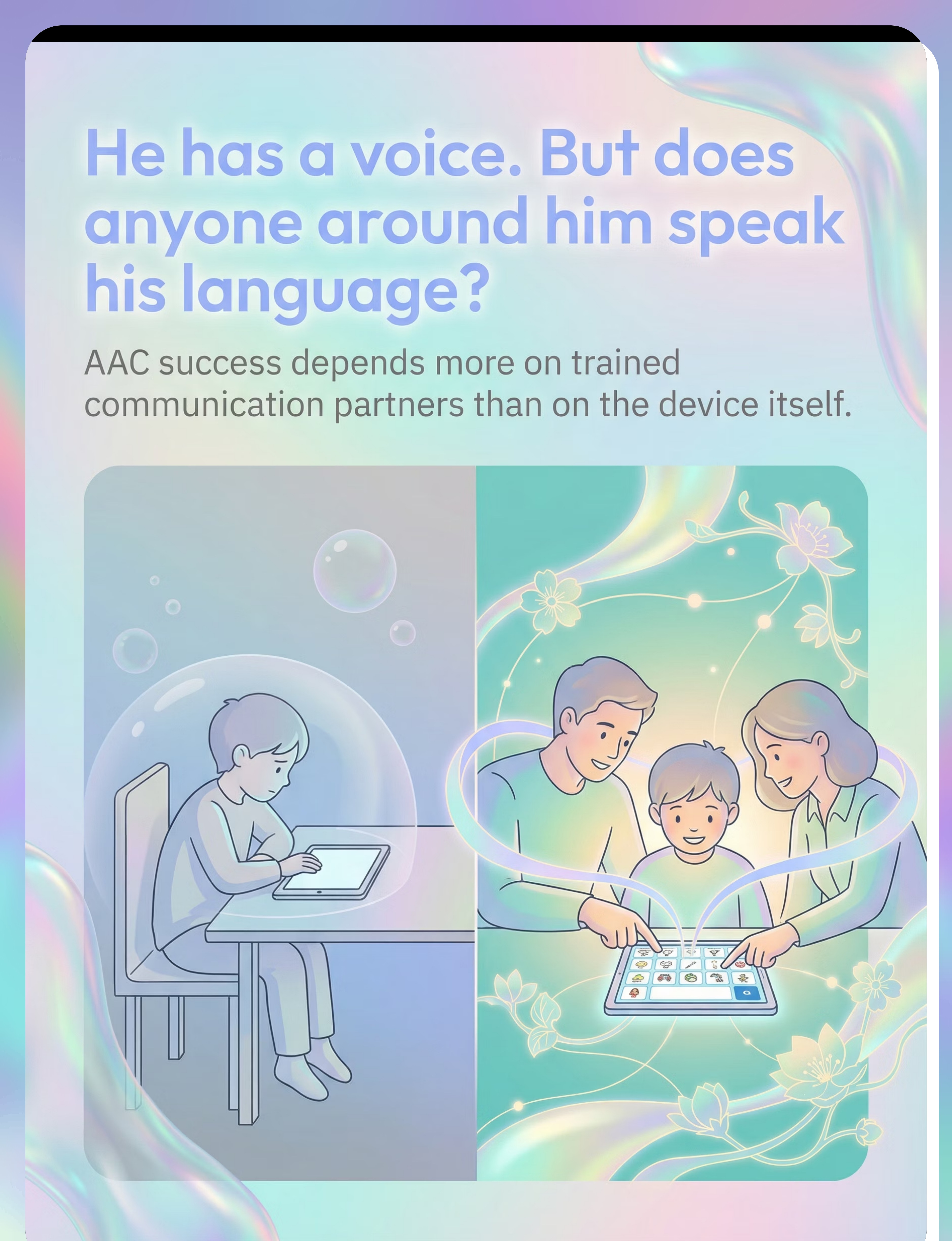
"He has a voice. But does anyone around him speak his language?"
You got the AAC device. You charged it. You kept it near him. You pointed at it and said "Use your talker, buddy." Eight months later — ten words. From a device that holds thousands.
This morning at breakfast, he looked at his device, then at you, then pushed it aside. You saw something flicker in his eyes — something he wanted to say — and then it was gone. You wonder: is the problem him? Or is it all of us around him who were never taught to speak his language?
Communication Partner Training — the most important factor in AAC success. More important than the device. More important than the vocabulary. It starts here.
You are not failing. You were never taught. That changes now.
🏛️ Pinnacle Blooms Consortium® | SLP • OT • ABA • SpEd • NeuroDev • CRO
You Are Among Millions of Families Navigating This Exact Wall
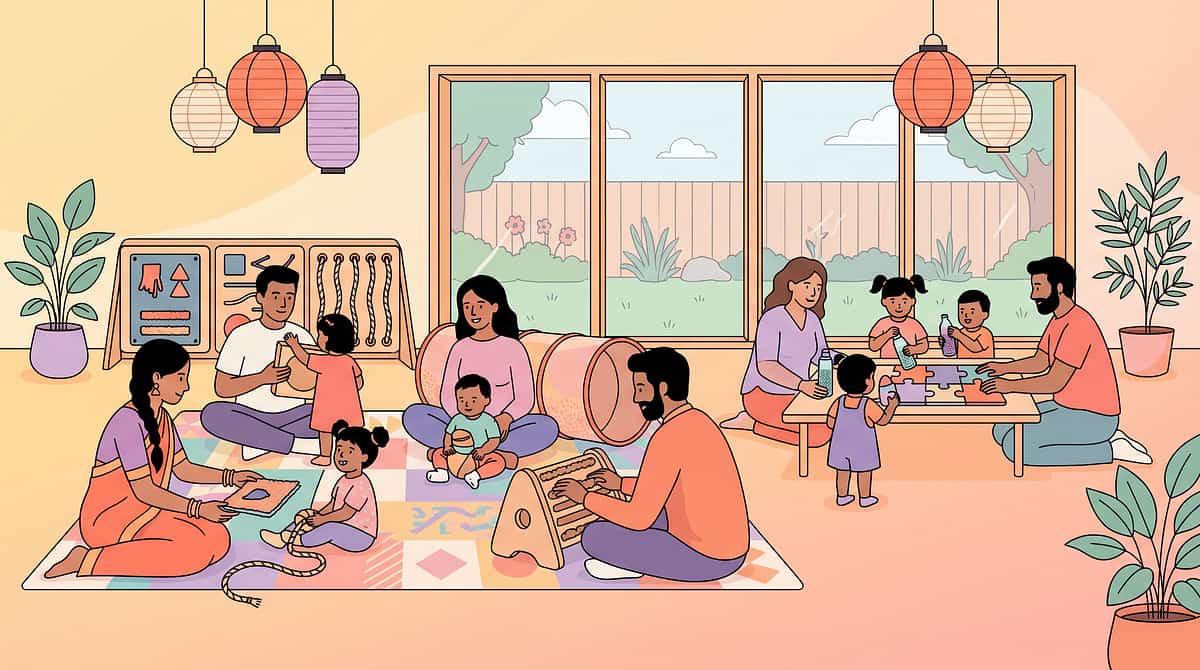
When AAC doesn't work, we blame the child, the device, the vocabulary. The research says otherwise. The single strongest predictor of whether an AAC system becomes a living language is whether the people around the child know how to use it — not once, not occasionally, but constantly. You are not alone in not knowing. Nobody taught you. Nobody teaches most families. This page exists to change that.
80%
Children with ASD
Have significant communication differences requiring AAC consideration (PRISMA Systematic Review, 2024 | PMC11506176)
70–90%
AAC Failures
Attributed to insufficient communication partner training — not the device, not the child (Kent-Walsh & McNaughton, Communication Disorders Quarterly)
1 in 36
Children in the US
1 in 68 in India — tens of millions of families whose children use or need AAC (CDC 2023 | INCLEN India)
"The amount of aided language input a child receives predicts their AAC development more than any other variable." — Communication Sciences Research, Multiple Systematic Reviews
📞 For personalized assessment: FREE Helpline 9100 181 181
Language Isn't Learned by Being Told to Use It. It's Learned by Being Immersed in It.
The Science
When a child sees a symbol activated simultaneously with a spoken word — repeatedly, in context, by trusted people — the brain begins mapping that symbol to semantic meaning. This is aided language input (ALI). It is functionally identical to the language immersion that hearing children receive through spoken language.
Declarative memory systems (hippocampus-prefrontal circuits) require hundreds of exposures to a word in meaningful context before independent retrieval is possible. AAC users are no different — they need input before output.
🧠 "This is a language input gap, not a capability ceiling."
In Plain English
Your child is not refusing to use the device. Their brain hasn't received enough of the language yet. The brain learns language through hearing it — and now, seeing it on symbols — used by the people they love, in real situations, over and over, for months.
Nobody modeled the device language constantly, naturally, automatically — because nobody taught the adults around him how. Now we fix that.
The AAC Acquisition Paradox: AAC users are expected to use a language system that no one around them demonstrates. Imagine learning Mandarin in a room where everyone speaks only English and occasionally points at a phrase book saying "use that."
Research: Frontiers in Integrative Neuroscience (2020) | Kent-Walsh & McNaughton (2005) — Communication Disorders Quarterly | Binger & Light (2007) — Journal of Speech, Language, and Hearing Research

Communication Partner Training: The Most Evidence-Supported Variable in AAC Success
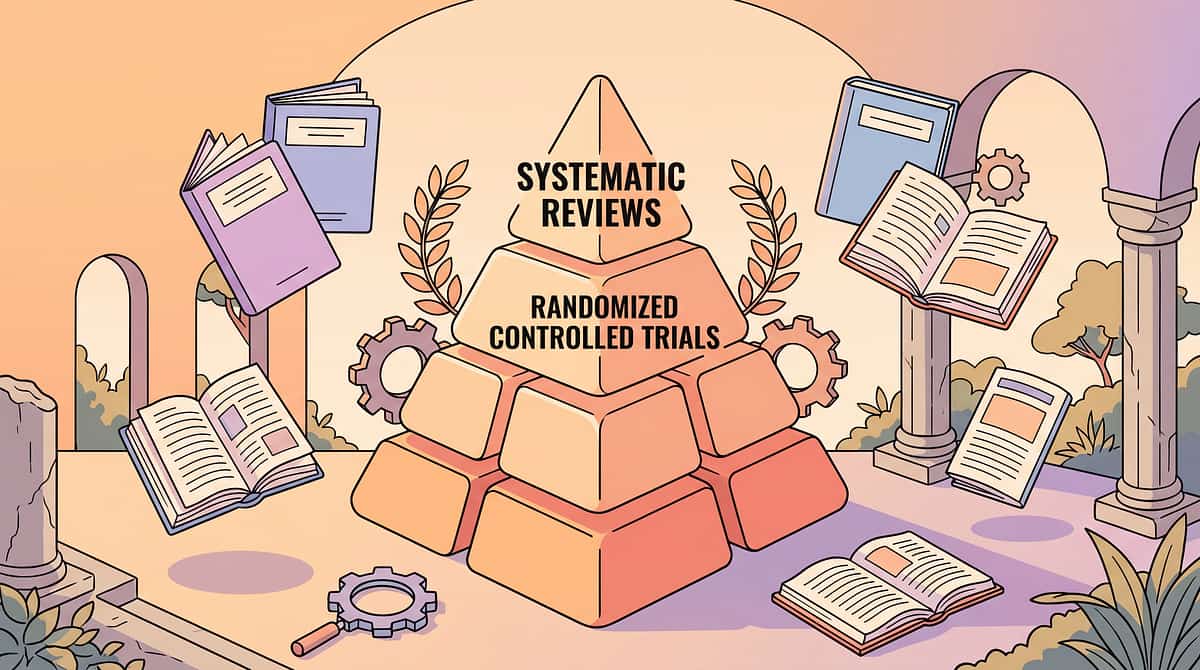
✅ Systematic Reviews
Kent-Walsh & McNaughton (2005) — Meta-analysis of partner instruction studies: significant improvements in both partner behaviors and child AAC outcomes across all studies reviewed.
✅ Randomized Controlled Trials
Douglas, McNaughton & Light (2013) — ImPAACt program: structured partner training produced measurable improvements in aided language input frequency and child communication initiations.
✅ Population-Level Data
NCAEP Evidence-Based Practices Report (2020) — Aided language modeling classified as evidence-based practice for autism across multiple age groups.
90%
Evidence Confidence
Clinically validated. Home-applicable. Consortium-endorsed. (Binger & Light, 2007 | Padmanabha et al., Indian Journal of Pediatrics, 2019)
ACT II: THE KNOWLEDGE TRANSFER
Communication Partner Training: What It Is
Parent alias: "Learning to Speak AAC Together"
🗣️ AAC + Communication Partner Training
Domain B | Episode B-229
👤 All Ages
Training applies to any communication partner
⏱️ 8–12 Weeks
Structured program + lifetime practice
🏠 Everywhere
Home + School + Community — wherever communication happens
CPT is not supplementary enrichment. Research designates it as the core intervention — the primary determinant of whether an AAC system becomes a living language or remains an expensive, unused device.

Communication Partner Training Crosses Every Therapy Boundary — Because Language Doesn't Organize by Discipline
Speech-Language Pathologist (PRIMARY LEAD)
Designs and leads the partner training program. Evaluates current partner skills, sets training targets, coaches families during sessions, monitors AAC implementation fidelity, and guides progression. SLP is the orchestrator of the entire partner training ecosystem.
Occupational Therapist
Addresses the sensory and motor dimensions of partner training: positioning for optimal attention, timing input around the child's regulatory state, adapting modeling for children with motor access challenges. OT ensures the environment supports communication.
ABA / BCBA
Applies behavioral principles: reinforcement for partner modeling behavior, data collection on aided language input frequency, functional communication training integration, and systematic skill-building across all communication partners.
Special Educator
Integrates partner training into classroom and academic routines. Trains paraprofessionals, coordinates with general education teachers, and ensures AAC supports literacy and curriculum access across school environments.
NeuroDevelopmental Pediatrician
Provides diagnostic and prognostic framework: monitors communication development trajectory, adjusts targets based on neurodevelopmental profile, and coordinates the medical-therapeutic partnership around AAC implementation fidelity.
🏛️Pinnacle Blooms Consortium® — Five disciplines. One converged partner training pathway. | 📞9100 181 181 — FREE consultation to determine which disciplines your child needs

9 Materials That Transform Everyone Around Your Child Into Skilled Communication Partners
These nine materials represent the complete toolkit for communication partner training — from structured coaching programs to simple, free prompt cards. Every item has a clinical purpose. Together, they form a system that supports every person in your child's world to become a fluent communication partner.
# | Material | Purpose | Price (INR) | |
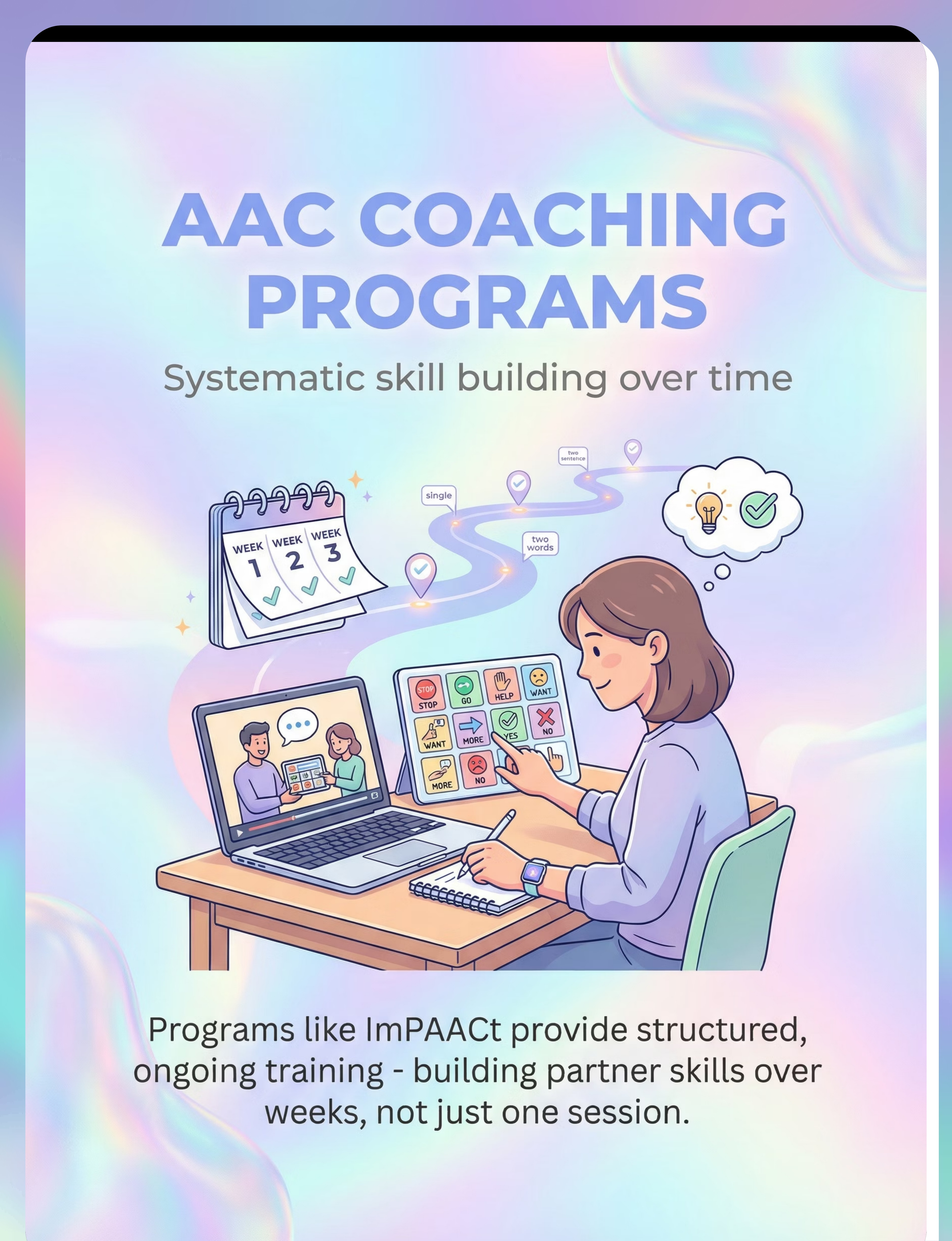
1 | AAC Coaching Programs (ImPAACt) | Systematic skill-building over weeks | ₹2K–15K | |
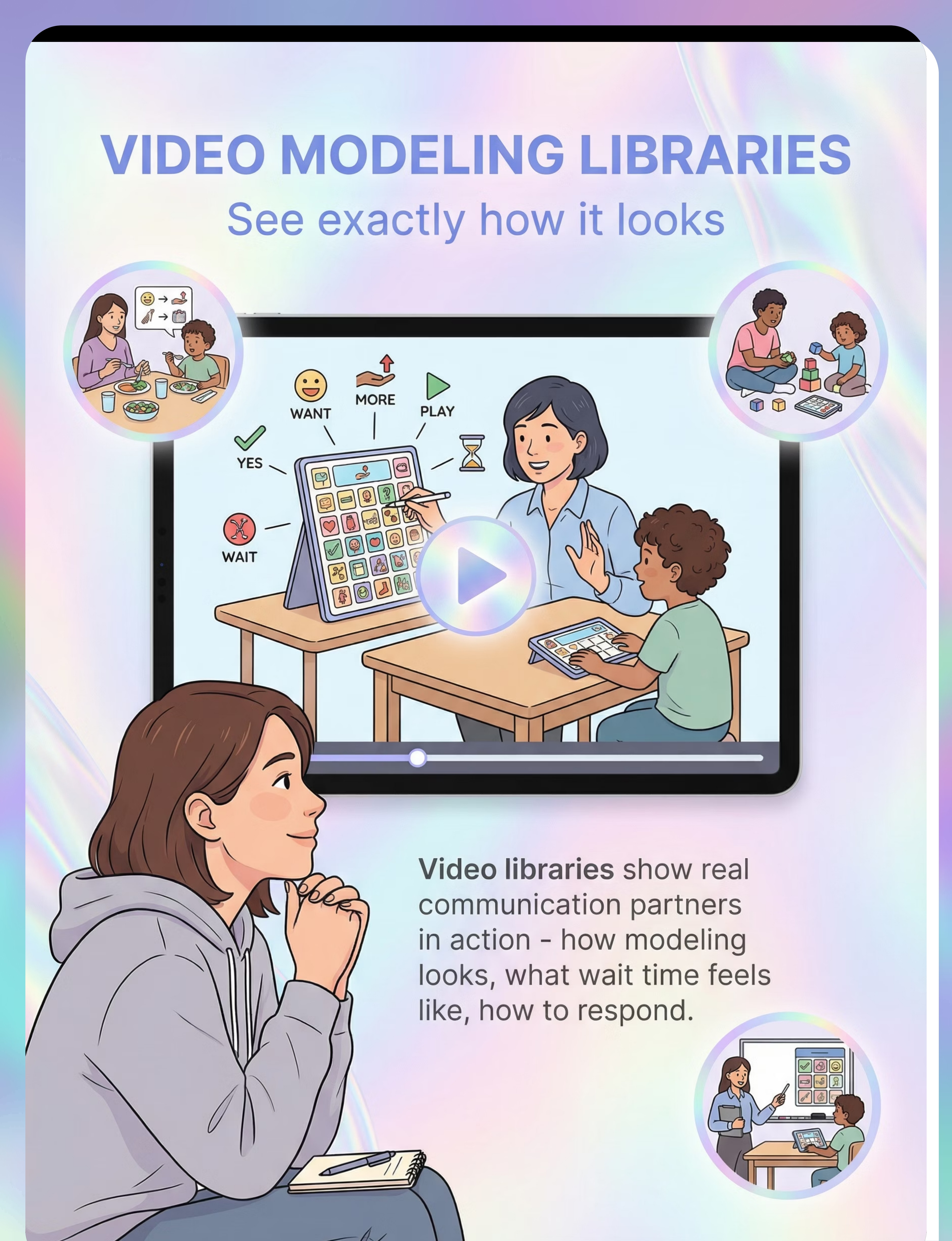
2 | Video Modeling Libraries | See exactly what skilled modeling looks like | ₹0–5K | |
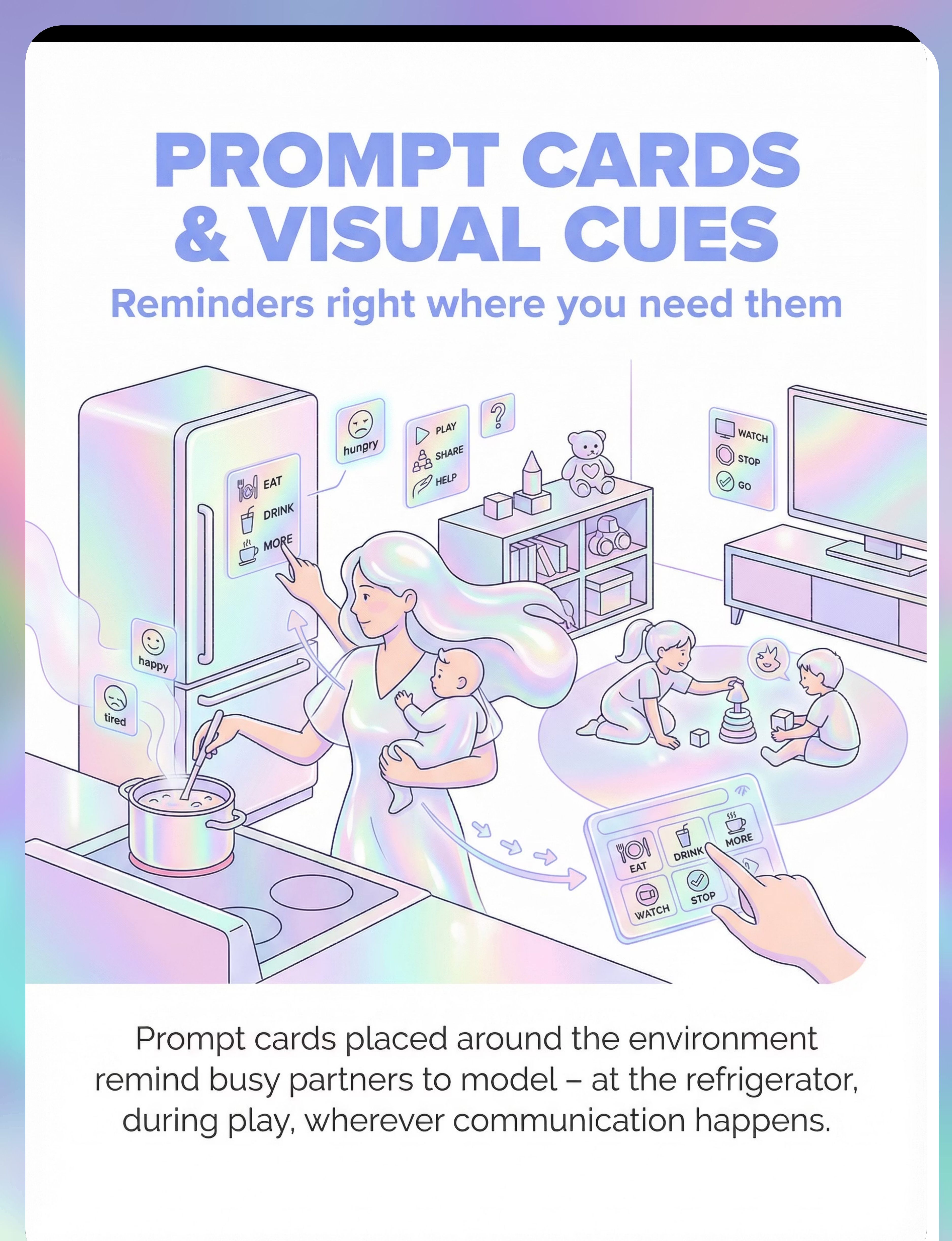
3 | Prompt Cards & Visual Cues | In-the-moment reminders wherever needed | ₹100–500 | |
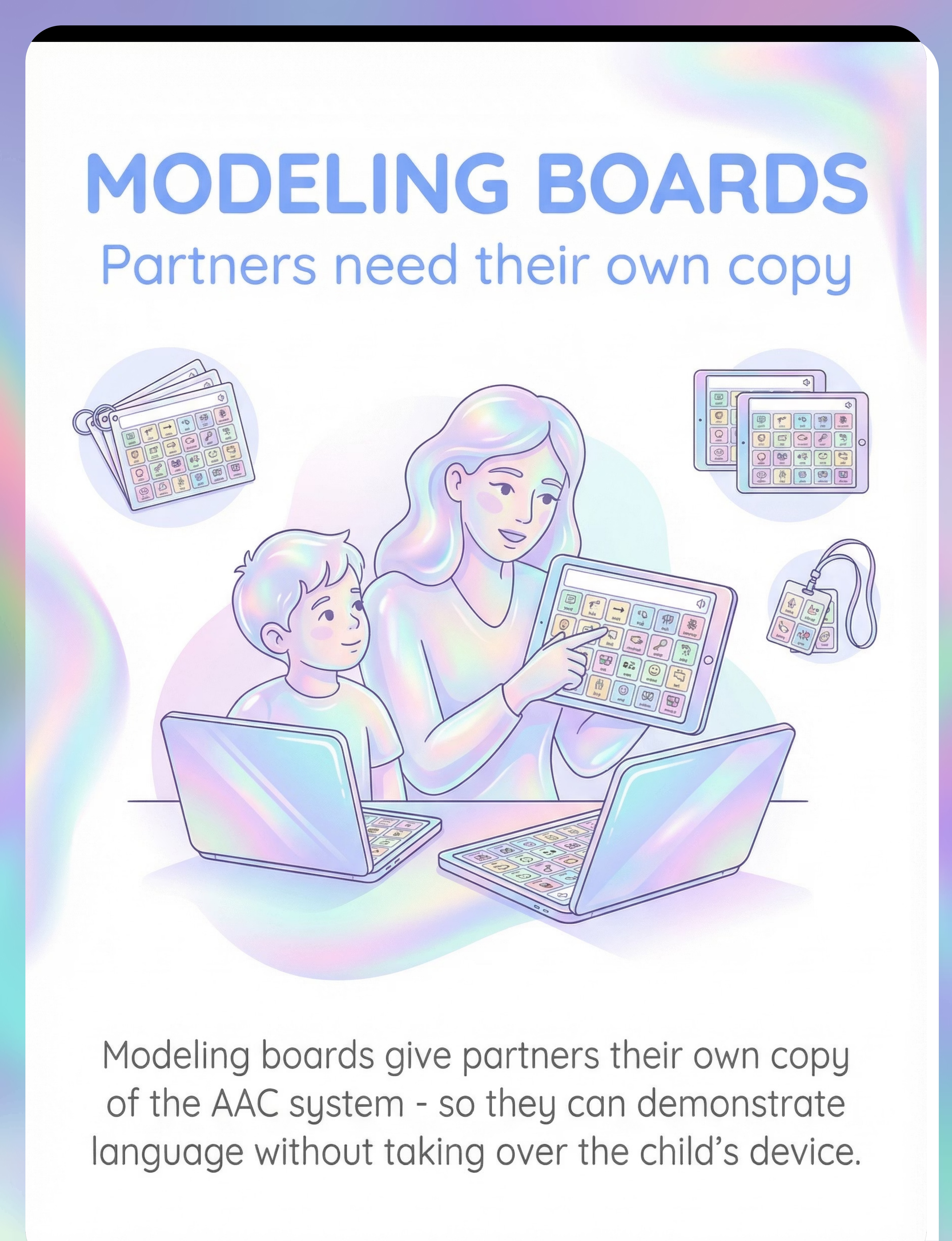
4 | Modeling Boards (Duplicate AAC) | Partners need their own copy to model from | ₹200–2K | |
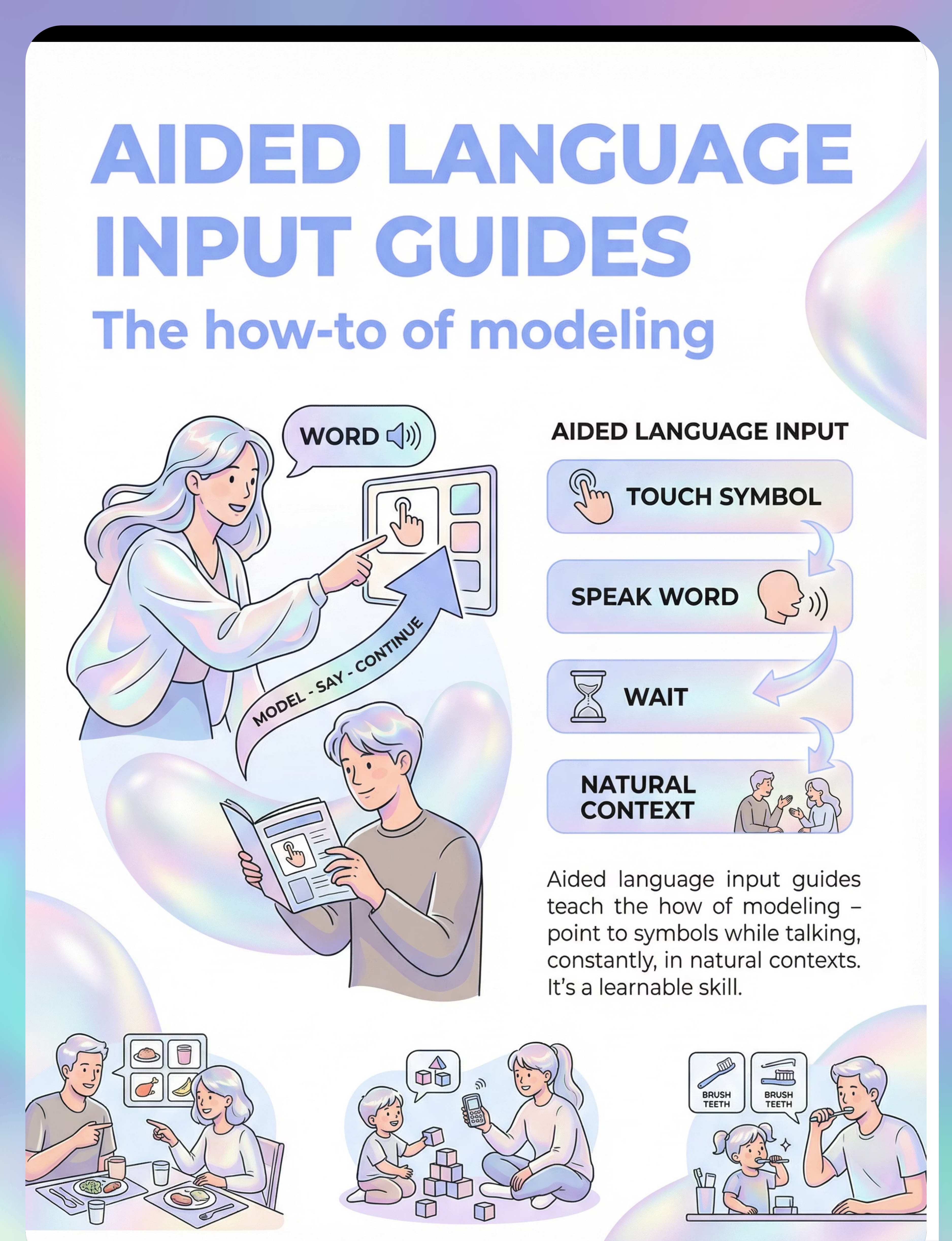
5 | Aided Language Input Guides | The how-to of pointing-while-talking | ₹0–500 | |
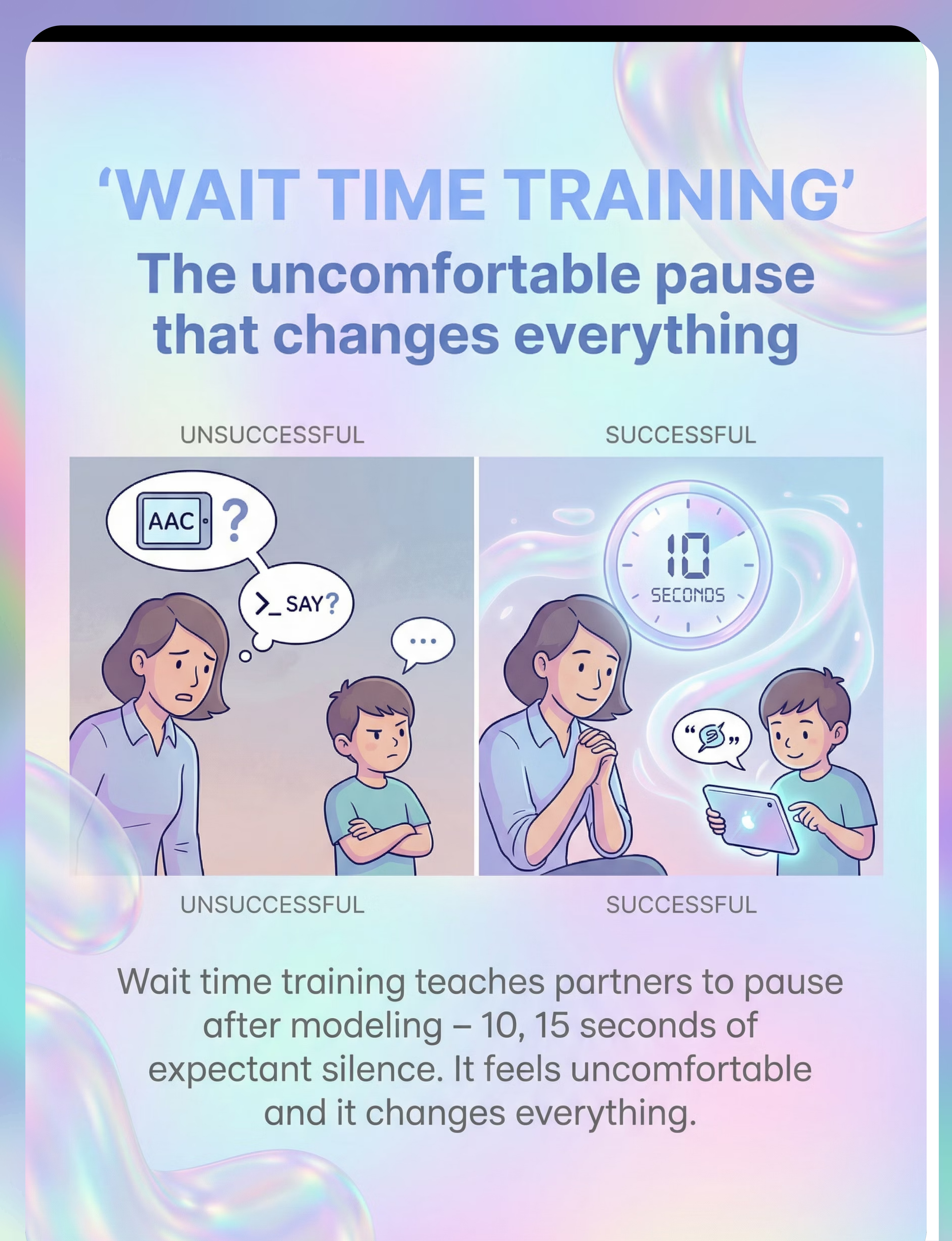
6 | Wait Time Training Materials | The uncomfortable pause that changes everything | ₹0–500 | |
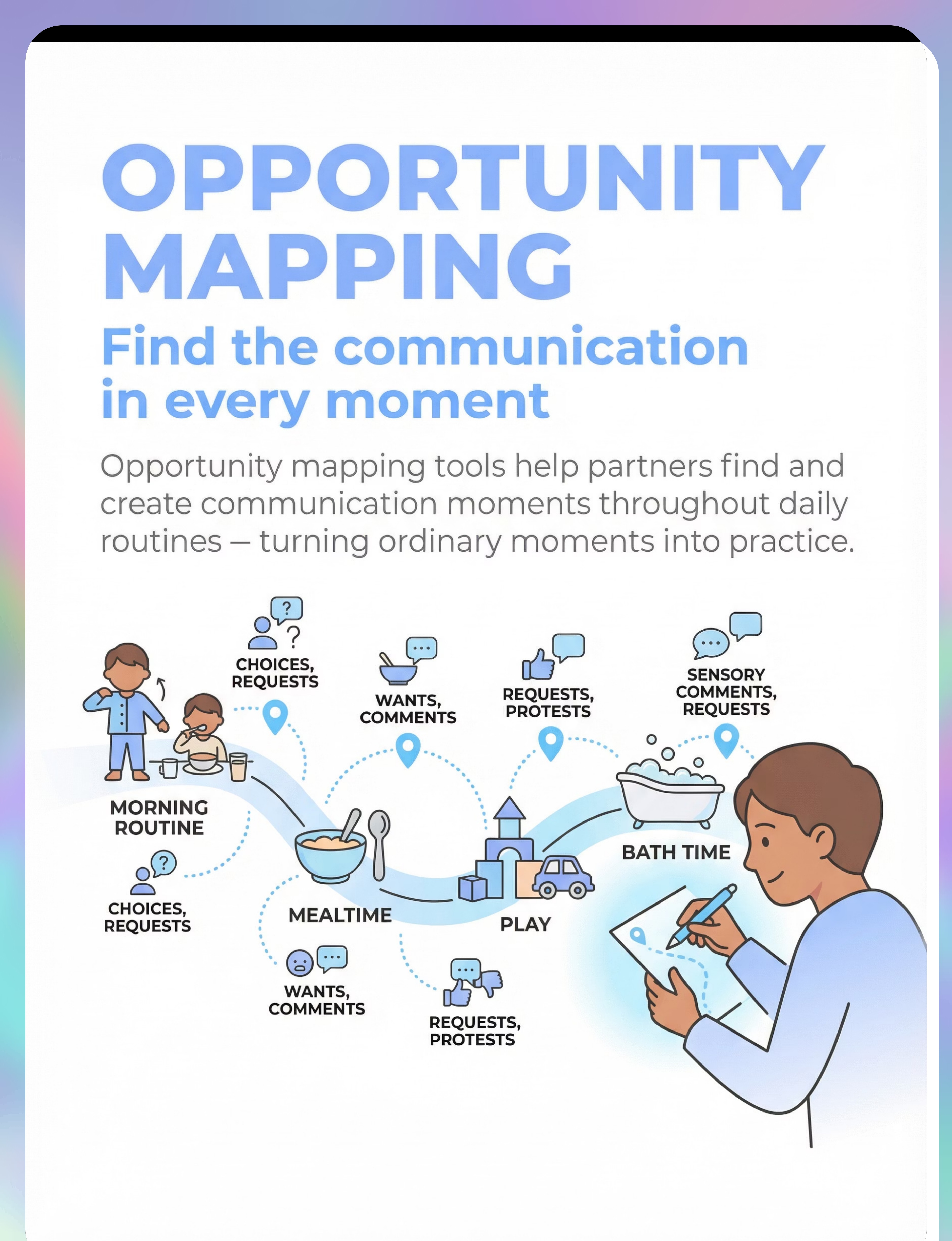
7 | Opportunity Mapping Tools | Find communication in every daily moment | ₹0–500 | |
8 | Role-Specific Training Modules | Teachers, grandparents, siblings — different needs | ₹0–2K | |
9 | Self-Reflection & Progress Tools | Measure your own growth as a partner | ₹0–500 |
✅ All 9 materials clinically validated by Pinnacle Blooms Consortium® SLPs | DIY-friendly starter kit: ₹0 — free resources available for every category
Note: AAC device and vocabulary are not included in this list — this page is about the PEOPLE around the device. The device is ready. Now we prepare the team.

Material 1: AAC Coaching Programs (ImPAACt)
The ImPAACt program (Improving Partner Applications of Augmentative Communication Techniques) is the gold-standard structured coaching intervention for communication partners. Delivered over 8–12 sessions by an SLP, ImPAACt takes partners through systematic skill-building: from baseline observation to fluent, automatic aided language input across multiple routines.
What It Includes
Video review of your own interactions, session-by-session skill targets, SLP-guided feedback, and measurable partner competency milestones. Each session builds on the last.
Who Delivers It
An AAC-knowledgeable SLP. Available at select Pinnacle centers and via teleconsultation. Ask specifically for "ImPAACt program" when booking your Pinnacle consultation.
Cost & Access
₹2,000–₹15,000 depending on format (teleconsult vs. center-based). Free materials are available via AAC advocacy organizations. Book: pinnacleblooms.org/teleconsult
Research: Douglas, McNaughton & Light (2013) — Augmentative & Alternative Communication. ImPAACt produced measurable improvements in aided language input frequency and child communication initiations. DOI: 10.3109/07434618.2013.786556
Material 2: Video Modeling Libraries
Why Video Works
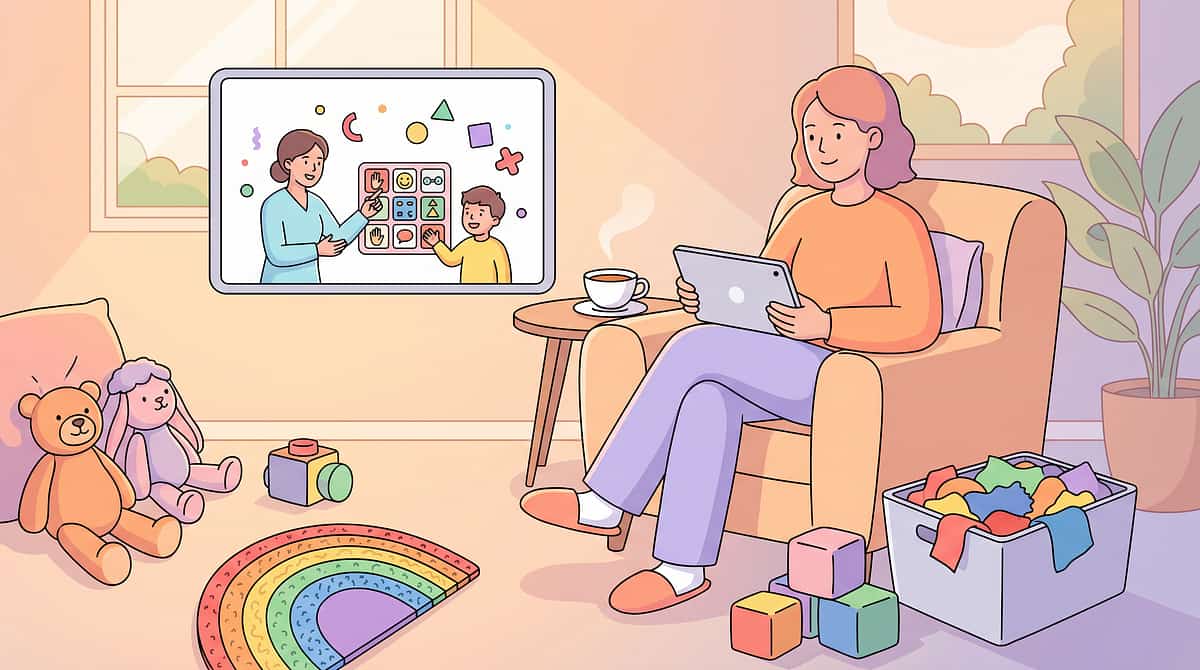
Reading about aided language input and watching it are entirely different experiences. Video modeling libraries show you exactly what skilled communication partner behavior looks like in real time — the pace of modeling, the length of the wait, the quality of the response. Observing a skilled partner before you attempt modeling dramatically shortens your learning curve.
The NCAEP (2020) classifies video modeling as an evidence-based practice for autism. Applying it to partner training leverages the same learning mechanism.
Where to Find Them
- Free: Search "AAC modeling video" on YouTube. Look for demonstrations by AAC Language Lab, PrAACtical AAC, AssistiveWare, and Tobii Dynavox.
- Pinnacle B-229 Reel: pinnacleblooms.org/reels/b229 — watch a skilled SLP model all 9 partner strategies in 90 seconds
- Paid libraries: Commercial AAC training platforms (₹0–₹5,000)
What to Watch For
- How natural the symbol-touching looks after practice
- The length of wait time — it will feel uncomfortably long
- How the partner responds and expands every communication attempt
Material 3: Prompt Cards & Visual Cues
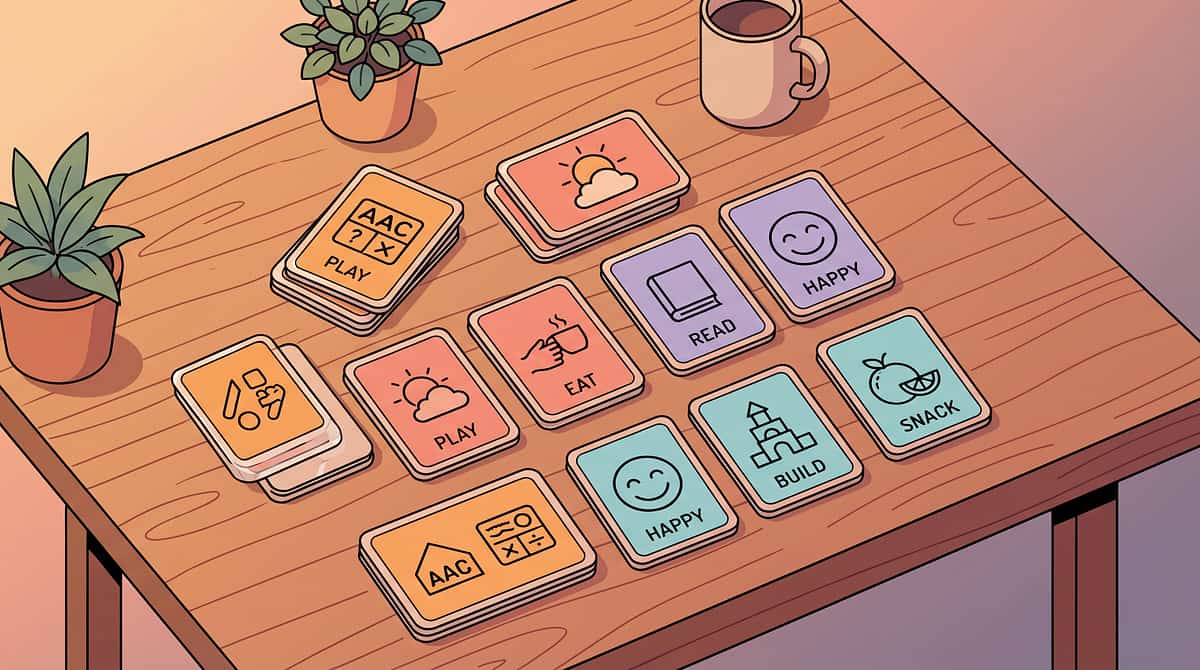
Modeling isn't automatic yet — it has to be cued. Prompt cards are your external memory: small, laminated reminders placed in your highest-frequency locations that tell you exactly what to model and remind you to wait. They are the single most cost-effective intervention for increasing partner modeling frequency.
🧲 Refrigerator
WANT, EAT, DRINK, MORE, DONE — the five words that cover every mealtime communication need
📺 TV Area
LOOK, LIKE, WANT, MORE, STOP, TURN — model during every show, every transition
🧸 Play Space
PLAY, GO, STOP, MORE, HELP, AGAIN — verbs drive play communication
🛁 Bathroom
WASH, HOT, COLD, DONE, HELP, MORE — functional vocabulary in every routine
DIY in 5 minutes: Index cards + permanent marker. Write 3–5 words per location. Add the reminder: "TOUCH the word while you say it. Then WAIT." Laminate if possible. Cost: ₹0–₹100.
Professional printed laminated sets available: ₹100–₹500 | Download free templates: pinnacleblooms.org/downloads/b229-prompt-cards
Material 4: Modeling Boards (Duplicate AAC)
The Core Principle
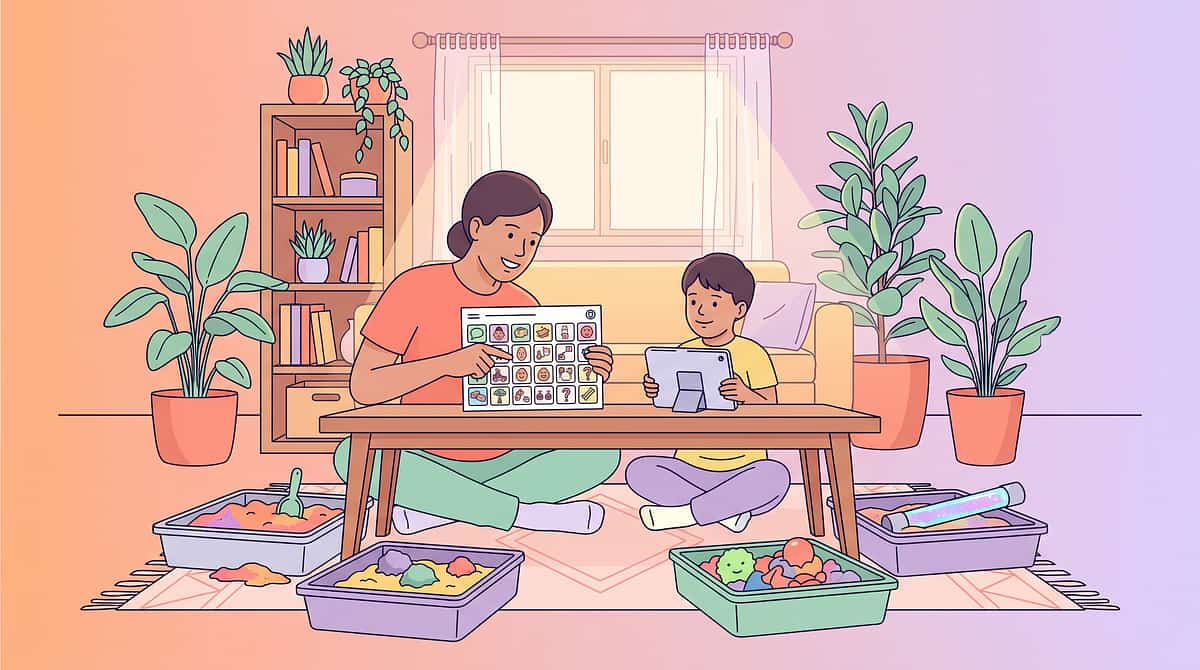
Never take the child's AAC device to model on it. The device belongs to the child — it is their voice. Partners need their own copy to model from. This is the modeling board: a duplicate of the child's AAC vocabulary, printed or on a second device.
One modeling board per key partner. Minimum: parent 1, parent 2, teacher, primary grandparent. Each gets their own laminated copy of the main AAC page.
How to Create One
- Print: Screenshot your child's main AAC page. Print. Laminate. Done. (₹50–₹200 at a copy shop)
- Second device: Install the same AAC app on a spare phone or tablet. Same vocabulary, same layout. (₹0 if app is already owned)
- Commercial boards: Printed laminated boards from AAC suppliers (₹500–₹2,000)
Placement Strategy
Keep one board in the kitchen, one in the play area, one in the car. Each partner carries their own. The child's device stays with the child — always.
Clinical rule: If a partner is reaching for the child's device to model, stop them. "That's his voice — use your board." This protects the child's autonomy and ensures the device remains a communication tool, not a prop.
Material 5: Aided Language Input (ALI) Guides
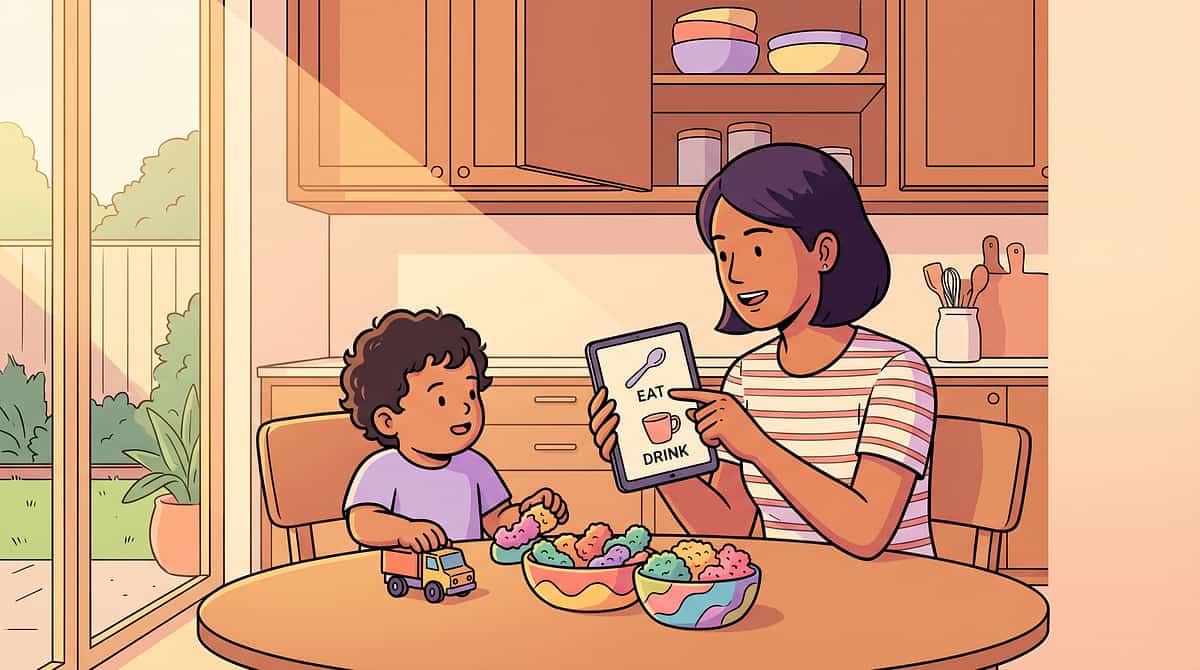
Aided language input guides are the instructional manual for pointing-while-talking. They explain what ALI is, why it works, what to model first, how often to model, and what not to do. Every new communication partner should read a good ALI guide before their first modeling attempt.
Core words first
WANT, MORE, GO, STOP, HELP, LIKE, NOT, GOOD, BAD, LOOK, PUT — these 11 words work everywhere, for everything. Master these before any nouns.
Verbs second
EAT, DRINK, PLAY, SIT, COME, OPEN, TURN — actions drive language and create more modeling opportunities than nouns ever will.
Descriptors third
BIG, LITTLE, HOT, COLD, FAST, SLOW — adds richness and models language complexity for children ready to expand.
Nouns last
Specific items relevant to the child's life. These are the least generative category — save them for after core vocabulary is being modeled fluently.
Free ALI Guides: AssistiveWare.com/resources | PrAACtical AAC (praacticalaac.org) | AAC Language Lab | Pinnacle downloads: pinnacleblooms.org/downloads/b229-ali-guide
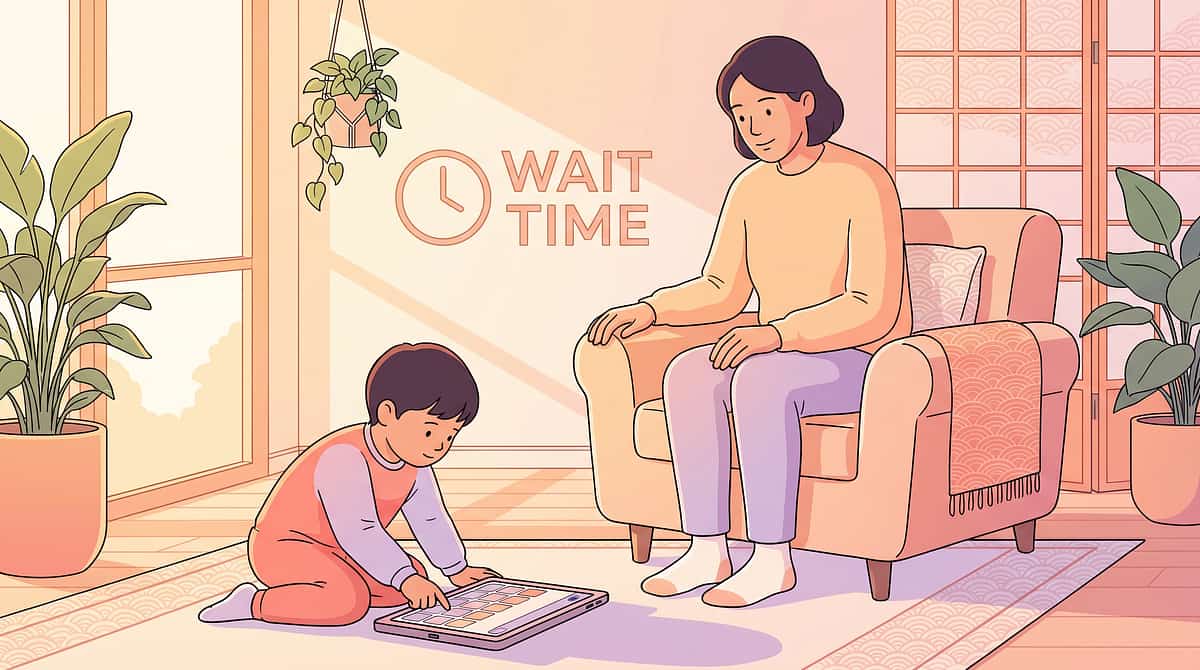
Material 6: Wait Time Training Materials
The Most Uncomfortable Skill — And the Most Important One
Wait time is not a passive act. It is an active, deliberate communication partner behavior that requires training to execute correctly. Most partners wait 1–2 seconds before filling the silence. AAC users need 10–15 seconds minimum — often longer. Wait time training materials teach you to sit in that discomfort and hold the space open.
❌ What Partners Do
After modeling: immediately ask another question, model again, or fill the silence. This removes the one thing the child needs most: processing time.
✅ What Partners Should Do
Model → Say → Wait. Touch the symbol → Say the word → Stop talking. Lean slightly forward. Eyes warm and open. Hold the silence for 10–15 full seconds.
Practice exercise (do this now): Set your phone timer to 15 seconds. Say "WANT something?" out loud. Touch any surface. Then stop talking. Watch the timer. Feel the discomfort. That discomfort is the feeling of creating space for your child to communicate.
AAC users must: Understand the context → Formulate the idea → Navigate the interface → Motor-plan the selection → Execute → String symbols into a message. This takes time.
Parent mantra:"Silence is not nothing. Silence is opportunity. I can wait."
Research: Extended response latency (10–15 seconds) significantly increases AAC user communication attempts | Multiple clinical studies
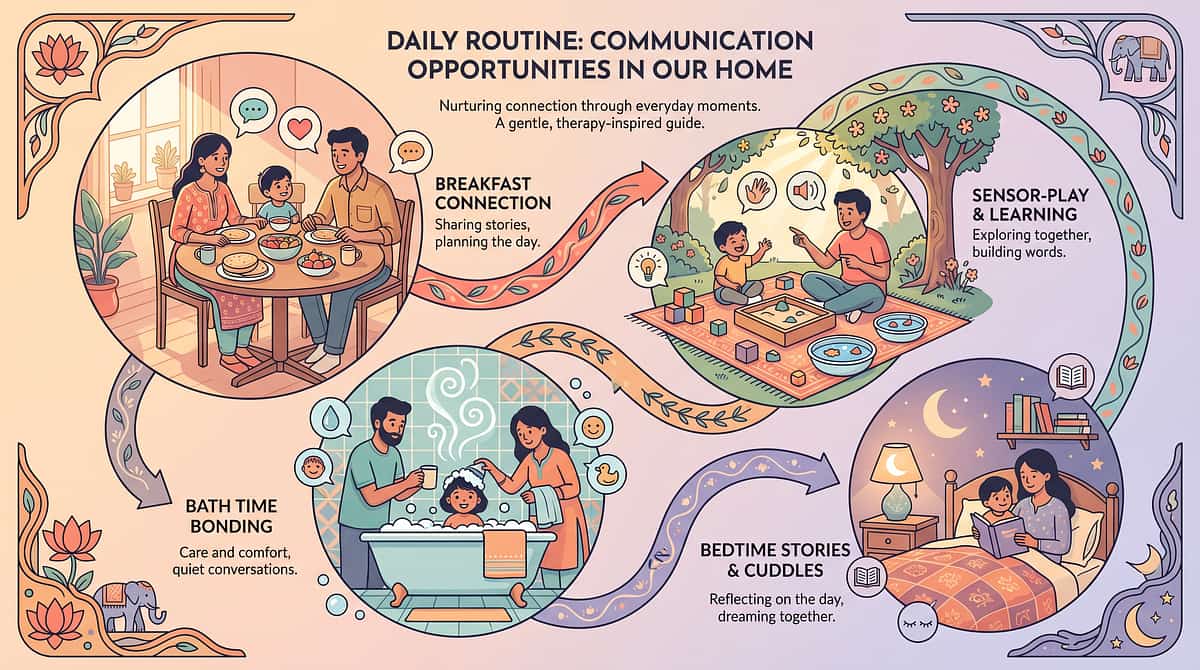
Material 7: Opportunity Mapping Tools
Communication opportunities don't appear by accident — they are engineered. Opportunity mapping tools help partners identify every moment in the daily routine where communication can be motivated, practiced, and celebrated. Once you see the opportunities, you can't unsee them.
Sabotage
Put a desired item in sight but out of reach. The child sees the cookie jar on the counter. They reach. You haven't moved yet. Now they have something to communicate: WANT. COOKIE. HELP.
Choice Offering
"Do you want [hold up option A] or [hold up option B]?" Pause. Wait. The choice creates a communication need. Model both options on your board while offering them.
Comment Pause
During play, TV, or a walk — pause and look at something interesting. Wait. The pause signals: I'm available for communication right now. Model what you're noticing: LOOK. BIG. WOW.
Routine Embedding
Map 5–7 daily routines (breakfast, bath, play, snack, bedtime, car ride, outdoor time). Each routine has 3–5 pre-planned modeling targets. Opportunity mapping makes this systematic.
Free tool: Download the Pinnacle Opportunity Mapping Template at pinnacleblooms.org/downloads/b229-opportunity-map
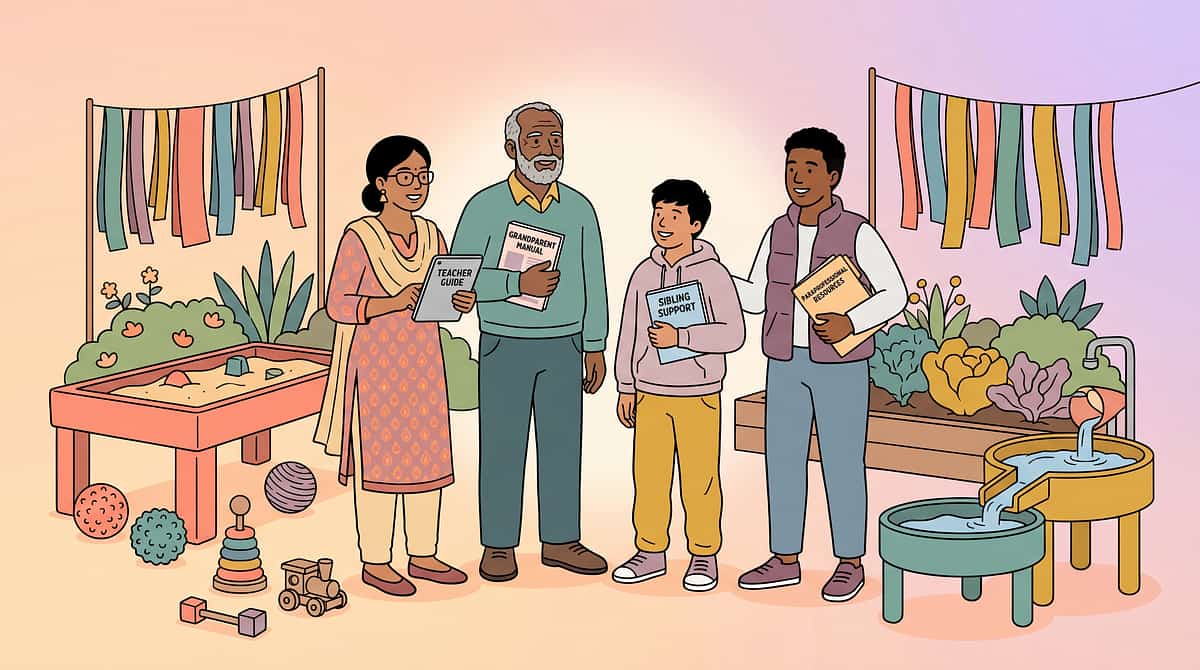
Material 8: Role-Specific Training Modules
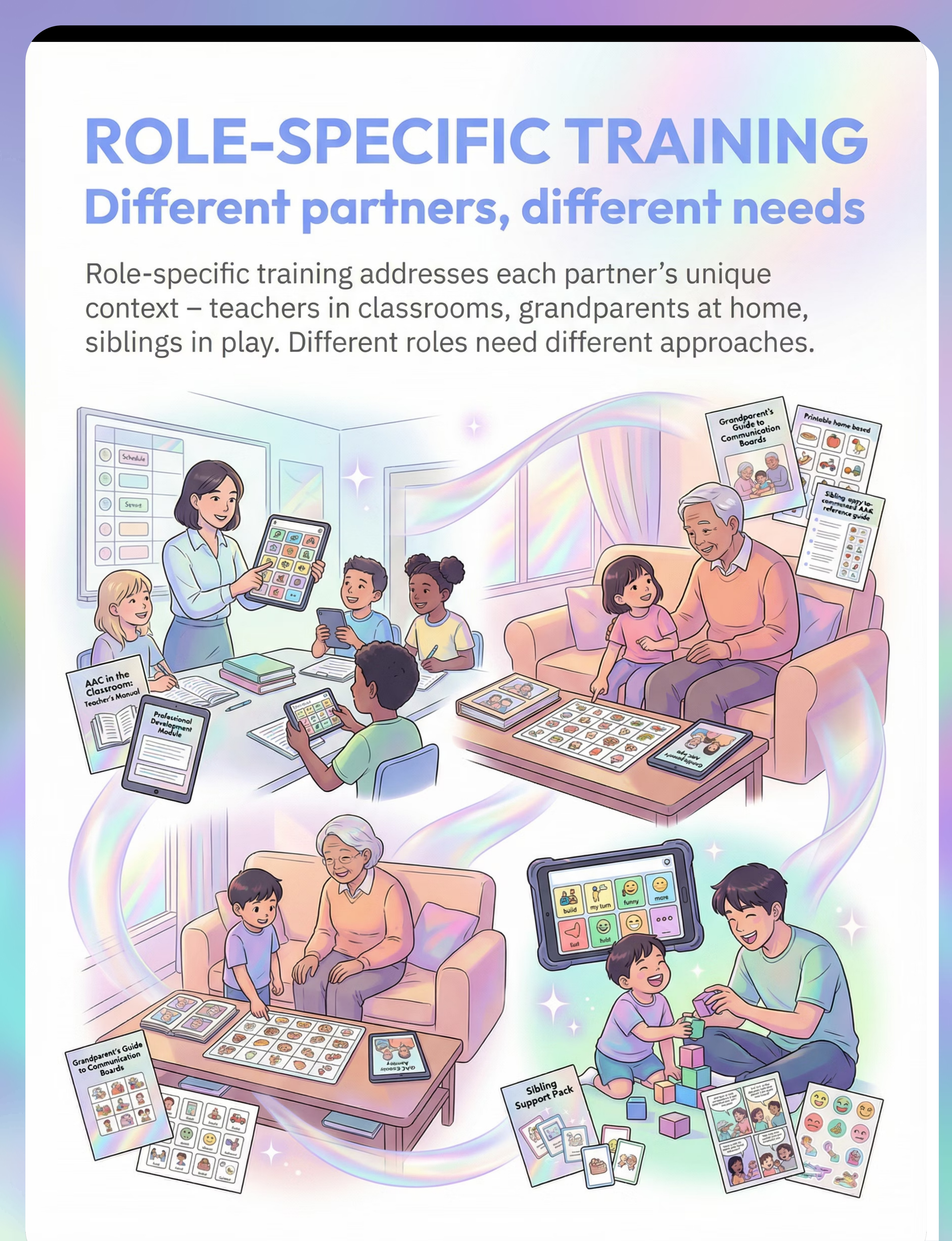
Teachers, grandparents, siblings, and paraprofessionals have different relationships with the child, different contexts, different levels of comfort with technology, and different amounts of time. One-size-fits-all training fails. Role-specific modules meet each partner where they are.
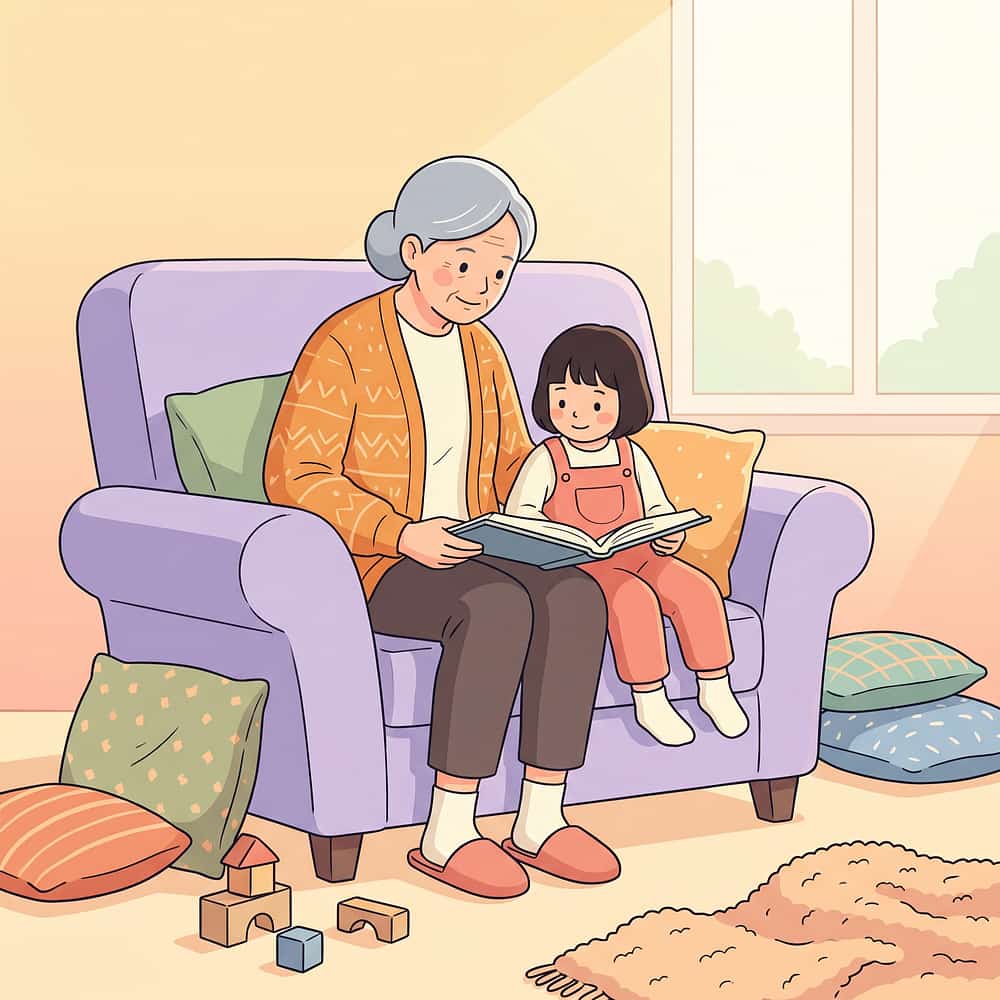
Grandparents
Start with one word, one location, one routine. Don't start with the device — start with the relationship. "LOOK. He pointed at his shoes — that means GO. He wants to go outside with you."
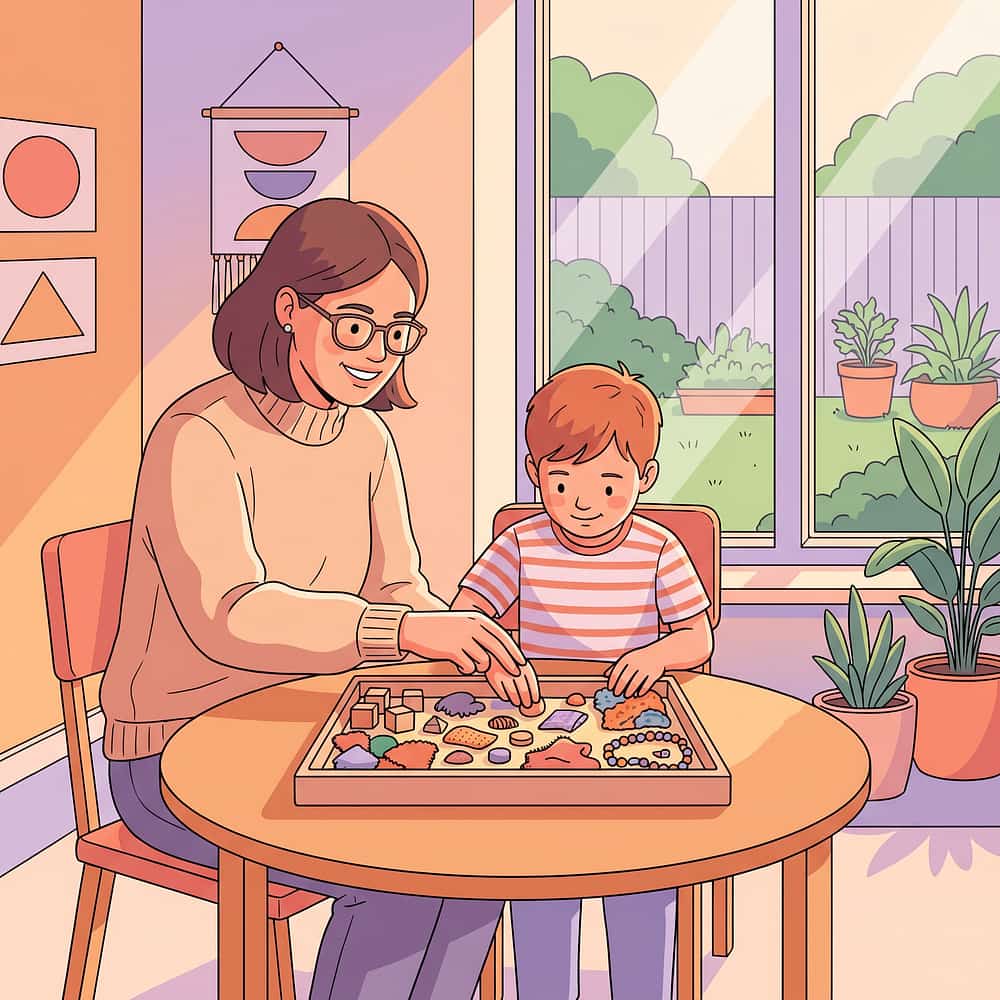
Teachers
Focus on group instruction moments and peer modeling opportunities. Detailed guides for specific school routines: morning circle, snack, transition times, and independent work.
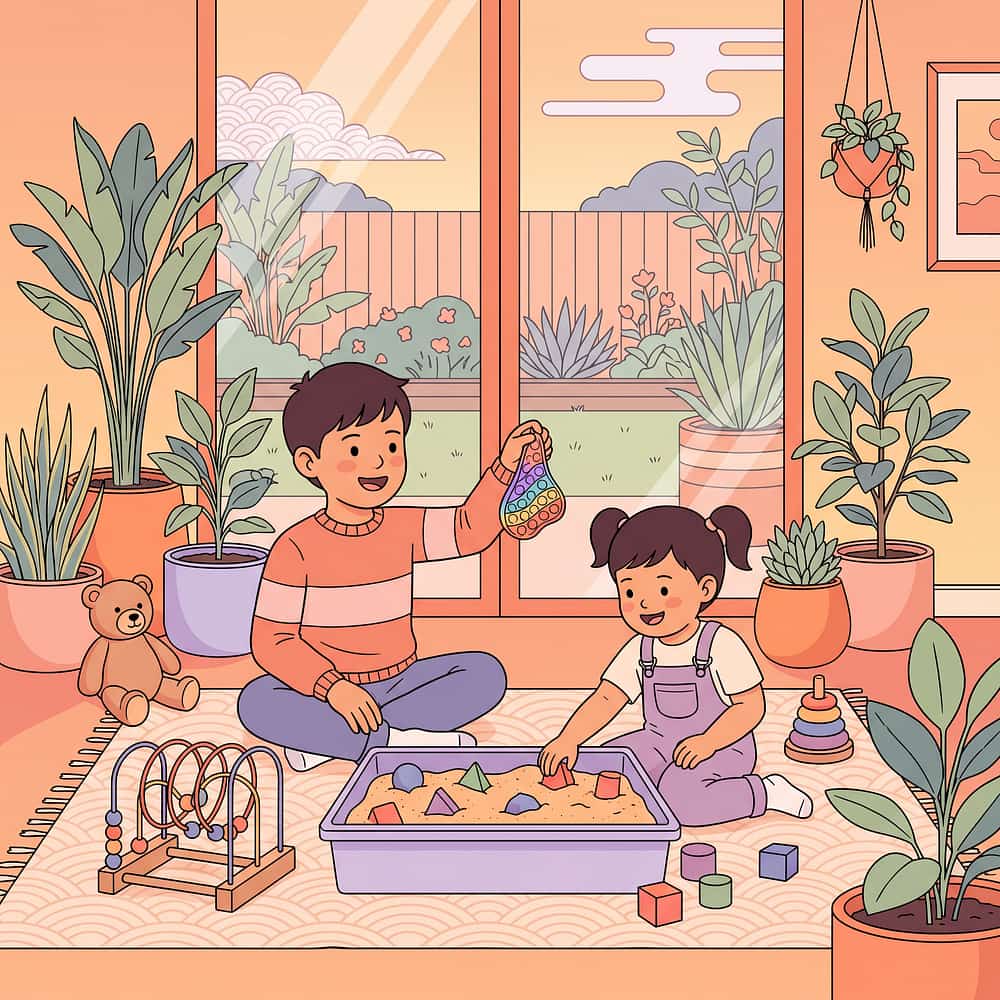
Siblings
Make it a game. "AAC challenge: can you model 5 words while we play?" Siblings are among the most powerful communication partners — their peer status motivates communication.

Paraprofessionals
Detailed modeling guide for specific school routines. Focus on fidelity: consistent vocabulary, consistent wait time, consistent response. Data collection support included.
Download role-specific guides: pinnacleblooms.org/downloads/b229-role-modules | Available in 8 languages

Material 9: Self-Reflection & Progress Tools
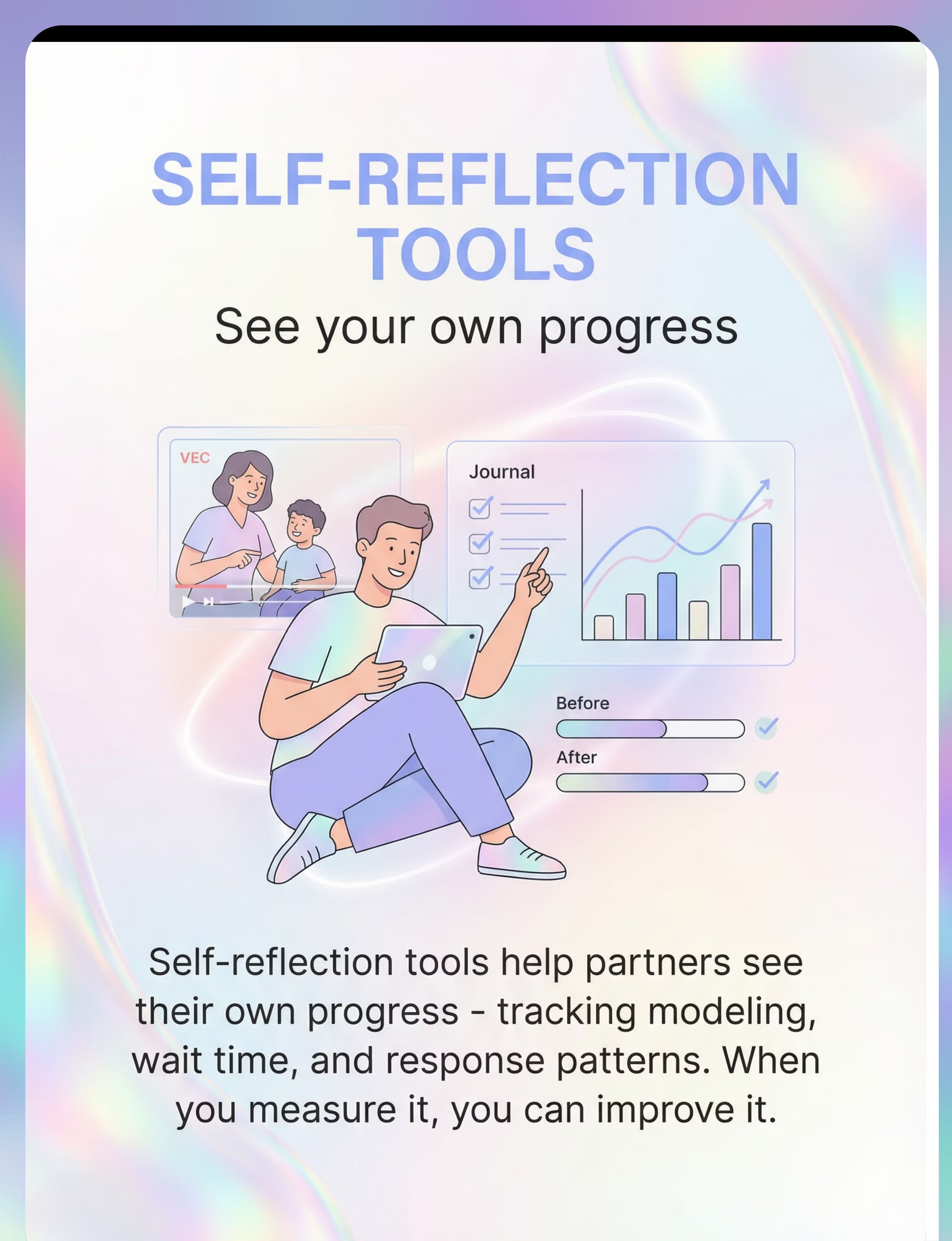
The most overlooked tool in communication partner training is structured self-reflection. Partners who track their own behavior improve faster, stay more motivated, and make more consistent progress than those who don't. These tools close the feedback loop between your effort and your child's progress.
3-Question Daily Check-In
Q1: How many times did I model AAC today? (0 / 1–5 / 6–15 / 16–30 / 30+)
Q2: Did I wait at least 10 seconds after modeling? (Never / Sometimes / Most times / Always)
Q3: Did my child communicate using AAC today? (0 / 1–3 / 4–10 / 10+)
Q2: Did I wait at least 10 seconds after modeling? (Never / Sometimes / Most times / Always)
Q3: Did my child communicate using AAC today? (0 / 1–3 / 4–10 / 10+)
Weekly Partner Reflection
Which routines felt natural? Which felt forced? Which partners need more support? Which words am I forgetting to model? One sentence per question. 5 minutes per week. Enormous longitudinal value.
GPT-OS® Integration
Your data flows into your child's AbilityScore® timeline — tracking Communication Partner Competency Index alongside child communication outcomes. Both the partner and the child are growing, tracked side by side.
📄 Download B-229 Partner Training Weekly Log: pinnacleblooms.org/downloads/b229-tracker | Research: Digital health interventions for ASD: gamified tracking shows promise in 21 RCTs, 1,050 participants (2024 Meta-Analysis)
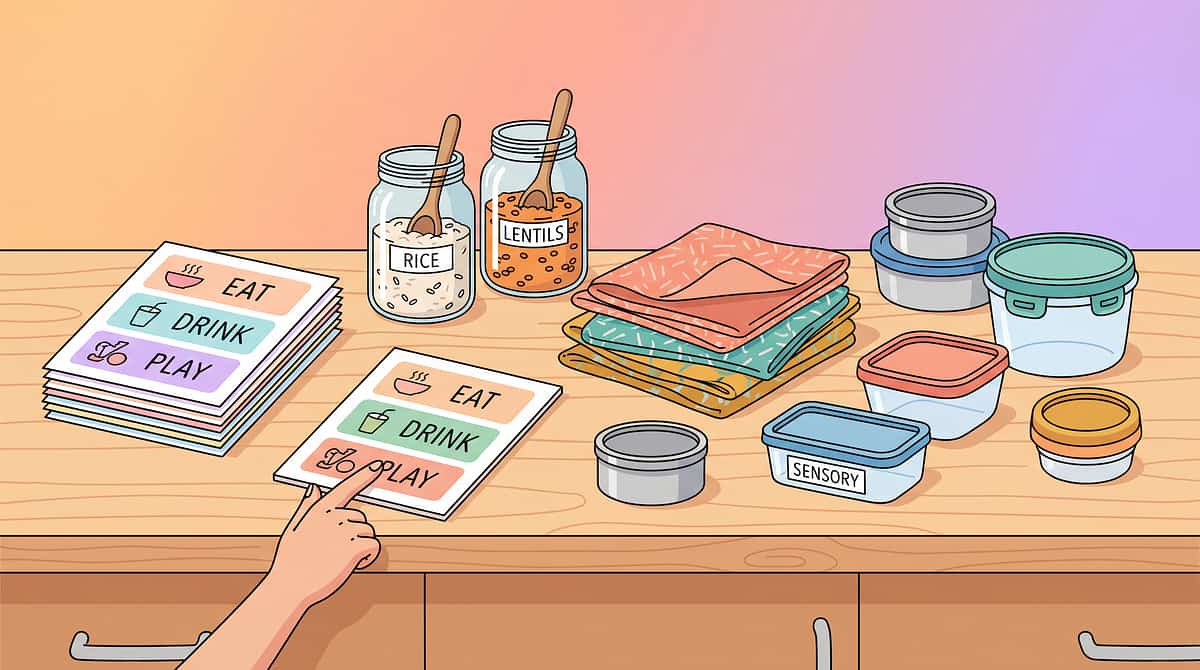
Every Family, Every Budget. Communication Partner Training Doesn't Require Spending Money — It Requires Commitment.
FREE TO START (₹0)
- Duplicate printout of your child's main AAC page (any printer)
- Free ALI guides: AssistiveWare.com/resources, PrAACtical AAC website
- Free video modeling examples: search "AAC modeling video" on YouTube
- Phone timer for wait time practice (use your existing phone)
- Index cards as prompt reminders in key locations (5 minutes to make)
- ImPAACt program materials — available online via AAC advocacy organizations
ENHANCED TOOLS (₹500–15K)
- Printed laminated prompt card sets (professional, durable)
- Dedicated second device with same AAC app installed
- SLP-facilitated coaching sessions (ImPAACt structured program)
- Video analysis service (record yourself, SLP reviews)
- Commercial partner training program access (online courses)
WHO/UNICEF equity principle: Communication partner training must be accessible to all families regardless of socioeconomic status. Pinnacle GPT-OS® EverydayTherapyProgramme™ provides free partner training resources because every child deserves a communication-rich environment. Aligned with WHO Universal Health Coverage principles.
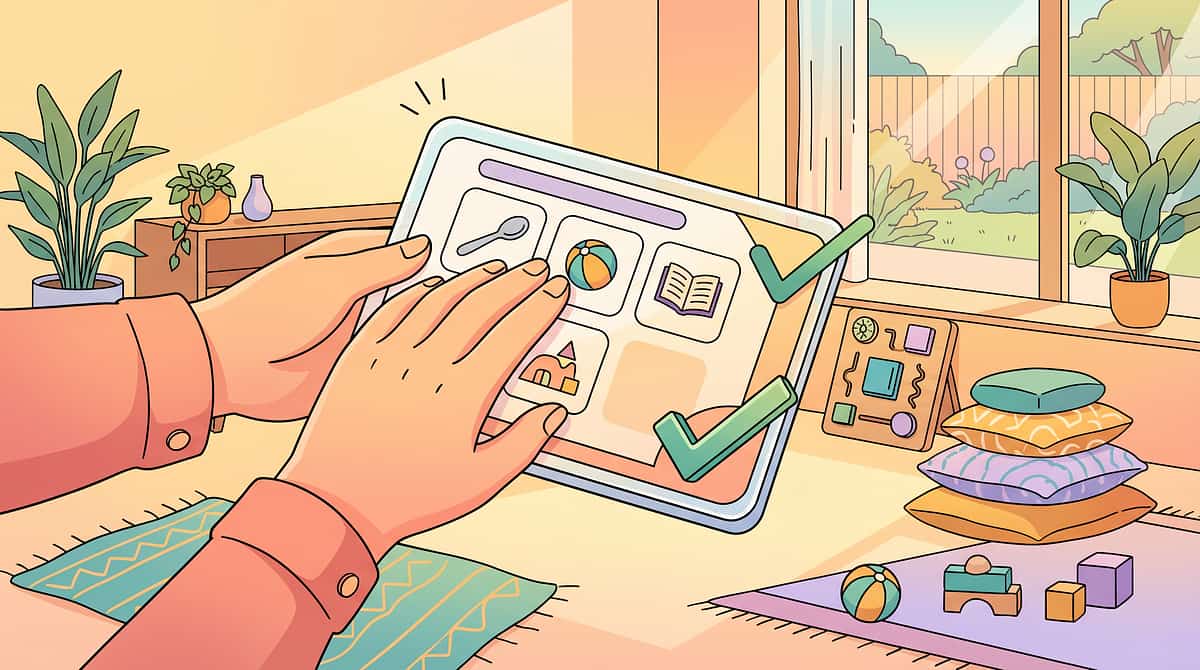
Communication Partner Training Is Safe. But These Things Matter.
🟢 Safe — Proceed
- All family members and caregivers can be trained simultaneously
- Children of any age, any AAC system can benefit from trained partners
- Modeling is always safe — you cannot "model too much"
- Wait time is safe even if it feels uncomfortable — the child needs processing time
🟡 Pause and Consult
- Child is showing regression despite increased partner modeling → consult your SLP
- Partners feel burned out or overwhelmed → training pacing may need adjustment
- Significant disagreement between caregivers about AAC importance → team meeting strongly recommended
- Child has recently changed AAC device/system → restart partner training with new vocabulary mapping
🔴 Stop and Seek Professional Input
- Child refuses to have any communication partner near them during AAC use → consult SLP and consider behavioral assessment
- Partner training is creating significant family conflict → therapeutic support for the family system
- Child shows sudden complete disinterest in previously used vocabulary → medical evaluation to rule out regression-related causes
Safety note from Pinnacle SLP Consortium: This content is educational. Communication partner training programs should be guided by an AAC-knowledgeable Speech-Language Pathologist who can provide individualized feedback, adjust the training pace, and troubleshoot barriers in your specific context.
📞9100 181 181 — FREE 24x7 helpline for safety questions

Before the First Modeling Attempt: Prepare the Environment So Everyone Can Succeed
1
AAC Device Accessibility
Device fully charged and accessible at all times — not stored in a bag. Travels everywhere the child goes: meals, play, bath, bedtime. Case/strap ensures durability for daily handling.
2
Modeling Materials
Duplicate modeling board printed and laminated (minimum: main page). One duplicate per key communication partner. Prompt cards created for: refrigerator, TV area, play area, bathroom.
3
Training Materials
ALI guide downloaded and read. Video model watched (15 minutes). Wait time timer practiced on phone. Self-reflection log started with 3 daily questions prepared.
4
Partner Team Coordination
All household communication partners informed of training start. School communication (teacher + aide) scheduled. Grandparent/extended family conversation planned.
Research: ABA Antecedent Management — environment preparation is a core behavior analytic principle for intervention fidelity. | NCAEP EBP Report 2020
"The best session is one that starts right."
ACT III: THE EXECUTION
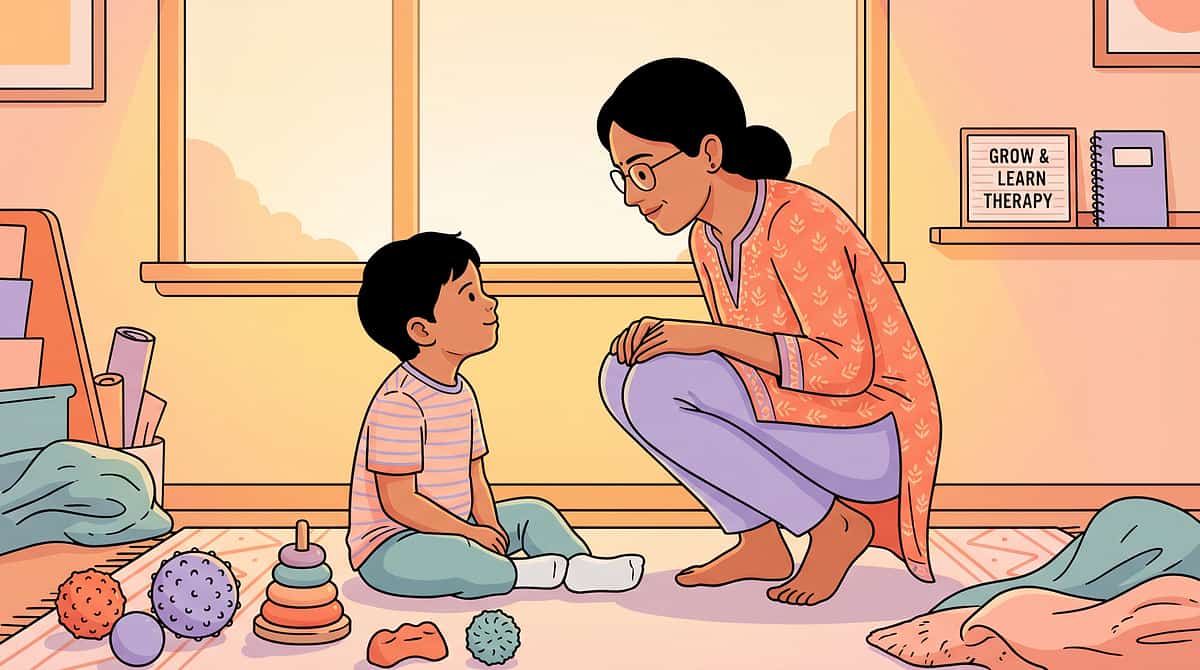
Check Your Own Readiness Before Every Modeling Attempt
Partners need to be in the right state too. A focused modeling practice session produces far better outcomes than an attempted session under stress, distraction, or time pressure. Check all five before starting.
1
Uninterrupted Time
I have 5–10 uninterrupted minutes to focus on interaction — not while multitasking
2
Device Available
The AAC device is available and charged
3
Modeling Materials
I have my modeling board or can see the device vocabulary
4
Child Is Calm
The child is calm and engaged — not distressed, not in the middle of a meltdown
5
I Am Ready
I am not rushed, stressed, or distracted
🟢 GO (all 5 met)
Begin. Goal: model 5–10 symbols naturally in conversation. No pressure on the child to respond.
🟡 MODIFY (3–4 met)
Proceed with natural, low-demand modeling during routine. Model 2–3 words naturally during whatever is happening. Every model counts.
🔴 POSTPONE (fewer than 3 met)
Reschedule the focused session. Even saying "WANT SNACK?" while touching symbols on your printed board during the next routine is valuable. Quality sessions happen when both parties are ready.
"You don't have to be perfect. Start with one routine, one word. WANT. MORE. GO. These three words, modeled consistently, begin everything."
📞9100 181 181 — if you're struggling to find any readiness windows, call us. There are solutions.
Step 1: Create a Communication Opportunity
STEP 1 OF 6
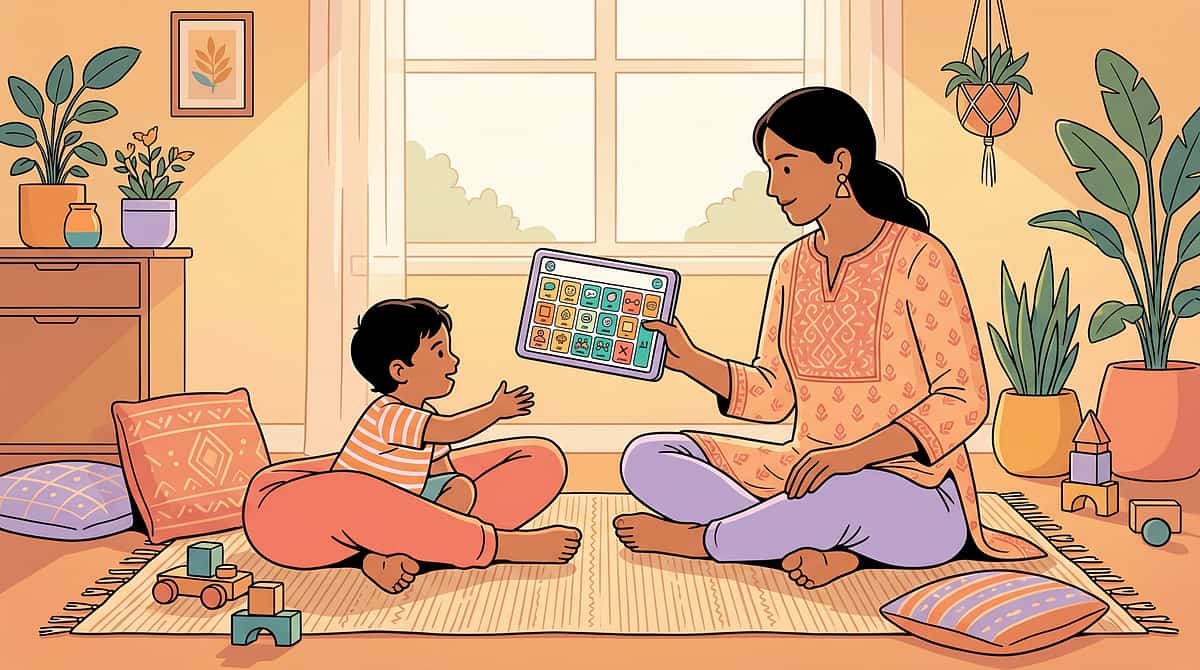
Before you model, create a moment where the child has something to communicate about. Don't wait for them to initiate — engineer a reason to communicate.
Type A — Sabotage
Put a desired item in sight but out of reach. The child sees the cookie jar on the counter. They reach. You haven't moved yet. Now they have something to communicate: WANT. COOKIE. HELP.
Type B — Offer a Choice
"Do you want [hold up option A] or [hold up option B]?" Pause. Wait. The choice creates a communication need. Model both options while offering them.
Type C — Comment Pause
During play, TV, or a walk — pause and look at something interesting. Wait. The pause signals: I'm available for communication right now.
"I'm going to get breakfast ready. [Pause at refrigerator. Open it slowly. Wait. Look at child expectantly.] I wonder... what should we eat? [Point to board: EAT] I think I want to EAT something. [Wait 10 seconds.] Hmm, WANT DRINK? [Point to DRINK while saying it.] Do you WANT something?"
Body language: Face child at their level. Look expectant, not impatient. Don't fill the silence with more words. Lean in slightly — signal availability. | Timing: 30–60 seconds
Step 2: The Modeling (Aided Language Input)
STEP 2 OF 6
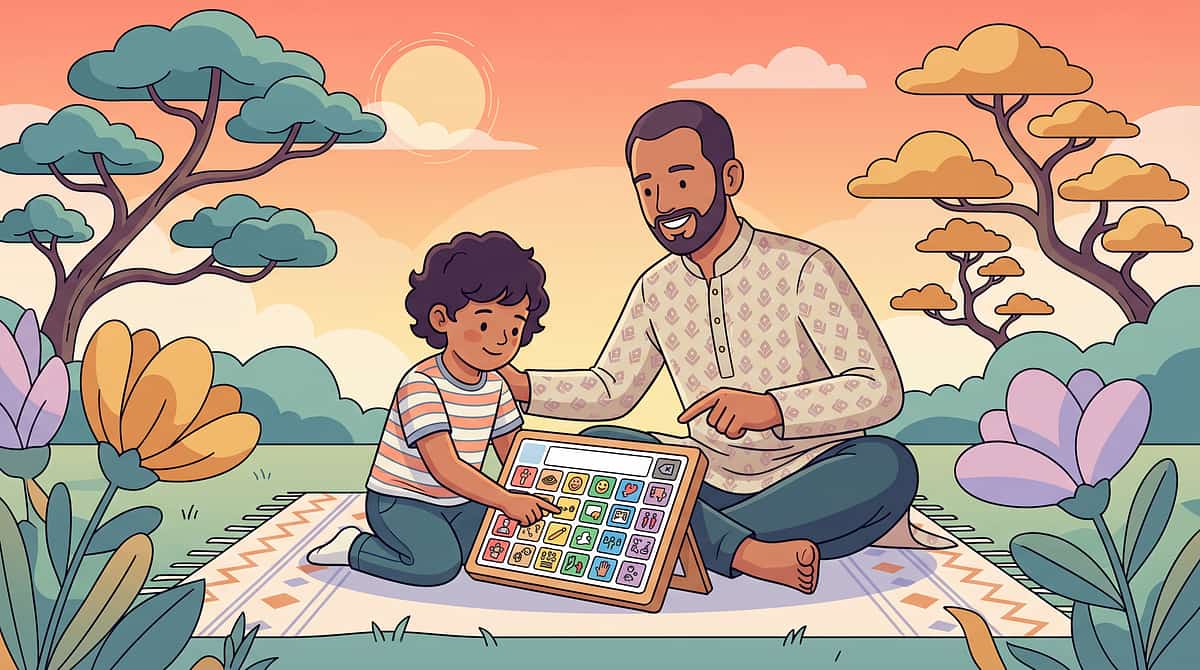
Point to symbols while you speak — constantly. As you speak naturally, your finger touches the corresponding symbol on your modeling board. You don't slow down your speech. You don't interrupt yourself. You just... also touch symbols.
The core rule: Touch the symbol → Say the word → Keep going with the conversation. Model → Say → Continue.
1
Core Words First
WANT, MORE, GO, STOP, HELP, LIKE, NOT, GOOD, BAD, LOOK, PUT — these work everywhere, for everything
2
Verbs Second
EAT, DRINK, PLAY, SIT, COME, OPEN, TURN — actions drive communication
3
Descriptors Third
BIG, LITTLE, HOT, COLD, FAST, SLOW — add language richness
4
Nouns Last
Specific items relevant to the child's life — the least generative category
What NOT to do: Don't say "Use your talker" — model instead. Don't require the child to repeat after you. Don't take the child's device to model — use your own board. Don't point to every single word robotically. Don't stop modeling because the child isn't watching — they're absorbing.
"Let's PLAY. [touch PLAY] I want to PUT [touch PUT] the block IN [touch IN]. Should we GO [touch GO] fast or slow? I LIKE [touch LIKE] the red one. LOOK [touch LOOK]! It fell! AGAIN? [touch AGAIN]"
Research: Binger & Light (2007): ALI significantly increased vocabulary and multi-symbol combinations | JSLHR

Step 4: Respond to Everything
STEP 4 OF 6
The rule: Any communication attempt — however small, however imperfect — deserves a meaningful response. Make communication work. Every time.
Full AAC Message
Child touches WANT + DRINK → "You WANT a DRINK! Let me get that. Here's your drink." [touch WANT + DRINK on your board while saying it]
Partial Message
Child touches WANT → "You WANT something! WANT what? DRINK? [touch DRINK] EAT? [touch EAT]" Give options. Wait.
Non-AAC Communication
Child looks at refrigerator → "Oh! Looking at the fridge! [touch WANT] Do you WANT something? DRINK? EAT?" Honor the look as communication. Model the words for it.
Unclear Message
Child touches symbols you don't understand → "I see you're communicating! Tell me more. [touch MORE] WANT what?" Lean in. Look interested. Wait.
The expansion technique: When child says WANT, you say and model: "You WANT MORE SNACK. MORE SNACK. Here it is." Always expand by 1–2 symbols beyond what the child said. This models the next level of communication.

Step 5: Reinforce and Celebrate
STEP 5 OF 6
Celebrate every communication attempt — and your own modeling. Two kinds of reinforcement are happening simultaneously: reinforcing the child's communication and reinforcing your own partner behavior.
Reinforcing the CHILD (within 3 seconds)
- Provide what was requested (if reasonable)
- Verbal celebration: "YES! You said WANT MORE! Here it is!"
- Social reinforcement: enthusiastic eye contact, warm smile, lean in
- Natural reinforcement: the requested item or activity itself
Reinforcing YOURSELF
Every time you model a symbol, you're doing therapeutic work. Mark it mentally: "I just modeled. That counted." End of each routine: "I modeled 5 times during breakfast. That's 5 inputs in my child's language."
🥇 Social Praise
Always available: "Yes! You communicated!"
🥇 Tangible
Preferred snack, preferred toy — immediately upon request
🥇 Activity
Continue preferred activity, start preferred game
🥇 Sensory
Brief sensory break as reward if the child has sensory preferences
"Celebrate the attempt, not just the success. The child who tries to communicate and fails is doing harder work than the child who succeeds easily."

Step 6: Close the Interaction Naturally
STEP 6 OF 6
No interaction ends abruptly. Every practice session has a close. Abrupt endings can cause post-interaction dysregulation — particularly in children who are just beginning to experience the joy of successful communication. A gentle closing sequence protects that positive experience.
If child resists ending:"You want MORE! [touch MORE] I hear you. MORE in a little while. First we [next activity]. [Timer/visual cue.] Then MORE." Honor the protest as communication. Acknowledge it with AAC. Then transition.
Available product:Transition Object / Comfort Item — ₹118 — Amazon.in
Parent note: If you spent 5 minutes deliberately modeling during one routine — that is a complete, successful practice session. You don't have to do more than that to start. 5 focused minutes, once or twice a day, builds the foundation. | Research: NCAEP EBP 2020: Visual supports and transition strategies are evidence-based for autism across all ages
Capture the Data — Right Now
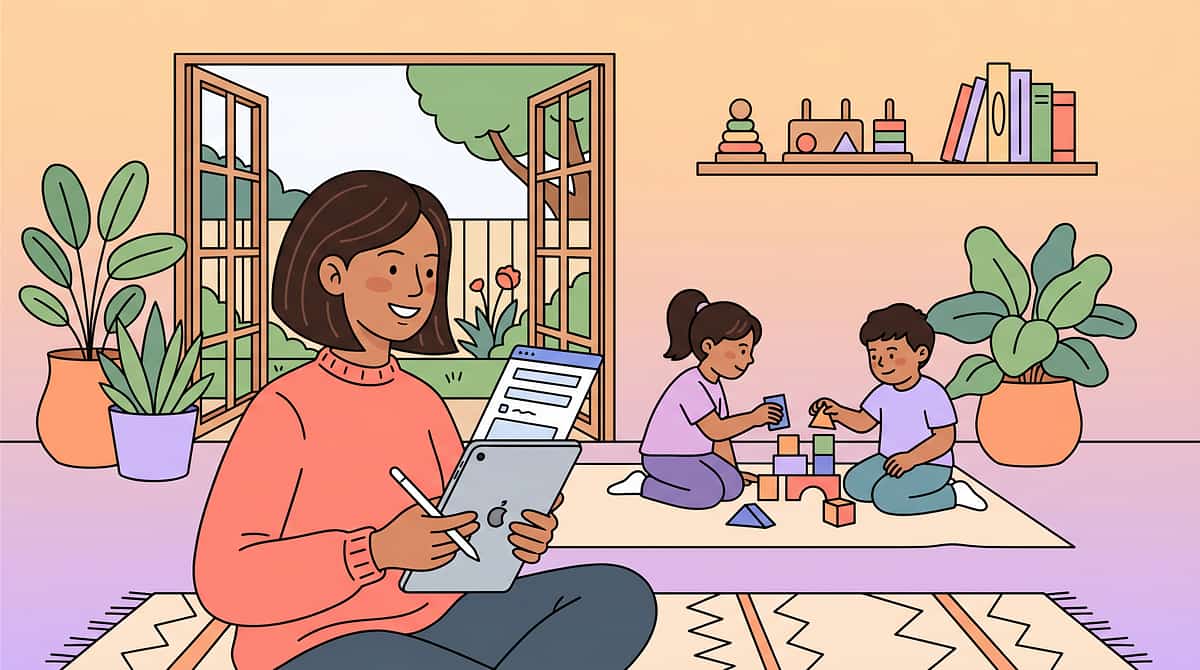
Within 60 seconds of the interaction: capture 3 numbers. This data is your evidence of progress. Parents who track their own modeling frequency improve faster than those who don't. What gets measured gets practiced. These 60 seconds close the feedback loop between your effort and your child's progress.
Q1: How many times did I model AAC today?
○ 0 ○ 1–5 ○ 6–15 ○ 16–30 ○ 30+
Q2: Did I wait at least 10 seconds after modeling?
○ Never ○ Sometimes ○ Most times ○ Always
Q3: Did my child communicate using AAC today?
○ 0 attempts ○ 1–3 attempts ○ 4–10 attempts ○ 10+ attempts
GPT-OS® Integration: Your data flows into your child's AbilityScore® timeline — tracking Communication Partner Competency Index progression alongside child communication outcomes. Both the partner and the child are growing.
📞9100 181 181 — if you're struggling to implement, call us. This is what we're here for.
Research: Digital health interventions for ASD: gamified tracking shows promise in 21 RCTs, 1,050 participants (2024 Meta-Analysis)
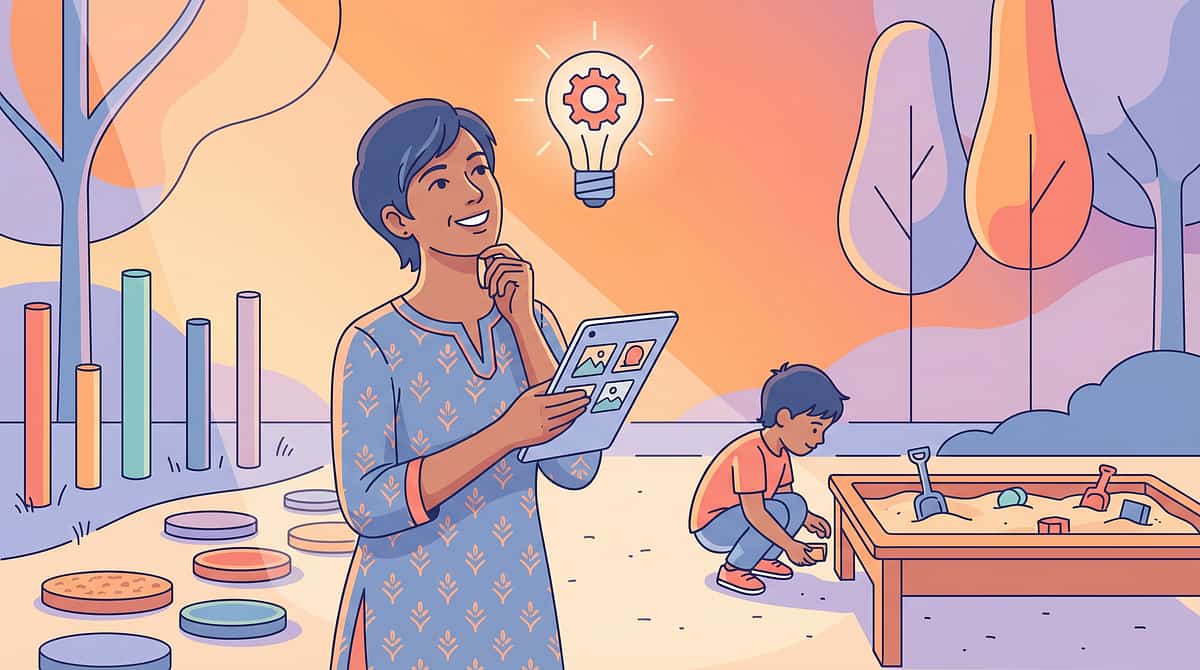
Troubleshooting: When It's Not Working
Every communication partner faces these obstacles. Here's what the Pinnacle Consortium says to do.
Problem 1: "I keep forgetting to model"
Solution: Place prompt cards in your 3 highest-frequency locations. Set a phone reminder at meal times. Start with ONE routine, ONE word — just WANT. Every time food appears, touch WANT. Nothing else. Build from there.
Problem 2: "My child ignores me when I model"
Solution: This is not failure — it's normal AAC acquisition. Language immersion works whether the child is consciously attending or not. Keep modeling. Weeks of consistent input create changes that aren't visible day-to-day but are measurable month-to-month.
Problem 3: "My partner doesn't model at all"
Solution: Request a joint SLP session. Show your spouse the research on this page. Then start small: ask them to do just one thing — touch WANT whenever the child reaches for food.
Problem 4: "The grandparents refuse to engage with the device"
Solution: Don't start with the device — start with the relationship. Find one word the grandparent can model: "LOOK. He pointed at his shoes — that means GO. He wants to go outside with you."
Problem 5: "I model but the child never uses the device independently"
Solution: You are likely in the input phase — which normally lasts months before output emerges. Track your modeling frequency. If modeling 20+ times/day consistently, trust the process. If fewer than 5 times/day, increase before expecting output.
Problem 6: "I don't know what words to model"
Solution: Start with 10 core words. Download the Pinnacle Core Word Calendar — each week focuses on 1 word, modeled 5+ times daily. WANT. MORE. GO. STOP. HELP. LIKE. NOT. GOOD. LOOK. PLAY. Ten words, modeled fluently across all partners, creates more communication than 1,000 words known only by the child.
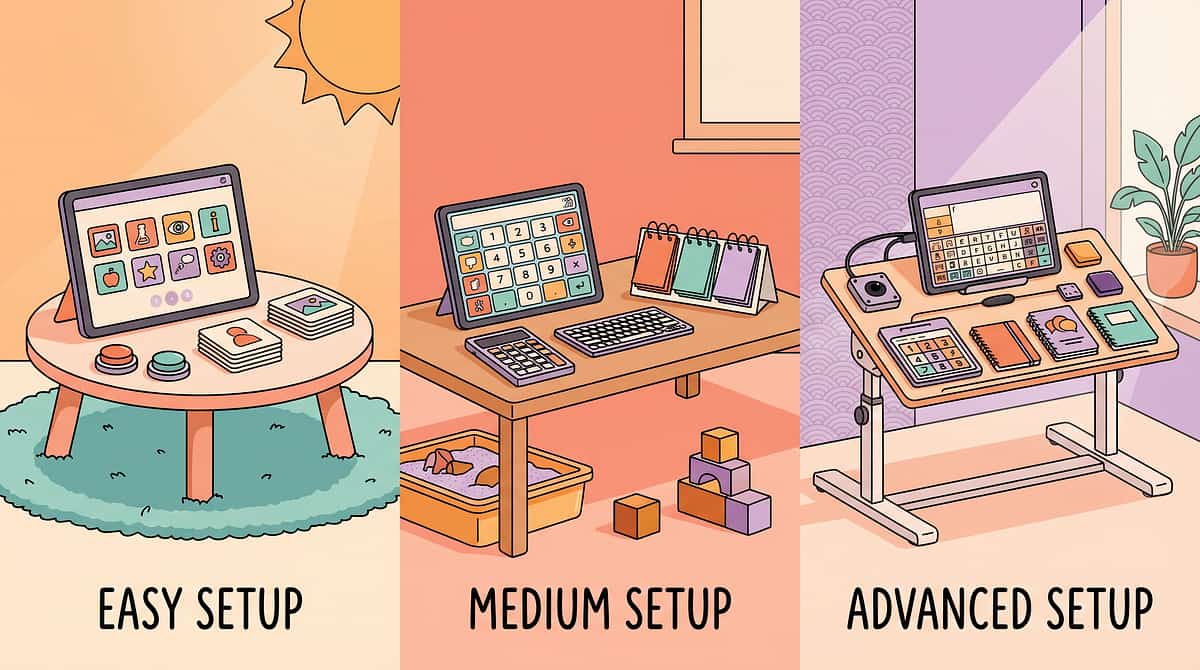
Personalize This for Your Child
Communication partner training adapts to every child's profile, every family's situation, every partner's role.
Key principle: "3 good models > 10 forced ones." Quality of modeling — natural, warm, contextually embedded — matters more than quantity during early stages. Build quality first, then build frequency.
Low-capacity families: One word (WANT), one routine (breakfast), every day. That's enough to start. Progress to two routines when one feels automatic. Never add complexity before the current level is stable.

ACT IV: THE PROGRESS ARC
Weeks 1–2: Establishing the Habit
15%
Week 1–2 Progress
Establishing the habit. Progress is invisible but happening.
✅ What You WILL Likely See
- You start noticing how rarely you were modeling before (awareness)
- Modeling feels awkward and unnatural — this is expected
- You forget more than you remember — use prompt cards
- The child may look at your hand more when you model
- You feel uncertain whether it's working — it is
❌ What You Will NOT See Yet (And That's Fine)
- Significant increase in child's AAC use
- New vocabulary appearing spontaneously
- Other communication partners modeling consistently
- Any dramatic behavioral changes
"Weeks 1–2 are about you, not your child. You are learning a new language — the language of aided communication. It will feel foreign, slow, and uncomfortable. This is not failure. This is exactly how every new skill begins."
Milestone for Week 2: If you modeled AAC at least once during breakfast 7 of the last 14 days — that is real, measurable progress. Write it down. | PMC11506176: Outcomes emerge across 8–12 week timelines. Early-phase indicators focus on partner habit formation, not child output.

Weeks 3–4: Consolidation Signs
40%
Week 3–4 Progress
Modeling starts to feel less strange. The child's attention to the device changes.
Consolidation Indicators
- Modeling during 1–2 routines starts to feel more natural
- You remember to model without looking at prompt cards as often
- Child may begin touching symbols spontaneously (even just exploring)
- Child shows increased interest when you model — watching your hand
- You can explain aided language input to another person
- Partner confidence: "I'm doing this, even imperfectly"
Child Behavioral Markers (Emerging)
At this stage, you may see your child scroll through the AAC vocabulary more — looking at what's there, touching things. This is language exploration. Don't interpret "random touching" as disinterest — it may be exactly the opposite. The vocabulary is becoming familiar.
If your child uses an AAC word in a new context they've never been prompted in, that's generalization beginning. Note it. Celebrate it quietly.
When to increase: If Week 3–4 feel solid, add a second routine to your modeling practice and invite a second communication partner to start with one word. | Neuroplasticity: Synaptic strengthening through repeated structured input follows predictable timelines in pediatric populations

Weeks 5–8: Mastery Indicators
75%
Week 5–8 Progress
You begin to see the language come alive.
Partner Mastery Indicators
Expected Child Outcomes
🏅Mastery Unlocked: When partner models 20+ times/day across 3+ routines | Wait time habituated | 2+ trained partners → Ready to progress to B-230 and B-231 | PMC10955541: Outcomes across 24 studies. Mastery criteria from BACB standards.
- Modeling in 3+ routines feels natural and automatic
- Wait time (10–15 seconds) is habituated — no longer counting consciously
- Multiple communication partners (2+) modeling consistently
- Modeling frequency: 20+ models per day across routines
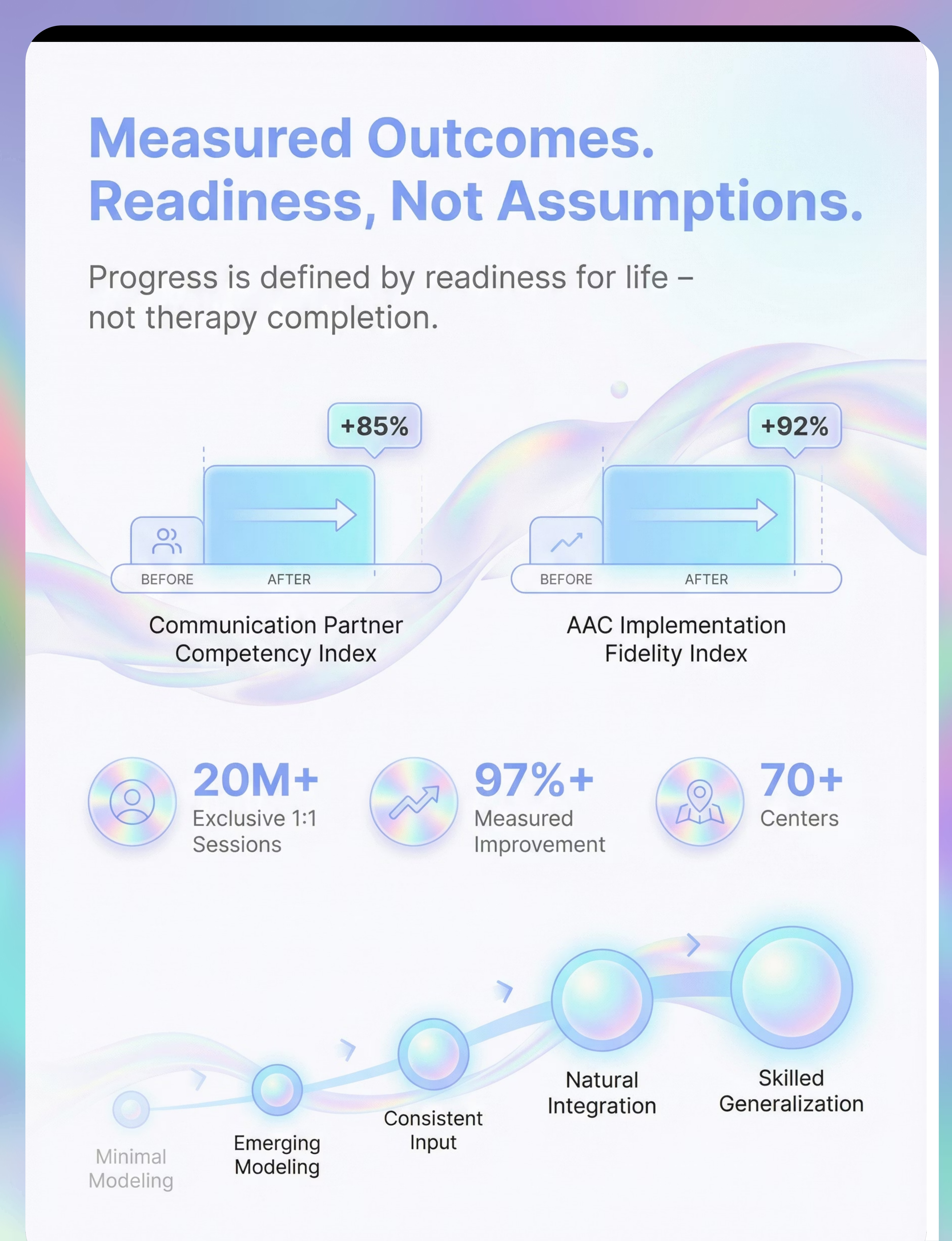
- 📈 85% increase in Communication Partner Competency Index (Pinnacle data)
- 📈 92% increase in AAC Implementation Fidelity Index (Pinnacle data)
- More spontaneous AAC use, less prompted use
- Expanded vocabulary: words appearing that were never explicitly taught

You Did This. Your Child's Voice Grew Because You Learned a New Language.
"You were handed an AAC device and no manual for how to use it yourself. You found this page. You learned. You practiced. You felt awkward and kept going. You modeled when no one was watching, when your child wasn't responding, when it felt pointless. You didn't stop. That is not a small thing. That is one of the most important things you will ever do for your child."
📸Photo/Journal Prompt: Describe the first moment you noticed your child communicating something they couldn't communicate 8 weeks ago. Write it down. This is the evidence of your work.
📸 Capture It
Photo or journal entry. The evidence of your 8 weeks of work, in one moment.
💬 Share It
Share to Pinnacle Community at pinnacleblooms.org/community — thousands of families are on this journey.
📞 Tell Us
Call 9100 181 181 and tell us your milestone. We celebrate every single one.

These Signs Mean: Pause, Reach Out, Get Support. Not Alarm — Action.
🔴 Complete Regression in AAC Use
Child was using 10+ words, now using 0–2 despite increased partner modeling. May indicate AAC system mismatch, vocabulary access issue, or changed needs. Action: Contact SLP immediately.
🔴 Child Actively Refuses or Destroys the Device
Consistent throwing, hiding, or pushing away the device. May indicate device mismatch, frustration, or autonomy issues. Action: Pause device presentation. Consult SLP + BCBA for functional assessment.
🔴 Partner Training Causing Significant Family Conflict
Serious arguments, parental burnout, one partner sabotaging training. AAC implementation failure is more likely when family dynamics are unsupportive. Action: Family therapy + SLP team meeting.
🔴 Partner Modeling Consistently Causing Child Distress
Child shows visible distress when partner models. May indicate pressure has crept in. Action: Reduce modeling pressure, move to observation-only phase, consult SLP.
🔴 No Partner Progress After 12 Weeks
Tracking shows fewer than 5 models/day despite active effort. Suggests systemic barriers. Action: Escalate to Pinnacle SLP-led intensive partner coaching.
🔴 Regression in Other Developmental Areas
Loss of previously acquired skills beyond communication (motor, social). May indicate neurological or medical issue. Action: NeuroDevelopmental Pediatrician consultation urgently.
Escalation pathway: Self-resolve (mild) → Teleconsult 9100 181 181 → Clinic visit → Pinnacle center evaluation | 🗺️ pinnacleblooms.org/centers
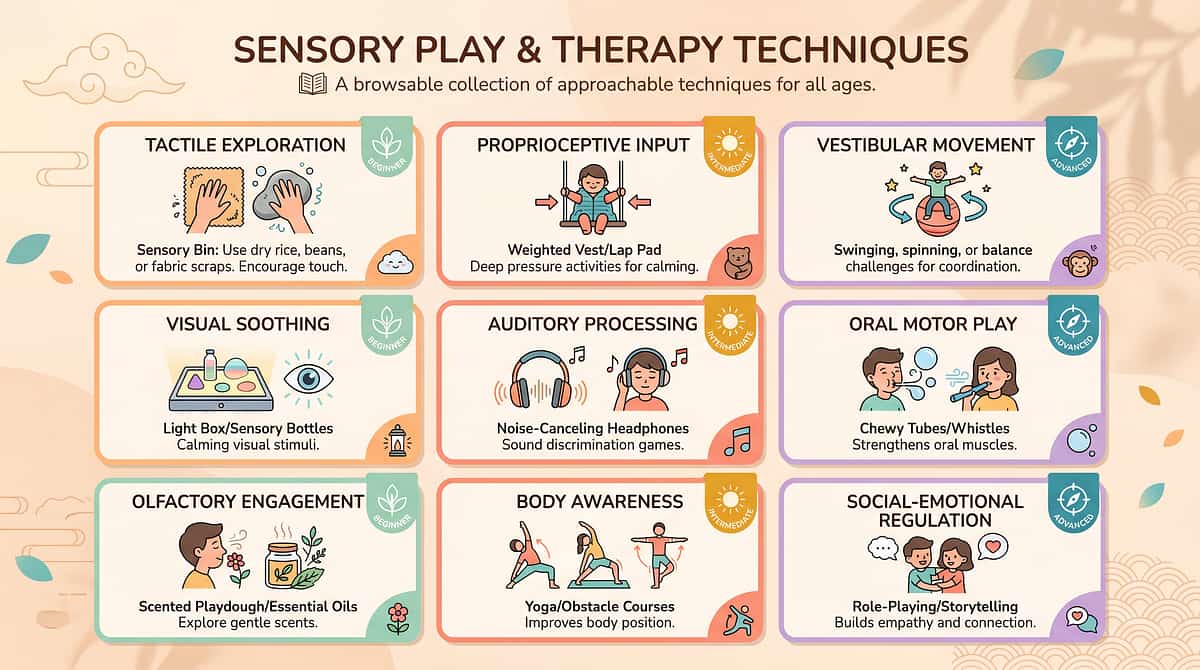
Related Techniques Across the System
Communication partner training connects to the entire communication ecosystem. Each of these techniques builds on or feeds into the skills you've developed in B-229.
Implementing AAC strategies across educational environments, coordinating with teachers and paraprofessionals.
Systematic vocabulary selection and organization strategies to grow the child's communication lexicon.
Alternative access methods: eye gaze, switch scanning, head tracking for children with motor challenges.
Integrating AAC with emerging literacy skills, spelling-based communication, and academic language.
Consistency strategies for cross-environment AAC implementation when school implementation is the primary challenge.
Foundational basics for families at the very beginning of their AAC journey.
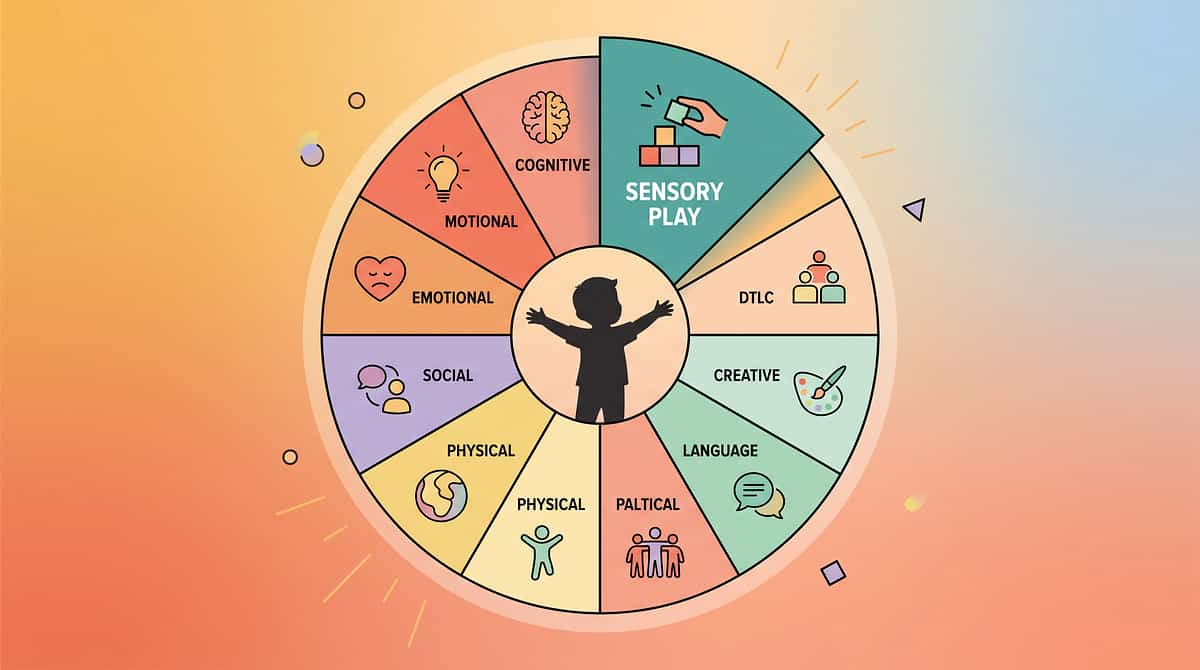
Where B-229 Sits in Your Child's Complete Developmental Journey
Domain | Focus Area | Techniques | |
Domain A | Sensory Processing & Integration | 100+ techniques | |
Domain B — YOU ARE HERE | Communication Access & AAC | 100+ techniques | |
Domain C | Emotional Regulation | 100+ techniques | |
Domain D | Behavior & Flexibility | 100+ techniques | |
Domain E | Feeding & Oral Motor | 100+ techniques | |
Domains F–L | Motor, Academic, Social, Self-Care, Community | 400+ techniques |
"You are at Episode 229 of 999. You have found one technique in a complete, integrated therapeutic system that covers every domain of your child's development. Each technique in this system is evidence-based, SLP/OT/ABA/SpEd/NeuroDev validated, and designed to be executed at home. This is the GPT-OS® EverydayTherapyProgramme™ — your child's home therapy infrastructure."
AbilityScore® tracks: Communication Partner Competency Index + AAC Implementation Fidelity Index + Communication Frequency Index + Generalization Index
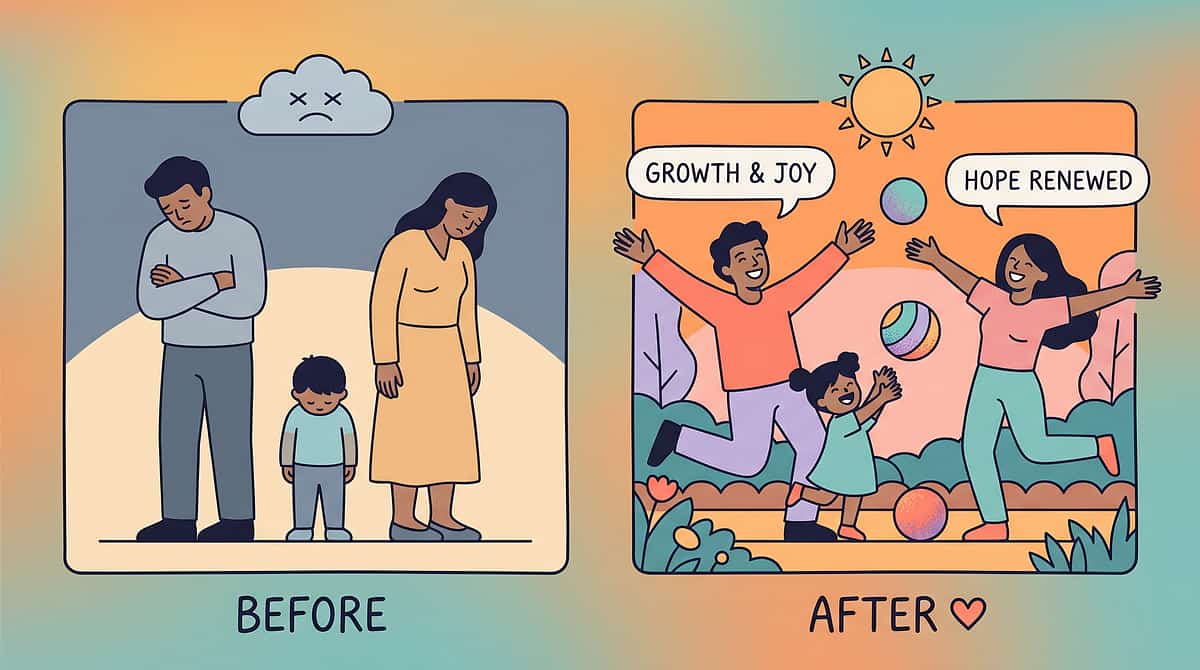
ACT V: THE COMMUNITY
Stories from Families Who Walked This Path
You are not the first. You will not be the last. And the families ahead of you want you to know: it works.
"For months, my daughter's AAC was basically furniture. Then we started actual partner training. The first week, I realized I was barely modeling at all. By the second month, I was pointing to symbols dozens of times a day, just naturally. And my daughter started watching. Then imitating. Then initiating. She went from ten words to sentences in three months. The device was never the problem. I was."
— Parent, Pinnacle Network | Illustrative case; individual results vary.
"My mother-in-law refused to learn AAC for two years. Then one afternoon, he used his device to say SCARED when the dog barked. She had never known he was scared of the dog. She's been modeling ever since. 'I didn't know he could tell me things,' she said. Now she teaches the neighbors."
— Grandmother, Pinnacle Family Network | Illustrative case.
"I'm his classroom aide. I didn't know what AAC was. After partner training, I model during every activity. His initiation rate tripled in six weeks. His teacher noticed before I told her why."
— Paraprofessional, Pinnacle School Partner | Illustrative case.
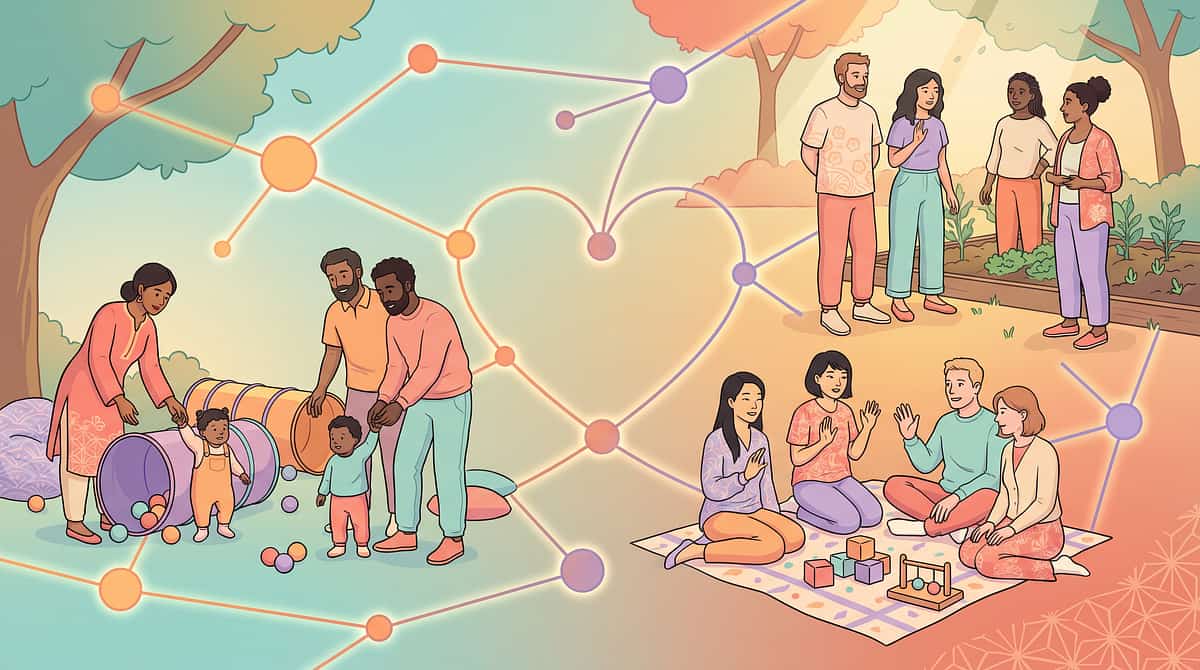
Connect with the Community
You don't have to figure this out alone. A global community of families is navigating this with you. Consistency across caregivers multiplies impact. When you share this with your community, other children benefit.
Online Community Hub
pinnacleblooms.org/community — Parent forums, caregiver support groups, weekly SLP Q&A sessions, shared resources
WhatsApp Community Groups
Regional groups in Telugu, Hindi, Tamil, English, and 12 other languages. Share via: wa.me/919100181181
GPT-OS® App Community
In-app parent community with moderated SLP participation. Download: pinnacleblooms.org/app
Center-Based Support Groups
70+ Pinnacle centers host weekly parent groups. Find your center: pinnacleblooms.org/centers
🌍 Global AAC communities: PrAACtical AAC, AAC Language Lab, Communication Community, Speaking of AAC | 🇮🇳 India: Pinnacle AAC Parent Network | ASHA India | AIISH Mysore
📞9100 181 181 — available in 16+ languages — call in your language
The Research: Deeper Reading
For the evidence-first parent. For the clinician who found this page. The research on communication partner training is unequivocal.
1
Kent-Walsh & McNaughton (2005)
Communication Disorders Quarterly — Systematic analysis of partner instruction programs for AAC users. Consistent positive outcomes across partner types and child profiles. Search: "Kent-Walsh McNaughton communication partner instruction AAC"
2
Binger & Light (2007)
Journal of Speech, Language, and Hearing Research — Aided language modeling: significant increases in vocabulary use and multi-symbol combinations. DOI: 10.1044/1092-4388(2007/020)
3
Douglas, McNaughton & Light (2013)
Augmentative & Alternative Communication — ImPAACt program development and outcomes: evidence-based structured training. DOI: 10.3109/07434618.2013.786556
4
NCAEP EBP Report (2020)
National Clearinghouse on Autism Evidence and Practice — Aided language modeling classified as evidence-based practice for autism. ncaep.fpg.unc.edu/resources
5
Padmanabha et al. (2019)
Indian Journal of Pediatrics — Home-based communication interventions in Indian pediatric population. DOI: 10.1007/s12098-018-2747-4
6
WHO/UNICEF CCD Package (2023)
Multi-caregiver training as critical for intervention generalization, implemented in 54 countries. PMC9978394
📚 For evidence-based practice guidelines: ASHA.org/AAC | AAC-RERC | ResearchAutism.net
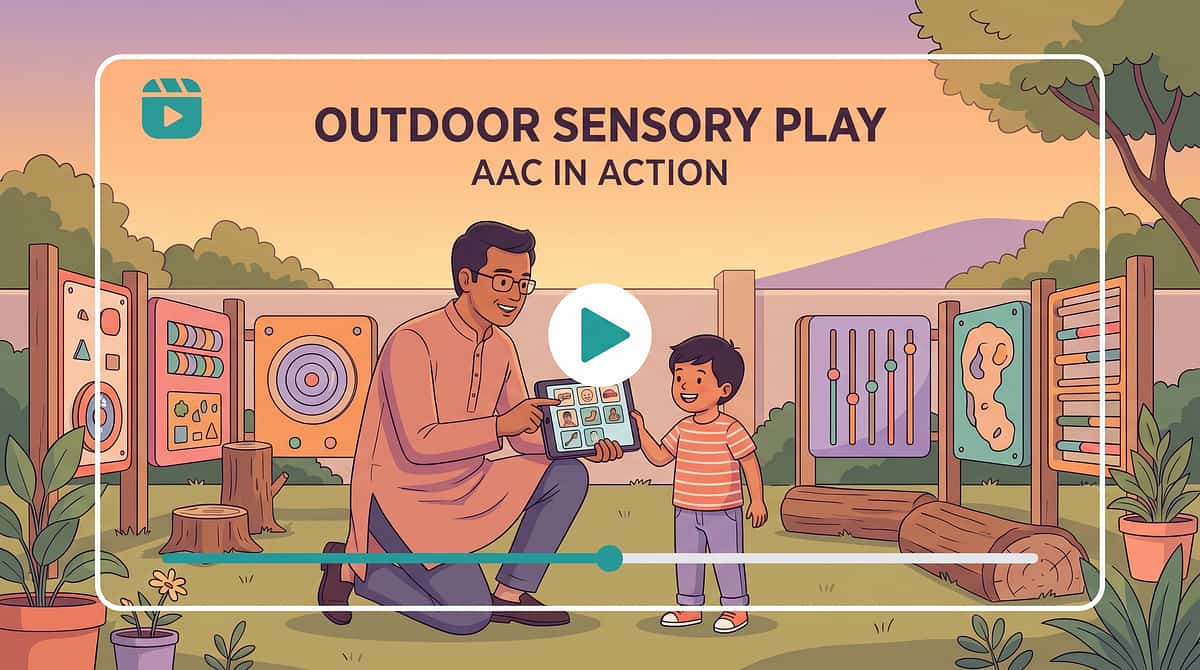
See It. Hear It. Watch a Skilled Communication Partner Model in Real Life.
📺B-229: 9 Materials That Help Training Communication Partners | Domain B | Communication Access & AAC Series | Episode 229 of 999 | Duration: ~90 seconds
Watch the B-229 Reel at: pinnacleblooms.org/reels/b229
As you watch, notice:
- How the partner points to symbols while continuing to speak naturally
- The pause after modeling — watch for 10+ seconds of expectant silence
- How the partner responds when the child communicates — the expansion technique
- How natural it looks after practice — this was learned, not innate
"In this reel, our SLP team demonstrates all 9 materials for communication partner training. Watch specifically for the wait time — it will feel uncomfortable to watch. That discomfort is what it feels like to create space for a child to speak." — Pinnacle Blooms Network® SLP Consortium
📖 + 🎥 Reading + watching activates different memory systems. Both together = faster parent skill acquisition. | Research: NCAEP 2020 — Video modeling classified as evidence-based practice for autism
Preview of 9 materials that help training communication partners Therapy Material
Below is a visual preview of 9 materials that help training communication partners therapy material. The pages shown help educators, therapists, and caregivers understand the structure and content of the resource before use. Materials should be used under appropriate professional guidance.


Link copied!
The Pinnacle Promise
🌸PINNACLE BLOOMS NETWORK®
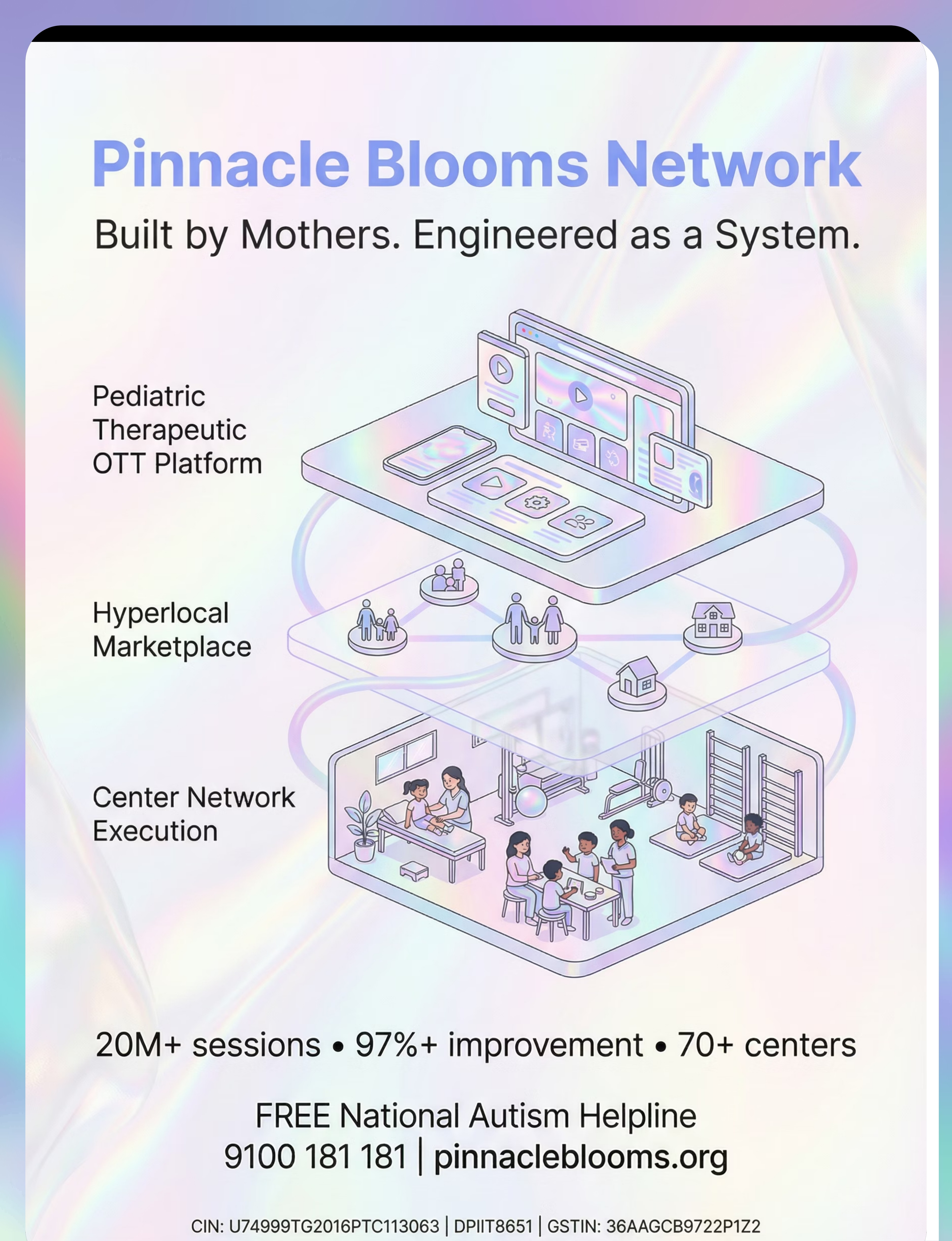
Built by Mothers. Engineered as a System.
Built by Mothers. Engineered as a System.
🗣️ SLP | 🤲 OT | 📊 ABA/BCBA | 📚 SpEd | 🧠 NeuroDev | 🔬 CRO
"From fear to mastery. One technique at a time."
"When a parent lands on this page, they carry fear, confusion, and the weight of a child they love more than their own life. Our promise is that they leave with knowledge, a plan, and the confidence that they are not alone — that 20 million sessions of clinical experience, the world's leading consortium of pediatric therapy experts, and a system built on evidence and love stand behind every word on this page."
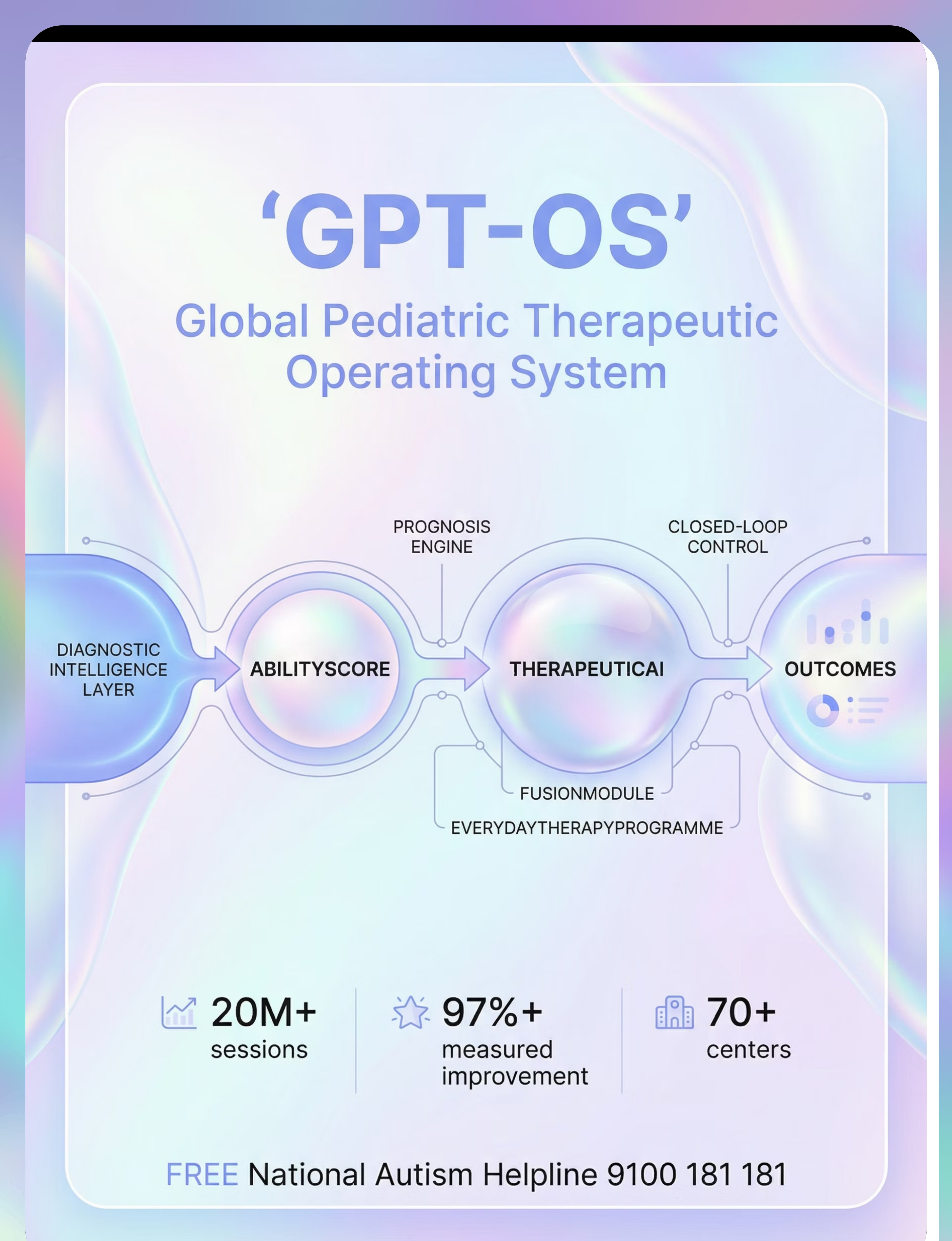
GPT-OS® stack: AbilityScore® | TherapeuticAI® | FusionModule™ | EverydayTherapyProgramme™
⚠️Medical Disclaimer: This content is educational. It does not replace assessment and training by a licensed Speech-Language Pathologist specializing in AAC. Communication partner training should be guided by professionals who can provide individualized feedback and support. Individual results may vary. Statistics represent aggregate outcomes across the Pinnacle Blooms Network.
Continue Your Journey
CIN: U74999TG2016PTC113063 | DPIIT: DIPP8651 | MSME: Udyog Aadhaar TS20F0009606 | GSTIN: 36AAGCB9722P1Z2 | ISO 13485 | ISO/IEC 27001
© 2025 Pinnacle Blooms Network®, unit of Bharath Healthcare Laboratories Pvt. Ltd. All rights reserved. | techniques.pinnacleblooms.org