
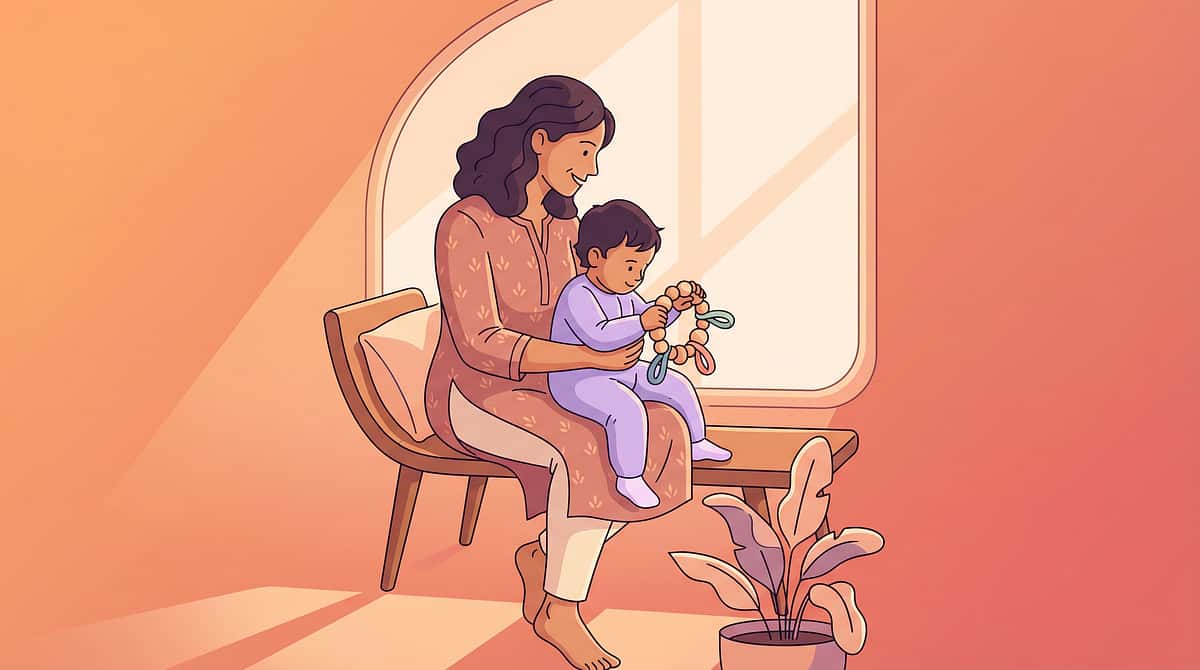
It happens in the quietest moments. You walk into the room, your face already breaking into a smile — and nothing. No light in their eyes. No smile returned. But later, when the bubbles appear, when the tickle game begins — there it is. That radiant, full-body smile. Just never directed at you.
You are not imagining this. You are not failing as a parent. Your child's nervous system processes social reward differently — and there is a precise, evidence-based path to teaching social smiling that begins right here, right now, in your home.
This is the Social Smile Protocol — designed by the Pinnacle Blooms Consortium of Pediatric Speech Therapists, Occupational Therapists, Board Certified Behaviour Analysts, Special Educators, and NeuroDevelopmental Paediatricians.

Millions of Families Navigate This Exact Moment
Social smiling — the act of smiling at another person because they are a person — is one of humanity's first acts of connection. When it's absent or reduced, parents feel the gap in their bones. You are among millions of families worldwide navigating this. The research is clear: this is neurological, not intentional. And it is addressable.
Children with Autism
Show reduced or absent social smiling in early development (Dawson et al., Development and Psychopathology, 2012)
Typical Onset Age
When delayed beyond 3–4 months, it signals differences in social reward processing — not a lack of ability
Therapy Sessions
Delivered across the Pinnacle Blooms Network, with 97%+ measured improvement in social-emotional interventions
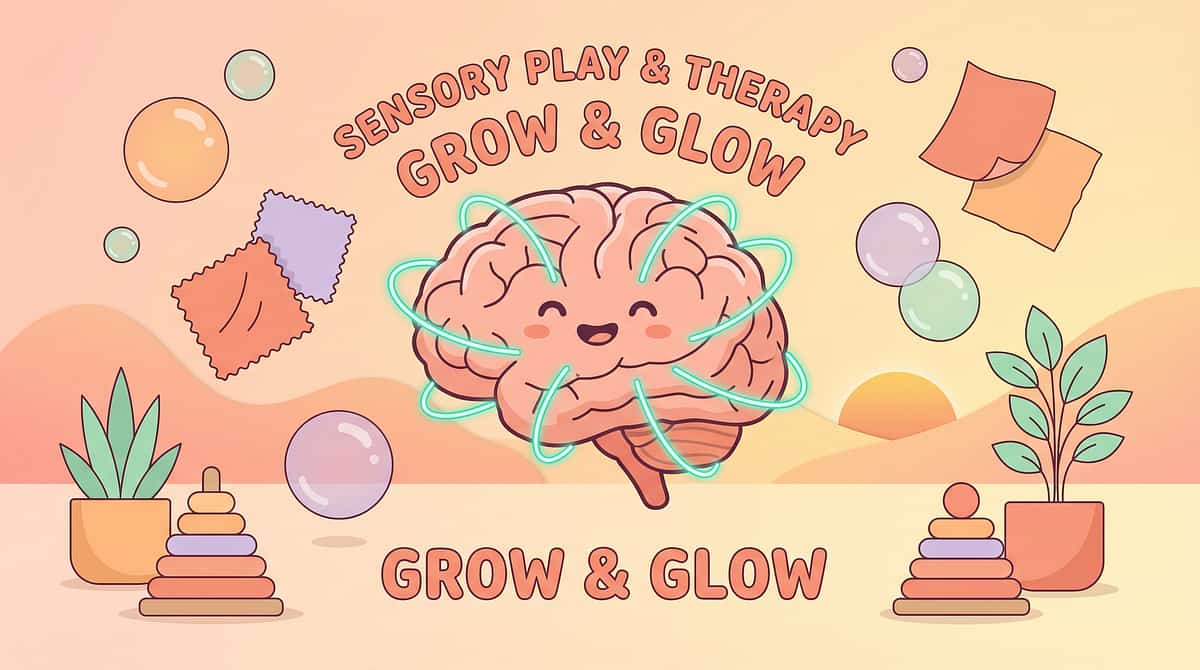
The Social Reward Circuit — A Wiring Difference, Not a Behaviour Choice
The Social Reward Pathway
Face Perceived
Fusiform face area recognises a familiar person
Emotional Significance
Amygdala tags the face with emotional meaning
Reward Signal
Ventral striatum generates a pleasure response
Smile Produced
Mirror neuron system completes the social exchange
In Plain Language for Parents
In typical development, seeing a familiar face activates the brain's reward circuitry — the same system that lights up for chocolate, music, or play. The face itself becomes inherently rewarding.
Your child's brain processes faces differently. It's not that they can't smile — you've seen them smile during sensory play, during tickle games, during moments of physical delight. The smile mechanism works. What's different is the trigger. Faces don't yet automatically activate the reward pathway.
The intervention principle is elegant: pair social partners with positive experiences until people themselves become rewarding and smile-inducing. When faces reliably predict joy, the brain rewires to treat faces as inherently joyful.
"This is a wiring difference, not a behaviour choice. And wiring is changeable — that's the definition of neuroplasticity."
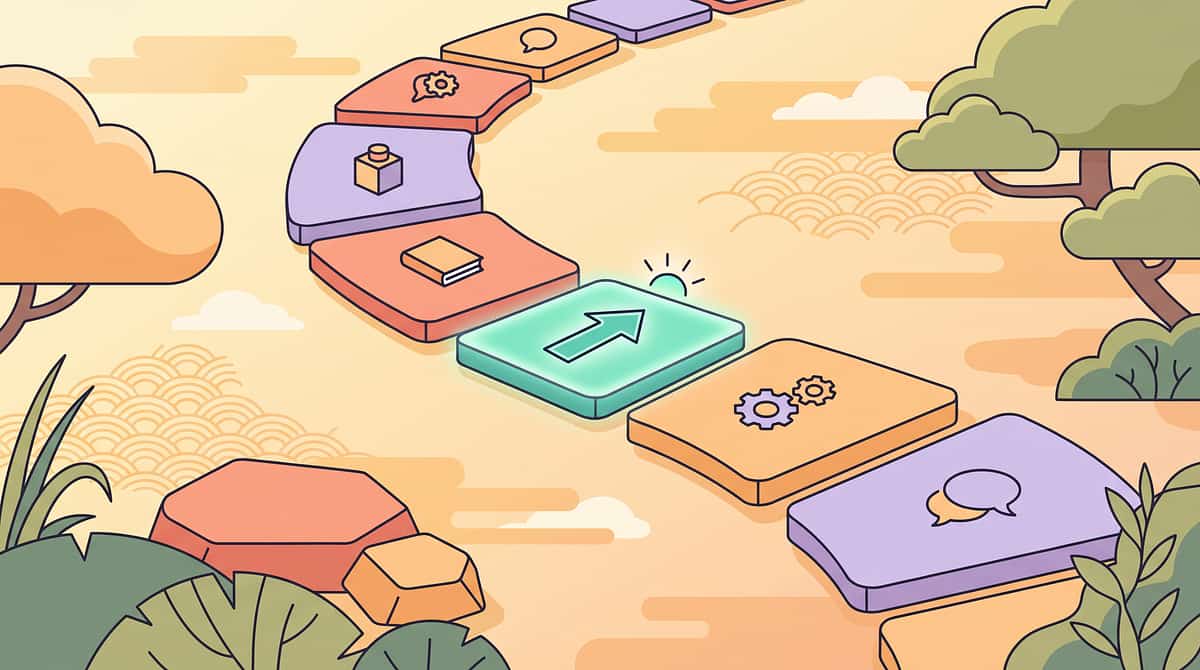
Your Child's Social-Emotional Timeline
Social smiling isn't a single milestone — it's a developmental cascade. Your child may be at the stage where smiles exist (during sensory or physical play) but aren't yet socially directed. That's a specific, identifiable waypoint, not a dead end.
6–8 Weeks
Social smile typically emerges in neurotypical development
3–4 Months
Smile becomes reliably directed at familiar faces
6 Months
Differential smiling — more for parents than strangers
9 Months
Social referencing begins — looking to parent's face for cues
12 Months
Shared enjoyment and affect sharing established
12–60 Months → YOU ARE HERE
Intervention zone — teaching the association between faces and reward through this protocol
What commonly co-occurs with reduced social smiling: limited eye contact, reduced joint attention, differences in social referencing, and challenges with shared enjoyment. These are connected pathways in the same social-emotional network. This protocol addresses the foundational layer — because when social smiling strengthens, these connected pathways begin to activate.
Evidence Grade: Level II — Supported by Systematic Reviews and Controlled Studies
Kasari et al. (2008)
Randomised controlled intervention study demonstrated that joint attention and shared affect interventions significantly improved social engagement and reciprocal interaction in young children with autism. Journal of Child Psychology and Psychiatry.
Dawson et al. (2012)
Early behavioural intervention leveraging brain plasticity principles showed measurable changes in social reward processing and face-directed attention. Development and Psychopathology.
PRISMA Systematic Review (2024)
16 articles from 2013–2023 confirm that sensory integration and relationship-based interventions meet criteria for evidence-based practice for children with ASD. PMC11506176.
Meta-analysis (World J Clin Cases, 2024)
Across 24 studies, intervention approaches promoting social skill development showed effective outcomes in social behaviour, adaptive functioning, and emotional expression. PMC10955541.
Indian RCT (Padmanabha et al., 2019)
Home-based interventions demonstrated significant outcomes in an Indian paediatric population, validating the home-execution model. DOI: 10.1007/s12098-018-2747-4.
"Clinically validated. Home-applicable. Parent-proven." — Pinnacle Blooms Consortium: CRO • SLP • OT • BCBA • SpEd • NeuroDev
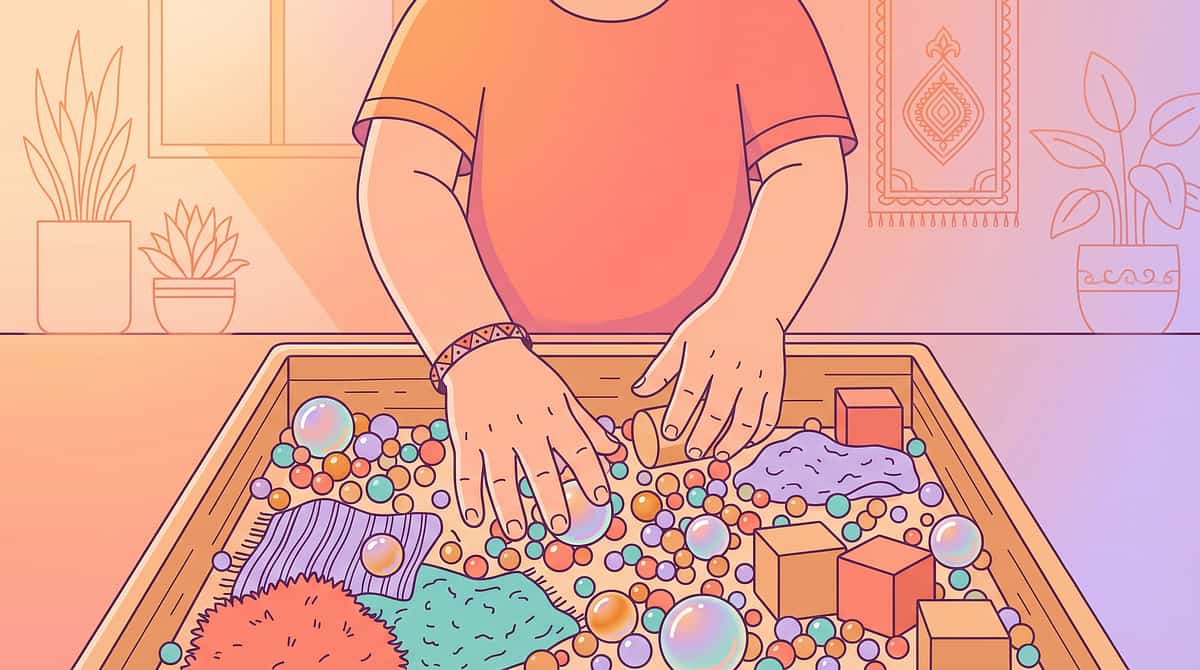
Social Smile Teaching Protocol — Making Connection Feel as Good as It Looks
Formal Name
Social Smile Elicitation and Social Reward Pairing Protocol
Parent-Friendly Name
"The Smile Bridge Protocol"
Definition
A structured, relationship-based intervention that systematically pairs social partners (parents, caregivers, family members) with positive sensory, emotional, and play experiences until the person's face alone becomes a reliable trigger for smiling. The protocol progresses from sensory-triggered smiles through person-paired smiles to spontaneous social smiles and reciprocal smile exchanges.
It draws on principles from ABA (stimulus pairing), OT (sensory processing), SLP (social communication foundations), and developmental psychology (social reward processing).
Domain
Social-Emotional Expression (Domain B: Communication & Social)
Age Range
12–60 months
Session Duration
10–20 minutes
Frequency
Daily — 2–3 structured sessions + naturalistic opportunities
Difficulty
Introductory / Core
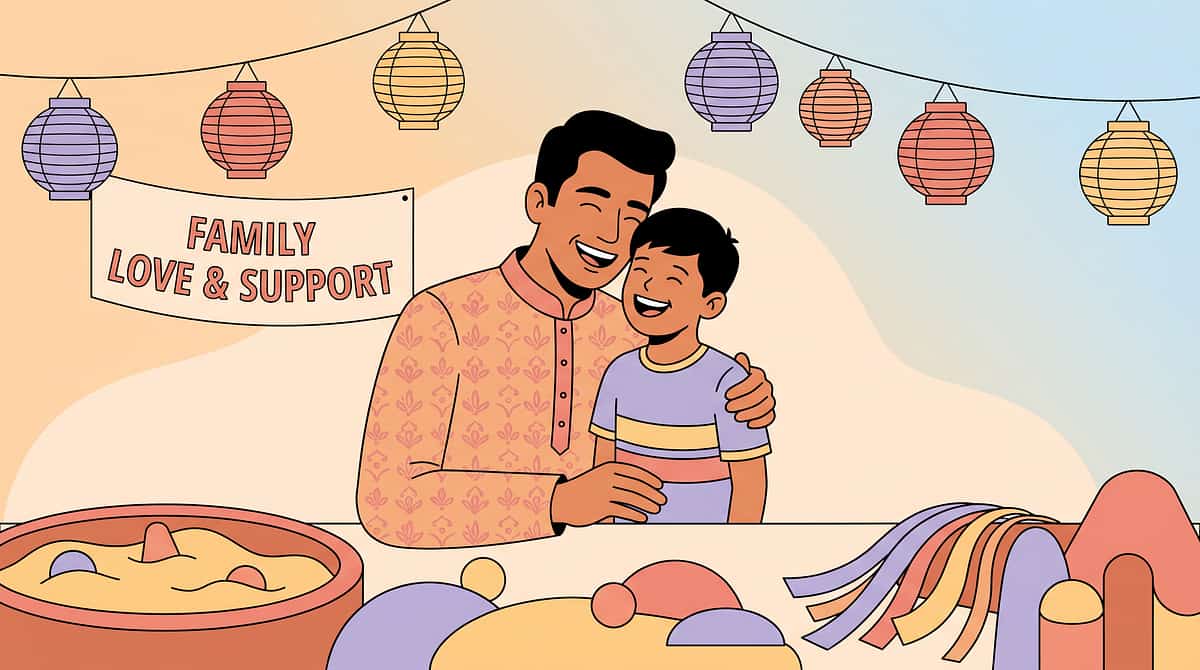
This Technique Crosses Therapy Boundaries — Because the Brain Doesn't Organise by Therapy Type
ABA — Primary Discipline
BCBAs use stimulus pairing procedures to associate social partners with established reinforcers. The systematic pairing of adults with preferred sensory/play experiences follows respondent conditioning principles — turning neutral stimuli (faces) into conditioned reinforcers.
SLP — Secondary Discipline
Speech therapists address social smiling as a foundational pre-linguistic communication skill. Social smiling is a prerequisite for joint attention, social referencing, and communicative intent — all of which underpin language development.
OT — Secondary Discipline
Occupational therapists approach social smiling through the sensory processing lens — understanding which sensory experiences reliably produce positive affect and strategically delivering those experiences through social interaction.
Special Education — Contributing
Special educators embed social smile practice into naturalistic routines, play-based learning, and developmental programming — ensuring generalisation beyond structured therapy sessions.
Precision Targets — This Is Not a Random Activity
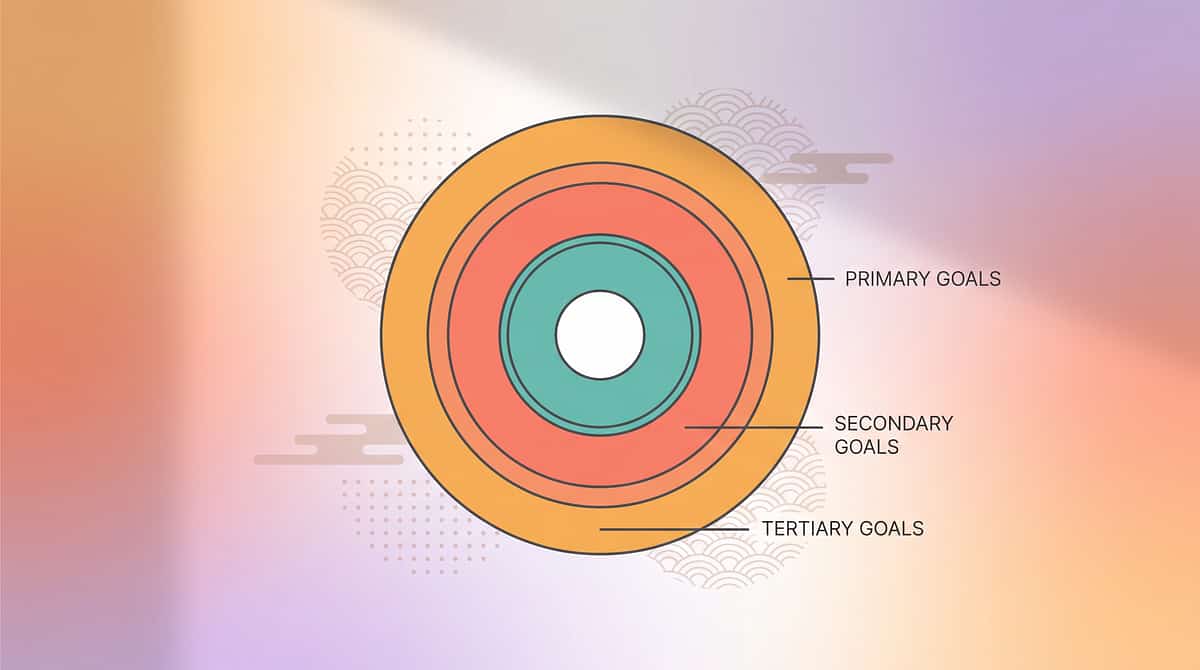
Every element of this protocol is purposefully designed. Understanding the target hierarchy helps you recognise progress at every level of the progression.
Primary Target
Social smiling — smile directed toward a social partner. Observable: smile directed at a person's face, not at an object or into space.
Secondary Targets
Social reward processing (face-directed gaze) | Affect sharing (looking at parent during joy) | Reciprocal interaction (smile chain) | Emotional contagion (mood brightens with adult joy)
Tertiary Targets — Long-Term
Joint attention | Social referencing | Pre-linguistic communication | Relationship quality | Theory of mind precursors | Social motivation and approach behaviour
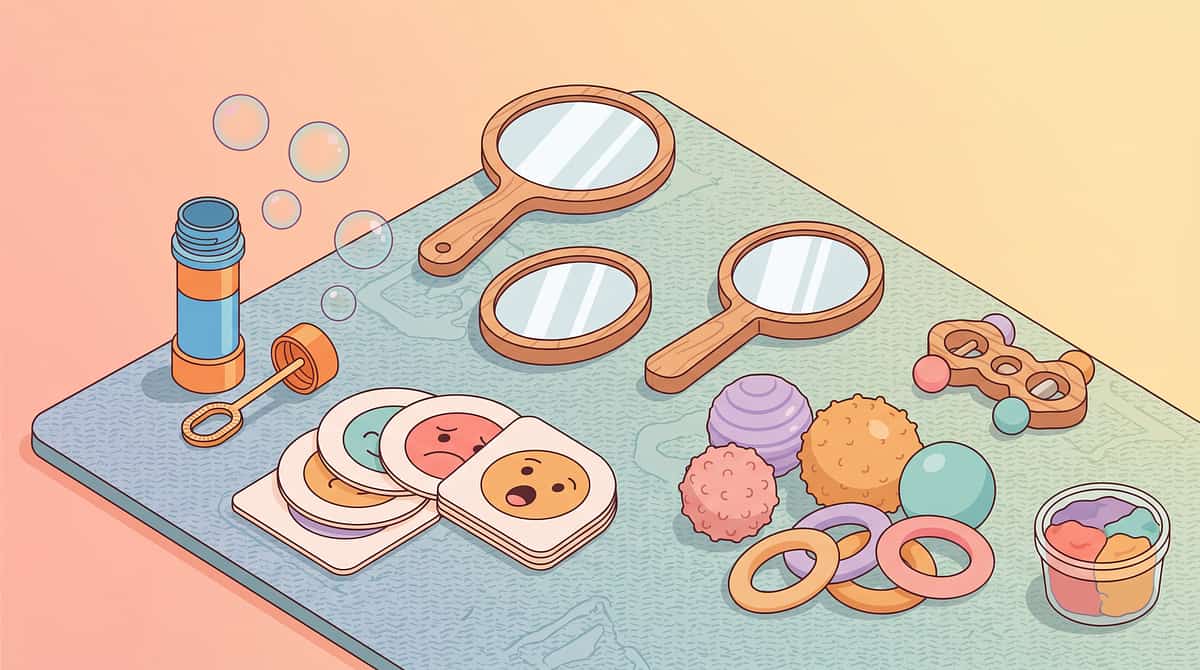
9 Evidence-Based Materials — Your Social Smile Toolkit
Each of these materials serves a specific therapeutic function within the Smile Bridge Protocol. You don't need all nine — start with the three essentials and build your toolkit over time.
Essential Starters
High-Affect Games + Sensory-Social Pairing + Mirrors
Estimated cost: ₹500–4,300
Complete Toolkit
All 9 materials for a comprehensive setup
Estimated cost: ₹1,500–8,200
Browse individual materials on the following cards. Each one is linked to a Canon Category and serves a distinct purpose in the pairing sequence.
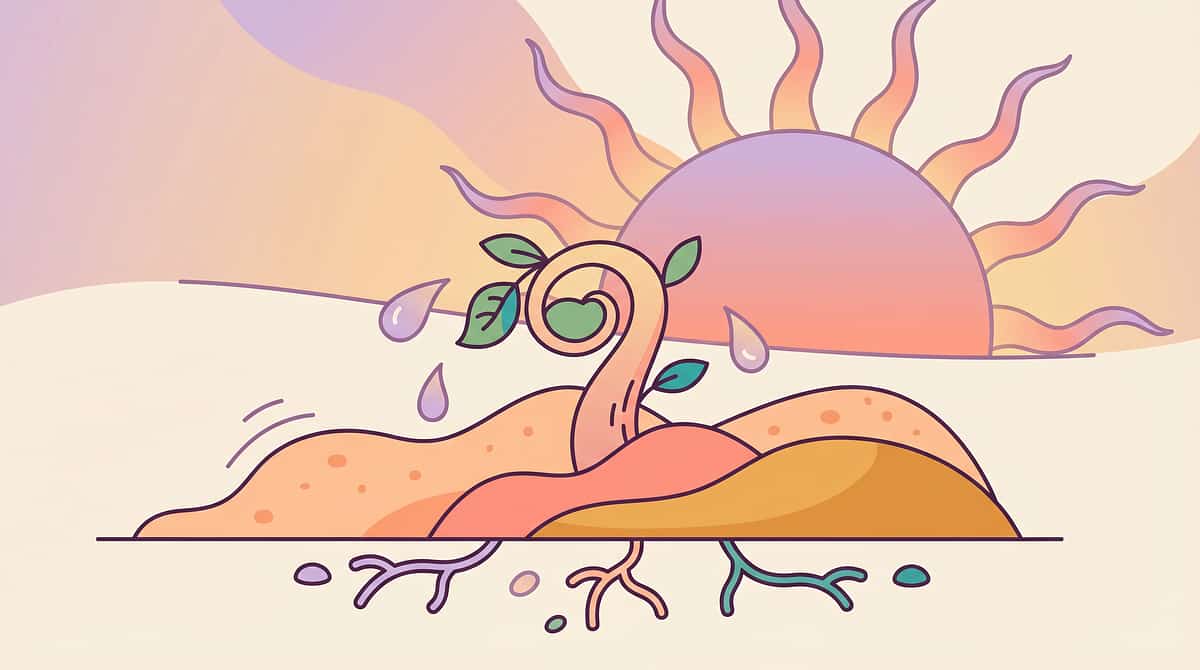
Material 1 — High-Affect Interactive Games
High-affect interactive games are the single most powerful entry point into the Smile Bridge Protocol. They work because they bypass cognitive processing entirely — the child doesn't need to understand what's happening. They just need to feel it. And when they feel it with you, your face becomes the signal for joy.
What It Includes
Swings, bounce cushions, mini trampolines, tickle feathers — any activity that produces big, whole-body positive affect reliably.
Chase games, airplane lifts, rough-and-tumble play, spinning games, and peek-a-boo with dramatic reveals.
Any activity where the child's body experiences strong vestibular or proprioceptive input paired with your presence.
Blanket swings (a bedsheet held by two adults), piggyback rides, "Row Row Row Your Boat" with full-body rocking, and "Ring Around the Rosie" with a dramatic fall.
Why It Works
High-affect games produce the strongest and most reliable positive emotional responses in children. When you become the source of this intensity — the one who initiates the tickle, the lift, the bounce — your face becomes inseparably linked to peak joy. The neurological pairing is faster and stronger at higher arousal states.
This is not play for play's sake. Each repetition is a conditioning trial: your face → anticipation → joy. Over dozens of sessions, this association becomes automatic. The child begins to look at your face not because they are told to, but because your face predicts something wonderful.
The science: Dopamine release during peak positive affect strengthens synaptic connections. When your face is consistently present at the moment of dopamine release, the brain begins to associate your face with the dopamine signal itself. This is the neurological foundation of social reward.
How to Use It
Build anticipation slowly: "I'm gonna get you..." Face close, eyes wide, then TICKLE! or CATCH! or LIFT! Repeat the build-up 3–5 times per session. Each time, your face is the last thing they see before the joy explodes.
Key technique: After the peak moment, pause. Hold your smiling face in their line of sight for 2–3 seconds before the next repetition. This pause is where the social pairing happens — the child's brain links your face to the residual positive feeling.
Advanced technique: Once the child anticipates the game, introduce a "request pause" — stop mid-anticipation and wait. If the child looks at your face, vocalises, or reaches toward you, immediately deliver the joy. You have just created a social initiation.
Parent Script Examples
Use these exact phrases to build the anticipation arc:
- "Ready... ready... READY?!" (pause, hold face close, wide eyes)
- "One... two... three... GOTCHA!" (slow count, then burst)
- "Where's Daddy/Mummy going? WHERE IS SHE?!" (peek-a-boo reveal with big smile)
- "Uh oh... uh oh... UH OH!" (build tension, then tickle or lift)
The script matters less than the delivery. Exaggerate your facial expression. Your face should be the most interesting thing in the room.
Progression Pathway
- Week 1–2: Use the child's single strongest high-affect game only. Repetition builds the association.
- Week 3–4: Introduce a second game. Alternate between the two to prevent habituation.
- Week 5+: Begin inserting a brief "face pause" between repetitions — hold your expression and wait for eye contact before continuing.
- Week 7+: Introduce the "request pause" — stop mid-anticipation and wait for the child to signal they want more. Reward any social signal (look, reach, vocalise) with immediate joy delivery.
Games Library — Ranked by Affect Intensity
Tier 1 (Highest)
Tickle anticipation, airplane lifts, chase-and-catch, blanket swings
Tier 2 (High)
Bounce on knee, piggyback rides, spinning in arms, rough-and-tumble
Tier 3 (Moderate)
Peek-a-boo, Row Row Row Your Boat, Ring Around the Rosie, hide-and-seek
Tier 4 (Gentle)
Gentle rocking, slow swinging, soft tickle with feather, quiet chase
Pro Tip
The anticipation phase — the slow approach, the wide eyes, the dramatic pause before the tickle — is often MORE powerful than the tickle itself. Stretch it out. Make your face the focal point of the build-up. The child should be watching your face, not your hands.
Zero-Cost Version
Chase games, airplane lifts, bouncing on knee, "I'm gonna get you!" tickle anticipation games — all equally effective therapeutic vehicles. No equipment needed. Your body, your voice, and your face are the tools.
What to Watch For
- ✅ Child looks at your face during the anticipation phase — this is the target behaviour
- ✅ Child vocalises or reaches toward you to restart the game — social initiation emerging
- ✅ Child smiles or laughs while making eye contact — social smile pairing occurring
- ✅ Child begins to anticipate the game before you start — neural association forming
- ⚠️ Child enjoys the activity but looks away during anticipation — reposition yourself to intercept their gaze
- ⚠️ Child becomes overstimulated — reduce intensity, slow the pace, use a calmer version
- ⚠️ Child loses interest quickly — switch to a higher-intensity game or try a different sensory channel
Common Mistakes to Avoid
- Starting the game before the child is looking at you — you lose the pairing opportunity
- Continuing past the child's window of engagement — always end while they still want more
- Using the same game every session without variation — habituation reduces the affect response
- Rushing the anticipation phase — the slow build is where the magic happens
Session Frequency
2–3 times per day, 5–8 minutes per session. Short, frequent sessions outperform long, infrequent ones for neurological pairing.
When to Move On
You are ready to progress to Material 2 when: the child consistently looks at your face during the anticipation phase (at least 3 out of 5 trials), AND shows any social signal (smile, reach, vocalise) in response to your face alone — even briefly.
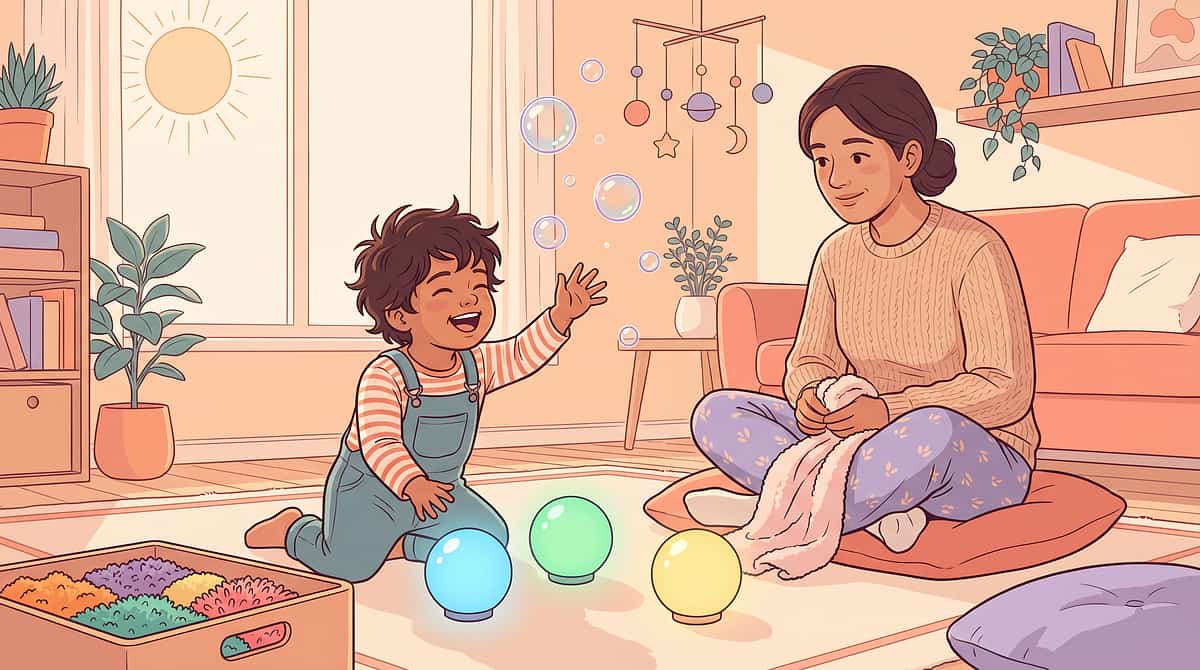
Material 2 — Sensory-Social Pairing Materials
What It Includes
Bubble wands and machines, light-up toys, musical instruments, sensory bottles, spinning tops with visual effects — anything that produces reliable sensory delight.
Why It Works
Sensory experiences are among the most reliable smile-producers for children with sensory processing differences. The therapeutic move is to deliver these experiences through you — so the sensory joy and your face become a single experience. Blow bubbles from face level. Activate light toys while holding them near your chin. Your face + the sensory reward become one.
The Positioning Principle
The material should emerge from near your face, not from beside you or behind the child. Every bubble that floats toward your child carries a visual pathway back to your smiling face.
Zero-Cost Version
Blow through your fingers, use a straw + soapy water, or a cup with tiny holes. The bubble mechanism matters less than the social delivery mechanism.
Safety Note
Supervise all bubble play. Avoid bubble solution near eyes. Choose age-appropriate light toys without small detachable parts for children under 36 months.
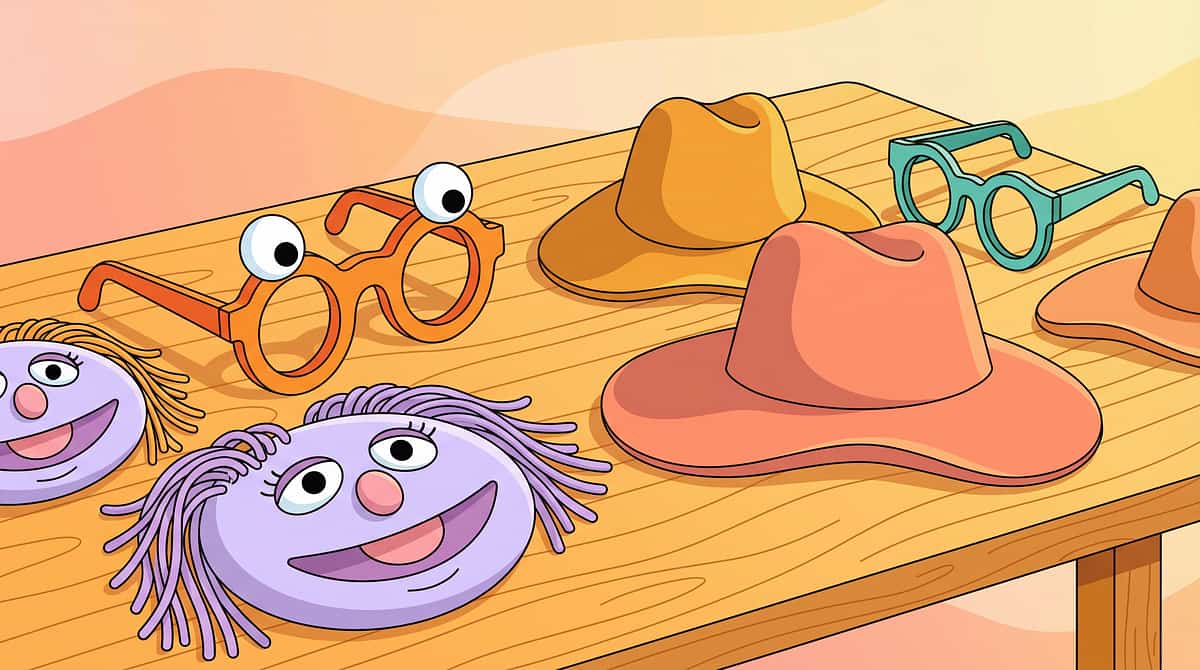
Material 3 — Animated Face Props
What It Includes
Oversized silly glasses, clown noses, face-changing props, novelty hats, masks with openings for your face — anything that draws visual attention to the face region while adding an element of surprise and delight.
Why It Works
Face props solve a core challenge: getting a child to look at your face. By making your face visually interesting and unpredictable, props naturally attract gaze to the face region. Once gaze arrives, the emotional content (your smile, your delight) creates the pairing moment. Novelty triggers the orienting reflex — and you position joy right there.
How to Use It
Put on the glasses with dramatic fanfare. Wait for the look. When they look — BIG smile, BIG joy. The prop delivered their gaze to your face; your face delivers the reward.
Zero-Cost Version
Paper plate masks, stickers on your face, funny hats from household items, scarves draped over your head then revealed with a big smile. Peek-a-boo is the original animated face prop game.
Clinical Note
Some children with sensory processing differences may initially find face props startling. Introduce gradually. Show the prop first, then wear it briefly, then for longer durations as comfort builds.
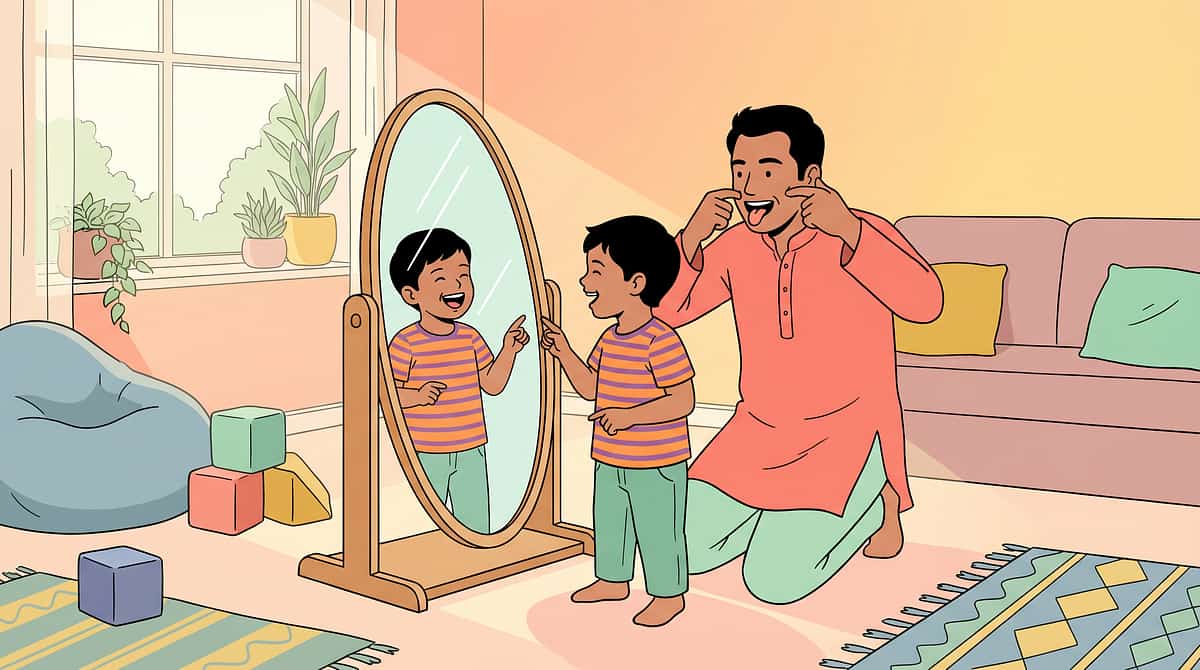
Material 4 — Mirror Games & Activities
What It Includes
Large safety mirrors (floor-mounted), table-top mirrors, hand mirrors. Always use shatterproof safety glass or acrylic mirror for children under 60 months.
Why It Works
Mirrors offer a unique therapeutic gift: they allow a child to see social smiling as a visual spectacle without the direct social demand of face-to-face interaction. Sitting side-by-side at a mirror, both looking at reflections rather than directly at each other, reduces the social pressure while maintaining the face-directed experience. Children can observe their own smile and your smile simultaneously — making the connection visible and processable.
Mirror Pathway Script
Sit together at the mirror. Make a BIG smile at your reflection. Point: "Look! Mama is smiling!" Then look at your child's reflection. Wait. If any smile appears: "YOU'RE smiling too! We're both smiling!" The mirror makes the social smile observable, repeatable, and shared.
Positioning Guide
Position the mirror to the side, angled so both faces are visible when the child looks at it. You should be able to make eye contact through the mirror reflection — this is the therapeutic sweet spot.
Zero-Cost Version
Any bathroom mirror at child height, or the front camera of a phone propped on a surface. The reflection is what matters, not the frame.
Safety Mandatory
All mirror materials MUST be shatterproof for unsupervised or active play.
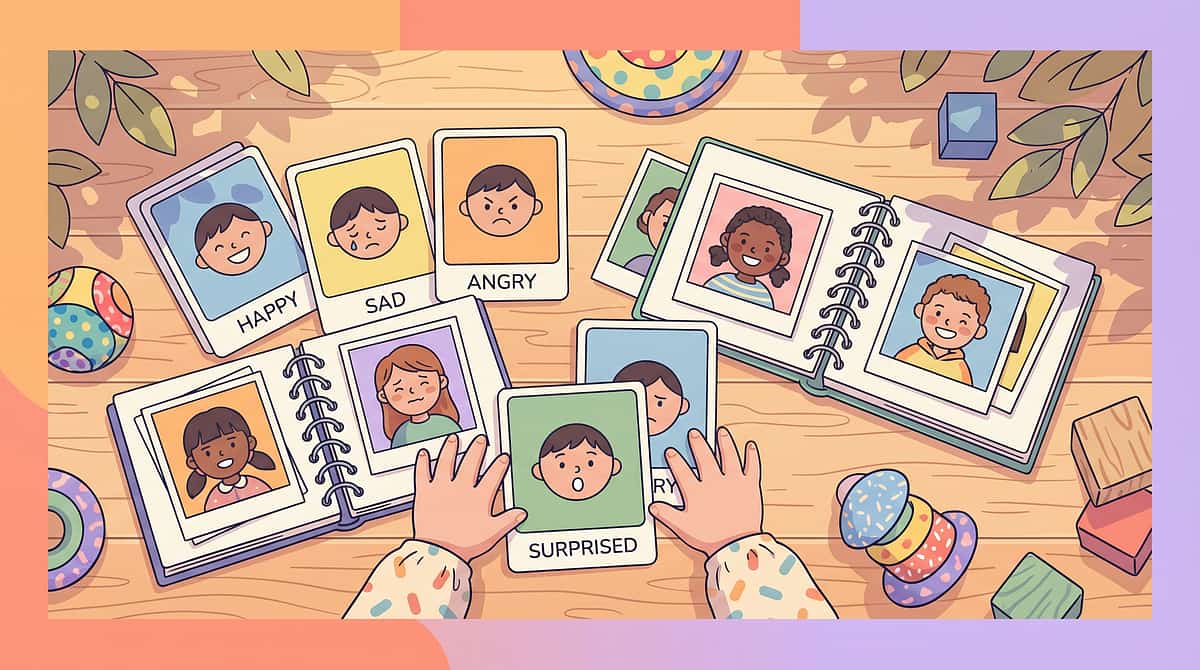
Material 5 — Expression Cards & Books
What It Includes
Emotion flashcard sets, expression photo books featuring real faces showing genuine smiles, feelings board books, social story books about smiling and connection.
Why It Works
Expression cards introduce faces as visual stimuli in a lower-demand context — looking at a card rather than a live person. This serves as a stepping stone: as the child becomes comfortable seeing smiling faces on cards and books, the familiarity gradually transfers to real-life face-directed attention. It also builds an emotional vocabulary — "happy," "smiling," "joyful" — that supports social communication.
How to Use It
Sit side-by-side. Look at the smiling face card together. Then point to YOUR smiling face: "And look — I'm smiling too! Just like the picture!" Make it a matching game between the card and your real face.
Best Used At
Ages 24–60 months, when the child can follow a pointing gesture and engage with pictured content. For 12–24 months, use real-face photos (family photos) rather than illustrated cards.
Zero-Cost Version
Print photos of smiling faces from family photos, use a phone to show pictures, draw simple smiley faces with the child — making the creation itself a social, face-focused activity.
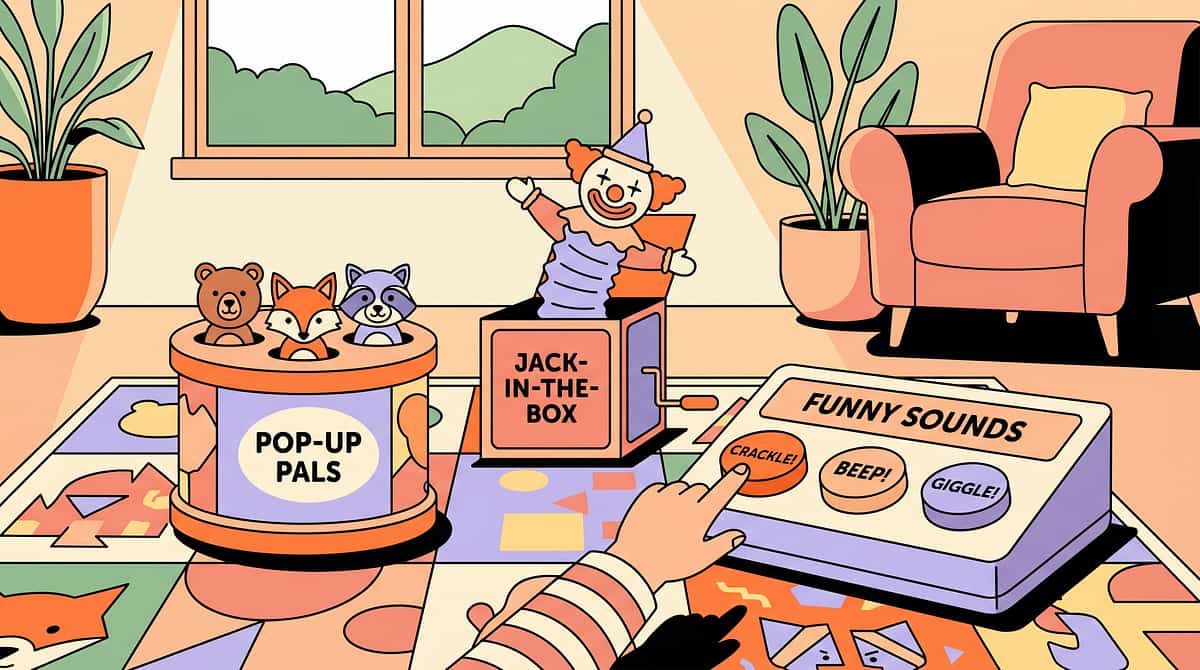
Material 6 — Cause-Effect Smile Triggers
What It Includes
Pop-up toys, jack-in-the-box, funny sound-making toys, toys activated by pressing a button that produce surprising, joyful outcomes — any toy where child action produces a predictable, delightful effect.
Why It Works
Cause-effect toys produce reliable, predictable smiles — a child pressing a button and getting a delightful pop is a near-guaranteed positive affect moment. The therapeutic technique is to make YOURSELF the cause-effect toy: you are the one holding it, activating it, sharing the moment of surprise. Your face should be visible and joyfully reactive at the exact moment the toy produces its effect. You become part of the cause-effect joy circuit.
The Anticipation Technique
Hold the jack-in-the-box. Turn the crank slowly. Watch your child's face. Make YOUR face wide with anticipation. When it pops — your shared surprise and laughter IS the therapeutic moment. Two faces, one joy.
Zero-Cost Version
Hands popping up from behind furniture, hiding your face then revealing it with a big smile, classic peek-a-boo with fabric. Your face appearing unexpectedly IS the cause-effect toy.
Selection Criteria
Choose toys that require YOUR activation (not fully self-operating). The child presses the button — you hold the box at face level, sharing the outcome. Your role as the social intermediary is essential.
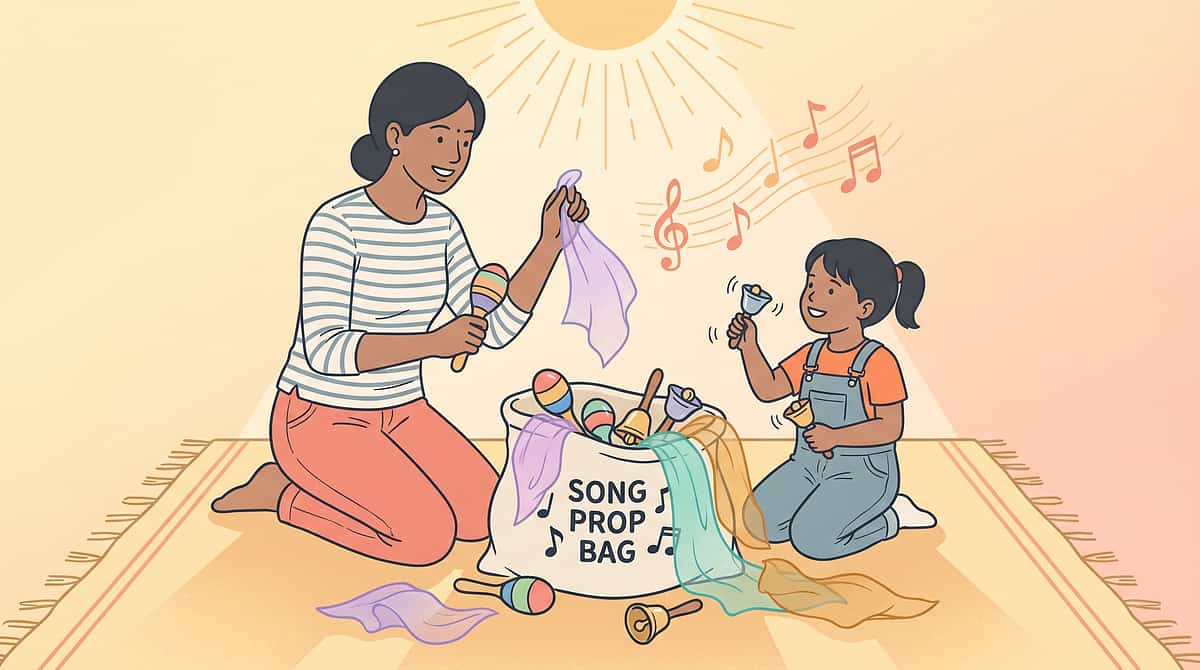
Material 7 — Song & Rhyme Props
What It Includes
Song prop bags, child-safe musical instruments (shakers, drums, xylophones), scarves for waving and peek-a-boo, puppets, rhythm sticks, tambourines.
Why It Works
Songs and rhymes create predictable, joyful social routines. The child learns when the tickle is coming (in "Round and Round the Garden"), when the big moment arrives (in "Heads, Shoulders, Knees and Toes"), when to anticipate — and anticipatory smiling is one of the earliest forms of social smile to emerge. Songs also create a ritual of connection: the same song, the same caregiver, the same joy, repeated daily until the caregiver's face alone triggers the anticipatory smile.
Song Ritual Protocol
Choose 2–3 songs. Use them consistently. Always position your face at the child's eye level during singing. Pause dramatically before the tickle/big moment. Your face + the song = one experience.
Zero-Cost Version
Your voice + your hands + clapping. Knee-bouncing rhymes. Any fabric for scarf play. "If You're Happy and You Know It" requires nothing but your voice, your face, and your presence.
Age-Specific Songs
12–24 months: Simple repetitive rhymes with physical touch (Round and Round, Incy Wincy)
24–42 months: Action songs with freeze moments (Freeze Dance, Musical Statues)
42–60 months: Story songs with emotional content, puppet-led songs
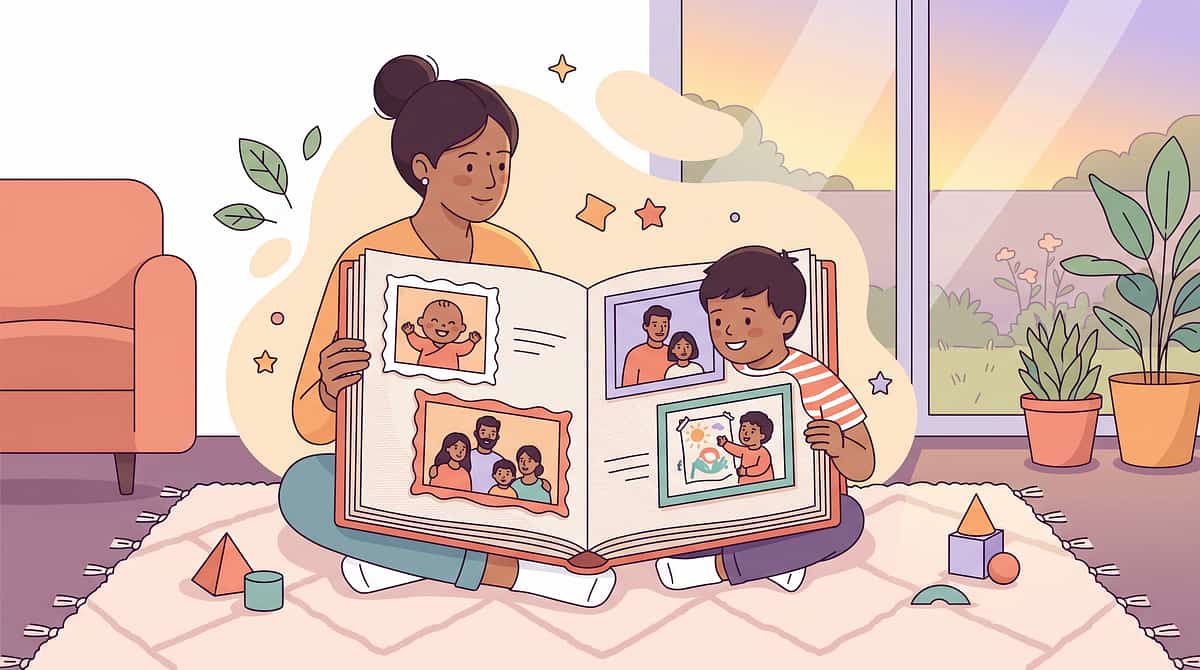
Material 8 — Personal Smile Photo Books
What It Includes
Custom photo books featuring the child themselves smiling, photo album boards with familiar family faces, laminated photo sets of the child's own joyful moments, personalised "Our Smiles" board books.
Why It Works
Children with social processing differences often respond more readily to familiar, highly predictable social stimuli. A photo book featuring THEIR OWN smiling face, paired with their parent's smiling face, is maximally familiar and maximally personalised. Looking at photos of their own past smiles helps children recognise and identify the social smile in themselves — building a self-concept of "I am someone who smiles with people."
How to Create One
Curate your best photos of the child smiling during social interactions. Include photos of family members smiling. Create a simple sequence: "Look — you're smiling at Daddy! Daddy is smiling at you!" Read it together during calm, connected moments — not as a teaching session, but as a joyful shared activity.
Zero-Cost Version
Phone photo gallery shared during a cuddle, printed photos in a folder, or taped to a low wall where the child plays. A folder of laminated family photos costs under ₹100 to produce.
Clinical Rationale
Video self-modelling research confirms that children respond powerfully to seeing themselves performing target behaviours. Personal photo books leverage this same principle: the child as their own most effective model.
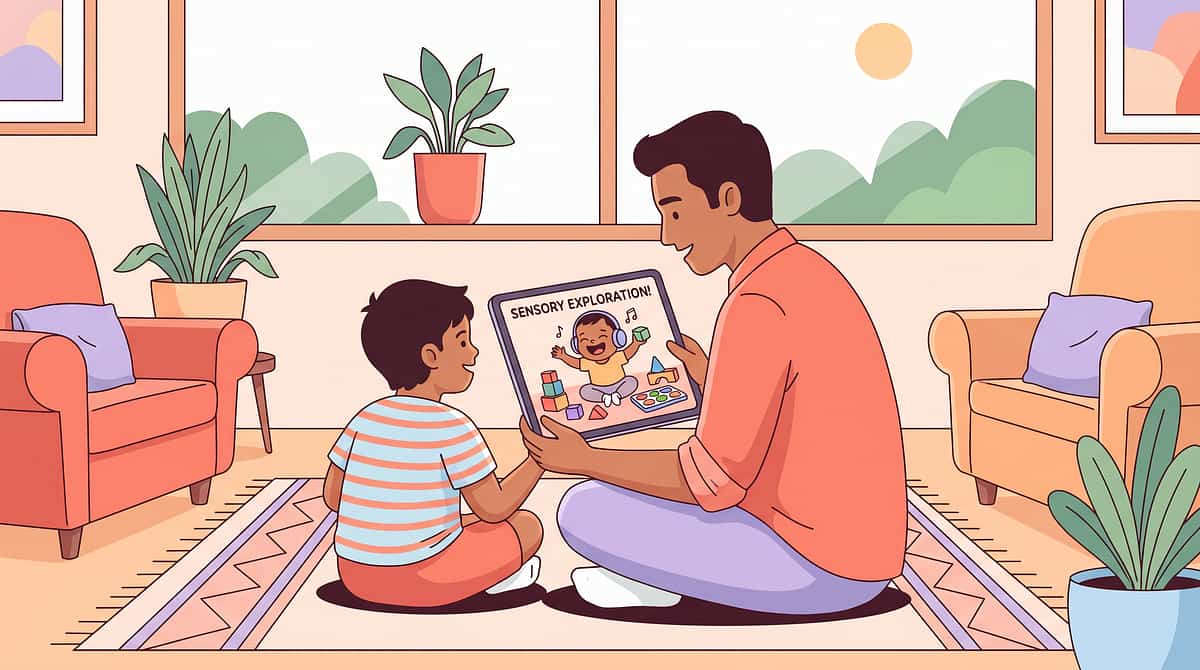
Material 9 — Smile Video Modelling
What It Includes
Tablet or phone for video viewing, camera for capturing social smile moments, custom recordings of your child's own smiles, curated video content showing children and caregivers engaged in joyful reciprocal smiling.
Why It Works
Video modelling is a well-researched, evidence-based intervention approach for children with ASD. Watching videos of social smiling — particularly videos of themselves or familiar family members — activates the mirror neuron system and reinforces the neural pathways associated with social reward. Seeing a smiling face on a screen in a low-demand context can build comfort and familiarity that gradually transfers to live social interactions.
How to Use It
Record moments when your child spontaneously smiles socially. Watch these recordings together. Comment joyfully: "Look! You're smiling at me! I was so happy!" Use video calls with familiar family members as live video modelling practice.
Screen Time Guidance
Limit video modelling to 5–10 minutes per session. All content must be age-appropriate and curated. Passive screen exposure (entertainment) is not equivalent to interactive video modelling with a social partner present.
Zero-Cost Version
Phone camera to record and replay, family video calls showing smile exchanges — FaceTime with grandparents IS a therapeutic video modelling opportunity when used intentionally.
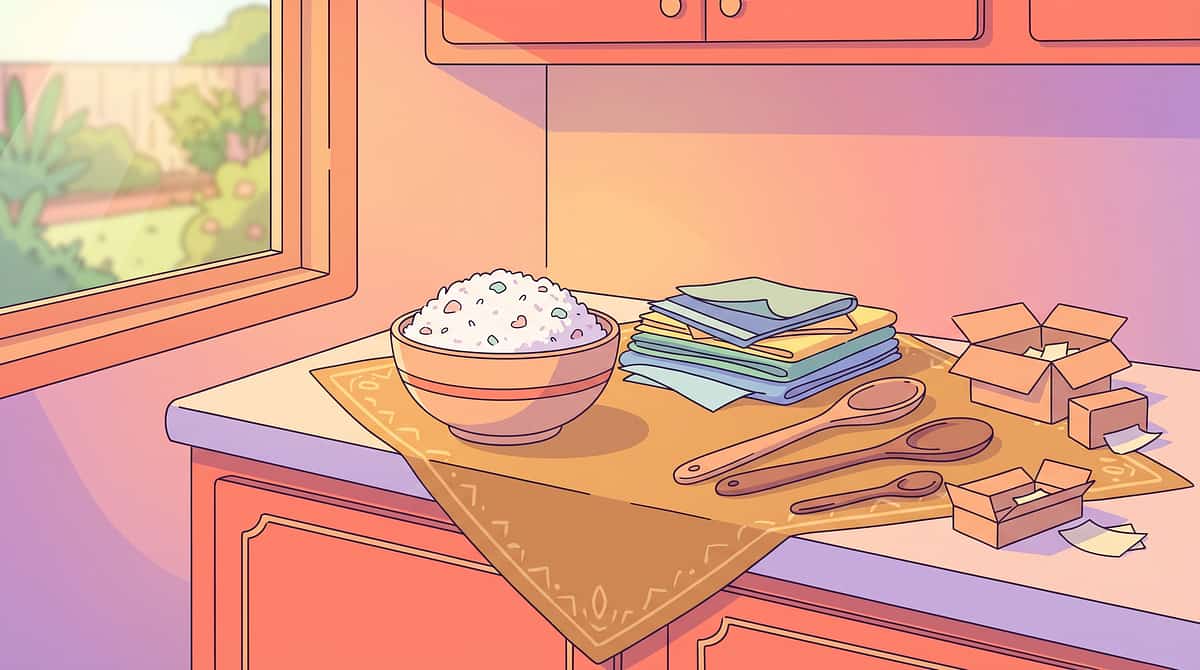
Zero-Cost Versions — Every Family Can Start Today
The active therapeutic ingredient is the pairing of social partner with positive experience — not the specific material. A chase game with a parent creates the same neurological association as a swing game. The material is the vehicle; the relationship is the medicine.
Buy This | Make This (₹0) |
Swing / trampoline | Chase games, airplane lifts, bouncing on knee, "I'm gonna get you!" tickle anticipation |
Bubble wands | Blow through fingers, straw + soapy water, cup with holes |
Silly glasses / props | Paper plate masks, stickers on face, funny hats, scarves over face |
Safety mirror | Bathroom mirror at child height, phone front camera propped up |
Expression cards | Printed family photos showing smiles, hand-drawn emotion faces |
Pop-up toys | Hands popping up from behind furniture, peek-a-boo with fabric, hide-and-seek face reveal |
Song props | Your voice + hands + clapping, knee-bouncing, any fabric for scarf play |
Photo books | Phone photo gallery, printed photos in a folder, family photos taped to a low wall |
Video setup | Phone camera to record and replay, family video calls, FaceTime with grandparents |
Safety Gate — Read This Before Your First Session
🔴 RED LINE — Stop If You See These
- Child becomes distressed, cries inconsolably, or shows panic in response to your social approach
- Child physically pushes you away repeatedly and cannot be redirected
- Child shows signs of seizure activity during any interaction
- Any breathing difficulty or choking risk from materials
🟡 AMBER — Modify If You See These
- Child turns away from your face but tolerates your presence nearby
- Overstimulation signs: covering ears, squinting, body tension (reduce intensity, don't stop)
- Child engages with material but actively avoids face — switch to side-by-side, not face-to-face
🟢 GREEN — Proceed When
- Child is fed, rested, and in a calm-alert state
- No illness, pain, or acute distress
- Environment is quiet and low-distraction
- You are calm and emotionally available — your stress transfers
Material Safety: All mirror materials must be shatterproof. Choking-hazard materials kept out of reach for children under 36 months. Supervise all bubble play. Screen time for video modelling limited to 5–10 minutes per session.
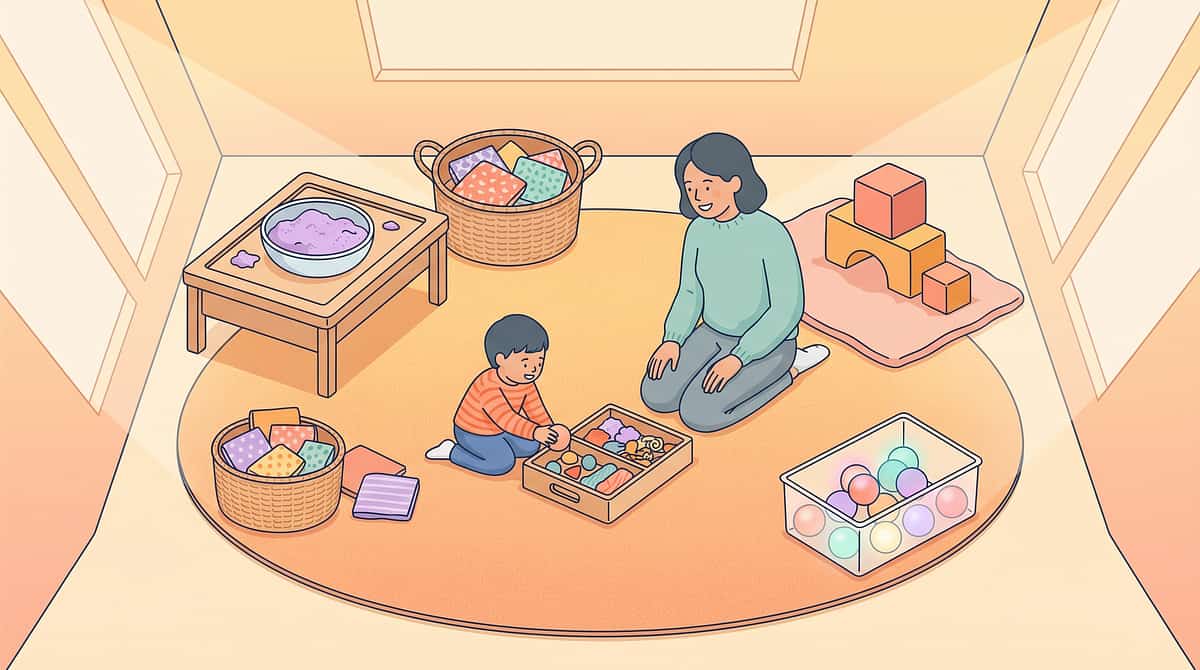
Your Social Smile Station — 5 Minutes to Set Up
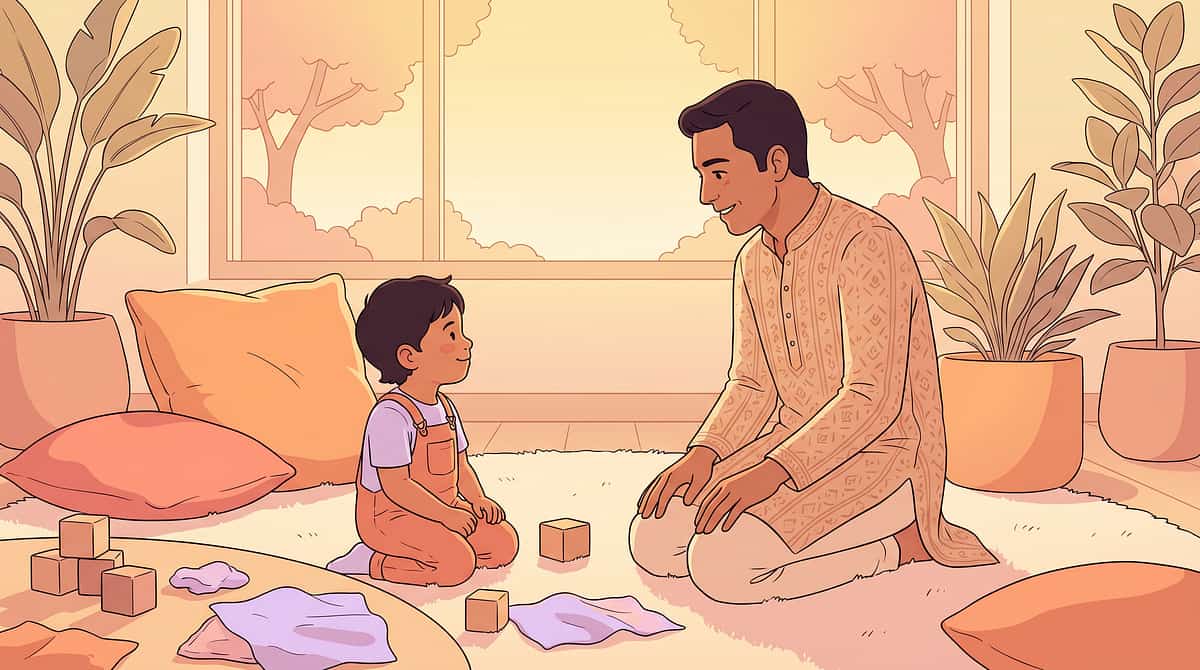
Child Position
Floor-level, comfortable (cushion or carpet), with back support if needed. Stability = readiness.
Parent Position
Face-to-face, at the child's eye level — kneel, sit on floor, or use a low chair. Your face must be in the child's natural line of sight.
Materials
Within arm's reach of the parent but NOT visible to the child — behind your back or in a bag. Reveal one at a time.
Mirror (if using)
Positioned to the side, angled so both faces are visible when the child looks at it.
Remove All Distractions
Screens, competing toys, other people moving in background, loud appliances, notification sounds.
Environment Checklist
Lighting: Warm and natural if possible. Your face should be well-lit — face the window; don't sit with the window behind you. Avoid your face being in shadow.
Sound: Quiet environment. Turn off TV, music (unless using song props), and all notification devices.
Temperature: Comfortable — not too warm (causes drowsiness), not too cool (causes discomfort).
Duration Setup: Have 15–20 uninterrupted minutes secured before beginning. A session interrupted mid-flow loses its therapeutic impact.
The Best Session Is One That Starts Right
Readiness is not optional. Session effectiveness depends almost entirely on the antecedent conditions — what comes before the session begins. ABA principle: antecedent manipulation and setting events determine intervention effectiveness.
Fed Within 1–2 Hours
Not hungry — hunger creates dysregulation that competes with social engagement
Rested & Alert
Not within 30 minutes of waking or near nap time — aim for the natural calm-alert window
No Physical Discomfort
No illness, teething pain, or visible distress — physical pain competes with social reward processing
Calm-Alert or Mildly Playful
Not dysregulated — the nervous system must be regulated before social learning can occur
✅ All Green — GO
Proceed to Step 1: The Invitation
🟡 1–2 Concerns — MODIFY
Use simplified version: just sit near your child during a preferred activity, be present during their joy, smile when they look at you. No demands.
🔴 3+ Concerns — POSTPONE
Engage in a calming co-regulation activity — gentle rocking, quiet music, just being near. Try again when conditions improve.

Step 1 — Make Yourself Interesting (2 Minutes)
The Approach
Don't rush to the child's face. Begin by entering their sensory world. If they're playing with something, sit nearby and play with a similar item. If they're moving, move alongside them. Your first goal is proximity without demand.
Parent Script
"Hi, sweetheart. I'm right here." (Warm, sing-song voice. No questions. No demands. Just presence.)
Then: Bring out ONE material — the one most likely to produce a smile. If you know bubbles make them happy, bring bubbles. If tickle games work, start the tickle approach. The key: YOU are the source. The material comes FROM you, through you, near your face.
Child Response Spectrum
Ideal
Child orients toward you, shows interest in material, begins to show positive affect
Acceptable
Child tolerates your proximity, glances at material, doesn't withdraw
Concerning
Child actively moves away or shows distress → Return to Safety Card and modify

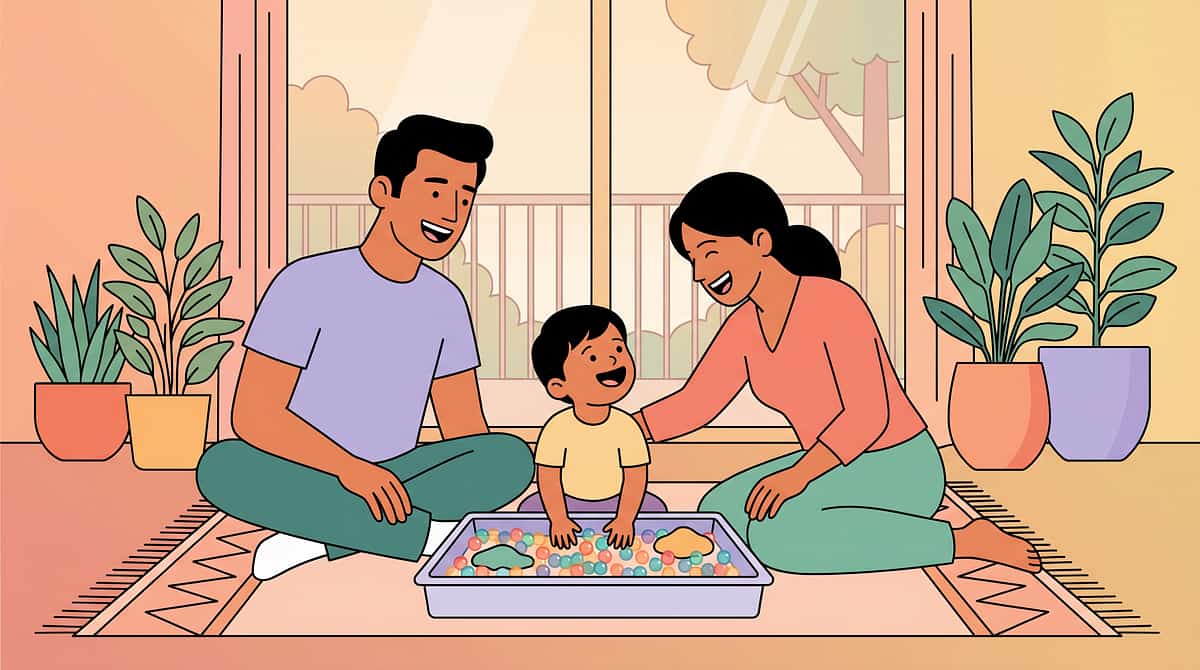
Step 2 — Be Where the Joy Is (3 Minutes)
Each glance toward your face during a positive experience strengthens the social reward association. You need as many of these glance-during-joy moments as possible within each session. Your enthusiastic facial expression at the moment of the glance IS the therapeutic dose.
Step 3 — The Smile Pairing Moment (5–7 Minutes)
Choose ONE material pathway per session. Do not combine all nine at once. Execute it with full emotional presence. This phase occupies 40–60% of total session time.
Pathway A — High-Affect Games
"I'm gonna get you!" Build anticipation slowly… face close… eyes wide… then TICKLE! or CATCH! or LIFT! Repeat the build-up 3–5 times. Each time, your face is the last thing they see before the joy explodes. Your face = joy's arrival.
Pathway B — Sensory-Social Pairing
Position bubbles, lights, or music so they emerge from near your face. Blow bubbles from mouth level. Activate light toys while holding them near your chin. Your face + the sensory reward become one inseparable experience.
Pathway C — Mirror Play
Sit together at the mirror. Make a BIG smile at your reflection. "Look! Mama is smiling!" Then look at child's reflection. Wait. If any smile appears: "YOU'RE smiling too! We're both smiling!" Two faces, one joy, zero pressure.
✅ Ideal Response
Child looks at your face during joy; smile emerges toward you; reciprocal exchange begins
👍 Acceptable
Child glances at your face once or twice; smiles during the activity even if not directly at you
⚠️ Concerning
No engagement after 3–4 attempts → Switch materials or reduce intensity. Never force.
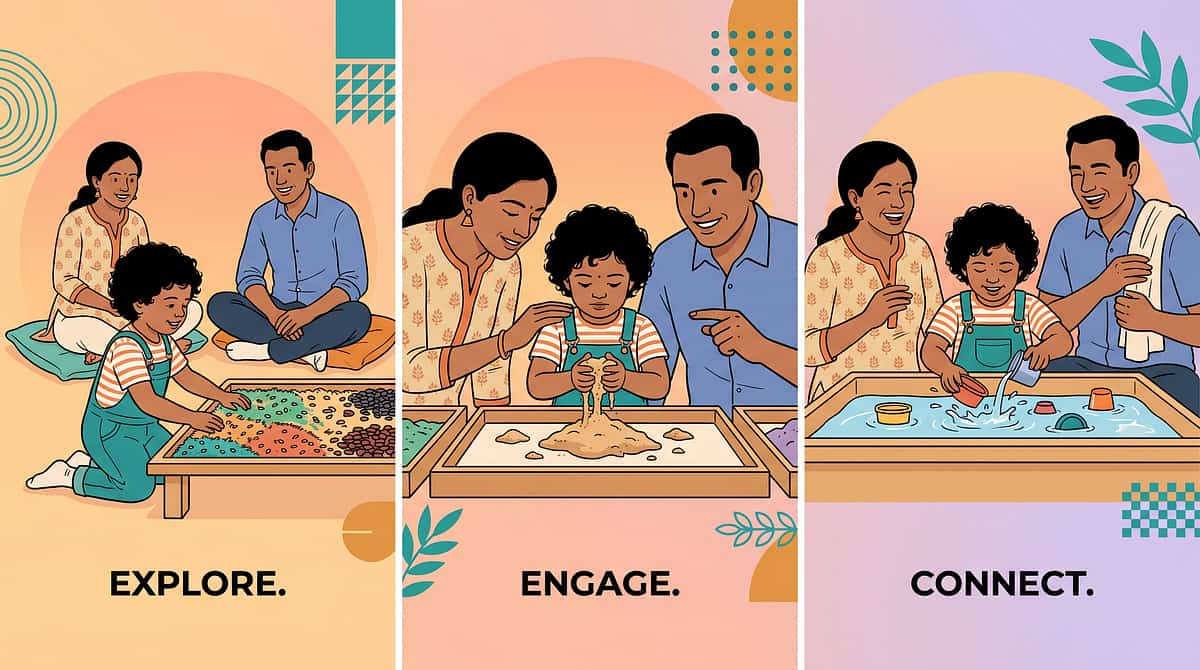
Step 4 — Three Good Reps Are Worth More Than Ten Forced Ones (3–5 Minutes)
Repetition Guidance
Target: 3–5 joyful pairing sequences per session
Rest between reps: 15–30 seconds — let the child process the experience
Variation: Same principle, slightly different execution within each session
"3 good reps > 10 forced reps." Honor your child's satiation point. You can always come back tomorrow.
Variation Options
- Same material, different position: Mirror on floor → mirror at table → handheld mirror
- Same game, different intensity: Gentle bounce → medium → big bounce → gentle again
- Same song, different action: Clap → stomp → wiggle → freeze with BIG SMILE
- Add surprise elements: Unexpected pause in the song, sudden appearance from behind fabric
Satiation Indicators — When Your Child Has Had Enough
- Looking away consistently
- Body turning away; pushing the material
- Fussing or whining
- Decreased positive affect
- "Flat" compliance without joy
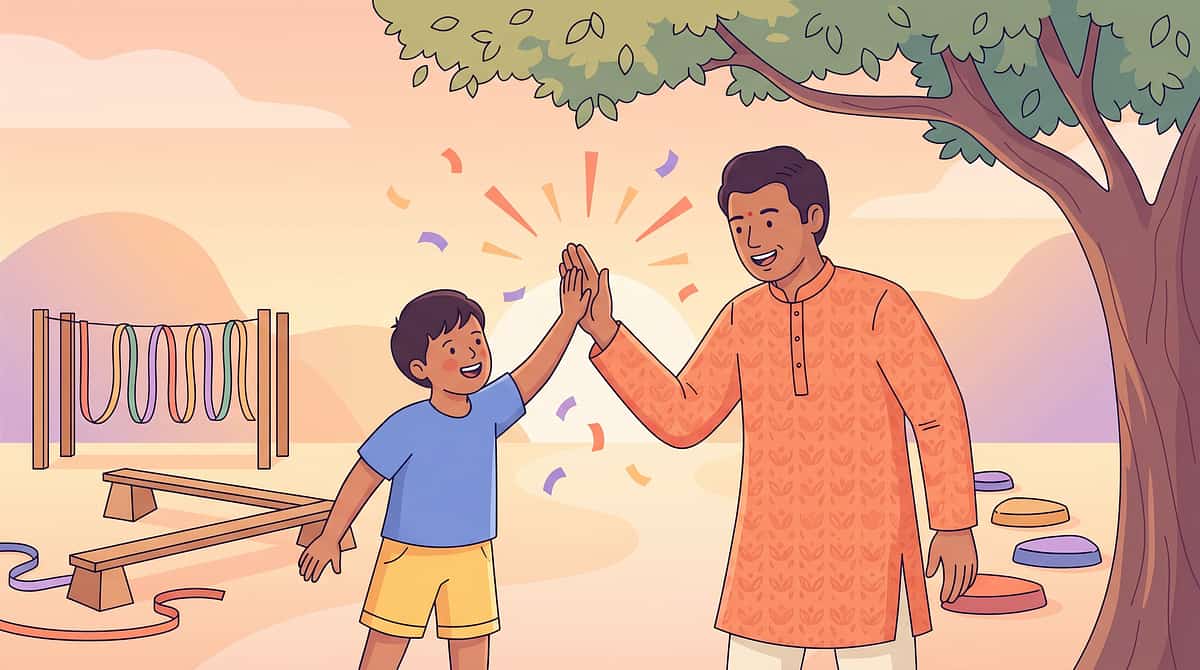
Step 5 — When You See Even a Flicker of Social Smile — Celebrate It (1–2 Minutes)
When your child looks at your face and even the corner of their mouth lifts, or their eyes brighten toward you — this is the moment everything has been building toward. Your response in the next second matters enormously.
Immediate — Within 1 Second
"You're smiling at me! I LOVE when you smile at me!" Timing matters more than magnitude.
Specific — Name the Behaviour
"You looked at my face and smiled!" Not just "Good job!" — specificity reinforces the exact target behaviour.
Enthusiastic — Match Their Energy + 20%
Your voice, face, and body show pure joy at being smiled at. Be the mirror of their breakthrough.
Natural Consequence
The best reinforcement for a social smile is your social smile back. A genuine, warm, reciprocal exchange of joy — that's both the goal and the reward.
Level 1 — Always
Reciprocal smile + warm verbal acknowledgment
Level 2 — Emerging
Add a preferred sensory experience (extra bubbles, another round)
Level 3 — Early Learners
Brief preferred activity as natural reward — the smile leads to more fun
Level 4 — Established
Fade tangible reinforcers; social reciprocity becomes self-reinforcing

Step 6 — Ending With Warmth, Not Abruptness (2–3 Minutes)
The Closing Ritual
"We're almost done with our smile game." Lower your voice, slow your movements, offer gentle touch. Hold your child if they allow it, or sit close — a quiet moment of shared presence.
End with the same phrase every time: "Thank you for smiling with me today." + whatever physical connection your child accepts — a gentle forehead kiss, a hand squeeze, a warm palm on their back.
Why This Matters
The session ending is the last emotional impression. A gentle, warm close ensures the overall experience memory is positive — which directly increases your child's willingness to engage in the next session.
Don't abruptly stand up and walk away. The transition itself is therapeutic. Ease into the next part of the day as naturally as the session began.
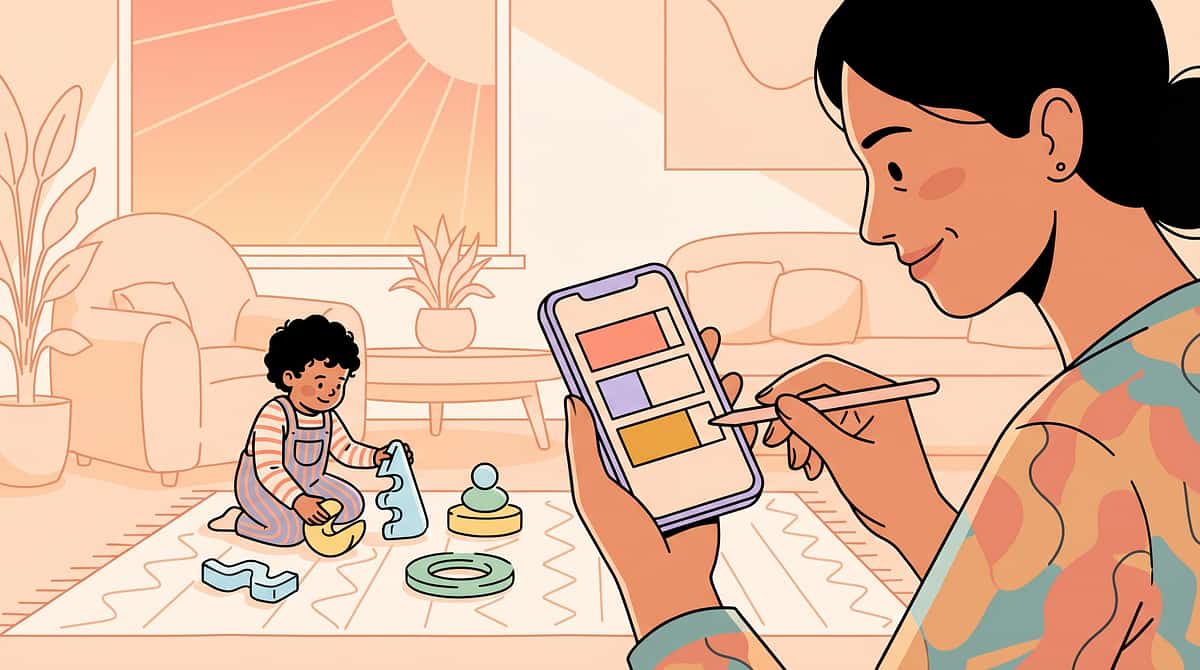
What Gets Measured Gets Improved
Thirty seconds of data capture after each session creates a cumulative picture of your child's progress that would otherwise be invisible week-to-week. Tracking also sustains parental motivation through the phases when progress is neural but not yet visible.
Daily Tracking — 30 Seconds Post-Session
Data Point | Record |
Date & time | ___ |
Material used today | ___ |
Face-directed glances (count) | ___ |
Smile directed toward face? | Yes / Almost / No |
Overall engagement level | High / Med / Low / Refused |
Session ended because | Natural / Satiation / Distress / Time |
One observation worth remembering | ___ |
Social Smile Progression Scale — Track Weekly
Stage 0
No smiling during session
Stage 1
Smiles during sensory/physical pleasure only — not face-directed
Stage 2
Smiles during socially-delivered experiences — person-paired smiles
Stage 3
Anticipatory smiles — smiles as the social game begins
Stage 4
Spontaneous social smiles — smiles at person without sensory context
Stage 5
Reciprocal exchanges — smiles back when smiled at
Stage 6
Generalised social smiling — across people and contexts

Troubleshooting — When It's Hard
Challenges are not failures. They are information. Every "this isn't working" moment is a clinical data point that refines your approach. Here is how to navigate the most common obstacles.
"My child won't even look at my face."
Don't require face-directed attention. Start with side-by-side play. Be the deliverer of joy from their peripheral vision. Face engagement will build over weeks, not days. Proximity and presence come first — face-directed gaze comes second.
"They smile at the material but not at me."
This is Stage 1 — it's progress! Now systematically position yourself between the child and the joy source. Your face in the path of their happiness is the pairing mechanism. You are already doing the right thing.
"It worked once and then stopped."
Social smiling isn't linear. Fatigue, illness, mood, and development all create variability. One social smile in a week is a neural pathway forming. Keep building. Consistency across weeks matters more than consistency within a single session.
"I feel rejected when they don't smile at me."
Your feelings are valid. This is one of the deepest aches of parenthood. Your child's brain is learning a new association — they are not choosing not to smile at you. The wiring is forming. Every session builds the connection even when you can't see it yet.
"My family says I'm being silly with props and games."
Share this page with them. Every game, every prop, every positioned bubble is grounded in neuroscience. You are not being silly. You are engineering neural pathways — and that is among the most meaningful things a parent can do.
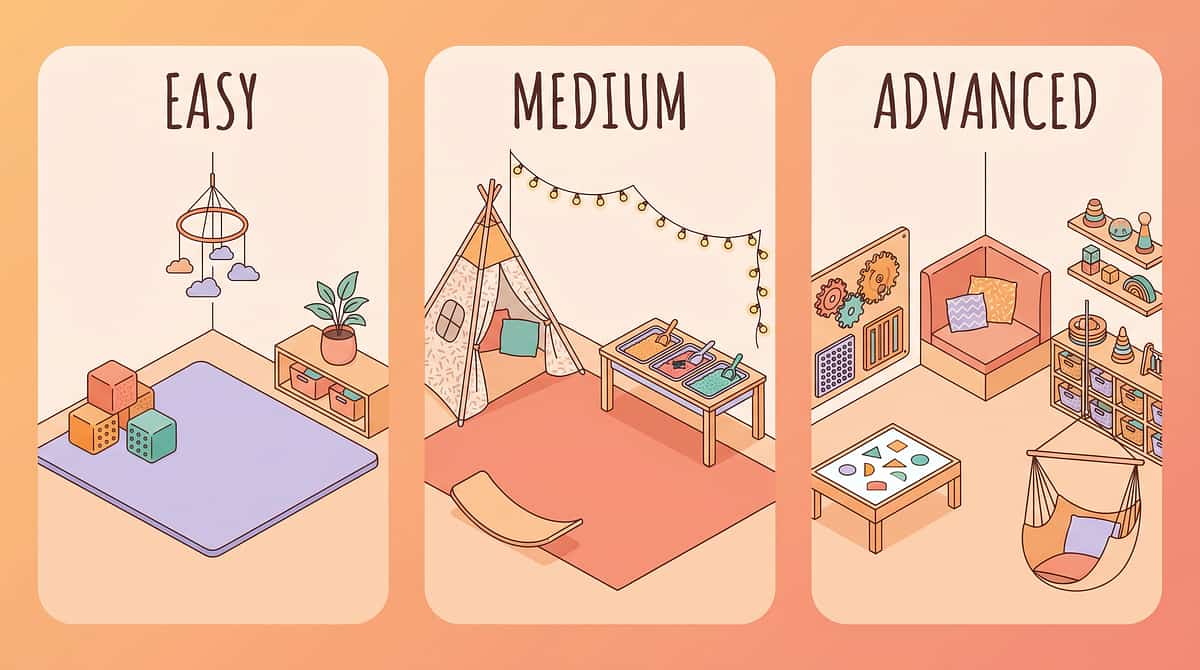
Make It Yours — Every Child Is Different
Easier Version
For difficult days or early learners
- Just ONE pairing attempt per session
- Use the child's strongest sensory preference only
- Accept proximity without eye contact as success
- Side-by-side instead of face-to-face
- Session length: 5 minutes
Sensory Profile Variations
Sensory Seeker: Use bigger, louder, more intense play — they need MORE input to reach the reward threshold
Sensory Avoider: Use gentle, quiet, predictable interactions — unpredictability creates anxiety, not joy
Mixed Profile: Follow the child — amplify what they lean toward, soften what they pull from
Harder Version
For breakthroughs and established learners
- Introduce less preferred sensory experiences through social pairing
- Reduce material support — can you elicit a smile with just your voice and face?
- Practise with less familiar people (grandparent, sibling)
- Vary settings: different rooms, outdoor, community
- Session length: 15–20 minutes
12–24 Months
Peek-a-boo, tickle games, sensory-social pairing. Mirror play introduced.
24–42 Months
Add expression cards, song rituals, video modelling. Begin reciprocal smile games.
42–60 Months
Add photo books, social stories about smiling. Practise across people and settings.
Weeks 1–2: Building the Foundation You Can't See Yet
What Progress Actually Looks Like
- Child tolerates your proximity during play — even if not looking at your face
- Moments of positive affect occur while you are present — even if not directed at you
- Child does not actively avoid sessions — acceptance, not enthusiasm, is the goal
- You notice which materials produce the most reliable positive affect
What Is Not Progress Yet — And That's Okay
- Spontaneous social smiles — too early in the progression
- Consistent face-directed gaze — still building the association
- Smiling at unfamiliar people — much later in the sequence
"If your child tolerated you sitting close during a joyful moment for 3 seconds longer this week than last week — that's real progress. Neural pathways don't announce themselves."
Parent Emotional Preparation
The first two weeks are the hardest emotionally. You're investing deeply and the returns are invisible. Trust the neuroscience. Trust the process. Trust yourself. The absence of visible progress is not evidence of failure — it is evidence of the work happening below the surface.

Weeks 3–4: The Neural Pathways Are Forming
Anticipation Emerges
Child perks up when you get the bubbles out, reaches for the mirror — they are predicting what comes next
Face-Directed Glances Increase
More frequent looking toward your face during peak joy moments — the association is forming
First Person-Paired Smiles
Smile occurs during a socially-delivered experience, with a glance toward your face — this is Stage 2
Proximity Seeking
Child may begin to seek proximity to you during non-session play times — social reward is generalising
What the Child May Start Doing Spontaneously
- Looking toward you after a surprising sound or event — early social referencing
- Brief brightening of affect when you enter a room
- Smiling during routine interactions, not just structured sessions
Parent Milestone
"You may notice you're more confident too. The awkwardness of 'positioning your face near bubbles' is giving way to natural, joyful play. You're becoming a play therapist without realising it."

Weeks 5–8: The Smile Finds Your Face
✅ Mastery Criterion 1
Child smiles at your face at least once per session without material prompting
✅ Mastery Criterion 2
Social smile appears in at least 2 different contexts — not just structured sessions
✅ Mastery Criterion 3
Anticipatory smiling appears when social game begins — predictive association established
✅ Mastery Criterion 4
Reciprocal smile exchanges: you smile → they smile back — even briefly
✅ Mastery Criterion 5
Social smiling begins appearing with other people — generalisation seeds are sprouting
You Did This. Your Child Smiles at Faces Because of Your Commitment.
Remember Card 01? That ache of walking into a room and being met with nothing? Look at what you've built. Neural pathway by neural pathway, session by session, bubble by positioned bubble — you taught your child that faces are wonderful. That YOUR face means joy.
"You are not just a parent. You are your child's first therapist, first teacher, and first bridge to the social world."
Family Celebration Suggestion
Capture a video of a reciprocal smile exchange. Save it. Date it. This is your child's social smile milestone — as significant as their first step. Share it with your family, your child's therapist, and the Pinnacle community.
Photo & Journal Prompt
Write down the first time your child smiled at you without a material prompt. The date. The context. What you felt. What they looked like. This moment matters — and you will want to remember it.
Trust Your Instincts — When to Call a Professional
🔴 Immediate Referral Indicators
- Complete absence of smiling in any context by 6 months
- Loss of previously established social smile — regression
- Flat affect that doesn't respond to high-affect games after 4 weeks of consistent protocol
- Distress in response to any social approach
- No smile during any activity by 12 months
🟡 Professional Consultation Recommended
- After 8 weeks of daily protocol with no progression on the Stage 0–6 scale
- If reduced social smiling is part of broader developmental concerns
- If you're unsure whether what you're seeing is progress or stagnation
Where to Seek Help
FREE National Autism Helpline
9100 181 181 — 16+ languages, available 24×7. Real clinicians. Real answers.
AbilityScore® Assessment
Standardised developmental profiling across all domains. pinnacleblooms.org
Find a Centre Near You
80+ Pinnacle Centres across India. Pinnacle Centre Locator
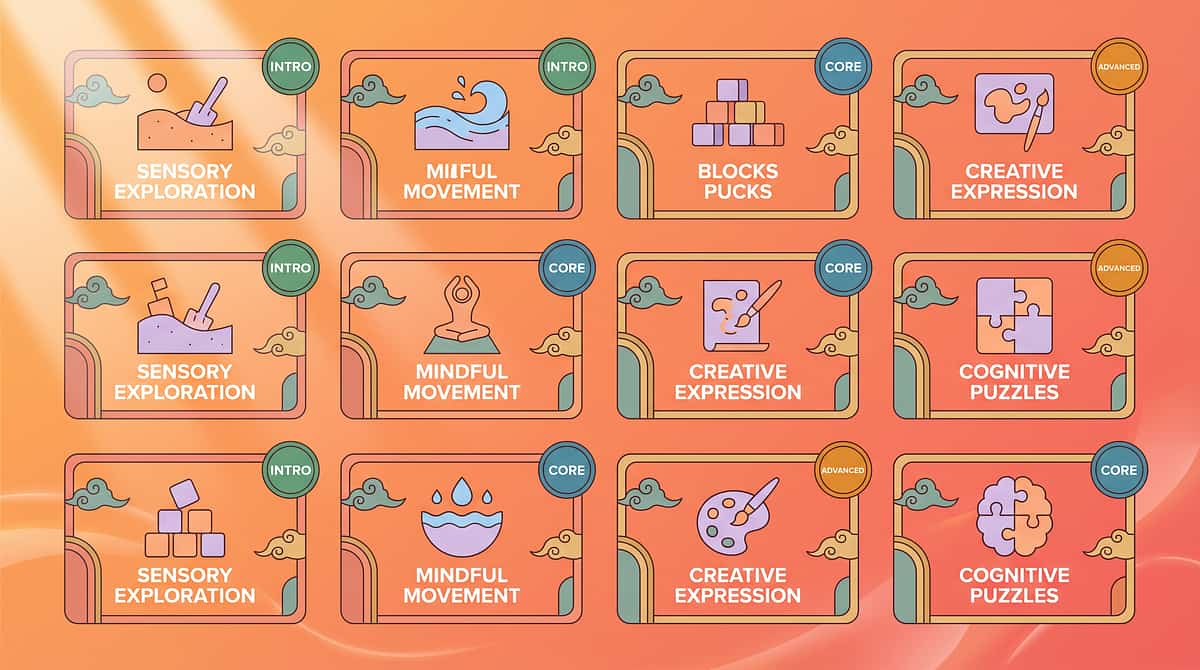
More in the Social-Emotional Expression Domain
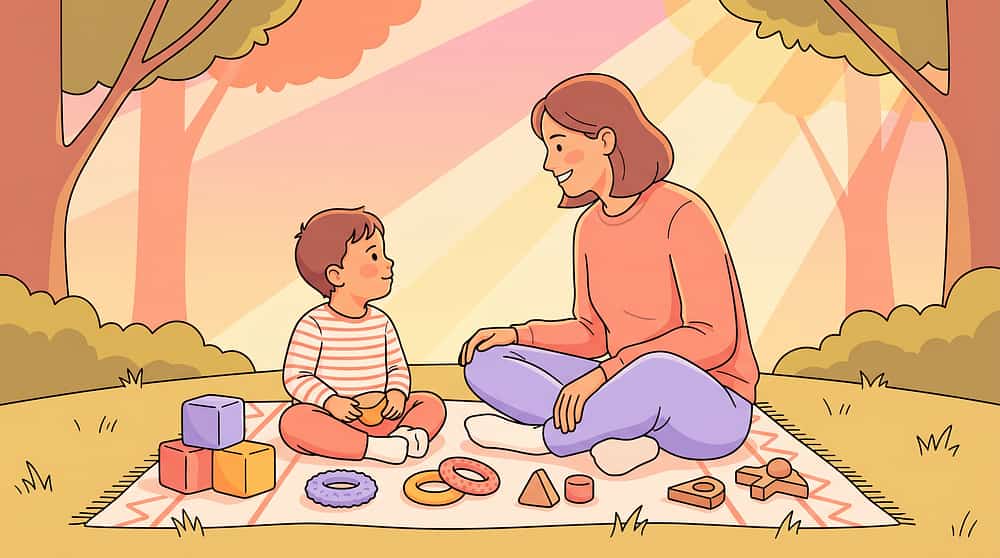
B-142: Eye Gaze Development
Introductory | Mirror & Visual Materials
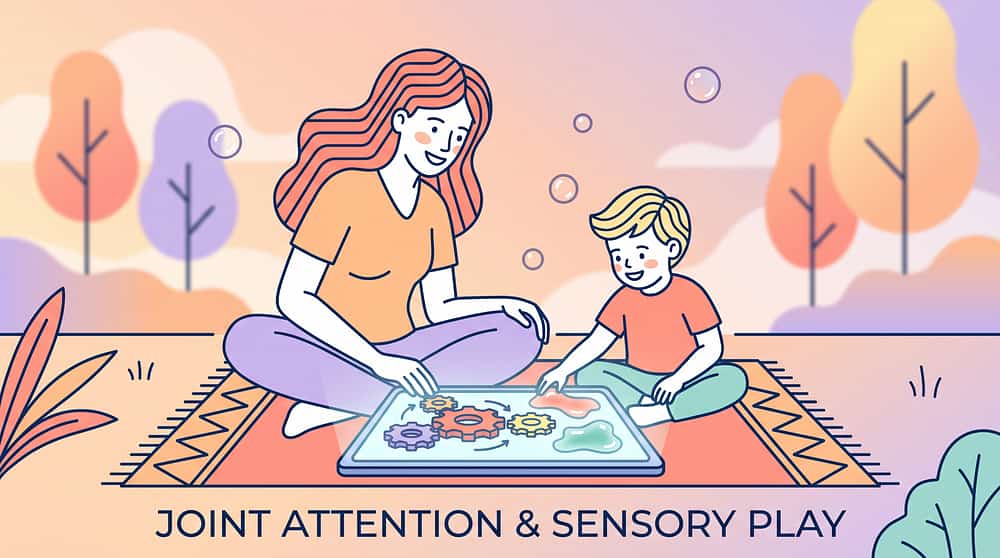
B-144: Social Referencing
Core | Interactive Games
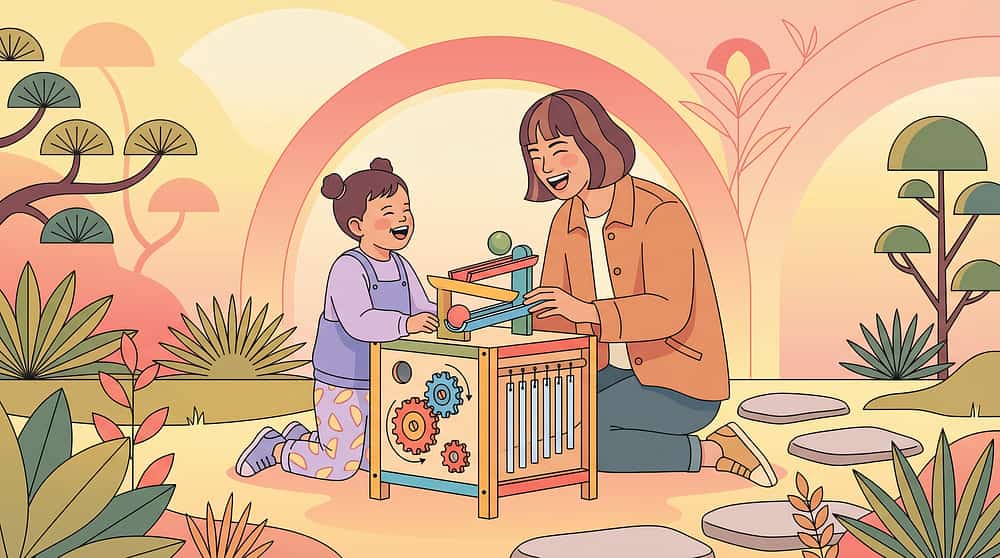
B-145: Shared Enjoyment
Core | Cause-Effect Toys
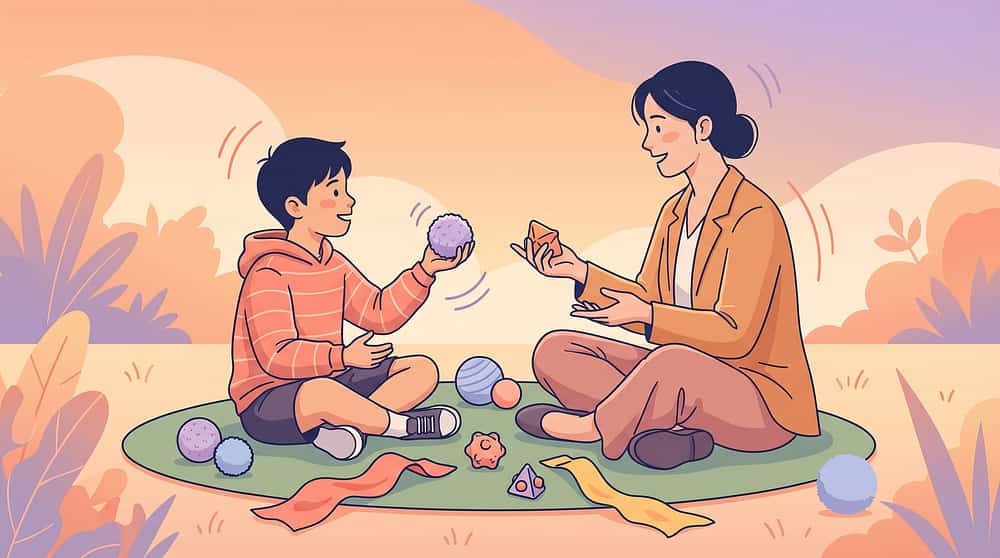
B-146: Emotional Reciprocity
Advanced | Expression Cards
K-881
Parents After Diagnosis — emotional support for the journey ahead
K-903
Therapy Carryover at Home — maximising clinical work between sessions
K-916
Building Joyful Connection With Your Child — parent-centred relational approach
You're Not Doing This Alone
FREE National Autism Helpline
9100 181 181 — 16+ languages, 24×7. No waiting. No judgement. Just support.
Website & Email
Parent Community
Connect with families navigating the same journey.
80+ Centres Across India
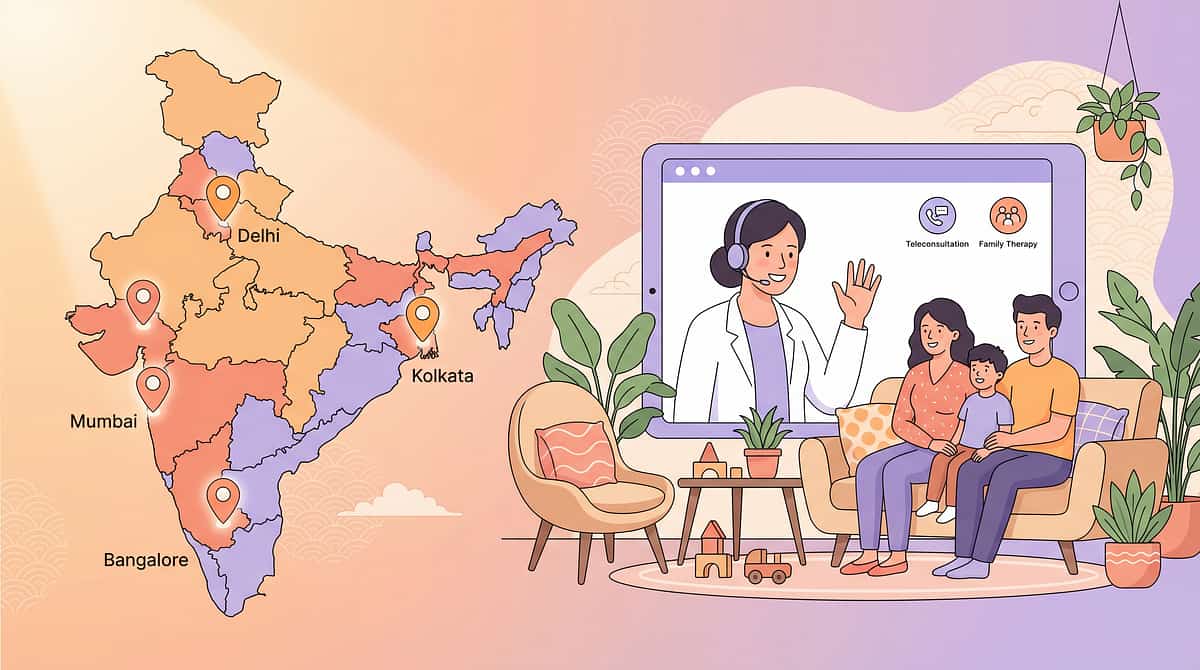
When You Need Expert Hands — 80+ Centres, One Standard of Care
Services Relevant to Social Smile
Speech Therapy
Social communication foundations and pre-linguistic skill building
Occupational Therapy
Sensory processing and social engagement through regulation-based approaches
ABA Therapy
Systematic pairing procedures and reinforcement protocols under BCBA supervision
Developmental Therapy
Comprehensive social-emotional programming within naturalistic developmental frameworks
EverydayTherapyProgramme™
Daily social smile activities translated into home-executable micro-interventions
Assessment Pathway
AbilityScore® Assessment
Standardised developmental profiling across all 12 domains
Social-Emotional Profile
GPT-OS® Diagnostic Intelligence Layer — 591+ observations
Social Participation Index
Ongoing longitudinal tracking of social smile progression
Call: 9100 181 181
Preview of 9 materials that help teaching social smile Therapy Material
Below is a visual preview of 9 materials that help teaching social smile therapy material. The pages shown help educators, therapists, and caregivers understand the structure and content of the resource before use. Materials should be used under appropriate professional guidance.


Powered by GPT-OS® — Global Pediatric Therapeutic Operating System
This intervention technique is generated, validated, and governed through GPT-OS® — the end-to-end operating system governing diagnosis, prognosis, therapy design, execution, monitoring, and readiness outcomes in child development.
Diagnostic Intelligence Layer
591+ observations across 349 skills and 79 developmental abilities — the most comprehensive paediatric developmental profiling system in the world
AbilityScore®
Universal developmental score (0–1000) establishing baseline and tracking longitudinal change with clinical precision
Prognosis Engine
Developmental trajectory prediction informed by 20M+ real therapy sessions across 80+ centres
TherapeuticAI®
Therapy focus, intensity, sequencing, and escalation — under licensed human clinical authority at all times
EverydayTherapyProgramme™
Clinical plans translated into daily home-executable micro-interventions that parents can actually do
FusionModule™
Speech, OT, behaviour, special education, and medical inputs coordinated into a single coherent pathway
Therapy Sessions
Informing every protocol, every recommendation
Improvement Rate
Measured across social-emotional development interventions
Centres
One standard of clinical excellence across India
"This is not software. This is therapeutic infrastructure."
"He Smiles When Tickled. Never When He Sees My Face."