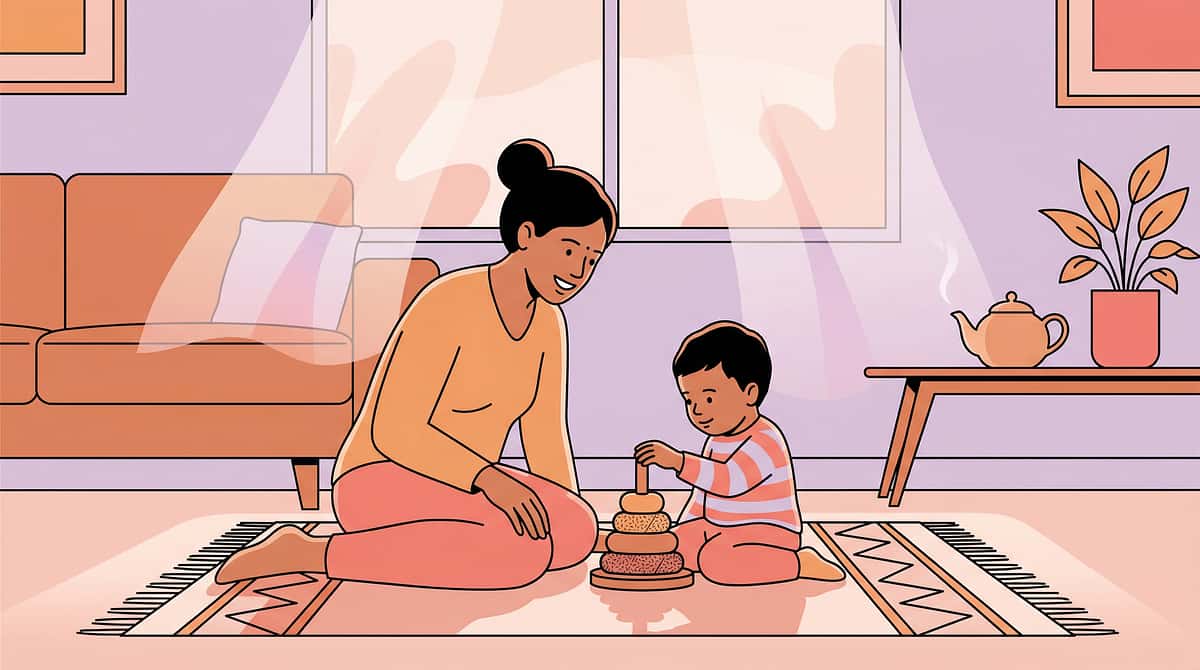
Your son is eight years old. You can see the longing in his eyes every single day — the way he positions himself near groups at the playground but never quite enters them. He watches other kids flowing in and out of conversation like water. "Want to play?" "Cool shirt!" "What are you doing?" Simple words that open doors. But your son stands at the edge. Silent. Waiting. Hoping someone will notice him.
He has all these words inside him, all this desire — but no bridge from silence to speech, from alone to together. And every day, you watch the opportunities pass him by.
"Conversation Initiation — The Bridge From Silence to Speech"
"You are not failing your child. The pathway from wanting to connecting is a specific, teachable skill. And it can be built." — The Pinnacle Blooms Consortium
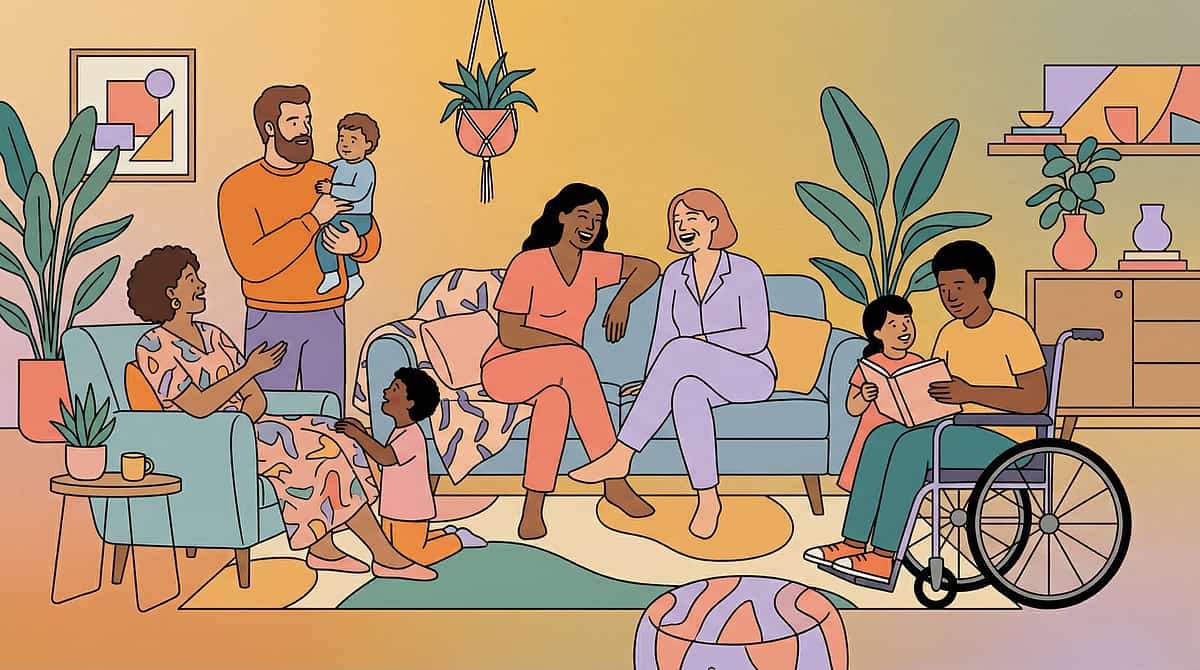
Every Day, Millions of Families Watch This Same Scene
Conversation initiation difficulty — the inability to bridge the gap from wanting to speak to actually speaking — is among the most common and most heartbreaking challenges in childhood social development. This is not a personality trait. It is not introversion. It is a specific, identifiable, measurable skill gap in pragmatic language — and it has a clinical name, a neurological basis, and an evidence-based treatment pathway.
Children with Autism (US)
Diagnosed with autism in the US (CDC 2023)
Show Initiation Difficulty
Children on the spectrum show social communication initiation challenges
Pinnacle Sessions
Therapy sessions on this exact domain across Pinnacle's network
"You are among millions of families navigating this exact challenge. You are not alone. And you are in the right place."
The Neuroscience of "I Don't Know What to Say"
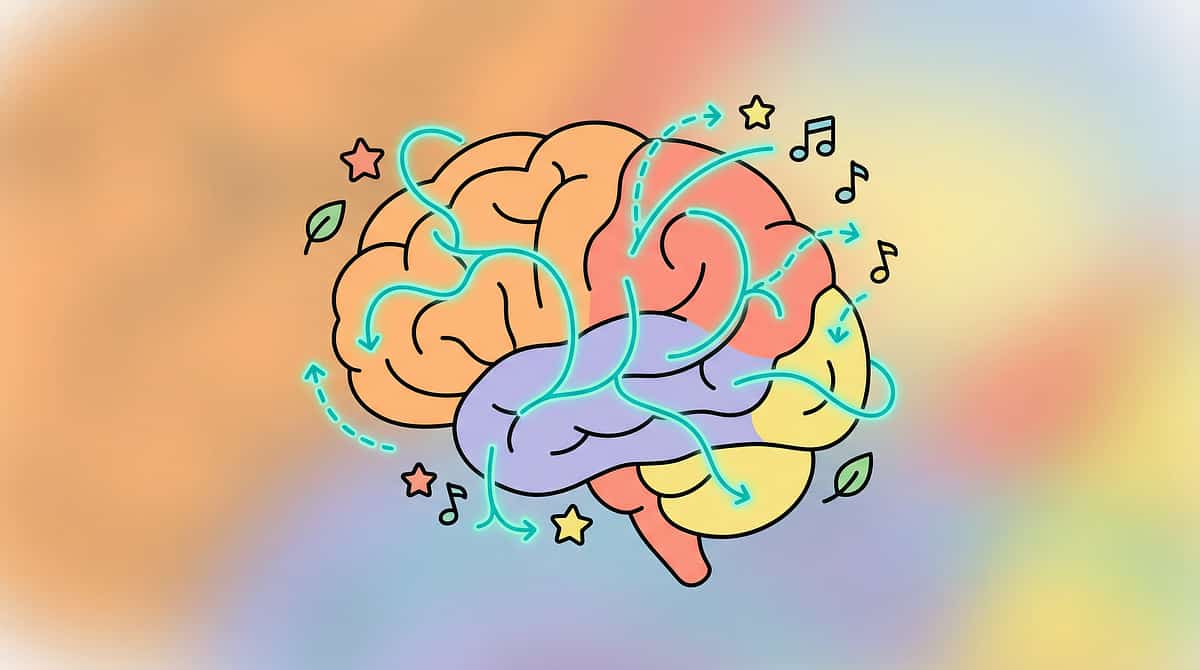
Conversation initiation requires the real-time integration of six simultaneous cognitive systems. When your child freezes at the edge of a group, their brain is being asked to run all six complex processes simultaneously — before they've been integrated into a single automatic sequence.
The Six Brain Systems
- Social Attention Network — recognizing that a social opportunity exists
- Pragmatic Language System — generating appropriate opening content
- Executive Function (Prefrontal Cortex) — planning and sequencing the approach
- Amygdala / Emotional Regulation — managing the fear of rejection and social risk
- Motor Planning — executing the physical approach (walking over, body positioning)
- Response Processing — knowing what to do after the first words land
What This Means for Your Child
"What neurotypical children absorb through years of social osmosis, your child must learn through explicit instruction. That's not a weakness — it's a different learning pathway." — Pinnacle SLP Consortium
This is a wiring difference, not a character flaw. And wiring can be rewired.
Research: Frontiers in Integrative Neuroscience (2020): DOI 10.3389/fnint.2020.556660 | NCAEP Evidence-Based Practices Report (2020)
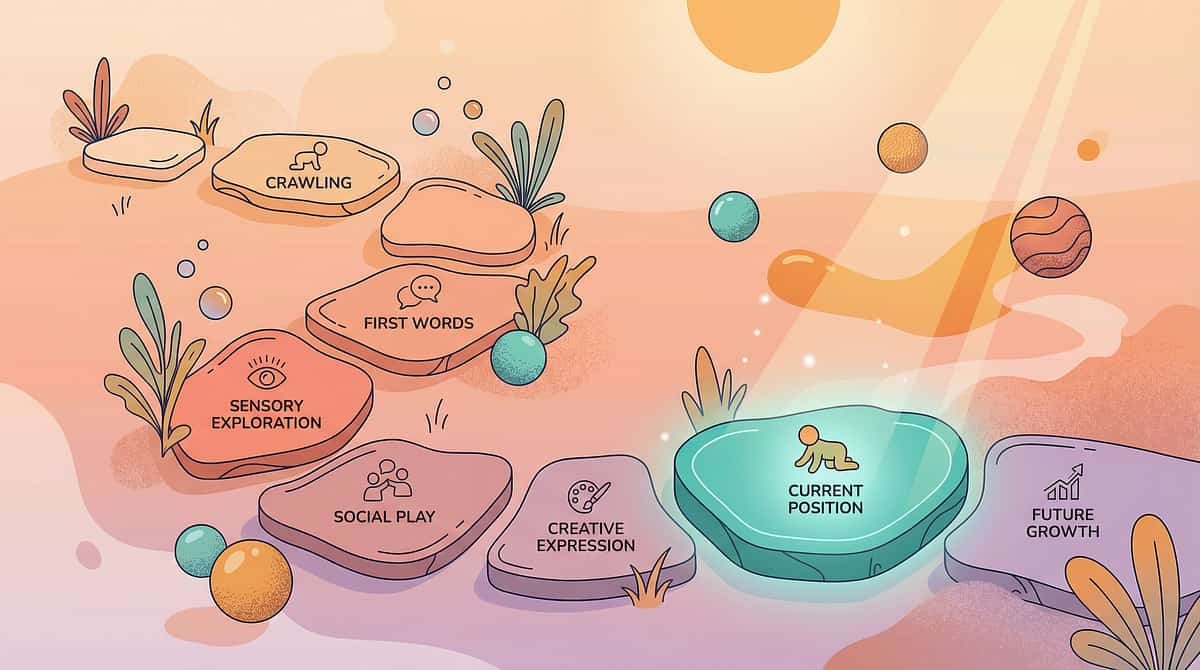
Your Child Is Not Behind. They Are at a Waypoint.
Social initiation typically develops between ages 3–5 through environmental absorption. When it doesn't emerge naturally, children with autism, social communication disorder, social anxiety, ADHD, or developmental language differences require explicit instruction to achieve the same milestones. Your child is here. Here is where we're heading. And every technique on this page moves them forward on this timeline.
Ages 2–3
Parallel play
"My turn"
Ages 3–5
Simple openers
"Want to play?"
← B-208 Begins
Ages 5–7
Topic-based conversations
Ages 7–10
Group entry
conversations
Ages 10–12+
Complex social navigation
← B-208 Target
Comorbidity awareness: Conversation initiation difficulty commonly co-occurs with joint attention challenges (→ B-206), social approach difficulties (→ B-207), and anxiety disorders. Neurotypical children learn initiation through osmosis. Your child needs a roadmap made visible. That's what this page is.
Sources: WHO Care for Child Development (CCD) Package | PMC9978394 | WHO/UNICEF CCD Package (2023)

Clinically Validated. Home-Applicable. Parent-Proven.
This intervention meets evidence-based practice (EBP) criteria as defined by NCAEP (2020), ASHA Practice Portal, and the Oxford Centre for Evidence-Based Medicine. The materials on this page are not suggestions. They are evidence-based tools, field-tested across 20M+ sessions at 70+ Pinnacle centres, and validated by the international scientific community.
Study | Finding | Source |
PRISMA Systematic Review (Children, 2024) | Social skills intervention with visual supports meets EBP criteria for ASD | PMC11506176 |
Meta-analysis (World J Clin Cases, 2024) | Significant gains across 24 studies: social skills, peer interaction, pragmatic language | PMC10955541 |
Video Modeling Review (NCAEP, 2020) | Video modeling classified as evidence-based for social skill acquisition in autism | NCAEP 2020 |
Social Stories Meta-analysis | Social stories effective for teaching social behaviors including initiation | ASHA Practice Portal |
Indian J Pediatr RCT (Padmanabha, 2019) | Home-based social communication intervention: clinically significant outcomes | DOI 10.1007/s12098-018-2747-4 |
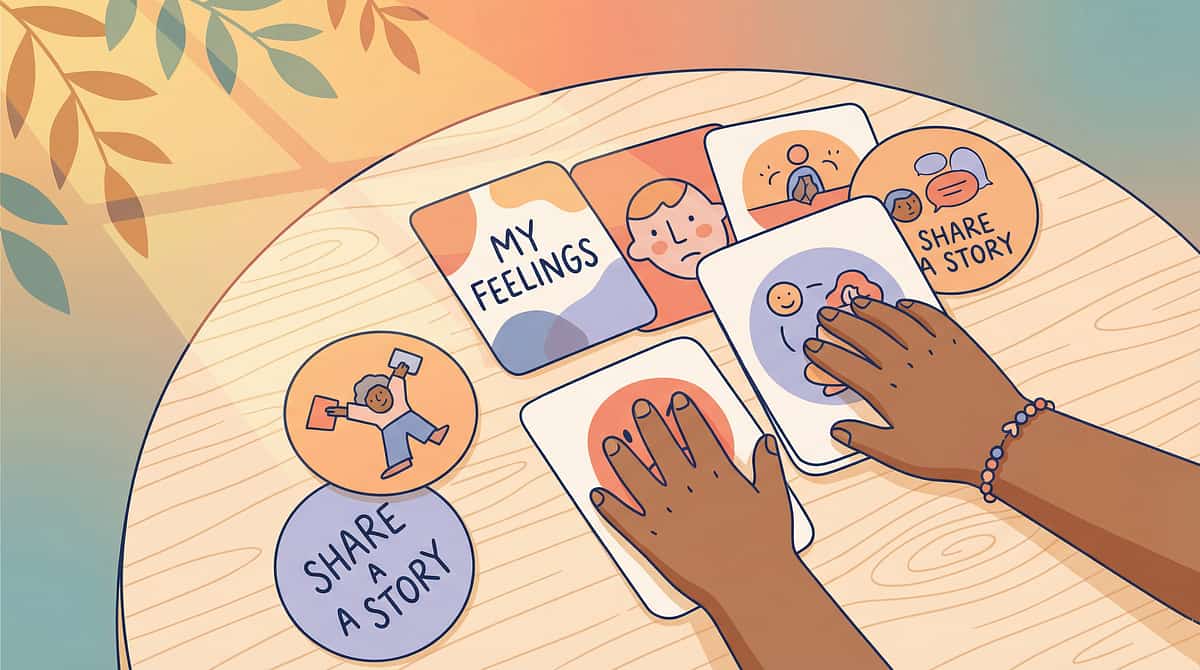
What Is Conversation Initiation Difficulty in Children?
Conversation Initiation is the pragmatic language skill of beginning a communicative exchange — bridging the gap from silence to speech, from alone to connected. It requires: recognizing a social opportunity, generating contextually appropriate content, timing the approach, managing the emotional risk of social vulnerability, and executing the verbal and nonverbal behaviors that open an exchange.
A child may have excellent vocabulary, strong receptive language, and the ability to maintain long conversations — yet still struggle profoundly with initiation. This is because initiation is a pragmatic skill, not a linguistic one. It requires reading social context, managing emotional risk, and executing a complex behavioral sequence under time pressure. Children who "know what to do but can't do it" are experiencing exactly this gap.
Common Observable Signs
- Stands at edge of groups without joining
- Waits for others to start all conversations
- Can maintain conversations when others begin but won't initiate
- Hovers near peers hoping to be noticed
- Freezes when wanting to approach someone
- Leaves social situations without having spoken to anyone
Discipline Lead
- Speech-Language Pathology (Primary)
- ABA (Behavioral support)
- OT (Social participation)
- Special Education (Structured facilitation)
Source: ASHA Practice Portal: Social Communication | PMC11506176
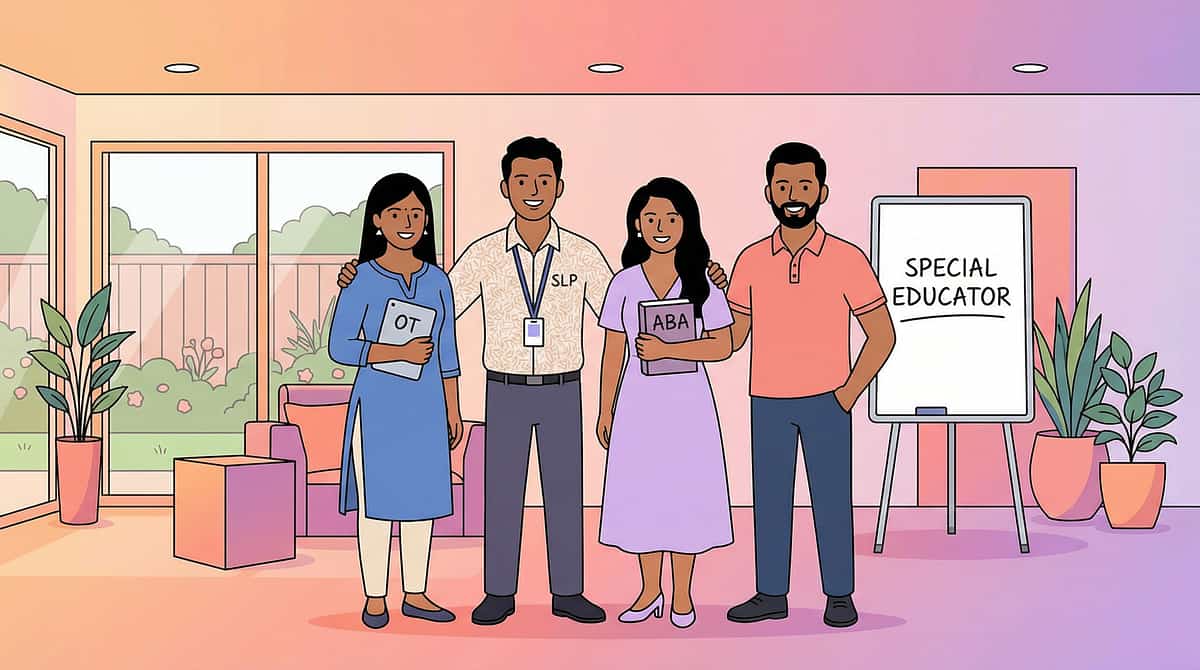
This Challenge Lives at the Intersection of Four Disciplines
The brain doesn't organize by therapy type. Conversation initiation difficulty spans language (SLP), behavior (ABA), participation (OT), and learning (Special Education). The Pinnacle Consortium addresses all four simultaneously through GPT-OS® FusionModule™.
🗣️ Speech-Language Pathology (Lead)
Pragmatic language assessment and intervention
- Evaluates conversation initiation within the full social communication profile
- Teaches explicit scripts, conversation frameworks, and situational openers
- Addresses prosody, timing, and topic maintenance
👁️ Occupational Therapy
Social participation and sensory-motor components
- Addresses physical approach (motor planning, proxemics, eye contact)
- Supports sensory regulation that enables social engagement
- Works on environmental structures that facilitate natural interaction
🎯 ABA / Behavior Analysis
Skill acquisition, reinforcement, and generalization
- Applies discrete trial training for initiator scripts
- Uses NDBI for real-world transfer
- Manages reinforcement schedules that make initiation attempts rewarding
📚 Special Education
Structured learning and school generalization
- Implements social stories and visual sequence supports in educational settings
- Facilitates structured peer interaction opportunities
- Connects classroom accommodations to initiation skill building
Sources: Int J Speech-Lang Pathol (2022): DOI 10.1080/17549507.2022.2141327 | NCAEP 2020
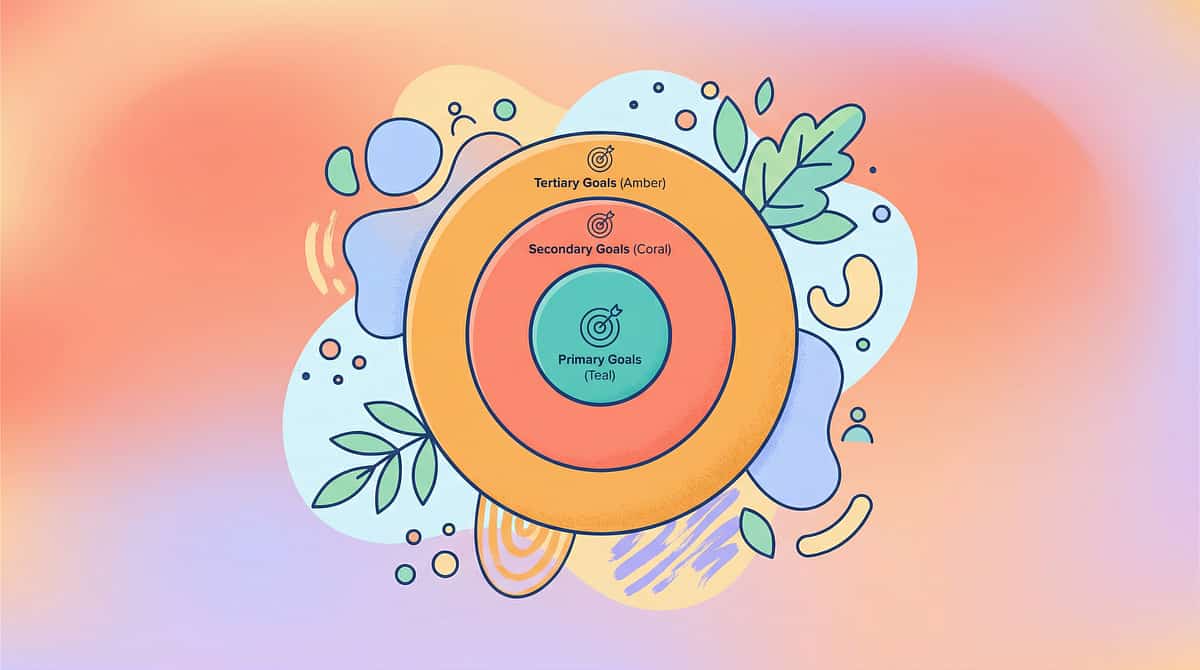
This Is Not a General Activity. It Is a Precision Therapeutic Tool.
GPT-OS® Readiness Indexes Tracked
- Social Communication Readiness Index
- Peer Interaction Function Index
- Pragmatic Language Index
- Social Participation Index
- Friendship Readiness Index
- Community Inclusion Index
Primary Target Indicators
- Approaches peer independently
- Makes eye contact
- Produces greeting or opening phrase
- Waits for response
Sources: PMC10955541 | WHO NCF 2018
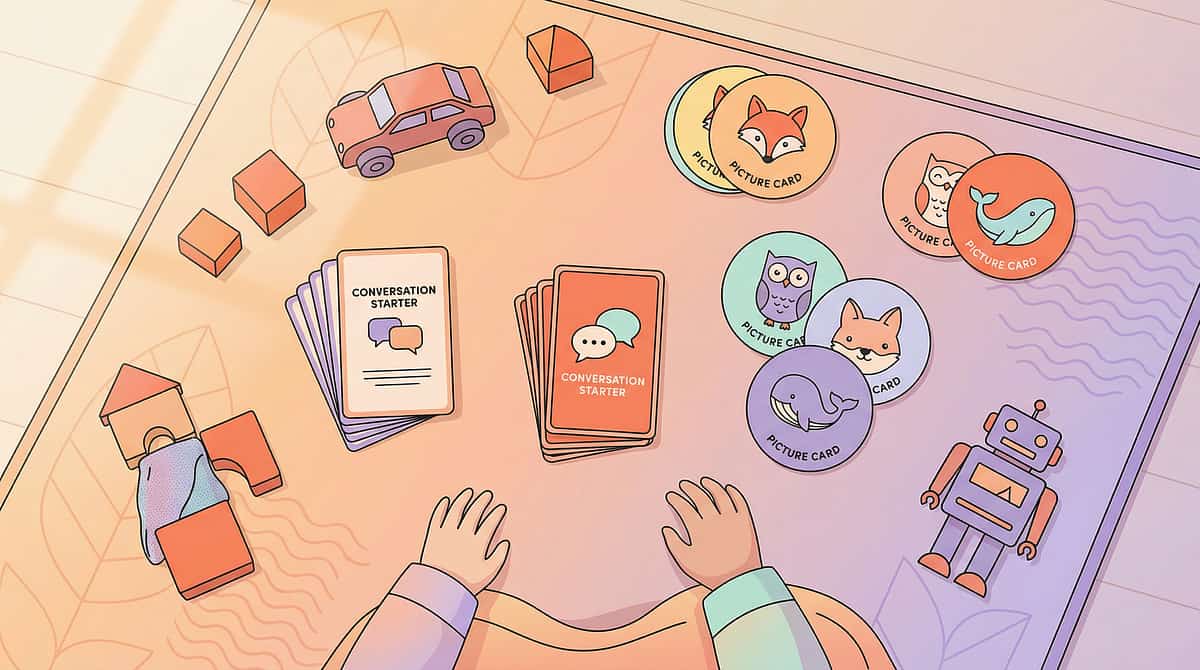
9 Materials That Help Starting Conversations | Clinically Validated Resources
Every Material Your Child Needs. Sourced, Priced, Ready.
1. Conversation Starter Cards & Social Cue Cards
Category: Social Communication Supports | ₹200–800
Ready-made openers that children can learn, practice, and use — removing the need to generate language from scratch under social pressure.
2. Social Stories & Conversation Scripts
Category: Narrative Learning Supports | ₹150–600
Step-by-step roadmaps that make invisible social sequences visible and learnable.

3. Puppets & Character Toys for Role-Play
Category: Symbolic Play / Practice Tools | ₹200–1,000
Safe, playful rehearsal space where children practice initiation through characters before applying in real situations.
4. Video Modeling Resources
Category: Visual Learning Tools | ₹0–2,000
Concrete visual templates showing exactly what conversation initiation looks like — observing success builds the template for imitation.
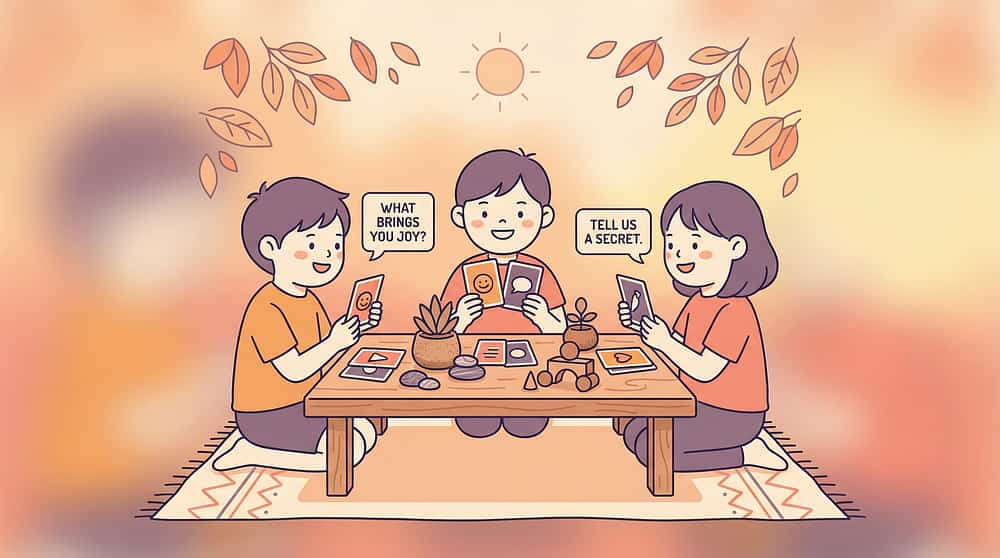
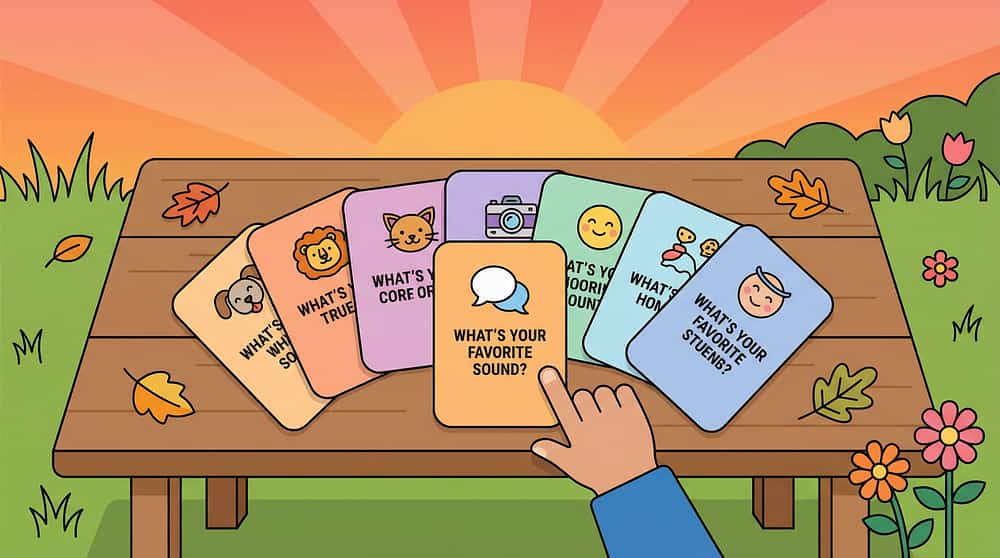
5. Conversation Topic Games & Question Cards
Category: Social Communication Games | ₹200–800
Ready content that removes "I don't know what to say" as a barrier to initiation.
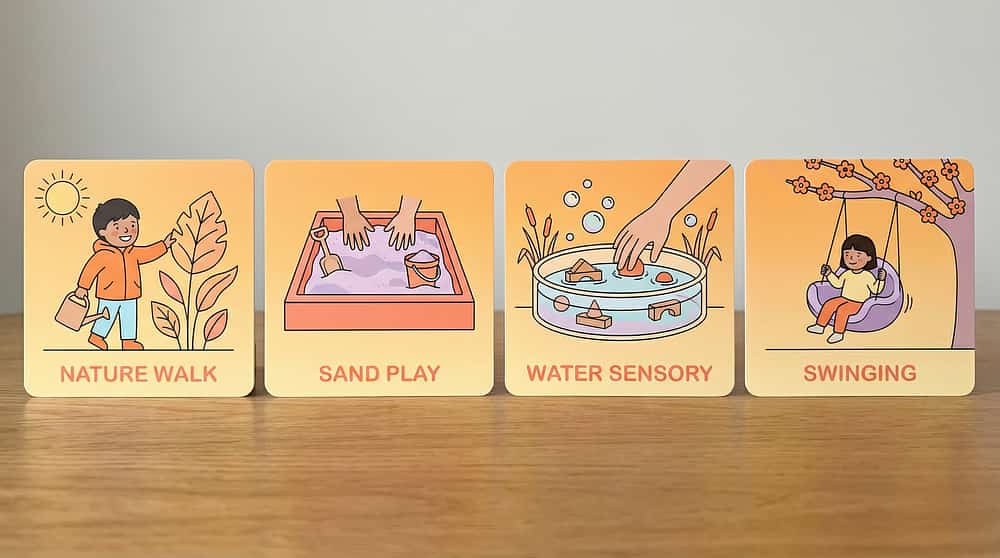
6. Visual Schedule & Social Sequence Cards
Category: Visual Supports / PECS | ₹150–500
Breaks down the 6-step initiation sequence into visible, manageable steps the child can follow.
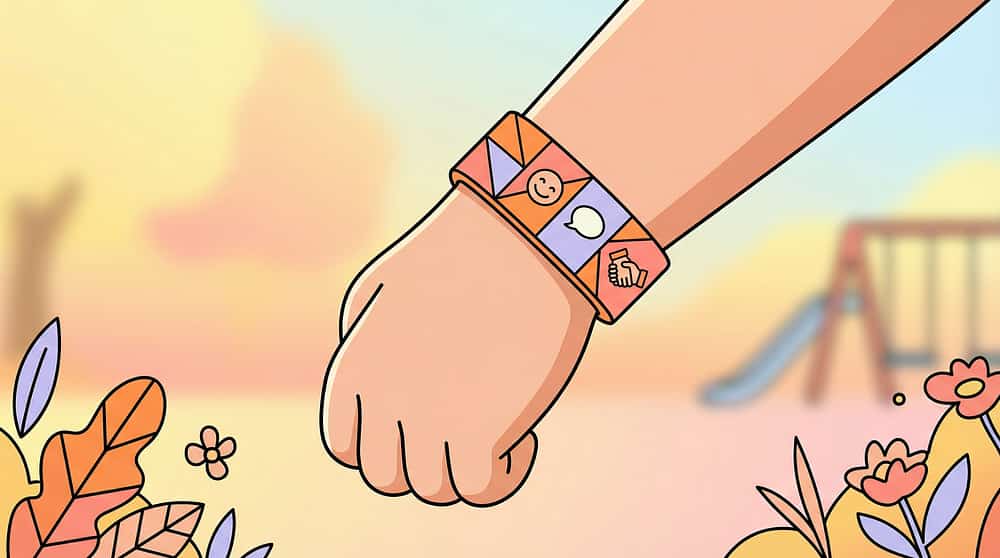
7. Wearable Prompt Reminders & Cue Bracelets
Category: In-Vivo Prompt Supports | ₹50–300
In-the-moment reminders that bridge knowing and doing at the actual point of social opportunity.
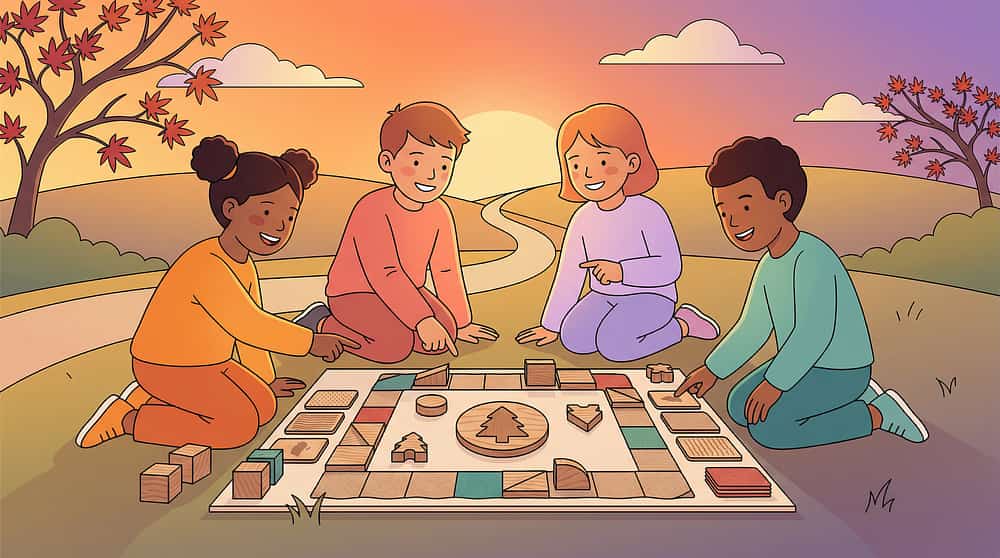
8. Cooperative Games & Structured Play Activities
Category: Structured Play / Social Games | ₹300–1,500
Creates built-in, functional reasons to initiate — the game provides the structure that free play doesn't.
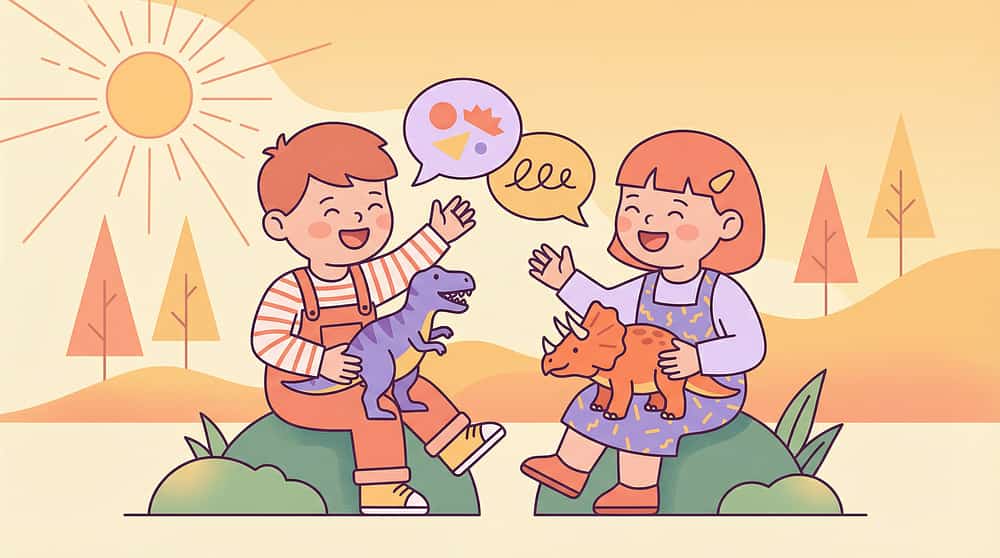
9. Interest-Based Conversation Bridges
Category: Motivation & Engagement Supports | ₹100–1,000
Leverages the child's passions as natural conversation entry points — transforms a potential barrier into a social asset.
Total range: ₹50–2,000 for a complete starter kit. Browse full range: materials.pinnacleblooms.org
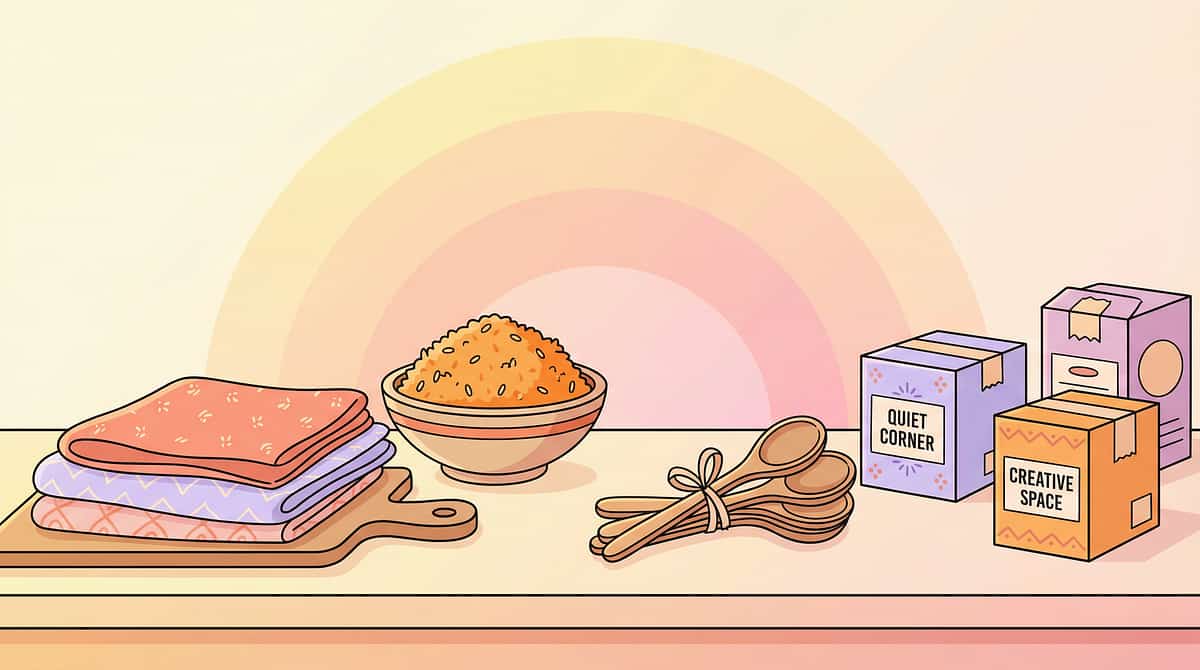
Every Child. Every Budget. Every Home. No Exceptions.
WHO Equity Principle in action: the right to developmental support should not depend on economic circumstance.
🛒 BUY THIS | 🔨 MAKE THIS TODAY |
Conversation Starter Cards ₹200–800 | Write 10 cards: "Hi, I'm [name]", "Want to play?", "Can I join?", "What are you doing?", "I like your [item]". Laminate or use index cards. Free. |
Social Stories ₹150–600 | Write a 6-sentence story about your child's specific situation. Include a photo of your child. Print and read nightly. Free. |
Puppets ₹200–1,000 | Use any stuffed animals or dolls already at home. The materials matter less than the practice. ₹0. |
Video Modeling ₹0–2,000 | Record a 2-minute video of a sibling or parent successfully starting a conversation. Watch together. Free. |
Topic Games ₹200–800 | Write 20 questions on slips of paper: "What's your favourite animal?", "If you had one superpower…", "What made you laugh today?" Put in a bowl. Play at dinner. Free. |
Visual Sequence Cards ₹150–500 | Draw 6 simple icons: eye → feet → eyes meeting → smile → mouth ("Hi!") → ear. Laminate. Review before social events. ₹0. |
Wearable Reminders ₹50–300 | Tie a string bracelet. Teach your child: "When you touch this, it's your reminder to say hi." Free. |
Cooperative Games ₹300–1,500 | Any game requiring two people: simple card games, building with blocks together, passing a ball with rules. Materials you own. ₹0. |
Interest Bridges ₹100–1,000 | Have your child wear a shirt or carry an item featuring their special interest. Prepare 2–3 sentences about it. Teach them to ask "Do you like [interest] too?" Free. |
Read This Before Your First Session. Every Time.
🔴 RED — DO NOT PROCEED if:
- Child is in active emotional distress or coming down from a meltdown (wait minimum 30 minutes)
- Child has acute illness, fever, or significant fatigue
- Child has experienced a traumatic social event in the last 24 hours (e.g., bullying)
- Child is non-consenting or showing clear refusal signals
- Signs of increasing social withdrawal, self-harm ideation, or severe anxiety — seek professional evaluation first
🟡 AMBER — MODIFY the session if:
- Child is hungry or thirsty (address physiological needs first)
- Child is over-aroused from prior activity (use 10-minute calming activity first)
- Child is in a low-motivation state (shorten session, use highest-preference topics)
- You had a difficult interaction with the child in the last hour
🟢 GREEN — PROCEED when:
- Child is fed, rested, and in a calm-alert state
- Child has had at least 20 minutes of preferred activity since any stressful event
- Environment is prepared and quiet
- You have 20–30 uninterrupted minutes
- Child has shown willingness or curiosity about the activity
Sources: Indian J Pediatr (Padmanabha, 2019): DOI 10.1007/s12098-018-2747-4 | BACB ethical guidelines
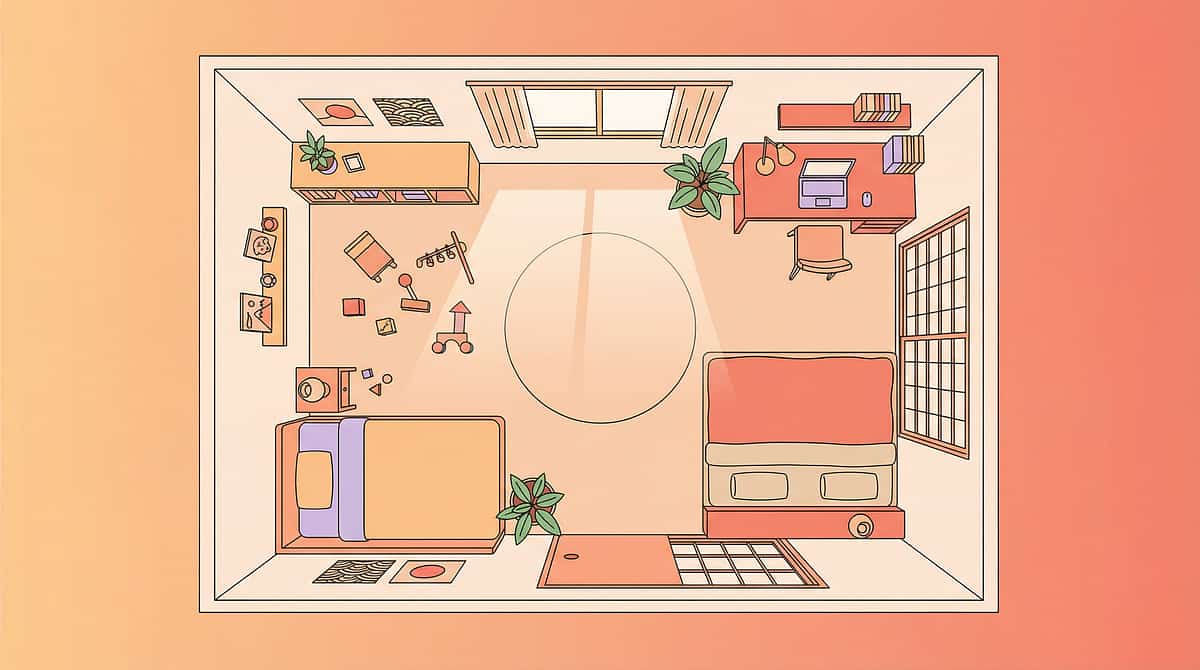
Spatial Precision Prevents 80% of Session Failures
Pre-Session Checklist
- Room: Quiet, door closed, family alerted not to interrupt
- Screens: ALL screens OFF — zero exceptions
- Seating: Child and parent at same physical level (both floor OR both seated)
- Materials: Pre-set on table within reach before child enters
- Lighting: Natural or warm light — avoid harsh fluorescent
- Sound: Minimal background noise — soft music only if child needs it
- Time: At least 20 minutes uninterrupted. Not just before school or bed.
- Timer: Visual timer visible to child (reduces anxiety about "when does this end?")
Session Duration
Total: 15–25 minutes
Core practice: 8–12 minutes
Opening and closing: 5 minutes each
Remove From the Space
- Preferred items that will distract (toys, screens)
- Items associated with stress or negative experiences
- Other children unless they are intentional practice participants
Indian Household Note
Sessions in joint-family environments should minimize interruptions and ensure the child has a predictable, low-traffic space. Presence of extended family members during practice can increase performance pressure.
Sources: PMC10955541 — structured environment as variable in session effectiveness | Ayres Sensory Integration Theory
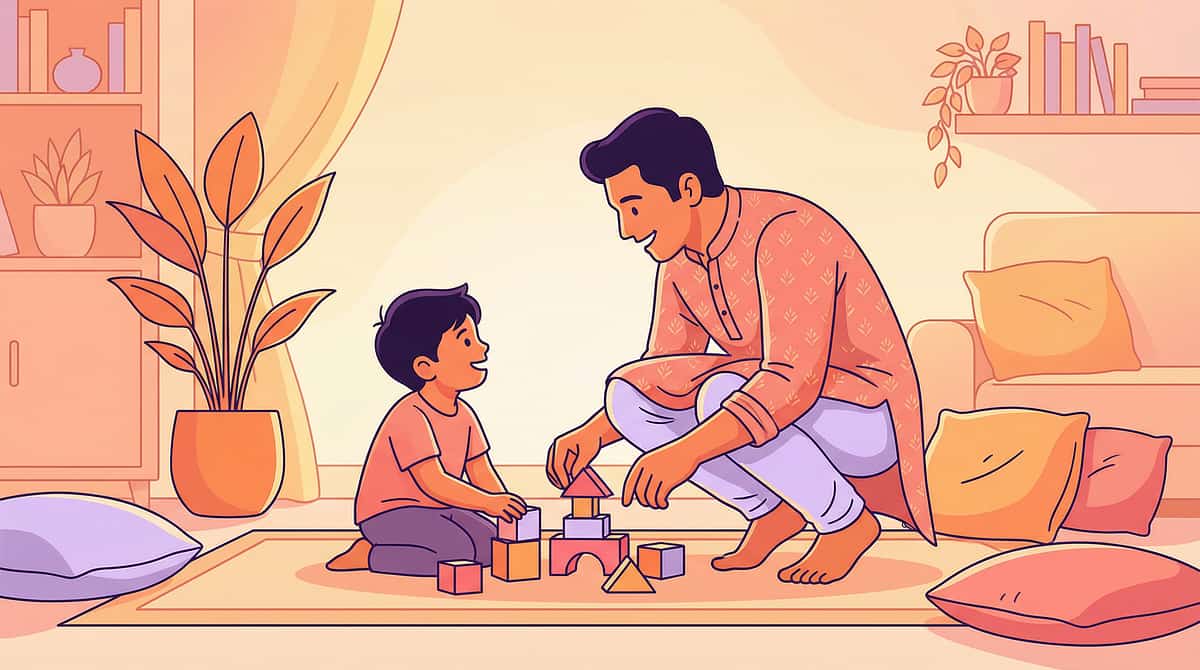
The Best Session Is One That Starts Right
Before beginning any session, run this 60-second readiness check. The most effective protocol is one that begins with the right conditions — not the one that pushes through the wrong ones.
Check | ✅ GO | ⚠️ MODIFY | 🛑 POSTPONE |
Hunger/thirst | Satisfied | Slightly hungry | Very hungry/thirsty |
Energy level | Calm-alert | Tired but engaged | Exhausted or hyper |
Last stressful event | >2 hours ago | 30–120 min ago | <30 min ago |
Willingness signals | Engaged, curious | Neutral, can be invited | Active refusal |
Emotional state | Calm, positive | Slightly flat | Distressed/dysregulated |
Recent illness | No symptoms | Mild, not acute | Acute illness |
5–7 GOs ✅
Proceed with full protocol
3–4 GOs ⚠️
Run shortened version (10 min, highest-engagement material only)
0–2 GOs 🛑
Postpone. Do a preferred calming activity instead. Record the postponement.
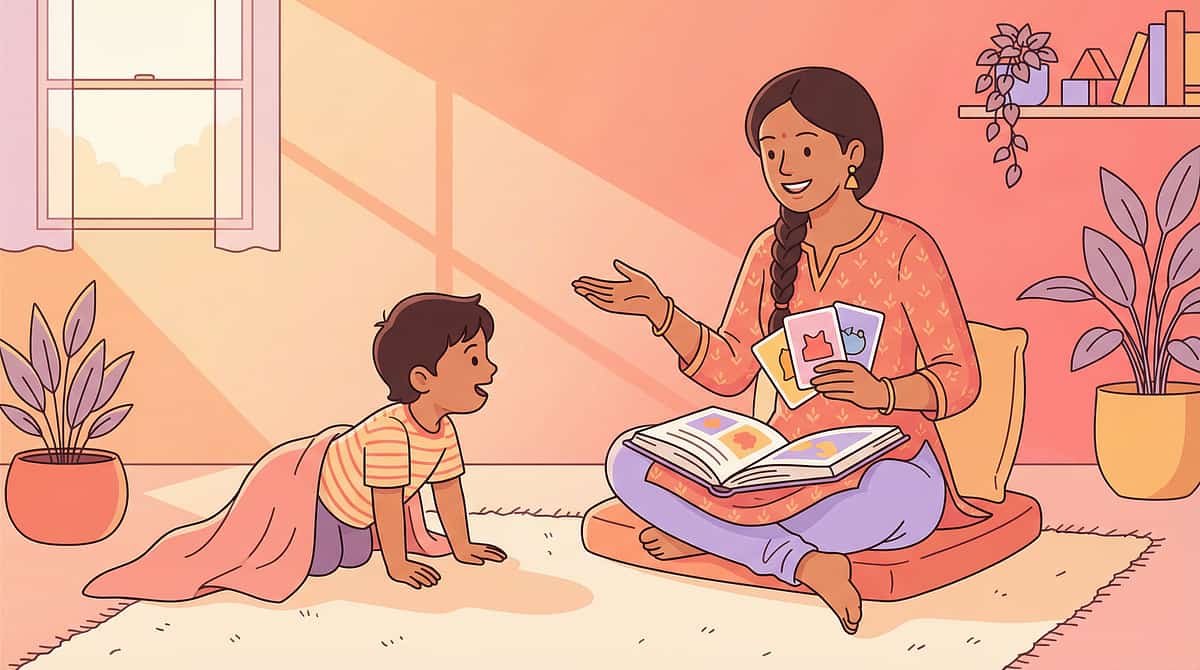
🟢 STEP 1 — THE INVITATION | Duration: 30–60 seconds
Objective: Bring the child into the activity through low-demand, playful engagement — not a command, an invitation. Every protocol begins with an invitation, not a demand. This is where ABA's pairing principle meets OT's "just-right challenge." The child must associate the activity with safety, interest, and fun — not pressure.
"Hey, I found something really interesting. Want to look at it with me?"
"I was just thinking about you and your friend at school. Can I show you something that might help?"
"I want to play a game with you. It's about talking to people you like. Are you in?"
Body Language for Caregiver
- Get to child's physical level (sit on floor if child is on floor)
- Open posture — no crossed arms, no looming
- Soft voice, unhurried pacing
- Genuine curiosity in your expression — not performance
Child Acceptance Cues (GREEN LIGHT)
- Physical orientation toward you or the material
- Eye contact or brief glance at the material
- Any verbal response, even "maybe"
- Body moving toward rather than away
If Resistance
"Okay, that's fine. Tell me if you want to later." Then exit completely. Never pursue an unwilling child into social skills practice.
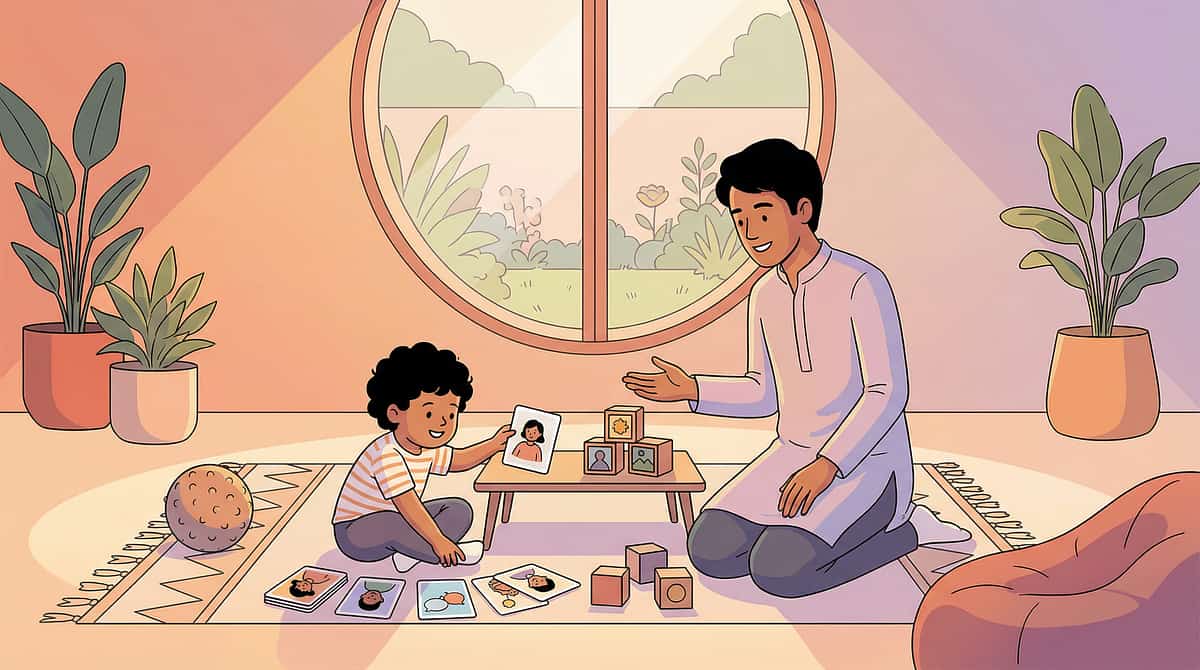
🟡 STEP 2 — THE ENGAGEMENT | Duration: 2–3 minutes
Objective: Child is engaged. Introduce the therapeutic material. Begin reinforcement schedule. Present material slowly, deliberately — at child's eye level. One item at a time. Never overwhelm with all 9 materials simultaneously.
For Conversation Starter Cards
"These are conversation starter cards. Each one has a way to start talking to someone. Let me show you three of them." Show cards one at a time. Read aloud. Ask: "Have you ever used words like this?" "Which one sounds most like you?"
For Puppets
"This puppet wants to make a friend today. What should the puppet say first?" Let the child answer. Whatever they say — reinforce immediately.
For Social Stories
"This is a story about a kid who wants to play with someone at the park. Let's read it together." Read with the child, not to the child. Stop after each section and connect to their experience.
Engaged ← REINFORCE NOW
Questions, reaching for material, spontaneous comments
Tolerating → Reduce Pace
Passive attention, watching without touching
Avoidant → Simplify
Looking away, fidgeting — do NOT increase pressure
Reinforcement cue: Any engagement, any response, any attempt → reinforce IMMEDIATELY. Specific verbal praise: "Yes! That's exactly right." NOT generic: avoid "Good job" without specificity.
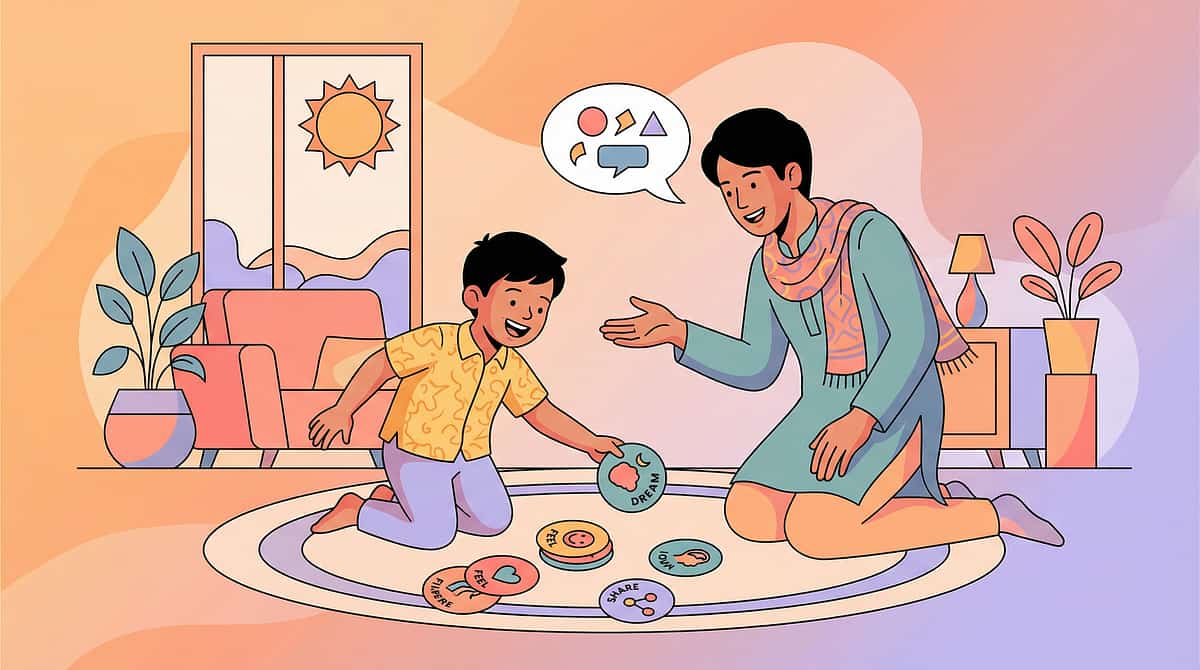
🔵 STEP 3 — THE THERAPEUTIC ACTION | Duration: 5–8 minutes
Objective: Execute the core conversation initiation practice. This is the active therapeutic ingredient. Choose one of three pathways based on your child's current level.
🟢 PATHWAY A — Script Practice
For children who need content. Use: Conversation Starter Cards + Role-Play.
Present 3 cards: "Want to play?", "Can I join?", "What are you doing?" Parent plays the peer. Child practices opener using the card. Parent responds warmly. Rotate cards. Repeat 3–5 times. Remove cards: "Can you remember any of those without looking?" Target: Script internalization.
🟡 PATHWAY B — Visual Sequence Practice
For children who need the roadmap. Use: Visual Sequence Cards.
Lay out the 6-step sequence: Look → Walk → Eye contact → Smile → Speak → Listen. Walk through each step verbally. Parent plays the approaching child first (reversed roles reduce pressure). Reverse: child approaches parent using the sequence. Review: "Which step was hardest? Let's practice just that one." Target: Sequence automaticity.
🔴 PATHWAY C — Interest Bridge Practice
For children who freeze on approach. Use: Interest-Based Materials + Conversation Script.
Bring out child's favorite interest item. Teach the opener: "I love [dinosaurs]. Do you like them too?" Practice in mirror. Reverse: parent approaches child using their interest. Combine: child approaches parent with interest-based opener. Target: Approach confidence through known content.
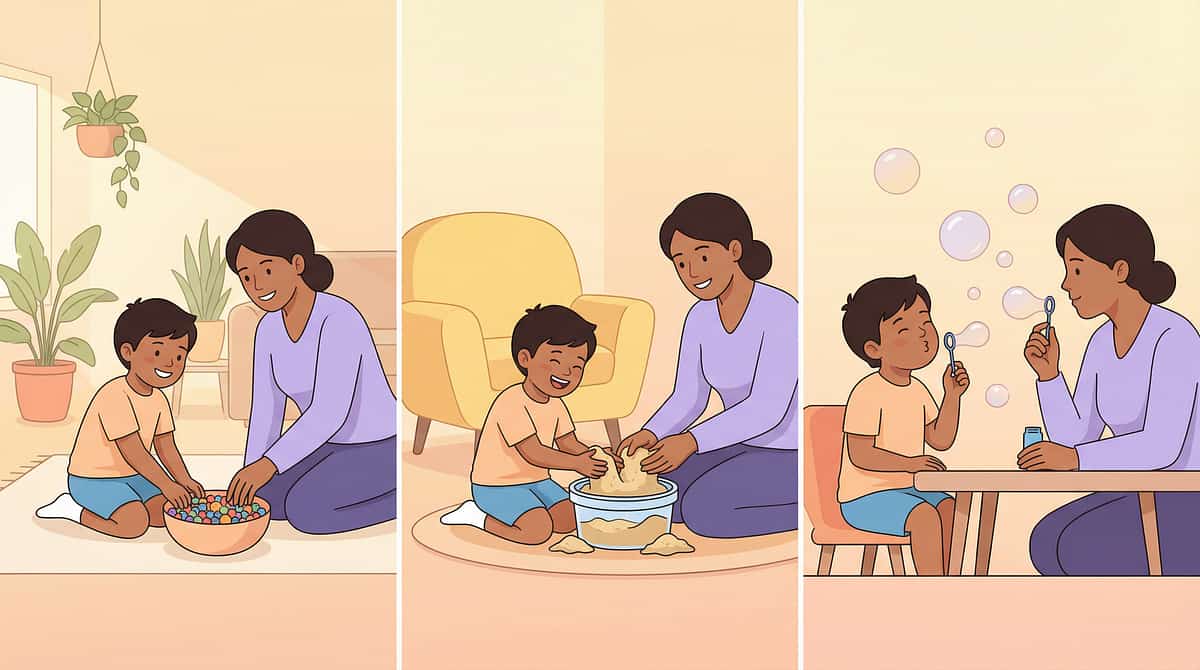
🟣 STEP 4 — REPEAT & VARY | Duration: 3–5 minutes
"3 good repetitions are worth more than 10 forced ones." — Pinnacle Clinical Consensus
Target repetitions: 3–5 complete practice cycles per session. Quality over quantity — always.
Round | Variation | Why It Works |
Round 1 | Child uses script card | Reduces cognitive load |
Round 2 | Child attempts from memory (card face-down) | Builds internalization |
Round 3 | Change the scenario (park → classroom → shop) | Generalization practice |
Round 4 | Reverse roles briefly | Perspective-taking + reduces pressure |
Round 5 | Add a "what if they say no?" practice | Resilience rehearsal |
Satiation Indicators — Stop Before These Appear:
Responses becoming rote or mechanical
Giggling becomes disruptive or quality of attempt declining despite earlier mastery
Physical restlessness increasing significantly
Child explicitly asks to stop
When you see satiation: Stop BEFORE the child wants to stop. End on a success, not an exhaustion point.

⭐ STEP 5 — REINFORCE & CELEBRATE | Duration: 1–2 minutes
Timing matters more than magnitude. Immediate, specific, genuine praise following the desired behavior increases the likelihood of repetition far more effectively than delayed, generic reward. Reinforce within 3 seconds of the desired behavior — the neural connection between behavior and reward is formed in this window.
THE REINFORCEMENT FORMULA:
[Specific behavior] + [Immediate response] + [Emotional authenticity] + [Connection to goal]
"The moment you said 'Can I play?' — that was exactly it. That's the first word of friendship. That was brave."
"You remembered the whole sequence: look, walk, speak. That took real courage to practice."
"You used your interest in dinosaurs to start a conversation — that's exactly what real kids do."
✅ DO SAY
- Specific, behavior-linked praise
- Brief access to preferred activity (2–3 min)
- Token toward a meaningful reward
- Choice: "You get to choose what we do next."
- "I know that felt hard. You tried anyway. That's what brave looks like."
❌ AVOID
- "Good job" — generic, meaningless
- "That was perfect" — sets up perfectionism
- "See, it's easy!" — dismisses the effort
- Delayed praise hours later
Celebrate the attempt, not just the success.
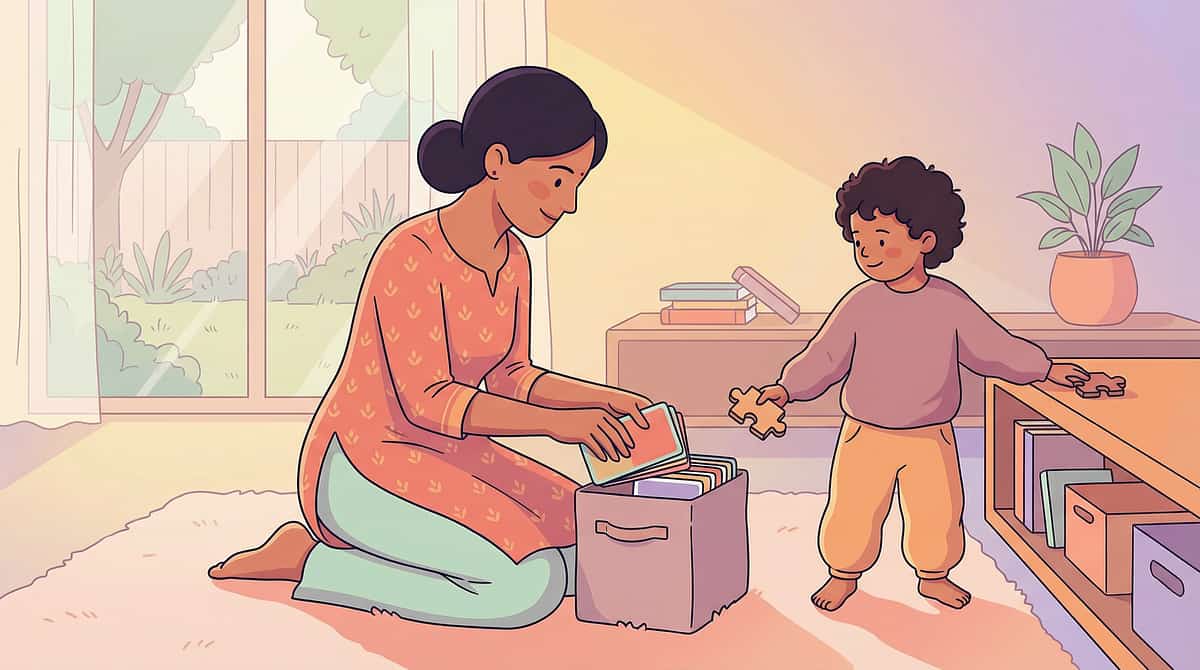
🌊 STEP 6 — THE COOL-DOWN | Duration: 3–5 minutes
No session ends abruptly. The transition from therapeutic engagement back to baseline is as important as the practice itself.
Transition Scripts
- "We have two more tries, then we're done for today."
- "One more. Make it your best one."
- "That's our practice for today. You worked hard."
- "Session done. Well done. Now you get to do [X]."
Cool-Down Activity Options
- 2 minutes of preferred quiet activity (drawing, favourite book)
- Gentle physical activity (walk to kitchen, get water together)
- Spontaneous connection activity (share something you both enjoy)
Material Put-Away Ritual
"Can you put the cards back in the box? We'll use them again [tomorrow/Thursday/after school]." Gives predictability and closure.

Data Captured Now Is Data That Changes Your Child's Trajectory
Do this within 60 seconds of session end. It takes 90 seconds. It matters enormously. Every session log feeds GPT-OS® TherapeuticAI® for personalized next-session recommendations and tracks your child's journey across the 5 progression stages.
PINNACLE SESSION DATA TRACKER — B-208
DATE: ________ | SESSION #: _____
MATERIAL USED: [ ] Cards [ ] Stories [ ] Puppets [ ] Video [ ] Topic Games [ ] Visual Sequence [ ] Wearable [ ] Coop Games [ ] Interest Bridge
READINESS STATE AT START: [ ] 🟢 Ready [ ] 🟡 Modified [ ] 🔴 Postponed
ATTEMPTED INITIATIONS (count): _____ (even whispered attempts count)
BEST MOMENT (write one sentence): _______________________________
WHAT SEEMED HARD TODAY: _______________________________
CHILD'S EMOTIONAL STATE DURING: [ ] Positive [ ] Neutral [ ] Distressed
OVERALL SESSION QUALITY: 1 — 2 — 3 — 4 — 5
Tracks Progression
Monitors movement across the 5 conversation initiation stages over time
Feeds GPT-OS®
TherapeuticAI® generates personalized next-session recommendations based on your data
Identifies Patterns
Reveals which materials work, which times are best, what precedes difficulties

Every Session Won't Be Perfect. Here's What To Do.
🚫 Child refuses every approach to the session
Root cause: May be anxiety, session association with pressure, or general dysregulation.
Solution: Strip back to connection only — no materials, no practice. Just sit with your child and do something they love. Rebuild the association between "this time together" and safety. Try again in 3 days.
🚫 Child can do it in practice but freezes in real situations
Root cause: Real-world initiation adds anxiety, unpredictability, and real consequences that practice doesn't replicate.
Solution: This is normal and expected. Increase practice frequency before increasing real-world exposure. The practice is building the template — the transfer comes with time.
🚫 Child says the words but the peer doesn't respond positively
Root cause: Peer responses are outside your child's control.
Solution: "You did your job perfectly. You said the words. Sometimes people are busy. That's not about you." Build rejection resilience explicitly — this is part of the curriculum.
🚫 Child becomes angry or emotional during practice
Root cause: The topic of social isolation touches deep loneliness. Practice can surface grief about not having friends.
Solution: Stop the practice. Sit with the emotion. "I can see this feels really hard. It's okay to feel sad about this." Do NOT push through emotional content to complete the protocol.
🚫 Child mastered the script at home but won't use it at school
Root cause: Generalization requires systematic transfer — the skill learned in one context doesn't automatically appear in others.
Solution: Add a school-specific practice step (practice in the hallway, in the car outside school). Contact teacher about facilitating structured peer interaction opportunities.
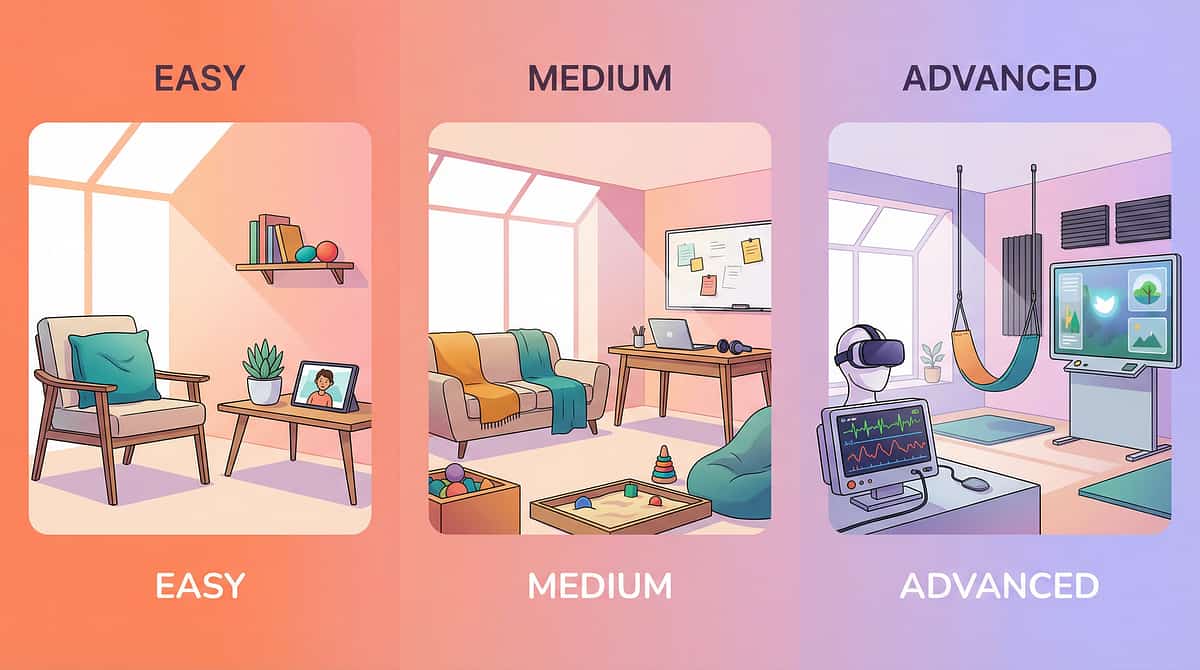
This Technique Adapts to Your Child. Not the Other Way Around.
Ages 3–5 (Pre-school)
- Use puppets and dolls exclusively — abstract scripts are too advanced
- Focus on action-based initiations: "Let's build!" not "Want to start a conversation?"
- Adult does 80% of the modeling — child watches and occasionally echoes
- Session length: 10 minutes maximum
- Success indicator: any approach to another person with intent
Ages 6–8 (Early School)
- Introduce conversation starter cards — 3 at most per session
- Social stories about playground and classroom scenarios specifically
- Begin topic games: family dinner practice transfers to school
- Session length: 15–20 minutes
- Success indicator: uses practiced script with familiar peer
Ages 9–12 (Late School)
- Video modeling of age-appropriate peer interaction (not adult modeling)
- Interest-based bridges become most powerful at this age (shared fandoms, games, sports)
- Teach the complexity: "Sometimes it works, sometimes it doesn't — that's true for everyone"
- Session length: 20–25 minutes, more discussion-based
- Success indicator: flexible initiation attempts in multiple settings
Child Profile | Prioritize | Adapt |
High anxiety | Interest bridges, wearable cues — smallest possible step | Never push; celebrate approach attempts regardless of outcome |
Low verbal output | Visual sequences, gestures-first openers | "Hi" counts. Point and smile counts. Any initiation counts. |
Strong visual learner | Video modeling, visual sequence cards | Minimize verbal instruction; show more, tell less |
Monologuing tendency | Topic games — practice reciprocity within opening | Teach that initiation includes a question, not just a statement |
Selective mutism | Gesture-based initiations | Never target verbal initiation until approach anxiety reduces |

What Progress Looks Like in the First Two Weeks
Week 1–2 — Foundation Phase. In the early sessions, progress is internal and invisible to the outside world. Resist the urge to look for peer-level changes — what's being built now is the neurological foundation that will support real-world transfer later.
Realistic Expectations
- Child tolerates the practice sessions with minimal resistance ← This IS progress
- Child can name 2–3 conversation openers when shown cards
- Child demonstrates the visual sequence steps when prompted
- Child can attempt script in puppet/role-play with parent
What You Won't See Yet (Normal)
- Independent real-world initiation with peers
- Spontaneous use of scripts without prompting
- Perfect retention of all 9 materials
🟢 Green Light Signals — Session Is Working
- Child asks to continue or play again
- Child references the practice unprompted ("Can we do the card game again?")
- Child uses ANY learned phrase even once in a low-stakes real situation
- Child's tolerance of social topics in conversation improves
Data to Track This Week
- Sessions completed (target: 3–4)
- Readiness state at session start
- Number of practice attempts per session
- Child's engagement level (1–5 scale)
The First Signs of Transfer
Week 3–4 — Script Internalization Phase. This is the week many families first notice the work leaving the practice room and entering real life. Document every instance, no matter how small. These are clinical milestones masquerading as everyday moments.
What You Should Begin Seeing
- Child recalls 3–5 openers without prompts
- Child can run through visual sequence from memory
- First spontaneous attempts in SAFE real-world settings (home, with known adults, with sibling)
- Reduction in session resistance
- Child begins showing interest in what cards say before the session starts
Generalization Tracking
Note the first time your child uses any practiced phrase outside of a formal session. This is the moment the learning leaves the practice room. Document it. Celebrate it. It is a clinical milestone.
Parent Observation Prompt
Watch for: does your child hover differently at playground edges? Do they glance at their wrist (wearable reminder)? Do they open their mouth and then close it — an attempted initiation that didn't launch? These ARE attempts. Document and celebrate.
Sources: ABA generalization literature — Stokes & Baer; transfer programming | Pinnacle clinical 4-week outcome benchmarks

The Real World Becomes the Practice Space
Week 5–8 — Transfer and Generalization Phase. The goal at 8 weeks is not a perfectly socially fluent child — it is a child who now HAS tools, has practiced them, uses at least one in familiar settings, and has reduced the frequency of completely isolated social approaches. This is the clinical outcome at 8 weeks: readiness progress, not readiness completion.
Target Milestones
- At least 1 successful peer initiation in a familiar, structured setting
- Child can select which opener to use based on situation (not just reciting all randomly)
- Child shows interest in social opportunities and anticipates using their tools
- Anxiety around social situations visibly reduced for FAMILIAR settings
Week 6 Checkpoint
Conduct a brief progress review with your Pinnacle SLP or through GPT-OS® AbilityScore® reassessment:
- How has Social Communication Readiness Index changed from baseline?
- What stage of the 5-level progression has the child reached?
- Is the current material set still optimal, or should new materials be introduced?
Professional Review Trigger
If by week 8 there is NO evidence of generalization to any real-world context, schedule a comprehensive speech-language and/or behavioral assessment. The protocol may need adjustment, or additional support dimensions may need evaluation.
Sources: SI therapy dosage: 8–12 week protocol outcomes literature | PMC10955541 — 8-week and 12-week outcome benchmarks
Every Step Forward Deserves a Name and a Celebration
Create a B-208 Progress Journal. One sentence per week describing the most significant moment. This journal is not for therapy — it is for your family. Years from now, your child may read it and understand the journey that brought them to social confidence.
⭐ First time the child picked up a conversation starter card voluntarily
⭐ First puppet-to-puppet "Hi!" with genuine enjoyment
⭐ First time the child watched someone else and said "I think I can do that"
⭐ First time the child used any opener outside of a formal session
⭐ First time a peer responded and the child didn't immediately retreat
⭐ First time the child said "I have two friends" — even one
⭐ First time the child went to school without expressing dread about social situations
Know When Home Practice Is Not Enough
Home practice is powerful — but it has boundaries. Knowing when to seek professional support is one of the most important things a caregiver can do. When in doubt, call.
🚨 Escalating Isolation
- Child is actively refusing ALL social contact (not just struggling — refusing)
- Child has experienced a friendship loss or peer rejection not recovered after 2–3 weeks
- Child expresses persistent statements about having "no friends" or "nobody likes me"
- School is reporting complete social isolation across all unstructured settings
🚨 Mental Health Signals
- Child expresses hopelessness about social connection ("I'll never have friends")
- Any expression of not wanting to go to school due to social situations
- Sleep disturbances linked to social worry
- Somatic complaints (stomachaches, headaches) before social situations
- Any expression of self-harm ideation or extreme self-criticism ("I'm broken")
🚨 Communication Regression or Progress Plateau
- Previously used initiations are disappearing
- Verbal output generally reducing or new echolalia emerging
- No measurable progress after 8 weeks of consistent practice
- Worsening anxiety despite intervention or new behavioral changes
FREE National Autism Helpline: 9100 181 181
Available 24×7 | 16+ languages | Free | Pinnacle Blooms Network®
If you are outside India, contact ASHA for SLP referral: asha.org
Sources: ASHA Practice Portal — indications for comprehensive evaluation | Indian J Pediatr (2019) — professional assessment protocols
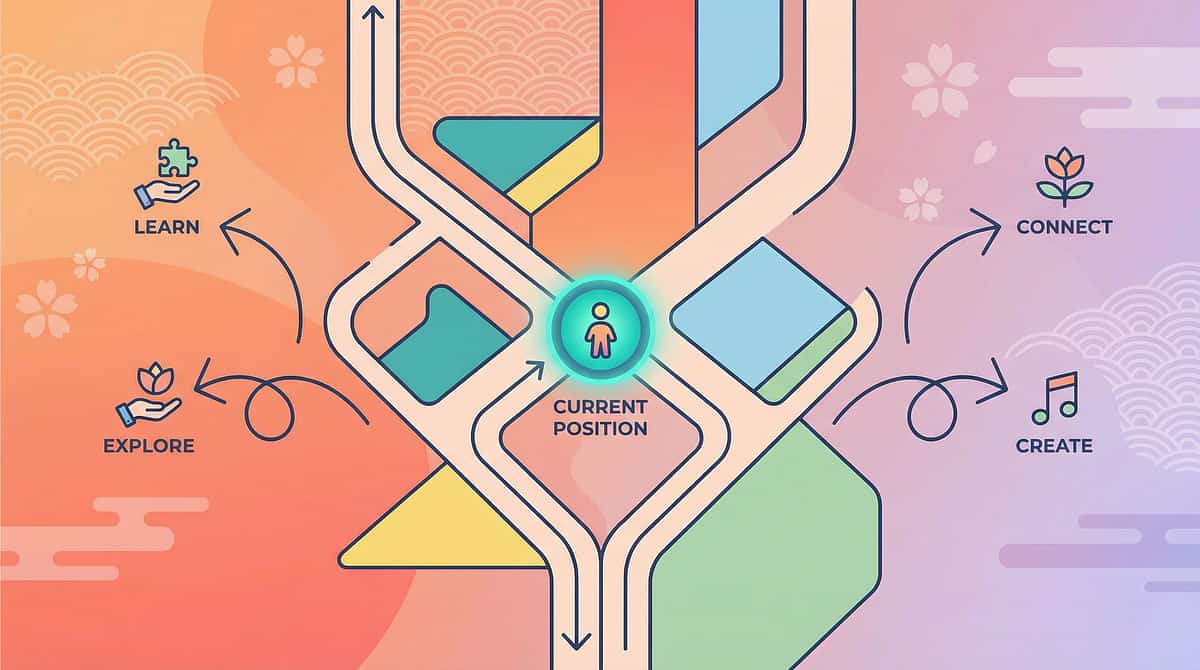
Where Your Child Is. Where You're Heading. What Comes Next.
Stage 1
Significant difficulty initiating despite desire for connection
START B-208 HERE
Stage 2
Emerging with structured support (scripts, prompts)
B-208 BUILDS THIS
Stage 3
Independent initiation in familiar/structured settings
B-208 TARGET (8–12 weeks)
Stage 4
Flexible initiation across settings with decreasing support
B-209, B-210 BUILD HERE
Stage 5
Age-appropriate social initiation supporting friendship & participation
MASTERY
Prerequisite Techniques (Before B-208)
- B-206: Difficulty with Social Attention
- B-207: Challenges with Social Approach
Next-Level Techniques (After B-208)
- B-209: Keeping Conversations Going
- B-210: Ending Conversations Appropriately
- B-211: Reading Social Cues
Sources: WHO/UNICEF developmental milestones framework | Domain B sequencing — Pinnacle Social Communication Architecture
Build the Complete Social Communication Architecture
Domain B — Social Communication & Pragmatic Language. B-208 sits within a 90+ technique domain covering the full social communication developmental arc. If you have the Conversation Starter Cards from B-208, you already have the core material for B-209 and B-210.
Technique | Level | Primary Material | Link |
B-206: Social Attention Foundations | 🟢 Intro | Social Attention Cards | → B-206 |
B-207: Social Approach Skills | 🟢 Intro | Visual Approach Cards | → B-207 |
B-208: Starting Conversations | 🟡 Core | Conversation Starter Cards | YOU ARE HERE |
B-209: Keeping Conversations Going | 🟡 Core | Turn-Taking Supports | → B-209 |
B-210: Ending Conversations | 🟡 Core | Conversation Closure Cards | → B-210 |
B-211: Reading Social Cues | 🔴 Advanced | Emotion Recognition Cards | → B-211 |
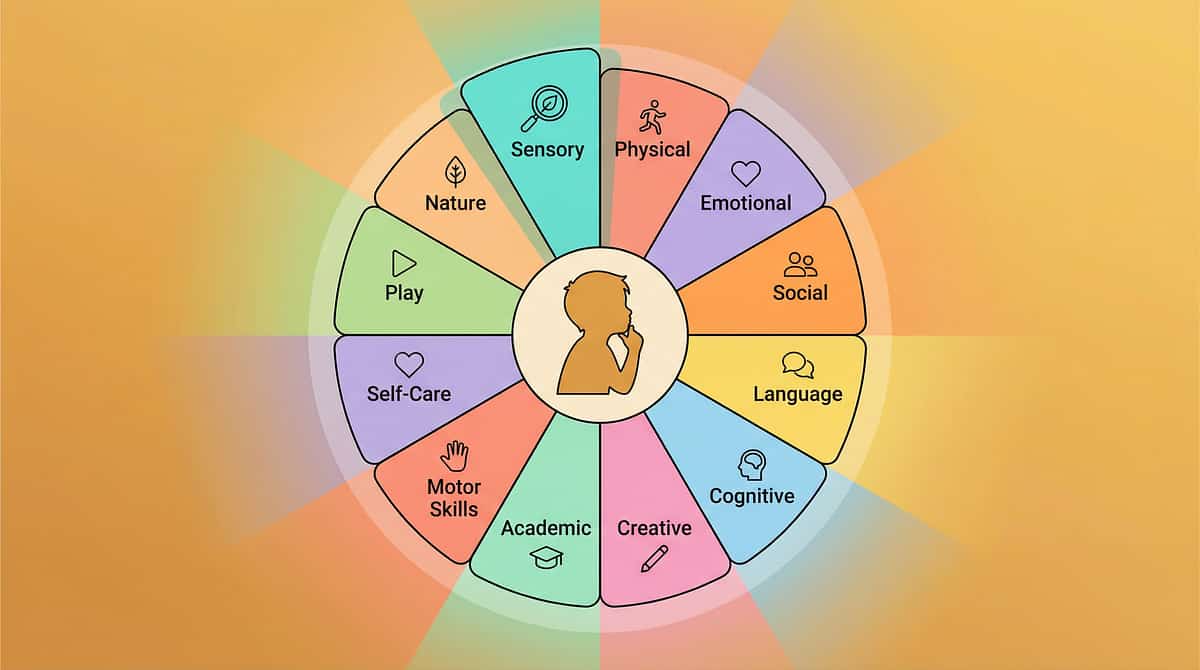
This Technique Is One Piece of a Larger Plan
What GPT-OS® Sees That Home Practice Cannot
- Interactions between domain difficulties (sensory dysregulation during social situations affects initiation)
- Optimal sequencing across all 12 domains
- Whether the intervention order should shift based on current data
- Predicted developmental trajectory given current response patterns
Your Invitation
"This technique, practiced consistently, is evidence-based and effective. But your child deserves a complete developmental map — not just one page. The AbilityScore® assessment gives you that in one clinical session."
Sources: WHO/UNICEF NCF — five components of nurturing care require holistic monitoring | GPT-OS® architecture: 12 Domains, 37 Subdomains
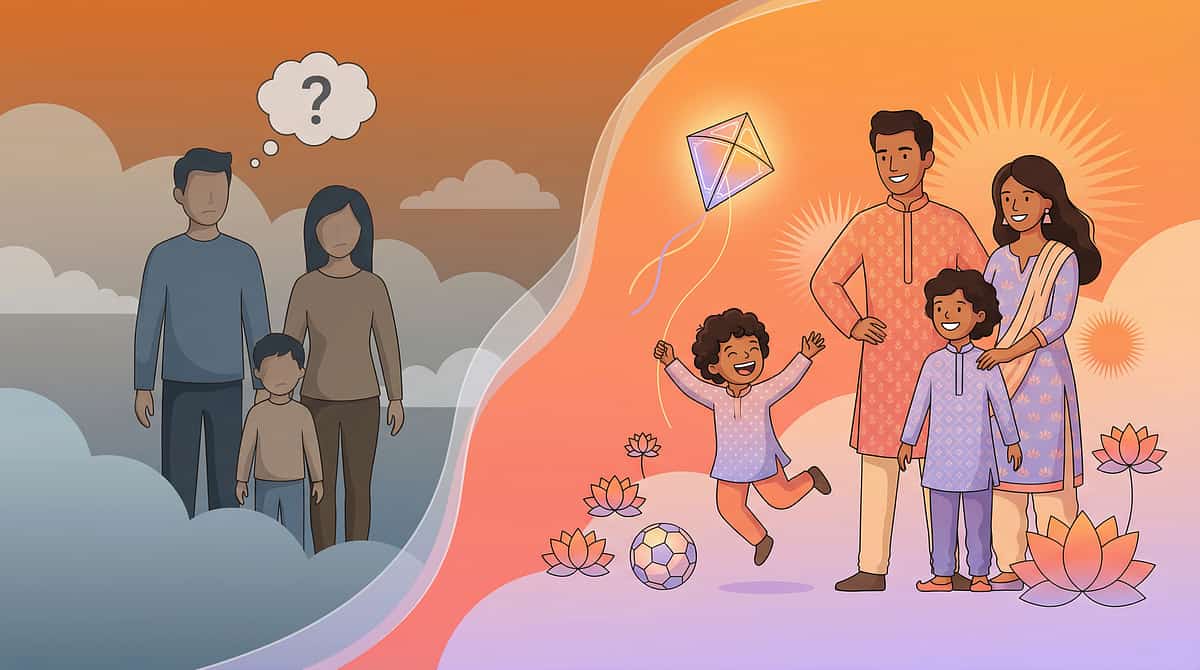
The First Time He Said "Can I Play?" — I Cried.
"My son would stand at the edge of the playground every day. Watching. Wanting. But never walking up to anyone. We started with conversation starter cards at home — practising simple openers until they felt automatic. We used social stories about joining games. He wore a little bracelet that reminded him 'I can say hi.' The first time he walked up to another child at the park and said, 'Can I play too?' I cried. It sounds so small, but it was everything. Now, six months later, he starts conversations every day. He has two real friends — not just kids he stands near, but friends who know his name, who save him a seat, who he talks to."
— Parent, Pinnacle Hyderabad Network (Outcomes vary by child profile)
Baseline
Stage 1 — No spontaneous initiation
8 Weeks
Stage 2 — Initiation with scripts in familiar settings
6 Months
Stage 4 — Flexible initiation across multiple settings
"Our daughter has autism. Everyone told us she 'doesn't want friends.' But she desperately wanted friends. She just didn't have the bridge. The puppets changed everything — she practiced through her rabbit puppet for weeks before she was ready to try herself. The day she walked up to a girl at a birthday party and said 'I like your dress' — that moment lives in me forever."
— Parent, Pinnacle Bangalore Network
"These are not exceptional children. These are children who were given the right tools and the time to practice. Your child is no different."
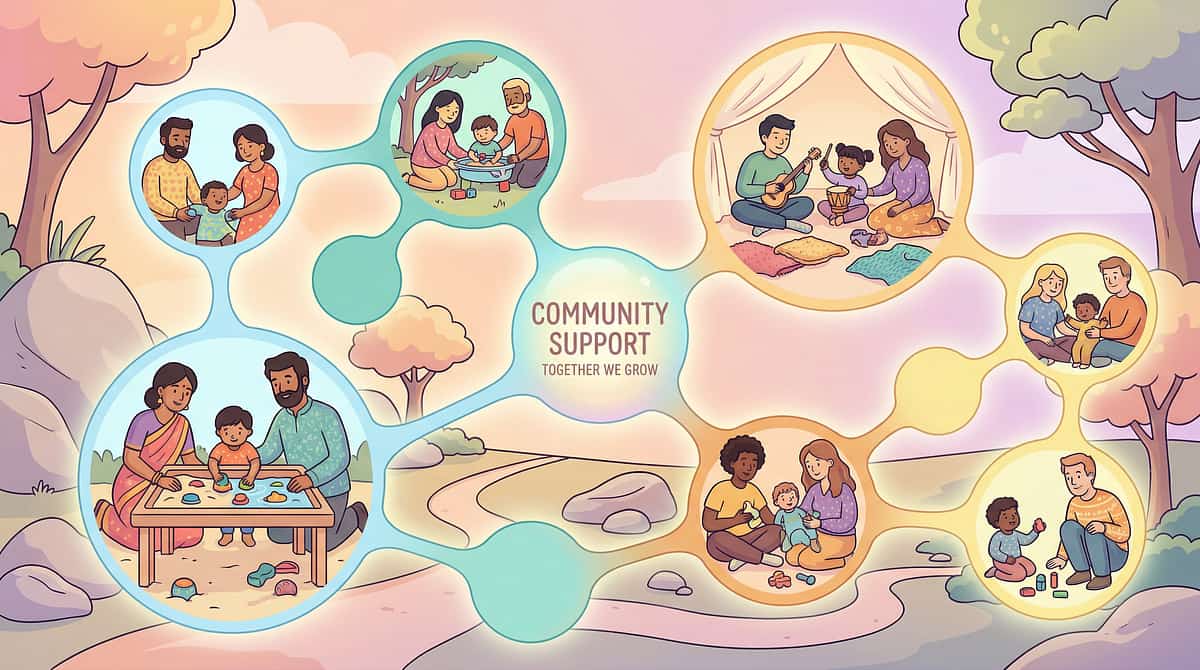
You Are Not the Only Family on This Journey
Our hyperlocal network connects families working on identical intervention techniques — for structured playdate practice, shared learning, and mutual support. The most effective generalization environment for conversation initiation is a structured peer group with 3–6 children and a facilitating SLP.
WhatsApp Parent Support Groups
City-specific communities across 70+ centers. Connect with families working on B-208 in your city for structured playdate practice and shared learning.
Online Parent Community
pinnacleblooms.org/community | Monthly family webinars on Social Communication (free for Pinnacle families) | Parent Peer Mentoring: match with a parent 6 months ahead on this journey.
Center-Based Social Skills Groups
Weekly Social Skills Groups (ages 3–5 | 6–8 | 9–12) | Monthly Social Communication Intensives | School Generalization Support programs. Ask your nearest Pinnacle center.
Source: PMC9978394 — WHO CCD Package: multi-caregiver training multiplies intervention impact
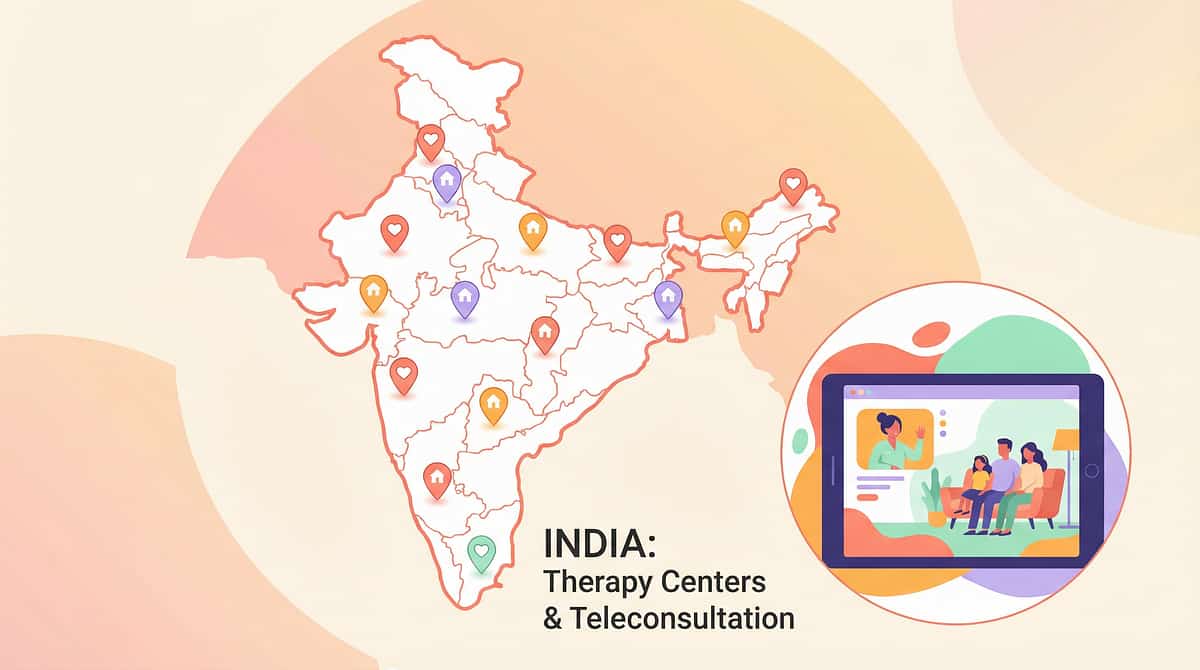
When Home Practice Needs Professional Partnership
The Pinnacle Assessment Pathway is designed to meet you where you are — whether you're just beginning to notice signs of conversation initiation difficulty, or you've been working independently for months and need a clinical boost.
🌐 Teleconsultation
Available for families outside metro areas. Book at pinnacleblooms.org or call 9100 181 181.
🇺🇸 ASHA
American Speech-Language-Hearing Association: asha.org
🇮🇳 Autism Society of India
🌍 WHO/UNICEF NCF
Nurturing Care Framework resources: nurturing-care.org
Sources: ASHA Practice Portal | DOI 10.1080/17549507.2022.2141327 — multi-disciplinary intervention efficacy
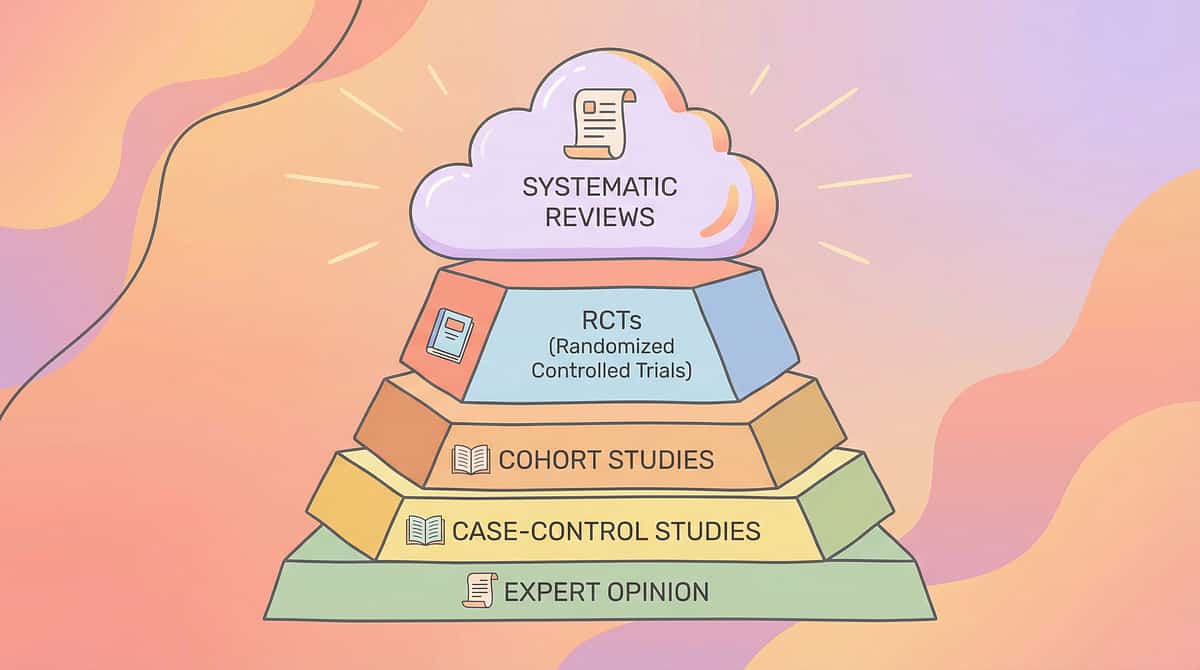
The Science Behind Everything on This Page
"The evidence behind this page is not curated to convince. It is the actual science. Every material, every step, every claim on this page traces to peer-reviewed research. If you want to go deeper on any citation, follow the PubMed link."
Study | Summary | Link |
PRISMA Systematic Review (Children, 2024) | 16 articles confirm social communication intervention meets EBP criteria for ASD | PMC11506176 |
Meta-analysis (World J Clin Cases, 2024) | 24 studies: significant gains in social skills, adaptive behavior, motor, pragmatic language | PMC10955541 |
WHO Nurturing Care Framework (2018) | Family-based early intervention as highest-leverage developmental context | nurturing-care.org |
UNICEF/WHO CCD Package (2023) | Age-specific recommendations implemented in 54 LMICs | PMC9978394 |
Indian J Pediatr — Padmanabha (2019) | Indian RCT: home-based intervention safety and efficacy | DOI 10.1007/s12098-018-2747-4 |
NCAEP EBP Report (2020) | Video modeling, social stories, behavioral skills training classified EBP for autism | NCAEP.org |
ASHA Practice Portal | Social communication intervention guidelines | asha.org/practice |
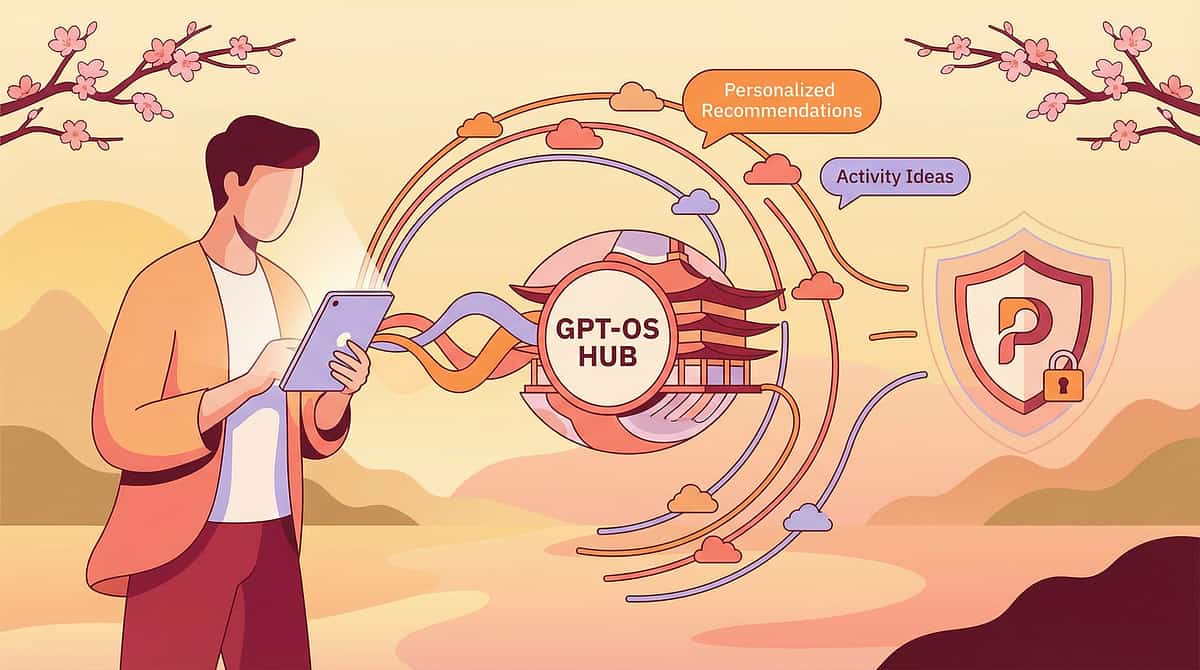
Your Sessions Feed a System That Gets Smarter With Every Child
What GPT-OS® Learns From B-208 Data
- Which of the 9 materials produces the highest engagement for this child's profile
- Optimal session frequency for this child's pace of progress
- Whether co-occurring domain data predicts higher or lower session success
- Which material sequences produce the fastest progression to Stage 3+
Privacy & Your Data
All data is de-identified for population analytics. Individual child data is governed under India's DPDP Act 2023 compliance. Medical device data standards apply (ISO 13485 qualified).
Your Data Helps Every Child
When you log a session, you add to 20M+ data points that make GPT-OS® recommendations more precise for families who come after you. This is population-level clinical intelligence, built one session at a time.
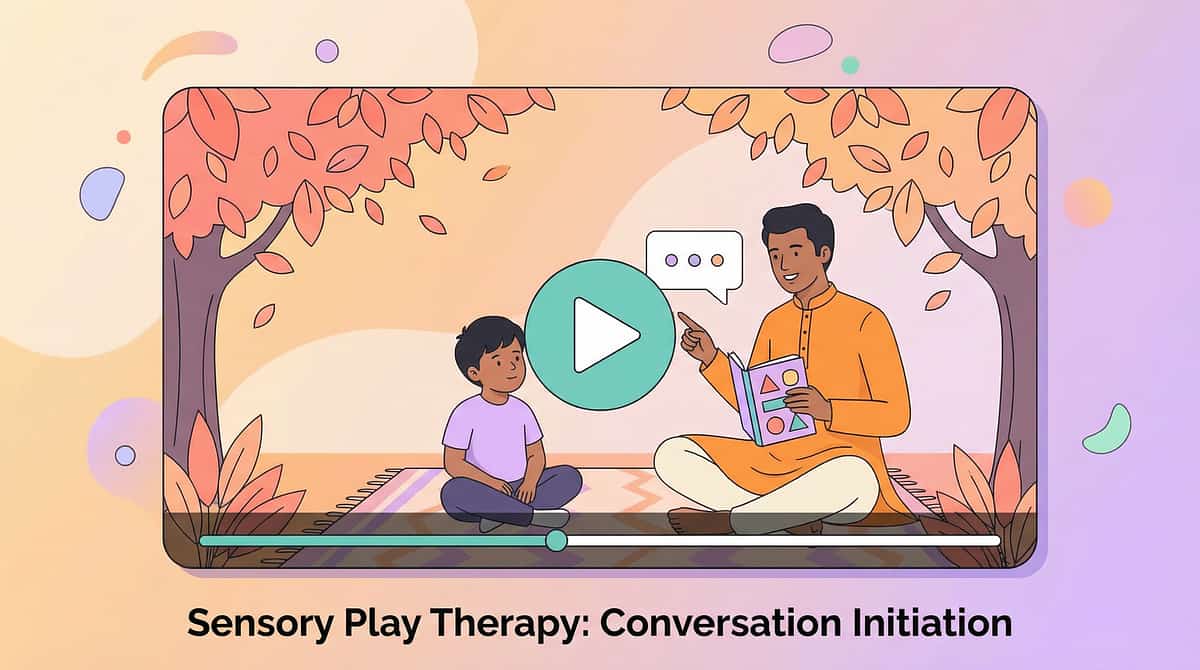
Watch the Therapists Who Built This Technique Explain It in 90 Seconds
Reel ID: B-208
9 Materials That Help Starting Conversations
Series: Episode 208
Social Communication Solutions | Domain: Pragmatic Language / Conversation Initiation
Duration: 75–85 seconds
Ages 3–12 | Evidence-based | GPT-OS® Powered
"Conversation initiation isn't just about wanting to connect — it's a specific skill that requires knowing what to say, when to say it, and how to manage the social risk. For many children, this doesn't come naturally. But it can be taught. With the right materials, children who stand frozen at the edge of groups can learn to walk up, speak first, and find the connection they've always wanted."
— Pinnacle Blooms SLP Consortium
Follow Pinnacle Blooms Network for new Reels weekly across all 12 domains. Source: NCAEP 2020 — video modeling as EBP for autism | Multi-modal learning literature
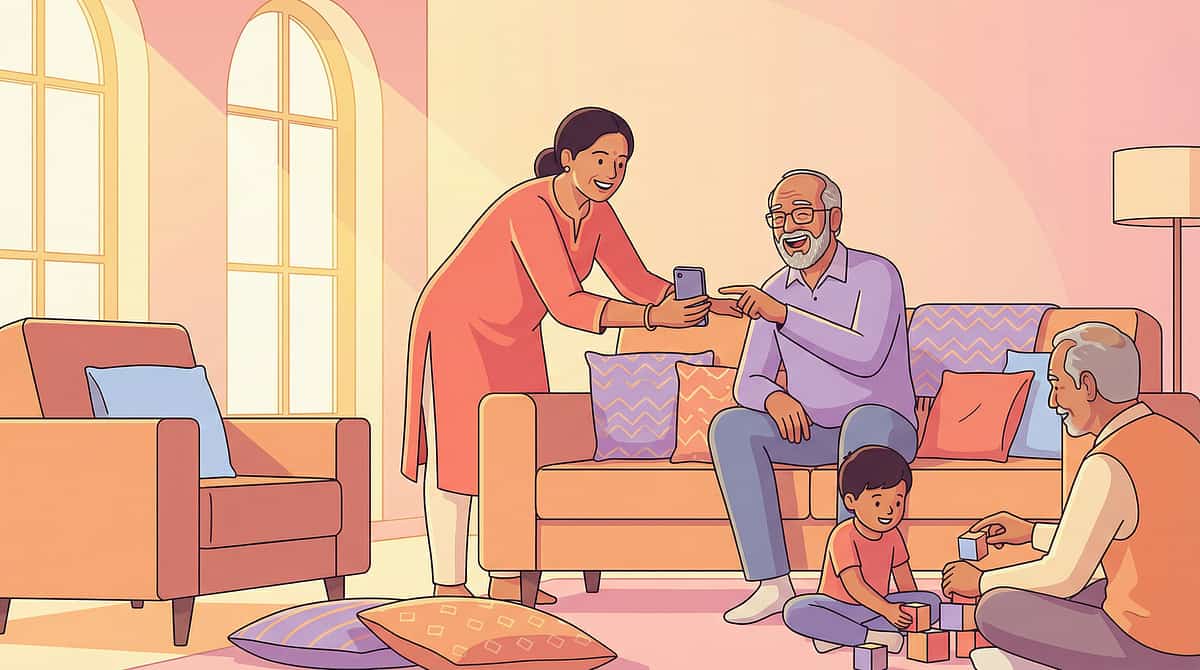
Consistency Across Caregivers Multiplies Impact
If only one person practices this with your child, the progress will be real but slow. When every caregiver in your household uses the same approach, progress compounds. Share this page with everyone who spends time with your child.
"Explain to Grandparents" Version
For Dadi, Nani, Thatha, Paati — a simplified 6-sentence summary:
"[Child's name] is learning how to start conversations with other children. This is hard for him/her. When he/she tries to say hello to someone, please celebrate that immediately — say 'That was wonderful!' even if it didn't work perfectly. Don't say 'just go and play' — it makes it harder. Ask us for the simple card if you want to help."
Family Communication Kit Contents
- The 3 most important things to know about conversation initiation
- The 5 phrases to use (and 3 to avoid)
- When to practice, when to back off
- How to respond when your child attempts an initiation (even a failed one)
Teacher / School Communication
A brief letter introducing B-208 and requesting structured peer interaction opportunities during unstructured school time. Download below.
Source: PMC9978394 — WHO CCD Package: multi-caregiver training critical for generalization

Questions Parents Ask Most Often About Conversation Initiation
Q1: My child is 4 years old. Is this too young to start?
No. Social initiation skills begin developing from age 2. For children ages 3–5, the focus is on action-based initiations ("Let's build!") through puppet play and very simple openers. This is age-appropriate and recommended. Early intervention is always better.
Q2: My child has autism. Will these materials actually work for them?
Yes — the evidence base for all 9 materials on this page is specifically strongest for children with autism. Social stories, video modeling, and conversation starter cards all appear in NCAEP's 2020 evidence-based practice list specifically for autism intervention.
Q3: How long until I see real results with peers at school?
Expect home-based script learning within 2–4 weeks. Generalization to familiar peers: 4–8 weeks. Transfer to school settings: 6–12 weeks with consistent practice. Real-world social initiation with less familiar peers: typically 3–6 months. Do not compare timelines with other children.
Q4: My child knows what to say but freezes in the actual moment. Why?
This is the executive function gap: the skill is present in low-stakes practice but fails under real social pressure and anxiety. The solution is graduated real-world exposure with support — wearable cues, pre-event script review, and in-vivo coaching. → Card 22 (adaptation) addresses this specifically.
Q5: Should I intervene when I see my child hovering at the edge of a group?
Yes — but carefully. The most helpful intervention is a whispered reminder of a specific opener ("Remember 'Can I play?'") with no pressure to execute. Never push physically or repeatedly. One nudge, maximum, without consequence.
Q6: My child uses the scripts but sounds robotic. Is that okay?
Yes — robotism is a phase, not a problem. The goal in early stages is content generation, not naturalness. As the scripts become automatic through repetition, naturalness follows. Add prosody coaching after the content is reliably produced.
Q7: Do I need to buy all 9 materials?
No. Start with: conversation starter cards (DIY or purchased), a simple social story (DIY), and one cooperative game you already own. These three form a complete foundation. Add materials as the child's profile indicates.
Q8: My child asks "why do I need to learn this when other kids don't?"
"Your brain learns social rules differently than some other children — it needs things to be more visible and more practised. That's not worse, just different. These tools are your advantage — they make it fair." Validate the question. Don't dismiss it.

From This Page to Your Child's First Words With a New Friend
You've read the science. You have the materials. You have the protocol. You have the community. You have the evidence. Now: one action. Choose yours below.
🟢 START THIS TECHNIQUE TODAY
Open EverydayTherapyProgramme™ in GPT-OS®. Your first guided session brief is ready.
📞 BOOK A CONSULTATION
Speak with a Pinnacle SLP about your child's specific profile. FREE initial call.
➡️ EXPLORE NEXT TECHNIQUE
B-209: 9 Materials That Help Keep Conversations Going
✦ Validated by the Pinnacle Blooms Consortium ✦ 🗣️ SLP | 👁️ OT | 🎯 ABA | 📚 SpEd | 🧠 NeuroDev | 👨⚕️ Developmental Pediatrics
"This technique carries the clinical authority of India's largest pediatric therapy network, the evidence weight of international research, and the lived wisdom of thousands of families who have walked this path before you."
FREE National Autism Helpline (16+ languages): 9100 181 181
Available 24×7 | pinnacleblooms.org | care@pinnacleblooms.org
Preview of 9 materials that help starting conversations Therapy Material
Below is a visual preview of 9 materials that help starting conversations therapy material. The pages shown help educators, therapists, and caregivers understand the structure and content of the resource before use. Materials should be used under appropriate professional guidance.


The Pinnacle Promise
🗣️ SLP
Speech-Language Pathology
👁️ OT
Occupational Therapy
🎯 ABA
Behavior Analysis
📚 SpEd
Special Education
🧠 NeuroDev
Neuro-Development
👨⚕️ Dev. Pediatrics
WHO/UNICEF Aligned
"From fear to mastery. One technique at a time."
— Pinnacle Blooms Consortium | GPT-OS® | Built by Mothers. Engineered as a System.
© 2025 Pinnacle Blooms Network®, unit of Bharath Healthcare Laboratories Pvt. Ltd. All rights reserved.
CIN: U74999TG2016PTC113063 | DPIIT: DIPP8651 (Govt. of India) | MSME: Udyog Aadhaar TS20F0009606 | GSTIN: 36AAGCB9722P1Z2 | ISO 13485: Medical Device QMS | ISO/IEC 27001: Information Security
Technique Registry: Page Code: B-208 | Domain: Social Communication | Subdomain: Conversation Initiation
Canonical: techniques.pinnacleblooms.org/social-communication/starting-conversations-B-208
GPT-OS® Cluster: SC-CONV-01 | Position: 208 of 999 | Series: Social Communication Solutions
Why Can't My Child Start a Conversation? | Conversation Initiation Help