
When Goodbye Feels Impossible.
Your child is talking. Everyone around them wants to leave. They can't see it. — 9 evidence-backed materials to teach conversational closure, at home, today.
Domain B: Social Communication
Technique B-215
Pinnacle Blooms Network®

ACT I — RECOGNITION
You Are Not Watching Rudeness.
"She's ten years old, and once she starts a conversation, she genuinely doesn't know how to stop. After school she'll talk to her teacher for twenty minutes while other students wait. She'll corner a neighbor in the driveway and keep going until they make an excuse and walk away. I watch it happen — feet pointing toward the door, glances at the clock, shorter and shorter answers — and she doesn't see any of it. She just keeps talking. It's not that she doesn't care about people. She desperately wants connection. She just can't seem to recognize when a conversation has naturally ended."
If this story lives in your house too, you are not watching a child who is rude or inconsiderate. You are watching a nervous system that was never given a map for endings. Conversational closure — knowing when and how to say goodbye — is a skill. It can be taught. This page is that map.
📞 FREE National Autism Helpline: 9100 181 181 | pinnacleblooms.org | 24×7 | 16+ languages

Millions of Families Are Navigating This Exact Challenge.
Difficulty ending conversations is one of the most commonly reported pragmatic language challenges in pediatric clinical practice. It is not about manners — it is about neurodevelopment. The social cues that signal "time to close" are invisible to children who process social information differently.
1 in 36
Children with Autism
Diagnosed with ASD — NCAEP 2020
70–80%
Pragmatic Challenges
Of children with ASD have pragmatic language difficulties — PMC11506176 (2024)
50M+
Families Globally
Navigating social communication differences — WHO Global Estimates
97%+
Improvement Rate
Across 20M+ Pinnacle therapy sessions — Pragmatic Language Readiness Index
You are among millions of families who have felt the confusion, the embarrassment, and the helplessness of watching your child not see what everyone else can see. You are not alone — and this is not permanent.
📞9100 181 181 — Speak to a specialist. Free. 24×7. | Citations: PMC11506176 | PMC10955541 | ASHA Evidence Maps
Five Systems. One Invisible Challenge.
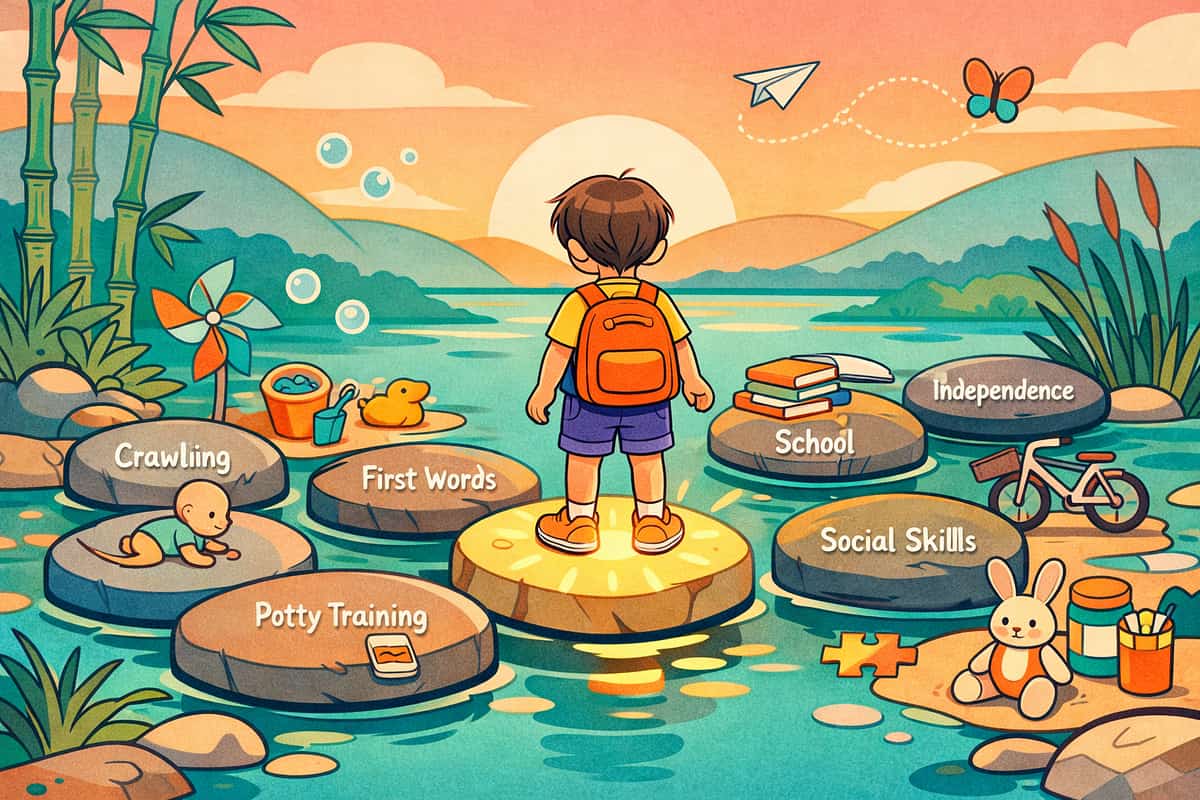
The prefrontal cortex (executive function), superior temporal sulcus (social cognition), and anterior insula (interoception/time perception) must all coordinate in real-time during conversation. When any layer is dysregulated, the child loses access to the information that tells them "this is ending."This is a wiring difference, not a motivation problem. Your child isn't choosing to ignore people — they are genuinely not receiving the information.
Brain System | What It Should Do | What Happens Instead | |
Social Cognition | Read partner's body language | Signals don't register | |
Pragmatic Language | Understand 3-part conversation structure | Only sees beginning + middle | |
Executive Function | Transition away, inhibit continuing | Can't stop even when trying | |
Time Perception | Feel time passing in conversation | 30 minutes feels like 5 | |
Emotional Regulation | Tolerate the feeling of ending | Endings feel like loss |
Citations: Frontiers in Integrative Neuroscience (2020) DOI: 10.3389/fnint.2020.556660 | ASHA Pragmatic Language Evidence Base

Conversational Closure Develops Across a Long Arc.
Some children need explicit teaching to access skills that neurotypical peers acquire implicitly. Understanding where your child sits on this arc — and where the intervention window is — is the first step toward meaningful progress.
Age 2–3
Single turn-taking; very simple initiations
Age 3–5
Topic maintenance; simple endings ("bye!")
Age 5–7
Where most children master basic closure
Age 7–10
Context-specific closures; reading partner signals
Age 10–14
Where challenges become most visible socially
Age 14+
Adult pragmatic competence
If your child is 5–14 and still struggling with conversational closure, this is the intervention window — and research confirms it can be systematically taught. Commonly co-occurring: Autism Spectrum Disorder · ADHD · Social Communication Disorder · Anxiety · Giftedness with social cognition lag
Citations: WHO Care for Child Development Package | PMC9978394 | UNICEF MICS Developmental Monitoring | Padmanabha Indian J Pediatr 2019
Clinically Validated. Home-Applicable. Parent-Proven.
⭐⭐⭐⭐ Level I–II Evidence
Systematic Review + Multiple RCTs
Social Skills Intervention
Strong evidence across 24+ studies (PMC10955541, World J Clin Cases 2024)
Video Modeling
Classified as evidence-based practice — NCAEP 2020
Social Stories®
Evidence-based for conversation management — multiple systematic reviews
Visual Supports
Strong evidence base for autism — NCAEP 2020 EBP Report
Home-Based Intervention
Indian RCT (2019) demonstrates significant outcomes — DOI: 10.1007/s12098-018-2747-4
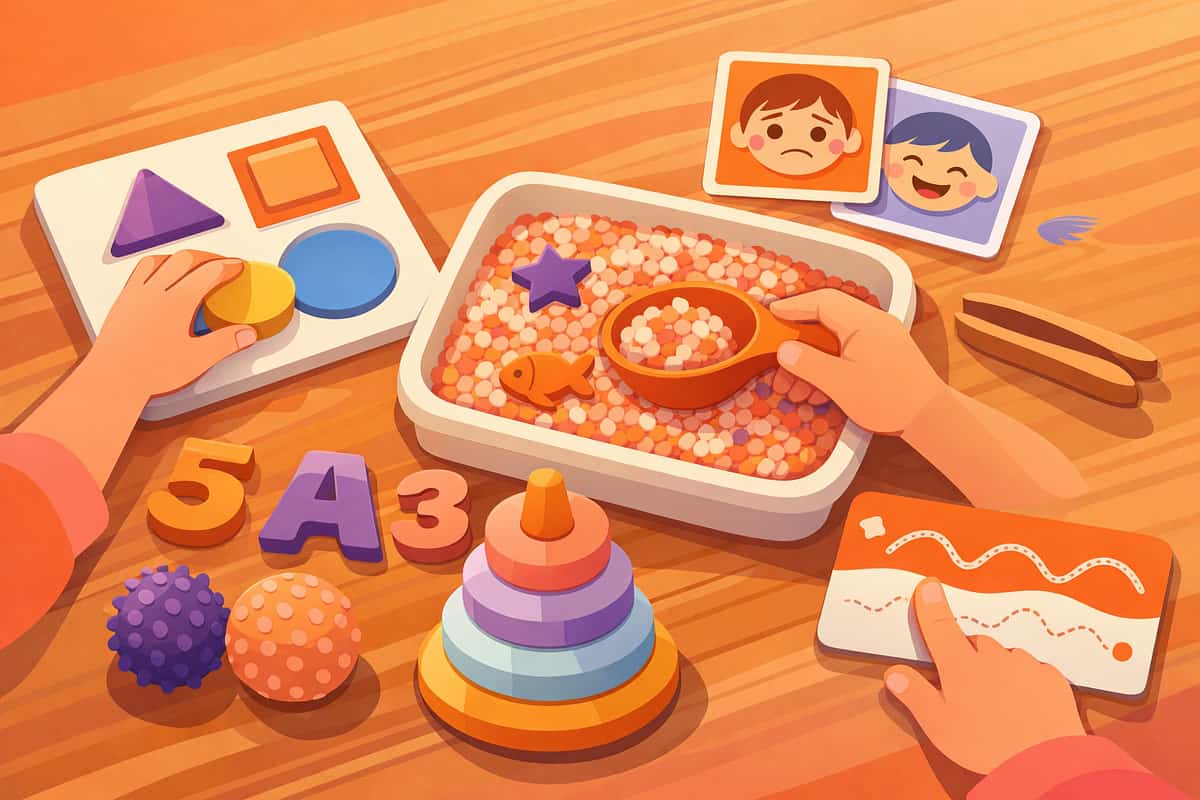
The 9 materials on this page are not experimental suggestions. Each maps to a specific mechanism of conversational closure difficulty and has an evidence base guiding its use. Pinnacle Data: 20M+ sessions | 97%+ improvement | 70+ centers.
Citations: PMC11506176 | PMC10955541 | PMC9978394 | NCAEP 2020 | WHO NCF 2018 | Padmanabha 2019

ACT II — THE KNOWLEDGE TRANSFER
Teaching the Art of Goodbye — Technique B-215
Formal Name
Conversational Closure Intervention — Pragmatic Language & Social Cognition Protocol
Technique Code
B-215 | Domain B: Social Communication & Pragmatic Language
Age Range
5–14 years
Session Duration
10–20 minutes daily
Settings
Home · School · Therapy · Community
What It Is
A multi-component intervention targeting the specific skills required to end conversations appropriately: recognizing verbal and nonverbal disengagement cues, understanding the natural three-part structure of conversations (beginning → middle → end), executing culturally appropriate closing sequences, managing the emotional experience of endings, and building the executive function to transition away from preferred social interactions.
📞9100 181 181 | Speak to a Pinnacle SLP specialist | FREE | 24×7
This Technique Crosses Therapy Boundaries.
Social communication lives at the intersection of five disciplines — because the brain does not organize itself by therapy type. Pragmatic language, executive function, social cognition, and emotional regulation are all recruited simultaneously in every conversation.
Speech-Language Pathologist (Primary)
Addresses pragmatic language deficits, conversational structure, verbal closing sequences, and turn-taking regulation. Core clinical lead.
ABA / Behavioral Therapist
Targets executive function — transitioning away from conversation, inhibiting continuation, and reinforcing successful closures with systematic feedback.
Occupational Therapist
Addresses social cognition and interoception — body awareness, time perception, and the sensory/emotional experience of conversational endings.
Special Educator / Social Skills Coach
Embeds practice across school settings — classroom transitions, peer interactions, teacher conversations.
NeuroDevelopmental Pediatrician
Evaluates for ASD, ADHD, anxiety, and social communication disorder — determining the neurological profile driving the difficulty.
Pinnacle's FusionModule™ coordinates all disciplines into one converged plan. | Citation: DOI: 10.1080/17549507.2022.2141327
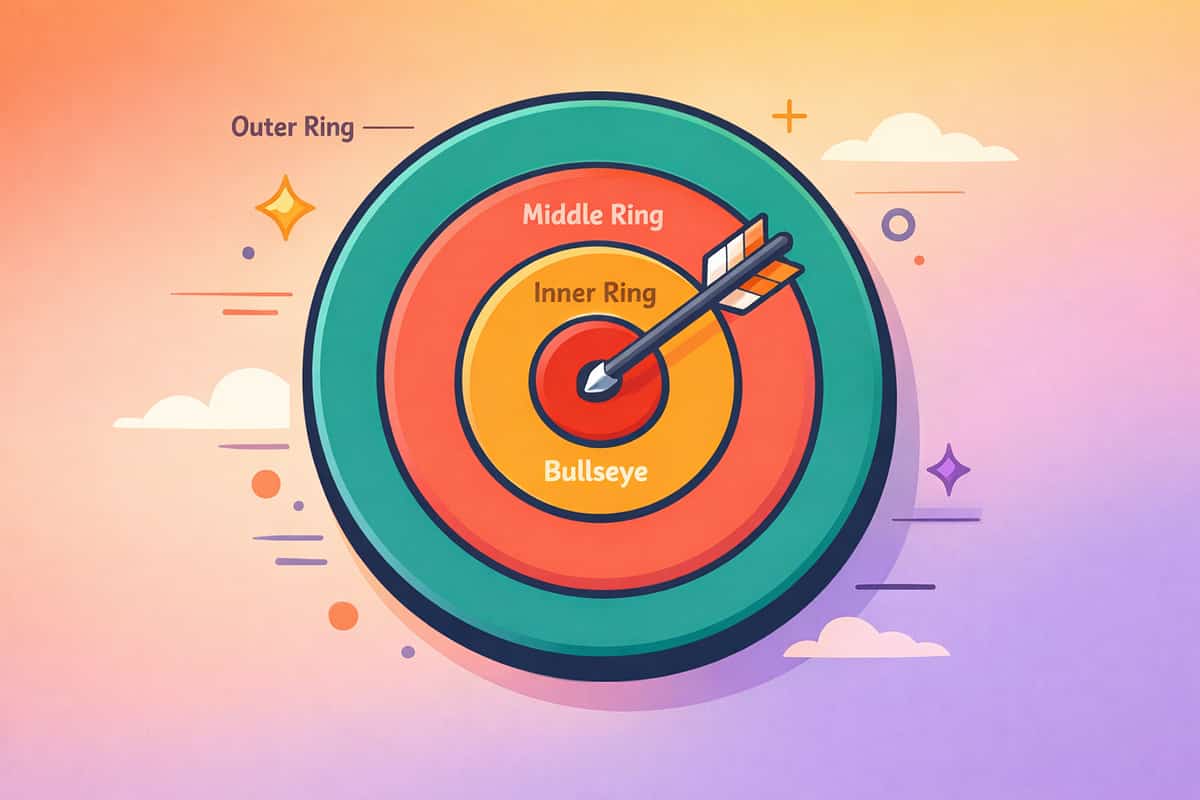
Precision Targeting: 5 Mechanisms, 1 Intervention System.
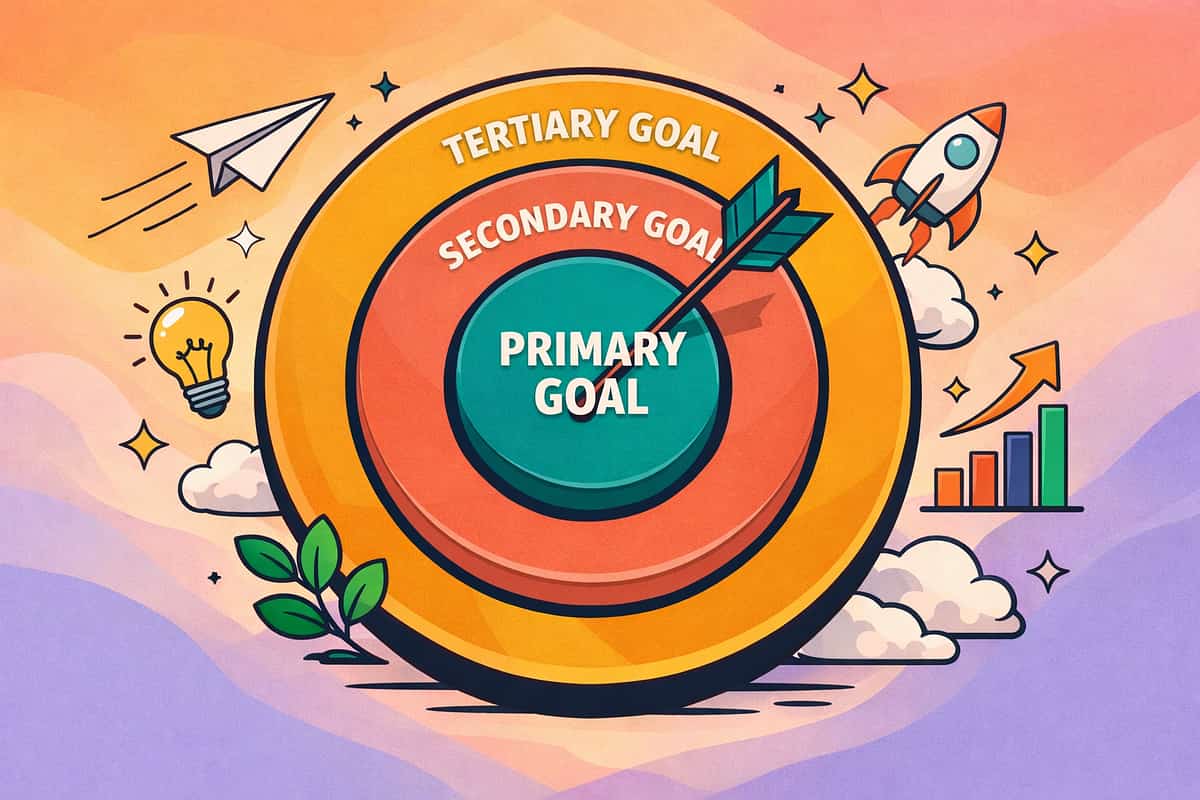
Primary Target: Reading cue clusters (body language + verbal) + executing graceful closing sequences + transitioning away. Observable indicator: Child initiates farewell within appropriate window; uses closing phrase; physically transitions.
Secondary Target: Understanding that the conversation partner has their own needs, schedules, and signals. Theory of mind in action. Tertiary Target: When conversation endings work, friendships deepen — partners feel respected, and the child earns the reputation of being "good to talk to."
Long-term goal: Authentic, reciprocal social relationships. Citations: PMC10955541 | ASHA Social Communication Evidence Maps | NCAEP 2020
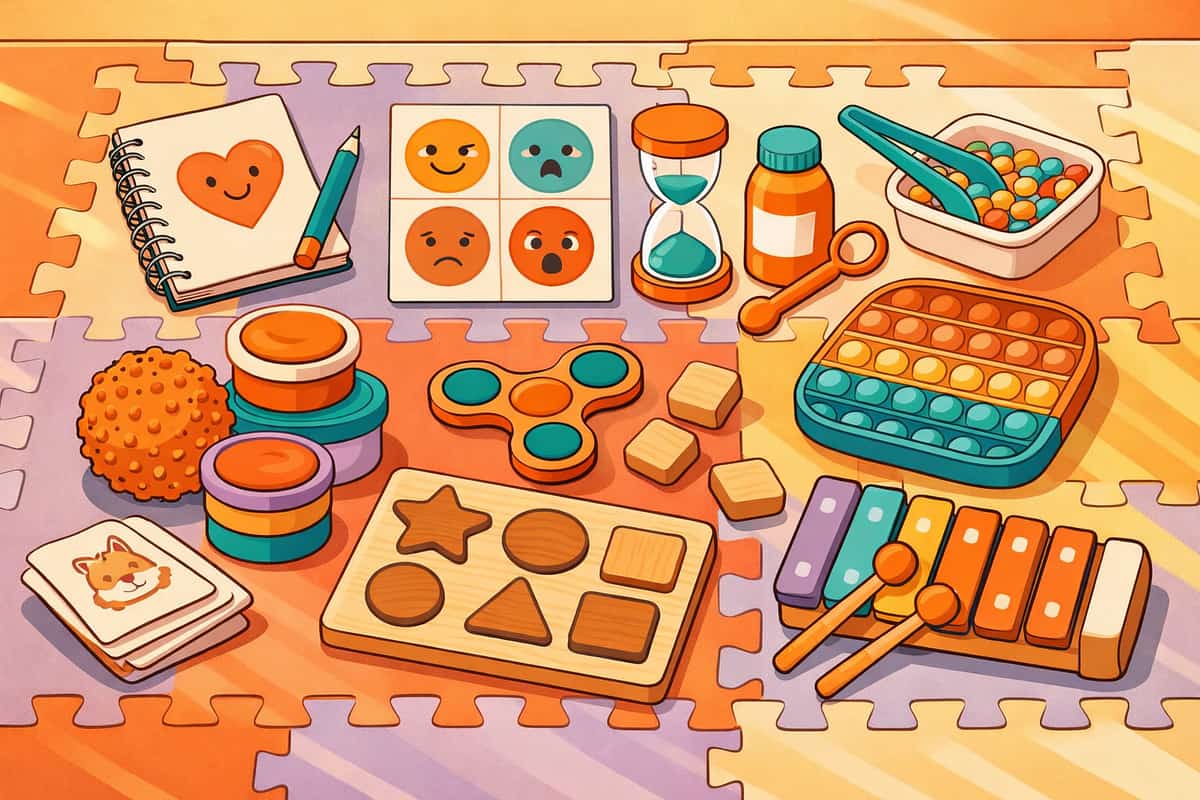
9 Materials. Evidence-Mapped. Home-Executable. Starting from $0.
Every material below targets a specific mechanism of conversational closure difficulty. You don't need all nine to start — the Pinnacle Starter Kit (Conversation Map + 3 Closing Phrases + Parent Signal) costs exactly zero dollars and is a complete functional system.
# | Material | Canon Category | Price Range | DIY? | |
1 | Conversation Structure Visual Maps | Conversation Visual Supports | ₹100–600 | Free (draw it) | |
2 | Body Language Cue Cards | Social Skills Cards / Scenarios | ₹150–500 | ₹50 (photos) | |
3 | Verbal Closing Scripts & Phrase Cards | Conversation Visual Supports | ₹100–400 | Free (write together) | |
4 | Conversation Timer Tools | Visual Timer | ₹200–1,000 | Free (phone timer) | |
5 | Social Stories About Ending Conversations | Social Stories / Narrative Supports | ₹200–800 | Free (write personalized) | |
6 | Video Modeling Resources | Role-Play / Pretend Play Props | ₹0–2,000 | Free (family video) | |
7 | Role-Play Practice Materials | Role-Play / Pretend Play Props | ₹200–1,000 | Free (puppets) | |
8 | Parent/Partner Signal Systems | Personal Space / Body Boundaries Tools | ₹0 | Free (gesture) | |
9 | Transition & Closure Planning Tools | Visual Schedule System | ₹50–400 | Free (index card) |
Total investment range: ₹0–2,000 | Complete zero-cost system available with DIY alternatives. Need help selecting starting materials? 📞9100 181 181 — FREE

Every Family Can Start Today. Zero-Cost Versions for Every Material.
"Effective intervention should not require economic privilege. Every material on this page has a household alternative that delivers the same therapeutic principle." — WHO Equity Principle
Material | Buy | Make (₹0–50) | |
Conversation Maps | Printed chart ₹150 | Draw a road with 3 sections: Start / Journey / Destination. Label typical phrases for each phase. | |
Body Language Cards | Social cue deck ₹300 | Draw or print photos of: body turning, clock-checking, short answers, stepping back. Write meaning on back. | |
Closing Scripts | Phrase card set ₹200 | Write 5 age-appropriate goodbye phrases on index cards. Categorize: school / family / phone / friends. | |
Timer Tools | Time Timer® ₹800 | Phone timer app = free. Sand timer ₹100. Visual countdown on paper works too. | |
Social Stories | Published book ₹400 | Write a 5-page story: "When I talk to someone, conversations have a beginning, a middle, and an end..." | |
Video Modeling | Commercial curriculum ₹1,500 | Record family members demonstrating graceful endings. Watch together and pause to discuss. | |
Role-Play Materials | Puppet set ₹500 | Any stuffed animals work. One toy talks, other shows "I need to go" signals. Practice the closing. | |
Signal System | No cost needed | Agree on a private signal: shoulder tap = "start wrapping up." Practice at home first. | |
Planning Cards | Printed worksheets ₹100 | Index card: Length / Closing phrase / What comes after. Fill before social situations. |

Safety First: Read Before Starting.
Your child's emotional safety is the first priority. No session is worth starting in the wrong conditions. Review this traffic light guide before every practice session.
🔴 Do NOT Proceed If:
- Child is currently dysregulated, mid-meltdown, or in acute distress
- Recent significant social failure is still emotionally raw (wait 24–48 hours)
- Child shows signs of significant social anxiety — seek professional guidance first
- Persistent difficulty suggests undiagnosed ASD, ADHD, or anxiety — evaluation first
🟡 Proceed With Modifications If:
- Child is mildly resistant — start with puppets/role-play, not real social situations
- Child was previously publicly corrected — rebuild safety first
- Child has significant special interests that dominate conversations — address in structured sessions first
- Child is younger than 5 — use simpler versions; focus on structure understanding only
🟢 Ready to Proceed When:
- Child is calm, fed, rested, and regulated
- Practice environment is safe and low-pressure (home, not public)
- Parent is calm and in teaching mode (not frustrated mode)
- Child understands this is skill-building, not correction for past behavior
STOP SIGNALS — Discontinue if: Acute distress or shutdown | Child repeatedly saying "I'm stupid" or showing shame | Practice feels punitive. This content is educational and does not replace a licensed SLP, behavioral therapist, or healthcare provider. 📞9100 181 181 — FREE clinical guidance, 24×7

ACT III — THE EXECUTION
Is Your Child Ready? The 60-Second Readiness Check.
"Never force a session that can't succeed." Sixty seconds of honest assessment before you begin will save you hours of recovery time afterward. Run these 7 checks — and honor what you find.
Check | 🟢 Go | 🟡 Modify | 🔴 Postpone | |
Emotional state | Calm, neutral, or happy | Mildly tired/irritable | Dysregulated, anxious, upset | |
Fed & hydrated | Yes | Slightly hungry — snack first | Hasn't eaten | |
Recent social events | Nothing significant | Minor incident today | Major social failure today | |
Willingness | Interested or neutral | Some resistance | Active refusal | |
Time available | 20+ minutes | 10–15 min — shorten | Under 10 minutes | |
Focus | Present | Slightly distracted | Cannot attend | |
Health | Well | Minor cold — gentle session | Clearly unwell |
If MODIFY: Use only puppets/role-play. Reduce to 10 minutes. Simplify to one skill only. If POSTPONE: "Today's not the day. That's okay. Try tomorrow." Offer a preferred calming activity instead.
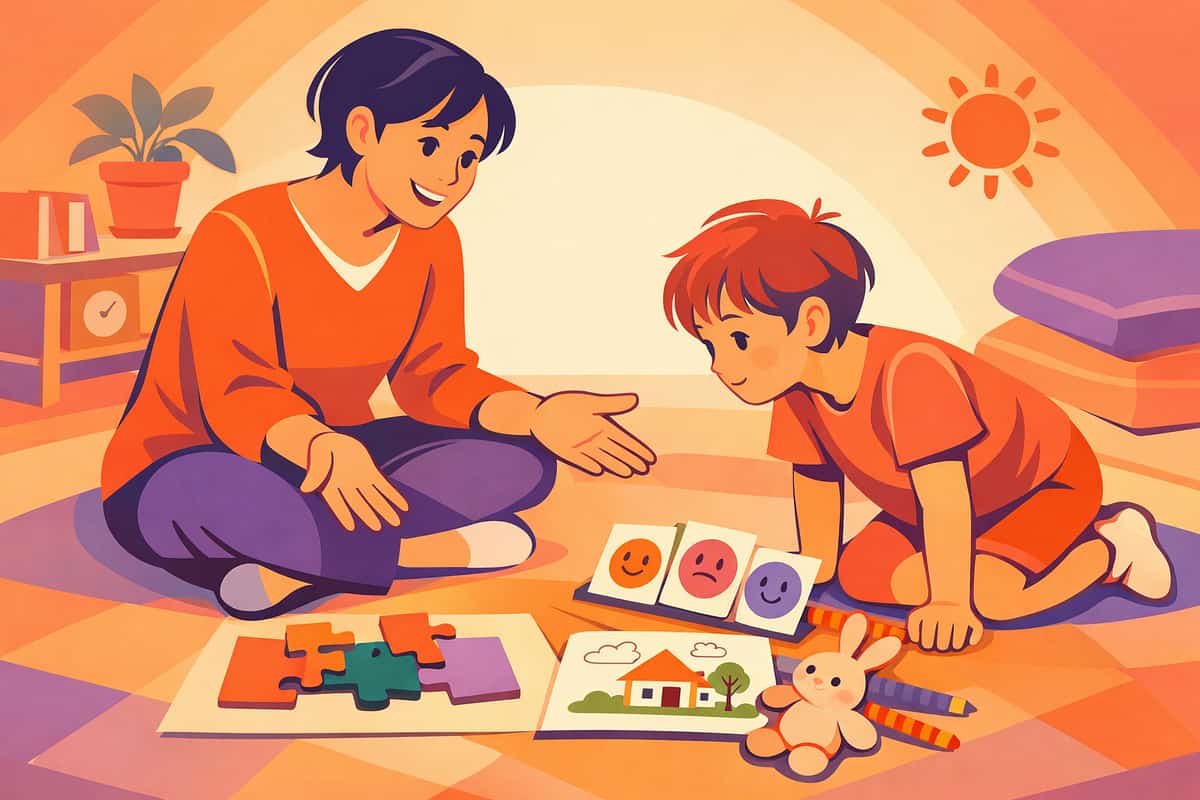
Step 1: The Invitation — Every Session Begins Here.
Step 1 of 6
⏱ 30–60 seconds
"Hey, I've got something kind of fun to try with you. We're going to be social scientists today — figuring out the secret signals people use when they're ready to say goodbye. Want to try it?"
For Resistance
"No pressure — just 5 minutes. If you don't like it, we stop."
Body Language Guidance for Parent
- Get to child's eye level — side by side, not facing
- Relaxed, curious posture — modeling the tone you want
- Materials already laid out, ready to be discovered
Acceptance Cues (child is ready)
Leans toward materials · Asks a question · Makes eye contact · Nods
Resistance Cues (modify)
Turns away · Monosyllabic responses · Body tension → Offer the puppet route instead
The most important rule: This is always an invitation, never a command. The tone of the very first moment sets the emotional register for the entire session. If the invitation feels safe, everything that follows can be learned. Citations: ABA Pairing Procedures | OT "Just-Right Challenge" principle.

Step 2: The Engagement — Building Curiosity and Understanding.
Step 2 of 6
⏱ 1–3 minutes
For Conversation Structure Maps
"Look at this. A conversation is like a story — it has a beginning, a middle, and an end. Most people can feel when they've reached the end. Let's look at what the 'end' part actually looks like..."
For Body Language Cards (Detective Mode)
"You're going to be a social detective. Here are the clues people give when they're ready to say goodbye — without saying it out loud. Let's go through them..." Show materials slowly. Let child touch, examine, respond.
Child Response Indicators
- Engagement: Questions, pointing, "Oh I've seen that!"
- Tolerance: Listening without objecting
- Avoidance: Looking away — slow down, make it more playful
Reinforcement cue: First sign of genuine interest = immediate specific praise: "That's exactly the kind of thing a detective would notice!" | Citations: PMC11506176 | ABA reinforcement scheduling

Step 3: The Therapeutic Action — Where the Skill Is Built.
Step 3 of 6
⏱ 5–10 minutes
Core Therapeutic Event
Option A — Cue Detection Practice
Watch a short video clip of a conversation. Pause and ask: "Is this person showing any 'I want to leave' signals? What do you see?" Use body language cue cards as reference. Identify: body turning, clock-checking, short answers, feet toward exit.
Option B — Map-and-Script Practice
Review conversation structure map together. Role-play a 2-minute conversation. When natural signals appear (or are demonstrated by parent), child consults phrase cards and uses a closing statement. Celebrate the ending.
Option C — Pre-Situation Planning
Before a real upcoming social event: "Who will you talk to? How long? What's your closing phrase? What comes after?" Fill out the planning card together.
Common Execution Errors: Rushing to correct errors immediately (slow down, let child discover) · Making it about past failures (keep it forward-focused) · Overloading with all 9 materials at once (one material per session initially). Citations: PMC10955541 | NCAEP 2020
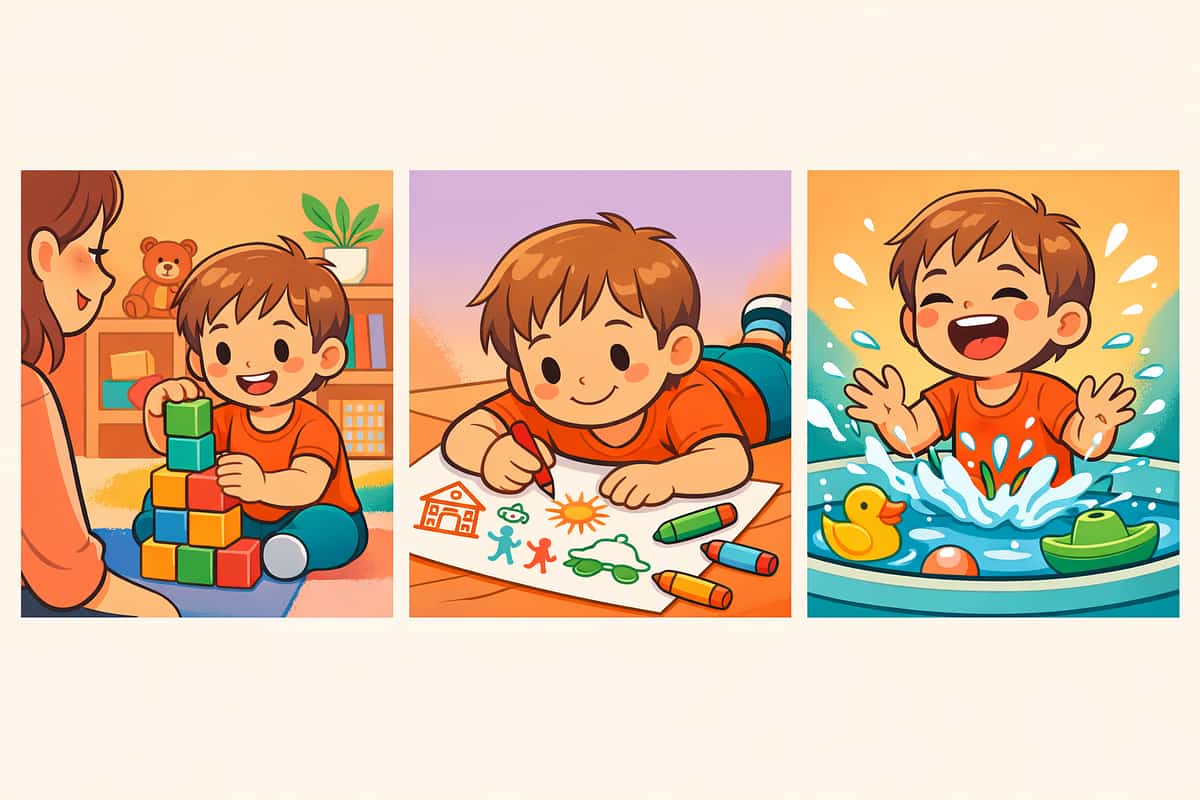
Step 4: Repeat and Vary — 3 Good Repetitions Beat 10 Forced Ones.
Step 4 of 6
⏱ 3–5 minutes
3–5
Per Session
Repetitions of cue detection or closing script practice
2×
Per Week
Structured sessions (10–15 min) + daily 2–5 min embedded practice
8–12
Weeks
Consistent practice arc for skill consolidation
Variation Options to Maintain Engagement
- Switch between materials (map → cue cards → scripts → timer)
- Change the social scenario (school → family → phone → party)
- Increase challenge: stranger conversation vs. familiar person
- Self-modeling: record child doing it well, watch back together
"Each repetition is a new neural pathway forming. The script that feels awkward today will feel natural in six weeks."
Satiation signals (enough for today): Child becomes mechanical or monotone · Increased distraction or body movement · Spontaneously uses wrap-up phrase (celebrate this — it's a success!)

Step 5: Reinforce and Celebrate — Within 3 Seconds of Success.
Step 5 of 6
⏱ Immediate
For Cue Identification
"You spotted that! His feet were pointing to the door — and you noticed! That's a social detective move right there."
For Using a Closing Phrase
"You just ended that conversation. Did you hear yourself? 'It was great talking to you' — that was perfect."
For Tolerating an Ending
"I know endings can be hard. And you handled that so well. That took real strength."
Reinforcement Menu
- Verbal praise — immediate, specific, enthusiastic
- Token economy — "social detective badge" for each successful closing spotted or executed
- Natural consequence — "Because you practiced that closing, let's now call Grandma and try it for real!"
- Preferred activity access — 10 minutes of choice time after session
Timing Principle: Within 3 seconds of the desired behavior. Delayed praise loses 70% of its behavioral power. | Citations: ABA Reinforcement Principles | BACB ethical guidelines | Token economy evidence base

Step 6: The Cool-Down — No Session Ends Abruptly.
Step 6 of 6
⏱ 1–2 minutes
The cool-down prevents post-session dysregulation and physically reinforces the lesson — even the session itself has a graceful ending. Each step is intentional: the warning prepares the child, the acknowledgment honors their effort, the put-away ritual creates physical closure, and the bridge ensures the ending leads somewhere good.
If child resists ending the session:"Interesting — this is exactly what we're practicing! Let's use our closing phrase for the session itself. What would you say?" Turn the resistance into practice. If child is processing something, allow 60 seconds of quiet before transitioning. This is normal. | Citations: NCAEP 2020 | Visual supports in autism evidence base

Capture the Data: 60 Seconds That Drive Progress.
Data collection immediately after each session is what separates intuition from evidence. These three questions take one minute and give you — and your therapist — a precise, longitudinal view of your child's progress over time.
1
Which materials were used today?
Conversation Map · Cue Cards · Scripts · Timer · Social Story · Video · Role-Play · Signal · Planning Card
2
Cue Detection: How many disengagement cues did child correctly identify?
0 · 1 · 2 · 3+ (note whether prompted or spontaneous)
3
Closing Execution: Did child use a closing phrase?
No attempt · Prompted · Spontaneous partial · Independent full close
"Each data point you capture flows into the AbilityScore® Pragmatic Language Readiness Index — giving you and your therapist a precise, longitudinal view of your child's progress. This is how 20M+ sessions became evidence." 📞9100 181 181 — Your therapist can review this data with you

When It Doesn't Work: Your Troubleshooting Guide.
Expect challenges. Every family hits friction points. The families who succeed are not the ones who avoid these problems — they're the ones who know exactly what to do when they arise.
Child refuses to engage with materials
Go back to pure play. Use puppets only. No explicit teaching language — just demonstrate a conversation ending with stuffed animals and let child observe. Engagement before instruction.
Can identify cues in practice but misses them in real life
This is normal and expected. Real-life application comes after extensive practice-context success. Increase role-play complexity. Add the parent signal system as a bridge.
Uses closing phrase but then keeps talking anyway
The closing sequence is emerging but not complete yet. Celebrate that the phrase was used, then gently redirect: "And now we take the step — like we practiced — actually moving toward the door." Physical transition is its own skill.
Gets distressed when conversations end during practice
Back up to social stories only. The emotional regulation layer needs more work before skills practice. Normalize endings through narrative before practicing them behaviorally.
Teacher says it's getting worse at school
School generalization is typically the last to consolidate, not the first. Share home strategies with the teacher. Request that successful endings at school be explicitly celebrated.
Parent signal isn't working — child ignores it
Revisit signal design together. Child must feel partnership, not surveillance. Try a different signal. Practice the signal-to-action sequence at home in calm moments first.
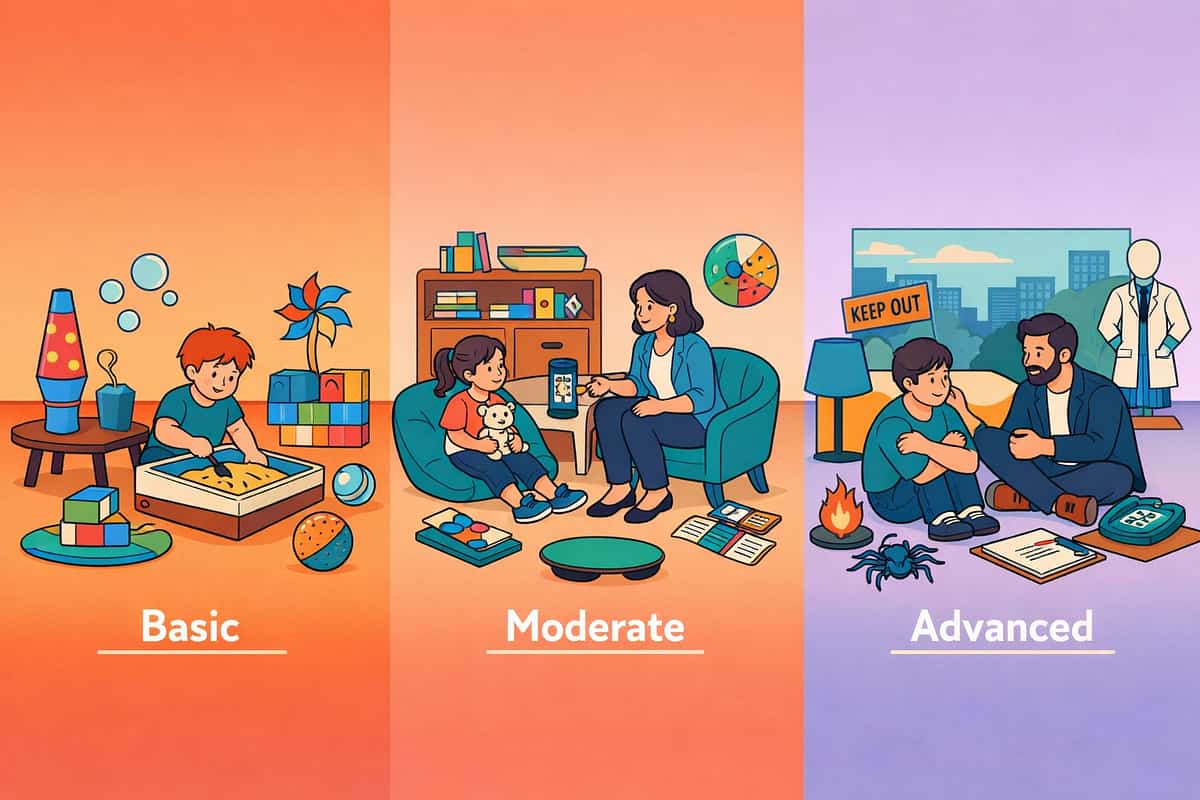
Personalize This Technique: Your Adaptation Menu.
Every child is different. These modifications ensure the technique meets your child where they are — not where you wish they were.
⬇️ Easier (Severe Challenges / Very Young / Recent Starts)
- Focus only on one material at a time — start with conversation structure map
- Use puppets exclusively for all practice
- Accept any acknowledgment of cues, even after the fact
- Reduce session to 5 minutes
- Parent demonstrates entire sequence; child just watches
⬆️ Harder (Emerging Competence / Older Children)
- Practice in naturalistic settings with real conversation partners
- Analyze real-life conversations afterward (debrief, don't correct in-moment)
- Introduce unfamiliar conversation partners (family friends, not just immediate family)
- Video-record child in practice and watch together
- Self-monitoring checklist — child tracks their own closings
Special Interest Intensity Adaptation
When conversations are about special interests, ending is exponentially harder. Add a specific "special interest time" with a definite end built into the daily schedule — normalizing that even beloved topics have time boundaries.
Anxiety-About-Endings Adaptation
For children where endings feel like abandonment: add explicit "next time" planning into every closing script — "See you tomorrow!" or "Let's talk again about [topic] next week!" The next connection is guaranteed before the current one ends.

ACT IV — THE PROGRESS ARC
Weeks 1–2: You're Planting Seeds. Don't Look for Flowers Yet.
Progress: ~15%
These weeks will feel like nothing is changing. That feeling is wrong. The cognitive scaffold is being built — and what you build in weeks 1 and 2 is the foundation everything else stands on.
Observable Indicators for These Weeks
- Child can describe the three-part conversation structure, even just conceptually
- Child correctly identifies at least one body language cue when shown on a card
- Child has 1–3 closing phrases memorized (doesn't need to use them yet)
- Child tolerates sessions without significant resistance
- Parent signal system designed and practiced at home
What is NOT progress yet (managing expectations): Independent use of closing phrases in real conversations — not yet. Noticing cues in real-time social situations — not yet. Smooth, graceful endings — not yet. "If your child can say 'body turning away means they might want to go' when looking at a card — that is real, measurable neurological progress." | Citation: PMC11506176

Weeks 3–4: Neural Pathways Forming. Watch for These Specific Signs.
Progress: ~40%
Child begins noticing cues in video examples BEFORE parent points them out
This is the signal that new circuitry is forming. It's not a small thing.
Child can spontaneously recall a closing phrase when asked
The phrases are moving from deliberate recall to accessible memory.
Parent signal works more consistently — less resistance to wrapping up
The bridge between in-conversation coaching and self-monitoring is beginning to form.
Child can complete a role-play with beginning, middle, AND ending
The full conversational arc is accessible in a safe practice context.
Timer-triggered wrap-up happens with only 1–2 redirections
Down from a struggle — this is significant progress on the executive function layer.
"You'll notice the moment it shifts — when they spot the cue and say something, before you say anything. This is not a small thing. This is the brain building new circuitry."
When to Increase Complexity: If all consolidation indicators present, add one new material, one new scenario, or reduce one level of scaffolding. Don't rush — consolidation is not complete until indicators are consistent. | Citations: Neuroplasticity research on synaptic strengthening through repeated structured input

Weeks 5–8: This Is Where Conversations Start to Change in Real Life.
Progress: ~75%
Spontaneous Use
Child uses a closing phrase without parent prompt — at least occasionally. The skill is becoming autonomous.
Real-World Noticing
Child notices disengagement cues in real conversations, even if they acknowledge them after rather than during.
Self-Monitoring Emerges
Child expresses awareness: "I talked too long." This metacognitive shift is a major developmental milestone.
Social Feedback
A peer or teacher has made a positive comment about the child's conversation skills.
What mastery does NOT look like yet: Perfect execution every time (that's functional skill — weeks 8–12+) · Independent recognition in all contexts (generalization takes longer) · Complete emotional ease with endings (emotional regulation continues to develop).
Citation: 8–12 week timelines for skill consolidation in social communication interventions (multiple systematic reviews)

Name the Wins. Every Single One.
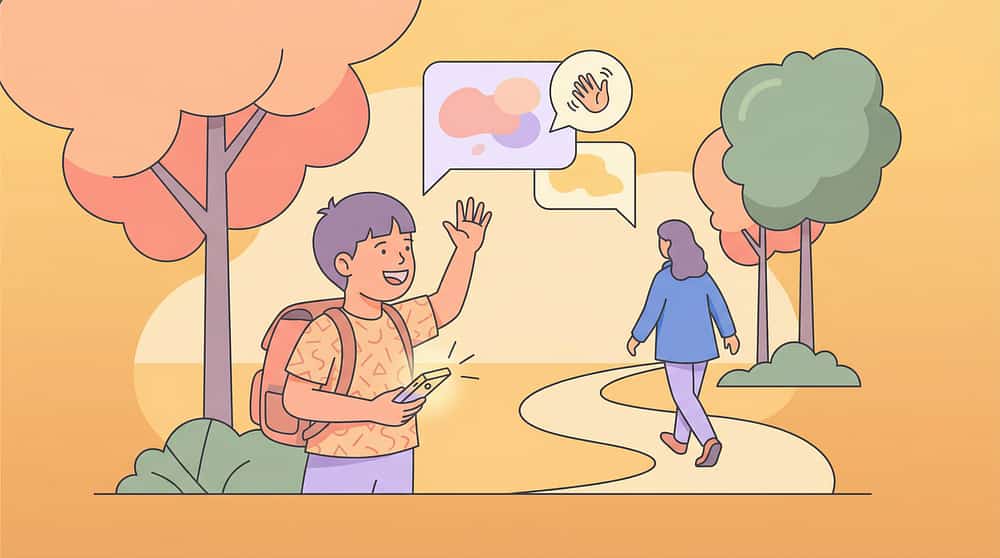
🌟 First Spontaneous Closing Phrase
Make it a family event. Name it. "You just did the thing. That took real work."

🌟 First Cue Noticed in Real Life
"You saw it — without me saying anything. That's a skill that most adults don't even have."

🌟 First Ending Without Distress
"That was hard. You did it anyway. That's what bravery looks like."
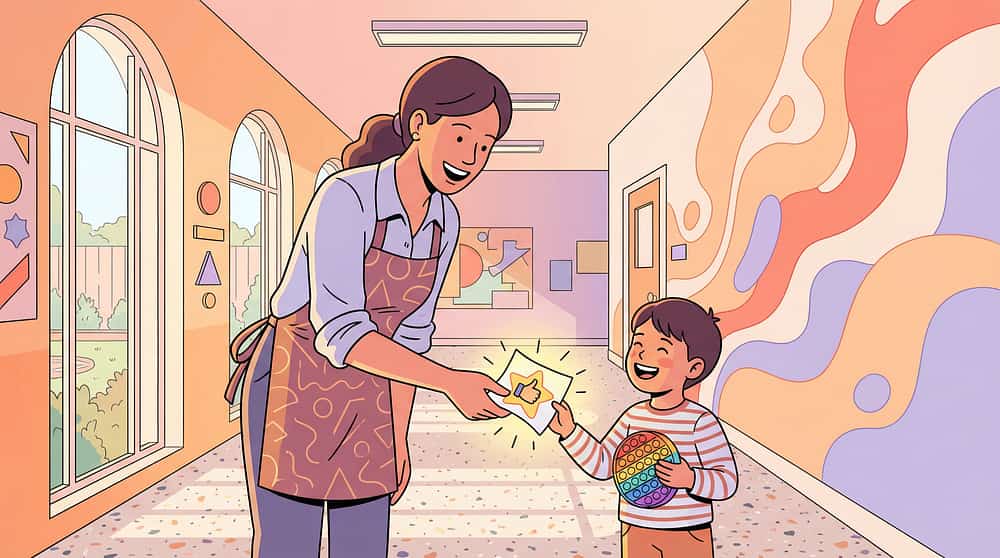
🌟 First Positive Teacher Feedback
Print it out. Put it somewhere visible. This is evidence of generalization.
Why Celebration Matters Therapeutically: "Skills that feel good get used. Skills that feel shameful get avoided. Celebration is not optional — it is part of the clinical protocol." Every milestone maps to a progression level in the Pinnacle AbilityScore® Pragmatic Language Readiness Index.

Red Flags: When Home Practice Needs Professional Partnership.
Seeking professional support is not failure. It is the next level of precision — and it accelerates everything you have already built at home.
🔴 Seek Evaluation If:
- Conversation ending difficulty is part of a broader pattern of social communication challenges
- Child experiences significant distress, anxiety, or shutdown around social interactions
- Home practice is consistently unsuccessful despite 4+ weeks of consistent effort
- Teacher reports escalating concerns about social-academic functioning
- Child shows signs of social withdrawal, peer rejection, or worsening self-esteem
- Parent suspects ASD, ADHD, or social communication disorder
What Evaluation Involves
- Speech-language pathology pragmatic language assessment
- Social cognition evaluation
- ASD/ADHD/SCD diagnostic workup if indicated
- AbilityScore® comprehensive assessment at Pinnacle
Professional support accelerates home progress — it doesn't replace it. Citations: ASHA clinical practice guidelines for pragmatic language | AAP developmental surveillance guidelines. 📞9100 181 181 — FREE assessment consultation | 24×7 | 16+ languages

Your Child's Progression Pathway — B-215 in Context.
B-215 is one step on a larger journey. Understanding where it fits — what it builds on and where it leads — helps you sequence your child's development with intention rather than chance.
Prerequisite Techniques
- B-213: Difficulty Maintaining Topics
- B-214: Trouble with Back-and-Forth Conversation
Next-Level Options
- B-216: Starting Conversations Appropriately
- B-217: Reading Listener Interest Cues
- B-210: Managing Interrupting
GPT-OS® Pathway: Your child's TherapeuticAI® plan will sequence these techniques based on their AbilityScore® data — ensuring the right technique at the right time. pinnacleblooms.org/ability-score
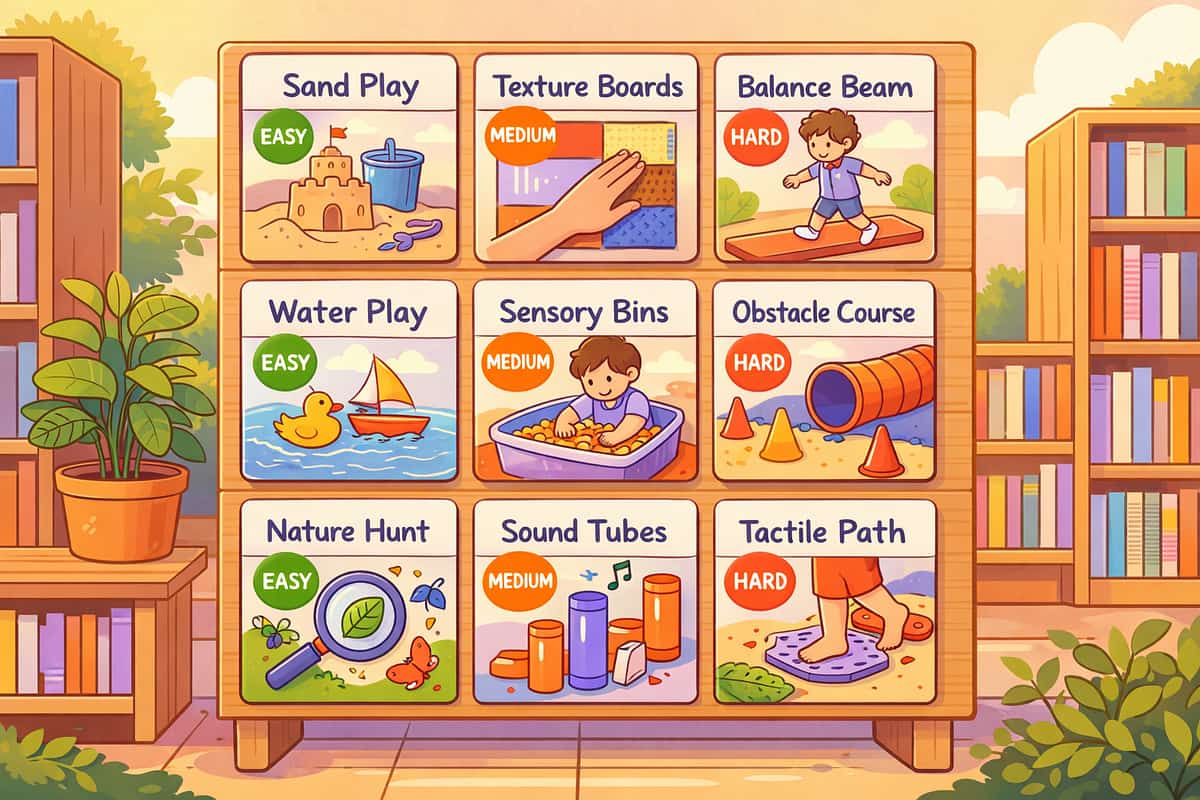
Related Techniques in Domain B: You Already Own Materials for Several of These.
Code | Technique | Level | Shared Materials | Status | |
B-213 | Difficulty Maintaining Topics | Intro | Conversation Map ✓ | Available now | |
B-214 | Back-and-Forth Conversation | Core | Cue Cards ✓, Scripts ✓ | Available now | |
B-215 | Ending Conversations | Core | All 9 Materials | THIS PAGE | |
B-216 | Starting Conversations | Core | Planning Cards ✓ | Available now | |
B-217 | Reading Listener Interest Cues | Core | Cue Cards ✓, Timer ✓ | Available now | |
B-210 | Managing Interrupting | Intro-Core | Scripts ✓, Timer ✓ | Available now |
Families who complete B-215 can begin B-213 and B-216 with zero additional materials purchased. The investment you have already made — in time, in practice, in understanding — carries forward into every related technique.
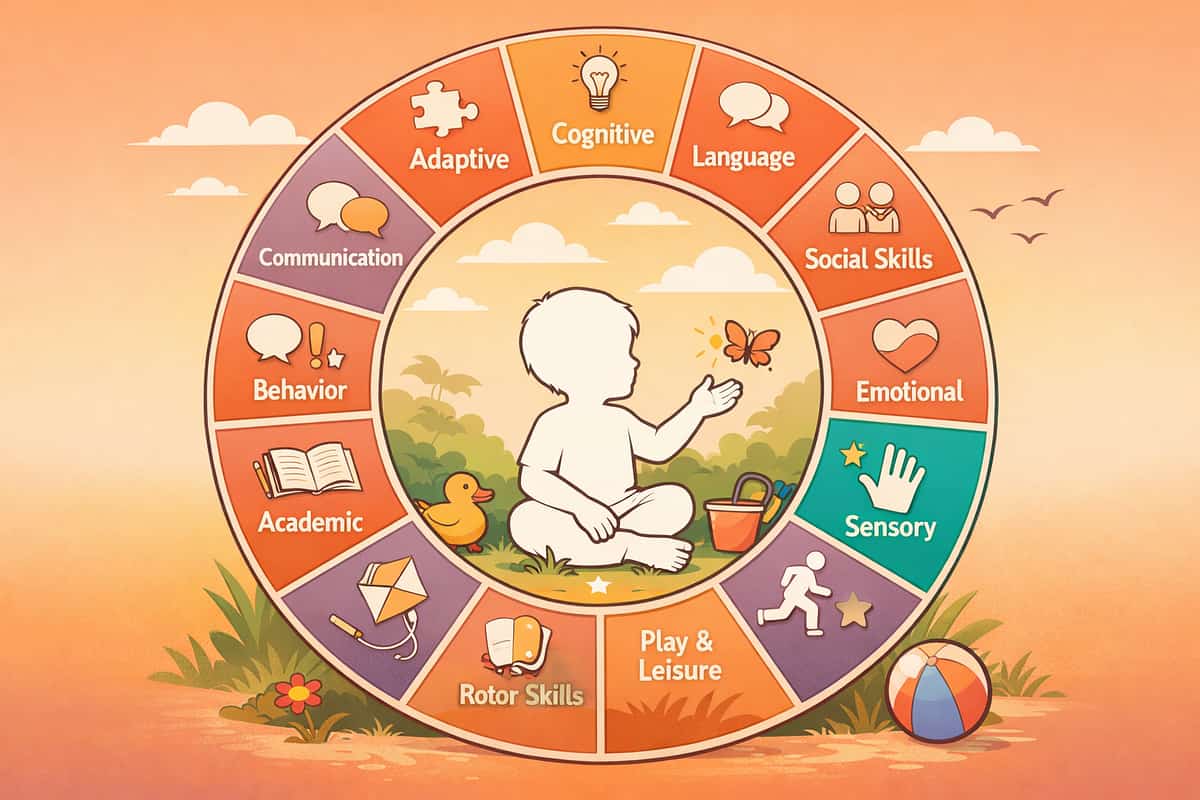
Your Child's Full Developmental Map — All 12 Domains.
Conversational closure is one domain. Your child's whole development is the goal. This map shows where B-215 sits within the complete Pinnacle developmental framework — and what a holistic view of your child's growth looks like.
GPT-OS® tracks your child's Pragmatic Language Readiness Index within Domain B — and shows exactly how this domain connects to all 12. Which domain should come next? Your child's AbilityScore® data answers that question with precision, not guesswork.
Citation: WHO/UNICEF Nurturing Care Framework — five components of nurturing care require holistic developmental monitoring.
ACT V — THE COMMUNITY
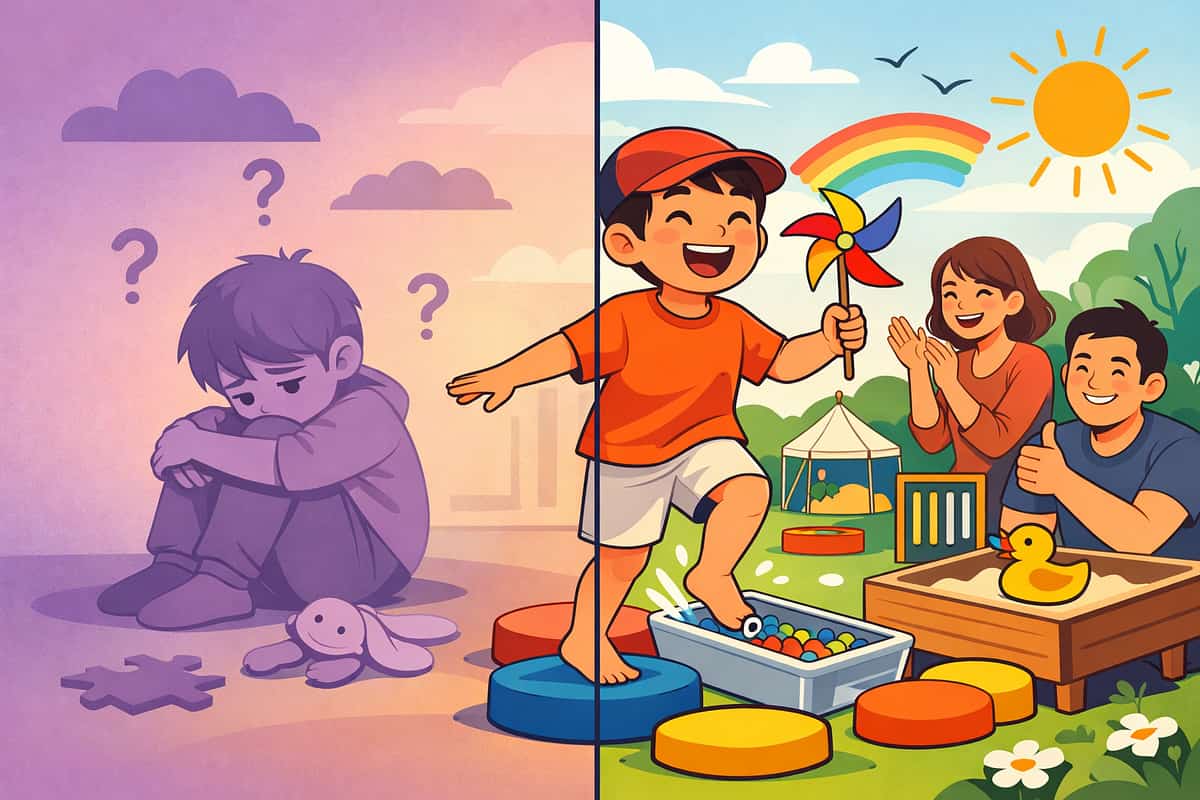
From "She Traps People in Conversations" to "She's Someone People Want to Talk To."
The Teacher Feedback — Bengaluru
Before: "My son's teacher called him 'monopolizes adult attention' in his report card. He'd corner her after every class for 20 minutes. She was visibly exhausted."
After (6 months): "Last month, his teacher told me he'd said goodbye appropriately for the first time she could remember. 'I should let you go, see you tomorrow.' She teared up telling me. So did I."
After (6 months): "Last month, his teacher told me he'd said goodbye appropriately for the first time she could remember. 'I should let you go, see you tomorrow.' She teared up telling me. So did I."
The Phone Calls — Hyderabad
Before: "Calls with grandparents went on until grandma made up excuses to hang up. My daughter didn't understand why grandma seemed relieved to go."
After (4 months): "We started with closing scripts for phone calls specifically — three phrases practiced until automatic. Now she ends calls herself. Grandma calls me separately to say how much she enjoys their conversations now."
After (4 months): "We started with closing scripts for phone calls specifically — three phrases practiced until automatic. Now she ends calls herself. Grandma calls me separately to say how much she enjoys their conversations now."
"When children learn conversational closure, something unexpected happens: their relationships get deeper, not shallower. Partners feel respected. People seek them out more. The child discovers that knowing when to leave is what makes people want you to stay." — Pinnacle Network Therapist
Illustrative cases. Outcomes vary by child profile.

Connect With Other Parents — 300,000+ Families Are on This Path With You.
WhatsApp Parent Network
"Pragmatic Language & Conversation Skills — Parents Network." Share what's working. Ask what's not. No judgment on pacing — every child's timeline is different.
Online Forum
pinnacleblooms.org/community/social-communication — connect, ask questions, celebrate milestones with families who understand exactly what you're navigating.
Local Parent Meetups
Find the nearest Pinnacle center for in-person parent connection and group programming. pinnacleblooms.org/centers
Peer Mentoring
Connect with a parent who has navigated B-215 successfully. Request via helpline — 📞 9100 181 181.
"Community engagement multiplies individual intervention impact. Parents learning from parents accelerates outcomes across populations." — WHO NCF Community Engagement Principle | Citation: Parent support networks and intervention adherence literature

Your Professional Support Team — Home Practice Works Best Backed by Expertise.
In-Center Assessment & Therapy
70+ Pinnacle centers across India | AbilityScore® assessment + Pragmatic Language evaluation + FusionModule™ converged care
Teleconsultation
Remote assessment and therapy guidance | Available in 16+ languages | Flexible scheduling for busy families
Specialist Matching
SLP specializing in pragmatic language | Social skills group placement | BCBA for executive function coaching
School Support
Therapist-teacher collaboration | IEP goal development for conversational closure | Teacher training on signal systems
"Home + clinic = maximum impact. The EverydayTherapyProgramme™ bridges both — so every day at home extends what every session at the center builds."
📞9100 181 181 | FREE | 24×7 | 16+ languages | Citations: WHO NCF | PMC9978394 (home-center integrated outcomes)
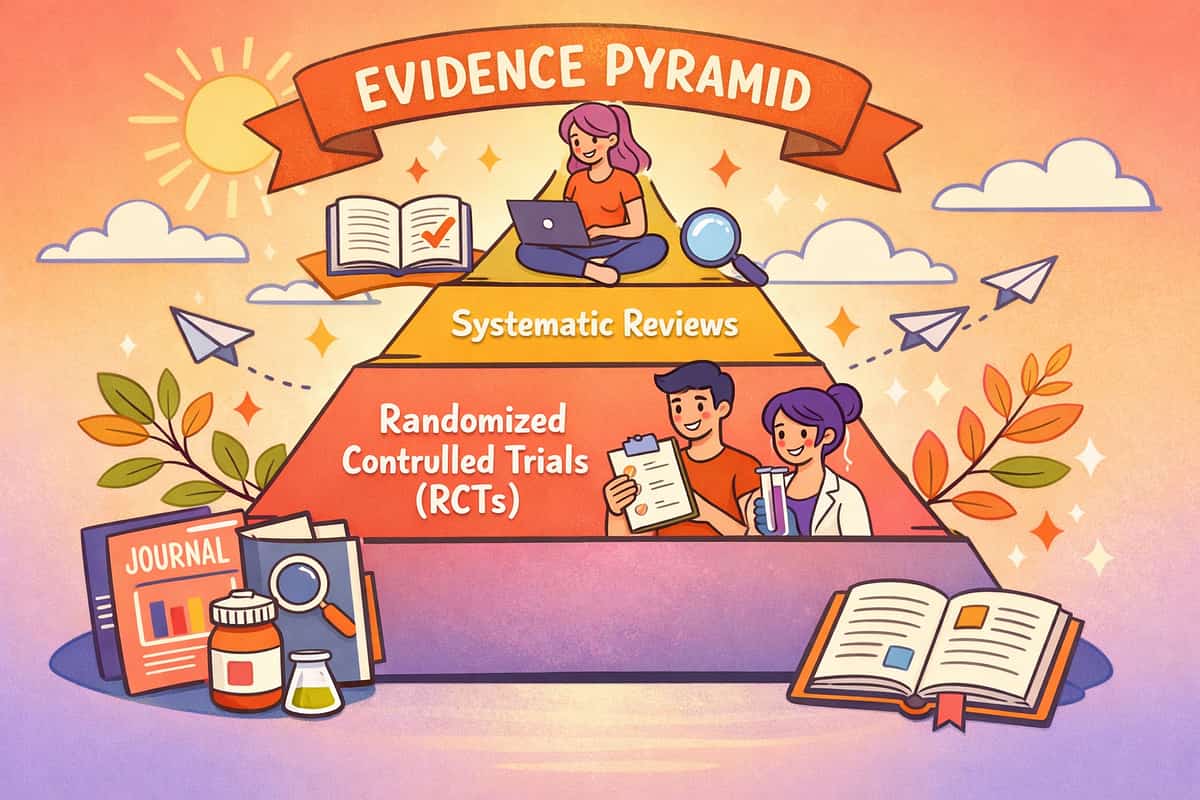
The Science Behind Every Material on This Page

Your Session Data Makes Every Recommendation Smarter.
Every session you track contributes to two things: your child's personalized progress trajectory, and population-level learning that improves recommendations for every child like yours. This is how 20 million sessions became evidence — one family at a time, one session at a time.
Which materials work best for this profile?
GPT-OS® learns from your child's specific response patterns.
How long does consolidation take?
Population data refines timelines for every progression stage.
What combination produces fastest generalization?
Cue cards + timer + parent signal — which pairing is most effective?
Privacy: Your child's data is protected under ISO/IEC 27001 Information Security Management and applicable Indian data protection regulations. Data is anonymized before contributing to population-level learning. "Your data helps every child like yours." | pinnacleblooms.org/gpt-os
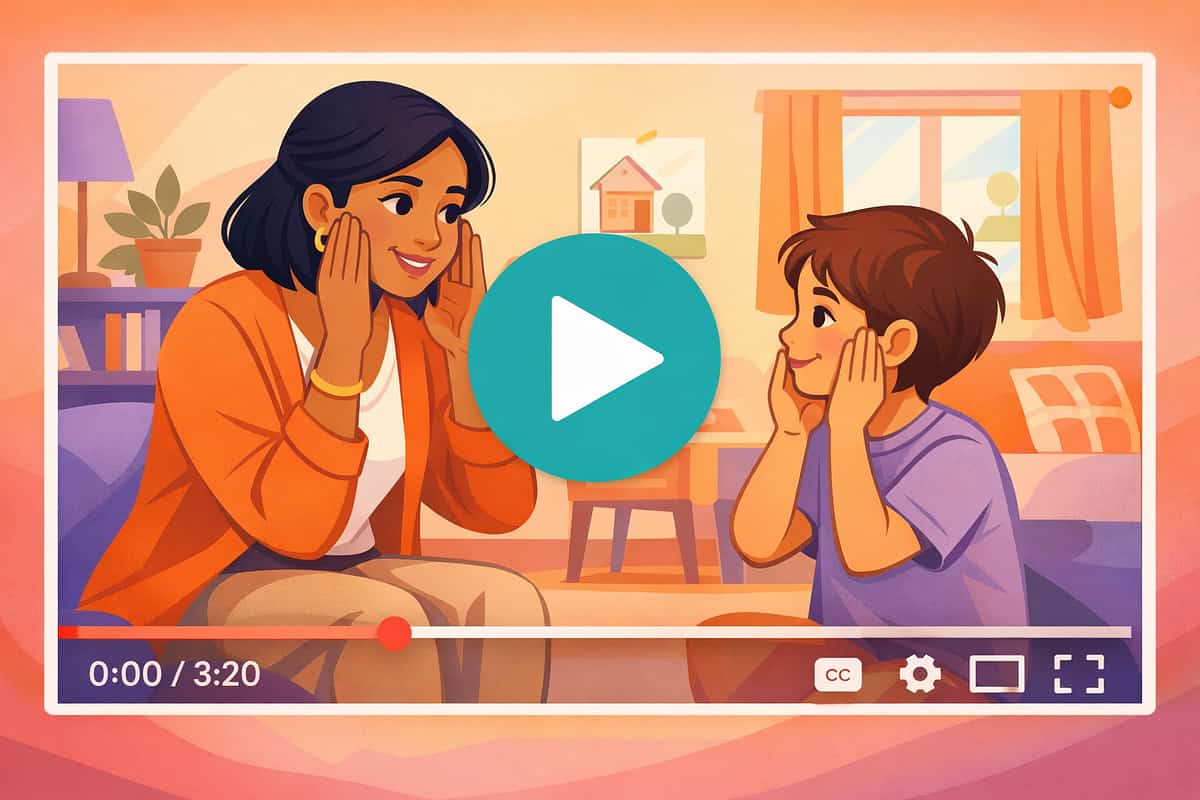
Watch the Reel: See All 9 Materials Come Alive in 90 Seconds.
🎬 B-215: "9 Materials That Help Ending Conversations"
Series: Social Communication & Pragmatic Language Solutions — Episode 215 | Domain: B | Subcode: SC-PRAG-END
What You'll See
- The recognition moment — your child in that scenario
- Each of the 9 materials demonstrated in 4–5 seconds
- The transformation: from talking until others escape → graceful, confident goodbye
- GPT-OS® overview and how this connects to the larger system
Created By
Pinnacle's consortium of SLPs, BCBAs, OTs, Special Educators, and NeuroDevelopmental Pediatricians — the same team that has delivered 20M+ therapy sessions.
Video Modeling Evidence
NCAEP 2020 classifies video modeling as an evidence-based practice for autism. Multi-modal learning (visual + text + demonstration) improves parent skill acquisition significantly.
Navigate the Series
← B-214: Back-and-Forth Conversation
→ B-216: Starting Conversations Appropriately
→ B-216: Starting Conversations Appropriately
Citations: NCAEP 2020 | Video modeling meta-analyses | Multi-modal parent education research

Share This: One Parent Practicing Creates Results. A Whole Family Practicing Creates Transformation.
The same signals, the same scripts, the same celebrations — everywhere your child has conversations. Consistency across caregivers multiplies impact.
📱 WhatsApp Share
"Our child is working on ending conversations gracefully. Here's the page our therapist/Pinnacle recommended — it has 9 tools we can all use. 9100 181 181 if you have questions."
👴👵 For Grandparents
"When you're on the phone and ready to end, say 'Well, I should let you go now' — this gives them a clear signal. When they use their closing phrase, celebrate it specifically: 'You ended that so well!' It's a real skill they're building."
📚 Teacher Template
"We are working on conversational closure skills at home. If you notice [Name] using a closing phrase at school, specific positive feedback helps enormously. We're happy to share our home tracking data. Thank you for your partnership."
Citation: PMC9978394 — WHO CCD Package: multi-caregiver training is critical for intervention generalization.

ACT VI — THE CLOSE
Frequently Asked Questions — Every Question We Hear at Pinnacle Centers, Answered.
My child knows they talk too long but can't stop — why?
Knowing and doing are different neurological functions. Executive function (stopping) and metacognition (knowing) are separate brain systems. Many children have the metacognition but lack the executive function to translate it into behavior. This is exactly what structured practice builds.
We've tried telling her to stop. It makes things worse. Now what?
"Telling to stop" without teaching how creates shame without skill. The 9 materials replace command-based correction with skill-building. Start with conversation structure maps and phrase cards — these give the child something to do, not just something to stop.
How long before we see real changes in actual conversations?
Expect 4–6 weeks for cue recognition improvement in structured practice. 8–12 weeks for spontaneous use of closing phrases. Real-life generalization across unfamiliar contexts typically consolidates at 12–16+ weeks with consistent practice. Individual variation is significant.
Should we use all 9 materials at once?
No. Start with 1–2 materials that match the most obvious gap (structure understanding? cue recognition? language? timing?). Add materials as each one consolidates. Don't overwhelm — build sequentially.
My child is 12 — is it too late?
Absolutely not. Pragmatic language skills continue developing into adulthood. Adolescents often make faster progress because of stronger metacognitive capacity — they can understand the "why" more deeply. The materials need to be age-appropriate (less puppets, more real-world analysis), but the principles are identical.
What if my child has ASD — does any of this apply?
Especially applies. Pragmatic language differences are the most common feature of ASD. Every material on this page has specific evidence for autism populations. A Pinnacle SLP can adapt the approach to your child's specific communication profile.
Does this work for ADHD too?
Yes. ADHD-driven conversation extension is primarily executive function. Timer tools and parent signal systems are particularly effective. Closing scripts reduce cognitive load at the moment of transition.
My child's teacher wants to help. What do I tell them?
Share the teacher template from Card 37. Ask them to: (1) give a private wrap-up signal similar to the one used at home, (2) celebrate explicitly when a closing phrase is used, (3) avoid public correction. Request a brief meeting to align strategies.
Preview of 9 materials that help ending conversations Therapy Material
Below is a visual preview of 9 materials that help ending conversations therapy material. The pages shown help educators, therapists, and caregivers understand the structure and content of the resource before use. Materials should be used under appropriate professional guidance.


Link copied!

Your Child Doesn't Need a Perfect Plan. They Need a First Step.
"Sit with your child. Draw a road with three sections labeled 'Start,' 'Journey,' 'Destination.' Say: 'This is what a conversation looks like. Most people feel when they've reached the destination. We're going to learn those signals together.' That's it. That's the beginning."
Pinnacle Blooms Network® — Built by Mothers. Engineered as a System.
"Every technique on this platform was built by the same consortium that has delivered 20 million therapy sessions to children across 70+ countries — Speech-Language Pathologists, Occupational Therapists, BCBAs, Special Educators, NeuroDevelopmental Pediatricians, Mothers, Fathers, Grandparents, and Regulators who refused to accept that geography or economics should determine a child's developmental potential."
20M+
Therapy Sessions
97%+
Measured Improvement
70+
Centers
70K+
Technique Pages
🔁Next Technique: B-216 — Starting Conversations Appropriately | "When your child doesn't know how to begin — standing at the edge of a group, watching others connect, unable to find the first word." techniques.pinnacleblooms.org/social-communication/starting-conversations-b216
🌐 pinnacleblooms.org | 📞 9100 181 181 | 📧 care@pinnacleblooms.org | CIN: U74999TG2016PTC113063 | DPIIT: DIPP8651 | MSME: TS20F0009606 | GSTIN: 36AAGCB9722P1Z2 | ISO 13485 | ISO/IEC 27001
This content is educational. It does not replace assessment by a licensed speech-language pathologist, behavioral therapist, or healthcare provider. Individual results may vary. Statistics represent aggregate outcomes across Pinnacle Blooms Network®. © 2025 Pinnacle Blooms Network®, unit of Bharath Healthcare Laboratories Pvt. Ltd. All rights reserved.