

"He Doesn't Wait. He Just Takes."
It's family game night — or it's supposed to be. Your child reaches across and grabs every piece. There are no turns. There's no waiting. The game ends before it begins. Or maybe it's simpler: you roll a ball toward him, hoping he'll roll it back. He picks it up and walks away. The rhythm of connection — that invisible back-and-forth that makes play possible — simply doesn't exist yet.
You are not failing as a parent. Your child's social brain is developing on a different timeline, and turn-taking — the foundational rhythm of all human interaction — is a skill that can be explicitly taught. This is how you teach it. This is what works.
SOC-TT · Age 2–8 · Episode B-144
SLP · OT · ABA · SpEd · NeuroDev
You Are Among Millions
Turn-taking difficulty is not a behavioural choice — it is one of the most common developmental markers in autism spectrum conditions. Research confirms that social skills, including reciprocal interaction, are among the primary targets that respond to structured intervention. The science is clear: turn-taking can be taught, and the earlier you begin, the stronger the neural pathways you build.
40–50%
Significant Deficits in Reciprocal Social Interaction
Percentage of children with autism who demonstrate challenges including turn-taking (JCPP systematic reviews, 2018–2024)
1 in 36
Children Identified with ASD in the USA
CDC, 2023. In India, prevalence estimates range from 1 in 68 to 1 in 100 — representing millions of families navigating this exact challenge.
80%+
Show Sensory Processing Differences
Percentage of children with ASD who have sensory differences that compound social interaction challenges (PRISMA Systematic Review, 2024 — PMC11506176)
You are among an estimated 3+ million families in India alone navigating this exact challenge. The Kasari et al. RCT (2006) demonstrated that joint attention and symbolic play interventions — both built on turn-taking foundations — produced measurable improvements that generalised beyond the therapy setting.

The Neuroscience of Turn-Taking: A Wiring Difference, Not a Behaviour Problem
Turn-taking is not a single skill — it is an orchestration of multiple brain systems working simultaneously. When your child grabs instead of waiting, here is what is happening at the neural level.
The Brain Systems at Work
Prefrontal Cortex — Executive function: inhibition, waiting, and planning. In autism, the brain's "brake system" is developing on a different trajectory. The child isn't being impatient — they genuinely find inhibition harder.
Superior Temporal Sulcus — Social perception: reading a partner's intentions and biological motion. This pathway may process social signals with different intensity or timing.
Mirror Neuron System — Action-perception coupling. Differences here may mean the child doesn't naturally "feel" the other person's turn as meaningful.
Anterior Cingulate Cortex — Motivation and reward from reciprocal interaction. Social reciprocity may not activate reward circuits the same way — which is why we must build that association through structured practice.
What This Means in Plain English
When your child grabs a toy instead of passing it back, their brain is not staging a protest. Four interconnected circuits — governing inhibition, social perception, action mirroring, and social reward — are all developing differently, and they all need to be engaged simultaneously for a turn to happen.
The extraordinary news is that neural pathways are built through repetition. Every structured exchange you create at home is literally wiring your child's brain for connection. The therapy room matters enormously — but so does your living room floor.
This is a wiring difference, not a behaviour choice. Your child's brain can build these pathways — with the right materials and the right approach.

Turn-Taking in the Developmental Journey
In typical development, turn-taking emerges organically through thousands of micro-interactions between infant and caregiver. For children with autism, the window below is where turn-taking development typically diverges. The child may be anywhere in this zone regardless of chronological age — that is a developmental coordinate, not a failure, and we know exactly how to move forward from here.
1
0–6 Months
Proto-conversations: caregiver and infant exchange vocalisations and early vocal turn-taking begins
2
6–12 Months
Object exchange begins — passing toys back and forth; gestural turn-taking (pointing, showing, giving)
3
12–24 Months
Simple game turn-taking: peek-a-boo, my-turn/your-turn with adult support; peer-oriented parallel play begins
4
2–3 Years
Rule-based turn-taking with defined structures emerges; most children with autism need explicit instruction in this window
5
3–8 Years
Conversational and complex turn-taking: group games, classroom participation, negotiation, and peer friendship
Comorbidity note: Turn-taking challenges commonly co-occur with joint attention deficits (B-146), imitation difficulties (B-145), and sensory processing differences. Addressing turn-taking often creates cascading improvements across these related domains.

Clinically Validated. Home-Applicable. Parent-Proven.
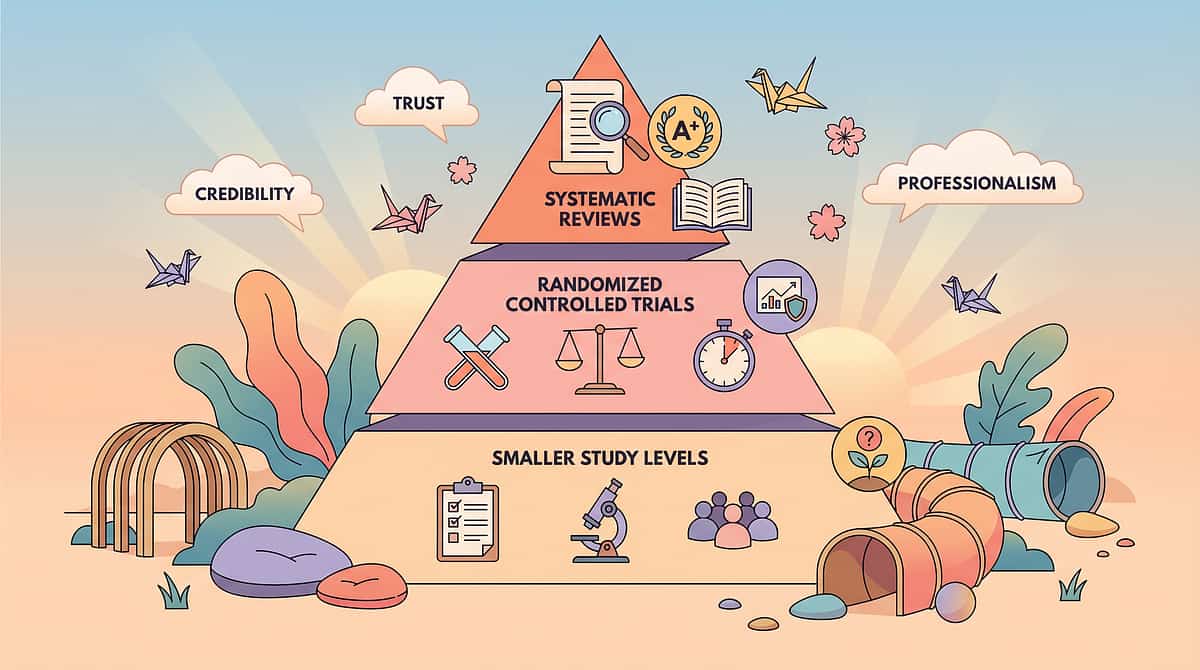
This technique is not anecdote — it is supported by Level I–II evidence from systematic reviews and randomised controlled trials. Below is the evidence base that powers every session you run at home.
PRISMA Systematic Review — Children, 2024 (PMC11506176)
16 articles from 2013–2023 confirm structured social interaction interventions — including turn-taking training — meet criteria for evidence-based practice for children with ASD.
Meta-Analysis — World J Clin Cases, 2024 (PMC10955541)
Across 24 studies, social skills including reciprocal interaction showed significant improvement. Turn-taking demonstrated measurable gains across multiple outcome measures.
Kasari C, et al. — JCPP, 2006 (Landmark RCT)
Joint attention and symbolic play interventions — both dependent on turn-taking foundations — produced significant improvements. Effects generalised beyond the therapeutic setting and maintained at follow-up.
Padmanabha et al. — Indian J Pediatr, 2019
Home-based interventions demonstrated significant outcomes in Indian paediatric populations, validating the parent-as-therapist model. DOI: 10.1007/s12098-018-2747-4
WHO CCD Package Implementation, 2022 (PMC9978394)
Caregiver-delivered reciprocal interaction training across 54 low- and middle-income countries produces measurable developmental gains — confirming the power of the home setting.
Building Turn-Taking Foundation
Parent-Friendly Alias: "Teaching Your Turn, My Turn"
Building Turn-Taking Foundation is a structured, material-supported intervention that teaches children the fundamental rhythm of reciprocal exchange — the alternating "your turn, my turn" pattern that underlies all human interaction, from conversation to cooperative play to classroom participation.
This technique uses 9 categories of therapeutic materials to make the abstract concept of "turns" concrete, visible, audible, and intrinsically motivating. Each material addresses a different dimension of the turn-taking challenge: motor patterns (ball rolling), visual evidence (stacking), auditory feedback (musical instruments), external cueing (visual indicators), intrinsic motivation (cause-effect toys), rule-governed structure (board games), rhythmic anticipation (song props), functional necessity (art sharing), and temporal understanding (timers).
Primary Domain
Social — Turn-Taking & Reciprocity (SOC-TT)
Age Range
2–8 years · Developmental level, not chronological age
Session Duration
10–20 minutes · Daily across natural routines
Secondary Domains
Communication · Behavioural Self-Regulation
A Multi-Disciplinary Precision Tool
This technique crosses therapy boundaries because the brain does not organise itself by therapy type. Five disciplines approach turn-taking from different angles — and all five perspectives are built into this protocol.
Speech-Language Pathologist (SLP)
SLPs build proto-conversational skills. Ball rolling becomes a nonverbal conversation. Before a child can take turns in speech, they must understand the fundamental rhythm of exchange.
Occupational Therapist (OT)
OTs address motor planning, sensory processing, and self-regulation. Materials are selected by sensory profile — weighted balls for proprioceptive seekers, soft foam for tactile-sensitive children.
BCBA / ABA Practitioner
ABA structures reinforcement contingencies that make turn-taking rewarding — designing the antecedent-behaviour-consequence chain: visual cue → wait → take turn → reinforcement.
Special Educator (SpEd)
Special educators generalise turn-taking from play to the classroom — raising hands, circle time, group instruction. What we build in play today becomes the participation skill that determines school success.
Neurodevelopmental Paediatrician
Monitors developmental progress, identifies comorbid conditions affecting turn-taking (ADHD, anxiety, SPD), and adjusts medical management to support behavioural intervention goals.

Your Turn-Taking Toolkit: Material 1 — Ball Rolling

Ball Rolling Materials
Canon Category: Gross Motor Play Equipment
Products: Large therapy balls, textured grip balls, light-up balls, slow-roll weighted balls, soft foam balls, ball ramps
Price Range: ₹200–800
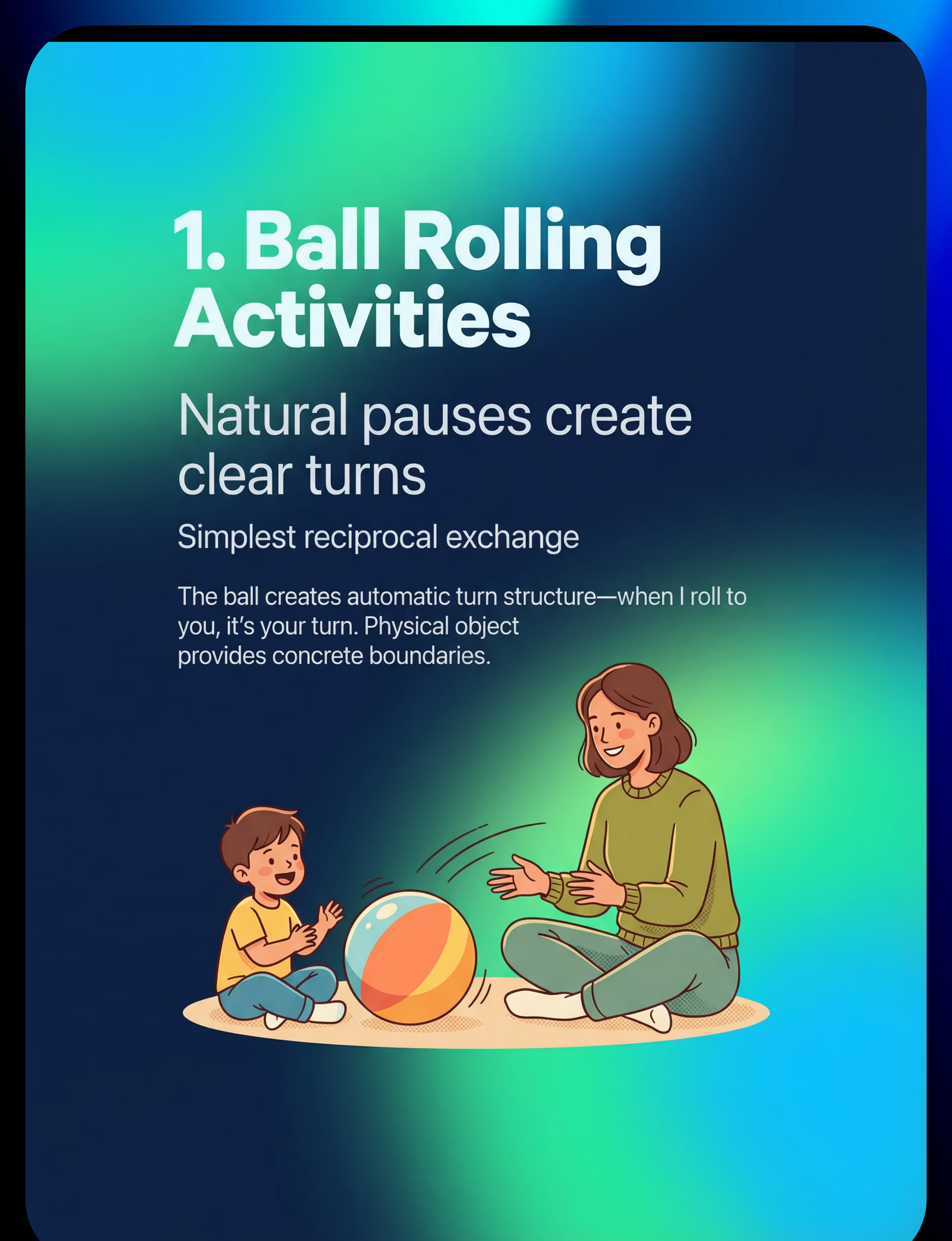
Ball rolling is the purest form of turn-taking — a physical rhythm of give and receive. It requires no language, no rules, and no complex motor planning. It is the ideal starting point for every child.
⭐ Pinnacle Recommends
Essential Starter
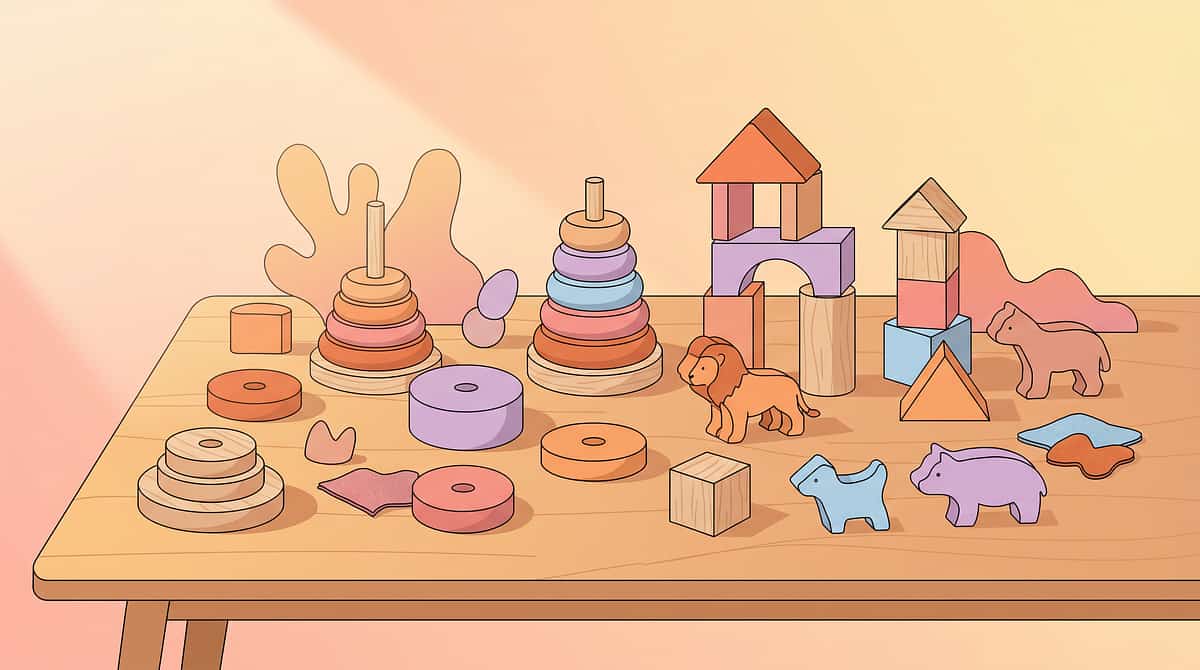
Your Turn-Taking Toolkit: Material 2 — Stacking & Building Sets
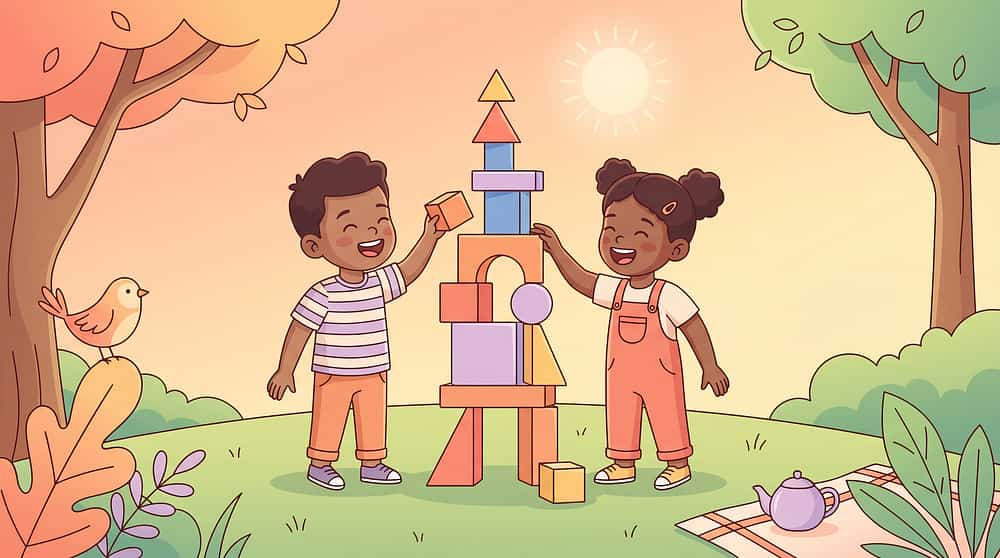
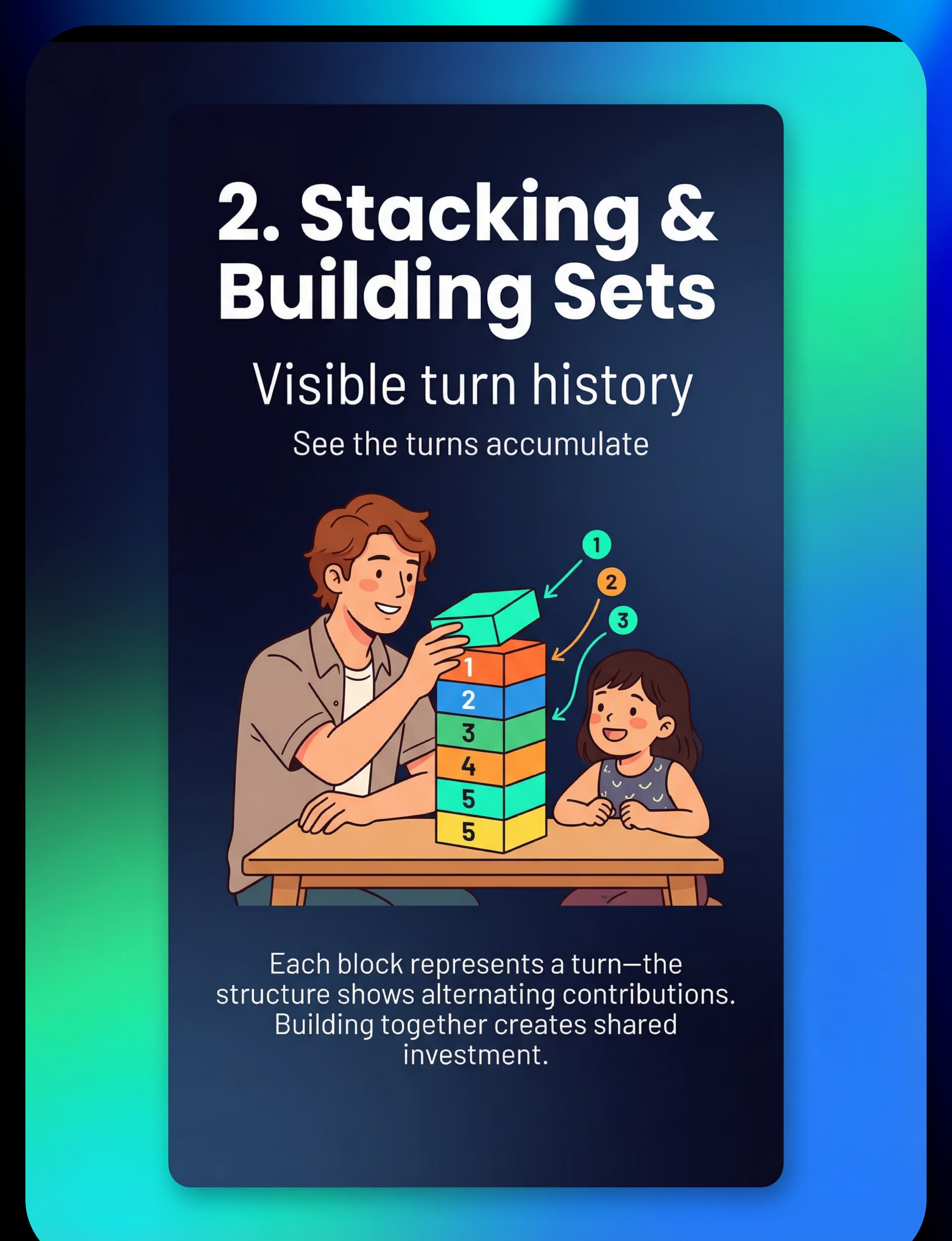
Stacking & Building Sets
Canon Category: Fine Motor Manipulation Tools
Products: Large wooden blocks, stacking cups, magnetic tiles, Duplo blocks, jumbo building blocks, stacking rings
Price Range: ₹300–1,500
Stacking creates a visible, permanent record of alternating turns — the child can see their contribution and their partner's contribution in the growing tower. This visual evidence of "we built this together" is powerfully motivating. When the tower falls, the shared moment of destruction is itself a joyful reciprocal event.
⭐ Pinnacle Recommends
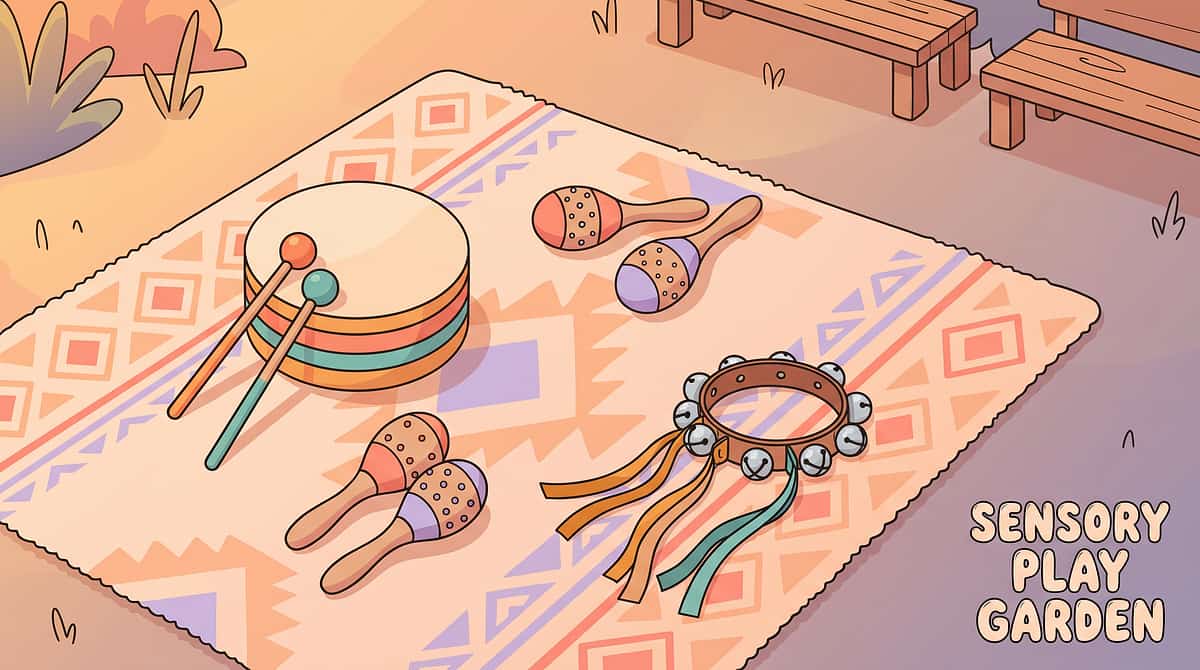
Your Turn-Taking Toolkit: Material 3 — Musical Instruments for Passing

Musical Instruments for Passing
Canon Category: Auditory Stimulation Tools
Products: Hand drums, egg shakers, tambourines, bells, maracas, rain sticks, rhythm instrument sets
Price Range: ₹300–1,000
Music is the original turn-taking scaffold. The inherent rhythm of percussion creates natural "your turn" moments — a beat played, a pause, an expectant hand-off. Musical instruments add joyful auditory reinforcement to every exchange, making each turn feel celebratory rather than obligatory.
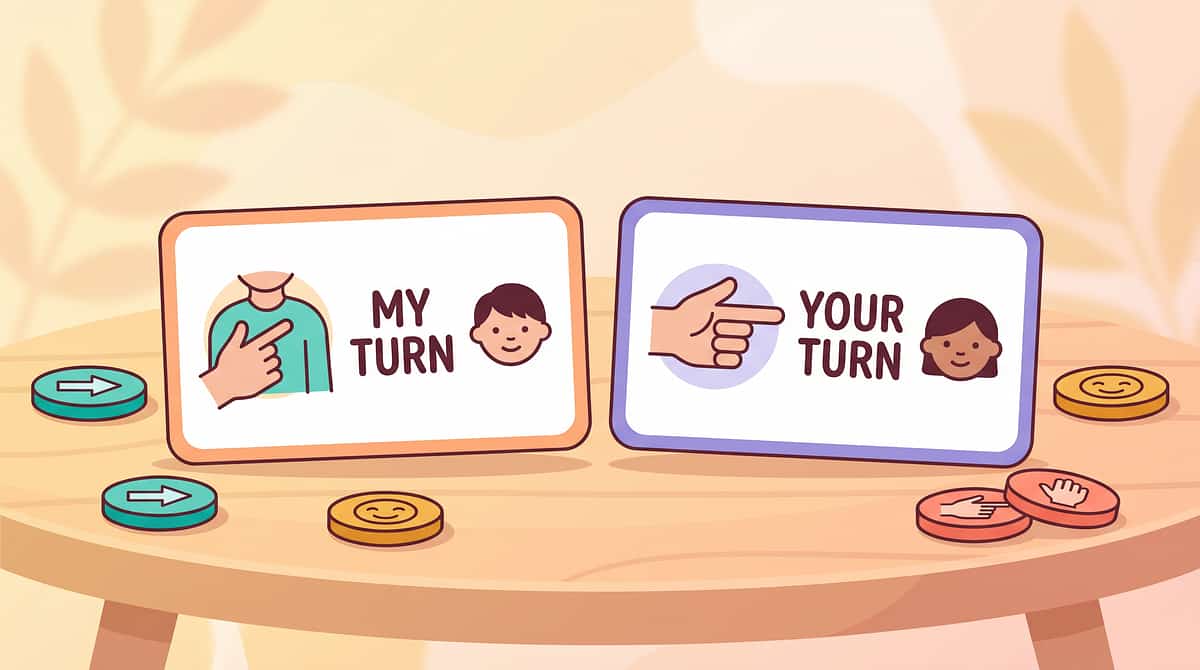
Your Turn-Taking Toolkit: Material 4 — Visual Turn Indicators
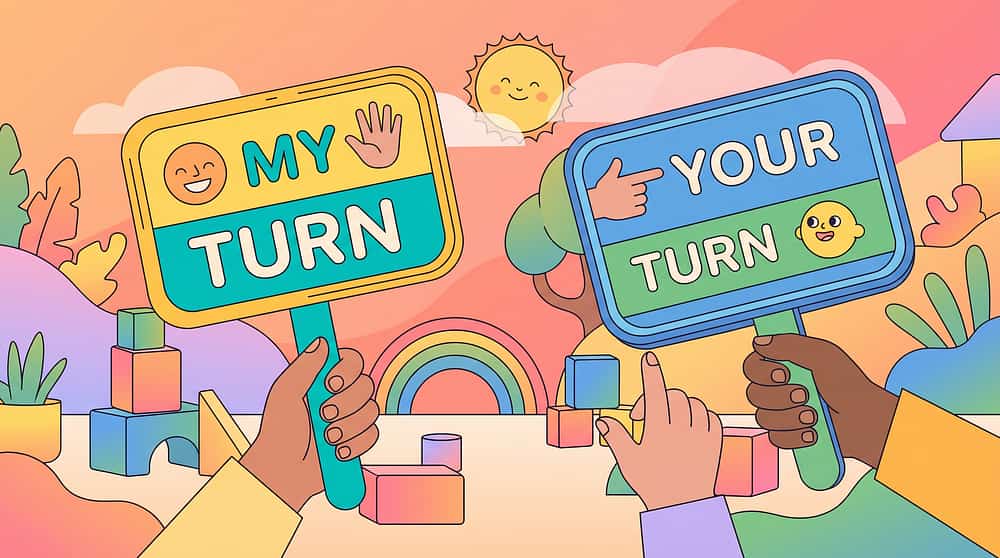
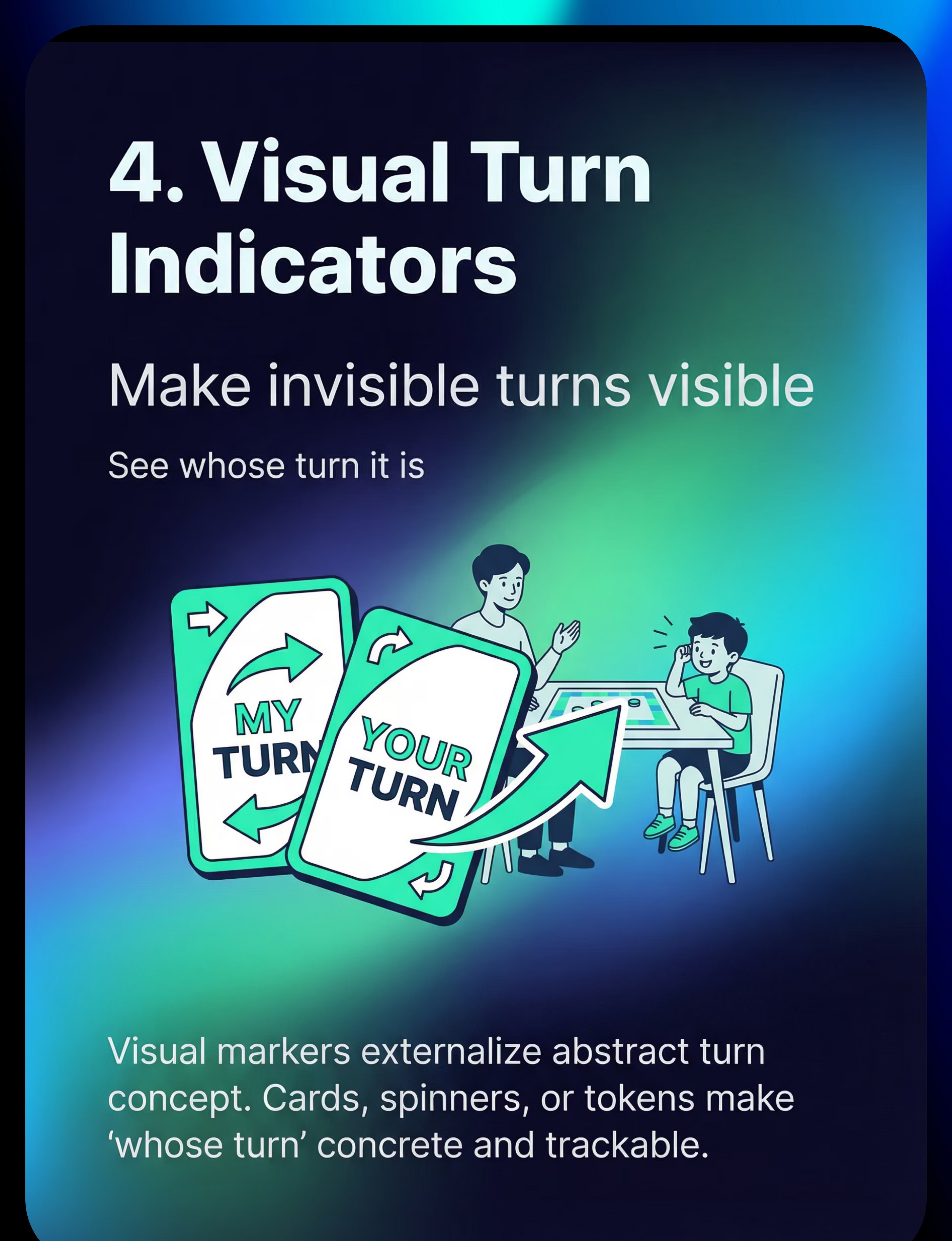
Visual Turn Indicators
Canon Category: Visual Schedule & Support Tools
Products: Turn-taking cards, My Turn/Your Turn signs, turn spinner wheels, token/pawn to pass, turn-taking mats, photo turn cards
Price Range: ₹100–500
For children with visual learning strengths — which describes many children with autism — seeing whose turn it is eliminates ambiguity. A concrete, physical cue externalises the abstract concept of "waiting" and makes the rule visible rather than invisible. Visual indicators are the single most recommended support for beginning turn-takers.
⭐ Pinnacle Recommends
Essential Starter
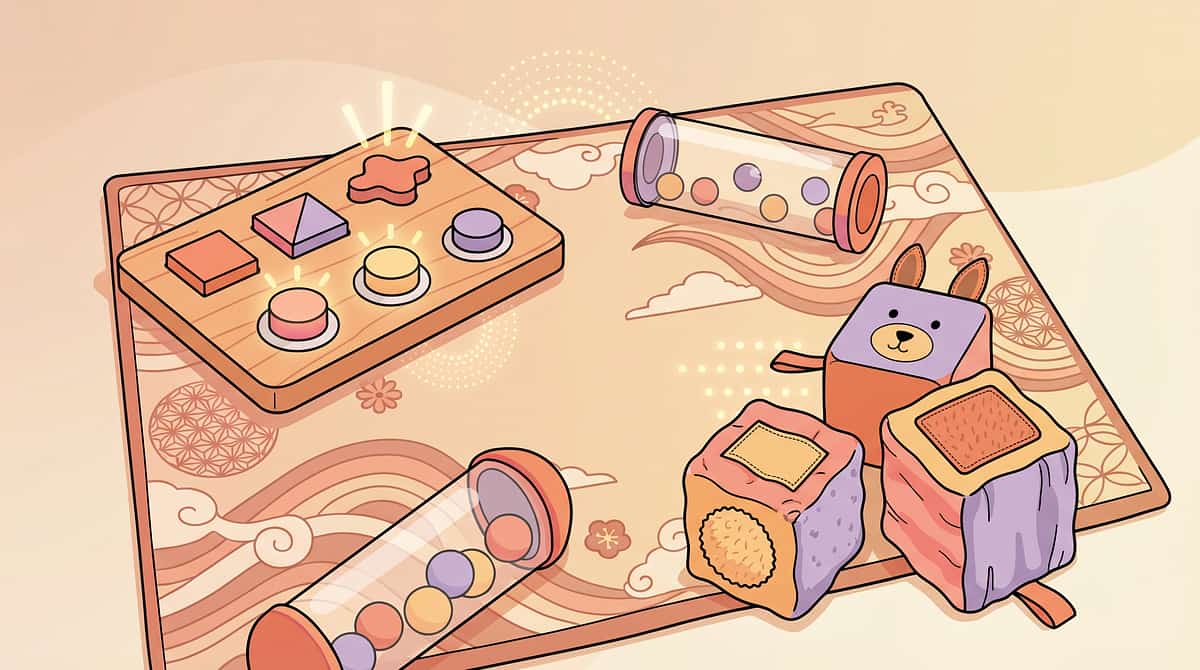
Your Turn-Taking Toolkit: Material 5 — Cause-Effect Toys
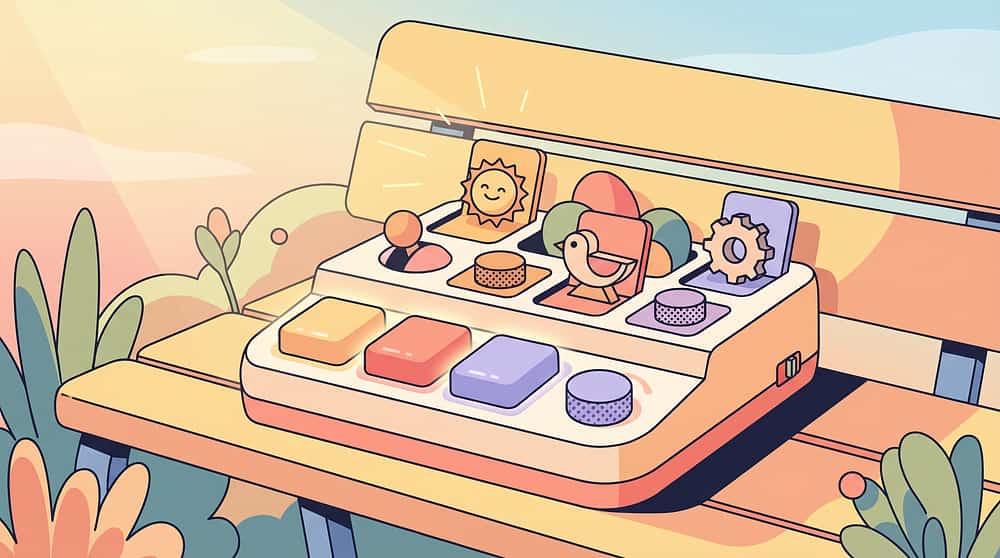
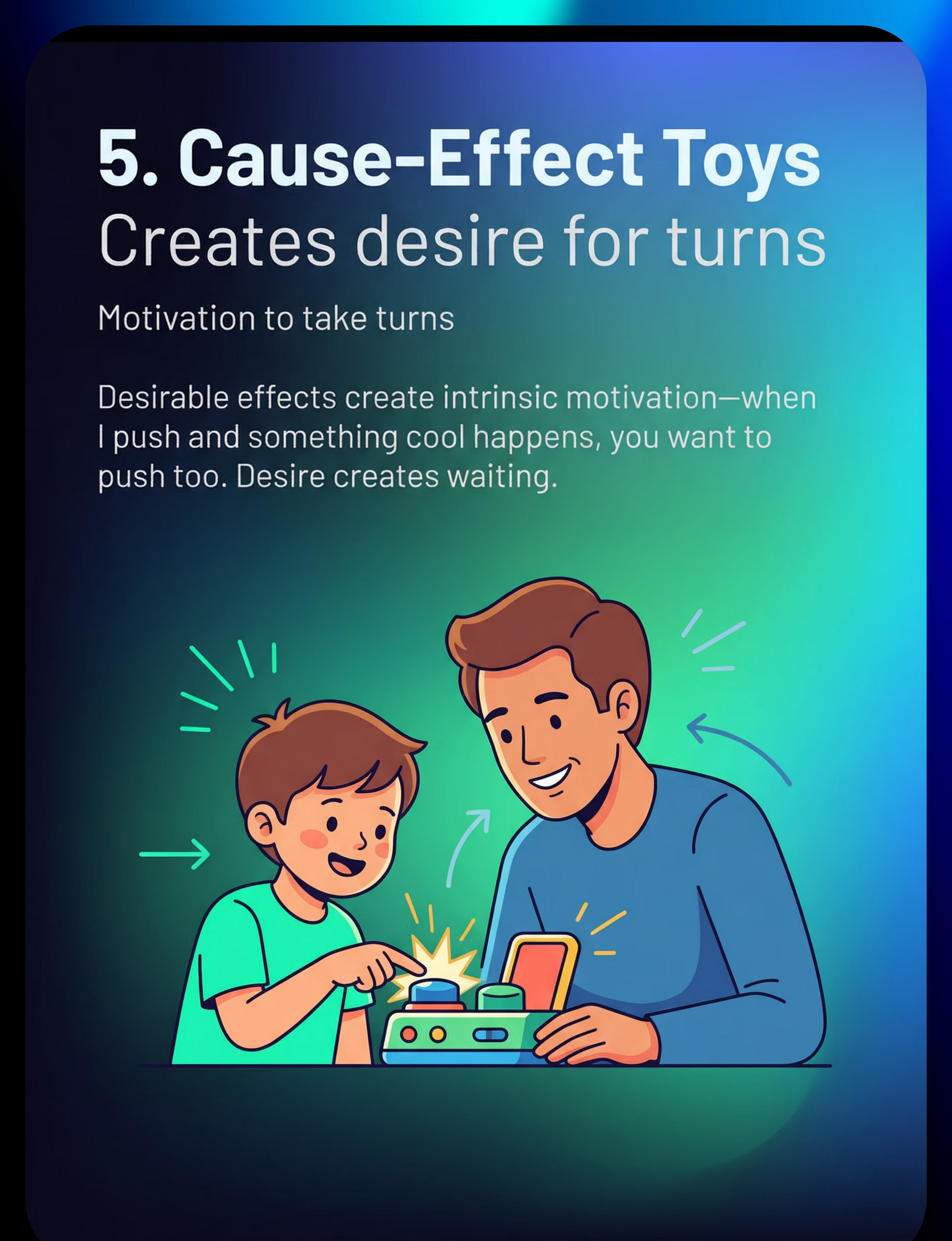
Cause-Effect Toys
Canon Category: Cause-Effect Toys & Switch Toys
Products: Pop-up toys, light-up buttons, sound-effect toys, bubble machines, switch-activated toys, press-and-go toys
Price Range: ₹200–1,000
Cause-effect toys generate intrinsic motivation — the toy does something when activated, and that something is inherently rewarding. When you introduce turn-taking into a cause-effect activity ("my turn to press... wow! Now YOUR turn to press!"), the toy's response becomes the reinforcer. The child waits for their turn not because they've been told to, but because they want to experience the effect themselves.
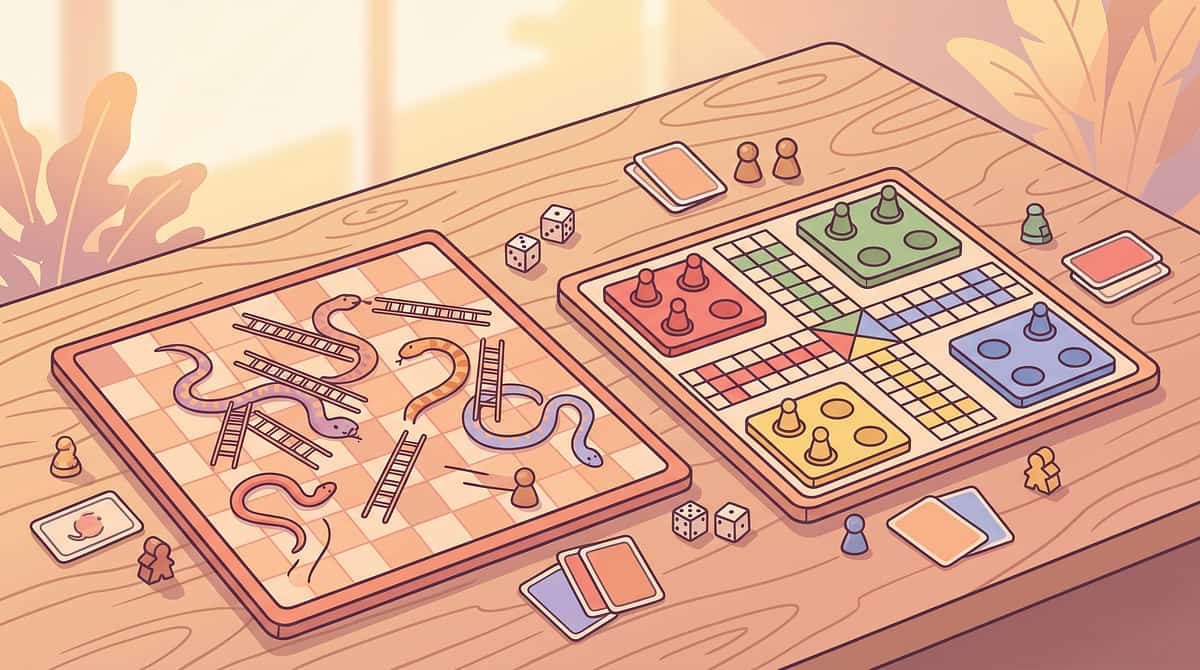
Your Turn-Taking Toolkit: Material 6 — Simple Board Games
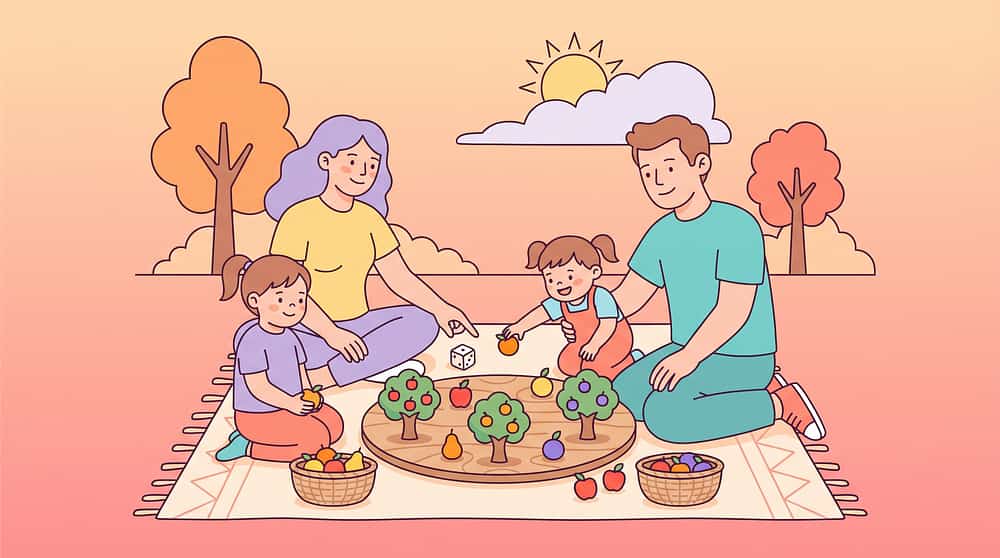
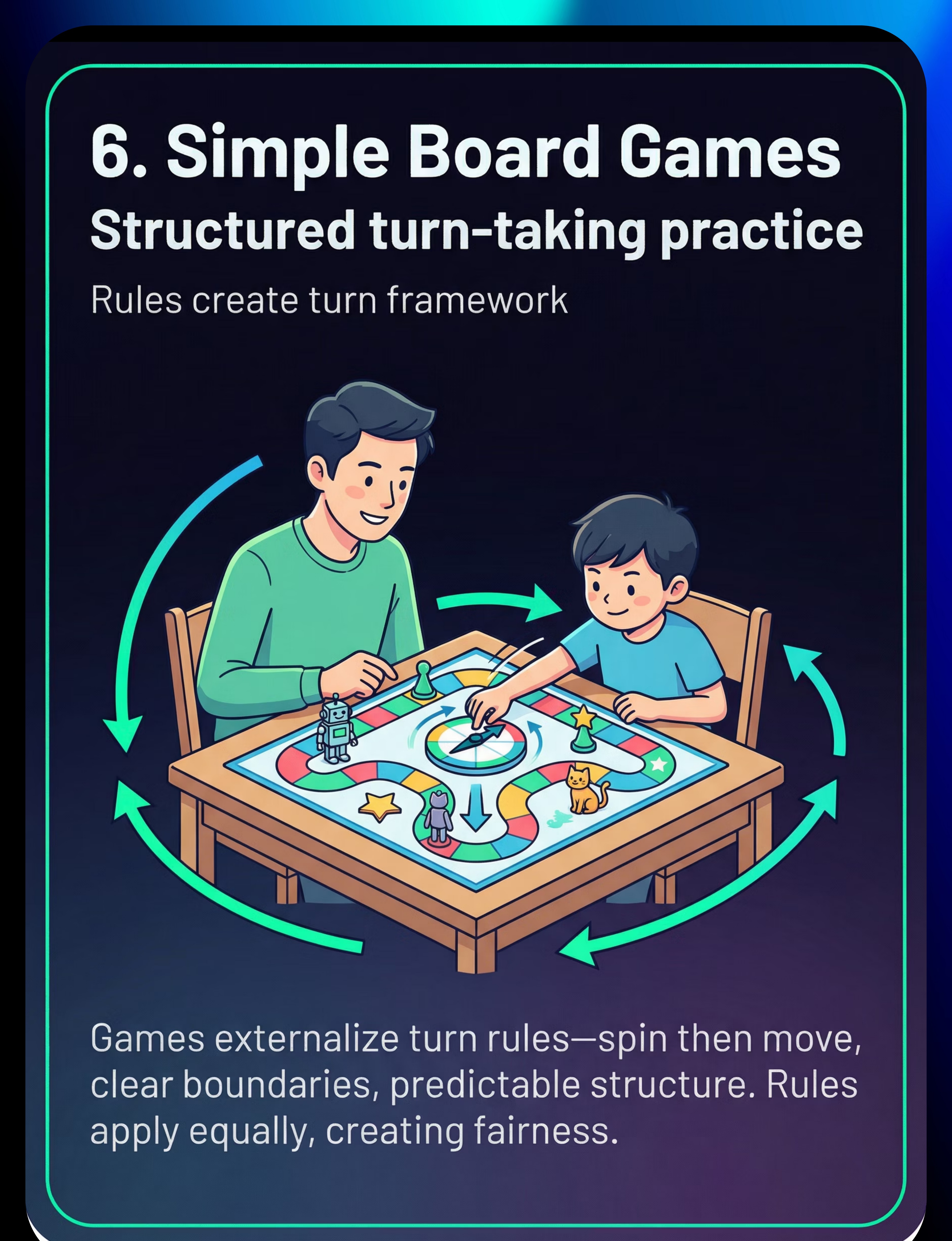
Simple Board Games
Canon Category: Turn-Taking & Cooperative Games
Products: First Orchard (cooperative), Candy Land, Hi Ho Cherry-O, Roll & Play, Count Your Chickens, simple colour-matching games
Price Range: ₹500–1,500
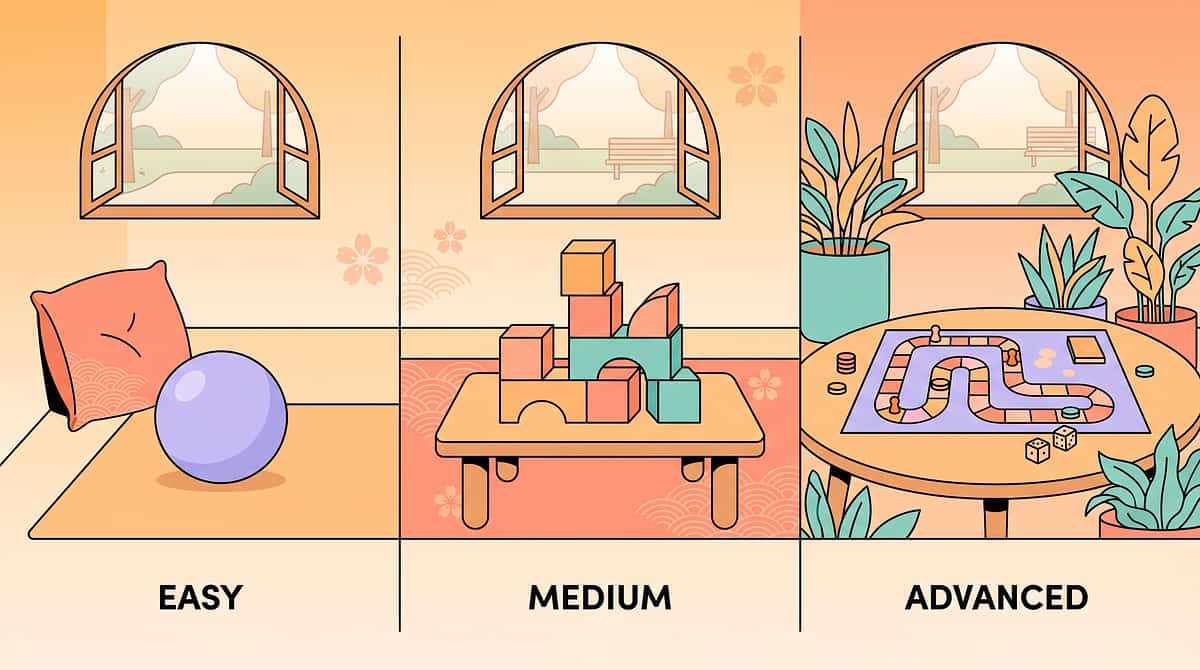
Board games are the most advanced form of turn-taking — they add rules, roles, and often a win/lose outcome. Start here only after the child has mastered ball rolling and stacking. When ready, cooperative games (where everyone wins together) are far more appropriate than competitive games for early learners. The turn structure of a board game prepares the child directly for classroom participation.
⭐ Pinnacle Recommends
Your Turn-Taking Toolkit: Material 7 — Turn-Taking Song Props
Turn-Taking Song Props
Canon Category: Auditory Stimulation Tools
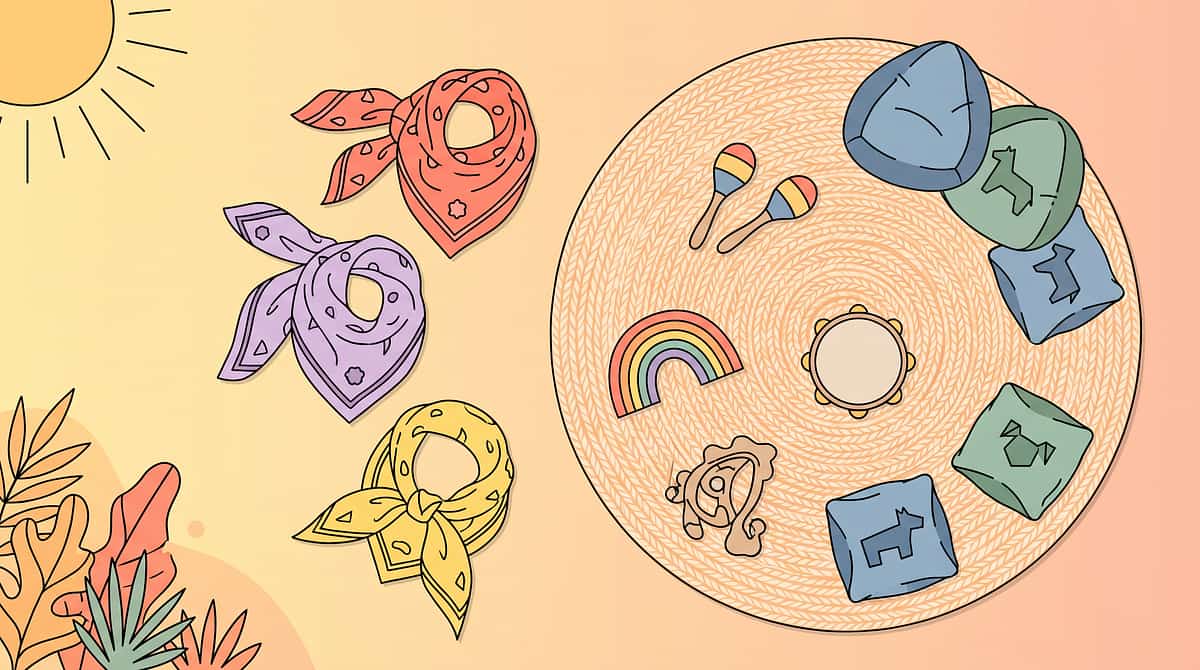
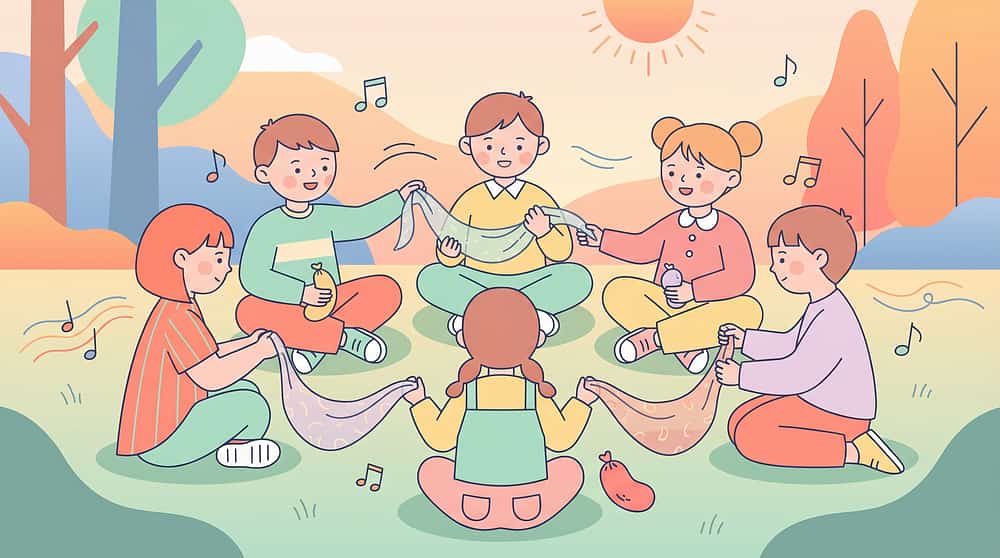
Products: Scarves for passing, bean bags, name song props, parachute (group), passing sticks/wands, bell for turn-taking songs
Price Range: ₹200–600
Songs create a predictable, joyful container for turn-taking. When a familiar melody guides "now it's Riya's turn!" the child hears their name in a motivating context, anticipates the prop being passed to them, and experiences the social spotlight as a positive event. Song props are especially powerful for children who respond strongly to rhythm and melody — and for group settings where peer turn-taking needs scaffolding.

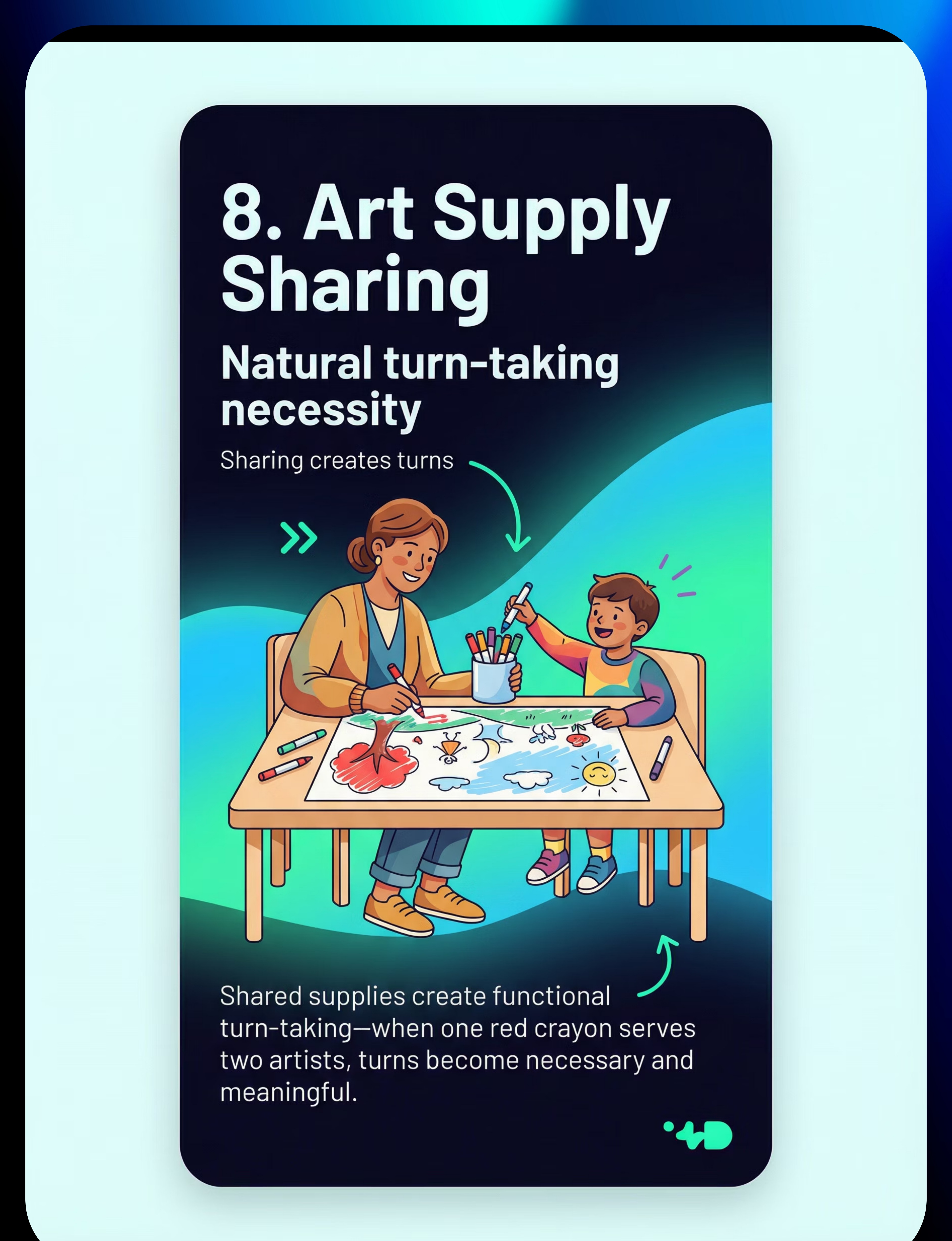
Your Turn-Taking Toolkit: Material 8 — Art Supply Sharing
Art Supply Sharing Materials
Canon Category: Fine Motor Manipulation Tools
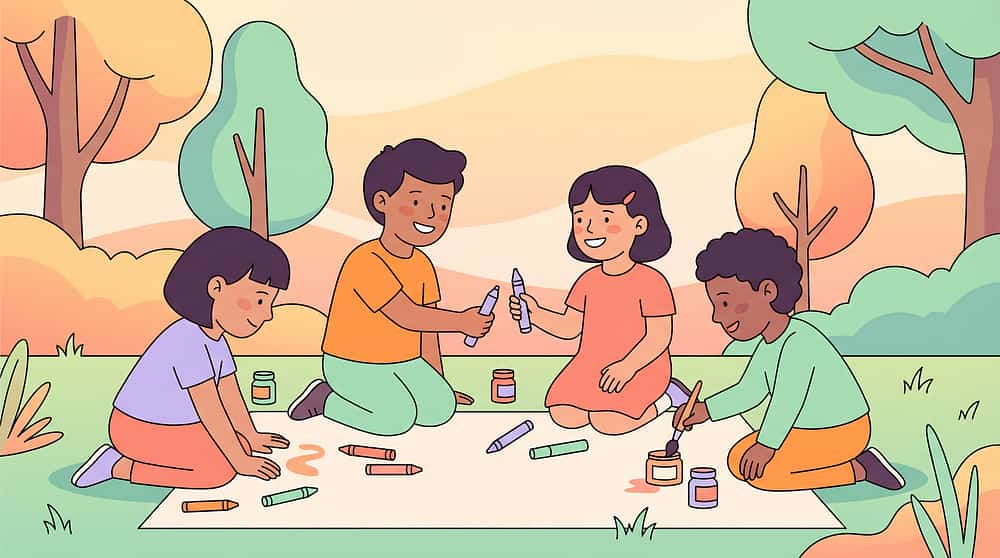
Products: Shared marker sets, single container of crayons, shared paint palettes, community supply bins, shared play dough, collaborative art materials
Price Range: ₹200–500
Art supply sharing embeds turn-taking into a naturally motivating creative activity. When only one blue crayon is available, the need to share is functional rather than contrived. "Can I have the blue when you're done? Here you go — your turn with blue." This teaches not just turn-taking but the social communication that accompanies reciprocal exchange in real-world settings.

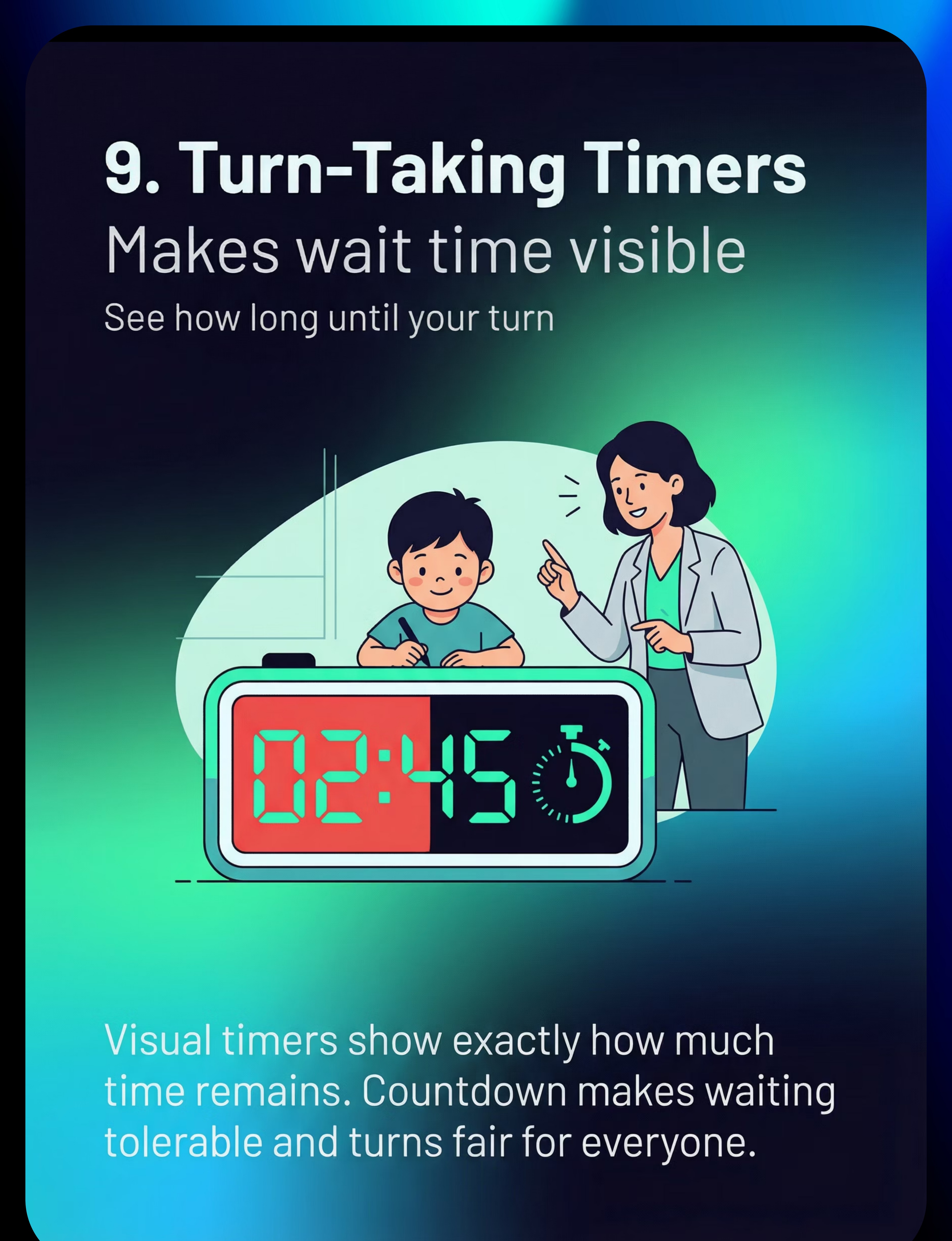
Your Turn-Taking Toolkit: Material 9 — Turn-Taking Timers
Turn-Taking Timers
Canon Category: Visual Timer & Time Concept Tools
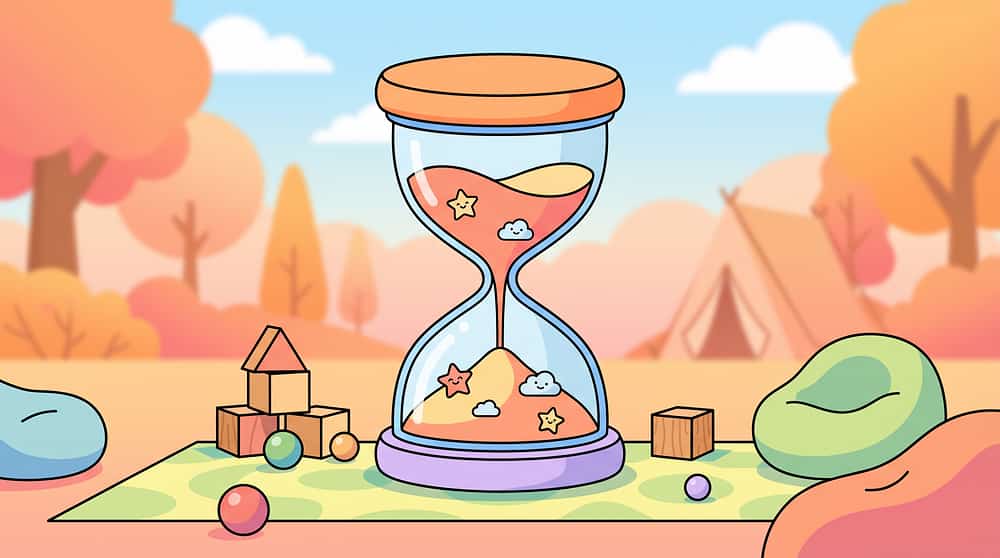
Products: Sand timers (various durations), Time Timer clocks, visual countdown timers, digital timers with display, hourglass timers, colour-changing timers
Price Range: ₹300–1,500
Timers externalise the otherwise invisible concept of "how long is a turn?" For children who struggle with the ambiguity of waiting, seeing the sand fall or the colour fade gives waiting a shape. Timers also give the child concrete evidence that their turn is coming — reducing anxiety about whether they'll ever get to go. Introduce timers only after the child is comfortable with basic turn-taking; for some children, timer anxiety may require a gradual approach.
⭐ Pinnacle Recommends
Total Setup Cost
₹2,000–8,000 for a comprehensive toolkit
Essential Starters
Ball Rolling · Visual Turn Indicators · Simple Board Games
Zero-Cost Option
All 9 categories have free DIY alternatives — see the next card
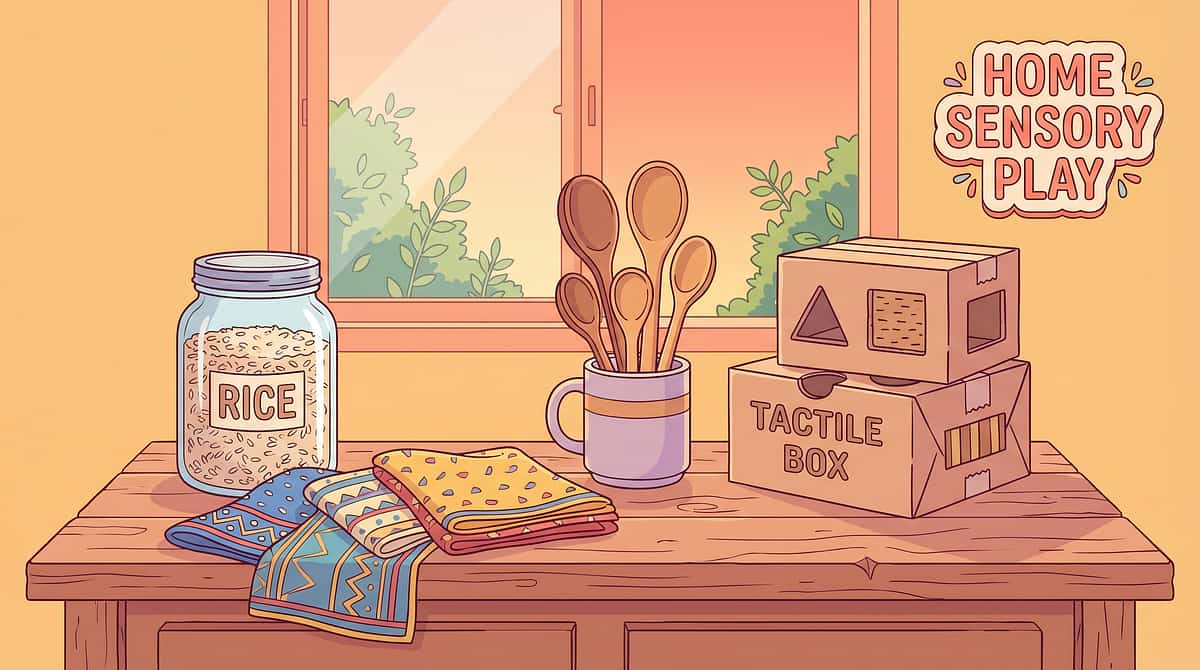
Zero-Cost Turn-Taking: What You Already Have at Home
The WHO Nurturing Care Framework emphasises that the most powerful interventions use what families already have. Your kitchen is a therapy toolkit. Every one of the 9 material categories has a household equivalent that works just as well.
Ball Rolling → Any Round Object
Roll a tennis ball, orange, or rolled-up socks. Sit 3–4 feet apart on a smooth floor. Say "My turn... [roll]... YOUR turn!" Even an irregular round fruit adds unpredictability that sustains attention.
Stacking → Boxes & Containers
Plastic containers, cardboard boxes, empty spice containers, cushions. "I put one... now YOU put one!" Shoeboxes stacked become a tower of turns that celebrates your shared effort.
Instruments → Kitchen Percussion
Wooden spoons on pots (drums), dried beans in a sealed bottle (shaker), crinkled paper (rain stick). "My turn to drum! [play] Now YOUR turn! [pass]." Add chant: "Play, play, play, then pass away!"
Visual Indicators → Photo Cards
Make "MY TURN" and "YOUR TURN" cards from paper with the child's photo and parent's photo. A spoon, hat, or string bracelet passed between partners works beautifully as a talking stick.
Cause-Effect → Light Switches & Torches
Safe light switches, doorbells, water taps, torch clicking. Demonstrate: "Watch! I press and — WOW!" Then: "YOUR turn!" Bubble blowing with a single shared wand also works perfectly.
Board Games → Cardboard Path
Draw a simple path on cardboard. Use buttons as tokens. Make a spinner from a paper plate and pencil. The game doesn't need to be beautiful — it needs clear turns.
Song Props → Kitchen Towels & Socks
Use any passing song. Kitchen towels as scarves. Rolled socks as bean bags. Sing any familiar song and add "Now it's [child's name]'s turn!" at the designated moment.
Art Sharing → One Pencil, Two People
Set up drawing with ONE pencil between two people. "Can I have the blue when you're done? Here you go — your turn with blue." Even drawing in dirt outside creates functional turn-taking.
Timers → Counting Aloud
Count aloud slowly ("1... 2... 3... 4... 5... NOW SWITCH!"). Pour water slowly between two cups as a visual timer. Sing a short countdown song. Your voice is the first timer your child needs.
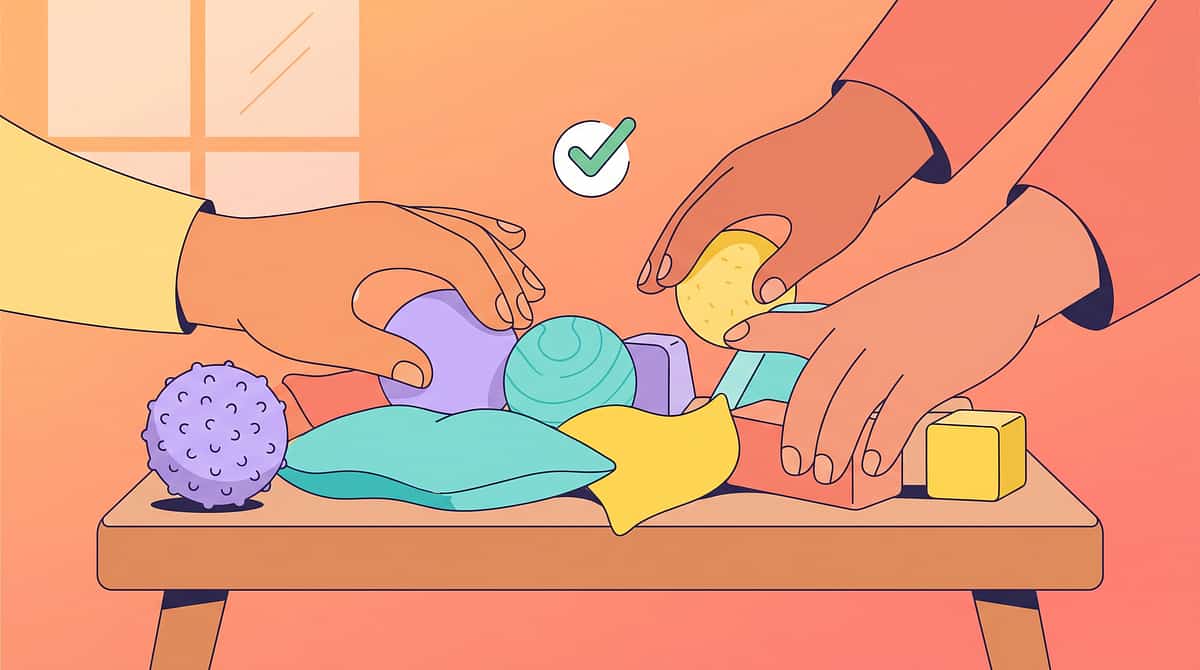
Safety Protocols for Turn-Taking Activities
Every session begins with a safety check. These protocols apply equally to commercial materials and DIY alternatives.
🔴 DO NOT PROCEED IF:
• Child is in active meltdown or severe dysregulation
• Child has recently had a seizure — consult your neurologist first
• Materials present choking hazards (ensure all items are larger than the child's fist for under-3s)
• Child shows signs of illness (fever, pain, extreme fatigue)
• Environment has sharp edges or fall hazards near the play area
• Child is in active meltdown or severe dysregulation
• Child has recently had a seizure — consult your neurologist first
• Materials present choking hazards (ensure all items are larger than the child's fist for under-3s)
• Child shows signs of illness (fever, pain, extreme fatigue)
• Environment has sharp edges or fall hazards near the play area
🟡 MODIFY AND MONITOR IF:
• Child is mildly fussy but redirectable — simplify to 1 material, 2–3 exchanges only
• Sensory sensitivities are active today — avoid instruments if auditory-sensitive; avoid textured balls if tactile-sensitive
• New environment — run a simpler version until comfort is established
• Timer anxiety present — remove the timer and use natural turn endings instead
• Child is mildly fussy but redirectable — simplify to 1 material, 2–3 exchanges only
• Sensory sensitivities are active today — avoid instruments if auditory-sensitive; avoid textured balls if tactile-sensitive
• New environment — run a simpler version until comfort is established
• Timer anxiety present — remove the timer and use natural turn endings instead
🟢 PROCEED WITH CONFIDENCE WHEN:
• Child is fed, rested, and in a regulated state
• Environment is familiar, quiet, and distraction-minimised
• Materials are age-appropriate and safety-inspected
• Parent/caregiver is calm and has 10–20 uninterrupted minutes
• Siblings/other children understand the activity structure
• Child is fed, rested, and in a regulated state
• Environment is familiar, quiet, and distraction-minimised
• Materials are age-appropriate and safety-inspected
• Parent/caregiver is calm and has 10–20 uninterrupted minutes
• Siblings/other children understand the activity structure
🚨 STOP IMMEDIATELY IF:
• Child becomes aggressive toward self or others
• Child shows extreme fear or panic in response to sharing
• Previously established turn-taking skills suddenly disappear (regression)
• Persistent refusal across 2+ weeks with no engagement
Never force turns in a way that causes meltdowns. The goal is joyful exchange, not compliance.
• Child becomes aggressive toward self or others
• Child shows extreme fear or panic in response to sharing
• Previously established turn-taking skills suddenly disappear (regression)
• Persistent refusal across 2+ weeks with no engagement
Never force turns in a way that causes meltdowns. The goal is joyful exchange, not compliance.
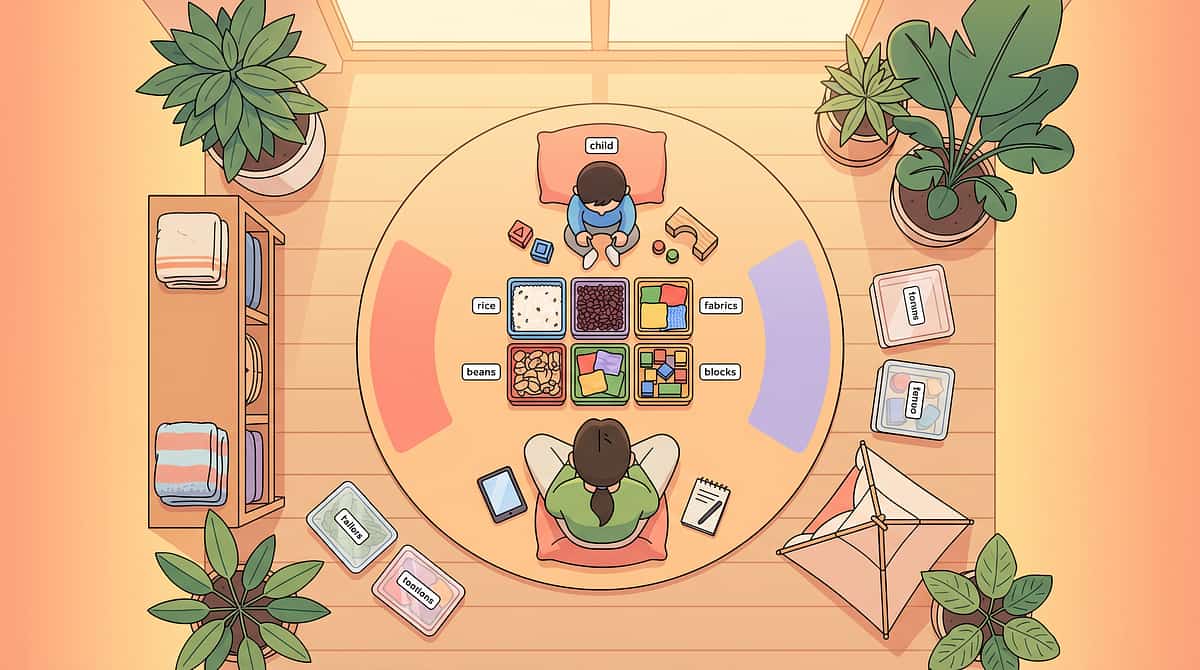
Preparing Your Turn-Taking Environment
Spatial precision prevents 80% of session failures. The right setup makes turn-taking inevitable. Think of your environment as the first piece of therapeutic equipment — get it right and everything that follows becomes easier.
01
Parent Position
Seated on the floor or a low chair, at the child's eye level. Face-to-face positioning is critical — turn-taking is built on mutual gaze and shared attention.
02
Child Position
Seated facing parent, 3–4 feet apart for ball rolling; side-by-side at a table for stacking and art; across the table for board games. Distance matters — too far reduces engagement, too close feels invasive.
03
Materials Position
To the side, within parent's reach but NOT within the child's free access. Introduce one material at a time to prevent overwhelm and preserve the turn-taking structure.
04
Remove From Space
Screens (TV, tablets, phones — off and out of sight). Unused toys. Food items. Pets if distracting. Uninvolved siblings unless participating in the structured activity.
05
Sensory Conditions
Warm natural lighting preferred. Quiet background. Comfortable temperature. Choose a consistent daily time when the child is typically most alert and regulated — mid-morning or late afternoon works well for many families.
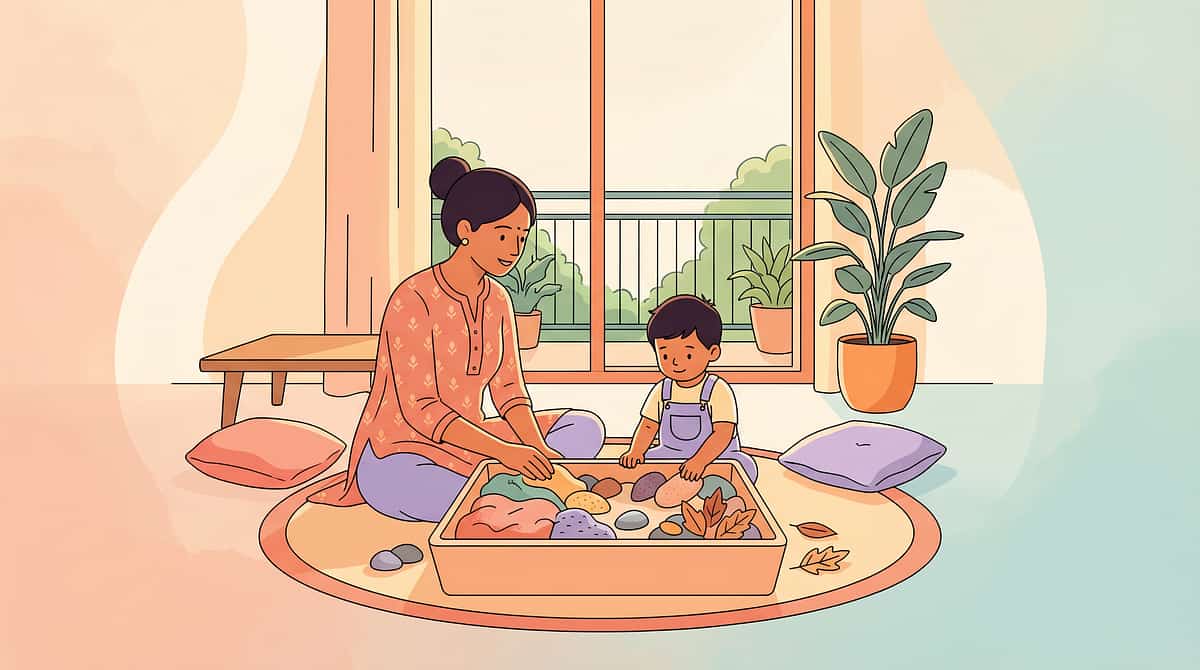
The 60-Second Pre-Session Check
Before every session, run through this checklist. The best session is one that starts right. A postponed session is always better than a forced one.
1
Physical Readiness
Child has eaten within the last 1–2 hours (not hungry) and has slept adequately (not overtired). Has had some physical movement — not been sedentary for hours.
2
Emotional Readiness
Child is in a regulated emotional state — not mid-meltdown or in post-meltdown recovery. No recent distressing event (no recent argument, transition, or sensory overload).
3
Readiness Cues
Calm body, open posture, able to make brief eye contact. Child is showing signs of openness rather than withdrawal or agitation.
4
Caregiver Readiness
Parent/caregiver is calm, patient, and has 10–20 uninterrupted minutes available. Your regulated state directly supports your child's regulated state.
✅ All Green
Proceed to Step 1: The Invitation
🟡 1–2 Amber
Modify: run a simplified 5-minute version with one material, 2–3 exchanges maximum
🔴 Any Red
Postpone: offer a calming activity instead (deep pressure, quiet music, sensory break). Try again later today or tomorrow.
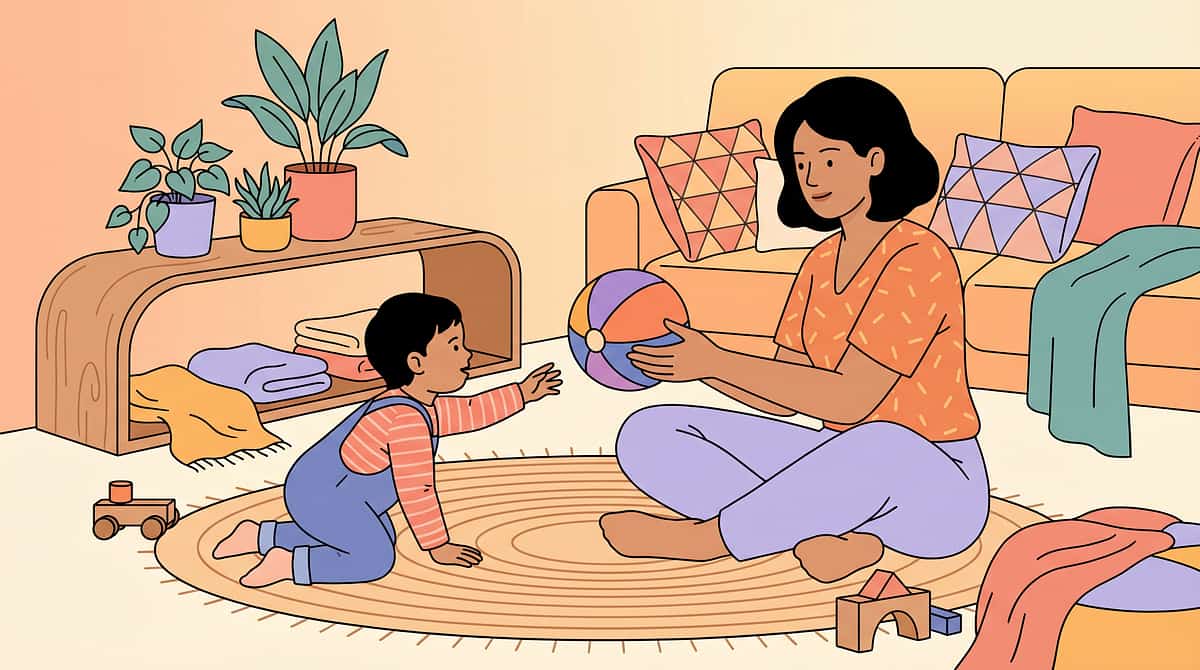
Step 1: The Invitation (30–60 Seconds)
Step 1 of 6
Every protocol begins with an invitation, not a command. The invitation creates safety, curiosity, and willingness before a single turn has been taken.
"Hey [child's name]! Look what I have! [Show the ball/blocks/instrument — hold it at the child's eye level, let them see it but don't hand it over yet.] Want to play with me? We're going to take TURNS! Watch — I'll show you!"
Body Language Checklist
- Get on the child's physical level (floor, low chair)
- Use animated facial expressions — wide eyes, big smile
- Hold material at the child's eye level, slightly to the side to draw gaze
- Keep voice warm, rhythmic, slightly higher-pitched (parentese)
- Lean in slightly but don't crowd
What Resistance Looks Like — and How to Modify
Child turns away → Place material in their line of sight without demanding attention. Wait 10 seconds. Try a different, higher-interest material.
Child grabs material → Let them explore for 30 seconds, then gently model: "My turn to hold it... [take it gently]... now YOUR turn!" Return it quickly.
Child is disengaged → Add a sensory element — make the ball light up, shake the instrument, stack blocks with a dramatic sound effect.
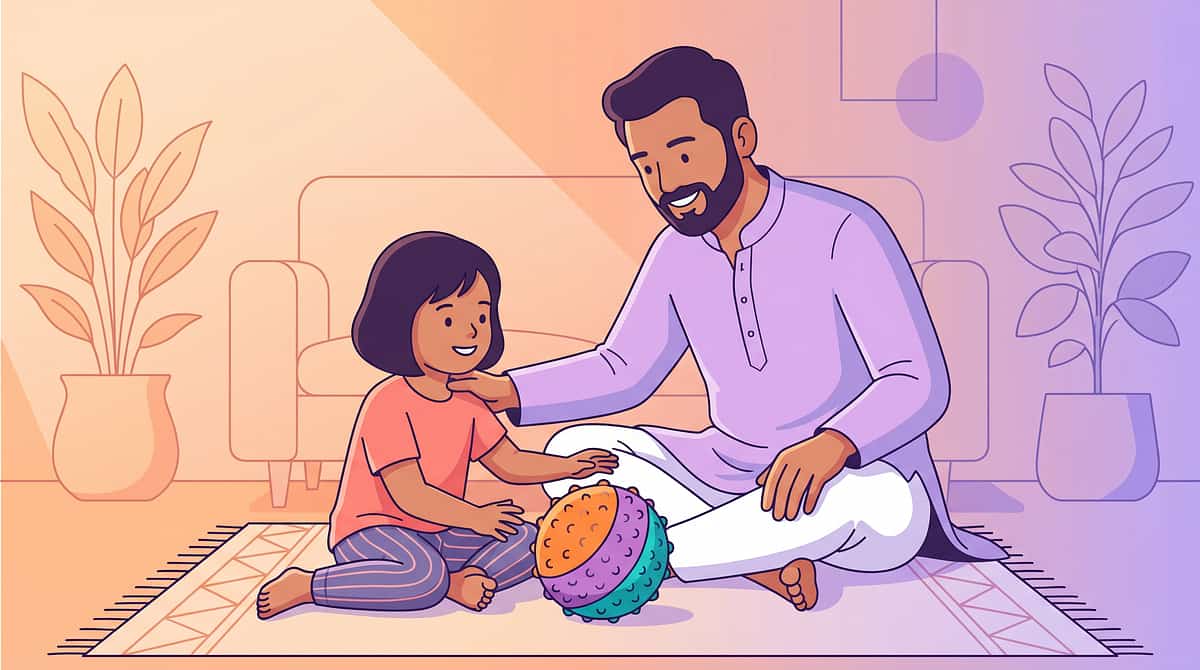
Step 2: Building the First Exchange (1–3 Minutes)
Step 2 of 6
"OK! Watch me! [Demonstrate one turn — roll the ball, stack one block, play the drum once.] MY TURN! [Pause with exaggerated anticipation.] Now... YOUR TURN! [Hand material to child or indicate it's their turn with gesture and visual cue.]"
1
Demonstrate First
Always model the action before expecting the child to do it. Your turn is the lesson, not just the gap between their turns.
2
Use a Visual Cue
Hold up the "MY TURN" card, then switch to "YOUR TURN." The card externalises the abstract concept of whose turn it is.
3
Hand-Over-Hand if Needed
Gently guide the child's hand to roll the ball back, then celebrate massively. Physical guidance is a scaffold, not a shortcut.
4
Exaggerate the Pause
The waiting period IS the lesson. Make it visible: freeze dramatically, point to yourself, say "Waaaaaiting... MY TURN is coming!" This makes inhibitory control visible and playful.
The MOMENT the child takes any turn — even an approximation — deliver immediate, specific praise: "You ROLLED it! That was YOUR TURN! Amazing!"
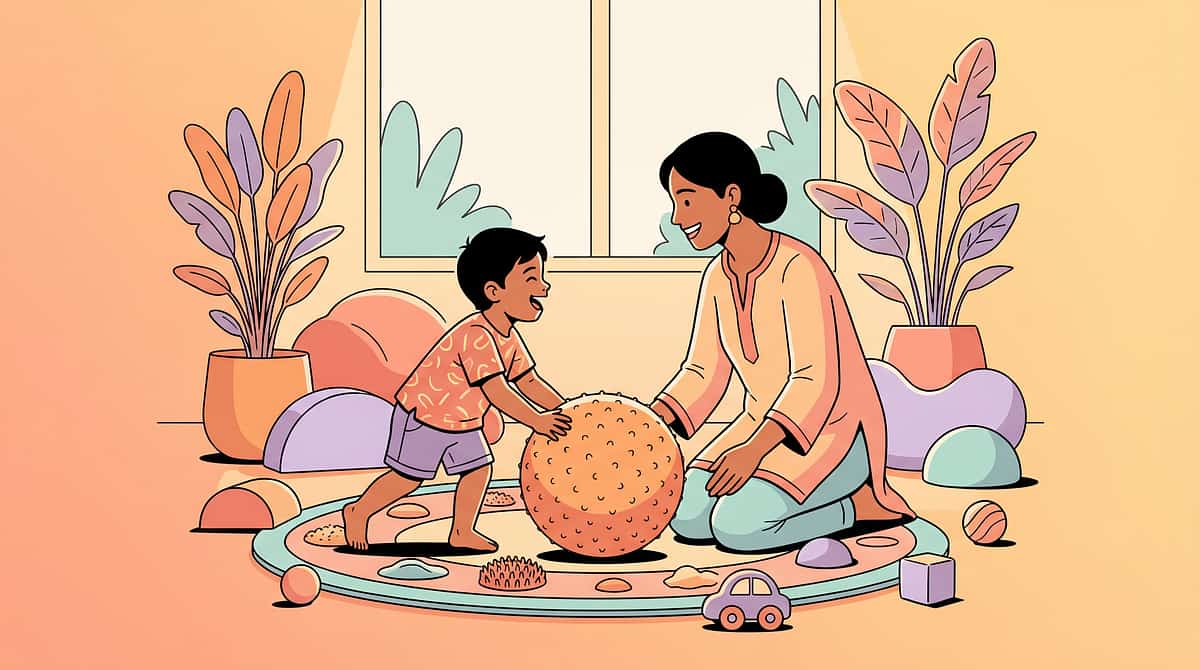
Step 3: The Rhythmic Exchange — Where Learning Happens (3–10 Minutes)
Step 3 of 6
Now the exchange is flowing. This is the therapeutic window. The parent and child are taking turns — rolling, stacking, passing, playing. Here is how to maximise it.
For Ball Rolling
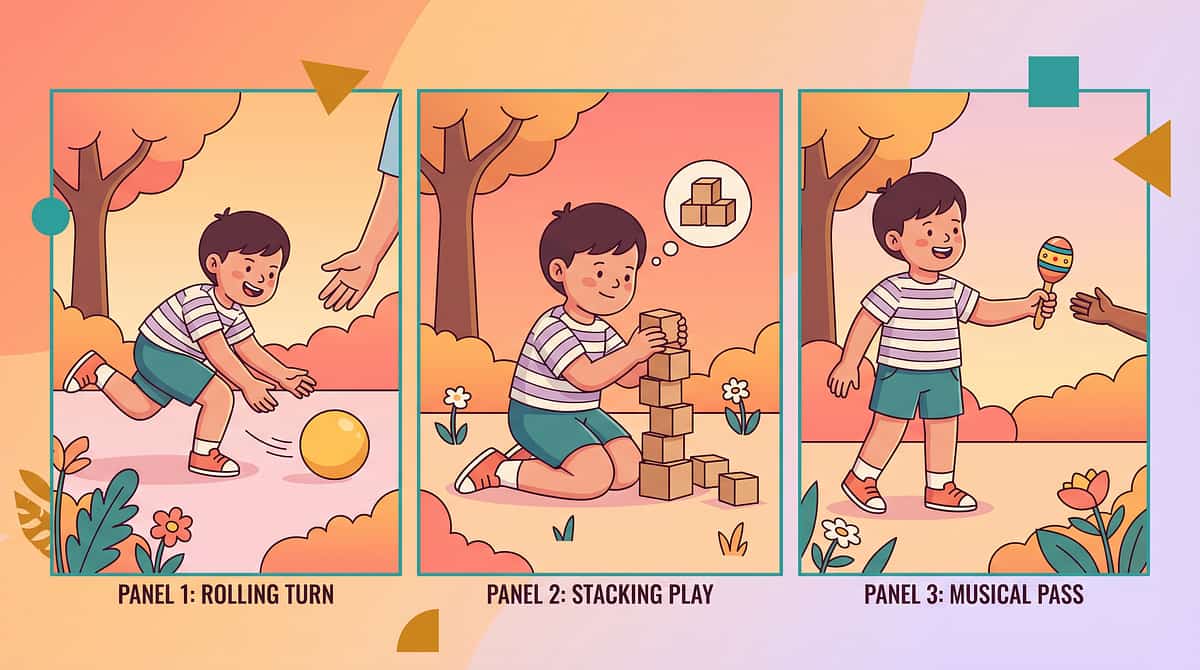
Establish a rhythm. Roll... wait... receive... celebrate... roll. Count turns aloud: "Turn 1 for Mama! Turn 1 for [child]! Turn 2 for Mama!" The counting makes turns concrete. Gradually increase the wait time between receiving and rolling back.
For Stacking
"I put one [red block]. Now YOU put one! [Wait.] Good! Now MY turn [blue block]. YOUR turn!" Point to the growing tower: "Look — you added this one, I added this one!" The visual record of alternating turns IS the lesson.
For Musical Instruments
"My turn to drum! [Play 3 beats.] Now YOUR turn to drum! [Pass instrument.]" Add a song: "Play, play, play — then pass away!" The music creates joyful anticipation for each turn.
Common Execution Errors to Avoid: Going too fast (the child needs processing time) · Taking too long on your own turn · Not celebrating each exchange · Making turns too complex · Correcting the child's "wrong" way of taking a turn — any reciprocation counts.
Step 4: Repetition & Variation — The Dosage That Builds Pathways (3–5 Minutes)
Step 4 of 6
Target 5–15 successful exchanges per session, adjusted to your child's engagement. Remember: 3 good exchanges > 10 forced exchanges. Quality of reciprocal engagement matters far more than quantity. End while the child is still engaged — this leaves them wanting more and builds motivation for tomorrow.
Ball Rolling Variations
Switch to a textured, light-up, or weighted ball · Change distance (closer = easier) · Add a ramp · Introduce a sibling as second partner
Stacking Variations
Knock it down together (shared celebration!) · Build again with different materials · Build two towers simultaneously, each taking turns adding to both
Instrument Variations
Switch instruments mid-session · Add a song structure · Speed up or slow down the rhythm · Add a second instrument for duet play
Satiation signs — when to stop: Looking away repeatedly · Pushing materials away · Decreased energy · Increased fidgeting or self-stimulatory behaviour · Vocal protests. When you see these signs, celebrate what you accomplished and end the session. Coming back tomorrow with enthusiasm is infinitely better than pushing today until frustration.
Step 5: Making Turn-Taking Feel Incredible (Throughout Session)
Step 5 of 6
Timing matters more than magnitude. Deliver reinforcement within 1 second after EVERY successful turn. Be SPECIFIC about what you're praising. "Good job" tells the child nothing — "You WAITED and then you ROLLED IT BACK — that's taking turns!" tells them everything.
Verbal Praise
"You WAITED — that was so patient!" · "You ROLLED IT BACK — that's taking turns!" · "We did it TOGETHER — your turn, my turn!" Use always, for every exchange.
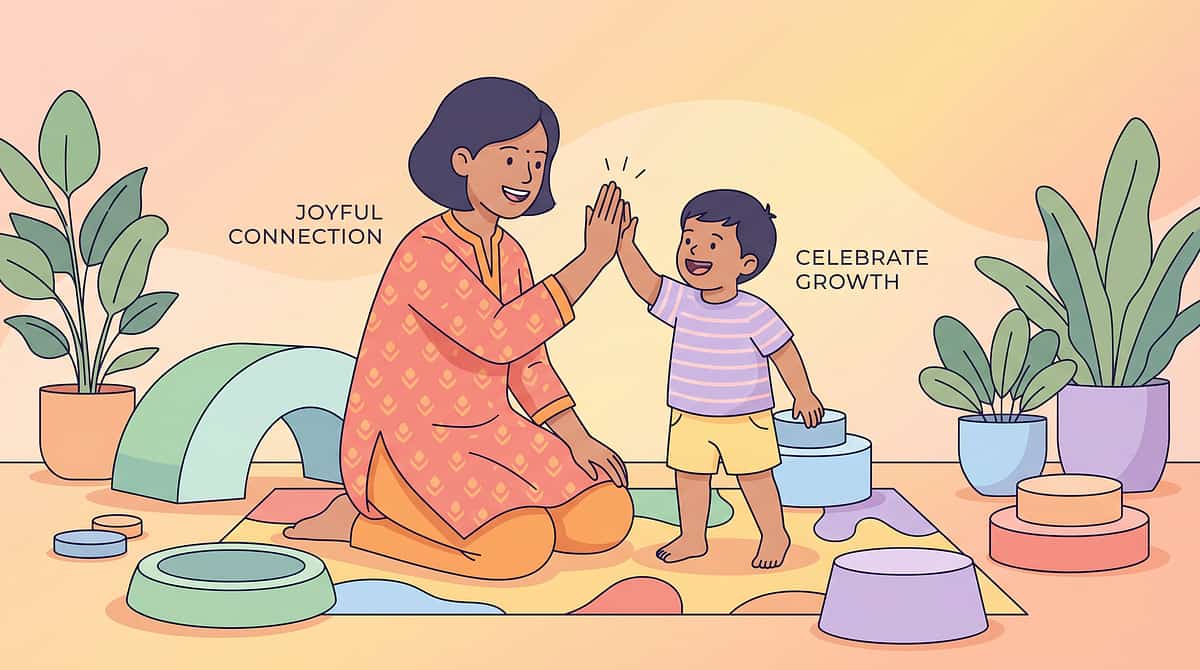
Physical Celebration
High-five · Clapping together · Tickle burst · Big hug · Dance celebration. Only if the child enjoys touch — read their cues and adjust accordingly.
Natural Consequences
The tower gets taller · The music gets louder · The game progresses · The art gets more colourful. Built-in rewards are the most sustainable because they're inseparable from the activity itself.
Visual Tracking
Star sticker after every 3 successful exchanges · Token board filling up · Turn counter the child can see incrementing. Concrete visual evidence of progress is powerfully motivating.
Your 60-Second Session Log
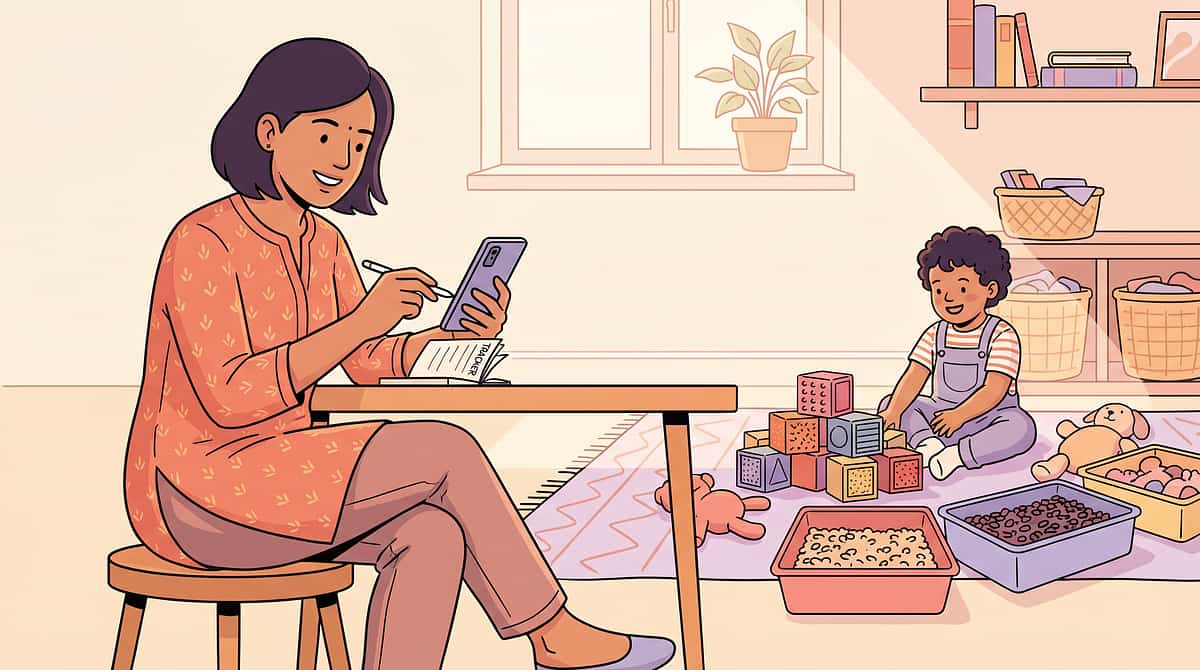
Data is the difference between "I think it's working" and "I KNOW it's working." When you track daily, you can see patterns: which materials work best, what time of day yields the best engagement, and how prompting levels decrease over weeks. This data is also invaluable when you share progress with your child's therapy team.
Field | Options | |
Material Used Today | Ball / Stacking / Musical / Visual Indicators / Cause-Effect / Board Game / Song Props / Art Sharing / Timer | |
Successful Exchanges | 1–5 / 6–10 / 11–15 / 15+ | |
Prompting Level | Hand-over-hand / Gestural / Verbal only / Independent | |
Child's Engagement | Resistant / Tolerant / Engaged / Enthusiastic | |
Session Duration | Under 5 min / 5–10 / 10–15 / 15–20 / 20+ min | |
Notes | Free text — anything notable about today's session |
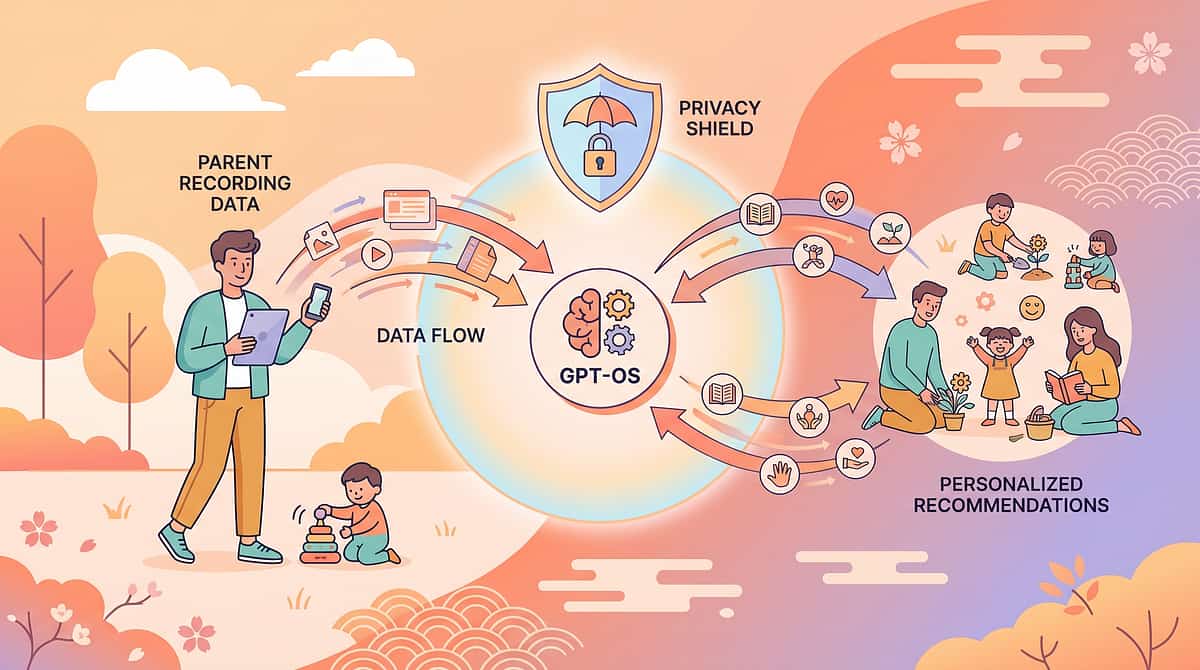
GPT-OS® Integration: If you are connected to Pinnacle's GPT-OS® system, this data feeds directly into your child's Social Participation Index, enabling your therapy team to calibrate centre-based sessions with your home practice in a closed-loop system.
Common Challenges and Expert Solutions
Even with the best preparation, turn-taking sessions will encounter obstacles. Here are the most common challenges families face — and precisely how to address each one.
"My child grabs everything and won't let go."
Start with materials that naturally require passing — a ball that rolls away, a drum too large to hold while playing. Use the "trade" technique: offer a highly preferred item in exchange for the material. Gradually fade the trade as turn-taking itself becomes rewarding.
"He takes his turn but won't wait for mine."
Shorten YOUR turn dramatically — take a 2-second turn at first, then gradually extend. Use a visual timer showing your turn duration. Make your turn visually interesting so the child watches rather than grabbing.
"She just walks away after 1–2 turns."
Two successful turns IS a win in the early stages. End on success rather than chasing more. Increase preferred reinforcement and choose a higher-interest material. If walking away persists across 5+ sessions, consult your therapy team.
"He gets upset when it's not his turn."
Make the waiting period extremely short at first (3 seconds). Fill the wait with something engaging: "Watch Mama's turn — what colour will she pick?" Give the child a role during YOUR turn: "Can you hold this for me?" Gradually extend wait times as tolerance grows.
"The board game ends in tears every time."
Board games are the MOST advanced form of turn-taking. Build the foundation with ball rolling and stacking first. When ready, start with cooperative games before competitive ones. If losing causes distress, return to simpler materials.
"It works with me but not with anyone else."
Generalisation is gradual. Progress: other parent → sibling → grandparent → familiar peer → unfamiliar peer. Each new partner requires a mini re-teaching phase. Use the same materials and scripts across all partners to provide consistency.
Personalisation: Your Child Is Not a Protocol
The 9 materials are tools — how you use them is the art. Every child's sensory profile, motor capacity, communication level, and anxiety patterns require thoughtful adaptation. Use these guidelines to tailor each session to the unique child in front of you.
Sensory Seeker
Use weighted balls, vibrating toys, loud instruments. BIG movements, STRONG stacks, LOUD music. Lean into cause-effect toys. Extend session duration — these children often engage longer.
Sensory Avoider
Use soft, quiet materials — foam balls, fabric blocks, gentle bells. Keep sessions to 5–7 minutes initially. Let the child control intensity — they choose the material and set the pace.
Motor Planning Challenges
Use ramps for ball rolling (reduces motor demand). Use large-grip materials. Position materials within easy reach. Accept approximations — any attempt to reciprocate counts as a full turn.
Limited Verbal Ability
Use visual turn indicators as the PRIMARY cueing system. Pair all verbal instructions with gestural cues. Accept nonverbal turn-taking as full success — the words come later. Use AAC supports if available.
High Anxiety / Rigid Patterns
Maintain absolute consistency: same time, same place, same first material. Preview the session visually. Use "first-then" board. Allow the child to choose the material from 2 options (controlled choice reduces anxiety).

Weeks 1–2: Building Tolerance and First Exchanges
What You Will Likely See
- Days 1–3: Child may resist the structure — grabbing, walking away, or protesting. This is completely normal.
- Days 4–7: Brief moments of participation. A single successful exchange is a genuine breakthrough. Hand-over-hand prompting is expected.
- Week 2: Participation increases. The child begins to anticipate the routine. You may see the first unprompted return of a ball.
Week 1–2 Benchmarks
- Child tolerates the session setup (sits near you with materials)
- Child participates in at least 1–2 exchanges per session (with prompting)
- Child does not show escalating distress across sessions
- Parent has identified 1–2 materials that generate the most engagement
This phase is the hardest for parents. Track your data — even small increases in exchange count or decreases in prompting level are real, measurable progress. Trust the process.

Weeks 3–4: The Rhythm Begins to Click
Something shifts in weeks 3 and 4. The structure that felt foreign in week 1 now has the quality of a familiar game. Your child has begun to understand that this activity has a rhythm — and rhythms are deeply satisfying to the human brain.
Consolidation Indicators
- Child begins to anticipate turns — looks toward you expectantly after their turn
- Prompting level decreases — from hand-over-hand to gestural to verbal cues
- Exchange count increases — 5–10 successful exchanges per session becomes typical
- Child may begin to vocalise during exchanges (not necessarily words — sounds, laughter)
- Session duration may naturally extend as engagement increases
Spontaneous Generalisation Seeds
Watch for turn-taking appearing outside the structured session — these are the most exciting signs:
- Child passes food at the table without being asked
- Child waits briefly for a sibling to finish before reaching
- Child looks at you during play as if checking for your participation
- Child hands you objects during daily routines
You may notice you're more confident too. That confidence is your child's therapy working — and it is contagious in the best possible way.

Weeks 5–8: Mastery Emerging
Mastery Criteria
Mastery is unlocked when 4+ of the following 6 criteria AND 2+ generalisation indicators are met:
- Child initiates turn-taking exchanges independently
- Child waits 5+ seconds during partner's turn without prompting
- Child takes 10+ consecutive turns with 1 material
- Child successfully takes turns with 3+ different materials
- Child shows positive affect (smiling, laughing, vocalising) during exchanges
- Prompting reduced to verbal only or independent
Generalisation Indicators
- Turn-taking observed with a different partner (sibling, other parent)
- Turn-taking emerging in unstructured play
- Child uses turn-taking language ("my turn," "your turn," or approximations)
- Turn-taking attempts in peer interactions (park, playgroup, school)
Maintenance Check
Does the skill persist when you skip a day? Yes → the neural pathway is established. No → continue daily practice for 2 more weeks before advancing.
When mastery is met: Progress to B-145 (Imitation Skills) or B-148 (Conversational Turn-Taking).

You Did This.
"Your child grew because of your commitment. Every turn taken was a neural pathway strengthened."
Eight weeks ago, the idea of "your turn, my turn" felt impossible. Your child grabbed instead of waiting. Walked away instead of engaging. The rhythm of connection felt broken. Today, your child can roll a ball back and forth, stack blocks with you, take turns with a drum. They can WAIT — even briefly — because they understand that something wonderful happens when they do.
You taught that. Not with a textbook. Not in a clinic. In your living room, on your floor, with a ball and patience and love.
Family Celebration Ideas
- Take a video of your child taking turns — compare it to where you started
- Have the whole family play a turn-taking game together to celebrate
- Let your child TEACH turn-taking to a stuffed animal — teaching is the highest form of mastery
Journal Prompts
- The moment you first saw your child wait for a turn
- The first time they said (or gestured) "my turn"
- The face they made when the exchange clicked
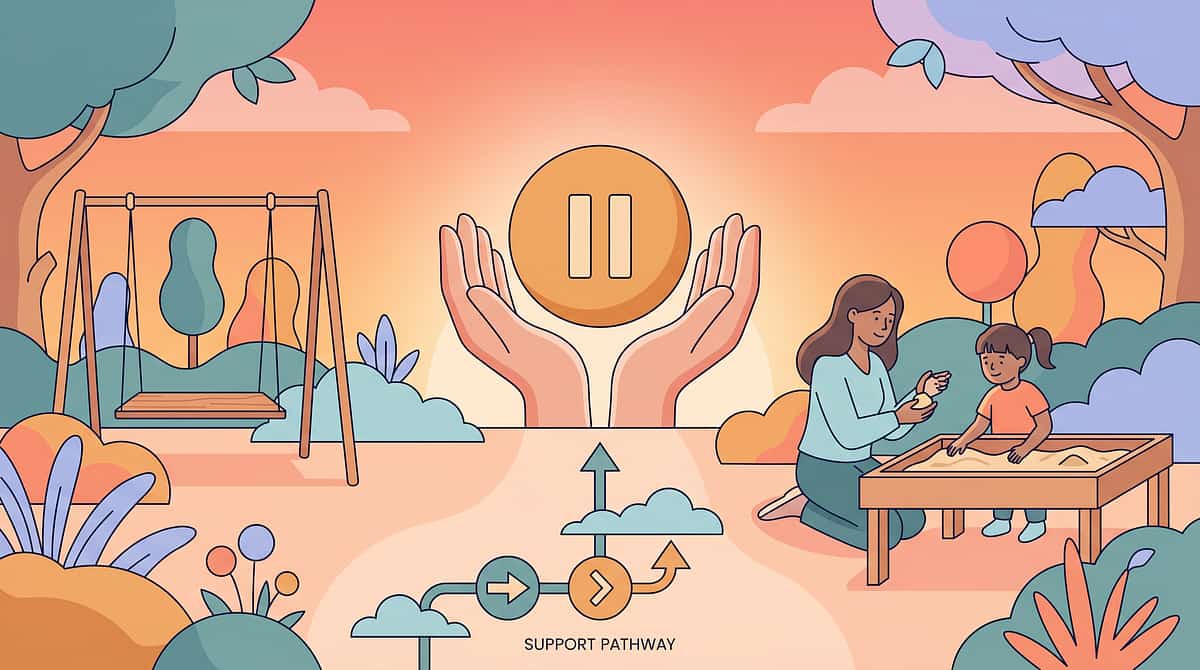
When to Pause and Seek Professional Guidance
Trust your instincts. If something feels wrong, pause and ask. That's not anxiety — that's good parenting. These red flags are specific to turn-taking and require professional consultation when present.
🚩 No Reciprocal Exchange by 18 Months
If your child is 18+ months and shows no back-and-forth exchange of any kind — not just with toys, but no vocal or gestural exchange — seek developmental assessment promptly.
🚩 Loss of Previously Established Turn-Taking
If your child COULD take turns and suddenly stops — this regression requires immediate professional consultation. Contact your paediatrician and therapy team without delay.
🚩 Extreme Distress During Turn-Taking
If waiting for a turn consistently triggers meltdowns lasting 15+ minutes or involves self-injury, the current approach needs professional modification — do not continue without guidance.
🚩 No Improvement After 4+ Weeks
If there is zero improvement in waiting ability after 4 weeks of daily, consistent practice with appropriate materials, additional assessment may be needed to identify underlying factors.
🚩 No Engagement Across All 9 Categories
If the child shows no engagement with any of the 9 material categories across 3+ weeks, a comprehensive developmental assessment is recommended.
01
Self-Resolve
Adjust materials, timing, and approach using the troubleshooting and adaptation guidance in this guide
02
Teleconsultation
Book a Pinnacle teleconsult for remote guidance: 9100 181 181
03
In-Person Assessment
Visit a Pinnacle Blooms centre for AbilityScore® assessment. Find your nearest centre: pinnacleblooms.org
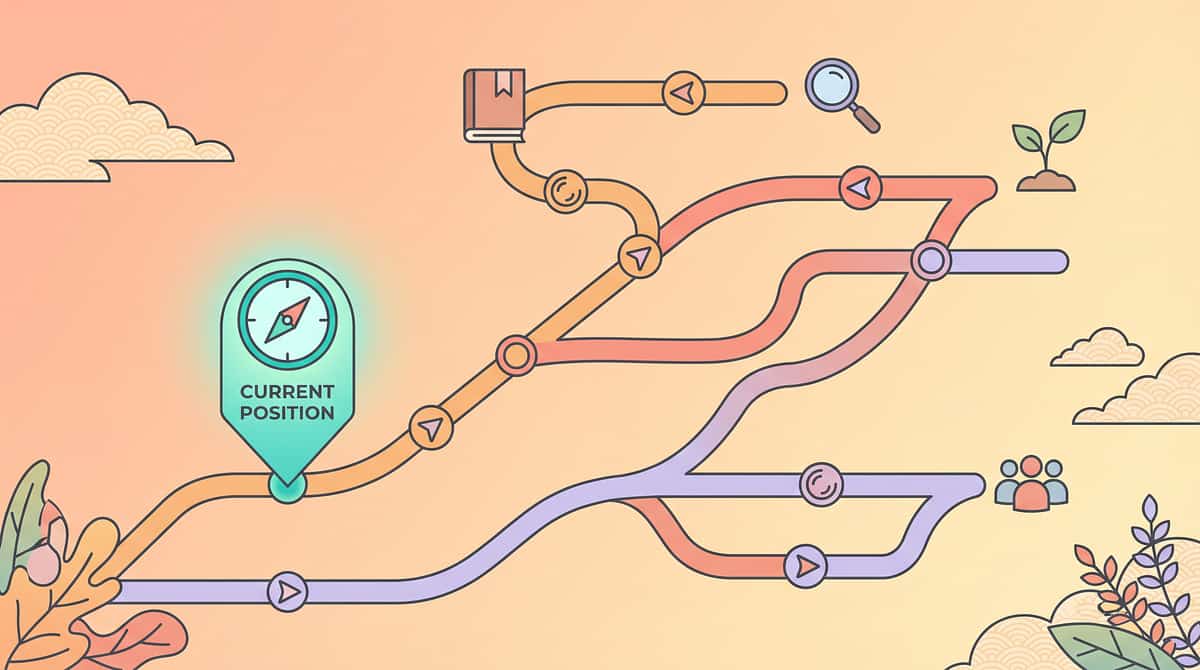
Explore More Social Interaction Techniques
You already own materials for B-145 and B-147 — many of the items in your turn-taking toolkit serve double duty across these related techniques.
B-142 · Eye Gaze Development
Difficulty: Intro · Canon: Visual Stimulation
The prerequisite to everything: looking at a partner before exchanging with them.
The prerequisite to everything: looking at a partner before exchanging with them.
B-143 · Teaching Social Smile
Difficulty: Intro · Canon: Social Interaction
Building the social reward pathways that make reciprocal exchange feel good.
Building the social reward pathways that make reciprocal exchange feel good.
B-145 · Imitation Skills
Difficulty: Core · Canon: Motor Imitation Tools
Copying another person's actions — the next layer of social mirroring. Uses many turn-taking materials.
Copying another person's actions — the next layer of social mirroring. Uses many turn-taking materials.
B-146 · Joint Attention
Difficulty: Core · Canon: Shared Focus Activities
Shared focus on an object with a partner — the attentional scaffolding for all cooperative interaction.
Shared focus on an object with a partner — the attentional scaffolding for all cooperative interaction.
B-147 · Cooperative Play
Difficulty: Advanced · Canon: Cooperative Games
Structured collaboration toward a shared goal. Uses many of the same materials from your toolkit.
Structured collaboration toward a shared goal. Uses many of the same materials from your toolkit.
B-148 · Conversational Turn-Taking
Difficulty: Advanced · Canon: Communication Tools
Applying the turn-taking rhythm to spoken language — the bridge to fluent social conversation.
Applying the turn-taking rhythm to spoken language — the bridge to fluent social conversation.

Real Families. Real Turn-Taking Breakthroughs.
"He finally said 'your turn' and waited. It sounds small, but it changed everything about how he plays with other kids. We started with ball rolling on the living room floor, and six weeks later he was taking turns in a board game with his sister for the first time."
— Parent, Pinnacle Blooms Network. Illustrative case; outcomes vary by child profile.
"I cried the first time she handed me the drum instead of holding it. That hand-over — that moment of choosing to share — was months of work in one second. The visual turn cards made all the difference for us."
— Parent, Pinnacle Blooms Network. Illustrative case; outcomes vary by child profile.
"We used the DIY version with kitchen items and it worked. A pot and two spoons. My turn to bang, his turn to bang. Now he waits for his turn at school during circle time. His teacher called to tell me."
— Parent, Pinnacle Blooms Network. Illustrative case; outcomes vary by child profile.
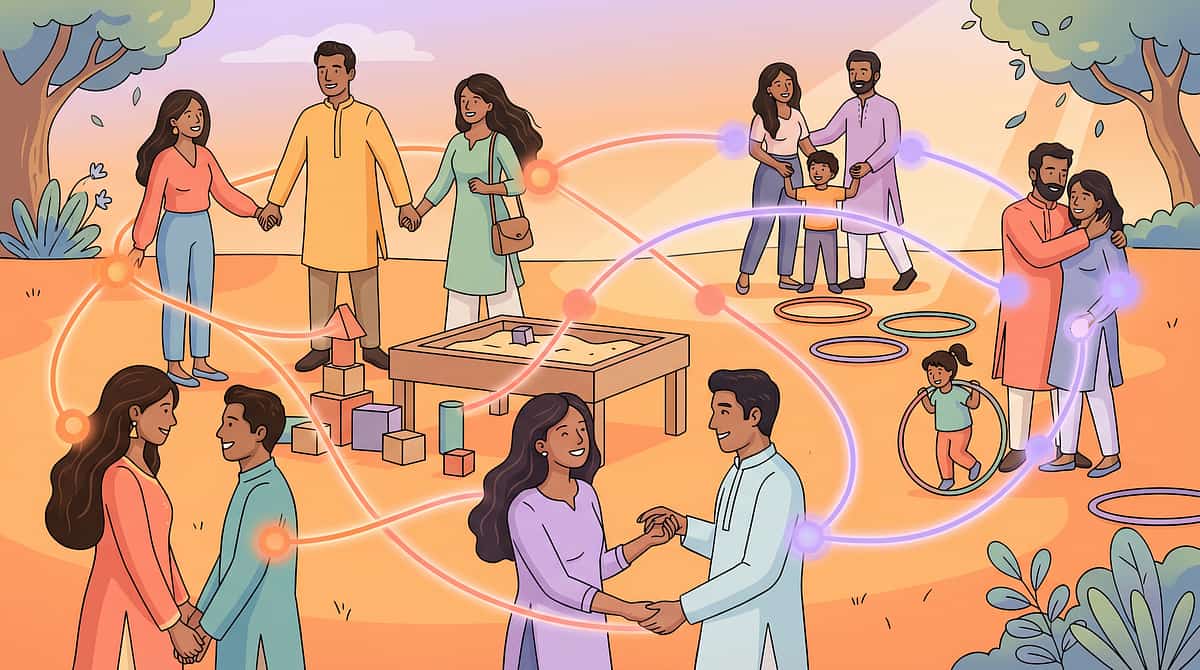
You Are Part of a Global Community
You are not navigating this alone. Thousands of families across the Pinnacle Blooms Network share strategies, celebrate milestones, and support each other every day. Connecting with that community multiplies both your knowledge and your resilience.
Pinnacle Blooms Resources
- National Autism Helpline: 9100 181 181 · FREE · 16+ languages · 24×7
International Resources
Share This Guide
If only one parent executes this technique, the impact is limited. When grandparents, siblings, aunts, uncles, and teachers all understand "your turn, my turn," the child's world becomes a turn-taking classroom.
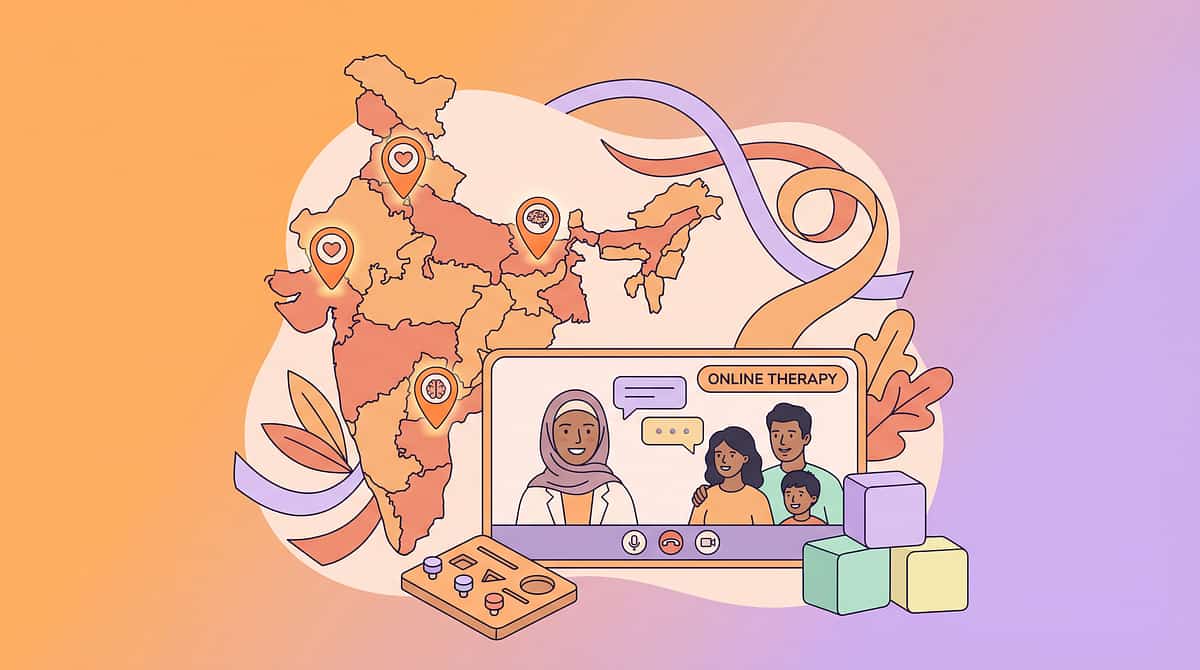
Professional Guidance When You Need It
Home practice is powerful — and professional support makes it even more so. Pinnacle Blooms' 80+ centres across India offer every discipline relevant to turn-taking development, coordinated through the GPT-OS® system.
Speech Therapy
Conversational turn-taking and verbal reciprocity — building from nonverbal exchange to the back-and-forth of speech
Occupational Therapy
Sensory-motor foundations of exchange — ensuring the child's body is ready to give and receive
ABA Therapy
Behavioural structure and reinforcement design — building the contingencies that make waiting rewarding
Special Education
Classroom turn-taking generalisation — ensuring skills built at home transfer to the school setting
EverydayTherapyProgramme™
Daily home turn-taking protocols integrated with centre-based therapy — a truly closed-loop system
The Science That Powers This Technique
Every recommendation in this guide is anchored to peer-reviewed evidence. Below is the complete research index, with every study mapped to the cards where it applies.
Reference | Finding | Cards Applied | |
PMC11506176 — Children, 2024 | 16 articles confirm structured social intervention meets evidence-based practice criteria for ASD | 02, 05, 08, 15, 18 | |
PMC10955541 — World J Clin Cases, 2024 | 24 studies: social skills, adaptive behaviour, motor skills improve with structured intervention | 02, 05, 08, 12, 16, 25 | |
PMC9978394 — WHO CCD Package, 2022 | Caregiver-delivered intervention across 54 countries produces measurable developmental gains | 04, 10, 27, 37 | |
DOI: 10.3389/fnint.2020.556660 | Neurological basis for sensory-social interventions in ASD (Frontiers, 2020) | 03 | |
DOI: 10.1080/17549507.2022.2141327 | UNICEF/WHO Nurturing Care Framework adapted for SLPs (2022) | 07 | |
DOI: 10.1007/s12098-018-2747-4 | Padmanabha et al. — home-based intervention safety and efficacy in Indian populations | 05, 11 | |
Kasari C, et al. — JCPP, 2006 | Landmark RCT: joint attention and symbolic play interventions produce generalised improvements | 02, 05 | |
Rogers & Dawson — ESDM, 2010 | Turn-taking as core early intervention target with RCT evidence for home implementation | 03, 05 | |
NCAEP Evidence-Based Practices, 2020 | Video modelling confirmed as evidence-based practice for autism | 36 |
Powered by GPT-OS® — Global Paediatric Therapeutic Operating System
GPT-OS® is the end-to-end operating system governing diagnosis, therapy design, execution, monitoring, and readiness outcomes in child development — as one closed, accountable system. This technique is one of 999 structured interventions within the GPT-OS® Reels Master, each assigned to a precise position in the developmental sequence.
Diagnostic Intelligence Layer
591+ structured observations across 349 skills and 79 developmental abilities — establishing a precise developmental baseline
AbilityScore®
Patented universal developmental score (0–1000) establishing baseline, severity, and longitudinal change across all 12 domains
TherapeuticAI®
Determines therapy focus, intensity, sequencing, and reinforcement logic — drawing on 20M+ real therapy sessions
EverydayTherapyProgramme™
Translates clinical plans into daily home micro-interventions — making every parent a skilled therapeutic partner
Closed-Loop Therapeutic Control
Observation → Score → Plan → Execute → Re-measure → Adapt. The system never stops learning from your child's responses.
20M+
1:1 Sessions
Exclusive therapeutic sessions across the Pinnacle network
97%+
Improvement Rate
Measured improvement in social skills development interventions
80+
Centres
Across India, with patents filed in 160+ countries
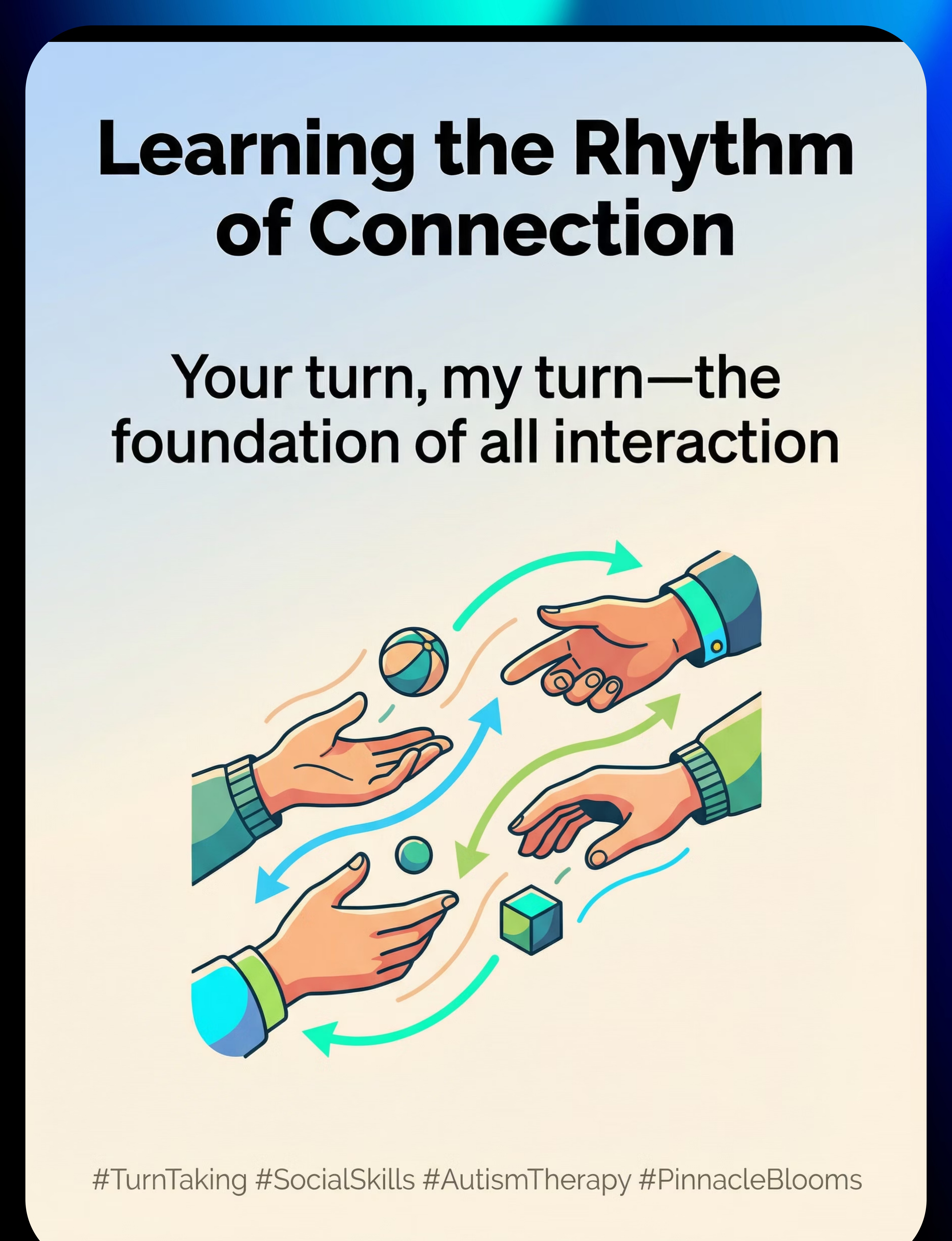
Preview of 9 materials that help building turn taking foundation Therapy Material
Below is a visual preview of 9 materials that help building turn taking foundation therapy material. The pages shown help educators, therapists, and caregivers understand the structure and content of the resource before use. Materials should be used under appropriate professional guidance.









Link copied!
Watch: 9 Materials That Help Build Turn-Taking Foundation
See these materials in action. Watch Pinnacle Blooms therapists demonstrate each turn-taking technique in under 90 seconds — so you know exactly what each material looks like when used correctly, and what success looks like for your child.
B-144 · Social Interaction Series, Episode 144
Domain: Social — Turn-Taking & Reciprocity (SOC-TT)
Duration: Under 90 seconds per material · 9 materials demonstrated
Duration: Under 90 seconds per material · 9 materials demonstrated
Video modelling is an NCAEP-confirmed evidence-based practice for autism (2020). Watching a skilled therapist demonstrate each technique before attempting it yourself significantly improves parent fidelity and child outcomes.
[Video embed: Pinnacle Blooms B-144 Reel — available on the Pinnacle Blooms platform and YouTube channel]