

She Looks at Your Hand, Not Where You're Pointing
"When I point at the airplane in the sky, she looks at my hand — not where I'm pointing. And she never points to show me things she finds interesting. It's like she doesn't know we could share the experience."
You are not failing. Your child's attention system is wired differently — and that wiring can be reshaped. Joint attention — the ability to share focus together — is a gateway skill that unlocks social learning, language, and connection. This page gives you 9 materials and a complete home protocol to build it, designed by the Pinnacle Blooms Consortium of Speech-Language Pathologists, Occupational Therapists, Board Certified Behavior Analysts, Special Educators, and NeuroDevelopmental Pediatricians.
Pinnacle Blooms Consortium®
Foundational Social-Communication Skills — Episode B-135

You Are Not Alone
The Numbers Behind Joint Attention
Joint attention impairment is among the most common and earliest-identified markers of developmental difference. Understanding the prevalence helps families recognize that support is available — and effective.
1 in 36
Autism Prevalence
Current CDC (2024) rate. Joint attention impairment is among the earliest and most reliable markers, typically identifiable before age 18 months.
70–80%
Show JA Deficits
Percentage of children with ASD who show measurable joint attention deficits. This is not rare — it is the most common social-communication challenge in early autism.
10M+
Families Navigating This
Families across India navigating this exact moment. You are not alone — and there is a proven pathway forward.
Research confirms joint attention is one of the most responsive skills to targeted intervention. You are among millions of families worldwide whose children experience differences in shared attention. Source: Mundy P, Newell L (2007). Current Directions in Psychological Science. | PMC11506176 | PMC10955541

Neuroscience
What's Happening in Your Child's Brain
Joint attention involves a neural network connecting three brain regions — and understanding them helps explain why this is a wiring difference, not a behavior choice.
Superior Temporal Sulcus (STS)
Processes biological motion and gaze direction. Helps your child detect where YOU are looking. In children with JA difficulties, the STS shows reduced activation when processing gaze cues.
Medial Prefrontal Cortex (mPFC)
Processes the understanding that another person has a perspective and a mind. When your child brings you a toy to show you — that is the mPFC at work.
Posterior Parietal Cortex
Coordinates the spatial shift of attention from person to object and back — the triangular gaze pattern: child → object → parent → object. This is the neural signature of joint attention.
These neural pathways can be strengthened through structured, repeated practice with the right materials — the same materials this page will show you. Source: Frontiers in Integrative Neuroscience (2020). DOI: 10.3389/fnint.2020.556660
Developmental Context
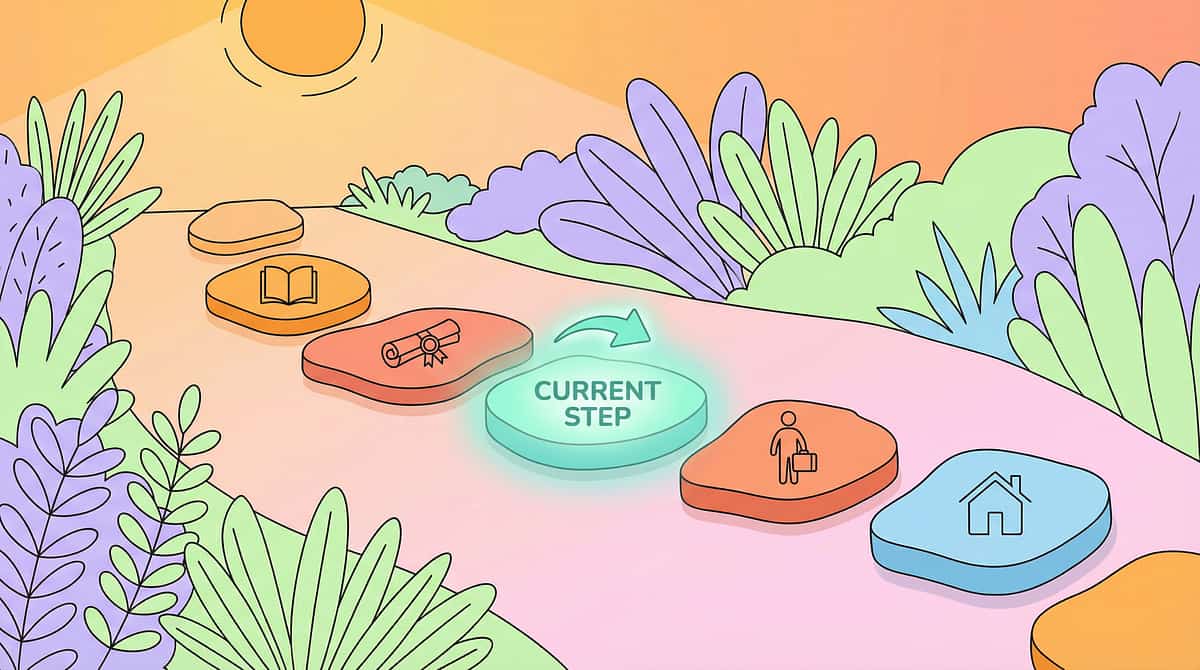
Where Joint Attention Sits in Development
Joint attention follows a predictable developmental trajectory. Knowing where your child is on this timeline helps you target the right skills at the right moment.
Birth–3 Months
Social gaze — mutual face-to-face attention, social smile
3–6 Months
Gaze following begins — baby starts to look where parent looks
6–9 Months
Referential looking — triadic attention emerging (child–object–person triangle)
9–12 Months
Following points, pointing to request (proto-imperative pointing)
★ 12–18 Months
THE CRITICAL WINDOW — Pointing to SHARE (proto-declarative), showing objects, looking between object and person
18+ Months
Robust joint attention across contexts, shared emotional experiences
If your child is between 6 and 48 months and not yet pointing to share, following your point, or looking back and forth between you and objects of interest — this intervention is designed precisely for this moment. What commonly co-occurs: Limited pointing or gesturing (B-006), not following where others point (B-007), limited eye contact (B-032), limited communicative intent (B-134). Source: WHO Care for Child Development (CCD) Package. PMC9978394

Evidence Grade: Level I–II (Strong)
The Evidence Behind This Technique
Joint attention intervention for children with ASD has among the strongest evidence bases in developmental behavioral science — built on landmark randomized controlled trials and 50+ peer-reviewed publications.
Kasari et al. (2006) — RCT
Randomized controlled trial in JAACAP demonstrated that targeted joint attention intervention produced significant improvements, with gains maintained at 12-month follow-up.
Dawson et al. (2010) — ESDM RCT
Early Start Denver Model trial in Pediatrics showed joint attention as a core target producing measurable improvements in cognitive ability, adaptive behavior, and autism severity.
50+ Supporting Studies
Across RCTs, systematic reviews, and meta-analyses confirming joint attention is reliably measurable, a strong predictor of language outcomes, and highly responsive to intervention.
Clinically validated
Home-applicable
Parent-proven
Technique B-135
The Technique: What It Is
Formal Name
Joint Attention Development Through Material-Mediated Shared Focus
Parent-Friendly Name
"Looking Together, Learning Together"
Domain
Behavioral / Developmental — Joint Attention Development (BEH-SOC-JA)
Age Range
6–48 months
Session Duration
10–20 minutes
Frequency
Daily, 2–3 structured sessions + naturalistic opportunities
Definition: Joint attention is the shared focus of two individuals on an object or event, achieved through gaze, pointing, or other communicative behaviors. This technique uses 9 categories of materials — from bubbles to social games — to create natural, motivating opportunities for your child to look where you look, point to show you things, and share experiences together.
RJA — Responding to Joint Attention
Following your point, looking where you look — "I show, you look"
IJA — Initiating Joint Attention
Your child pointing to show, bringing things to you — "They show, you look"

Disciplines
Who Uses This Technique
Joint attention crosses therapy boundaries because the brain doesn't organize by therapy type — it organizes by function. Joint attention is where speech, behavior, sensory processing, and social cognition converge.
Speech-Language Pathologist (SLP)
Primary lead. Joint attention is the foundation of all communicative exchange and a prerequisite to language development — children learn words for things they share attention on.
Board Certified Behavior Analyst (BCBA)
ABA targets joint attention through discrete trial training, pivotal response training, and naturalistic teaching. Joint attention is a pivotal skill — improvements cascade across multiple domains.
Occupational Therapist (OT)
OTs address the sensory and motor foundations — visual tracking, sustained gaze, postural stability for face-to-face engagement, and sensory regulation for shared focus.
NeuroDevelopmental Pediatrician
Medical oversight ensures JA difficulties are assessed within the broader developmental profile and that intervention is appropriately timed within the child's neurological development.
Source: Adapted UNICEF/WHO Nurturing Care Framework for SLPs (2022). DOI: 10.1080/17549507.2022.2141327

Targets
What This Technique Targets
Joint attention skills sit at the center of a rich developmental web. Building them creates a cascade of downstream gains across communication, cognition, and social-emotional development.
🎯 Primary: Joint Attention Skills
- Responding to joint attention bids (RJA) — following a point, following gaze
- Initiating joint attention bids (IJA) — pointing to show, bringing objects to share
- Triadic gaze coordination — child → object → parent → object
- Gaze monitoring — checking what the adult is looking at
🔵 Secondary Targets
- Social referencing — looking to adult's face for emotional information
- Turn-taking — the back-and-forth rhythm underlying all communication
- Requesting behavior — pointing or gesturing to get needs met
- Shared emotional experience — laughing together, shared surprise
🟢 Tertiary Developmental Gains
- Receptive and expressive language (JA predicts vocabulary at 24 months)
- Theory of mind foundations
- Social engagement and peer interaction readiness
- Cognitive development through shared learning
Observable Indicators: Child follows parent's point to a distal object. Child alternates gaze between object and parent. Child brings objects to show parent. Child points at interesting things spontaneously. Source: PMC10955541

The 9 Materials
What You Need: The 9 Materials for Joint Attention
The Pinnacle Blooms Consortium recommends these 9 material categories for building joint attention — each selected because it naturally creates shared visual focus, anticipation, and the motivation to look together. Every item has an affordable DIY option so every family can start today.

1. Bubbles
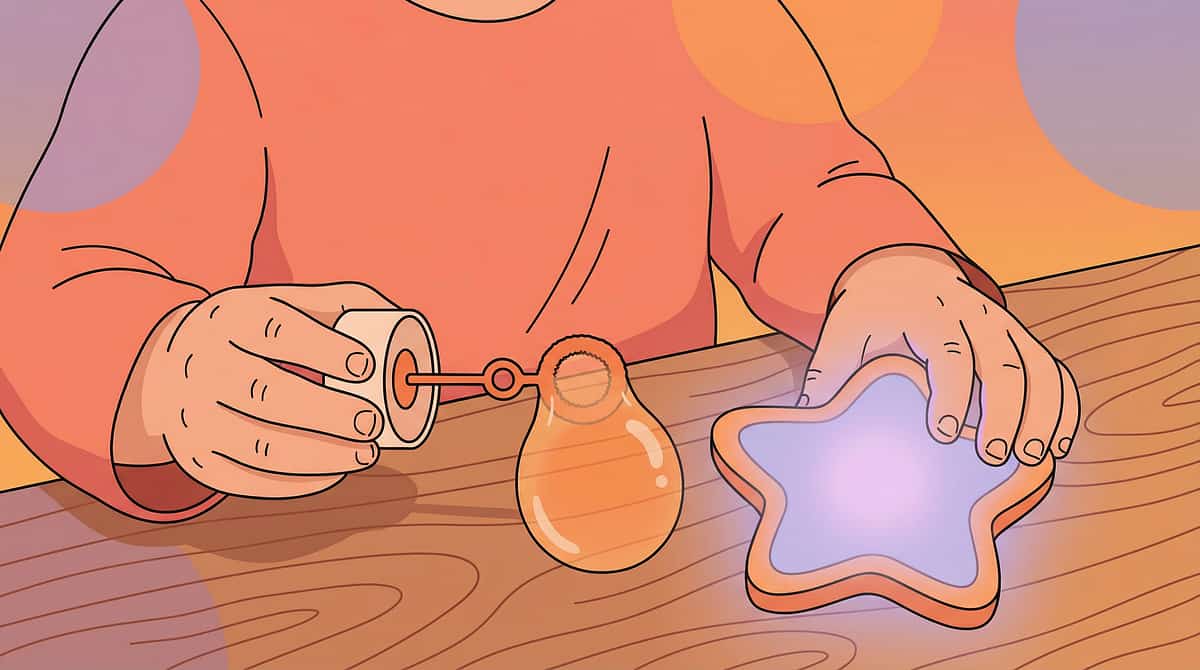
Captivating shared visual focus — float, track, pop together. Why it works: Floating visual targets create shared tracking.
₹50–500
✅ DIY: Dish soap + water

2. Wind-Up Toys
Anticipation and shared watching — "where will it go?" Why it works: Autonomous movement invites shared watching.
₹100–500
✅ DIY: Rolling ball or pull toy

3. Musical Instruments
Sound draws attention, vision confirms — "look at what you hear." Why it works: Multimodal attention: sound draws, sight confirms.
₹100–1,000
✅ DIY: Pots, spoons, rice shakers

4. Light-Up Toys
Light automatically draws gaze — dim room amplifies effect. Why it works: Light in contrast draws involuntary visual orienting.
₹150–1,500
✅ DIY: Flashlight in dim room
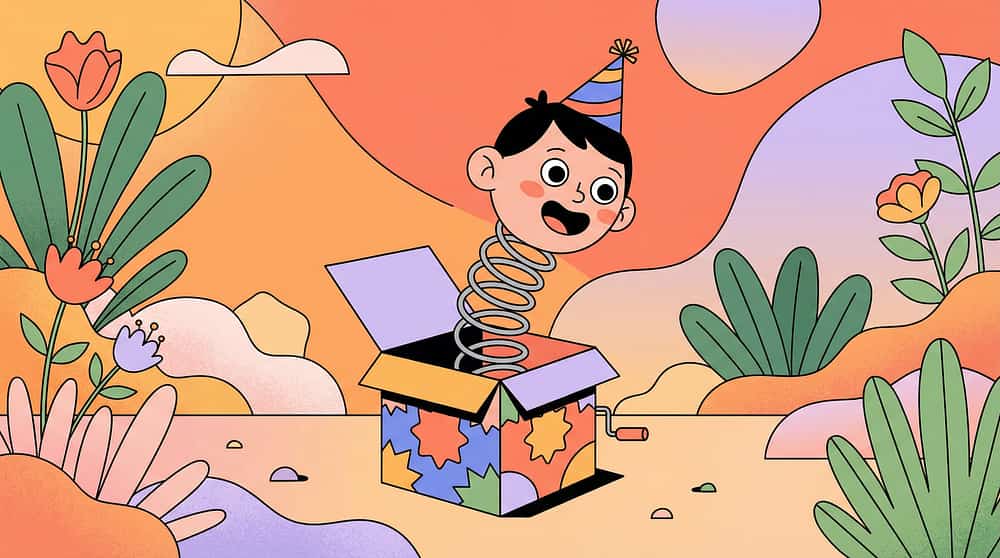
5. Pop-Up & Surprise Toys
Surprise creates shared moment — "did you see that?!" Why it works: Anticipation → surprise → shared emotional reaction.
₹200–1,000
✅ DIY: Objects hidden under cups

6. Interactive Books
Shared exploration and discovery — "what's under the flap?" Why it works: Shared discovery requires looking at the same thing.
₹200–800
✅ DIY: Paper flaps over pictures

7. Pointing Wands
Visible, tangible pointing — makes the point concrete. Why it works: Physical extension of pointing makes gaze direction visible.
₹50–300
✅ DIY: Decorated stick or dowel

8. Ball Ramps & Marble Runs
Shared visual tracking — follow the ball together. Why it works: Shared visual tracking of a moving object.
₹300–2,000
✅ DIY: Cardboard tubes + tape

9. Social Games & Routines
Attention on each other — peekaboo, pat-a-cake, shared joy. Why it works: Zero materials. Maximum joint attention power.
₹0–200
✅ FREE: Your face, hands, voice
Essential Starters (begin today): Bubbles (₹50) + Wind-up toys (₹100) + Social games (₹0) = Under ₹200 to start. Total comprehensive setup: ₹1,150–7,300+ (most categories have DIY options).
DIY Options
Every Family Can Start Today — No Purchase Required
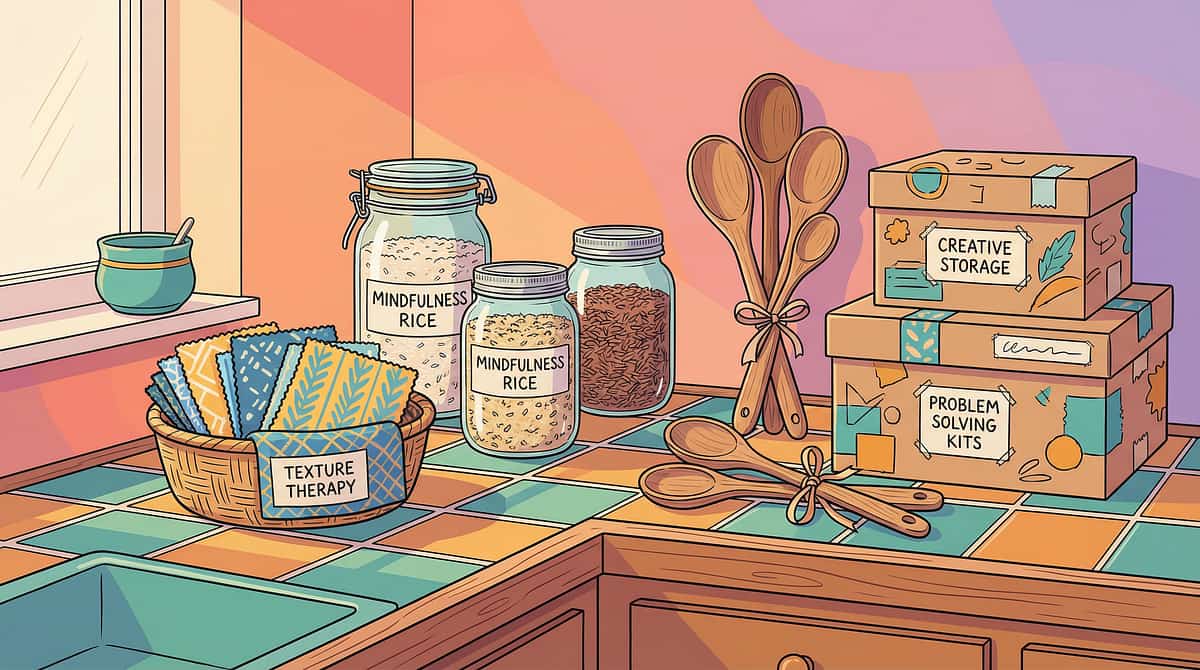
The therapeutic principle is shared attention on the same target, not the specific material. A ₹50 bubble wand and a ₹5 homemade one create the same gaze-coordination opportunity. Here's how to make every material category with what you already have at home.
Buy This
- Bubble wand set
- Wind-up walking toy
- Tambourine or bells
- Light-up wand
- Jack-in-the-box
- Lift-the-flap book
- Teacher pointer wand
- Marble run set
- Social game cards
Make This (₹0)
- Dish soap + water + any loop (wire, cookie cutter, straw bundle)
- Roll a ball, pull a toy on string, push a car down a ramp
- Pots + wooden spoons, rice in sealed containers, bangles on a stick
- Mobile phone flashlight in a dimmed room, mirror reflecting sunlight
- Hide toy under a cup and reveal dramatically, peekaboo with a scarf
- Paper taped over pictures in any book — child lifts to discover
- Wooden spoon, chopstick, stick wrapped in colorful tape
- Cardboard tubes taped at angles to a wall, balls rolled down incline
- Your face, your hands, your voice — peekaboo, pat-a-cake
Source: WHO Nurturing Care Framework (2018) — equity-focused interventions. CCD Package implemented across 54 LMICs. PMC9978394
Safety First
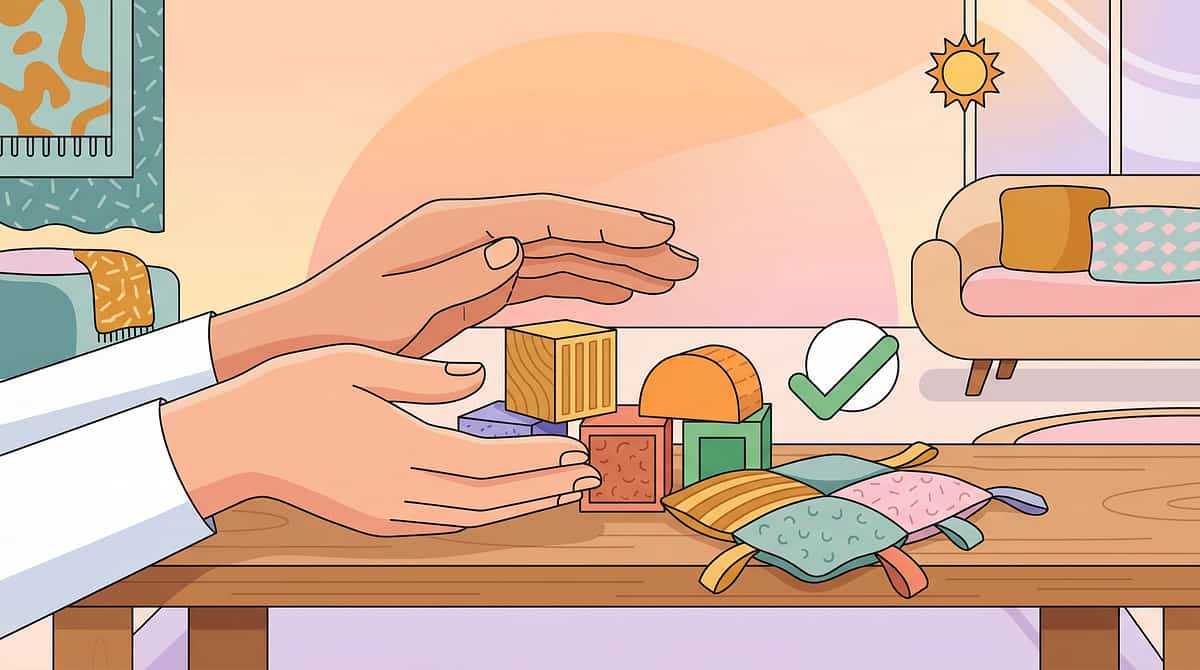
Before You Begin: Safety Guidelines
🔴 RED LINE — Stop and Consult a Professional If:
- Child shows distress, fear, or panic reactions to any material
- Child injures self or others during sessions
- Seizure-like activity during light-up toy use
- Any regression in previously acquired skills after starting
🟠 AMBER — Modify If:
- Child turns away or covers eyes repeatedly (reduce stimulus intensity)
- Child grabs materials and refuses to share (shift to parallel play first)
- Child becomes overly fixated on one material (rotate materials)
- Sensory-sensitive child shows signs of overload (reduce session duration)
🟢 GREEN — Proceed With Confidence When:
- Child is fed, rested, and in a regulated state
- Environment is prepared (see Card 12)
- You have reviewed the readiness checklist (Card 13)
- You feel calm and ready (your regulation matters too)
Material-Specific Safety Notes
- Bubbles: Solution can irritate eyes. Outdoor use may be preferable for sensitive children.
- Wind-up toys: Noisy ones may overwhelm. Start slow with sensory-sensitive children.
- Light-up toys: NEVER use strobe or rapidly flashing lights (seizure risk). Never shine directly in eyes.
- Pop-up toys: May frighten some children. Use gentler surprises initially.
- Pointing wands: Goal is transfer to finger pointing. Supervise younger children.
- Ball ramps: Marble choking hazard for children under 3. Use larger balls only.
- Social games: Don't force eye contact — let it emerge naturally.
Source: DOI: 10.1007/s12098-018-2747-4 — Indian Journal of Pediatrics RCT safety protocols for home-based interventions.
Environment Setup
Set Up Your Space for Success
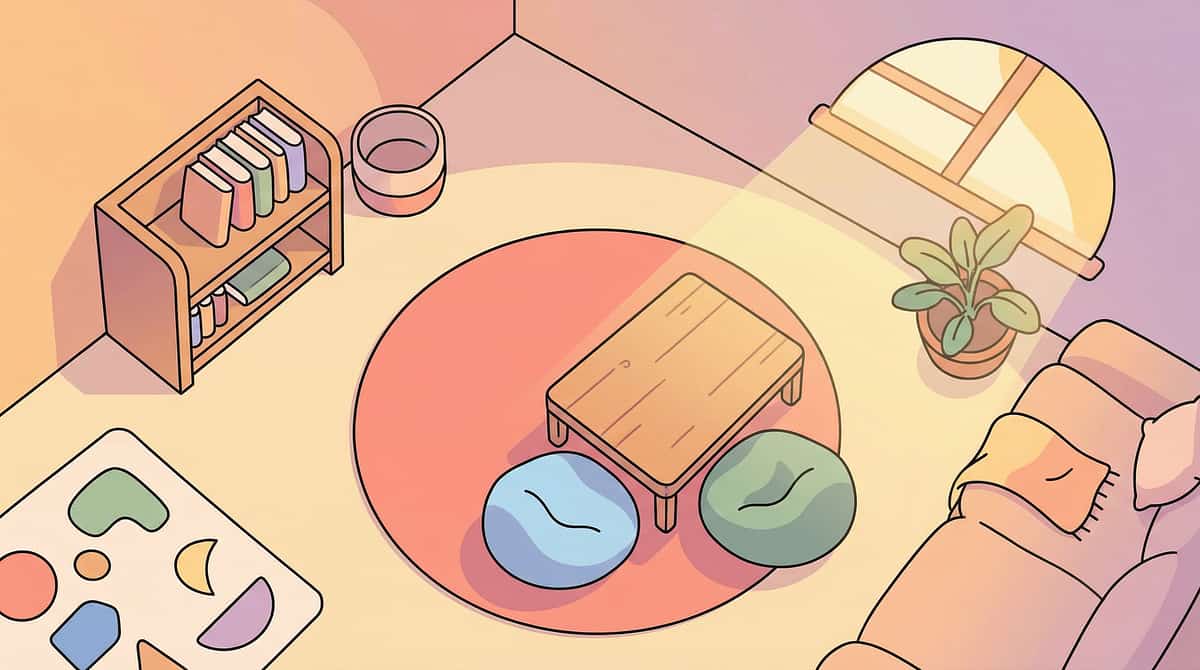
Spatial precision prevents 80% of session failures. If the environment is wrong, the technique can't work — not because the child can't do it, but because the stage isn't set.
Position the Child
Seated comfortably at floor level or small table. Face visible. Body oriented toward the play area.
Position Yourself
Directly across (face-to-face) OR at 90-degree angle (side-by-side). At the same eye level — sit on the floor if your child is on the floor. Never tower above.
Place the Materials
Placed BETWEEN parent and child, within reach of both. Only ONE material category out at a time — others hidden and out of sight.
Clear the Space
All screens OFF. Remove other toys and visual distractions. No background music or noise competing for attention.
Lighting
Normal room light for most materials. Dimmed room ONLY for light-up toys.
Timing
After a nap and meal. Never during hunger, fatigue, or illness.
Duration
10–20 minutes total, adjusted to child's tolerance.
Temperature
Comfortable — a too-warm or too-cold child won't sustain attention.
Source: PMC10955541 — Meta-analysis confirming structured environment and 1:1 individual sessions were most effective delivery formats.

ACT III: EXECUTION
Is Your Child Ready? Pre-Session Checklist
The best session is one that starts right. A session forced on a dysregulated child teaches avoidance, not attention. Run through this 60-second check before every session.
☐ Child has eaten within the last 2 hours
☐ Child has slept/napped adequately today
☐ No meltdown or major dysregulation in the last 30 minutes
☐ Child is not currently ill or in pain
☐ Child shows alert, calm-alert, or mildly active state
☐ Space is prepared (Card 12 checklist complete)
☐ Material for this session is ready and accessible
✅ All Checked → GO
Begin with Step 1: The Invitation.
⚠️ 1–2 Unchecked → MODIFY
Use only bubbles or social games. Reduce session to 5 minutes. Follow child's lead entirely.
🛑 3+ Unchecked → POSTPONE
Do a calming activity instead: gentle rocking, quiet music, comfort object. Try again later today or tomorrow.
Source: ABA Principles — antecedent manipulation and setting events. BACB clinical protocols.

Step 1 of 6
Step 1: The Invitation
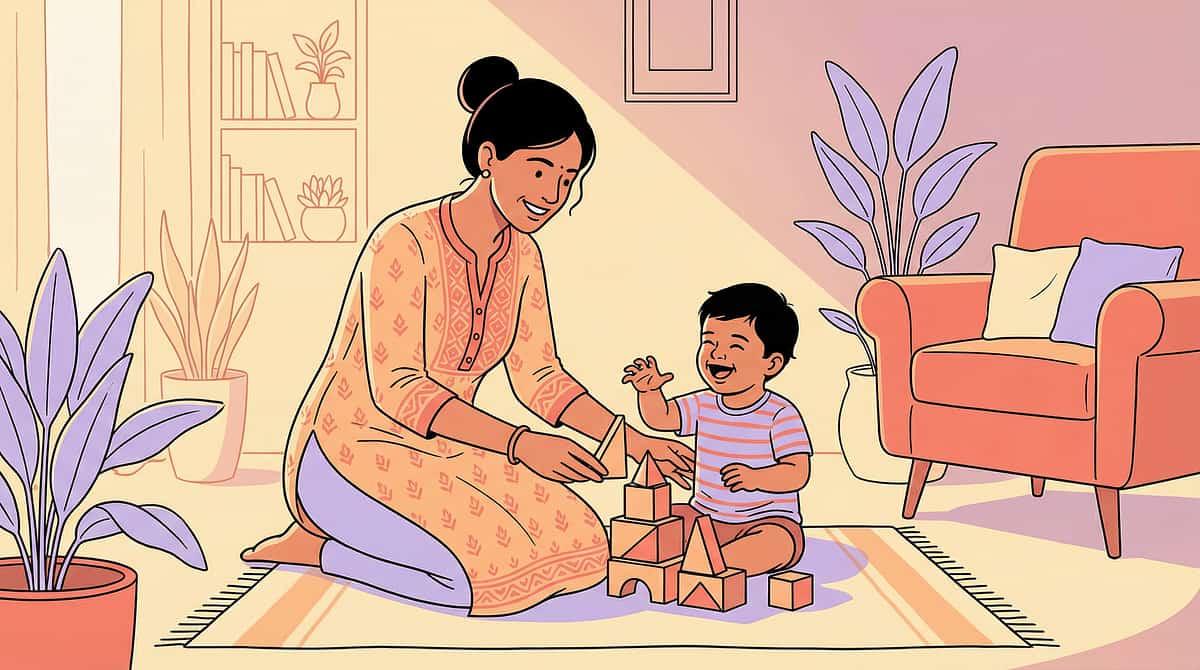
"Look what I have! Something really fun..." [Hold up the chosen material at the child's eye level . Smile. Wait.]
Body Language: Get on the child's level. Lean in slightly. Make your face animated and expectant. Hold the material between your face and the child's gaze line — so looking at the material naturally includes glimpsing your face.
What Acceptance Looks Like
- Child glances at the material
- Child reaches toward the material
- Child moves closer to you
- Child makes any vocalization
What Resistance Looks Like & What to Do
- Child turns away: Move material into visual field from a different angle. Don't chase.
- Child walks away: Follow gently. If they walk away again — postpone.
- No reaction: Try a different material. Bubbles and light-up toys have highest involuntary attention capture.
Timing: 30–60 seconds. If no engagement in 60 seconds, switch materials. Source: ABA Pairing Procedures + OT "Just-Right Challenge" principle.

Step 2 of 6
Step 2: The Engagement
Once the child has acknowledged the material, deepen the engagement using material-specific scripts and timing. The goal is to create shared attention on the same target.
For Bubbles
Blow 2–3 bubbles slowly — not a storm. Point at one bubble dramatically: "Look! A big one!" Watch the child's eyes. Do they follow the bubble? Do they look where you point?
For Wind-Up Toys
Wind the toy. Before releasing, look at the child, then look at the toy, then back at the child: "Ready? Watch!" Release. Point at the toy: "Look at it go!"
For Musical Instruments
Shake the tambourine behind your back — child hears the sound. Bring it out: "Look! This is making the sound!" Point at the instrument. Shake it where child can see AND hear simultaneously.
✅ Ideal Response
Child follows your point, looks at target, then looks back at you
👍 Acceptable Response
Child looks at the material even without following the point
⚠️ Concerning Response
No visual orienting at all — try a higher-intensity material (light-up toys in dim room)
Reinforcement Cue: The moment the child looks where you're pointing — immediately celebrate: "You looked! You found it!" Timing matters: within 3 seconds. Duration: 1–3 minutes. Source: PMC11506176
Step 3 of 6
Step 3: The Therapeutic Action
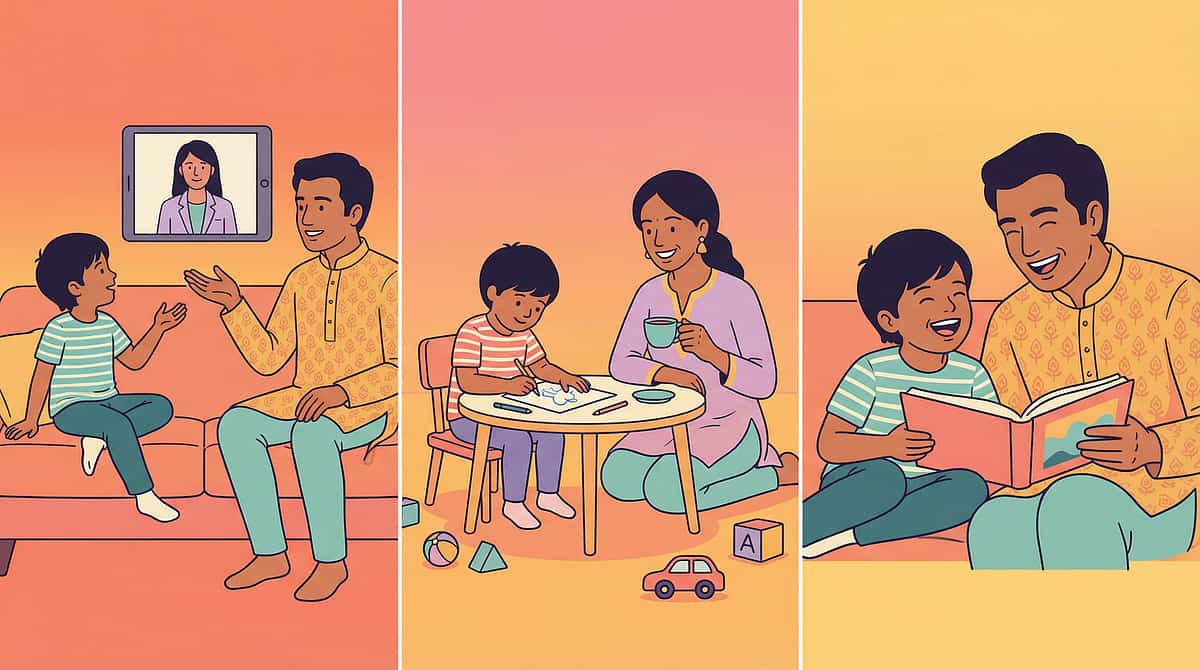
Now that the child is engaged, the therapeutic action is sharing the experience. This is where joint attention is built — through the triangle technique and shared expansion
The triangle technique establishes the person–object–person connection that is the neural signature of joint attention.
"Look! [point at bubble/toy/sound source] See that? [look at child's eyes] Isn't it amazing? [look back at material]"
The Sharing Expansion
- Give child the pointing wand: "YOUR turn. Show me!"
- Offer material for them to activate: "Your turn to blow bubbles. Show me where they go!"
- Create surprise moments: "Where did it go? [hide toy] THERE it is! [reveal]"
Duration: 5–10 minutes. Target 3–5 joint attention episodes per session. Execution error to avoid: Don't point AT the child — point at the TARGET. If you point directly at the child, you break the triangle. Source: PMC10955541
Step 4 of 6
Step 4: Repeat & Vary
Target: 5–8 joint attention episodes per session — naturally embedded in play, never forced. Variation prevents habituation and builds flexible joint attention across different contexts.
Bubble Variation
Blow bubbles LEFT then RIGHT — child must shift gaze direction following your point each time.
Book Variation
Use pointing wand to touch different pictures on a book page — multiple joint attention bids per page.
Toy Variation
Wind up toy 1, let it walk, then wind up a DIFFERENT toy — child tracks your shift of attention.
Peekaboo Variation
With face, then with a toy, then behind a book — same anticipation-reveal cycle with visual variation.
Satiation Indicators — When the Child Has Had Enough
- Looking away more than engaging
- Pushing materials away
- Fussing, whining, becoming restless
- Stimming increases (self-regulatory response to overload)
"3 good episodes of shared attention are worth more than 10 forced ones. If the child genuinely shares focus with you 3 times, that session is a success."
Timing: 3–5 minutes of varied repetition. Source: SI dosage research — 2–3 sessions per week for 8–12 weeks as protocol standard.

Step 5 of 6
Step 5: Reinforce & Celebrate
The 3-Second Rule: Within 3 seconds of ANY joint attention behavior — deliver reinforcement. Timing is everything.
What Earns Reinforcement
Child looks where you point
"YES! You looked! You found the bubble!"
Child looks between you and an object
"You checked with me! I love that!"
Child points to show you something
"You're SHOWING me! I see it! Wow!"
Child brings an object to show you
"Thank you for showing me! That's amazing!"
Reinforcement Menu
- Enthusiastic verbal praise — use every time
- Animated facial expression — big smile, wide eyes, clapping
- More of the activity — "You pointed at the bubble! Let's blow MORE bubbles!" (natural consequence)
- Physical affirmation — high five, gentle squeeze (if child tolerates)
- Token/sticker — for children 3+ who understand token systems
"Celebrate the attempt, not just the success. If the child turns their head TOWARD the target but doesn't quite look at it — that's the beginning of following a point. Reinforce it."
Source: ABA Reinforcement Principles — immediate, specific reinforcement. BACB ethical guidelines.

Step 6 of 6
Step 6: The Cool-Down
Every session needs a clear, predictable ending. Transitions are opportunities for learning — and a warm, consistent cool-down teaches your child that endings are safe.
"Two more bubbles, then all done." [Hold up two fingers. Blow two more bubbles. Pause.] "One more... all done! Bubbles are going to sleep."
Transition Warning (30 seconds before)
Announce the ending with a consistent phrase. Hold up fingers to show how many remain. Use the same words every time.
Cool-Down Activity (1–2 minutes)
Gentle rocking or swaying together, quiet singing, looking at a calm picture book, or soft texture exploration (blanket, stuffed animal).
Material Put-Away Ritual
"Help me put the bubbles away. You close the lid!" Child participates in cleanup if able — building routine and closure.
If Child Resists Ending
- Use a visual timer: "When the timer is done, bubbles are done"
- Offer a preferred calm activity as transition
- Do NOT extend the session to avoid a tantrum — this teaches that protest extends the activity
Source: NCAEP Evidence-Based Practices Report (2020) — visual supports as evidence-based practice for autism.

Data Collection
Capture the Data — Right Now
"60 seconds of data now saves hours of guessing later." Record within 60 seconds of session end. Three data points are all you need to track meaningful progress over time.
1
Joint Attention Episodes (Tally)
How many times did your child look where you pointed, look between you and an object, or point to show you something? Count: ___
2
Best Material Today
Circle one: Bubbles / Wind-Up / Musical / Light-Up / Pop-Up / Books / Wand / Ball Ramp / Social Games
3
Session Rating
Circle one: 😟 Refused | 😐 Tolerated | 🙂 Engaged | 😊 Enthusiastic
Optional: Duration of engagement (minutes): ___ | Notes: ___________
Source: BACB Guidelines — Cooper, Heron & Heward (Applied Behavior Analysis, 8th ed.)

Troubleshooting
What If It Didn't Go as Planned?
"Session abandonment is not failure — it's data." Every challenge has a clinical solution. Use this guide when a session doesn't unfold as expected.
Child won't look at anything I point to
Switch to higher-intensity materials: light-up toys in dim room, or bubbles blown directly in front of their face. Place the target ON their body so they discover it without needing to follow a point.
Child grabs the material and plays alone
This is actually progress — they're interested. Create dependency: hold the bubble wand, control the wind-up toy key. They NEED you to activate the material. Shared need → shared attention.
Child only wants one material
Use the preferred material as the base. Introduce a new material ALONGSIDE it, not replacing it. Over sessions, gradually shift attention to novel materials.
Child looks at material but never looks back at me
Position your face directly behind or next to the material so looking at it naturally includes your face. Use exaggerated facial expressions. Make yourself more interesting than the object.
The session fell apart in 2 minutes
Two-minute sessions are VALID. A two-minute session with one moment of shared attention is more valuable than a 20-minute forced session with zero. Build duration gradually — add 30 seconds per week.
Child became very distressed
Stop immediately. Provide comfort. Note which material caused distress and at what intensity. Try a gentler version next time, or try a completely different material category.
Source: ABA Troubleshooting — functional analysis principles.
Personalization
Adapt & Personalize the Protocol
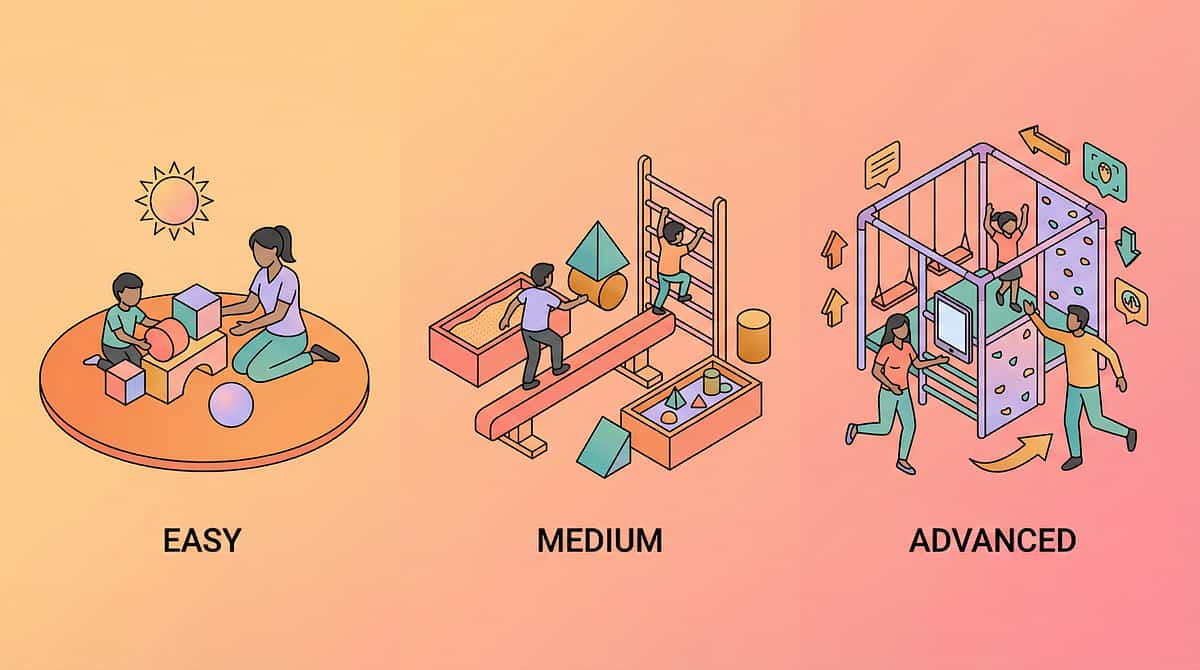
Every child is different. Use this difficulty slider and the age and sensory profile adjustments to customize the protocol to exactly where your child is right now.
1
← Easier (Start Here)
- Bubbles and social games only
- 5-minute sessions
- Accept ANY visual orienting
- 1–2 JA episodes = success
- Side-by-side positioning
2
Standard Level
- Rotate 3–4 material categories per week
- 10–15 minute sessions
- Target clear point-following + some initiating
- 3–5 JA episodes per session
- Mix face-to-face and side-by-side
3
Harder → (Progress Here)
- Pointing wands to distant objects
- Social games with turn-taking rules
- 15–20 minute sessions
- Child initiates JA 2–3× per session
- Generalize to outdoor settings
Age-Based Modifications
- 6–12 months: Face-to-face games, bubbles, simple cause-effect toys. No pointing wands yet.
- 12–24 months: Add pointing, showing objects, interactive books. Primary intervention window.
- 24–48 months: Add pointing wands, ball ramps, structured turn-taking. Generalize across settings.
Sensory Profile Adjustments
- Sensory seeker: Use brighter, louder, more dynamic materials — musical instruments, light-up toys, ball ramps.
- Sensory avoider: Start with quiet, gentle materials — soft bubbles, interactive books, social games at lower intensity.
Source: Clinical practice guidelines across OT/ABA/SLP disciplines — individualized intervention planning.

ACT IV: PROGRESS ARC
Week 1–2: What to Expect
Progress in the first two weeks is often invisible to the untrained eye — but it is happening. Synapses are forming. Neural pathways are strengthening. Here is what meaningful early progress actually looks like:
✅ This IS Progress at Week 1–2
- Child tolerates your pointing gesture without turning away
- Child briefly glances at materials you indicate (even for 1–2 seconds)
- Child allows you to be in close proximity during play
- Child shows preference for one of the 9 material categories
⏳ Not Yet — And That's Okay
- Child consistently following your point to distal objects
- Child pointing to show you things
- Child looking back and forth between you and objects
"If your child looks at the bubble for 2 seconds this week when they looked for 0 seconds last week — that is real, measurable, neurological progress. Synapses are forming."
Parent Milestone: You may notice you're getting better at reading your child's engagement cues and timing your bids. That skill compounds over time. Source: PMC11506176 — intervention outcomes emerge across 8–12 week timelines.

Progress Arc
Week 3–4: Consolidation Signs
40%
Progress Milestone
By weeks 3–4, most children show consolidation of early joint attention responses with increasing consistency.
Consolidation Indicators
- Child anticipates the activity (gets excited when materials appear)
- Child begins to track moving objects more consistently
- Child may start looking at your face briefly during play moments
- Gaze shifts between material and your face begin to emerge — the triangle!
- Child may point to REQUEST a material (proto-imperative pointing)
Spontaneous Generalization Seeds
- Child may follow your point to something OUTSIDE the session context (at the park, during a meal)
- Child may bring a toy to you — proximity-seeking behavior increases
"You may notice you're more confident too. The techniques are becoming natural. You're reading your child's cues faster."
Source: Neuroplasticity evidence — synaptic strengthening through repeated structured input.

Progress Arc
Week 5–8: Mastery Indicators
75%
Mastery Milestone
By weeks 5–8, most children meeting protocol criteria show observable, generalized joint attention skills across multiple settings.
Mastery Criteria (Observable, Measurable)
✅ Follows your point to objects at varying distances
✅ Looks back and forth between you and objects of interest (triadic gaze)
✅ Brings objects to SHOW you (to share — not just for help)
✅ Points to SHARE interesting things (proto-declarative pointing)
✅ Joint attention episodes occur OUTSIDE structured sessions
✅ Skills maintain when you don't explicitly set up the activity
Mastery Unlocked: When 4 of 6 criteria are consistently observed across 3+ settings, with 2+ communication partners, for 2+ consecutive weeks → Your child has achieved joint attention mastery at this level. Source: PMC10955541 | BACB mastery criteria standards.

Celebrate This Win 🎉
"You did this. Your child grew because of your commitment."
Five to eight weeks ago, your child didn't look where you pointed. Today, they follow your gaze, point to show you the airplane, bring you a toy because they want you to see it. This happened because YOU showed up. Every day. With bubbles, with patience, with love.
You executed a clinical-grade joint attention protocol in your own home, with your own materials, guided by the Pinnacle Blooms Consortium. You are no longer a worried parent. You are a therapeutic partner.
Family Celebration Suggestion: Take a photo or video of a joint attention moment this week. Capture your child pointing to show you something. Save it. Date it. This is a milestone — the moment your child began sharing the world with you.
Journal Prompt: "The first time my child pointed to show me something, I felt ___________."
Progression Pathway
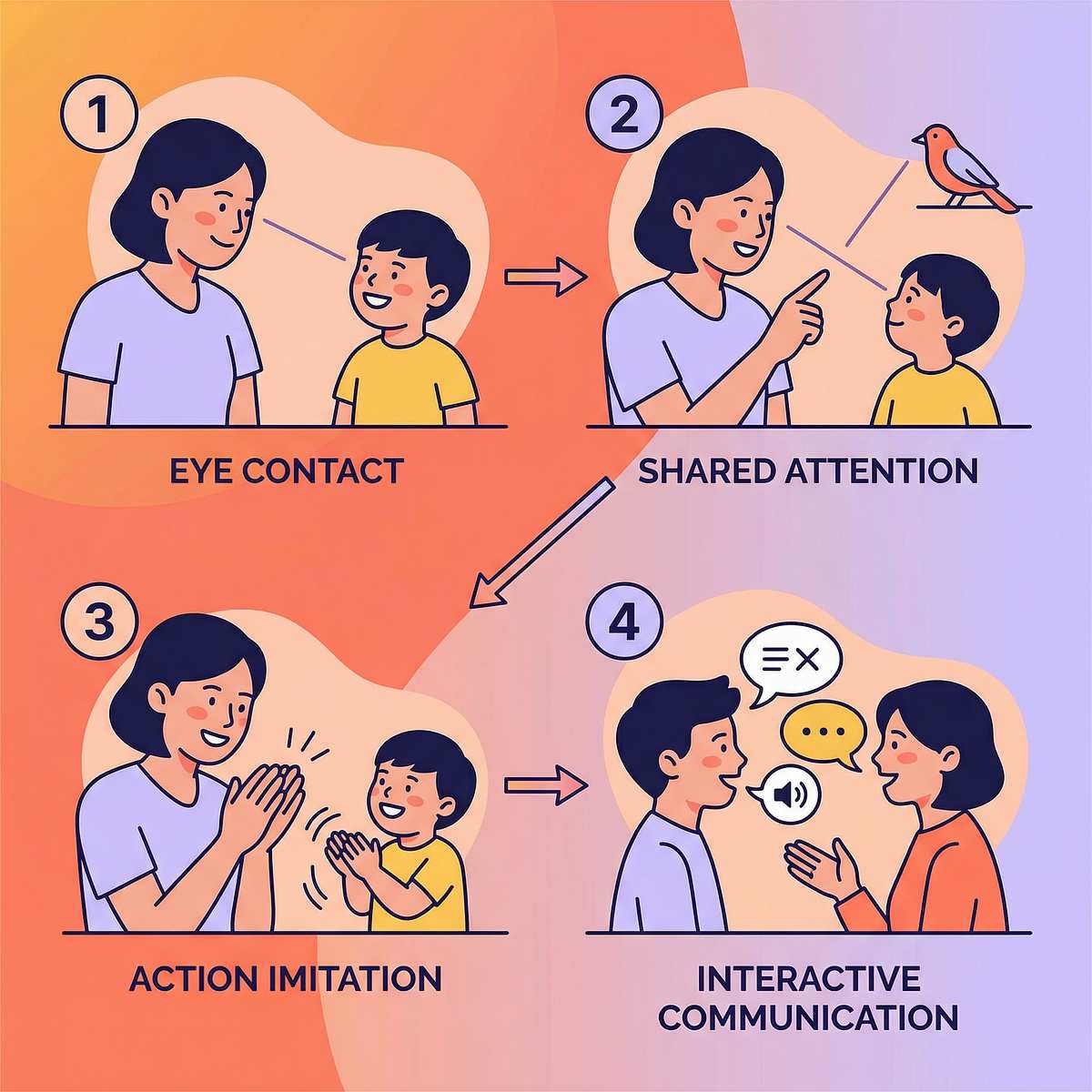
The Progression Pathway: Where You've Been → Where You're Going
Joint attention is not a standalone skill — it is a stepping stone in a carefully sequenced developmental pathway. Here is how B-135 connects to the broader Pinnacle Blooms technique library.
If Child Responds Well to RJA (Following Points)
→ Progress to B-136: Difficulty Imitating Actions — builds on shared attention to add imitation
If Child Begins Initiating (IJA)
→ Progress to B-137: Expanding Social Communication — leverages initiating skills into functional communication
Lateral Alternative
→ K-940: Floor Time Play Strategies — same target through relationship-based play
Related Techniques
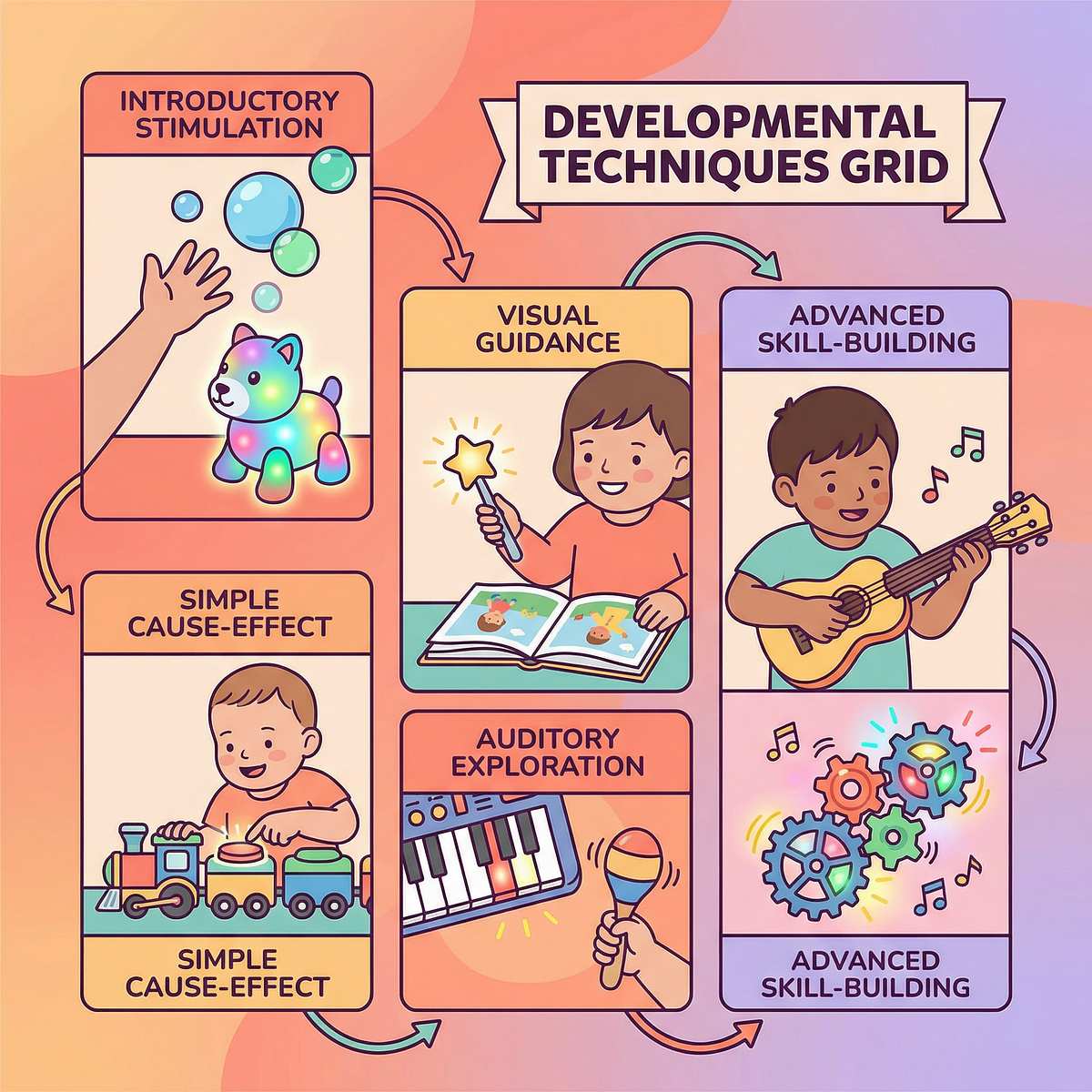
Related Techniques in This Domain
You already own materials for several of these techniques — your bubbles, light-up toys, and social games work across all of them.
B-006: Limited Pointing or Gesturing
Intro Level | Materials: Pointing wands, motivating objects
Intro Level
B-007: Not Following Where Others Point
Intro Level | Materials: Bubbles, light-up toys
Intro Level
B-032: Limited Eye Contact
Core Level | Materials: Social games, musical instruments
Core Level
B-134: Limited Communicative Intent
Core Level | Materials: Cause-effect toys, bubbles
Core Level
B-136: Difficulty Imitating Actions
Core Level | Materials: Musical instruments, social routines
Core Level
K-922: Responsive Interaction Techniques
Advanced Level | Parent strategy guide
Advanced Level
Developmental Map
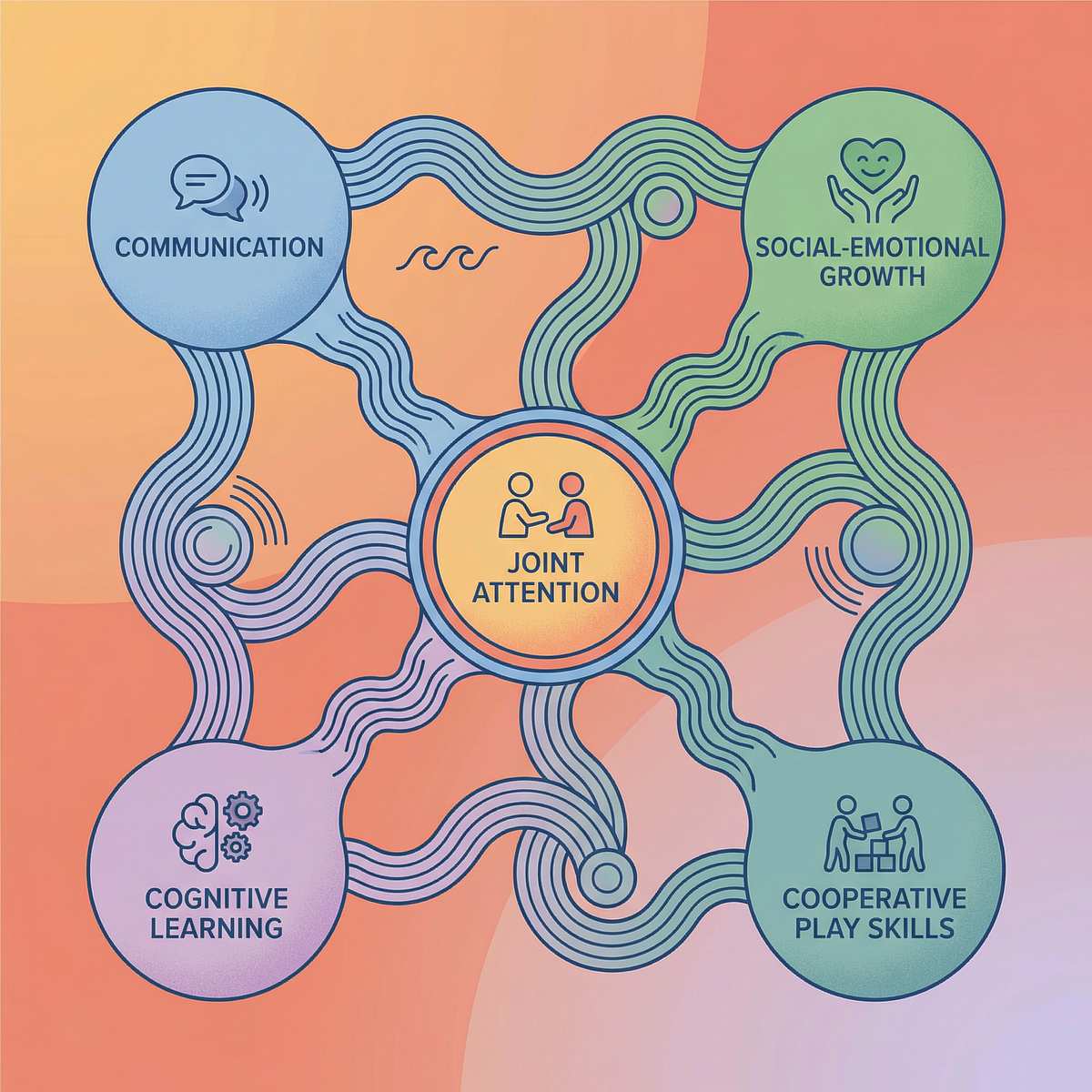
Your Child's Full Developmental Map
Joint attention sits in Domain B — but its effects ripple across every other developmental domain. Understanding how it connects helps you see the full picture of why this skill matters so much.
→ Domain C: Communication
Joint attention predicts vocabulary size at 24 months
→ Domain E: Social-Emotional
Shared experience is the foundation of emotional connection
→ Domain F: Cognitive
Children learn by attending to what others are attending to
→ Domain I: Play Skills
Cooperative play requires shared attention as its foundation

ACT V: COMMUNITY
Families Who Have Walked This Path
"She never used to look where I pointed — she'd look at my hand. Now she follows my point, and she even brings me toys to show me. We're finally sharing the world together."
— Parent, Pinnacle Blooms Network
"We started with just bubbles. Five minutes a day. By week 3, he was tracking the bubbles and looking at me when they popped. By week 6, he pointed at an airplane in the sky. I cried."
— Parent, Pinnacle Blooms Network
"The wind-up toys changed everything. She NEEDED me to wind them up, so she had to look at me, give me the toy, and then watch with me. That was our first real shared experience."
— Parent, Pinnacle Blooms Network
These are illustrative cases from the Pinnacle Blooms Network. Individual outcomes vary based on child's profile, intervention consistency, and developmental trajectory.
Community
Connect With Other Parents
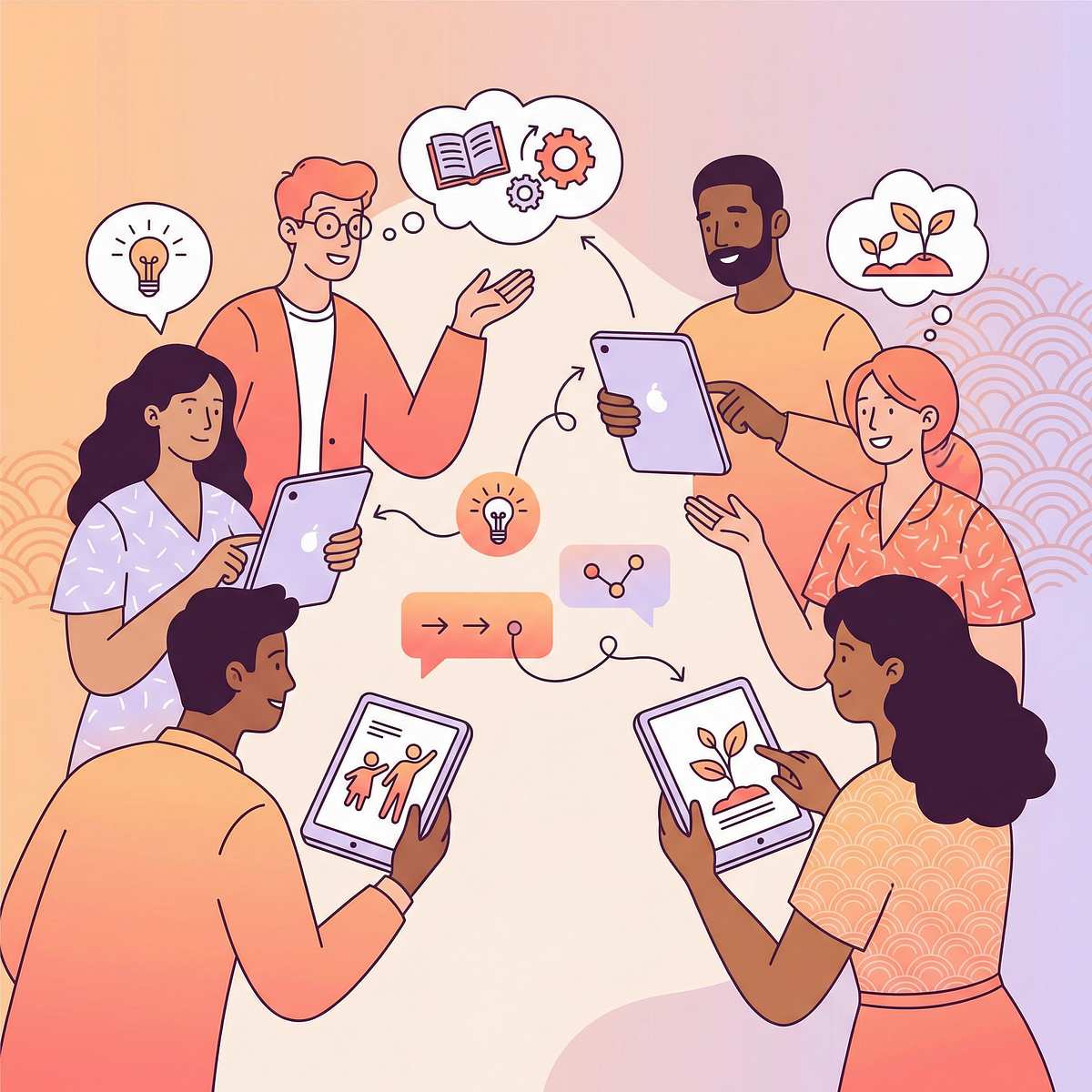
You are not doing this alone. When parents connect with each other, they share strategies, find encouragement, and discover that the path forward — while not always easy — is well-traveled.
Pinnacle Parent Community (WhatsApp)
Connect with parents working on joint attention and social-communication skills. Share what's working — and what isn't.
Pinnacle Online Forum
Ask questions, share tips, get peer support from families at every stage of the joint attention journey.
Local Center Meetups
Monthly parent groups at 80+ centers across India. Meet face-to-face with families navigating the same path.
Peer Mentoring
Connect with a parent who has completed this protocol and can guide you through the milestones with lived experience.
"Your experience helps others — consider sharing your journey."
Source: WHO NCF Community Engagement Principles — parent support networks improve intervention outcomes.

Professional Support
Your Professional Support Team
Home + Clinic = Maximum Impact. Your home-based joint attention protocol is most effective when supported by professional guidance. The Pinnacle Blooms Network offers an integrated team across every relevant discipline.
Speech-Language Therapy
Joint attention programming integrated with language development goals. SLPs build the communication bridge from shared gaze to first words.
ABA Therapy
Pivotal response training targeting joint attention as a pivotal skill. BCBAs use naturalistic teaching to embed sessions into daily life.
ESDM-Based Intervention
Naturalistic developmental behavioral approach — the Early Start Denver Model with joint attention as a core target.
Parent Training Programs
Structured coaching on joint attention techniques. You become a skilled therapeutic partner — not just an observer.
80+ Centers Across India
Teleconsultation Available
Research Library
The Research Library
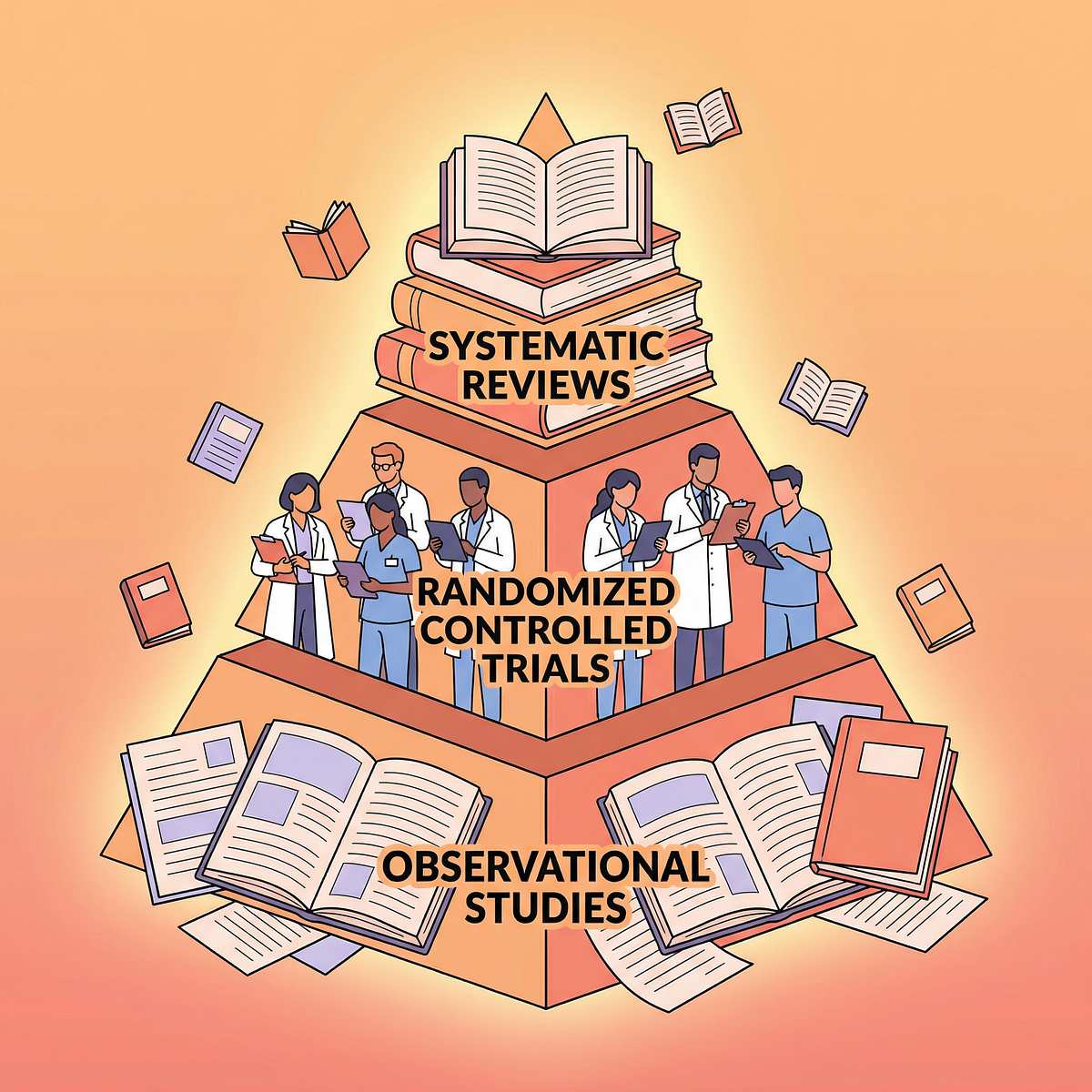
Deeper reading for the curious parent, therapist, or program lead. These landmark studies form the evidence foundation for the B-135 protocol.
Kasari C et al. (2006) — JAACAP
Joint Attention and Symbolic Play in Young Children with Autism: A Randomized Controlled Intervention Study. RCT demonstrating targeted JA intervention produces significant and sustained gains at 12-month follow-up.
Dawson G et al. (2010) — Pediatrics
Randomized Controlled Trial of the Early Start Denver Model. ESDM trial showing joint attention as core target with measurable cognitive, adaptive behavior, and autism severity improvements.
Mundy P, Newell L (2007) — Psychological Science
Attention, Joint Attention, and Social Cognition. Foundational review establishing joint attention as a predictor of language and social development.
PRISMA Systematic Review (2024)
16 articles from 2013–2023 confirming sensory integration intervention as evidence-based practice for ASD.
WHO Care for Child Development Package (2023)
Implementation across 54 countries demonstrating caregiver-mediated intervention effectiveness at population scale.
GPT-OS® Technology
How GPT-OS® Uses Your Session Data
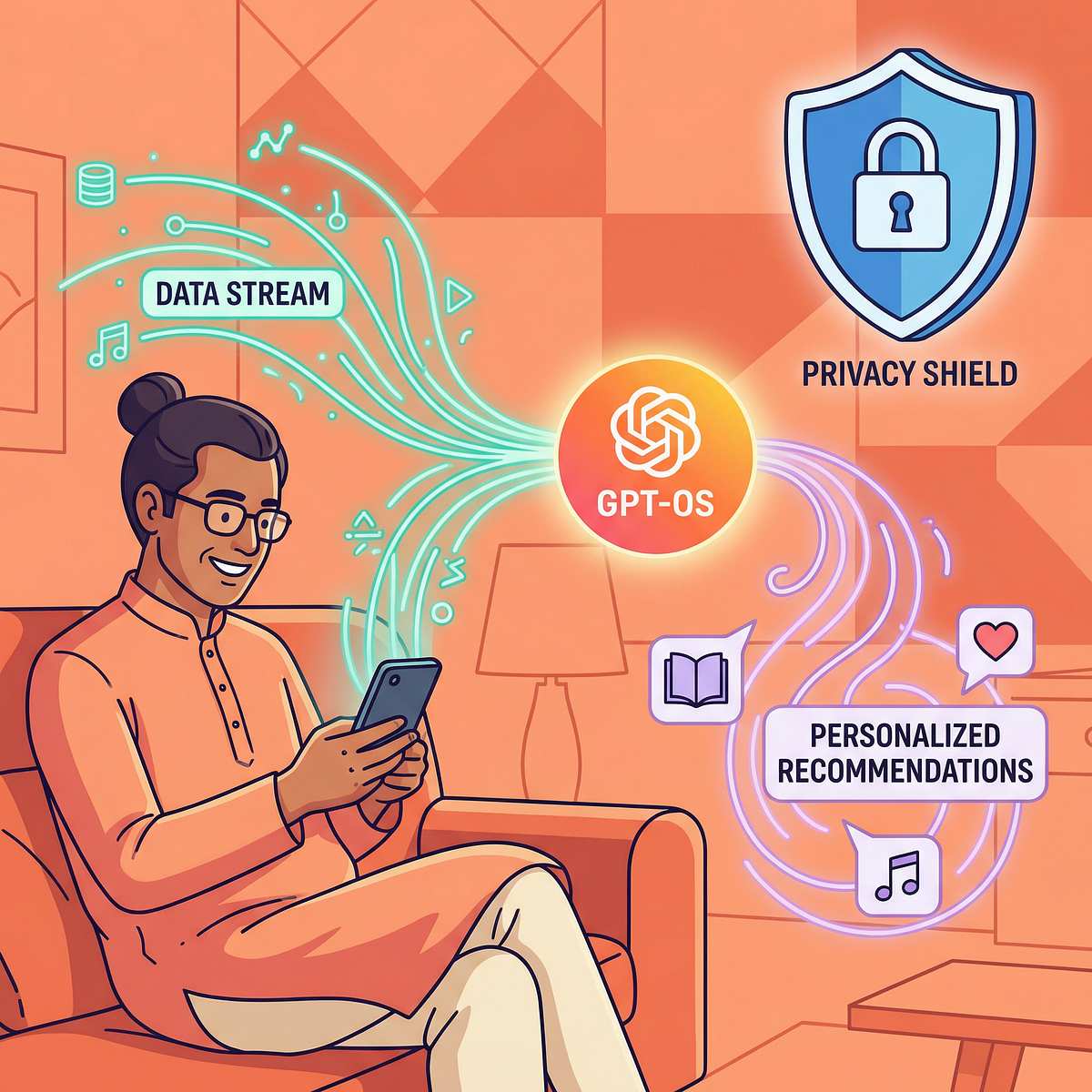
Every data point you record after a session flows into the GPT-OS® therapeutic intelligence engine — personalizing your child's intervention in real time and contributing to population-level insights that help every family like yours.
What GPT-OS® Learns
- Which of the 9 materials generates highest engagement for YOUR child
- Optimal session duration before satiation for YOUR child
- Rate of progress against population norms (20M+ sessions baseline)
- Readiness for progression to next technique level
Privacy Assurance
- All data encrypted in transit and at rest
- No data shared with third parties without explicit consent
- GDPR and Indian DPDP Act compliant
- ISO/IEC 27001 Information Security certified
Video
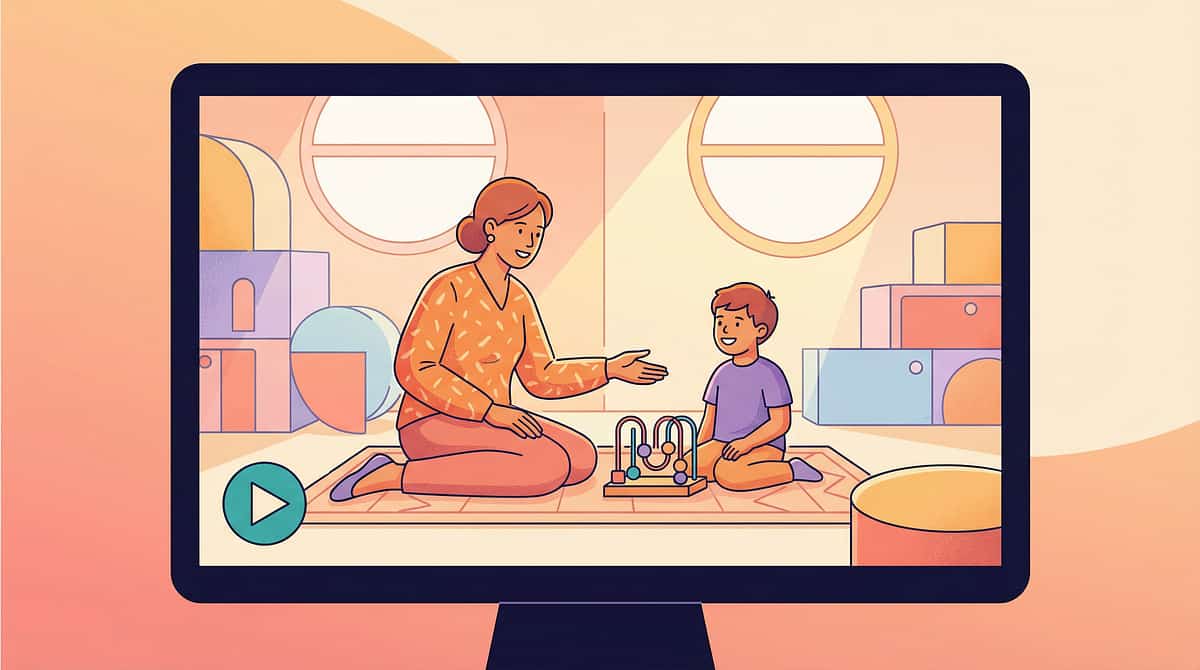
Watch the Reel: B-135 in Action
Reel B-135
9 Materials That Help Build Joint Attention
Series: Foundational Social-Communication Skills — Episode 135
Domain: Behavioral / Developmental — Joint Attention Development
Duration: 75 seconds
Presenter: Pinnacle Blooms Therapeutic Team
Domain: Behavioral / Developmental — Joint Attention Development
Duration: 75 seconds
Presenter: Pinnacle Blooms Therapeutic Team
Watch a Pinnacle therapist demonstrate each of the 9 materials in action with real parent-child interaction examples. See the triangle of joint attention in motion — person, object, person.
Source: NCAEP (2020) — video modeling classified as evidence-based practice for autism.

Share & Family Guide
Share This With Your Family
If only one caregiver practices joint attention, results are limited. When the whole family participates, progress multiplies. Consistency across caregivers is one of the strongest predictors of outcome.
For Grandparents (Simplified Version)
We are working on helping [child's name] learn to share attention — looking at the same things together and pointing to show each other interesting things. You can help by:
- Blowing bubbles and pointing at them together
- Playing peekaboo with big, animated expressions
- When the child looks where you point or brings something to show — celebrate with big enthusiasm
For School / Teacher Communication
[Child's name] is currently working on joint attention skills with the Pinnacle Blooms Network protocol. You can support this in class by:
- Pointing at items with enthusiasm and waiting for the child to follow
- Celebrating any instance of the child showing or pointing to share
- Creating shared moments around classroom objects and activities
"Consistency across caregivers multiplies impact." Source: PMC9978394 — WHO CCD Package emphasizes multi-caregiver training.

ACT VI: FAQ
Frequently Asked Questions
Q: At what age should I start worrying about joint attention?
If your child is not following points or engaging in shared attention by 12–18 months, a developmental screening is warranted. However, intervention can begin as early as 6 months with simpler social games, and joint attention skills can continue to improve through 48 months and beyond with the right support.
Q: Is forcing eye contact the same as building joint attention?
No. Joint attention is about shared interest, not forced gaze. Demanding "look at me" does not build genuine shared attention. The 9 materials create natural motivation to look together — eye contact emerges organically from shared experience.
Q: How long until I see results?
Most families observe initial indicators (increased tolerance, brief gaze following) within 2–4 weeks of consistent daily practice. More robust joint attention skills typically emerge by weeks 5–8. Individual timelines vary based on child's profile and intervention consistency.
Q: Can I do this without professional supervision?
Yes — this protocol is designed for home execution by parents. However, professional guidance accelerates progress. The Pinnacle teleconsultation service provides ongoing coaching. If you observe any red flags (Card 27), professional consultation is essential.
Q: My child has no interest in any of the 9 materials. What do I do?
Follow your child's existing interests. If they love water, use bubbles at bath time. If they love cars, use car ramps. The PRINCIPLE is shared attention on the same target — the specific material can be adapted to your child's natural motivators.
Q: Should I practice with one material or all nine?
Start with 2–3 materials that capture your child's interest most. Rotate materials across the week to prevent habituation. Over time, introduce all categories to build joint attention across different sensory modalities.
Q: My spouse/family doesn't believe in this approach. How do I get them on board?
Share the evidence (Card 05), the research library (Card 34), and the Family Guide (Card 37). Seeing the child respond to shared attention activities is the most powerful convincer — invite family members to participate in one bubbles session.
Q: Is this the same as ESDM or PRT?
This protocol draws from Early Start Denver Model (ESDM) and Pivotal Response Training (PRT) principles, both of which prioritize joint attention as a pivotal developmental skill. It is designed as a home-executable complement to clinic-based therapies, not a replacement.

Your Next Step
You Have the Knowledge. You Have the Protocol. Now: Act.
You arrived on this page worried. You now understand the neuroscience, you have the materials list, you've learned the 6-step protocol, and you know exactly what progress looks like at every week. The only remaining step is to begin.
🟢 Start Today
Launch a GPT-OS® session to begin tracking your child's joint attention protocol in real time.
🔵 Get Assessed
Book a FREE Joint Attention Assessment with a Pinnacle clinician — in person or via teleconsultation.
⚪ Continue Learning
Explore the next technique in the sequence — building on the joint attention foundation you've created.
SLP
OT
BCBA
SpEd
NeuroDev
FREE National Autism Helpline — 9100 181 181 | 16+ Languages | 24×7
Preview of 9 materials that help building joint attention Therapy Material
Below is a visual preview of 9 materials that help building joint attention therapy material. The pages shown help educators, therapists, and caregivers understand the structure and content of the resource before use. Materials should be used under appropriate professional guidance.


Link copied!

Pinnacle Blooms Network®
From Fear to Mastery. One Technique at a Time.
"You arrived on this page worried that your child doesn't share the world with you. You now understand the neuroscience, you have the materials, you've learned the protocol, and you know what progress looks like. You are no longer watching from the outside. You are sharing the world — together."
80+
Centers Across India
1,000+
Clinical Professionals
20M+
1:1 Sessions Delivered
97%+
Measured Improvement
Consortium Disciplines: Speech-Language Pathology • Occupational Therapy • Applied Behavior Analysis • Special Education • NeuroDevelopmental Pediatrics. Powered by GPT-OS® Therapeutic Intelligence.
Statutory Identifiers: CIN: U74999TG2016PTC113063 | DPIIT: DIPP8651 (Govt. of India) | MSME: TS20F0009606 | GSTIN: 36AAGCB9722P1Z2
Medical Disclaimer: This content is for educational purposes only and does not replace professional evaluation or treatment. Joint attention development varies among children and may indicate developmental differences requiring comprehensive assessment. Individual results vary. Consult a developmental pediatrician, speech-language pathologist, or other qualified professional for individualized guidance. © 2025 Pinnacle Blooms Network®, unit of Bharath Healthcare Laboratories Pvt. Ltd. All rights reserved.