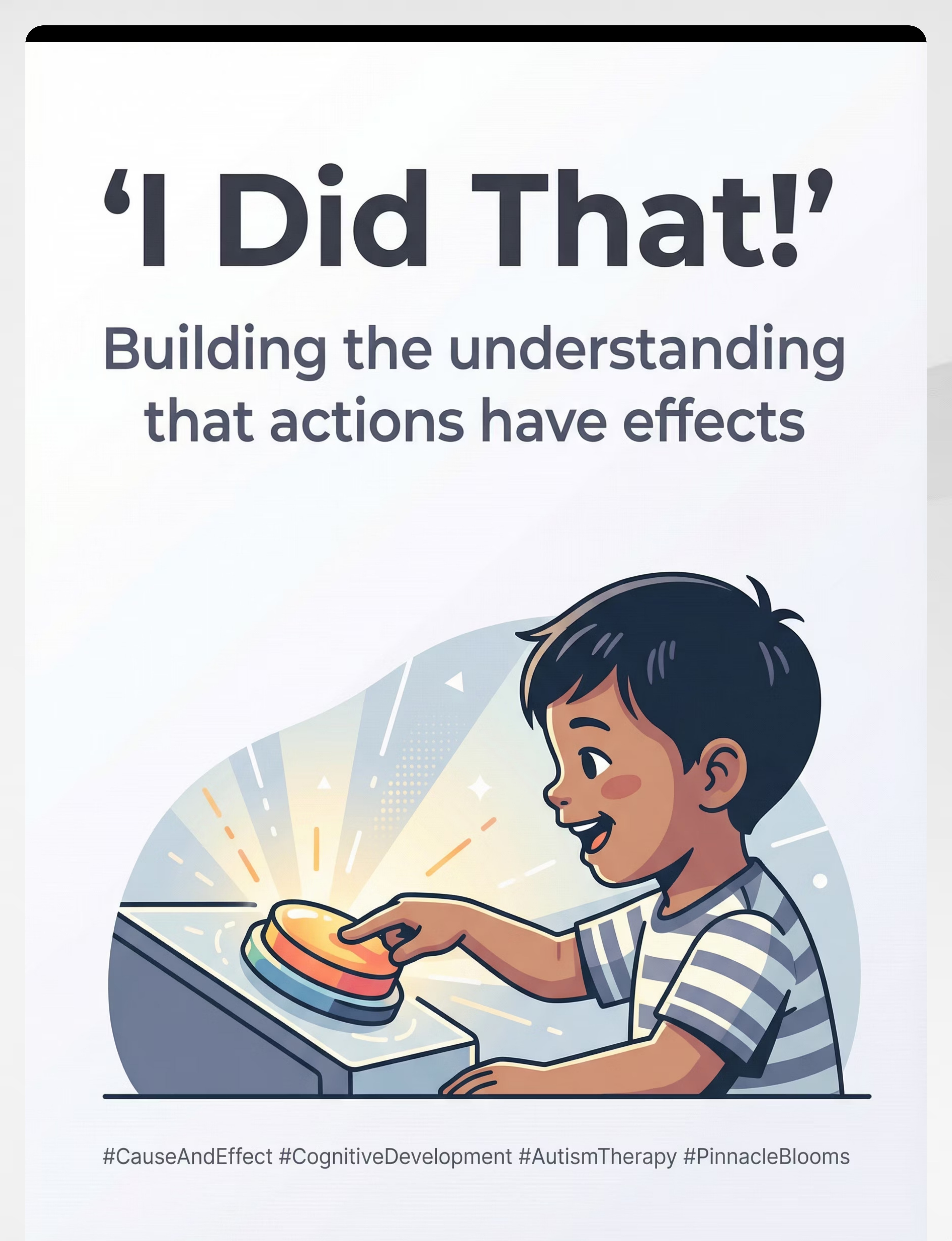
'I Did That!'
Building the Understanding That Actions Have Effects — the foundational cognitive skill that powers every act of learning, communication, and independence your child will ever achieve.
"He just sits there. He doesn't seem to understand that HE can make things happen."
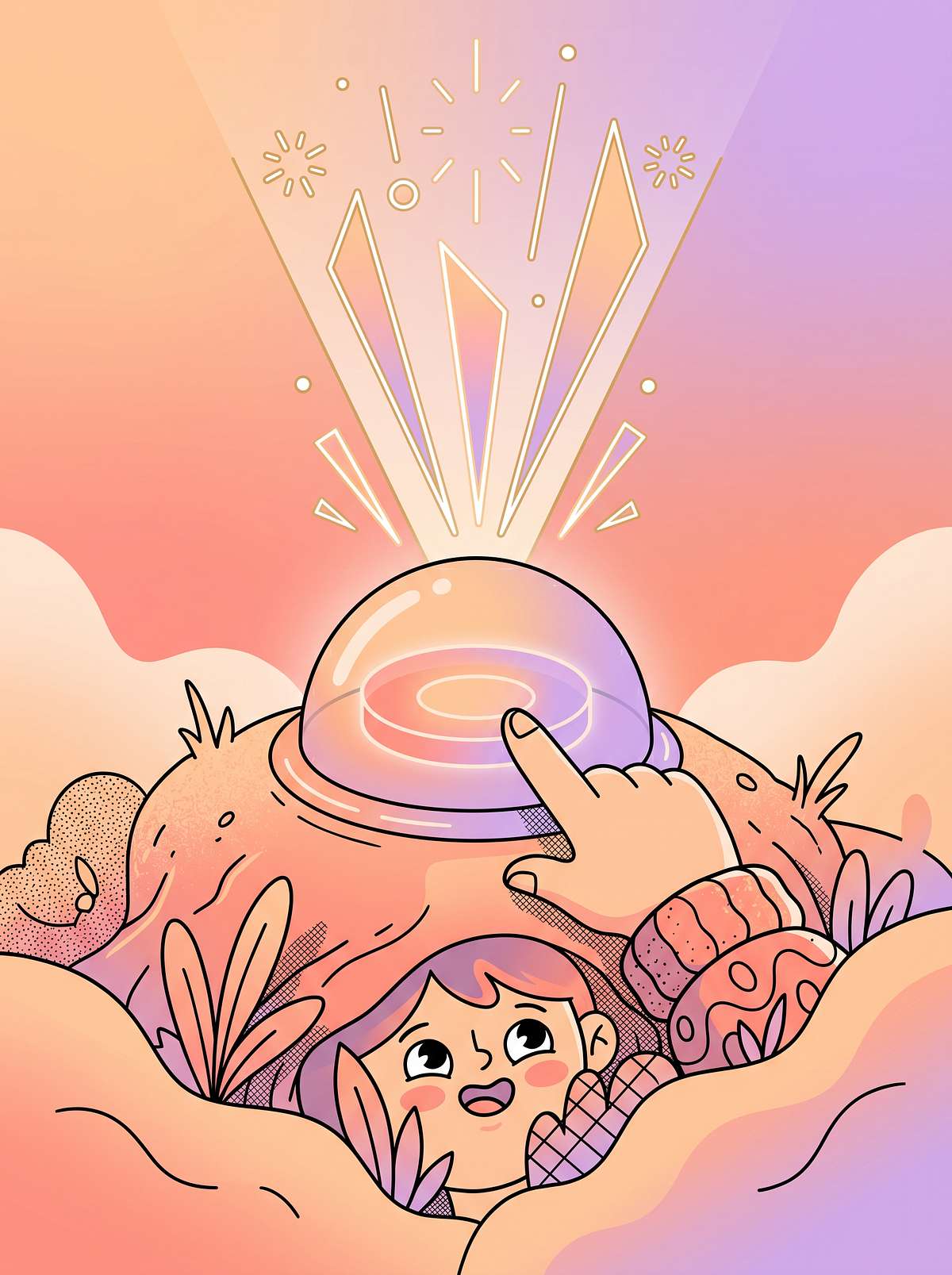
You've placed the toy in front of your child. You've pressed the button yourself — the lights flash, the music plays — and you've guided his hand to do the same. But he pulls away. Or he watches, passive, as though the connection between his finger and the explosion of colour and sound simply… doesn't register. This isn't disinterest. This isn't laziness. Your child's brain hasn't yet built the bridge between action and outcome — the foundational understanding that powers every act of learning, communication, and independence your child will ever achieve.
That bridge can be built. And you can build it — starting today.
"You are not failing. Your child's cognitive system is still forming its most fundamental connection — the one between doing and happening. There is a name for this. There is a science behind it. And there are nine specific materials that help."
Pinnacle Blooms Consortium
Domain: Cognitive Development
Ages 6 months – 4 years
Evidence-Based
WHO Nurturing Care Framework (2018): Early identification and parental awareness directly impact developmental outcomes during the critical period from pregnancy to age 3. nurturing-care.org/ncf-for-ecd
You Are Among Millions
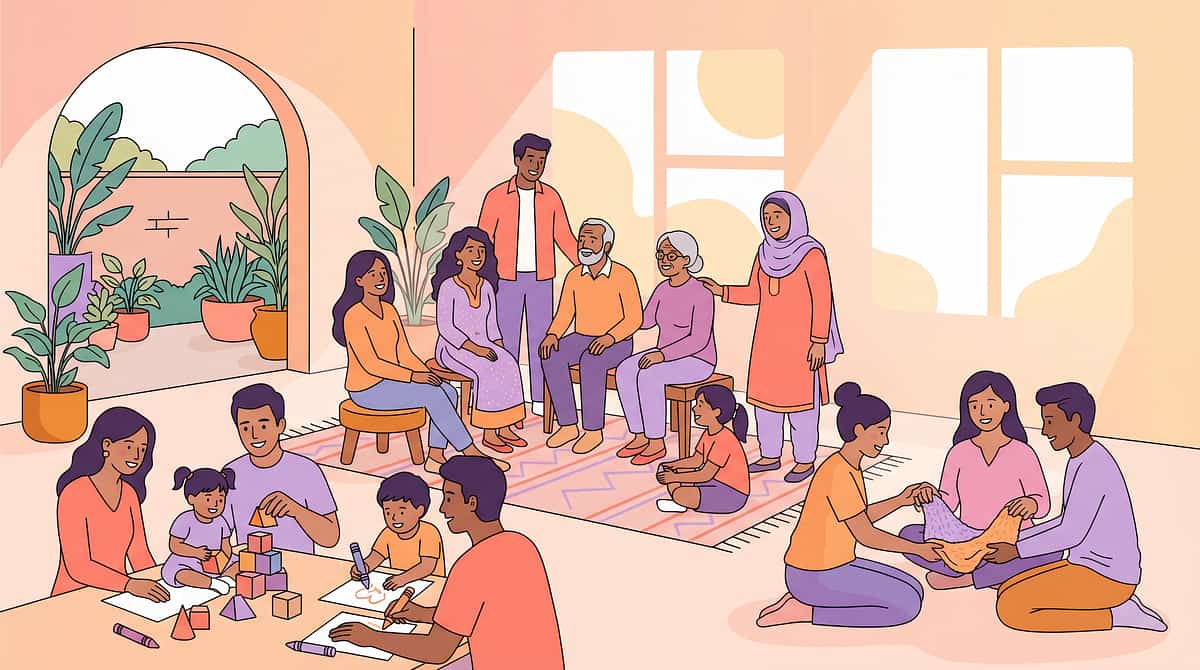
Every day, families around the world sit with the same quiet worry — wondering why their child doesn't seem to connect action with outcome. You are not alone in this. The numbers tell a powerful story of shared experience and shared hope.
1 in 36
Children Diagnosed with ASD
Globally, according to CDC 2024 data. Cause-effect understanding delays are among the earliest and most foundational cognitive indicators identified in these children.
80%+
Show Cognitive Processing Differences
Of children diagnosed with ASD display cognitive processing differences that affect how they learn from actions and consequences (PRISMA Systematic Review, 2024).
54
Countries Reached
The WHO Care for Child Development Package has been implemented across 54 low- and middle-income countries, confirming cause-effect delays are a universal developmental concern.
"You are among millions of families navigating this exact challenge. The child who doesn't yet understand that pressing a button makes a sound isn't broken — they're waiting for the right bridge to be built. And this is exactly what Pinnacle's consortium of therapists does every day across 80+ centres."
Research: PRISMA Systematic Review (2024): PMC11506176 • Meta-analysis, World J Clin Cases (2024): PMC10955541 • WHO CCD Package Implementation (2023): PMC9978394
The Neuroscience of "I Did That!"
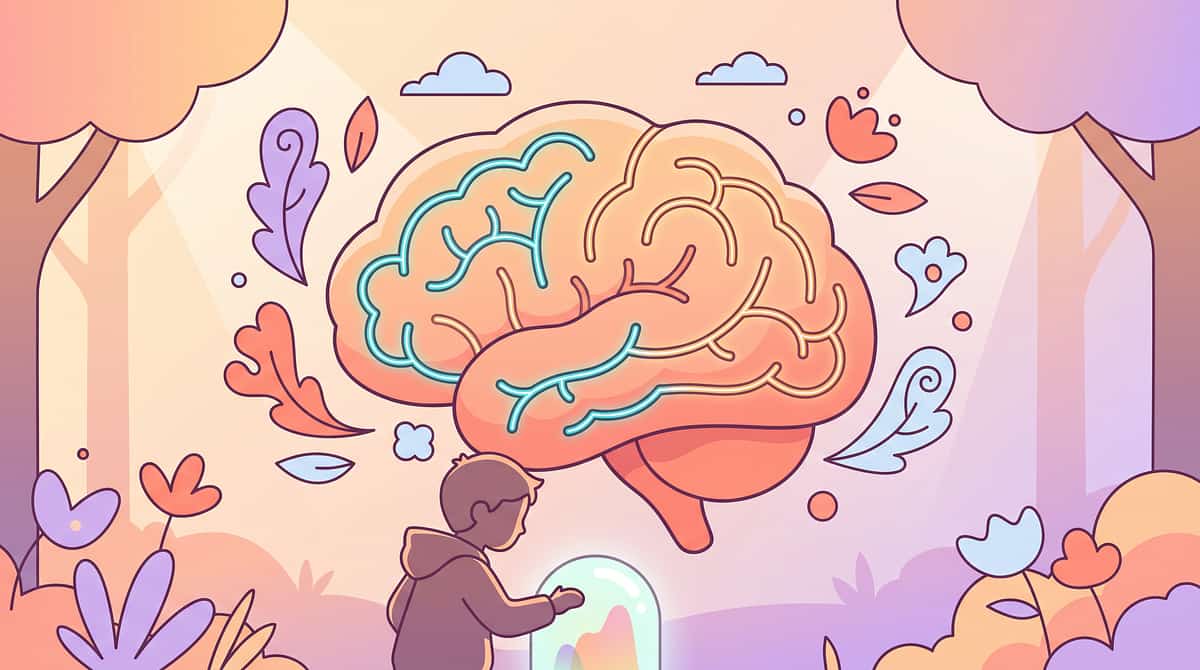
Understanding why some children struggle with cause-effect isn't just reassuring — it's the key to helping them. When your child presses a button and a light turns on, three interconnected brain systems must fire in rapid sequence.
Three Systems, One Bridge
1. The Prefrontal Cortex plans the action — "I will press this."
2. The Basal Ganglia executes the movement — the finger presses down.
3. The Temporal-Parietal Junction registers the outcome — "The light turned on!"
The Contingency Detection Circuit
The magic happens in the connection between these systems. A neural pathway called the "contingency detection circuit" must fire rapidly enough to link the action with the outcome. In children with developmental differences, this circuit may fire slower, less consistently, or require more dramatic feedback to register the connection.
This is a wiring difference, not a behaviour choice. And wiring responds to structured, repeated experience — which is exactly what the nine materials on this page are designed to provide.
Key Insight: "Every time your child activates a toy and sees, hears, or feels the result — a neural pathway gets stronger. This isn't practice. This is brain construction."
Frontiers in Integrative Neuroscience (2020): Comprehensive framework for evaluating sensory integration and cognitive processing in ASD. DOI: 10.3389/fnint.2020.556660

Your Child's Developmental Map
Cause-effect understanding doesn't appear all at once — it unfolds in stages, each building on the last. Understanding where your child sits on this map transforms confusion into a clear direction of travel.
1
0–4 Months
Reflexive actions — random movements produce effects
2
4–8 Months
Primary Circular Reactions — baby repeats actions that produce effects on own body (sucking thumb, kicking legs)
3
8–12 Months
Secondary Circular Reactions — baby repeats actions that produce effects on OBJECTS (shaking rattle, banging toy) ← Critical Window
4
12–18 Months
Tertiary Circular Reactions — toddler experiments with variations ("What happens if I drop it from HERE?")
5
18–24 Months
Mental Representation — child can predict effects BEFORE acting ("If I press this, it will light up")
6
24–48 Months
Generalised Cause-Effect Reasoning — child applies understanding across contexts
"If your child is between 6 months and 4 years and hasn't yet mastered the stage appropriate for their age — this is exactly where the 9 materials on this page intervene. Cause-effect delays commonly co-occur with delayed communication, limited problem-solving, and reduced intentional play."
Research: Piaget J. (1952): The Origins of Intelligence in Children • WHO Care for Child Development Package (2023): PMC9978394 • UNICEF MICS developmental monitoring indicators across 197 countries.

Evidence Grade: STRONG
Level II: Systematic Reviews + Clinical Consensus
Cause-effect intervention using structured materials is supported by converging evidence from developmental psychology, assistive technology research, applied behaviour analysis, and occupational therapy. This is not experimental — it is clinically validated, home-applicable, and parent-proven.
PRISMA Systematic Review (2024)
16 articles from 2013–2023 confirm sensory-cognitive integration intervention meets evidence-based practice criteria for children with ASD. PMC11506176
Meta-analysis — World J Clin Cases (2024)
Across 24 studies, structured cause-effect intervention effectively promotes cognitive skills, adaptive behaviour, and learning foundations. PMC10955541
WHO CCD Package (2023)
Age-specific cause-effect activities are a core component of the Care for Child Development Package, implemented in 54 countries. PMC9978394
Bates et al. (1979)
Landmark research establishing cause-effect understanding as the cognitive prerequisite for intentional communication. The bedrock of everything that follows.
"Clinically validated. Home-applicable. Parent-proven. This technique has been deployed across 80+ Pinnacle Blooms centres in over 20 million therapy sessions."
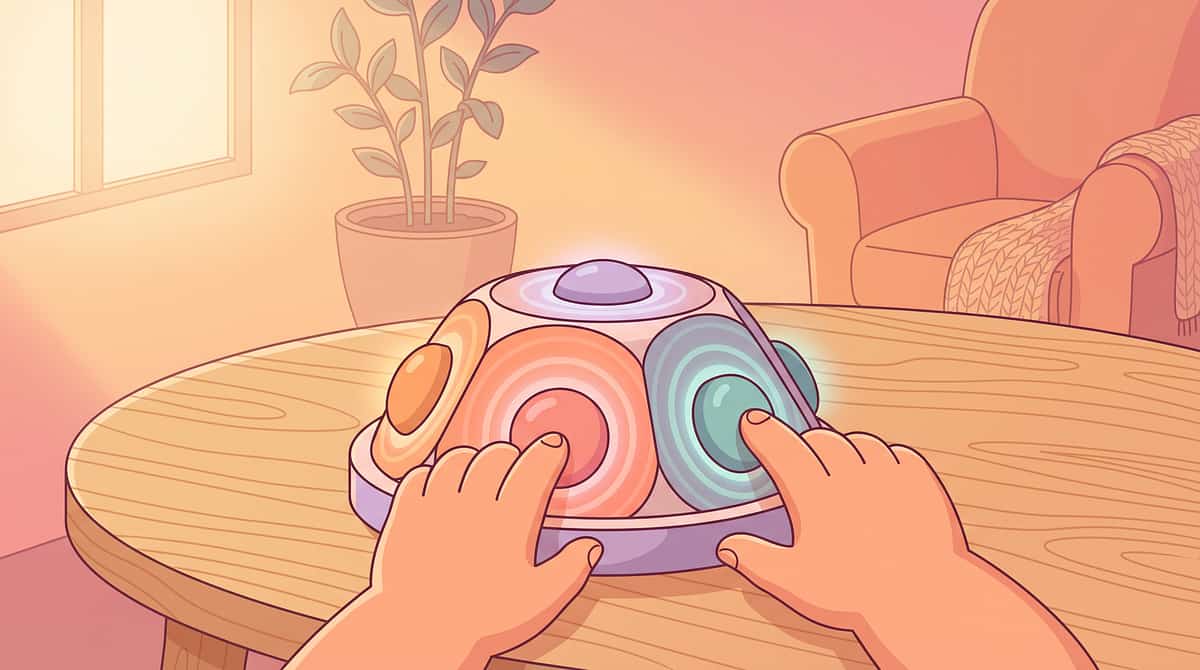
Cause-Effect Understanding Intervention
Parent-Friendly Name: "I Did That!" Training
What it is: Cause-effect understanding intervention is a structured approach that uses nine categories of therapeutic materials — from light-up toys and musical instruments to switch-adapted devices and water play — to build your child's foundational understanding that their actions produce predictable outcomes.
This cognitive skill is the bedrock of all learning, communication, and intentional behaviour. Without it, a child cannot understand that pressing a button makes a sound, that speaking causes a response, or that reaching for an object brings it closer.
Domain
Cognitive Development — COG-CE
Ages
6 months – 4 years
Duration
10–20 min/session
Frequency
Daily, 2–3 structured sessions
One-sentence summary for sharing with your family: "We're teaching our child that their actions make things happen — using specific materials that make the connection between 'I did this' and 'that happened' impossible to miss."
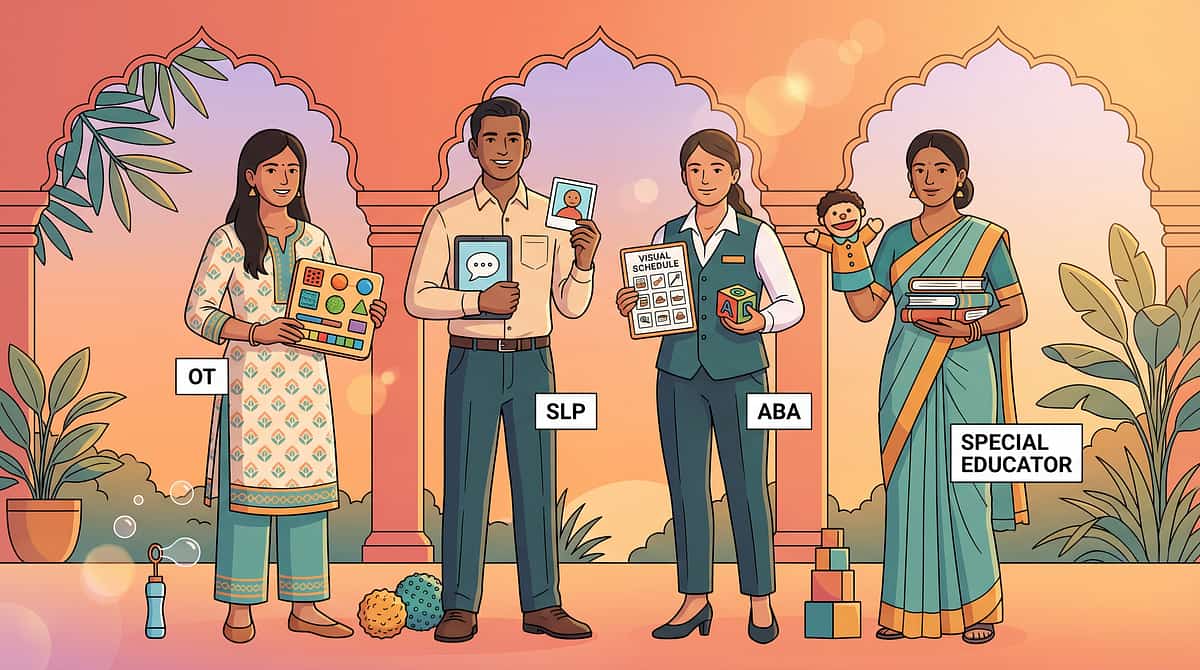
The Consortium Behind This Technique
Cause-effect intervention is not a single-discipline tool — it sits at the intersection of five specialities, because the brain doesn't organise itself by therapy type. Here is how each discipline contributes.
Occupational Therapy (Lead)
Uses cause-effect materials to build intentional motor actions, sensory processing integration, and adaptive play skills. OTs assess which sensory channels — visual, auditory, tactile — are most effective for each child's learning profile.
Speech-Language Pathology
Cause-effect understanding is the cognitive prerequisite for intentional communication. SLPs use switch-adapted devices and cause-effect activities to teach that vocalisations and gestures CAUSE responses — the foundation of AAC device use.
Applied Behaviour Analysis
ABA therapists use cause-effect materials to teach contingency awareness — the understanding that specific behaviours produce specific outcomes. This is the foundation of operant learning through reinforcement.
Special Education
Special educators integrate cause-effect activities into cognitive curriculum development, building foundational learning skills needed for academic readiness: if-then reasoning, prediction, and sequential understanding.
Neurodevelopmental Paediatrics
Advisory role: assesses neurological readiness for cause-effect learning and identifies conditions — motor planning deficits, sensory processing disorders — that may require modified approaches.
Consortium Insight: "Pinnacle's FusionModule™ coordinates all five disciplines into a single, converged pathway — so every therapeutic contact reinforces the same neural connection."
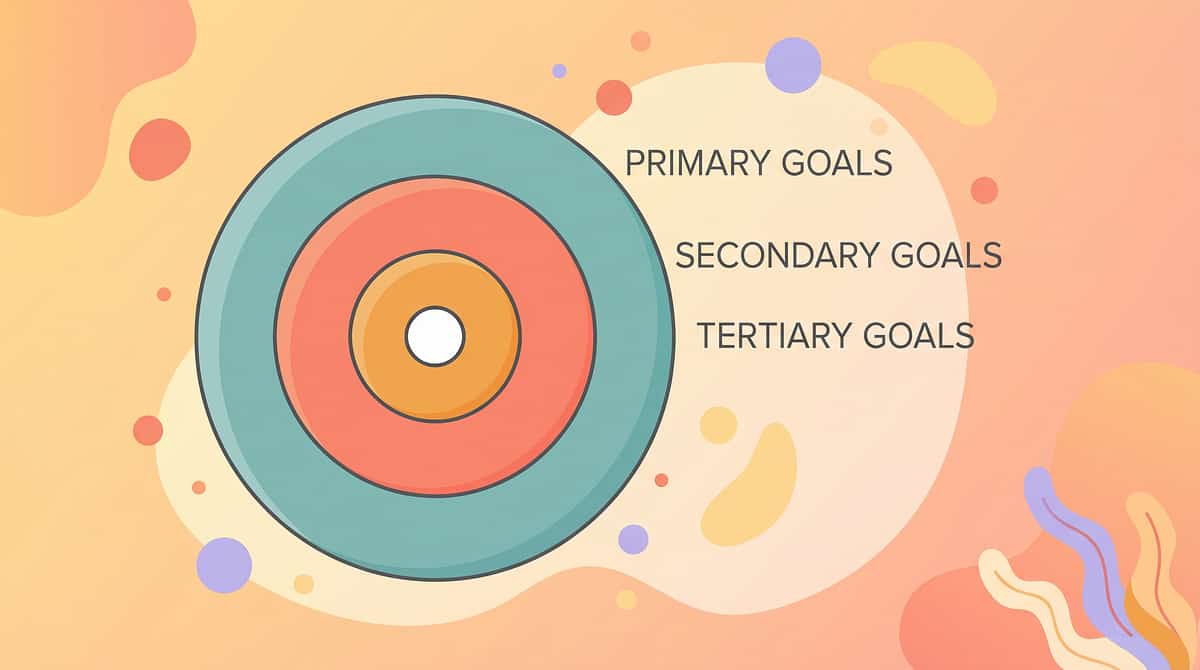
Target Outcomes: What Builds Through This Technique
These are the five observable, measurable skills your child will develop through consistent cause-effect intervention. Each builds on the last — from simple awareness all the way to applying this understanding in daily life.
Contingency Awareness
Your child will understand that THEIR action caused the effect — not random chance, not someone else, but them. This is the birth of agency. (Baseline → 8 weeks)
Intentional Action
Your child will begin to deliberately repeat actions to reproduce effects — pressing a button AGAIN because they want the light AGAIN. This is the emergence of purpose. (Baseline → 8 weeks)
Experimentation and Variation
Your child will begin trying different actions to see different effects — pressing harder, from a different angle, with a different finger. This is the birth of scientific thinking. (Baseline → 8 weeks)
Anticipation and Prediction
Your child will begin to anticipate what will happen BEFORE they act — looking at the light before pressing the button. This is the foundation of planning. (Baseline → 8 weeks)
Generalisation Across Contexts
Your child will apply cause-effect understanding beyond the therapy materials — to light switches, faucets, remote controls, and ultimately to communication: "If I point, someone brings it." (Baseline → 12 weeks)
GPT-OS® Readiness Tracking Progression: No response → Recognising effects → Repeating actions → Experimenting → Anticipating → Generalising
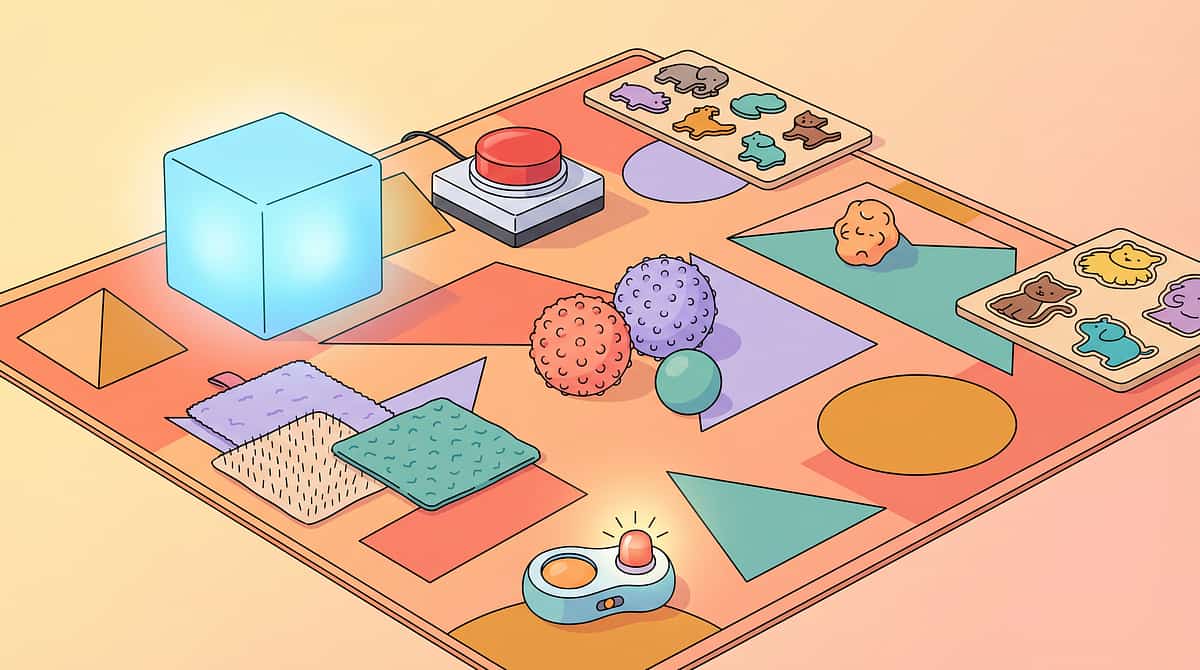
The 9 Materials That Build Cause and Effect
"Every material on this list has been clinically validated across Pinnacle Blooms' 80+ centres. Each serves a different sensory channel. Together, they create a comprehensive cause-effect learning toolkit."
1
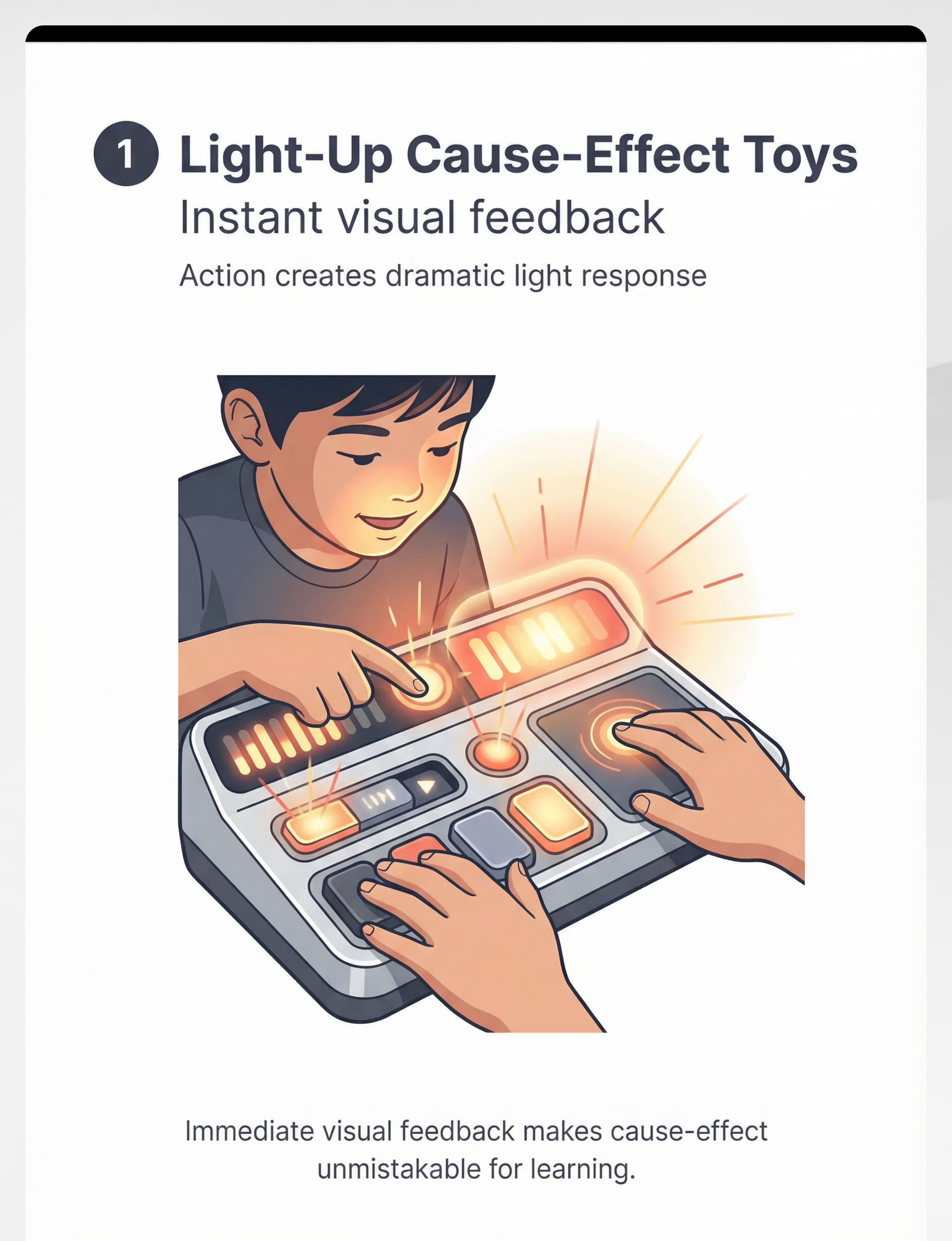
Light-Up Cause-Effect Toys
Instant visual feedback — action creates dramatic light response. Light-up musical toys, touch-sensitive panels, push-button light cubes, fiber optic wands, sensory balls.
Price: ₹300–1,500
2
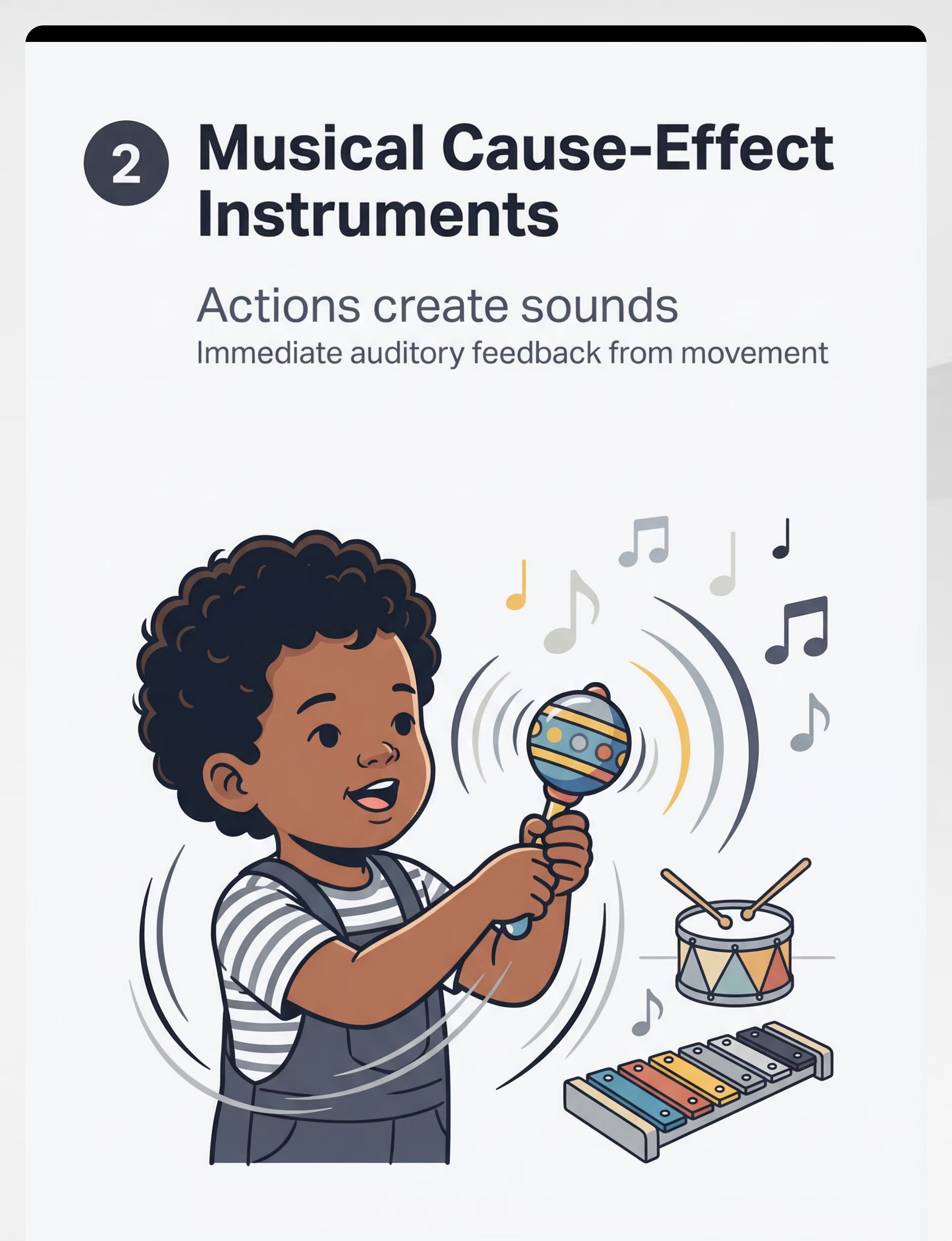
Musical Cause-Effect Instruments
Actions create sounds — multi-sensory auditory feedback. Baby rattles, hand drums, xylophones, tambourines, maracas, rain sticks, jingle bells, cause-effect musical mats.
Price: ₹200–1,000
3
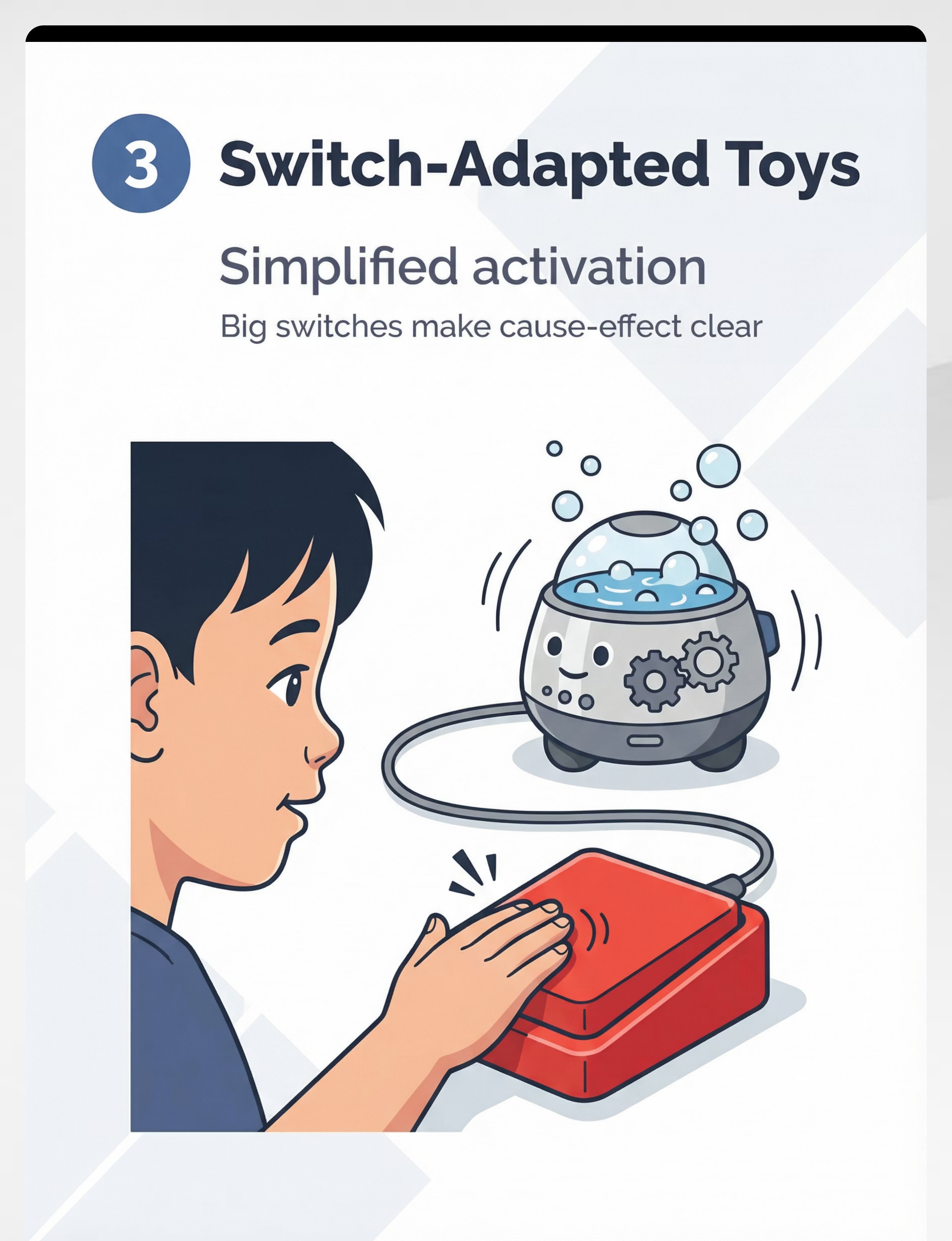
Switch-Adapted Toys
Simplified activation — one press, something happens. Big Red Switch, Jelly Bean switches, switch-adapted bubble machines, battery interrupters, fans, multi-switch choice boards.
Price: ₹500–3,000
4
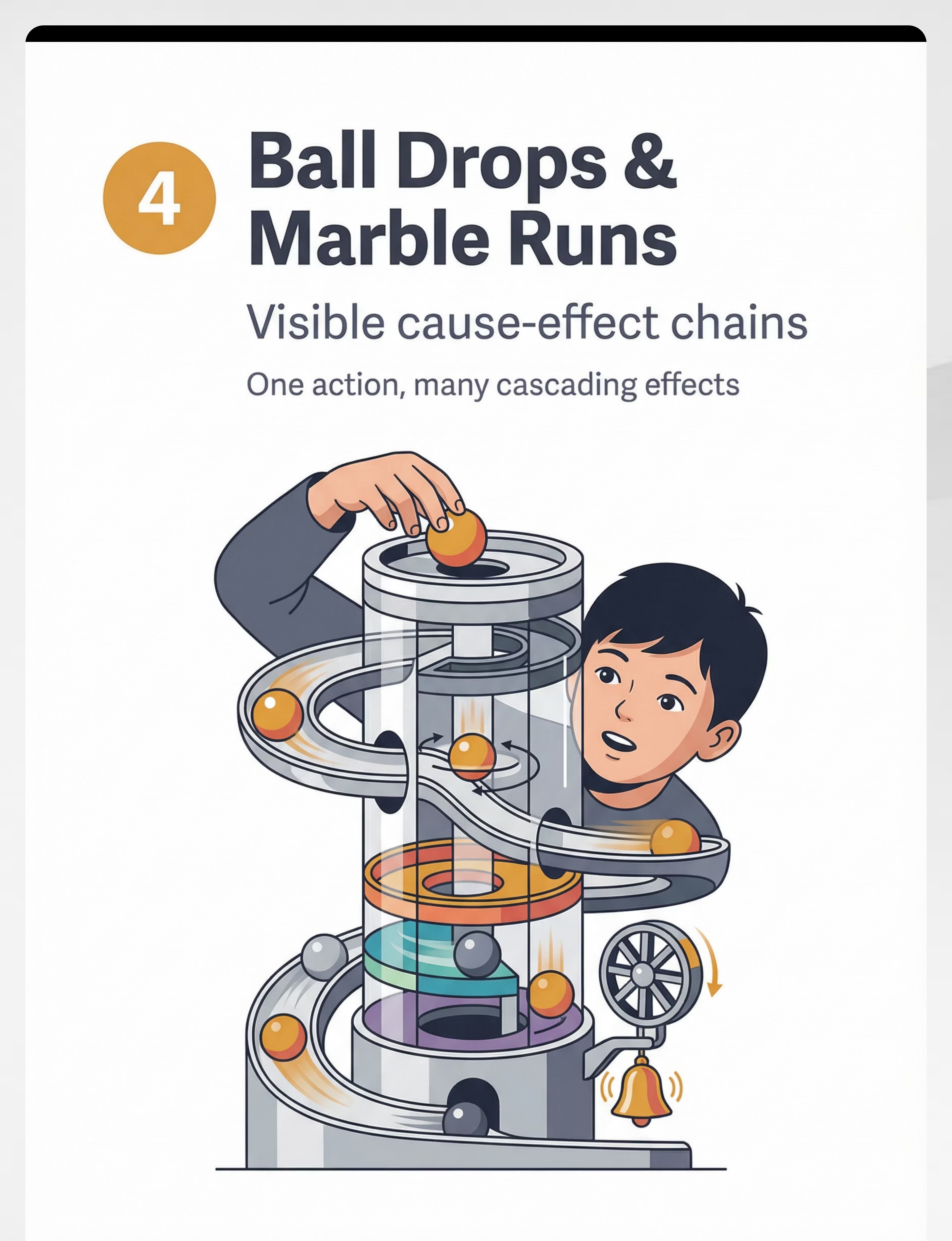
Ball Drops and Marble Runs
Visible cause-effect chains — one action, cascading effects. Ball drop towers, marble run sets, spiral ball ramps, modular track systems, magnetic ball run builders.
Price: ₹400–2,000
5
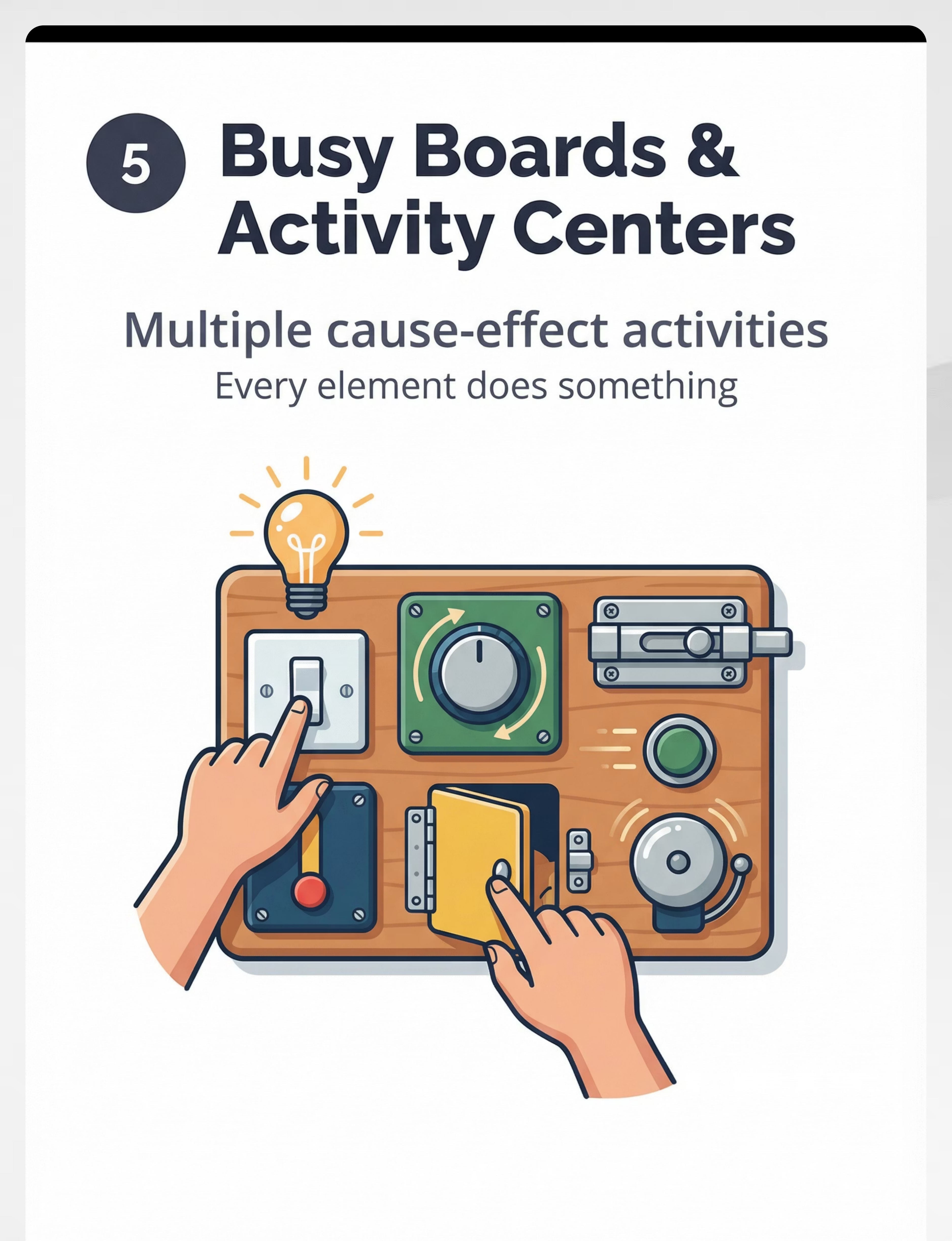
Busy Boards and Activity Centres
Multiple cause-effect activities — every element does something. Wooden busy boards, sensory activity boards, Montessori latching boards, baby activity centres, DIY busy boards.
Price: ₹500–2,500
6
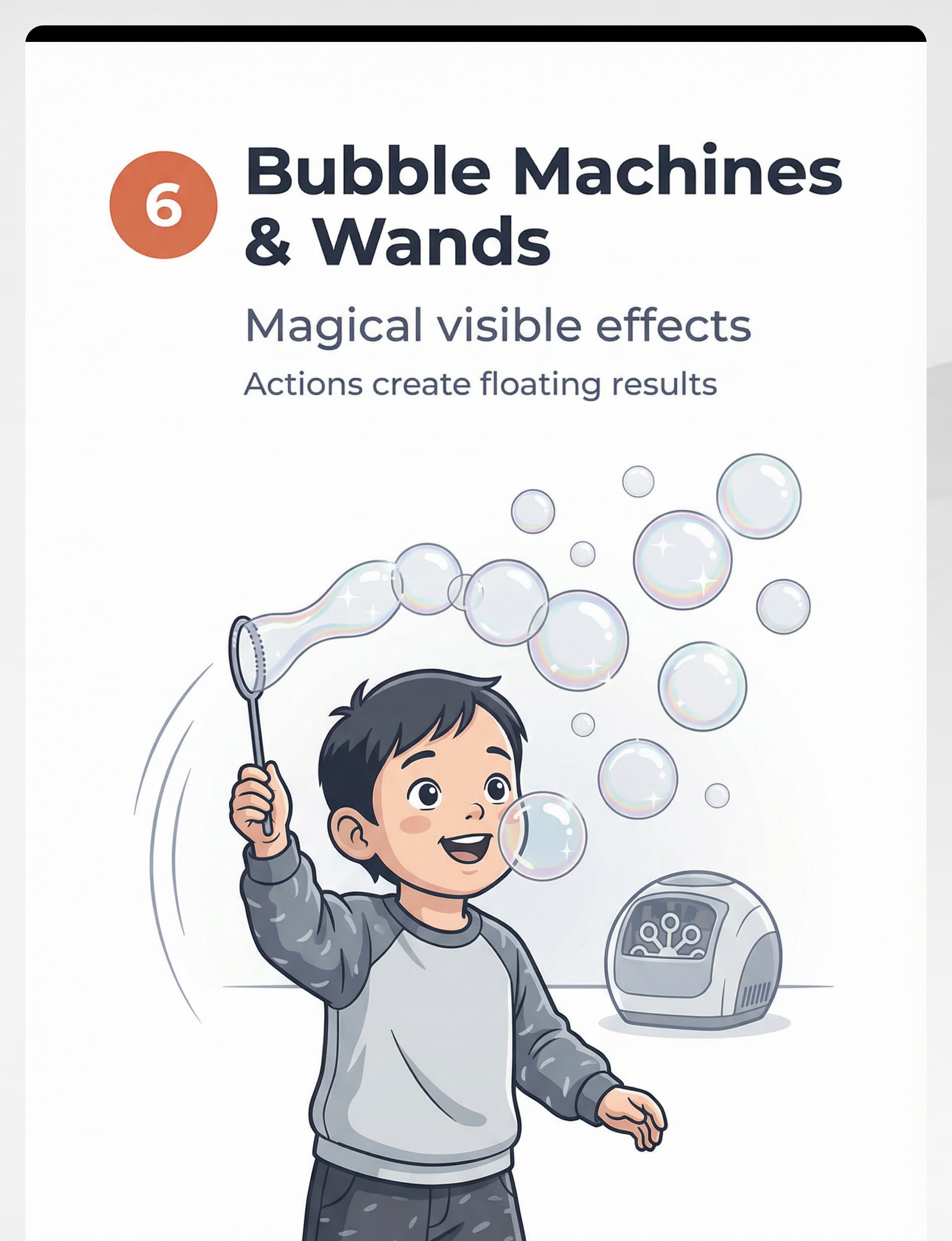
Bubble Machines and Wands
Magical visible effects — actions create floating results. Battery-operated machines, switch-adapted bubble machines, bubble wands, bubble guns, giant bubble kits, no-spill bubble sets.
Price: ₹150–1,000
7
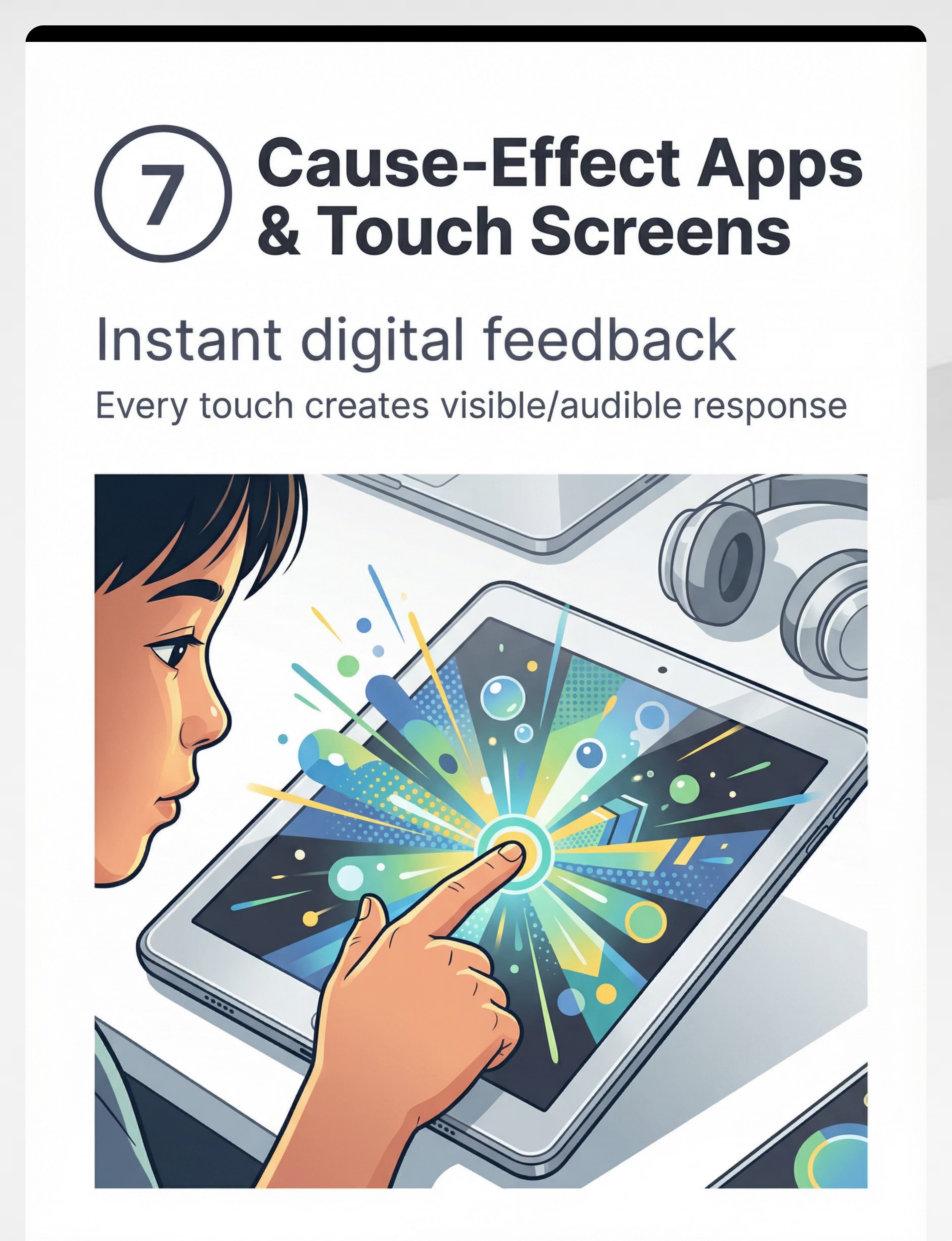
Cause-Effect Apps and Touch Screens
Instant digital feedback — every touch creates a response. Cause and Effect Sensory Light Box, Baby's Musical Hands, Sensory Baby Toddler Learning, touch-responsive music and drawing apps.
Price: ₹0–500
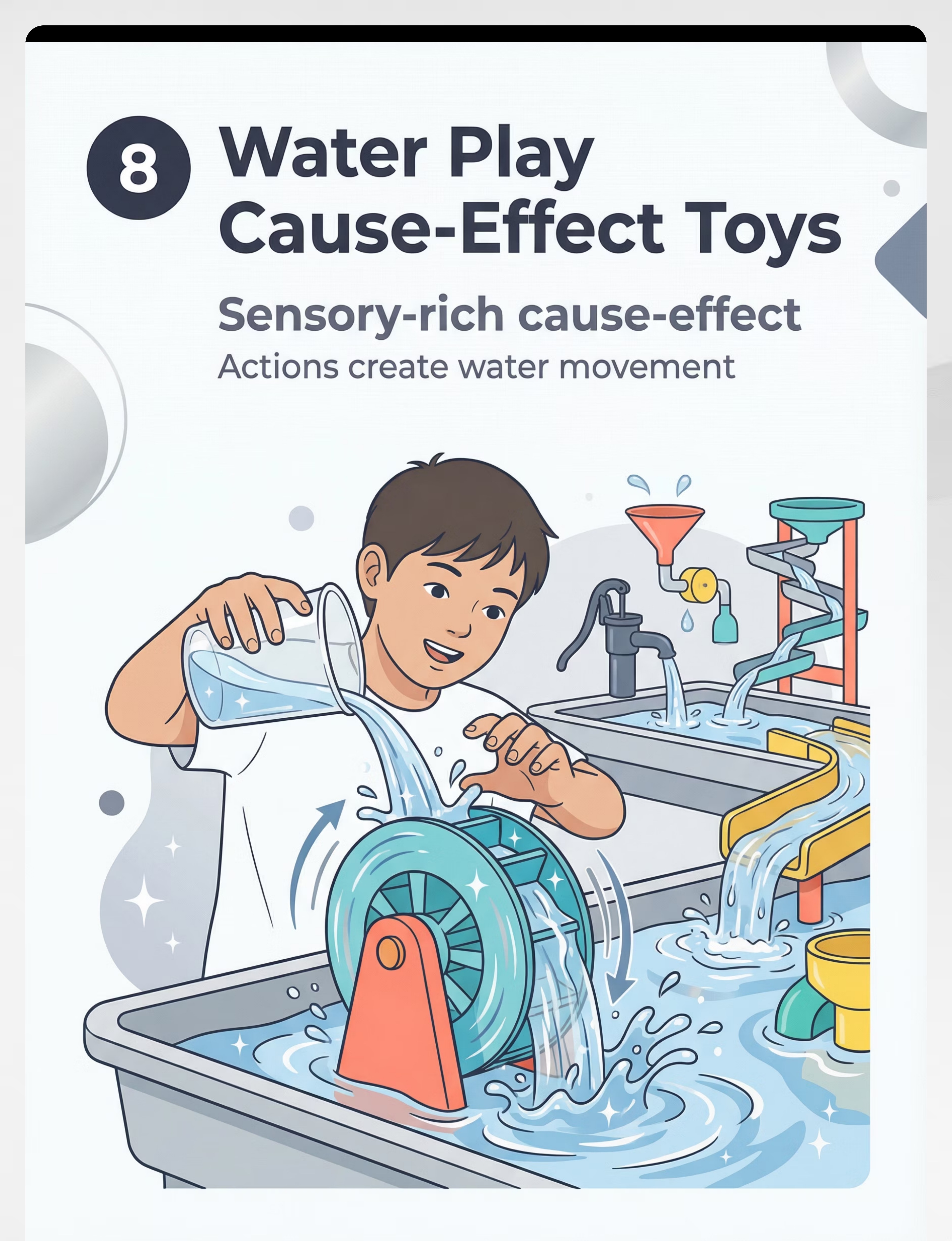
8
Water Play Cause-Effect Toys
Sensory-rich cause-effect — actions create water movement. Water tables, water wheels, bath cause-effect toys, water pumps, funnel and tube sets, pour and splash sets.
Price: ₹400–2,000
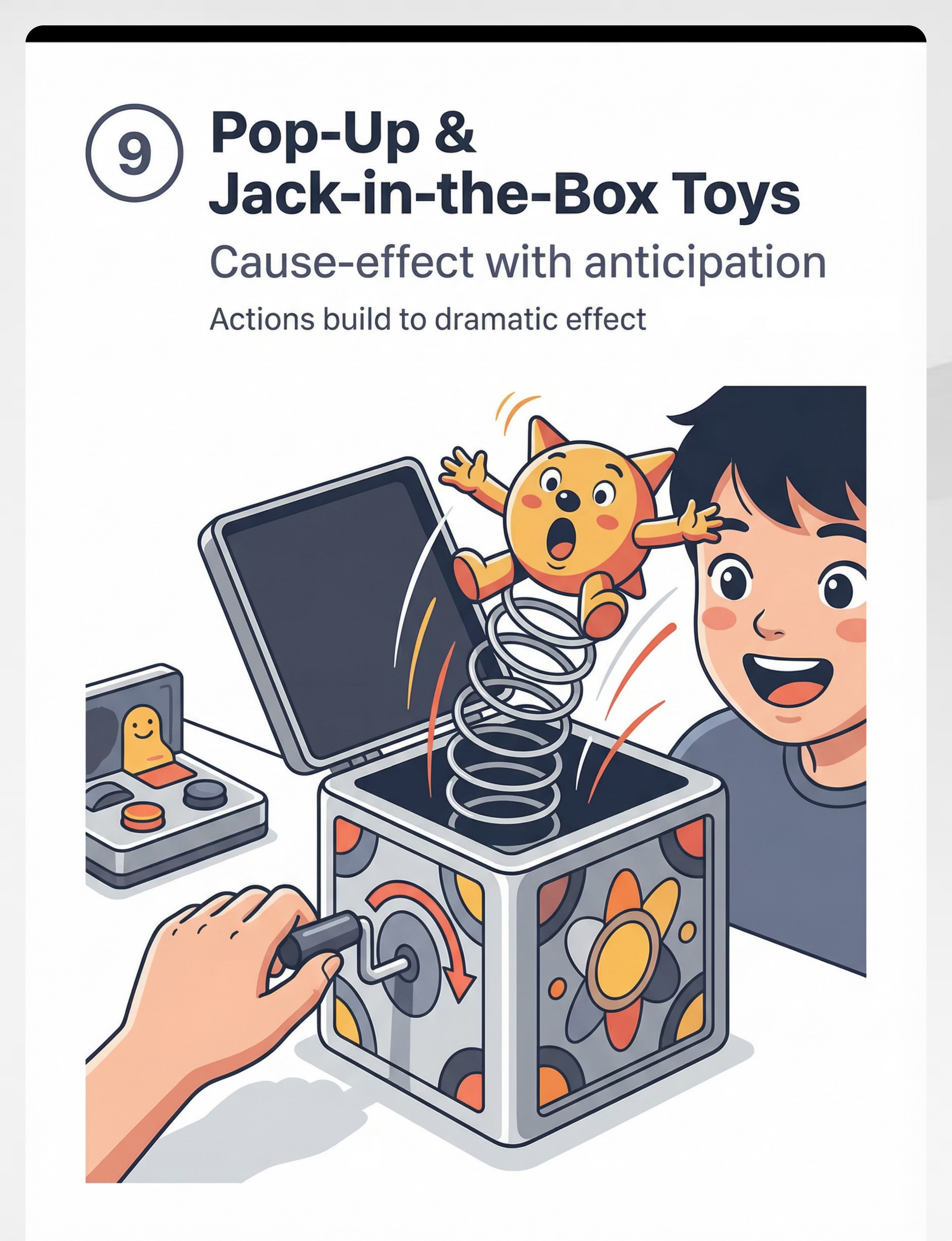
9
Pop-Up and Jack-in-the-Box Toys
Cause-effect with anticipation — actions build to dramatic effect. Classic jack-in-the-box, pop-up character toys, push-button pop-up animals, multi-character pop-up centres.
Price: ₹300–1,200
Total Comprehensive Setup: ₹2,750–₹14,700 | Essential Starters (Budget-Friendly): Light-Up Toys + Musical Instruments + Busy Boards = ₹1,000–₹5,000

Zero-Cost Alternatives — Start Today With What You Have
"Not every family can order from Amazon. Not every village has same-day delivery. The WHO Nurturing Care Framework demands equity. Here's how to build cause-effect understanding with ZERO investment — because the science is in the PRINCIPLE, not the price tag."
Instead of Light-Up Toys
Try: Flashlight + blanket. Cover a torch with thin cloth. Child presses the button — light appears through the fabric. Narrate: "You pressed it! Look — LIGHT!"
Instead of Musical Instruments
Try: Pots + spoons + rice in bottles. A metal pot and a wooden spoon IS a drum. Rice in a sealed plastic bottle IS a maraca. Narrate: "You shook it! HEAR the sound?"
Instead of Switch Toys
Try: The light switch on the wall. Lift your child to the switch, guide their hand, flip — the room lights up. The original cause-effect tool. Free. Narrate: "YOU made the lights come on!"
Instead of Ball Drops
Try: Cardboard tube + ball taped to a wall at an angle. Drop a ball in the top, watch it roll out the bottom. Chain multiple tubes for a DIY marble run. Narrate: "You dropped it in — and it came out HERE!"
Instead of Busy Boards
Try: Household items on cardboard. Glue a door lock, a hinge, a bell, bottle caps — to a cardboard sheet. Each element does something different when touched.
Instead of Bubble Machines
Try: Dish soap + water + wire loop. Bend wire into a loop, dip in soapy water, wave. Or blow through a straw into a cup of soapy water — bubbles cascade. Narrate: "You blew — BUBBLES!"
Instead of Touch Screen Apps
Try: Phone or tablet camera app. Let your child touch the screen — the shutter clicks, an image appears. Free, immediate cause-effect. Narrate: "You touched it — you took a PICTURE!"
Instead of Water Play Toys
Try: Sink + cups + spoons. Fill the sink with 2 inches of water. Provide cups, spoons, funnels. Pouring causes splashing. Stirring causes whirlpools. Every action has a visible water effect.
Instead of Pop-Up Toys
Try: Peek-a-boo + tissue box. Stuff a small toy into a tissue box. Show child how to pull it out — POP! Or play peek-a-boo with a cloth — your face appearing IS the pop-up effect.
Equity Statement: "These alternatives work because the science is in the PRINCIPLE — action creates effect — not in the price tag. The WHO/UNICEF CCD Package has been deployed across 54 countries using exactly these kinds of household-material interventions." (PMC9978394)
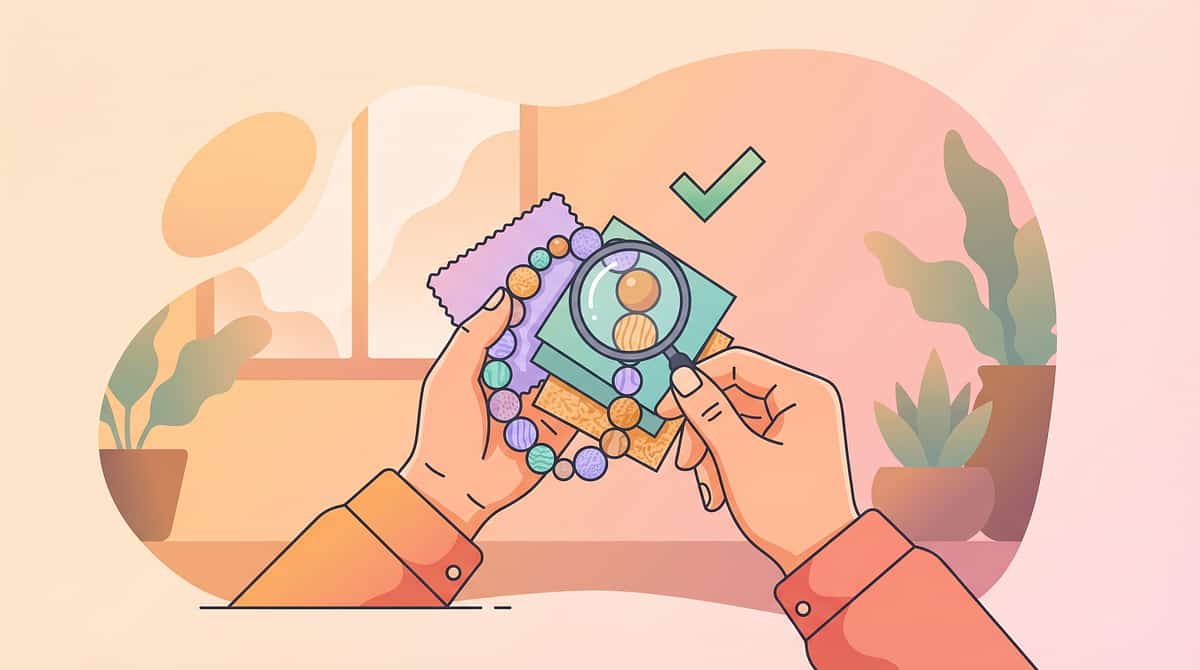
⚠️ Safety First — Read Before Starting
Taking a moment to review these safety considerations before your first session protects your child and ensures every session is a positive one. This is a clinical reference — please read all three levels carefully.
🔴 DO NOT PROCEED IF:
- Your child has a known seizure disorder AND you're using flashing/strobe lights — get medical clearance first
- Your child is acutely ill, distressed, or post-meltdown (wait at least 30 minutes after full regulation)
- Any material presents a choking hazard (marbles, small balls for children under 3 or who mouth objects)
- Water activities without direct adult supervision — drowning risk exists even in shallow water
🟡 MODIFY THE APPROACH IF:
- Auditory-sensitive child → start with visual-only materials before introducing sound
- Visually sensitive child → avoid bright, flashy lights; use dimmer settings
- Significant motor planning difficulties → use switch-adapted toys requiring minimal motor complexity
- Distress with surprise elements → avoid jack-in-the-box initially; start with predictable effects
- Screen time concerns → limit app-based materials to 5–10 minutes; always pair with physical materials
🟢 PROCEED WHEN:
- Your child is fed, rested, and in a regulated emotional state
- The environment is quiet and distraction-free
- You have all materials within arm's reach
- You have 15–20 minutes of uninterrupted time
- Another adult is available for water play activities
STOP IMMEDIATELY IF YOU SEE: Persistent distress that doesn't resolve • Any sign of a seizure or unusual neurological response to light • Perseverative pressing without awareness (100+ times without pause) • Physical injury risk (throwing materials, slipping on wet surfaces) • Loss of a previously established skill after starting this programme. Trust your instincts — if something feels wrong, pause and ask.
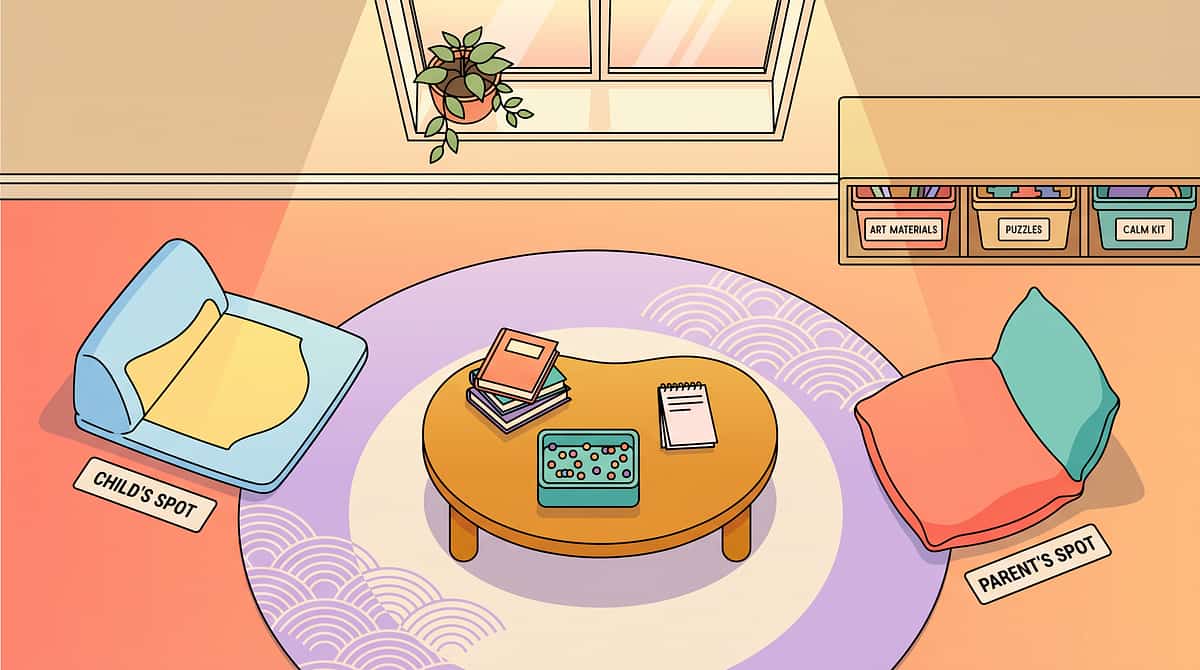
Your Cause-Effect Learning Station
The physical environment shapes session success before you even begin. Research confirms that environmental setup was a factor in the most effective interventions. Take 3–5 minutes before each session to create this purposeful space.
The Setup
Child: Seated comfortably on the floor or in a supportive chair. Eye level with the materials.
Parent: Seated directly across from or next to the child (not behind). Your hands should be able to guide their hands.
Primary Material: Directly in front of the child, within easy reach. ONE material at a time — not all nine.
Backup Material: Behind you, out of sight. Ready to swap if the first doesn't engage.
Remove From the Space
- Other toys (they are distractions)
- Screens (unless the screen IS the cause-effect material)
- Siblings (unless they are participating as models)
- Background music or TV
Environmental Settings
- Lighting: Bright but dimmable — contrast makes light effects more dramatic
- Sound: Quiet. The ONLY sounds should be from the materials.
- Surface: Firm floor or table — soft surfaces absorb vibration
- Temperature: Comfortable — a cold or overheated child won't engage
"Spatial precision prevents 80% of session failures. Setup time: 3–5 minutes before each session." — Sensory Integration Theory (Ayres) and confirmed by meta-analysis PMC10955541
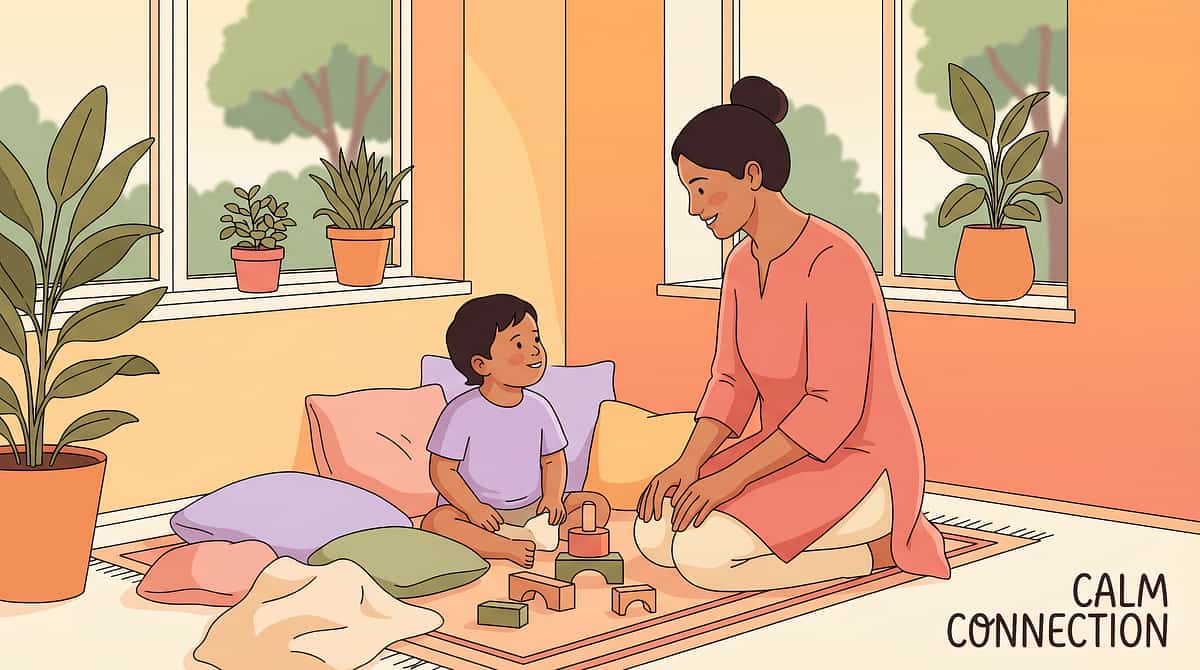
Pre-Session Readiness Check (60 Seconds)
The best session is one that starts right. A 5-minute session with a ready child beats a 20-minute session with a dysregulated one. Run through this quick checklist before every session — it takes under a minute and protects the quality of every interaction.
- Child has eaten within the last 1–2 hours (not hungry)
- Child has slept adequately (not overtired)
- No meltdown or significant distress in the last 30 minutes
- Child is not actively ill (fever, pain, nausea)
- Child is in a calm-alert state (eyes open, body relaxed, responsive to voice)
- Child is not heavily engaged in a preferred activity (interruption = meltdown risk)
- You have 15–20 minutes of uninterrupted time
✅ ALL GREEN
Proceed to Step 1: The Invitation
🟡 1–2 AMBER
MODIFY: Use a simpler material, shorter session (5 minutes), and lower demand (just exploration, no structured protocol)
🔴 ANY RED
POSTPONE: Do a calming activity instead (deep pressure, gentle rocking, quiet music). Try again later today or tomorrow.
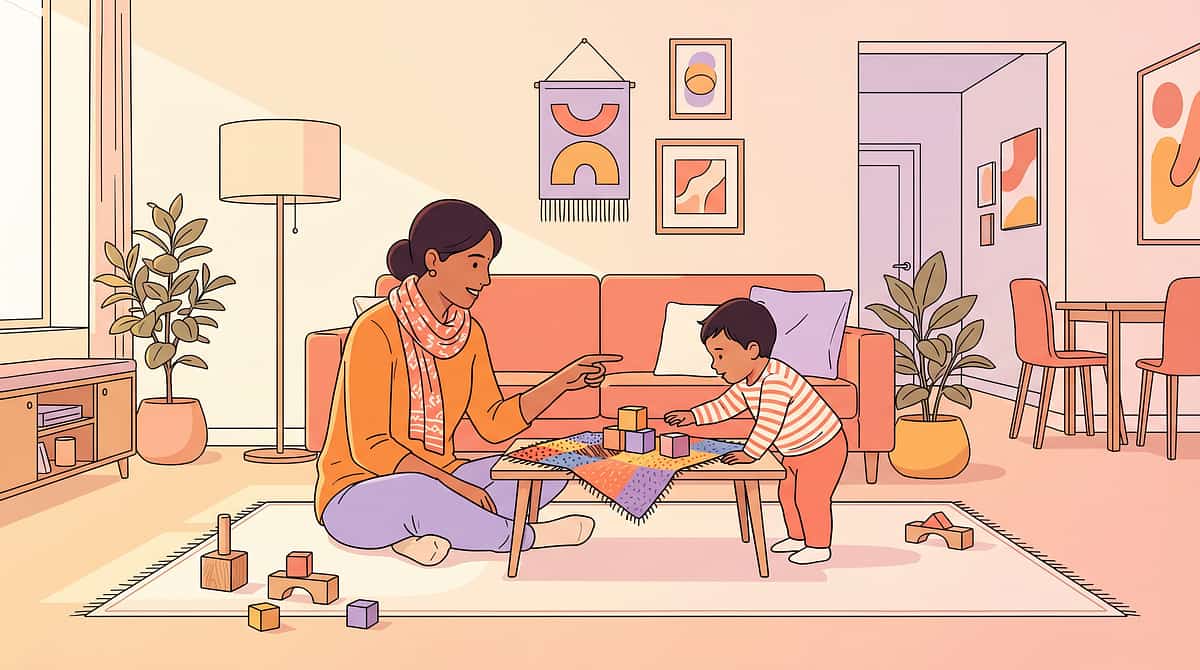
Step 1 of 6
Step 1 — "Come See What This Does!"
The invitation sets the emotional tone for everything that follows. Your goal here is to ignite curiosity — not to demand participation. This step takes 30–60 seconds.
"Hey [child's name], look what I have! Watch this..." [Parent demonstrates: press the button — light flashes — make an excited face.] "Woah! Did you see THAT?! Want to try?"
Body Language Guidance
- Get down to the child's eye level
- Hold the material in your shared visual field
- Your voice should be animated but not overwhelming
- Lean in, smile, make eye contact
Acceptance Cues (Child Is Ready)
- Looks at the material
- Reaches toward it or leans forward
- Makes a vocalisation or smiles
Resistance Cues (Modify)
- Turns away → try a different material
- Pushes it away → demonstrate from farther away
- Cries or shows distress → stop, comfort, try again later
- Ignores completely → switch to bubbles (almost universally engaging)
Variation: Non-Verbal Children
Don't ask for anything. Simply demonstrate the cause-effect 3 times in their visual field. Let curiosity do the work — no verbal invitation needed.
Variation: Motor-Challenged Children
Use a Big Red Switch positioned where their strongest movement is (head, foot, elbow). The switch becomes the cause; the toy becomes the effect.
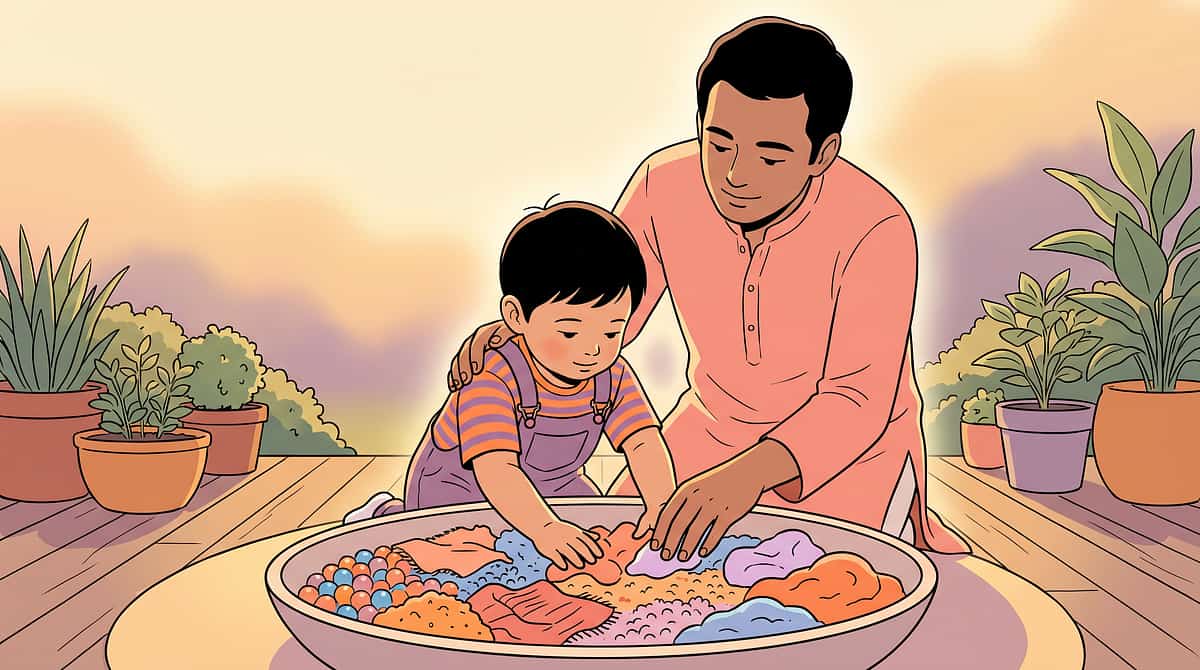
Step 2 of 6
Step 2 — Hands on the Material
With the child's interest sparked, it's time to bring their hands to the material. This step is about physical contact and that first activation — with or without your guidance. Duration: 1–3 minutes.
"Here, you try! Press right here..." [Guide child's hand to the activation point]
Present the Material
Place directly in front, orient the activation point toward the child's dominant hand. Dim the room slightly if using light-up toys for maximum dramatic effect.
Read the Response
✅ Engagement: Active interaction — reinforce immediately. 🟡 Tolerance: Nearby but not interacting — try hand-over-hand gently. 🔴 Avoidance: Pushes away — switch materials or postpone.
Reinforce the Moment
The MOMENT their action produces an effect, respond with immediate, enthusiastic feedback: "YOU did that! YOU made the light turn on!" Timing is everything.
Variation: Highly Sensitive Children
Begin with the material on a table in front of them — don't hand it directly. Allow them to approach at their own pace before any hand-over-hand guidance is offered.
Variation: Low Muscle Tone
Position the material vertically on a wall or inclined surface so the child can press with the weight of their palm rather than requiring isolated finger strength.
Research: Structured material introduction meets evidence-based practice criteria. Reinforcement scheduling from ABA literature. PMC11506176
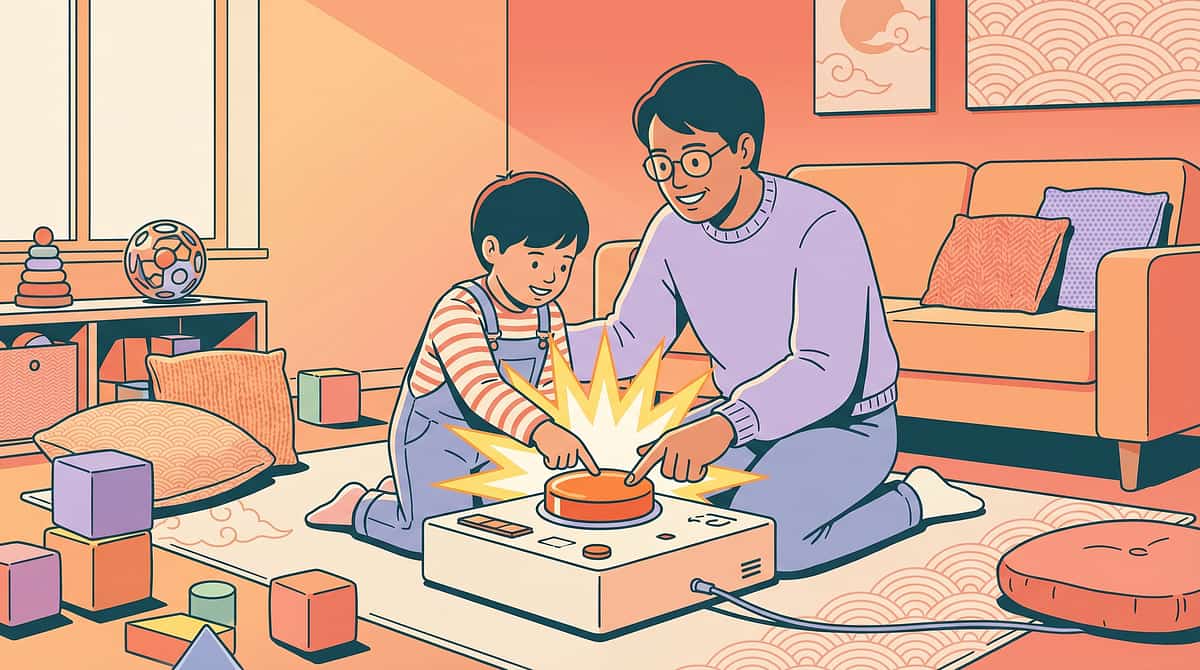
Step 3 of 6
Step 3 — The Moment of Connection
This is the heart of the session — the moment the neural bridge begins to form. Once your child has activated the material at least once, the goal shifts from activation to repetition with awareness. Duration: 3–5 minutes of active engagement.
Watch for the moment when the child looks at the effect, looks at their hand, and looks back at the effect. This three-point gaze is the brain building the bridge. When you see it: "You KNEW that was going to happen!"
Common Execution Errors to Avoid
- Doing it FOR the child — the child must be the agent
- Talking too much during the effect — silence lets the brain process
- Rushing to the next repetition — the pause IS where learning happens
Child Response Spectrum
- Ideal: Activates → watches effect → activates again independently
- Acceptable: Activates with guidance → attends to effect
- Concerning: No awareness of connection after 5+ guided trials → try a different sensory channel
Variation for older children (3–4 years): After the effect occurs, pause and ask "What happened?" — not to demand language, but to invite reflection. Accept any response — a look, a reach, a vocalisation — as valid communication.
Meta-analysis (World J Clin Cases, 2024): 10–20 minute home sessions with core therapeutic action occupying 40–60% of session time showed maximum effectiveness. PMC10955541
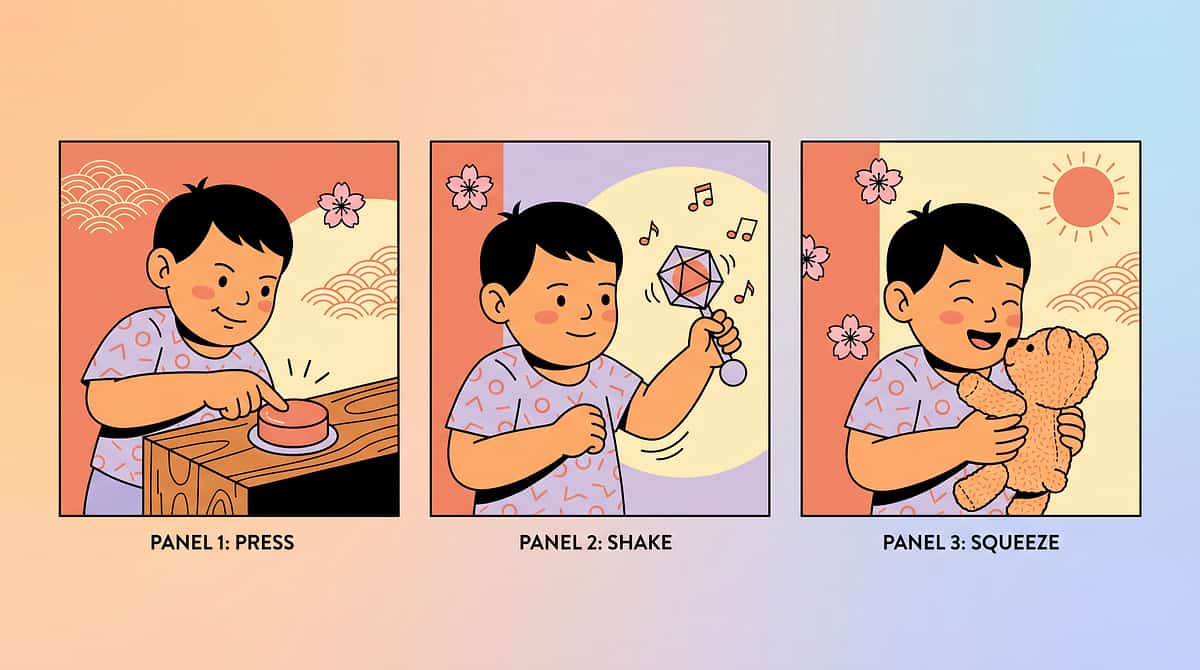
Step 4 of 6
Step 4 — "Again! But Different!"
Three successful repetitions unlock the next level: variation. Once your child can reliably activate the material, introducing small differences builds the higher-level understanding that the same action can produce different outcomes — the beginning of scientific reasoning. Duration: 3–5 minutes.
Target Repetitions: 3–8 successful activations per session. Quality over quantity — always.
Variation A — Intensity
"Press it softly... now press it HARD! Different!" Explore how force changes the effect.
Variation B — Speed
"Shake it slow... now shake it FAST! Listen to the difference!" Speed changes the sound and rhythm.
Variation C — Location
Move the material to a different spot. "Can you still make it work from HERE?" Same action, different spatial context.
Variation D — Method
"You pressed with your finger. Now try with your whole hand!" Different motor approach, same outcome.
Satiation Indicators — When to Stop: Turns head away calmly • Pushes material aside • Looks around the room for something else • Decreasing enthusiasm with each repetition • Starts mouthing or throwing. End on a HIGH — the last repetition should be a successful one.

Step 5 of 6
Step 5 — "YOU Did That!"
Reinforcement is the mechanism that tells your child's brain: that action was worth repeating. The ABA principle here is non-negotiable: timing matters more than magnitude. Reinforcement must come within 1–2 seconds of the child's action producing an effect.
Verbal Praise (Primary)
"YOU made that happen!" "Did you SEE that?! YOU did it!" "Press it again — YOU'RE the one making the lights go!" Be specific: name what THEY did and what happened as a result.
Physical Celebration
High-five, tickle, clap, gentle squeeze — matched to your child's sensory preference. Read their body language to determine what feels celebratory vs. overwhelming.
Musical/Rhythmic
Sing a quick celebration sound: "Da-da-da-DAAAA!" after each successful activation. Brief, rhythmic, and immediately following the effect.
Tangible (If Needed)
Small preferred snack or token — but phase out quickly. The cause-effect itself should become the reinforcement over time. The light turning on IS the reward.
"Immediate. Specific. Enthusiastic. That's the formula. The best reinforcement for cause-effect learning is the effect itself — your job is to AMPLIFY the child's awareness that THEY caused it."
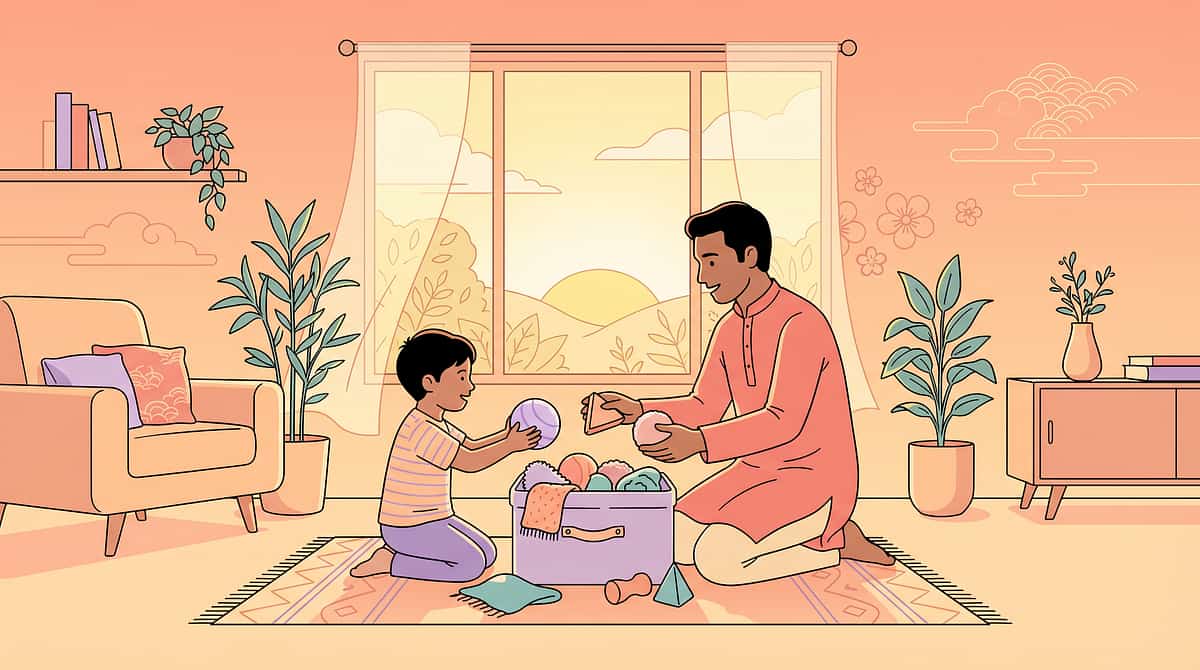
Step 6 of 6
Step 6 — Gentle Ending
How you end a session is just as important as how you begin it. Abrupt endings create negative associations. Your child should finish in a positive, regulated state — so they want to come back tomorrow. Duration: 2–3 minutes.
"We're going to finish with [material name] now. One more time? Press the button... WONDERFUL! You did such a great job today. [Material name] is going to sleep now."
Cool-Down Activities
- Slowly put the material away together (ritual closure)
- Transition to gentle rocking, deep pressure, or quiet music
- Offer a preferred comfort item or activity
- Brief proprioceptive input: gentle squeeze, compression hug
Your Consistent Transition Cue
Use the same phrase every single time: "All done with [material]! Great job! What's next?"
Consistency in closure builds predictability. Predictability reduces anxiety. Over time, this phrase itself becomes a regulating cue — your child will learn that "all done" means safety and comfort, not loss.
Variation: High-Energy Children
Add a brief movement break between session end and the next activity — 60 seconds of jumping, spinning, or clapping. Discharge the activation energy before transitioning to a calm activity.
Variation: Children Who Resist Ending
Use a visual timer (sand timer or digital) from the START of the session so the child sees "time is running out." The timer, not you, becomes the agent of ending — reducing the emotional charge.
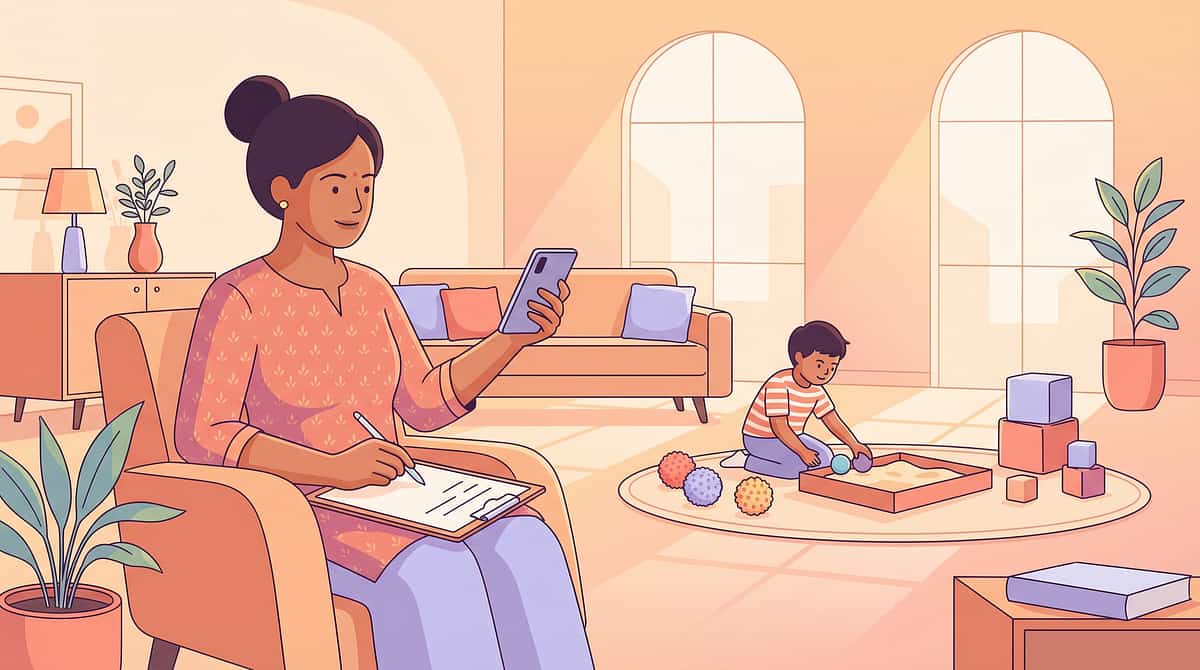
📊 Log Today's Session (2 Minutes)
"What gets measured gets improved. Three weeks of data transforms guessing into knowing. When you bring this log to your Pinnacle therapist, they can see exactly where your child is and adjust the clinic protocol to match your home progress."
Date and Material
Today's date (auto-fill) + Material used: choose from the 9 categories. Which sensory channel did you use today?
Session Duration
5 min / 10 min / 15 min / 20 min. Note the total time from invitation to cool-down.
Successful Activations
0 / 1–3 / 4–8 / 8+. Count only activations where the child appeared aware of the effect — not purely mechanical presses.
Level of Assistance
Full hand-over-hand / Partial guidance / Independent. Track guidance fading over time — this is your most important progress metric.
Engagement and Detection
Child's engagement: High / Moderate / Low / Refused. Did you observe the "contingency detection" moment? Yes / No / Unsure. Free-text notes.
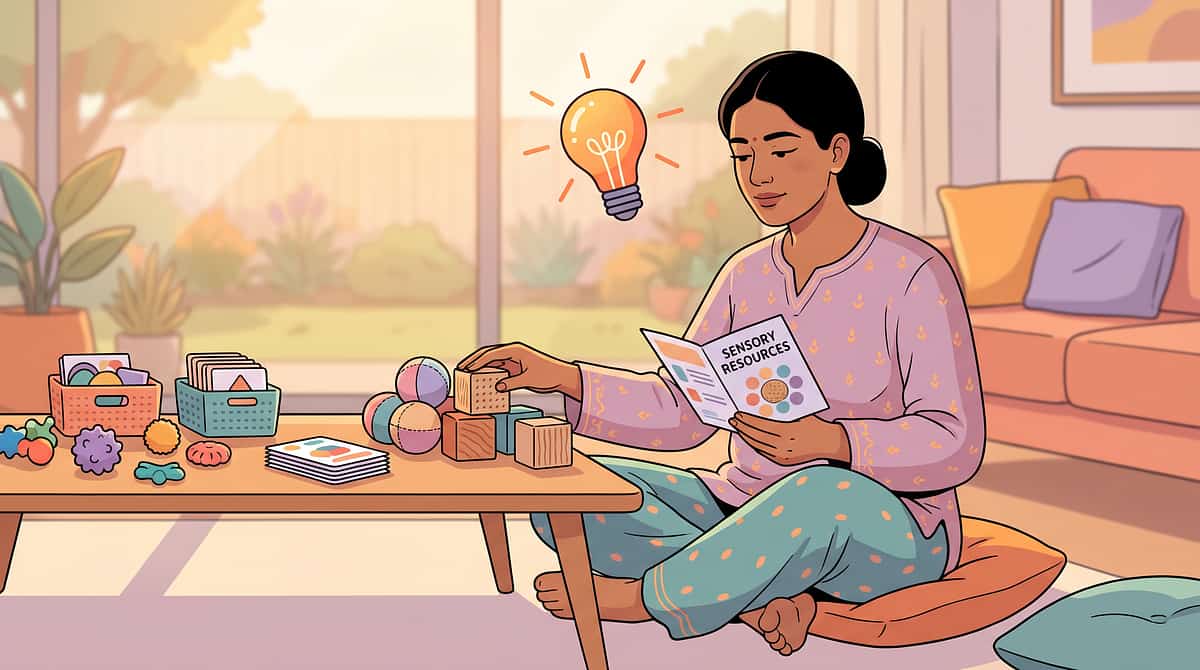
It's Not Working? Here's Why — And What to Do
Troubleshooting is not failure — it's advanced parenting. Every child requires a different entry point. If your first approach isn't producing results, the solution is almost always a simple adjustment rather than a protocol change.
"My child won't touch the material at all."
Solution: Don't require touching. Place the material where the child's existing movements will accidentally activate it (in front of a kicking foot, next to a flailing arm). Let accidental activation create the first cause-effect experience.
"My child activates it but doesn't seem to notice the effect."
Solution: Increase the drama. Use materials with BIGGER effects — louder sounds, brighter lights, more movement. The effect must be salient enough to break through the child's attention threshold.
"My child gets upset when the toy makes noise."
Solution: Switch to visual-only effects (light-up toys with sound off, ball drops). Build tolerance to auditory effects gradually by starting at very low volume and increasing over weeks.
"My child just wants to mouth or throw the material."
Solution: This IS exploration — just not cause-effect exploration yet. Allow mouthing briefly, then redirect: "It goes in your hand. Press HERE." Throwing can be redirected: "Oh! You made it GO! Now let's make it do THIS..."
"My child does it with me but won't do it alone."
Solution: Fade guidance gradually: full hand-over-hand → hand on wrist → hand on elbow → touching shoulder → just sitting nearby. This can take weeks. That's completely normal.
"We've been doing this for 2 weeks and I see no change."
Solution: This is NORMAL for weeks 1–2. Review the Week 1–2 expectations. If no change by week 4, contact your Pinnacle therapist for protocol adjustment. No change ≠ no progress.
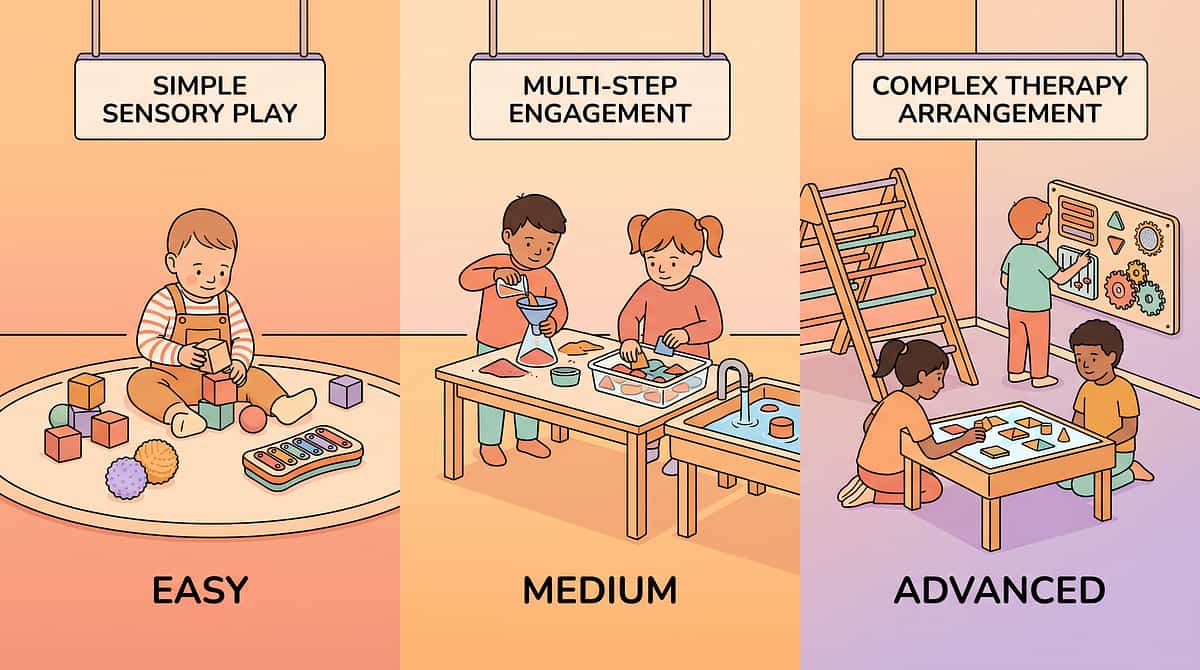
Make It Yours: Personalisation Guide
No two children are the same. This protocol is a starting framework — your job is to sculpt it around your child's unique profile. Here is how to adapt across difficulty level, sensory profile, and age.
Easier (Bad Days / Beginners)
- ONE material per session
- Accept any contact as success
- Full hand-over-hand guidance
- Session length: 5 minutes
- 1–3 activations is a win
Standard (Most Days)
- 1–2 materials per session
- Aim for independent activation
- Guidance only when needed
- Session length: 10–15 minutes
- 3–8 activations
Harder (Great Days / Advanced)
- Choice between 2–3 materials
- Introduce action variations
- Chain two cause-effect actions
- Session length: 15–20 minutes
- Encourage experimentation
For Sensory Seekers
Your child loves intense input. Use the LOUDEST drums, the BRIGHTEST lights, the BIGGEST splash. These children thrive on maximum effect — lean into it.
For Sensory Avoiders
Use silent visual effects (light-up toys on mute), gentle water play, soft pop-up toys. Build intensity gradually over weeks — never skip ahead.
For Motor-Challenged Children
Use switch-adapted toys, large activation surfaces. Position materials where the child's strongest movement can activate them — head, elbow, foot, or knee.
Ages 6–12 Months
Rattles, simple light-up toys, peek-a-boo games
Ages 12–24 Months
Busy boards, ball drops, bubble machines
Ages 24–36 Months
Marble runs, water play, cause-effect apps
Ages 36–48 Months
Complex chains, prediction games, delayed-effect toys

The Progress Arc
Weeks 1–2: The Foundation Phase
What You MAY See
- Increased tolerance — child allows the material nearby without protest
- Brief attention — child looks at the effect for 1–3 seconds
- Accidental activation — random movements happen to produce an effect, and they startle or look
- Guided activation — child allows hand-over-hand guidance without resistance
What Is Not Progress YET (and That's OK)
- Independent activation without guidance
- Deliberate repetition of the action
- Anticipation of the effect before acting
- Verbal acknowledgement of cause-effect
Realistic Metric: "If your child tolerates the material for 3 seconds longer than last week — that is real progress."
"You may feel impatient. You may doubt this is working. That doubt is normal. Trust the process — 20 million therapy sessions at Pinnacle have validated this timeline is real. Neural pathways don't build overnight. They build through repetition."

The Progress Arc
Weeks 3–4: The Bridge Is Forming
Weeks 3 and 4 often bring the first unmistakable signs that something is shifting. These moments can be subtle — a look of expectation, a reach before you've offered the toy — but they represent genuine neural pathway formation.
Anticipatory Excitement
Your child looks excited when they SEE the material come out — before it's even activated. The brain has stored "material = exciting effect." This is memory-based anticipation.
Reaching Before Prompting
They begin to reach FOR the material before you present it. Intentionality is emerging — the child is initiating, not just responding.
First Independent Repetitions
They start to activate it 2–3 times without prompting. This is the first sign of intentional cause-effect. Document this moment precisely — date, material, number of repetitions.
Social Referencing
They look at YOU after the effect, as if to say "Did you see what I did?" This is shared attention PLUS cause-effect combined — a pivotal developmental milestone.
The indicator most parents miss: The child who picks up the rattle and looks at it expectantly BEFORE shaking it. That's anticipation. That's a neural pathway forming. That's everything. Now increase to 2–3 short sessions per day and begin fading physical guidance.

The Progress Arc
Weeks 5–8: Mastery Emerging
By weeks 5–8, most children who have received consistent daily practice are demonstrating measurable, observable mastery across the five core targets. This is the phase where the therapy room and the real world begin to blur — in the best possible way.
✅ Independent Activation
No guidance needed — the child activates cause-effect materials independently and deliberately.
✅ Experimentation
Different force, different angle, different hand — the child is running their own experiments on cause and effect.
✅ Anticipation
Looks at the effect location BEFORE activating. The brain is predicting — planning has begun.
✅ Preference and Choice
Chooses certain materials over others. Choice = agency. Agency = the foundation of self-determination.
Generalisation Indicators
- Presses light switches in the house (unprompted)
- Tries to operate remote controls, faucets, door handles
- Understands that crying/pointing CAUSES a response from caregivers
- Experiments with objects not designed as cause-effect toys
🏆 Mastery Unlocked
Badge Criteria: Independent activation + Variation + Anticipation + Generalisation to at least ONE non-therapy context.

🎉 You Did This.
"Your child pressed a button — and the world changed. Not just the toy. The WORLD. Because the moment a child understands that they can cause things to happen, they become an agent in their own life. That light turning on was more than a light. It was the beginning of communication, problem-solving, independence, and self-determination."
"You did this. You set up the space. You chose the material. You guided their hand. You celebrated their discovery. You showed up every day. Your child grew because of your commitment."
Family Celebration Suggestion: Take a video of your child independently activating their favourite cause-effect toy. Watch it together as a family. This is a developmental milestone — it deserves to be documented and celebrated like one.
📸 Journal Prompt: "The first time [child's name] independently _____________ was on _____________. I felt _____________."
🚨 When to Pause and Seek Professional Help
These red flags are not reasons for panic — they are precise clinical signals that the home protocol needs professional augmentation. Recognising them early leads to faster adjustment and better outcomes.
🚩 No Response by 12 Months
If your child shows no response to cause-effect toys by 12 months — no startling, no attending, no interest — consult a developmental specialist. This is an early identification threshold, not a diagnosis.
🚩 Loss of Previously Established Skills
If your child WAS activating cause-effect toys and has STOPPED, document when the skill was lost and contact your paediatrician immediately. Regression warrants urgent professional review.
🚩 Persistent Distress Across ALL Materials
If every material category produces crying, covering ears/eyes, or attempts to leave — despite gradual introduction and modifications — this signals a need for professional sensory assessment.
🚩 Perseverative Activation Without Awareness
100+ presses with no eye contact to the effect, no variation, no emotional response — mechanical activation without awareness. This is a qualitatively different pattern that requires clinical attention.
🚩 No Improvement After 8 Weeks
If you've implemented 2–3 daily sessions with varied materials for 8 weeks and see none of the Week 1–2 indicators. This doesn't mean hope is lost — it means the protocol needs professional adjustment.
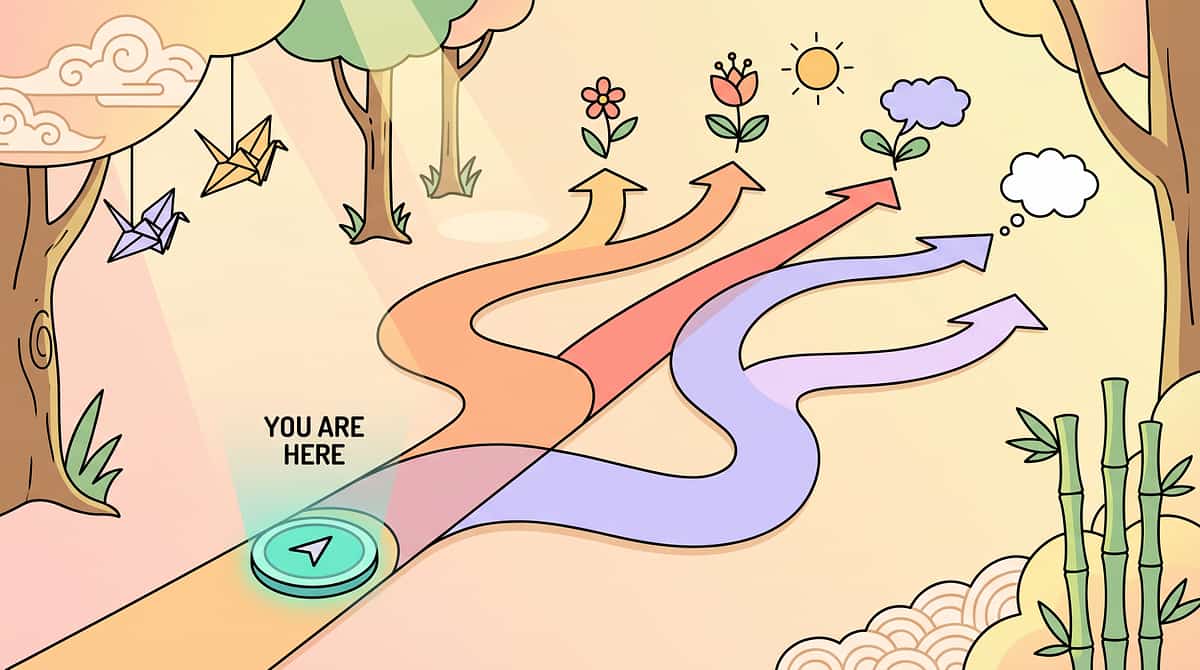
Your Child's Learning Journey — Where This Goes Next
Cause-effect understanding is not the destination — it is the launchpad. Here is exactly where your child has been, where they are now, and where the pathway leads from here.
Long-Term Goal: This technique feeds directly into the Learning and Academic Readiness Index — one of GPT-OS®'s seven readiness domains tracking a child's progress toward functional independence.
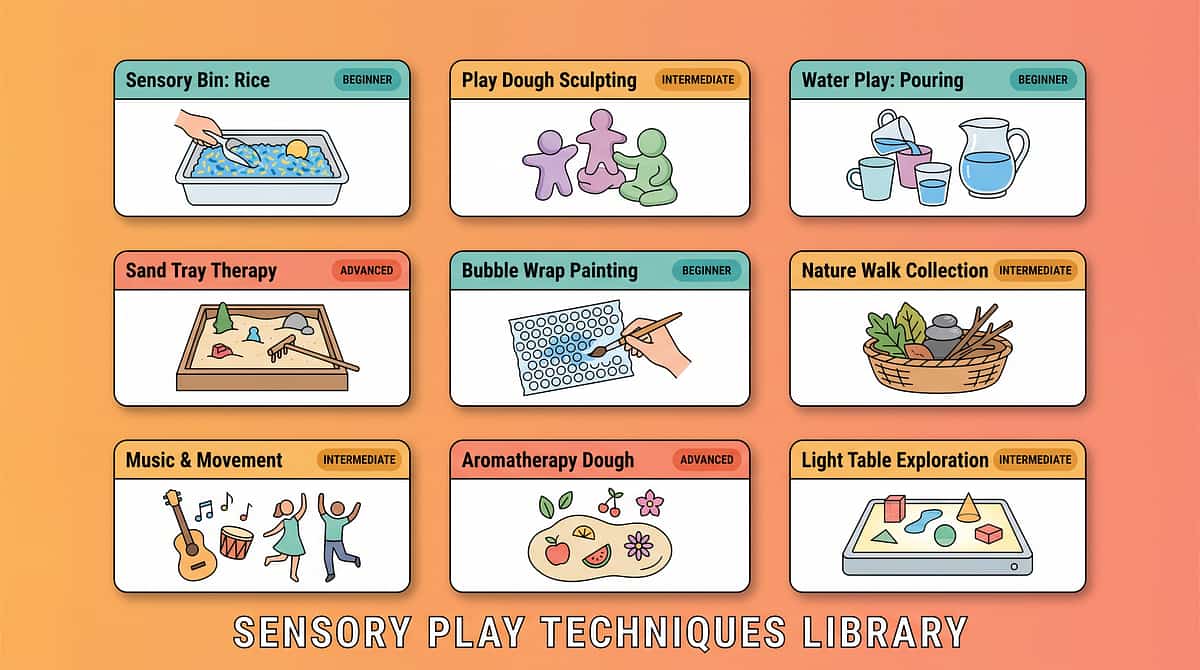
Related Techniques in Your Child's Journey
Cause-effect understanding sits at a powerful intersection in the developmental map. These six techniques are the closest neighbours — each one either leads into, flows from, or runs alongside the work you are doing right now.
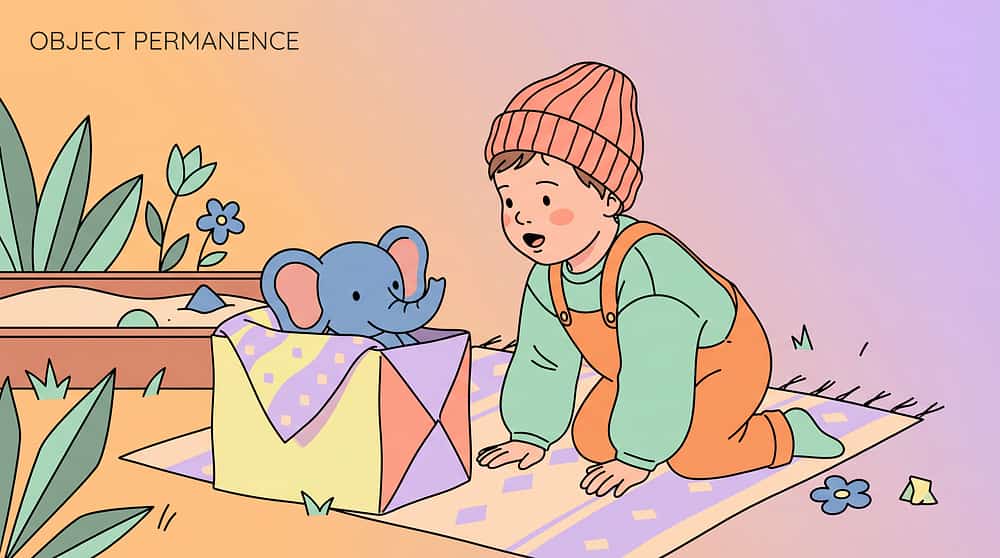
B-146: Teaching Object Permanence
Understanding that things exist even when hidden — a key prerequisite for cause-effect. If not yet mastered, start here.
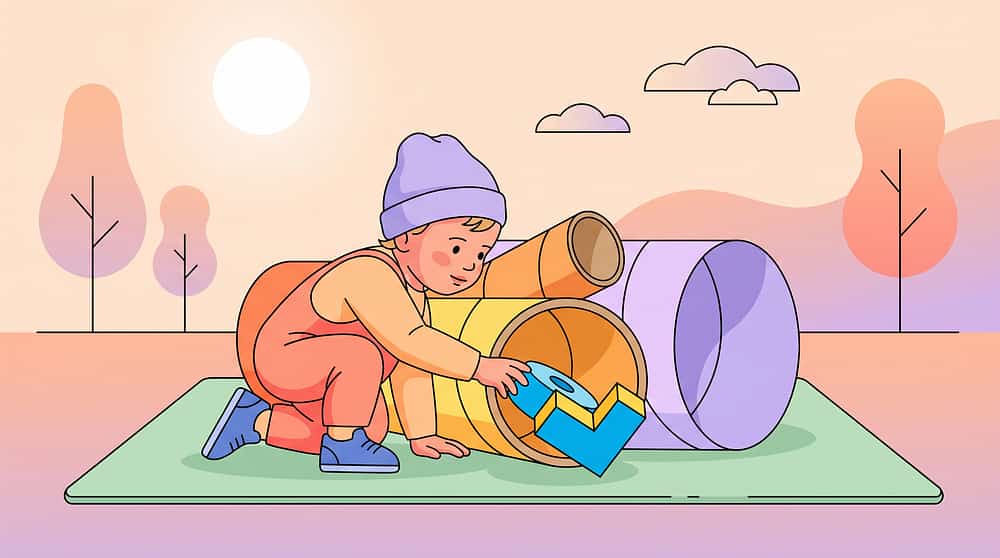
B-148: Means-End Problem Solving
Using cause-effect knowledge to solve problems — the next cognitive level. The natural progression after mastery of B-147.
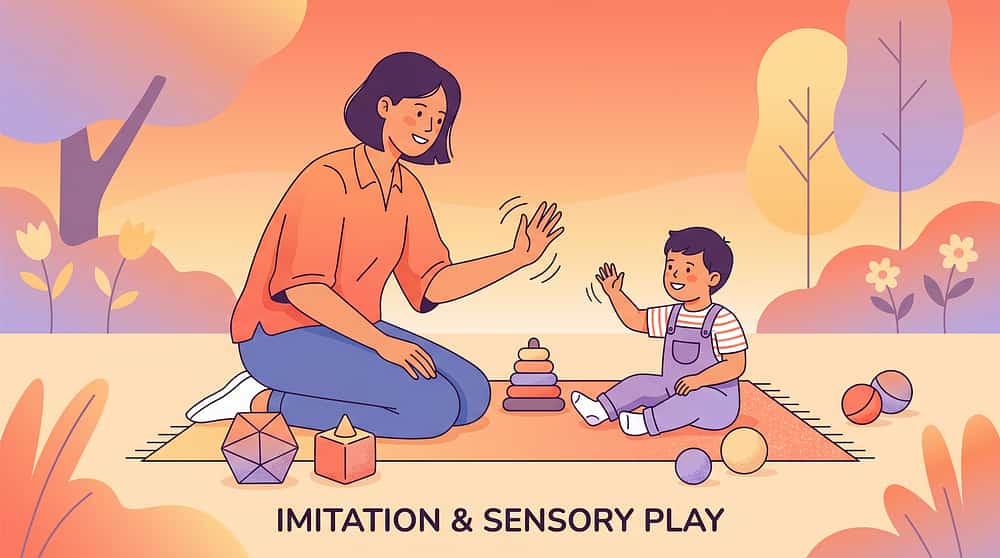
B-149: Imitation Skills
Copying actions to reproduce effects seen in others — builds on cause-effect understanding and accelerates learning across all domains.
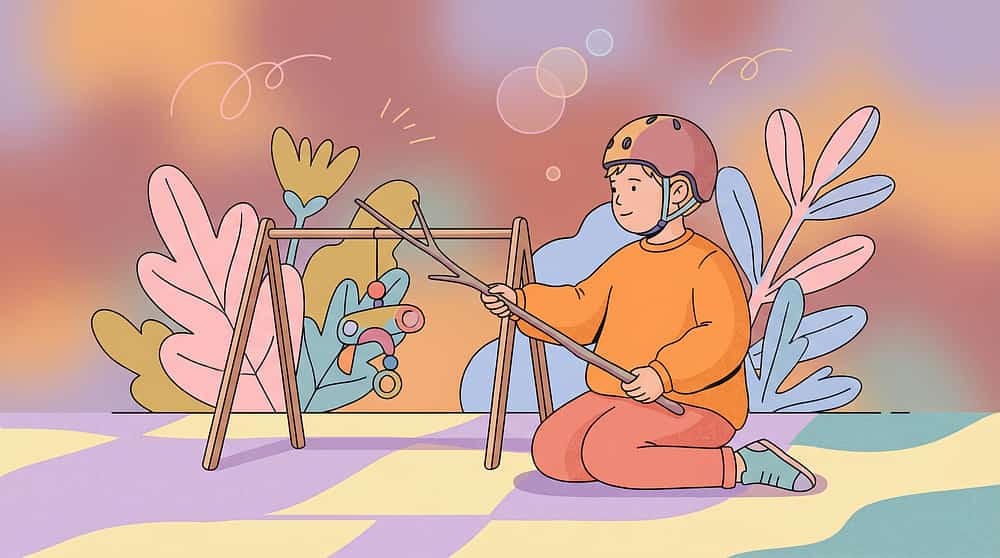
B-155: Tool Use Development
Using objects as tools to cause effects on other objects — an advanced extension of the cause-effect principle into problem-solving contexts.
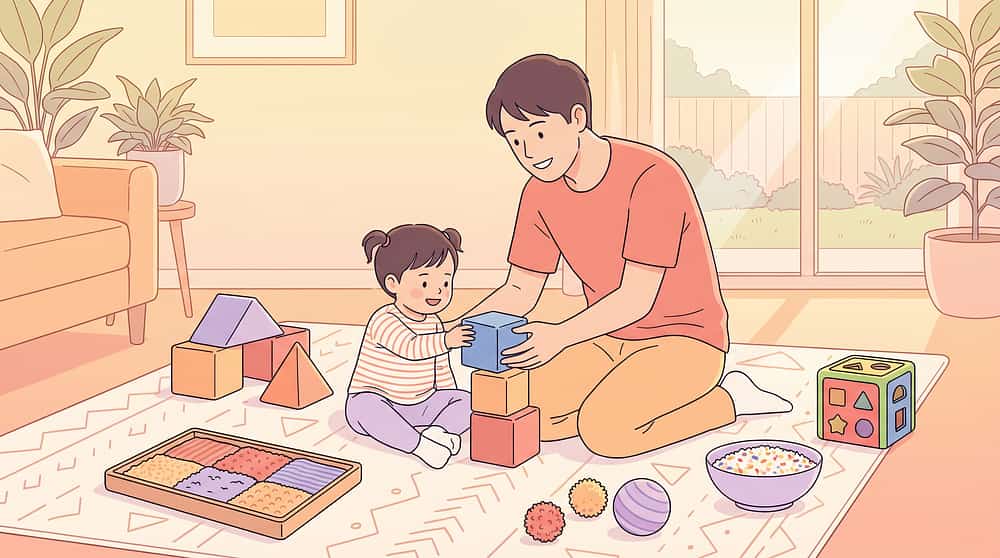
K-903: Therapy Carryover at Home
How to extend clinic-based cause-effect learning into your daily routine so that therapy happens all day, not just in sessions.
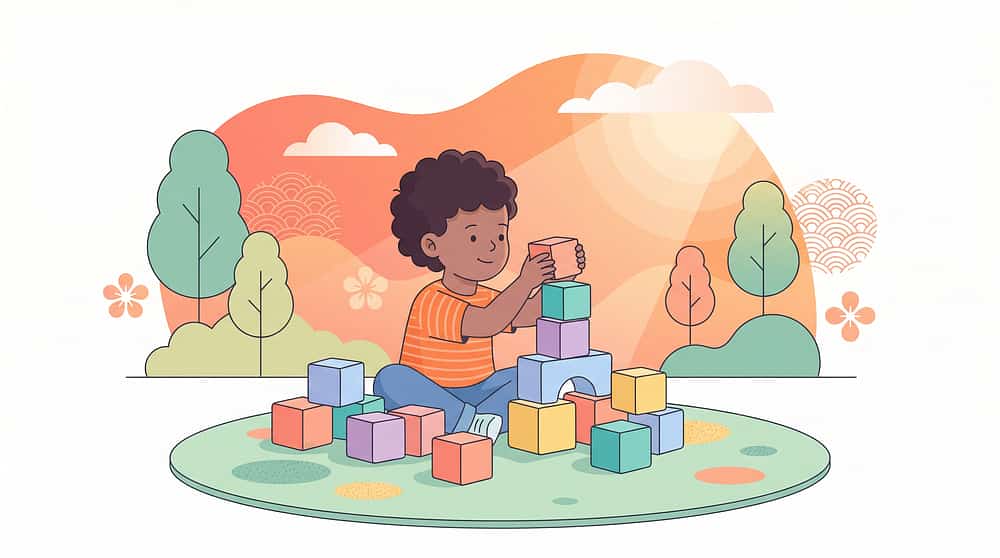
K-925: Building Learning Foundations
The complete guide to the cognitive skills that precede academic learning — the broader context in which cause-effect sits.
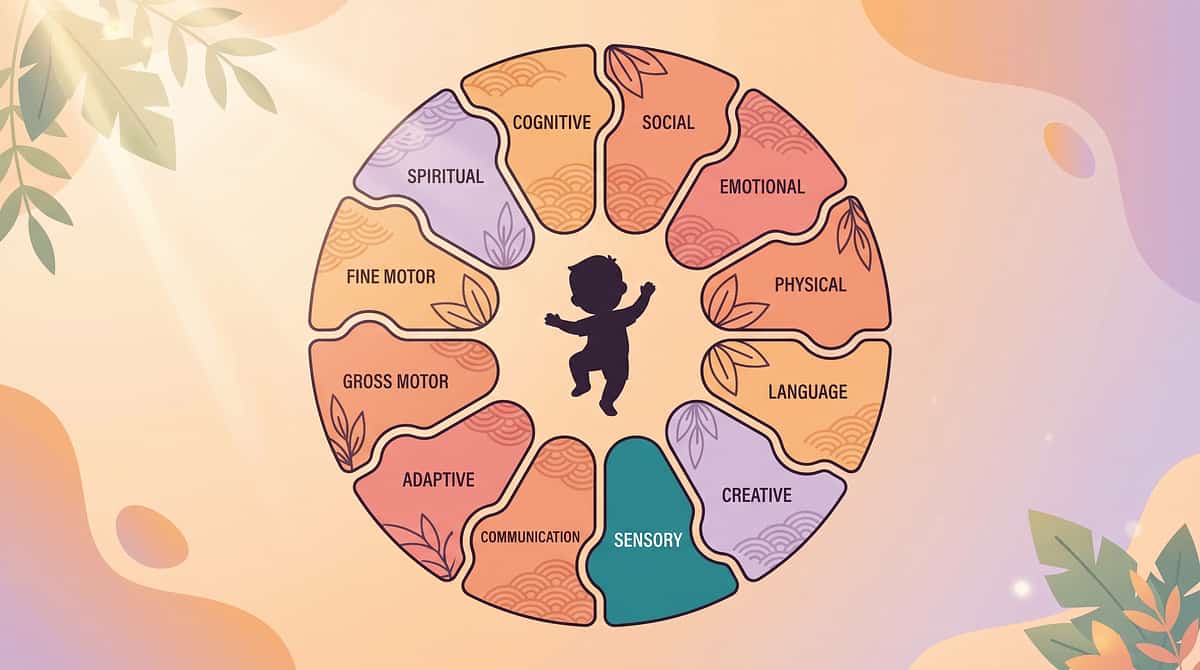
Where Cause-Effect Sits in the Complete Developmental Picture
Cause-effect understanding is not an isolated skill. It is one node in a 12-domain system — and it sends ripples across every other domain. Understanding the full map helps you see why this single technique has such outsized developmental impact.
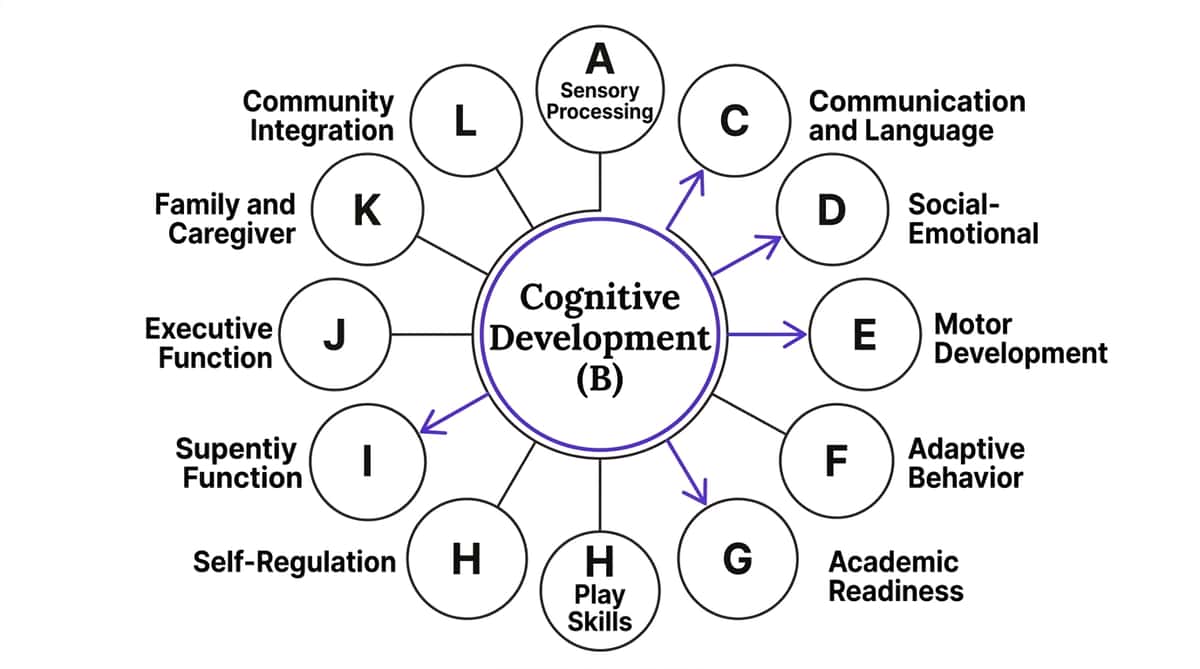
"You're not just teaching your child to press a button. You're building the cognitive infrastructure for everything that follows. Cause-effect understanding enables communication (Domain C), drives motor exploration (Domain E), supports self-regulation (Domain I), and is the foundation of academic learning (Domain G)."
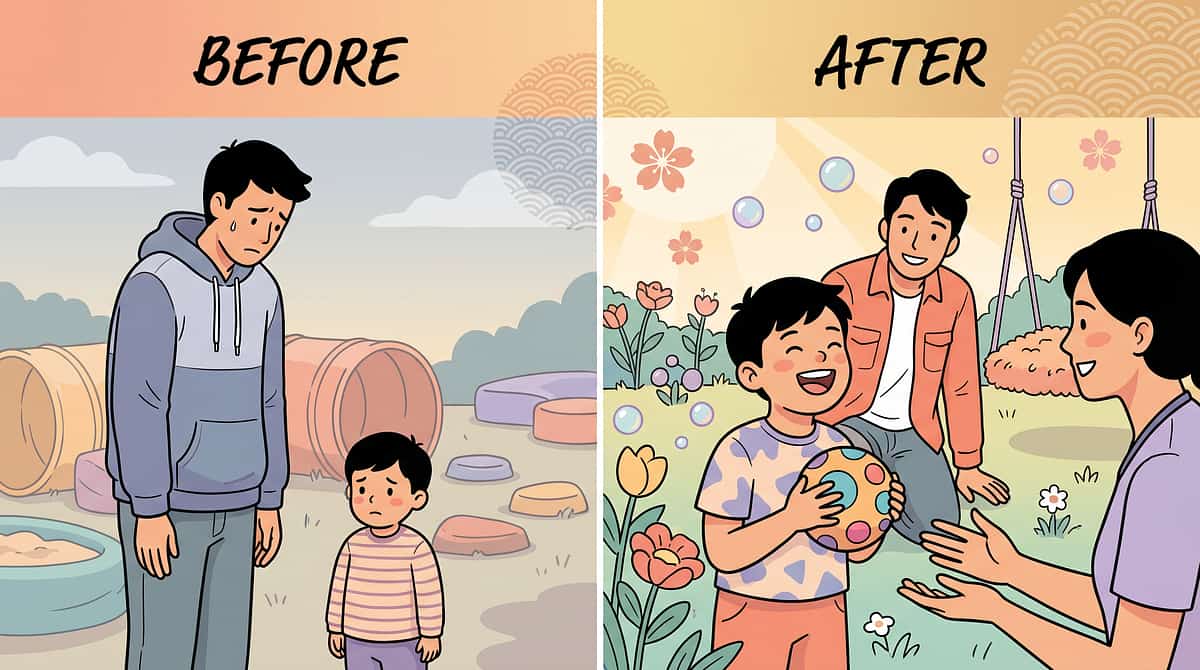
Real Families. Real Progress.
"He KNEW He Did That."
Hyderabad
"The first time he pressed the button and looked up at me with that smile — he KNEW he did that. Everything changed from that moment. Now he presses every button in the house. The TV remote, the elevator, the doorbell. My mother-in-law is not thrilled, but I've never been happier."
— Parent, Pinnacle Blooms Network, Hyderabad
Bangalore
"We started with the bubble machine switch. For three weeks, nothing. Then one Tuesday morning, she pressed the switch and — before any bubbles even appeared — she looked at the machine. She EXPECTED the bubbles. That anticipation was the breakthrough our therapist said to watch for."
— Parent, Pinnacle Blooms Network, Bangalore
Rural Andhra Pradesh
"The DIY version worked for us. We couldn't afford the fancy toys. So we used a flashlight and a box. Press the button, light fills the box. Our son did it 50 times that first day. His Pinnacle therapist cried when we showed her the video."
— Parent, Pinnacle Blooms Network, Rural Andhra Pradesh
Illustrative cases. Individual outcomes vary based on child profile, consistency of implementation, and professional guidance. Names omitted for privacy.
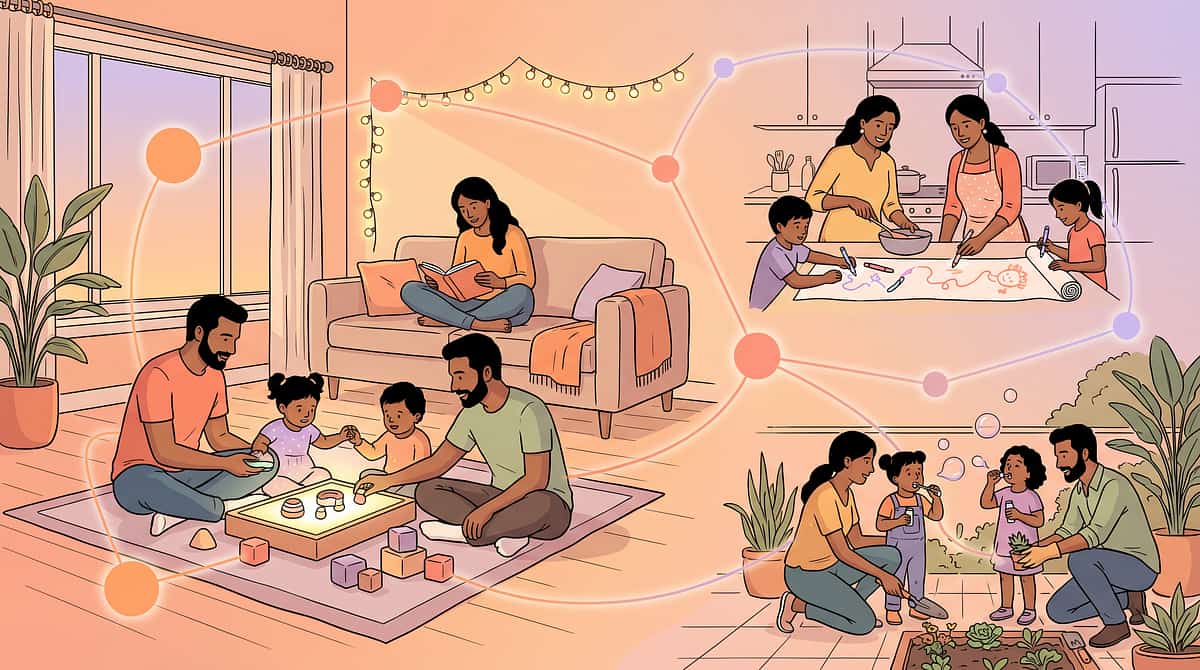
You Don't Have to Do This Alone
Parenting a child with developmental differences is a profoundly community-powered journey. The parent who figured out that their child responds better to water play than light-up toys — that insight is worth more than any textbook. Connect with those parents.
Pinnacle Parent WhatsApp Community
Connect with thousands of parents navigating the same challenges in real time. Share victories, troubleshoot setbacks, and find solidarity at any hour of the day.
Pinnacle Parent Facebook Group
A curated, moderated space for longer-form sharing — questions answered by both peers and Pinnacle-affiliated professionals.
Local Pinnacle Parent Meets
Monthly in-person gatherings at your nearest centre. Meeting families face-to-face changes everything — these are the relationships that sustain long-term progress.
"Consistency across caregivers multiplies impact. When grandparents, spouses, teachers, and nannies all understand cause-effect intervention, your child's learning happens 24/7."

80+ Pinnacle Blooms Centres Across India
"Every centre has trained occupational therapists, speech-language pathologists, ABA therapists, and special educators who can assess your child's cause-effect understanding and design a personalised intervention plan — from your home data through to clinical protocol."
AbilityScore® Assessment
Comprehensive developmental baseline — a universal developmental score (0–1000) that tracks your child's position across all 12 domains.
Cognitive Development Profile
Specific cause-effect assessment within the COG-CE subdomain — telling you exactly which stage your child has reached and precisely what to target next.
EverydayTherapyProgramme™
Daily home activities designed specifically for your child — translating your clinical plan into practical, family-ready sessions like the ones on this page.
FusionModule™
Coordinated multi-disciplinary intervention — OT, SLP, ABA, Special Education, and NeuroDev working from a single converged pathway for your child.
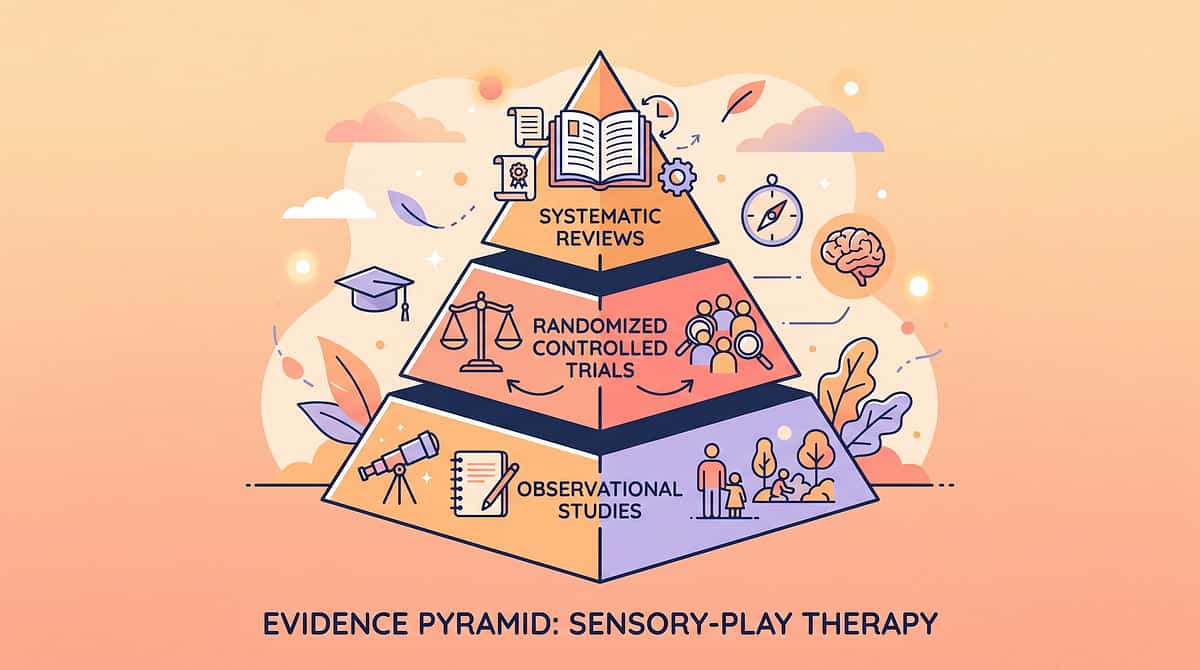
The Science That Powers This Page
This page is built on a converging body of evidence from developmental psychology, neuroscience, occupational therapy, applied behaviour analysis, and international public health. Here is the full research index with direct access to source material.
Study | Finding | Reference | |
PRISMA Systematic Review (2024) | 16 articles confirm sensory-cognitive integration meets evidence-based practice criteria for children with ASD | ||
Meta-Analysis — World J Clin Cases (2024) | 24 studies: structured cause-effect intervention effective for cognitive skills, adaptive behaviour, motor skills | ||
WHO CCD Package Implementation (2023) | Care for Child Development implemented across 54 countries — cause-effect activities are core components | ||
Piaget J. (1952) | The Origins of Intelligence in Children — foundational framework for cause-effect developmental stages | Classic text | |
Bates E. et al. (1979) | The Emergence of Symbols — established cause-effect as prerequisite for intentional communication | Classic text | |
Lancioni G. et al. (2007) | Switch-adapted cause-effect intervention evidence for persons with multiple disabilities | Assistive Technology | |
Frontiers Integrative Neuroscience (2020) | Neurological basis for sensory processing and cognitive intervention in ASD | ||
Indian Journal of Pediatrics (2019) | Indian RCT — home-based sensory intervention safety and efficacy protocols | ||
WHO Nurturing Care Framework (2018) | Early identification and parental awareness directly impact developmental outcomes from pregnancy to age 3 | ||
NCAEP Evidence-Based Practices (2020) | Video modelling classified as evidence-based practice for autism; multi-modal learning improves parent skill acquisition | NCAEP Report |
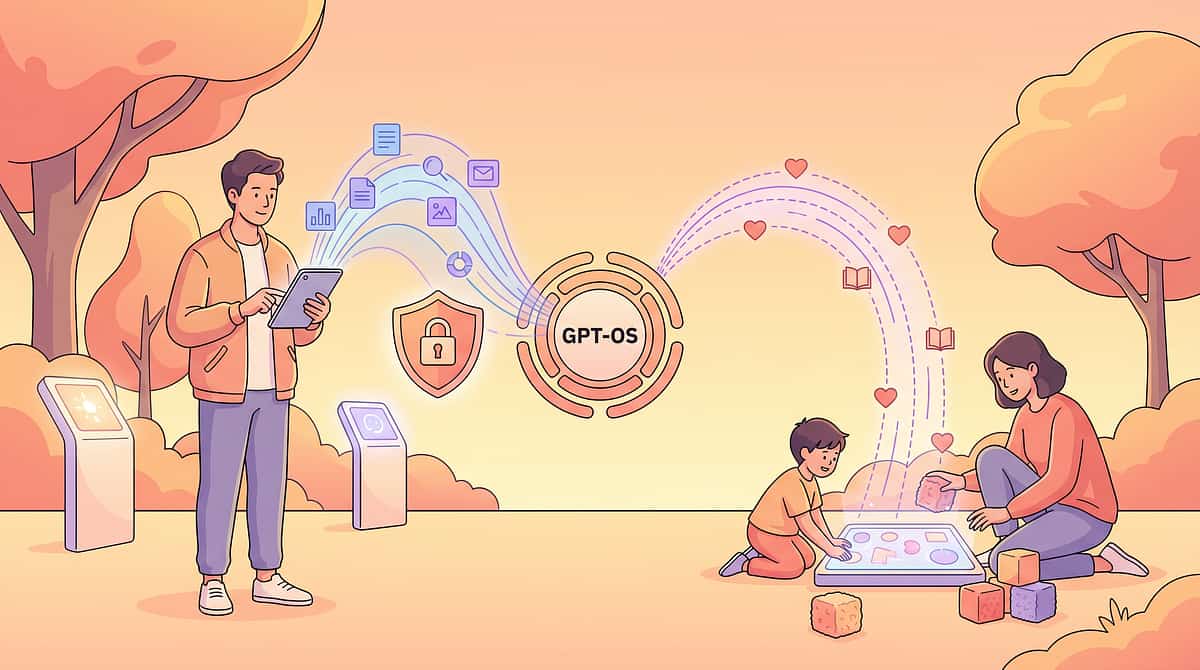
Powered by GPT-OS® — Global Paediatric Therapeutic Operating System
"This page was generated through GPT-OS®, the end-to-end operating system governing diagnosis, prognosis, therapy design, execution, monitoring, and readiness outcomes in child development — as one closed, accountable system."
1
Diagnostic Intelligence Layer
591+ structured observations across 349 skills and 79 developmental abilities — producing a precise developmental map for every child.
2
AbilityScore® and Prognosis Engine
Patented universal developmental score (0–1000). Trajectory predictions powered by 20M+ real therapy sessions across 80+ centres.
3
TherapeuticAI® and EverydayTherapyProgramme™
Determines therapy focus, intensity, and sequencing — then translates clinical plans into daily home activities families can actually implement.
4
FusionModule™ and Closed-Loop Control
Coordinates speech, OT, behaviour, special education, and medical inputs. Observation → Score → Plan → Execute → Re-Measure → Adapt.
20M+
1:1 Sessions
97%+
Measured Improvement
80+
Centres
160+
Countries with Patents Filed
"This is not software. This is therapeutic infrastructure."
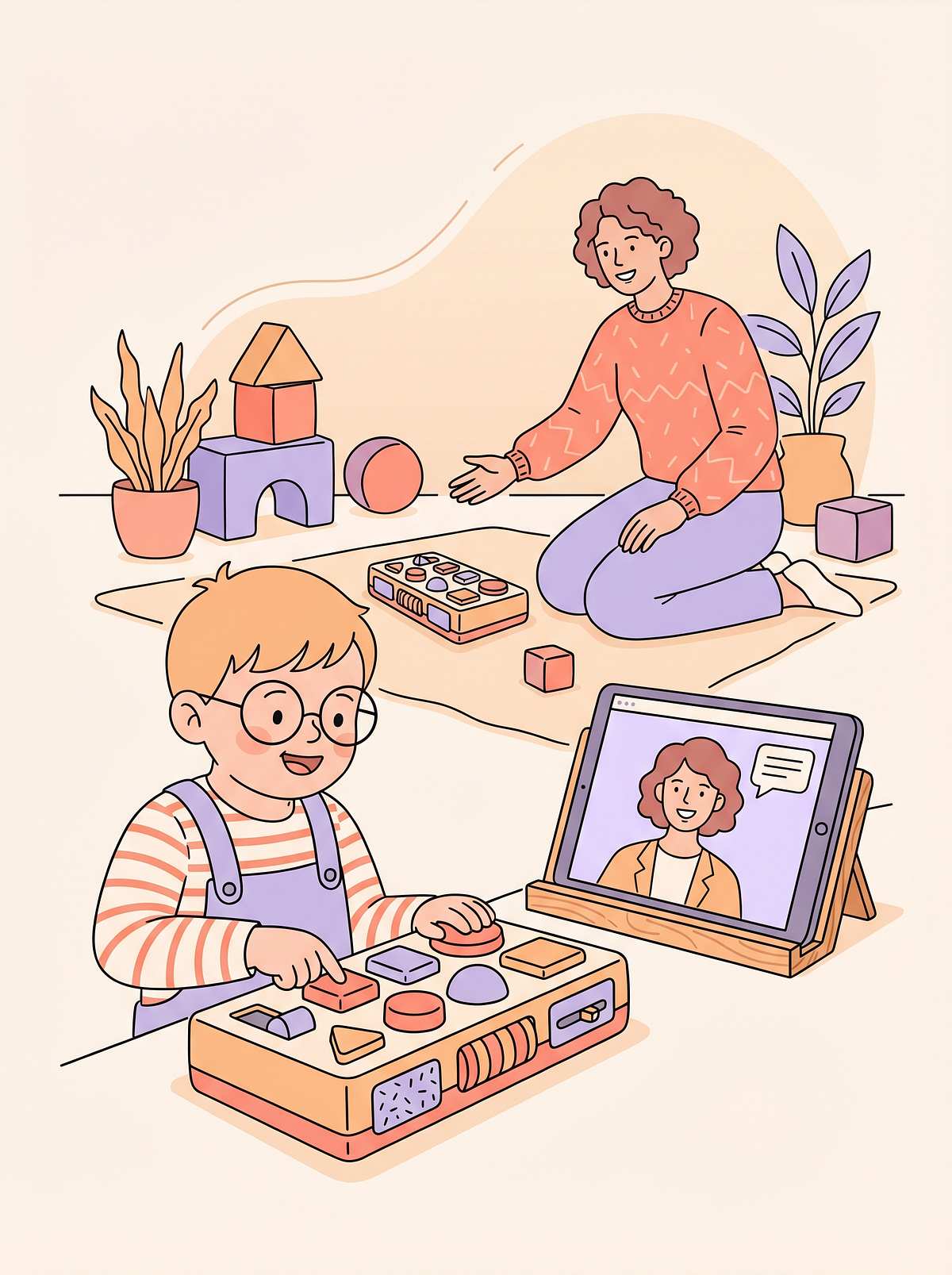
▶️ Watch: 9 Materials That Help Building Cause and Effect
Watch a Pinnacle therapist demonstrate each of the 9 materials in action — with real children discovering the power of "I Did That!" in a 75-second reel designed for parents, families, and caregivers.
Reel ID: B-147
Foundational Cognitive Skills Series — Episode 147
Duration: 75 Seconds
Domain: Cognitive Development — Cause-Effect Understanding
Reel Contents
Hook → 9 Materials Demonstrated → CTA → GPT-OS® → Real-World Evidence → Pinnacle Platform → Disclaimer
NCAEP (2020): Video modelling is classified as evidence-based practice for autism. Multi-modal learning improves parent skill acquisition — watching reinforces reading.

Share This With Every Caregiver in Your Child's Life
"If only one parent executes this technique, it is limited. When grandparents, spouses, teachers, and nannies all understand cause-effect intervention, your child's learning happens 24/7. Consistency across caregivers multiplies impact."
Share Now
Downloadable Resources
Grandparent Version (Simplified): "[Child's name] is learning that their actions make things happen. When you see them press a button on a toy and a light turns on — celebrate! Say 'YOU did that!' The more people who say this, the faster the learning happens."
WHO CCD Package: Multi-caregiver training is critical for intervention generalisation. PMC9978394
Your Questions, Answered
These are the questions Pinnacle therapists hear most often from parents at exactly the stage you're at now. Clear, honest, clinically grounded answers — no jargon.
At what age should my child understand cause and effect?
Most children begin showing cause-effect awareness between 4–8 months (primary circular reactions). By 12 months, most intentionally repeat actions to produce effects. If your child hasn't reached these milestones, early intervention can build these pathways — the brain remains highly plastic across the 0–4 year window.
How many sessions per day should we do?
2–3 short sessions (5–15 minutes each) spread throughout the day. Frequency matters more than duration. A 5-minute session after breakfast and another after nap is more effective than one 30-minute session. Distributed practice builds stronger neural pathways.
Which material should we start with?
Start with the material your child is MOST motivated by. For most children, bubbles or light-up toys are universally engaging. If your child is auditory-sensitive, start with visual-only materials (light-up toys, ball drops) and introduce sound gradually over weeks.
Can we use household items instead of buying therapy materials?
Yes — absolutely and unequivocally. See the DIY Alternatives card for complete zero-cost options. The therapeutic principle is action → effect, regardless of whether it's a ₹1,500 therapy toy or a flashlight and a cardboard box.
My child has been diagnosed with severe autism. Will this work?
Cause-effect intervention has been validated across the full autism spectrum, including children with significant intellectual disability. The approach may need modification (switch-adapted toys, longer periods of hand-over-hand guidance), but the principle applies universally. Start simpler, celebrate smaller wins, and be patient with the timeline.
Should I stop if my child gets frustrated?
Mild frustration can be productive — it drives problem-solving. But if frustration escalates to distress, pause and switch to a calming activity. Never push through a meltdown. The session that ends calmly is always more valuable than the session that extracts one more repetition.
How do I know this is actually building brain pathways?
Watch for the anticipation moment — when your child looks at where the effect will appear BEFORE they activate the material. That is visible evidence of a neural pathway forming. You are watching the brain build itself in real time.
Can my Pinnacle therapist help customise this for my child?
Absolutely. Bring your session logs to your next appointment. Your therapist can adjust the materials, difficulty level, guidance fading strategy, and reinforcement schedule based on your home data — making the home and clinic protocols converge precisely.

Your Child's "I Did That!" Moment Starts Today
You arrived on this page wondering why your child doesn't seem to connect action with outcome. You leave equipped with the neuroscience, the materials list, the step-by-step protocol, eight weeks of progress milestones, and the knowledge that 20 million therapy sessions have validated exactly this path. The only remaining step is to begin.
"Every neural pathway your child will ever build starts with one action. Today, that action is yours."
OT
SLP
ABA
SpEd
NeuroDev
FREE National Autism Helpline: 📞 9100 181 181 (16+ languages • 24/7) | pinnacleblooms.org
Preview of 9 materials that help building cause and effect Therapy Material
Below is a visual preview of 9 materials that help building cause and effect therapy material. The pages shown help educators, therapists, and caregivers understand the structure and content of the resource before use. Materials should be used under appropriate professional guidance.




Link copied!
From Fear to Mastery. One Technique at a Time.
Pinnacle Blooms Consortium
OT • SLP • ABA • SpEd • NeuroDev
"You arrived on this page wondering why your child doesn't seem to understand that their actions matter. You leave knowing the neuroscience, holding the materials list, equipped with the protocol, and armed with 8 weeks of progress milestones. Your child's journey from passive observer to active agent starts now."
Explore More Techniques
Next Recommended
Return to Top
Medical Disclaimer: This content is educational and does not replace assessment by a licensed developmental specialist or therapist. Intervention approaches should be individualised based on comprehensive assessment. Results vary based on individual factors. Consult qualified professionals for personalised guidance.
© 2025 Pinnacle Blooms Network®, unit of Bharath Healthcare Laboratories Pvt. Ltd. All rights reserved.
CIN: U74999TG2016PTC113063 | DPIIT: DIPP8651 (Govt. of India) | GSTIN: 36AAGCB9722P1Z2
Built by Mothers. Engineered as a System. Powered by GPT-OS®.
techniques.pinnacleblooms.org | FREE National Autism Helpline: 9100 181 181